Dr inż. Agnieszka Jończyk laureatką konkursu dla młodych badaczy

Agnieszka Jończyk, wins award in competition for early-career researchers

The researcher will investigate the potential use of dairy industry by-products and bovine colostrum to produce valuable feed for cattle. The research is funded by the National Science Centre under the MINIATURA 10 call.

The aim of the project is to determine whether fermentation using lactic acid bacteria can enable the effective utilisation of dairy industry by-products, including milk permeate and bovine colostrum, to produce a valuable feed material for cattle.

The project, entitled “Targeted microbial fermentation of dairy industry by-products and bovine colostrum as a means of producing multifunctional feed for cows – characterisation of the physicochemical and microbiological properties of the products obtained”, is being carried out as part of the MINIATURA 10 call organised by the National Science Centre. Funding of PLN 49,944 has been awarded for the project.

Agnieszka Jończyk, PhD, Eng is a member of the Embryo Biology Team at the InLife Institute The MINIATURA competition is aimed at researchers at an early stage of their scientific careers and supports the implementation of individual research activities that may provide a basis for developing a future research project. Funding under the competition can be awarded only once.

Read more

Dr inż. Agnieszka Jończyk laureatką konkursu dla młodych badaczy

Dr inż. Agnieszka Jończyk laureatką konkursu dla młodych badaczy

Naukowczyni zbada możliwość wykorzystania produktów ubocznych przemysłu mleczarskiego i siary bydlęcej do produkcji wartościowej paszy dla krów. Badania są finansowane przez Narodowe Centrum Nauki w ramach konkursu MINIATURA 10.

Celem projektu jest sprawdzenie, czy fermentacja z wykorzystaniem bakterii kwasu mlekowego pozwoli na efektywne wykorzystanie produktów ubocznych przemysłu mleczarskiego, w tym permeatu mlecznego i siary bydlęcej, do produkcji wartościowego materiału paszowego dla bydła.

Projekt „Ukierunkowana fermentacja mikrobiologiczna produktów ubocznych przemysłu mleczarskiego i siary bydlęcej jako droga do uzyskania wielofunkcyjnej paszy dla krów – charakterystyka właściwości fizykochemicznych i mikrobiologicznych uzyskanych produktów” jest realizowany w ramach konkursu MINIATURA 10 Narodowego Centrum Nauki. Na jego realizację przyznano 49 944 zł dofinansowania.

Dr inż. Agnieszka Jończyk pracuje w Zespole Biologii Zarodka Instytutu InLife. Konkurs MINIATURA jest skierowany do osób na wczesnym etapie kariery naukowej i ma na celu wsparcie realizacji pojedynczych działań naukowych, które mogą stanowić podstawę do przygotowania przyszłego projektu badawczego. W ramach konkursu można otrzymać dofinansowanie tylko raz.

Read more

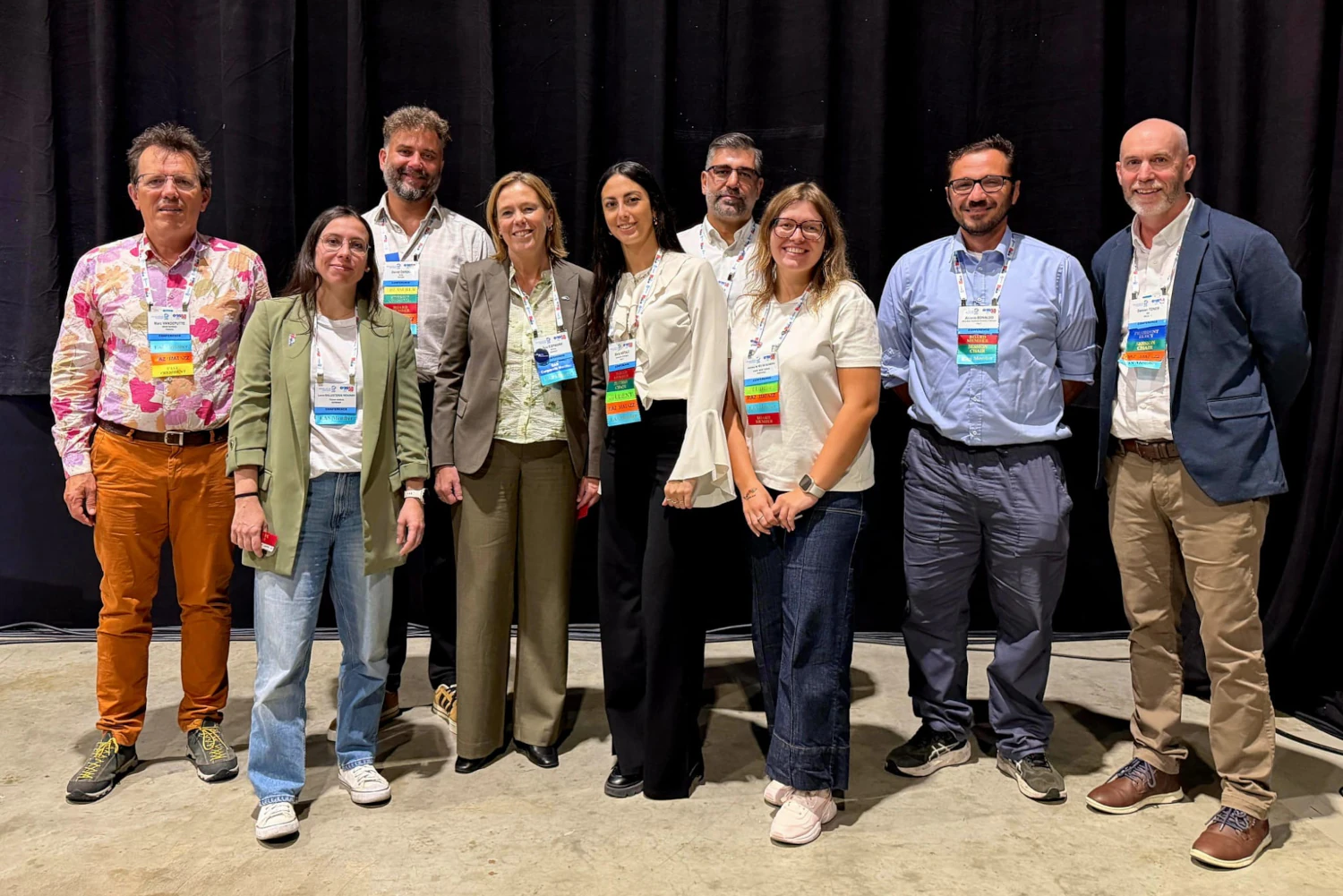
Walne Zgromadzenie EAS 2026 - Daniel Żarski

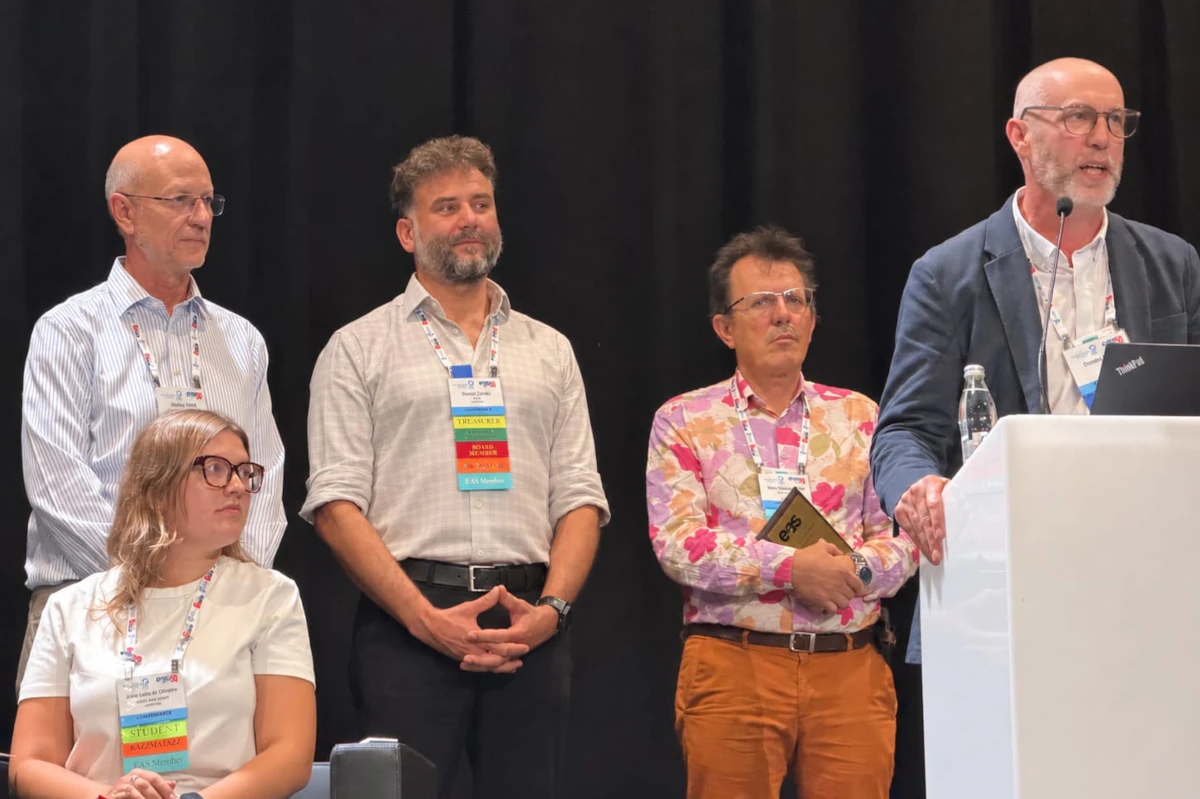
Dr. Daniel Żarski Elected President-Elect of the European Aquaculture Society

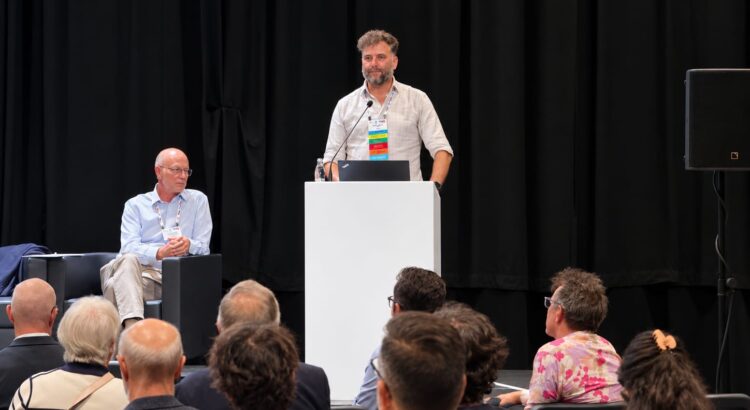
Professor at the InLife Institute and Head of the Fish Reproduction and Development Research Team at our Institute has been elected President-Elect of the European Aquaculture Society (EAS). In 2028, he will take office as President of EAS – one of the leading European organizations bringing together scientists, producers and representatives of the aquaculture sector.

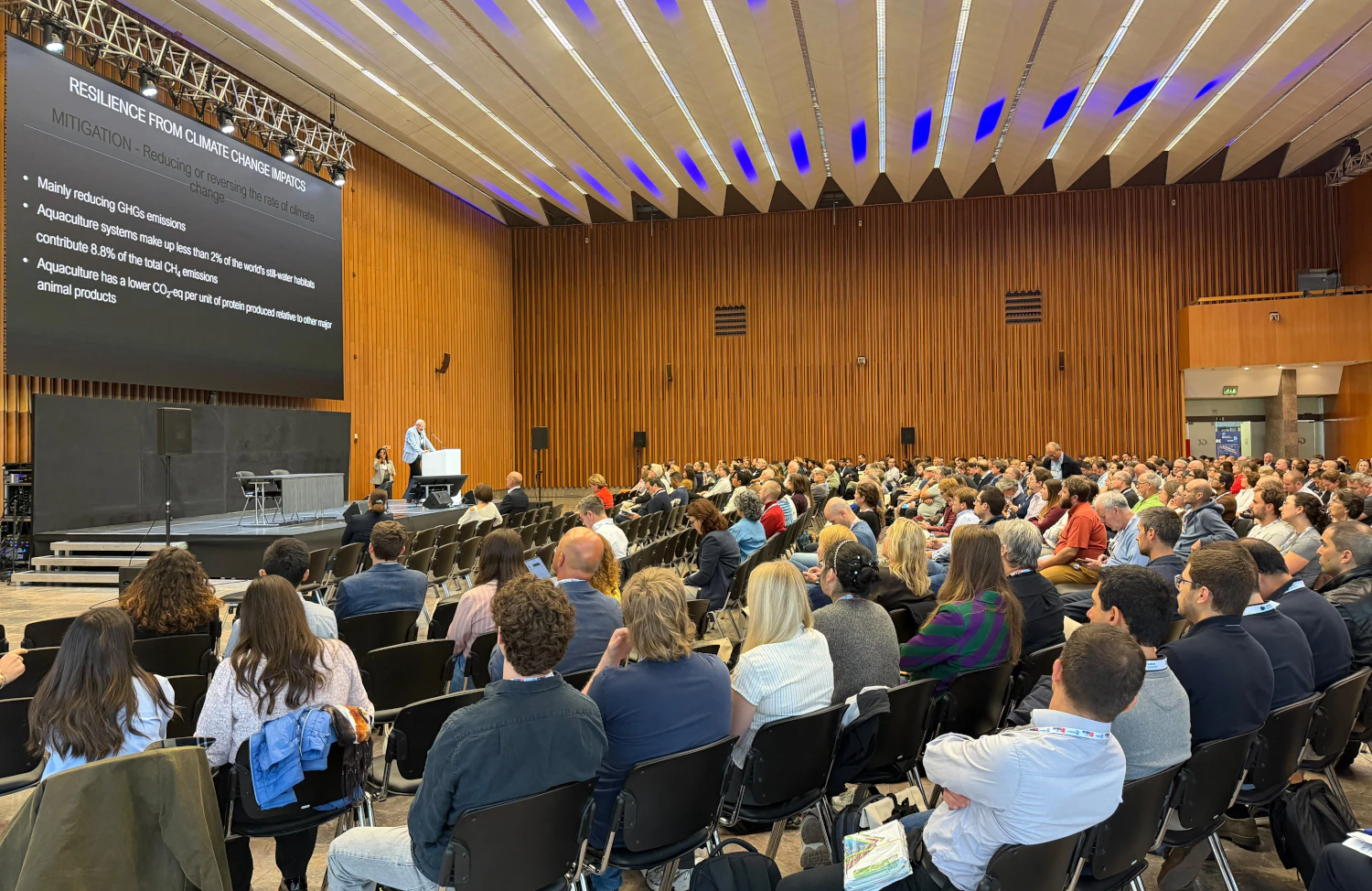
The decision was approved during the EAS General Assembly, held in Ljubljana during the Aquaculture Europe 2026 conference.

The election of Dr. Daniel Żarski, DSc, is a recognition of his longstanding commitment to the aquaculture community, as well as his experience and scientific achievements. At the same time, his new role will create further opportunities to promote internationally the Institute’s research activities in the fields of aquaculture and fish biology.

– Being entrusted by the European aquaculture community with the future leadership of the organization is both a tremendous distinction and a great responsibility. It is a community that brings together science, industry, producers and the next generation of aquaculture professionals across Europe. The opportunity to help shape its future is extremely valuable to me – says Dr. Daniel Żarski, DSc.

Important challenges ahead for European aquaculture

The new role means not only prestige, but above all responsibility for further developing cooperation within the European aquaculture community.

– One of the most important tasks will be to support the development of the sector and seek answers to the challenges currently facing European aquaculture. These include, among others, public perception of aquaculture and an increasingly complex regulatory environment. We need a reliable, science-based narrative that demonstrates both the potential and the challenges facing modern aquaculture – says Daniel Żarski.

– Supporting the younger generation of scientists and professionals is also an important area. They will shape the future of European aquaculture. I would like EAS to provide a space not only for presenting research findings, but also for building connections, exchanging ideas and developing new initiatives – he adds.

The election of a representative of the InLife Institute as EAS President-Elect confirms the strong position of Polish science within the European aquaculture community and creates new opportunities for developing the Institute’s international cooperation.

About EAS

The European Aquaculture Society is a non-profit organization that has been operating since 1976. Its aim is to foster contacts between individuals and institutions involved in marine and freshwater aquaculture, facilitate the exchange of information, support interdisciplinary research, and strengthen cooperation between public authorities, the scientific community and the commercial sector.

Photo: Ana Visković, EAS (aquaeas.eu)

Read more
Walne Zgromadzenie EAS 2026 - Daniel Żarski

Dr hab. Daniel Żarski z nową rolą w europejskim stowarzyszeniu akwakultury

Profesor Instytutu InLife, kierownik Zespołu Rozrodu i Rozwoju Ryb w naszym Instytucie, został Prezydentem-Elektem European Aquaculture Society (EAS). W 2028 roku obejmie funkcję Prezydenta EAS – jednej z głównych europejskich organizacji skupiających naukowców, producentów i przedstawicieli sektora akwakultury.

Decyzja została zatwierdzona podczas Walnego Zgromadzenia EAS, które odbyło się w Lublanie, podczas konferencji Aquaculture Europe 2026.

Wybór dr. hab. Daniela Żarskiego to docenienie jego wieloletniego zaangażowania w działalność społeczności akwakultury, doświadczenia oraz dorobku naukowego. Jednocześnie nowa funkcja otwiera kolejne możliwości promowania na arenie międzynarodowej działalności badawczej z zakresu akwakultury i biologii ryb prowadzonej w Instytucie.

– Powierzenie mi przez europejską społeczność akwakultury przyszłego kierowania organizacją jest dla mnie zarówno ogromnym wyróżnieniem, jak i wielką odpowiedzialnością. To społeczność łącząca naukę, przemysł, producentów oraz kolejne pokolenie specjalistów w dziedzinie akwakultury w całej Europie. Możliwość współtworzenia jej przyszłości jest dla mnie niezwykle cenna – mówi dr hab. Daniel Żarski.

Przed europejską akwakulturą ważne wyzwania

Nowa funkcja oznacza nie tylko prestiż, ale przede wszystkim odpowiedzialność za dalszy rozwój współpracy europejskiego środowiska akwakultury.

– Jednym z najważniejszych zadań będzie wspieranie rozwoju tego sektora oraz poszukiwanie odpowiedzi na problemy, z którymi obecnie mierzy się europejska akwakultura. A są to,  m.in. społeczne postrzeganie akwakultury i coraz bardziej złożone otoczenie regulacyjne. Potrzebujemy rzetelnego przekazu opartego na wiedzy naukowej, który pokaże zarówno potencjał, jak i wyzwania stojące przed współczesną akwakulturą – mówi Daniel Żarski.

– Ważnym obszarem jest także wsparcie młodego pokolenia naukowców i specjalistów. To oni będą decydować o przyszłości europejskiej akwakultury. Chciałbym, aby EAS tworzyło przestrzeń nie tylko do prezentowania wyników badań, ale także do nawiązywania kontaktów, wymiany pomysłów i rozwijania nowych inicjatyw – dodaje.

Wybór przedstawiciela Instytutu InLife na Prezydenta-Elekta EAS potwierdza silną pozycję polskiej nauki w europejskim środowisku akwakultury i stwarza nowe możliwości rozwijania międzynarodowej współpracy Instytutu.

____________

O EAS

European Aquaculture Society jest organizacją non-profit działającą od 1976 roku. Jej celem jest rozwijanie kontaktów pomiędzy osobami i instytucjami związanymi z akwakulturą morską i słodkowodną, ułatwianie wymiany informacji, wspieranie interdyscyplinarnych badań oraz wzmacnianie współpracy pomiędzy administracją, środowiskiem naukowym i sektorem komercyjnym.

Foto: Ana Visković, EAS (aquaeas.eu)

Read more
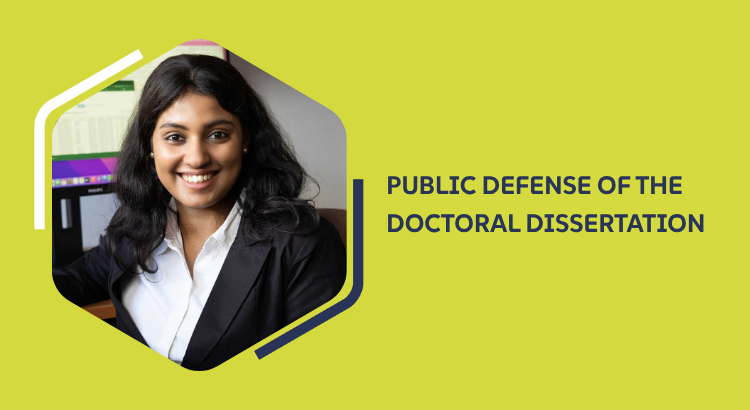
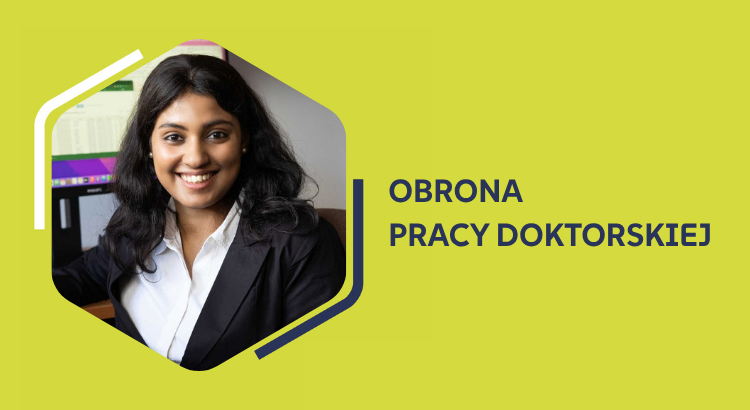
Info graphic: PhD defense of Ranjini Ghosh Dastidar, featuring her portrait photo.

Defense of the doctoral thesis of Ranjini Ghosh Dastidar, M.Sc.

The DIRECTOR and the SCIENTIFIC COUNCIL of the InLife Institute of Animal Reproduction and Food Research, Polish Academy of Sciences in Olsztyn, have the honor to invite you to the public defense of the doctoral dissertation for the degree of Ph.D. in agricultural sciences, discipline of food technology and nutrition:

Ranjini Ghosh Dastidar, M.Sc.

“A Dynamic Regulatory Model of In Vivo Vitamin D Responsiveness: From Transcriptomic Discovery to Systems Identification in Human Immune Cells”

The defense will take place on November 17th, 2026, at 10:00 a.m. (CET) via ZOOM platform.

Supervisor:

Prof. Carsten Carlberg, ERA chair, Nutrigenomics Team, InLife Institute of Animal Reproduction and Food Research, Polish Academy of Sciences.

Reviewers:

  • Prof. dr hab. inż. Agata Urszula Chmurzyńska, Uniwersytet Przyrodniczy w Poznaniu;
  • Dr hab. inż. Adam Kuzdraliński, Polsko-Japońska Akademia Technik Komputerowych w Warszawie;
  • Dr hab. inż. Tomasz Sawicki, Uniwersytet Warmińsko-Mazurski w Olsztynie.

The doctoral dissertation and dissertation reviews are available on the BIP Institute website. The doctoral dissertation is also available at the Director’s Office, InLife Institute of Animal Reproduction and Food Research PAS, Trylinskiego Str. 18 in Olsztyn.

Those wishing to participate in the public defense are asked to send an email to the Secretary of the Doctoral Committee, Mariusz Jankowski, at: m.jankowski@pan.olsztyn.pl.

In the reply e-mail, you will receive an access link to the defense. Logging in to the meeting will be possible from 9:30 a.m., and the defense will start at 10:00 a.m. CET.

Chair of the Scientific Council
Prof. Urszula Gawlik

Read more

Grafika informacyjna: Obrona pracy doktorskiej mgr Ranjini Ghosh Dastidar z jej zdjęciem portretowym.

Obrona pracy doktorskiej mgr Ranjini Ghosh Dastidar

DYREKTOR i RADA NAUKOWA InLife Instytutu Rozrodu Zwierząt i Badań Żywności PAN mają zaszczyt zaprosić na publiczną obronę rozprawy doktorskiej na stopień doktora nauk rolniczych w dyscyplinie technologia żywności i żywienia:

mgr Ranjini Ghosh Dastidar

pt. „A Dynamic Regulatory Model of In Vivo Vitamin D Responsiveness: From Transcriptomic Discovery to Systems Identification in Human Immune Cells”

Obrona odbędzie się w dniu 17 listopada 2026 r. o godz. 10:00 w trybie online na platformie ZOOM.

Promotor:

Prof. Carsten Carlberg, Era chair, Zespół Nutrigenomiki, InLife Instytut Rozrodu Zwierząt i Badań Żywności PAN.

Recenzenci:

  • Prof. dr hab. inż. Agata Urszula Chmurzyńska, Uniwersytet Przyrodniczy w Poznaniu;
  • Dr hab. inż. Adam Kuzdraliński, Polsko-Japońska Akademia Technik Komputerowych w Warszawie;
  • Dr hab. inż. Tomasz Sawicki, Uniwersytet Warmińsko-Mazurski w Olsztynie.

Z rozprawą doktorską i recenzjami rozprawy doktorskiej można zapoznać się na stronie BIP Instytutu. Rozprawa doktorska jest również dostępna w sekretariacie Instytutu w Olsztynie, przy ul. Trylińskiego 18.

Osoby chcące wziąć udział w publicznej obronie proszone są o wysłanie zgłoszenia na adres sekretarza Komisji Doktorskiej, mgr Mariusza Jankowskiego, mail: m.jankowski@pan.olsztyn.pl.

W mailu zwrotnym otrzymają Państwo link do obrony. Logowanie do publicznej obrony będzie możliwe od godz. 9:30, a obrona rozpocznie się o godz. 10:00.

Przewodnicząca Rady Naukowej
Prof. dr hab. Urszula Gawlik

Read more

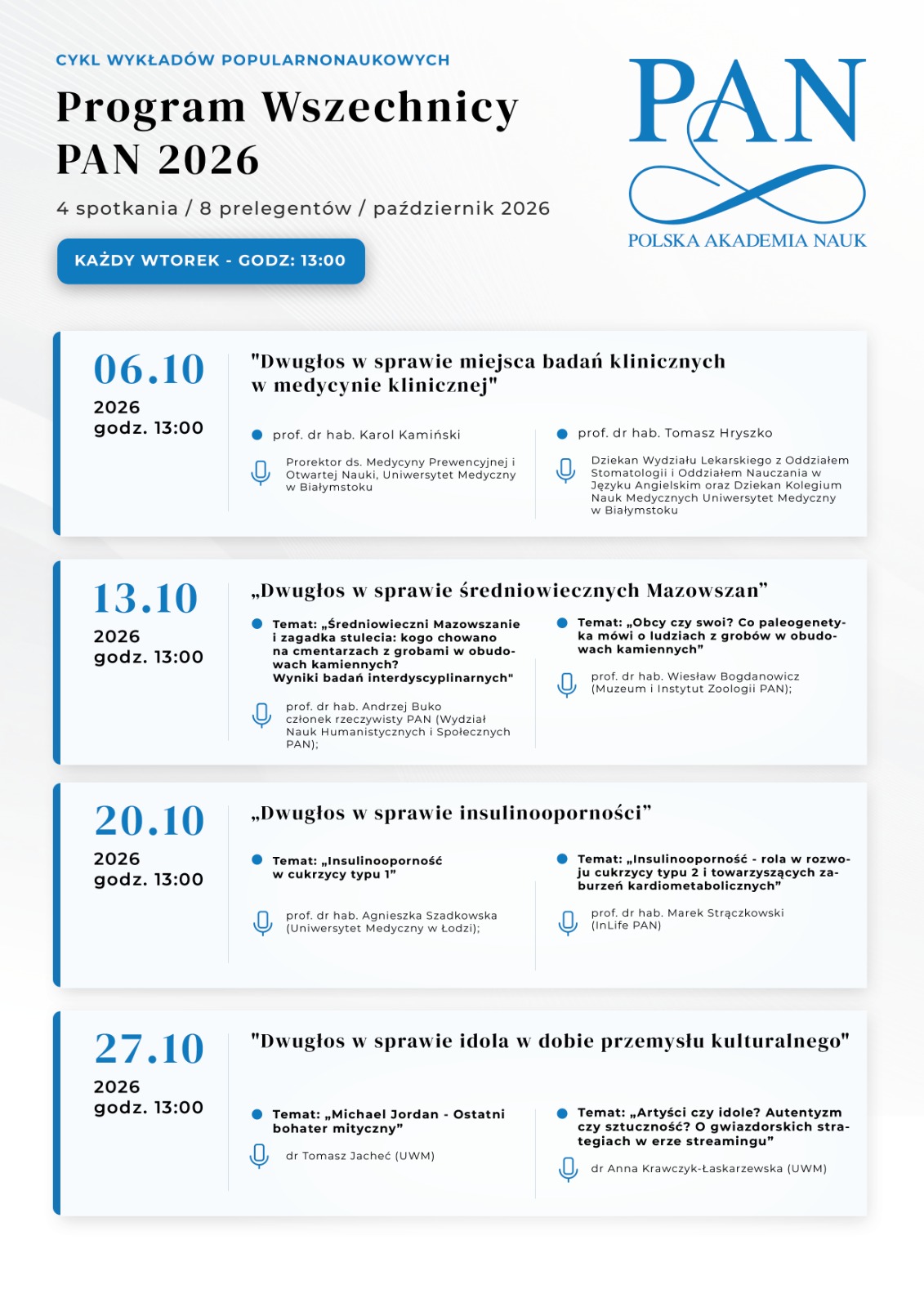
Rusza Wszechnica PAN 2026! Zapraszamy na wykłady

Już w październiku zapraszamy na cykl czterech popularnonaukowych spotkań Wszechnicy PAN. W programie różnorodne tematy, osiem głosów i wiele okazji do spojrzenia na naukę z różnych perspektyw.Będzie m.in. o medycynie i badaniach klinicznych, średniowiecznych Mazowszanach i paleogenetyce, insulinooporności oraz fenomenie współczesnego idola.

Każde spotkanie to „dwugłos” – dwie perspektywy i przestrzeń do dyskusji.

Wszystkie spotkania będą transmitowane na żywo na Facebooku.

Szczegółowe informacje: https://wszechnicapan.pl/

Transmisje będą dostępne na fanpage’u Oddziału PAN w Olsztynie i Białymstoku.

Linki do poszczególnych spotkań znajdą Państwo na stronie Oddziału.

Terminy:

6, 13, 20 i 27 października 2026 r.,
godz. 13.00

Read more

Dni Nauki i Sztuki z udziałem naukowczyń InLife

Science and Art Days with InLife Researchers

The future microcosm, elixirs of youth and giving packaging a second life – these were the topics explored during workshops led by InLife researchers as part of the 24th Olsztyn Science and Art Days, held under the theme “Future 2.0: People, Technology, Nature.”

The event, organized by the Kortosfera Center for Science and Innovation Popularization, offered an opportunity to discover science from a practical perspective.

This was another collaboration between the InLife Institute and Kortosfera, united by a shared goal: promoting science and making it accessible to audiences in an engaging and easy-to-understand way.

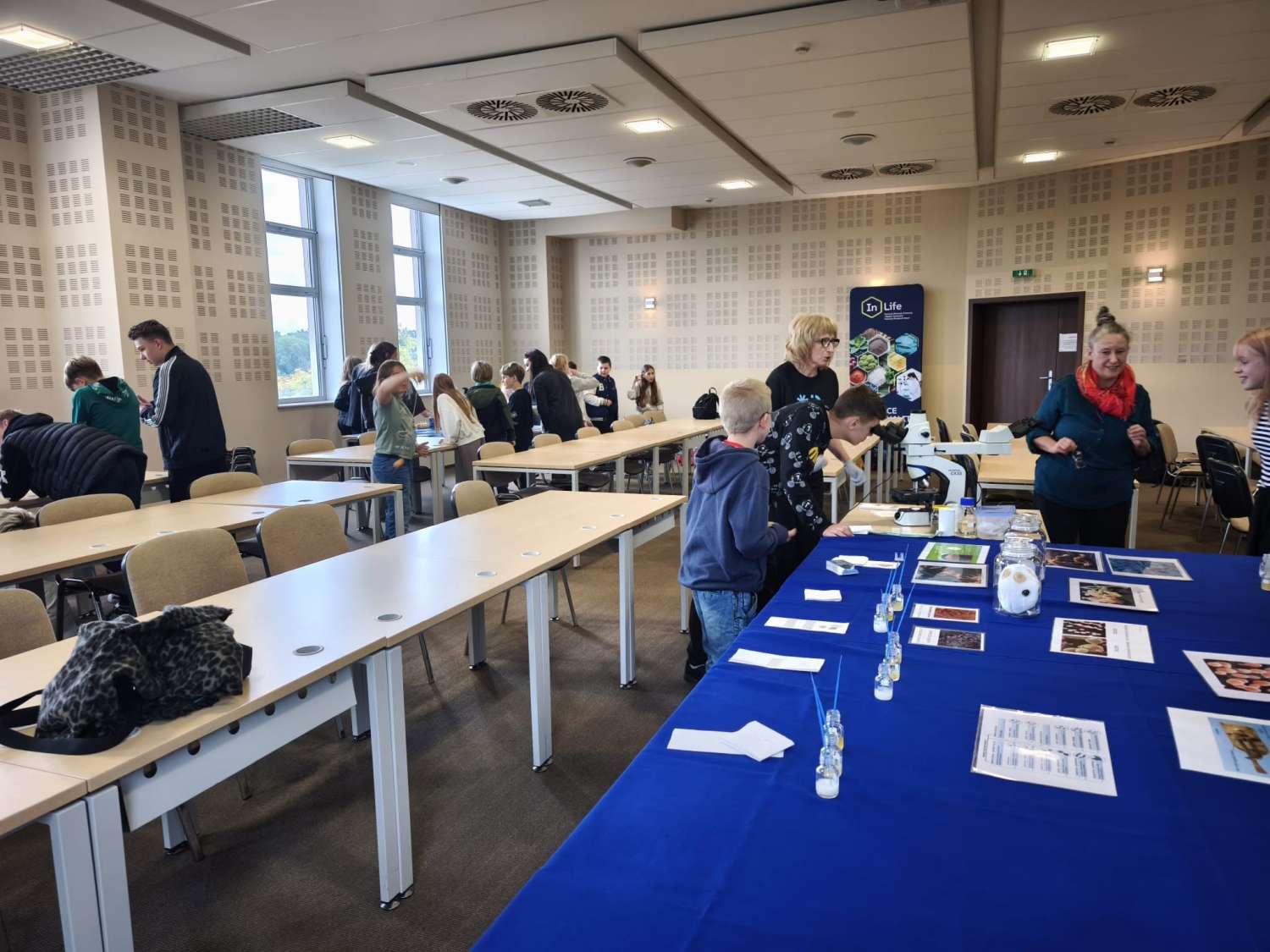
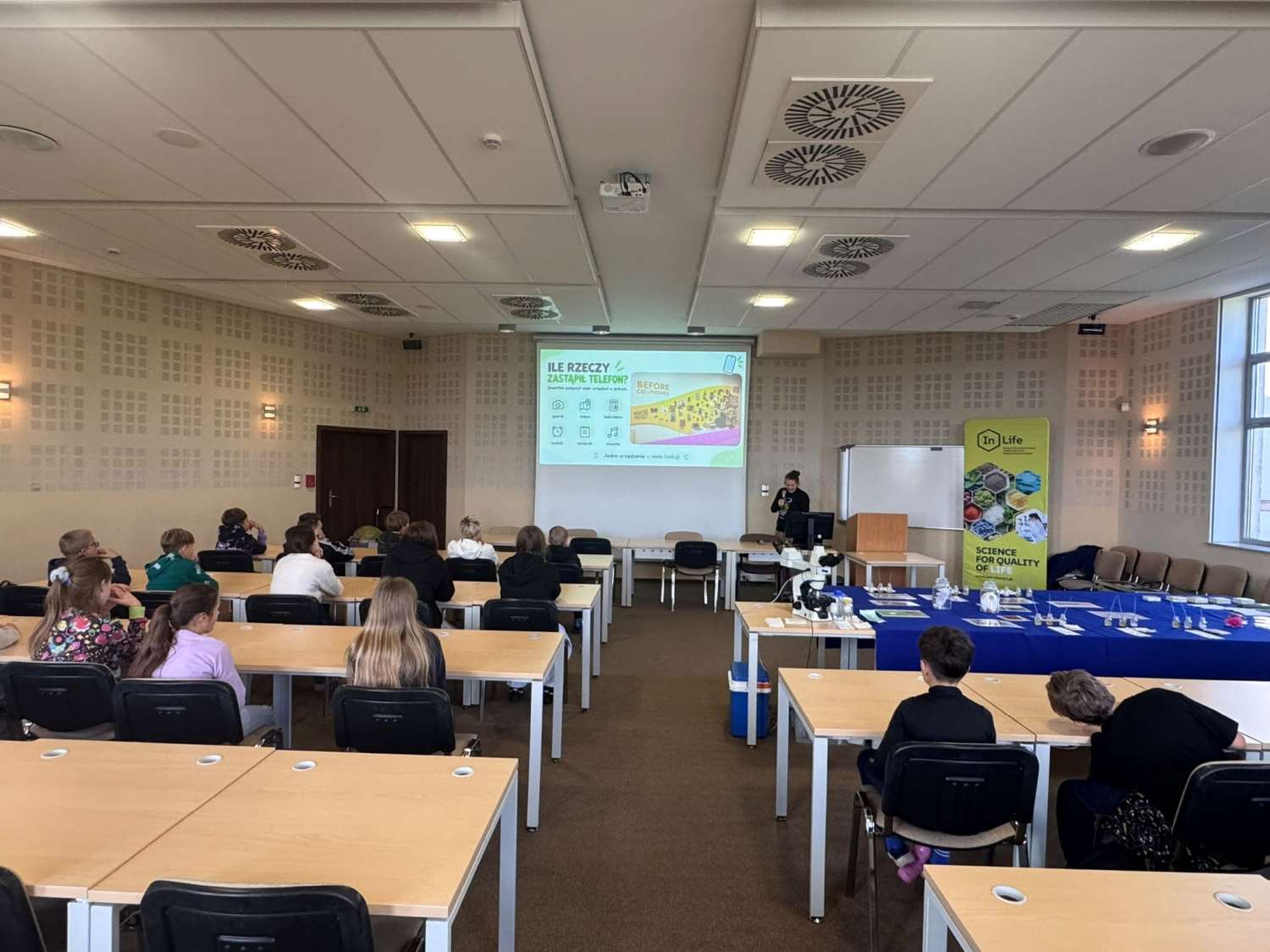
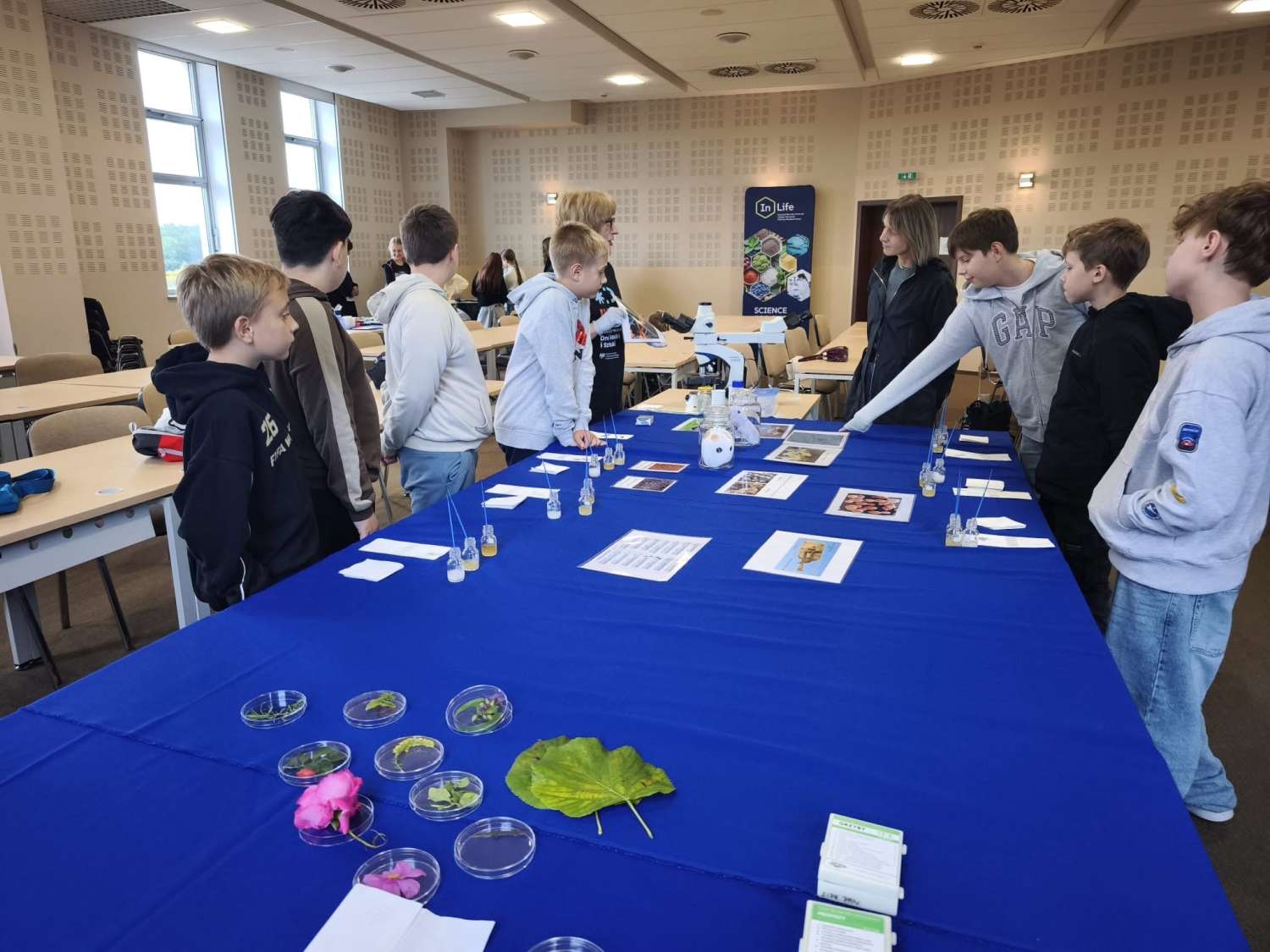
During the InLife workshops, participants were first introduced to the basics and interesting facts related to the topics presented, before moving on to hands-on experiments and practical activities. The workshops were attended by students from primary and secondary schools.

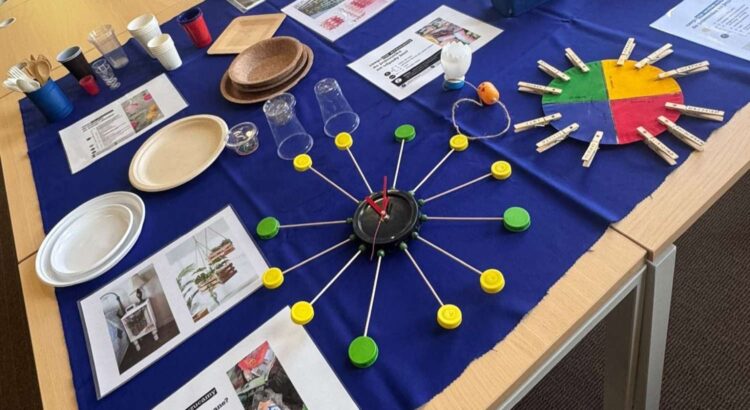
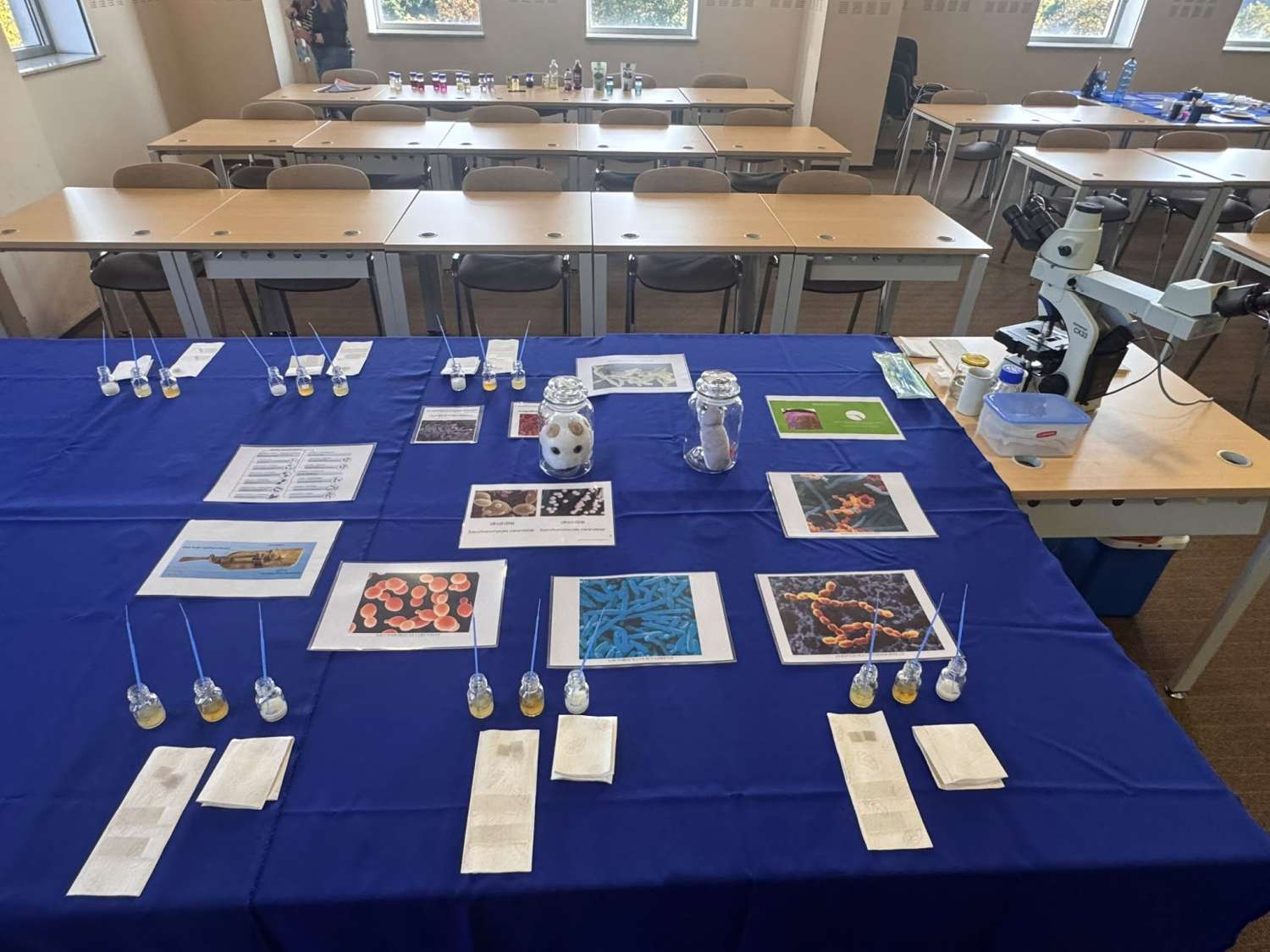
The students explored the world of microorganisms used, among other things, in food production, environmental remediation and biofuel production. They prepared their own samples containing algae and other microorganisms and observed them under microscopes, including smartphone-based microscopes. During workshops devoted to natural “elixirs of youth,” they investigated the properties of extracts made from herbs, fruits and vegetables, including fermented products, and explored their potential antioxidant properties. Recycling was another important topic: participants learned how to identify packaging symbols, use apps that help assess the recyclability of packaging, and design their own objects using recovered materials.

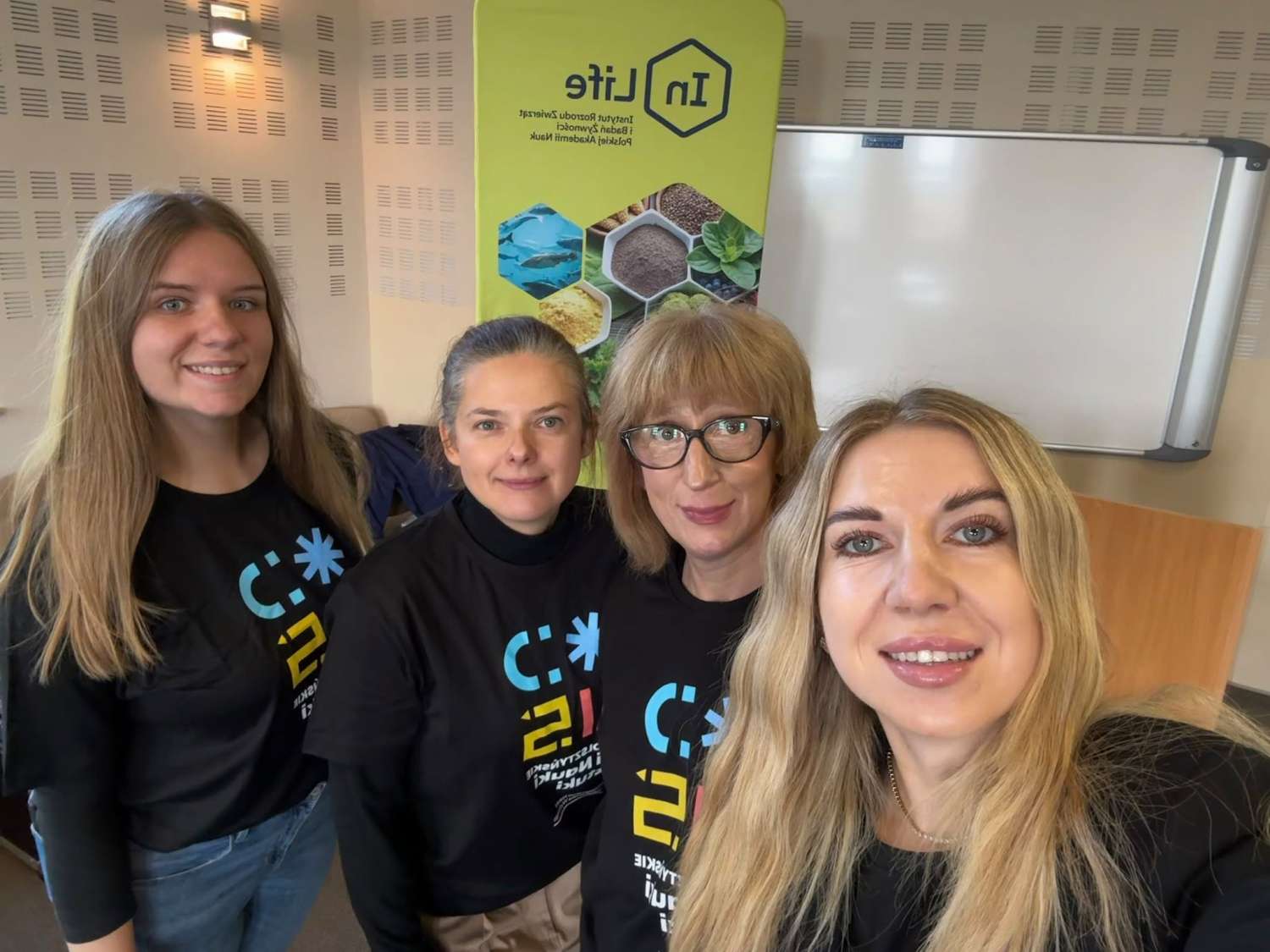
The workshops were led by Anna Ogrodowczyk from the Food Immunology and Microbiology Team, Marzena Lenkiewicz and Martyna Błaszczuk from the Microbiology and Virology Laboratory, and Joanna Browarek from the Sensory Laboratory.

For the InLife team, participation in the 24th Olsztyn Science and Art Days was an opportunity to promote science and share knowledge with young participants. The workshops demonstrated that science can be not only a source of knowledge, but also an engaging, hands-on experience closely connected to everyday life.

Read more