Małgorzata Wronkowska

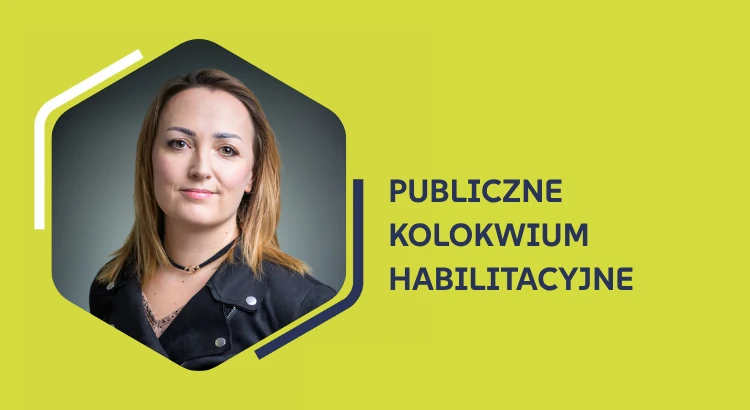
Dr hab. inż. Małgorzata Wronkowska otrzymała tytuł profesora [aktualizacja]

Decyzją Prezydenta RP z dnia 23 lipca 2025 r. dr hab. inż. Małgorzata Wronkowska otrzymała tytuł profesora nauk rolniczych w dyscyplinie technologii żywności i żywienia. Naukowczyni pracuje w Zespole Chemii i Biodynamiki Żywności.

W styczniu 2026 roku naukowczyni wzięła udział w uroczystej ceremonii wręczenia nominacji profesorskich, która odbyła się w Pałacu Prezydenckim w Warszawie. Akty nominacyjne wręczył Prezydent Rzeczypospolitej Polskiej Karol Nawrocki przedstawicielom środowiska naukowego z całego kraju. Podczas wydarzenia podkreślano rolę nauki i środowiska akademickiego w rozwoju państwa.

– Jesteście Państwo, świat nauki, polscy profesorowie, polscy naukowcy, niezbędni do tego, aby Polska rozwijała się w kierunku dobrobytu, świadomości i rozwoju, którego wszyscy oczekujemy w XXI wieku. Wielkie gratulacje i podziękowania – podkreślił Prezydent podczas uroczystości. 

Pani Profesor jest uznaną w kraju i za granicą specjalistką w zakresie badań nad właściwościami fizycznymi, chemicznymi i funkcjonalnymi produktów roślinnych. Jej prace obejmują także aspekty fizjologicznego oddziaływania tych produktów na organizm człowieka.

Działalność naukowa Pani Profesor jest związana z biopolimerami roślinnymi, ze szczególnym uwzględnieniem skrobi opornej – specyficznej frakcji o istotnym znaczeniu fizjologicznym. Podobnie jak błonnik pokarmowy, skrobia ta ulega fermentacji w jelicie grubym, dzięki czemu przywraca równowagę mikroflory jelitowej, a to korzystnie wpływa na organizm człowieka.

Pani Profesor prowadzi również badania w obrębie piekarnictwa bezglutenowego jak i konwencjonalnego. W swoich pracach wykorzystuje zboża, pseudozboża oraz wybrane produkty uboczne przemysłu spożywczego. Stanowią one ważne źródło związków bioaktywnych odgrywających istotną rolę w dietetyce, profilaktyce i żywieniu.

Kolejnym obszarem zainteresowań badawczych Pani Profesor są zagadnienia związane z multifunkcjonalnymi właściwościami produktów wypiekowych oraz związków biologicznie aktywnych w nich występujących. Wiele realizowanych prac dotyczy aktywności biologicznej tych produktów i związków w profilaktyce otyłości, cukrzycy, nadciśnienia, chorób neurodegeneracyjnych, powikłań cukrzycowych, a także stanów zapalnych.

Profesor Małgorzata Wronkowska wielokrotnie doskonaliła swoje umiejętności w trakcie staży naukowych w kraju i za granicą, m.in. w Finlandii, Holandii i Hiszpanii. Jest współautorką czterech patentów dotyczących otrzymywania lub sposobu wytwarzania wyrobów piekarskich.

Jest laureatką nagród naukowych, m.in. „Pro Scientia et Vita” Fundacji Członków PAN czy Nagrody Naukowej przyznanej przez Marszałka Województwa Warmiński-Mazurskiego. Chętnie angażuje się w krajowe oraz międzynarodowe działania projektowe.

Serdecznie gratulujemy i życzymy dalszych sukcesów naukowych!

Czytaj więcej

Małgorzata Wronkowska

Małgorzata Wronkowska awarded the title of Professor [update]

By decision of the President of the Republic of Poland dated July 23, 2025, Małgorzata Wronkowska, was awarded the title of Professor of Agricultural Sciences in the discipline of Food Technology and Nutrition. She is affiliated with the Institute of Animal Reproduction and Food Research of the Polish Academy of Sciences and works in the Department of Food Chemistry and Biodynamics.

In January 2026, Prof. Małgorzata Wronkowska, took part in the ceremonial presentation of professorial nominations held at the Presidential Palace in Warsaw. The ceremony took place on January 7, and the acts of nomination were presented by the President of the Republic of Poland, Karol Nawrocki, to representatives of the academic community from across the country. During the event, the role of science and the academic community in the development of the state was emphasized. Professor Wronkowska joined the group of scholars who received this highest academic distinction in Poland.

– The world of science, Polish professors and researcher, plays a crucial role in ensuring that Poland develops towards prosperity, awareness, and the progress we all hope for in the 21st century. My warmest congratulations and sincere thanks – the President emphasized during the ceremony.

Professor Wronkowska is a nationally and internationally recognized expert in the study of the physical, chemical, and functional properties of plant-based products. Her research also includes the physiological effects of these products on the human body.

Her scientific work focuses on plant biopolymers, with particular emphasis on resistant starch – a specific fraction of starch with significant physiological importance. Like dietary fiber, this type of starch undergoes fermentation in the large intestine, helping to restore the balance of gut microbiota, which has a beneficial effect on human health.

Professor Wronkowska also conducts research in the area of both gluten-free and conventional baking. In her work, she uses cereals, pseudocereals, and selected by-products of the food industry. These are an important source of bioactive compounds that play a significant role in dietetics, prevention, and nutrition.

Another area of her research interests involves the multifunctional properties of baked goods and the biologically active compounds they contain. Many of her studies focus on the biological activity of these products and compounds in the prevention of obesity, diabetes, hypertension, neurodegenerative diseases, diabetic complications, and inflammatory conditions.

Professor Wronkowska has repeatedly enhanced her expertise through research internships in Poland and abroad, including in Finland, the Netherlands, and Spain. She is a co-author of fou patents related to the production or processing of baked goods.

She is a recipient of several scientific awards, including the “Pro Scientia et Vita” award from the Foundation of Members of the Polish Academy of Sciences and the Scientific Award granted by the Marshal of the Warmian-Masurian Voivodeship. She actively participates in both national and international research projects.

We extend our heartfelt congratulations and wish her continued scientific success!

Czytaj więcej

Specjalny numer PANoramy poświęcony Instytutowi InLife

Ukazał się specjalny numer PANoramy – biuletynu Oddziału Polskiej Akademii Nauk w Olsztynie i Białymstoku – w całości poświęcony naszemu Instytutowi InLife.

To wyjątkowe wyróżnienie i rzadka okazja, ponieważ PANorama zazwyczaj prezentuje działalność wielu jednostek naukowych, a tylko sporadycznie poświęca cały numer jednemu instytutowi.

Zachęcamy do lektury i zapoznania się z materiałem promującym dorobek InLife Instytutu Rozrodu Zwierząt i Badań Żywności Polskiej Akademii Nauk.

Czytaj więcej

Podsumowanie projektu edukacyjnego „Kompas Naukowca”

Podsumowanie projektu edukacyjnego „Kompas Naukowca”

Warsztaty w nowoczesnych laboratoriach, pokazy i eksperymenty oraz nauka, którą można było zobaczyć i dotknąć. Zamiast nudnej teorii – inspirujące spotkania i bezpośredni kontakt z naukowcami. Tak wyglądał projekt „Kompas Naukowca”, realizowany przez Instytut we współpracy ze Stowarzyszeniem Edukacyjno-Oświatowym „Erudycja” od października do grudnia 2025 roku. Skorzystało z niego ponad 1300 uczniów z Warmii i Mazur.

W ramach projektu naukowcy prowadzili warsztaty oraz spotkania edukacyjne w laboratoriach Instytutu InLife, szkołach województwa warmińsko-mazurskiego, a także w Stacji Badawczej w Popielnie. Były to niezwykłe lekcje biologii, chemii i przyrody – pełne doświadczeń, pytań i odkryć. Eksperymentowali nawet najmłodsi!

W projekcie uczestniczyło ponad 1300 uczniów z 27 szkół regionu – od przedszkolaków po młodzież szkół ponadpodstawowych. W realizację działań zaangażowanych było 50 naukowców Instytutu.

Projekt obejmował sześć zadań edukacyjnych:

1. Naukowcy z pasją – Podaj dalej

W szkołach regionu odbywały się spotkania z naukowcami, którzy opowiadali o swojej pracy badawczej, dzielili się doświadczeniem oraz przybliżali możliwe ścieżki kariery naukowej. Prezentowali również swój dorobek naukowy.

2. Akademia Małych Wielkich Pytań

Najmłodsi uczestnicy – przedszkolaki oraz uczniowie klas I–III – odwiedzali laboratoria Instytutu, gdzie poprzez doświadczenia, warsztaty i pokazy stawiali pierwsze naukowe pytania i odkrywali świat nauki w przystępnej, angażującej formie.

3. Eksperymentuj, Szkoło!

Były to wyjazdowe warsztaty realizowane w szkołach podstawowych z całego regionu.

Warsztaty i pokazy poświęcone były zdrowemu odżywianiu, bezpieczeństwu żywności oraz świadomym wyborom konsumenckim.

4. Dni Kariery z Misją

Odbywały się w Stacji Badawczej w Popielnie. Młodzież ze szkół ponadpodstawowych miała okazję poznać codzienną pracę naukowców oraz różnorodne obszary badań – od hodowli zwierząt, przez żywność, po ochronę środowiska.

5. Nauka z Pierwszej Ręki

To warsztaty w nowoczesnych laboratoriach Instytutu. Uczniowie poznawali wybrane metody badawcze i samodzielnie wykonywali pierwsze profesjonalne badania pod okiem naukowców.

6. Konkurs „Uczniowski Projekt Badawczy”

Uczniowie szkół ponadpodstawowych przygotowywali własne projekty badawcze, pracując pod opieką mentorów. Finałem konkursu była prezentacja wyników podczas Dnia Badacza. Były nagrody finansowe, rzeczowe, a także dwa mini-staże w Instytucie.

Projekt został sfinansowany ze środków Ministerstwa Edukacji Narodowej.

Czytaj więcej

Podsumowanie projektu edukacyjnego „Kompas Naukowca”

The Institute implemented the educational project „Scientist’s Compass”

Workshops in modern laboratories, demonstrations and experiments, and science that could be seen and experienced firsthand. Instead of dry theory – inspiring meetings and direct contact with scientists. This was the “Scientist’s Compass” project, implemented by the Institute in cooperation with the Educational Association “Erudycja” between October and December 2025. More than 1,300 students from the Warmia and Mazury region took part in the project.

As part of the project, scientists conducted workshops and educational sessions in the laboratories of the InLife Institute, in schools across the Warmia–Mazury Voivodeship, as well as at the Research Station in Popielno. These were exceptional biology, chemistry and nature science lessons – full of experiments, questions and discoveries. Even the youngest participants took part in hands-on activities!

The project involved over 1,300 students from 27 schools in the region, ranging from preschool children to upper secondary school students. A total of 50 Institute scientists were engaged in delivering the project activities.

The project consisted of six educational components:

1. Scientists with Passion – Pass it on

Scientists visited schools across the region to talk about their research work, share their experience and present possible scientific career paths. They also showcased their scientific achievements.

2. Academy of Big Questions for Young Minds

The youngest participants – preschoolers and students in grades 1–3 – visited the Institute’s laboratories, where through experiments, workshops and demonstrations they asked their first scientific questions and discovered the world of science in an accessible and engaging way.

3. Experiment, School!

These were outreach workshops delivered in primary schools throughout the region. The workshops and demonstrations focused on healthy nutrition, food safety and informed consumer choices.

4. Career Days

Held at the Research Station in Popielno, these activities gave upper secondary school students the opportunity to learn about the daily work of scientists and explore diverse research areas, including animal breeding, food science and environmental protection.

5. Science First-Hand

These workshops took place in the Institute’s modern laboratories. Students learned selected research methods and carried out their first professional experiments under the supervision of scientists.

6. Student Research Project Competition

Upper secondary school students developed their own research projects under the guidance of mentors. Th competition concluded with a presentation of results during Researcher’s Day. Prizes included financial and material awards, as well as two mini-internships at the Institute.

The project was funded by the Ministry of Education.

Czytaj więcej

Postdoctoral Positions in Epigenetics and Vitamin D Research

Position 1: Impact of Vitamin D on Epigenetic Programming of CD34⁺ Hematopoietic Progenitor Cells

Project: Impact of vitamin D on the epigenetic programming of CD34⁺ hematopoietic progenitor cells derived from human cord blood

Funding: NCN OPUS 27

Principal Investigator: Prof. Carsten Carlberg

Key Responsibilities:

  • Isolation of CD34⁺ hematopoietic stem and progenitor cells from cord blood donors for in vitro studies;
  • Preparation of RNA and chromatin libraries for NGS (RNA-seq, ATAC-seq, ChIPmentation);
  • Analysis and integration of high-throughput sequencing data.

Position 2: Epigenetic Memory in Immune Cell Responses to Vitamin D

Project: Research on epigenetic memory mechanisms based on the response of human immune cells to vitamin D

Funding: NCN OPUS 25

Principal Investigator: Prof. Carsten Carlberg

Key Responsibilities:

  • Isolation of human immune cells from blood donors for immediate use and cell culture;
  • Preparation of RNA and chromatin libraries for NGS (RNA-seq, ATAC-seq, ChIPmentation);
  • Analysis and integration of high-throughput sequencing data.

Requirements (for both positions):

  • PhD in Biosciences (Biology, Biochemistry, Biotechnology; Bioinformatics). At the time of signing the employment contract, the diploma should have been obtained in the year of employment in the project (2026) or within 7 years prior to the year of commencement of employment in the project (i.e. up to 7 years prior to 1 January 2026). In the case of applicants who have obtained more than one doctoral degree, the reference date shall be the date of award of the first doctoral degree. This period may be extended by the duration of documented long-term sick leave (exceeding 90 days) or rehabilitation benefits due to incapacity for work. Furthermore, the period may be extended by the number of months spent on childcare- and child-rearing-related leave granted in accordance with the Labour Code. In addition, for women applicants, the period may alternatively be extended by 18 months for each child born or adopted, where this method of accounting for career breaks is more favourable;
  • Proven experience in molecular and/or cell biology techniques;
  • Experience in high-throughput data analysis (omics);
  • Demonstrated scientific achievements, including:
    • Co-authorship of publications indexed in Journal Citation Reports (at least two as first author),Experience in at least one externally funded research project,
    • Research internship(s) abroad;
  • Experience in high-throughput data analysis (omics);
  • Proficiency in methods such as:
    • Cell culture,RNA and chromatin isolation,
    • NGS library preparation,
  • High precision in laboratory techniques (e.g., pipetting);

Additional Skills:

  • Motivation to work in a multidisciplinary environment;
  • Strong communication and teamwork skills;
  • Proactive, organized, and self-driven work ethic;
  • Excellent English skills (spoken and written);
  • Strong scientific writing and presentation abilities.

Recruitment Process:

  • Applications will be evaluated according to NCN regulations for research projects;
  • Only online applications will be considered;
  • Top candidates will be invited for an interview (onsite or online);
  • During the interview, candidates will deliver a 10-minute presentation summarizing their PhD work and research interests.;
  • Results will be published on the IAR&FR PAS website within 10 days of the final decision.

Required documents:

  • Copy of PhD diploma;
  • Academic CV, including:
    • Education history,Research achievements (publications, conference presentations),Fellowships, awards, internships, training, and project participation,
    • List of laboratory and computational techniques mastered;
  • Motivation letter;
  • Reference letter from PhD supervisor or current employer;
  • Proof of research internship(s) abroad;
  • Summary of the PhD thesis;
  • Any other documents relevant for assessment.

Where to apply: c.carlberg@pan.olsztyn.pl

Additional Information:

Location: Olsztyn, Poland

Institution: InLife Institute of Animal Reproduction and Food Research, Polish Academy of Sciences (InLife)

Start date: Open until filled

Application deadline: February 3, 2026, 23:59 (CET)

Duration: 36 months

Salary: ~PLN 9,700 gross/month

Number of positions: 1 per project

Application method: e-mail

GDPR

In the submitted documents, please include a clause of consent to the processing of personal data by us in the recruitment process:

„I consent to the processing of my personal data contained in the application documents by InLife Institute of Animal Reproduction and Food Research of the Polish Academy of Sciences with its registered office 10-683 Olsztyn, ul.⁠⁠Trylińskiego 18, in order to carry out the recruitment process and publish the full competition results on the Institute’s website.

Information clause:

  1. The administrator of personal data processed as part of the recruitment process is InLife Institute of Animal Reproduction and Food Research of the Polish Academy of Sciences with its registered office at 10-683 Olsztyn, ul. Trylińskiego 18, tel. 89 500 32 00, e-mail: institute@pan.olsztyn.pl .
  2. Contact with the personal data protection officer is possible at: iodo@pan.olsztyn.pl.
  3. The provided personal data will be processed for the purpose of implementing the current recruitment process and stored until its completion based on the consent given (in accordance with Article 6(1)(a) of the GDPR).
  4. The data subject has the right to withdraw consent at any time without affecting the lawfulness of processing based on consent before its withdrawal.
  5. The data subject has the right to access his or her personal data, request its rectification or deletion. Submitting a request to delete data is tantamount to resigning from participation in the recruitment process. In addition, she has the right to request restriction of processing in the cases specified in Art. 18 GDPR.
  6. The data subject has the right to lodge a complaint with the President of the Personal Data Protection Office regarding unlawful processing of his or her personal data. This body will be competent to consider the complaint, however, the right to lodge a complaint only concerns the lawfulness of the processing of personal data and does not concern the recruitment process.
  7. The data provided will not be subject to profiling or made available to entities or third countries. The recipients of the data may be institutions authorized by law.
  8. Providing the data contained in the recruitment documents is not obligatory, but it is a necessary condition for participating in the recruitment process.

Czytaj więcej

Postdoctoral Positions in Epigenetics and Vitamin D Research

Position 1: Impact of Vitamin D on Epigenetic Programming of CD34⁺ Hematopoietic Progenitor Cells

Project: Impact of vitamin D on the epigenetic programming of CD34⁺ hematopoietic progenitor cells derived from human cord blood

Funding: NCN OPUS 27

Principal Investigator: Prof. Carsten Carlberg

Key Responsibilities:

  • Isolation of CD34⁺ hematopoietic stem and progenitor cells from cord blood donors for in vitro studies;
  • Preparation of RNA and chromatin libraries for NGS (RNA-seq, ATAC-seq, ChIPmentation);
  • Analysis and integration of high-throughput sequencing data.

Position 2: Epigenetic Memory in Immune Cell Responses to Vitamin D

Project: Research on epigenetic memory mechanisms based on the response of human immune cells to vitamin D

Funding: NCN OPUS 25

Principal Investigator: Prof. Carsten Carlberg

Key Responsibilities:

  • Isolation of human immune cells from blood donors for immediate use and cell culture;
  • Preparation of RNA and chromatin libraries for NGS (RNA-seq, ATAC-seq, ChIPmentation);
  • Analysis and integration of high-throughput sequencing data.

Requirements (for both positions):

  • PhD in Biosciences (Biology, Biochemistry, Biotechnology; Bioinformatics). At the time of signing the employment contract, the diploma should have been obtained in the year of employment in the project (2026) or within 7 years prior to the year of commencement of employment in the project (i.e. up to 7 years prior to 1 January 2026). In the case of applicants who have obtained more than one doctoral degree, the reference date shall be the date of award of the first doctoral degree. This period may be extended by the duration of documented long-term sick leave (exceeding 90 days) or rehabilitation benefits due to incapacity for work. Furthermore, the period may be extended by the number of months spent on childcare- and child-rearing-related leave granted in accordance with the Labour Code. In addition, for women applicants, the period may alternatively be extended by 18 months for each child born or adopted, where this method of accounting for career breaks is more favourable;
  • Proven experience in molecular and/or cell biology techniques;
  • Experience in high-throughput data analysis (omics);
  • Demonstrated scientific achievements, including:
    • Co-authorship of publications indexed in Journal Citation Reports (at least two as first author),Experience in at least one externally funded research project,
    • Research internship(s) abroad;
  • Experience in high-throughput data analysis (omics);
  • Proficiency in methods such as:
    • Cell culture,RNA and chromatin isolation,
    • NGS library preparation,
  • High precision in laboratory techniques (e.g., pipetting);

Additional Skills:

  • Motivation to work in a multidisciplinary environment;
  • Strong communication and teamwork skills;
  • Proactive, organized, and self-driven work ethic;
  • Excellent English skills (spoken and written);
  • Strong scientific writing and presentation abilities.

Recruitment Process:

  • Applications will be evaluated according to NCN regulations for research projects;
  • Only online applications will be considered;
  • Top candidates will be invited for an interview (onsite or online);
  • During the interview, candidates will deliver a 10-minute presentation summarizing their PhD work and research interests.;
  • Results will be published on the IAR&FR PAS website within 10 days of the final decision.

Required documents:

  • Copy of PhD diploma;
  • Academic CV, including:
    • Education history,Research achievements (publications, conference presentations),Fellowships, awards, internships, training, and project participation,
    • List of laboratory and computational techniques mastered;
  • Motivation letter;
  • Reference letter from PhD supervisor or current employer;
  • Proof of research internship(s) abroad;
  • Summary of the PhD thesis;
  • Any other documents relevant for assessment.

Where to apply: c.carlberg@pan.olsztyn.pl

Additional Information:

Location: Olsztyn, Poland

Institution: InLife Institute of Animal Reproduction and Food Research, Polish Academy of Sciences (InLife)

Start date: Open until filled

Application deadline: February 3, 2026, 23:59 (CET)

Duration: 36 months

Salary: ~PLN 9,700 gross/month

Number of positions: 1 per project

Application method: e-mail

GDPR

In the submitted documents, please include a clause of consent to the processing of personal data by us in the recruitment process:

„I consent to the processing of my personal data contained in the application documents by InLife Institute of Animal Reproduction and Food Research of the Polish Academy of Sciences with its registered office 10-683 Olsztyn, ul.⁠⁠Trylińskiego 18, in order to carry out the recruitment process and publish the full competition results on the Institute’s website.

Information clause:

  1. The administrator of personal data processed as part of the recruitment process is InLife Institute of Animal Reproduction and Food Research of the Polish Academy of Sciences with its registered office at 10-683 Olsztyn, ul. Trylińskiego 18, tel. 89 500 32 00, e-mail: institute@pan.olsztyn.pl .
  2. Contact with the personal data protection officer is possible at: iodo@pan.olsztyn.pl.
  3. The provided personal data will be processed for the purpose of implementing the current recruitment process and stored until its completion based on the consent given (in accordance with Article 6(1)(a) of the GDPR).
  4. The data subject has the right to withdraw consent at any time without affecting the lawfulness of processing based on consent before its withdrawal.
  5. The data subject has the right to access his or her personal data, request its rectification or deletion. Submitting a request to delete data is tantamount to resigning from participation in the recruitment process. In addition, she has the right to request restriction of processing in the cases specified in Art. 18 GDPR.
  6. The data subject has the right to lodge a complaint with the President of the Personal Data Protection Office regarding unlawful processing of his or her personal data. This body will be competent to consider the complaint, however, the right to lodge a complaint only concerns the lawfulness of the processing of personal data and does not concern the recruitment process.
  7. The data provided will not be subject to profiling or made available to entities or third countries. The recipients of the data may be institutions authorized by law.
  8. Providing the data contained in the recruitment documents is not obligatory, but it is a necessary condition for participating in the recruitment process.

Czytaj więcej

Wyniki konkursu na stanowisko adiunkta w Zespole Immunologii i Mikrobiologii Żywności

Dyrektor Instytutu informuje, że konkurs na stanowisko adiunkta w Zespole Immunologii i Mikrobiologii Żywności został rozstrzygnięty i wybrana została Pani dr Lidia Markiewicz.

Czytaj więcej

Wyniki konkursu na stanowisko adiunkta w Zespole Mechanizmów Działania Hormonów

Dyrektor Instytutu informuje, że konkurs na stanowisko adiunkta w Zespole Mechanizmów Działania Hormonów został rozstrzygnięty i wybrana została Pani dr Magdalena Szymańska.

Czytaj więcej

Wyniki konkursu na stanowisko adiunkta w Zespole Programowania Płodności i Rozwoju

Dyrektor Instytutu informuje, że konkurs na stanowisko adiunkta w Zespole Programowania Płodności i Rozwoju został rozstrzygnięty i wybrana została Pani dr Karolina Wołodko.

Czytaj więcej