Head
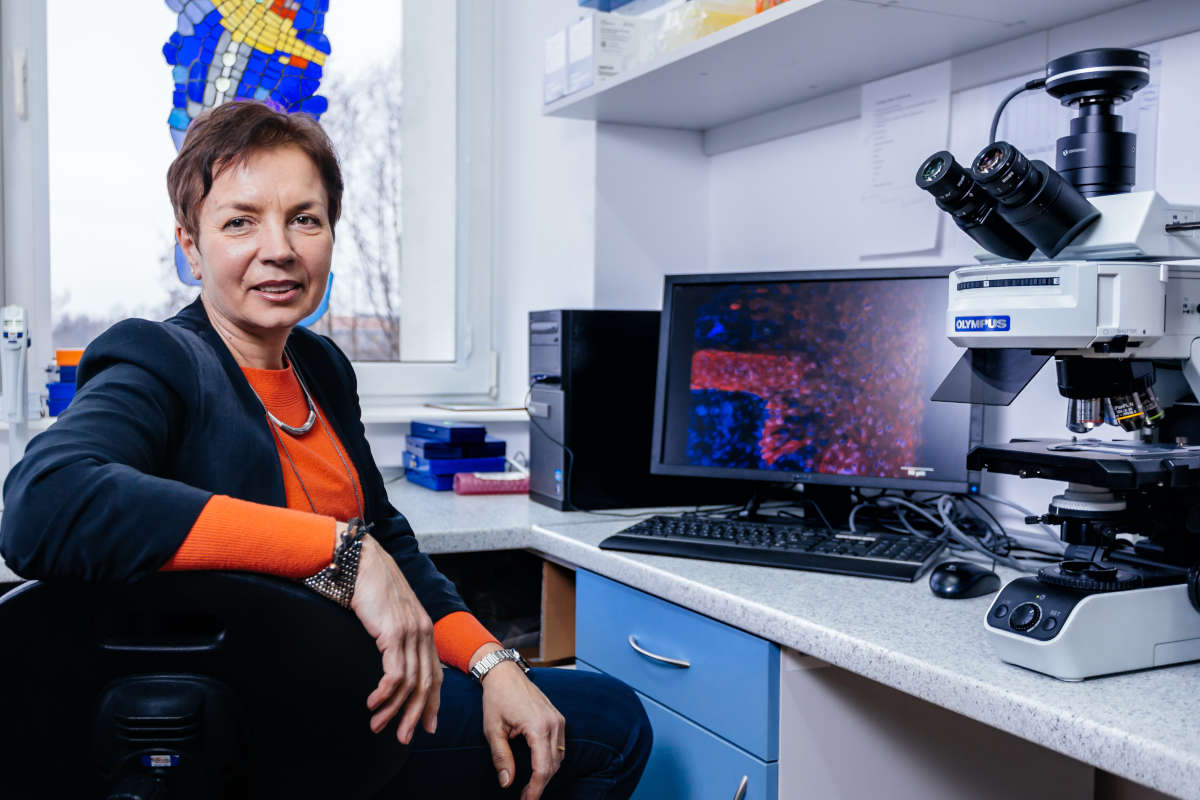
Barbara Gawrońska-Kozak, Prof., D.Sc. 
e-mail: b.kozak@pan.olsztyn.pl
EN
The effect of Western diet modified with vegetable oils on the healing process of skin wounds in mice
National Science Centre, Poland
Opus 25, 2023/49/B/NZ9/01925
Analysis of the interaction between the transcription factor Foxn1 and selected elements of the Wnt pathway in mouse skin
National Science Centre, Poland
Miniatura 7
Antioxidant defense systems of the skin in terms of age and expression of the epidermal transcription factor Foxn1
National Science Centre, Poland
Miniatura 7, 2023/07/X/NZ4/00537
The effect of age and diet on dWAT lipid metabolism in mouse model.
National Science Centre, Poland
Sonatina 6, 2022/44/C/NZ5/00129.
Hypoxia inducible factor alpha (Hif-1 alpha) and transcription factor Foxn1 guide regenerative vs reparative skin wound healing processes.
National Science Centre, Poland
Opus 14, 2017/27/B/NZ5/02610.
The role of hypoxia-stimulated Adipose-Derived Stromal/Stem Cells (ASCs) in activation of regenarative (scarless) wound healing pathways in skin.
National Science Centre, Poland
Sonata 13, 2017/26/D/NZ5/00556.
Role of epidermally expressed transcription factor Foxn1 in regulation and modulation of dermal white adipose tissue (dWAT).
National Science Centre, Poland
Preludium 16, 2018/31/N/NZ5/00400.
Foxn1 in the regulation of the skin wound healing process and scar formation with respect to lifespan and metabolic/nutritional status.
KNOW (Leading National Research Centre) Scientific Consortium „Healthy Animal-Safe Food”
No. UMO-KNOW2016/IRZiBŻ/PRO1/01/2.
Skin homeostasis as a result of the action of the FOXN1transcription factor, TGFβ and Wnt/β-catenin signaling pathways.
KNOW (Leading National Research Centre) Scientific Consortium „Healthy Animal – Safe Food”
No. UMO-KNOW2016/IRZiBŻ/PRO1/01/2.
The role of the transcription factor FOXN1 in skin wound healing.
National Science Centre, Poland
Opus DEC-2012/05/B/NZ5/01537.
transgenic
Foxn1::Egfp mice
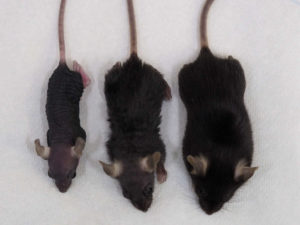
Foxn1-/- Foxn1+/- Foxn1+/+
Foxn1−/−
nude mice; CBy.Cg-Foxn1 /cmdb
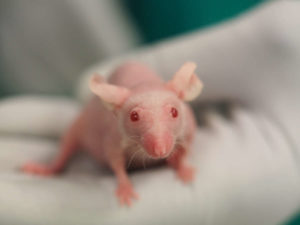
Foxn1+/+
Balb/c/cmdb and C57BL (B6)
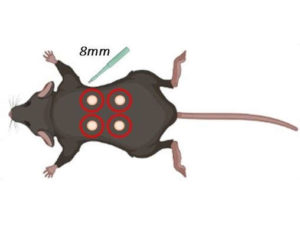
human
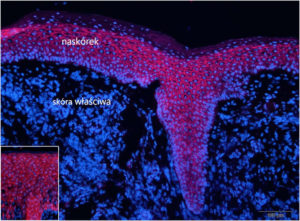
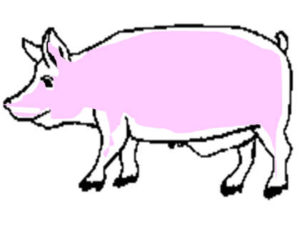
pigs
primary cell cultures
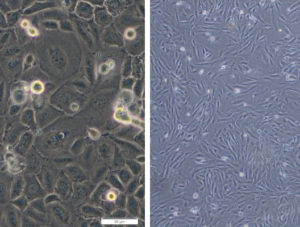
keratinocytes
dermal fibroblast (DF)
adipose derived stem cells (ASC)
ear mesenchymal stem cells (EMSC)
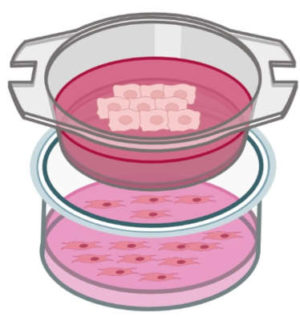
co-culture model
vector transduction
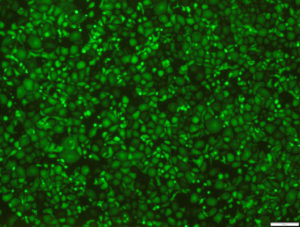
adenoviruses
adeno-associated viruses
lentiviruses
skin explants
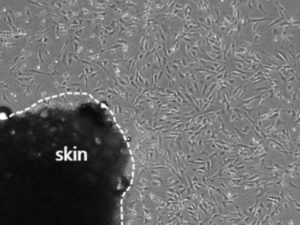
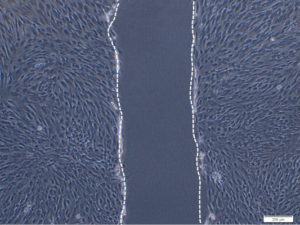
migration
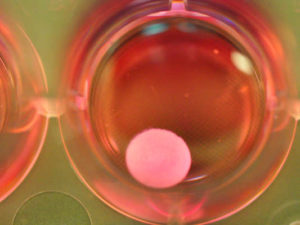
gel contraction
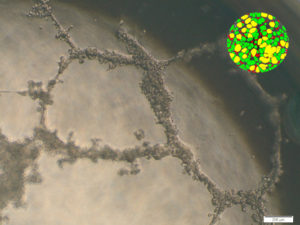
tube formation
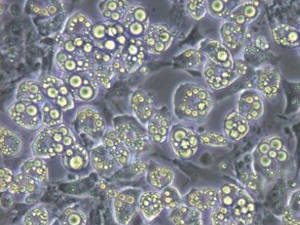
differentiation
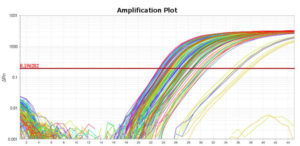
qPCR
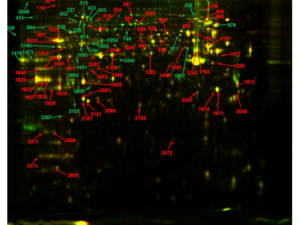
proteomic
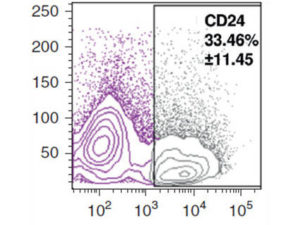
flow cytometry
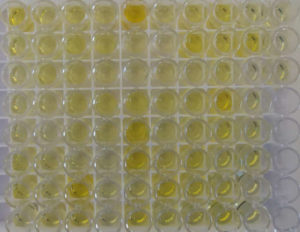
ELISA
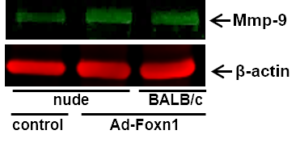
western blot
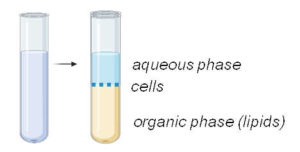
lipid extraction
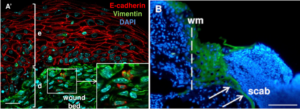
immunofluorescence
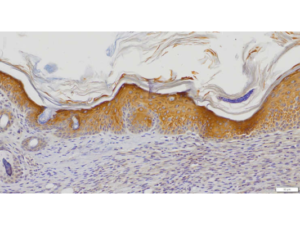
immunohistochemistry
Masson’s Trichrome
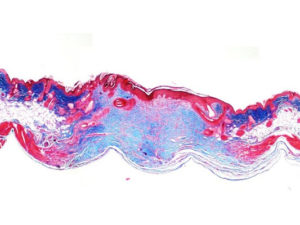
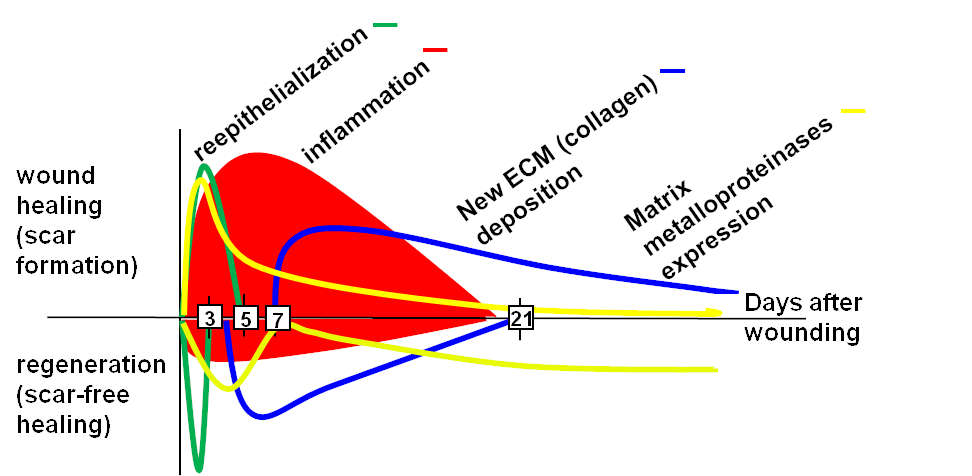
Foxn1 in Skin Development, Homeostasis and Wound Healing
Animal Models of Skin Regeneration 1
Animal Models of Skin Regeneration 2
Matrix metalloproteinase 9 (MMP-9) is upregulated during scarless wound healing in athymic nude mice
Scarless skin repair in immunodeficient mice
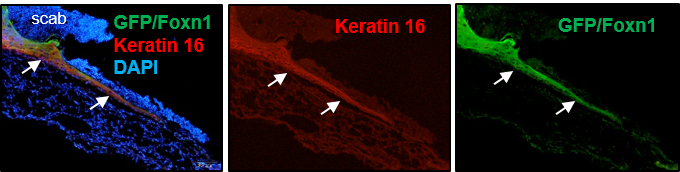
Wnt signaling and the transcription factor Foxn1 contribute to cutaneous wound repair in mice
Foxn1 Control of Skin Function
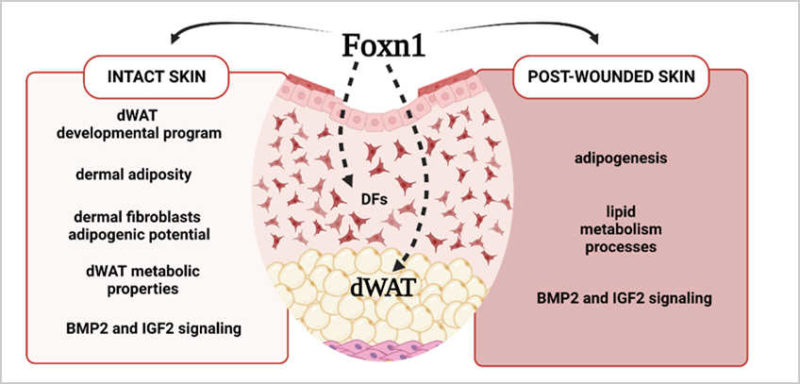
Age, Diet and Epidermal Signaling Modulate Dermal Fibroblasts’ Adipogenic Potential
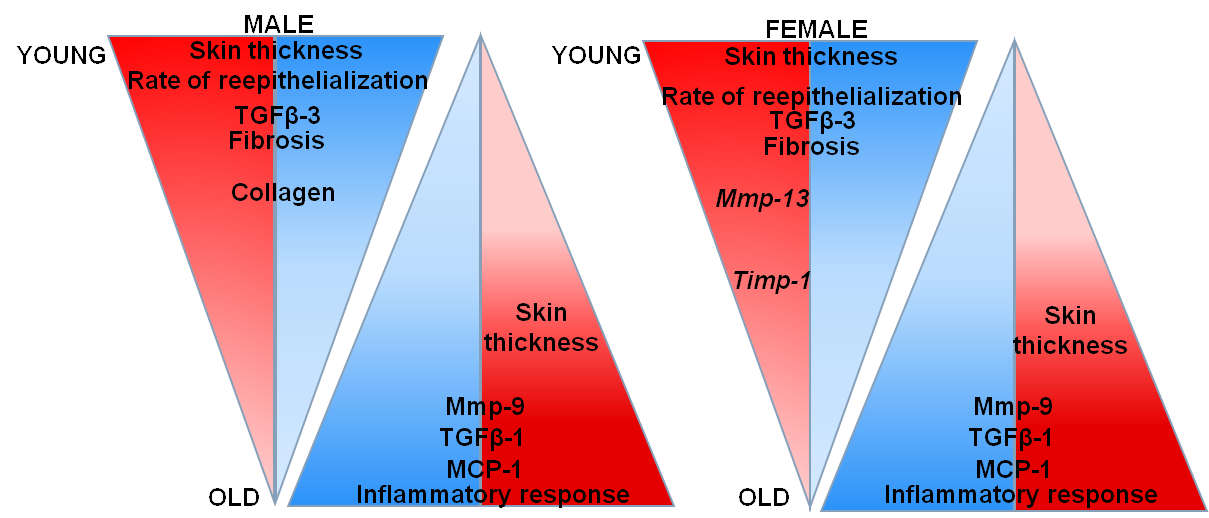
Age, Diet and Epidermal Signaling Modulate Dermal Fibroblasts’ Adipogenic Potential
Cutaneous wound healing in aged, high fat diet-induced obese female or male C57BL/6 mice
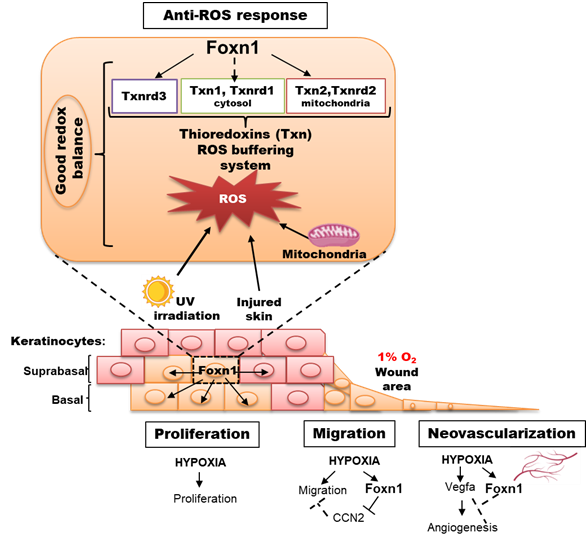
Hypoxia reveals a new function of Foxn1 in the keratinocyte antioxidant defense system
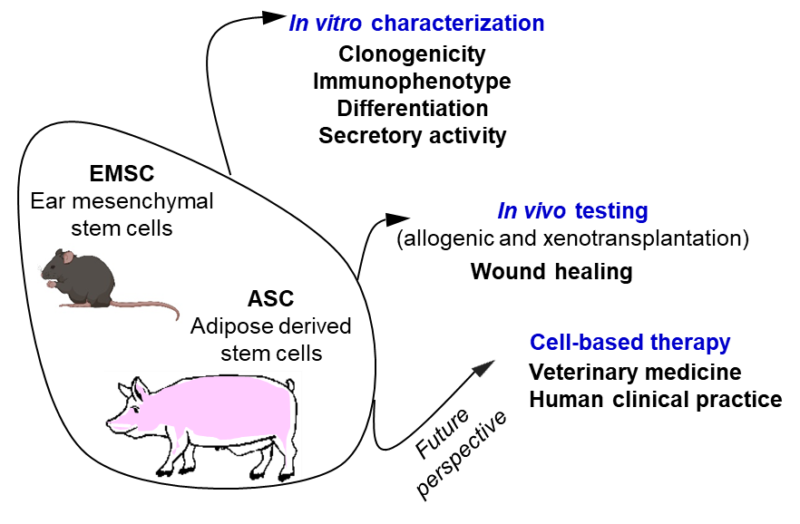
Ear mesenchymal stem cells (EMSC) can differentiate into spontaneously contracting muscle cells
Stem Cell Antigen-1-Positive Ear Mesenchymal Stem Cells Display Enhanced Adipogenic Potential
Preparation and Differentiation of Mesenchymal Stem Cells from Ears of Adult Mice
Scarless skin repair in immunodeficient mice
The effect of hypoxia on the proteomic signature of pig adipose-derived stromal/stem cells (pASCs)
Adipose-Derived Stromal/Stem Cells from Large Animal Models: from Basic to Applied Science
Healing by fibrosis, instead of regeneration, causes a huge problem in public health. Current knowledge of the mechanisms that control scar formation is insufficient. Thus, the study that aims to recognize the mechanisms that control reparative wound healing process (scar-forming) in order to re-activate regenerative pathway are one of the most important in medicine.
In our study we focus on the role of transcriptional factor, Foxn1, whose expression is limited to the skin and thymus in mice and humans. We showed that Foxn1 deficient (nude) mice are unique among adult mammals in their ability to regenerate, heal skin injuries in scar-free way. The main goal of our present study is to:
Institute of Animal Reproduction and Food Research
Polish Academy of Sciences in Olsztyn
Tuwima 10
10-748 Olsztyn
+48 89 523 46 34
+48 89 523 46 37

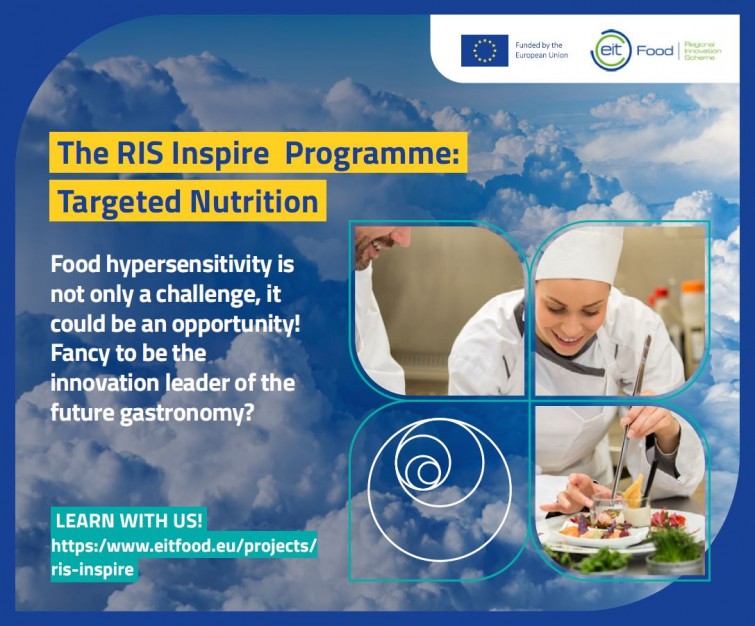
Would you like to become one of the innovation leaders of the future gastronomy sector?
Join the group of creative young people, who supported by researchers, industry experts, and professional chefs will co-create new concepts and products addressing the needs of allergic and hypersensitive consumers. In our school, you will get state-of-the-art knowledge and skills around management of food safety hazards and the development of targeted nutrition solutions. You can rebuild the trust of consumers in food services, just believe that food hypersensitivity is not only a challenge but also an opportunity!
Apply now to RIS Fall School in Targeted Nutrition!
The RIS Fall School in Targeted Nutrition is organized by Institute of Animal Reproduction and Food Research PAS (Poland) together with Arhus University (Denmark), Matis (Iceland), IMDEA Food (Spain), Bologna University (Italy), BCC Innovation Culinary Center (Spain) and University of Cambridge (England).
The RIS Fall School will be available fully online from October 22ed until November 8th, 2021. Most of the time, students will work flexibly at times of their convenience. Additionally, they will participate in live-hosted online entrepreneurial exercises. Learning will include lectures on the state-of-the-art knowledge on food allergy, entrepreneurship modules, quizzes, message boards and problem-solving exercises.
The program has 3 main phases:
Early phase (October 22ed): students will define their competence profiles to facilitate further divided into teams
Middle phase (October 25th-November 5th) includes entrepreneurship modules and lectures on the different aspects of food allergy and allergens. In addition, students will have live meetings dedicated to knowledge on ideating and prototyping, intellectual property rights, trademarks and copyright, effective pitching and communication. Additionally, students will have the opportunity to hear the success story of Rising Food Stars. A detailed timetable will be available on the Canvas platform.
End phase (November 8th): November 8th is the date when the Final Pitch event will take place. The teams will present their entrepreneurial projects to a professional jury that will select the winning team. The event will end with the announcement of the winner and the awarding of the prize.
Who can apply:
The course is open to Bachelor, MSc and PhD students as well as graduates and professionals interested in nutrition and food. The course would also suit aspiring entrepreneurs or professionals wishing to move into this sector. There is no precondition concerning your study background.

Territory requirements:
Applications are accepted from the following cauntries (based on citizenship):
Albania, Armenia, Bosnia and Herzegovina, Bulgaria, Croatia, Cyprus, Czech Republic, Estonia, Faroe Islands, Georgia, Greece, Hungary, Italy, Latvia, Lithuania, Malta, Moldova, Montenegro, North Macedonia, Poland, Portugal, Romania, Serbia, Slovakia, Slovenia, Spain, Turkey, Ukraine.
Language requirements:
English
RIS Fall School in Targeted Nutrition aims to educate young academics and ignite their entrepreneurial talents. The School will mentor a new generation of European food innovators, through an entrepreneurial approach linked to food allergies. Students will be provided with state-of-the-art knowledge and skills around the management of food safety hazards and the development of targeted nutrition solutions.
Based on the Article 200 of the Act of July 20th, 2018 Law on Higher Education and Science (Journal of Laws of 2018, item 1668 as amended) and on the basis of Article 291 of the Act of July 3rd, 2018. The provisions introducing the Act – Law on Higher Education and Science (Journal of Laws of 2018, item 1669, as amended) and the Agreement of March 16th, 2020 on the establishment of a doctoral school called „Interdisciplinary Doctoral School of Agricultural Sciences” and the Rules of Recruitment to the Interdisciplinary Doctoral School of Agricultural Sciences signed between the parties: Institute of Animal Reproduction and Food Research of the Polish Academy of Sciences (IAR&FR PAS) in Olsztyn, National Veterinary Research Institute (NVRI) in Puławy and Institute of Agrophysics of the Polish Academy of Sciences (IA PAN) in Lublin. The Director of the Interdisciplinary Doctoral School announces:
Maternal obesity and epigenetic and metabolic regulations during gametogenesis and early embryo development in mice: the specific role of leptin signalling.
Supervisor: dr hab. Antonio Galvao
download PDF
In accordance with the Act 2.0 of the Ministry of Science and Higher Education, each doctoral student receives a scholarship of no less than PLN 2371.70 (gross).
List of documents required for the selection procedure (download PDF)
IAR&FR PAS Olsztyn
Traditional mail – to the following address:
Interdisciplinary Doctoral School of Agricultural Sciences,
Institute of Animal Reproduction and Food Research of the Polish Academy of Sciences,
10 Tuwima Street, 10-748 Olsztyn,
by October 15th, 2021 by 15.00 CET.
By e-mail – to the following address: a.andronowska@pan.olsztyn.pl, by October 15th, 2021.
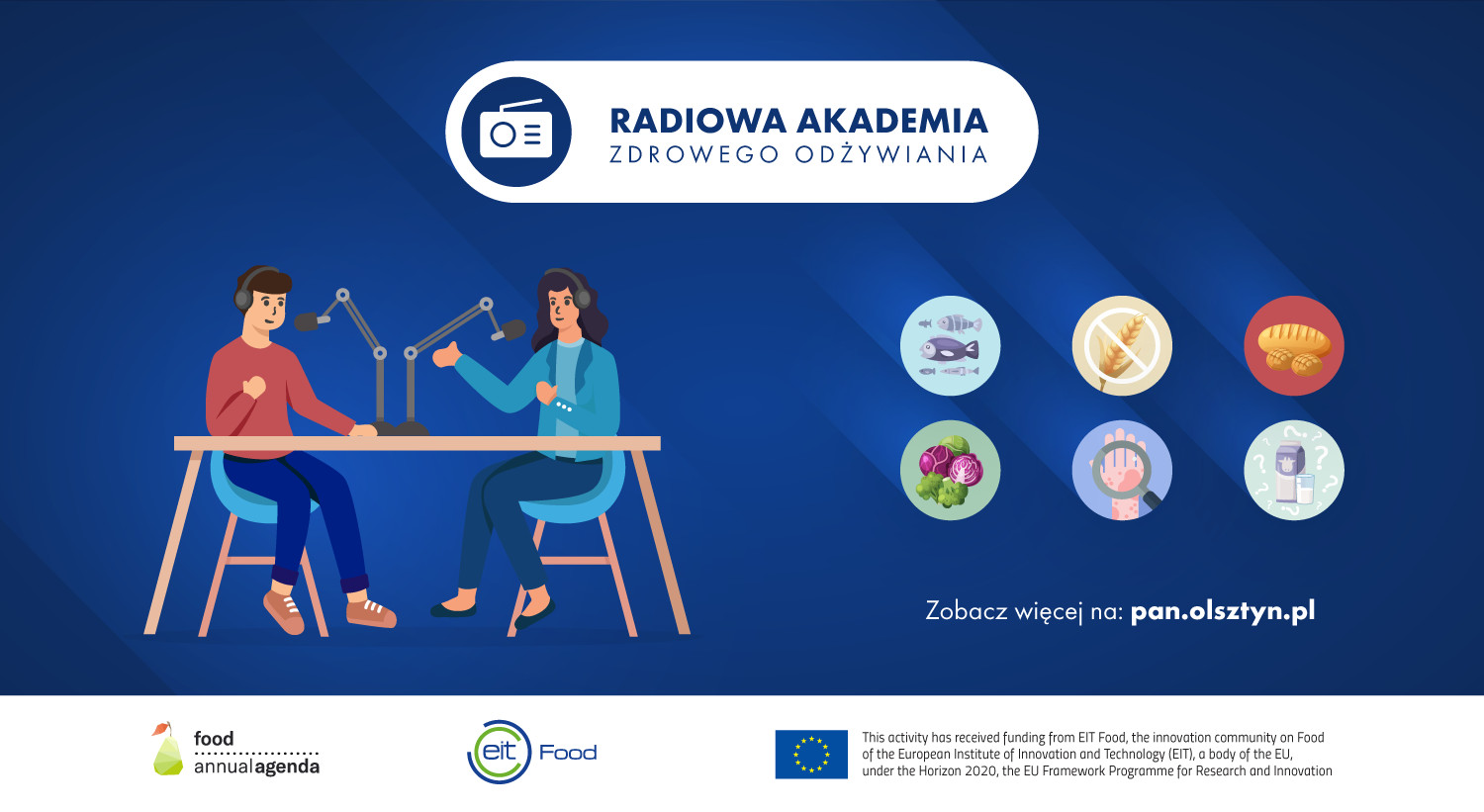
10 researchers, 10 podcasts and several thousand audience – this season #AnnualFoodAgenda premiered… on air. Researchers from IARFR PAS engaged with consumers through a series of radio broadcasts addressing the topics of healthier nutrition and sustainable diets.
For about 4 weeks we aired numerous food facts in region’s most popular radio station and inspired the public to re-think their current eating habits and make informed food choices. The consumers debunked the most common myths about milk and bakery products, discovered the best sources of antioxidants, found out the importance of blue acquaculture, and learnt about the little recognized nutritional value of molds, yeasts and fungi. What is more, the researchers elaborated on the locally available superfoods as well as traps of elimination diets, such as gluten or lactose-free diets. The unique podcasts are now available online: shorturl.at/bhtGP. Finally, each radio broadcast was followed with a knolwedge competition published in the social media, inviting consumers to test their understanding of the scientific information presented by the experts. A total of 10 quizzes was designed and posted in Facebook, enagaging over 500 contestants.