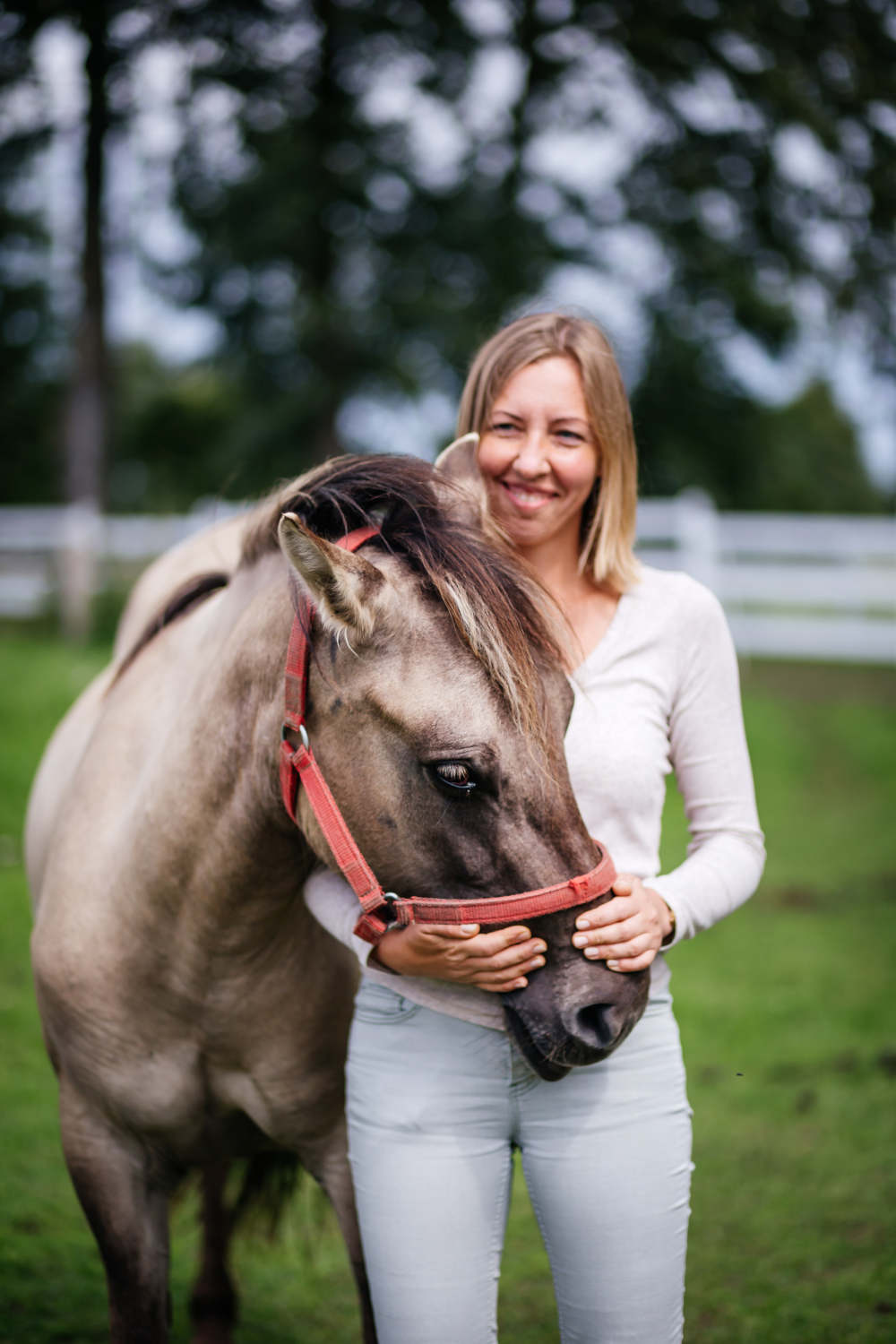
Prof. Marta Siemieniuch on the Main Board of PEFTA

Prof. Marta Siemieniuch was elected to the Main Board of the Polish Equine Facilitated Therapy Association (PEFTA)! This is a great honor for Prof. Siemieniuch, who also heads the breeding of Polish Konik horses at the Research Station of our Institute in Popielno.

During the reporting and election assembly of the Polish Equine Facilitated Therapy Association (PEFTA), which took place on October 1, 2022, in Warsaw, in a secret ballot, the Main Board and the Audit Committee were elected for the term 2022-2026. Prof. Marta Siemieniuch from the Department of Immunology and Reproductive Pathology of our Institute, who also manages the breeding of Polish Konik horses at the Research Station in Popielno, became a member of the Board.

The mission of PEFTA and the honorable function of Prof. Siemieniuch

Polish Equine Facilitated Therapy Association (PEFTA), which brings together Polish specialists interested in hippotherapy: doctors, rehabilitators, psychologists, educators, riding instructors, and horse breeders, was founded in 1992 as Polish Hippotherapeutical Association (PHA). The society aims to promote hippotherapy as a rehabilitation method for selected disorders of children, adolescents, and adults, to improve the skills of hippotherapists, and to provide its members with access to professional literature and information on the progress of hippotherapy abroad.

PEFTA cooperates with doctors of various specialties, rehabilitation therapists, and experienced riders to develop a methodology and training program for hippotherapy specialists. The Society also strives to recognize hippotherapy as an official method of specialized rehabilitation and reacts to any deviation from the principles of the art of hippotherapy.

Prof. Marta Siemieniuch is an experienced expert who has devoted most of her professional career to research and work with horses. At the Research Station in Popielno, which has been part of our Institute since 2016, she manages the breeding of the Polish horse, a native breed of primitive horses covered by the biodiversity protection program. Joining  PEFTA Main Board is another distinction for prof. Siemieniuch in recent months – in August, she was awarded the silver union badge of the Polish Horse Breeders Association.

For more information about the Polish Equine Facilitated Therapy Association (PEFTA), we refer you to its official website.


Read more

The eighth edition of the International Workshop on the Biology of Fish Gametes – conference summary

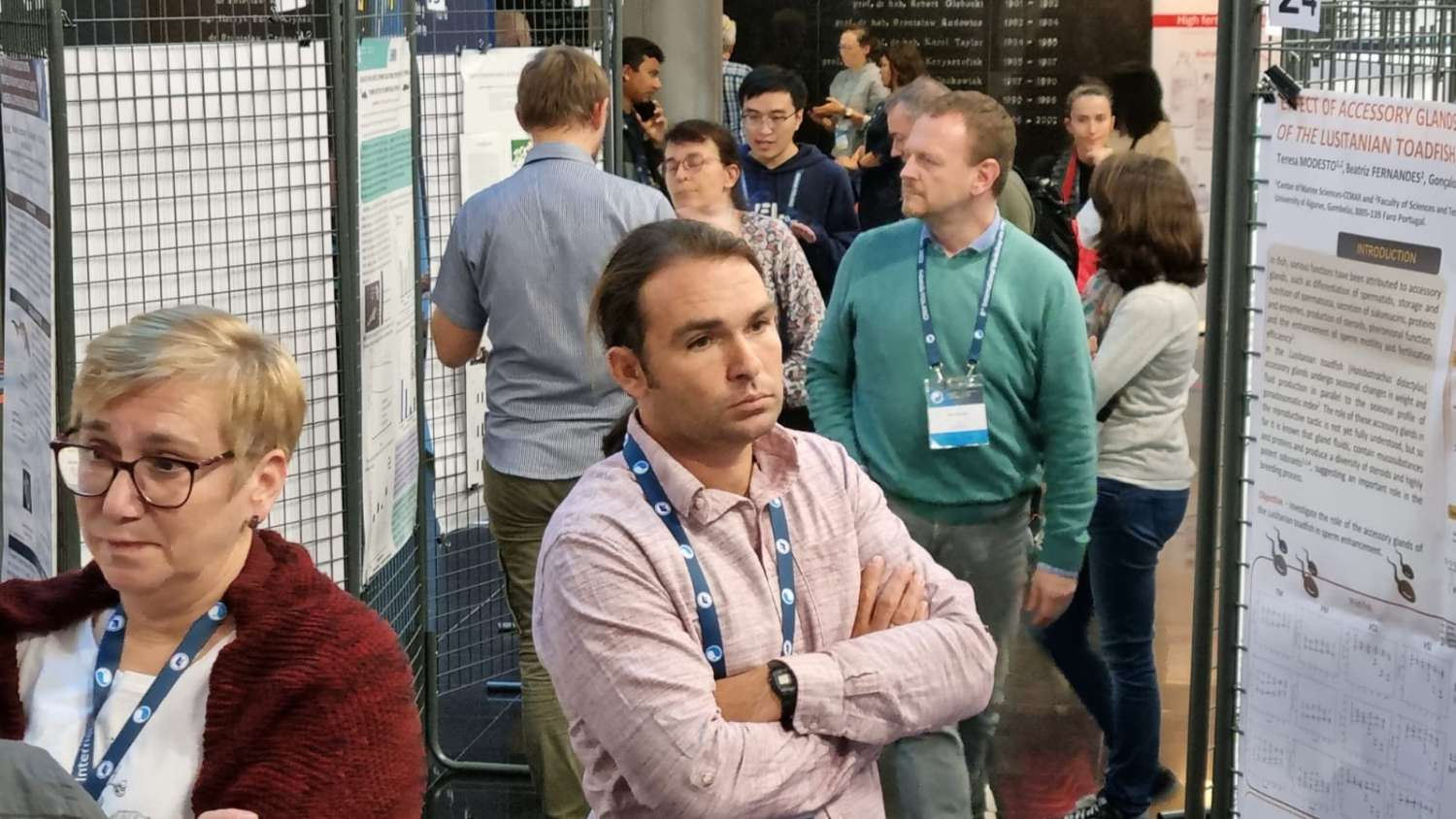
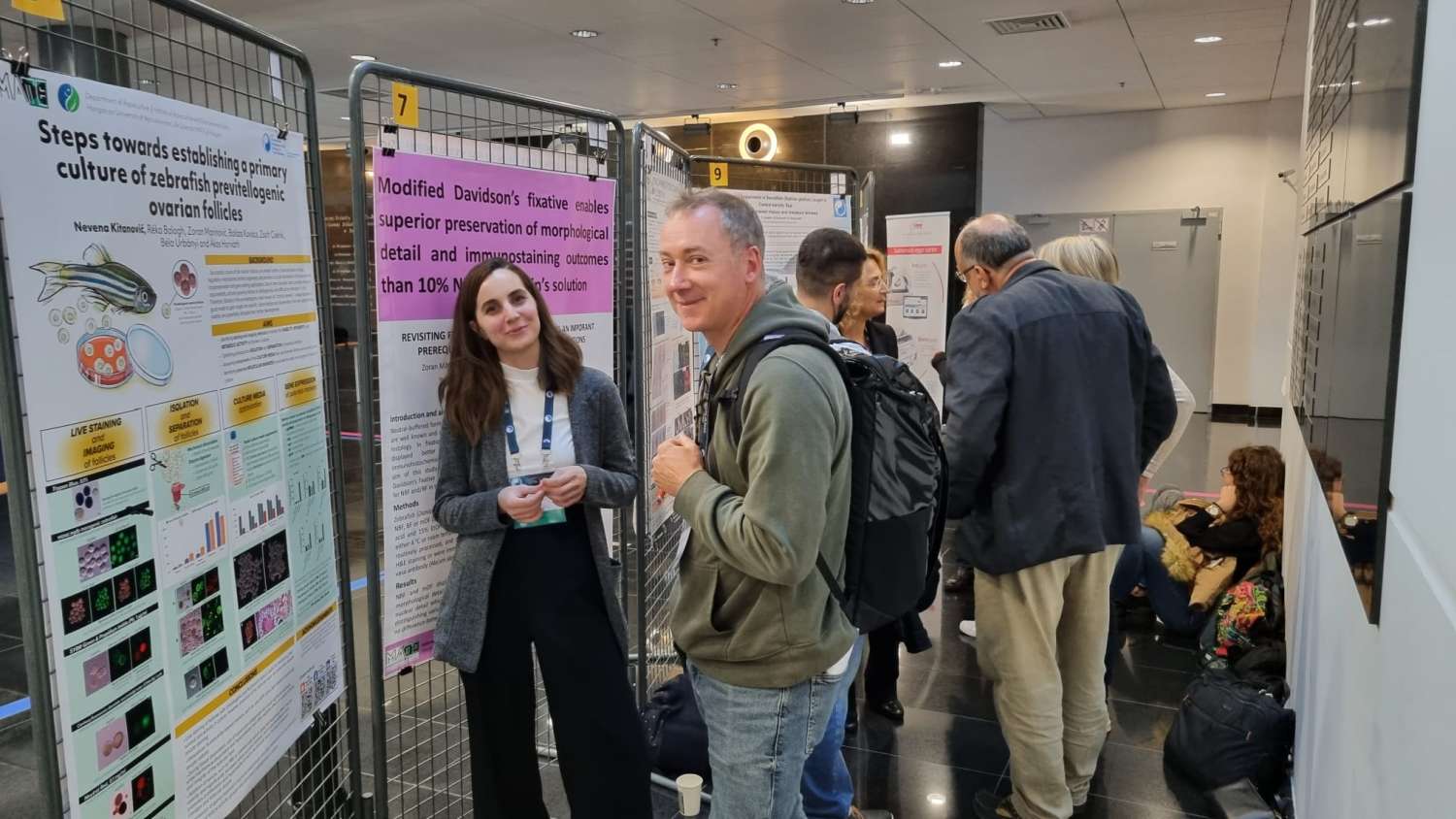
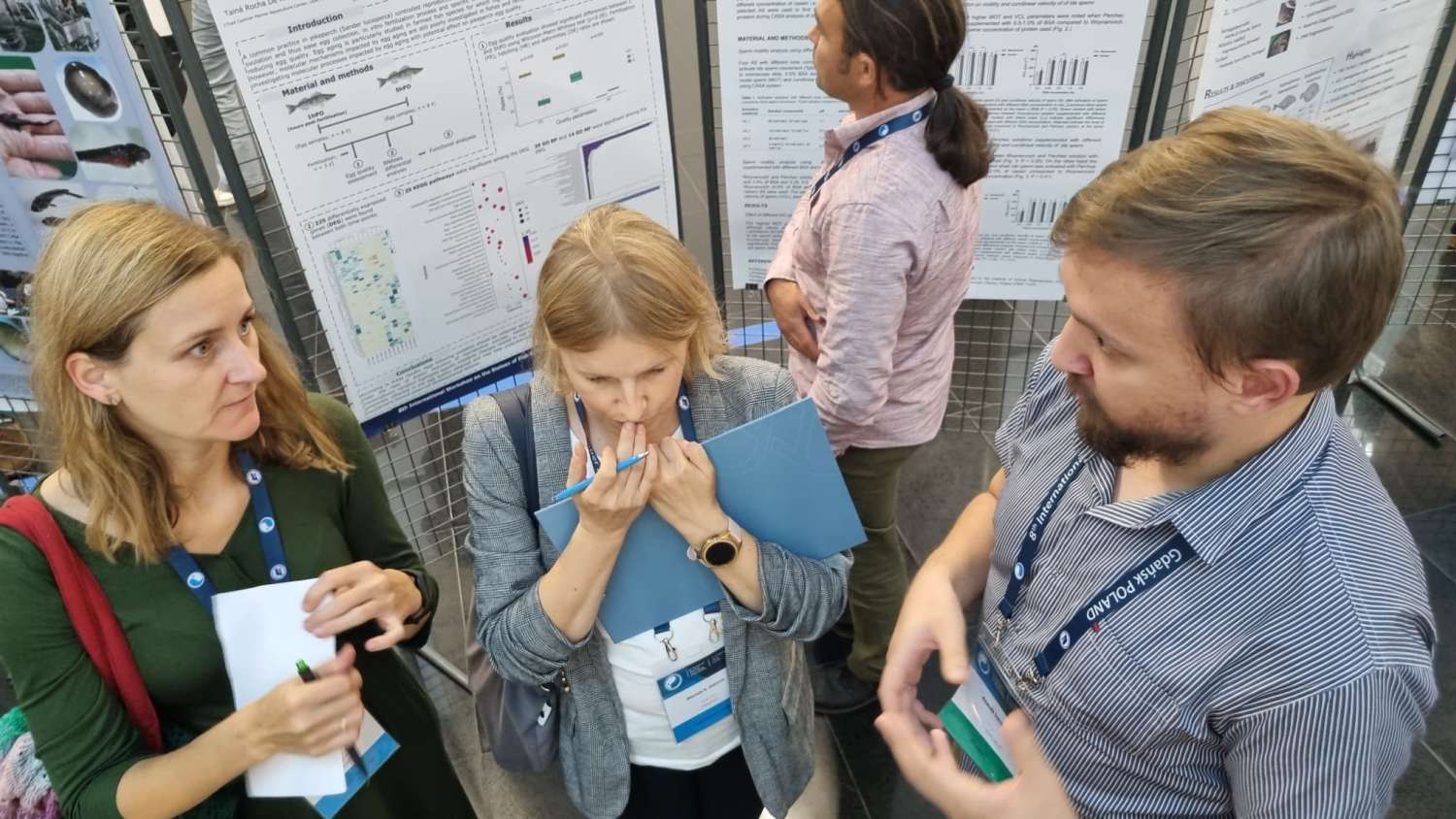
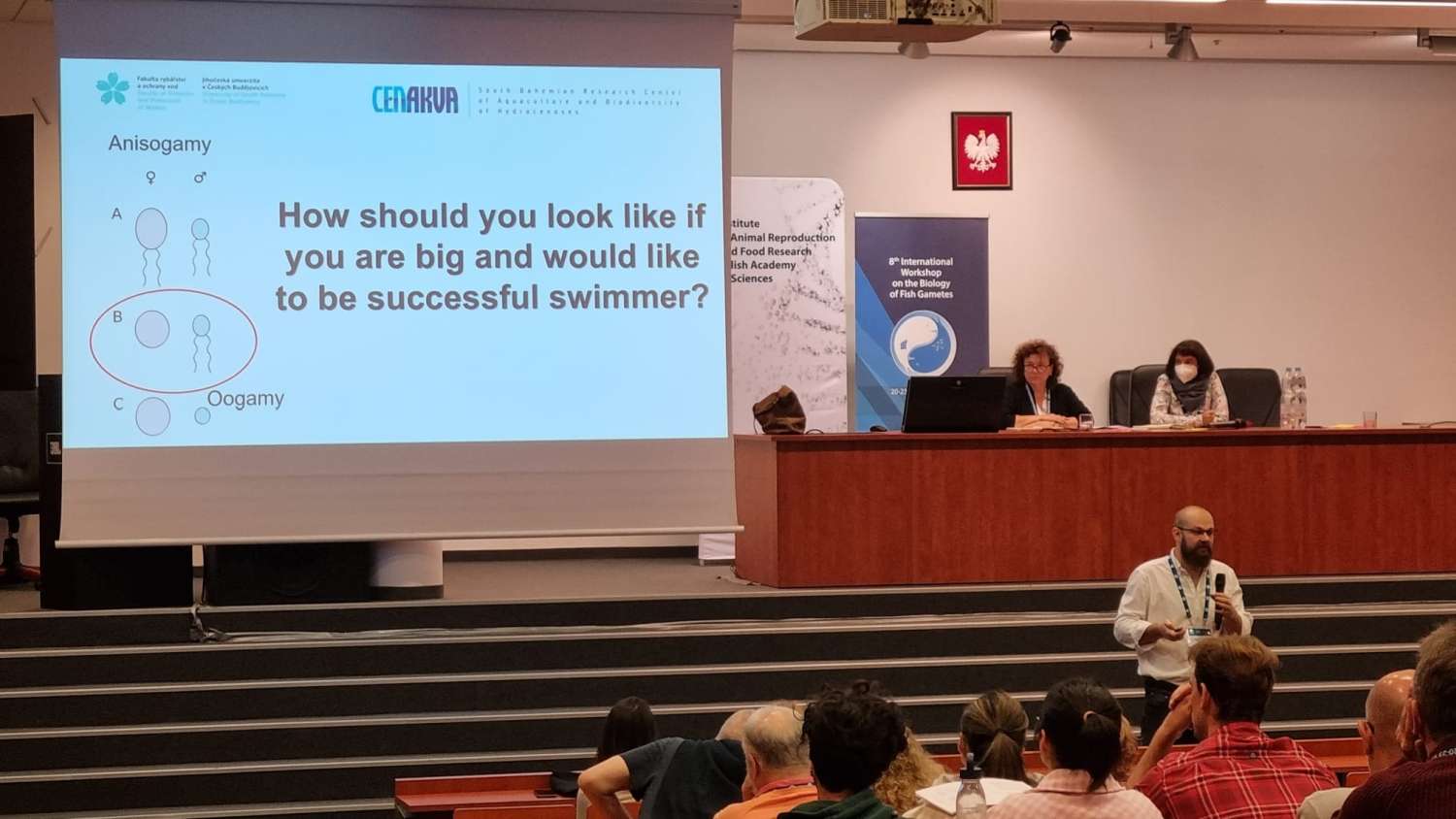
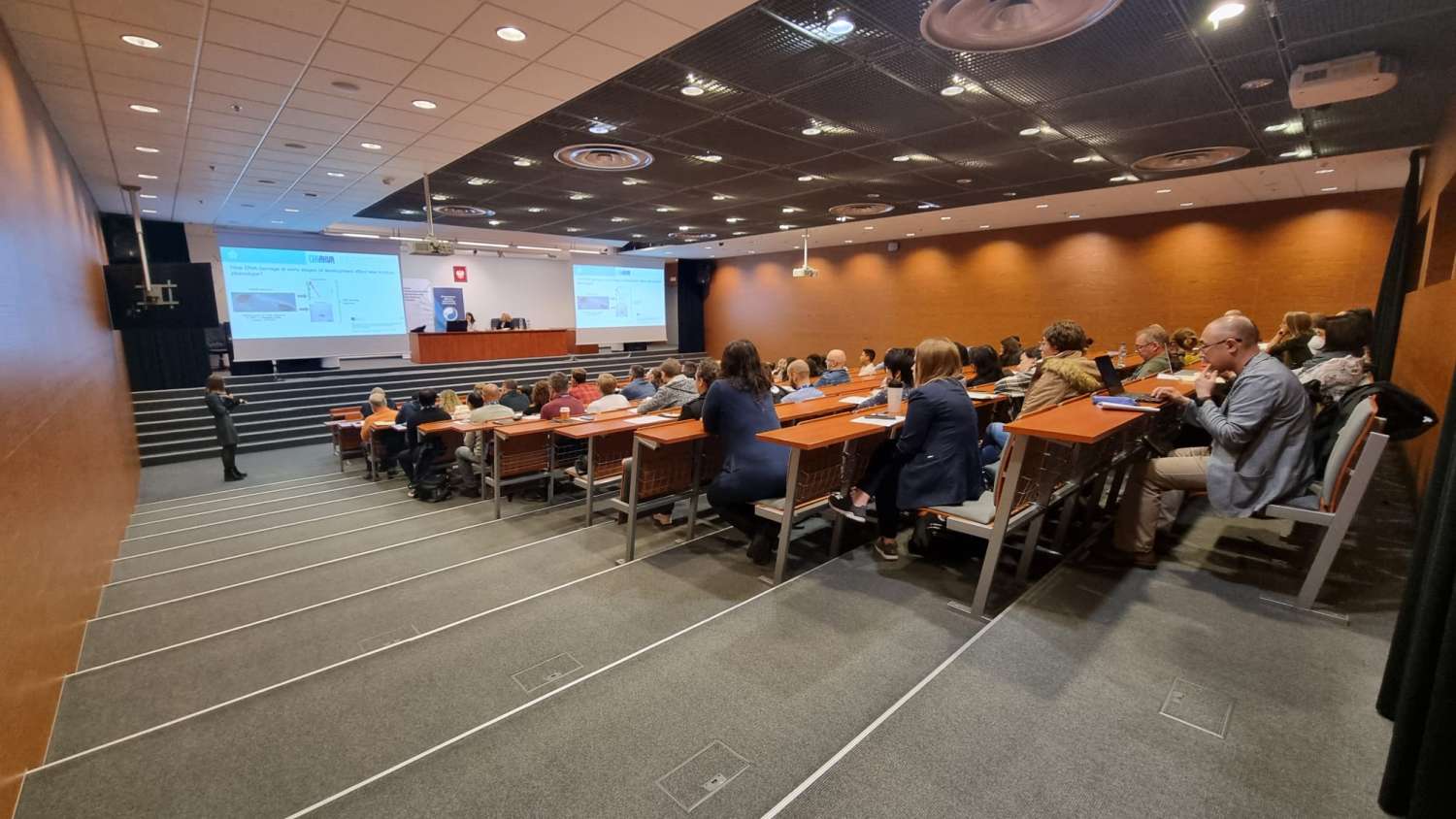
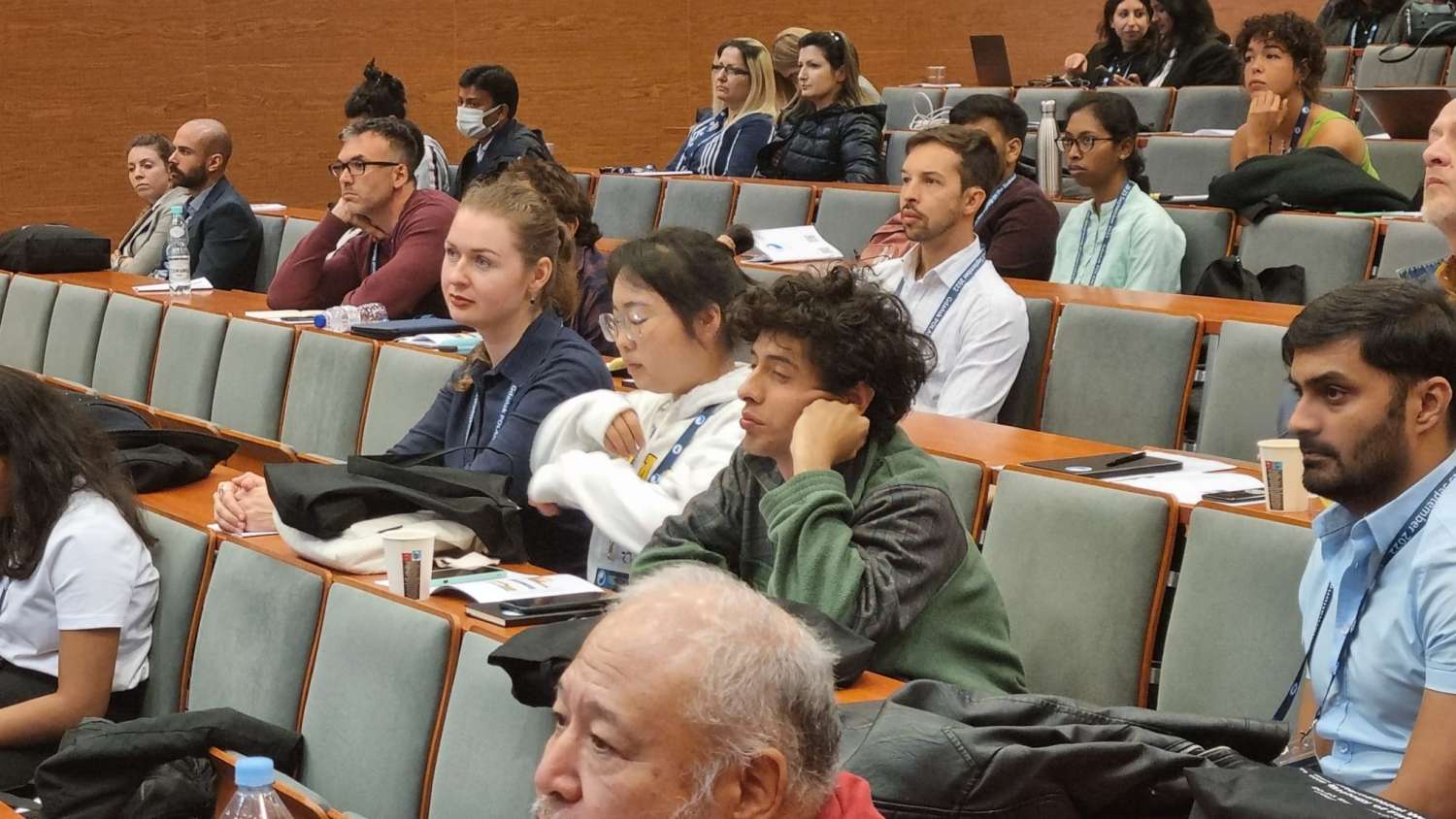
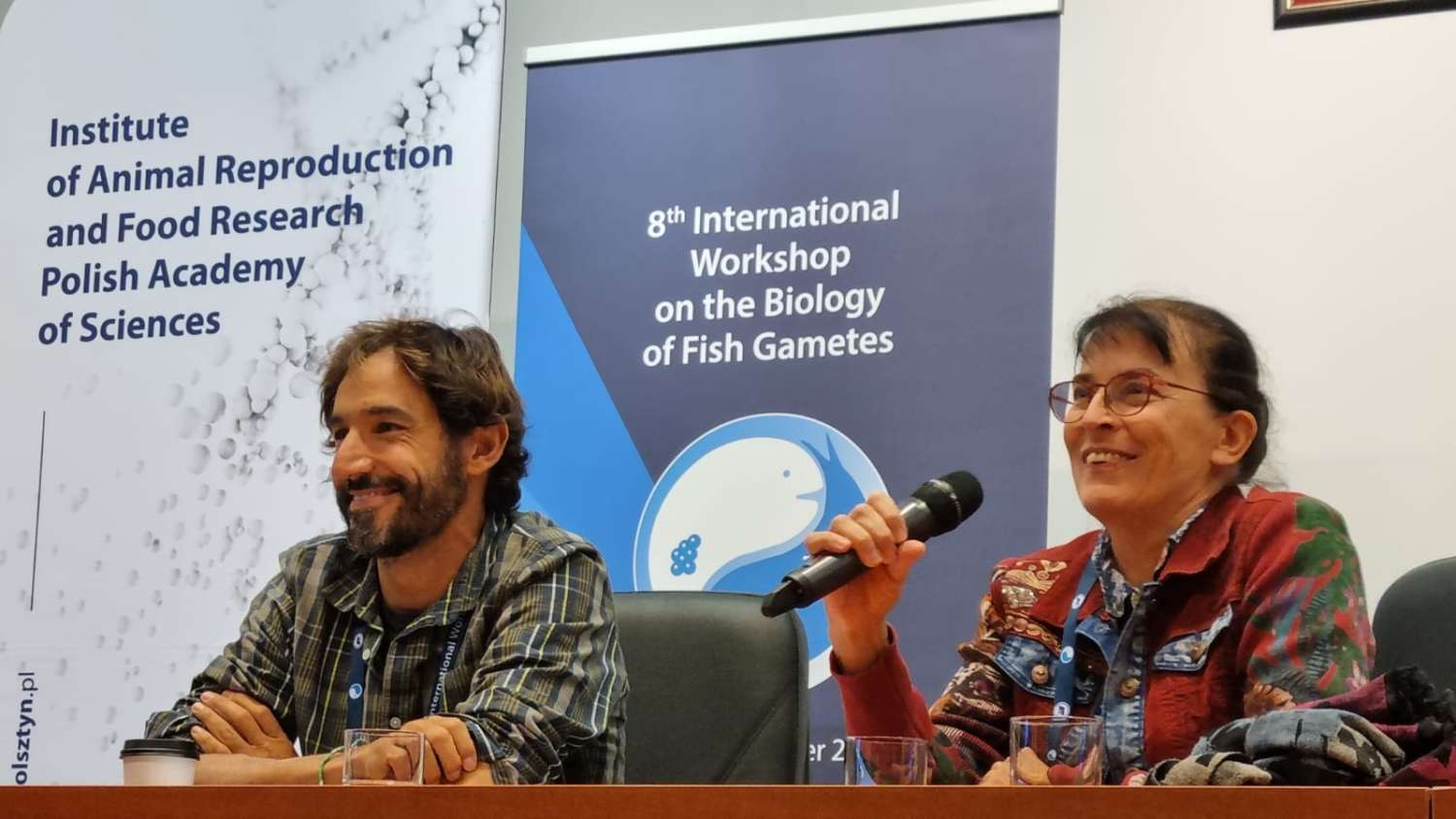
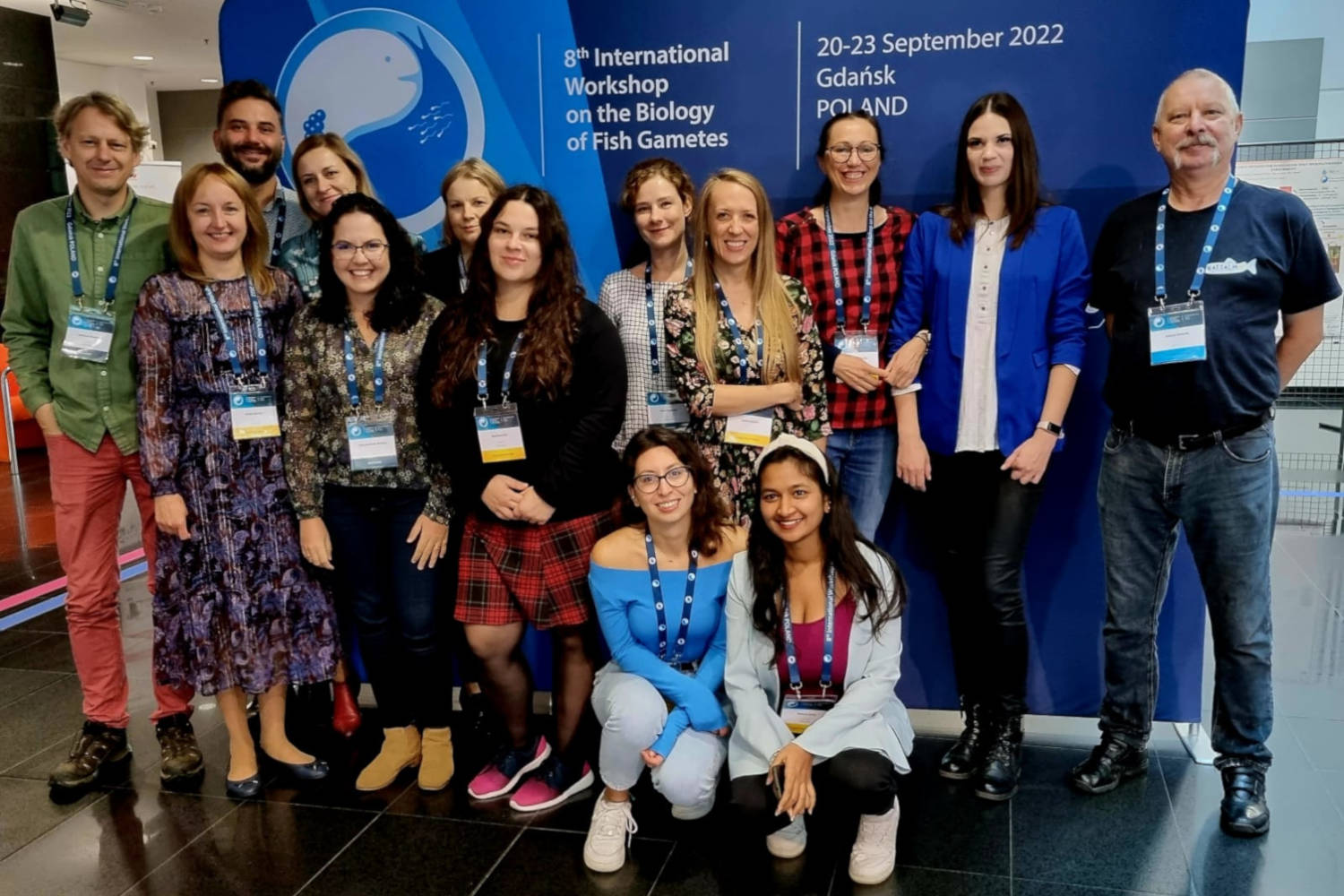
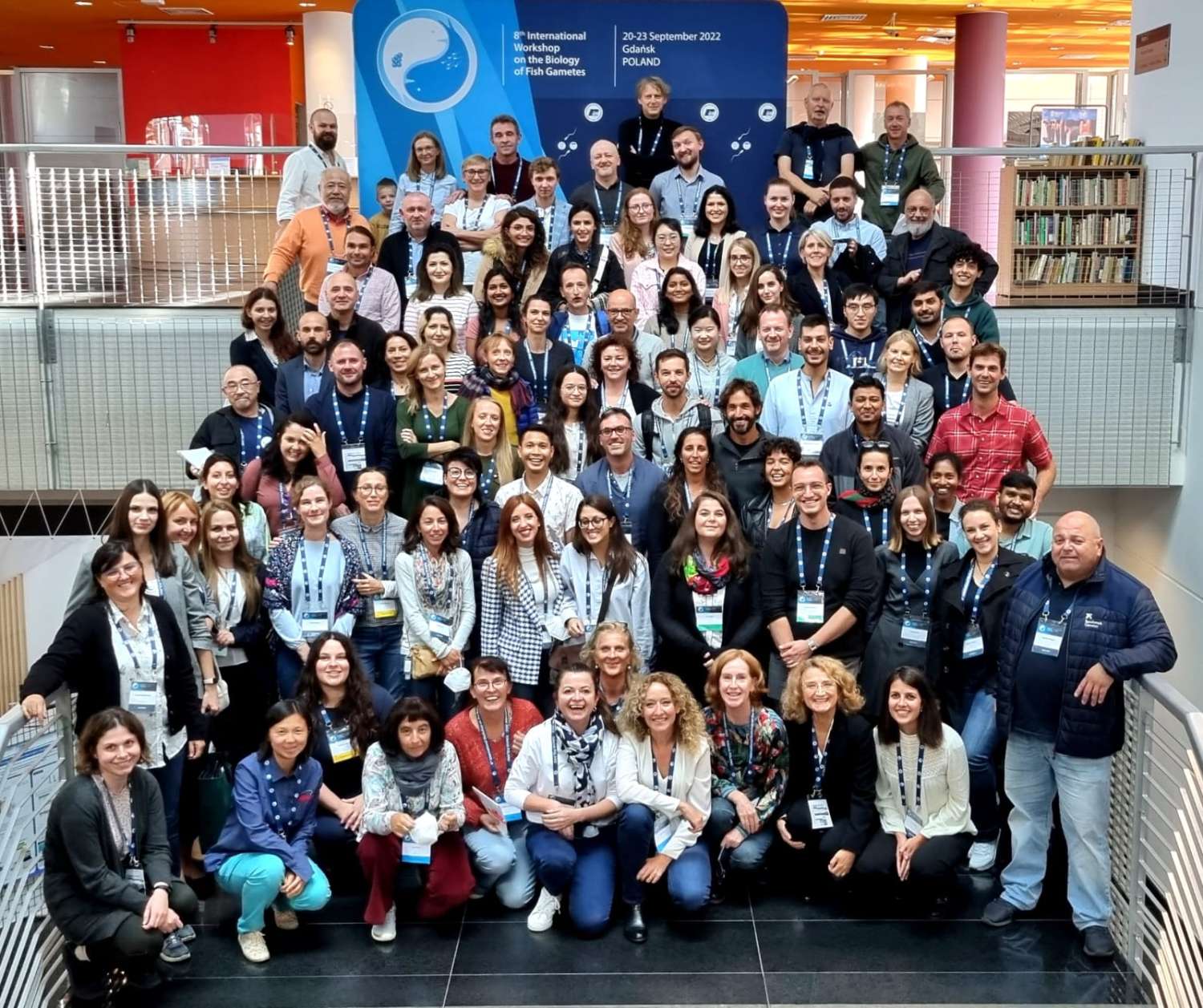
The eighth edition of the International Workshop on the Biology of Fish Gametes is over. One of the most important European conferences on reproductive biology this time took place in Gdansk.

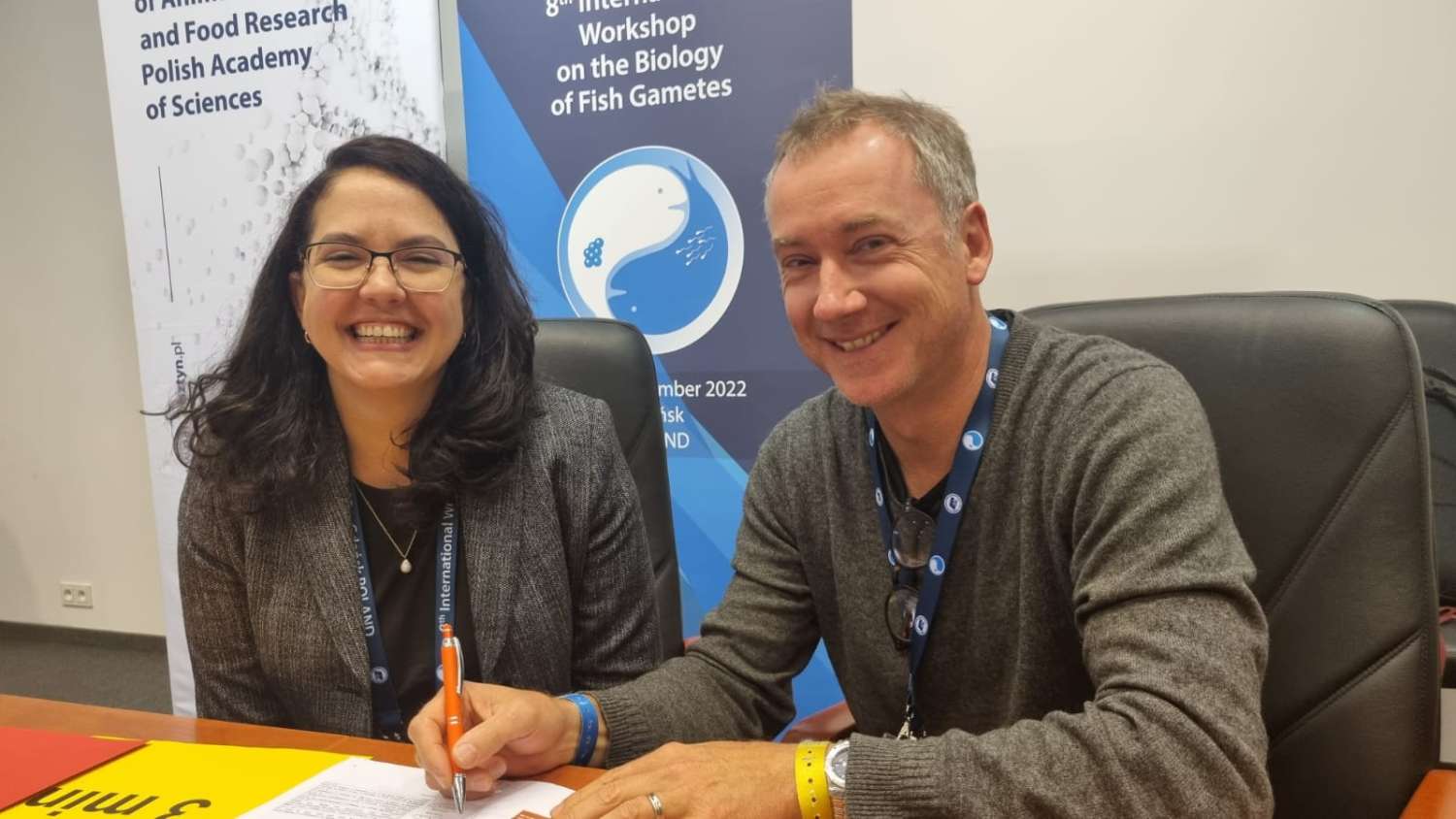
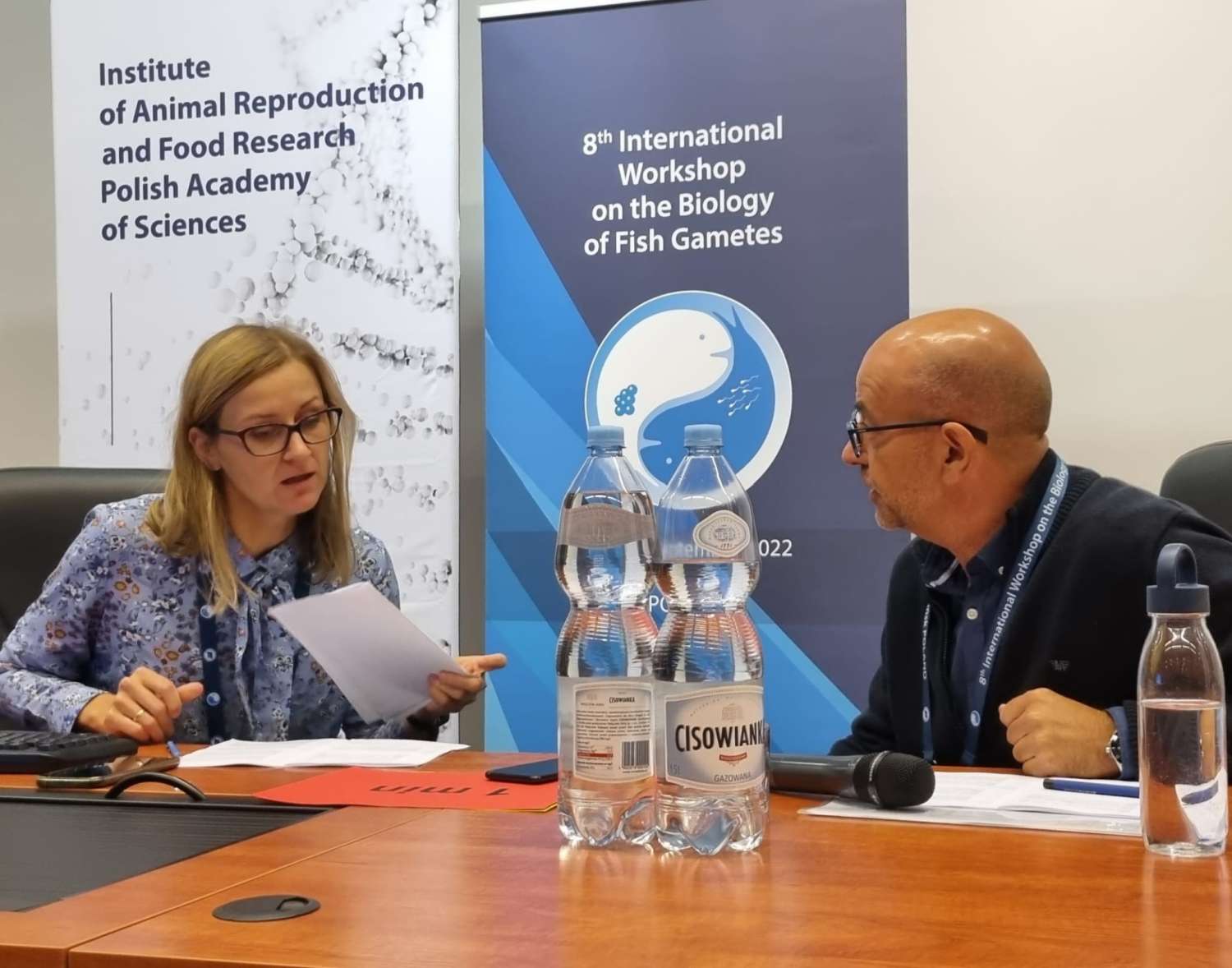
The International Workshop on the Biology of Fish Gametes’ eighth edition lasted from September 20-23, 2022. This time the best scientists interested in gametes and reproductive technologies of aquatic organisms in the world were hosted in Gdansk, and our Institute was responsible for the organization.

– Organizing the conference was a significant challenge for us, given the uniqueness of this event for the scientific community. Uncertain times make it even more challenging to arrange face-to-face meetings. Still, the positive response from interested scientific teams from the beginning gave us plenty of motivation to create an exceptional event despite the adversities, the success of which we can conclude from the very positive response from the participants – says Dr. Daniel Żarski, head of the conference organizing committee.

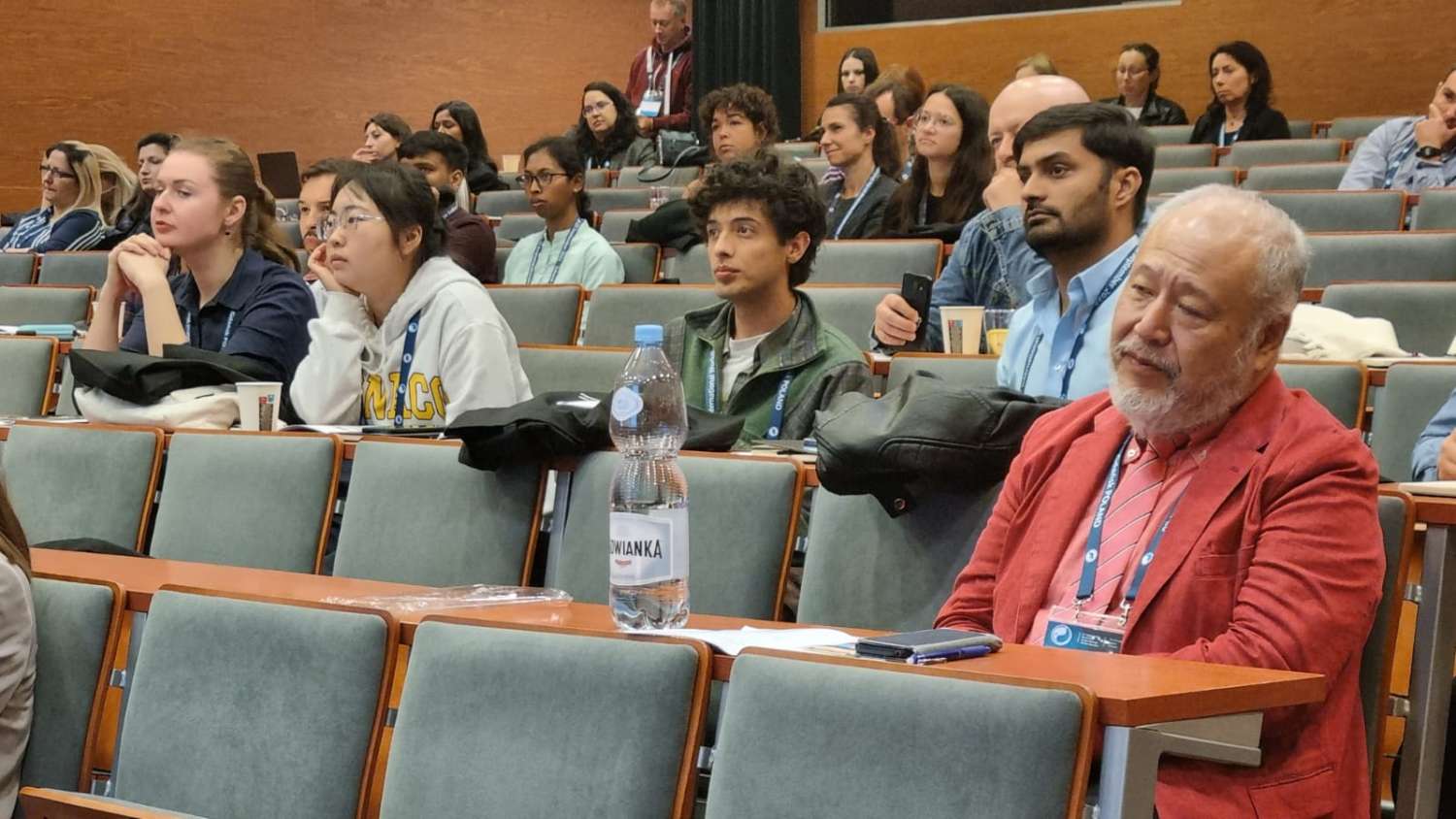
This year’s edition was exceptionally successful, as the organizers received as many as 91 abstracts from 14 countries, 40 of which were selected for oral presentations. The event was divided into six thematic sections, focusing on biotechnology and biotech, gametogenesis, gamete quality, gamete biology, fertilization and development, gamete storage, and cryopreservation.

– As organizers, we achieved our goal – to create a highly productive and friendly atmosphere to discuss science and consolidate and develop valuable relationships between participants. And this is the success of our entire team, who worked hard to make this goal a reality – adds Dr. Żarski.

International Workshop on the Biology of Fish Gametes – what kind of conference is this?

The first edition of the International Workshop on the Biology of Fish Gametes was held in 2007 in Vodňany, the Czech Republic. Since then, it has been organized every two years in various European locations, including Valencia, Faro, Budapest, Ancona, and Rennes. The organization of the eighth iteration was entrusted to the Institute of Animal Reproduction and Food Research of the Polish Academy of Sciences, and the campus of the University of Gdansk was chosen as the venue. Initially, it was to be held in 2021, but due to the global situation, it was decided to start in September 2022.

This year’s conference was attended by distinguished scientists from around the world, including Prof. Katsutoshi Arai of Hokkaido University, who has been involved in the Fish Gametes workshop since its inception, Prof. Ibon Cancio of the University of the Basque Country, and Dr. Audrey Laurent of INRAE LPGP. The level of the conference itself was very high, as mentioned by Prof. Andrzej Ciereszko, head of the scientific committee.

– The papers and materials presented in the posters were characterized by a high scientific level, both in the primary and applied sciences. Among other things, significant progress was made in embryonic and stem cell transplantation, clarifying the role of ribosomes in oocyte function and implementing molecular tools for fish sterilization. Research on endocrine regulatory mechanisms has been deepened, including the role of kisspeptin in reaching maturity and the regulation of stem cell proliferation by FSH and chronic stress – Prof. Ciereszko explained.

The eighth installment of the International Workshop on the Biology of Fish Gametes is now a thing of the past, and all concerned – organizers and participants – highly rate it. This is a great success not only for our Institute but also for the Polish scientific world.


Read more

Nutrition Winter School 2023: partnership with NuGO facilitates application

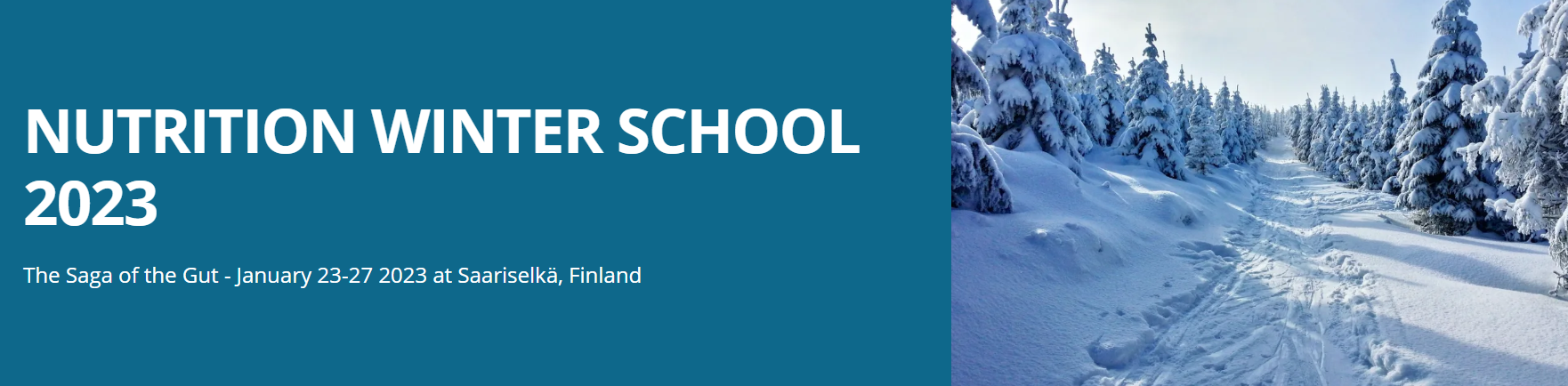
Do you want to spend a week in snowy Finland filled with scientific debates while deepening your knowledge in nutrition science? Nutrition Winter School 2023 is the proposal for you! You still have a chance to become one of the participants in this event, but there is not much time left.

7th Nutrition Winter School will happen the last week of January 2023! This meeting will be held in the town of Saariselkä in Lapland, Finland. The theme, „The Saga of the Gut,” will lead participants to understand the various roles of the gut in health and disease.

NuGO facilitates registration

European Organization of Nutrigenomics NuGO is a prestigious international association of universities and research institutes focusing on the joint development of the research areas of molecular nutrition, personalized nutrition, nutrigenomics and nutritional systems biology. Institute of Animal Reproduction and Food Research is part of NuGO and thus our employees have access to discounts for registration to NWS2023.

All PhD students and postdocs from NuGO member organizations have a chance to win one of 3 grants in the amount of 500 €, which covers part of the Early Bird registration fees at NWS2023. The deadline for requesting financial support from NuGO is October 1, 2022. The request for financial aid should be addressed to nugo@wur.nl. For more information on the grant, go to the NuGO website.

What is Nutrition Winter School 2023?

The organizers of the Nutrition Winter School have set themselves the goal of bringing together the most talented scientists in the early stages of their careers and experienced educators from different backgrounds to exchange ideas and differing points of view. During NWS2023, numerous lectures and scientific sessions will inspire young scientists to do new research projects.

The program is designed to touch on intestinal health from different sides. The latest developments in the field of nutrition – from a molecular, experimental, and clinical point of view – will be presented. During the lectures, participants will learn how nutrients are absorbed and transported in the gastrointestinal tract, how the microbiome is formed, and whether the gut affects our immune and neurological systems. Scientists will also discuss the latest diagnostic advances that may already have clinical applications and consider the role of genes in healthy gut function. The whole program for the Nutrition Winter School 2023 you can find here.

During NWS2023, participants will have the opportunity to exchange views with world-renowned experts. Sessions will feature speakers such as: Prof. Magnus Simren from University of Gothenburg; Prof. Michael Müller from University of East Anglia; Prof. Michael Schemann from Technical University of Münich and many more.

NWS2023 is a unique opportunity for any scientist who wants to improve their competence in the field of nutritional sciences, and at the same time spend time in an extraordinary, picturesque place.

For all willing participants registration is still open! Registration fees are 750 € (until 15.10.2022) and 850 € (last call, valid until 9.12.2022). The registration fee includes the right to attend lectures, workshops, seminar material, social programs, lunches, coffee, and dinners. The fee does not include breakfast, travel, or accommodation.


Read more

Call for a position of a Post-doctoral Researcher in an NCN project OPUS LAP 22

Institution name:

Institute of Animal Reproduction and Food Research, Polish Academy of Sciences (IAR&FR PAS)

Name of the position:

Post-doctoral Researcher in an NCN project OPUS LAP 22 entitled „Biotope influence on genetic diversity, fitness traits, microbiome and embryonic diapause in the European roe deer”

Description of the position:

The candidate will participate in the following research tasks:

  1. The procedure of collecting research material in the field, transporting the material to the laboratory.
  2. The isolation of oocytes from the ovaries of female roe deer, to develop a method for vitrification of oocytes.
  3. The isolation of semen from epididymides of male roe deer, develop a method for cryopreservation of semen, CASA analysis, determination of concentration and morphology.
  4. The develop in vitro fertilization method, culture embryos to blastocyst stage.
  5. Perform molecular biology techniques – Real Time PCR, electrophoresis, Western blotting, ELISA.
  6. Computer and statistical analysis of the obtained results, compilation of results for publication.
  7. Preparation of manuscripts, conference reports, presentations.

Conditions of work:

  • The elected candidate will receive a monthly salary of 7500-8500 PLN per month (brutto),
  • Location of the workplace: Department of Biodiversity Protection, IAR&FR PAS, Popielno 25, 12-220 Ruciane-Nida,
  • Date of beginning of the employment: November/December 2022,
  • Length of work contract: 30 months.

Requirements:

  1. Ph.D. in bioengineering, biotechnology, biology, veterinary, or related discipline (obtained not earlier than 7 years before the date of the announcement, a degree should be obtained outside the Institution where the project will be carried out);
  2. Knowledge in the field of biochemistry, molecular biology, biology of reproduction od mammals;
  3. Experience confirmed by scientific achievements in research on molecular biology techniques;
  4. Experience confirmed by scientific achievements in the field of flow cytometry techniques and proteomic analyzes (SDS-PAGE, 2D PAGE, Western-Blot);
  5. Knowledge of the English language at a level enabling easy communication;
  6. Driving licence in category B and practical abilities of auto driving;
  7. Ability to work in a team.

Interested candidates are asked to provide the following documents:

  1. Motivation letter;
  2. CV including a list of publications, conference presentations, and other awards;
  3. Copy of the PhD diploma;
  4. Recommendation letter confirming skills necessary for completing the project;
  5. Other documents, that in the opinion of the candidate are important when considering him/her for the position.

Applications should be sent to:

Prof. Anna Korzekwa, email: a.korzekwa@pan.olsztyn.pl, deadline October 19, 2022 until 3:00 p.m. The subject of the message should be „Call for Post-doc Researcher/OPUS LAP”.

In your CV, please include a consent clause for the processing of personal data in the recruitment process:

„I consent to the processing of my personal data contained in the application documents by the Institute of Animal Reproduction and Food Research of the Polish Academy of Sciences in Olsztyn, 10-748 Olsztyn, ul. Tuwima 10, in order to carry out the recruitment process and publishing the full results of the competition on the Institute’s website”.

Information clause:

  1. The administrator of personal data processed as part of the recruitment process is the Institute of Animal Reproduction and Food Research of the Polish Academy of Sciences in Olsztyn, 10-748 Olsztyn, ul. Tuwima 10, phone no. 89 523 46 86, e-mail: instytut@pan.olsztyn.pl.
  2. Contact with the personal data protection officer is possible at the above-mentioned address.
  3. The provided personal data will be processed in order to carry out the current recruitment process and kept until its completion on the basis of expressed consent (in accordance with Article 6 (1) (a) of the GDPR).
  4. You have the right to withdraw consent at any time without affecting the lawfulness of the processing which was carried out on the basis of consent before its withdrawal.
  5. You have the right to access your personal data, request their rectification or removal. Submitting a request to delete data is tantamount to resignation from participation in the recruitment process. In addition, you have the right to request the restriction of processing in the cases specified in art. 18 GDPR.
  6. You have the right to lodge a complaint with the President of the Personal Data Protection Office against the unlawful processing of his personal data. This authority will be competent to consider the complaint, provided that the right to file a complaint concerns only the lawfulness of the processing of personal data, and not the recruitment process.
  7. Your data will not be profiled or made available to entities or third countries. The recipients of the data may be institutions authorized by law.
  8. Providing your personal data is not obligatory, but it is a necessary condition to participate in the recruitment process. 
 

Read more

Evolution, human migrations, and vitamin D deficiencies

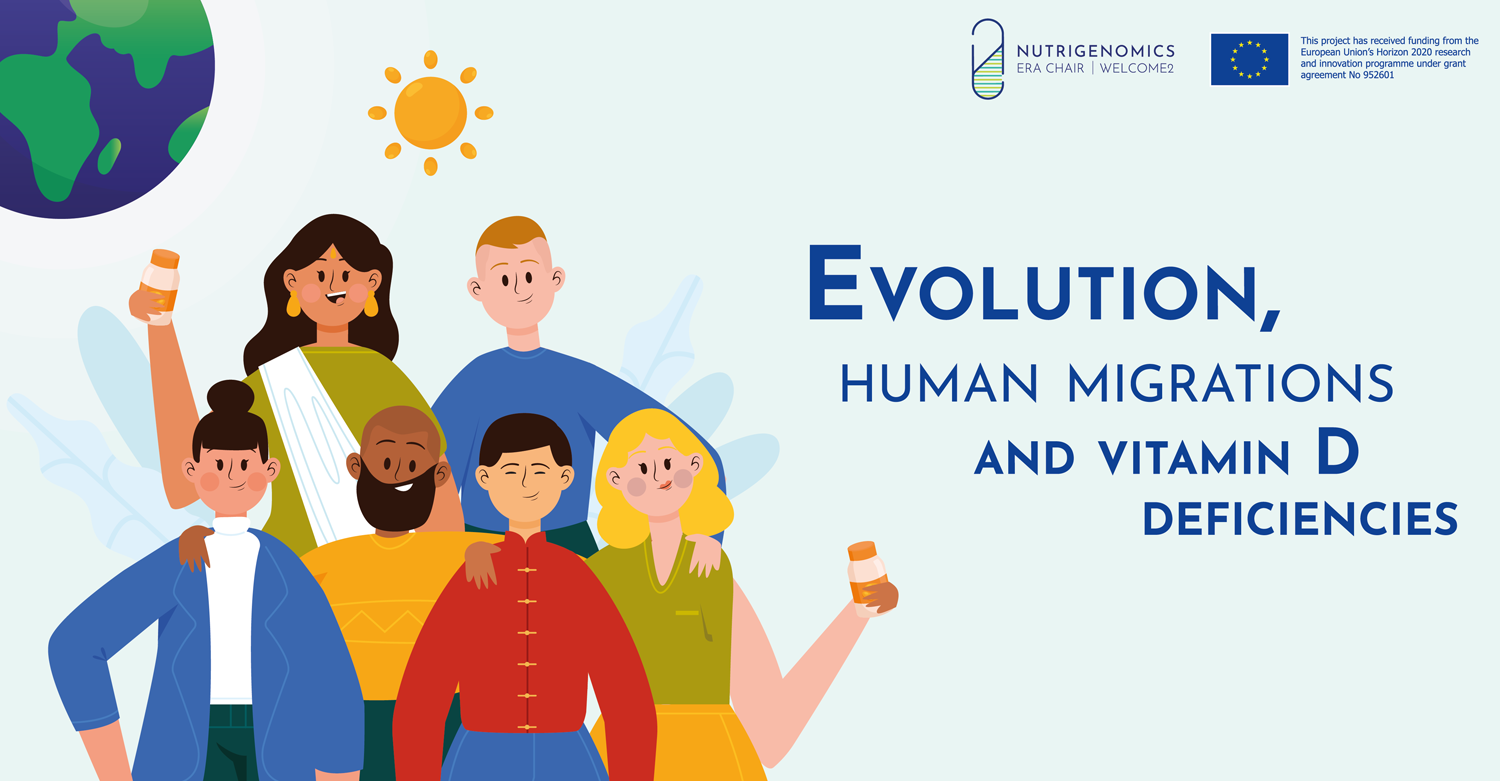
When did organisms learn to synthesize vitamin D? How did its functions change throughout our evolution, and how did this affect the entire Homo sapiens species? Professor Carsten Carlberg answers these questions in his latest scientific publication.

A new publication by Prof. Carsten Carlberg, ERA Chair in the WELCOME2 project at the Institute of Animal Reproduction and Food Research of the Polish Academy of Sciences, titled „Vitamin D in the Context of Evolution,” has appeared in the journal Nutrients. The „career” of vitamin D goes back to as early as 1.2 billion years ago, when eukaryotes (organisms with cell nuclei) developed the ability to synthesize sterols (and therefore vitamin D). In his publication, Prof. Carlberg explains how in the course of evolution – including that of the Homo sapiens – the role of vitamin D changed over time and „stabilized” relatively recently.

 It wasn’t until 100 years ago that vitamin D was called a „vitamin” because its administration could cure experimentally induced rickets in dogs and rats. Rickets is also a developmental disorder in children, and many studies have linked vitamin D to calcium homeostasis and bone remodeling. It quickly became apparent that this is only one of many processes controlled by this micronutrient – others include detoxification, energy metabolism, and innate immunity. Researchers also point to a possible role for vitamin D in skin lightening among migrating peoples, particularly in European populations.

How did vitamin D become a vitamin?

Evolution is the basic process responsible for the biological development of all living organisms. There are no animals or plants on Earth that are not subject to the laws of evolution and thus do not adapt to environmental changes. In Prof. Carlberg’s paper, we read that one such adaptation was the development in animals ca. 550 million years ago, the Vitamin D Receptor (VDR), which transports proteins and enzymes for vitamin D metabolism.

Initially, vitamin D regulated physiological processes, the first of which was detoxification and energy metabolism. Thus, vitamin D modulated the energy-intensive processes of the innate immune system in its fight against microbes. In his latest work, Prof. Carlberg mentions that about 400 million years ago, species left the ocean and were exposed to gravity. Vitamin D took on the additional role of a master regulator of calcium homeostasis, essential for a stable skeleton.

„In its evolutionary origin in East Africa, the Homo sapiens species was exposed to extensive UV-B radiation every day all year round, which induced sufficient vitamin D3 synthesis. Therefore, over 200,000 years, humans have become accustomed to a consistently high vitamin D status of 100 nM 25(OH)D3 or more. Over the past 50,000-75,000 years, migration toward regions with latitudes above 37oN has allowed them to experience seasonal changes in sun exposure and periods of the year when vitamin D3 cannot be produced endogenously,” according to Prof. Carlberg’s publication.

As a result of the industrial revolution, people have adapted to an urban lifestyle with predominant work and indoor activity. Both conditions – winters with vitamin D and indoor preferences – often led to vitamin D deficiency in industrialized countries. In the 19th century, rickets was common among children in England, and vitamin D deficiencies increased tuberculosis in many countries. In a published paper, Prof. Carlberg concludes that it was not evolution but human migrations and lifestyle changes that made vitamin D3 a vitamin.

Quite recently – on an evolutionary scale – human lifestyle changes have caused a decrease in endogenous vitamin D3 production. At the same time, most of the population is not based on a Mediterranean diet, so they are vitamin D deficient. Worldwide, this problem affects over a billion people and causes numerous health problems, including bone deformities and reduced immune system performance.

Prof. Carlberg’s unique publication

This work by Prof. Carlberg sheds new light on the evolutionary mechanisms that led to the development of the VDR receptor, enabling vitamin D uptake. He also shows that it is not the evolutionary process but lifestyle changes and frequent migrations that are the reason for the vitamin D deficiencies occurring around the world today, which affect most of us.

The paper, „Vitamin D in the Context of Evolution,” also allowed Prof. Carlberg to cross another critical threshold: reaching H-index 60 on the Publons platform. It provides a service for scientists to track, verify and present their scientific reviews and editorial contributions to scientific journals. It is worth mentioning that Prof. Carlberg already has 265 publications on Publons, which have been cited nearly 12,000 times.

Prof. Carlberg’s main task within the ERA Chair WELCOME2 project at the Institute of Animal Reproduction and Food Research of the Polish Academy of Sciences is to create a team dedicated to analyzing gene regulation on the scale of the entire human genome, in particular changes in the human epigenome. This will be aided, among other things, by the development of „digital twins,” or virtual models of healthy and sick individuals, allowing in silico (via computer simulation) testing of interventions related to diet selection, physical activity, and drug use. These activities will form the basis of the Center of Excellence in nutrigenomics at the Institute. You can read more about the ERA Chair WELCOME2 project here.


Read more

Weekend with Polish Konik horses and Tarpaniada 2022

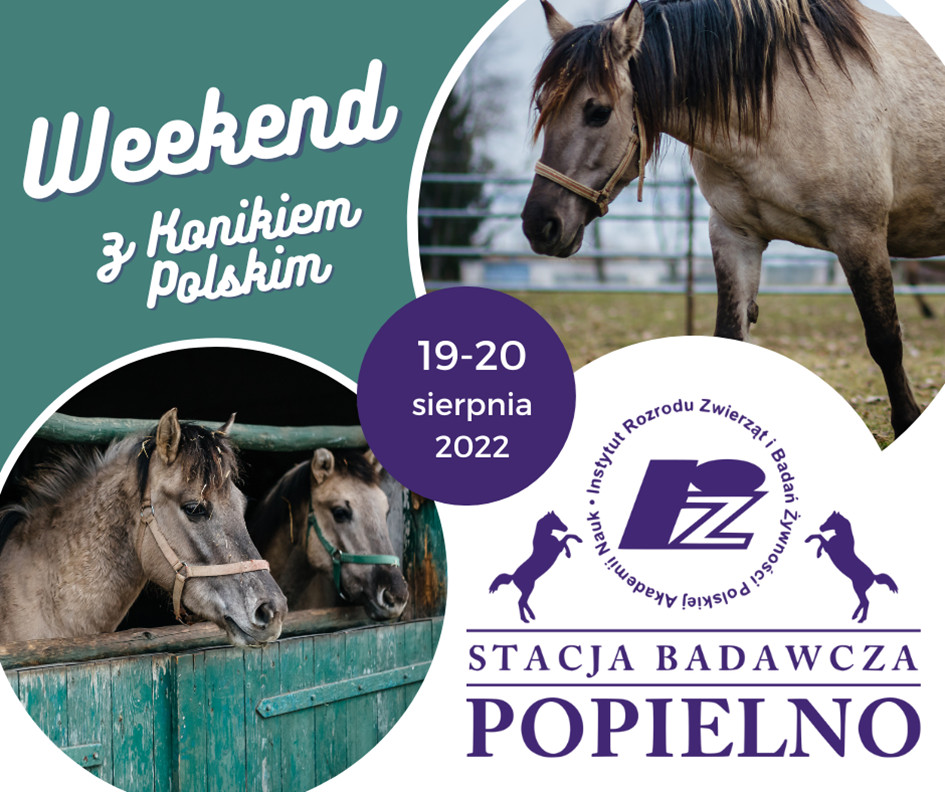
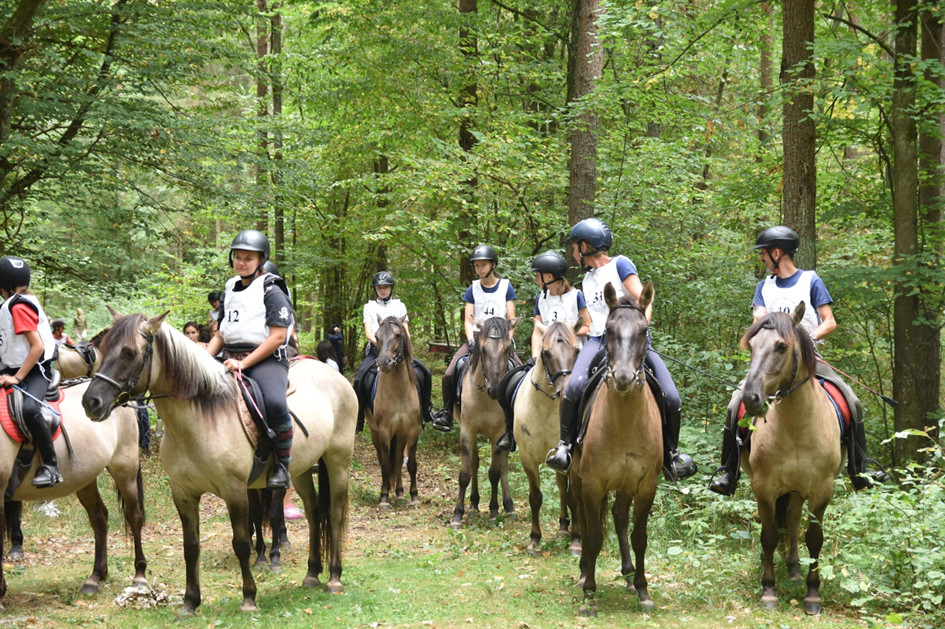
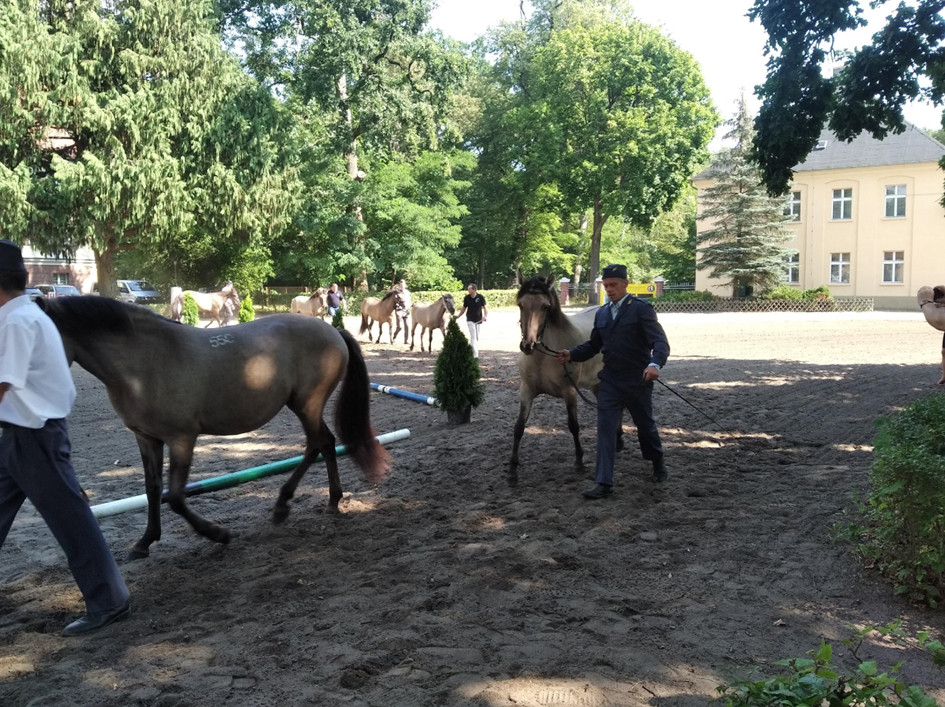
The end of August was very busy for Polish Konik horses from Popielno. On August 19-20, 2022, in Popielno the breeding event „Weekend with Polish Konik Horses” took place, followed a week later by Tarpaniada 2022 in Sieraków Wielkopolski, where animals from our breeding presented themselves remarkably well.

On the first day of the „Weekend with Polish Konik Horses,” performance tests of Polish Konik horses were conducted, which were entered by a total of 7 horses – including two from the breeding of the Research Station in Popielno. The mares that entered the harness trial – DAWKA P and WIECHLINA – finished it with good and excellent marks. Five mares entered the dressage trial, one of which was withdrawn during the test due to insufficient fitness preparation.

A committee composed of the director of the Warmia-Mazury Horse Breeders’ Association, Adam Domzala, the director of the District Horse Breeders’ Association in Bialystok, Marek Niewinski, and the chairman of the Stud Book Commission for Polish Horses, Jan Slominski, conducted the licensing (i.e., an entry in the stud books) of one stallion and three mares, as well as the verification of a 5-year-old stallion and a 5-year-old mare. During the warranty, the stallion bred from Popielno – TOJAD P – received 82 points, while GWIAZDNICA P collected 80 points. A maximum of 100 bonus points can be collected, but this rarely happens – stallions with scores above 80 points are considered very good, and mares rated at 80 points are elite animals.

Horses from Popielno for the exhibition were prepared and presented by youngsters (Marika Frost, Martyna Hapka, and Zuzia Pejsak), who also prepared horses for the XX All-Around Polish Konik Competition, which took place on 22-23.08.2022 at the farm of Mr. and Mrs. Niedbalski in Wojnowo.

On the second day of the „Weekend with the Polish Konik,” the premium of foals took place. Fourteen foals were placed in the catalog: 10 bred from Popielno and four foals belonging to area breeders. The commission composed of: Jan Slomiany, Adam Domzala, and Kamila Bejar, an inspector of the Warmia-Mazury Horse Breeders Association in Olsztyn, awarded the title of a champion to the filly LEGENDA M and the title of vice-champion to the filly BABA JAGA P (from Popielno).

In turn, the mare JUNA P (from Popielno) was awarded the title of vice-champion of the XXI National Polish Horse Show in Sierakow Wielkopolski (Tarpaniada), which took place on August 26-27, 2022.

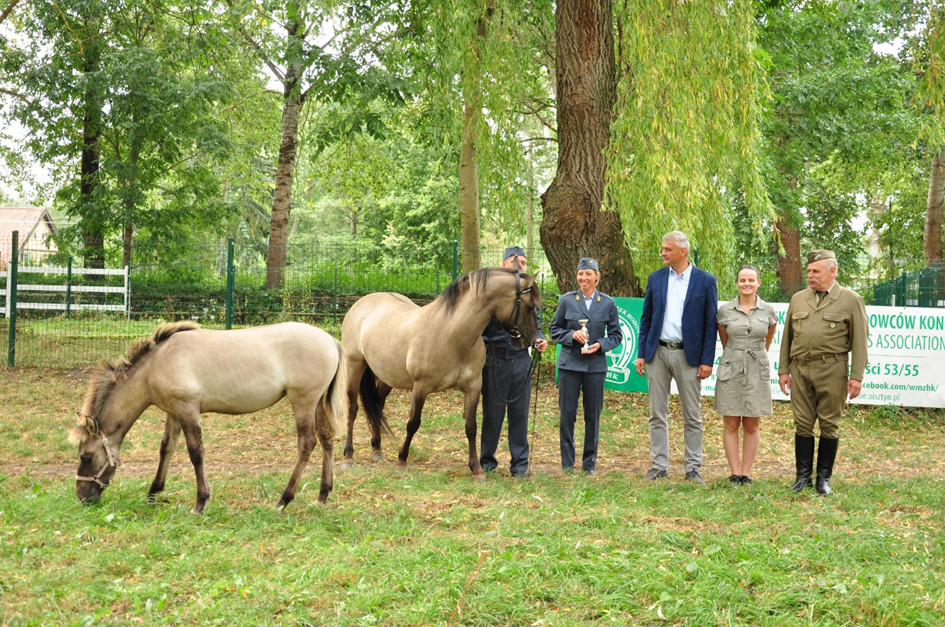
The Judging Panel, consisting of Zbigniew Jaworski – Chairman, Jaroslaw Szymoniak (Director of the Association of Breeders of Polish Horses of Greater Poland), and Marek Zulawski (member of the KKn Stud Book Commission), evaluated the horses on the grounds of the Sierakow Stallion Stud on the second day of Tarpaniada. Before the start of the evaluation, WZHK Director Jaroslaw Szymoniak presented Marta Siemieniuch. She heads the breeding of Polish Konik horses at the IARFR Research Station of the Polish Academy of Sciences in Popielno, with a silver union badge from the Polish Horse Breeders Association.

During the plate evaluation, the judging panel awarded the highest number of points to the mare HENARA D (43.65 points), while slightly lower marks were given to JUNA P (42.65 points). 10 of the 11 mares scored above 40 points, confirming that the level was even this year. Traditionally, breeders and owners of the best mares, in addition to cups funded by the Polish Horse Breeders Association, will receive monetary prizes awarded by the Minister of Agriculture and Rural Development.


Read more

Call for a position of a Post-doctoral Researcher in an NCN project SONATA 17

Institution name:

Institute of Animal Reproduction and Food Research, Polish Academy of Sciences (IAR&FR PAS)

Name of the position:

Post-doctoral Researcher in an NCN project SONATA 17 entitled „Potential use of peroxiredoxins to improve the quality of cryopreserved bull semen”

Description of the position:

The candidate will participate in the following research tasks:

  1. Characterization of differences in plasma membrane structure, redox proteome and peroxiredoxins abundance in sperm of good and poor freezability;
  2. Selection of peroxiredoxin isoforms related to good freezability and chaperone function;
  3. Effect of extracellular and intracellular introduction of peroxiredoxins on bovine sperm freezability;

Conditions of work:

  • The elected candidate will receive a monthly salary of 7500-8500 PLN per month (brutto),
  • Location of the workplace: Department of Gamete and Embryo Biology, IAR&FR PAS, Bydgoska Str. 7, 10-243 Olsztyn,
  • Date of beginning of the employment: October 2022,
  • Length of work contract: 36 months.

Requirements:

  1. Ph.D. in bioengineering, biotechnology, biology, veterinary, or related discipline (obtained not earlier than 7 years before the date of the announcement, a degree should be obtained outside the Institution where the project will be carried out);
  2. Knowledge in the field of biochemistry, molecular biology, biology of reproduction and immunology;
  3. Experience confirmed by scientific achievements in research on mammalian sperm, with particular emphasis on bulls;
  4. Experience confirmed by scientific achievements in the field of flow cytometry techniques and proteomic analyzes (SDS-PAGE, 2D PAGE, Western-Blot);
  5. Knowledge of the English language at a level enabling easy communication;
  6. Ability to work in a team.

Interested candidates are asked to provide the following documents:

  1. Motivation letter;
  2. CV including a list of publications, conference presentations, and other awards;
  3. Ph.D. diploma or certificate of participation in studies at the moment;
  4. Recommendation letter confirming skills necessary for completing the project;
  5. Other documents, that in the opinion of the candidate are important when considering him/her for the position.

Applications should be sent to:

Dr Agnieszka Mostek-Majewska a.mostek@pan.olsztyn.pl, deadline September 15, 2022 until 3:00 p.m. The subject of the message should be „Call for Post-doc Researcher/SONATA”.

In your CV, please include a consent clause for the processing of personal data in the recruitment process:

„I consent to the processing of my personal data contained in the application documents by the Institute of Animal Reproduction and Food Research of the Polish Academy of Sciences in Olsztyn, 10-748 Olsztyn, ul. Tuwima 10, in order to carry out the recruitment process and publishing the full results of the competition on the Institute’s website”.

Information clause:

  1. The administrator of personal data processed as part of the recruitment process is the Institute of Animal Reproduction and Food Research of the Polish Academy of Sciences in Olsztyn, 10-748 Olsztyn, ul. Tuwima 10, phone no. 89 523 46 86, e-mail: instytut@pan.olsztyn.pl.
  2. Contact with the personal data protection officer is possible at the above-mentioned address.
  3. The provided personal data will be processed in order to carry out the current recruitment process and kept until its completion on the basis of expressed consent (in accordance with Article 6 (1) (a) of the GDPR).
  4. You have the right to withdraw consent at any time without affecting the lawfulness of the processing which was carried out on the basis of consent before its withdrawal.
  5. You have the right to access your personal data, request their rectification or removal. Submitting a request to delete data is tantamount to resignation from participation in the recruitment process. In addition, you have the right to request the restriction of processing in the cases specified in art. 18 GDPR.
  6. You have the right to lodge a complaint with the President of the Personal Data Protection Office against the unlawful processing of his personal data. This authority will be competent to consider the complaint, provided that the right to file a complaint concerns only the lawfulness of the processing of personal data, and not the recruitment process.
  7. Your data will not be profiled or made available to entities or third countries. The recipients of the data may be institutions authorized by law.
  8. Providing your personal data is not obligatory, but it is a necessary condition to participate in the recruitment process. 
 

Read more

Logo Ministry of Science and Higher Education

The Institute as a leading research center in Poland

We have learned the results of a comprehensive evaluation of the quality of the activities of scientific units for the years 2017-2021 carried out by the Ministry of Education and Science. 1,145 units from all over the country were assessed. The Institute obtained the highest position (category A +) in the discipline of food technology and nutrition and a very good position (category A) in the discipline of animal sciences and fisheries. The first was granted to only 3 scientific institutions in Poland. Thus, we are among the 6% of the most outstanding research centers in the country, whose activities are distinguished by the highest quality, and whose achievements are comparable to that of leading European research units.

The quality of the activity of scientific units for the years 2017-2021 was assessed by the Science Evaluation Committee (KEN). Pursuant to the Act on Higher Education and Science of 2018, also known as the „Constitution for Science” or „Act 2.0”, the evaluation covered newly defined scientific disciplines within the entire unit and the individual achievements of all employees conducting research activities in a given discipline. The new evaluation model comprised also new evaluation criteria covering three key areas:

  • Scientific or artistic level of the conducted activity (assessed on the basis of scientific publications and granted patents),
  • Financial results of scientific research and development works (the funds obtained for research projects obtained under international and national competitions, commercialization of research results and commissioned scientific works),
  • The impact of scientific activity on the society and economy (impact of scientific research results on the socio-economic development: implementation of the research results into the market and contact with society).

On the basis of the points awarded for individual criteria, as well as sets of reference values, the research units were awarded scientific categories in individual disciplines: A +, A, B +, B or C. These categories determine, among others, the possibility of awarding academic degrees, educating doctoral students in doctoral schools in individual disciplines and the amount of subsidies, i.e. funds from the state budget, allocated to the maintenance of research potential, development of young staff and teaching activities.

The prestigious A + category was awarded only to a few units from among those included in the A research category, distinguished by a particularly high level of research and developmental works. Selecting the best-of-the-best entities required additional evaluation, carried out by 2 experts, including one of the leading European research center in a given discipline.

We are proud of the result achieved, especially the fact that we were awarded the A + category as a result of two positive expert assessments. This is a proof that it is possible to conduct highest quality research in smaller research centers, to which Olsztyn undoubtedly belongs. The Institute’s finding itself among the elite group of the country’s leading research units honors the last 5 years of our intense work, for which I thank all employees who have diligently worked for the success of their disciplines. We are satisfied that experts appreciated both the high scientific level and financial results of our research, as well as the scale of impact our activities have on the socio-economic environment. Nevertheless, we believe that also in the animal sciences and fisheries discipline, we present the level qualifying us to the A + category, and we will make efforts to increase the scientific category by applying for expert re-evaluation – said the director of the Institute, Prof. Mariusz Piskuła.

The evaluation of activity of research units according to the new rules covered the period 2017-2021 and began on January 1, 2022. The results are not final yet. Research units have one month for appeals. The awarded category remain valid for the next 4 years.

List of scientific categories 2022

Watch

TVP3 OLSZTYN „Informacje”

TVP3 OLSZTYN „Opinie”


Read more