EIT FOOD C-SNIPER
C-SNIPER one step closer to the target


EN
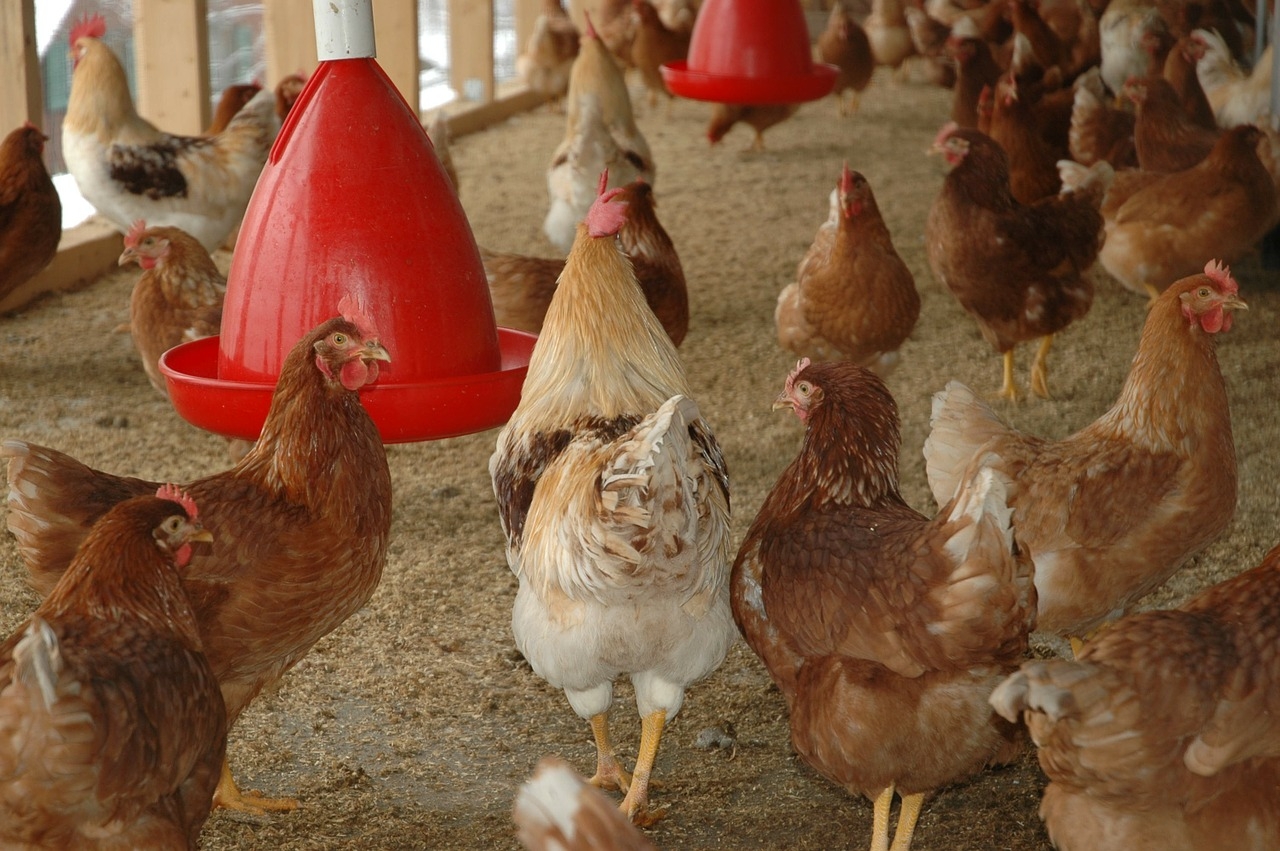
Institute of Animal Reproduction and Food Research PAS partners in the development of an advanced biocontrol tool against Campylobacter in poultry.
| 1. | Programme 2025-2029 [PDF] |
|---|---|
| 2. | Programme of Studies IAR&FR PAS Olsztyn [PDF] |
| 3. | Programme of Studies NVRI Puławy [PDF] |
| 4. | Programme of Studies IA PAN Lublin [PDF] |
Based on the Article 200 of the Act of July 20th, 2018 Law on Higher Education and Science (Journal of Laws of 2018, item 1668 as amended) and on the basis of Article 291 of the Act of July 3rd, 2018. The provisions introducing the Act – Law on Higher Education and Science (Journal of Laws of 2018, item 1669, as amended) and the Agreement of March 16th, 2020 on the establishment of a doctoral school called „Interdisciplinary Doctoral School of Agricultural Sciences” and the Rules of Recruitment to the Interdisciplinary Doctoral School of Agricultural Sciences signed between the parties: Institute of Animal Reproduction and Food Research of the Polish Academy of Sciences (IAR&FR PAS) in Olsztyn, National Veterinary Research Institute (NVRI) in Puławy and Institute of Agrophysics of the Polish Academy of Sciences (IA PAN) in Lublin.
The Director of the Interdisciplinary Doctoral School announces:
in accordance with the following limits:
| IAR&FR PAS Olsztyn | animal science and fisheries | 3 PhD students |
|---|---|---|
| IRZiBZ PAN Olsztyn | nutrition and food technology | 3 PhD students |
| NVRI in Puławy | veterinary science | 1 PhD student |
| IA PAN Lublin | agriculture and horticulture | 2 PhD students |
The recruitment will be conducted to specific research projects announced on the Institutes’ websites:
IAR&FR PAS Olsztyn (download PDF)
Discipline: animal science and fisheries:

Discipline : nutrition and food technology
NVRI in Puławy (download PDF)
IA PAN Lublin (download PDF)
In accordance with the Act 2.0 of the Ministry of Science and Higher Education, each doctoral student receives a scholarship of no less than PLN 2371.70 (gross).
List of documents required for the selection procedure (download PDF)
IAR&FR PAS Olsztyn
Traditional mail – to the following address:
Interdisciplinary Doctoral School of Agricultural Sciences,
Institute of Animal Reproduction and Food Research of the Polish Academy of Sciences,
10 Tuwima Street, 10-748 Olsztyn,
by September 7th, 2020 by 15.00 CET.
By e-mail – to the following address: a.andronowska@pan.olsztyn.pl,
by September 7th, 2020 by 15.00 CET.
NVRI in Puławy
Traditional mail – to the following address:
Interdisciplinary Doctoral School of Agricultural Sciences,
National Veterinary Research Institute (NVRI) in Puławy
Partyzantów Avenue 57, 24-100 Puławy,
by September 7th, 2020 by 15.00 CET.
By e-mail – to the e-mail address: ppolak@piwet.pulawy.pl
by September 7th, 2020 by 15.00 CET.
IA PAN in Lublin
Traditional mail – to the following address:
Interdisciplinary Doctoral School of Agricultural Sciences,
Bohdan Dobrzański Institute of Agrophysics of the Polish Academy of Sciences,
4 Doświadczalna Street, 20-290 Lublin,
by September 7th, 2020 by 15.00 CET.
By e-mail – to the e-mail address: sekretariat@ipan.lublin.pl
by September 7th, 2020 by 15.00 CET.
On March 16, 2020, the Directors of 3 Scientific Institutes signed the agreement on the establishment of the Interdisciplinary Doctoral School of Agricultural Sciences.
The school will be conducted by the InLife Institute of Animal Reproduction and Food Research, Polish Academy of Sciences (acting as a Leader), the Institute of Agrophysics of the Polish Academy of Sciences in Lublin and the National Veterinary Research Institute in Puławy.
The school will start on October 1, 2020 and will educate PhD students in 4 scientific disciplines: animal science and fisheries, nutrition and food technology, veterinary science, agriculture and horticulture.
InLife Institute of Animal Reproduction and Food Research, Polish Academy of Sciences
The Institute’s research and implementation activities are conducted in 13 Departments and specialized laboratories and laboratories in the Department of Reproductive Biology and the Department of Food Sciences.
Current research investigations of the Division of Reproductive Biology, carried out in the Departments and Laboratories, include: (1) regulation of the ovarian cycle and pregnancy, including the mechanisms controlling interactions between gametes, embryo and the mother, as well as the mechanisms regulating the so-called „implantation window” in animals and humans; (2) development of innovative biotechniques and biotechnologies of reproduction for infertility (including marital) prophylaxis and treatment, protection of animal production biodiversity and selected endangered species; (3) research on the influence of genetic, epigenetic and environmental factors (nutrition, environmental pollution, microbiological hazards, inflammation) on the regulation of physiological and pathological processes in animals and humans.
Current research investigations of the Division of Food Sciences, carried out in the Departments and Laboratories, include the analysis of the impact of food components on the human body; identification, evaluation and implementation of strategies to improve the quality, nutritional and pro-health food values; recognition of the essence, consequences and treatment of adverse reactions of the body to food components – including intolerance, allergies, type II diabetes and obesity. The research works run in the Division are also focused on the mechanisms of regeneration and development of diagnostic biosensors. The scientific groups take advantage of methodological and infrastructure support of Core facilities: Laboratory of Molecular Biology, Laboratory of Cell Analysis Laboratory, and Animal Facilities: (1) for laboratory animal experiments (2) for farm animals located at the Research Station in Popielno as well as Laboratory of Microbiology, Sensory Analysis and the integrated laboratories of Metabolomics and Immunodiagnostics.
Institute of Agrophysics of the Polish Academy of Sciences in Lublin
The main object of research is focused on transport processes in the soil-plant-atmosphere system, properties and processes affecting soil and plant quality, processing for food and energy purpose. The interdisciplinary approach applies physics, physicochemistry and biology for solving contemporary problems of agriculture. Applicable research is focused on developing and improving methods and devices for evaluation and monitoring of soil, agricultural plant materials and gas emission, and on creating new food technologies of biomass processing for energy or new biomaterials and biopreparations.
National Veterinary Research Institute, Puławy
National Veterinary Institute conducts research studies in the fields of diagnostics, prevention, combating infectious diseases of animals (especially zoonoses) and supervision over the safety of food of animal origin and feed. In addition, as the National Reference Laboratories it supervises activities of officially approved laboratories performing diagnostic tests; prepares expert opinions; conducts post-graduate education and specialization trainings, organizes specialist conferences and promotes scientific knowledge in the specialist journals.
Building conscious consumer attitudes, improving eating habits among children and adolescents, and promoting trends on the agri-food market – these are the goals that both scientists from the Institute of Animal Reproduction and Food Research PAS in Olsztyn and Maspex experts have established, as a next stage of the international project of EIT Food, #AnnualFoodAgenda.
This season, the #AnnualFoodAgenda project has moved to the web. As part of the educational campaign conducted with one of the most popular science museums called “Center for Modernity – Mill of Knowledge” in Toruń, scientists have prepared a series of unique infographics devoted to the issues of food trust, healthy nutrition and sustainability. We have taken a closer look at food allergies, gluten dependent diseases as well as antioxidants and prebiotics. We have checked the secret of the Japanese diet and what valuable ingredients locally available vegetables and fruits contain. We have learned how to prepare gluten-free meals and how to use yeast strongmen in our kitchen. The infographics have also tips on not wasting food and fun facts about baking products.
The campaign was originally presented on Institute’s and „Center for Modernity – Mill of Knowledge’s” Facebook profiles.