WE Lead Food 2025

WE Lead Food Workshops – Women Driving Change in the Food Sector

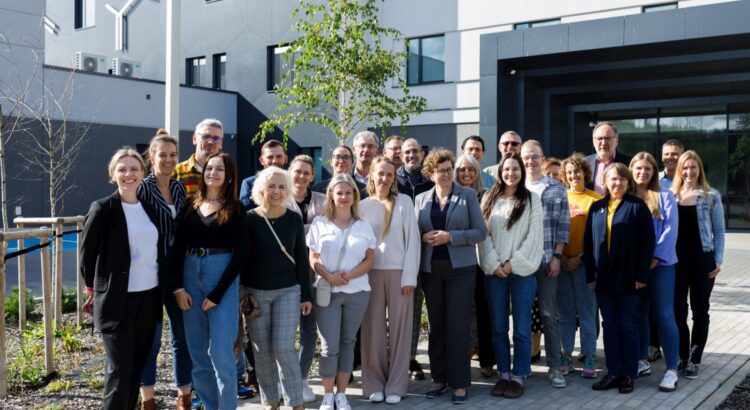
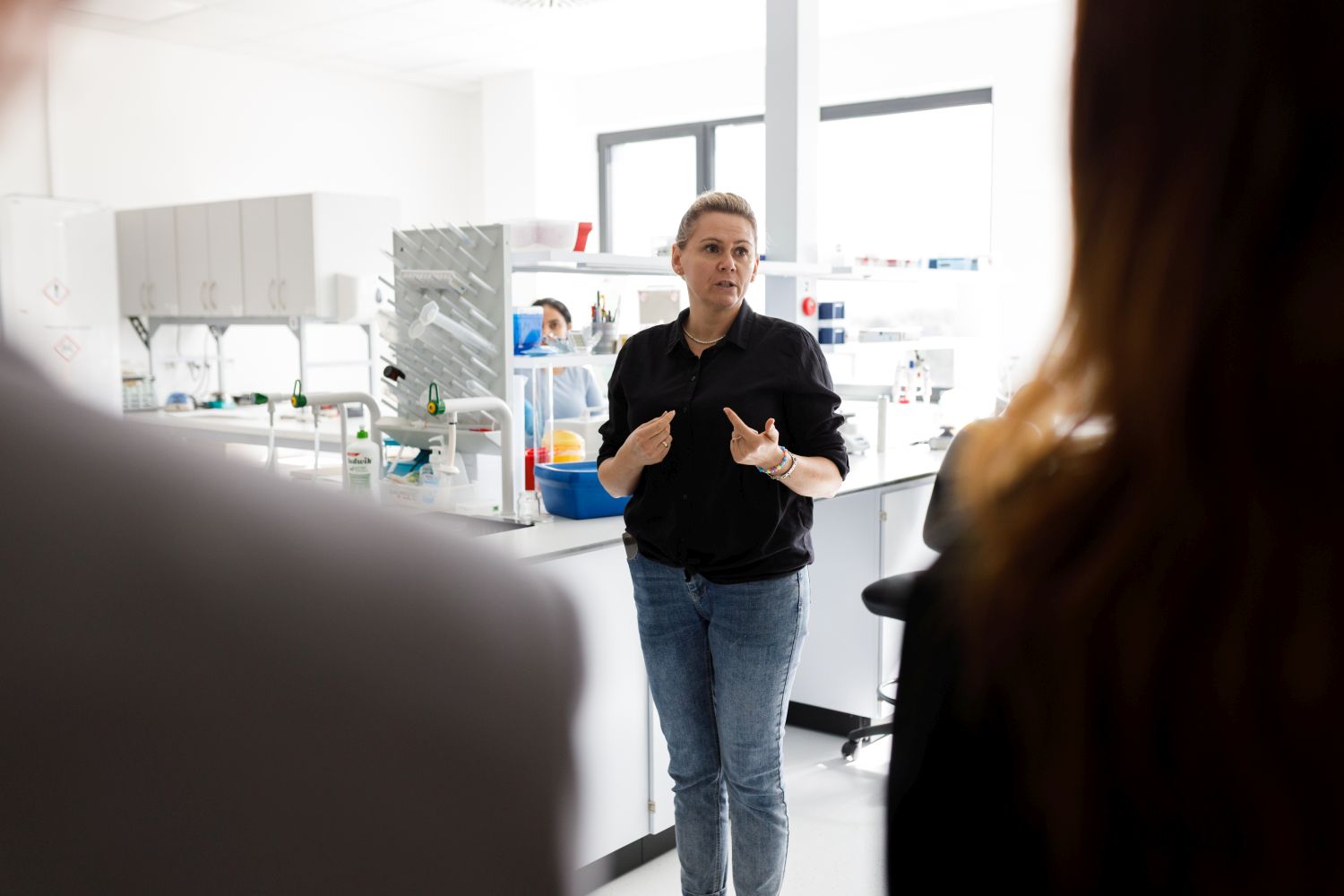
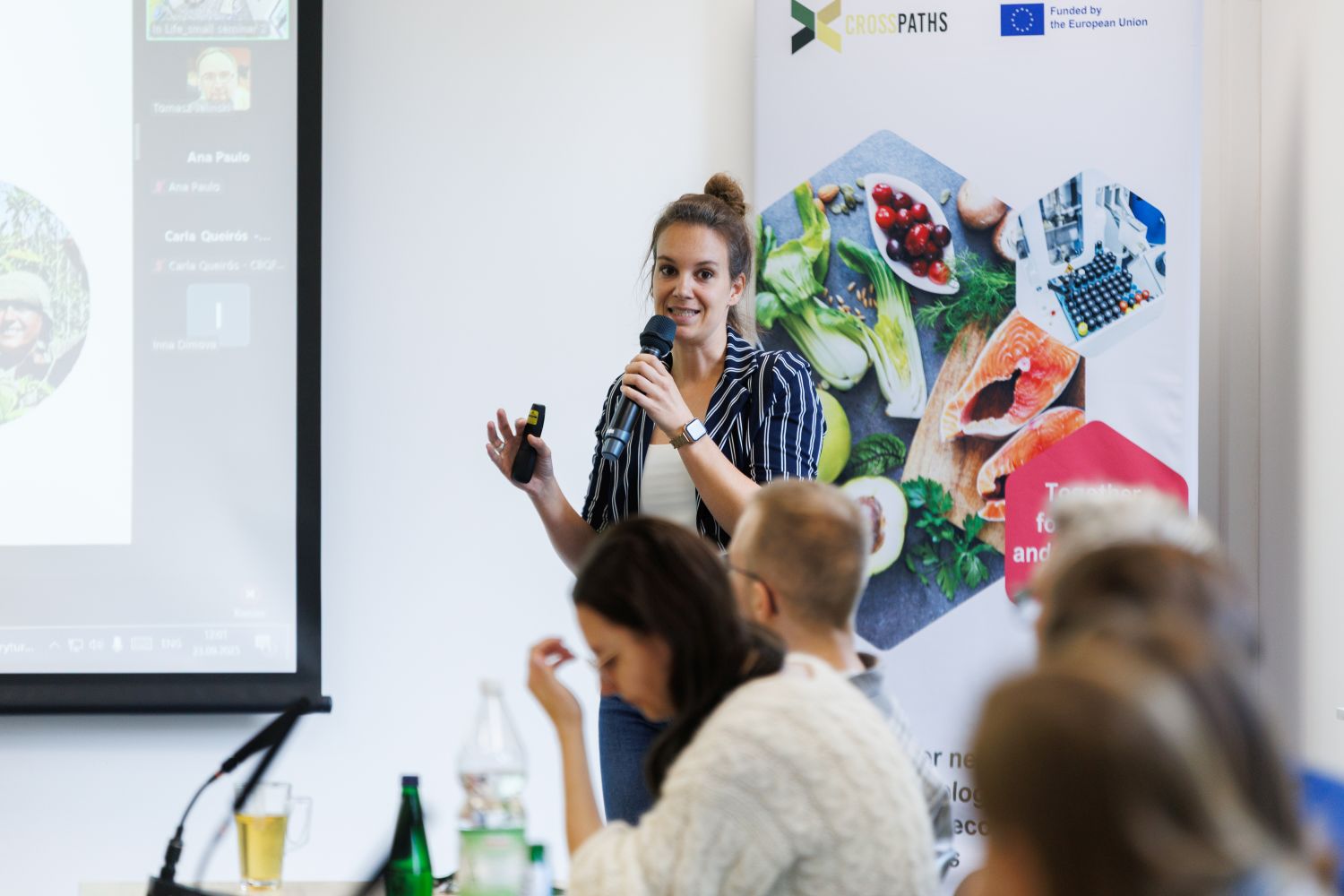
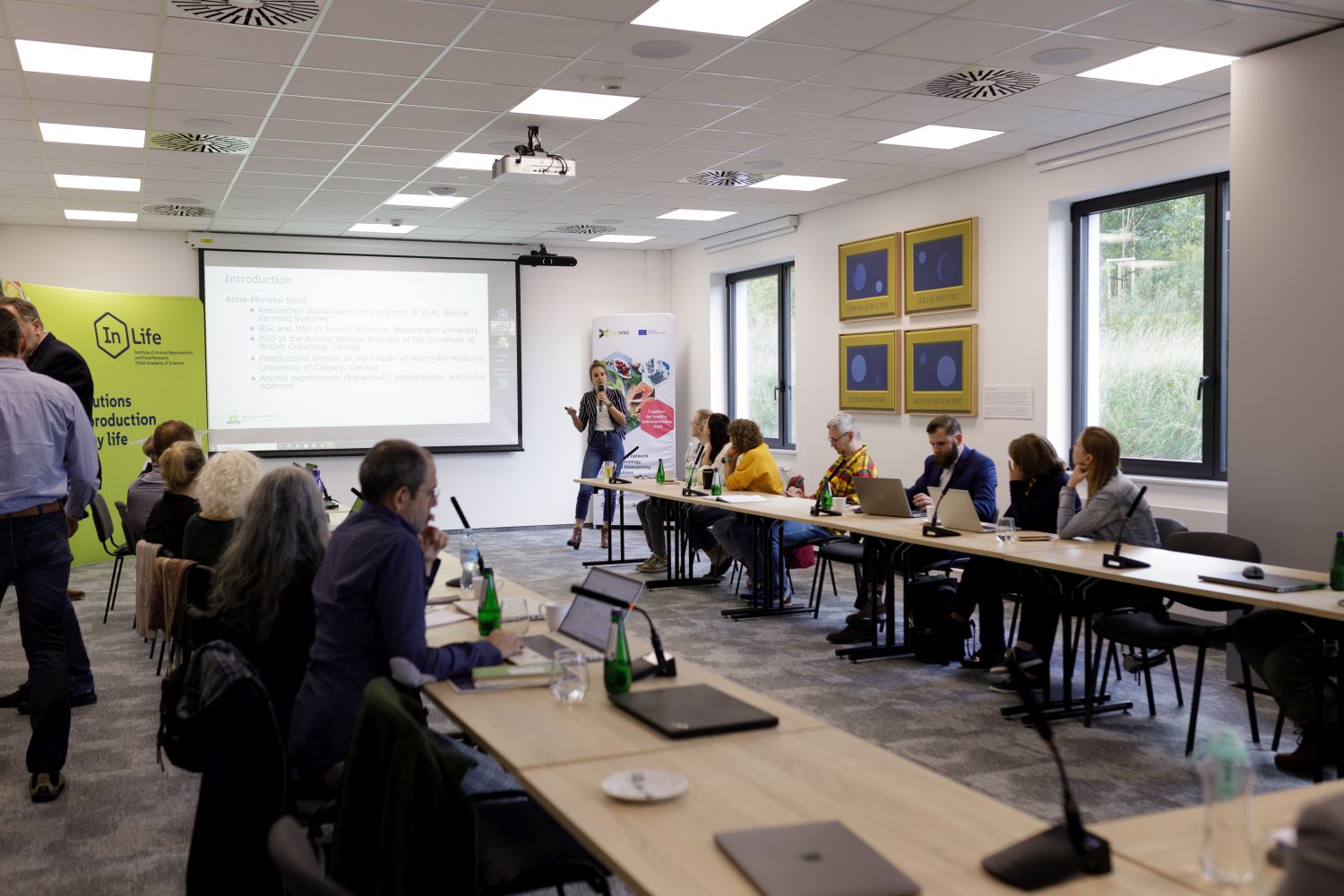
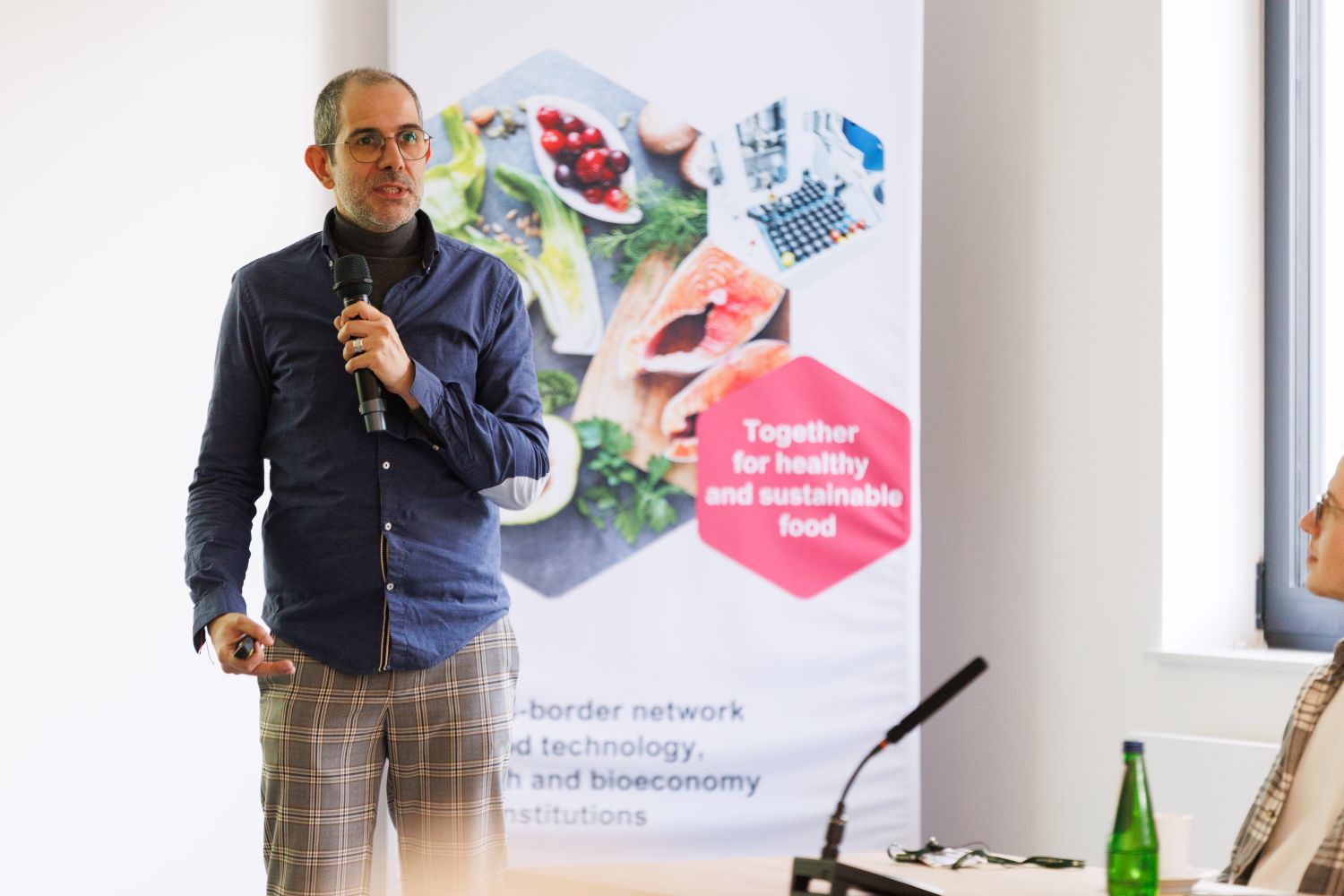
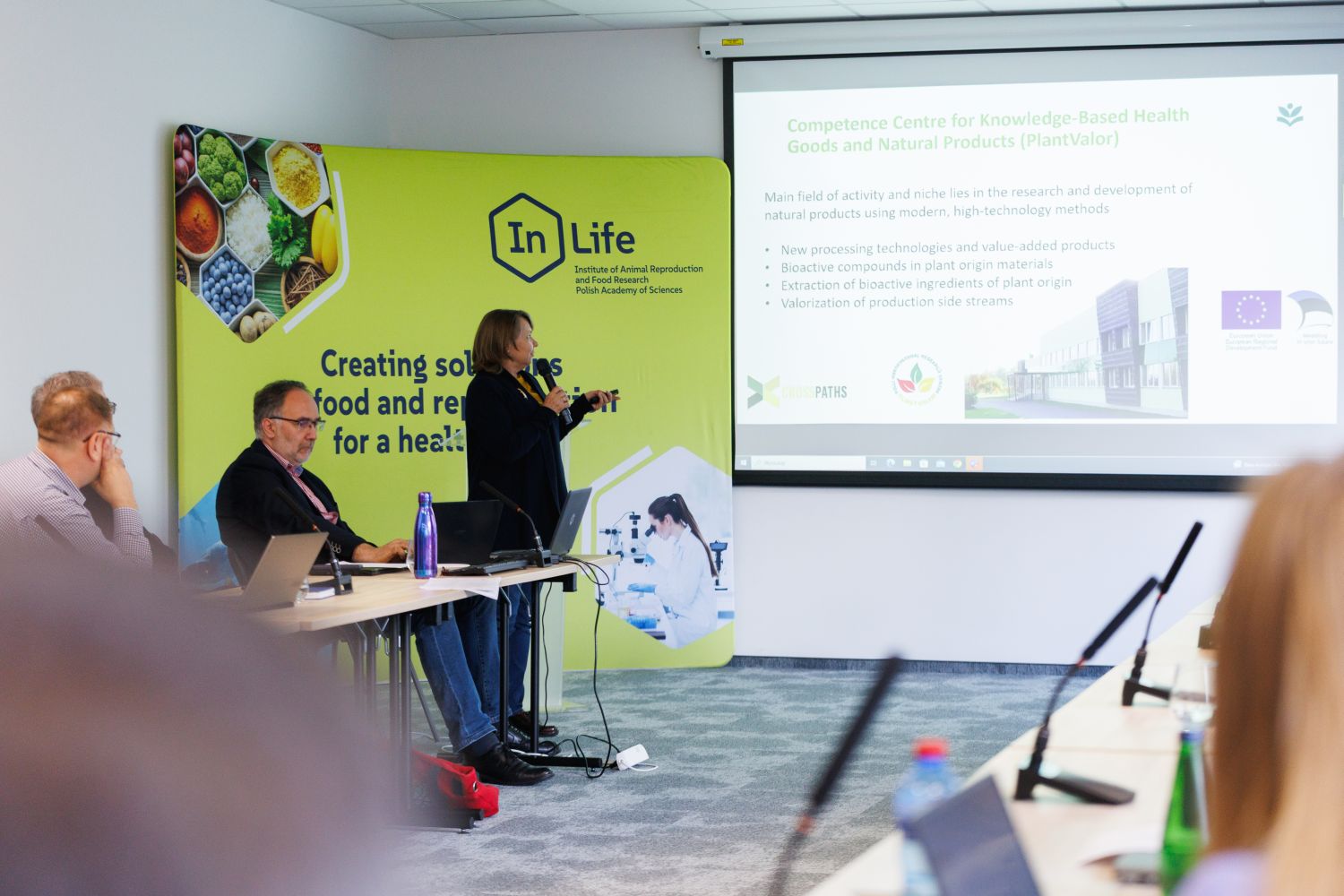
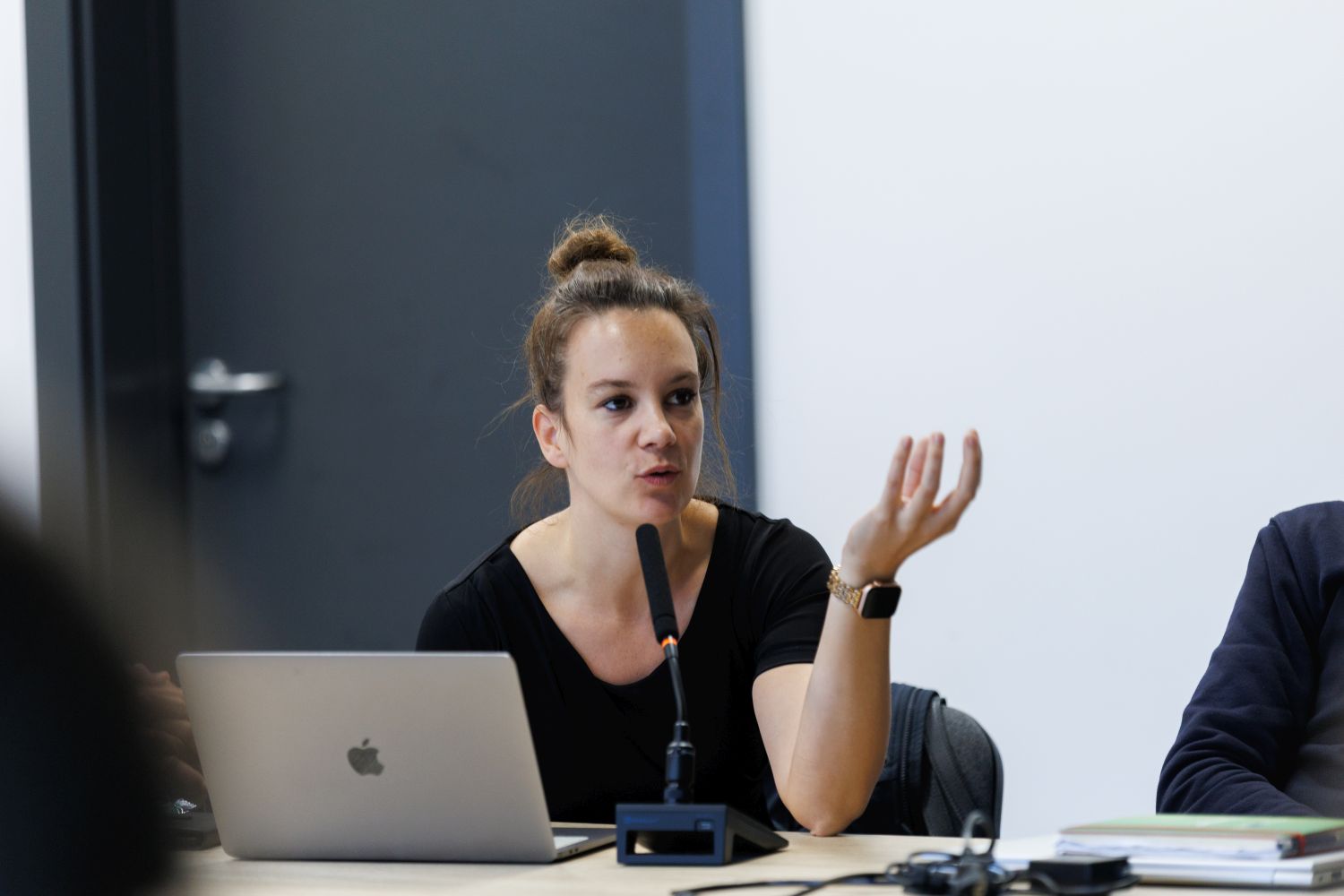
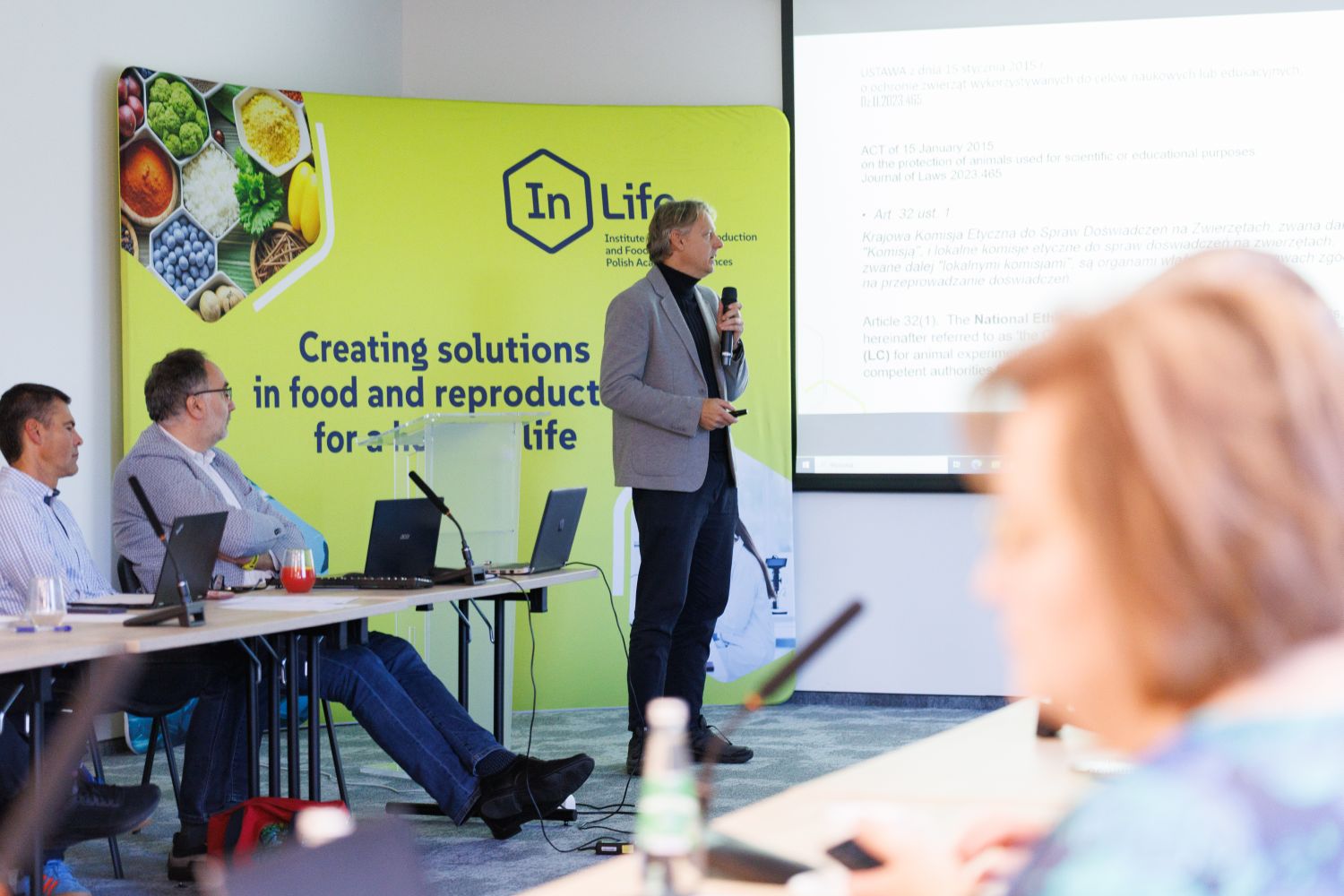
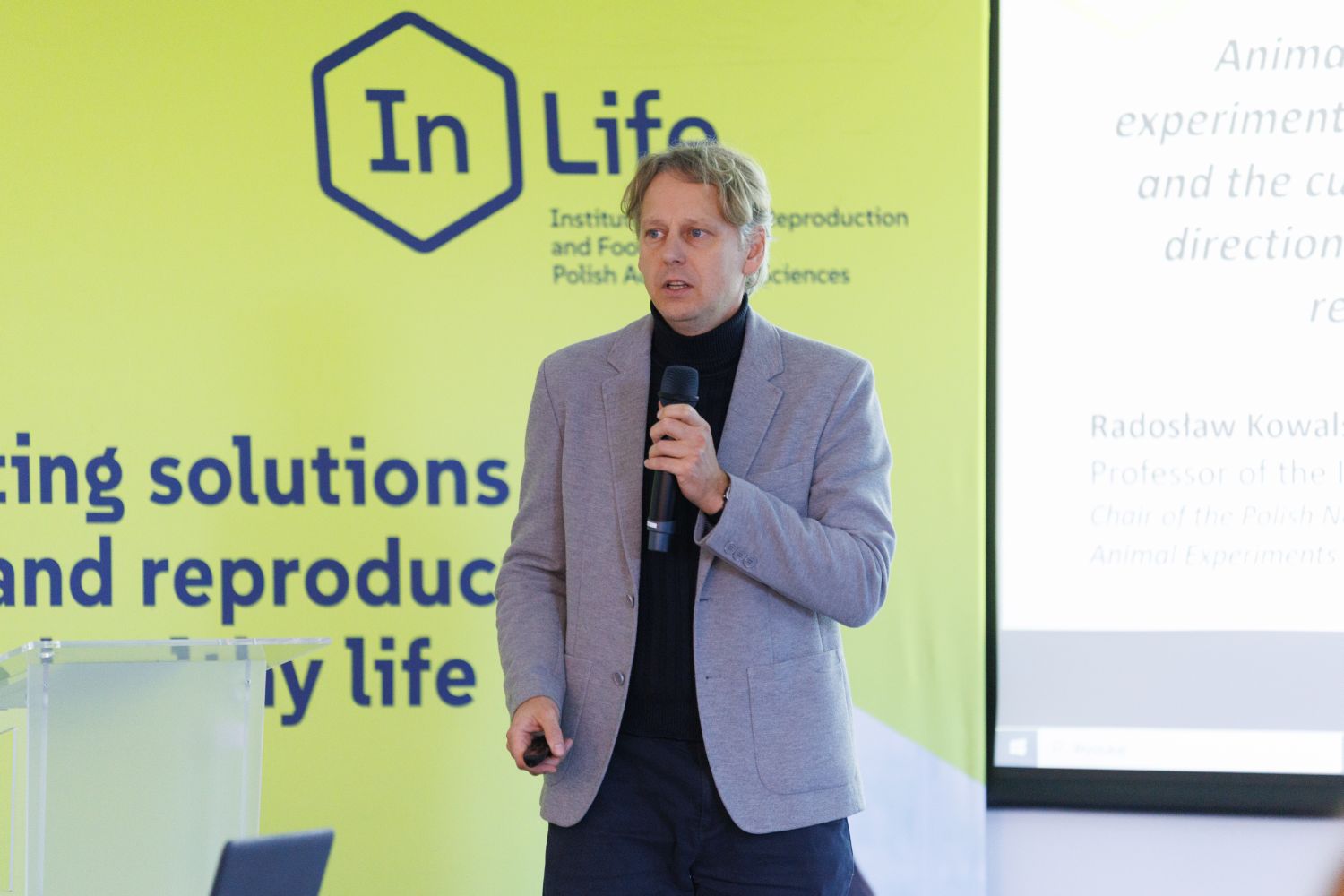
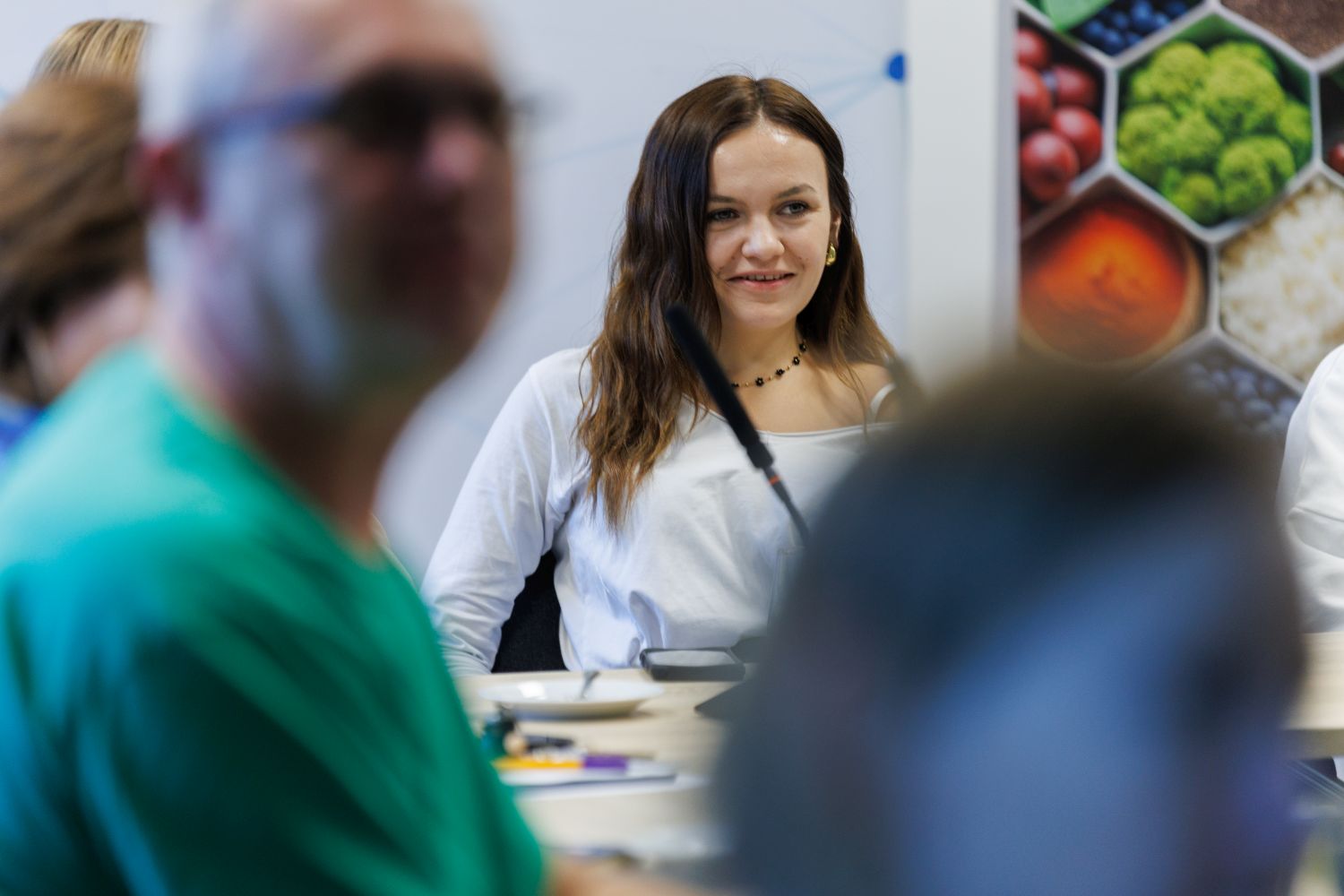
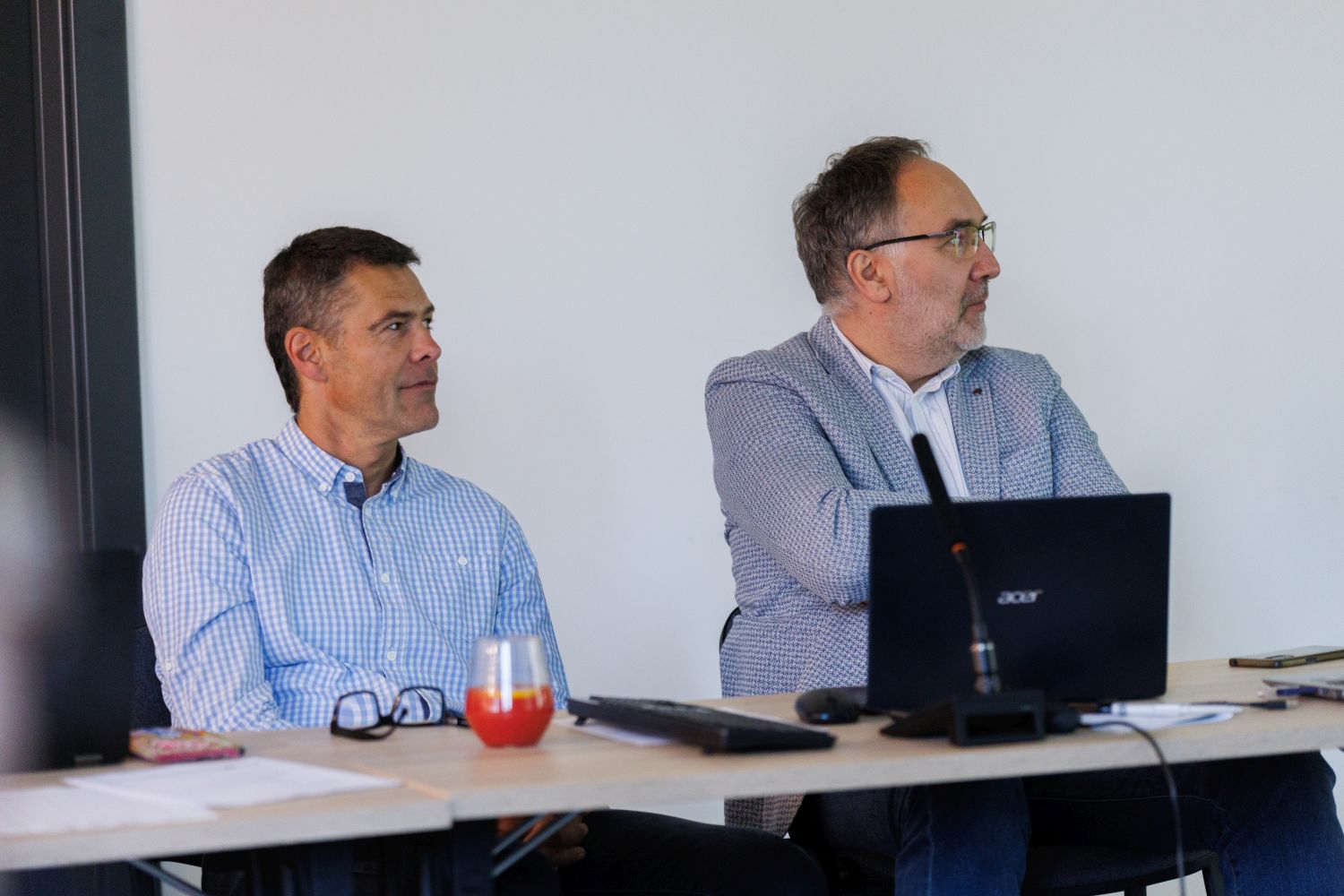
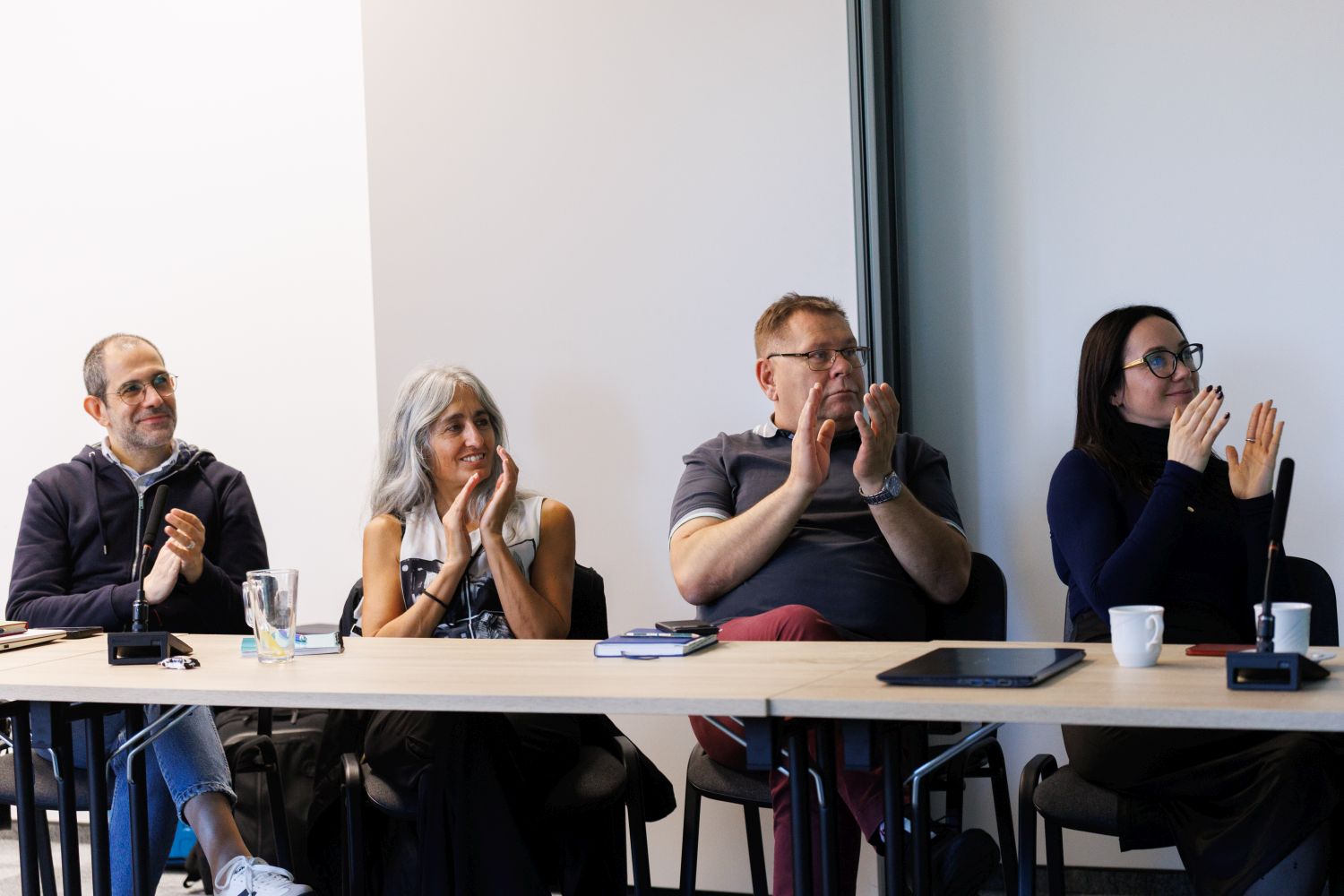
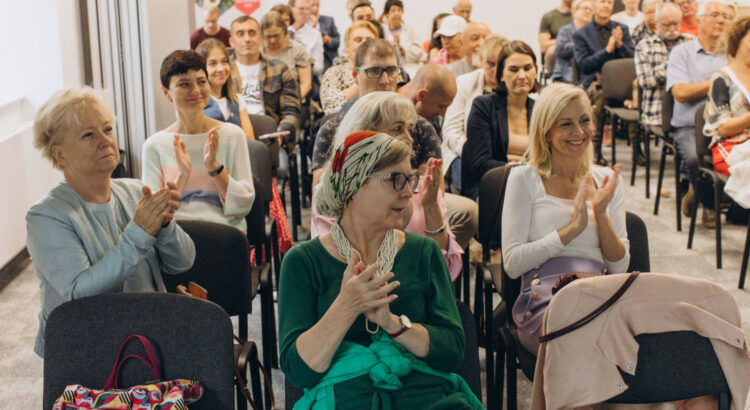
Participants of the fourth edition of the EIT Food WE Lead Food Poland workshops came together to discuss transformations in the food sector and the growing impact of women in shaping these changes. The event gathered female leaders who are driving scientific research, launching startups, running businesses, implementing educational projects, and shaping new policy strategies in the agri-food industry.

The workshops took place on May 28 in the welcoming spaces of the French Embassy in Warsaw. The goal is to build a nationwide community of female experts who support each other and work together towards a healthy, safe, and sustainable food sector.

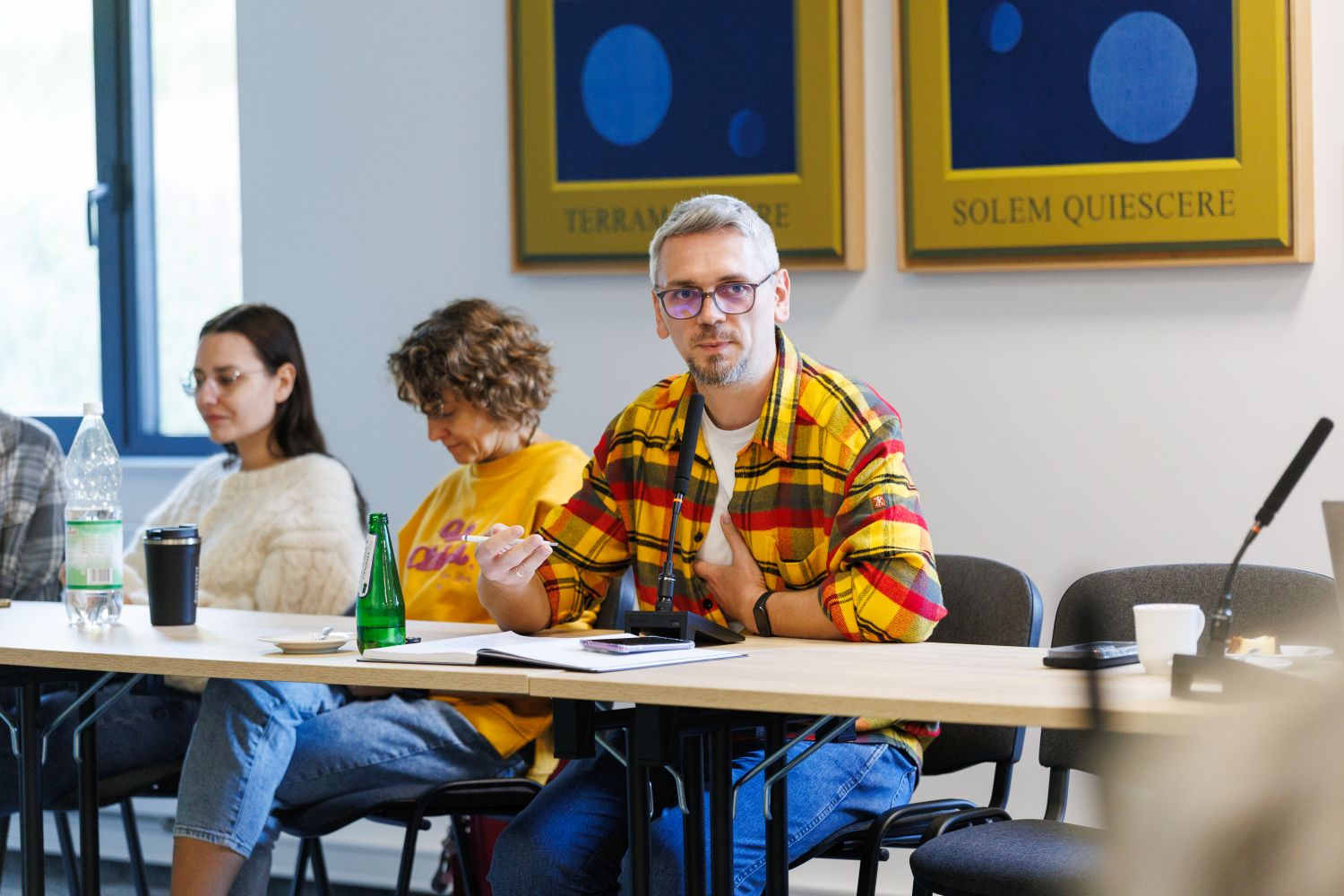
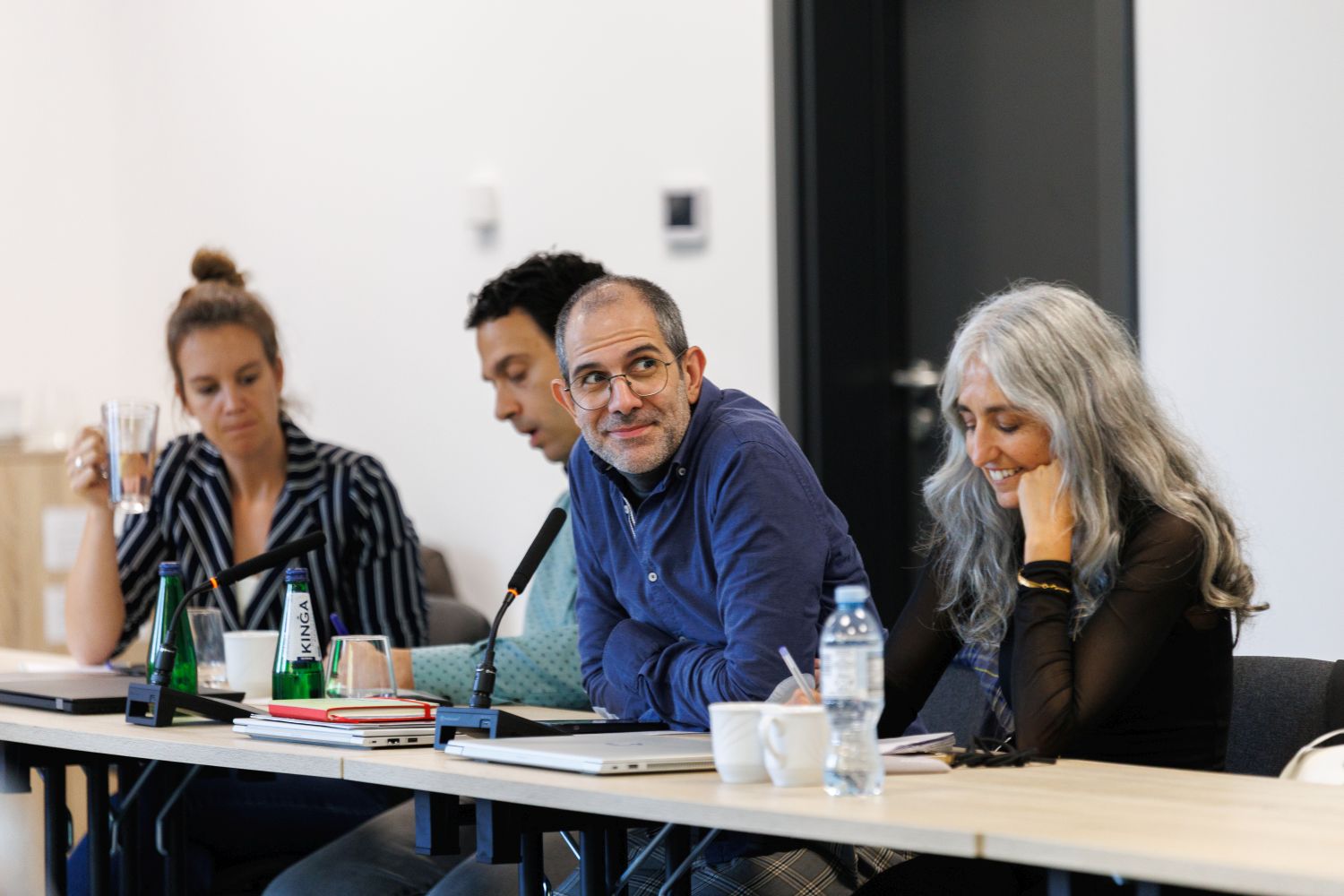
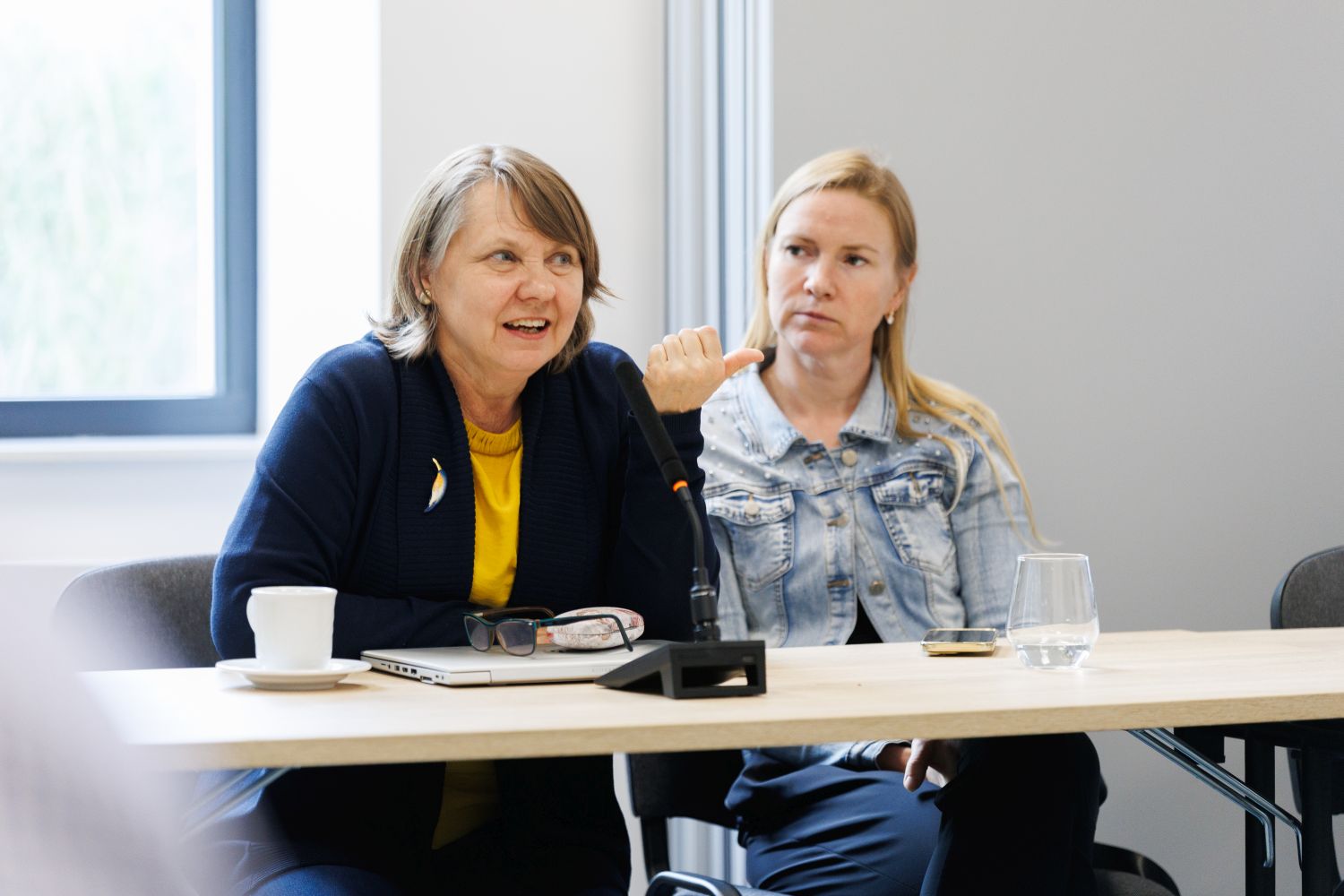
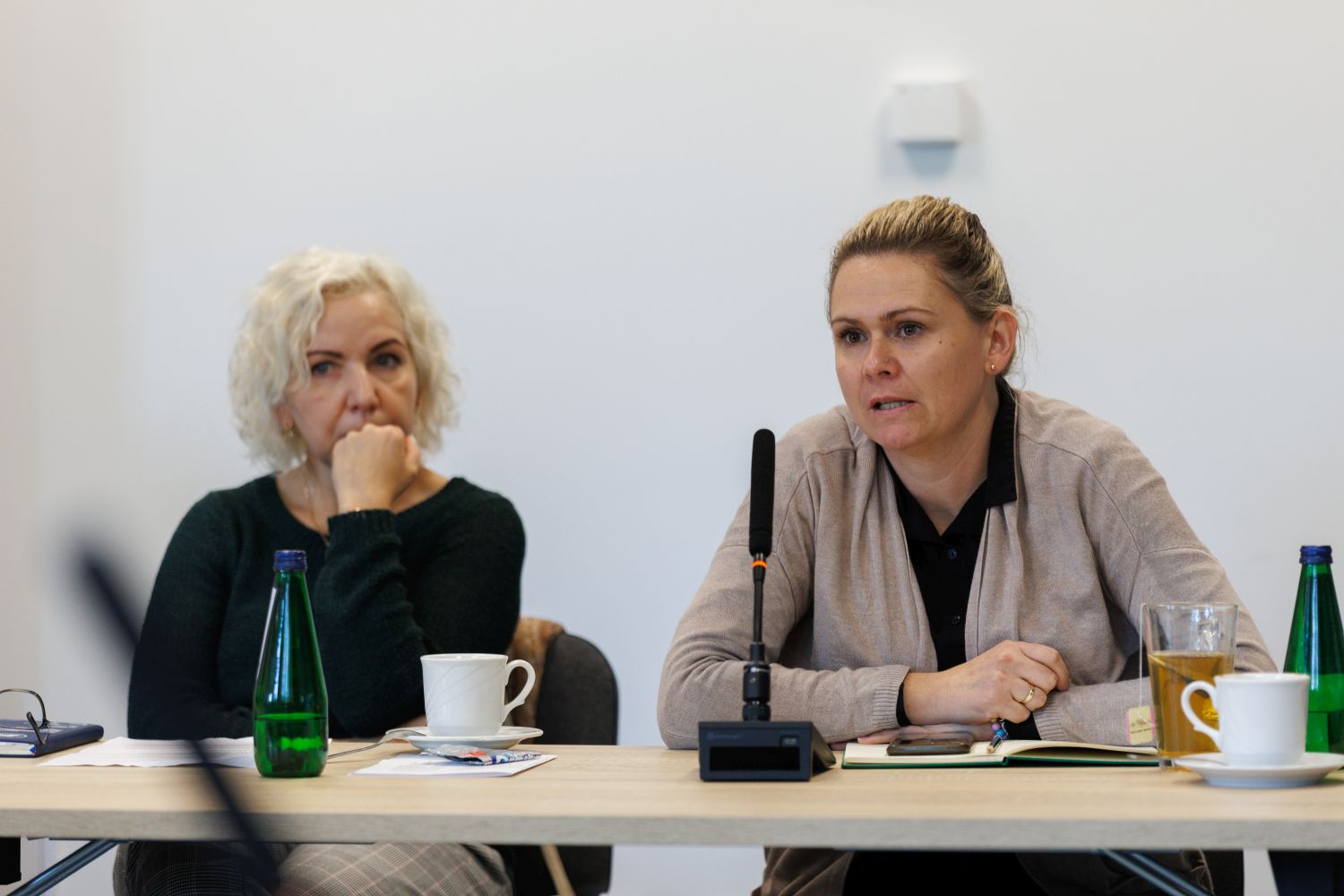
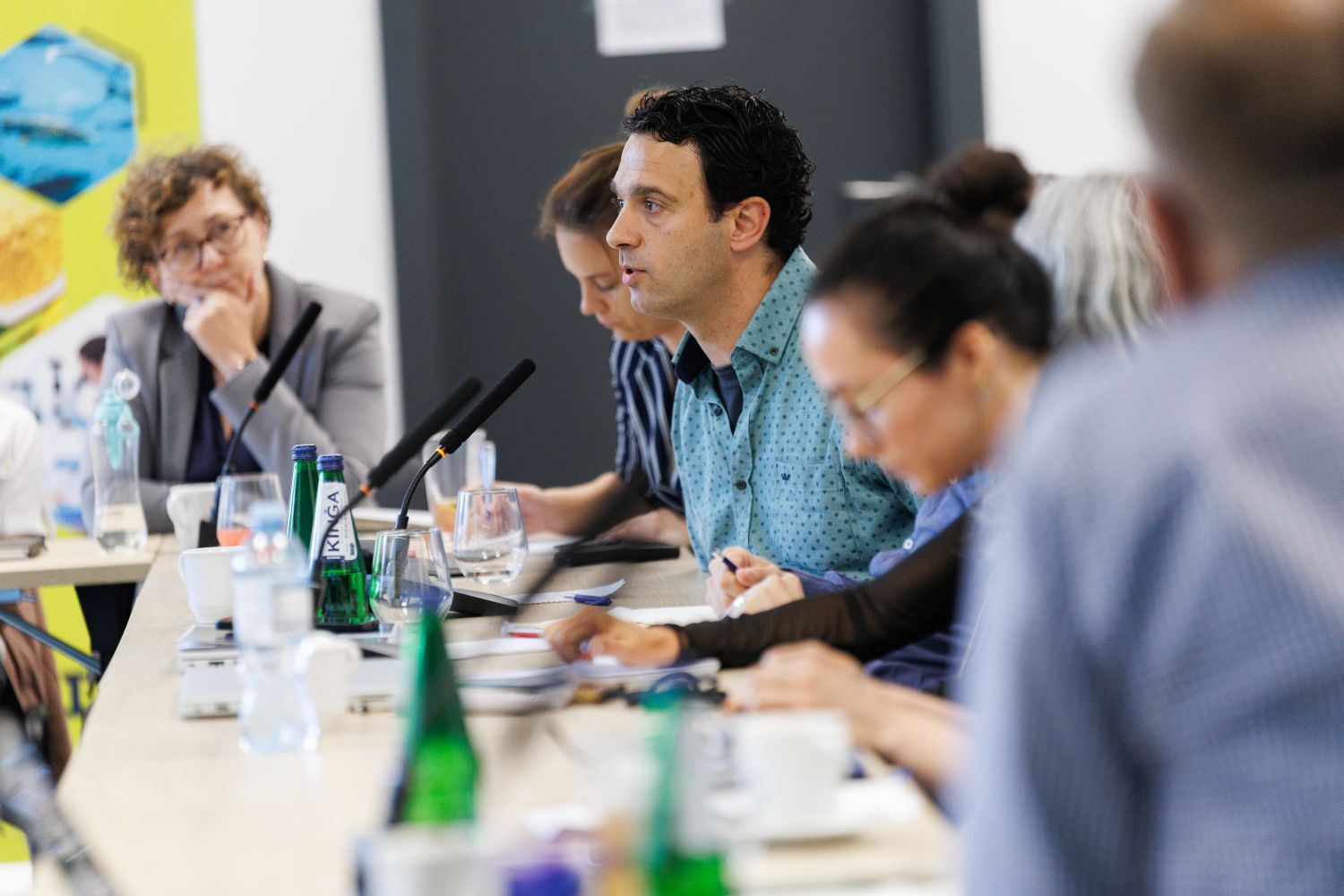
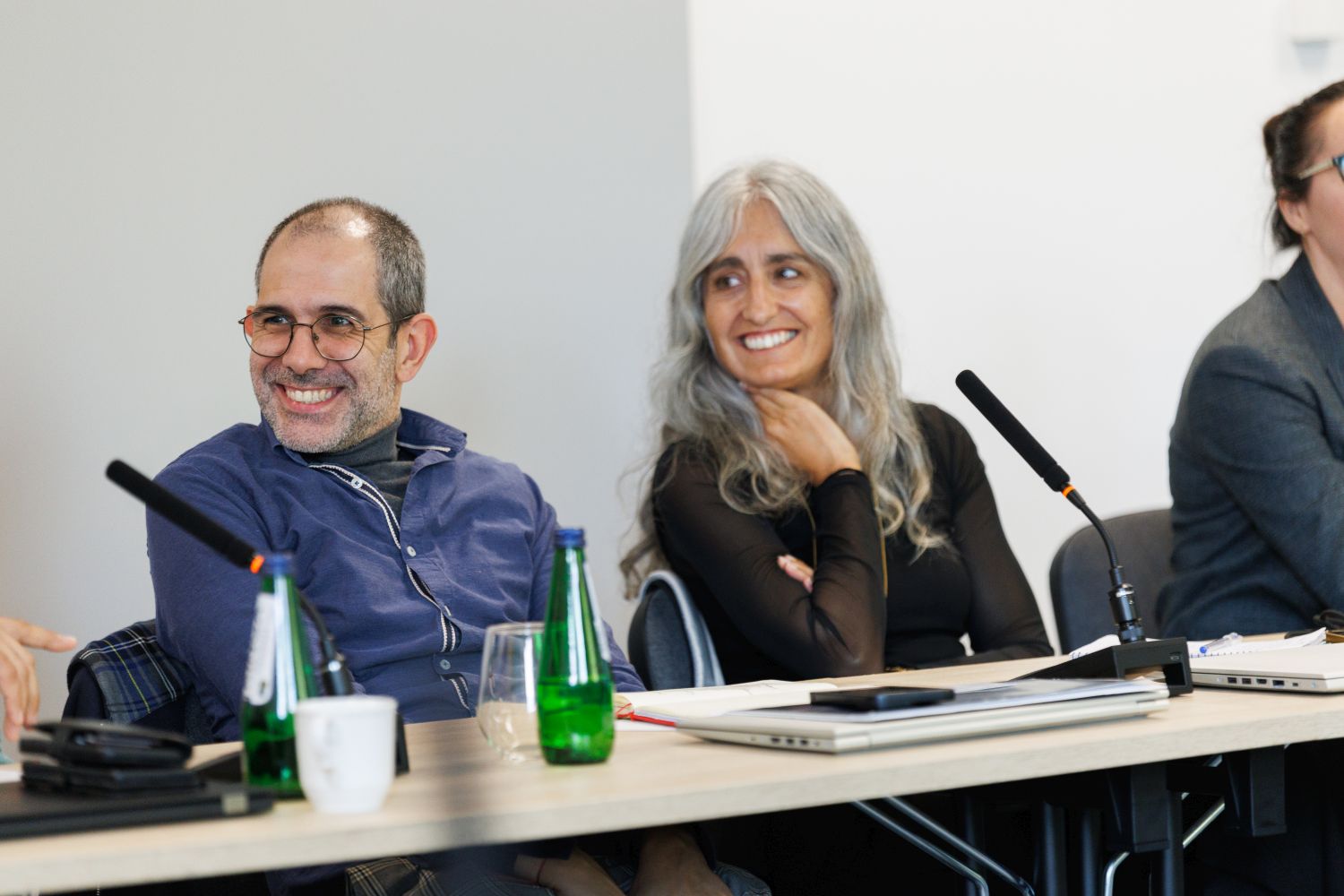
It was a day full of inspiring meetings, keynote speeches, and insightful conversations about the key challenges facing the food system — not only in Poland but globally. This year’s edition brought together over 40 women leaders.

The event was officially opened by the French Ambassador to Poland, Etienne de Poncins, who welcomed participants and emphasized the alignment of the event with French policy promoting women’s empowerment.
We strongly believe that women’s empowerment is a transformative force for more inclusive, innovative, and sustainable agriculture. That is what we aim to support here – by bringing together female leaders, entrepreneurs, and researchers from the agri-food sector.”

The WE Lead Food workshops are held in several European countries. In Poland, the event is organized by the Institute of Animal Reproduction and Food Research of the Polish Academy of Sciences in Olsztyn.

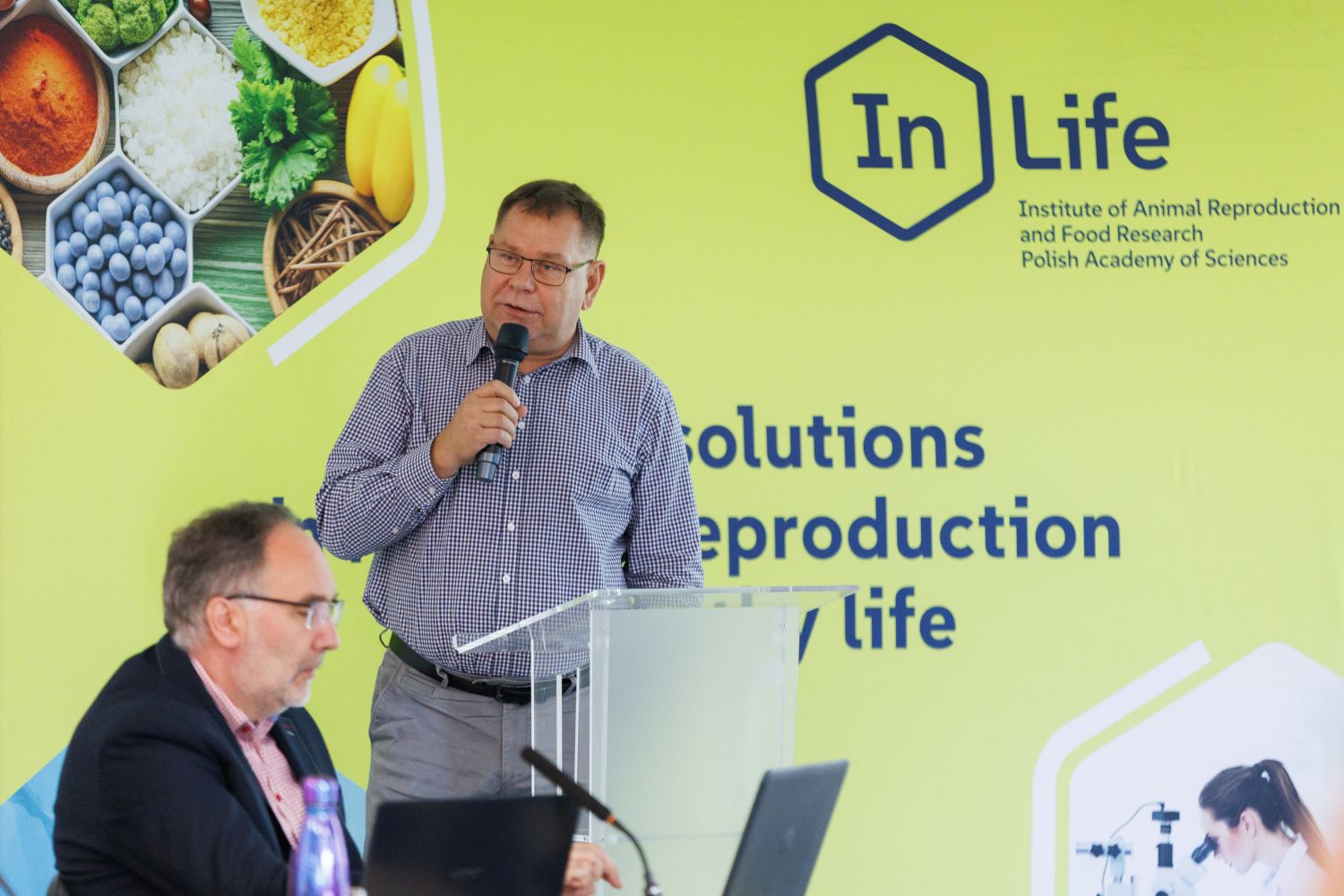
– As an Institute, we are proud to once again host this outstanding initiative, designed to empower women on their path to success  – to serve as a springboard for achieving their goals in science and business – said Prof. Monika M. Kaczmarek, Director of the Institute. „I myself participated in the very first edition of these workshops and I’m convinced they will bring tremendous value to all the women gathered here.

A key part of the program was the Inspiration Session, featuring female leaders managing with a focus on responsibility and development: Tatiana Frémond (restaurateur and entrepreneur), Dr. Eng. Katarzyna Pala (CEO of startup Future4Food Technologies), and Renata Krysiak (CEO of startup VegeLIO). The panel inspired fellow participants by sharing their journeys, challenges, and paths to success.

The session was moderated by Iwona Kieda from the Institute in Olsztyn, WE Lead Food Project Coordinator in Poland, – We’ve looked at your work and see you as true leaders in your fields. You think forward, influence others, motivate them, and are focused on future generations. These are exactly the kinds of open and creative minds the modern food sector needs,” she noted.

Another key element was the Leadership Development Session, led by coaches Marzena Radzka-Wiśniewska and Lidia Willan. Participants learned how to set and achieve professional goals.

In an online appearance, Shima Barakat – founder and European coordinator of WE Lead Food emphasized – We know our food system is not as good as it could be. It can be healthier, more sustainable. And women are not the problem – women are creating the solutions. WE Lead Food backs female leaders to shake the system and build a more sustainable food model.”

The day concluded with a networking session and presentations of startups founded by women. Kamila Knap and Agnieszka Lepka, founders of Shroom, showcased their functional wellness beverages made from mushroom and plant extracts. Daria Latała, founder of Kombucha Baddi, also presented her health-focused drink brand.
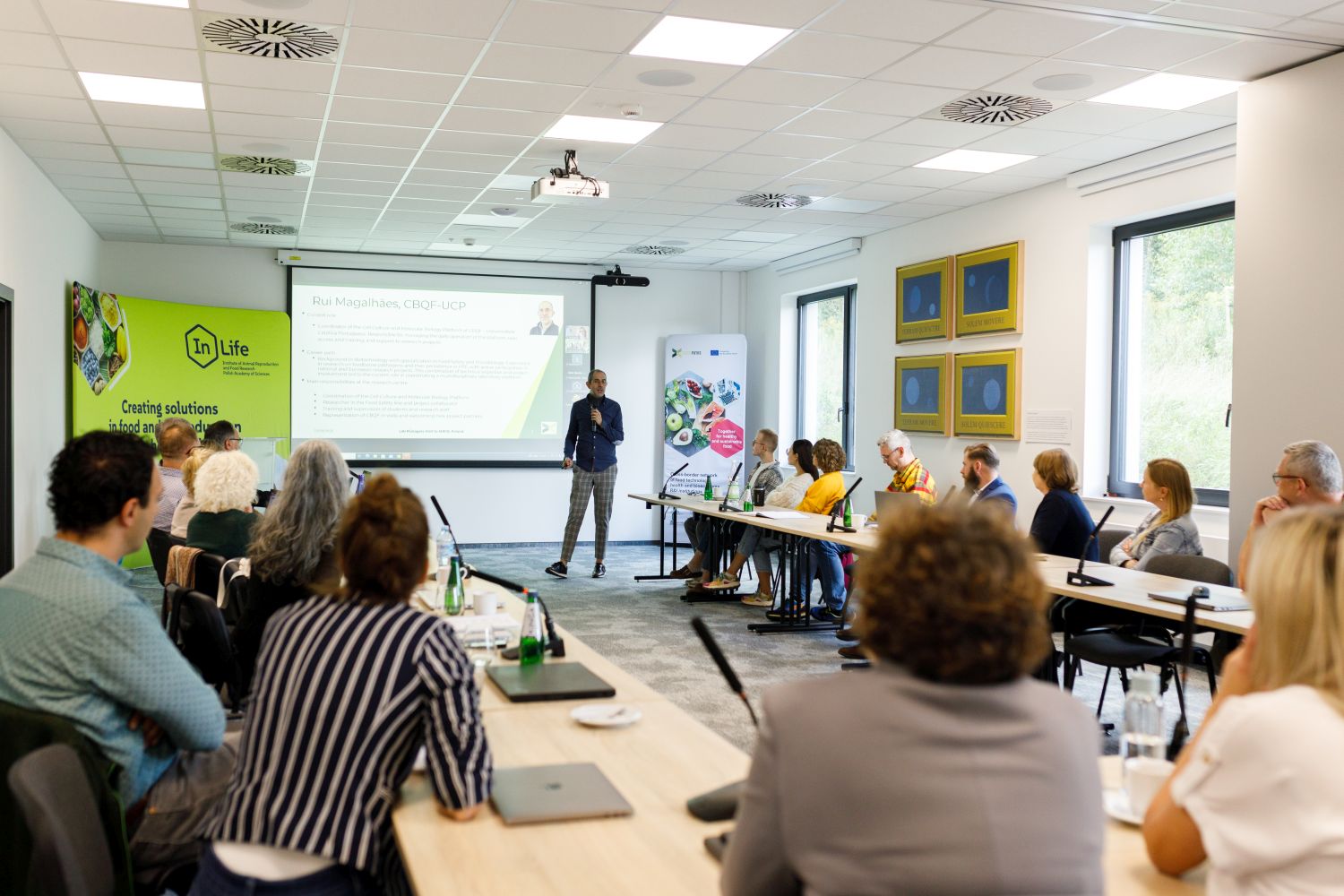
What did the participants – leaders, organizers, and experts, have to say?

Agnieszka Jankowska, Ministry of Agriculture and Rural Development

– The Ministry supports initiatives that network women, develop female farmers, and help them acquire knowledge and introduce innovation in their farms. That’s why such workshops are incredibly valuable – they offer knowledge, skill-building, and the chance to expand your network.
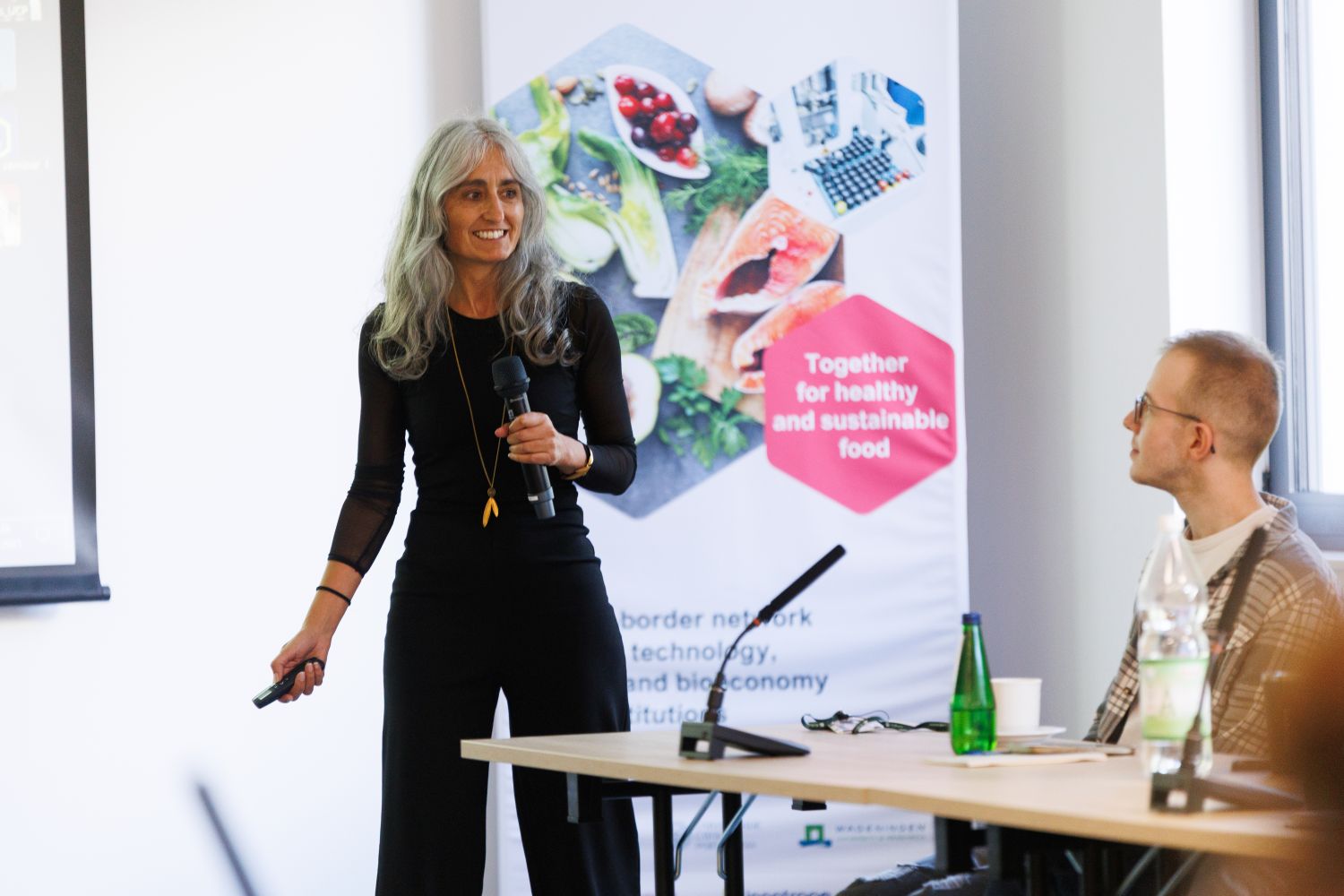
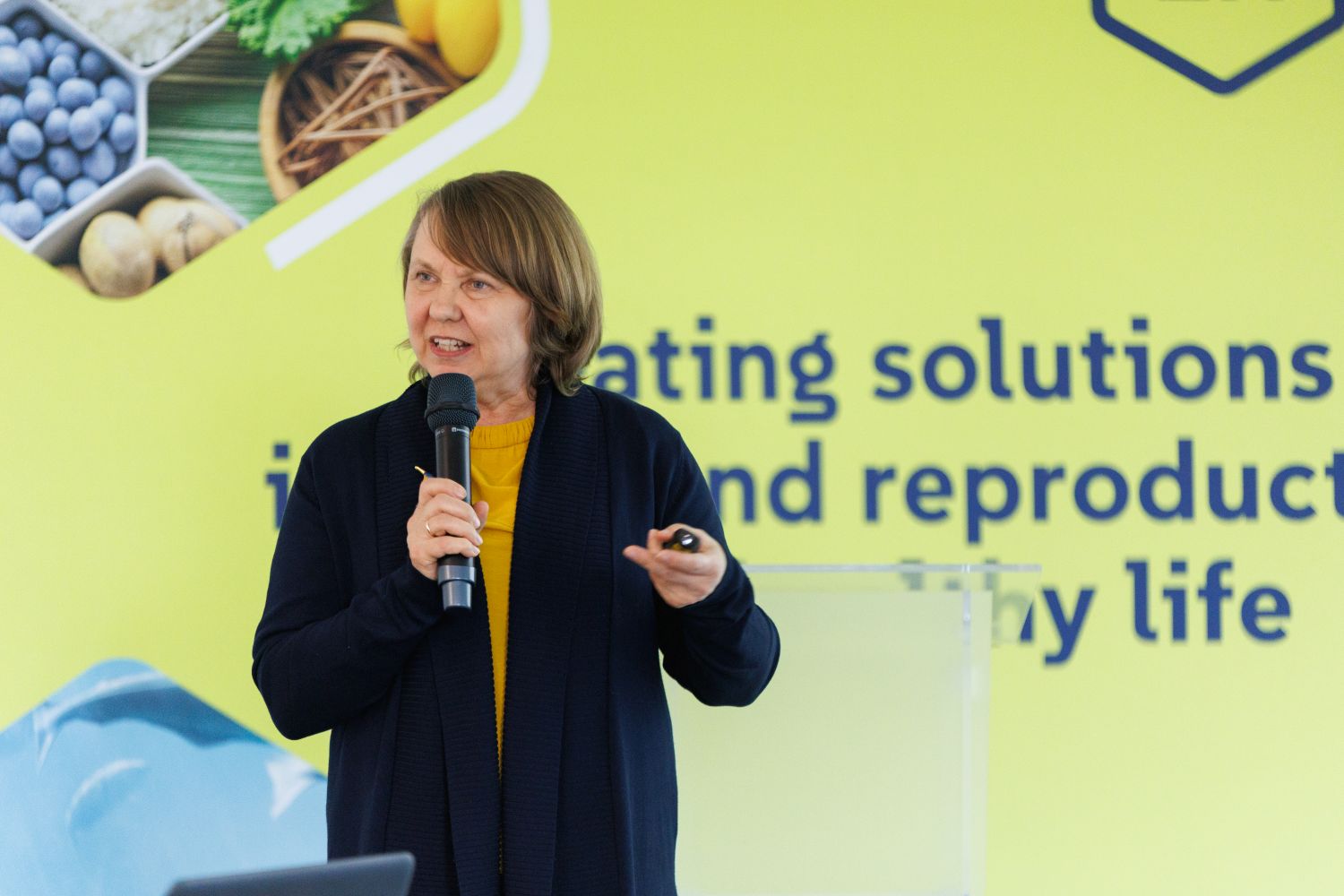
Bożena Bochenek, Agricultural Attaché, French Embassy

– The Embassy strongly supports empowering women in cultural, social, and economic life. What’s fantastic about WE Lead Food is how it brings together women across the agri-food spectrum – scientists, startup founders, restaurateurs, farmers. And it includes diplomacy too. We, as female diplomats, strive to connect and support.

Aleksandra Okońska-Jaruga, Institute of Soil Science and Plant Cultivation – State Research Institute

– An incredibly inspiring event that shows there are no limits to what women can achieve – not only in science but also in the kinds of mutually beneficial relationships they can create with business.

Kamila Knap, startup Shroom

– Such initiatives are vital to developing the food startup ecosystem in Poland, which is still growing. There are still too few women in agri-food business. Let’s connect, let’s meet -who knows what great projects may come out of it!.

Agnieszka Tokarz, Nice to Fit You

– I came here for motivation and the support we women often lack. I want to surround myself with the strength of women. I loved the expert panel – I heard about struggles we all face as women. Together, we can support each other.

Marta Kaczmarek, EIT

– For the European Institute of Innovation and Technology, gender mainstreaming is crucial – not just in food. We strive to ensure women leaders have the skills and visibility to showcase their achievements and thrive in the job market. That’s why the initiatives run by the Institute in Olsztyn are so vital.


Event Partners

Embassy of France in Poland, Institute of Rural and Agricultural Development of the Polish Academy of Sciences, Agro Women Foundation.

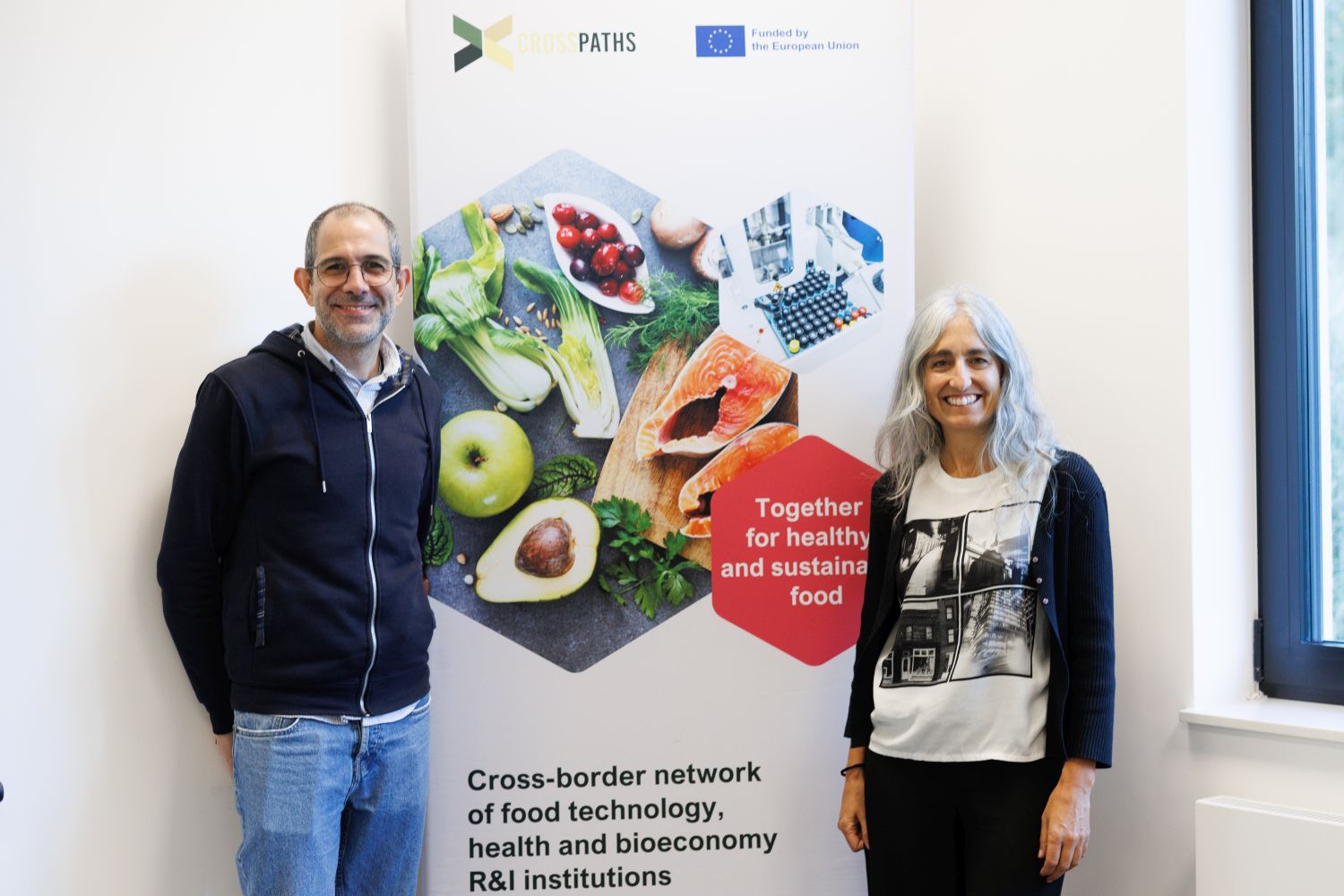
The training is part of the #WELeadFood project, funded by EIT Food – the European Knowledge and Innovation Community in the field of food. Join the expert network and register now for the 8-week main program starting this autumn: SIGN UP

Read more

Ponad 9 mln zł z NCN dla badaczek z naszego Instytutu

Over 9 million PLN from NCN for Researchers at our Institute

Four research projects led by female scientists from our Institute have received a total funding of PLN 9,492,259 as part of the OPUS 28 and SONATA 20 calls announced by the National Science Centre (NCN).

The grant recipients include:

Dr. Sylwia Judycka with the project: CRYO-LARVA: A multi-species exploration of molecular, developmental and transgenerational consequences of sperm cryoselection in fish larvae

Awarded funding: PLN 2,483,407

The aim of the project is to analyze the impact of sperm cryopreservation on larval development and identify potential transgenerational effects. The research will help understand how freezing sperm influences gene expression, phenotype, and inheritance in fish, which is important for both aquaculture and species conservation.
Prof. Agnieszka Wacławik, PhD, DSc – A three-dimensional in vitro endometrium model for studying hypoxia-induced changes and maternal-embryo interactions

Awarded funding: PLN 2,273,714

This research will replicate maternal-embryo interactions and the implantation process under laboratory conditions. The project aims to develop a realistic 3D endometrium model that enables analysis of hypoxia effects and trophoblast signaling during the earliest stages of life.
Dr. Katarzyna Piotrowska-Tomala, DVM – Can fibroblast senescence and resistance to apoptosis contribute to endometrial fibrosis in equine endometrosis?

Awarded funding: PLN 2,736,460

The project will examine whether aging fibroblasts and their resistance to apoptosis affect the development of endometrial fibrosis. The results may contribute to new anti-fibrotic therapies, relevant not only in veterinary medicine.

Dr. Karolina Wołodko, EngD – Delayed embryonic development in obese mothers: the link between leptin and mTOR signaling pathways

Awarded funding: PLN 1,998,678

This research focuses on the relationship between leptin levels, mTOR pathway activity, and the pace of embryo development. The aim is to understand how obesity affects fertility and embryo quality and to explore potential ways to support embryo development through IGF1.

Read more about the projects here.

We congratulate our researchers and wish them success in carrying out their projects!

Read more

We take patronage over a class at I LO in Olsztyn

Starting in September, students of the biology-chemistry class at the Adam Mickiewicz 1st High School in Olsztyn will be expanding their knowledge under the guidance of scientists from the Institute of Animal Reproduction and Food Research of the Polish Academy of Sciences in Olsztyn, as part of a newly established patronage class. On Tuesday, May 20, the directors of both institutions – Prof. Monika M. Kaczmarek and Mr. Wojciech Boryszewski – officially signed the cooperation agreement.

This is the first high school class under the patronage of our Institute. Through this collaboration, students will participate in additional educational activities, workshops, lectures, and meetings with scientists. The Institute will open its laboratories to the students, provide access to educational platforms, and organize study visits.

As emphasized by Prof. Monika M. Kaczmarek, Director of the Institute, our goal is to promote science and inspire young people to explore and pursue their own passions. We aim to spark scientific curiosity in them – the beginning of every journey toward understanding the world. By showing the behind-the-scenes of our research, we want to encourage students to ask questions and seek answers – even the most difficult ones. Among them may be future scientists – or perhaps simply conscious, responsible citizens who understand how to collaborate with the scientific community.

School Principal Wojciech Boryszewski highlighted the many benefits this cooperation will bring to the school. Students in the biology-chemistry class will be able to expand their school-acquired knowledge through practical activities under the supervision of experts, in modern, well-equipped laboratories. The planned initiatives will be an exciting complement to traditional school education and will support students in better mastering the curriculum. Moreover, students will gain insight into the realities of scientific work, which may help them in choosing their future career paths.

Importantly, the Institute’s researchers will also support teachers in enriching the biology and chemistry curriculum with up-to-date research topics and modern teaching methods.

The aim of the patronage is to support students in developing their interests and deepening their knowledge in the natural sciences, while also helping them make informed decisions about their educational and professional futures.

The Institute of Animal Reproduction and Food Research of the Polish Academy of Sciences in Olsztyn is a leading scientific institution in Poland, holding the highest scientific category – A+. Our research focuses on the essence of life – food, animal and human reproduction, and health.

The Adam Mickiewicz 1st High School in Olsztyn is a renowned secondary school, known for its high academic standards, numerous student achievements in subject competitions, and rich educational tradition. This year, the school celebrates its 80th anniversary.

Read more

Conference: The brain under pressure –  the impact of habits and environment on its functioning

The brain is the most complex organ in the human body – responsible for essential life processes and mental functions. When it malfunctions, it can significantly reduce quality of life and contribute to the development of many diseases.

Join us online on May 22–23 for a conference where experts and researchers will present the latest findings on how lifestyle and environmental factors affect brain health and performance. Topics will include the impact of physical activity, sleep, stress, diet, stimulants, genetic predispositions, pollution, and even the gut microbiota on brain function. Neurological conditions and disorders will be discussed, including depression, memory disorders, brain aging processes, brain injuries, autoimmune brain diseases, and eating disorders with psychological causes.

Participation is free! Registration is required.

Day 1: REGISTER

Day 2: REGISTER

Read more

WE Lead Food Poland – join a unique women’s collaboration network!

From scientific research and innovative start-ups, through the boards of international companies and signature restaurants, to influencing policy and social activism — women in Poland continue to shape the future of a sustainable food system. WE Lead Food is a space created with them in mind — leaders, innovators, and change-makers. Here, they share knowledge, build relationships, and inspire one another, forming a remarkable network of collaboration. The next WE Lead Food meeting will take place on May 28 at the French Embassy in Warsaw.

WE Lead Food is a flagship and one of the most prestigious initiatives for women within the European Institute of Innovation and Technology (EIT) Food program. These meetings are held across several European countries. In Poland, the event will take place for the fourth time and is organized by the Institute of Animal Reproduction and Food Research of the Polish Academy of Sciences in Olsztyn, a strategic partner of the EIT Food network.

-The workshops organized by our Institute aim to create a nationwide community of female leaders who support one another and work together for a healthy, safe, and sustainable food sector. We give the floor to experts who are open to collaboration, eager to share their knowledge, experience, and the challenges they face – says Iwona Kieda from the Institute of Animal Reproduction and Food Research PAS in Olsztyn, coordinator of the WE Lead Food project in Poland.

The next WE Lead Food workshop will take place on May 28 at the French Embassy, located at ul. Piękna 1 in Warsaw.

-This year, we are once again partnering with institutions and organizations that prioritize the role of women in transforming  food system by supporting their leadership, entrepreneurship, and collaboration. Among them are the French Embassy in Poland, the Institute of Rural and Agricultural Development of the Polish Academy of Sciences (IRWiR PAN), and the AgroWomen Network, – adds Marta Kopcewicz, co-organizer of the event.

The program will feature sessions focused on inspiration, skill development, and building cooperation. We will explore the motivations behind women’s entrepreneurship and the challenges it entails. Participants will hear inspiring stories of women who are changing the game, building strong teams, and leading with a sense of responsibility and a commitment to growth. These are leaders driven by a passion for creating a better, healthier, and more sustainable food system.

Among the featured speakers are: Dr. Katarzyna Pala, (CEO of Food4Future Technologies), Renata Krysiak, founder of the start-up VegeLIO and Tatiana Fremond, (restaurateur and owner of La Môme).

With the support of mentors, attendees will set personal goals and explore new opportunities that come with being part of a unique collaborative network. A dedicated networking session will offer time for building valuable connections, engaging in inspiring conversations, and discovering promising Polish women-led start-ups, including Shroom4You and Baddi Kombucha.

The workshops are free of charge. The number of spots is limited, so registration is required:
*** REGISTRATION FORM ***

Program

Date: May 28
Location: French Embassy, Piękna St 1, Warsaw

10:30 – 11:00 – Registration, Welcome
11:00 – 11:30 – Let’s get to know each other – icebreaker
11:30 – 11:45 – WE Lead Food, Shima Barakat, Programme Leader
11:45 – 13:00 – Get inspired! – panel session with experts
13:00 – 13:30 – Lunch
13:30 – 15:20 – Plan and achieve your goals! – training session
15:20 – 15:30 – Coffee break
15:30 – 15:45 – WE Lead Food, Shima Barakat
15:45 – 16:45 – Broaden your horizons! – networking session 16:45 – 17:00 – Closing

The workshop will be held in Polish.

See how it was at the last workshop:

Event partners:

French Embassy in Poland, Institute of Rural and Agricultural Development of the Polish Academy of Sciences, Agro Women Foundation.

The training is part of the #WELeadFood project funded by the European Institute of Innovation and Technology (EIT Food).

Join the network of experts and take part in the 8-week main programme starting this autumn: SIGN UP.

EIT Food Privacy Policy: Our privacy policy – EIT Food

EIT Food Education Terms and Conditions: Education Terms & Conditions – EIT Food

Read more

New strategies in therapy of autoimmune diseases baner

International Scientific Seminar: New strategies in therapy of autoimmune diseases

The guest of WELCOME2 seminar will be Professor Dieter Steinhilber, Director of the Institute of Pharmaceutical Chemistry at the Johann Wolfgang Goethe University in Frankfurt. Prof. Steinhilber will deliver a lecture titled: „Inflammation and lipid mediators: Old and new therapeutic strategies”.

Professor’s research focuses on lipid signaling and regulatory mechanisms in inflammation and cancer. He also investigates new therapeutic strategies with a special focus on the arachidonic acid cascade and the innate immune system.

The lecture will take place on May 9 (Friday) at 10:00 AM in the conference room of the Institute of Animal Reproduction and Food Research of the Polish Academy of Sciences in Olsztyn, at Trylińskiego 18 (SKANDA room).

Abstract of the presentation:

Changes in oxylipin levels such as prostaglandins and leukotrienes have been associated with inflammatory diseases such as rheumatoid arthritis, atherosclerosis, inflammatory bowel disease, asthma or multiple sclerosis (MS). The identification of 5-lipoxygenase, which is the key enzyme in leukotriene formation,  as a vitamin D-regulated gene  provides a link to vitamin D signaling which stimulates the innate immune system and alleviates the responses of the adaptive immune system. In the search of factors which regulate prostaglandin E formation, we identified the miR-574-5p as regulator which modulates expression of the microsomal prostaglandin E synthase-1, the key enzyme in prostaglandin E2 formation.  Thus, miR-574-5p is an interesting target for drug development and the involved mechanisms in gene regulation as well as pharmacological strategies to inhibit miR-574-5p activity will be presented.

Read more

SUPERFOODS – NA ZDROWIE

Educational event on Superfoods – summary

On Saturday, March 29, an educational event dedicated to the topic of superfoods took place at the Institute. The subject sparked great interest and became a starting point for inspiring lectures and insightful discussions.

This time, we took a closer look at popular products commonly referred to as superfoods – both local and exotic. Our speakers – scientists and experts from various fields – helped participants verify common beliefs about products such as shiitake mushrooms, chia seeds, and chlorella.

We also discussed whether a diet rich in superfoods is suitable for children and how it affects health in the context of aging processes.

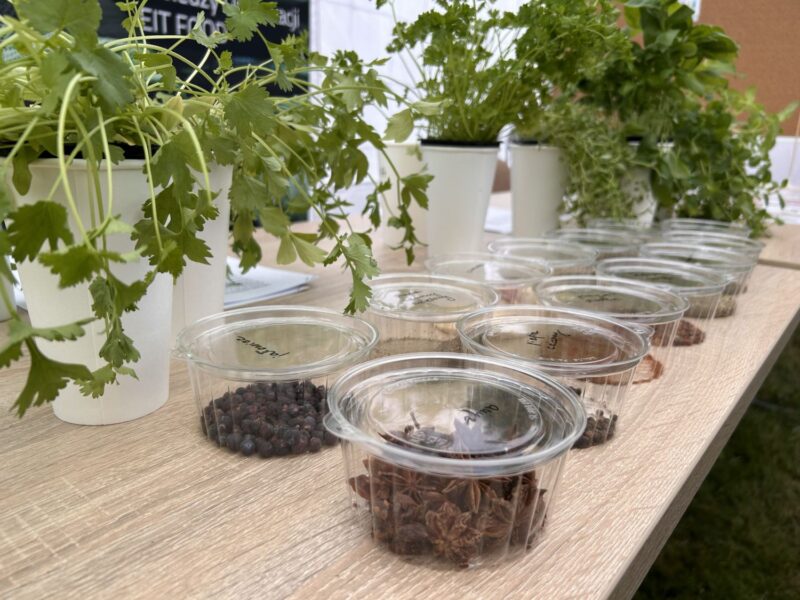
The speakers emphasized that superfoods are not limited to exotic ingredients – our local treasures are just as valuable. These include apples, berries, parsley leaves, flaxseed, and honey.

The program featured lectures by:

  • dr Małgorzata Starowicz – Institute of Animal Reproduction and Food Research of the Polish Academy of Sciences in Olsztyn,
  • dr Joanna Ciborska – Department of Human Nutrition, Faculty of Food Science, University of Warmia and Mazury in Olsztyn,
  • dr Anna Hinburg – clinical dietitian at the Provincial Specialist Children’s Hospital in Olsztyn,
  • dr hab. n. med. Michał S. Majewski, prof. UWM – Department of Pharmacology and Toxicology, Faculty of Medicine, University of Warmia and Mazury in Olsztyn,
  • dr Marianna Raczyk – Institute of Animal Reproduction and Food Research of the Polish Academy of Sciences in Olsztyn.

The event concluded with a discussion panel, during which participants had the opportunity to ask questions and share their thoughts.

The meeting was held as part of the ERA Chair WELCOME2 project: „Establishing a Centre of Excellence in Nutrigenomics to Improve Health and Quality of Life”. The scientific supervision of the event was provided by Dr Małgorzata Starowicz – leader of the Food Chemistry and Biodynamics Team at the Institute of Animal Reproduction and Food Research PAS in Olsztyn.

We invite you to watch the event summary video and browse the photo gallery that captures the atmosphere and energy of the day.

Thank you all for your presence and active participation – we look forward to seeing you at future educational events!

Photo gallery

Read more

Scientists on World Endometriosis Day: We still know too little about this disease

Endometriosis affects up to one in ten women of reproductive age. What is known today is that it is a chronic inflammatory estrogen-dependent disease caused by the presence of endometrial tissue outside the uterus, including in the ovaries, uterine muscle, and rectovaginal space. However, its causes remain a mystery, diagnosis is challenging, and treatment remains symptomatic.

March is endometriosis awareness month, culminating in World Endometriosis Day on March 30. Researchers at the Institute of Animal Reproduction and Food Research of the Polish Academy of Sciences in Olsztyn are also studying the biology of endometriosis and adenomyosis, a disease similar to endometriosis.

Unanswered Questions About Endometriosis

– Although endometriosis is being diagnosed more frequently, we still know too little about the disease itself. For reasons still unknown to us, endometrial tissue—the lining of the uterus—migrates outside the uterine cavity. Most commonly, it affects the ovaries, peritoneum (the membrane lining the abdominal cavity and covering many organs), and the rectovaginal space, but it can also be found in the intestines, lungs, eyes, brain, and bladder. It has even been observed in scars from cesarean sections – explains Professor Sławomir Wołczyński, head of the Human Reproduction Biology and Pathology Team.

The most widely accepted theories suggest that endometriosis is caused by retrograde menstruation, in which menstrual blood flows backward through the fallopian tubes, allowing endometrial fragments to enter the abdominal cavity, implant themselves, and even spread through the lymphatic system.

With each menstrual cycle, the tissues forming endometriosis lesions also shed and bleed—though outside the uterus. This not only causes irritation and inflammation but also severe pain. Pain is the primary clinical symptom of endometriosis, along with heavy menstrual bleeding, painful urination with blood, painful bowel movements, and digestive issues.

A significant impact on women’s lives

– Although endometriosis is not usually a malignant disease, it significantly reduces women’s quality of life. Many patients experience unbearable menstrual pain without pharmacological suport – emphasizes Profesor Sławomir Wołczyński.

The disease is also a major cause of infertility. – Epidemiological analyses and our clinical observations indicate that today, endometriosis is one of the leading causes of infertility – notes Profesor Sławomir Wołczyński.

Since the root cause of endometriosis is unknown, treatment is only symptomatic. The standard approach includes pharmacological treatment—pain relief and suppression of endometriosis lesion activity. – Surgical treatment can also be effective, but decisions about surgery must be made with particular caution in patients who have not yet completed their plans for motherhood – explains Professor Wołczyński.

Adenomyosis is a condition similar to endometriosis and also estrogen-dependent. In this case, endometrial tissue is located within the uterine muscle. The exact mechanism of this disease is also not yet fully understood.

The full article was published on the portal Academia, issued by the Polish Academy of Sciences: Academia.

Read more

We are looking for participants to co-create a beverage for active people

Do you lead an active lifestyle, care about healthy nutrition, but still occasionally reach for sugary, colorful drinks? Join our program and collaborate with scientists from our Institute to develop a hydration-enhancing beverage! Thanks to a partnership with a leading Polish beverage producer, the product will hit store shelves next year. Recruitment is open until April 18.

This initiative is part of the Consumer Engagement Labs program under EIT Food – an international project of the European Institute of Innovation & Technology.

Our partner is Maspex – one of the largest food companies in Central and Eastern Europe and a leading Polish producer of well-known and beloved juice, nectar, and beverage brands.

– By participating in this project, consumers have a unique opportunity to design a product that meets their specific needs and will be available in stores next year. Importantly, this is not just about testing pre-developed variants but about actively contributing to the creative proces – emphasizes dr Joanna Fotschki, project coordinator from the Institute of Animal Reproduction and Food Research of the Polish Academy of Sciences in Olsztyn.

Who Are We Looking For?

We invite individuals aged 35-55 who lead an active lifestyle, limit sugar in their diet, and are not affiliated with the food or marketing industries to apply.

Recruitment is now open and will run until April 18. Sign up HERE.

Why a Hydration Beverage?

Proper hydration is essential for the overall functioning of the body.

– Research shows that adequate hydration supports kidney function, helping to eliminate excess sugar from the body and aiding in the management of type 2 diabetes. It also helps maintain blood volume and pressure, reducing the risk of hypertension. On the other hand, inadequate hydration can lead to health issues, such as an increased risk of cardiovascular diseases – explains dr Joanna Fotschki.

She adds that maintaining proper hydration levels is often neglected. „This is further exacerbated by the growing tendency of consumers to choose sugary drinks, which is becoming increasingly apparent,” she says.

This is why scientists, together with the producer, aim to create a healthier alternative to sugary hydration beverages—with the participation of consumers themselves.

What Does the Creative Process Look Like?

The creative process consists of five online meetings between April and June. During these sessions, 20 selected participants will work in small groups under the guidance of scientists to develop and refine their ideas. The consumer-created concepts will then be presented to Maspex business representatives.

Ultimately, the beverage will be launched next year.

The entire creative process is based on an innovative methodology developed by the University of Warsaw, which combines individual and team efforts, using creative techniques and design thinking.

Read more

Cryobiologists’ conference in Olsztyn

This year, the Institute of Animal Reproduction and Food Research Polish Academy of Sciences is a co-organiser of the 61st meeting of the Society for Low Temperature Biology (SLTB) taking place in Olsztyn from 11-13 September. We encourage you to register and submit abstracts.

SLTB was founded in 1964 in the UK and brings together cryobiologists working on plants, animals, algae, lichens, humans and the environment. The SLTB2025 meeting will focus in particular on the human fertility preservation and animal conservation but welcome abstracts covering all cryobiological topics.

Beside opportunities to network with colleagues, both during the conference and at social events the attendees will have the opportunity to visit the headquarters of the In Life Institute.

The local organising committee includes notable In Life scientists: Prof. Dariusz Skarzynski, Dr. Taisiia Yurchuk, Dr. Beenu Moza Jalali and Karolina Lukasik, among others invite participants to submit abstracts no later than 1st of July.

The full registration and meeting details could be found on the website.

Read more