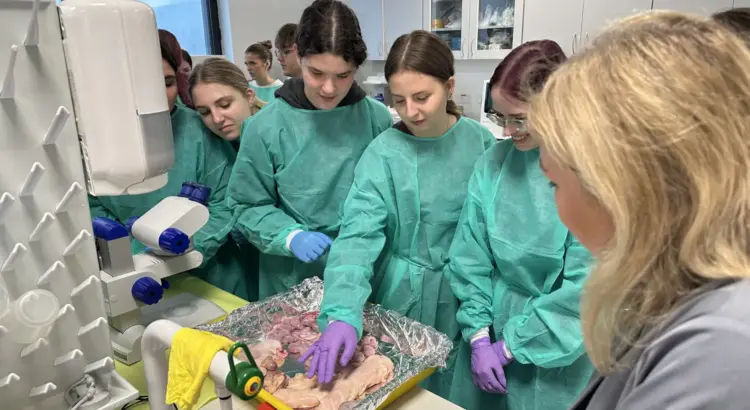
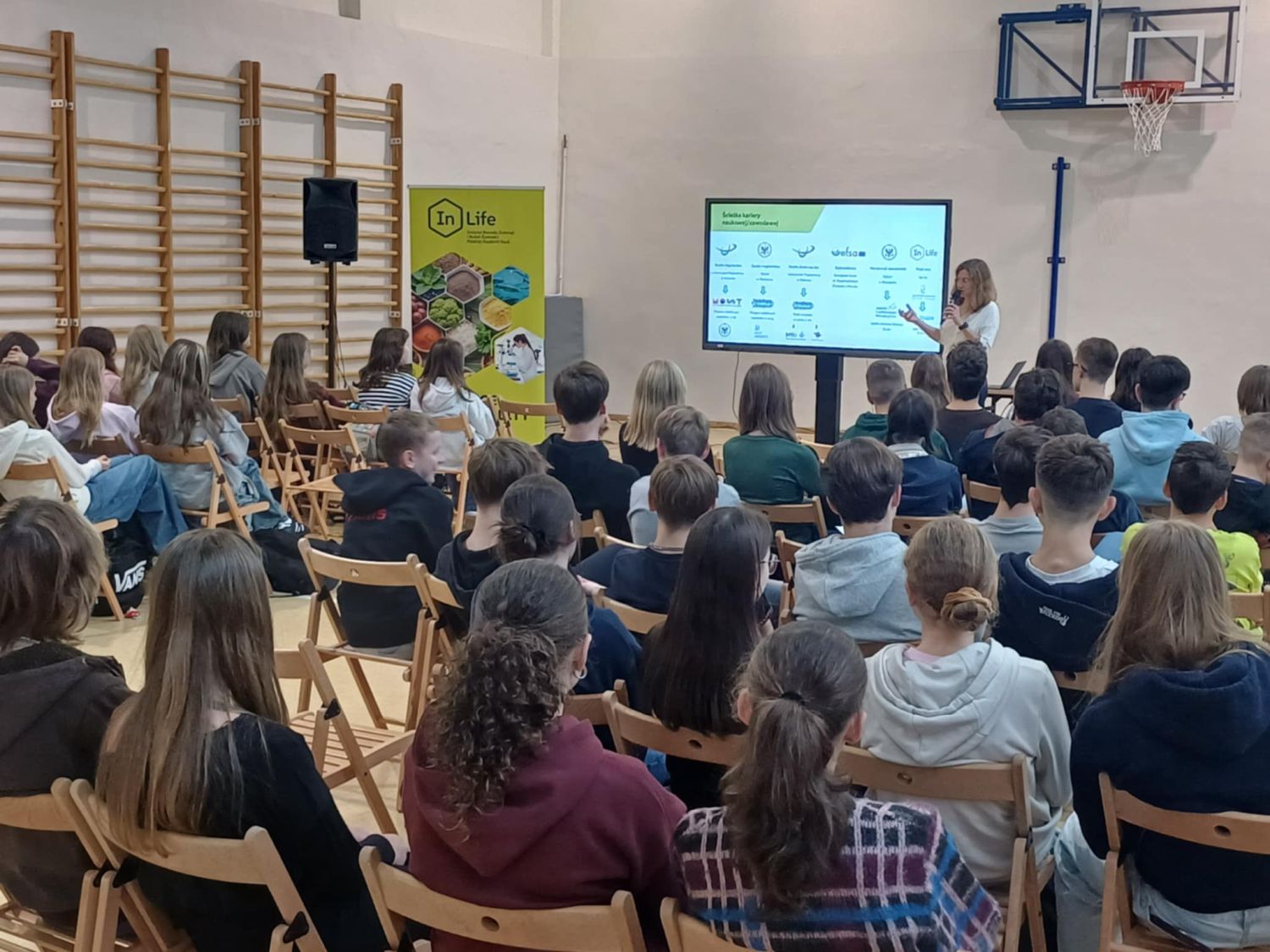
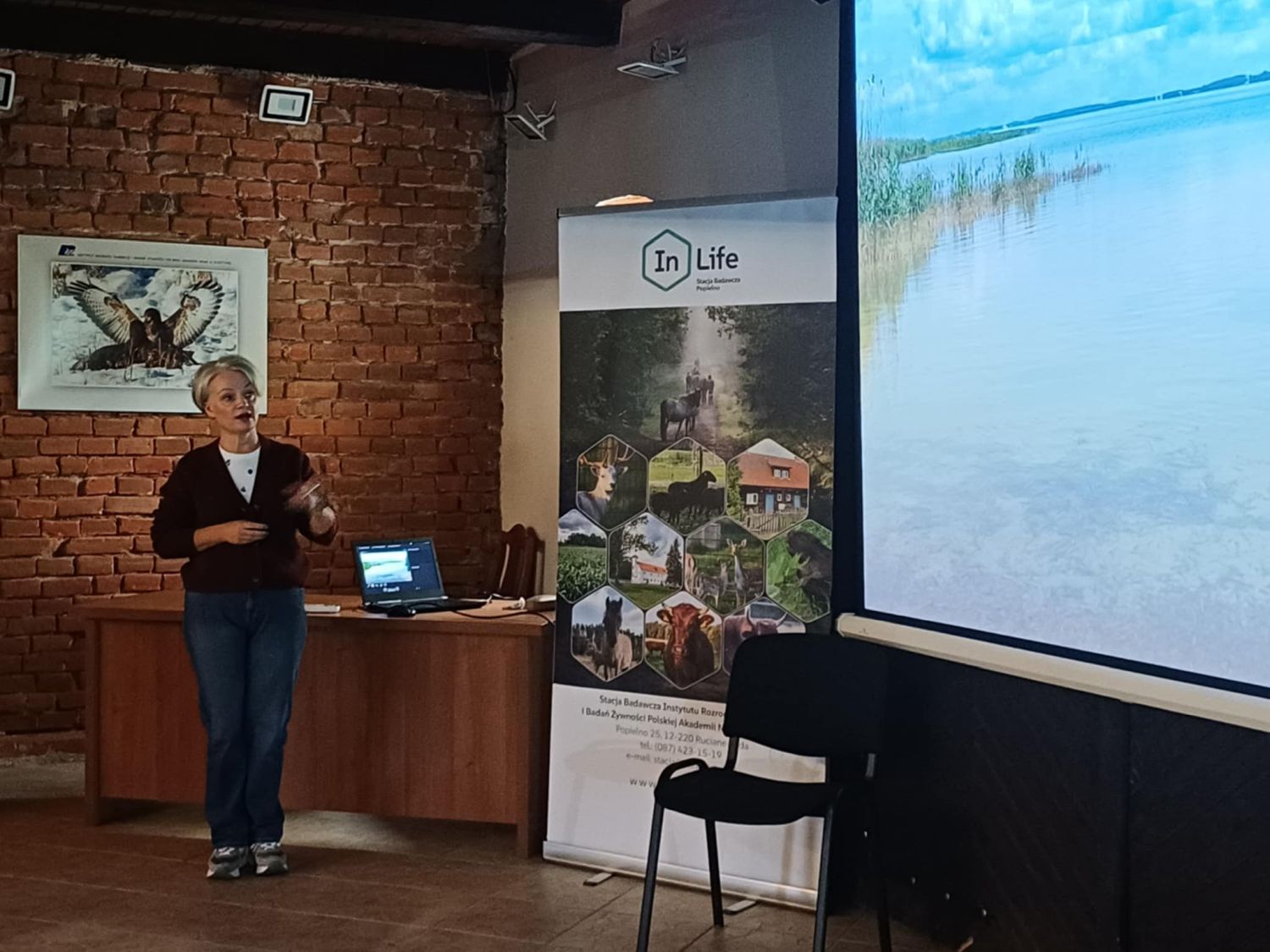
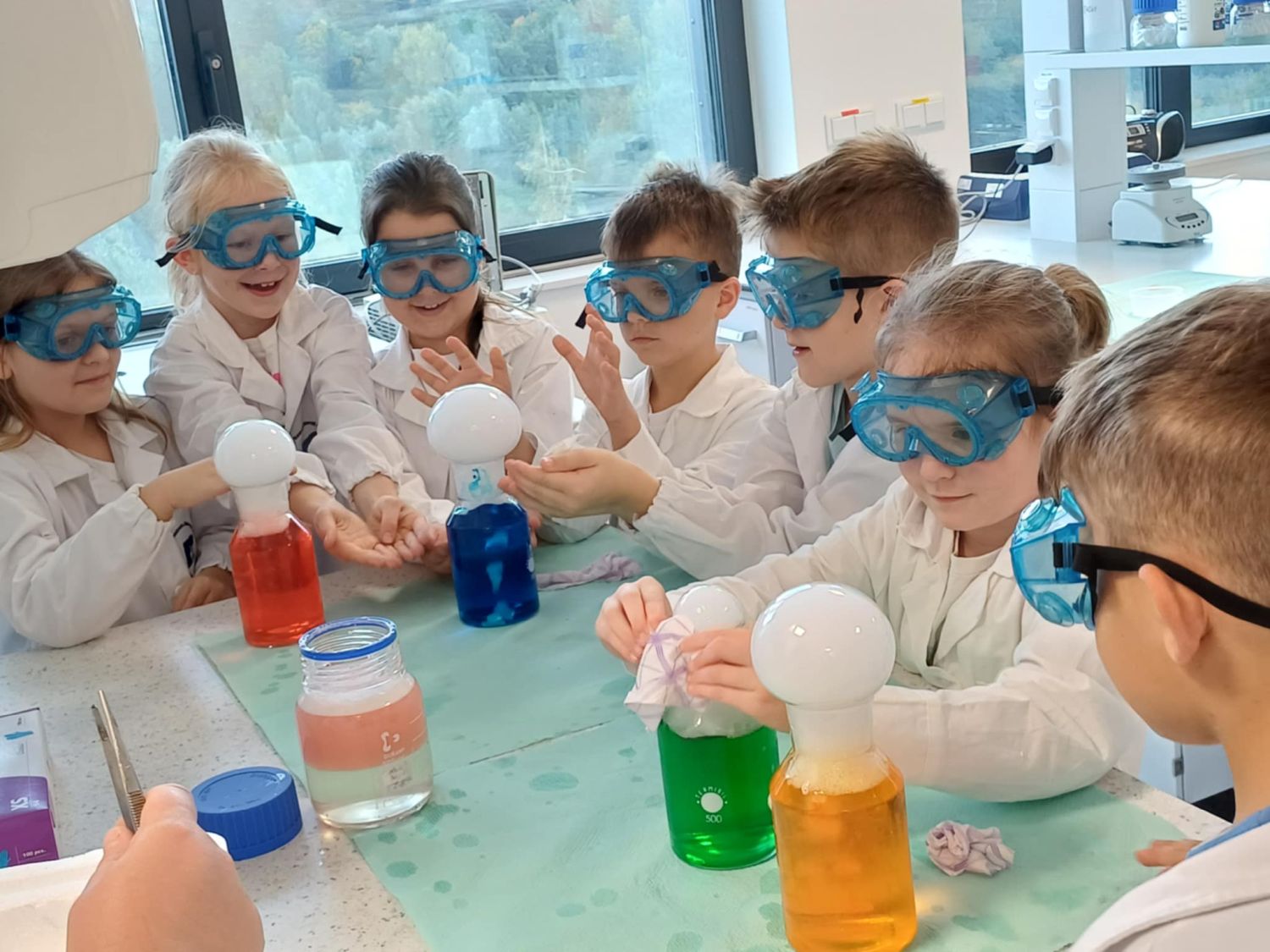
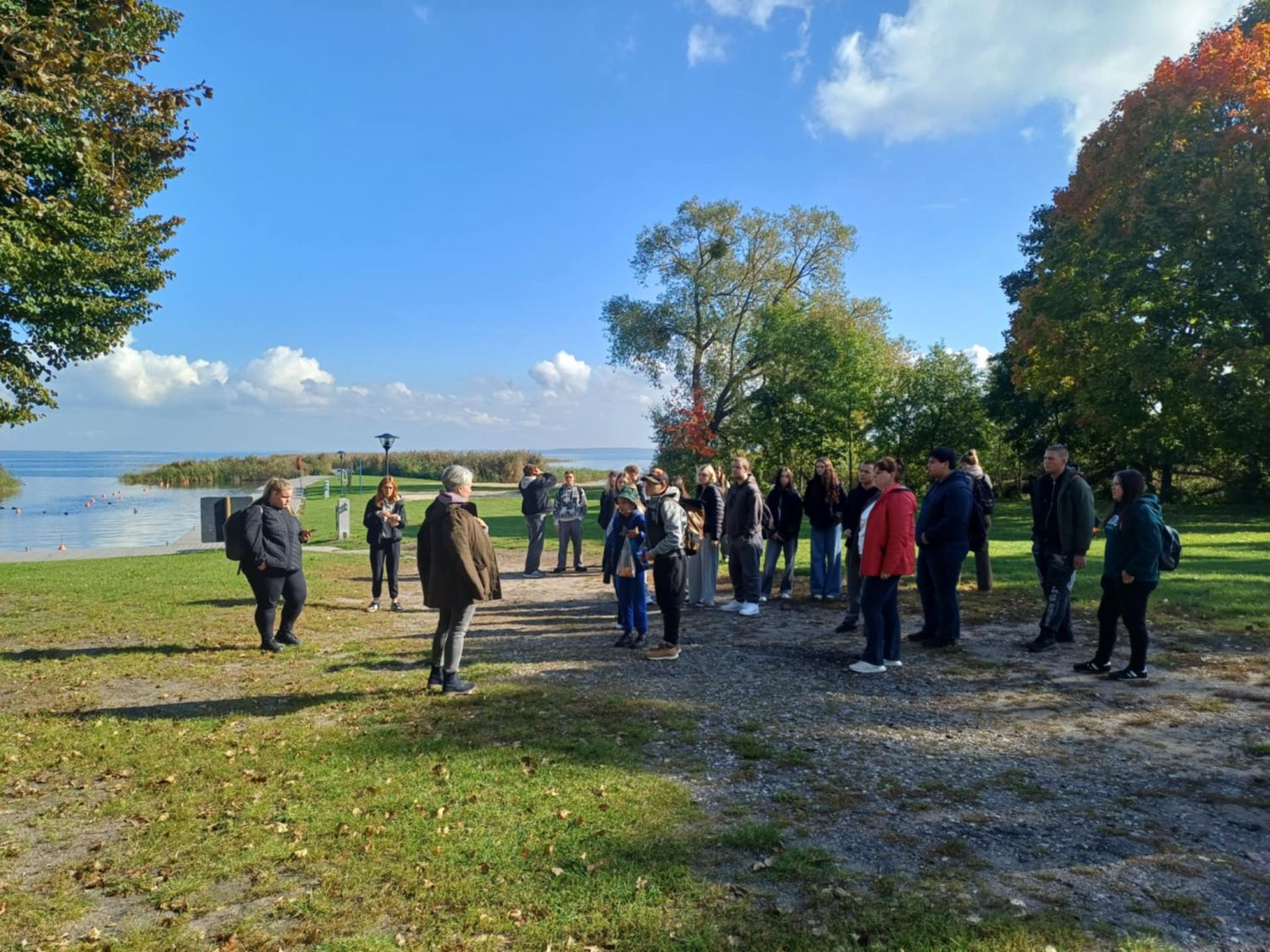
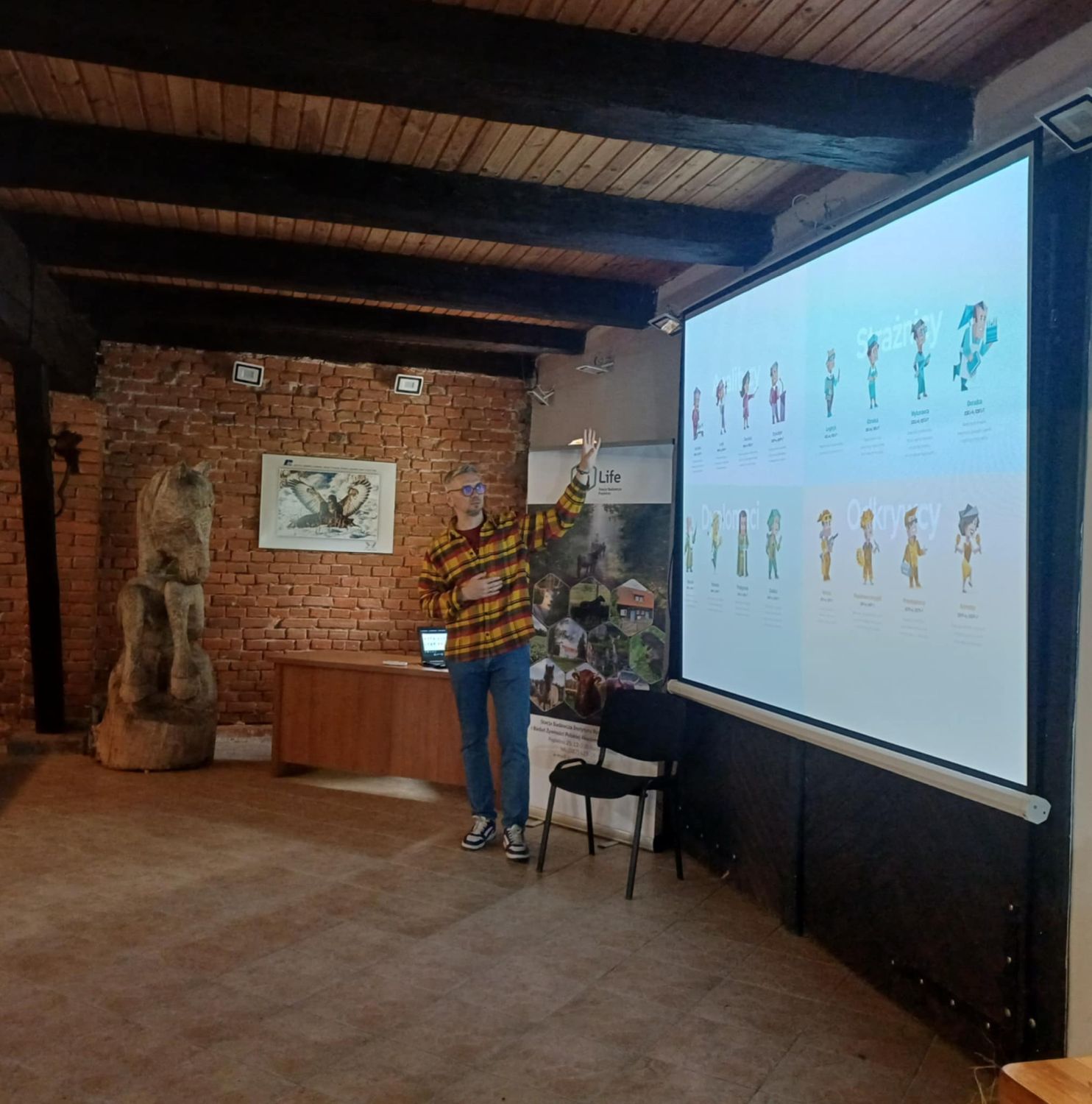
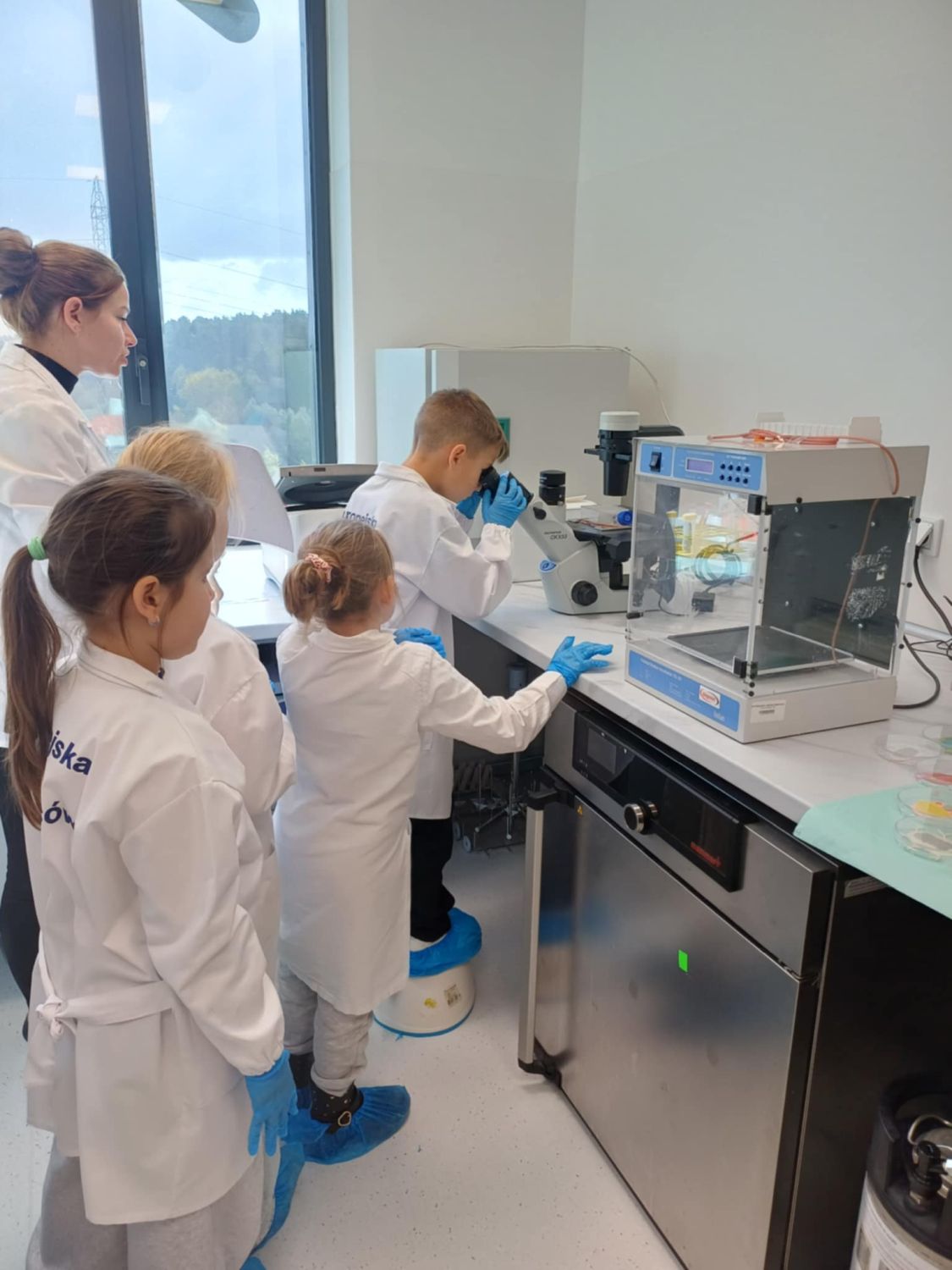
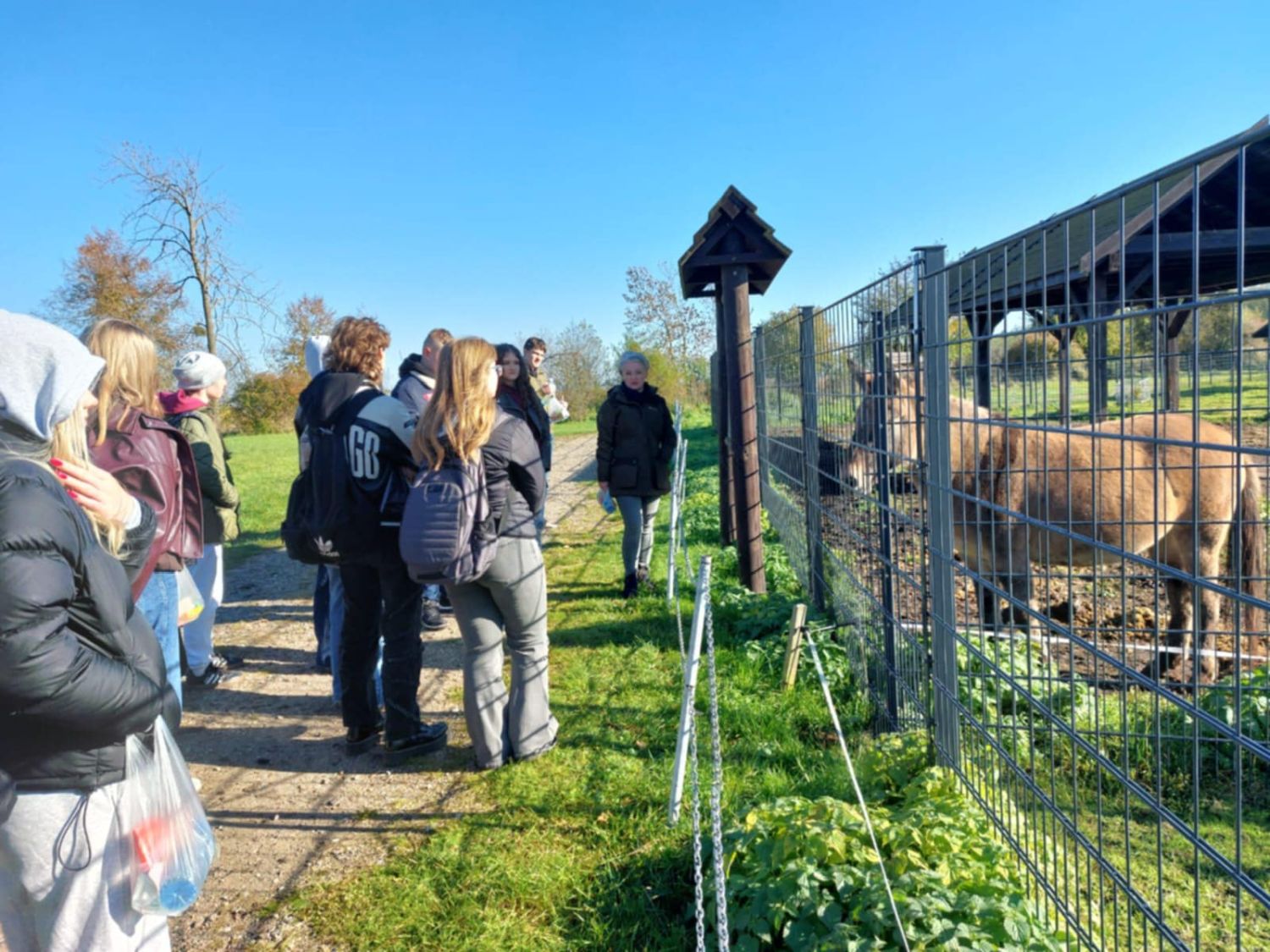
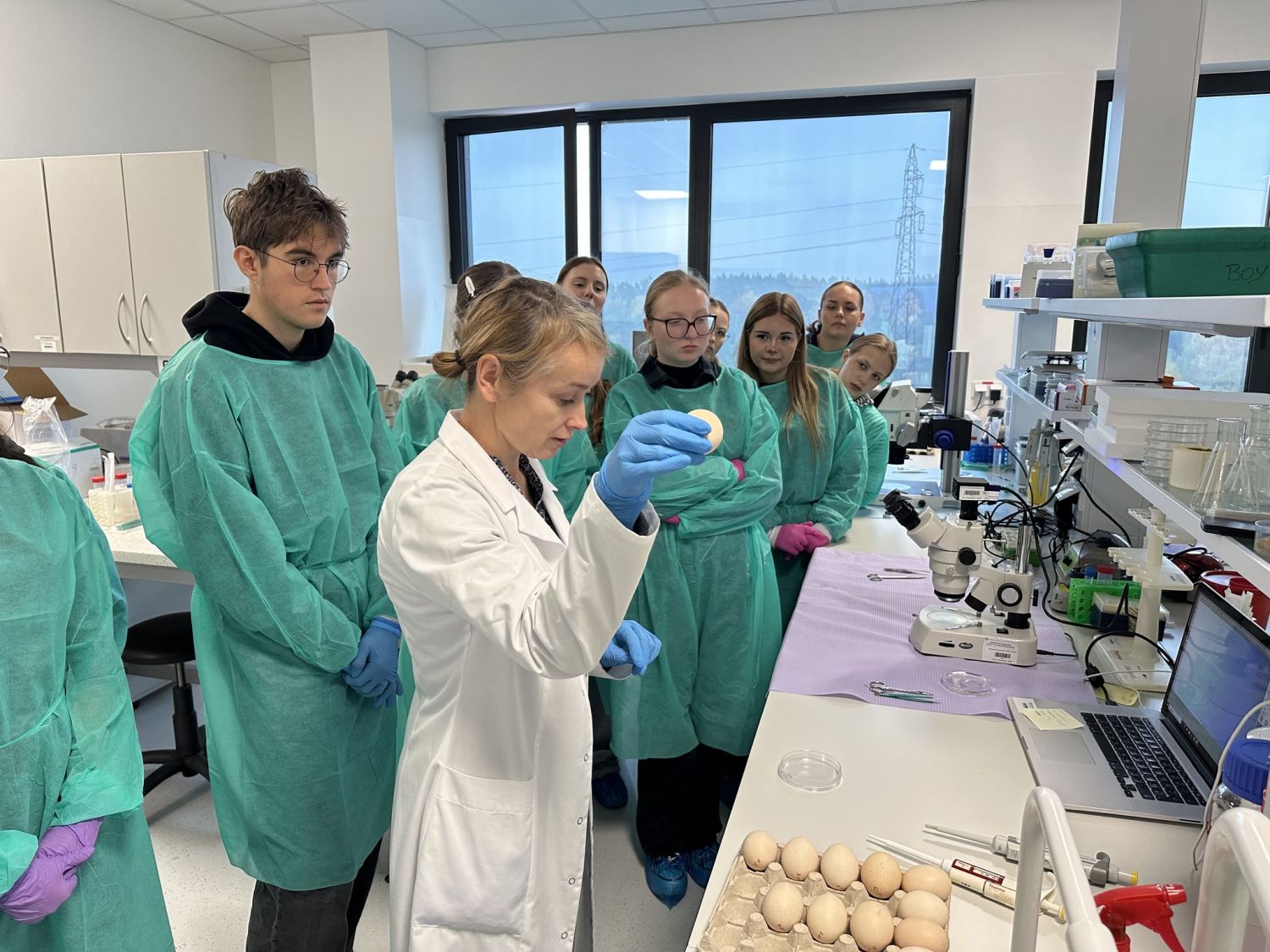
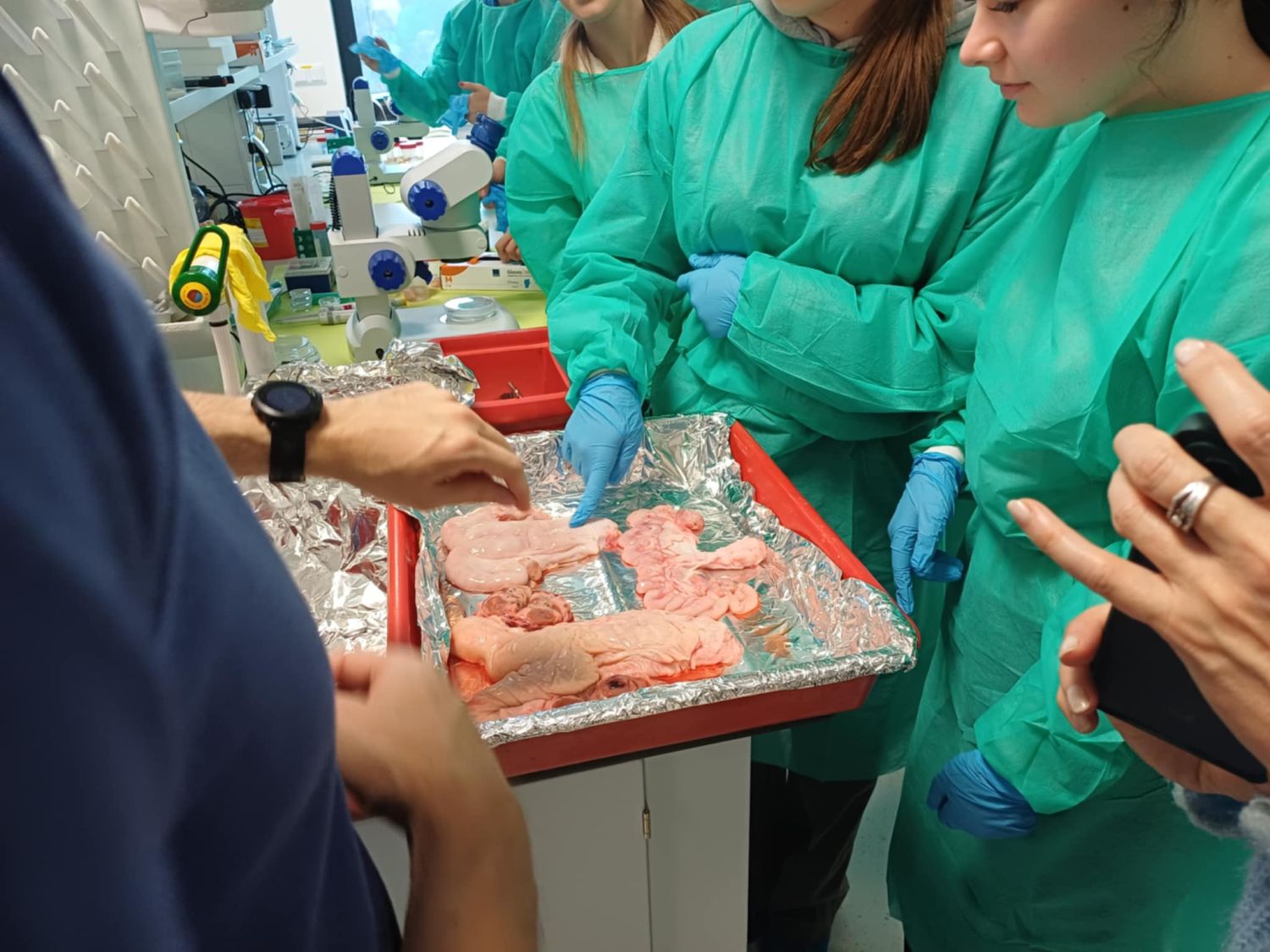
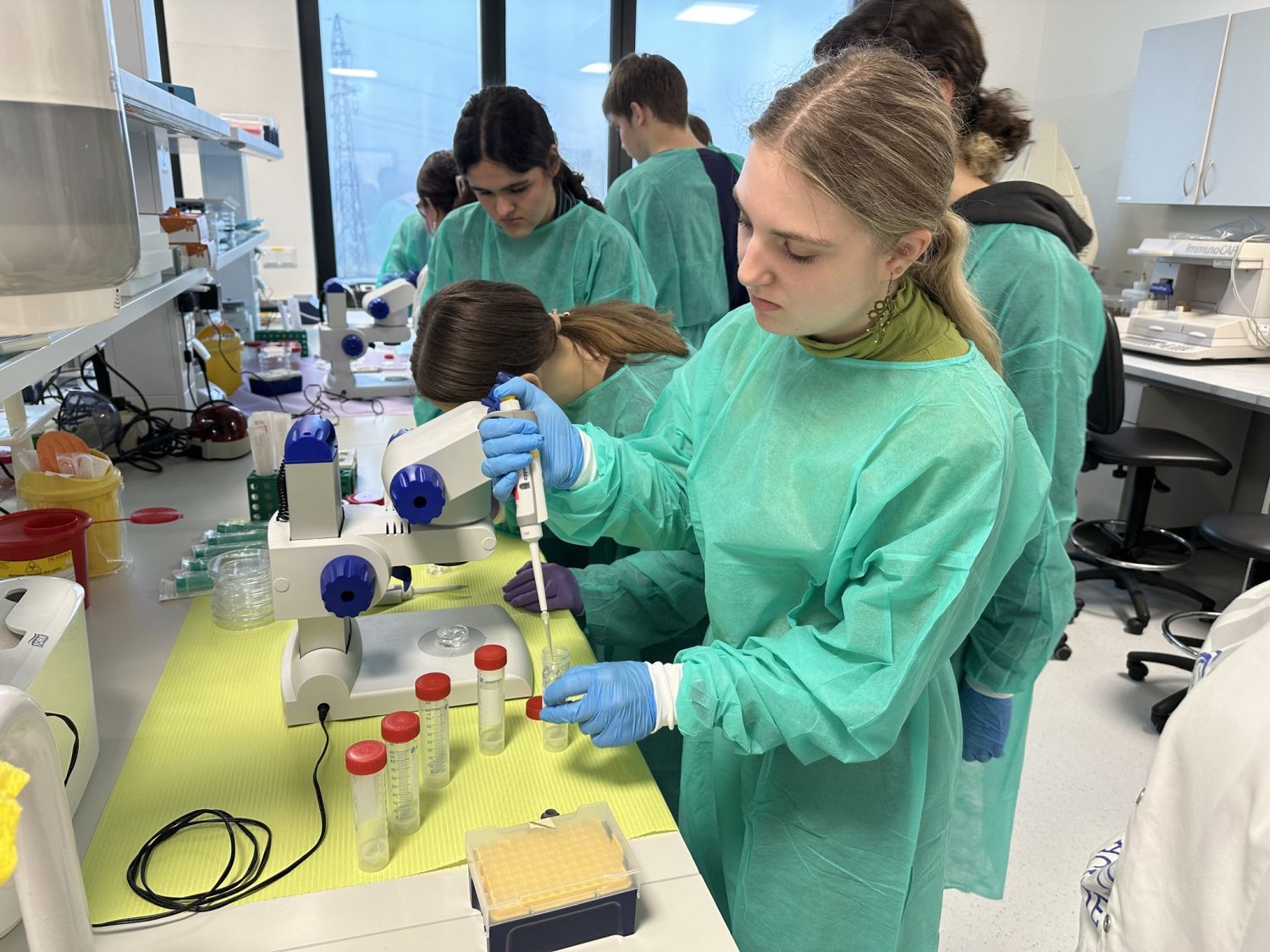
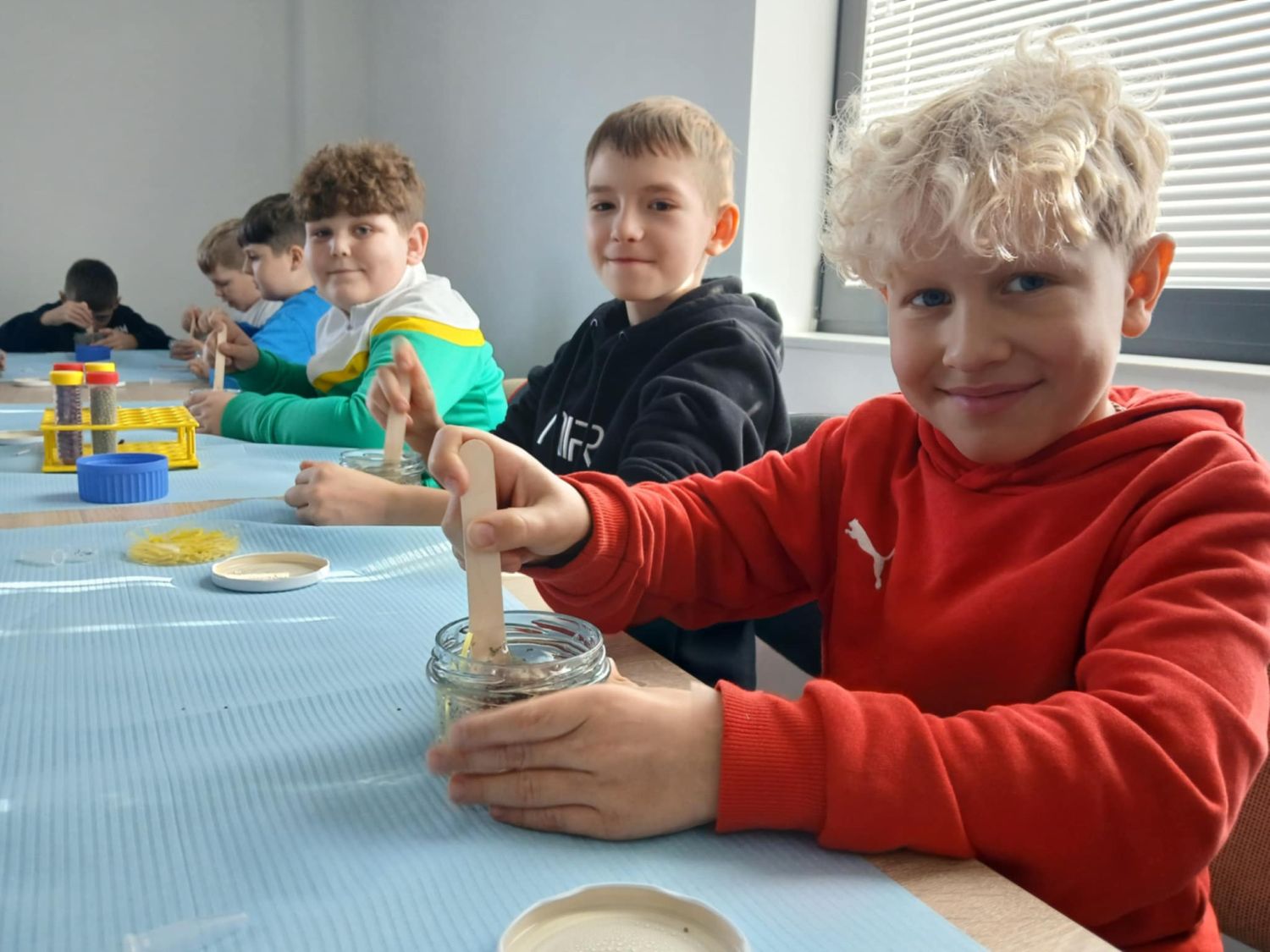
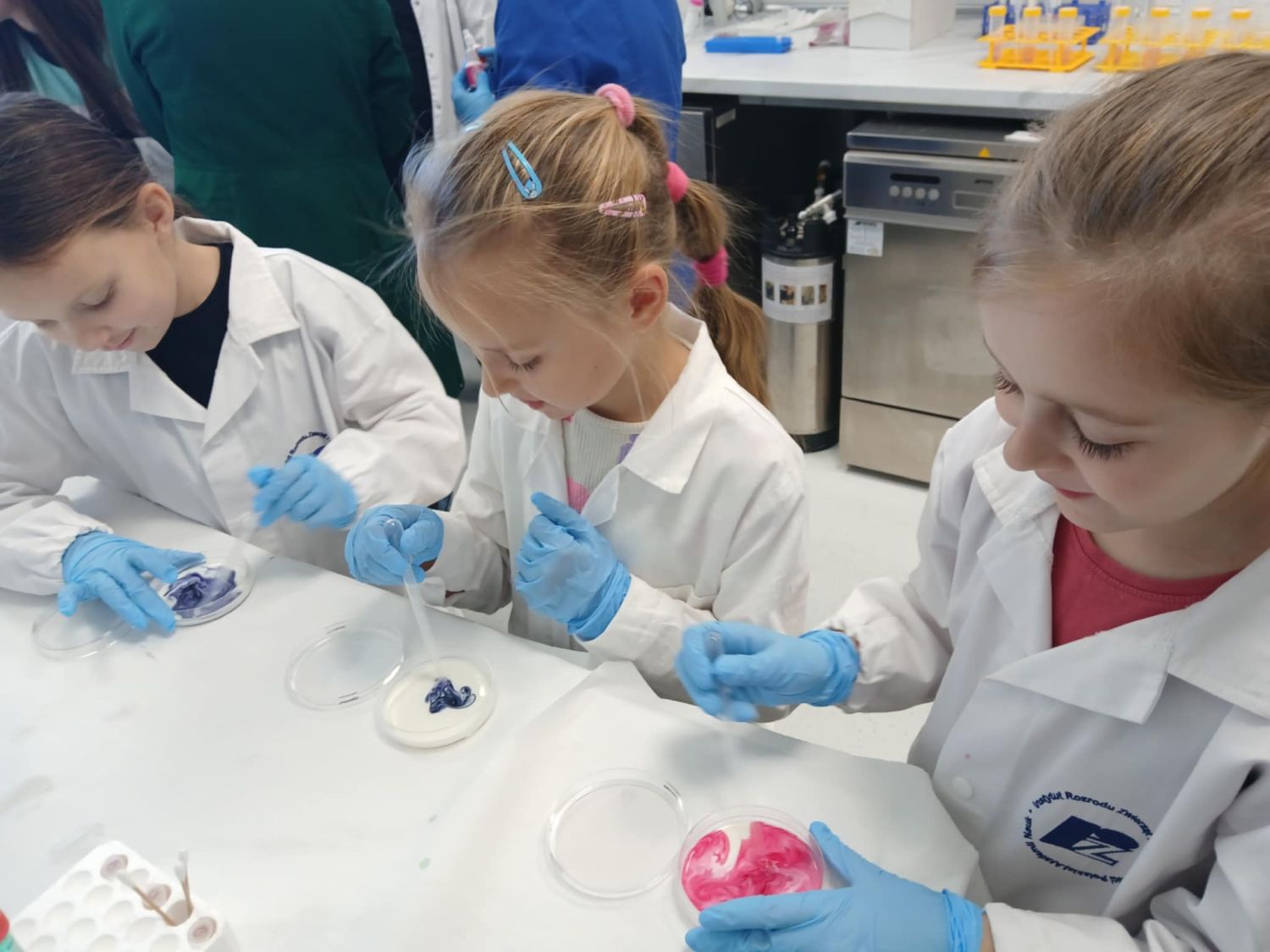
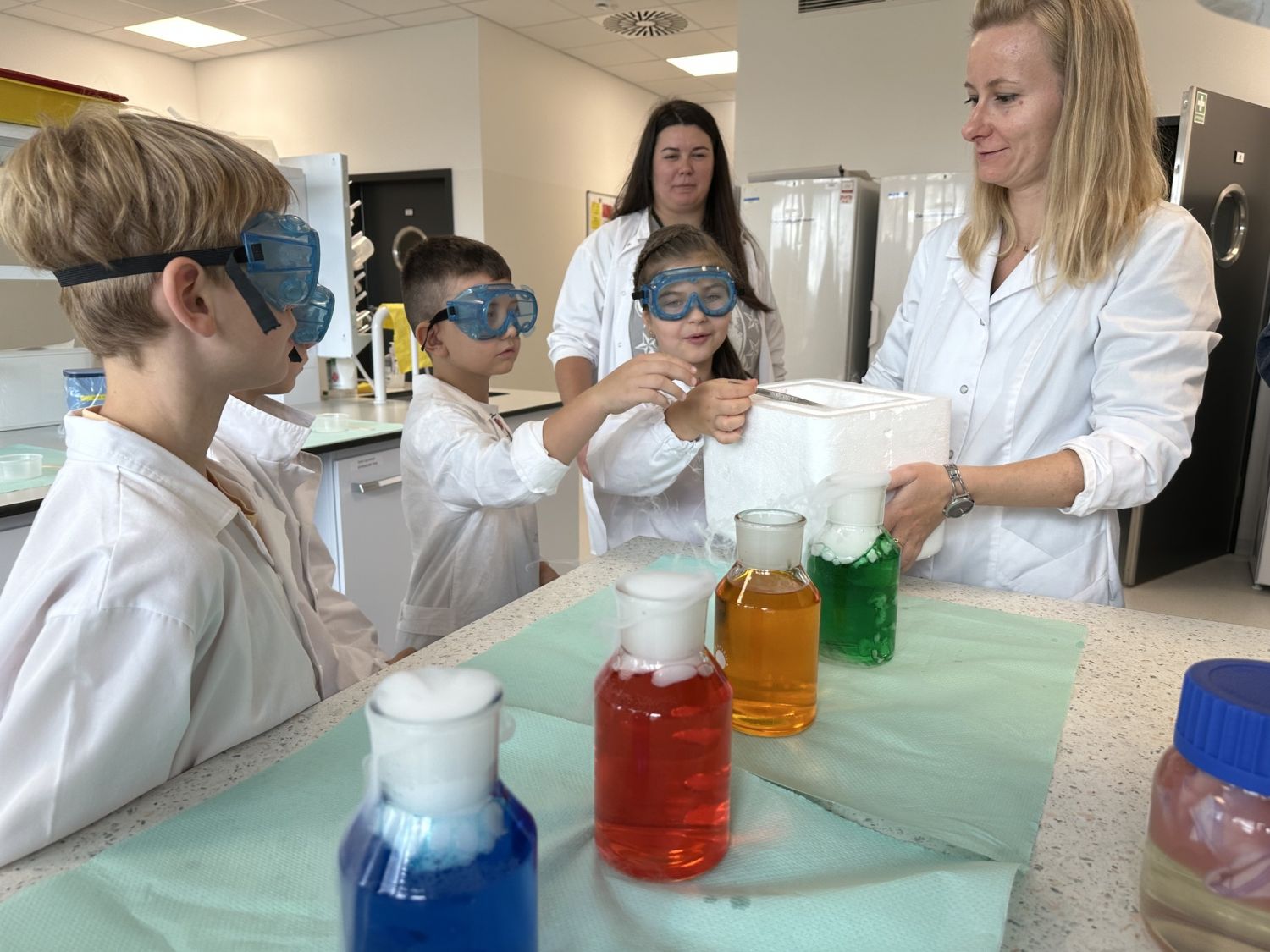
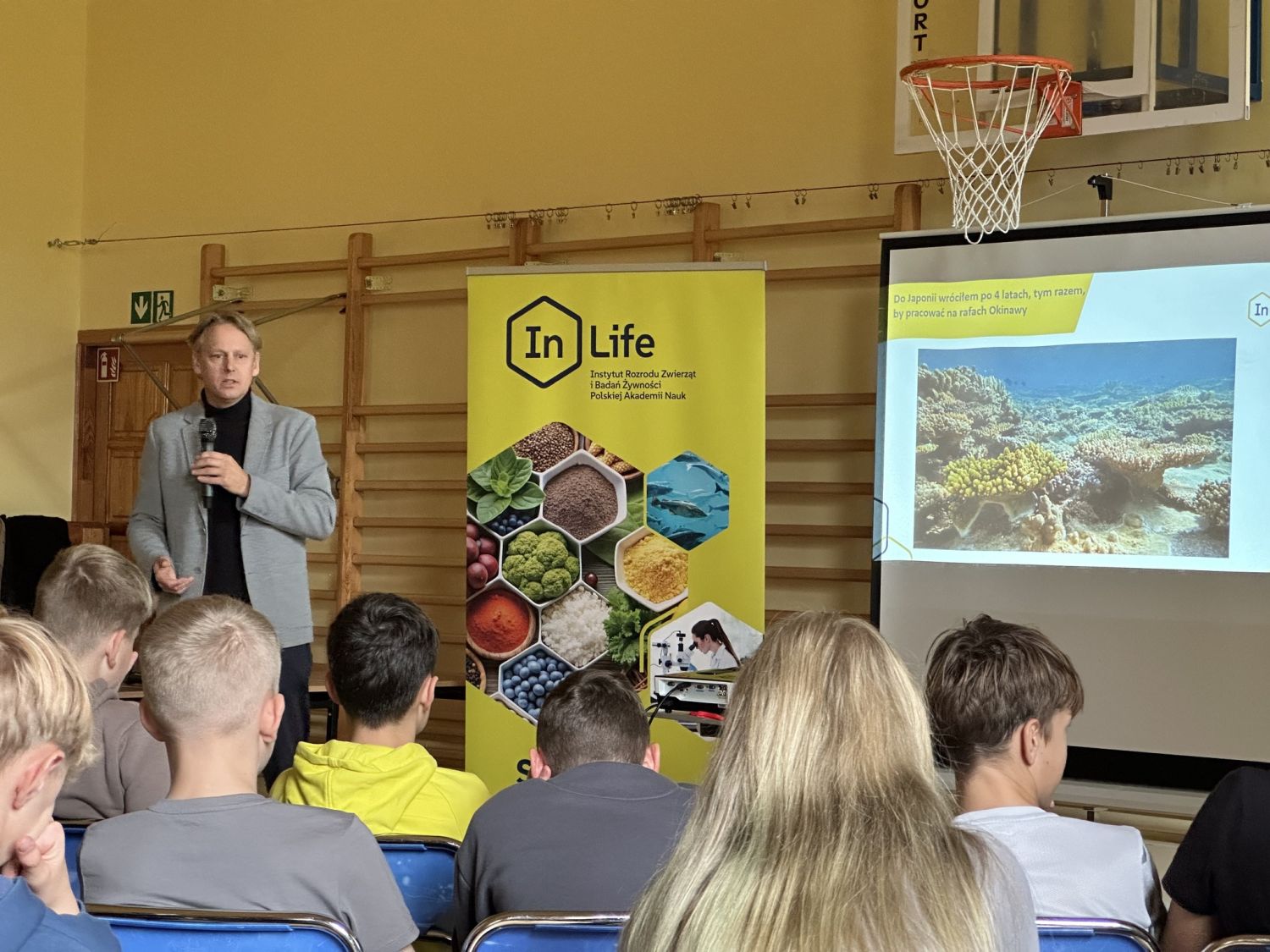
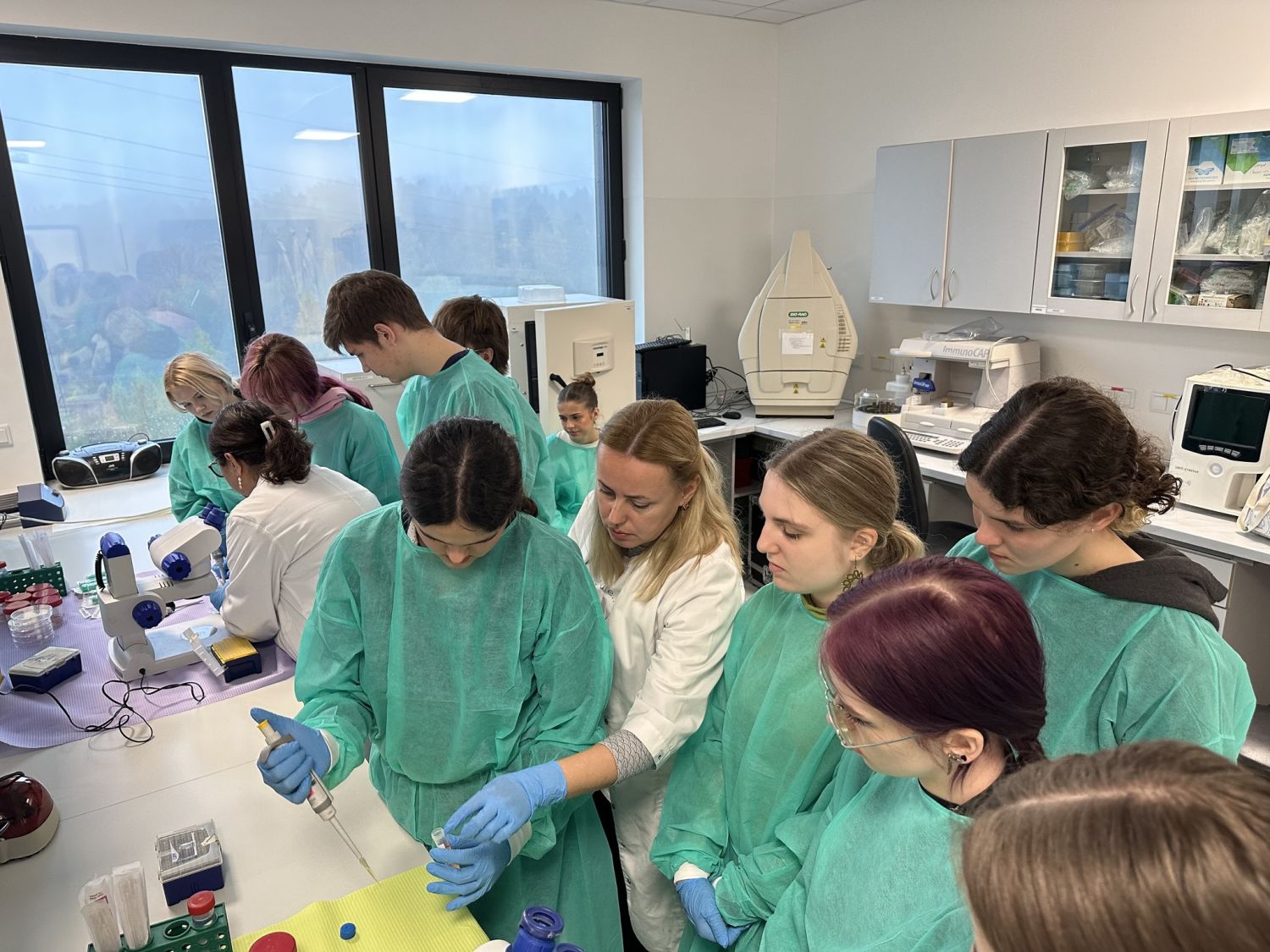
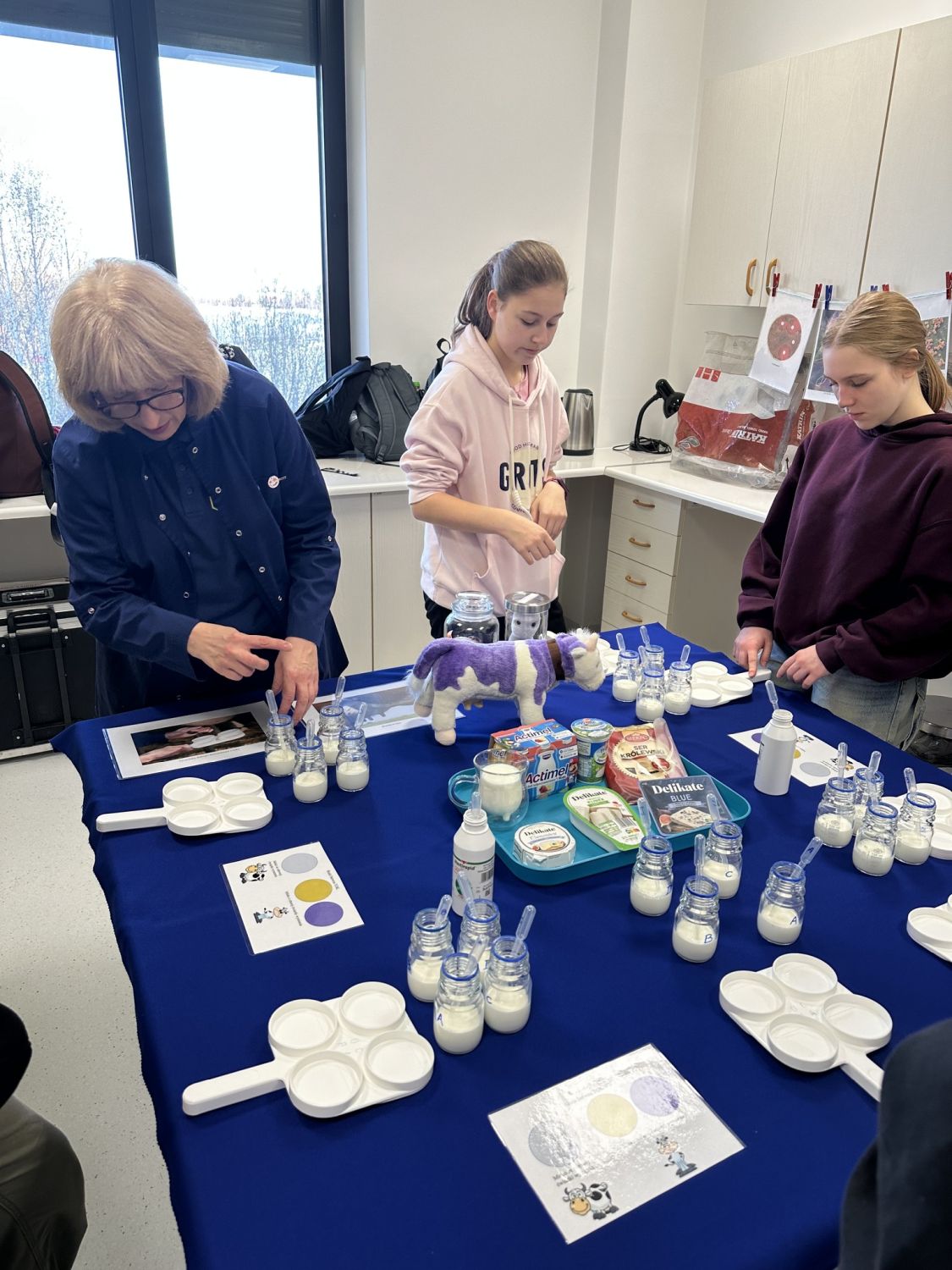
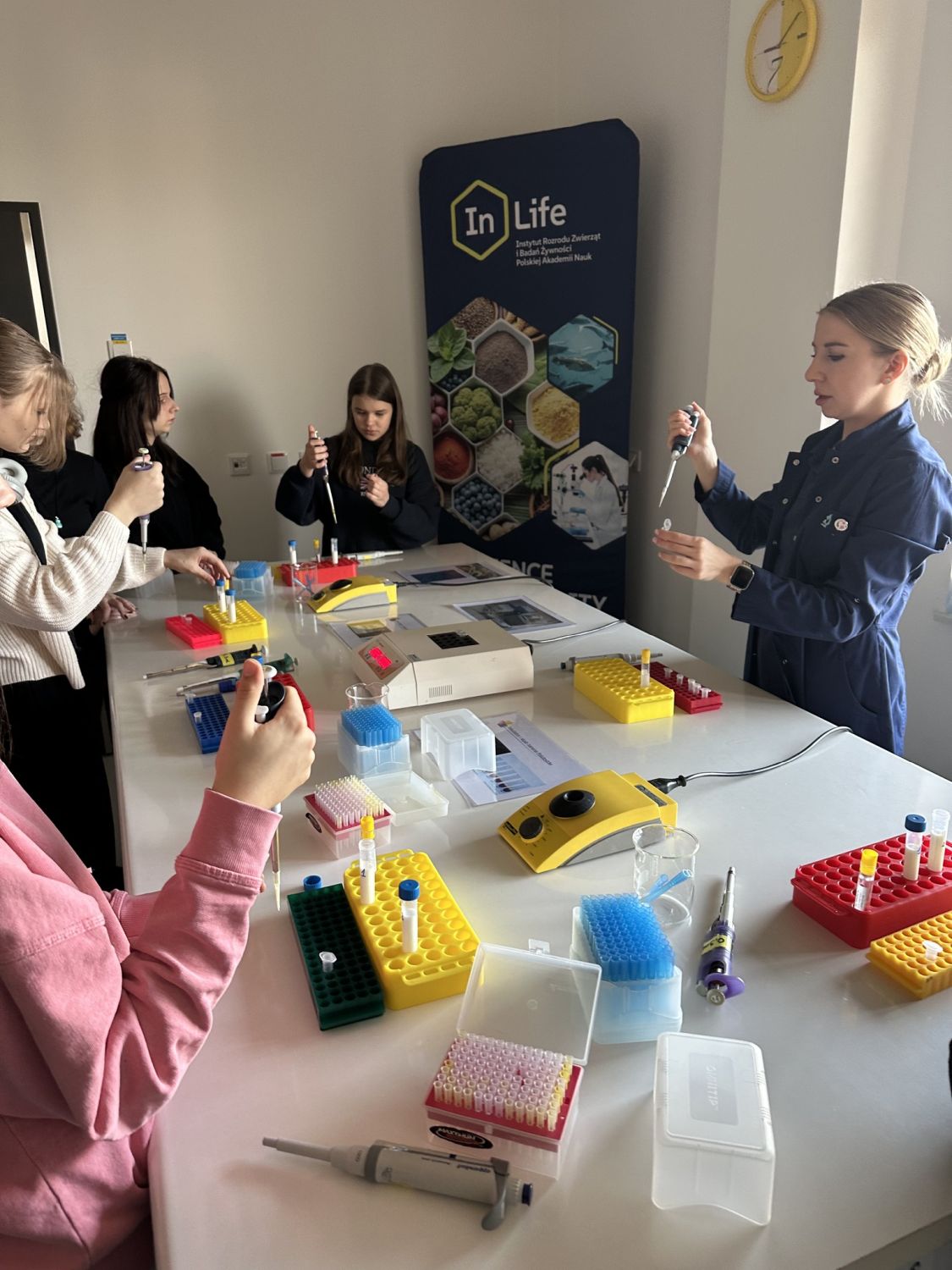
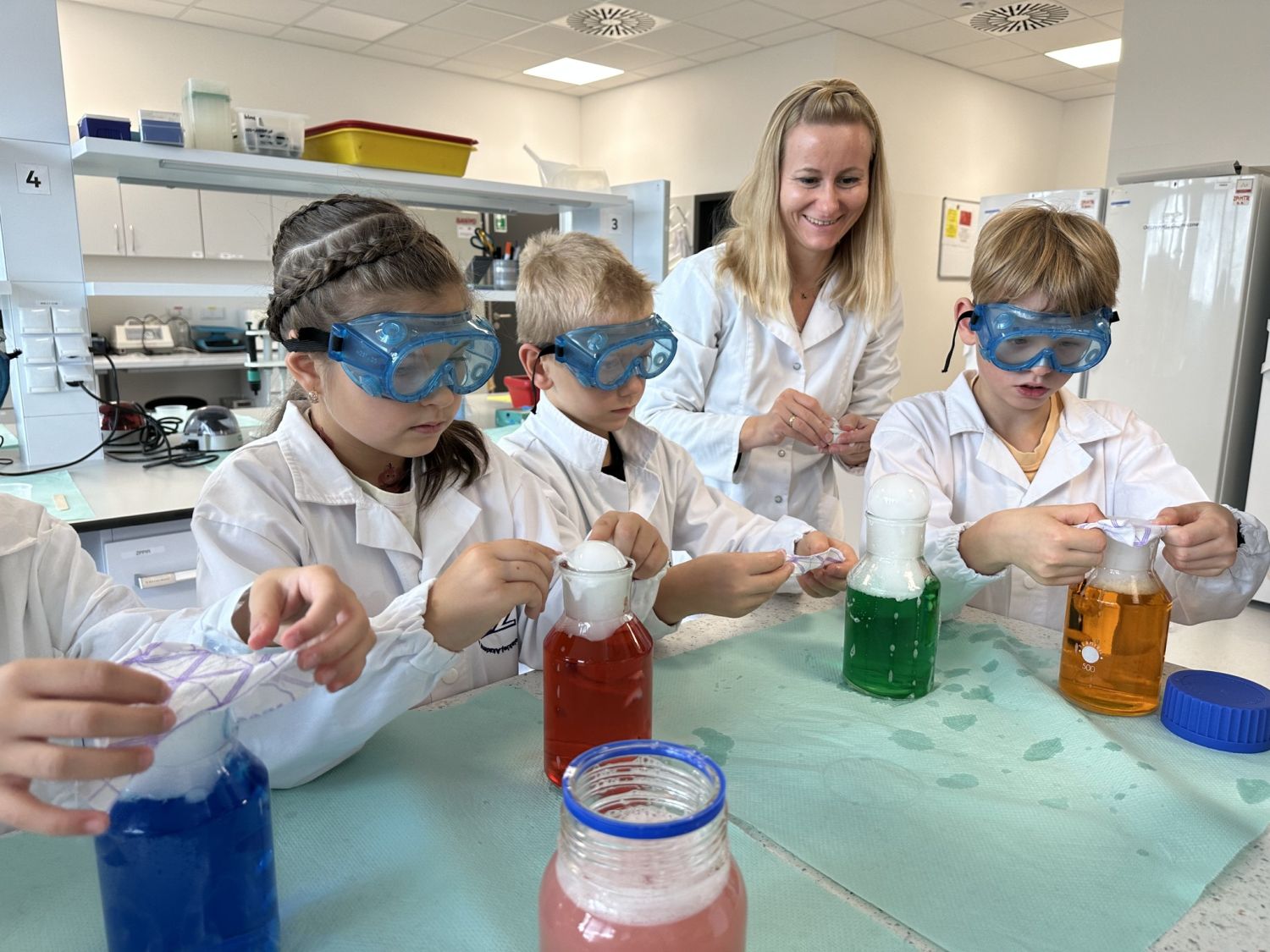
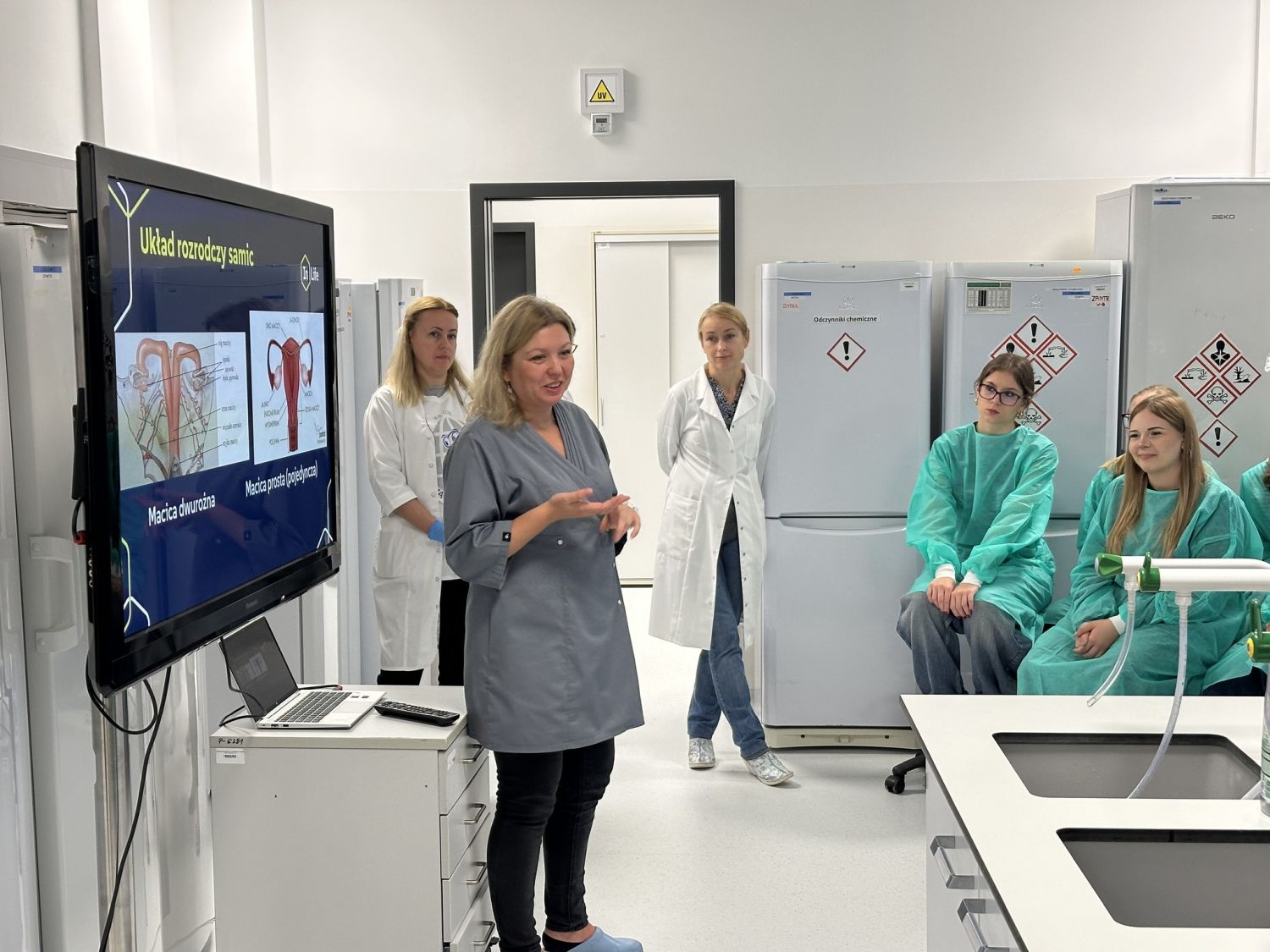
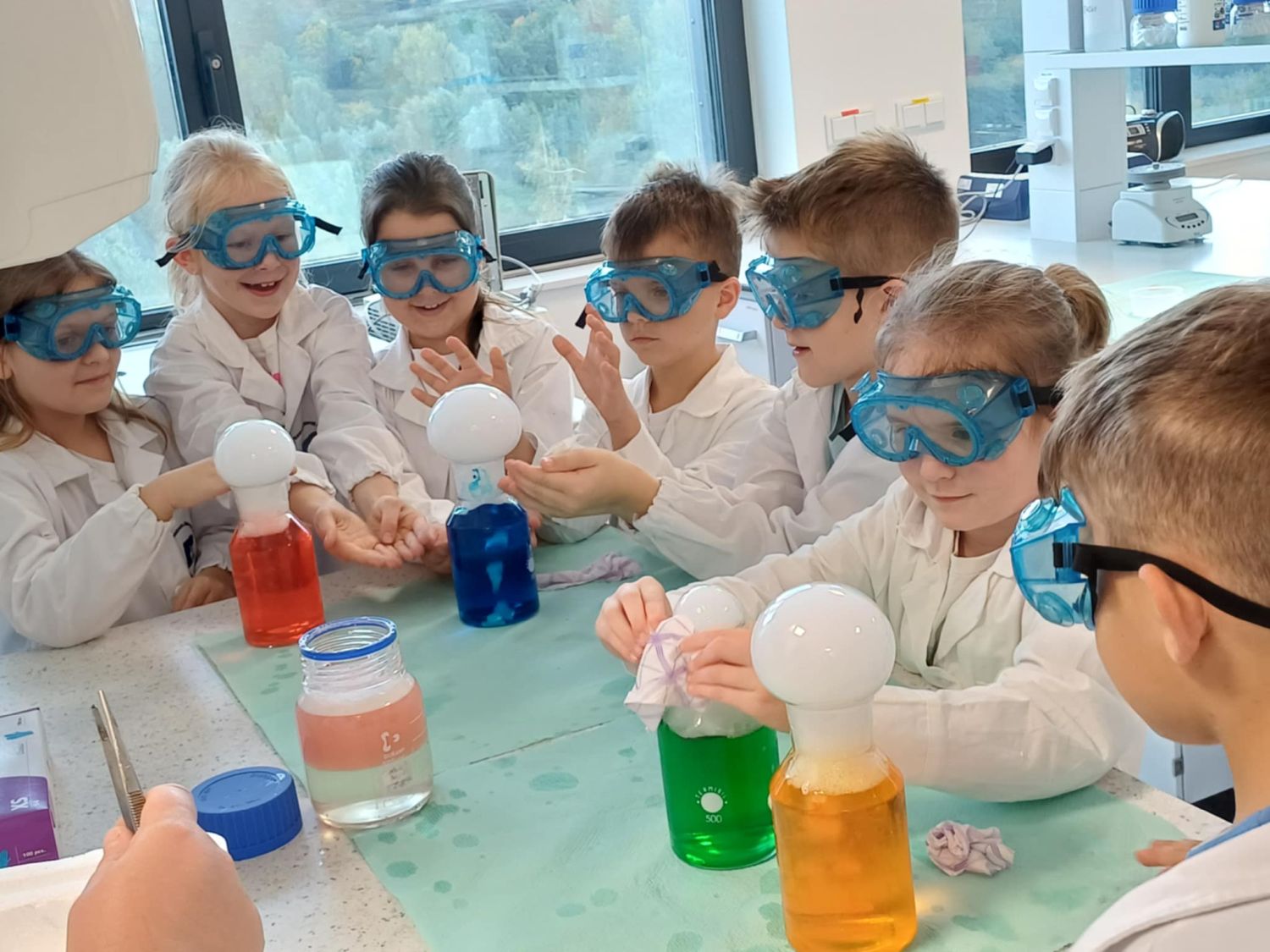
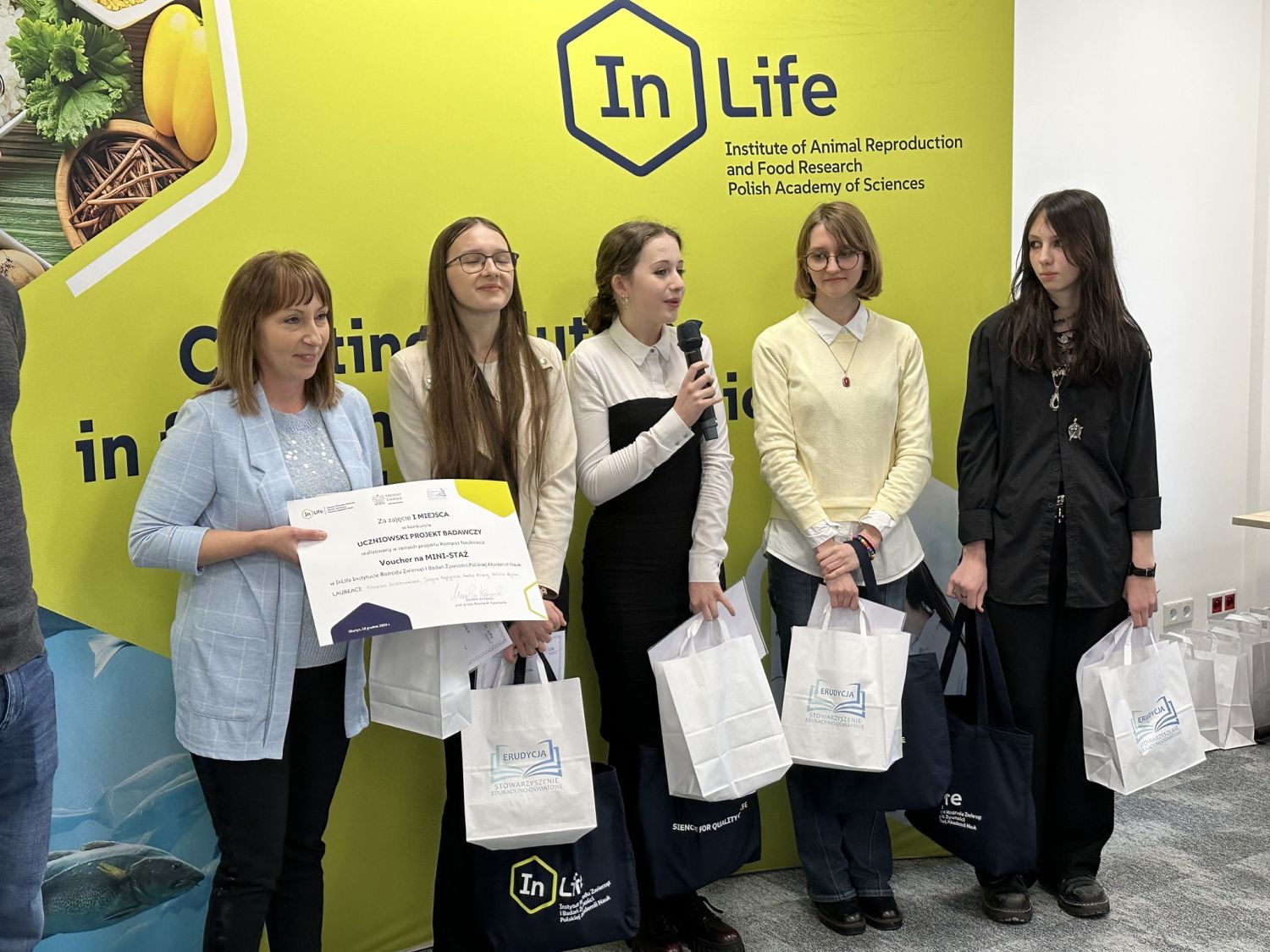
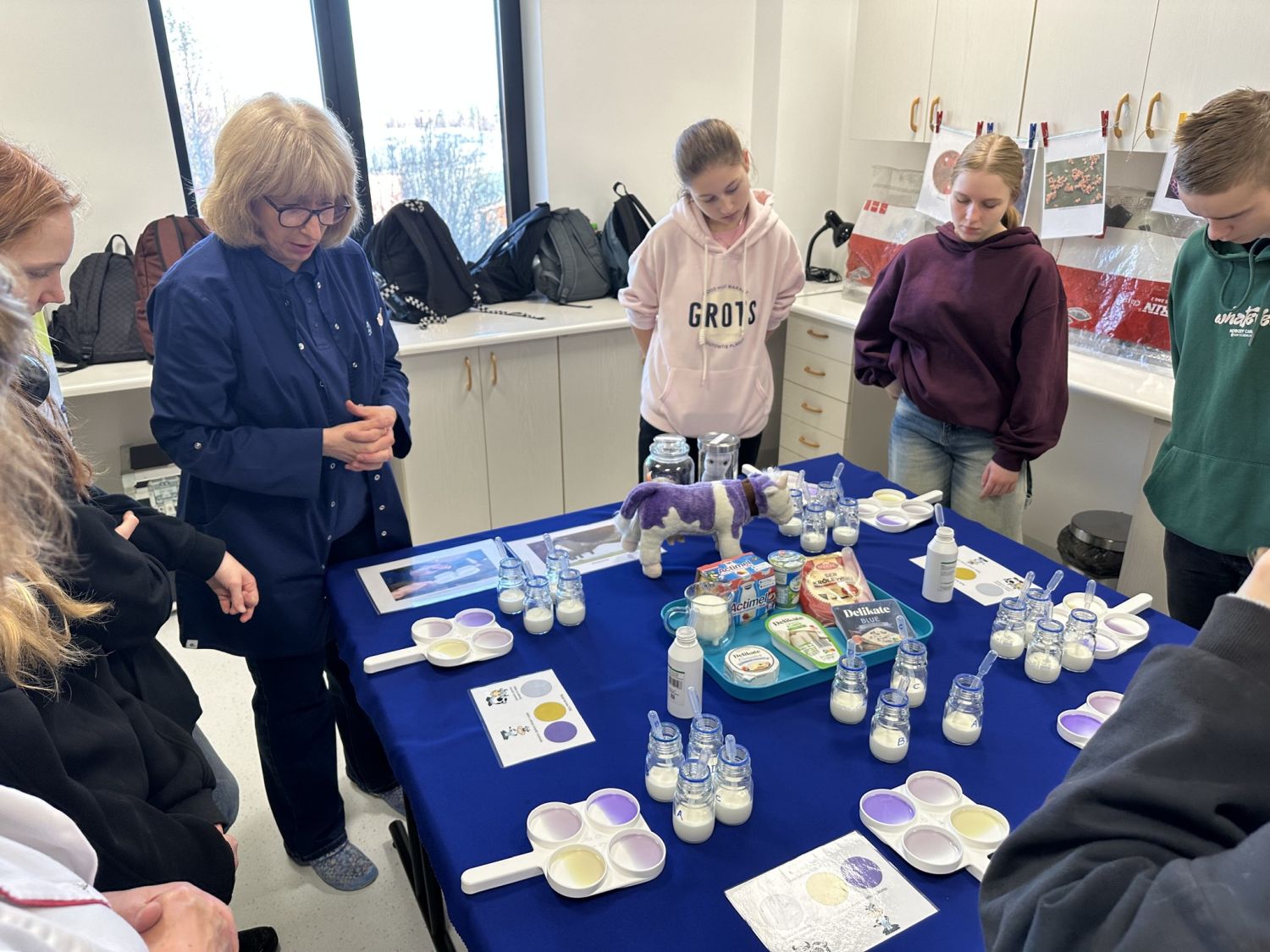
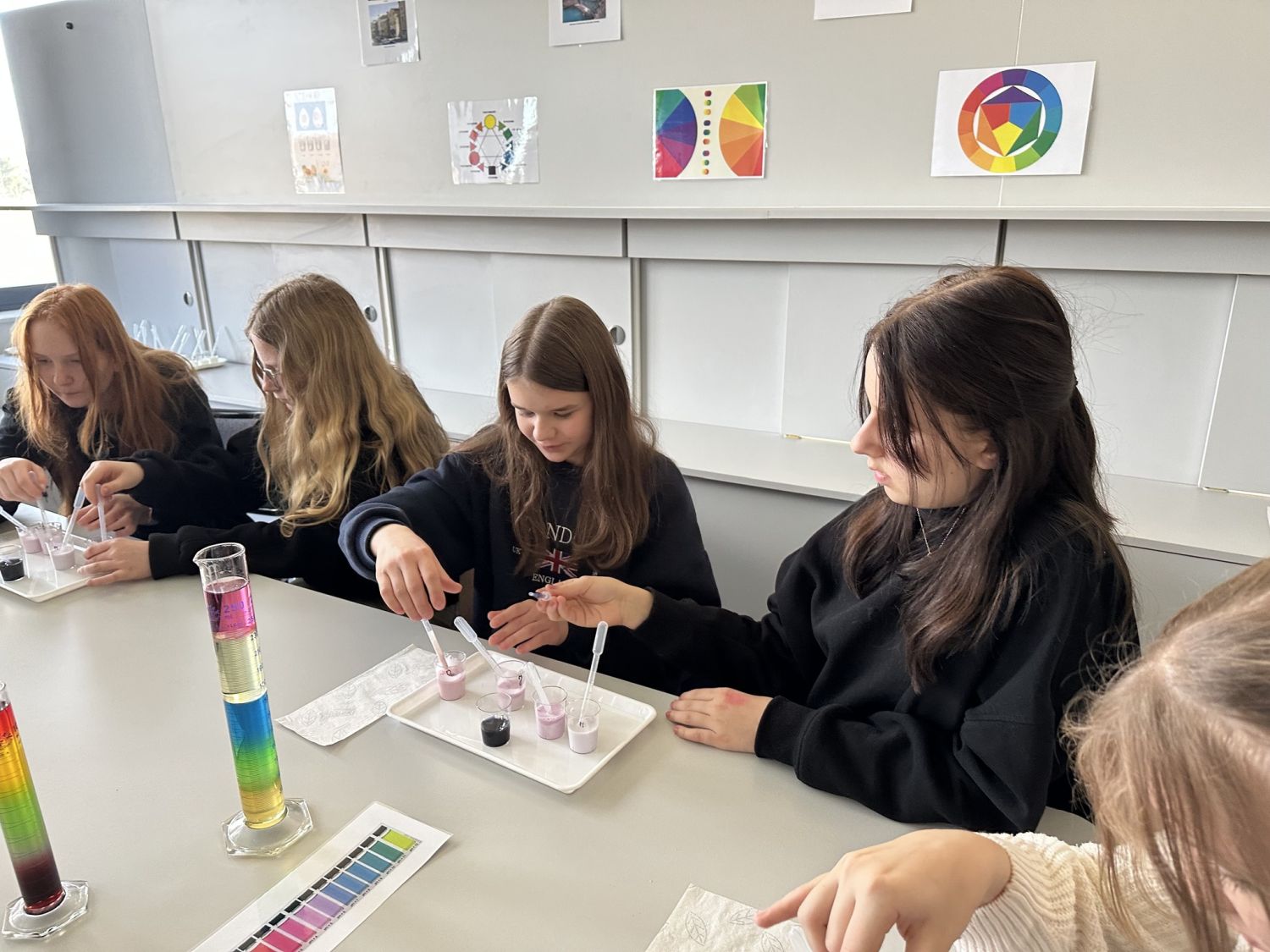
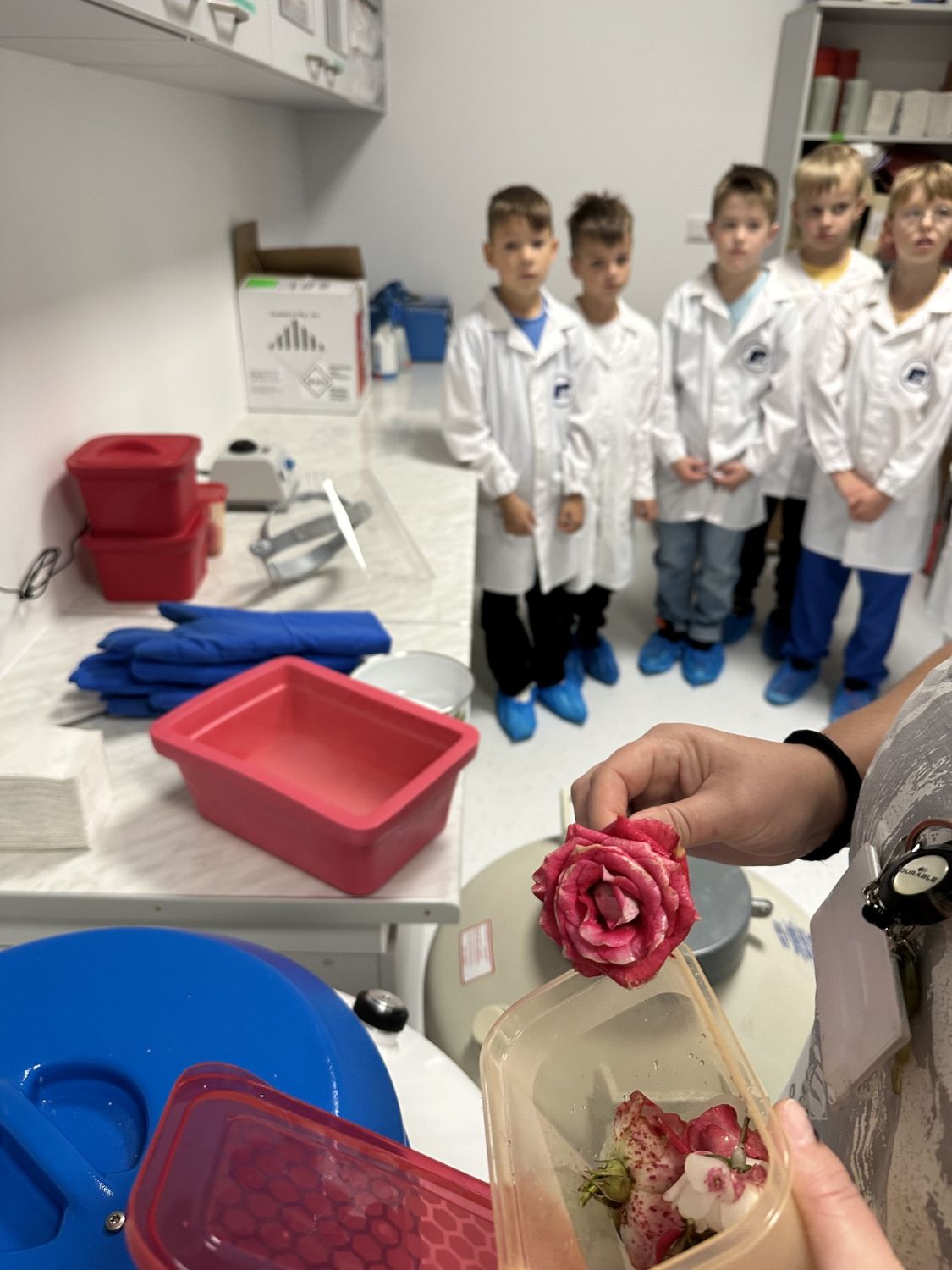
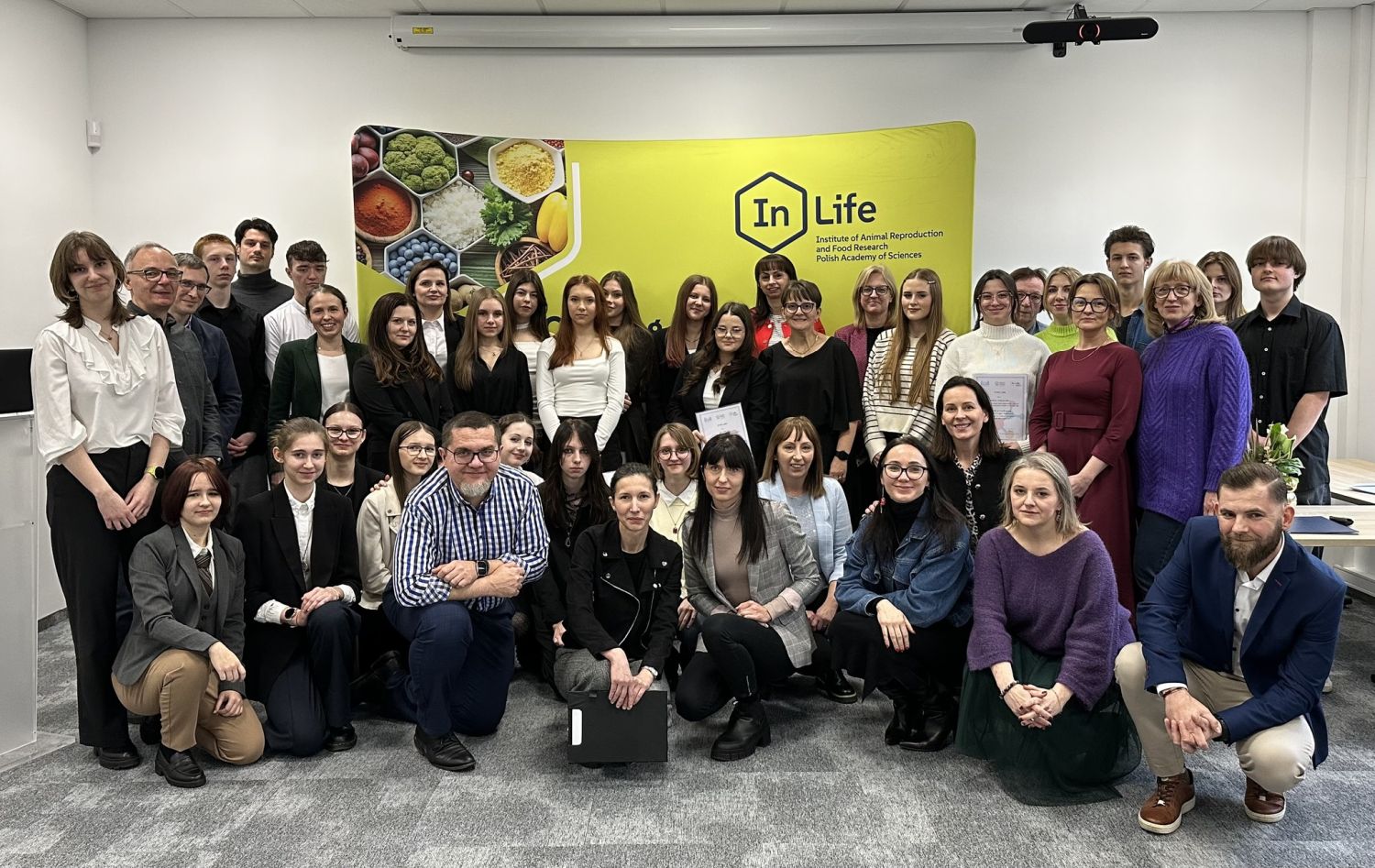
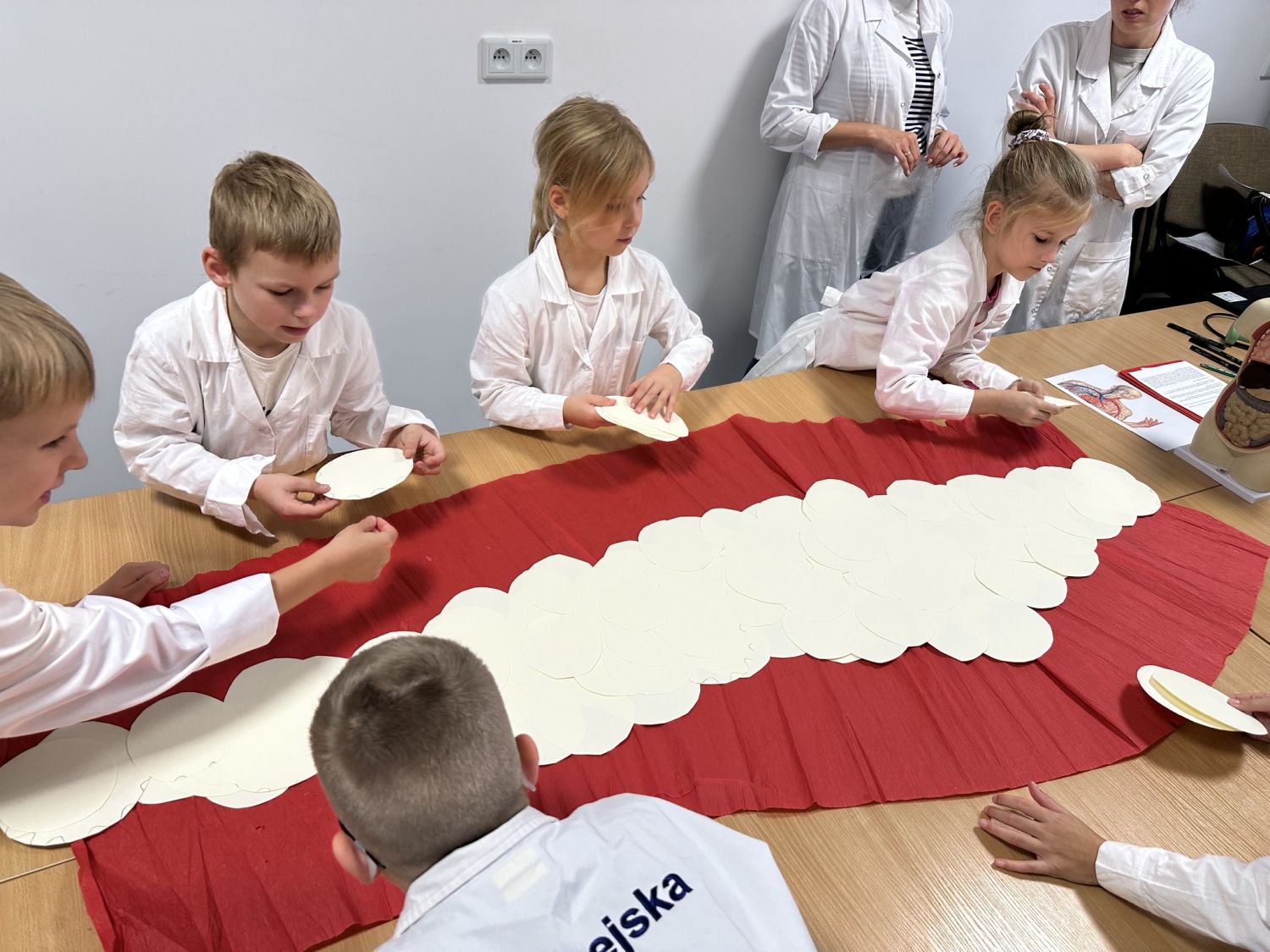
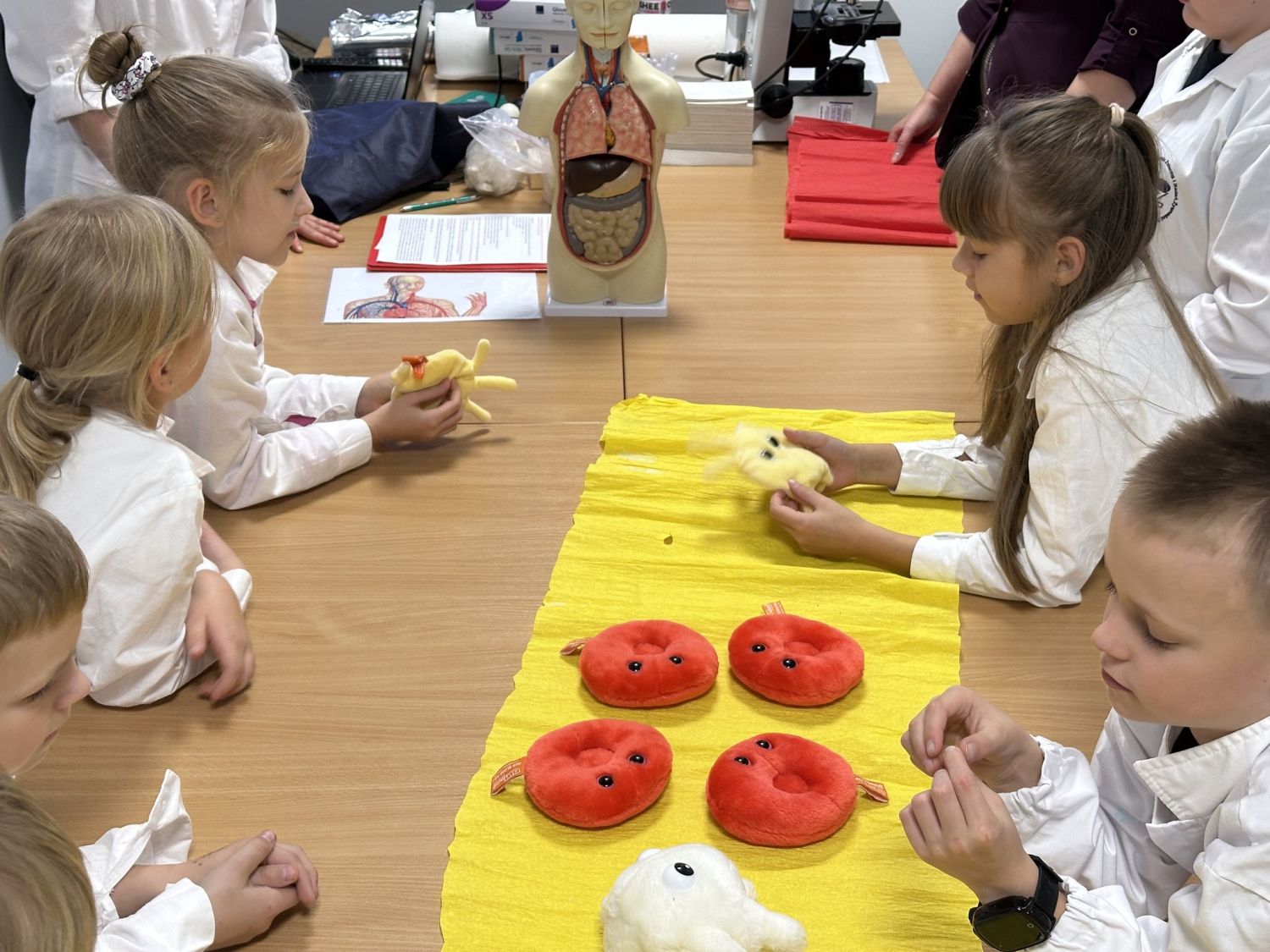
Workshops in modern laboratories, demonstrations and experiments, and science that could be seen and experienced firsthand. Instead of dry theory – inspiring meetings and direct contact with scientists. This was the “Scientist’s Compass” project, implemented by the Institute in cooperation with the Educational Association “Erudycja” between October and December 2025. More than 1,300 students from the Warmia and Mazury region took part in the project.
As part of the project, scientists conducted workshops and educational sessions in the laboratories of the InLife Institute, in schools across the Warmia–Mazury Voivodeship, as well as at the Research Station in Popielno. These were exceptional biology, chemistry and nature science lessons – full of experiments, questions and discoveries. Even the youngest participants took part in hands-on activities!
The project involved over 1,300 students from 27 schools in the region, ranging from preschool children to upper secondary school students. A total of 50 Institute scientists were engaged in delivering the project activities.
The project consisted of six educational components:
1. Scientists with Passion – Pass it on
Scientists visited schools across the region to talk about their research work, share their experience and present possible scientific career paths. They also showcased their scientific achievements.
2. Academy of Big Questions for Young Minds
The youngest participants – preschoolers and students in grades 1–3 – visited the Institute’s laboratories, where through experiments, workshops and demonstrations they asked their first scientific questions and discovered the world of science in an accessible and engaging way.
3. Experiment, School!
These were outreach workshops delivered in primary schools throughout the region. The workshops and demonstrations focused on healthy nutrition, food safety and informed consumer choices.
4. Career Days
Held at the Research Station in Popielno, these activities gave upper secondary school students the opportunity to learn about the daily work of scientists and explore diverse research areas, including animal breeding, food science and environmental protection.
5. Science First-Hand
These workshops took place in the Institute’s modern laboratories. Students learned selected research methods and carried out their first professional experiments under the supervision of scientists.
6. „Student Research Project„ Competition
Upper secondary school students developed their own research projects under the guidance of mentors. Th competition concluded with a presentation of results during Researcher’s Day. Prizes included financial and material awards, as well as two mini-internships at the Institute.
The project was funded by the Ministry of Education.
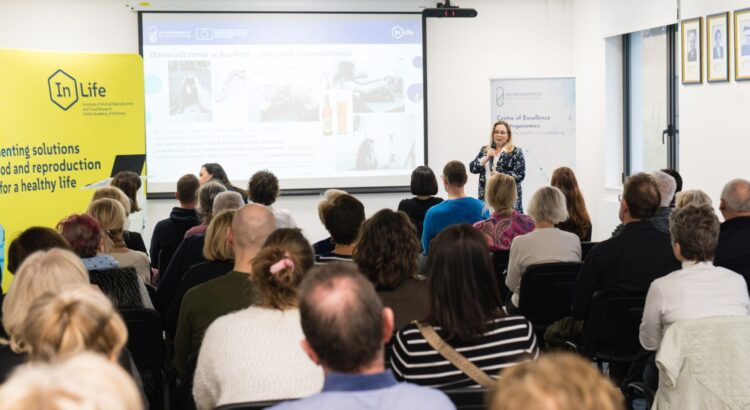
The human body functions in close connection with daily circadian and seasonal rhythms. Health and well-being are influenced by many biological and environmental factors, such as exposure to sunlight, sleep, physical activity, diet, and the gut microbiome. How natural cycles shape the functioning of the human body was the focus of the educational meeting „In the Rhythm of the Sun and the Seasons. Cycles That Govern Our Body”.
This was the fifth meeting organized as part of the ERA Chairs WELCOME2 project. The event took place on Saturday, December 13, at the InLife Institute and gathered more than 60 participants. The speakers included researchers from the InLife Institute of Animal Reproduction and Food Research of the Polish Academy of Sciences, as well as a guest expert from the University of Warmia and Mazury.
The circadian rhythm as the key to health
At the very beginning of the meeting, dr Aleksandra Szczepkowska from the Physiology and Toxicology Team emphasized that every cell in our body has its own timekeeping mechanism. In a professional yet accessible way, she explained how being influenced by the day–night cycle and changing seasons affects the functioning of the human body, well-being, and energy levels. The lecture clearly showed that disruptions to the circadian rhythm-such as shift work, excessive artificial light, or irregular sleep-have real physiological consequences.
The sunny vitamin – D3
Dr Julia Jarosławska-Miszkiewicz from the Nutrigenomics Team spoke about how vitamin D affects our immunity, well-being, and sleep rhythm. Participants learned how the lack of light in winter influences brain function and the immune system. The researcher emphasized that vitamin D, commonly known as a dietary supplement or medication, is first and foremost a hormone. It acts as a guardian of our immunity, and the most powerful factor influencing its level is sunlight.
The clock and gut function
The next lecture shifted attention to the gut. Dr Anna Ogrodowczyk from the Food Immunology and Microbiology Team explained that the microbiome also “lives by the clock.” The composition and activity of gut bacteria change throughout the day and across seasons, responding to what we eat, when we eat, and how we live. She highlighted the importance of a seasonal diet for the microbiome and discussed the consequences of improper nutrition, which may lead to a reduction in the natural cyclical diversity of the microbiome-an important foundation of our immunity.
The clock and physical activity
An expert from the Collegium Medicum of the University of Warmia and Mazury, dr hab. Michał Boraczyński, professor at UWM, talked about how physical activity influences the regulation of sleep and wakefulness rhythms. Participants learned when to engage in intense exercise and when to choose calmer activities that support recovery. He also discussed chrono-exercise, a new field of research that takes into account the timing of physical activity.
– Knowledge builds resistance to disinformation and manipulation, which is why during educational meetings we offer a high-quality dose of reliable information. Direct contact with scientists helps build trust in credible scientific sources – emphasized Iwona Kieda, the event coordinator.
During breaks, participants were able to take part in a tasting of fermented foods. Healthy products were provided by Łukasz Świątkowski from a family-owned company in Kisiny, which has specialized in the natural production of fermented foods for many years.
Thank you for your participation, engagement, and interest. See you at the next educational meetings!
The Institute of Animal Reproduction and Food Research of the Polish Academy of Sciences in Olsztyn has the honor of inviting you to the next open “OL-PAN” seminar. The “OL-PAN” seminars are scientific meetings dedicated to the exchange of knowledge and experience. They bring together researchers from various fields of life sciences, who present the latest discoveries and inspire shared discussion.
The guest of the upcoming event will be Mikołaj Ogrodnik, PhD leader of the Tissue Damage Responses in Regeneration and Aging team at the Ludwig Boltzmann Institute in Vienna, who will deliver a lecture entitled „Skin damage responses: links to healing & aging”.
Dr. Mikołaj Ogrodnik received his PhD at the Newcastle Institute for Ageing (Newcastle upon Tyne, UK) and conducted his post-doctoral research at the Mayo Clinic (Rochester, MN, USA). His pre- and post-doctoral work focused primarily on the relationship between cellular senescence and organ function in ageing and obesity. Since 2020, he has led the research group Tissue Damage Responses in Regeneration and Aging at the Ludwig Boltzmann Institute in Vienna. Ogrodnik’s laboratory explores a wide range of topics, including:
Mapping and controlling cell fates in injuries;
Advancing the understanding of rapid responses to tissue damage to enable regeneration;
Improving the grafting capacity of artificial human skin.
More information about the speaker can be foundHERE.
The seminar will take place on December 12 (Friday) at 9:00 AM on the ZOOM platform.
Participation in the event is open and free of charge.
Topic: OL-PAN Seminar Time: Dec 12, 2025, 08:30 Warsaw
The latest calls of the National Science Centre, OPUS and PRELUDIUM, have brought our Institute five funded projects. Thanks to them, research teams will be able to deepen their knowledge, among others, on animal fertility, circadian rhythms of the brain, communication between reproductive system cells and the role of vitamin D in the functioning of the human immune system.
REACHING HIGHER
OPUS 29 is a call for research projects open to scientists at all stages of their careers. In this edition, 2,538 proposals were submitted, of which 344 received funding for a total amount of over 636.1 million PLN (success rate: 13.55%). Four projects at our Institute received funding.
Title: The role of PAQR receptors in regulating the function of the bovine corpus luteum.
Principal Investigator: Assoc. Prof. Magdalena Karolina Kowalik from the Team of Physiology and Toxicology of Reproduction.
Budget: 2,423,652 PLN
Implementation period: 2026–2029
The project focuses on determining the role of PAQR receptors in regulating the function of the bovine corpus luteum, a key organ responsible for progesterone production and the proper course of the oestrous cycle and early pregnancy. The research will determine how different isoforms of PAQR receptors affect steroidogenesis, angiogenesis, prostaglandin secretion and apoptosis in luteal cells and vascular endothelial cells. Understanding these mechanisms at the molecular and cellular levels is essential to explain why disturbances in corpus luteum function lead to infertility, implantation problems or early pregnancy loss. The project will provide new data on the non-genomic activity of progesterone, complementing knowledge of its classical nuclear pathways. The results may be significant not only cognitively but also practically — supporting the development of diagnostic and therapeutic strategies in reproductive medicine in animals and potentially humans. This research will allow a more complete understanding of how a hormone critical for reproduction acts at multiple levels of regulation, influencing female fertility.
Title: CHRONOFLOW: Integrated study of circadian rhythms of the choroid plexus (transcriptomic, miRNA and proteomic analysis) in the context of blood–cerebrospinal fluid barrier function and the glymphatic system.
Principal Investigator: Dr Aleksandra Dąbrówka Szczepkowska from the Team of Physiology and Toxicology.
Budget: 2,950,936 PLN
Implementation period: 2026–2029
The researchers will examine how the internal biological clock affects the functioning of the choroid plexus – the structure responsible for producing cerebrospinal fluid – as well as the function of the blood–brain barrier and the so-called glymphatic system (the brain’s metabolic waste clearance system operating during sleep). Proper circadian rhythms in these structures play an important role in maintaining nervous system homeostasis. Disruptions in circadian rhythm may impair toxin removal from the brain and increase the risk of neurodegenerative diseases. The results of the project will expand knowledge on how the daily cycle regulates processes of brain cleansing and regeneration, which in the future may help develop new strategies for preventing and treating neurodegenerative disorders.
Title: Extracellular vesicles – potential mediators in the functioning of the male reproductive system in fish.
Principal Investigator: Prof. Mariola Aleksandra Dietrich, member of the Gamete Biology Team (project partner: Jagiellonian University in Kraków).
Budget: 3,311,934 PLN (Institute 2,169,770 PLN, University 1,142,164 PLN)
Implementation period: 2026–2029
The project investigates the role of extracellular vesicles (EVs) as potential mediators of processes occurring in the male reproductive system of fish, with particular emphasis on their function in regulating semen quality, immunity and stress response. EVs carry proteins, lipids and genetic material, enabling them to influence intercellular communication and reproductive processes, yet their role in fish remains poorly understood. The project will combine research on carp — a key aquaculture species — and zebrafish, a model laboratory organism, to comprehensively explain how EVs interact with sperm cells and immune cells. The results will help determine how environmental stress and infections alter the composition and function of vesicles, thereby affecting male fertility. The research may contribute to developing new biomarkers of fish health, supporting early detection of problems in aquaculture and more sustainable aquaculture management.
Title: The role of trophoblast in modulating pro-fibrotic processes in the mare endometrium: a new perspective on the mechanisms underlying this phenomenon.
Principal Investigator: Dr Joanna Katarzyna Jaworska from the Team of Molecular Basics of Equine Reproduction.
Budget: 4,081,876 PLN
Implementation period: 2026–2029
The research aims to determine whether trophoblast signalling in early pregnancy plays a role in initiating or intensifying pro-fibrotic processes in the mare endometrium. The project will include a detailed characterisation of the trophoblast and its secretome using spatial single-cell transcriptomics, as well as an analysis of the cellular and molecular interactions responsible for the remodelling of the extracellular matrix. The project will also verify whether previous pregnancies and altered cellular composition of the endometrium predispose to the development of an environment favourable to fibrosis. The collected data will allow identification of key signalling pathways, miRNAs and cell populations initiating pathological tissue remodelling. These results are crucial for understanding the pathogenesis of fertility loss in mares and may form the basis for developing targeted therapies that minimise the risk of fibrosis while preserving proper implantation mechanisms.
A GOOD START – PRELUDIUM 24
Another project received funding under a call aimed at researchers at the beginning of their scientific careers. PRELUDIUM 24 is a competition for scientists without a PhD, enabling them to carry out small research projects. A total of 2,506 proposals were submitted to PRELUDIUM 24, of which 369 were approved for funding for a total amount of over 61.6 million PLN (success rate: 14.72%). One project at our Institute received funding.
Title: Discovering the circadian potential of vitamin D in human immune cells.
Principal Investigator: Parcival Maissan, MSc, PhD candidate from the Nutrigenomics Team; scientific supervisor: Prof. Carsten Carlberg.
Budget: 70,000 PLN
Implementation period: 2026–2027
The project investigates whether vitamin D can influence the “biological clock” of immune cells — the rhythms that control their daily activities. The researchers will examine whether vitamin D supplementation changes the pace or nature of daily gene expression cycles in these cells, and whether its action may support better synchronisation of immune rhythms. The analysis will include monitoring changes in gene expression over 36 hours under different experimental conditions, using advanced sequencing methods. The results will determine whether both the amount and timing of vitamin D intake are important for immune system function. This project is important because it may indicate new strategies for supporting immunity through the deliberate “tuning” of the body’s circadian rhythms.
The funding obtained is not only recognition of the high quality of research conducted at our Institute but also a real opportunity to develop new scientific directions and contribute important insights to global knowledge on health, reproduction and cell biology. We warmly congratulate all the awardees and wish them fruitful research work, inspiring discoveries and successes that will strengthen the position of our Institute as one of the leading scientific centres in Poland.
Which innovations will reach our tables, and what challenges may arise along the way? These were the questions explored by participants of the 22nd Scientific Conference of Young Researchers, which we organised together with the University of Warmia and Mazury in Olsztyn.
The conference once again created a space for presenting ideas, experiments and research results that can have a real impact on the development of food and human health.
Inaugural lecture – new food under the spotlight
The event opened with the lecture „New food – hopes and concerns”, dedicated to how innovative products can change our diet and the way we think about food. The discussion covered both the potential of new technologies and issues of safety, ethics and social acceptance.
What shapes the food of the future
innovative raw materials and products – ice cream with mushrooms, microalgae in dairy products, exotic plants in hybrid cutlets,
fermentation and prefermentation as a way to create functional products from whey, chokeberry or colostrum,
new research tools for nutrition science: from projects on diabetes and the nutrition of dialysis patients to analyses of skin care at the gene level,
a detailed approach to food safety – acrylamide, Listeria, the risk of product adulteration and the presence of trace elements in spices.
The range of topics showed that young researchers not only observe trends but actively look for solutions that can improve food production, enhance consumer health and increase market transparency.
Awarded presentations
During the conference, awards were presented to the authors of the most valuable talks. The awards went to:
Agata Dąbkowska: Assessment of the potential use of β-glucans in the production of hybrid desserts,
Joanna Wiśniewska: Development and characterisation of a multi-species in vitro model of the „diabetic foot”,
Wiktor Zieliński: Acrylamide under control – an electrochemical aptasensor as a detection tool.
Members of the following committees were involved in the organisation and scientific supervision of the conference:
Scientific Committee: Prof. Barbara Wróblewska, Dr Lidia Markiewicz, and from UWM Prof. Małgorzata Darewicz and Prof. Anna Iwaniak,
Organising Committee: Dr Anna Maria Ogrodowczyk, Dr Joanna Fotschki, MSc Aleksandra Kuliga and from the University Dr Justyna Bucholska and Dr Damir Mogut.
The Scientific Conference of Young Researchers is not only a series of presentations – it is above all an exchange of ideas, inspiring discussions and the building of an environment in which young scientists can grow and collaborate. This year’s edition once again proved that innovation, courage and a fresh perspective can take research on food and health to an entirely new level.
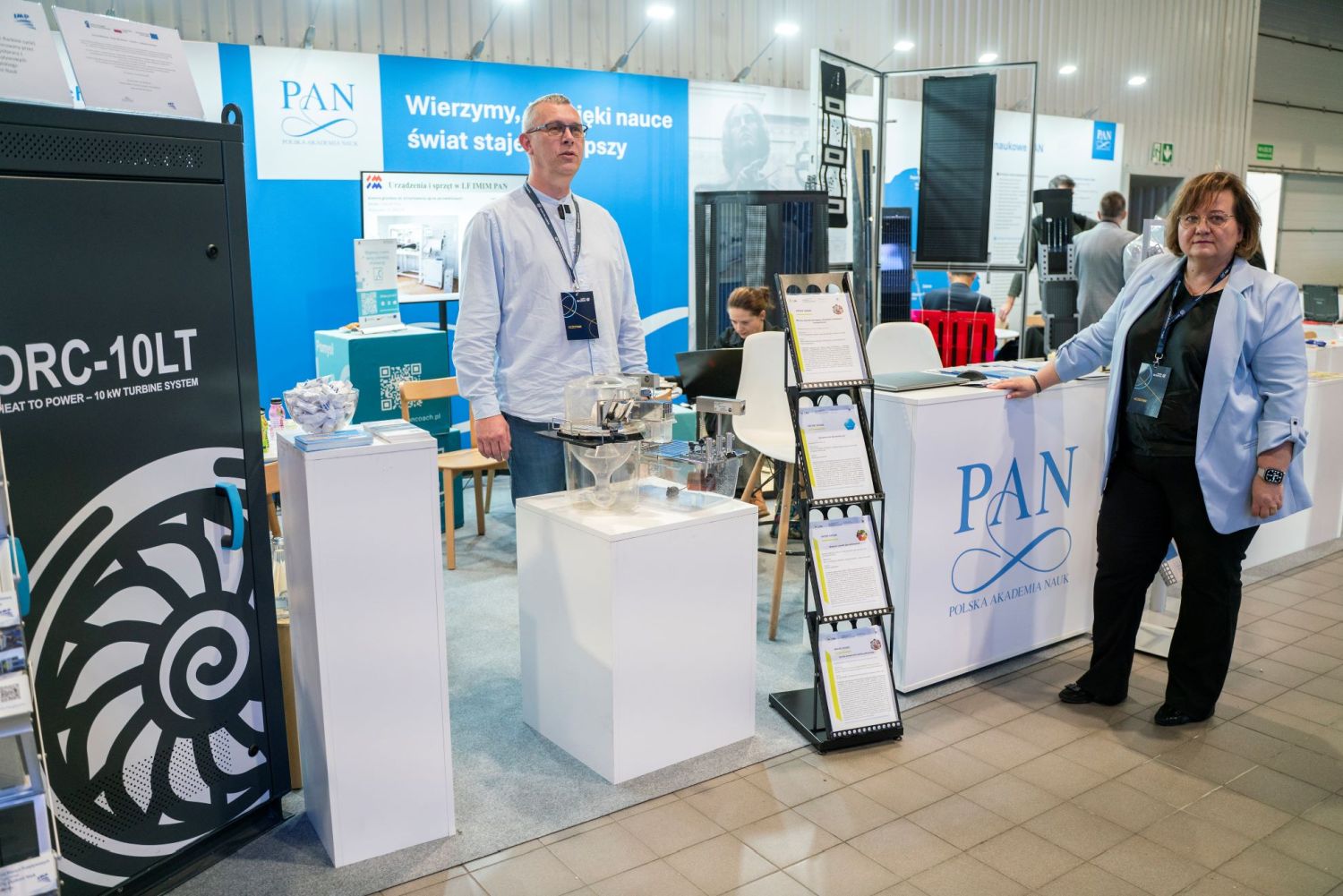
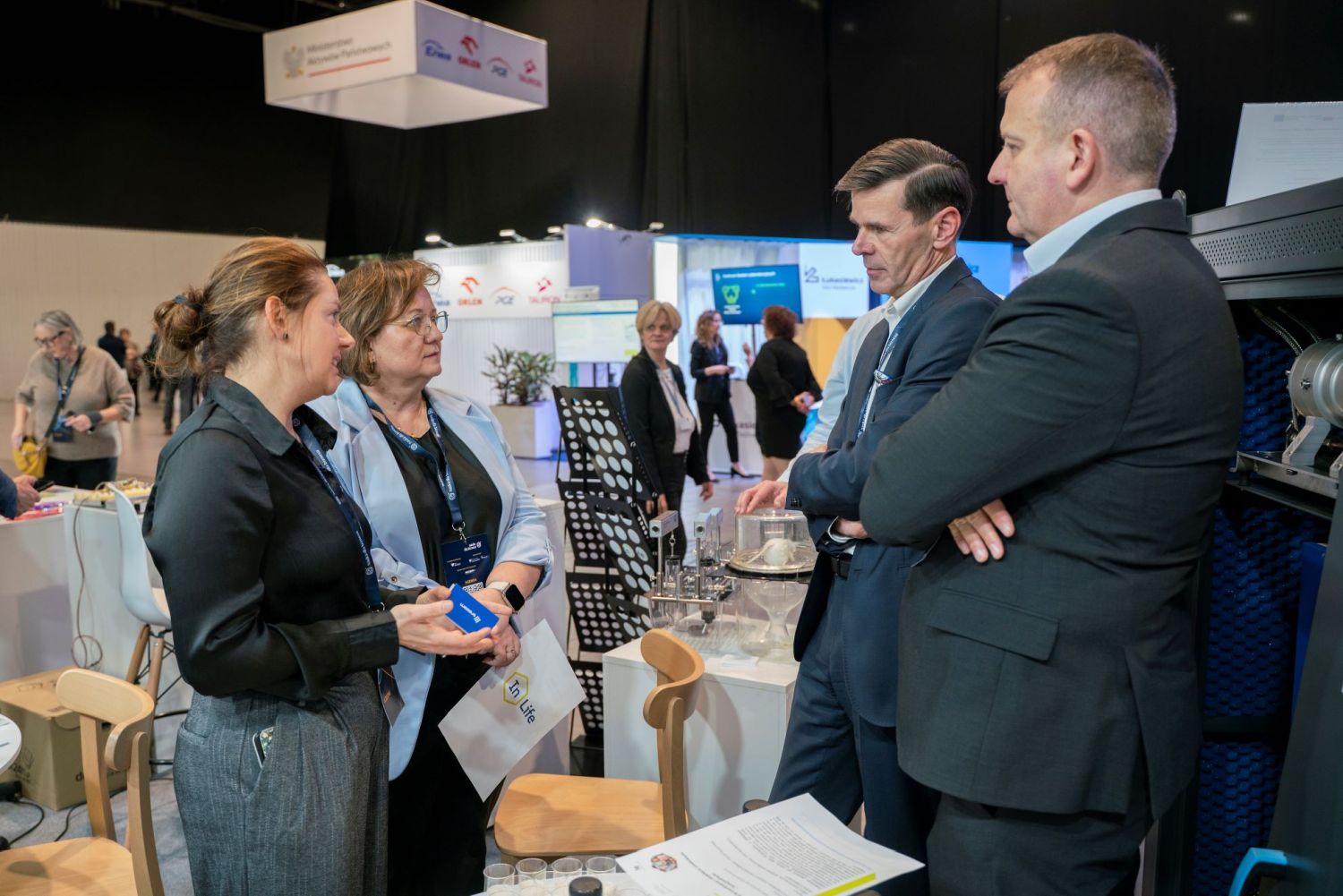
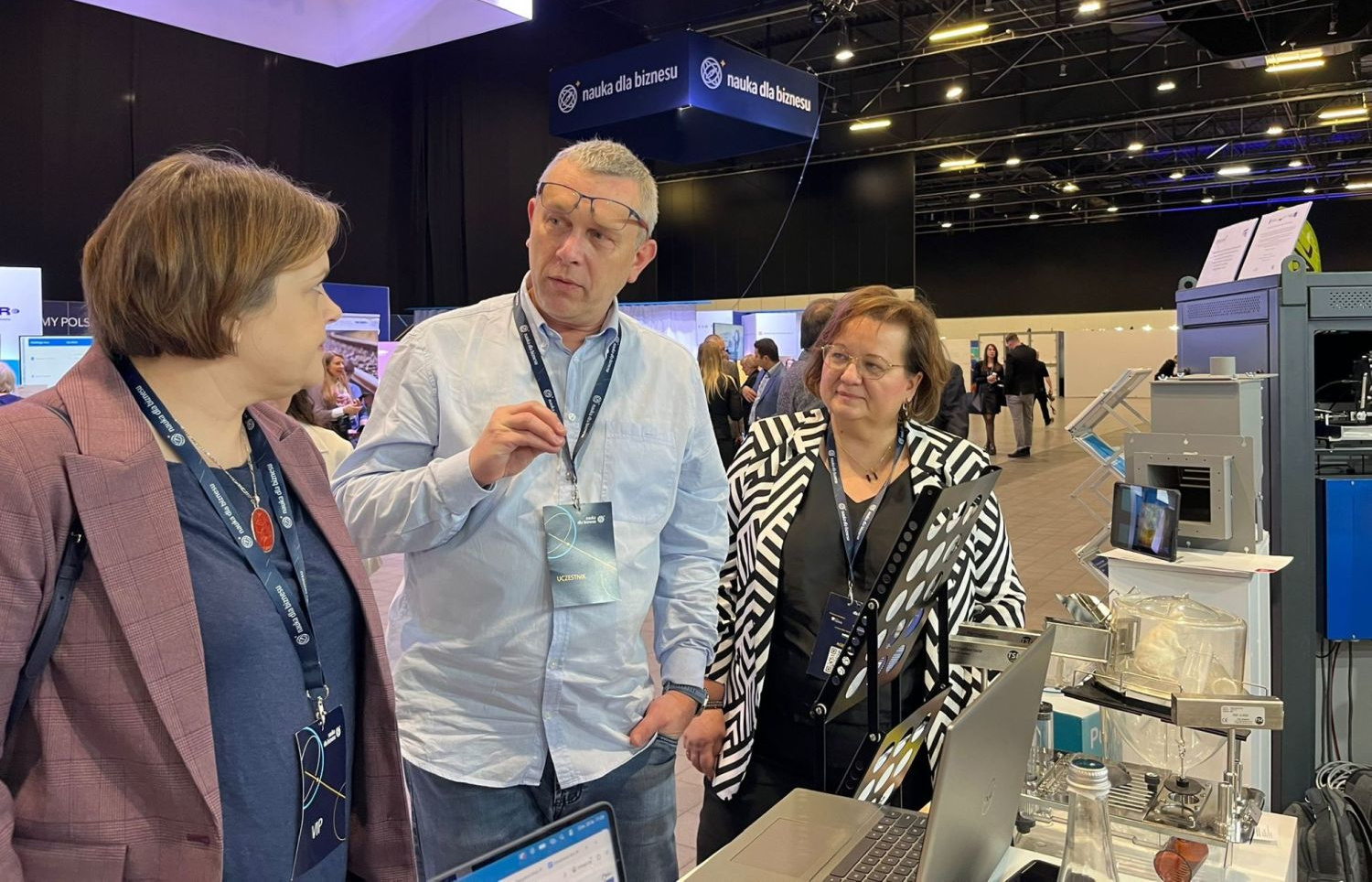
The National Congress “Science for Business”, organised by the Ministry of Science and Higher Education, is one of the most important events in Poland bringing together the scientific community, innovative projects and the economy. Our Institute was present at the joint booth of the Polish Academy of Sciences, showcasing research results and solutions that address market needs.
For two days, representatives of the Institute met with partners, entrepreneurs and institutions, demonstrating how science can meaningfully support the development of technologies and new products. Participants also had the opportunity to learn about selected patents, projects and examples of cooperation with the economic sector.
(photo: Polish Academy of Sciences)
(photo: Polish Academy of Sciences)
Our Institute was represented by:
Anna Bednarska-Barcz – responsible for industry cooperation at InLife,
Dr Anna Ogrodowczyk – facilitator of the EIT Food Consumer Engagement Labs 2024 project,
Dr Eng. Przemysław Zduńczyk – head of the most modern Animal Facility in Poland,
Dr Marek Bogacki – head of the Cell Analysis Laboratory.
At the PAN booth, visitors could also taste yoghurt co-created with consumers as part of the EIT Food Consumer Engagement Labs project. Its presentation was made possible thanks to the courtesy of Mlekpol.
We would like to thank the Polish Academy of Sciences for co-organising the booth, and the Ministry of Science and Higher Education, the Łukasiewicz Research Network and the National Centre for Research and Development for creating a space for meetings and discussions that genuinely bring the worlds of science and business closer together.
More about the event
The National Congress “Science for Business” took place on 19–21 November 2025 in Warsaw. It is the first event in Poland of such scale, aimed at strengthening cooperation between the scientific community, business and public administration. The event was held under state patronage and coordinated by the Ministry of Science and Higher Education together with the Łukasiewicz Research Network.
The Congress brought together scientists, entrepreneurs, policymakers, innovation leaders and representatives of public administration – thousands of people interested in building a knowledge-based economy, technology transfer and modern solutions. The programme included panels and presentations devoted to key directions of national development: from science–industry cooperation and technology transfer, through the implementation of innovations and digitalisation, to technological security, defence technologies and the role of research institutions in building a competitive economy.
The Congress was not only panels and debates — it was also an exhibition area, networking opportunities, and a platform for presenting research projects and products developed through science–business collaboration. The goal is to shorten the path from idea to industry, turning research and technologies into solutions ready for real economic application.
We would like to inform you that Monday, 10 November 2025, will be a day off at our Institute.
We’re heading into a few days of rest as we celebrate Poland’s Independence Day, which falls on Tuesday, 11 November. The Institute will reopen on Wednesday, 12 November.
We wish everyone taking this time off a peaceful break and plenty of good energy for the days ahead.
At the end of September, our Institute hosted the inauguration ceremony of the 2025/2026 academic year of the Interdisciplinary Doctoral School of Agricultural Sciences. The event, led by the Institute’s Director Prof. Monika Kaczmarek, was an opportunity to welcome new PhD candidates, who were officially introduced to the academic community by the students’ representative, Maciej Cieślik.
During the ceremony, five doctoral students took the official oath and received their student index books and welcome gifts from Prof. Kaczmarek and Dr hab. Wiesław Wiczkowski, Deputy Director for Scientific Affairs, thus symbolically beginning their research journey at our Institute.
The event was highlighted by an inspiring inaugural lecture by Dr hab. Radosław Kowalski, titled “Why animal welfare matters to scientists”, which perfectly reflected the Institute’s mission, connecting animal welfare, human health, and sustainable development.
A speech was also delivered by Prof. Aneta Andronowska, Director of the Interdisciplinary Doctoral School of Agricultural Sciences: “Every new PhD student is not only a future scientist but also someone who brings fresh perspectives and energy to our Institute. The doctoral school is a place of learning, but it is also a space for discovering oneself, both as a researcher and as a person.”
The new doctoral candidates will conduct their research within the leading scientific teams of the Institute, under the supervision of experienced mentors:
Karolina Osiecka, Team of Molecular Basis of Horse Reproduction, supervisor: Dr Agnieszka Sadowska
Arleta Janysz, Nutrigenomics Team, supervisor: Prof. Carsten Carlberg
Agnieszka Bachmura, Regenerative Biology Team, supervisor: Dr hab. Joanna Wiśniewska
Sandra Brygida Mirończuk, Team of Biological Functions of Food, supervisor: Dr hab. Adam Jurgoński
Piotr Lekowski, Nutrigenomics Team, supervisor: Prof. Carsten Carlberg
The Interdisciplinary Doctoral School of Agricultural Sciences is run jointly by the Institute of Animal Reproduction and Food Research, Polish Academy of Sciences in Olsztyn (serving as the Lead Institution), the Institute of Agrophysics, Polish Academy of Sciences in Lublin, and the National Veterinary Research Institute in Puławy.
The School began its activity on October 1, 2020, and educates PhD candidates in four scientific disciplines: animal science and fisheries, food technology and nutrition, veterinary medicine, and agriculture and horticulture.
We warmly congratulate all newly admitted doctoral students and wish them inspiring discoveries and success on their scientific path!
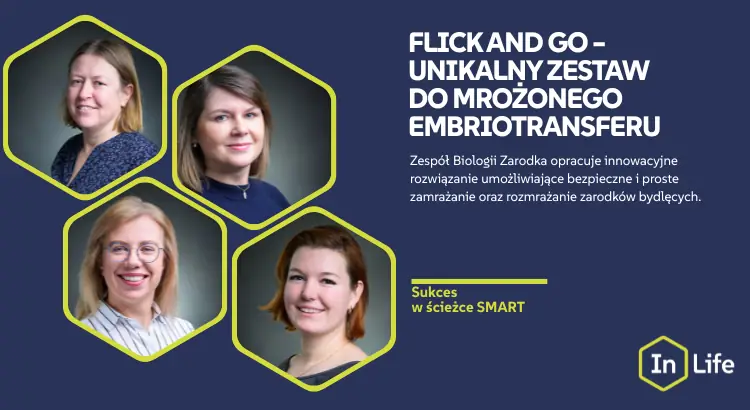
The Embryo Biology Team, composed of Prof. Izabela Wocławek-Potocka, Dr Ilona Kowalczyk-Zięba, Dr Dorota Boruszewska, and Dr Agnieszka Jończyk, will develop an innovative FLICKandGO kit – a solution enabling safe and simple freezing and thawing of bovine embryos.
The project has received funding under the SMART path of the European Funds for a Modern Economy (FENG) programme, which supports the most innovative initiatives with strong implementation potential.
Project goal – practical support for veterinarians
The aim of the project is to develop a technology that will allow field veterinarians to independently and effectively perform embryo transfers, without the need for specialised laboratories. This solution can increase the efficiency of cattle reproduction, reduce breeding costs, and improve animal welfare.
The importance of embryo transfer in breeding
Embryo transfer makes it possible to obtain several calves from a single cow, accelerates genetic progress, supports the preservation of valuable cattle breeds, and facilitates the international exchange of genetic material. The development and implementation of the FLICKandGO kit aim to make this technology more accessible and widely used – both in Poland and across the European market.
Science and business working hand in hand
The project “FLICKandGO – a unique kit for frozen embryo transfer”, with a total value exceeding PLN 5.18 million, is implemented under Priority I “Support for Entrepreneurs” of the FENG programme. It is an excellent example of effective cooperation between science and business, directly addressing the needs of the agricultural and biotechnological sectors.
The initiative will be carried out in a consortium with the Veterinary Clinic “ESKULAP”, led by Dr Kamil Kossakowski, who serves as the project leader.