Physical fitness as the key to longevity. Can it be replaced by pharmacology?

We are living in an era of a global obesity epidemic, closely tied to poor dietary choices and insufficient physical activity. Scientific studies show that regular exercise reduces both morbidity and mortality, and that physical fitness is one of the keys to longevity. For people who cannot be motivated to engage in physical activity, pharmacological support in the form of exercise mimetics may offer an alternative.

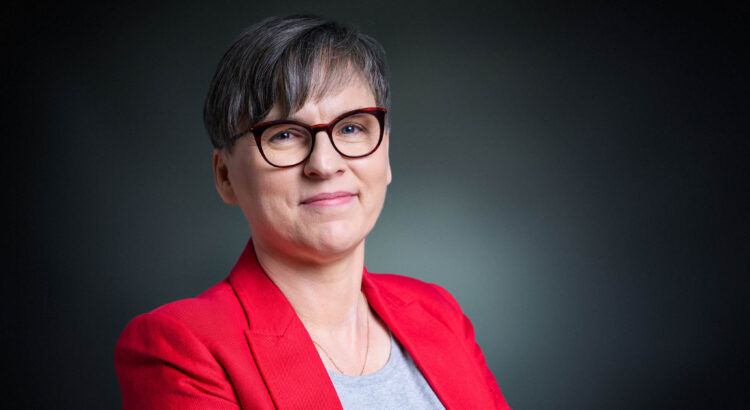
– Physical activity affects whole-body homeostasis and significantly contributes to the prevention of non-communicable diseases. It is also a key factor in supporting healthy aging, – emphasizes Prof. Carsten Carlberg from the Institute of Animal Reproduction and Food Research of the Polish Academy of Sciences, a researcher specializing in nutrigenomics – the study of interactions between genes, nutrition, and health.

He lists the wide-ranging effects of physical activity: starting with the brain (e.g. improved cognitive function and antidepressant effects), cardiovascular system (enhanced heart performance), immune system (increased immunocompetence), gastrointestinal tract (healthier gut microbiota balance and improved intestinal function), skeletal muscles (muscle strength), metabolism (improved glucose metabolism and influence on body weight), reproductive system (fertility), and even bones (greater bone strength).

As Prof. Carlberg explains, this is largely due to the increased production and release of myokines – proteins secreted by muscles in response to exercise, which affect other parts of the body.

Pharmacological Support

Prof. Carlberg encourages incorporating physical activity into daily routines – and this doesn’t mean just going to the gym, but also everyday movements like walking or cycling. Ideally, these activities should last at least 10 minutes each time.

For those who cannot be persuaded to exercise, pharmacological support in the form of exercise mimetics may be a possible option.

– Mimetics are substances or molecules that mimic the action of natural molecules. In this case, these molecules can simulate the effects of exercise by acting as key components of muscle adaptation to physical exertion – such as mitochondrial remodeling and bioenergetics, – says Prof. Carlberg.

At the same time, he cautions that while the potential of exercise mimetics to prevent or treat obesity is promising, there is also a risk that these compounds could be misused as doping agents by endurance athletes.

Nothing but Benefits

Physical activity not only affects whole-body homeostasis – it also directly influences the epigenome (a collection of changes to our DNA that determine which genes are “switched on” or “off,” without altering the genetic code itself) of muscle cells. This has particular significance in the prevention of metabolic diseases, which involve disruptions in how the body processes energy and nutrients. Exercise increases energy expenditure by burning fat that would otherwise accumulate, thus helping to prevent conditions like type 1 and type 2 diabetes or obesity.

What’s more, physical activity reduces the presence of active compounds in the body that can trigger inflammation.

– In this way – primarily by reducing systemic chronic inflammation – physical activity also improves immunocompetence, i.e. the immune system’s ability to respond to pathogens, – the scientist points out.

Physical activity also has a positive effect on disorders not directly related to energy metabolism, such as cancer, mental health conditions, and neurodegenerative diseases.

– These examples show that physical activity-induced restoration or maintenance of whole-body metabolism and bioenergetics changes homeostatic signaling, influencing nutrient absorption and the availability of growth factors across various tissues – both in health and in disease, – says Prof. Carlberg.

The information in this article comes from the book “Aging. How Science Works”, published by Springer. The authors are researchers: Carsten Carlberg, Stine M. Ulven (University of Oslo, Norway), and Eunike Velleuer (University of Düsseldorf, Germany).

The article originally appeared on the science news portal Pulsar.

Read more

Society for Low Temperature Biology 2026

Fertility and biodiversity in the spotlight of international scientists

The preservation of human fertility and the protection of animal biodiversity were the two main topics of the 61st meeting of the Society for Low Temperature Biology (SLTB) – an international scientific society that studies the effects of low temperatures on living organisms. For the first time in its history, the event was held in Poland, with scientists from our Institute acting as organizers.

The meeting brought together researchers from around the world who specialize in cell, tissue and organ cryopreservation, biobanking, fertility preservation, protection of endangered species, and food preservation.

It was a valuable opportunity to share knowledge, build international collaborations, and explore innovative solutions in preserving human and animal fertility. The conference also highlighted the global importance of cryobiology and the leading role of the InLife Institute in developing this field to serve science, medicine, industry, and environmental protection.

Founded in 1964 in the United Kingdom, SLTB promotes research on the effects of cryopreservation – a method of long-term storage of living cells, tissues, and even entire organisms at ultra-low temperatures, usually below –150°C.

The outcomes of this research are widely used in biology, medicine, biotechnology, and biodiversity conservation.

Protecting living organisms by freezing

The conference opened at the University of Warmia and Mazury (UWM) in Olsztyn with welcome addresses by Prof. Birgit Glasmacher, Chair of SLTB, and Dr. Taisiia Yurchuk, SLTB member, currently conducting research at our Institute.

On the first day, three major sessions were held, focusing on reproductive cryobiology, biobanking, and modern imaging, thawing, and whole-organ preservation techniques.

On the second day, the conference took place at the InLife Institute and was expanded with a session dedicated to the cryopreservation of aquatic organisms. This method involves freezing cells, tissues, and even entire embryos so that they can be safely stored for a long time, then thawed and reused – for example, in breeding, treatment, or the conservation of endangered species. A lecture on this topic was delivered by Dr. hab. Radosław Kowalski, professor at the institute. Meanwhile, Dr. Tomasz Jeliński spoke about the cryopreservation of plants, emphasizing the importance of this method for the food industry and sustainable development.

On the third day, the conference continued at the UWM. It began with a session on avian biodiversity conservation, including a keynote lecture by Dr. Mariola Słowińska. Dr. Ewa Sosin, Secretary of the European Federation of Animal Science (EAAP), presented on the preservation of animal genetic resources and building effective conservation systems.

Collaboration among European experts

A working meeting of the Board of the European Genebank Network (EUGENA) and the Working Group on ex situ Conservation of the European Regional Focal Point for Animal Genetic Resources (ERFP) also took place during the conference. These expert groups focus on preserving the genetic diversity of farm animals.

Members of both networks actively participated in the scientific sessions, presenting challenges and strategies for biodiversity protection, with particular emphasis on cryopreservation. They also visited the Institute’s Gene Bank, laboratories, Research Station in Popielno, and learned about the work of our Biodiversity Conservation Team.

Awards

As part of the SLTB tradition, a scientific poster competition for early-career researchers was held. Winners of the Audrey Smith Travel Awards were also announced.

A special distinction – the SLTB Award for Outstanding Contribution to Cryobiology and the Society’s Development – was presented to Dr. Pavel Meřička, responsible for the tissue bank at the University Hospital in Hradec Králové.

The program also included a photo competition titled “Low temperatures through the lens”. One of the awards went to Karolina Łukasik from our Institute.

Conference Organizers

On behalf of the InLife Institute, the conference was organized by the Team of Reproductive Pathology and Translational Medicine. The key coordinators of the 61st Annual SLTB Meeting were: Prof. dr hab Dariusz Skarżyński, Dr. Taisiia Yurchuk, Karolina Łukasik, Dr. Paweł Likszo, and Dr. hab. Beenu M. Jalali.

The next SLTB meeting will be held in 2026 in Czech Republic.

Follow the information on the SLTB page.

Read more

31st Autumn Agricultural Fair: Institute award for popular science activities

Sensory analysis in food testing and engaging students in food system phenomena, hibernating cells for breeding and a sustainable food system, biodiversity and conservation breeding for the protection of genetic resources – for bringing visitors to the agricultural fair closer to knowledge in these areas, scientists from the Institute and experts from our Research Station in Popielno were awarded the “HIT OF THE FAIR” statuette.

– This award proves how important it is for science to be present in the public consciousness. Farmers are the target audience of the activities carried out as part of the EIT Food GROW project, so we are all the more pleased that it is agroWARMA2025 that has recognized our efforts. – says Dr. Tomasz Jeliński, the Institute’s project coordinator.

In addition to agriculture, education was also a prominent theme during the fair. – Visitors to our stand gratefully emphasized the importance of conveying knowledge in a friendly and interesting way, seeing that their children were eager to listen to scientists, look through microscopes, and engage their noses and hands while learning about the senses in food testing. The way we convey knowledge is a priority in our EIT Food FoodEducators project, and we are happy when we can reach a wider audience with our activities. – summarizes Justyna Banasiak, the Institute’s project coordinator.

The institute’s stand also featured topics inextricably linked to the Research Station in Popielno: Brutus the hybrid, a long-time resident of the Station, who was taxidermied as a memento of his uniqueness and now serves as a museum exhibit, Polish konik horses, and other activities aimed at protecting biological diversity. The full repertoire of activities prepared for guests of the 31st Autumn Agricultural Fair by the Institute’s staff has been described here.

Read more

The „Scientist’s Compass” educational project for students from Warmia and Mazury is launched

Plakat projektu edukacyjnego Kompas Naukowca

Workshops in laboratories, experiments in schools, meetings with scientists, and a competition for young researchers are just some of the attractions awaiting participants in the Scientist’s Compass project. Over 1,300 students from Warmia and Mazury will benefit from it. The project is funded by the Ministry of National Education. The leader of the project is the Educational Association “Erudycja,” and the Institute is a strategic partner.

The planned activities will benefit primary and secondary school students, but also the youngest children – those in kindergarten and early school age.

The main task is to support education through modern technologies and innovative teaching methods. Promoting science, especially among children and young people, emphasizing the importance of science (natural sciences, engineering, technology, mathematics), as well as popularizing the achievements of Polish science and scientists.

Students will benefit from a rich educational offer.

 – We are planning meetings with scientists in schools. They will talk about their career paths and research, and show how fascinating the life of a researcher can be – says Iwona Kieda, leader of the Communication and International Cooperation Section.  – In our specialized laboratories, students will have the opportunity to participate in engaging workshops. We will show them that science is a fascinating field in which the senses, precision, and curiosity play a key role. There will also be off-site workshops in schools and career days at the Research Station in Popielno – she adds.

The workshops and meetings will focus on healthy eating, food safety, technological innovations, and conscious consumer choices. The workshops will be an opportunity to promote research careers in the field of food technology and nutrition.

The project leader is the Educational Association “Erudycja” from Olsztyn, which has been implementing projects related to the promotion of education, health care, and prevention for over twenty years.

– Educational support aimed at children and young people is, in our opinion, the best investment. Inviting children into the surprising world of science and introducing them to research career paths has the potential to significantly influence their future, says Elżbieta Bartołd, president of the Erudycja association. – Such an early impulse can not only stimulate curiosity and motivation to acquire knowledge, but also help young people better understand how many opportunities there are to pursue their passions and achieve success in adult life – she adds.

– We are very happy to be working with the Institute. It is a great pleasure to be able to collaborate with such a renowned institution, which has been conducting pioneering research for years that has a real impact on the development of science and the improvement of quality of life. We have a lot of rewarding work ahead of us – she concludes.

The Scientist Compass project is co-financed by the State Budget.

The project will run until the end of December 2025.

You can read more about the project HERE.
Logo Ministra Edukacji
Logo Stowarzyszenia Erudycja

Read more

POLISH KONIK: FREEDOM IN THE WOODS – Celebrating 70 years of reserve breeding in Popielno

With its characteristic mouse-colored coat, stocky build, short stature, and incredible intelligence and endurance, the Polish Konik horse, whose history is linked to the wild tarpan, is a true miracle of nature. In Popielno, in the heart of Masuria, the Research Station of the Institute of Animal Reproduction and Food Research of the Polish Academy of Sciences in Olsztyn has been breeding it in a reserve for 70 years. On this occasion, anniversary celebrations will be held in Popielno on September 5–6 this year. The event is open to anyone who wants to learn more about the Polish horse and the unique history of its breeding.
– The 70th anniversary of breeding Polish Konik horses in conditions as close to natural as possible is a celebration for breeders, foresters, scientists, and all nature lovers – emphasizes Dr. Mamadou Moussa Bah, head of the station.

The anniversary celebrations are organized by the Institute of Animal Reproduction and Food Research of the Polish Academy of Sciences, together with the Research Station in Popielno and the Chancellery of the Polish Academy of Sciences.

– The event gained exceptional prestige thanks to the honorary patronage of Marcin Kulasek, Minister of Science and Higher Education, Paulina Hennig-Kloska, Minister of Climate and Environment, Stefan Krajewski, Minister of Agriculture and Rural Development, and the Senate Committee on Agriculture and Rural Development. This is a clear signal that caring for this native breed is not only a matter of science and breeding, but also a matter of culture, national identity, and responsibility for nature – adds Dr. Bah.

THE HISTORY OF POLISH KONIK

The history of the Polish Konik horse in Popielno has its roots in the pioneering research of Professor Tadeusz Vetulani, who, in 1936, wanting to prove the forest origins of the breed, established the first breeding reserve in the Białowieża Forest. The experiment was interrupted by World War II, and after the professor’s death, in order not to waste his achievements, a decision was made to continue the breeding reserve. Thanks to the efforts of Professor Witold Pruski, in 1955 the stud farm in Popielno was taken over by the Polish Academy of Sciences, becoming a scientific institution of the PAS. In the same year, the first herd was released into the forest area of the peninsula – the stallion Gordij and eight mares brought from Białowieża, which gave rise to the breeding that continues to this day. The reserve was gradually enlarged, providing the horses with optimal, natural living conditions. For over 70 years, the population has grown, and Popielno has established its leading, unquestionable position as the most important center, which not only saved the native breed, but also became a genetic reserve and source of breeding material for the whole of Poland.

70 YEARS OF RESERVE BREEDING

The reserve breeding program run by the Research Station of the Institute of the Polish Academy of Sciences in Olsztyn is unique in Europe, mainly due to the exceptional conditions of Popielno. It is here that wild horses have over 1,600 hectares of forest at their disposal. The vast area is also used for ecological activities and biodiversity conservation.

– We run our breeding program in order to protect and utilize the potential of the native horse breed, which is considered a unique natural and breeding relic, testifying to our Polish material culture and the contribution we have made to the world’s breeding culture and science – says Dr. Mamadou Bah.

The station makes every effort to share the results of its work not only with professionals – breeders and scientists – but also with schools and tourists, who are particularly keen to visit Popielno in the summer.

BREEDERS (NOT) ONLY

This year’s celebrations are planned for two days, and in addition to the breeding section, guests will be able to take part in numerous popular science shows that will introduce them to topics such as biodiversity conservation, agriculture, food, and forestry.

The event will begin on September 5 with a field test of Polish Konik horses for riding and pulling carts. From the morning, guests will be able to enjoy a regional breakfast feast called “Smaki Popielna” (Flavors of Popielno), hosted by the regional Rural Housewives’ Association. With families and individuals who would like to learn more about the profile of the organizers and partners in mind, an information and popular science zone has been created, where interesting experiments, demonstrations, competitions, and other engaging activities will await. The afternoon has been reserved for the entry of young stallions and mares into the stud book of Polish Konik horses.

On the second day, September 6, the event will begin with a foal championship under their mothers. This is one of the favorite parts of the program – watching young horses, which often already at this stage are able to show their unique character. In addition to the breakfast and popular science sections, there will also be lectures and presentations providing key information about Polish Konik breeding in Poland.

FRIENDLY LEARNING

– Experts from the Institute of Animal Reproduction and Food Research of the Polish Academy of Sciences, the Masurian Landscape Park, the State Forests, the Warmia-Masuria Agricultural Assistance Center, the National Agricultural Assistance Agency, and other event partners will make every effort to engage the youngest guests of the event. We are delighted that the 70th anniversary of the Polish konik horse breeding reserve in Popielno will also be an opportunity to learn about the biodiversity, flora, and fauna of our region, as well as to present organizations that are friends of the station, summarizes Dr. Mamadou Bah.

IN A NUTSHELL

POLISH KONIK: FREEDOM IN THE WOODS – Celebrating 70 years of reserve breeding in Popielno

Date: September 5–6, 2025,

Venue: Research Station in Popielno, Popielno 25, Poland

Organizers: Institute of Animal Reproduction and Food Research of the Polish Academy of Sciences in Olsztyn, Research Station in Popielno, Polish Academy of Sciences

Honorary patrons: Minister of Science and Higher Education, Minister of Climate and Environment, Minister of Agriculture and Rural Development, Senate – Committee on Agriculture and Rural Development

Partners: Agencja Restrukturyzacji i Modernizacji Rolnictwa, Krajowy Ośrodek Wsparcia Rolnictwa Oddział Terenowy w Olsztynie, Skłodowscy Sp. z o.o., Warmińsko-Mazurski Ośrodek Doradztwa Rolniczego w Olsztynie, Mazurski Park Krajobrazowy, Nadleśnictwo Maskulińskie, Spółdzielnia Mleczarska „Mlekpol” – oddział ZPM Mrągowo, Print.gg, Koło Gospodyń Wiejskich w Łupkach, Koło Gospodyń Wiejskich w Jeżach, Koło Gospodyń Wiejskich „Wojnowiaki” w Wojnowie, Koło Gospodyń Wiejskich „Ładnopolanki” w Ładnym Polu, Koło Gospodyń Wiejskich „Babeczki” w Osiniaku-Piotrowie

Patronage and media coverage: TVP3 Olsztyn, Radio Olsztyn

AGENDA

September 5, 2025 (Friday)

9:00 a.m.–1:00 p.m. Field performance test for Polish horses

10:00 a.m.–1:00 p.m. Regional breakfast feast “Flavors of Popielno”

10:00 a.m.–5:00 p.m. Partners’ Zone and popular science shows

12:00 p.m.–1:00 p.m. Entry of young stallions and mares into the Polish Konik stud book

1:00 p.m.–1:30 p.m. Welcome of guests and honorary speeches

1:30 p.m.–3:00 p.m. Outdoor lunch

September 6, 2025 (Saturday)

9:00 a.m.–12:00 p.m. Polish Konik foal championship under their mothers

10:00 a.m.–1:00 p.m. Regional breakfast feast “Flavors of Popielno”

10:00–15:00 Partners’ Zone and popular science shows

12:00–13:00 Lectures (Popielno Research Station, Borki Forest District, Biebrza National Park) 13:30–15:00 Outdoor lunch

Read more

Dr. Radosław Kowalski with prestigious CINEA support

The leader of the Aquatic Organism Reproductive Biotechnology Team received technical assistance for his project thanks to a call for proposals announced by the European Climate, Environment and Infrastructure Executive Agency (CINEA). As part of this prestigious programme, in July Dr. Radosław Kowalski hosted at the Institute’s headquarters experts whose support will contribute to strengthening efforts to achieve the EU Mission: Restore our Ocean and Waters.

Technical assistance (Cycle 2 – Technical Assistance to support communities of actors to achieve the EU Mission: Restore our Ocean and Waters objectives) aims to support selected applicants in developing, facilitating, and strengthening actions that contribute to one or more of the objectives of the EU Mission: Restore our Ocean and Waters. The program includes technical assistance and feasibility studies.

“The technical assistance is an exclusive, impact-driven, coaching programme for selected signatories of the EU Mission Ocean and Waters Charter, which consists of expert support to analyse and improve each project. The technical assistance shall be tailored to each project’s maturity and objectives and support the achievement of the selected targets of the Mission.” – as we read in the Call for Expression of Interest.

As part of the assistance provided, in July this year, Dr. Radosław Kowalski hosted two experts: Tim Huntington, Poseidon Director, a sustainable aquaculture expert, and Małgorzata Smolak, Technopolis, a lawyer specializing in environmental and energy law. The assistance provided so far in the development of a project aimed at protecting the aquatic ecosystem will beconcluded with the preparation of a feasibility study.

Following the Call: “The feasibility studies shall provide an assessment of the overall viability of projects, defining risks, opportunities, and probability of success and analysing whether the planned projects are legally, technically, financially, economically, operationally, environmentally, and commercially justifiable and feasible. The studies shall also provide recommendations on how to improve the feasibility of selected actions.”

IN RESPONSE TO THE DEGRADATION OF AQUATIC ECOSYSTEMS

The evaluated project focuses on the protection and monitoring of salmonid biodiversity in Central and Eastern Europe – from the Baltic Sea basin to the Adriatic Sea – with particular emphasis on the endangered species of Danube salmon (Hucho hucho). This species, like other salmonids (e.g., Atlantic salmon, sea trout, and brown trout), is highly sensitive to the effects of climate change and habitat degradation, leading to its withdrawal from natural river environments.

The project involves international cooperation between research centers, water management institutions, non-governmental organizations, and representatives of local communities from various countries in the region.

The planned actions include:

  • developing and implementing new methods for monitoring the presence and condition of salmonid populations, including the use of eDNA analysis;
  • developing cross-border mechanisms for the protection and renaturation of river habitats;
  • initiating active conservation programs, such as the restoration of endangered populations, the creation of “living gene banks,” and the improvement of watershed management practices;
  • creating a platform for the exchange of knowledge and good practices, which will enable more effective coordination of activities on a transnational scale.

The aim of the project is not only to counteract the decline in biodiversity, but also to contribute to the restoration of functional, climate-resilient river ecosystems, in line with the EU Biodiversity Strategy and the European Green Deal.

Read more

Food today and in the future – challenges for consumers

In recent years, the quality and safety of food has become a hot topic of debate, particularly in the context of importing products from outside the European Union. Farmers and politicians have expressed concerns about the health quality of imported food products. What solutions can protect us from potential dangers? What challenges do consumers face in the context of growing changes in the global food market?

Author: Dr. Adam Jurgoński, Head of the Biological Function of Food Team

Food surveillance

The quality and safety of food in Poland is monitored by a number of government administrative bodies, including the State Sanitary Inspectorate, the Veterinary Inspectorate and the Agricultural and Food Quality Inspection. It is mainly they who supervise both domestic and imported food products, including those from outside the European Union. At EU level, meanwhile, there is the European Food Safety Authority (EFSA), which analyses available scientific data and assesses food-related risks, including the presence of foreign chemicals. The European Union also has the Rapid Alert System for Food and Feed (RASFF), which allows information to be rapidly communicated and action to be taken to withdraw products that may pose a health risk from the EU market.

With an organised system of supervision and control, consumers can count on food safety at an appropriate level. However, the subject of food imports from outside the EU, especially in the context of trade agreements such as EU-Mercosur, can raise concerns in some quarters about differences in production methods and, consequently, in the quality of imported foodstuffs.

Food accessibility – local and global situation

The problem of ensuring adequate food supply around the world is not so clear-cut. Indeed, in Europe and North America, there is generally an excess of food, which leads to health problems related to obesity and diet-related diseases such as type 2 diabetes and cardiovascular disease. Excess food also results in food waste – a growing social problem that is being tackled through a variety of initiatives, including information campaigns, optimising supply chains or creating so-called food banks. However, in regions of the world affected by conflict or poverty, such as some countries in sub-Saharan Africa, food scarcity and even periodic famines are still a real problem.

New sources of protein – insects and artificial meat on the plate?

Contemporary trends related to environmental protection and changing consumer preferences are leading to a search for alternative sources of protein. Although controversial, the topic of using insects in food production is becoming increasingly popular in this context. It has been postulated that insects can provide a valuable alternative to traditional protein sources.

However, it is not just about meeting protein requirements. This phenomenon must also be seen in the context of a changing approach to livestock farming, which, as a result of its intensification, is perceived by a growing number of people as controversial. Among other reasons, this is why some people opt for diets based on plant-based foods, which, if well balanced, can be nutritionally sufficient for adults who are not over-exercising. However, in extreme cases, they can unfortunately lead to severe malnutrition, especially in children. This raises the issue of the incomplete value of plant-based protein and alternative sources of protein, such as artificial meat, the pilot production of which is already underway in some countries.

The future of food – the right to information and choice

Consumers have the right to reliable information and a free choice of food products on the market. Whether we are talking about insects, artificial meat or imported foods, the final decision as to which is better should therefore rest with the well-informed and educated consumer. There are many indications that interest in insects as a source of protein will not be widespread due to their exoticism as a food ingredient in our cultural circle. Instead, price competitiveness and taste will play a very important role when accepting imported or artificially produced products.

The issue of food, both domestic and imported, is a constant topic of discussion. Regardless of accepted trends, it is important to provide adequate education and information to enable informed consumer choices. For children, on the other hand, it is particularly important to have a well-balanced diet, including wholesome animal protein, appropriate to their age and necessary for proper growth and development.

The assessment of the food situation indicates that, in the face of new challenges, consumers should be provided with access to reliable information on the origin, quality, as well as nutritional value and health properties of food products. In this way, it is hoped that the food market will be shaped according to consumers’ preferences and health needs.

Read more

Pożegnanie

Farewell

It is with deep sorrow that we received the news of the passing of our Colleague and Friend, Dr. Bartłomiej Paradowski, a remarkable veterinarian, a dedicated professional, and above all, a kind and compassionate human being.

Dr. Paradowski will always be remembered as someone who cared for animals with great passion and commitment. His professionalism, kindness, and willingness to help will remain in our hearts and memories.

We extend our heartfelt condolences to his Family, Loved Ones, and everyone who knew him personally or had the privilege of working with him.

The funeral service will begin with a Holy Mass to be held on July 19 at 11:00 AM at the Blessed Honorat Church, located on Olsztyńska Street in Mrągowo.

With deepest sympathy,

The Management and Staff of the Institute of Animal Reproduction and Food Research of the Polish Academy of Sciences in Olsztyn

The Head, Colleagues, and Friends from the Research Station in Popielno

Read more