Sylwia Machcińska-Zielińska

Research involving an InLife scientist published in Nature Cell Biology

Research into processes occurring in skin cells has yielded new and surprising insights into their role in tissue regeneration. It turns out that mechanisms previously associated mainly with ageing may also play an important role in wound healing and much more rapidly than previously thought.

Dr Sylwia Machcińska-Zielińska from our Institute’s Regenerative Biology Team participated in an international research project led by Dr Mikołaj Ogrodnik’s group at the Ludwig Boltzmann Institute for Traumatology, the Research Center in Cooperation with AUVA in Vienna. Dr Machcińska-Zielińska’s postdoctoral fellowship was funded under the ERA Chair – WELCOME2 project.

The research findings were published in the prestigious journal Nature Cell Biology in the article entitled “Transcription-independent induction of rapid-onset senescence is integral to healing.” The study focuses on cellular senescence a distinct state in which a cell stops dividing but remains active and continues to send signals to other cells. Until now, senescence has been associated primarily with organismal ageing and disease development. However, the research team led by Dr Ogrodnik has shown that, under certain conditions, it can also fulfil an important and beneficial function.

The researchers demonstrated that skin cells located at the edge of a wound can enter a senescent state within minutes or a few hours after injury. This is a significant discovery, as it was previously believed that the development of this state required considerably more time.

Moreover, this process does not require the activation of new gene transcription. Instead, cells use pre-existing mRNA molecules that the skin keeps, in a sense, “on standby” in case of injury. This allows the response to occur very rapidly.
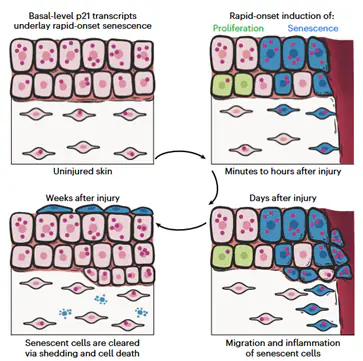
The study also showed that these rapidly generated senescent cells actively contribute to the initial phase of wound healing. They send signals that help neighbouring cells migrate towards the damaged area. Inhibiting this response significantly delayed the healing process.

This is important knowledge for patients and clinicians alike, as a better understanding of the first minutes and hours after injury may, in the future, help develop more effective ways to support wound healing especially in cases where wounds heal poorly or too slowly.

The publication has attracted considerable interest from the scientific community and has also been covered by specialist and popular science outlets, including The Scientist.

Publication in Nature Cell Biology

Article in The Scientist

Read more

Polskie odmiany aktinidii

Polish Actinidia Cultivars – Small Fruits with Great Pro-Health Potential

Mini kiwifruit and Arctic kiwifruit – species that thrive in the Polish climate – may contain compounds that help protect the body against ageing. Research led by Prof. Wioletta Błaszczak from the InLife Institute has shown that extracts from these fruits effectively inhibited the formation of advanced glycation end products (AGEs) under laboratory conditions. AGEs are compounds associated with ageing and diseases such as type 2 diabetes

The genus Actinidia includes both the well-known green kiwifruit (Actinidia deliciosa) and less familiar species, such as mini kiwifruit (Actinidia arguta) and arctic kiwifruit (Actinidia kolomikta). Although these fruits are still less popular in Poland than conventional kiwifruit, they are well adapted to the local climate. Their fruits are a rich source of polyphenols – natural antioxidants that have been linked to numerous health-promoting properties.

Research conducted in collaboration with the Poznań University of Life Sciences and the University of Warmia and Mazury in Olsztyn demonstrated that extracts from both species effectively inhibited the formation of AGEs. These compounds are formed through reactions between sugars and proteins, and their excessive accumulation has been associated with the ageing process and the development of many chronic diseases. The findings were published in Molecules in 2026.

„The study was carried out under laboratory conditions, so the findings require further confirmation,” explains Prof. Wioletta Błaszczak. „Nevertheless, they indicate that mini kiwifruit and arctic kiwifruit are particularly valuable sources of natural antioxidants (polyphenols), which may help support the body’s natural defence mechanisms against ageing-related processes.”

Another important finding was that the beneficial properties of these fruits are not attributable to a single compound. Instead, their biological activity results from the combined action of numerous polyphenols that enhance one another’s effects. This synergistic effect appears to be responsible for the high biological activity of the fruit extracts.

„Our findings expand current knowledge of the health-promoting properties of Actinidia fruits and suggest that, in the future, they could be used as ingredients in functional foods,” says Prof. Wioletta Błaszczak.

The research was carried out in collaboration with the Poznań University of Life Sciences and the University of Warmia and Mazury in Olsztyn. Fruit samples of mini kiwifruit and arctic kiwifruit were supplied through cooperation with the  Warsaw University of Life Sciences—SGGW. The study was conceived by Prof. Wioletta Błaszczak from the InLife Institute of Animal Reproduction and Food Research, Polish Academy of Sciences.

Publication

Szwengiel A., Sawicki T., Jabłońska M., Latocha P., Błaszczak W. Purification-Driven Modulation of Polyphenol Profile and Protein Glycation-Inhibitory Potential of Actinidia arguta and Actinidia kolomikta Fruit Extracts. Molecules. 2026, 31(11), 1935. https://doi.org/10.3390/molecules31111935.

Read more

Reproductive Biology Increases Its Impact Factor to 2.5

okładka czasopisma Reproductive Biology

We have another reason to celebrate. In the latest edition of the Journal Citation Reports, Reproductive Biology achieved an Impact Factor of 2.5, improving on last year’s score of 2.0. This increase confirms the journal’s growing visibility and strong position within the international scientific community.

Reproductive Biology is the official journal of the InLife Institute of Animal Reproduction and Food Research Polish Academy of Sciences and the Society for Biology of Reproduction. It is published by Elsevier. The journal publishes original research articles and review papers in the fields of reproductive biology, reproductive endocrinology, embryology, andrology, human reproductive medicine, and animal reproduction.

Since 2024, the journal’s scientific quality has been overseen by an international editorial team led by the Co-Editors-in-Chief, Professor Dorota Zięba-Przybylska (Hugo Kołłątaj University of Agriculture in Kraków, Poland) and Professor Mariusz Kowalewski (University of Zurich, Switzerland). The Editors-in-Chief are supported by Associate Editors and members of the Editorial Advisory Board representing leading research institutions across Europe, North America, Asia, and the Middle East.

An important part of the journal’s mission is to promote research that integrates knowledge from human medicine and veterinary sciences in line with the One Health concept.

The editorial team also includes scientists affiliated with InLife, reflecting the Institute’s active contribution to the journal’s development and to the international community of researchers working in reproductive sciences.

wykres Impact Factor 2025

– We are particularly pleased that the journal’s performance indicators are improving during a period in which the new Co-Editors-in-Chief are implementing an ambitious vision for its further development. I would like to thank Professor Dorota Zięba-Przybylska and Professor Mariusz Kowalewski for their courage in introducing changes, their commitment, and their consistency in pursuing the adopted strategy. This achievement belongs to the authors, reviewers, editorial team, and everyone involved in the journal’s development. As the institutions that co-create and support Reproductive Biology – InLife and the Society for Biology of Reproduction – we are delighted to see another important step in strengthening the journal’s international standing, –  said Professor Monika M. Kaczmarek, Director of InLife and President of the Society for Biology of Reproduction.
We warmly congratulate the authors, reviewers, editors, and everyone involved in the journal’s development, and we thank them for their invaluable contribution to building its scientific excellence and strengthening its international reputation.

Read more

Polish Journal of Food and Nutrition Sciences strengthens its position among leading journals

okładka wydawnictwa

We are pleased to share a success of the Polish Journal of Food and Nutrition Sciences, which according to the latest data provided by leading databases of scientific journals – Clarivate and Scopus – has received the following bibliometric indicators for 2025: Impact Factor – 2.4 and CiteScore – 4.5. Increased values of both indicators, compared to the previous years, confirm a strong position of the quarterly in the international community of scientific journals.

The achieved indicators reflect the growing recognizability of the published works and their impact on the advancement of food science and nutrition. For many years, Polish Journal of Food and Nutrition Sciences has served as an important platform for the dissemination of high-quality scientific research, fostering international exchange of knowledge among researchers working in food science, nutrition, and related health disciplines.

This achievement would not have been possible without the dedication and commitment of the entire journal community. We would like to express our sincere gratitude to the Advisory Board Members, Section Editors, and Reviewers, whose expertise, professionalism, and commitment to maintaining the highest scientific standards are fundamental to the journal’s success. We also thank all Authors for entrusting us with the publication of their research and our Readers for their continued interest in and citation of the journal’s articles.

Special recognition is due to Dr. hab. Magdalena Karamać, Editor-in-Chief, whose leadership, strategic vision, and continuous efforts to enhance the scientific quality and international visibility of the journal have played a key role in strengthening its position and reputation. We would also like to express our sincere appreciation to Joanna Molga, Executive Editor, whose dedication and care over coordination of editorial and publishing processes ensure the smooth operation of the journal and the maintenance of the highest standards of service for authors, reviewers, and editors.

We believe that these achievements not only indicate the journal’s accomplishments to date but also provide strong motivation for further strengthening the position of Polish Journal of Food and Nutrition Sciences in the field of food science and nutrition.

Read more

Nauka i sztuka na jednej scenie – relacja

Science and art on one stage. InLife summarizes the Welcome2 project

Scientists on a theatre stage, accessible scientific knowledge, and a shared theatre experience – this was the format of the “Science on Stage” event organized by the InLife Institute of Animal Reproduction and Food Research Polish Academy of Sciences at the Theatre in Olsztyn. The event attracted several hundred participants interested in healthy lifestyles and also marked the conclusion of the six-year Welcome project.

During the event, InLife scientists delivered four short lectures aimed at a broad audience. Radosław Kowalski, PhD, DSc, Joanna Fotschki, PhD, Michał Wróbel, PhD, DSc, and Carsten Carlberg, Professor discussed how diet and environmental factors influence human health, addressing topics such as probiotics, fish consumption, pesticides, and the relationship between food and the functioning of the human body.

The Welcome2 project led to the establishment of the Nutrigenomics Team at the Institute – a research group headed by Professor Carsten Carlberg that investigates the interactions between diet, gene activity, and human health. Educational initiatives implemented as part of the project were also presented during the event.

– We are delighted to bring science closer to the public and show that it is not something detached from everyday life. Science helps us better understand the world, make informed decisions about health and nutrition, and respond to contemporary challenges. It is also an excellent opportunity to build dialogue between scientists and the residents of our region, and to demonstrate that research conducted in Olsztyn has a real impact on people’s lives – said Professor Monika M. Kaczmarek, Director of the InLife Institute.

The event also included acknowledgements for individuals and institutions that supported the implementation of the project, including representatives of the regional government, the University of Warmia and Mazury, and collaborators involved in the development of the research team and educational activities.

– These six years have been a period of intensive work, research, and international collaboration. Thanks to the Welcome2 project, our Institute has established a strong research team specializing in nutrigenomics, while Olsztyn has strengthened its position as an important scientific centre in this field – emphasized Professor Mariusz Piskuła, the project coordinator and the Institute’s former long-serving Director.

Following the scientific programme, participants attended a performance of Art from the repertoire of the Stefan Jaracz Theatre.

– This was our way of thanking the residents of the region, who have participated in our events for many years and benefited from reliable scientific knowledge. We wanted to celebrate the completion of the project together and show that science can bring people together and serve society in every day life – said Iwona Kieda, Head of the Communications and International Affairs Office at InLife.

Read more

Open Seminar with Professor Andrzej Słomiński

Otwarte seminarium z udziałem prof. Andrzeja Słomińskiego - baner

How does the skin communicate with the nervous and immune systems? Do disruptions in the vitamin D pathway affect the progression and treatment of melanoma? Answers to these questions will be explored during the Open Seminar organized as part of the WELCOME2 ERA Chair project. The guest speaker will be Andrzej Słomiński, a distinguished scientist from University of Alabama at Birmingham, internationally recognized for his contributions to dermatology and pathology.

For more than three decades, Professor Słomiński has investigated the mechanisms underlying melanoma development, with a particular focus on the biology of melanocytes- the cells responsible for melanin production – and the processes regulating their proliferation. An important part of his research has also been devoted to calcitriol and vitamin D receptors, whose dysfunction may influence both the effectiveness of therapy and the progression of cancer.

His discoveries extend far beyond oncology. Professor Słomiński is considered one of the pioneers of skin neuroimmunoendocrinology, an interdisciplinary field that explores the interactions between the skin and the nervous, immune, and endocrine systems. His work has significantly advanced our understanding of how environmental factors affect the functioning of the human body and help maintain homeostasis and allostasis.

The seminar will provide a unique opportunity to meet an outstanding scientist, learn about his research, and discover the latest developments in skin biology and melanoma research.

It will also be an opportunity to meet an extraordinary individual. Actively involved in the democratic opposition movement in Poland during the 1980s, Professor Słomiński emigrated to the United States, where he built an impressive scientific career. Today, he is among the most prominent Polish researchers working abroad, and his achievements have been recognized with numerous distinctions, including an honorary doctorate from Jagiellonian University.

Professor Słomiński is the author of nearly 500 scientific publications, and his work has been cited more than 31,000 times. He is a member of numerous prestigious scientific societies and serves on the editorial boards of several international journals. In recognition of his scientific achievements and his contribution to democratic transformation in Poland, he has been awarded the Commander’s Cross of the Order of Polonia Restituta and the Cross of Freedom and Solidarity.

The seminar will be held in English.

Seminar title: Neuro-immuno-endocrinology of the Skin: How the Environment Regulates Body Homeostasis and Allostasis

Date and time: 22 June, 10:00 AM

Venue: InLife Institute, „SKANDA” Conference Room

A short abstract of the seminar is available here.

The event is open to everyone interested.

We warmly invite you to join us!

Read more

NCN Grants

InLife Scientists Receive NCN Grants for Basic Research

Four research projects involving scientists from the InLife Institute of Animal Reproduction and Food Research of the Polish Academy of Sciences have received funding in the latest calls of the National Science Centre: OPUS 30 and SONATA 21. Three of them are led directly by InLife researchers, while one – carried out by the Poznań University of Life Sciences – is being implemented in collaboration with a scientist from the Institute.

The total amount of funding awarded is PLN 5,487,987.

According to the National Science Centre, these were the largest editions of the OPUS and SONATA calls in their history. Polish research institutions will receive grants for 522 research projects with a total value of nearly PLN 912 million.

SONATA 21: Embryo Implantation and Meat Quality

What determines whether an embryo implants in the uterus – or not? Dr Maria Guzewska from InLife will seek answers at a level that has not previously been studied. In her project, the researcher will focus on extracellular vesicles – microscopic structures through which cells send signals to one another – and examine their role in communication between the embryo and the maternal organism. The project “Communication between the Embryo and the Mother at the Nanoscale – the Role of Extracellular Vesicles in the Proper Course of Implantation” has received funding of PLN 2,231,807.

dr Maria Guzewska w laboratorium
Dr Maria Guzewska

The second project selected for funding under SONATA 21 is entitled “Molecular and Technological Mechanisms Shaping the Quality of Cervid Meat: Interactions of Natural Bioactive Additives with Low-Temperature Processing Methods”, led by Dr Eng. Anna Kononiuk. The funding awarded amounts to PLN 1,018,090.

The project will focus on the quality of cervid meat and the factors that influence its properties at the molecular and technological levels. The research will include, among other aspects, interactions between natural bioactive additives and low-temperature food processing methods. The results may expand knowledge on how to shape the quality of meat products using modern and less invasive technologies.

Anna Kononiuk w laboratorium
Dr Eng. Anna Kononiuk

OPUS 30: Omega-3 and Rapeseed Proteins

Professor Agnieszka Blitek will lead the project “The Effects of Omega-3 Fatty Acids on the Ovary and Embryo Implantation in the Pig”, which has received funding of PLN 1,894,050. The researcher will focus on processes regulating fertility and the development of early pregnancy. Conducted using the pig as a model, the studies may provide important insights into the effects of omega-3 fatty acids on ovarian function and interactions between the maternal organism and the embryo.

Agnieszka Blitek w laboratorium
Prof. Agnieszka Blitek

Professor Ryszard Amarowicz, leader of the Food Chemical and Physical Properties Team, will participate in the project “Interactions of Aroma Compounds with Rapeseed Proteins: Binding Mechanisms and Aroma Stability in the Context of Rapeseed Press Cake Utilisation”. The project will be led by Professor Henryk Jeleń from the Poznań University of Life Sciences. InLife’s budget amounts to PLN 344,040.

The project concerns rapeseed proteins and their potential use in food production. Researchers will investigate how compounds responsible for smell and aroma bind to rapeseed proteins and how these interactions affect aroma stability and the sensory quality of products. The project results may help assess whether rapeseed proteins, obtained, among other sources, from rapeseed press cake, can be used more widely as a valuable ingredient in plant-based foods.

Ryszard Amarowicz w laboratorium
Prof. Ryszard Amarowicz

What Are the OPUS and SONATA Calls?

OPUS is a broad NCN funding call addressed to researchers at various stages of their scientific careers. It provides funding for projects carried out at Polish research institutions and lasting from 12 to 48 months.

SONATA is a call intended for early-career researchers. In the edition that has just been concluded, applications could be submitted by researchers who obtained their doctoral degree between 1 January 2018 and 31 December 2023. Projects funded under this call may last 12, 24 or 36 months.

This year’s NCN results demonstrate the high competitiveness of both calls. More than 3,700 applications were submitted to OPUS 30 and SONATA 21. In total, 522 projects received funding, including 279 under the OPUS call and 243 under SONATA.

We congratulate all the awardees and wish them every success in carrying out their research.

Read more

Yashaswi Sharma

Public Defense of MSc Yashaswi Sharma’s Doctoral Dissertation

We invite you to attend the public defence of a doctoral dissertation for the degree of Doctor of Natural Sciences in the discipline of Medical Sciences:

MSc Yashaswi Sharma

The doctoral research was conducted at the InLife Institute of Animal Reproduction and Food Research, Polish Academy of Sciences as part of the National Science Centre (NCN) SONATA BIS project No. 2019/34/E/NZ4/00349.

MSc Yashaswi Sharma pursued her doctoral studies through the external mode at the Medical University of Białystok.

Dissertation title: “Dissecting the Contribution of Endocrine Dysregulation in Obese Mothers to Impaired Ovarian Function and Pregnancy Outcomes: Lessons from Leprdb/+ Mice”

The doctoral dissertation defence will take place in person on 30 June 2026 at 12:00 p.m. at the Branicki Palace of the Medical University of Białystok (Aula Magna), 1 Jana Kilińskiego Street, 15-089 Białystok, Poland.

Supervisor:

  • António Miguel Galvão, DVM, PhD

Reviewers:

  • Anna Ajduk, PhD, DSc, Associate Professor
  • Zofia E. Madeja, PhD, DSc
  • Paweł Antoni Kołodziejski, PhD, DSc, Professor at Poznań University of Life Sciences

The abstract, reviews, and doctoral dissertation are available here.

Live stream link.

Read more

The magic of science at the Children’s Hospital in Olsztyn

Magia nauki w Szpitalu Dzieciecym w Olsztynie

Once again, scientists from our Institute took part in the Children’s Day picnic organized by the Special Educational Facilities Complex at the Provincial Specialist Children’s Hospital in Olsztyn. This year’s event, held under the theme “Warmian Children’s Fair”, provided participants with many unforgettable experiences.

Our Institute was represented by researchers from the Nutrigenomics Team: Emilia Gospodarska, Arleta Janysz, Aleksandra Kuliga, and Piotr Lekowski, who prepared a series of engaging science workshops for children. Participants had the opportunity to take part in experiments where science turned into real magic.

The children stepped into the role of young explorers and discovered fascinating phenomena from the fields of physics, chemistry, and biology. By observing “dancing colors” on milk, they learned about the secrets of surface tension. They also created their own lava lamps, exploring the principles of liquid density and immiscibility.

Experiments with dry ice generated great excitement, allowing participants to observe sublimation- the process in which a substance changes directly from a solid to a gas. Particularly popular attractions included self-inflating balloons, a smoking “witch’s cauldron,” and extraordinary smoke-filled bubbles.

The workshops also featured microscope activities, during which young participants prepared their own samples for observation and explored the invisible world of microorganisms. By combining hands-on experimentation with fun, science became a fascinating adventure full of discovery.

The entire event was filled with vibrant colors, Warmian traditions, music, and plenty of fun. The main goal of the picnic was to bring joy to children staying in the hospital, brighten their day, and create a space where they could enjoy carefree moments and briefly escape the challenges of everyday hospital life.

Read more

Szef resortu nauki z wizytą w InLife

Minister of Science and Higher Education visits the InLife Institute

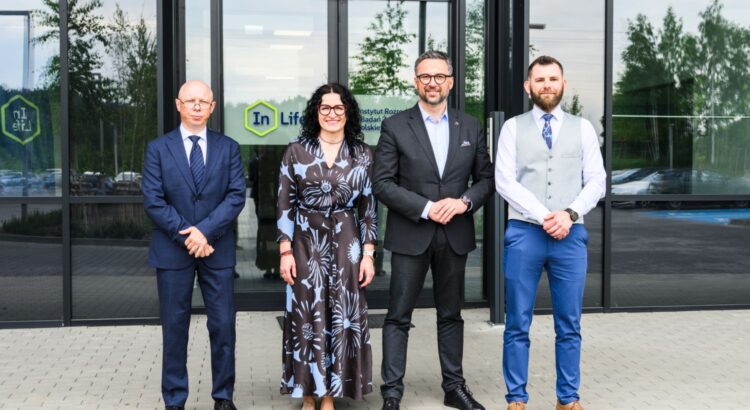
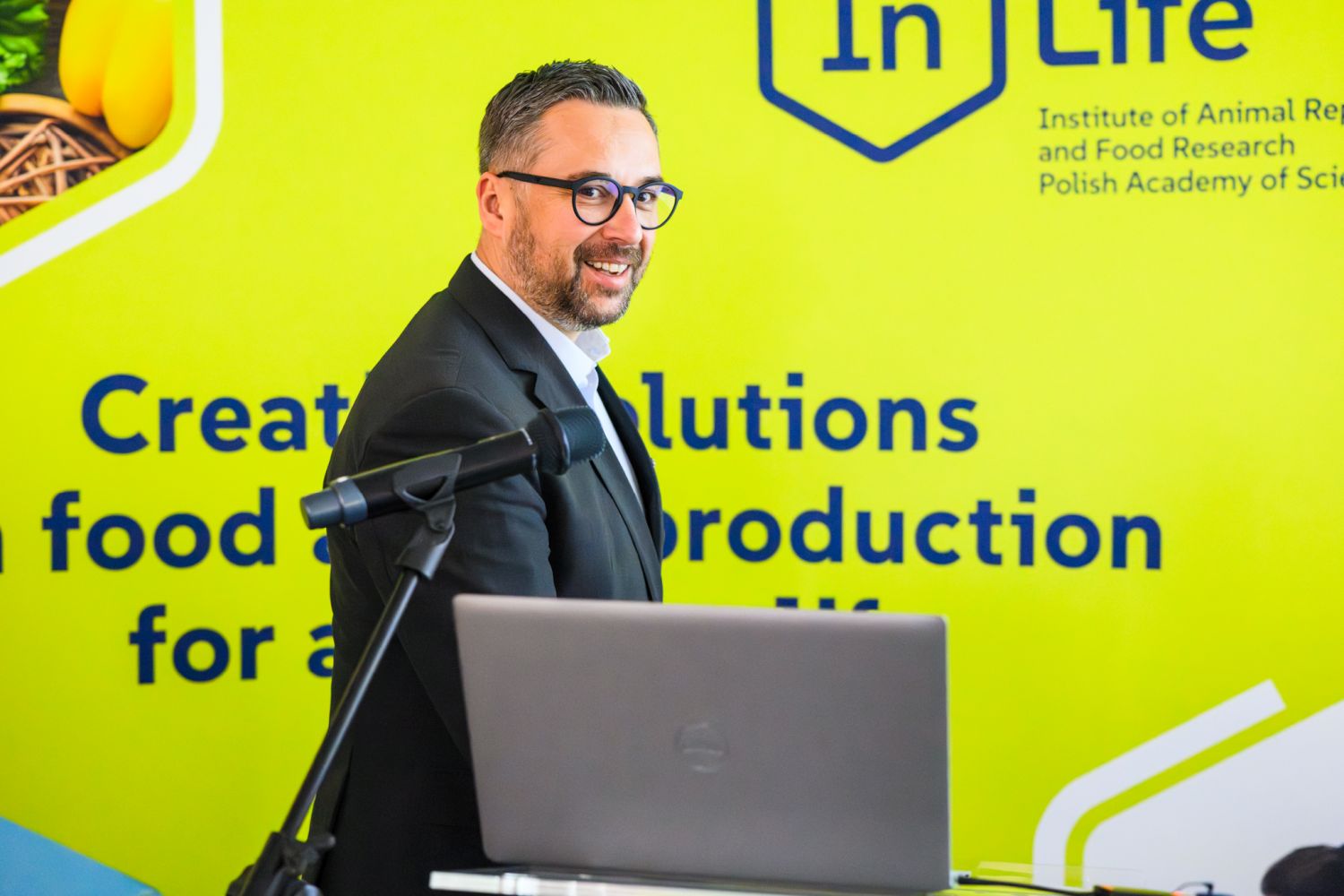
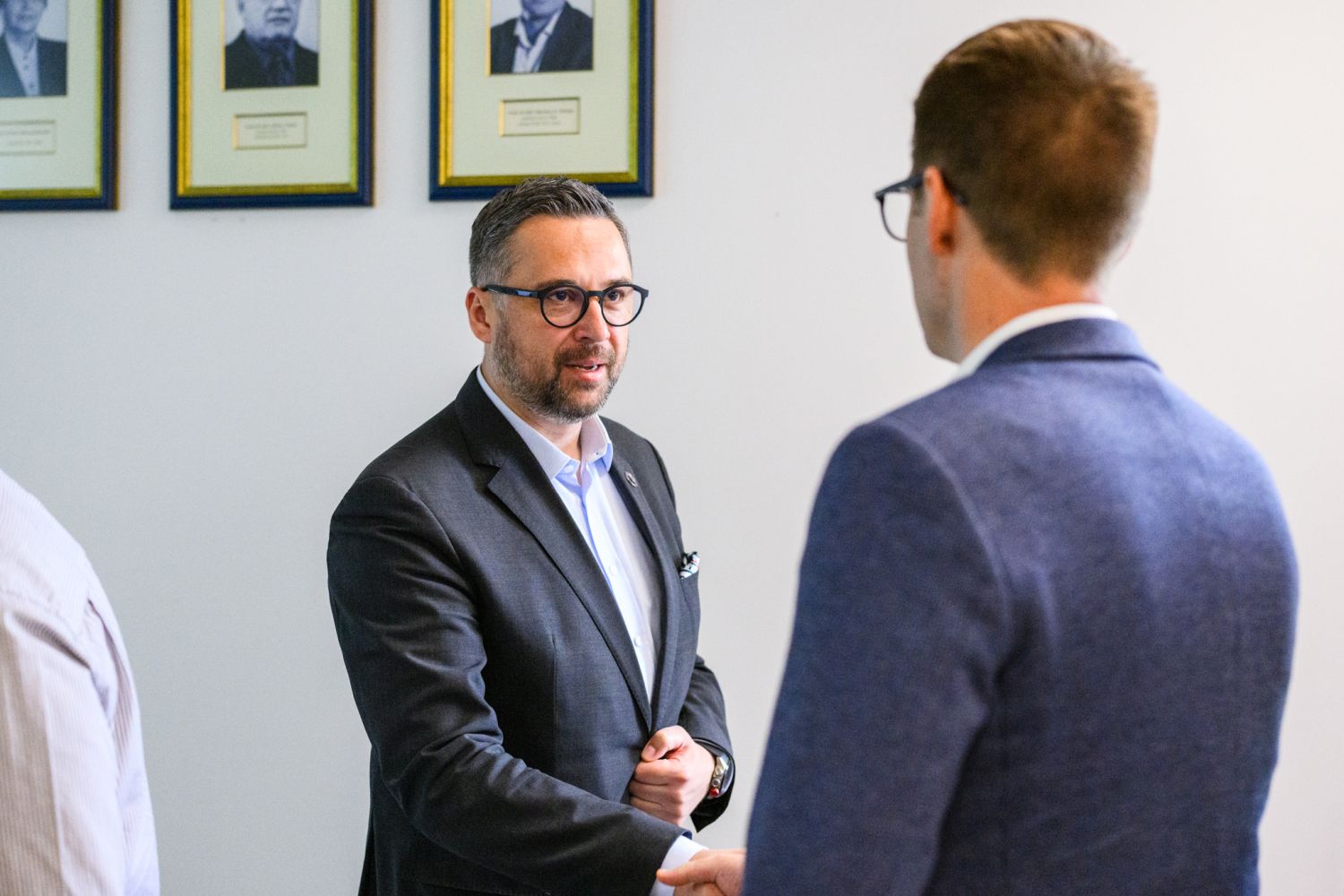
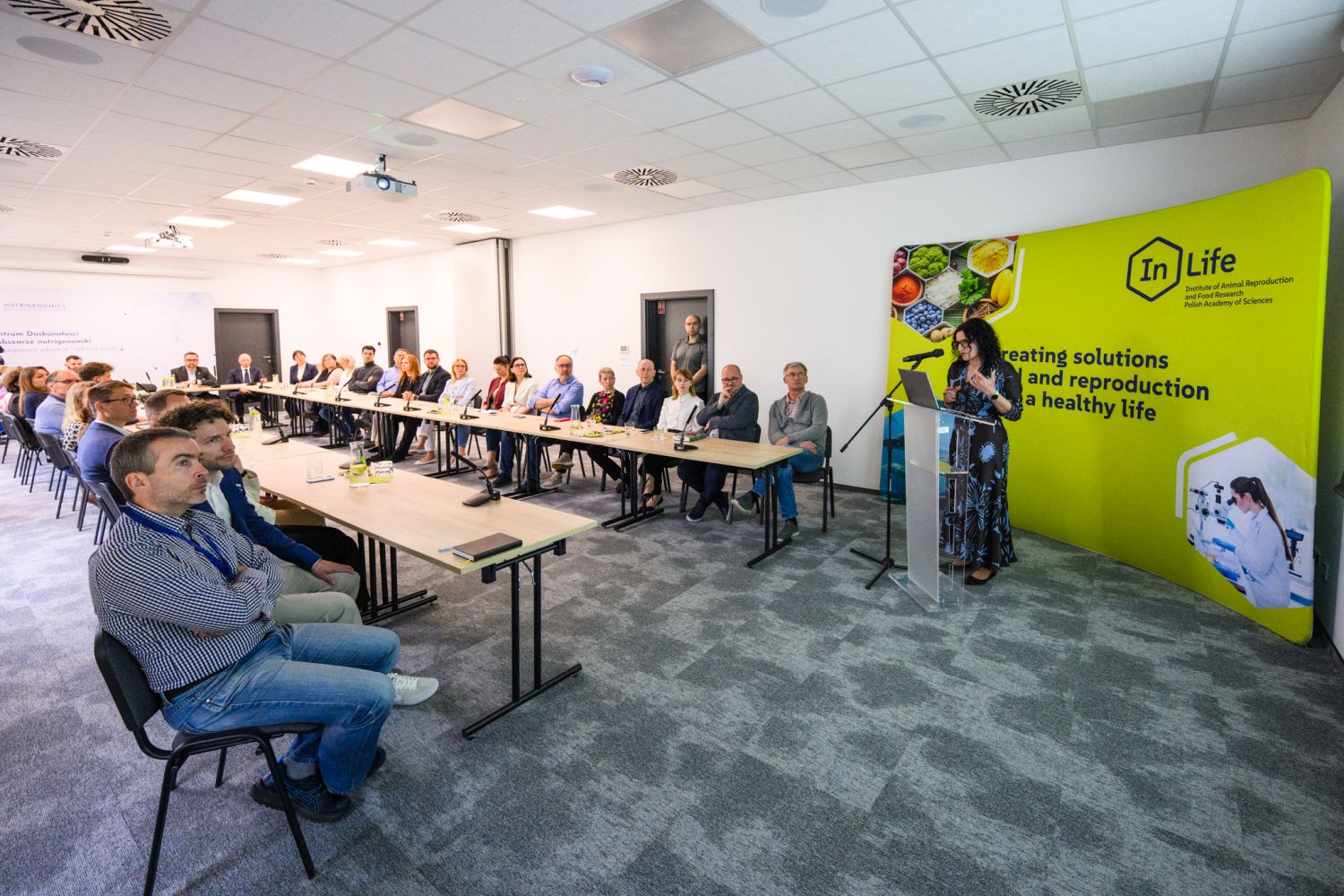
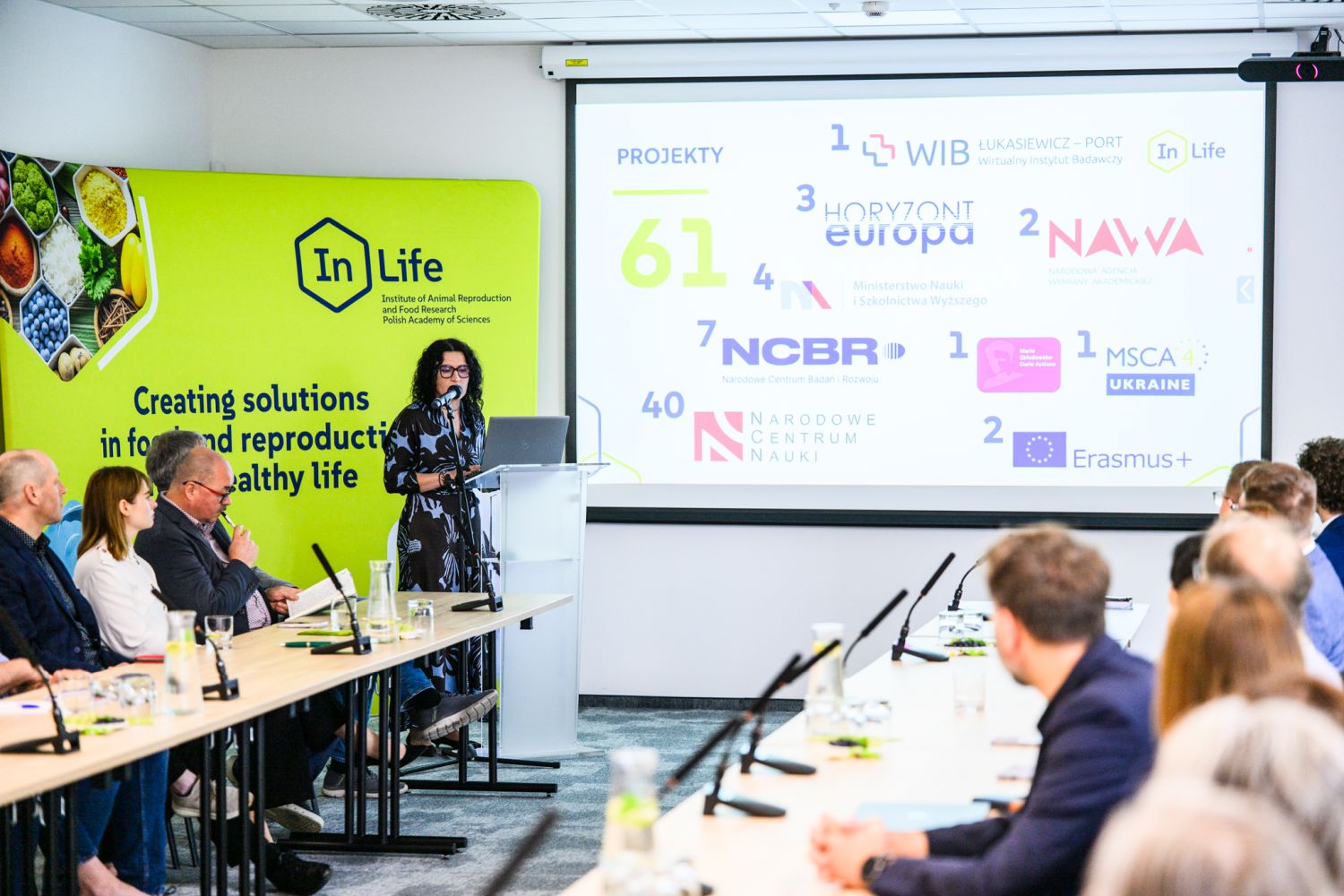
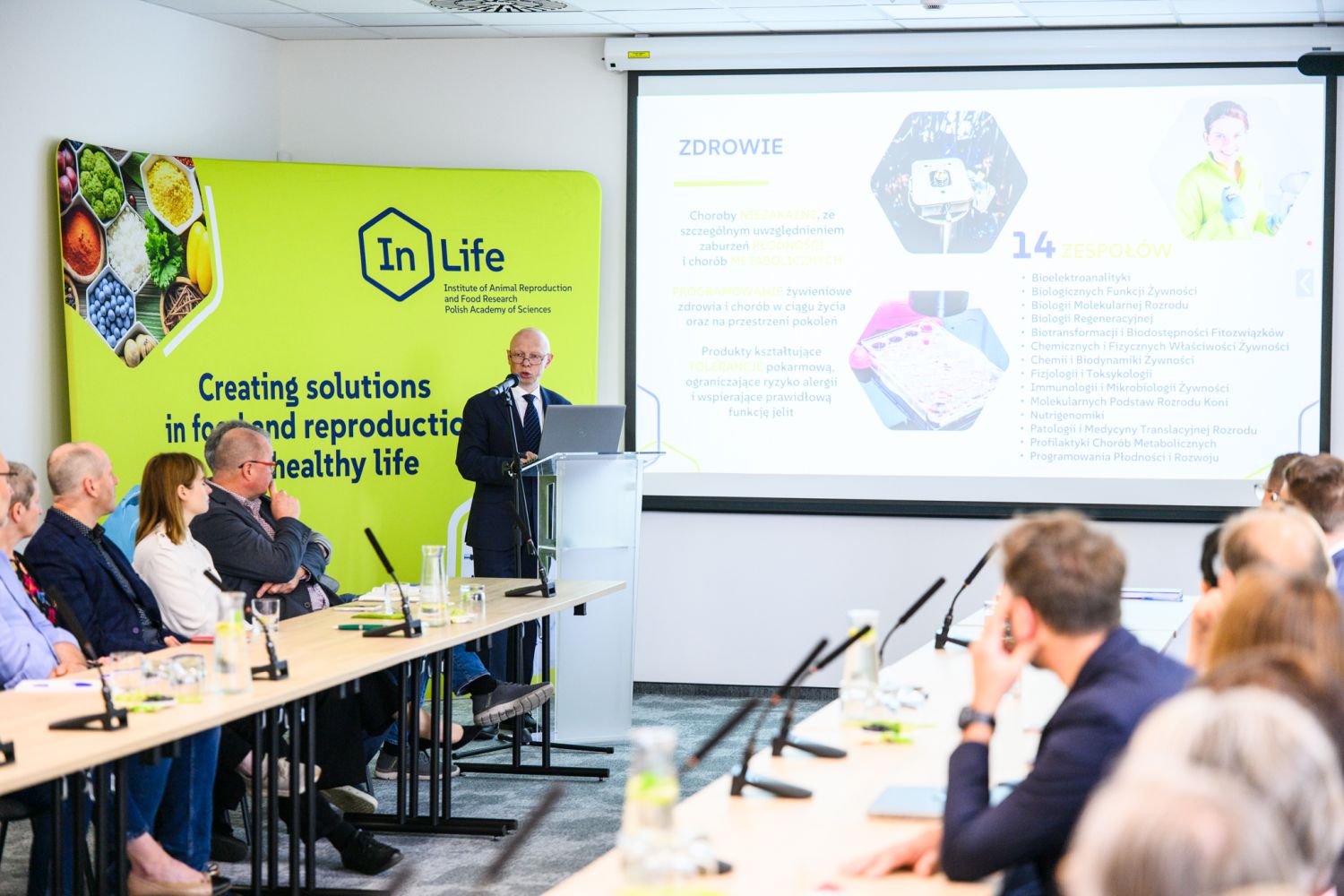
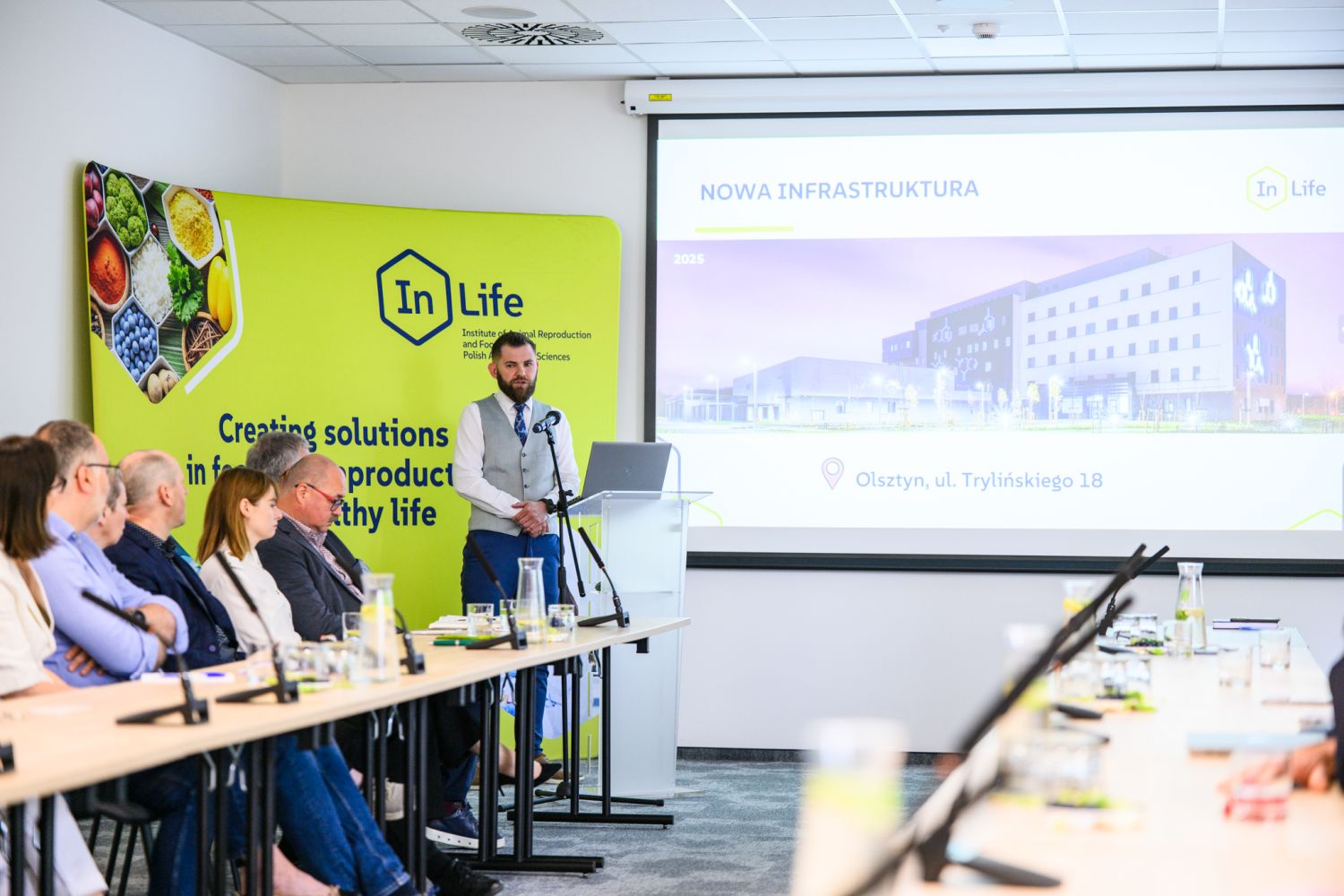
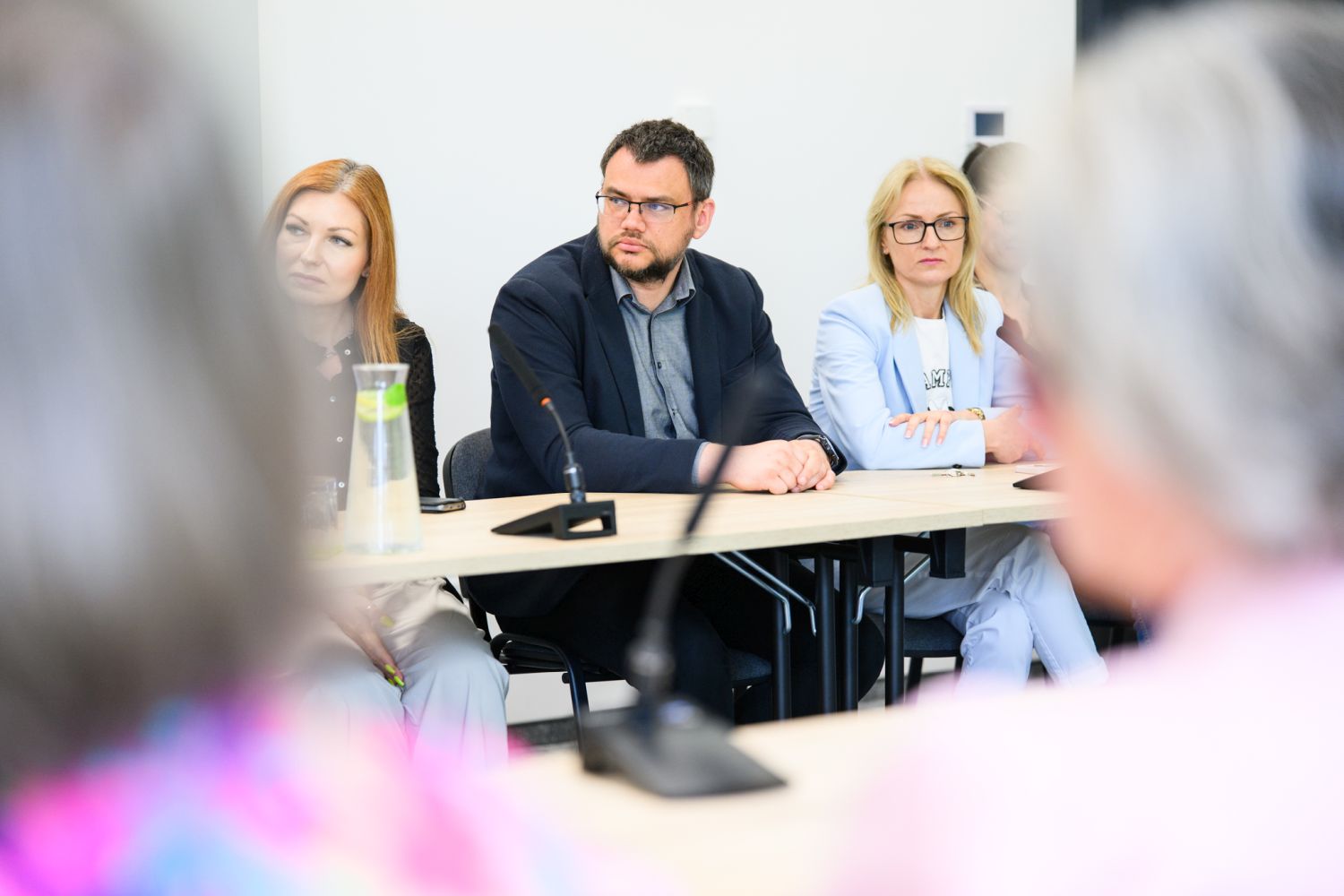
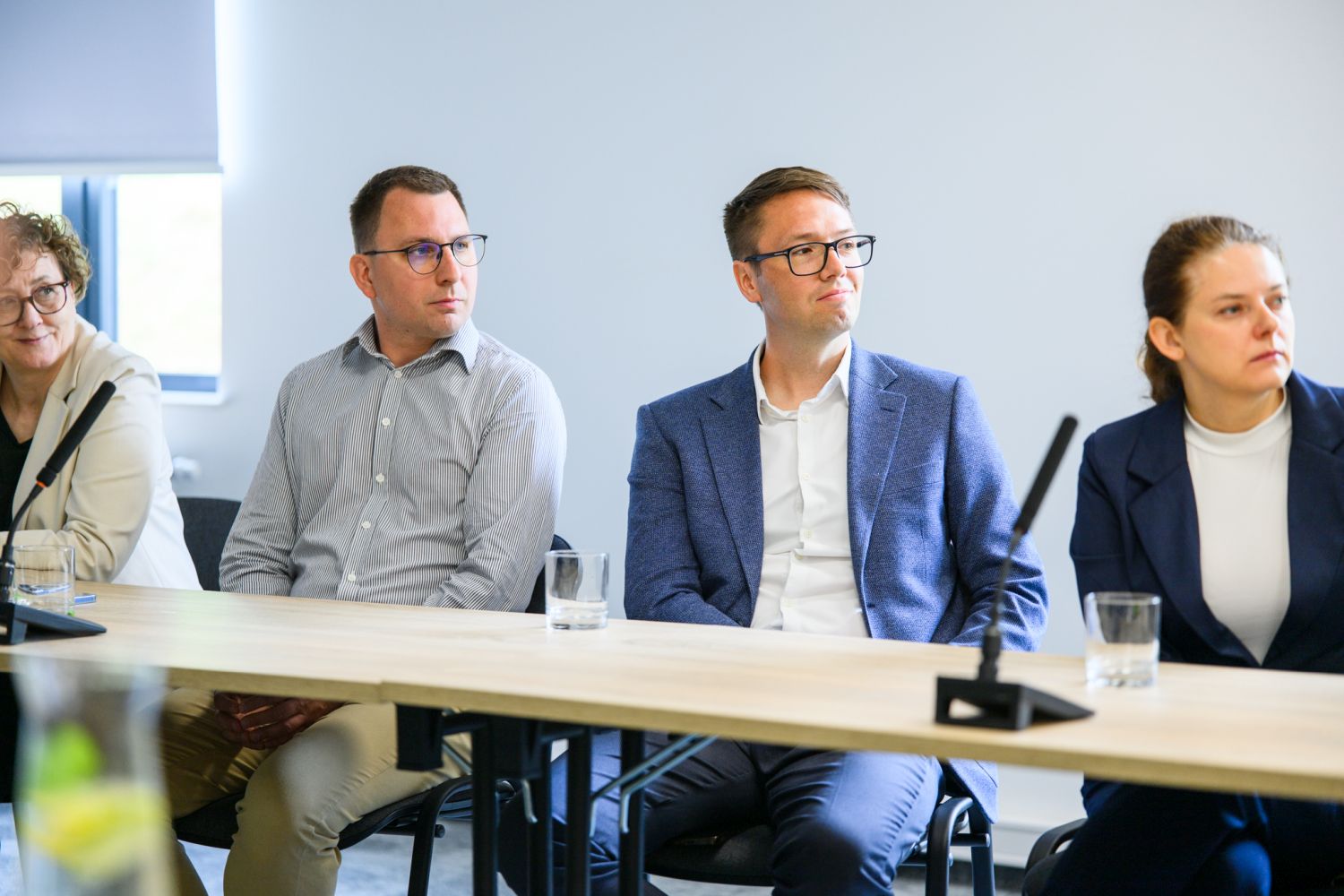
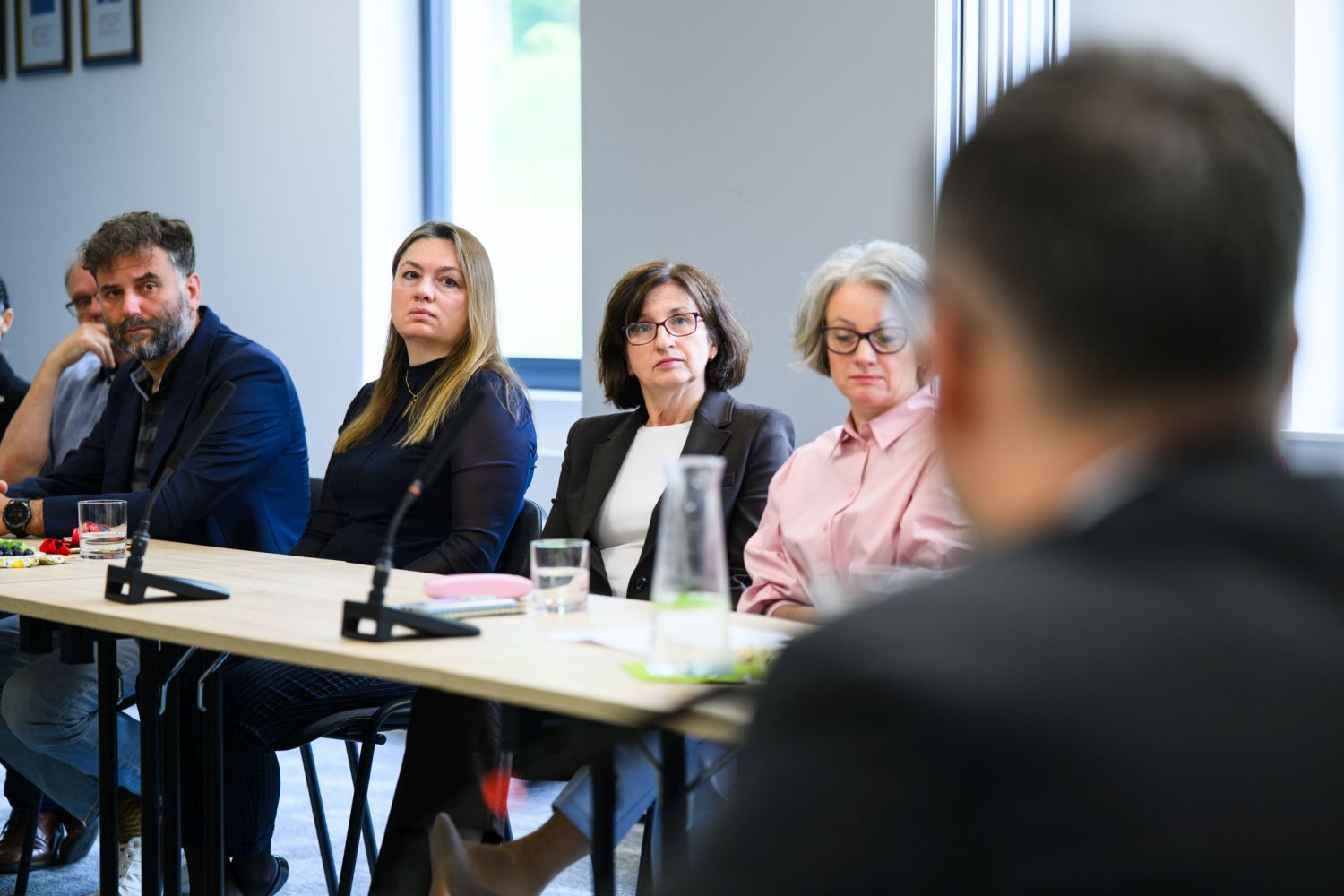
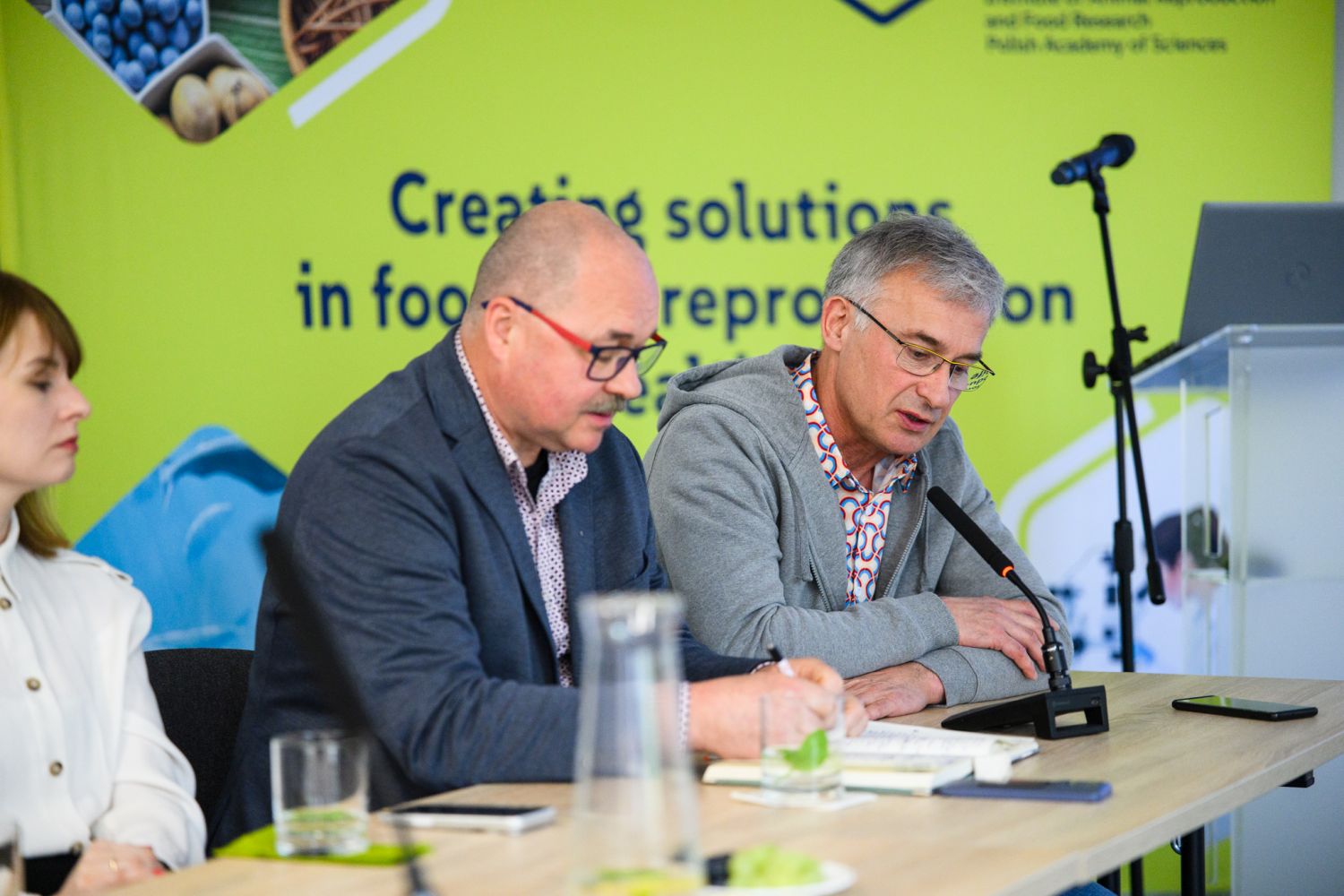
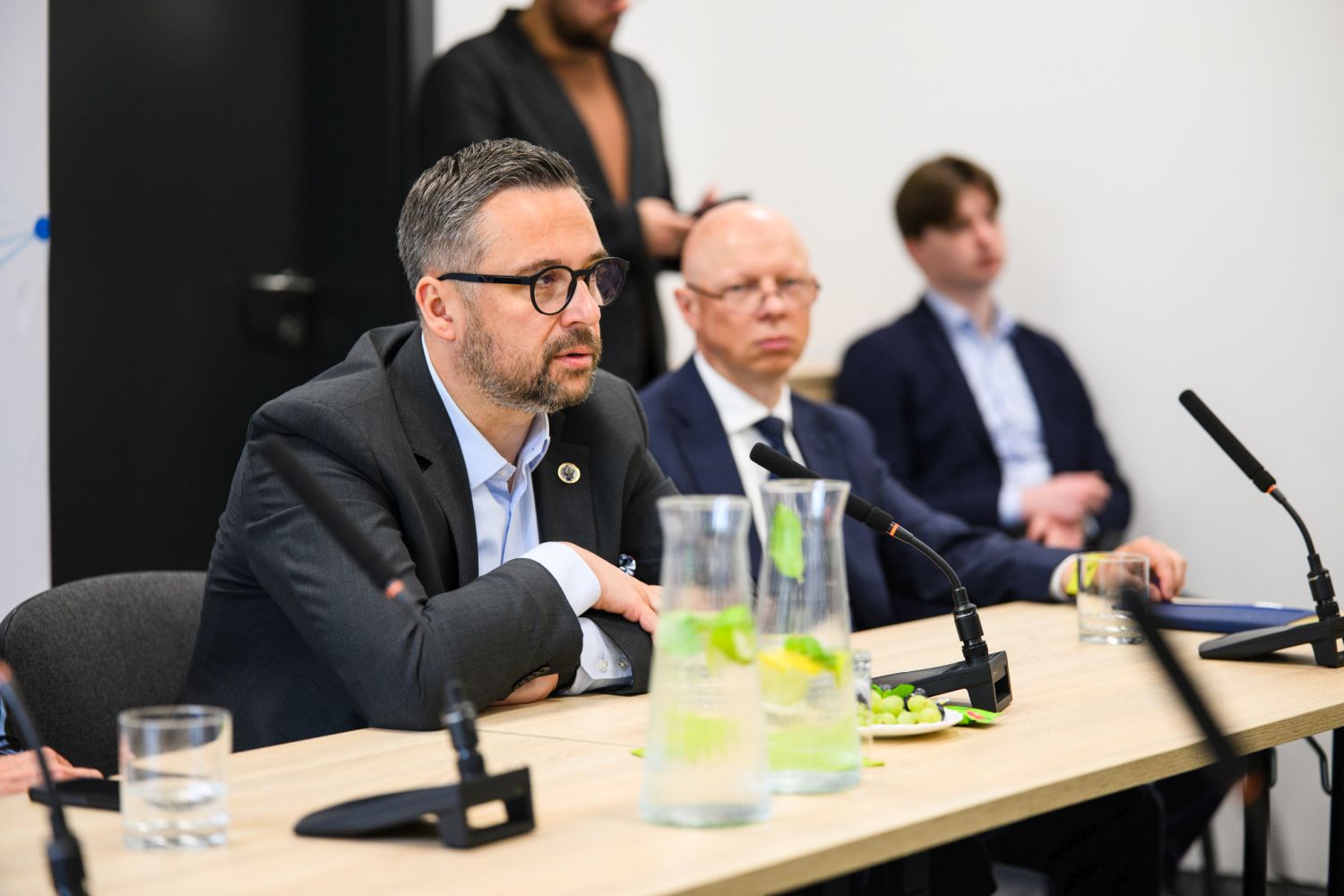
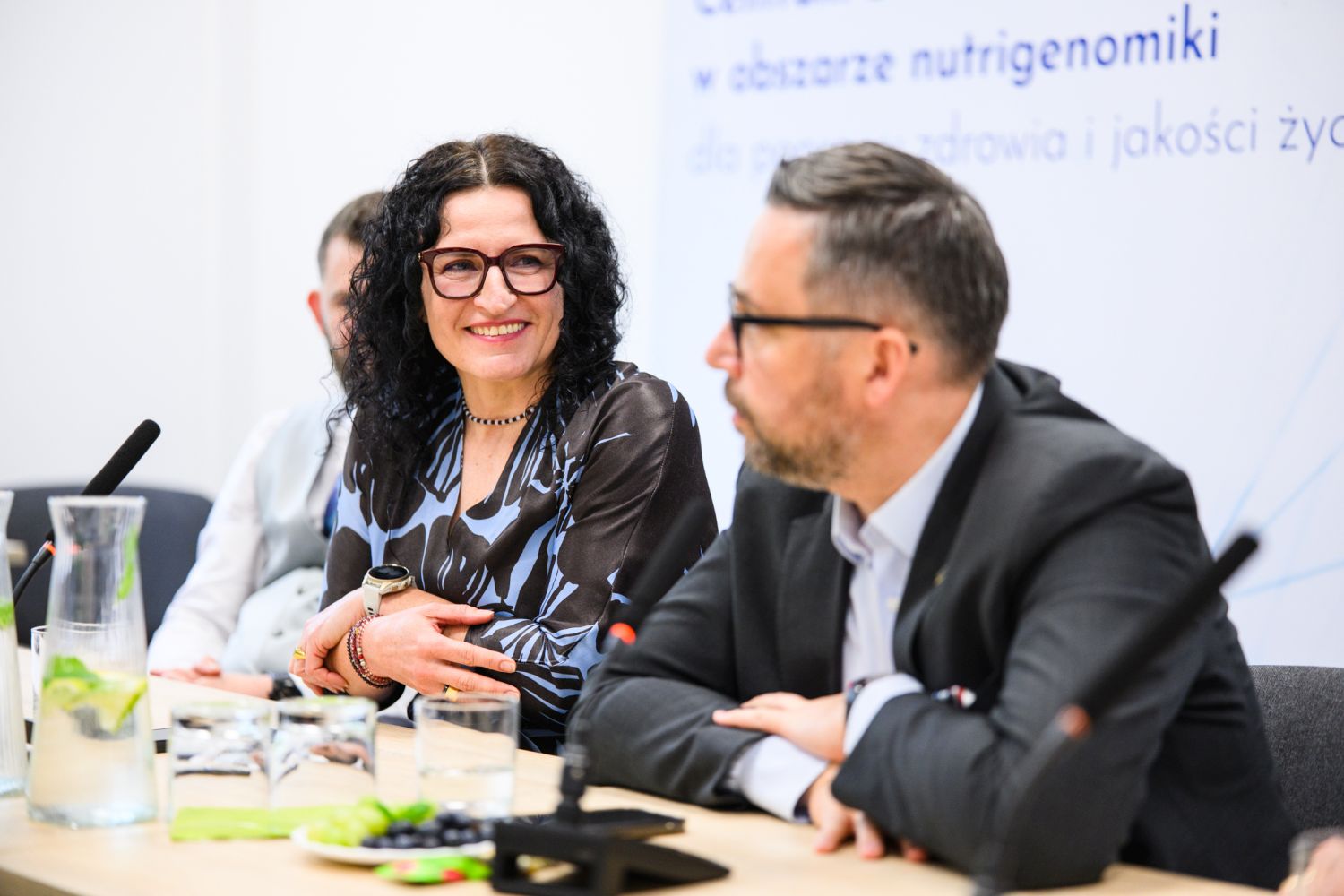
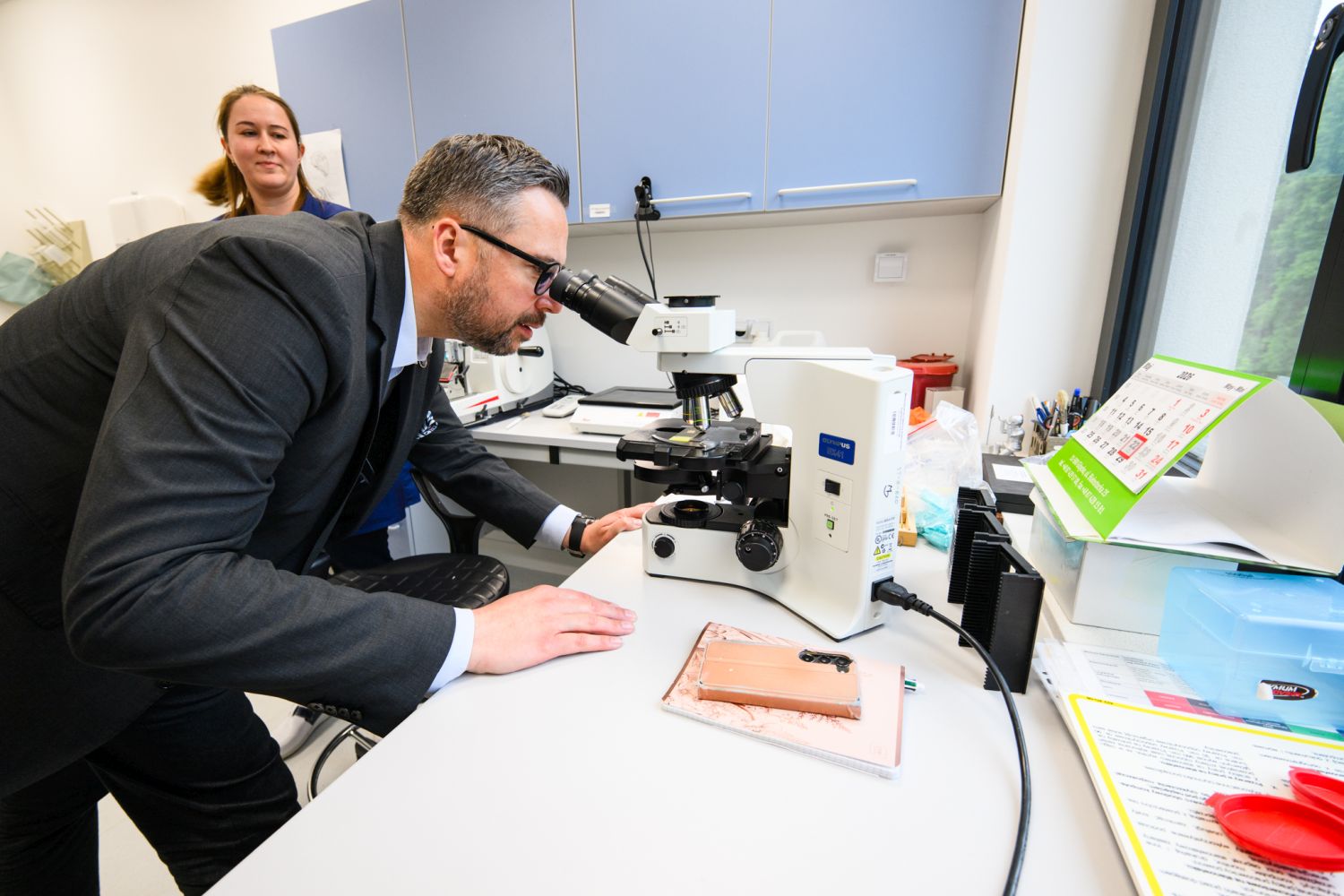
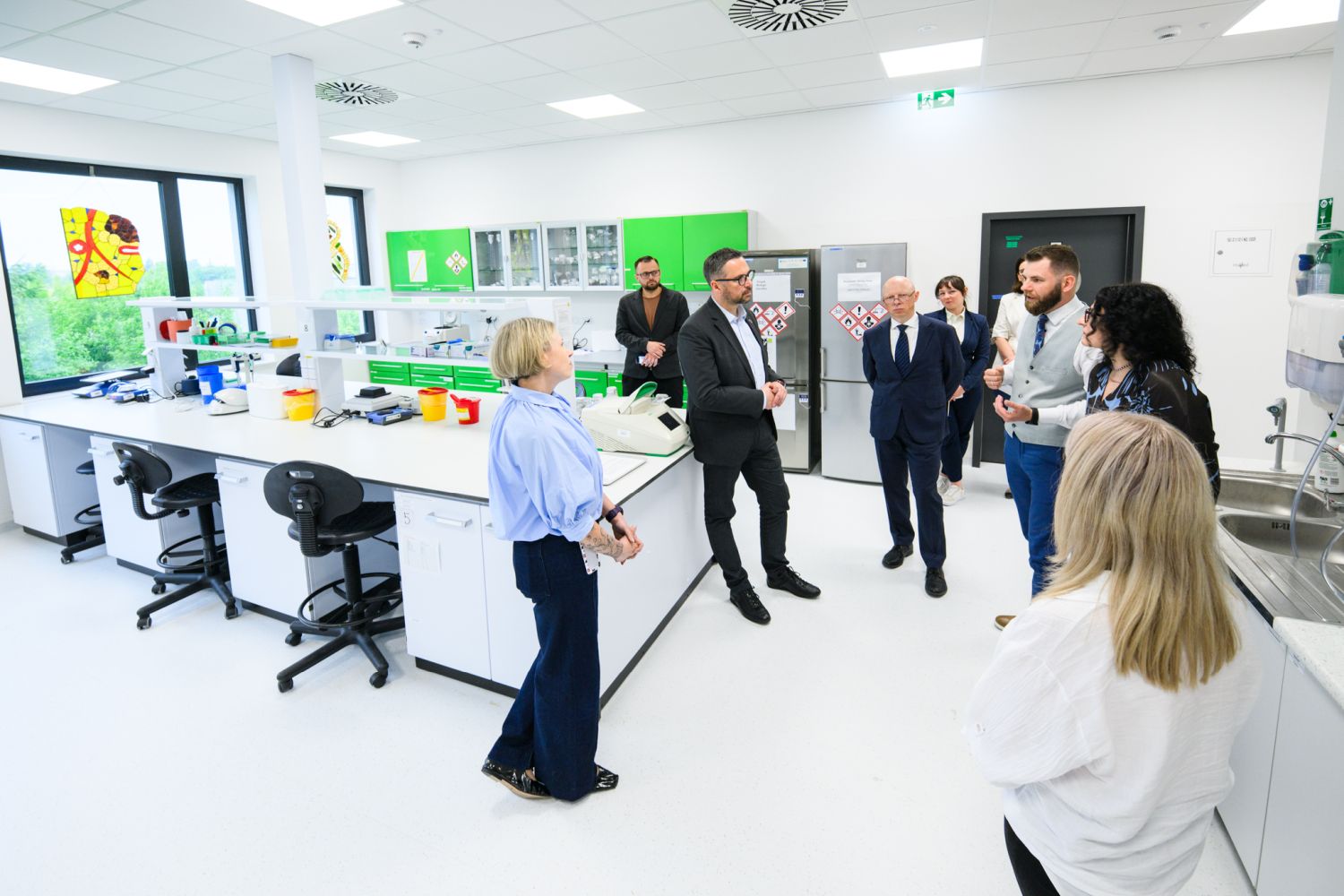
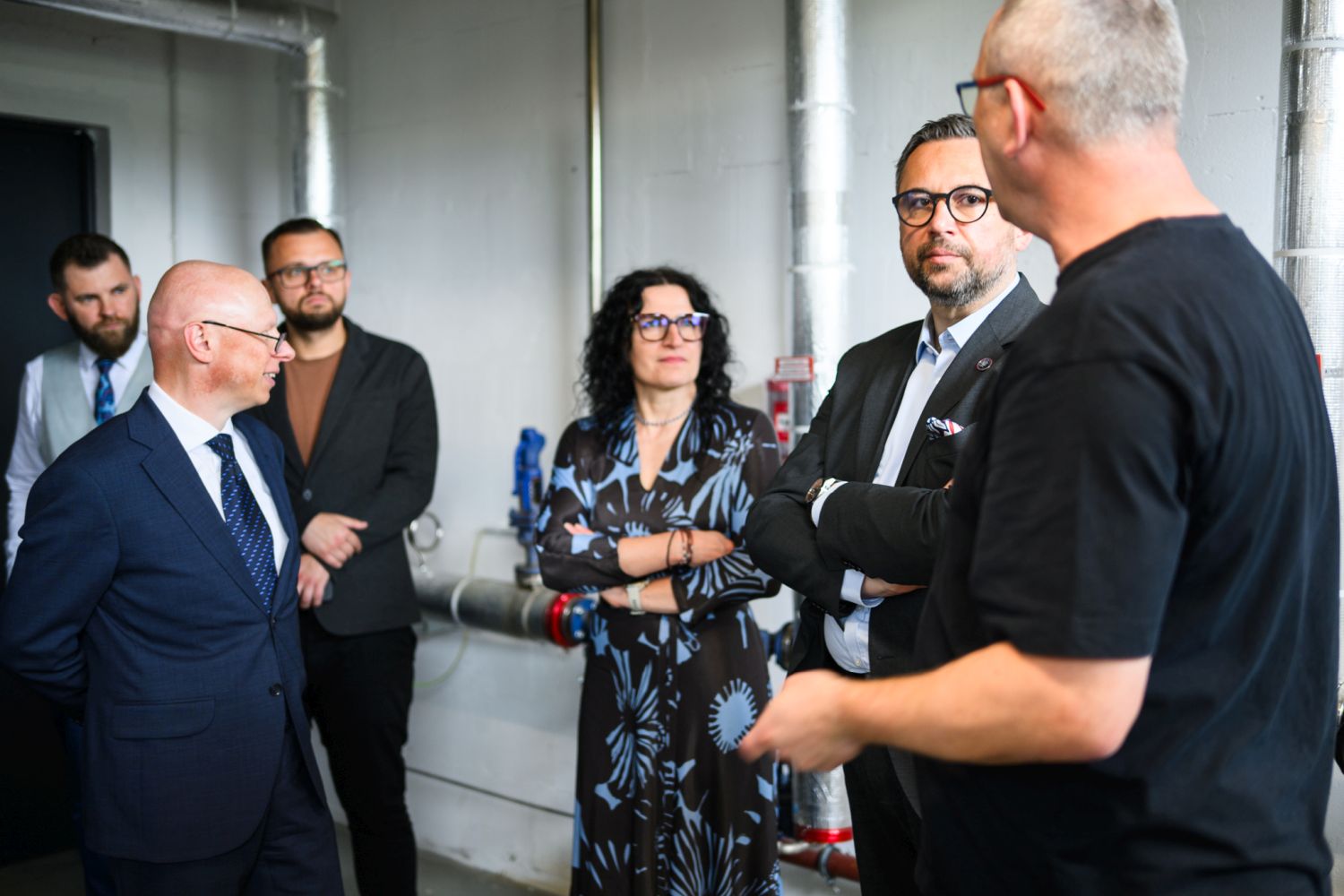
Minister of Science and Higher Education Dr. Marcin Kulasek visited the InLife Institute of Animal Reproduction and Food Research, Polish Academy of Sciences. During the visit, he met with the Institute’s management, spoke with researchers, and toured its modern research infrastructure. One of the key topics discussed was science funding.

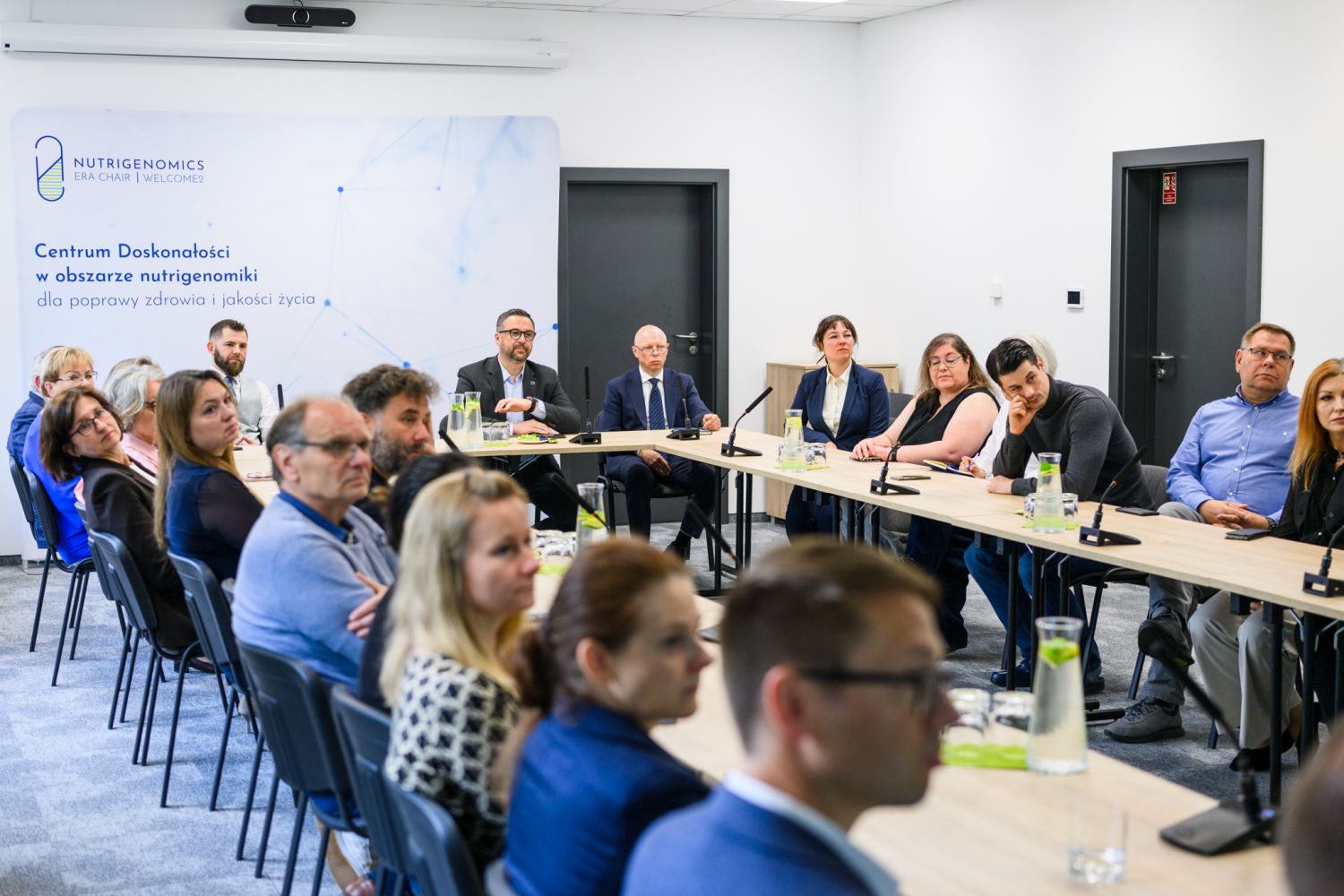
The meeting was opened by the Director of the InLife Institute, Prof. Monika M. Kaczmarek, who presented the Institute’s main areas of activity, ongoing research projects, and future development directions. The Deputy Directors, Prof. Wiesław Wiczkowski, Deputy Director for Scientific Affairs, and Michał Żurek, Deputy Director for General Affairs, presented the scope of the Institute’s research activities and its infrastructure.

– This was a particularly important meeting for us, especially as it took place at a crucial moment for the scientific community – during the ongoing debate on increasing expenditure on science to 3% of GDP. We heard the Minister’s announcements regarding increased funding for science from various sources, including state-owned companies. The Minister also emphasized the importance of dialogue between the Ministry and the scientific community, as well as the need to consult planned changes – said Prof. Monika M. Kaczmarek.

Minister Kulasek, who comes from Olsztyn, referred to his ties both to the city and to the InLife Institute.

– I am from Olsztyn, and the InLife Institute is particularly close to me. The institutes of the Polish Academy of Sciences should also be close to the Ministry – and they are, the Minister emphasized.

As he noted, the science budget has already been increased by half a billion zlotys, and the Ministry is taking steps to improve the functioning of scientific institutions and strengthen research funding. He also referred to the planned amendment to the Act on the Polish Academy of Sciences, which is expected to be submitted to the President of Poland for signature later this year, as well as to the issue of the additional annual bonus payment, commonly known as the “thirteenth salary,” for employees of the institutes of the Polish Academy of Sciences.

The Minister acknowledged that the current level of science funding in Poland remains insufficient, while also emphasizing the need to use available resources efficiently. He pointed out that Polish research institutions are still not making full use of the opportunities offered by European programmes.

In his speech, he extensively discussed the Horizon Europe programme and the continuation of its funding beyond 2028.

– Thanks to the consultations that have been carried out, it has been possible to preserve funding at a level similar to the current framework. This amounts to €175 billion, and it is worth applying for these funds effectively – he noted.

He added that the Ministry is working on systemic solutions aimed at increasing investment in research. Among other initiatives, discussions are underway with state-owned companies regarding their greater involvement in science funding. Another important area of cooperation remains research conducted under the Dual Use framework, meaning projects with both civilian and defence applications. In this area, the Ministry is working jointly with the Ministry of National Defence.

Responding to a question about the possibility of launching a programme for the institutes of the Polish Academy of Sciences similar to the “Excellence Initiative – Research University” (IDUB), the Minister described such a solution as a valuable tool for supporting the development of science. He also informed participants that the Ministry is working on implementing a similar mechanism within the institutes of the Polish Academy of Sciences.

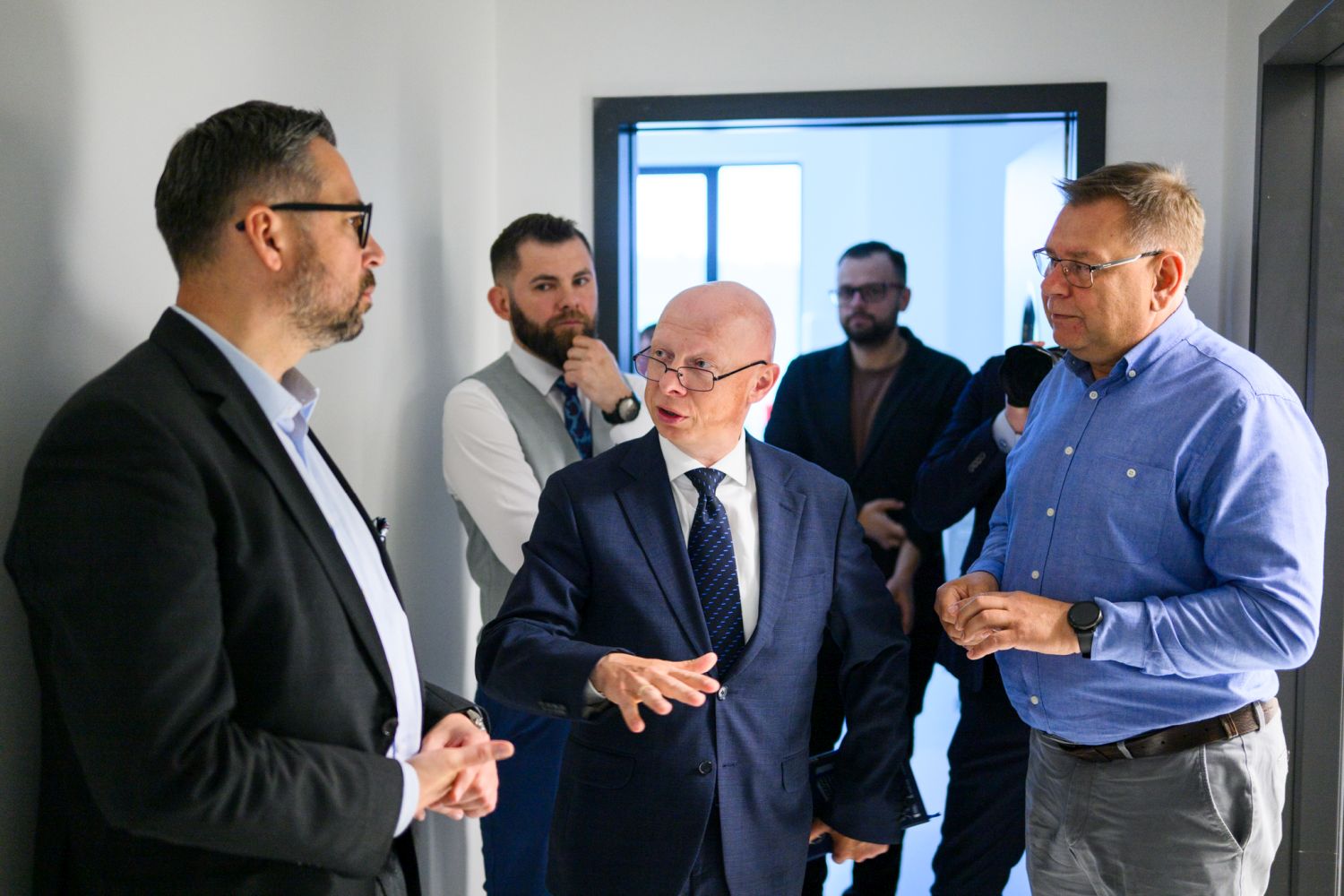
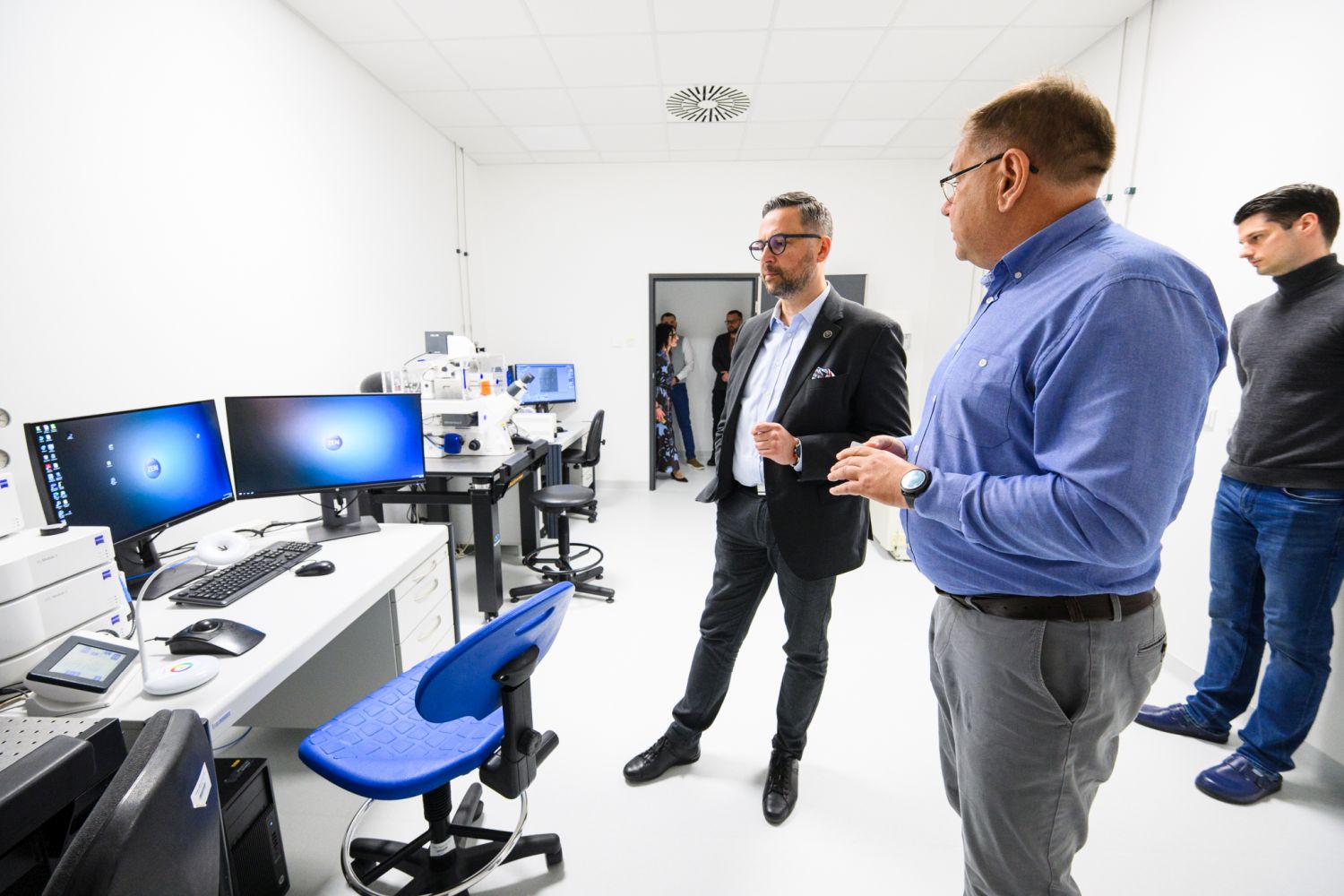
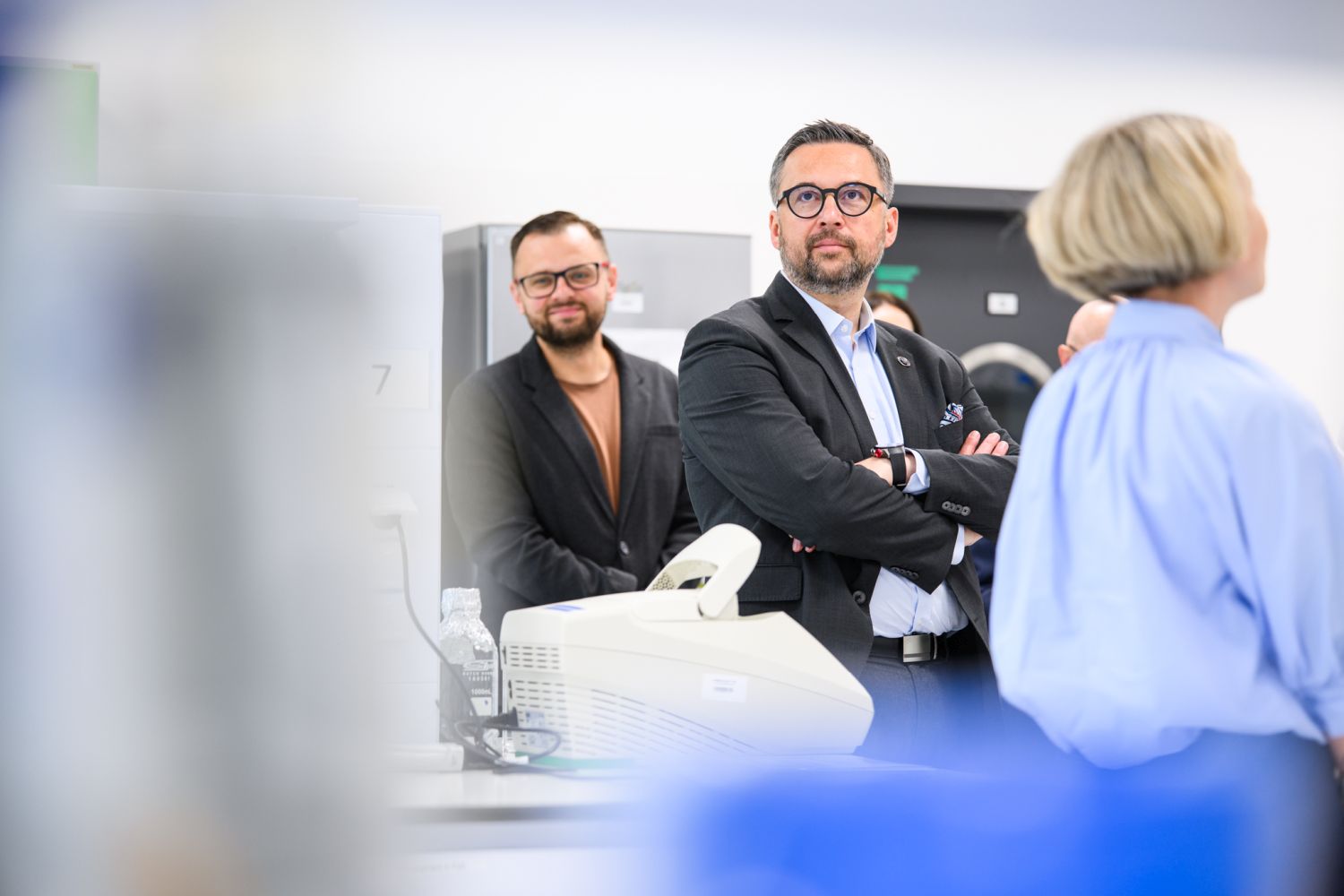
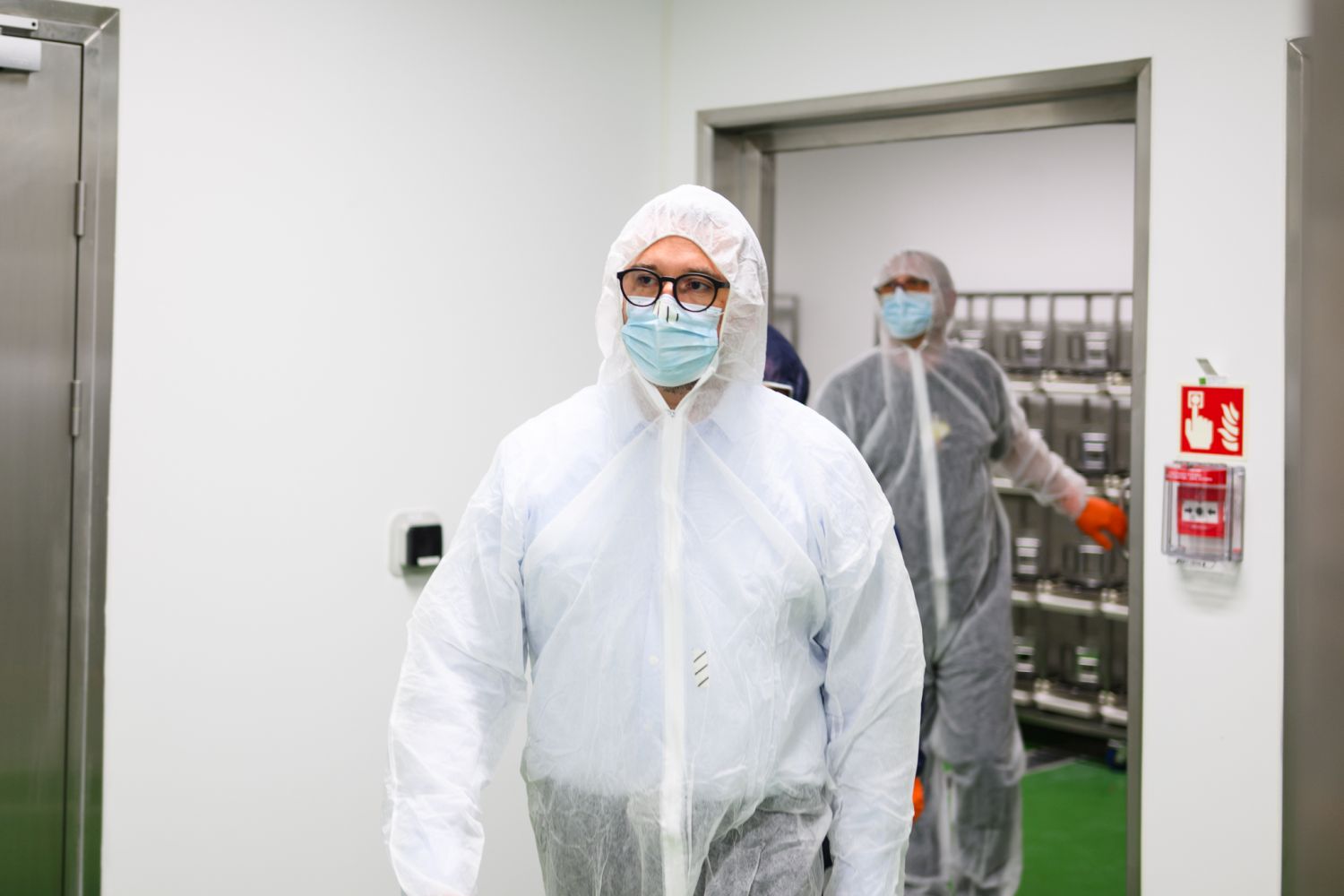
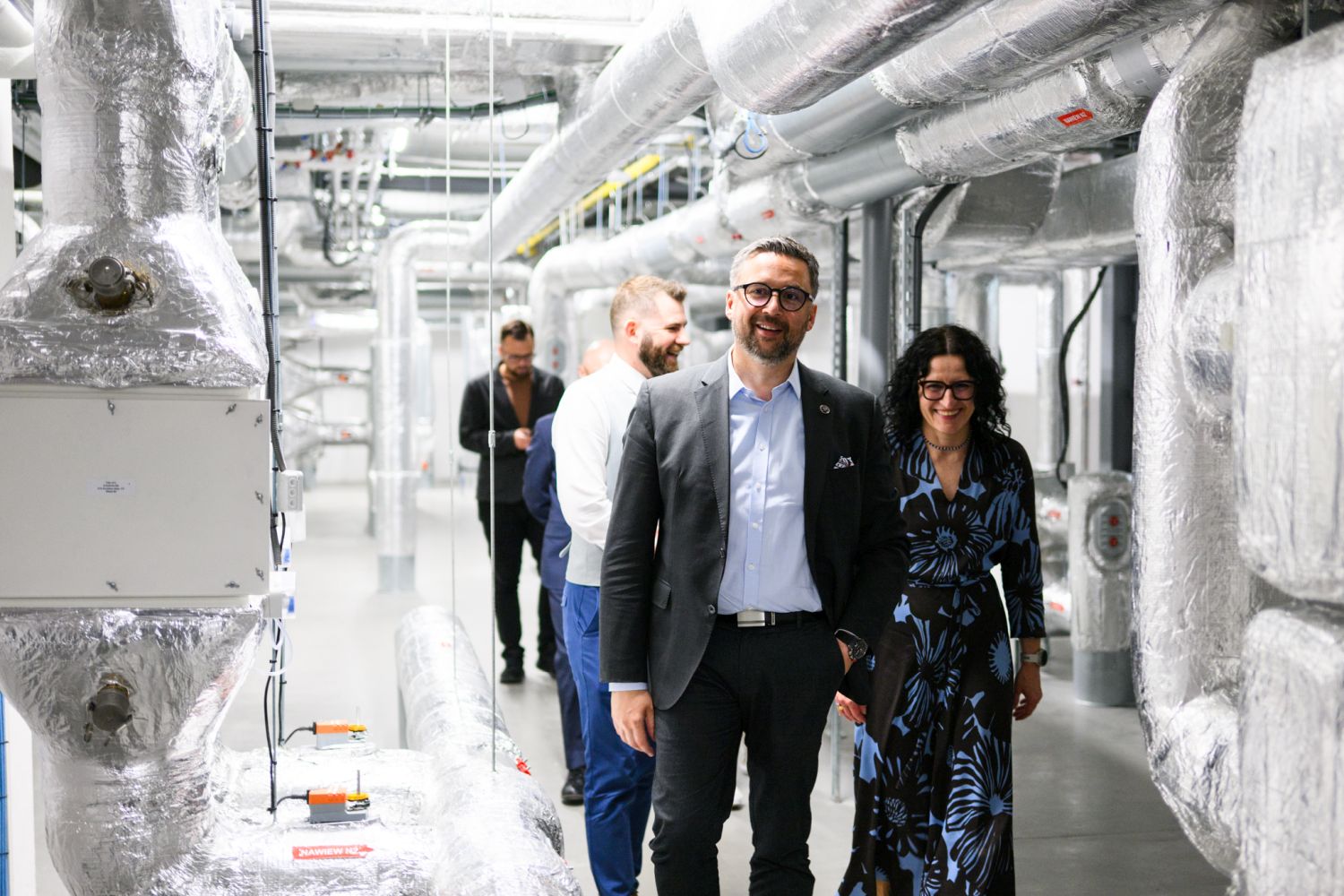
Following the meeting with staff, the Minister visited the laboratories and toured InLife’s modern research infrastructure. Researchers presented the opportunities created by the latest investments in scientific equipment, as well as the Institute’s potential to conduct research at the highest international level.

Read more