Science and Art Days with InLife Researchers
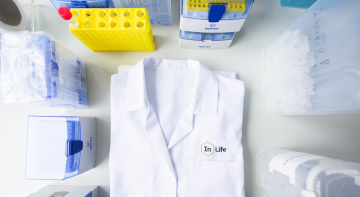
The future microcosm, elixirs of youth and giving packaging a second life – these were the topics explored during workshops led by InLife researchers as part of the 24th Olsztyn Science and Art Days, held under the theme “Future 2.0: People, Technology, Nature.”
The event, organized by the Kortosfera Center for Science and Innovation Popularization, offered an opportunity to discover science from a practical perspective.
This was another collaboration between the InLife Institute and Kortosfera, united by a shared goal: promoting science and making it accessible to audiences in an engaging and easy-to-understand way.
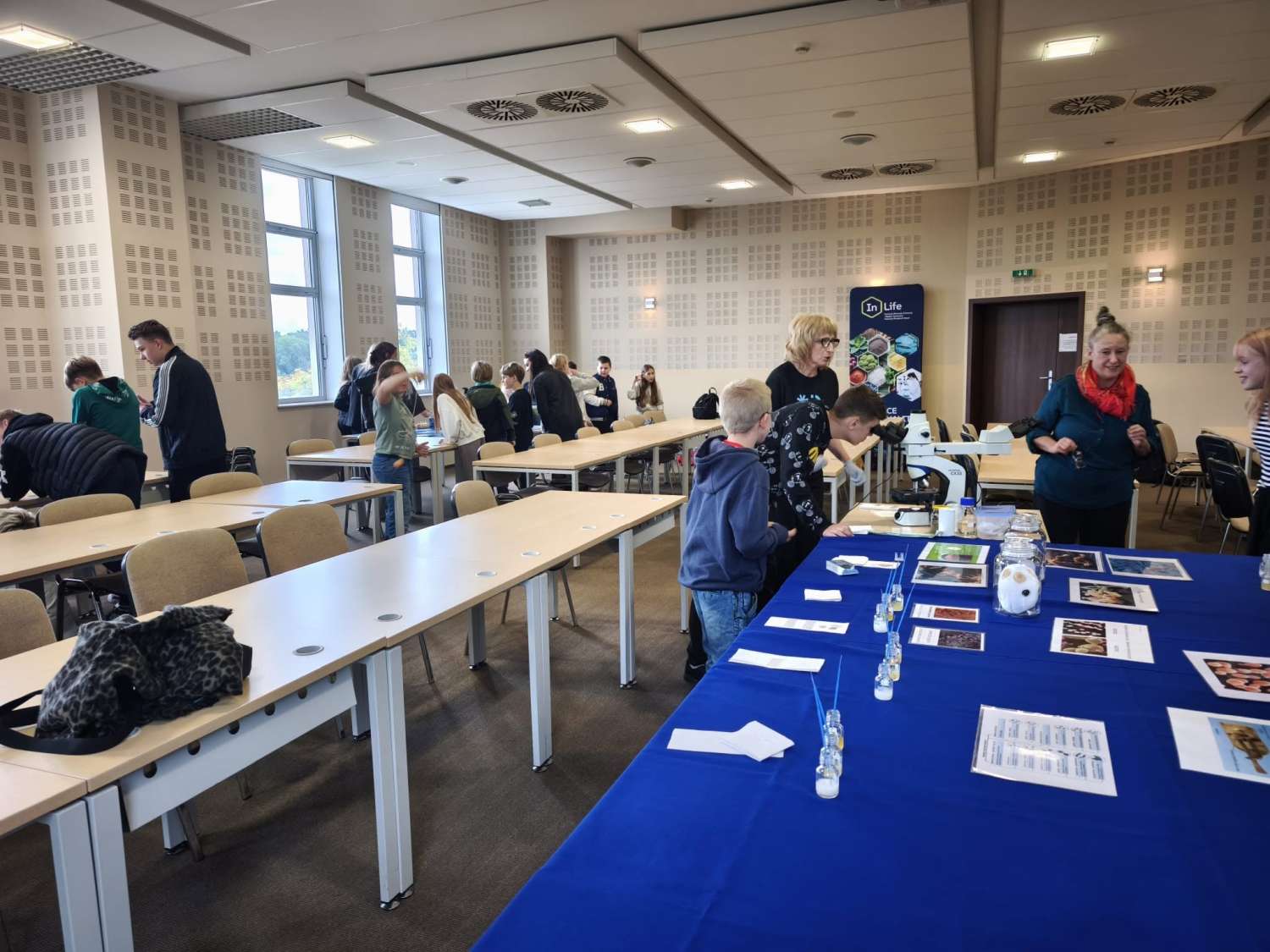
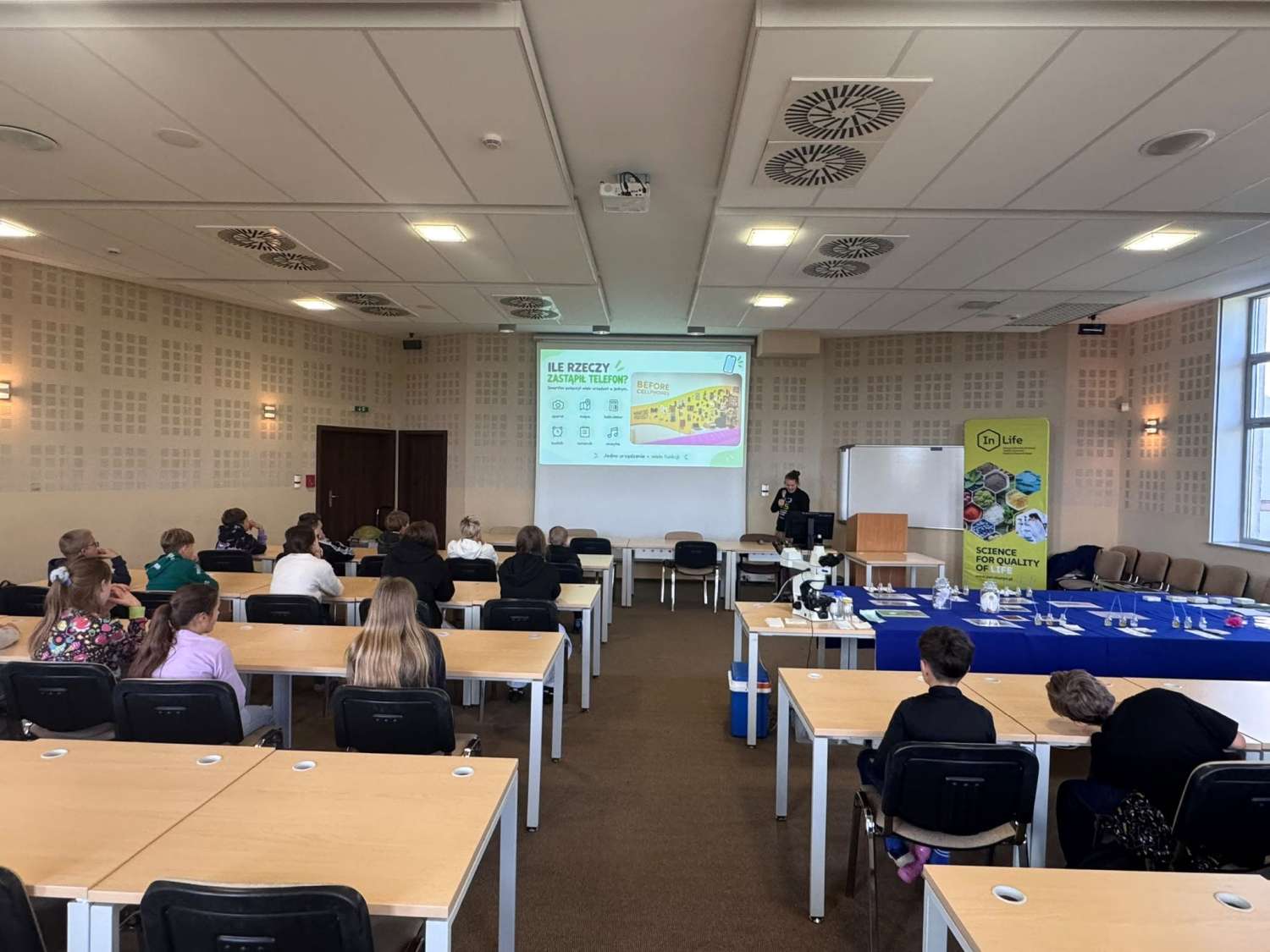
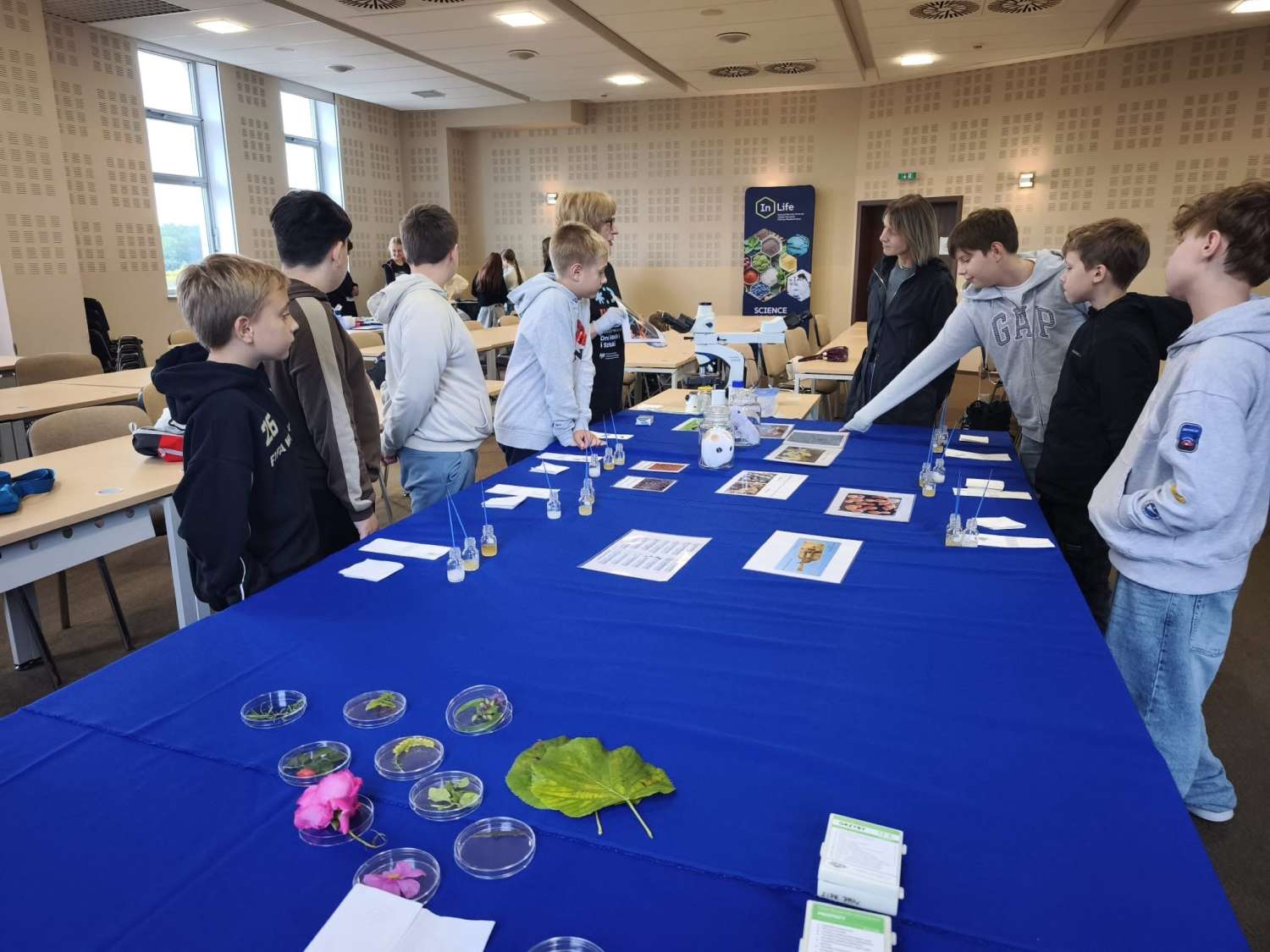
During the InLife workshops, participants were first introduced to the basics and interesting facts related to the topics presented, before moving on to hands-on experiments and practical activities. The workshops were attended by students from primary and secondary schools.
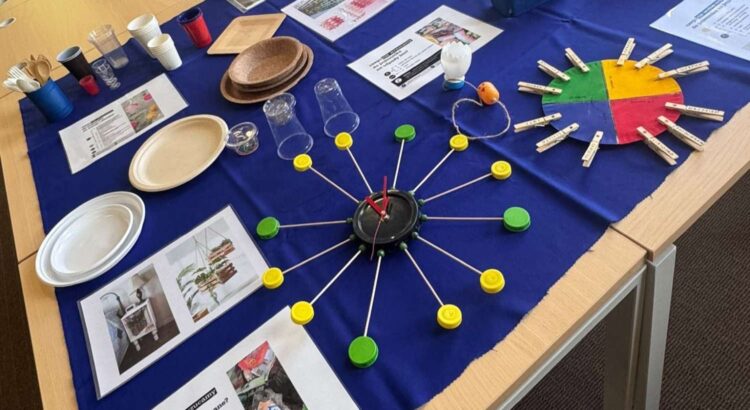
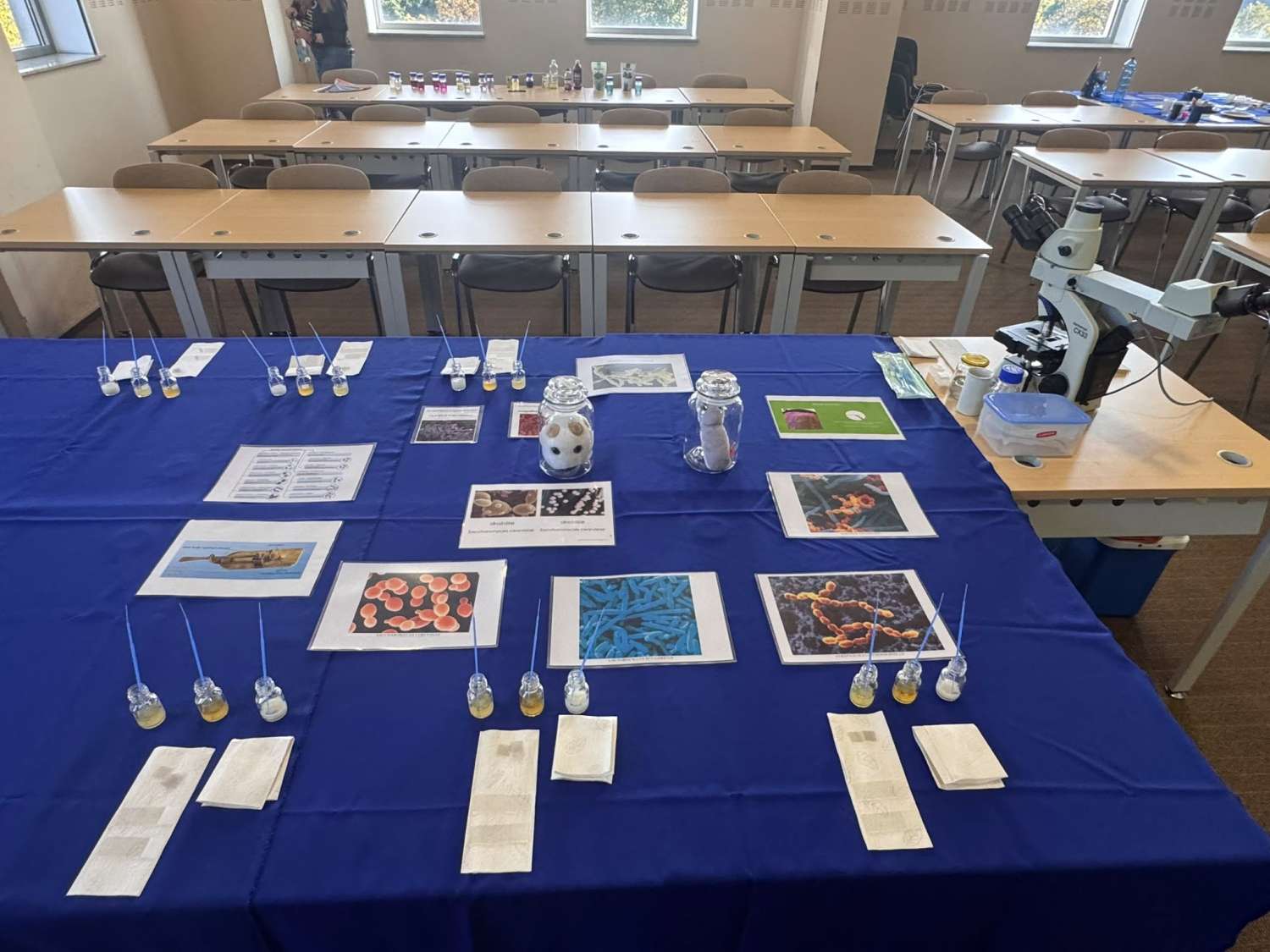
The students explored the world of microorganisms used, among other things, in food production, environmental remediation and biofuel production. They prepared their own samples containing algae and other microorganisms and observed them under microscopes, including smartphone-based microscopes. During workshops devoted to natural “elixirs of youth,” they investigated the properties of extracts made from herbs, fruits and vegetables, including fermented products, and explored their potential antioxidant properties. Recycling was another important topic: participants learned how to identify packaging symbols, use apps that help assess the recyclability of packaging, and design their own objects using recovered materials.
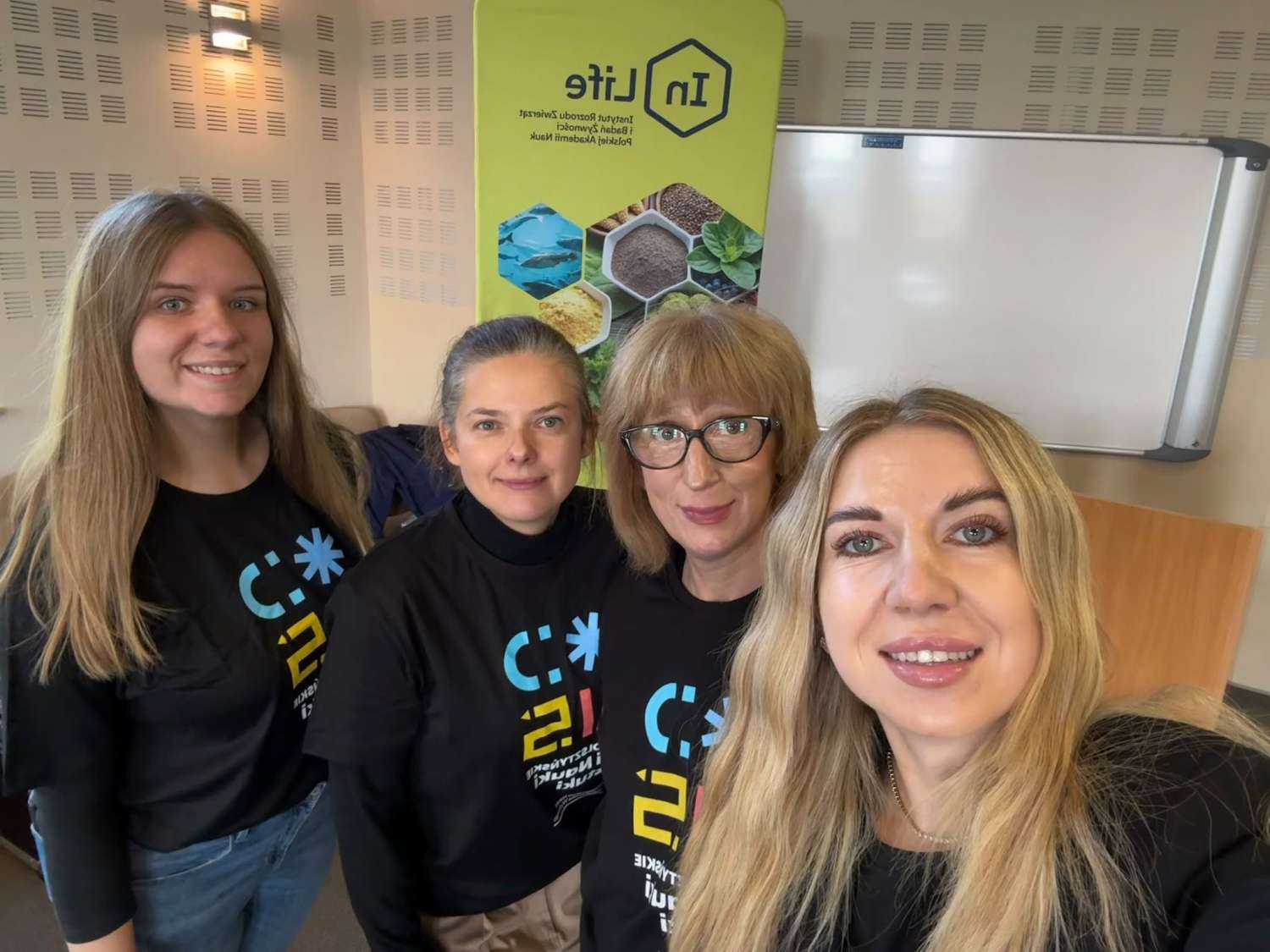
The workshops were led by Anna Ogrodowczyk from the Food Immunology and Microbiology Team, Marzena Lenkiewicz and Martyna Błaszczuk from the Microbiology and Virology Laboratory, and Joanna Browarek from the Sensory Laboratory.
For the InLife team, participation in the 24th Olsztyn Science and Art Days was an opportunity to promote science and share knowledge with young participants. The workshops demonstrated that science can be not only a source of knowledge, but also an engaging, hands-on experience closely connected to everyday life.
In Your Own Skin – the final educational meeting of the Welcome2 project
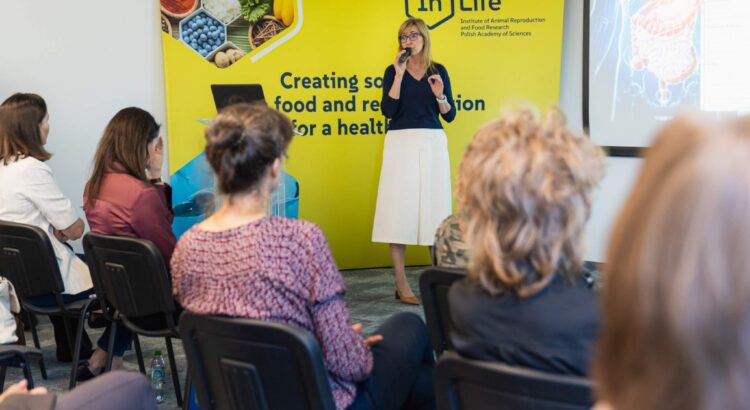
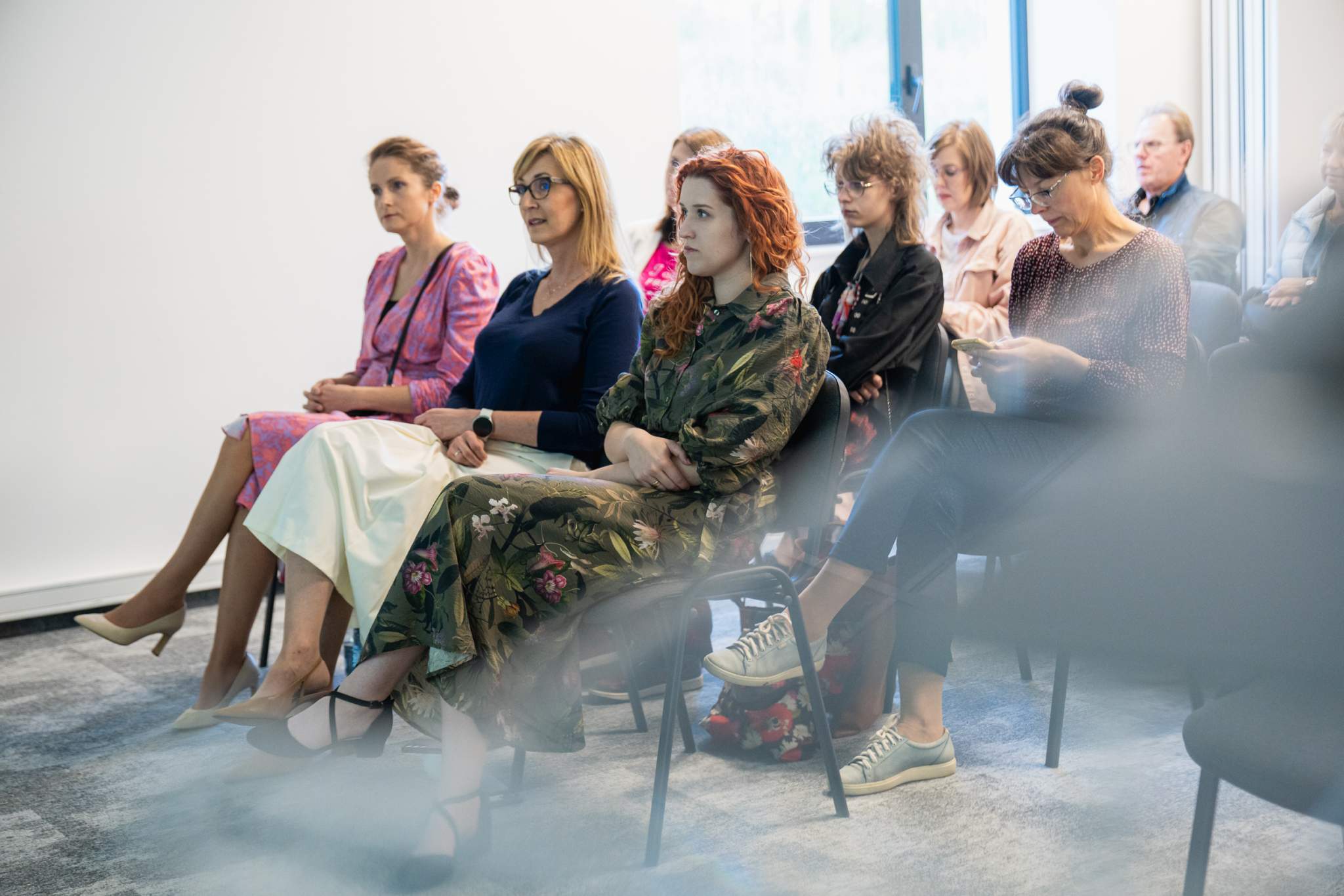
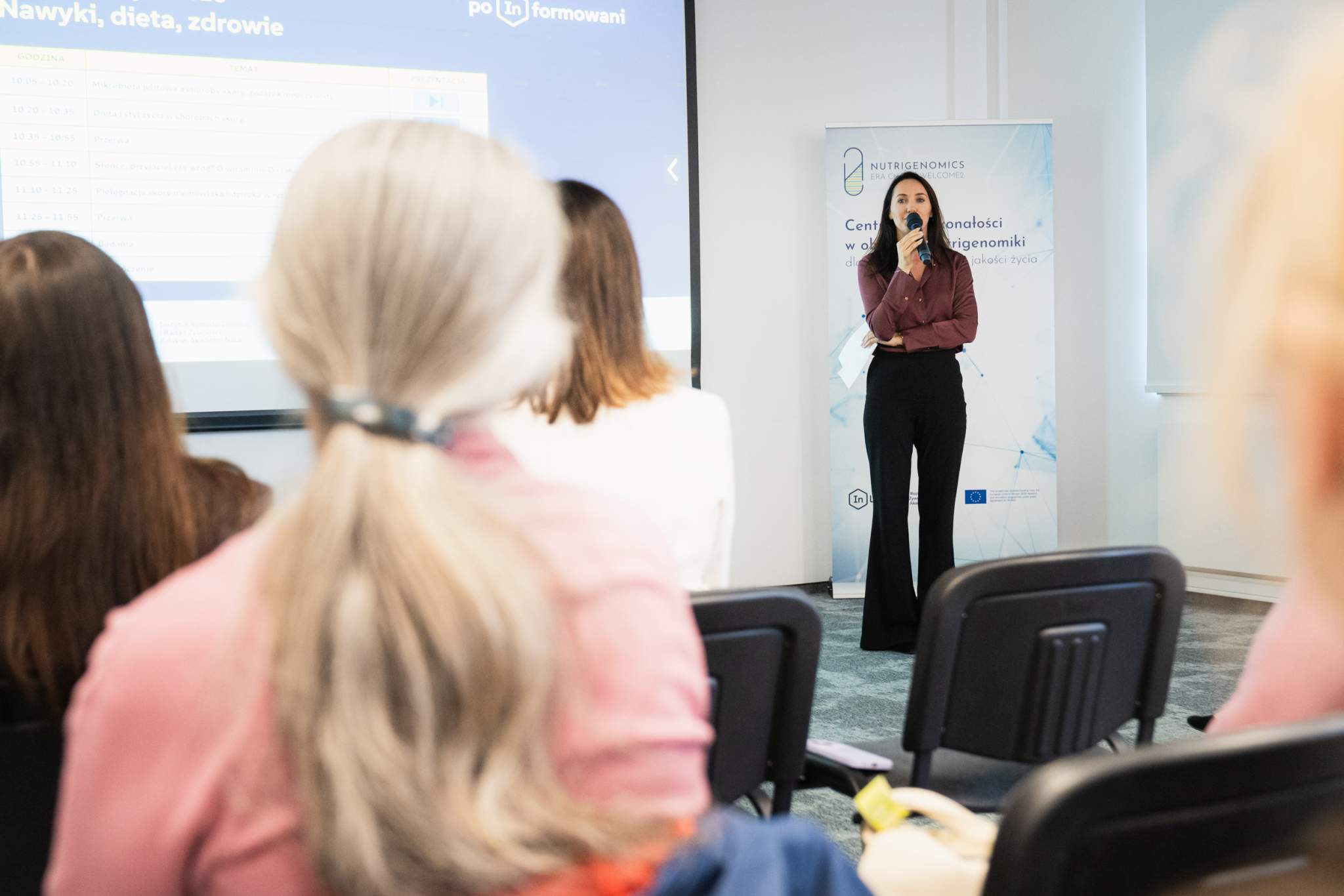
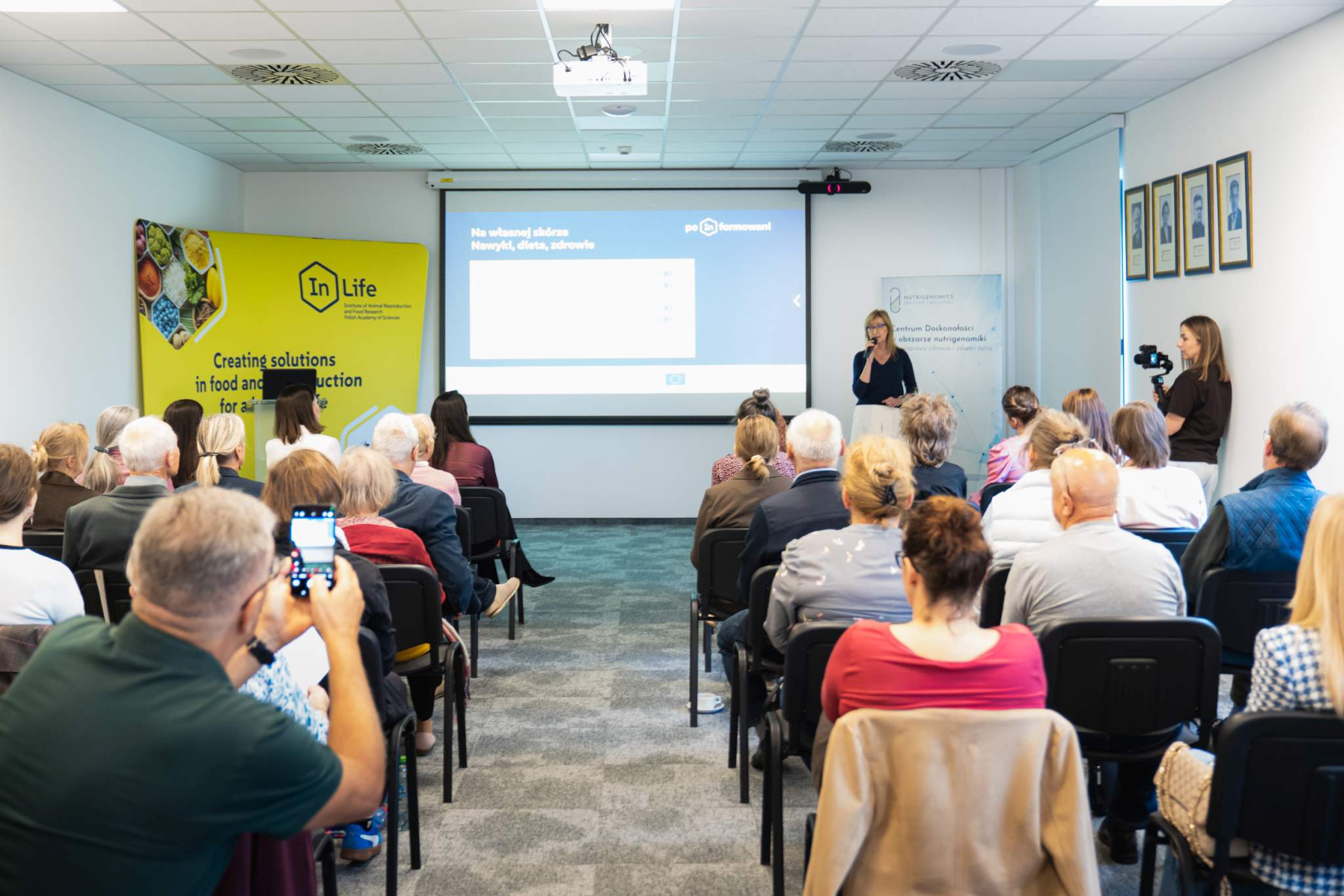
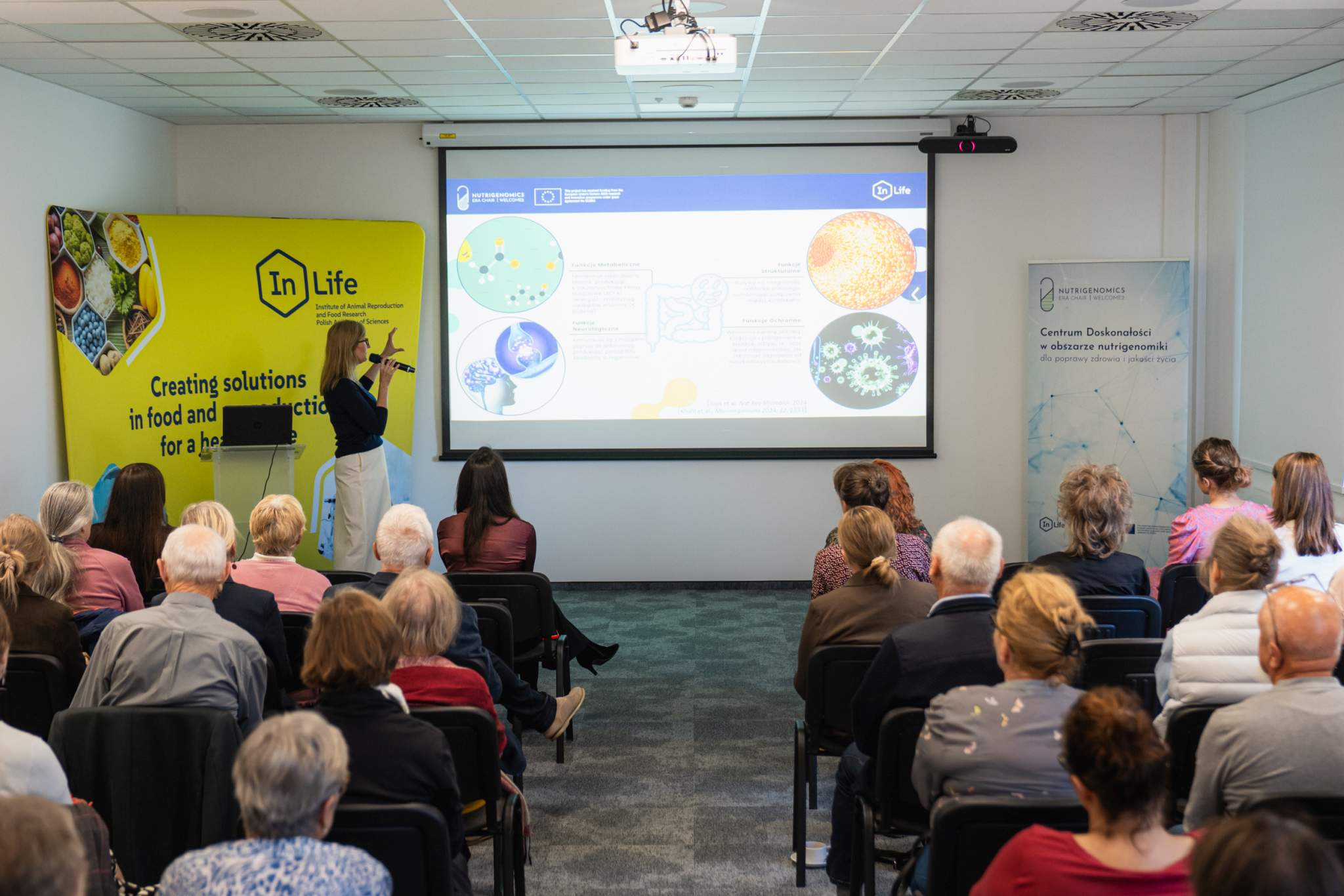
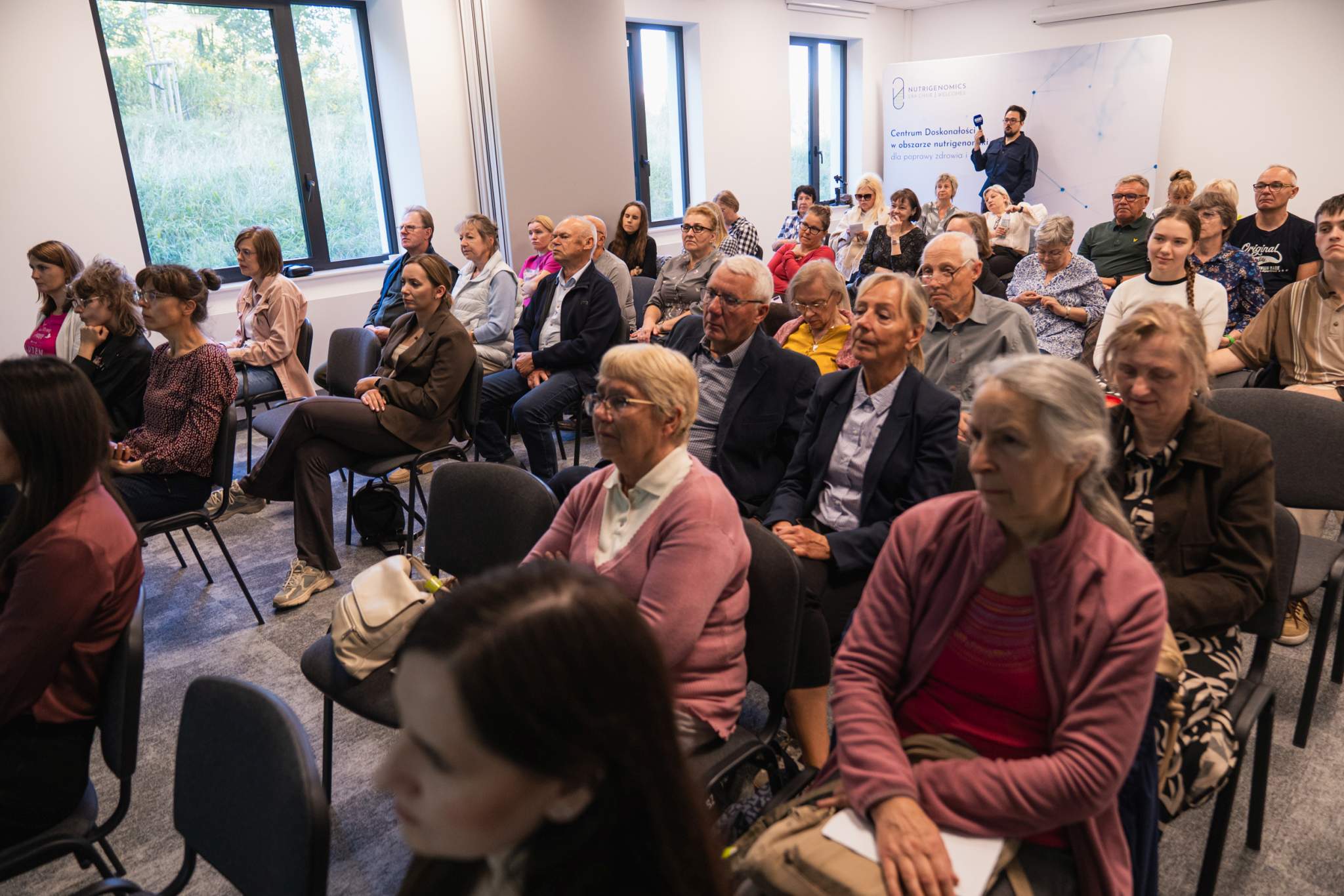
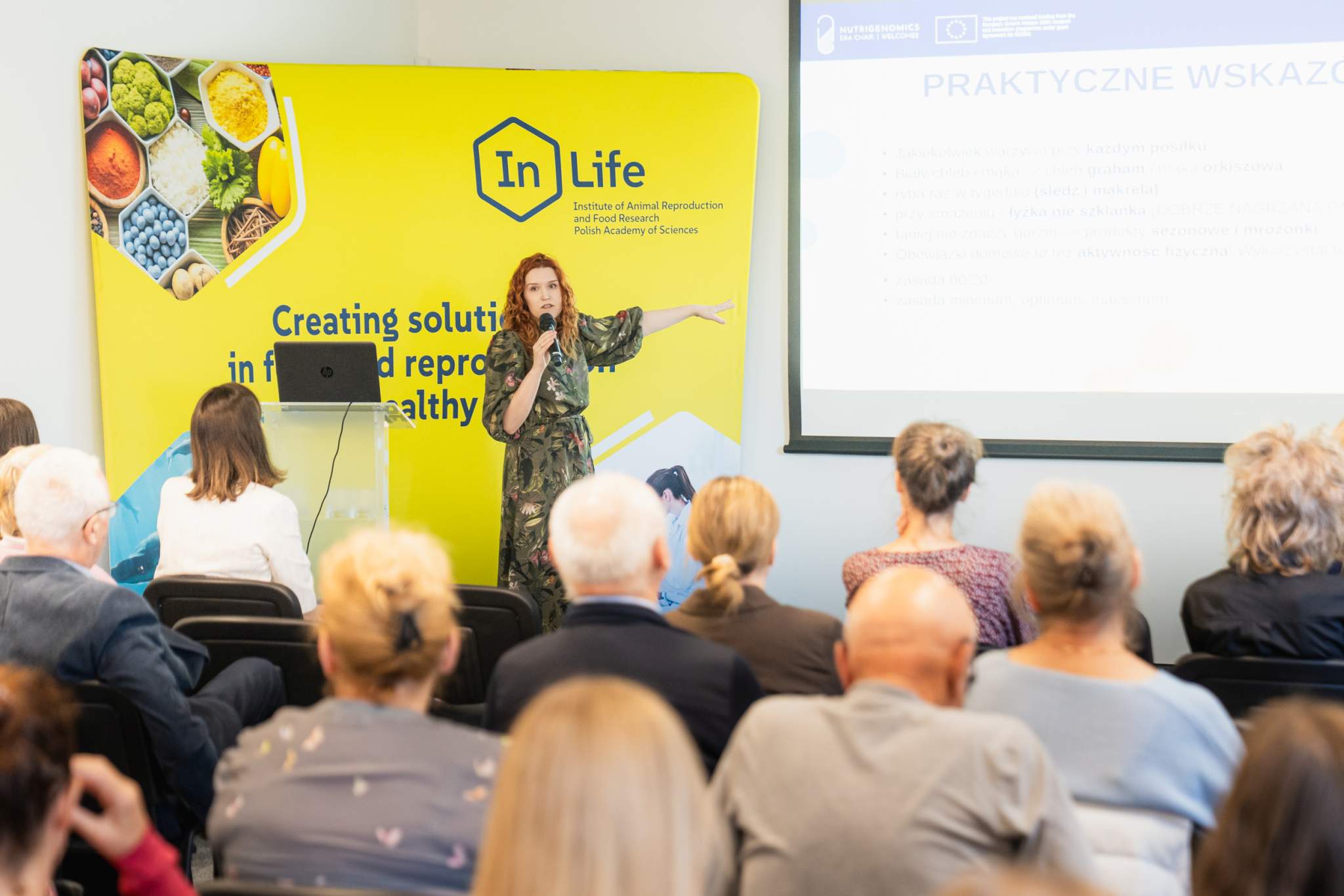
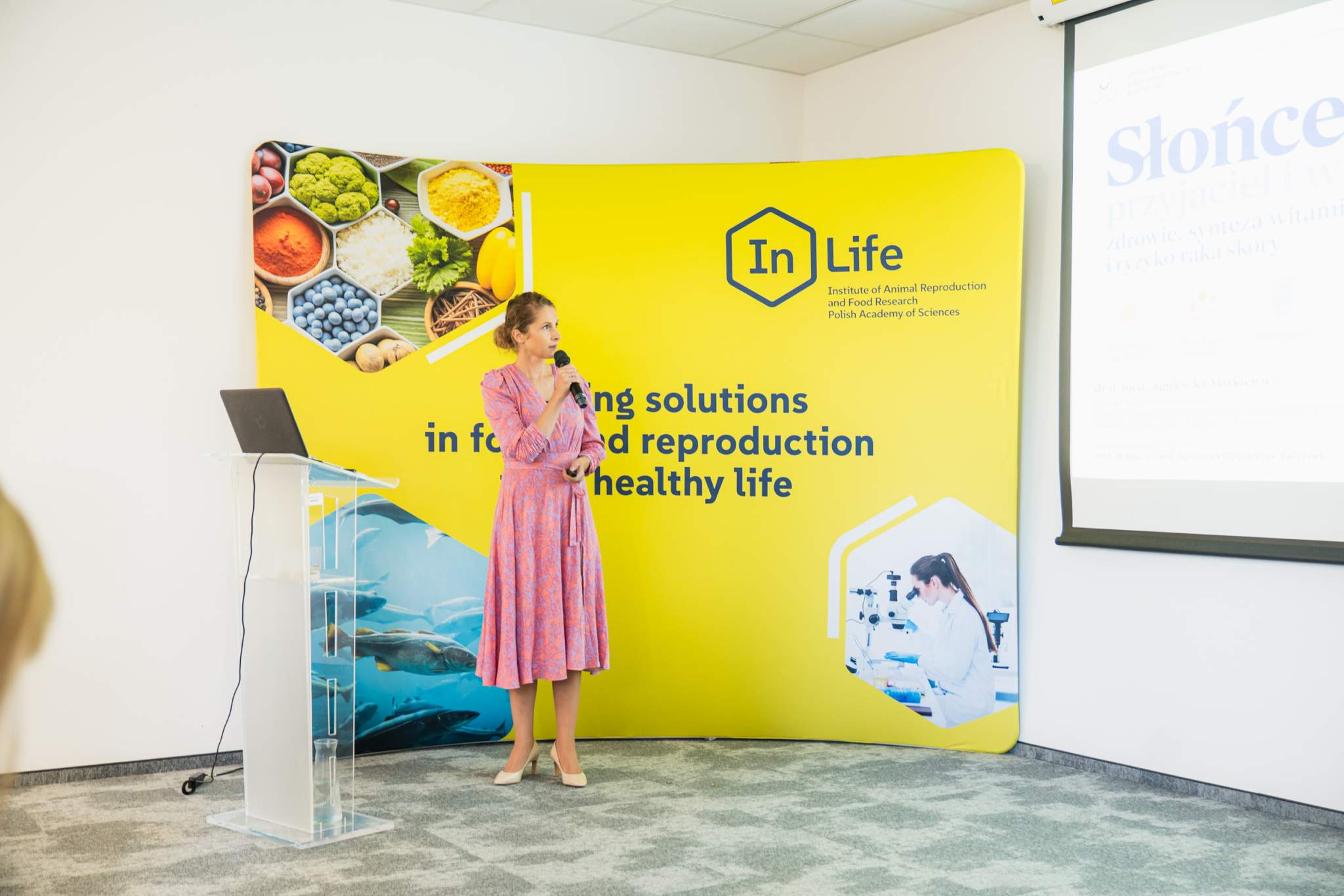
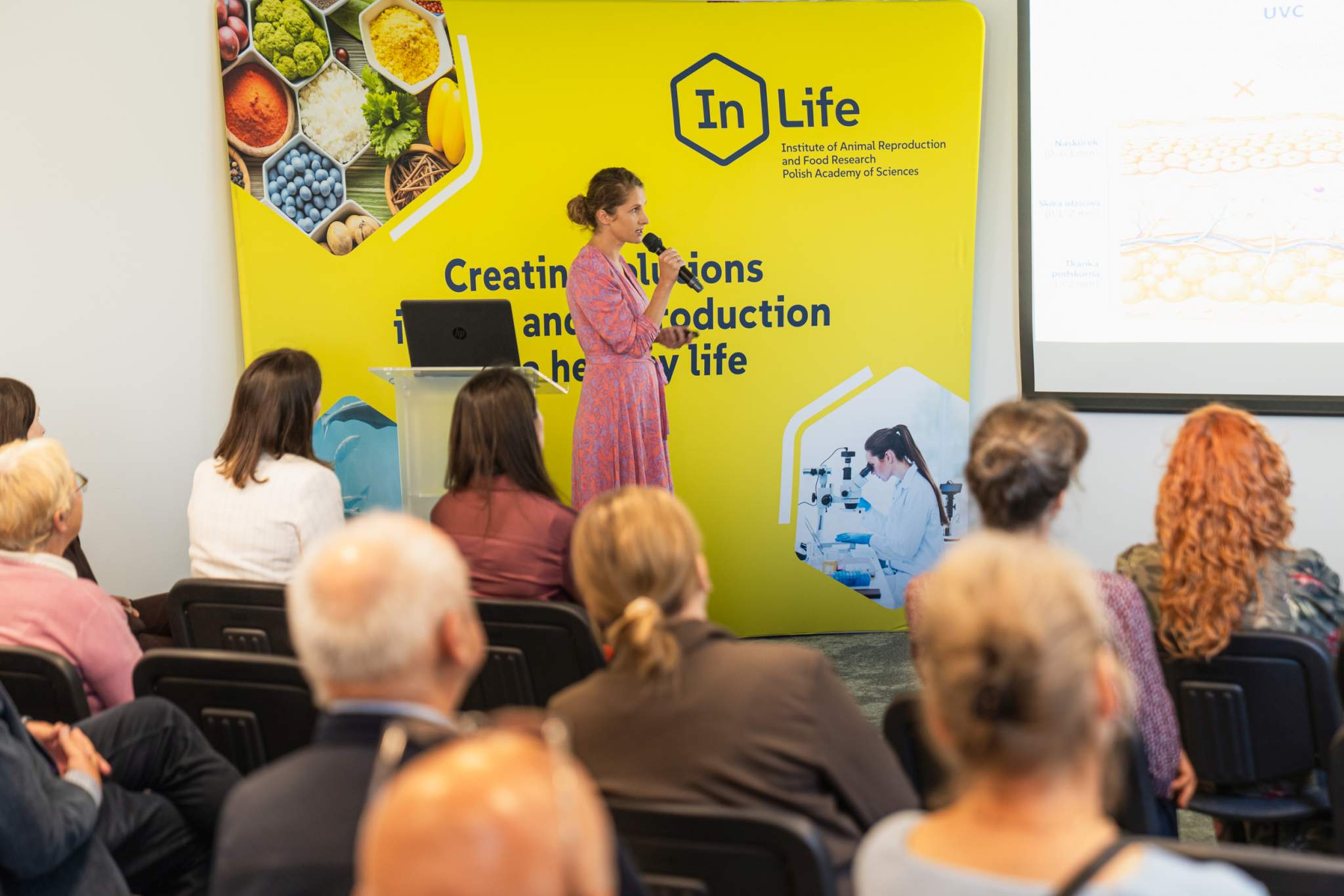
On Saturday, 19 September, the eighth and final educational meeting held as part of the Welcome2 project took place. The meeting, entitled “In Your Own Skin. Habits, Diet, Health”, brought together a full house of participants and provided an opportunity to gain practical knowledge about skin health, diet and prevention.
The programme included four lectures. Scientists and doctors talked about what affects the health of our skin – from the gut microbiota, through diet and everyday lifestyle, to proper skincare and sun protection. Participants could also take advantage of free dermoscopic examinations and body composition analysis.
During the meeting, Dr hab. Urszula Krupa-Kozak, from the InLife Institute, talked about the relationship between gut microbiota and skin diseases. Participants learned how diet, lifestyle and other factors affect the microbiota and the so-called gut–skin axis.
Karolina Bieglecka, MSc, PhD student at the InLife Institute, spoke about an anti-inflammatory diet and everyday habits that support health. The presentation included practical tips on composing meals, physical activity and simple changes that can be introduced into everyday life.
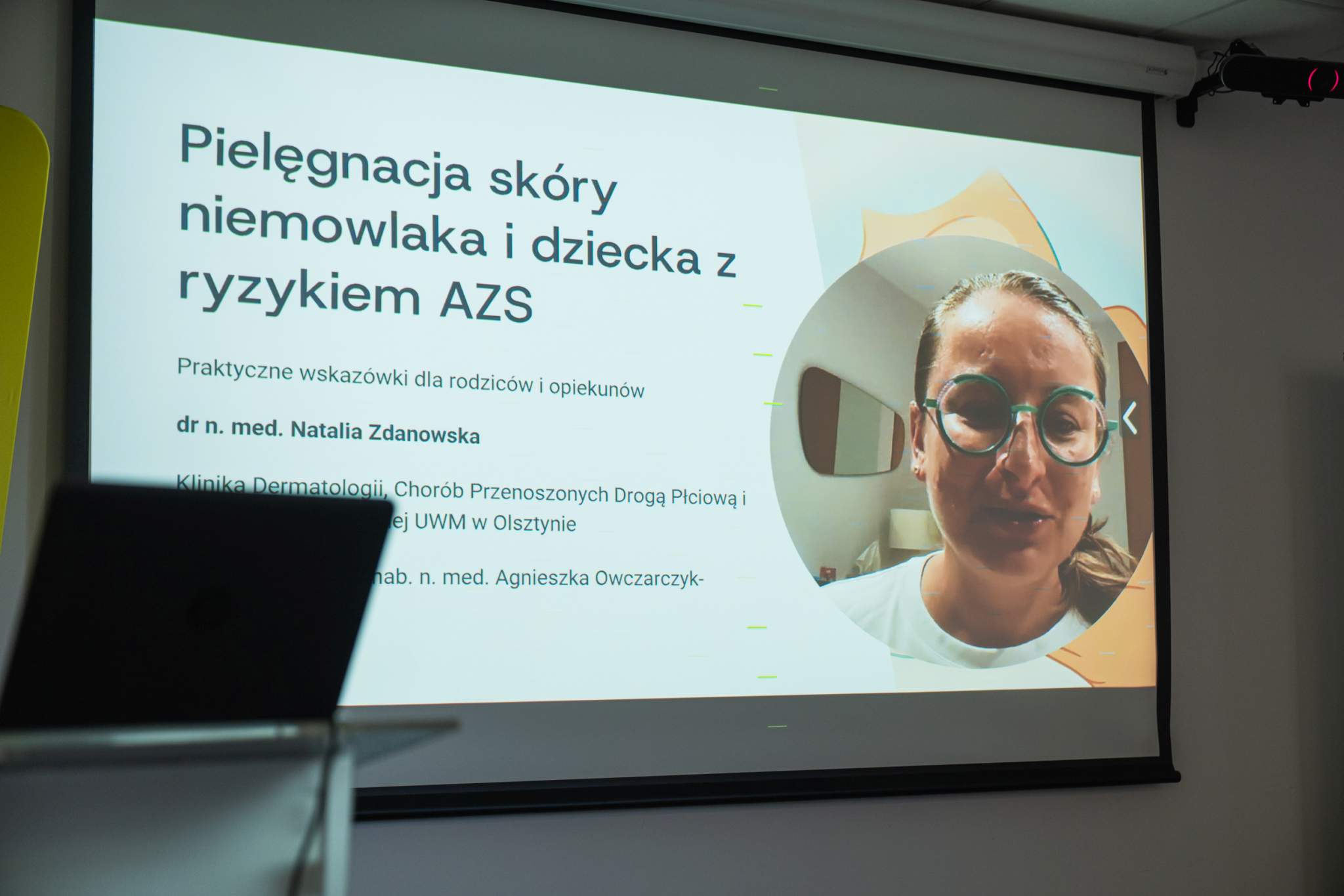
Dr Natalia Zdanowska, MD, PhD, from the Faculty of Medicine at the University of Warmia and Mazury, presented the key principles of skincare for infants and children, particularly those at risk of atopic dermatitis. In turn, Dr Agnieszka Markiewicz, MD, PhD, from the Faculty of Medicine at the University of Warmia and Mazury, spoke about UV radiation, sun protection, vitamin D and the prevention of skin cancer.
An important part of the meeting was also the opportunity to take advantage of free dermoscopic examinations and body composition analysis. The dermoscopic examinations were carried out by Maja Kleniewska, MD, while the body composition analysis was conducted by Dr hab. Urszula Krupa-Kozak and Karolina Bieglecka, MSc.
We would like to thank all the speakers who, during the successive editions, shared their knowledge, experience and commitment, as well as all the participants for their presence, interest and active involvement in our meetings.
The meeting was organised as part of the ERA Chair WELCOME2 project: “Establishment of a Centre of Excellence in the field of nutrigenomics to improve health and quality of life.”

Genes, Diet and Longevity. Olsztyn at the centre of international debate on healthy ageing
What determines how healthily we age? Why can the same diet affect different people in completely different ways? And could the health of future generations be influenced by a mother’s health even before a child is born? Researchers from more than a dozen countries addressed these questions during the international conference “Nutrigenomics for Lifelong Health”, held in Olsztyn.
From 2 to 4 September, scientists working in the fields of nutrigenomics, nutrition, metabolism and ageing presented the latest research findings on the impact of food and lifestyle on health and the ageing process.
“The conference focuses on one of the most exciting challenges in contemporary life sciences: understanding how nutrition interacts with our biology throughout the entire lifespan,” emphasised Prof. Mariusz Piskuła, Coordinator of the Welcome2 project.
For the InLife Institute of Animal Reproduction and Food Research of the Polish Academy of Sciences, the conference was not only an opportunity to present the latest research and exchange expertise, but also an important step towards strengthening the Institute’s international scientific position.
“The EU-funded Welcome2 project, Centre of Excellence in Nutrigenomics for Improved Health and Quality of Life, under which the conference was organised, is an important element in building and further developing scientific excellence at our Institute,” said Prof. Monika Kaczmarek, Director of the InLife Institute.
Diet, Health and Stress
Nutrigenomics investigates the relationships between nutrition, genes, metabolism and processes taking place in the body. Researchers seek to combine this knowledge with lifestyle factors and immune system function in order to better understand individual needs, predict disease risks at an earlier stage and, in the future, develop more personalised prevention strategies.
Nutrition affects much more than body weight and metabolism. Prof. Louise Dye from the University of Sheffield discussed the impact of diet on mental health and cognitive function, as well as the links between nutrition and stress.
Researchers are therefore increasingly examining diet as part of a broader lifestyle, seeking to better understand how nutrition and stress influence processes taking place in the body.
Health Begins Before Birth
Research presented in Olsztyn also demonstrated that environmental influences on health can extend back to the period before birth.
Dr Karolina Wołodko from the InLife Institute presented research on the effects of maternal obesity on very early embryonic development and its potential consequences for future offspring. This research contributes to the study of developmental programming, helping scientists better understand how environmental factors during the earliest stages of life may influence health later in life.
Prof. Lars-Oliver Klotz from Friedrich Schiller University Jena discussed the role of copper and selenium in processes related to the cellular stress response and ageing. His research highlights the complex relationships between nutrients, stress and the mechanisms of cellular ageing.
From Genes to Personalised Prevention
The conference demonstrated that nutrigenomics is now bringing together a wide range of disciplines – from molecular biology and genetics to data analysis, computational modelling and digital health technologies.
The development of personalised nutrition and new data-analysis methods may help researchers better predict how individual organisms respond to specific nutritional factors and develop more tailored prevention strategies.
Scientists from countries including Denmark, Norway, Switzerland, the Netherlands, Germany, the United Kingdom, France, Italy, Israel, Mexico and Poland travelled to Olsztyn to take part in the conference.
The event also provided an opportunity for early-career researchers to present their findings, exchange experiences and establish new scientific collaborations. The “Nutrigenomics for Lifelong Health” conference was organised by the InLife Institute of Animal Reproduction and Food Research of the Polish Academy of Sciences as part of the Welcome2 ERA Chair project, which aims to strengthen scientific excellence and international research collaboration in the fields of nutrition, health and ageing.


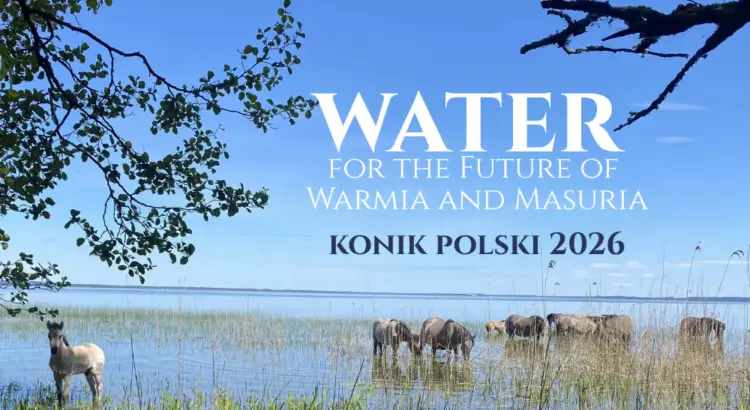
Water for the Future of Warmia and Masuria. Konik Polski 2026 in Popielno and Wierzba
InLife Institute of Animal Reproduction and Food Research of the Polish Academy of Sciences and the Chancellery of the Polish Academy of Sciences invite you to the event “Water for the Future of Warmia and Masuria. Konik Polski 2026”, which will take place on 4–5 September 2026 in Popielno and Wierzba.
This year’s edition will combine the traditional meeting of the Konik Polski breeders’ community with a debate on one of the key challenges for the future of the region — water resources in Warmia and Masuria.
For two days, Popielno and Wierzba will become a meeting place for breeders, scientists, experts, representatives of institutions, and people interested in nature conservation, conservation breeding and regional development.
The Konik Polski has long been an important part of the activity of the Research Station in Popielno. This year’s event will show not only the importance of this native horse breed, but also the broader context of its breeding — connected with the landscape, ecosystems, responsible management of natural resources, and the role of water as a foundation for a stable future for nature, agriculture and local communities.
On the first day, 4 September, the programme at the Research Station in Popielno will include a welcome meeting for breeders, a field riding and driving performance test for Konik Polski horses, as well as the entry of young stallions and mares into the Stud Book of the Konik Polski Horse Breed and the verification of mares over 5 years of age.
On the same day, at the Creative Work Centre of the Polish Academy of Sciences in Wierzba, a session devoted to the future of water resources in Warmia and Masuria will take place. The programme will include lectures, a discussion and an expert debate entitled “Water as a foundation for the resilience of ecosystems, conservation breeding and regional development”.
On the second day, 5 September, the event will continue at the Research Station in Popielno. The programme will include a presentation of Konik Polski breeding stallions, the National Championship of Konik Polski Foals with their Dams and lectures for breeders.
Event programme
4 September 2026 | Popielno
Research Station in Popielno, Popielno 25,
12-220 Ruciane-Nida
09:00–13:00 – welcome meeting for breeders; field riding and driving performance test for Konik Polski horses
13:00–15:00 – entry of young stallions and mares into the Stud Book of the Konik Polski Horse Breed and verification of mares over 5 years of age
4 September 2026 | Wierzba
Creative Work Centre of the Polish Academy of Sciences in Wierzba, Wierzba 7,
12-220 Ruciane-Nida
14:00–15:00 – welcome lunch
15:00–15:15 – official opening of the event
15:15–16:15 – lectures and discussion
16:15–18:00 – expert debate “Water as a foundation for the resilience of ecosystems, conservation breeding and regional development”
5 September 2026 | Popielno
Research Station in Popielno, Popielno 25,
12-220 Ruciane-Nida
09:00–09:30 – presentation of Konik Polski breeding stallions
09:30–12:30 – National Championship of Konik Polski Foals with their Dams
12:30–13:30 – lectures for breeders
13:30–14:30 – refreshments
InLife on the Polish Research Infrastructure Map
The research infrastructure submitted by InLife Institute of Animal Reproduction and Food Research of the Polish Academy of Sciences was listed on the Polish Research Infrastructure Map (PMIB). This is a confirmation of our strategic importance for the development of Polish science and innovation, and at the same time new opportunities for further expansion of the Institute’s research facilities.
As emphasized by Prof. Wiesław Wiczkowski – Deputy Director for Scientific Affairs of InLife: „Inclusion on the Polish Research Infrastructure Map is an important distinction for us and at the same time a confirmation that the direction of development of our infrastructure corresponds to the current needs of science. It is also an impulse to further strengthen the research potential of the Institute and develop cooperation with domestic and foreign partners.”
In this year’s call to the Ministry of Science and Higher Education, 192 applications were submitted to list infrastructure on the PMIB. After formal evaluation, 183 of them were forwarded to the merit-based evaluation stage. Ultimately, the Advisory Team for the Polish Research Infrastructure Map recommended to the Minister the 104 highest-rated infrastructures, including the infrastructure submitted by our Institute.
Each application was evaluated by the Advisory Team and two external experts, including one from abroad. Taken into account were, among others, the uniqueness of the infrastructure on a national and international scale, the scientific and personnel potential of the applicant, interest from the scientific community and entrepreneurs, possibilities for international cooperation, and the justification of planned costs.
Strategic infrastructure for science and innovation
The Polish Research Infrastructure Map indicates infrastructures of particular importance for the development of scientific research, technology, and innovation in Poland. The updated Map currently includes 165 infrastructures: 104 listed as a result of the latest call and 61 left on it after a review conducted in 2024–2025.
For InLife, inclusion on the PMIB has not only a prestigious significance. It can open the way to dedicated funding programs for the development and modernization of research infrastructure, including investments in new equipment and technologies.
Presence on the Map also strengthens the Institute’s position when creating national and international consortia, developing cooperation with scientific units and enterprises, and making infrastructure more widely available to external partners.
This is an important step in further building InLife’s research potential and creating facilities enabling the implementation of ambitious scientific projects and cooperation with partners in Poland and abroad.
Scientists from Lithuania Visit the Popielno Research Station
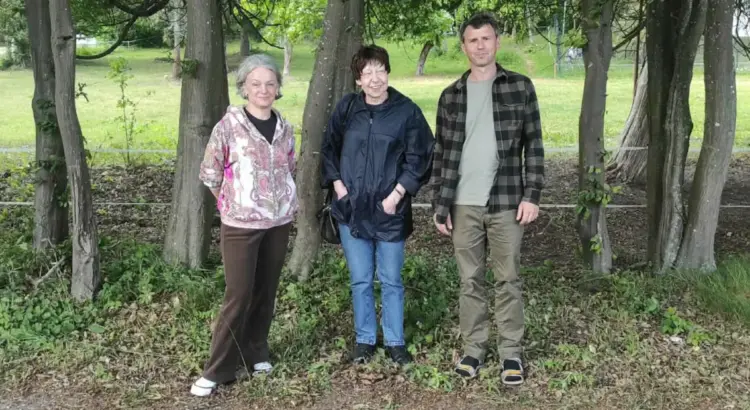
Dr Olgirda Belova and Dr Povilas Zemaitis from the Institute of Forestry, Lithuanian Research Centre for Agriculture and Forestry in Kaunas, visited the InLife Research Station in Popielno. The visit provided an opportunity to learn more about the scientific and research activities of the Institute and the Popielno Research Station, as well as to discuss opportunities for further cooperation.
The meeting took place on 22–24 July 2026 as part of a personnel exchange project between the Polish Academy of Sciences and the Lithuanian Academy of Sciences entitled “Ecological and Behavioural Factors in the Sustainable Management of Cervidae.”
During their stay, the guests learned about the specific research activities carried out at the Institute and the Popielno Research Station, with particular emphasis on the research infrastructure of the Biodiversity Conservation Team. They also visited the Experimental Forest, where they learned about the forest ecosystem that provides a habitat for Polish Horses.
An important part of the visit focused on discussing opportunities for research cooperation. The participants discussed, among other things, the preparation of a joint research project, the scope of the planned studies, and methods for collecting and preserving research material.

InLife Institute Achieves Double Highest A+ Category
The InLife Institute of Animal Reproduction and Food Research of the Polish Academy of Sciences has been awarded the highest scientific category, A+, in both evaluated disciplines: food technology and nutrition as well as animal science and fisheries. The results of the evaluation of scientific activity quality for the years 2022–2025 were published by the Ministry of Science and Higher Education.
The Institute maintained its A+ category in the discipline of food technology and nutrition, while also securing an A+ category in animal science and fisheries in the current evaluation. This means that the InLife Institute received the highest possible rating across all scientific disciplines it conducts.
The Science Evaluation Committee assessed 1,241 scientific disciplines across 281 institutions. The prestigious A+ category was granted to only 106 of the evaluated disciplines. The InLife Institute is the only scientific institution in the Warmian-Masurian Voivodeship to achieve the A+ category—and did so in both evaluated fields.
Nationwide, only three scientific institutions received the A+ category in food technology and nutrition, including the InLife Institute. Similarly, just three centers achieved the A+ rank in animal science and fisheries, with the Olsztyn-based Institute among them.
– Securing two A+ categories confirms the top-tier quality of the research conducted at our Institute and its significance for the advancement of science and the economy. This is a collective achievement of our entire team—researchers, PhD students, technical, administrative, and support staff. Together, we create an Institute where research results translate into innovative solutions in food, health, animal reproduction, and welfare. This result is not only a source of pride for us, but also a commitment to continue delivering high-impact research at the highest level – highlights Prof. Monika M. Kaczmarek, PhD, DSc, Director of the Institute.
What does the A+ category mean?
The evaluation of scientific activity carried out by the Ministry of Science and Higher Education encompasses three key areas:
- Scientific quality, evaluated based on scientific publications and patents;
- Financial effects of research and development, including securing national and international grant funding as well as commercializing research outcomes;
- Social and economic impact of the scientific activity.
Based on the evaluation outcomes, scientific entities are assigned categories ranging from A+, A, B+, B, to C. A scientific category directly influences an institution’s authority to confer academic degrees, run doctoral schools, and determines the level of public core funding.
The awarded category will remain effective for the next 4 years.

Neuroscience and addiction research at the Open Seminar
How do opioids alter brain function, and why are they so highly addictive? These questions were explored by Prof. Andrew Chih-Wei Huang of Fo Guang University (Taiwan) during an Open Seminar, where he discussed the mechanisms underlying opioid addiction and the prospects for developing new therapeutic strategies.
The seminar was organized as part of the Welcome2 ERA Chair project and brought together participants interested in behavioral neuroscience and addiction research.
During the seminar, Professor Huang, a renowned expert in behavioral neuroscience, presented his long-term research on the neural mechanisms underlying opioid use disorder and other psychiatric disorders. He discussed studies employing behavioral models, optogenetics, and molecular approaches, which contribute to a better understanding of the brain processes involved in addiction and support the search for new therapeutic strategies.
The seminar provided an opportunity to learn more about Professor Huang’s scientific achievements and to discuss current challenges in addiction research and the study of brain function. After the seminar, our guest visited the Institute’s research laboratories and its modern animal facility. The visit also provided an opportunity to showcase the Institute’s ongoing research, scientific infrastructure, and overall activities.
Recording of the lecture
Photo Gallery


Open Seminar on Behavioral Neuroscience

Professor Andrew Chih-Wei Huang from Fo Guang University (Taiwan), a leading expert in behavioral neuroscience, will be the guest of the upcoming Open Seminar organized within the WELCOME2 ERA Chair project.
Professor Huang’s research focuses on the neural mechanisms of drug addiction and psychiatric disorders, with particular emphasis on opioid use disorder. His work combines behavioral neuroscience, animal models, optogenetics, and molecular approaches to better understand the brain mechanisms underlying addiction and to identify novel therapeutic strategies.
The seminar will provide a unique opportunity to hear firsthand from a leading researcher, gain insights into the neural mechanisms of opioid use disorder, and explore the latest advances in addiction research.
Seminar Title: Paradoxical effects of opioids in opioid use disorder: Insights from behavioral and neural studies
Date & Time: 20 July, 11:00 AM
Place: InLife Institute of Animal Reproduction and Food Research PAS, 18 Trylińskiego St., Conference Room “SKANDA”
We look forward to seeing you there!
Abstract
Opioid use disorder (OUD) is a severe psychiatric condition that poses long-term societal challenges worldwide. Approximately 26.8 million people meet the DSM-5 diagnostic criteria for OUD, experiencing symptoms of opioid intoxication and withdrawal. Both the United States and Iraq have a high prevalence of OUD, ranging from 1.05% to 1.30%. This widespread opioid consumption contributes to significant public health and crime-related issues. A series of studies suggests that the rewarding effects of opioid intoxication manifest as euphoria, while the aversive effects are characterized by dysphoria and agitation. Additionally, the behavioral symptoms of opioid withdrawal closely resemble those associated with aversion, including depression, anxiety, and suicidal tendencies. These clinical rewarding and aversive symptoms are linked to findings from preclinical studies, forming the basis of the so-called paradoxical effect hypothesis of opioid abuse. The present study examines extensive evidence demonstrating that morphine administration can simultaneously induce paradoxical effects – reward and aversion – both behaviorally and within neural mechanisms in the brain. Furthermore, factors such as footshock stress and anti-stress environmental enrichment can alter these paradoxical effects. Future research should explore novel pharmacological therapies – such as brain-derived neurotrophic factor, neuroinflammation modulation, and purinergic system targeting (e.g., P2X7 receptor) – as well as interventions that shift stimulus valence from reward and aversion to a neutral state. These strategies may help develop innovative approaches to mitigating the symptoms of OUD.
Speaker Biography
Andrew Chih-Wei Huang is a Professor of Psychology at Fo Guang University and a behavioral neuroscientist specializing in the neural mechanisms underlying psychiatric and neurological disorders. His research uses animal models, behavioral neuroscience, optogenetics, and molecular approaches to investigate drug addiction, post-traumatic stress disorder, depression, anxiety, and central post-stroke pain. His recent work has proposed the “paradoxical effect hypothesis” to explain the concurrent rewarding and aversive effects of addictive drugs. He also studies prefrontal–amygdala circuitry, gut–brain interactions, neuroinflammation, and the repurposing of psychiatric medications for neurological disorders. His long-term goal is to translate basic neuroscience findings into targeted treatments for psychiatric and neurological conditions.