Yashaswi Sharma

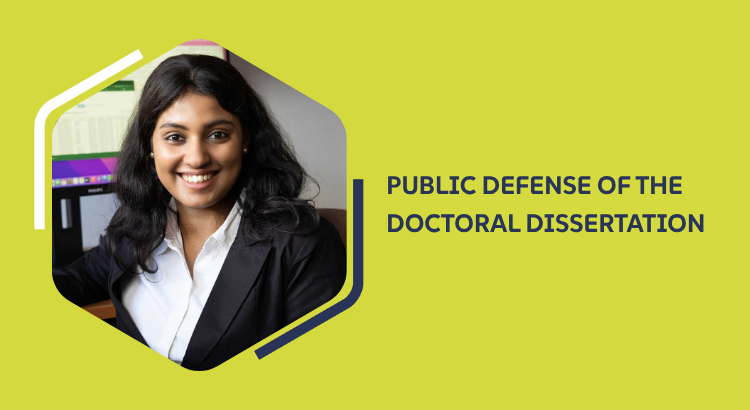
Public Defence of MSc Yashaswi Sharma’s Doctoral Dissertation

We invite you to attend the public defence of a doctoral dissertation for the degree of Doctor of Natural Sciences in the discipline of Medical Sciences:

MSc Yashaswi Sharma

The doctoral research was conducted at the InLife Institute of Animal Reproduction and Food Research, Polish Academy of Sciences as part of the National Science Centre (NCN) SONATA BIS project No. 2019/34/E/NZ4/00349.

MSc Yashaswi Sharma pursued her doctoral studies through the external mode at the Medical University of Białystok.

Dissertation title: “Dissecting the Contribution of Endocrine Dysregulation in Obese Mothers to Impaired Ovarian Function and Pregnancy Outcomes: Lessons from Leprdb/+ Mice”

The doctoral dissertation defence will take place in person on 30 June 2026 at 12:00 p.m. at the Branicki Palace of the Medical University of Białystok (Aula Magna), 1 Jana Kilińskiego Street, 15-089 Białystok, Poland.

Supervisor:

  • António Miguel Galvão, DVM, PhD

Reviewers:

  • Anna Ajduk, PhD, DSc, Associate Professor
  • Zofia E. Madeja, PhD, DSc
  • Paweł Antoni Kołodziejski, PhD, DSc, Professor at Poznań University of Life Sciences

The abstract, reviews, and doctoral dissertation are available here.

Live stream link.

Read more

The magic of science at the Children’s Hospital in Olsztyn

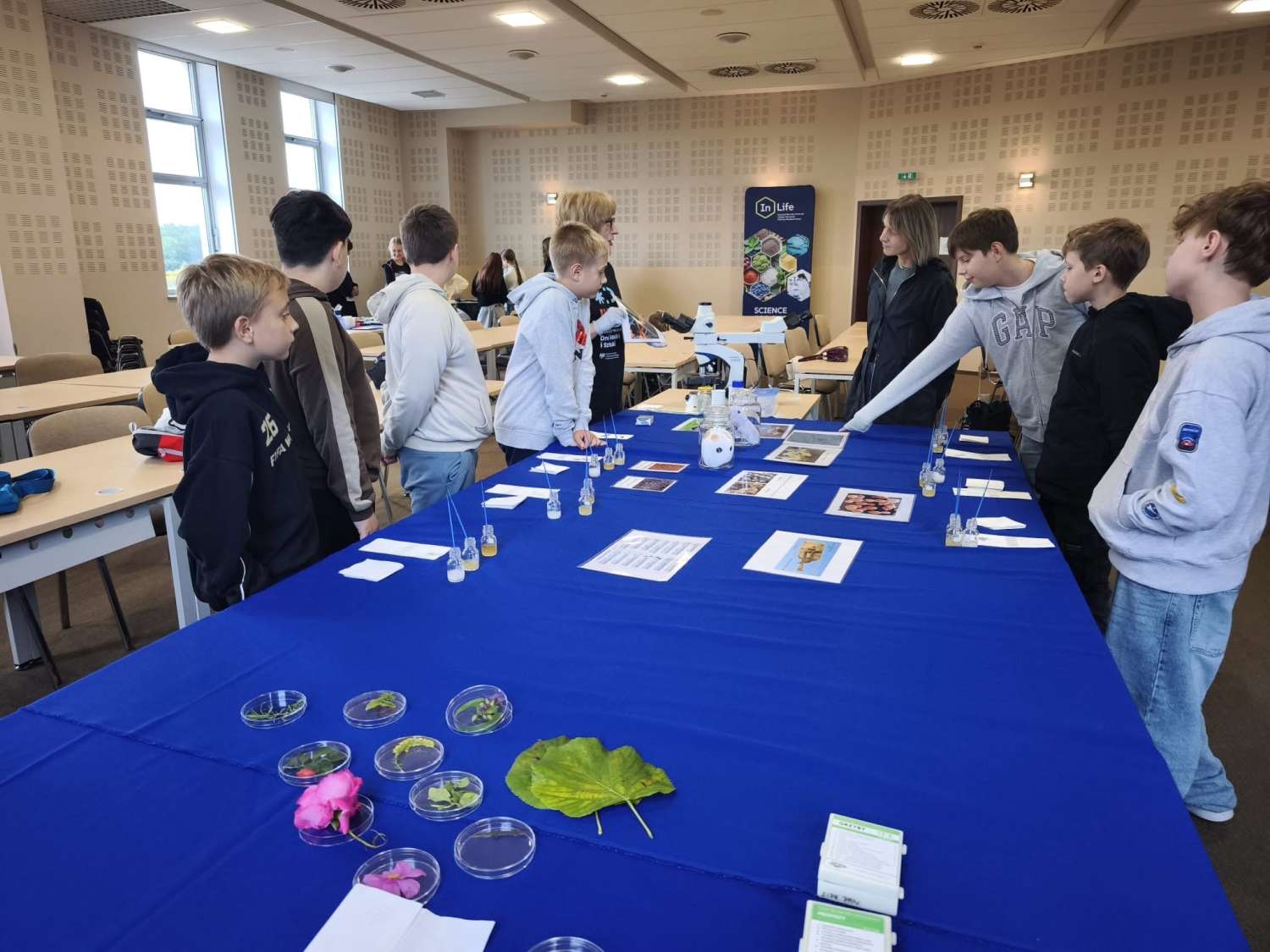
Once again, scientists from our Institute took part in the Children’s Day picnic organized by the Special Educational Facilities Complex at the Provincial Specialist Children’s Hospital in Olsztyn. This year’s event, held under the theme “Warmian Children’s Fair”, provided participants with many unforgettable experiences.

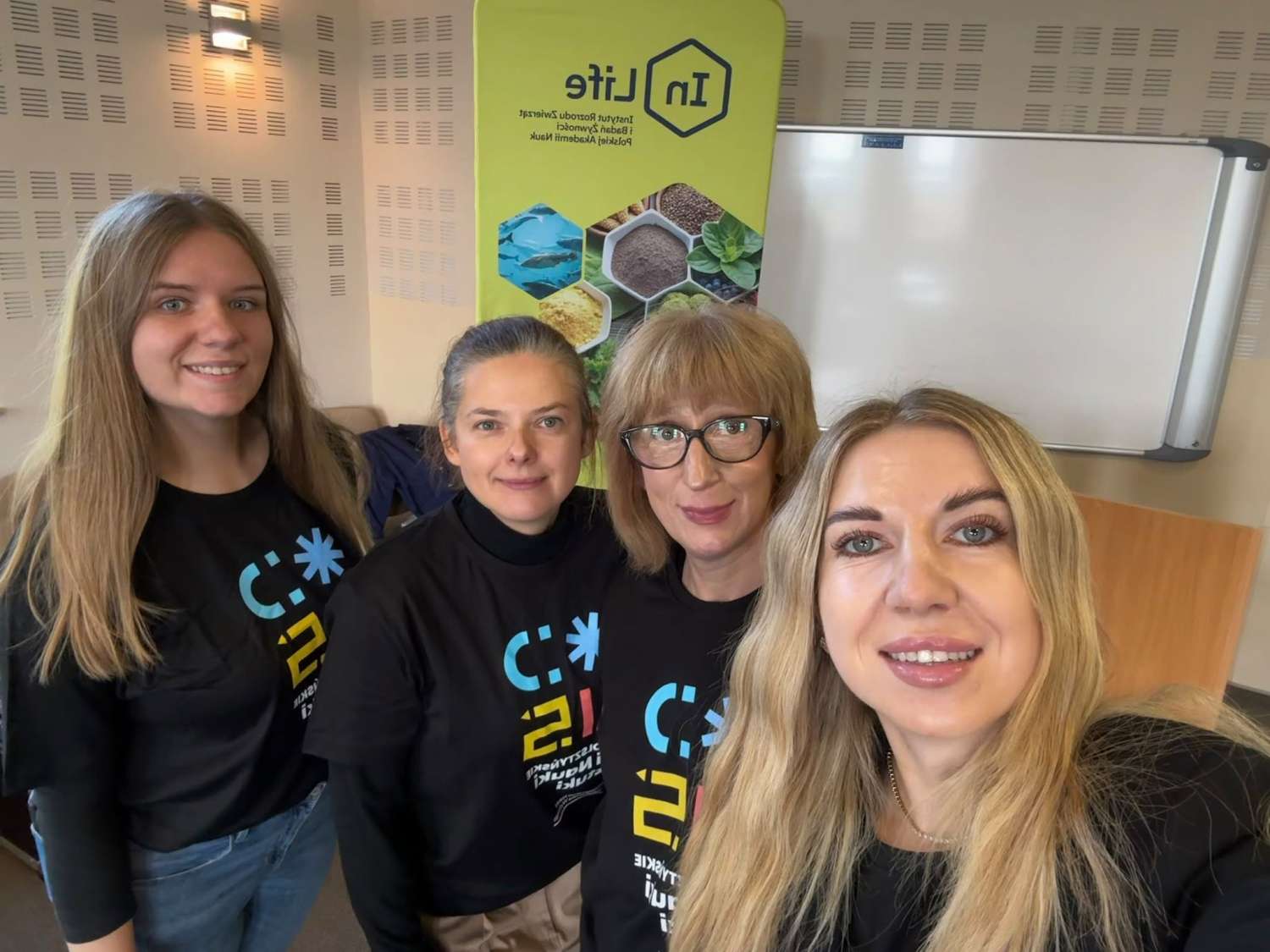
Our Institute was represented by researchers from the Nutrigenomics Team: Emilia Gospodarska, Arleta Janysz, Aleksandra Kuliga, and Piotr Lekowski, who prepared a series of engaging science workshops for children. Participants had the opportunity to take part in experiments where science turned into real magic.

The children stepped into the role of young explorers and discovered fascinating phenomena from the fields of physics, chemistry, and biology. By observing “dancing colors” on milk, they learned about the secrets of surface tension. They also created their own lava lamps, exploring the principles of liquid density and immiscibility.

Experiments with dry ice generated great excitement, allowing participants to observe sublimation- the process in which a substance changes directly from a solid to a gas. Particularly popular attractions included self-inflating balloons, a smoking “witch’s cauldron,” and extraordinary smoke-filled bubbles.

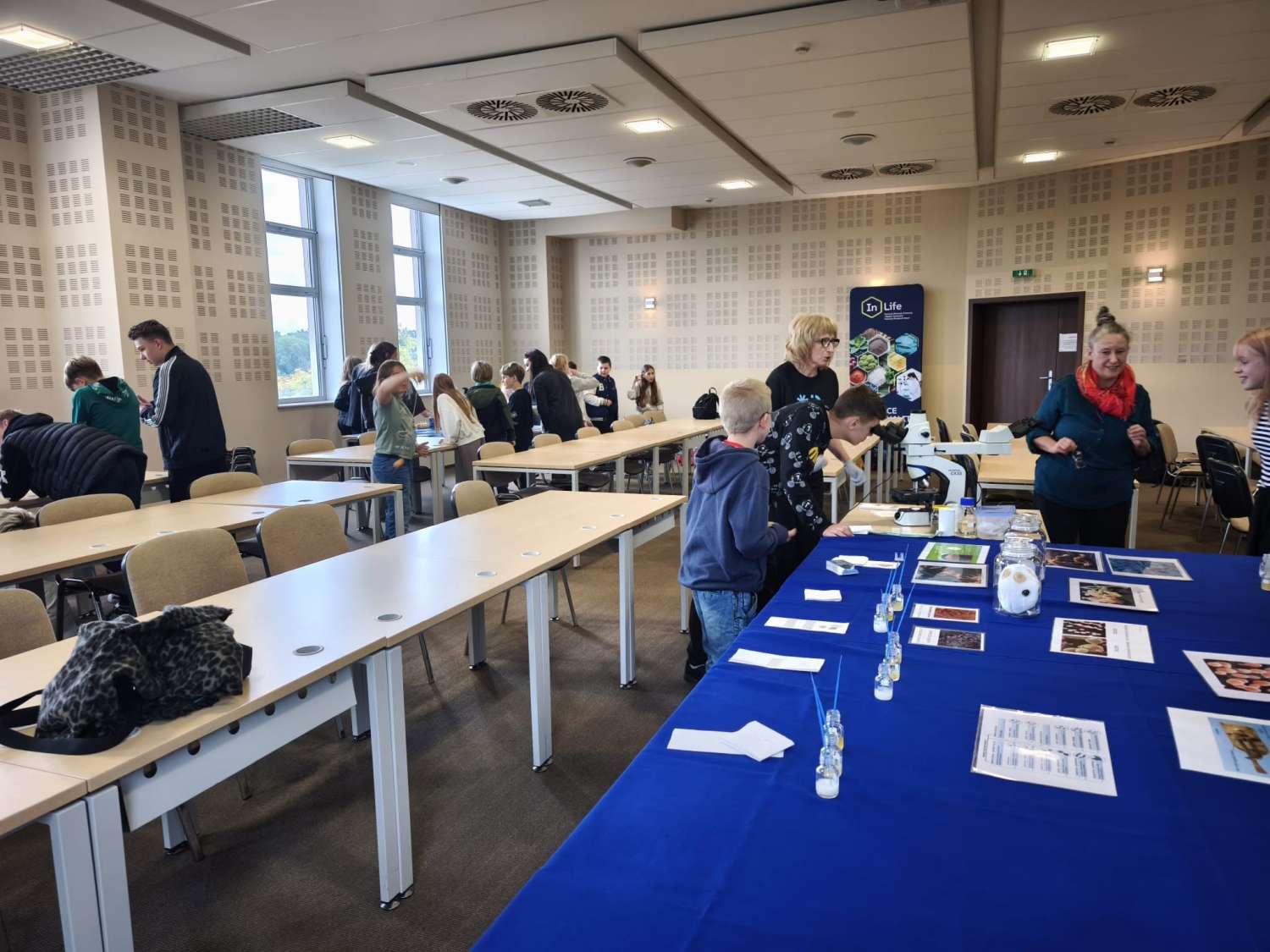
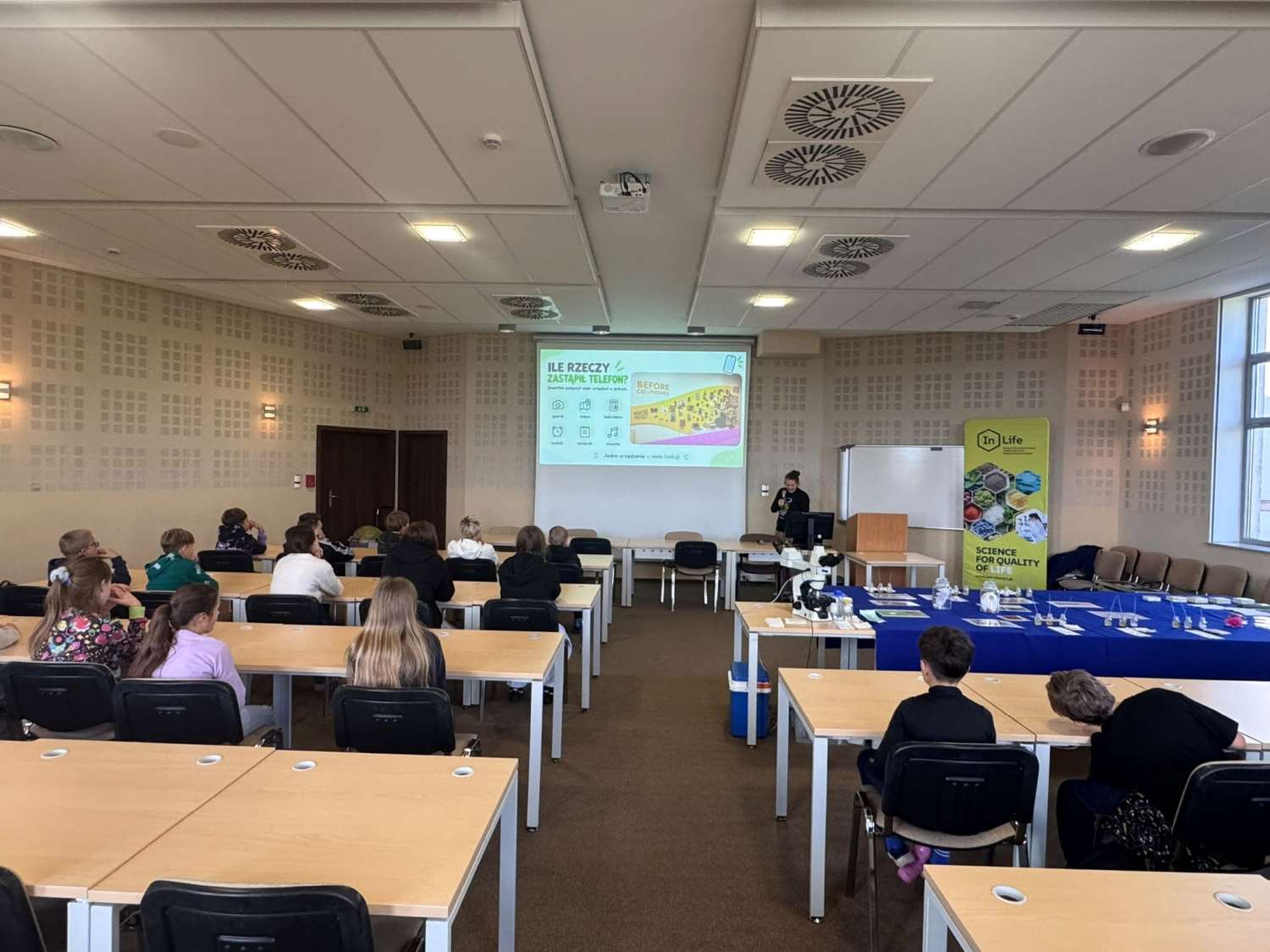
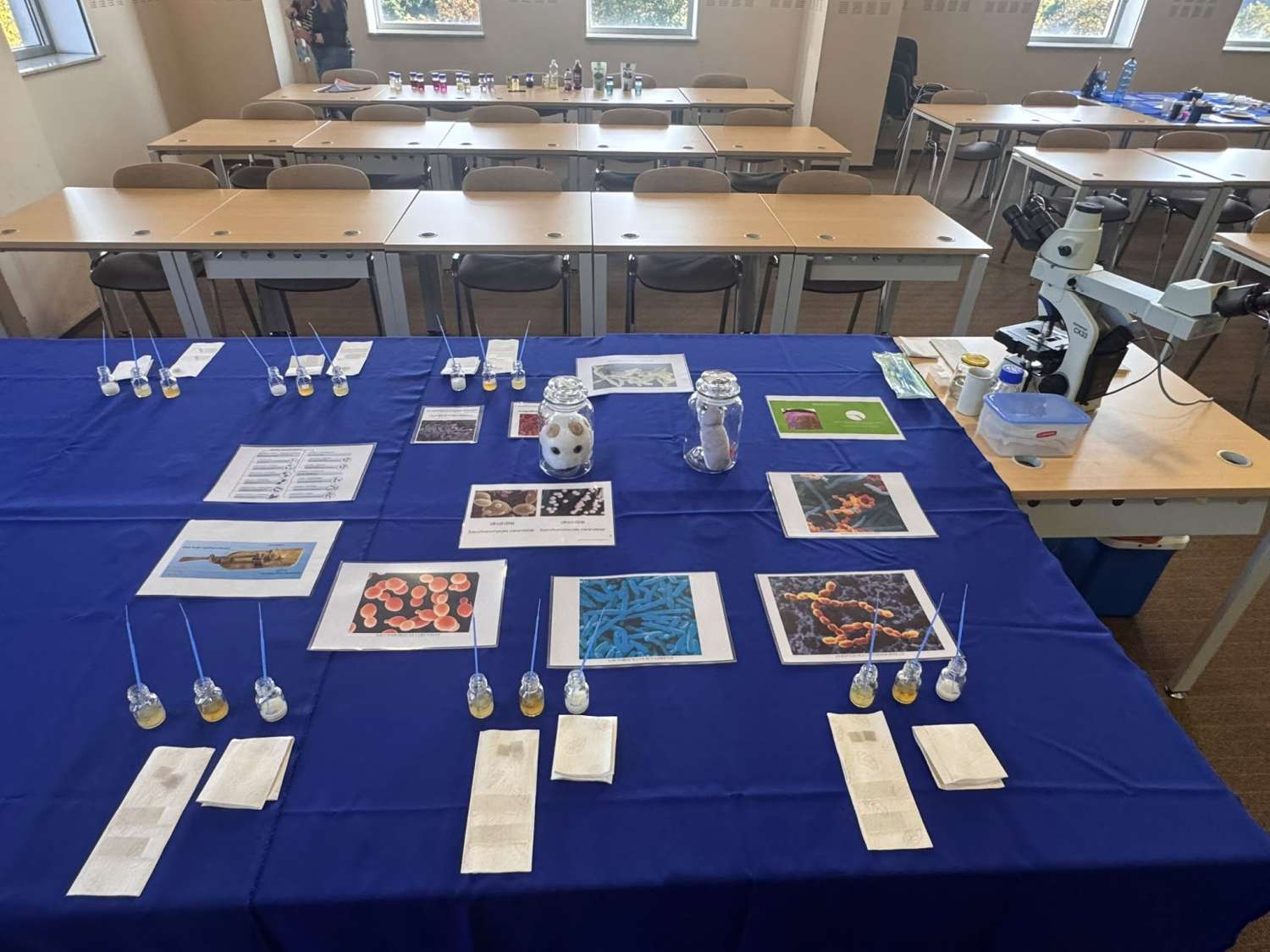
The workshops also featured microscope activities, during which young participants prepared their own samples for observation and explored the invisible world of microorganisms. By combining hands-on experimentation with fun, science became a fascinating adventure full of discovery.

The entire event was filled with vibrant colors, Warmian traditions, music, and plenty of fun. The main goal of the picnic was to bring joy to children staying in the hospital, brighten their day, and create a space where they could enjoy carefree moments and briefly escape the challenges of everyday hospital life.

Read more

Szef resortu nauki z wizytą w InLife

Minister of Science and Higher Education visits the InLife Institute

Minister of Science and Higher Education Dr. Marcin Kulasek visited the InLife Institute of Animal Reproduction and Food Research, Polish Academy of Sciences. During the visit, he met with the Institute’s management, spoke with researchers, and toured its modern research infrastructure. One of the key topics discussed was science funding.

The meeting was opened by the Director of the InLife Institute, Prof. Monika M. Kaczmarek, who presented the Institute’s main areas of activity, ongoing research projects, and future development directions. The Deputy Directors, Prof. Wiesław Wiczkowski, Deputy Director for Scientific Affairs, and Michał Żurek, Deputy Director for General Affairs, presented the scope of the Institute’s research activities and its infrastructure.

– This was a particularly important meeting for us, especially as it took place at a crucial moment for the scientific community – during the ongoing debate on increasing expenditure on science to 3% of GDP. We heard the Minister’s announcements regarding increased funding for science from various sources, including state-owned companies. The Minister also emphasized the importance of dialogue between the Ministry and the scientific community, as well as the need to consult planned changes – said Prof. Monika M. Kaczmarek.

Minister Kulasek, who comes from Olsztyn, referred to his ties both to the city and to the InLife Institute.

– I am from Olsztyn, and the InLife Institute is particularly close to me. The institutes of the Polish Academy of Sciences should also be close to the Ministry – and they are, the Minister emphasized.

As he noted, the science budget has already been increased by half a billion zlotys, and the Ministry is taking steps to improve the functioning of scientific institutions and strengthen research funding. He also referred to the planned amendment to the Act on the Polish Academy of Sciences, which is expected to be submitted to the President of Poland for signature later this year, as well as to the issue of the additional annual bonus payment, commonly known as the “thirteenth salary,” for employees of the institutes of the Polish Academy of Sciences.

The Minister acknowledged that the current level of science funding in Poland remains insufficient, while also emphasizing the need to use available resources efficiently. He pointed out that Polish research institutions are still not making full use of the opportunities offered by European programmes.

In his speech, he extensively discussed the Horizon Europe programme and the continuation of its funding beyond 2028.

– Thanks to the consultations that have been carried out, it has been possible to preserve funding at a level similar to the current framework. This amounts to €175 billion, and it is worth applying for these funds effectively – he noted.

He added that the Ministry is working on systemic solutions aimed at increasing investment in research. Among other initiatives, discussions are underway with state-owned companies regarding their greater involvement in science funding. Another important area of cooperation remains research conducted under the Dual Use framework, meaning projects with both civilian and defence applications. In this area, the Ministry is working jointly with the Ministry of National Defence.

Responding to a question about the possibility of launching a programme for the institutes of the Polish Academy of Sciences similar to the “Excellence Initiative – Research University” (IDUB), the Minister described such a solution as a valuable tool for supporting the development of science. He also informed participants that the Ministry is working on implementing a similar mechanism within the institutes of the Polish Academy of Sciences.

Following the meeting with staff, the Minister visited the laboratories and toured InLife’s modern research infrastructure. Researchers presented the opportunities created by the latest investments in scientific equipment, as well as the Institute’s potential to conduct research at the highest international level.

Read more

The Embryo Biology Team photo

InLife Receives Funding for the SUSREPRO Project Supporting Sustainable Milk Production

How can the health and reproductive performance of dairy cows be improved while reducing antibiotic use and making better use of dairy industry by-products? These are the challenges addressed by researchers from the InLife Institute of Animal Reproduction and Food Research of the Polish Academy of Sciences within the new international SUSREPRO project.

The Embryo Biology Team, consisting of Professor Izabela Wocławek-Potocka, Agnieszka Jończyk, Ilona Kowalczyk-Zięba, and Dorota Boruszewska, has secured funding for the project entitled Multifunctional Feed Material Prototypes for Sustainable Cattle Reproduction Management (acronym: SUSREPRO).

The project has received funding from the state budget under the EUREKA Initiative – 2025 call.

The aim of the project is to develop innovative feed materials based on dairy industry by-products. The proposed solutions are intended to support the health and reproductive performance of dairy cows and calves, while addressing current challenges related to sustainable food production.

As part of the project, researchers will develop and test prototype feed materials with:

  • probiotic,
  • prebiotic,
  • antimicrobial properties.

The studies will also include in vivo experiments to evaluate the effectiveness of the proposed solutions under practical farming conditions.

The project aims to improve reproductive efficiency in cattle herds, reduce disease incidence, and decrease antibiotic use in livestock production. Ultimately, the initiative is expected to contribute to safer, more sustainable, and more competitive milk production that responds to both producers’ needs and consumer expectations.

International collaboration

The SUSREPRO project is being implemented by an international consortium of partners from Poland and Lithuania. The consortium includes the InLife Institute of Animal Reproduction and Food Research of the Polish Academy of Sciences as the project leader, the “ESKULAP” Veterinary Clinic led by veterinarian Kamil Kossakowski, the Lithuanian University of Health Sciences, and the Lithuanian company Start In.

InLife z dofinansowaniem projektu SUSREPRO logotypy

Read more

Conference announcement

InLife to host global conferences NuGO Week 2026 and Nutrigenomics for Lifelong Health

New directions in nutrition research, ageing clocks in metabolic disorders, and precision approaches such as digital twins in health and disease – these are just some of the topics that will be explored by experts from leading research institutions across Europe and worldwide, who will gather in Olsztyn at the end of August 2026.

The InLife Institute of Animal Reproduction and Food Research of the Polish Academy of Scienceswill host one of the most important events in the field of nutrigenomics – NuGO Week 2026, organized for the first time in Poland.

From 31 August to 2 September, Olsztyn will become a meeting point for leading scientists investigating the complex relationships between diet, the genome, and human health.

NuGO Week 2026 will be followed by the scientific conference “Nutrigenomics for Lifelong Health”, organized within the framework of the WELCOME2 project. This event will extend the NuGO programme with additional days of in-depth scientific discussion and presentation of the latest research findings.

NuGO Week 2026 – Key Research Topics

NuGO Week is a recurring conference organized by the NuGO Association, bringing together experts from top research centres across Europe and beyond.

This year’s programme will address, among others, the following topics:

  • emerging directions in life-course nutrition research,
  • nutrigenomics in health and disease,
  • microbiome dynamics in healthy ageing,
  • ageing clocks in metabolic disorders,
  • precision nutrition and digital twins in health and disease.

The event will include plenary lectures, specialized scientific sessions, and presentations of cutting-edge research conducted within international collaborations.

“Nutrigenomics for Lifelong Health” – WELCOME2 Scientific Conference

The international conference “Nutrigenomics for Lifelong Health”, taking place from 2 to 4 September, has been designed as an extension and deepening of selected topics addressed during NuGO Week.

The programme includes four main scientific sessions:

  • modelling health, ageing, and disease,
  • biochemistry of ageing,
  • nutrigenomics and disease prevention,
  • immunocompetence and ageing.

These sessions focus on molecular and systemic mechanisms underlying health and ageing, with particular emphasis on the role of nutrition and the interactions between the genome and the environment.

The conference will bring together renowned scientists and research leaders in the field of nutrigenomics and health sciences. It will also provide a valuable opportunity for in-depth scientific discussions and the development of new research collaborations.

Participation in the “Nutrigenomics for Lifelong Health” conference is free of charge.

Call for Abstracts

Researchers whose work aligns with the conference topics are invited to participate in both events. The call for abstracts is currently open, with the possibility to apply for oral presentations or poster sessions.

This is an opportunity to present research results to an international audience and to contribute to ongoing scientific discussions on the role of nutrition in human health.

The organization of NuGO Week 2026 and the “Nutrigenomics for Lifelong Health” conference represents an important element of InLife’s efforts to internationalize research and strengthen the Institute’s position within the European scientific landscape. These events provide a shared platform for knowledge exchange, presentation of research outcomes, and the initiation of new scientific projects in nutrigenomics and health sciences.

Detailed information on the programme and registration is available on the event websites:

Read more

Prof. Raquel P. Andrade

Please note! Change to the time of the OL-PAN seminar – Thursday 23 April 2026, 11.00 am

The Institute of Animal Reproduction and Food Research of the Polish Academy of Sciences in Olsztyn is pleased to invite you to the next open OL-PAN seminar. The OL-PAN seminars are scientific meetings dedicated to the exchange of knowledge and experience. They bring together researchers representing various fields of life sciences, who present their latest findings and inspire joint discussion.

The guest of the upcoming seminar will be Prof. Raquel P. Andrade, a biochemist and a distinguished researcher focused on the molecular mechanisms controlling vertebrate development. She obtained her degree in Biochemistry from the Universidade de Lisboa and her PhD in Sciences from the Universidade do Minho in collaboration with Johann Wolfgang Goethe University in Frankfurt. After several years of postdoctoral training at ICVS, University of Minho, she led a research team at ICVS/3Bs, and since 2014 she has been affiliated with the University of Algarve. She currently serves as an Associate Professor and Director of the Algarve Biomedical Center Research Institute (ABC-RI) at the University of Algarve. She also heads the Temporal Control of Cell Differentiation Lab and collaborates with the Champalimaud Research Program within the framework of the Algarve Biomedical Center partnership.

Prof. Andrade’s scientific achievements include publications in renowned international journals such as PNAS, Nucleic Acids Research, RNA, Development, and Clinical Cancer Research, as well as participation in numerous national and international research projects.

Prof. Andrade’s main research interest is the so-called Embryo Clock — a molecular timing mechanism responsible for the temporal control of embryonic development. Her team studies gene expression oscillations driven by negative feedback mechanisms, which underlie the rhythmic formation of vertebrate axial skeleton precursors. This mechanism also operates in embryonic and neural stem cells, contributing to the specification of cell identity. The group’s research focuses on understanding the functional relevance of these oscillations and the mechanisms regulating their periodicity across different tissues and species. An important aspect of their work also concerns the molecular parallels between embryonic development, tumorigenesis, and ageing.

Lecture title: „Decoding Biological Time: The Molecular Embryo Clock and Body Pattern Formation”

Date and time: 23 April, 11:00 a.m.

Participation in the event is open and free of charge.

Topic: OL-PAN Seminar
Join the: Zoom meeting (link)
Meeting ID: 925 5196 7871
Passcode: 088693

Language of the lecture: English

You are warmly invited!
The OL-PAN Team

Read more

Current Issues in Veterinary Medicine Realities and Prospects 2026

Invitation to Participate in an International Veterinary Conference

The InLife Institute of Animal Reproduction and Food Research of the Polish Academy of Sciences, as an official Partner, invites you to participate in the international scientific and practical conference entitled “Current Issues in Veterinary Medicine: Realities and Prospects – 2026”, which will take place on May 14, 2026.

The event is organized in international cooperation, including the participation of scientific institutions from Ukraine and Poland, and serves as a platform for knowledge exchange among researchers, academic teachers, and doctoral students interested in contemporary challenges in veterinary medicine.

Scope of the conference

The conference programme covers key topics related to the functioning and development of veterinary medicine, including:

  • non-infectious animal diseases,
  • infectious and parasitic diseases,
  • animal physiology, biochemistry, and morphology,
  • implementation of the One Health concept and legal aspects of veterinary practice,
  • biology and physiology of animal reproduction.

The conference will be conducted in English and Ukrainian, with scientific presentations delivered in English.

Forms of participation

Participants may take part in the conference in the following forms:

  • online participation,
  • correspondence participation (publication of abstracts).

Based on the submitted materials, an electronic book of abstracts will be prepared, and participants will receive certificates of participation.

The deadline for submission of applications and abstracts is May 1, 2026.

Registration and abstract submission are carried out via an online form.

The conference provides an excellent opportunity to present research results, establish international collaborations, and engage in discussions on current challenges in veterinary medicine and animal health sciences.

We warmly invite all interested researchers and doctoral students to participate.

Read more

Wydarzenie CROSSPATHS Matchmaking Event

InLife as coordinator of an international matchmaking event in Brussels

On 25 March 2026, the international CROSSPATHS Matchmaking Event took place in Brussels, focusing on building project partnerships under the Horizon Europe programme.

The event addressed key themes of Cluster 6:

  • Circular economy and bioeconomy sectors
  • Fair, healthy and environmentally friendly food systems – from primary production to consumption
  • Biodiversity and ecosystem services

The event was organised by the CROSSPATHS project consortium, with our Institute playing a leading role as both initiator and coordinator. Co-organisers also included the Brussels-based liaison offices: the Polish Science Contact Agency “PolSCA” of the Polish Academy of Sciences and ETAG – the Estonian Research Council.

International dimension and shared responsibility

The event brought together over 60 participants from across Europe, including Germany, the Czech Republic, Slovakia, Italy, the Netherlands, France, Serbia, Portugal, Estonia and Poland. Attendees represented academia, research institutions, support organisations, and policymakers from the European Commission.

From the outset, speakers emphasised that today’s key challenges facing Europe – including sustainability, food systems, resilience, and biodiversity protection – require collaboration across borders, sectors, and disciplines. In this context, matchmaking is not merely an accompanying element of European projects, but their foundation.

Prof. Mariusz Piskuła, Coordinator of the CROSSPATHS project, highlighted the importance of building direct relationships and networks. He encouraged participants to go beyond national collaboration patterns and actively use both bilateral meetings and informal discussions to initiate partnerships. He also pointed out that EU funding instruments, including WIDENING under Horizon Europe, support the development of long-term international cooperation – something the Institute is actively building together with partners from Portugal, Estonia, and the Netherlands.

European priorities and the role of policy

The event also addressed priorities shaping Horizon Europe, including the growing importance of food security, the transition towards a sustainable bioeconomy, biodiversity protection, and the One Health approach. Participants noted the evolving nature of research funding, with a stronger emphasis on implementation, innovation, and alignment between science, public policy, and societal needs.

Practical aspects of project development

A dedicated session focused on the practical aspects of project collaboration. During a panel discussion, experienced project managers shared their insights. Our Institute was represented by Iwona Kieda, responsible for international cooperation at InLife.

Panelists discussed key issues such as consortium building, proposal structure, aligning projects with call expectations, and common mistakes. Particular emphasis was placed on the importance of early partner engagement, clear role distribution, and precise definition of project impact pathways. For many participants, this session provided a clearer understanding of the application process, which is often perceived as complex and difficult to navigate.

Pitching and matchmaking – from ideas to collaboration

The core of the event consisted of pitching sessions and matchmaking meetings, enabling participants to exchange ideas and establish collaborations directly. InLife researchers were actively involved, including Dagmara Złotkowska and Anna Maria Ogrodowczyk.

Dagmara Złotkowska presented her research on immune responses to food components and the role of bioactive compounds in shaping immunity, with a focus on interactions between diet, the microbiome, and the immune system.

Anna Maria Ogrodowczyk showcased expertise in microbiome research, fermentation, and food safety, particularly within the One Health framework, including work on microbial safety assessment and the development of solutions based on fermented products and postbiotics.

Both researchers presented project ideas aligned with Cluster 6 priorities and actively engaged in discussions on future collaborations. Participants also took part in a roundtable matchmaking session, which allowed them to better understand each other’s competences, resources, and experience. This format supported more in-depth exchange and helped identify potential areas of cooperation. The session concluded with pre-arranged one-to-one meetings, where discussions became more focused and concrete. For many participants, this marked the transition from general networking to detailed planning of future partnerships and joint projects.

More about the CROSSPATHS project

CROSSPATHS is an international project implemented under Horizon Europe (WIDERA), involving three organisations from widening countries – Poland, Portugal, and Estonia – supported by experienced partners from France and the Netherlands. Its objective is to enhance the use of investments funded by the European Regional Development Fund (ERDF) and to facilitate research institutions’ participation in European programmes, particularly Horizon Europe.

The project includes practical activities aimed at strengthening international cooperation and preparing institutions for participation in European projects, such as:

  • summer schools and workshops providing knowledge on proposal writing and international partnership building
  • study visits and staff exchanges between partner institutions, enabling insight into organisational structures, infrastructure, and research areas
  • networking meetings and thematic events supporting relationship-building and joint project development – including the CROSSPATHS Matchmaking Event
  • analytical activities and recommendations aimed at improving the use of existing research infrastructure and strengthening institutional capacity

These activities contribute to increasing the participation of widening countries in European research and innovation projects and to building long-term international partnerships in the fields of food, health, and the bioeconomy.

Read more

Prelegenci na spotkaniu edukacyjnym

Invisible – in the air, in food, in our bodies. Report from an educational meeting

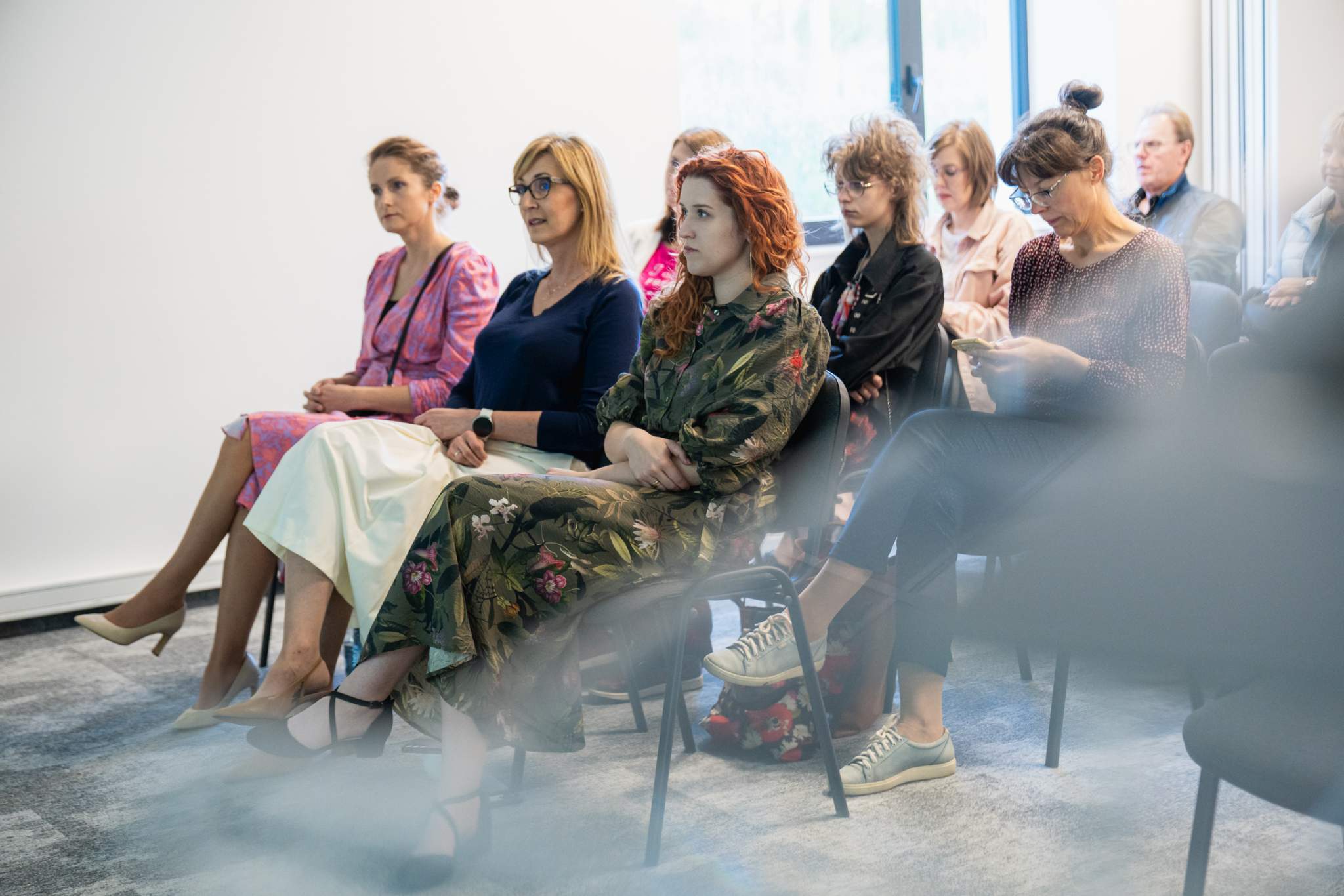
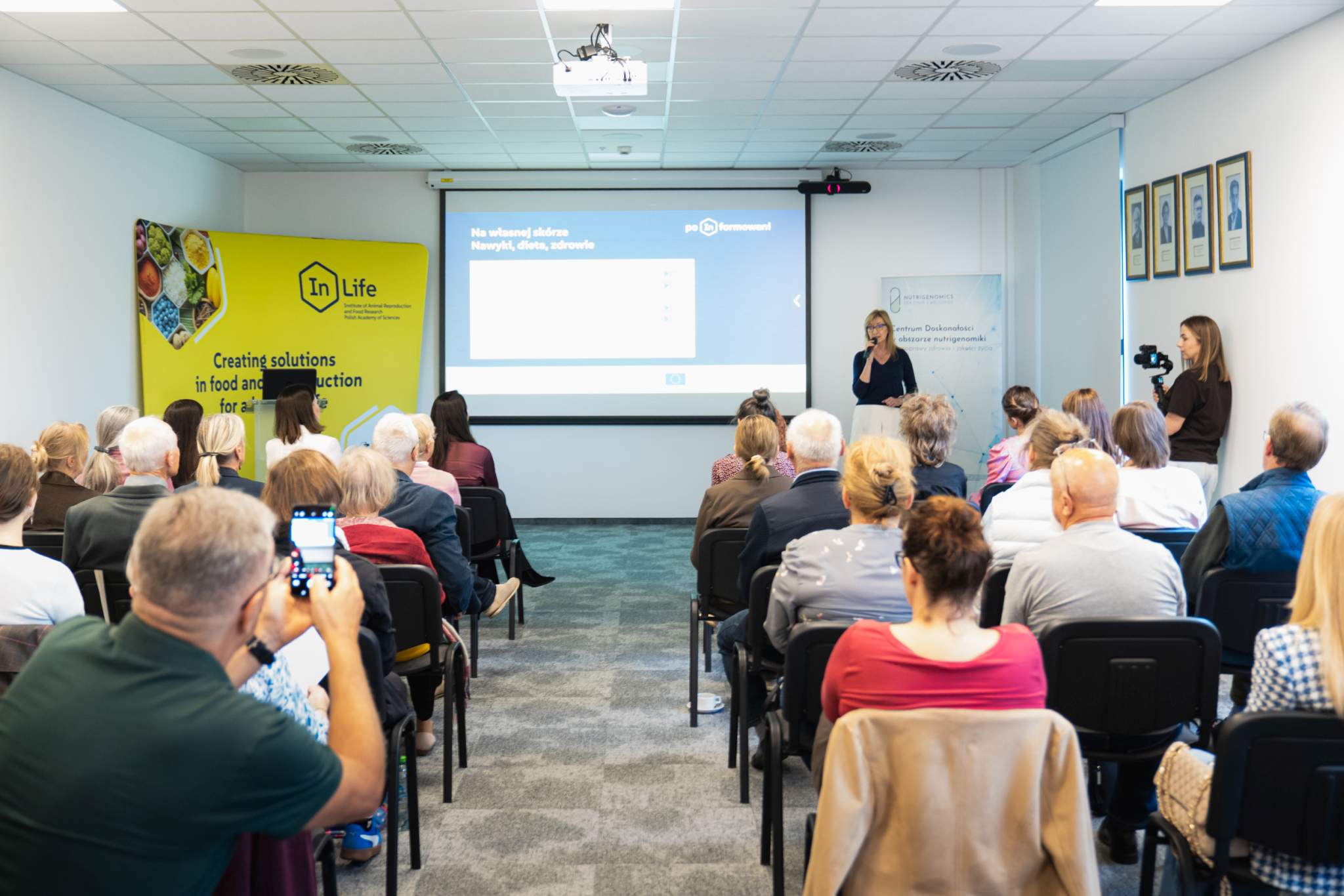
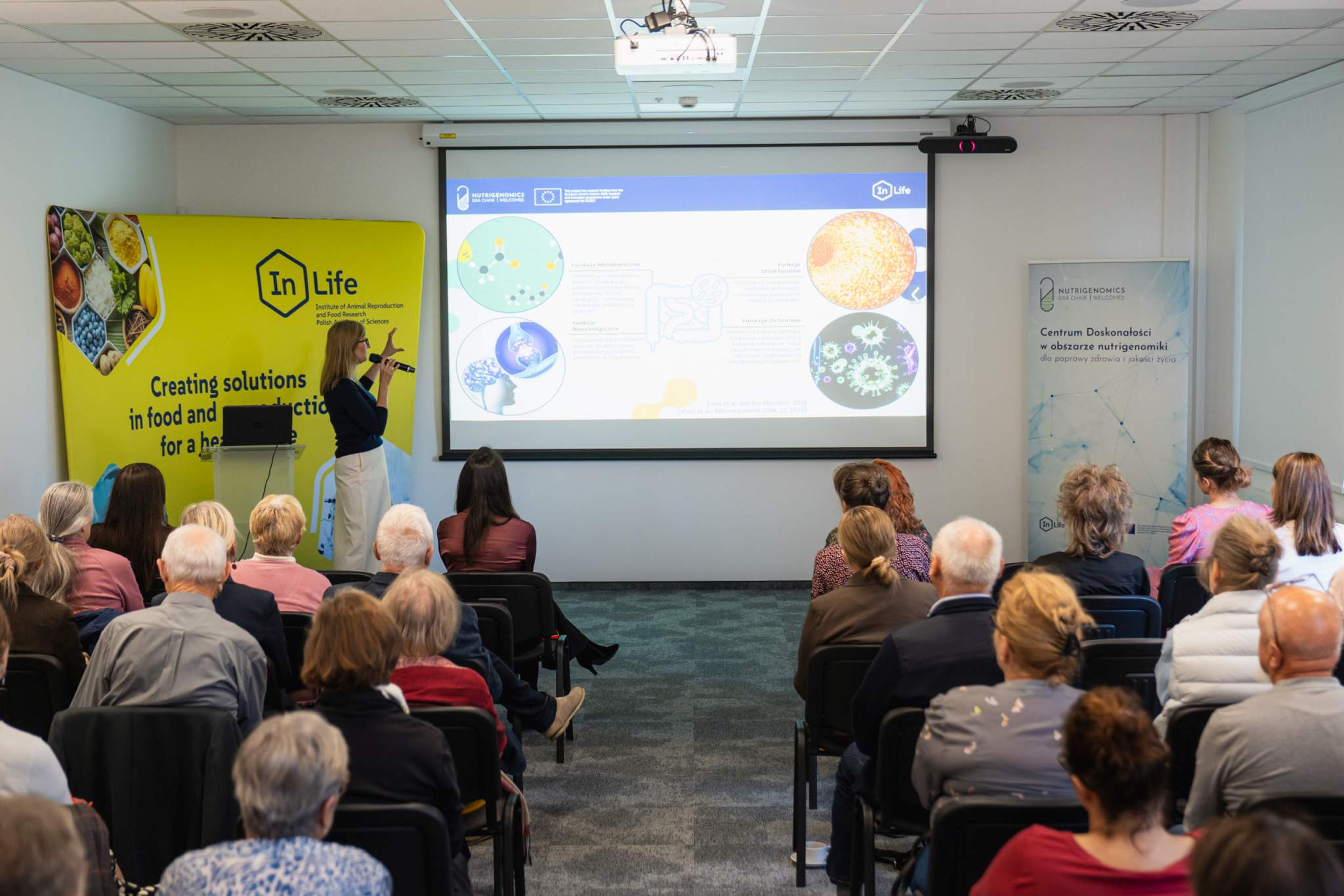
They are invisible to the naked eye, yet they may affect our health. They are present in the air we breathe, the food we eat, and even in our homes. Pesticides, bisphenols and heavy metals can enter the human body through various pathways and influence health, even when found only in trace amounts. These invisible threats – and ways to reduce everyday exposure to them – were the focus of an educational meeting held at the InLife Institute.

The programme included topics related to the presence of chemical residues in food. Substances used in agriculture to control weeds and pests, as well as compounds applied to extend the shelf life of food products, may enter the body through our daily diet.

Dr hab. Michał Wróbel pointed out that pesticide residues detected in food generally do not pose a risk to consumers, emphasizing that toxicity depends on the dose. He also discussed the dangerous pesticide DDT and shared practical ways to reduce pesticide exposure at home.

Packaging was another important topic addressed during the meeting. Dr inż. Katarzyna Bułkowska, Prof. UWM explained how chemicals can migrate from packaging into food and which labels and markings consumers should pay attention to. She also discussed bisphenols and PFAS compounds, presenting simple rules that can help reduce everyday contact with these substances.

The meeting also covered environmental pollution and its impact on human health. Dr hab. Stanisław Czachorowski, Prof. UWM explained how pollutants spread through the environment. He referred to historical examples of heavy metal poisoning, including lead exposure, and discussed modern threats. His lecture also touched on the issue of light pollution.

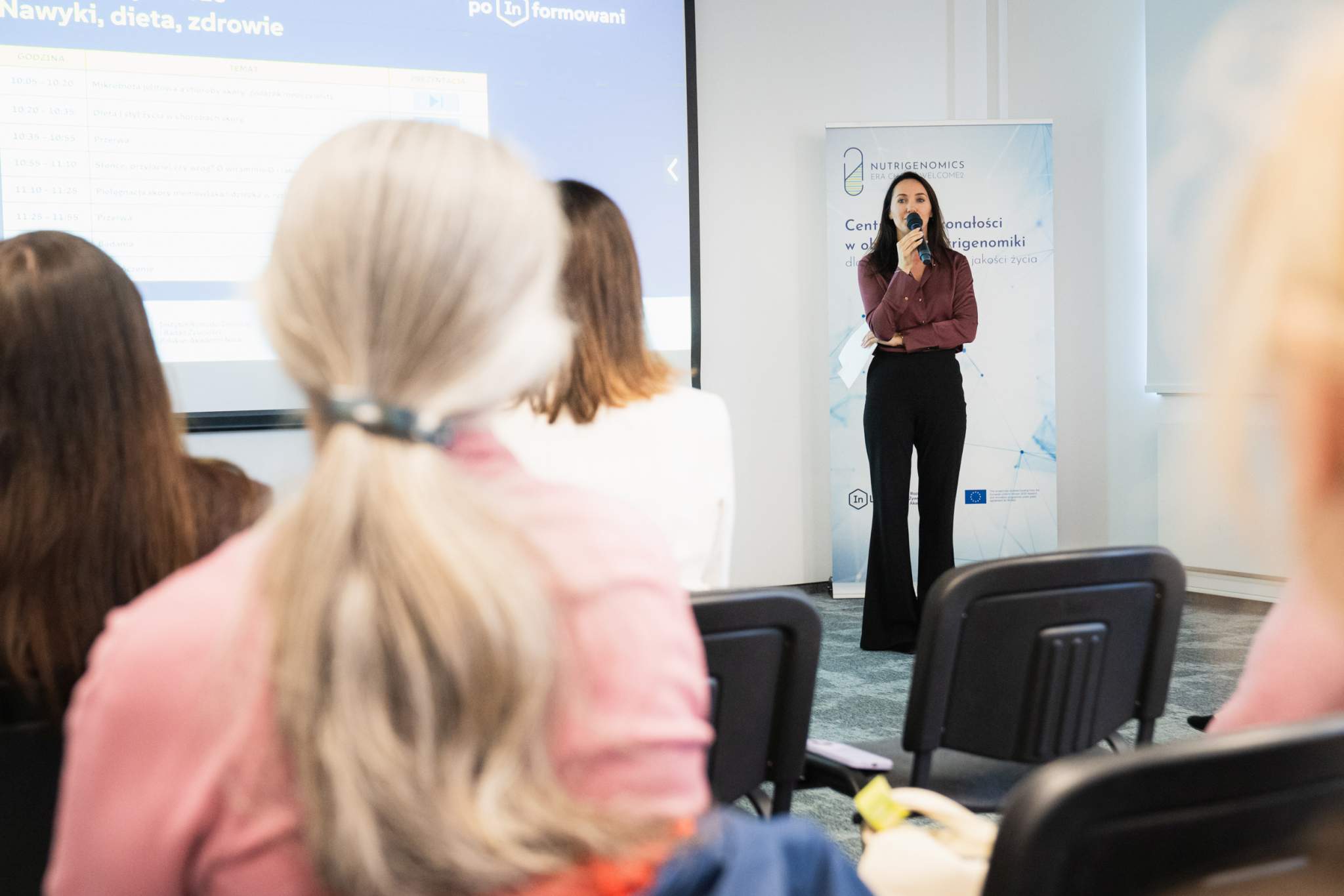
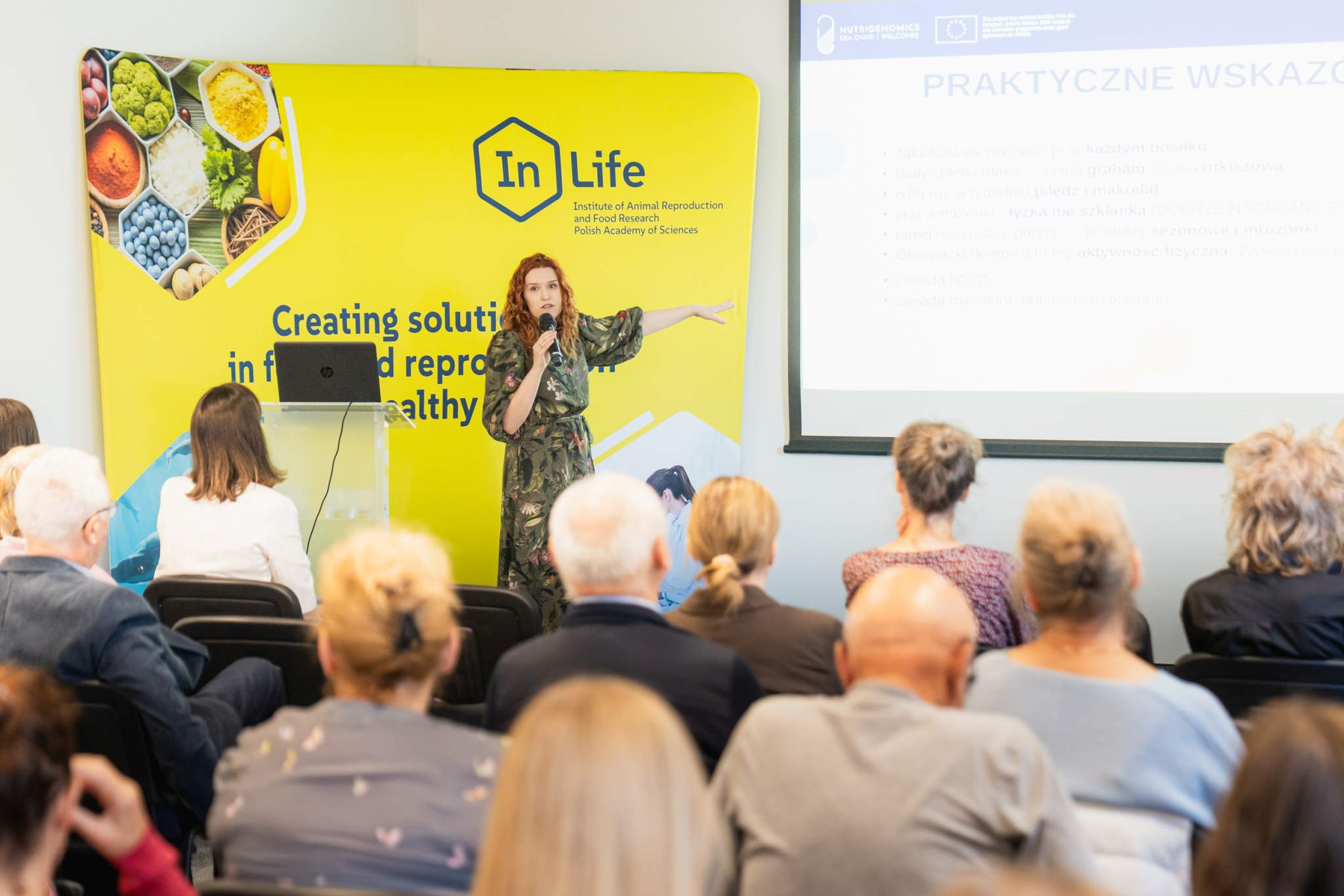
The final lecture focused on nutrigenomics and explored how diet can help protect the body from toxins. Dr Emilia Gospodarska from the InLife Institute spoke about anti-smog and anti-inflammatory diets and recommended foods worth including in everyday meals. She also highlighted the role of vitamin D, omega-3 fatty acids, and nutrition that supports DNA repair and methylation processes.

An important part of the event was the discussion session, during which participants asked questions and explored how conscious choices and small lifestyle changes can reduce exposure to potentially harmful substances.

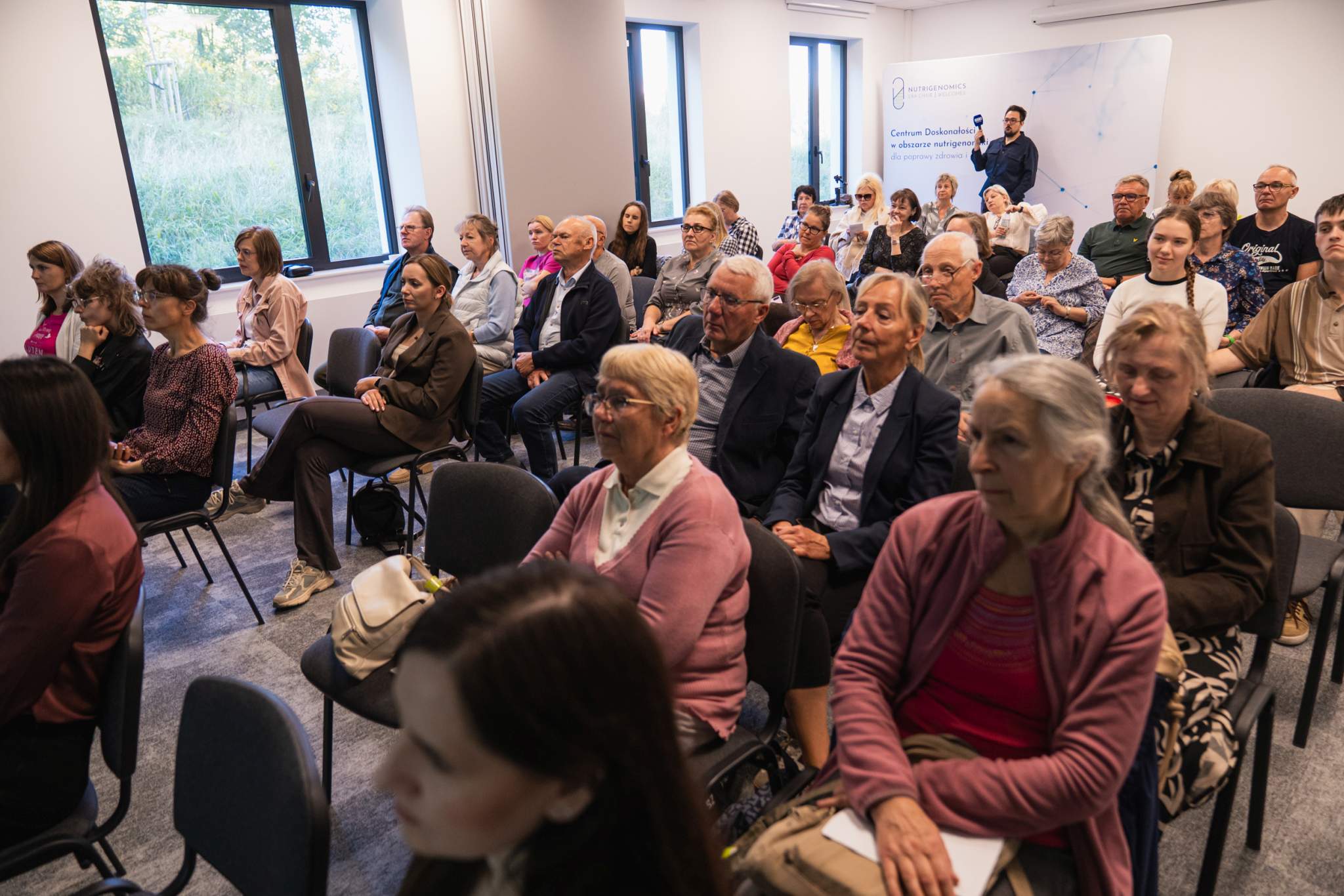
The meeting took place on Saturday, 28 March, and gathered over 60 participants. The speakers were researchers from the InLife Institute – the Institute of Animal Reproduction and Food Research of the Polish Academy of Sciences, as well as from the University of Warmia and Mazury in Olsztyn.

Watch the video report from the meeting:

Photo gallery:

Read more

Dr hab. Urszula Krupa‑Kozak wyróżniona w Plebiscycie Kobiet Sukcesu Warmii i Mazur

Dr. Urszula Krupa‑Kozak honored in the Women of Success Warmia and Mazury Awards

Our scientist – Dr. Urszula Krupa‑Kozak, Professor at the InLife Institute – was recognized in the prestigious Women of Success Warmia and Mazury 2026 awards. The ceremonial gala took place on March 6 at the Ełk Cultural Center, where, for the 28th time, women who contribute to the development of the Warmia and Mazury region through their passion and dedication were honored.

Dr. Krupa‑Kozak is a renowned researcher in food technology and nutrition, specializing in gluten-free food technology. For nearly two decades, she has been conducting pioneering research aimed at improving the technological, sensory, and nutritional quality of gluten-free products, using innovative plant-based ingredients and raw materials aligned with the principles of sustainable development. Her work combines cutting-edge technological research with clinical aspects of dietary therapy for gluten-related disorders, as well as education, health promotion, and mentoring the next generation of scientists.

Gala Kobiet Sukcesu Warmii i Mazur 2026

She is the author of numerous publications highly regarded in both national and international scientific communities and a co-inventor of patents that set new directions in gluten-free food. Her research has a tangible impact on improving the quality of life for people with gluten intolerance and promoting healthy dietary standards.

Gala Kobiet Sukcesu Warmii i Mazur 2026

The Women of Success Warmia and Mazury awards have a history spanning over 20 years – the first gala was held in 1999 at the Olsztyn Castle. Every year, the event celebrates how women bring their work, passion, and courage to enrich the region. It is also worth noting that in 2017, the current director of InLife, Monika Kaczmarek, was among the awardees.

Read more