Photo credit: Warmian and Masurian Region – Regional Authority Office in Olsztyn
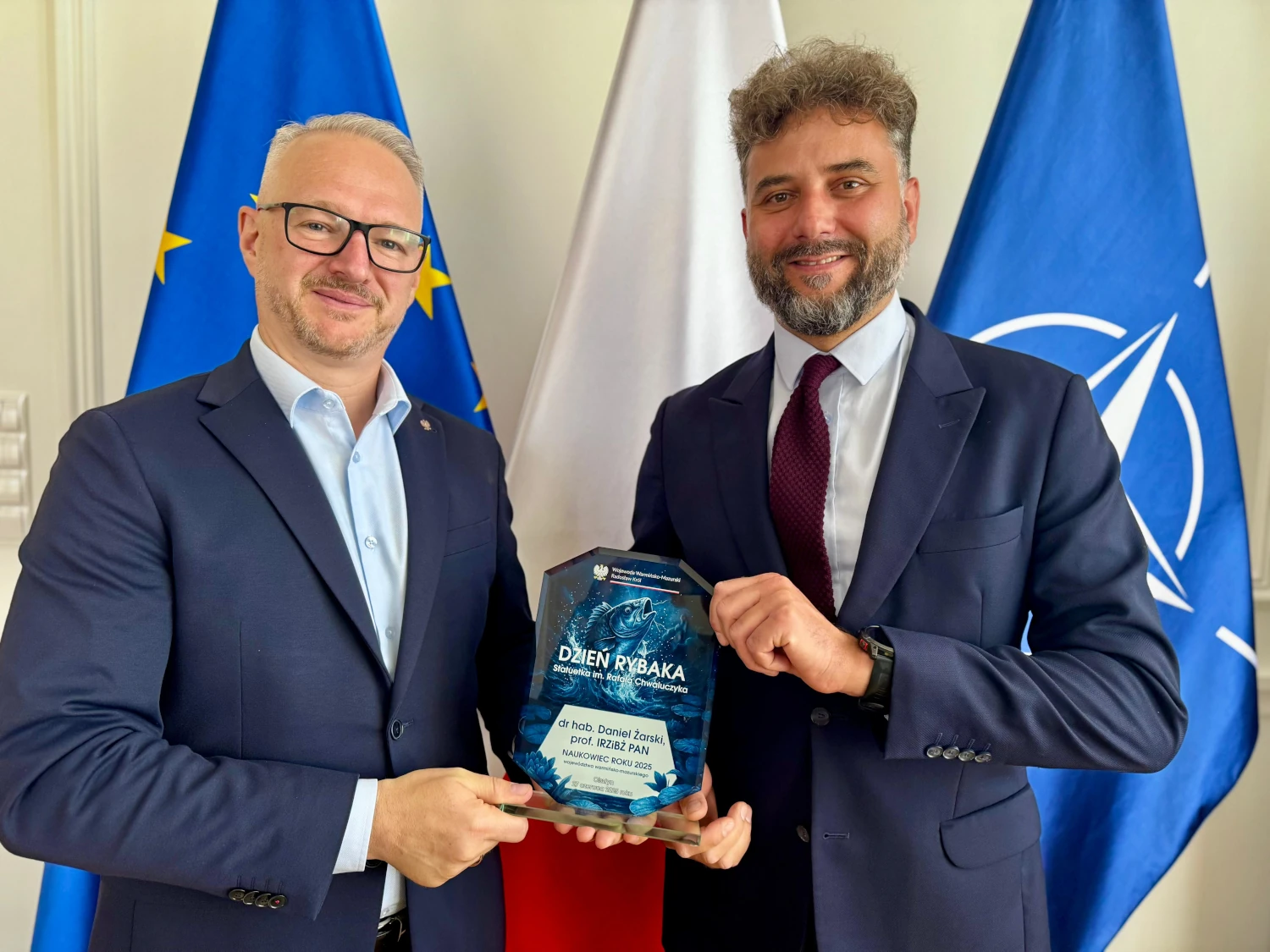
The Voivode of Warmia-Masuria honoured this year’s Fisherman’s Day celebrations with the Rafał Chwaluczyk Award, a distinction for scientists supporting the development of fisheries and the protection of the aquatic environment in the region. The title of ‘Scientist of the Year’ was awarded to Dr. Daniel Żarski, whose scientific and practical work has for years focused on innovative solutions in ichthyology and aquaculture.
As stated in the official announcement by the Warmian-Masurian Voivodeship Office in Olsztyn: Warmia and Masuria, a region with a unique water heritage, could not function without the people who protect its riches. Fisherman’s Day is an opportunity to express gratitude to fishermen, scientists, educators, wardens and all those involved in the protection and development of the fishing industry.
– I am extremely pleased to present you with the Rafał Chwaluczyk Award, also because your first research (on burbot reproduction, as part of Dr. Żarski’s master thesis – Ed.) was conducted in collaboration with the patron of this award. You are an outstanding scientist, gifted not only with great talent and scientific intuition, but also with diligence, humility, caution in formulating conclusions and respect for the achievements of other scientists. All this together makes your achievements outstanding and directly translates into innovation in Polish aquaculture, especially in the field of fish reproduction, hatchery and larviculture, said Radosław Król, Voivode of Warmia-Masuria, in his laudation.
The development of aquaculture is not only a tradition and continuation of local heritage, but also a solid investment in the future – healthy food, resource security and new technologies. Scientific work in this area provides not only knowledge, but also specific tools that help fishing farms operate effectively and responsibly.
– It is a great honour. We work with passion, heart and commitment, combining theory with practice, which translates into a real impact on the development of this sector of the economy. Today’s times present us with major challenges, including climate, environmental and food issues. Aquaculture, if conducted wisely, can be the answer to many of them – explains Dr. Daniel Żarski, leader of our Institute’s Reproduction and Development in Fish Team. The Rafał Chwaluczyk Award aims to highlight the role of scientists who not only describe and explain the world, but also actively change it – for the benefit of the environment, the economy and future generations.
Fot. Warmińsko-Mazurski Urząd Wojewódzki w Olsztynie
Wyróżnienie dla naukowców wspierających rozwój rybactwa oraz ochronę środowiska wodnego w regionie – Wojewoda Warmińsko-Mazurski uświetnił tegoroczne obchody Dnia Rybaka Nagrodą im. Rafała Chwaluczyka. Tytuł „Naukowca Roku” otrzymał dr hab. Daniel Żarski, profesor Instytutu, którego działalność naukowa od lat koncentruje się na innowacyjnych rozwiązaniach w ichtiologii i akwakulturze.
Jak czytamy w oficjalnym komunikacie Warmińsko-Mazurskiego Urzędu Wojewódzkiego w Olsztynie: Warmia i Mazury, region o unikalnym dziedzictwie wodnym, nie mogłyby funkcjonować bez ludzi, którzy strzegą jego bogactwa. Dzień Rybaka to okazja do wyrażenia wdzięczności dla rybaków, naukowców, edukatorów, strażników i wszystkich zaangażowanych w ochronę i rozwój gospodarki rybackiej.
– Panie Profesorze, jest mi niezmiernie miło, że mogę wręczyć Panu statuetkę im. Rafała Chwaluczyka, także z tego powodu, iż Pańskie pierwsze badania (nad rozrodem miętusa, realizując pracę magisterską – Red.) były prowadzone we współpracy z patronem tego wyróżnienia. Jest Pan naukowcem wybitnym, obdarzonym nie tylko wielkim talentem i intuicją naukową, ale także pracowitością, pokorą, ostrożnością w formułowaniu wniosków i szacunkiem dla osiągnięć innych naukowców. To wszystko razem sprawia, iż pańskie osiągnięcia są wybitne i bezpośrednio mają przełożenie na innowacyjność w polskiej akwakulturze, szczególnie w zakresie rozrodu ryb, wylęgarnictwa i larwikultury – mówił w laudacji Radosław Król, Wojewoda Warmińsko-Mazurski.
Rozwój akwakultury to nie tylko tradycja i kontynuacja lokalnego dziedzictwa, ale też konkretna inwestycja w przyszłość – zdrową żywność, bezpieczeństwo zasobów czy nowe technologie. Praca naukowa w tym obszarze dostarcza nie tylko wiedzy, ale i konkretnych narzędzi, które pomagają gospodarstwom rybackim działać skutecznie i odpowiedzialnie.
– To dla mnie ogromne wyróżnienie. Pracujemy z Zespołem z pasją, sercem i zaangażowaniem, łącząc teorię z praktyką, co przekłada się na realny wpływ na rozwój tego sektora gospodarki. Dzisiejsze czasy stawiają przed nami duże wyzwania, klimatyczne, środowiskowe, żywnościowe. Akwakultura, jeśli prowadzona mądrze, może być odpowiedzią na wiele z nich. – wyjaśnia dr hab. Daniel Żarski, lider Zespołu Rozrodu i Rozwoju Ryb naszego Instytutu.
Nagroda im. Rafała Chwaluczyka ma podkreślać rolę naukowców, którzy nie tylko opisują i wyjaśniają świat, ale aktywnie go zmieniają – z korzyścią dla środowiska, gospodarki i przyszłych pokoleń.
It is with deep sadness that we received the news that on June 24, 2025, our coworker, colleague and friend, Anita Ostaszyk, M.Sc. Eng., passed away.
Anita had been associated with the Institute of Animal Reproduction and Food Research of the Polish Academy of Sciences in Olsztyn for 34 years, where she was employed while still a fifth-year student at the University of Agriculture and Technology in Olsztyn. After graduation, she continued her work at the Department of Physical Properties of Food, then at the Department of Food Chemistry, and the Department of Sensory Analysis of Food, currently operating as the Sensory Laboratory.
The premature passing of Anita Ostaszyk is a profound and painful loss for our community. We bid farewell to a modest, warm, and cordial person with great personal culture, helpful and always willing to offer advice. She loved nature and long walks with her dogs with all her heart, and her home was always full of pets. Literature and handicrafts were also her great passions. We will remember her kindness and warm smile, which she bestowed on everyone around her. She will remain a symbol of patience and genuine concern for others.
The funeral ceremony will begin on Saturday, July 5, 2025, at 12:00 p.m. with a Holy Mass at the Church at 29 Morska Str. in Olsztyn, after which the mourners will proceed to the municipal cemetery at Poprzeczna Str. in Olsztyn.
The Management and Colleagues of the Institute of Animal Reproduction and Food Research of the Polish Academy of Sciences in Olsztyn
Z wielkim smutkiem przyjęliśmy informację, że 24 czerwca 2025 r. odeszła od nas nasza współpracownica, koleżanka i przyjaciółka, mgr inż. Anita Ostaszyk.
Anita była związana z Instytutem Rozrodu Zwierząt i Badań Żywności Polskiej Akademii Nauk w Olsztynie od 34 lat, w którym została zatrudniona jeszcze jako studentka piątego roku Akademii Rolniczo-Technicznej w Olsztynie. Po studiach kontynuowała pracę w Zakładzie Fizycznych Właściwości Żywności, a następnie w Zakładzie Chemii Żywności i Zakładzie Sensorycznej Analizy Żywności, działającym obecnie jako Laboratorium Sensoryczne.
Przedwczesne odejście Anity Ostaszyk jest dotkliwą i bolesną stratą dla naszego Instytutu. Żegnamy osobę skromną, ciepłą i serdeczną, o wielkiej kulturze osobistej, pomocną i chętnie służącą radą. Całym sercem kochała przyrodę i długie spacery z psami, a jej dom był zawsze pełen zwierząt. Jej wielką pasją była także literatura i rękodzieło. Będziemy pamiętać jej dobroć i ciepły uśmiech, którym obdarzała wszystkich wokół siebie. Pozostanie dla nas symbolem cierpliwości i prawdziwej troski o drugiego człowieka.
Uroczystości pogrzebowe rozpoczną się w sobotę 5 lipca 2025 r. o godz. 12:00 mszą świętą w kościele pw. NMP Saletyńskiej przy ul. Morskiej 29 w Olsztynie, po czym żałobnicy udadzą się na cmentarz komunalny przy ul. Poprzecznej w Olsztynie.
Dyrekcja oraz Koleżanki i Koledzy z Instytutu Rozrodu Zwierząt i Badań Żywności Polskiej Akademii Nauk w Olsztynie
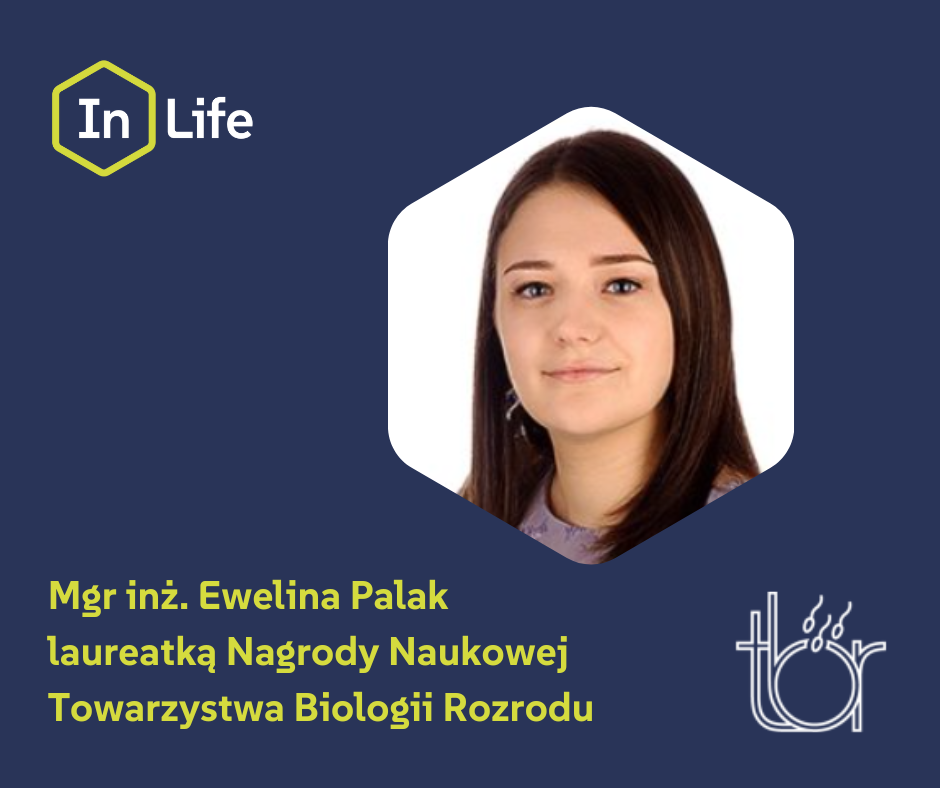
The groundbreaking nature of the research and its significant contribution to advancing knowledge about the extra-gonadal role of follicle-stimulating hormone (FSH), a hormone that plays a significant role in regulating reproductive functions – the Scientific Award of the Society for Reproductive Biology for the best scientific paper published in 2024 was awarded to Ewelina Palak, MSc, from the Biology and Pathology of Human Reproduction Team at our Institute.
As we read further in the justification of the TBR Executive Board: The results obtained challenge the existing beliefs about the involvement of FSH-FSHR signaling in the regulation of uterine muscle contractility during pregnancy, as well as in the functioning of adipose tissue. These findings may be of significant importance in the future design of effective hormonal therapies using FSH.
– Follicle-stimulating hormone (FSH) is a hormone that plays a key role in sexual development and the regulation of reproductive functions in both women and men. In women, FSH stimulates the growth and maturation of Graafian follicles in the ovaries, and its concentration is an important indicator in the diagnosis of infertility, menstrual disorders, assessment of ovarian reserve and in the diagnosis of menopause. Both too low and too high FSH concentrations may indicate gonadal dysfunction. The action of FSH is possible thanks to the presence of its receptor (FSHR), whose proper functioning is crucial for the action of FSH in reproductive biology – explains Ewelina Palak, MSc.
Laureate is a biotechnologist, a graduate of the Warsaw University of Technology. She works in the Biology and Pathology of Human Reproduction Team at our Institute. Her research interests focus on the functional role of the follicle-stimulating hormone receptor and the effect of FSH on uterine muscle and adipose tissue. She conducts research on the molecular mechanisms occurring in the female reproductive system, with particular emphasis on polycystic ovary syndrome (PCOS).
SOCIETY FOR REPRODUCTIVE BIOLOGY (TOWARZYSTWO BIOLOGII ROZRODU – TBR)
TBR was established in 1998. Currently, it has eight branches (Białystok, Lublin, Poznań, Szczecin, Kraków, Olsztyn, Wrocław, and Warsaw). The aim of the Society is to initiate activities leading to the development of sciences related to human and animal reproductive biology.
More information on the TBR website (available in Polish): tbr.pan.olsztyn.pl.
Przełomowy charakter badań i istotny wkład w pogłębienie wiedzy na temat pozagonadalnej roli hormonu folikulotropowego (FSH), czyli hormonu odgrywającego znaczącą rolę w regulacji funkcji rozrodczych – Nagroda Naukowa Towarzystwa Biologii Rozrodu za najlepszą pracę naukową opublikowaną w roku 2024 została przyznana mgr inż. Ewelinie Palak z Zespołu Biologii i Patologii Rozrodu Człowieka naszego Instytutu.
Jak czytamy dalej w uzasadnieniu Zarządu Głównego TBR: Uzyskane wyniki podważają dotychczasowe przekonania o zaangażowaniu sygnalizacji FSH-FSHR w regulację kurczliwości mięśniówki macicy w czasie ciąży, jak również w funkcjonowaniu tkanki tłuszczowej. Odkrycia te mogą mieć istotne znaczenie w przyszłym projektowaniu skutecznych terapii hormonalnych z zastosowaniem FSH.
– Hormon folikulotropowy (FSH) to hormon, który odgrywa kluczową rolę w rozwoju płciowym i regulacji funkcji rozrodczych zarówno u kobiet, jak i u mężczyzn. U kobiet FSH stymuluje wzrost i dojrzewanie pęcherzyków Graafa w jajnikach, a jego stężenie jest istotnym wskaźnikiem w diagnostyce niepłodności, zaburzeń miesiączkowania, ocenie rezerwy jajnikowej oraz w rozpoznawaniu menopauzy. Zarówno zbyt niskie, jak i zbyt wysokie stężenie FSH może świadczyć o zaburzeniach funkcji gonad. Działanie FSH jest możliwe dzięki obecności jego receptora (FSHR), którego prawidłowe funkcjonowanie jest kluczowe dla działania FSH w biologii rozrodu – wyjaśnia mgr inż. Ewelina Palak.
Laureatka jest biotechnolożką, absolwentką Politechniki Warszawskiej. Pracuje w Zespole Biologii i Patologii Rozrodu Człowieka naszego Instytutu. Jej zainteresowania badawcze skupione są wokół funkcjonalnej roli receptora hormonu folikulotropowego oraz wpływu FSH na mięśniówkę macicy oraz tkankę tłuszczową. Prowadzi badania dotyczące molekularnych mechanizmów zachodzących w układzie rozrodczym kobiety, ze szczególnym uwzględnieniem zespołu policystycznych jajników (PCOS).
TOWARZYSTWO BIOLOGII ROZRODU
TBR istnieje od 1998 r. Obecnie funkcjonuje jego 8 Oddziałów (Białystok, Lublin, Poznań, Szczecin, Kraków, Olsztyn, Wrocław, Warszawa). Celem Towarzystwa jest inicjowanie działań zmierzających do rozwoju nauk związanych z biologią rozrodu człowieka i zwierząt.
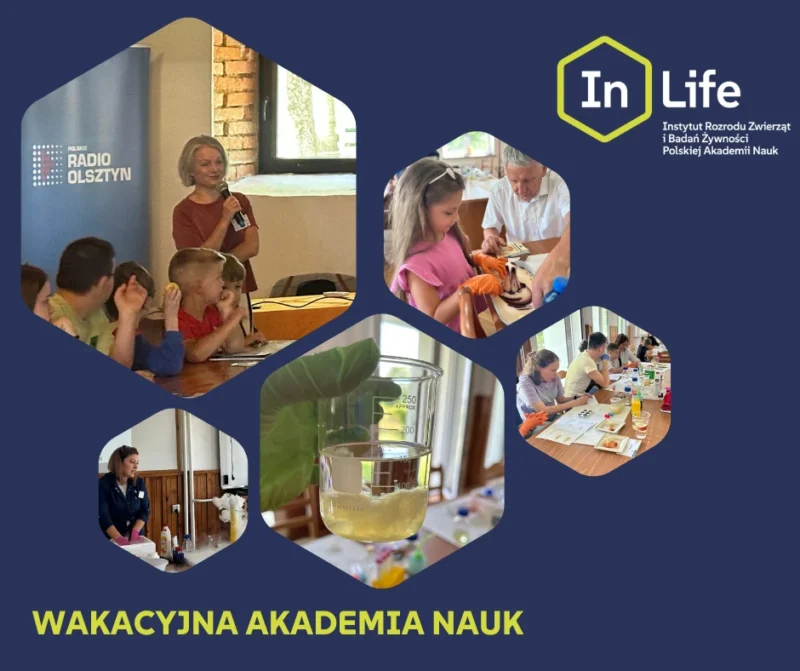
At the end of June, the Research Station in Popielno hosted workshops inaugurating the Summer Academy of Sciences, a joint initiative of the Institute of Animal Reproduction and Food Research PAS and the Masurian Landscape Park. – The aim of the meetings is to create a network of entities involved in the protection of biodiversity in the Piska Forest, while presenting the heritage and uniqueness of Masuria in an interdisciplinary way, combining facts from biotechnology, nature, forestry and aquaculture, as well as cultural studies – emphasizes Prof. Anna Korzekwa, the initiator of the event on behalf of the Institute.
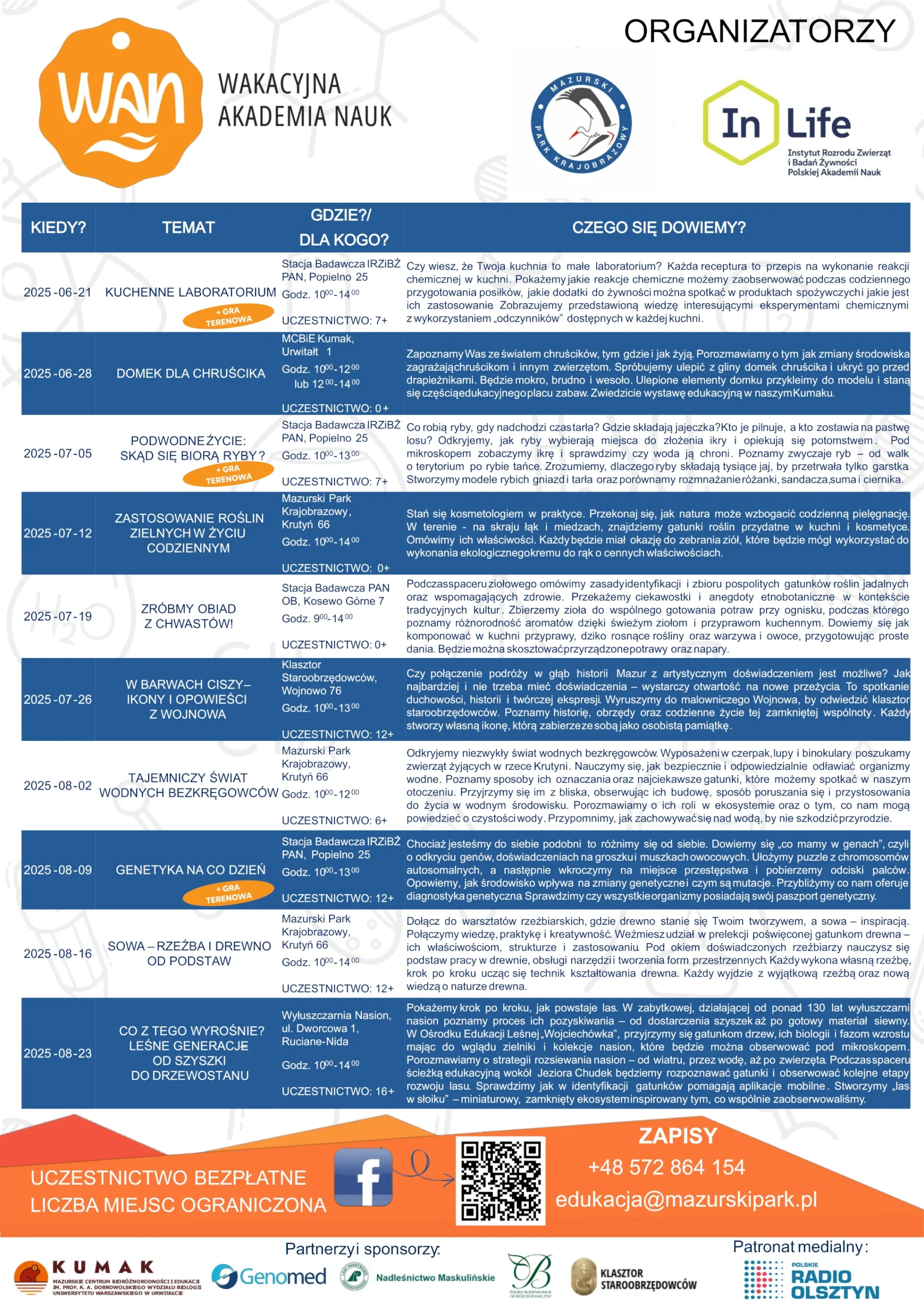
The event will last until the end of August and is held in the form of regular Saturday workshops. The main idea was to present the advantages of Masuria from a scientific perspective, especially in the context of biodiversity. The organizers invited partners—scientific and cultural institutions in the region—to participate in the event. These institutions conduct thematic workshops at their facilities, aimed at both tourists and residents of Masuria.
– We invited the Maskulińskie Forest District, the Research Station of the Botanical Garden of the Polish Academy of Sciences in Kosewo Górne, the Masurian Center for Biodiversity and Education of the University of Warsaw in Urwitałt – KUMAK, and the Old Believers Monastery in Wojnowo, to participate in the Summer Science Academy. We also managed to engage a sponsor, Genomed – explains Prof. Korzekwa, leader of the Biodiversity Protection Team at the Institute.
The workshops are run by experienced experts, but above all, enthusiasts, which is particularly important when it comes to science communication. The organizers, aware of the region’s tourist activity, know how important it is to protect it. – Tourists are an important part of Masuria, especially in the summer months. We want to show them the uniqueness of our region, hence the topics of the meetings include walks, field games, talks, workshops and experiments, joint activities, such as making ointments containing valuable herbs – sums up the professor.
The first meeting of the series took place on June 21 at the Research Station in Popielno. Prof. Anna Korzekwa’s team: Dr. Anna Kononiuk, M.Sc. Katarzyna Borońska, and volunteers, doctoral students at the Institute, M.Sc. Paulina Zając and M.Sc. Oliwia Serej, presented popular chemical reactions that occur in every kitchen. After completing the laboratory activities, the participants went on a tour of the station and took part in a field game about the secrets of the Popielno Peninsula.
Pod koniec czerwca w Stacji Badawczej w Popielnie odbyły się warsztaty inaugurujące Wakacyjną Akademię Nauk, wspólną inicjatywę Instytutu Rozrodu Zwierząt i Badań Żywności PAN oraz Mazurskiego Parku Krajobrazowego. – Celem spotkań jest stworzenie sieci jednostek związanych z ochroną bioróżnorodności na terenie Puszczy Piskiej, a jednocześnie przedstawienie dziedzictwa i wyjątkowości Mazur w ujęciu interdyscyplinarnym, łącząc fakty biotechnologiczne, przyrodnicze, z obszaru leśnictwa i akwakultury, oraz kulturoznawcze – podkreśla prof. Anna Korzekwa, inicjatorka wydarzenia ze strony Instytutu.
Wydarzenie potrwa do końca sierpnia i odbywa się w formie cyklicznych sobotnich warsztatów. Ideą przewodnią było zaprezentowanie walorów Mazur od strony… naukowej, szczególnie w kontekście bioróżnorodności. Organizatorzy zaprosili do realizacji wydarzenia Partnerów – jednostki naukowe i kulturalne regionu – którzy w swoich siedzibach prowadzą warsztaty tematyczne, adresowane zarówno do turystów, jak i mieszkańców Mazur.
– Do Wakacyjnej Akademii Nauk zaprosiliśmy Nadleśnictwo Maskulińskie, Stację Badawczą Ogrodu Botanicznego PAN w Kosewie, Mazurskie Centrum Bioróżnorodności i Edukacji Uniwersytetu Warszawskiego w Urwitałcie – KUMAK, Klasztor Staroobrzędowców w Wojnowie. Udało nam się także zaangażować sponsora, firmę Genomed – wyjaśnia prof. Korzekwa, liderka Zespołu Ochrony Bioróżnorodności IRZiBŻ PAN.
Warsztaty są prowadzone przez doświadczonych ekspertów, ale przede wszystkim pasjonatów, co ma szczególne znaczenie przy działaniach z obszaru komunikowania nauki. Organizatorzy, zdając sobie sprawę z turystycznej działalności regionu, wiedzą, jak ważna jest jego ochrona. – Turyści są ważną częścią Mazur, szczególnie w letnich miesiącach. Chcemy im pokazać wyjątkowość naszego regionu , stąd w tematach spotkań m.in. spacery, gry terenowe, pogadanki, warsztaty i eksperymenty, wspólne działania, np. wytwarzanie maści zawierających cenne zioła – podsumowuje Pani Profesor.
Pierwsze spotkanie odbyło się 21 czerwca w Stacji Badawczej w Popielnie. Zespół prof. Anny Korzekwy: dr inż. Anna Kononiuk, mgr inż. Katarzyna Borońska oraz wolontariuszki, doktorantki Instytutu, mgr inż. Paulina Zając i mgr inż. Oliwia Serej, zaprezentował popularne reakcje chemiczne zachodzące w każdej kuchni. Po laboratoryjnych aktywnościach uczestnicy wybrali się na zwiedzanie stacji oraz grę terenową o tajemnicach Półwyspu Popielniańskiego.
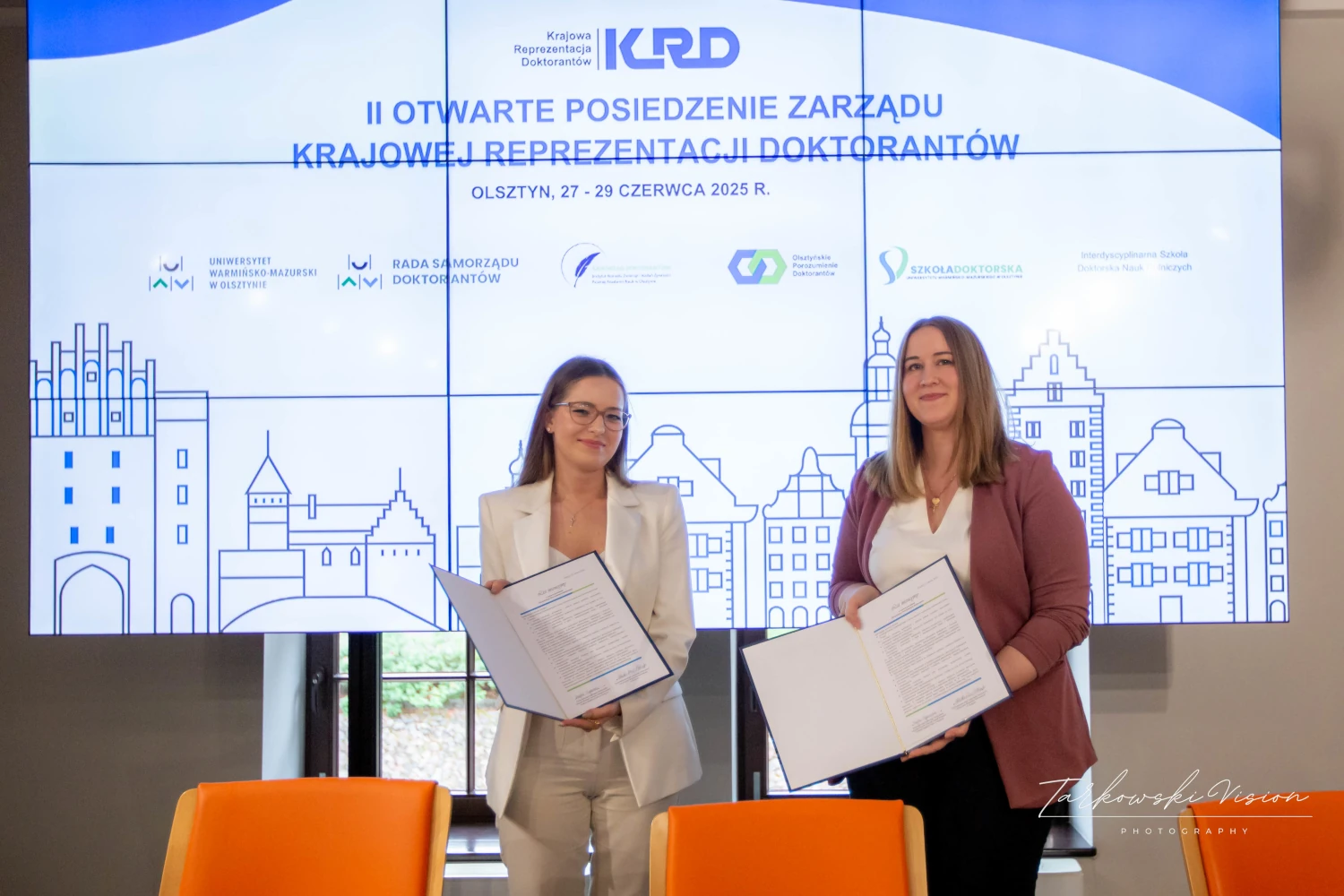
Joint activities for the benefit and in the interest of doctoral students in Olsztyn – this is the idea behind the Olsztyn Doctoral Students’ Agreement, which was formally signed during the 2nd Open Meeting of the Board of the National Representation of Doctoral Students (KRD). In addition to legal and organizational issues related to doctoral studies, the meeting also addressed an equally important topic – the mental health of doctoral students and the scientific community.
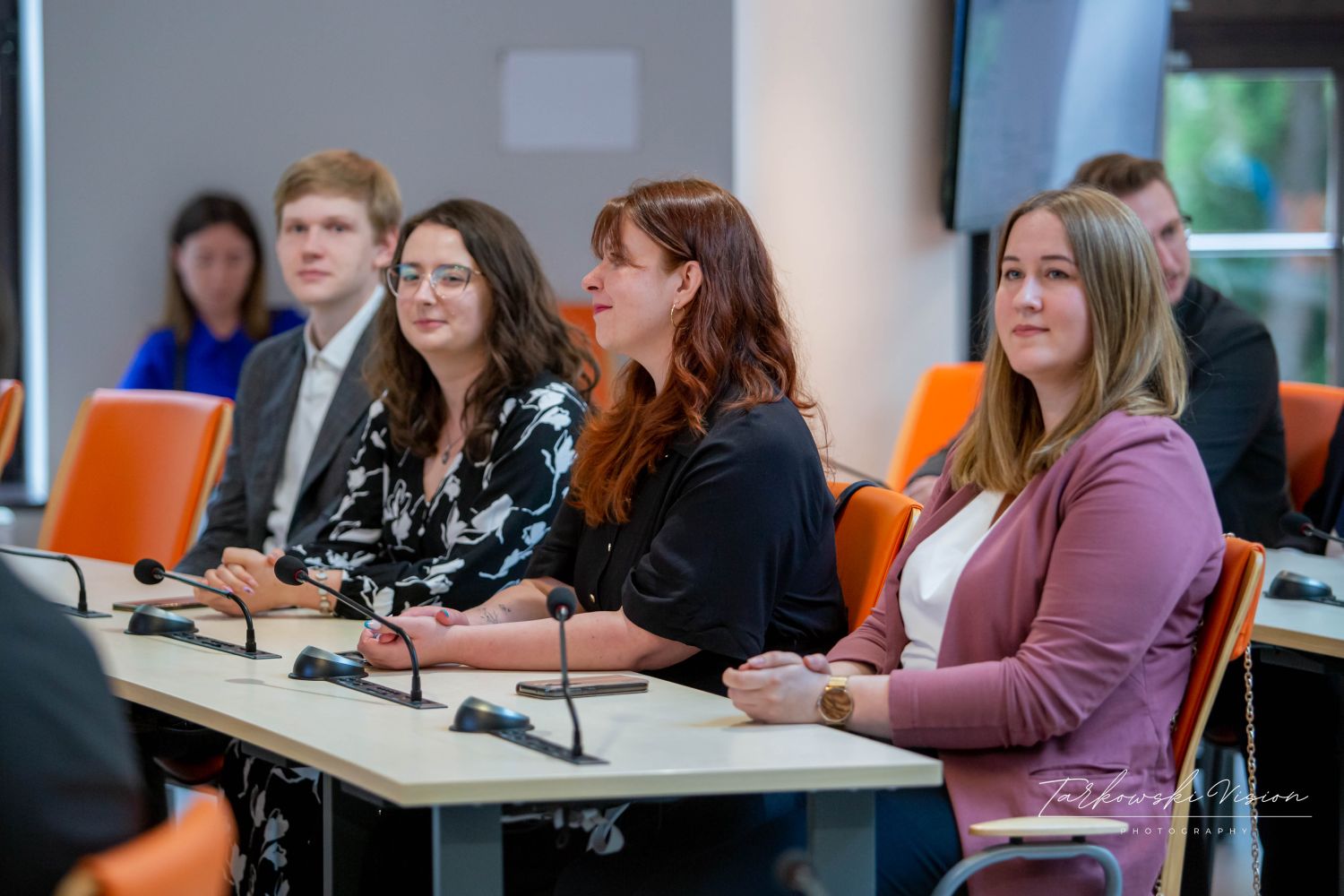
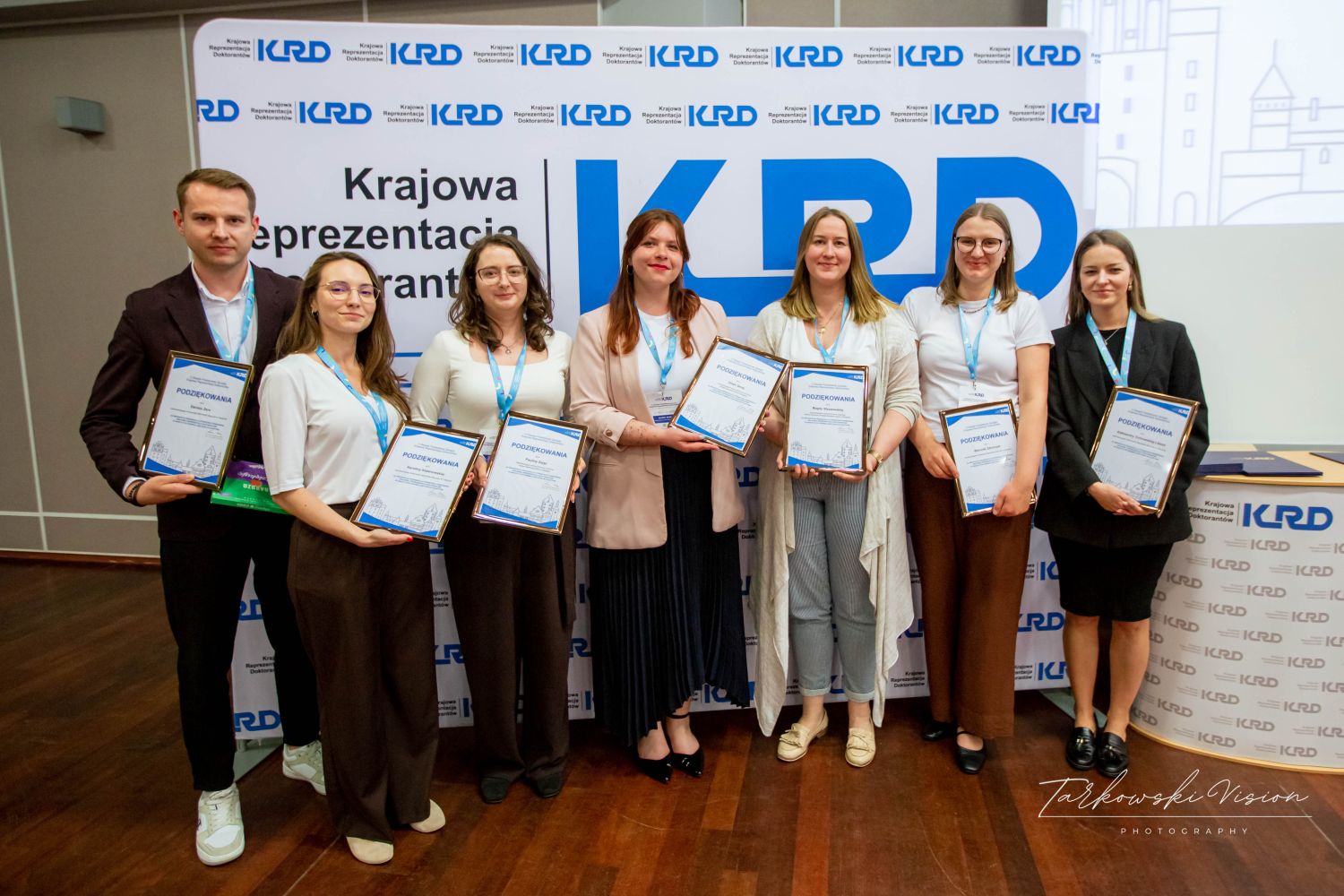
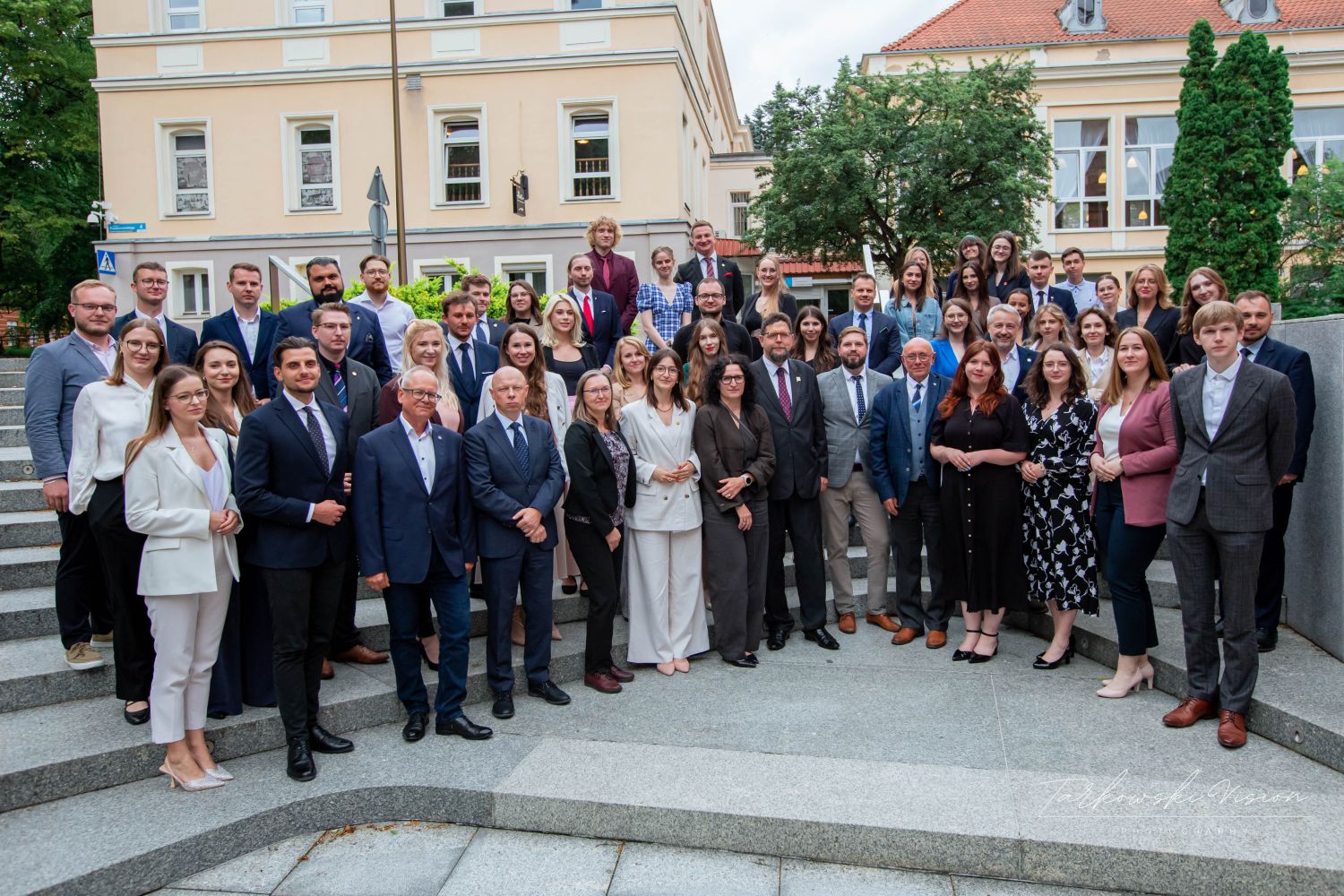
At the end of June, the Second Open Meeting of the Management Board (OPZ) of the National Representation of Doctoral Students (KRD) ) – the Polish representative body for doctoral students – was held in Olsztyn. (KRD took place. The event was organized by the Doctoral Student Council of the University of Warmia and Mazury in Olsztyn, and co-organized by the Doctoral Student Council of the Institute of Animal Reproduction and Food Research of the Polish Academy of Sciences in Olsztyn. Important point of the meeting was the ceremonial signing of the Olsztyn Doctoral Students’ Agreement, which expressed the will to undertake joint actions for the benefit of PhD students in the region.
Open Management Board meetings are held regularly and summarize the activities of the KRD authorities to date. The key issues addressed by the current term of the Management Board include: the status of doctoral students from the moment they submit their dissertation up to its defense, the conditions for suspension of studies at a doctoral school, the legal basis for the institution of the Doctoral Student Ombudsman, and the representation of doctoral students in the Science Evaluation Committee. The event is a good opportunity to broaden horizons, including organizational ones, exchange experiences, and share good academic practices. Young scientists also have the opportunity to develop soft skills during training sessions.
During the meeting, doctoral students could participate in one of three training paths:
1. How to cope with stress?
2. Strong scientist – leadership skills.
3. Intercultural academic etiquette – how to build relationships in an international environment? (conducted in English, also available to international doctoral students from organizational units).
OLSZTYN DOCTORAL STUDENTS’ AGREEMENT
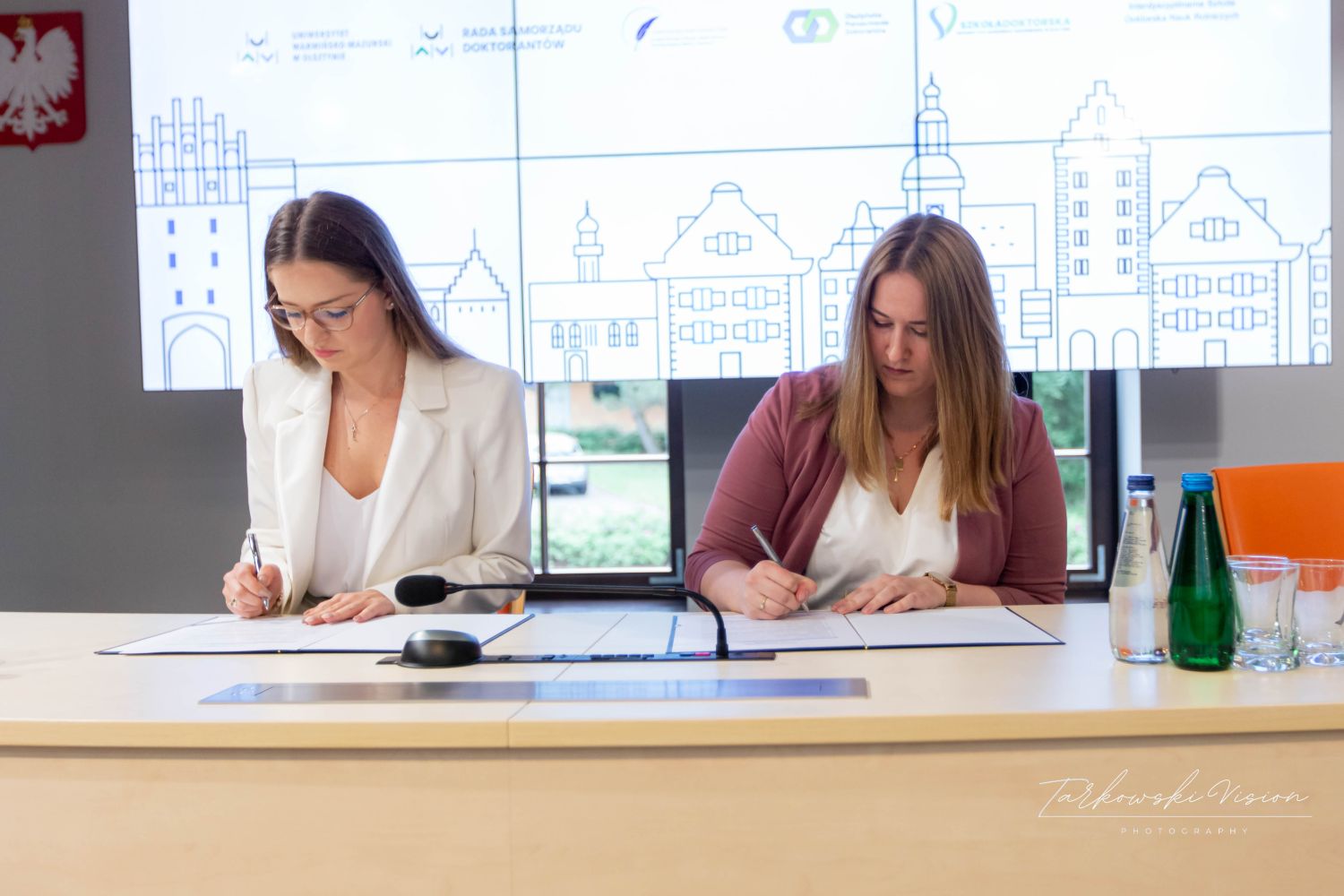
As part of the KRD meeting, the Olsztyn Doctoral Students’ Agreement (OPD) was formally signed. The OPD letter of intention was signed by Magda Słyszewska, MSc, Chair of the Doctoral Student Council of the Institute of Animal Reproduction and Food Research of the Polish Academy of Sciences, and Aleksandra Cichowska-Likszo, MSc, Chair of the Doctoral Student Council of the University of Warmia and Mazury in Olsztyn.
– The agreement is a result of joint work, discussions, and trust between two doctoral student councils. I believe that this step opens up new opportunities for us – not only in terms of organization, but also socially and scientifically. We hope that it will allow us to represent our interests more effectively, support initiatives, and create a space where every doctoral student in Olsztyn will feel part of a larger community – sums up Magda Słyszewska.
FOCUS ON THE WELL-BEING OF PhD STUDENTS
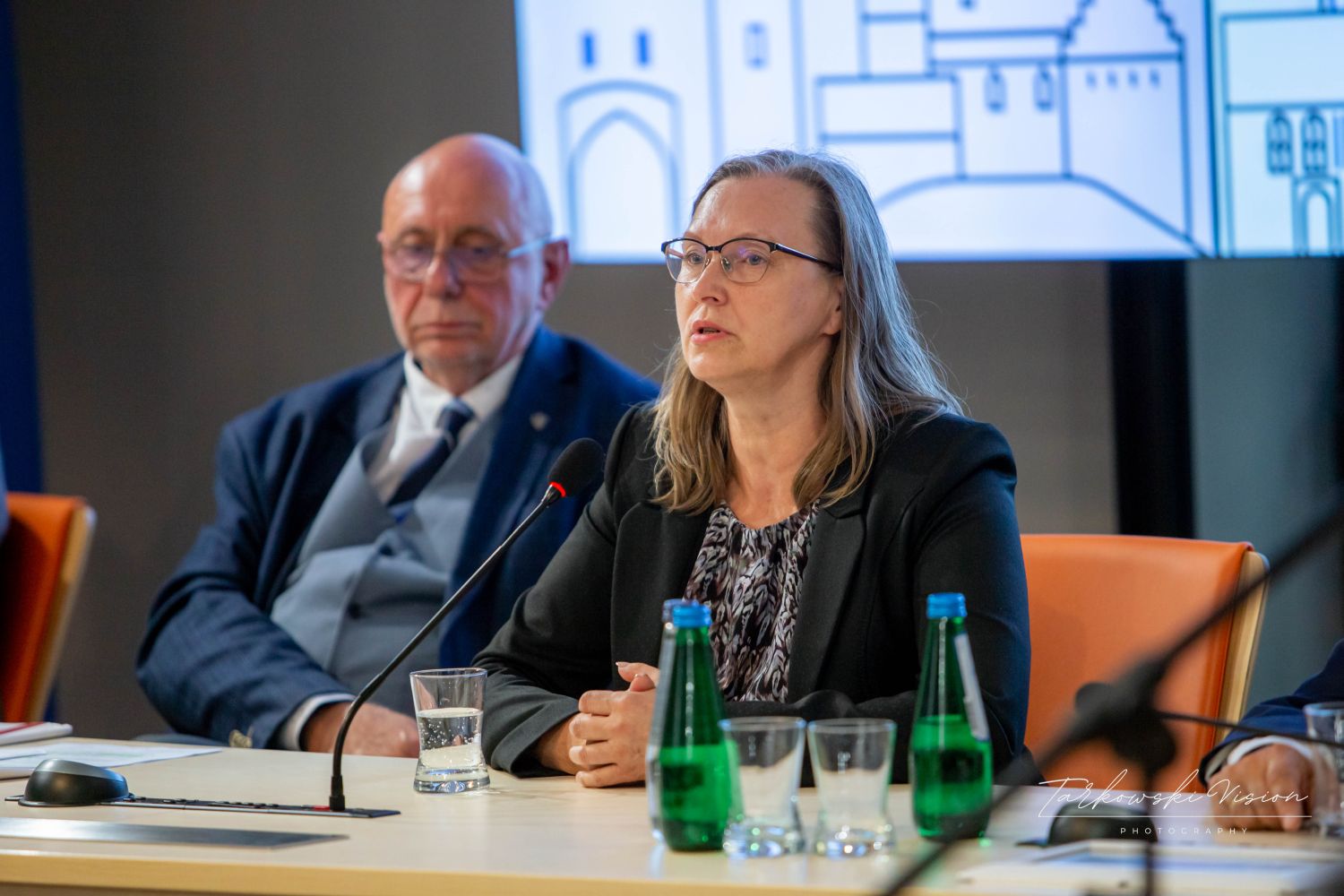
The grand opening of the OPZ was capped off with a panel discussion devoted to the mental health of doctoral students and the entire academic and scientific community. The discussion was attended by: Prof. Aneta Andronowska, Director of the Interdisciplinary Doctoral School of Agricultural Sciences, Prof. Paweł Brzuzan, Director of the Doctoral School at the University of Warmia and Mazury, Prof. Jan Szmidt, Warsaw University of Technology, Prof. Andrzej Szeptycki, Undersecretary of State at the Ministry of Science and Higher Education, Monika Wilanowska, MA, second deputy Ombudsman for Doctoral Students.
The topic of mental health and the challenges faced by the scientific community in this area is increasingly being discussed in public debate. In March, a report prepared by SWPS on behalf of the Ministry of Science and Higher Education was published. The report shows, among other things, that people in the early stages of their academic careers are particularly vulnerable to mental health deterioration, hence the need for targeted measures to identify difficulties, build mental resilience among doctoral students, and create systemic preventive solutions and psychological support.
– Supporting initiatives focused on mental health is an important step and should include both doctoral students and academic teaching staff – emphasizes Prof. Andronowska.
The event was held under the honorary patronage of Prof. Monika M. Kaczmarek, Director of the Institute of Animal Reproduction and Food Research of the Polish Academy of Sciences, Prof. Jerzy A. Przyborowski, Rector of the University of Warmia and Mazury in Olsztyn, Robert Szewczyk, Mayor of Olsztyn, and Andrzej Abako, Starost of Olsztyn.
ABOUT THE NATIONAL COUNCIL OF DOCTORAL STUDENTS
The KRD was established out of the need to create an official voice for doctoral students that would be included in academic discourse. As stated on the website of the doctoral community representatives, the KRD has the right to express opinions and submit proposals on matters concerning all doctoral students, including issuing opinions on normative acts concerning doctoral students. For more information visit: krd.edu.pl.
Wspólne działania na rzecz i w interesie uczestników studiów doktoranckich Olsztyna – to idea przyświecająca Olsztyńskiemu Porozumieniu Doktorantów, którego uroczyste podpisanie odbyło się w trakcie II Otwartego Posiedzenia Zarządu Krajowej Reprezentacji Doktorantów (KRD). Oprócz kwestii prawnych i organizacyjnych związanych ze studiami III stopnia, w trakcie spotkania poruszono równie ważny temat – zdrowia psychicznego doktorantów i środowiska naukowego.
Pod koniec czerwca w Olsztynie odbyło się II Otwarte Posiedzenie Zarządu (OPZ) Krajowej Reprezentacji Doktorantów (KRD) – ogólnopolskiego przedstawiciela środowiska doktorantów. Wydarzenie zorganizowała Rada Samorządu Doktorantów Uniwersytetu Warmińsko-Mazurskiego w Olsztynie, a jego współorganizatorem był Samorząd Doktorantów Instytutu Rozrodu Zwierząt i Badań Żywności PAN w Olsztynie. Ważnym punktem spotkania było uroczyste podpisanie Olsztyńskiego Porozumienia Doktorantów, którym wyrażono chęć podejmowania wspólnych działań na rzecz doktorantów regionu.
Otwarte Posiedzenia Zarządu odbywają się cyklicznie i są podsumowaniem dotychczasowych działań władz KRD. Kluczowymi sprawami poruszanymi przez bieżącą kadencję Zarządu są: status doktoranta od momentu złożenia dysertacji do obrony, warunki zawieszenia nauki w szkole doktorskiej, umocowanie prawne instytucji Rzecznika Praw Doktoranta oraz przedstawicielstwo doktorantów w Komisji Ewaluacji Nauki. Wydarzenie jest dobrą okazją do poszerzenia horyzontów, również organizacyjnych, wymiany doświadczeń, podzielenia się dobrymi praktykami akademickimi. Młodzi naukowcy mają również możliwość rozwijania kompetencji miękkich w trakcie sesji szkoleniowych.
W ramach II OPZ doktoranci mogli wziąć udział w jednej z trzech ścieżek szkoleniowych:
Jak radzić sobie ze stresem?
Silny naukowiec – kompetencje liderskie;
Międzykulturowa etykieta akademicka – jak budować relacje w międzynarodowym środowisku? (prowadzona w języku angielskim, dostępna również dla międzynarodowych doktorantów jednostek organizacyjnych).
OLSZTYŃSKIE POROZUMIENIE DOKTORANTÓW
W ramach II OPZ KRD odbyło się uroczyste podpisanie Olsztyńskiego Porozumienia Doktorantów (OPD). List intencyjny OPD podpisały: Przewodnicząca Samorządu Doktorantów Instytutu Rozrodu Zwierząt i Badań Żywności PAN mgr inż. Magda Słyszewska oraz Przewodnicząca Rady Samorządu Doktorantów Uniwersytetu Warmińsko-Mazurskiego w Olsztynie mgr inż. Aleksandra Cichowska-Likszo.
– To porozumienie to owoc wspólnej pracy, rozmów i zaufania między dwoma samorządami doktoranckimi. Wierzę, że ten krok otwiera przed nami nowe możliwości – nie tylko organizacyjne, ale też społeczne i naukowe. Mamy nadzieję, że pozwoli nam to skuteczniej reprezentować nasze interesy, wspierać inicjatywy i tworzyć przestrzeń, w której każdy doktorant w Olsztynie będzie czuł się częścią większej wspólnoty. – podsumowuje mgr inż. Magda Słyszewska.
DOBROSTAN DOKTORANTÓW
Uroczyste otwarcie OPZ zostało zwieńczone panelem dyskusyjnym poświęconym dobrostanowi oraz zdrowiu psychicznemu doktorantów i społeczności akademicko-naukowej. W dyskusji wzięli udział: prof. dr hab. Aneta Andronowska, dyrektor Interdyscyplinarnej Szkoły Doktorskiej Nauk Rolniczych, prof. dr hab. Paweł Brzuzan, dyrektor Szkoły Doktorskiej UWM, prof. dr hab. inż. Jan Szmidt, Politechnika Warszawska, prof. dr hab. Andrzej Szeptycki, Podsekretarz Stanu w Ministerstwie Nauki i Szkolnictwa Wyższego, mgr Monika Wilanowska, drugi zastępca Rzecznika Praw Doktoranta.
Temat kondycji psychicznej i wyzwań, z jakimi w tym obszarze mierzy się środowisko naukowe coraz bardziej wybrzmiewa w debacie publicznej. W marcu ukazał się raport opracowany przez SWPS na zlecenie Ministerstwa Nauki i Szkolnictwa Wyższego. Z raportu wynika m.in., że szczególnie narażone na pogorszenie zdrowia psychicznego są osoby znajdujące się na wczesnym etapie kariery akademickiej, stąd potrzeba ukierunkowanych działań na rzecz identyfikowania trudności, budowania odporności psychicznej doktorantów czy tworzenia systemowych rozwiązań profilaktycznych i wsparcia psychologicznego.
– Wsparcie inicjatyw ukierunkowanych na zdrowie psychiczne jest ważnym działaniem i należałoby objąć nim zarówno doktorantów, jak i kadrę akademicką – podkreśla prof. Andronowska.
Wydarzenie odbyło się pod honorowym patronatem dyrektor Instytutu Rozrodu Zwierząt i Badań Żywności PAN prof. Moniki M. Kaczmarek, rektora Uniwersytetu Warmińsko-Mazurskiego w Olsztynie prof. Jerzego A. Przyborowskiego, Prezydenta Olsztyna Roberta Szewczyka, Starosty Olsztyńskiego Andrzeja Abako.
O KRAJOWEJ RADZIE DOKTORANTÓW
KRD powstało z potrzeby utworzenia oficjalnego głosu doktorantów, który zostanie włączony do dyskursu akademickiego. Jak czytamy na stronie reprezentantów środowiska doktoranckiego, KRD ma prawo do wyrażania opinii i przedstawiania wniosków w sprawach dotyczących ogółu doktorantów, w tym do opiniowania aktów normatywnych dotyczących doktorantów. Więcej na stronie: krd.edu.pl.