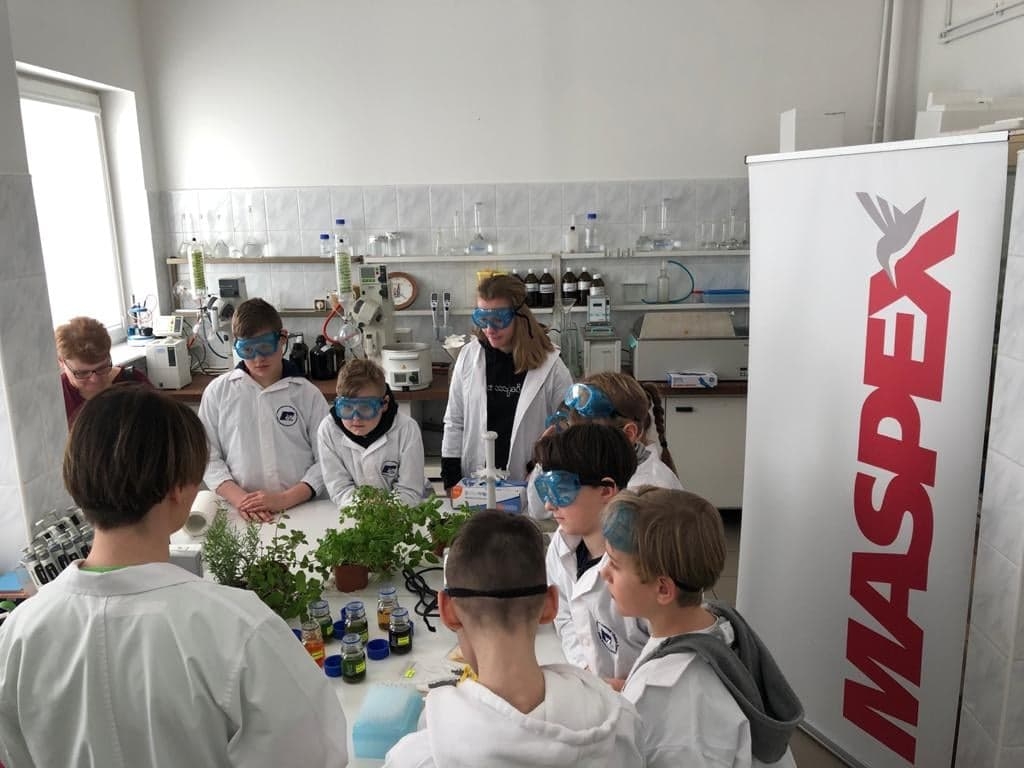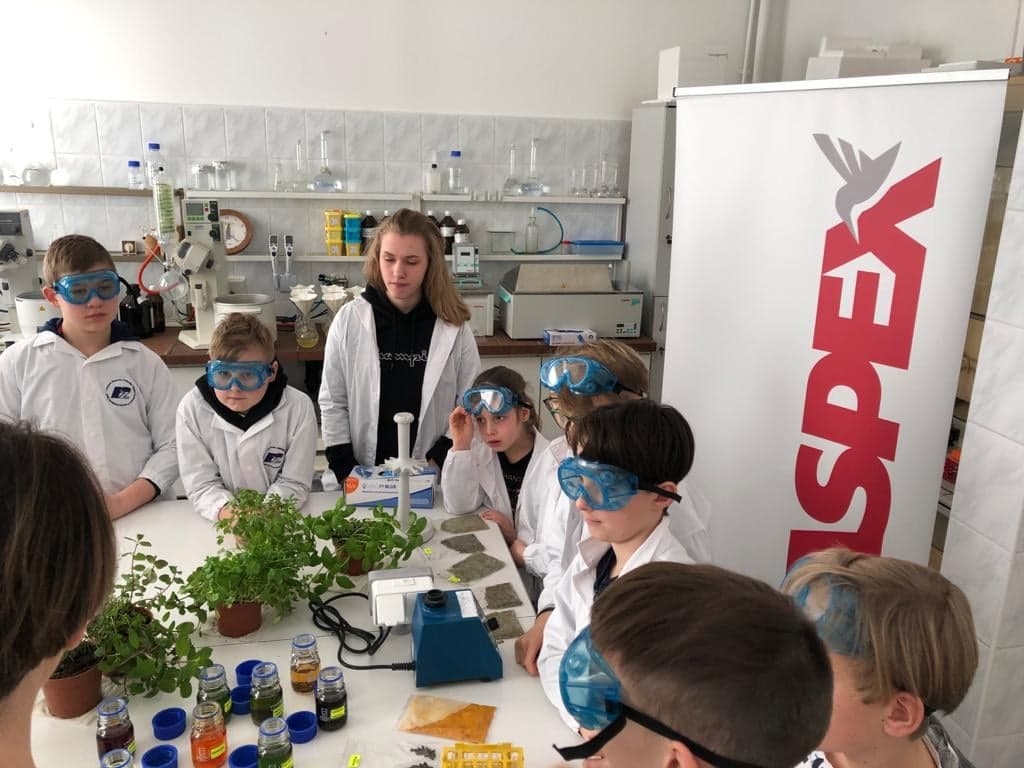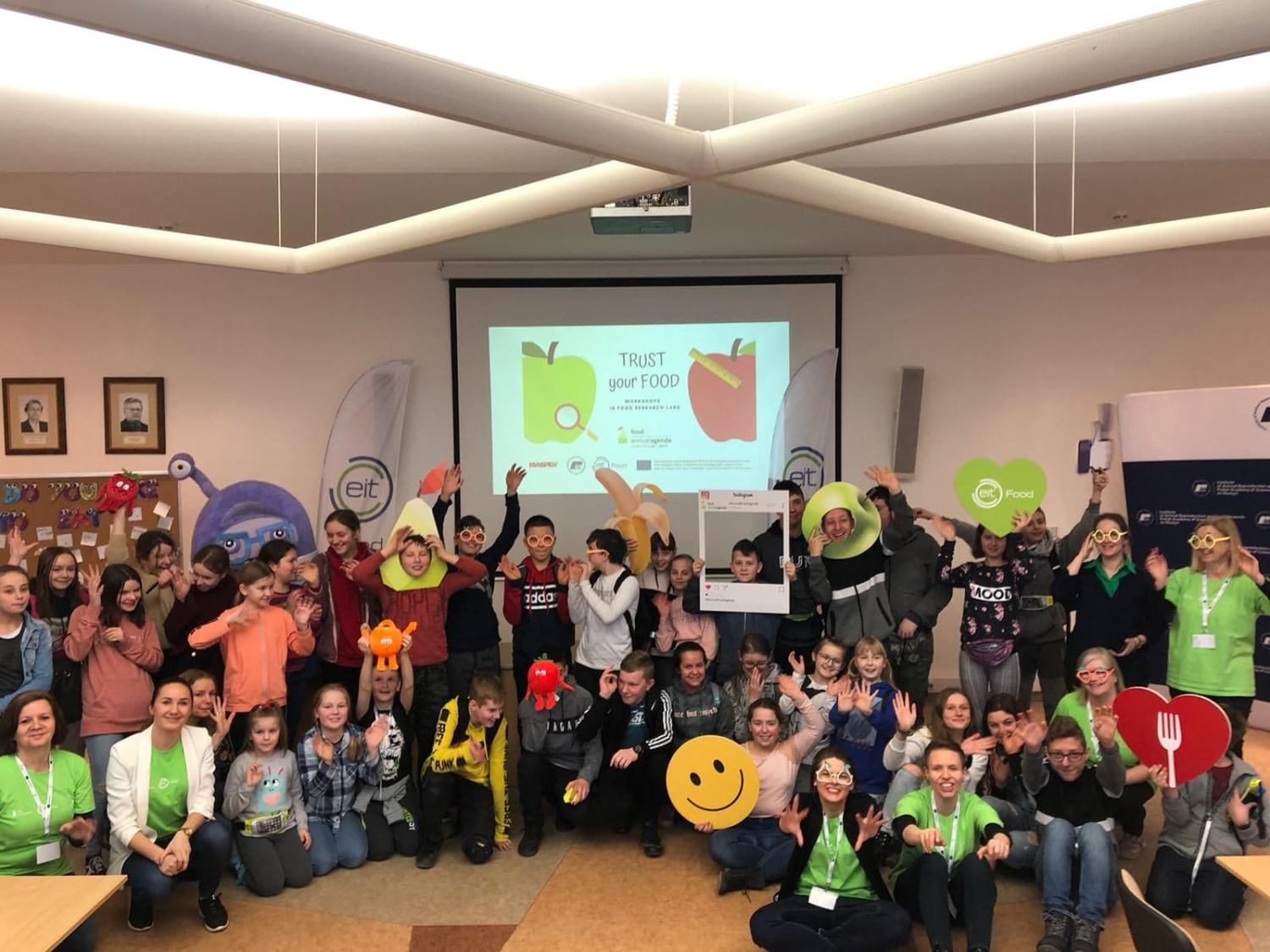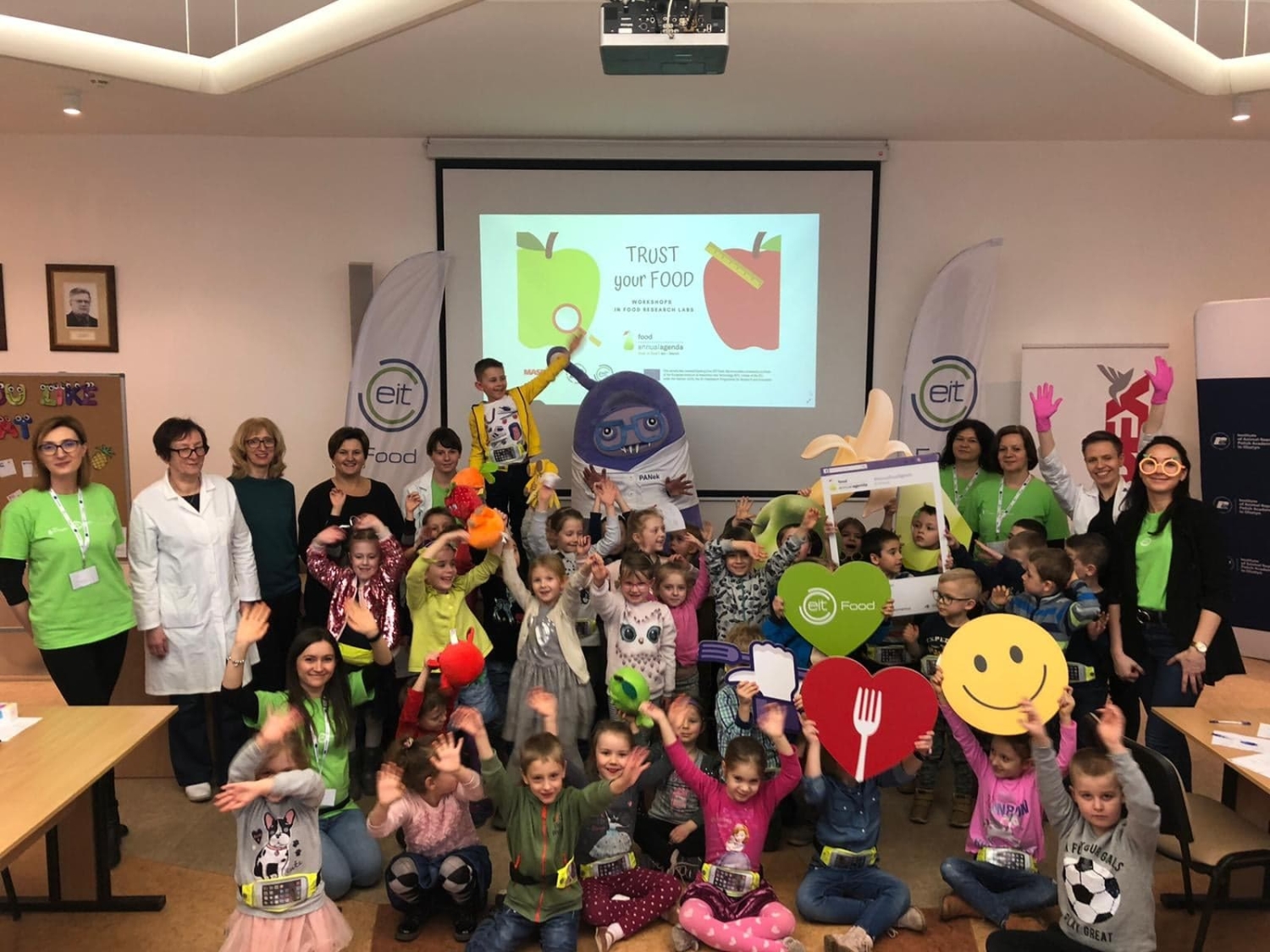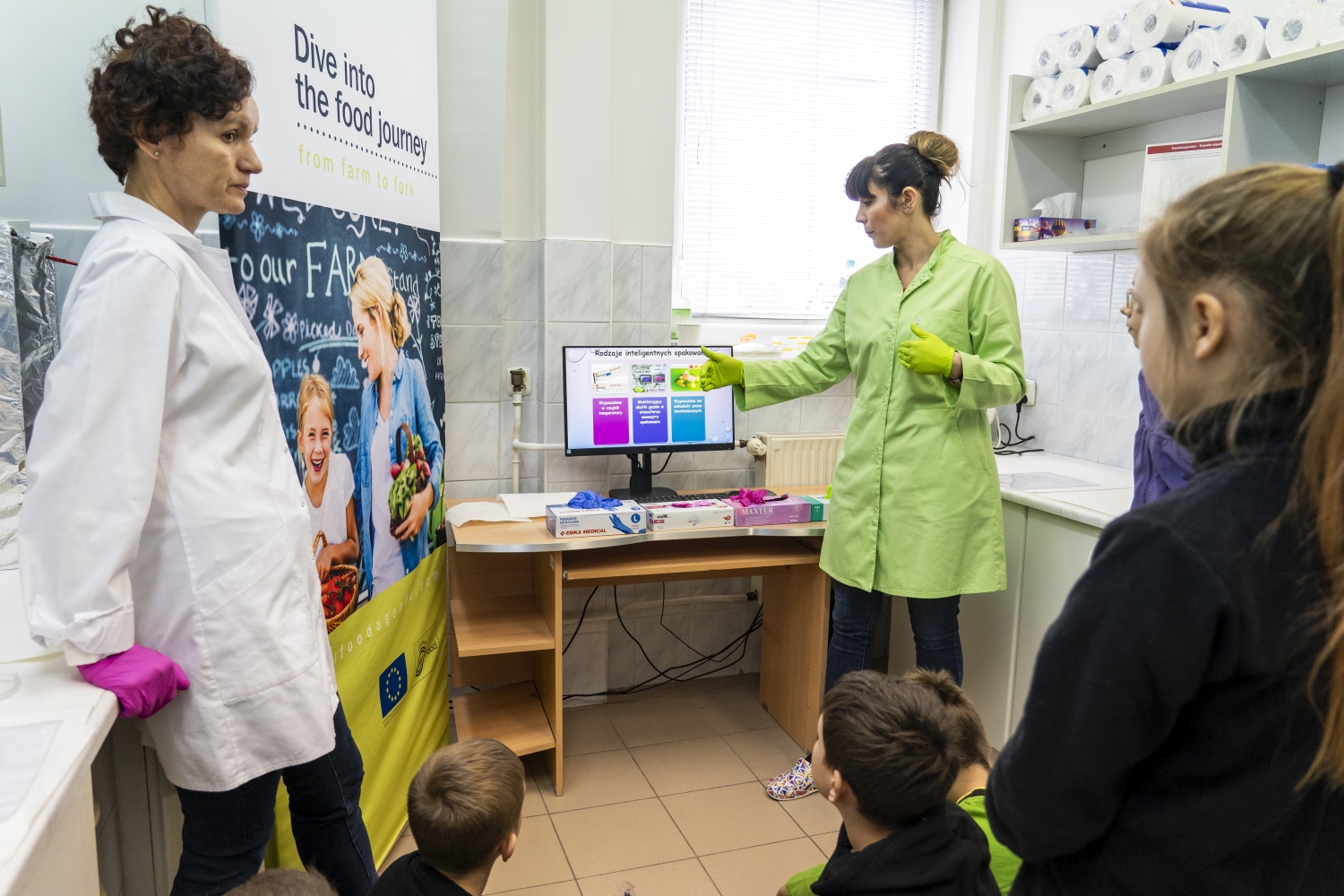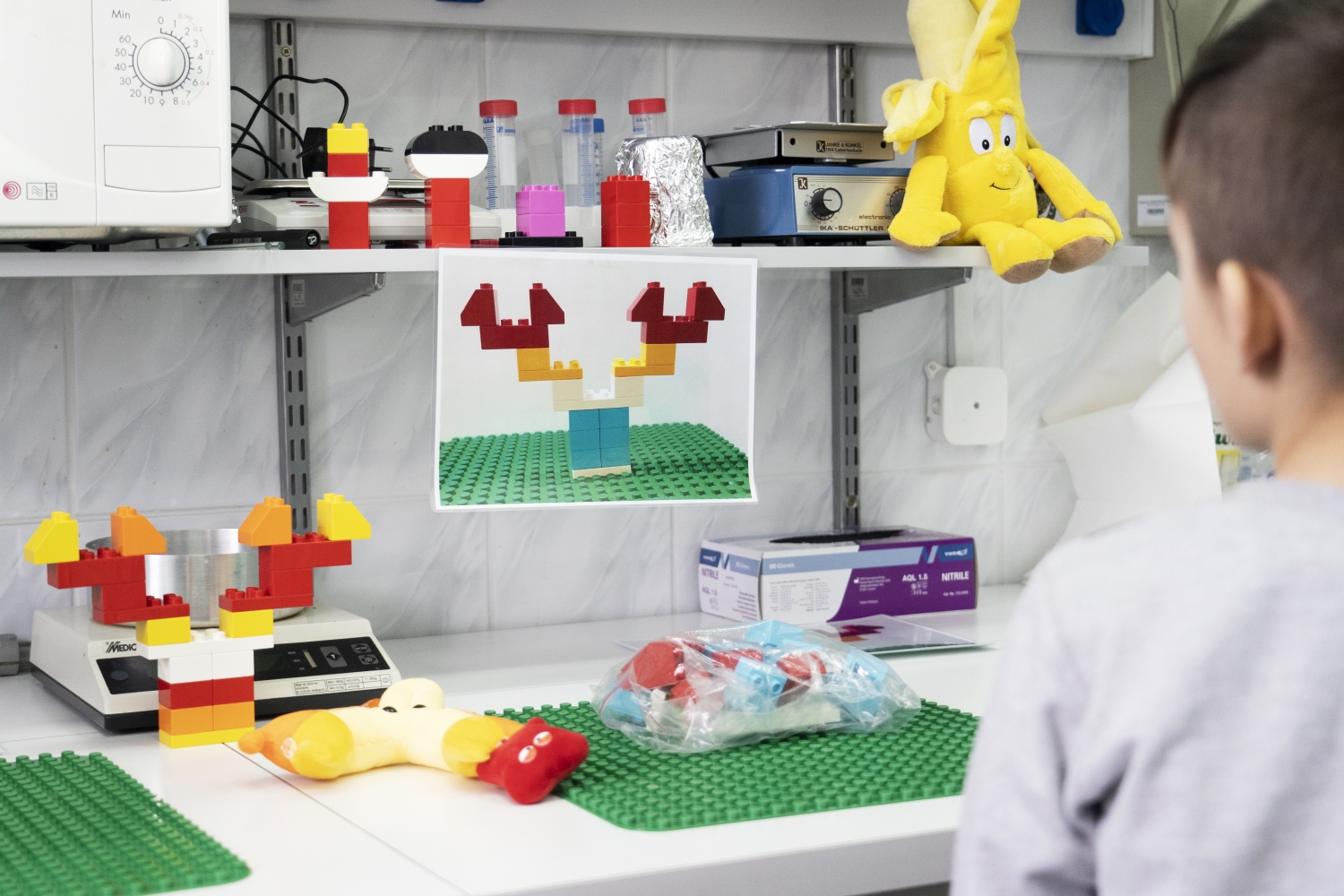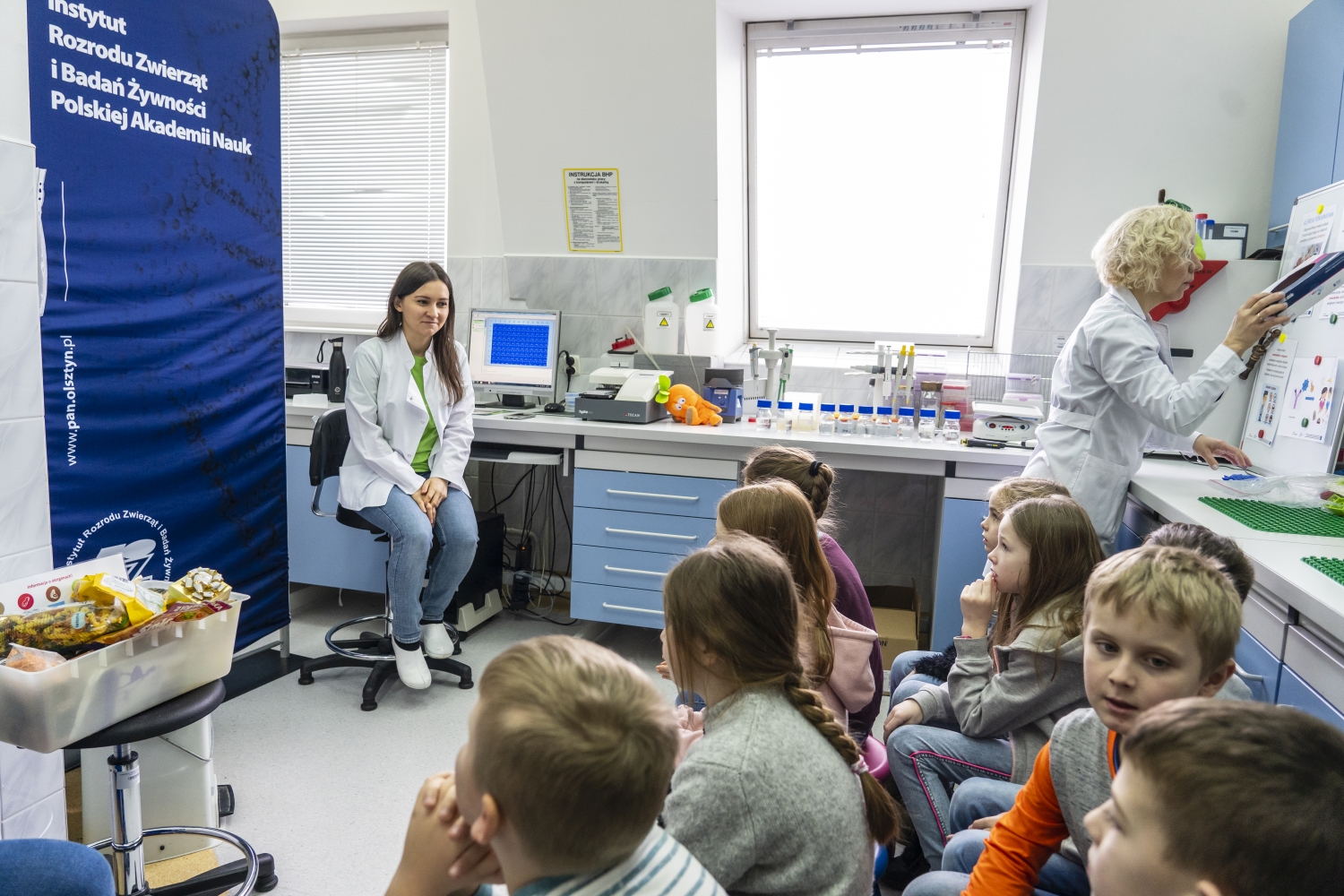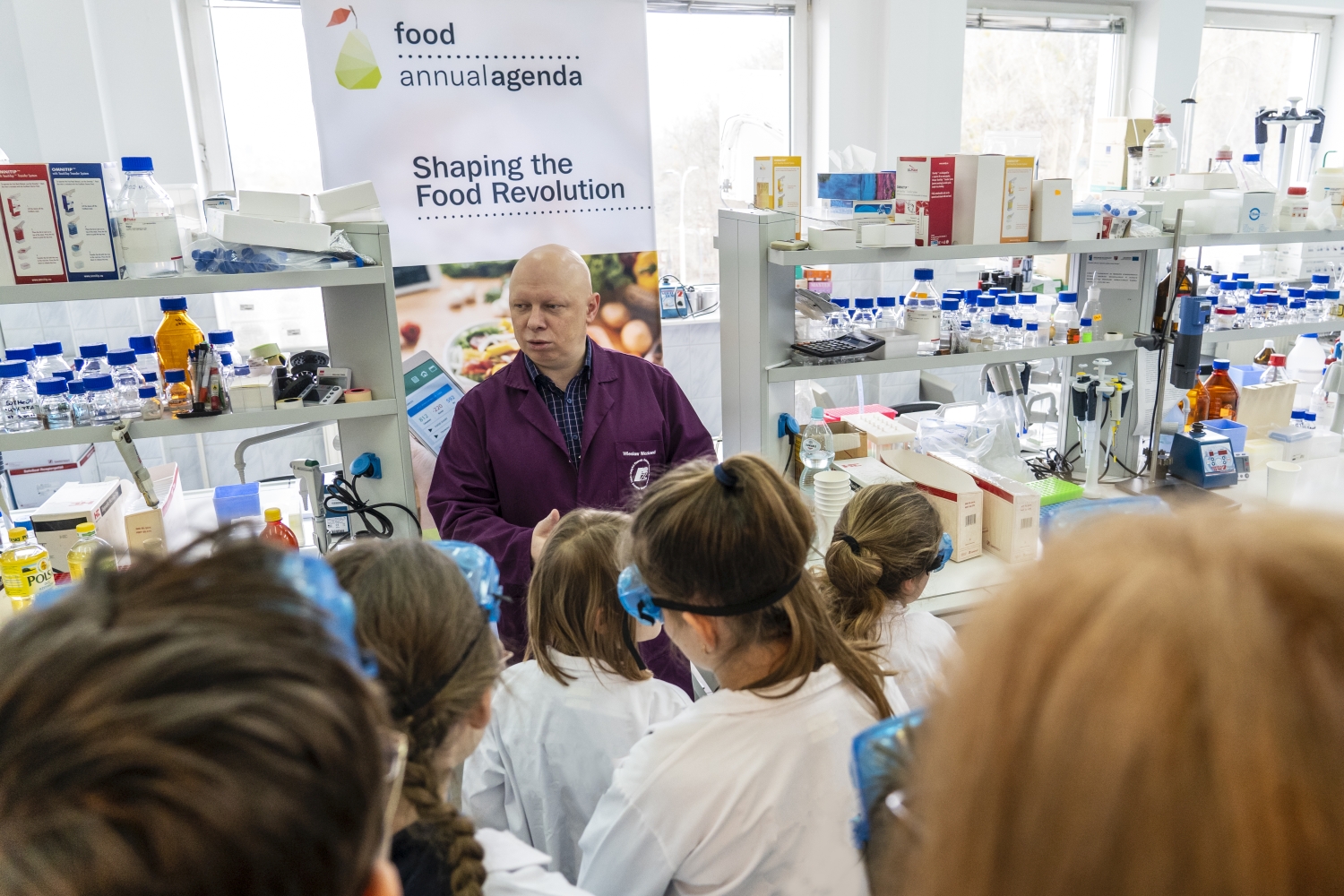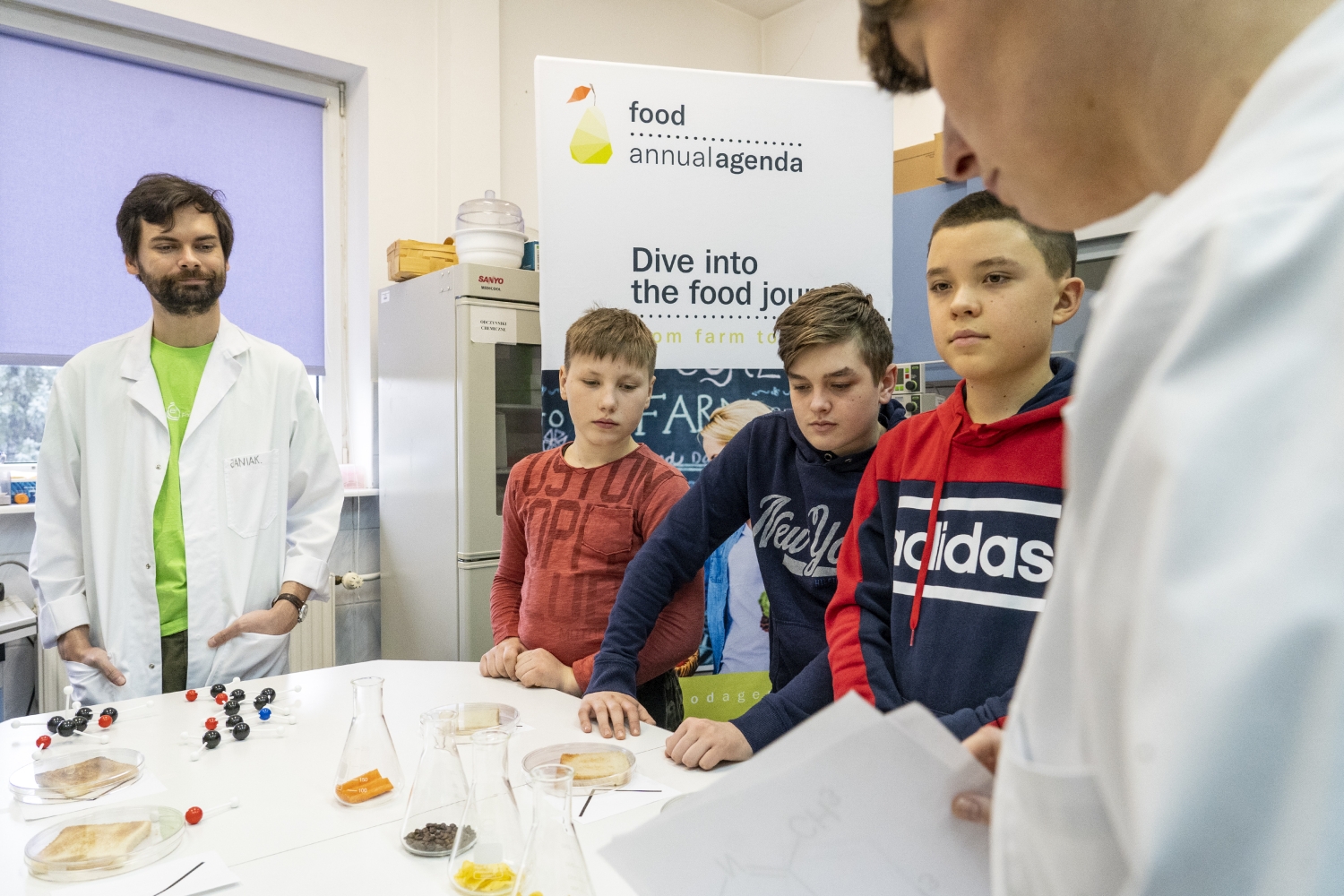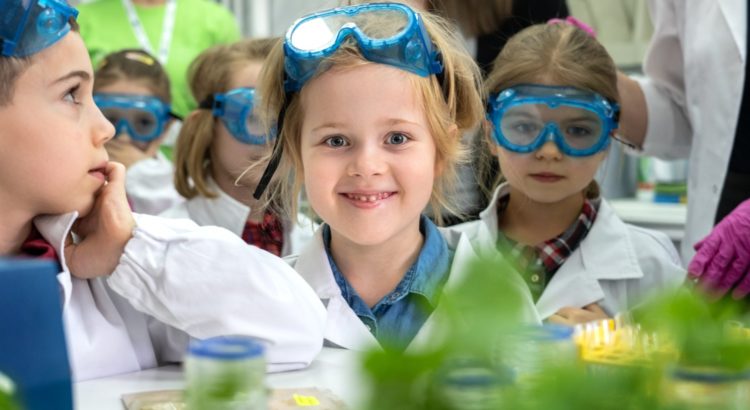
Dzieci w laboratorium

„Trust your food” workshops [photo and video]

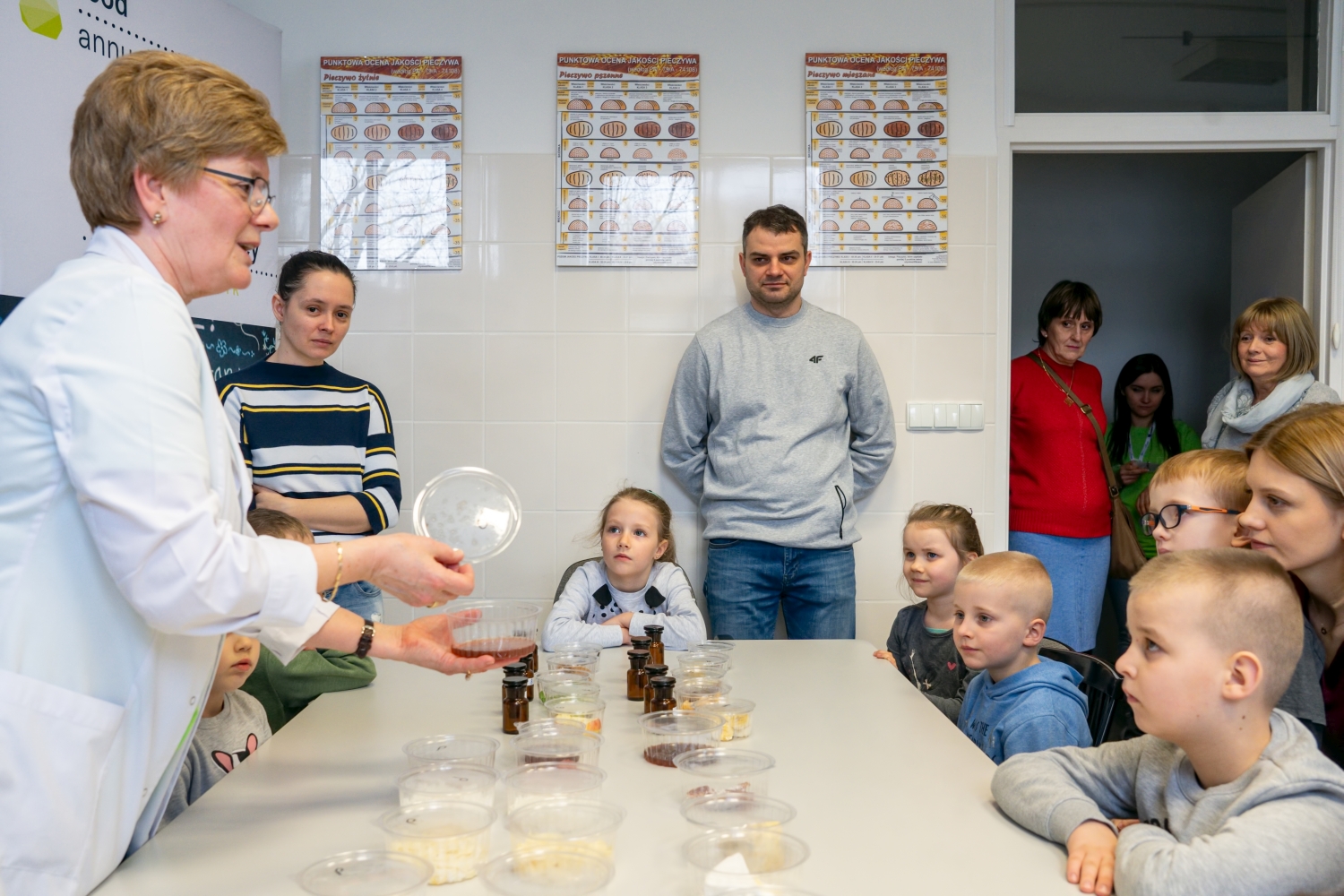
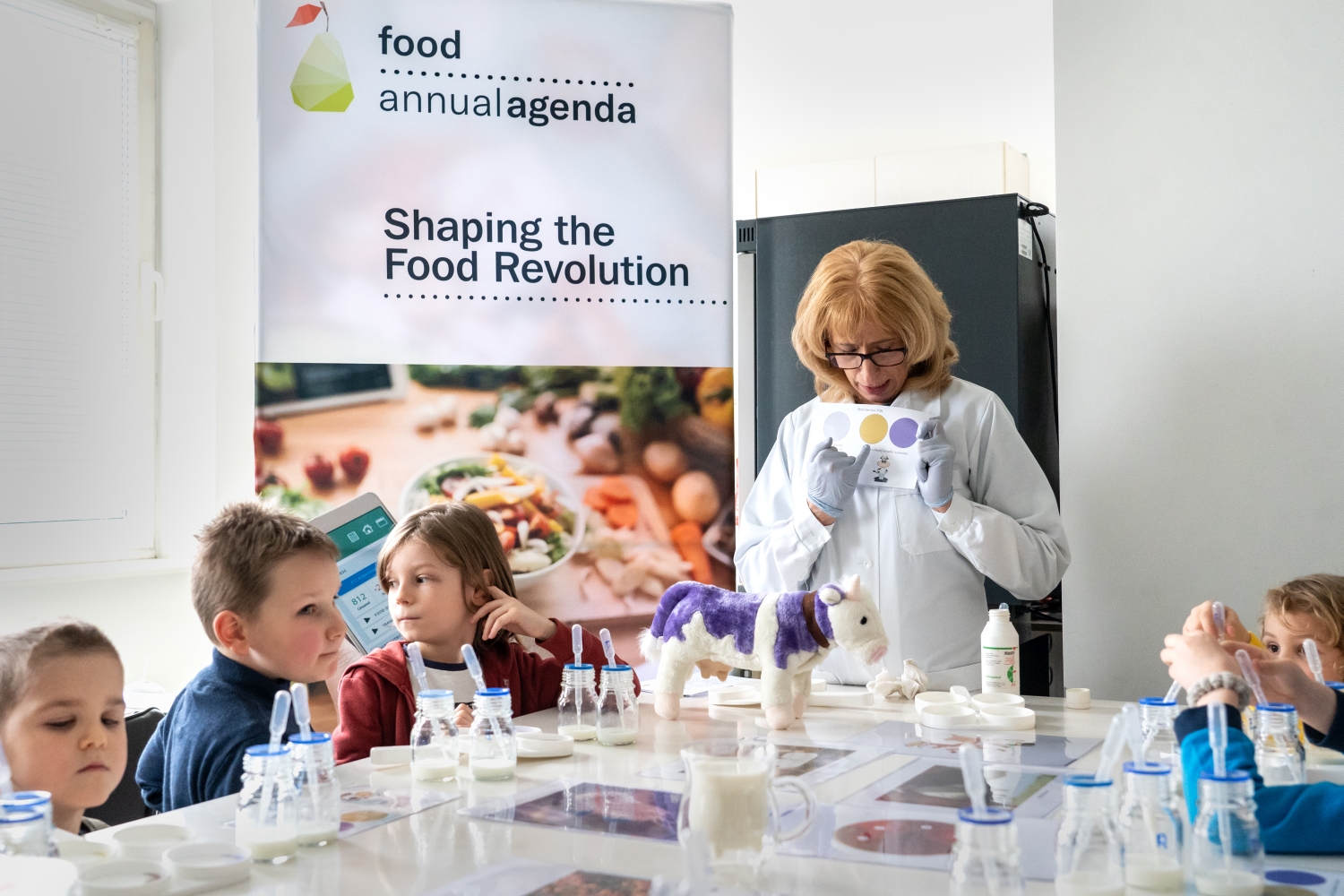
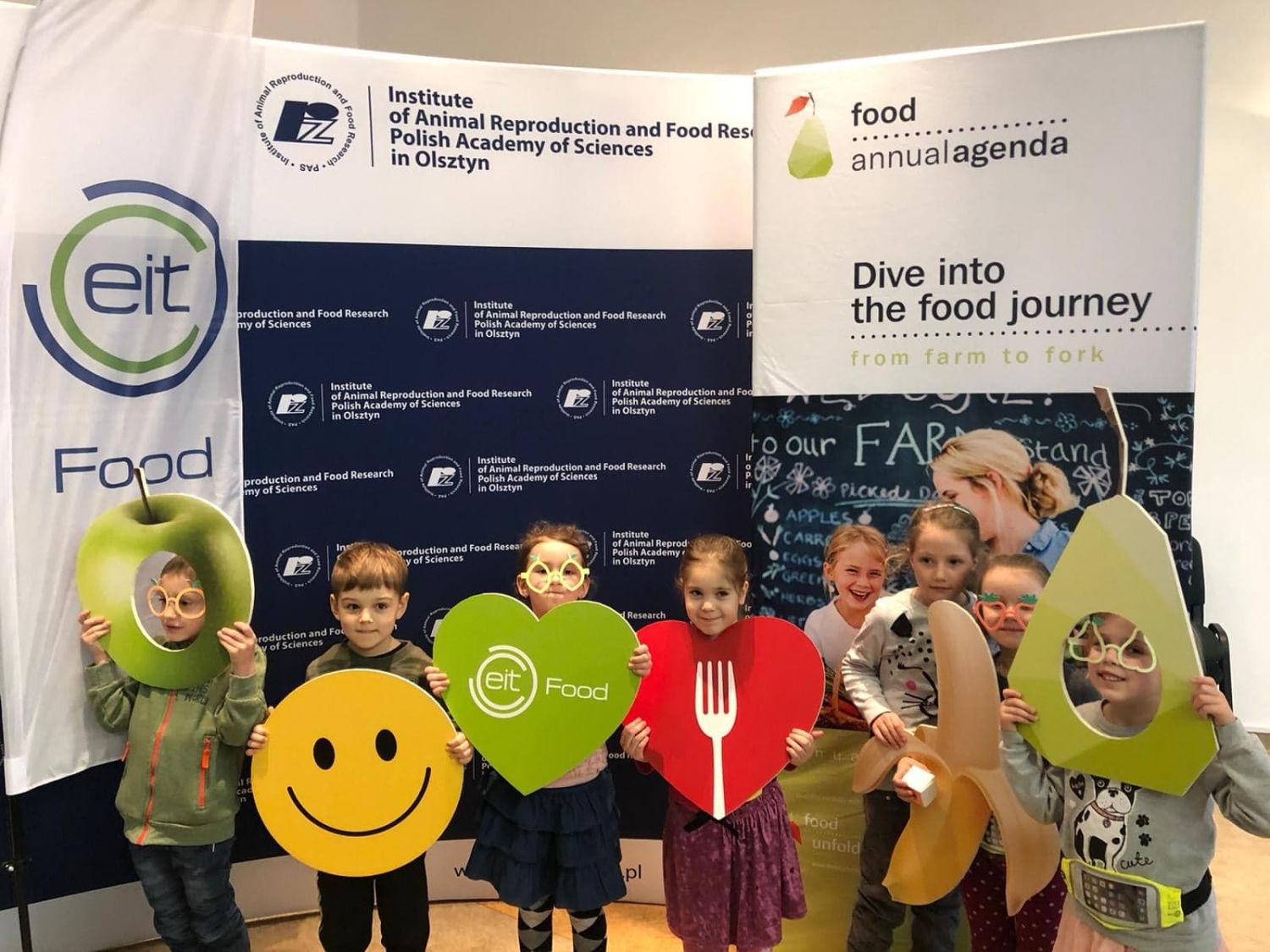
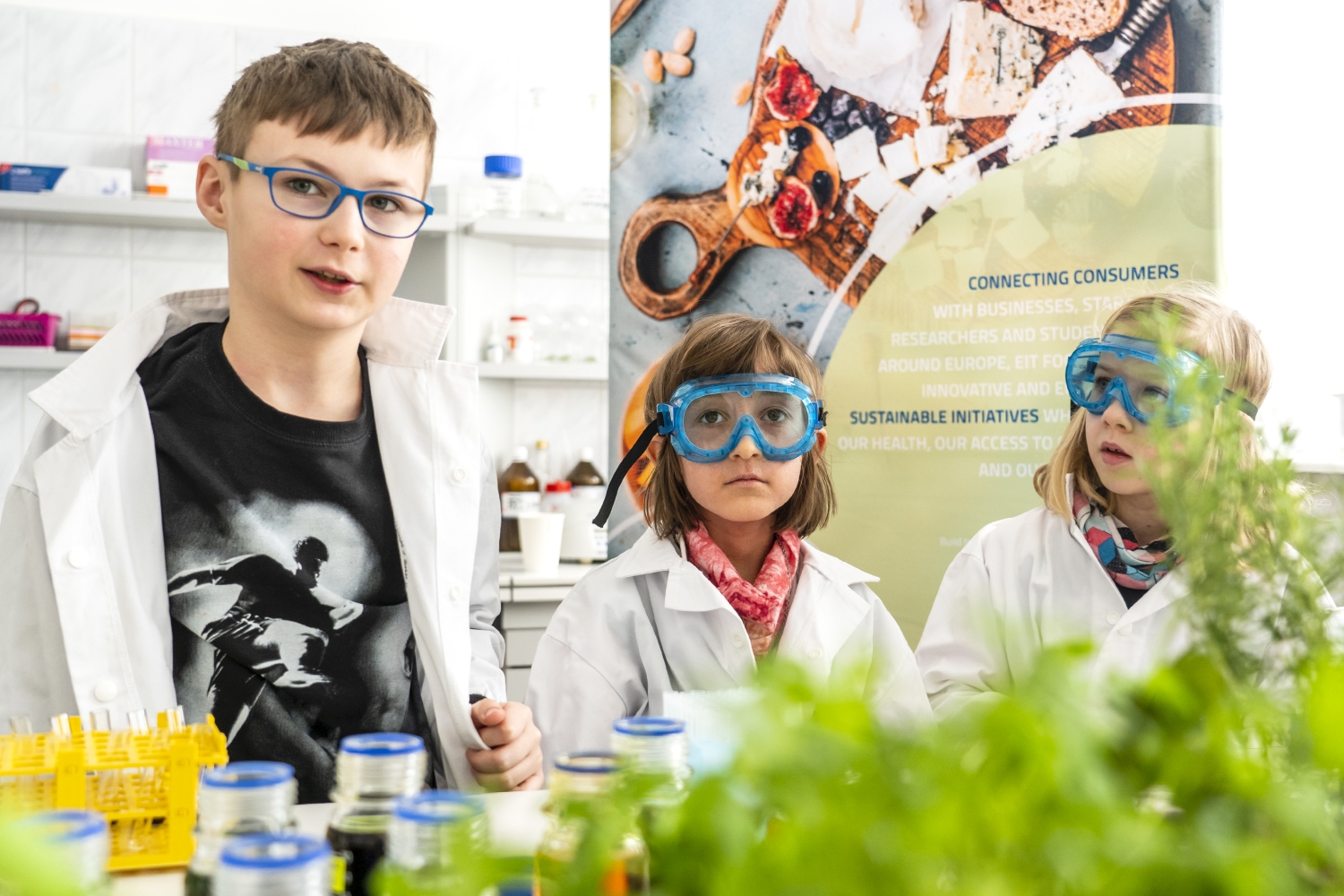
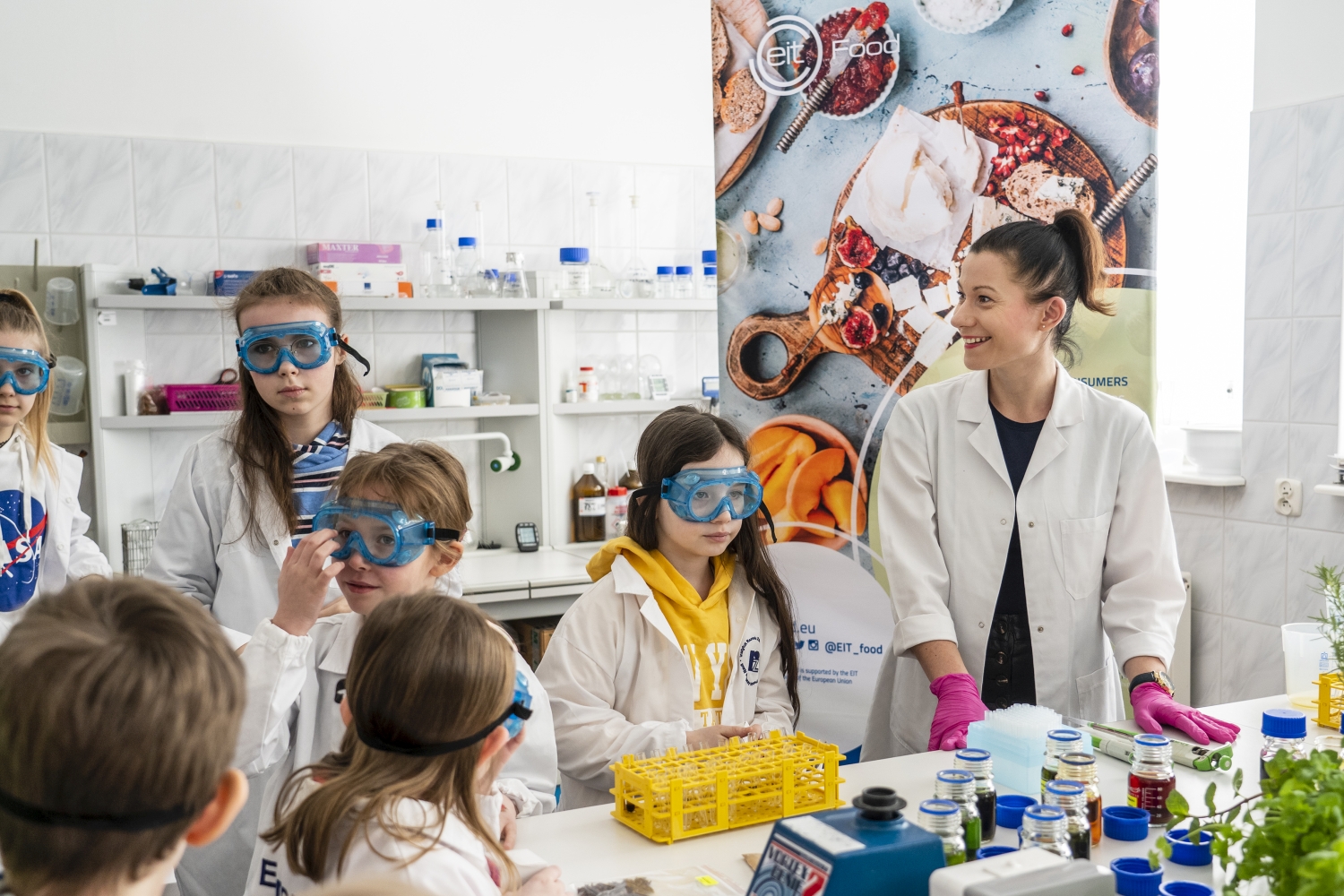
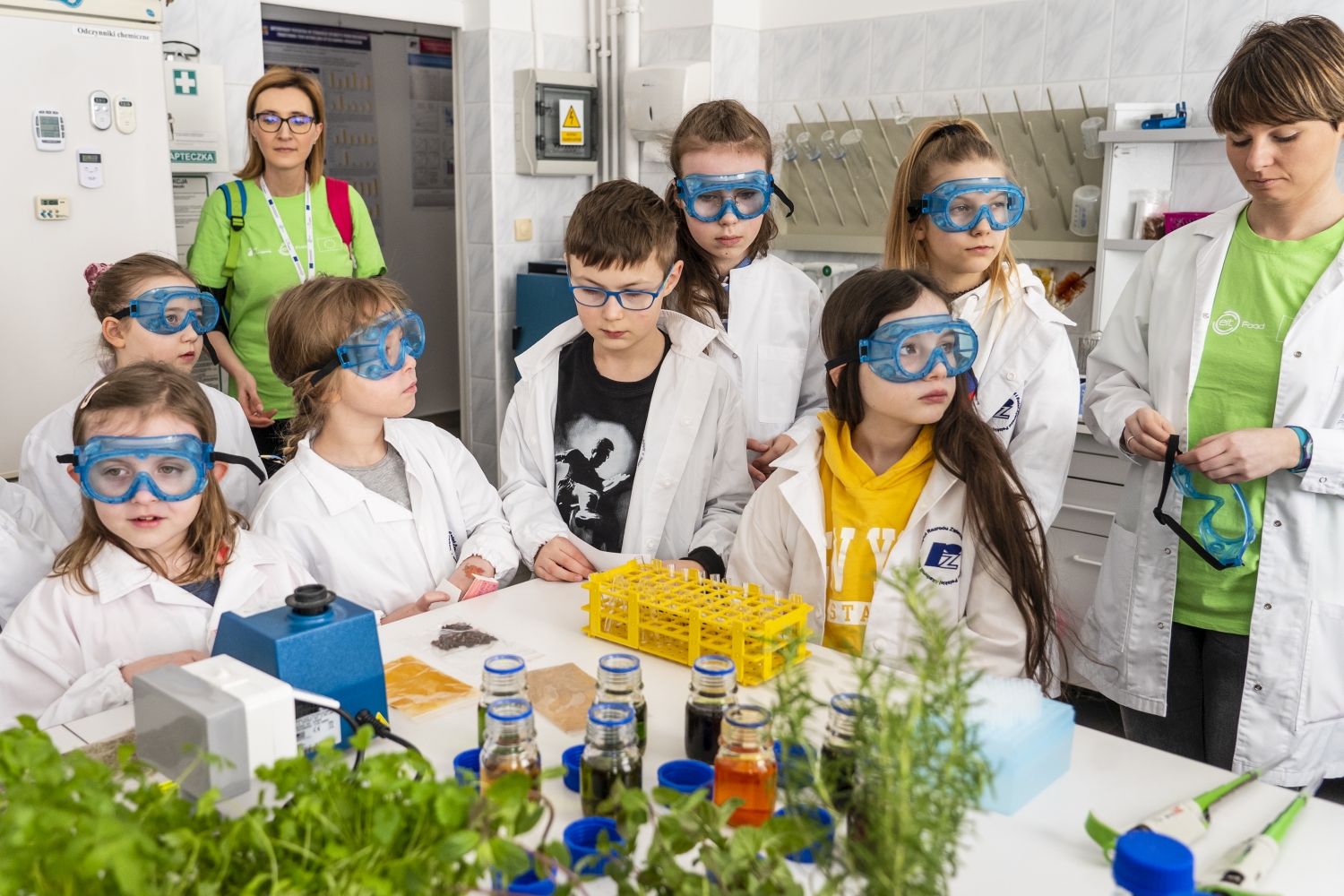
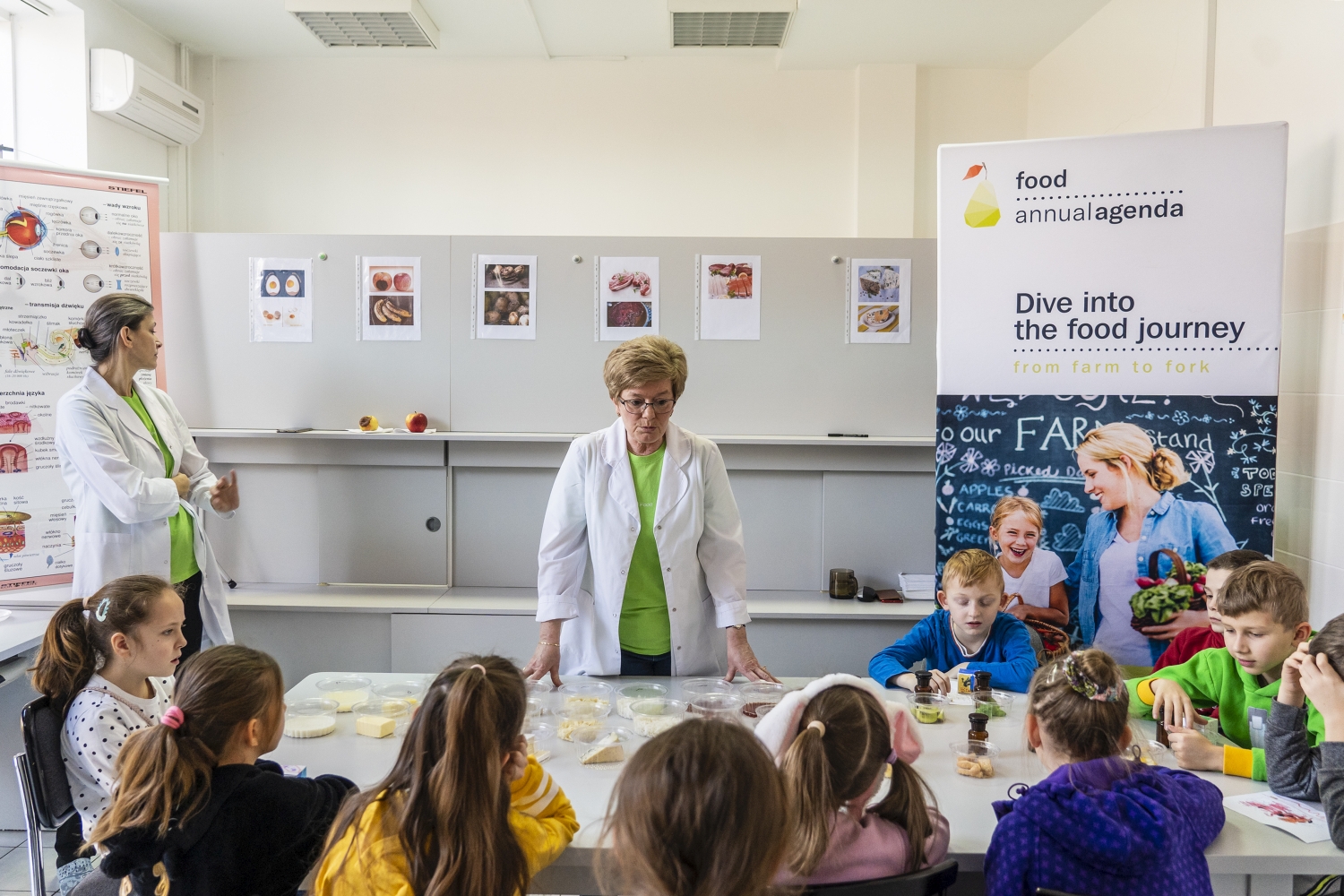
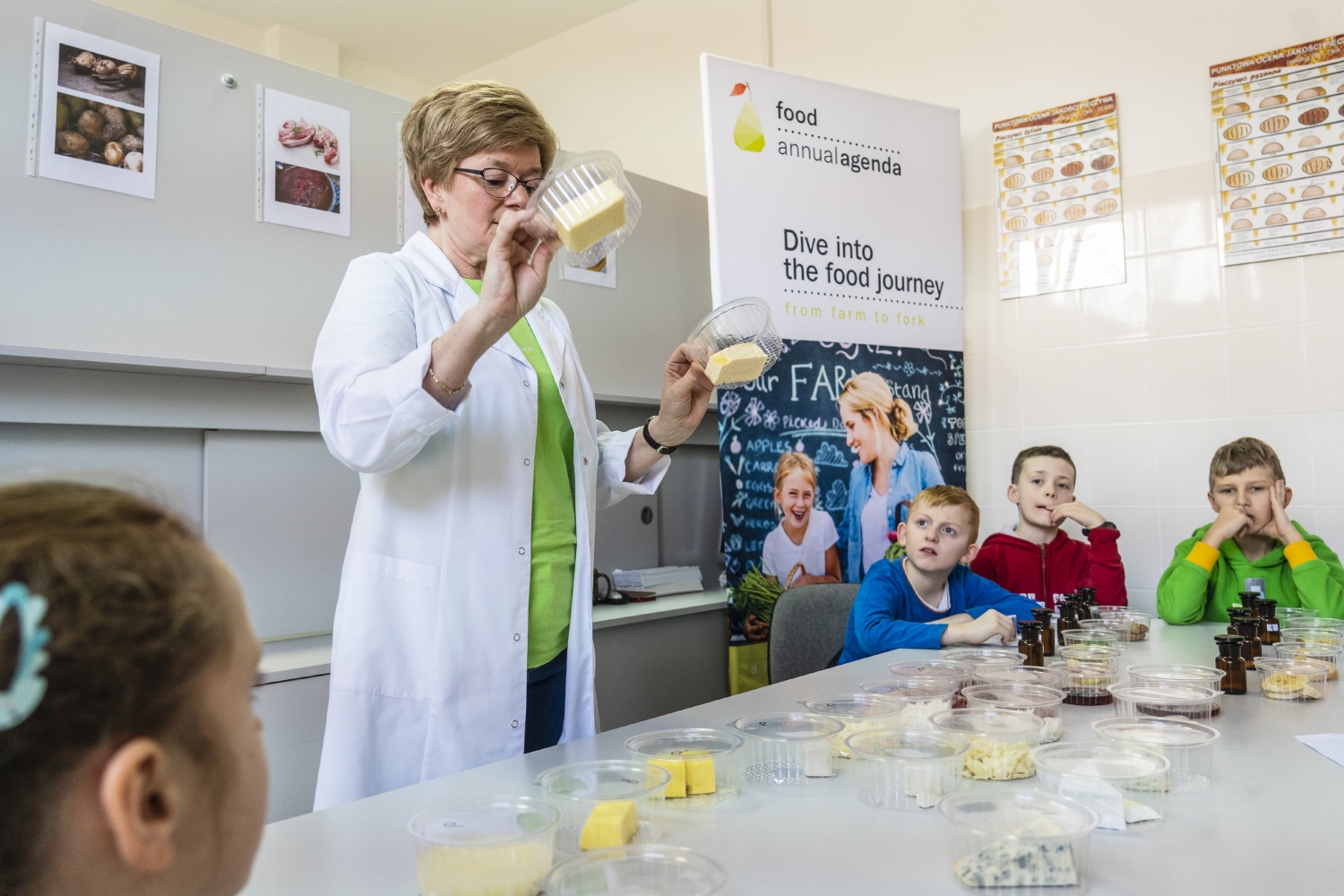
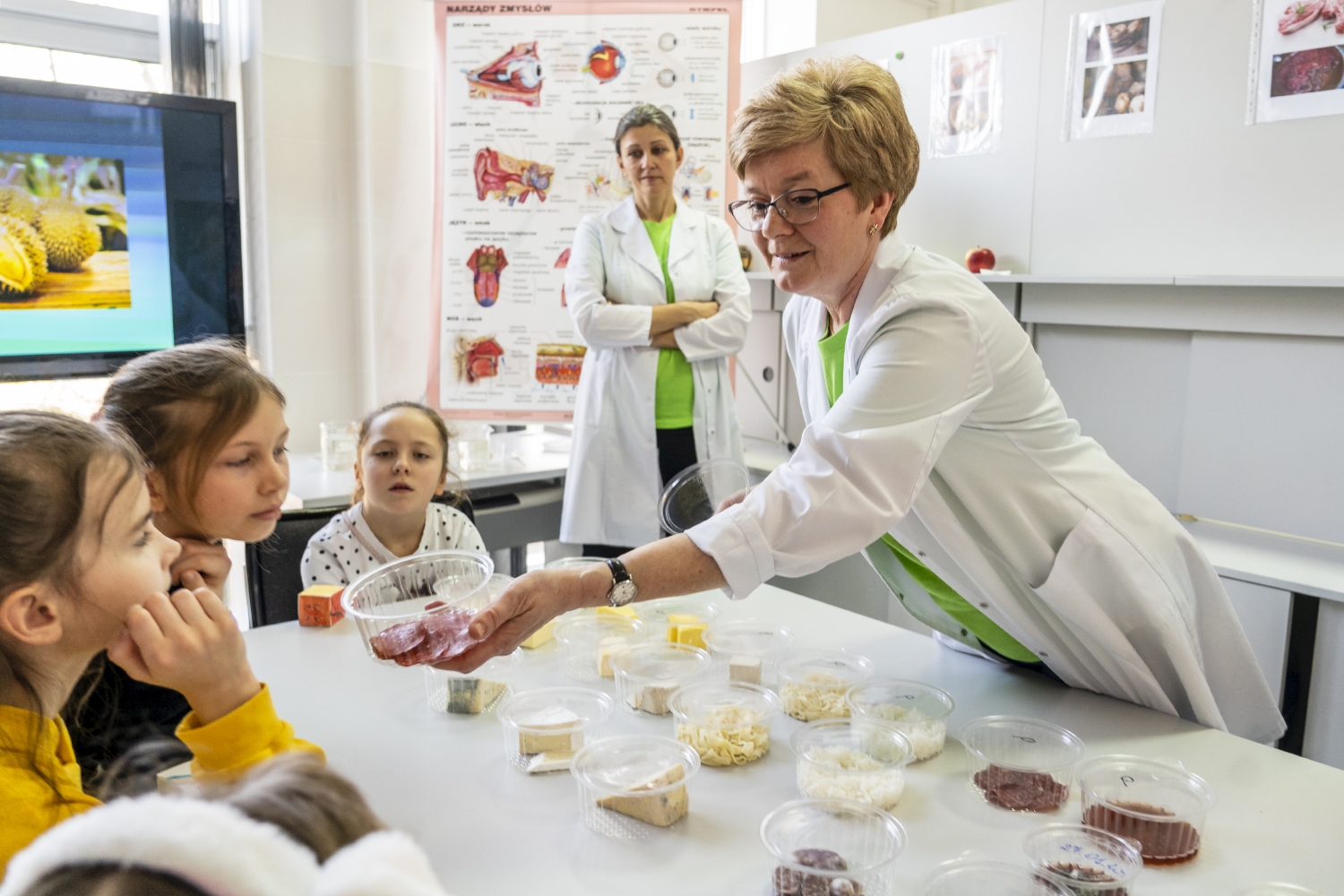
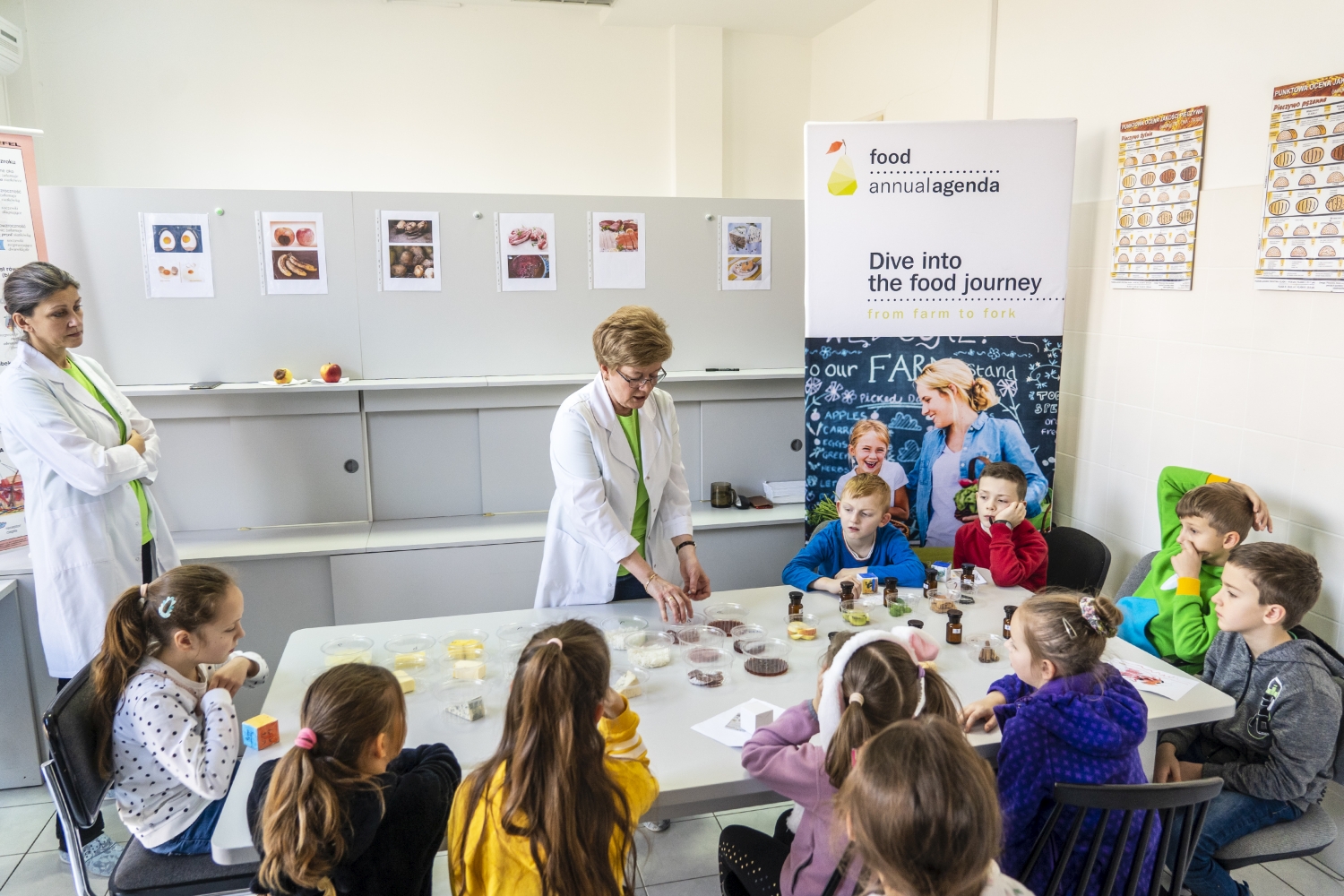
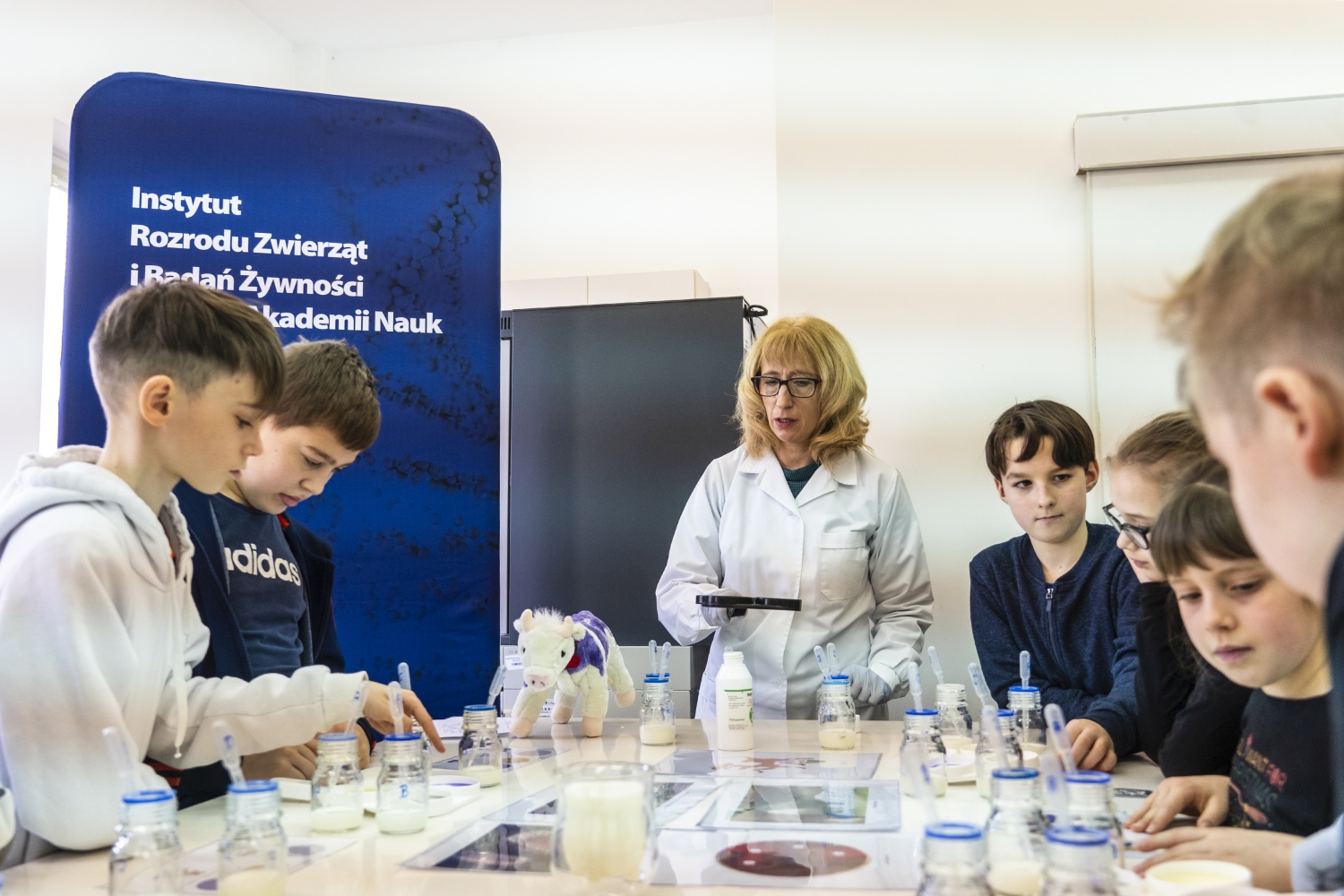
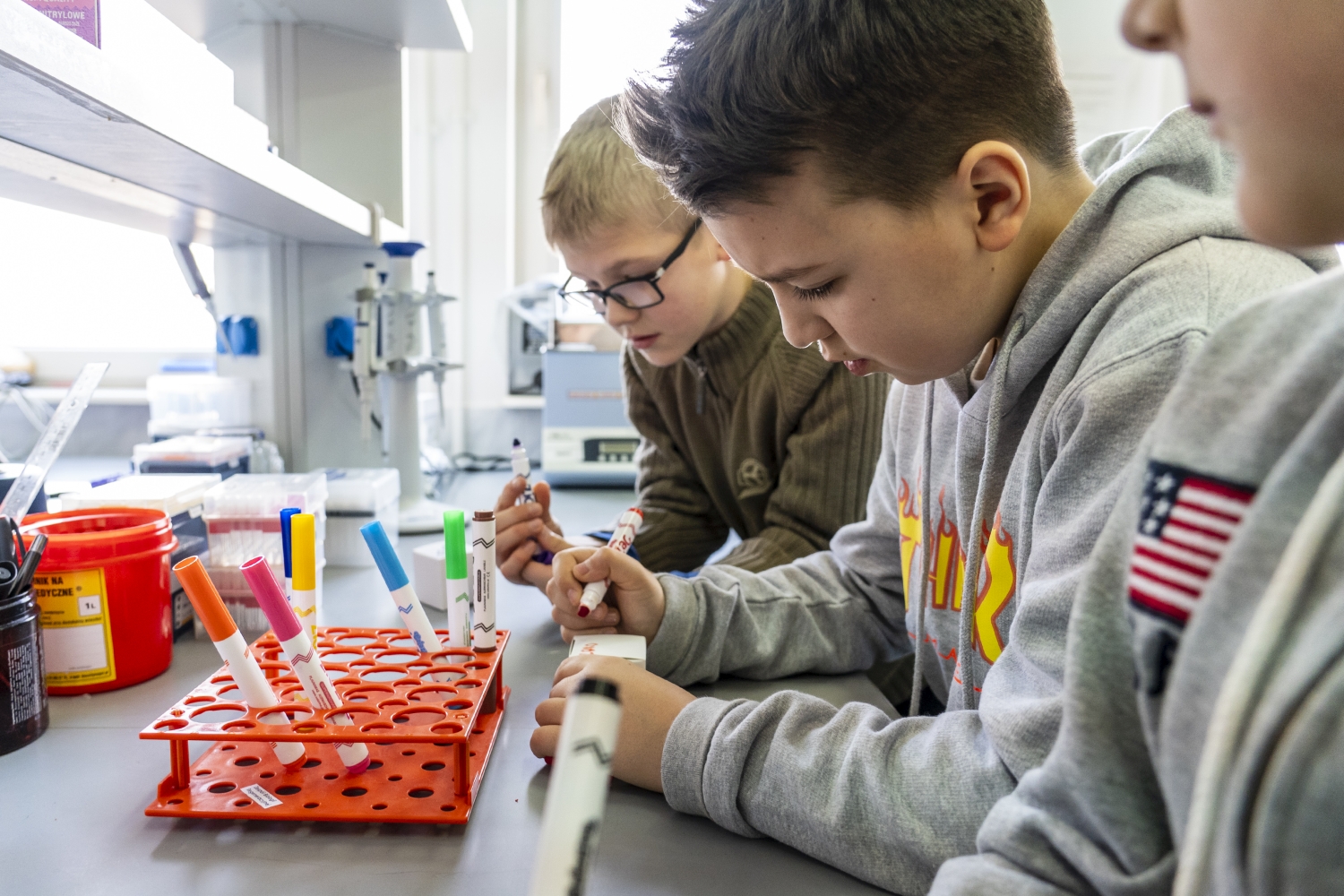
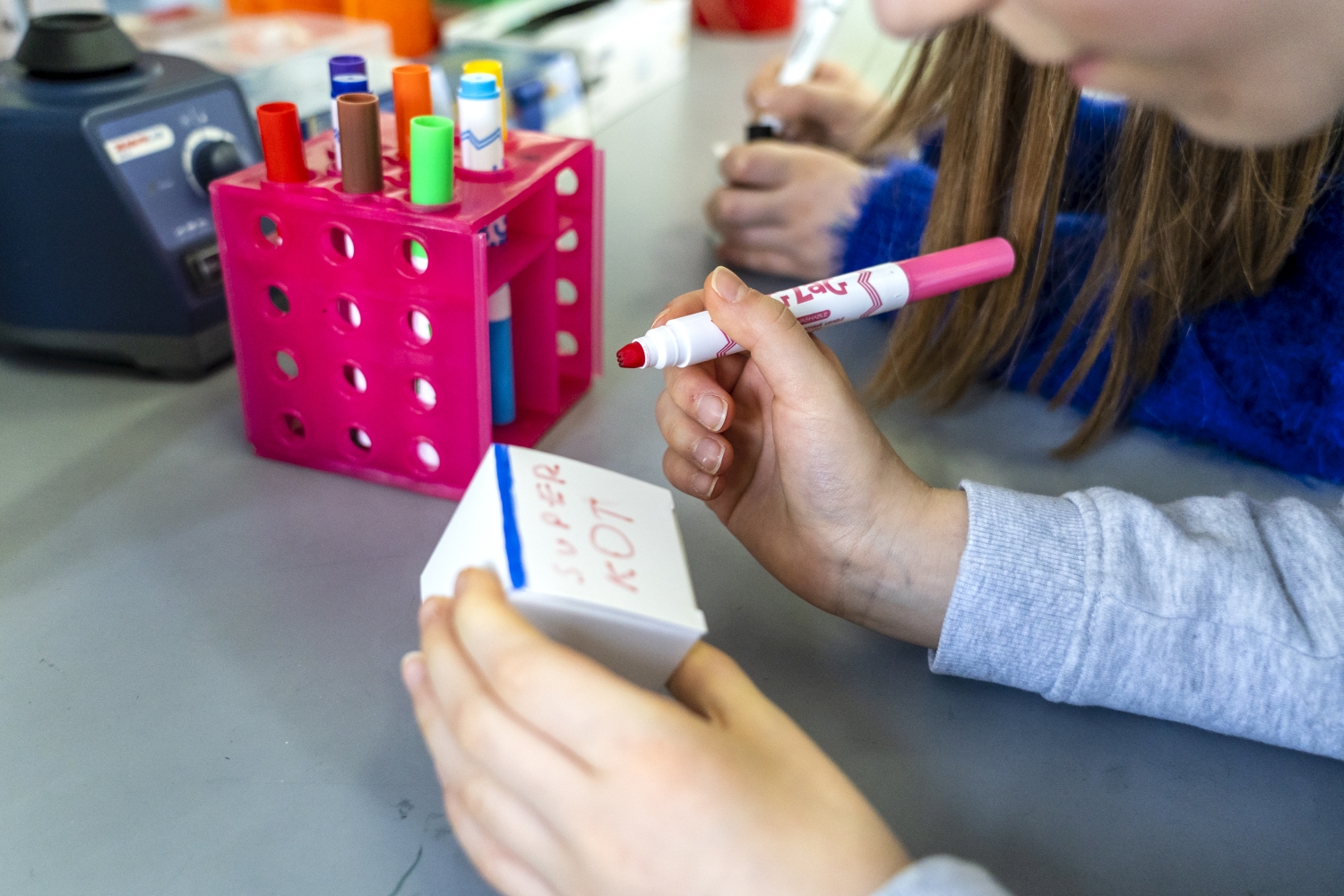
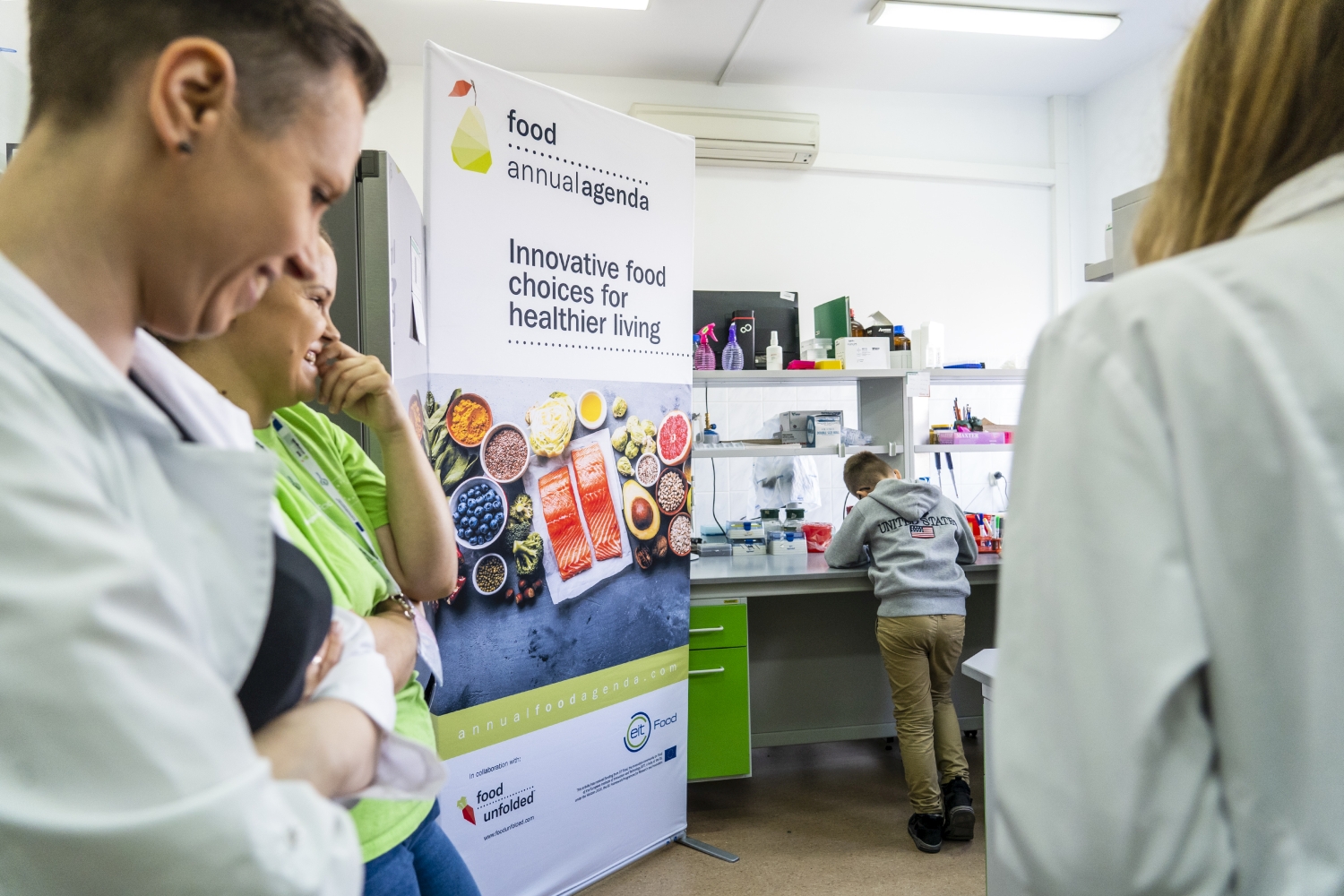
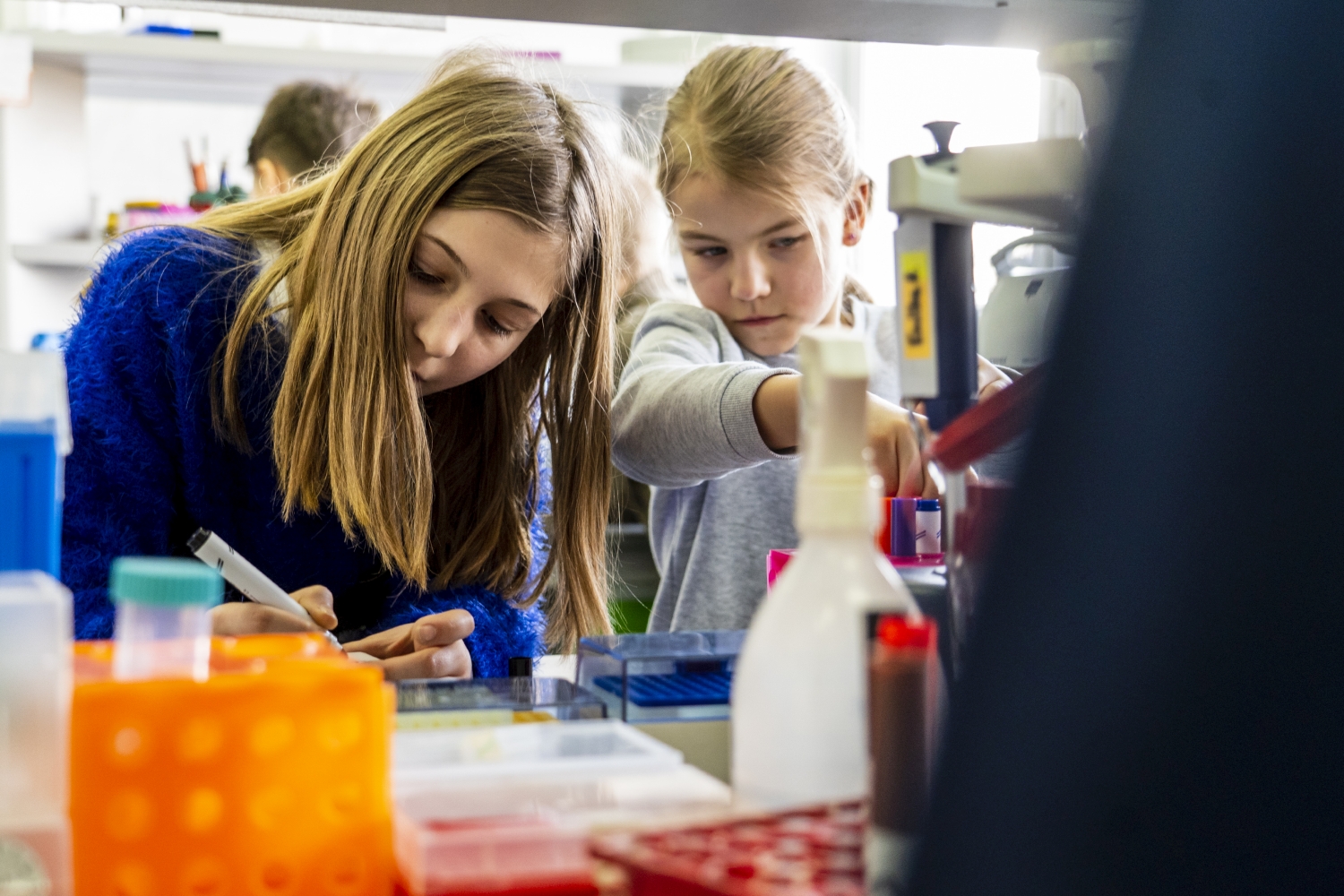
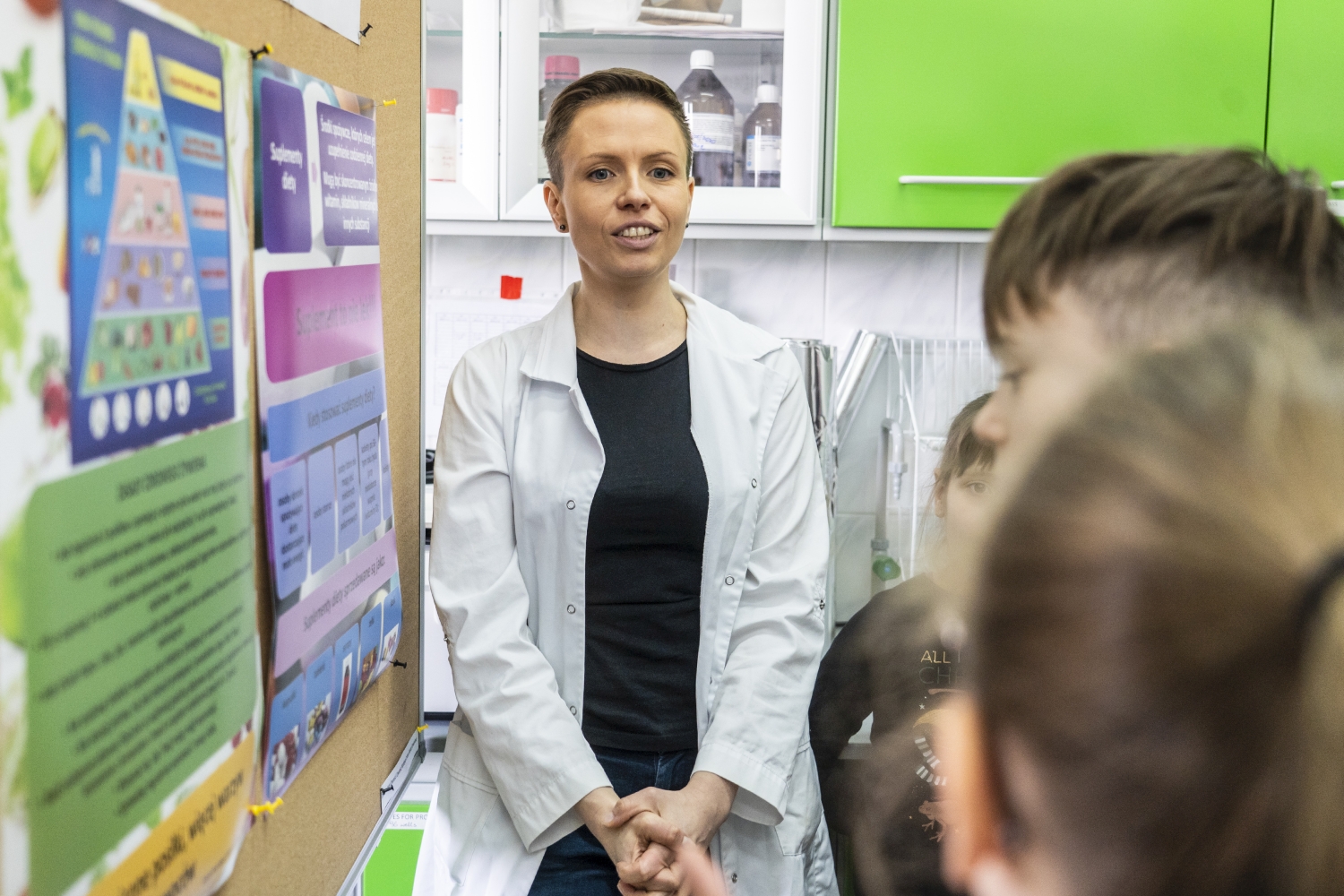
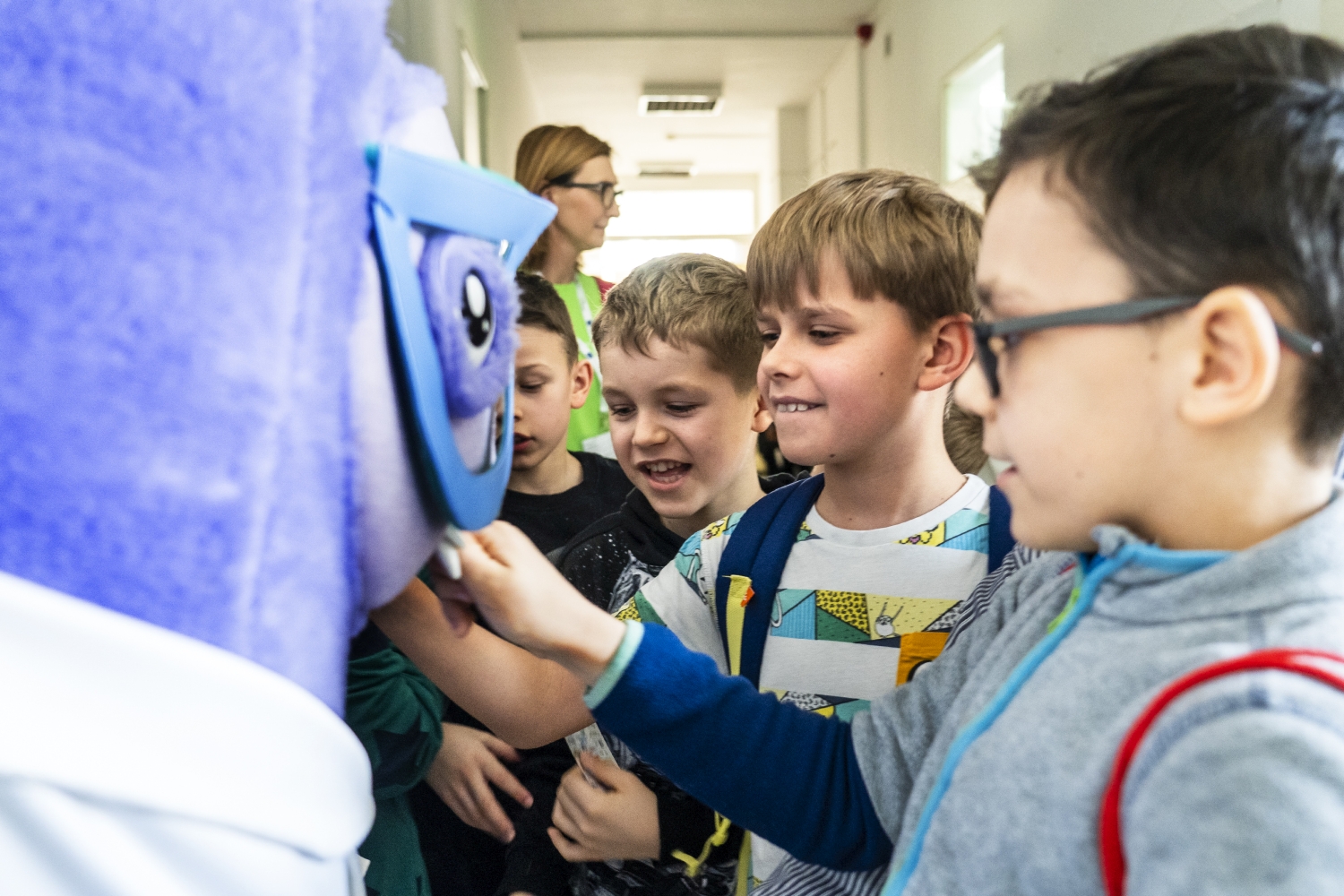
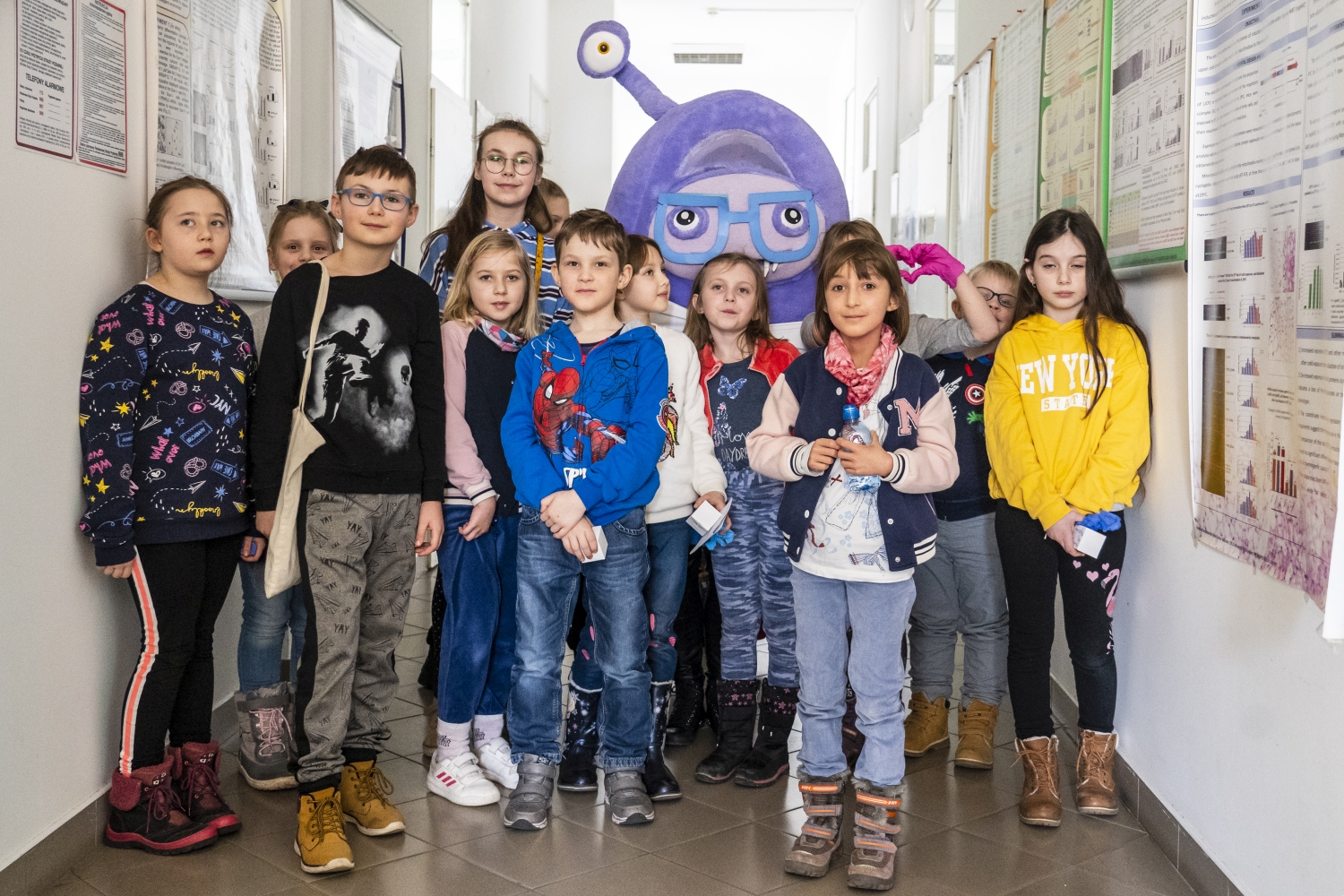
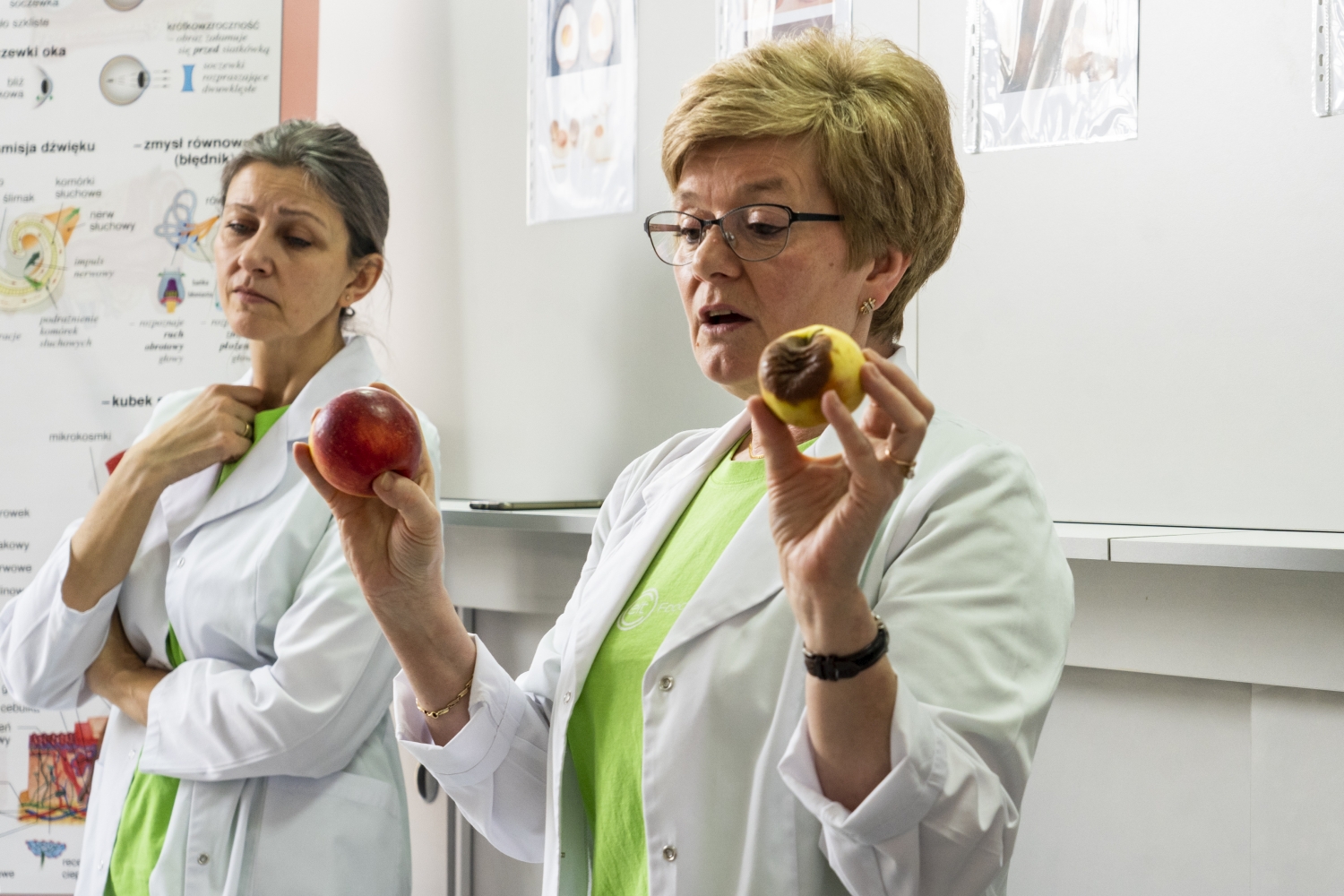
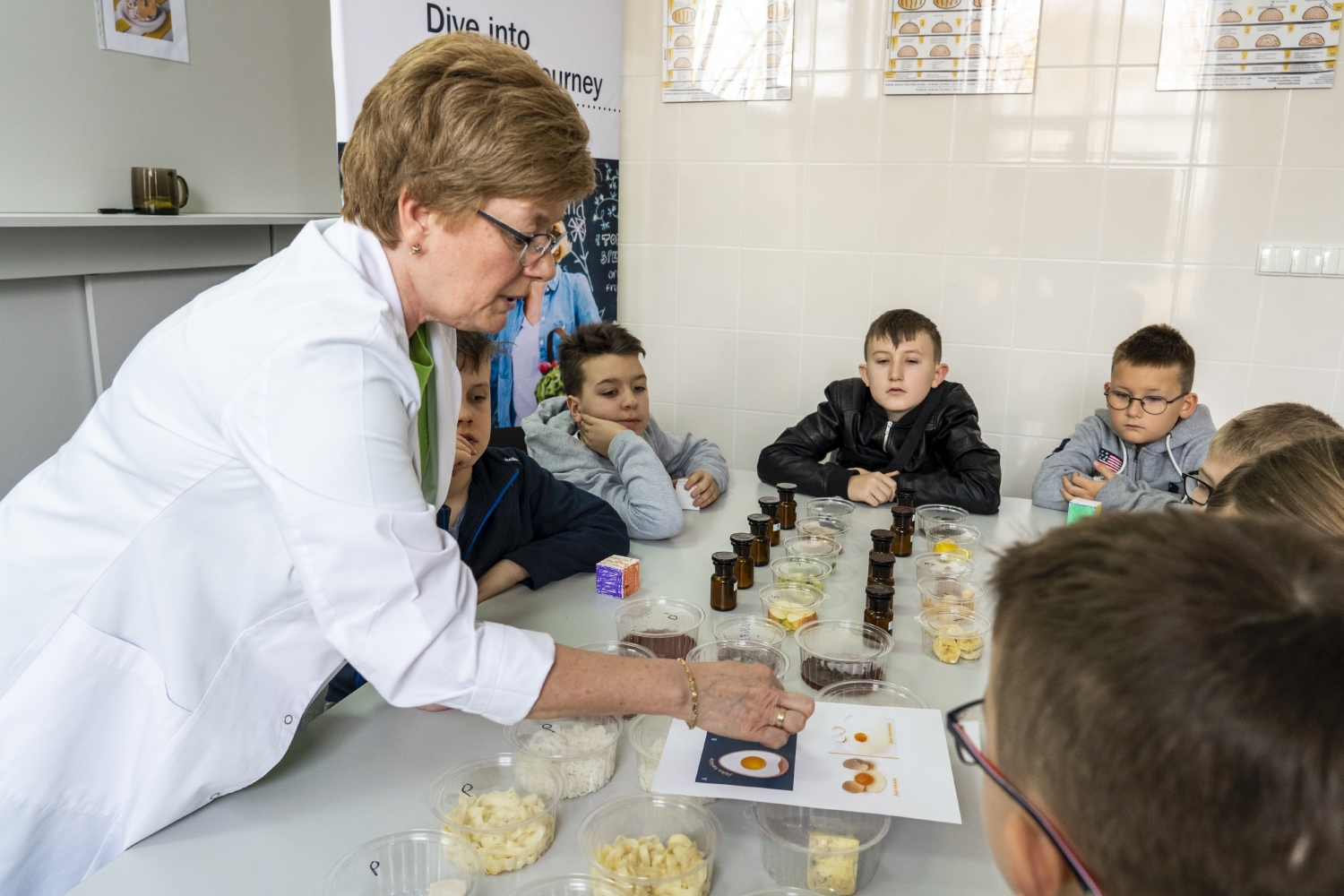
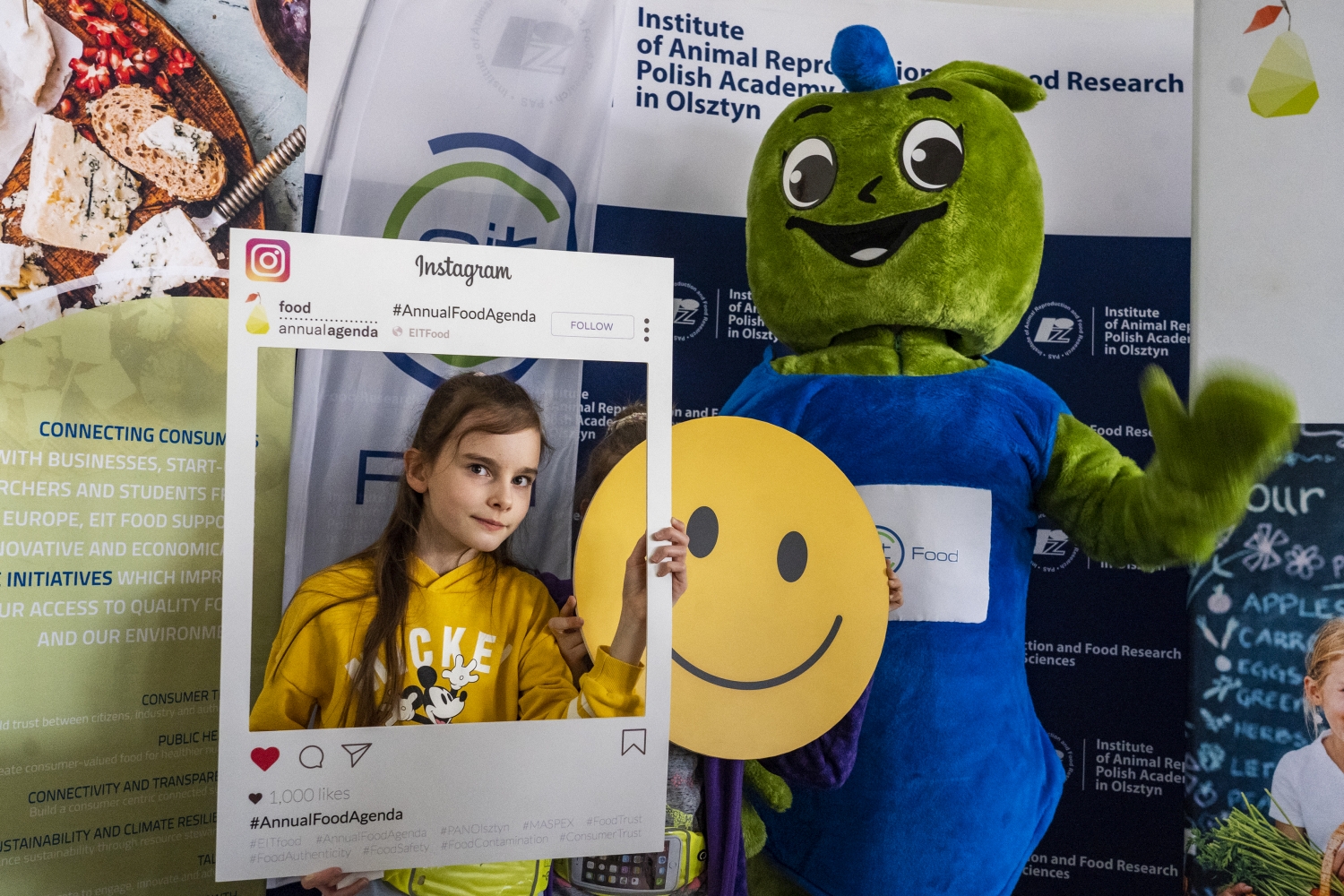
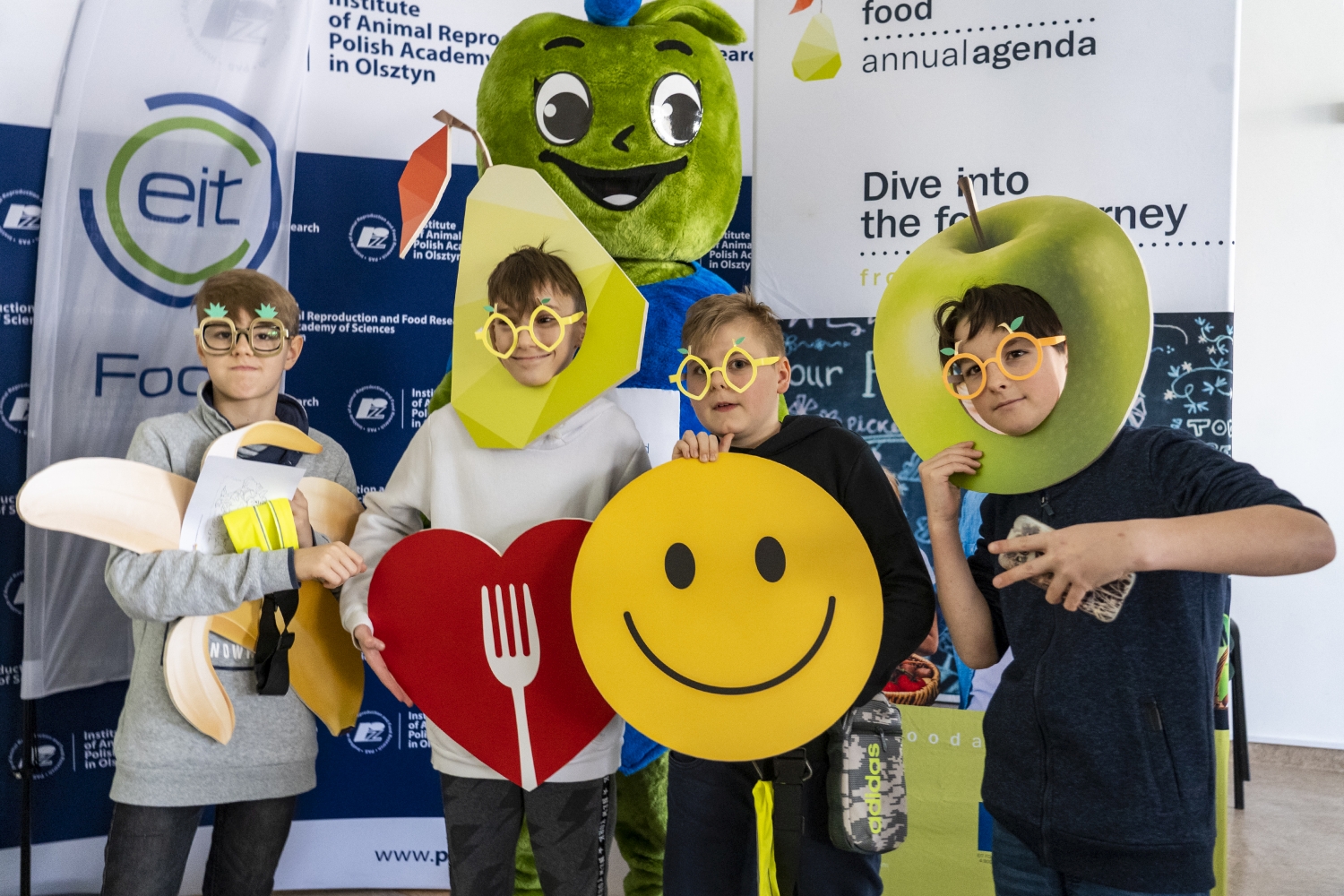
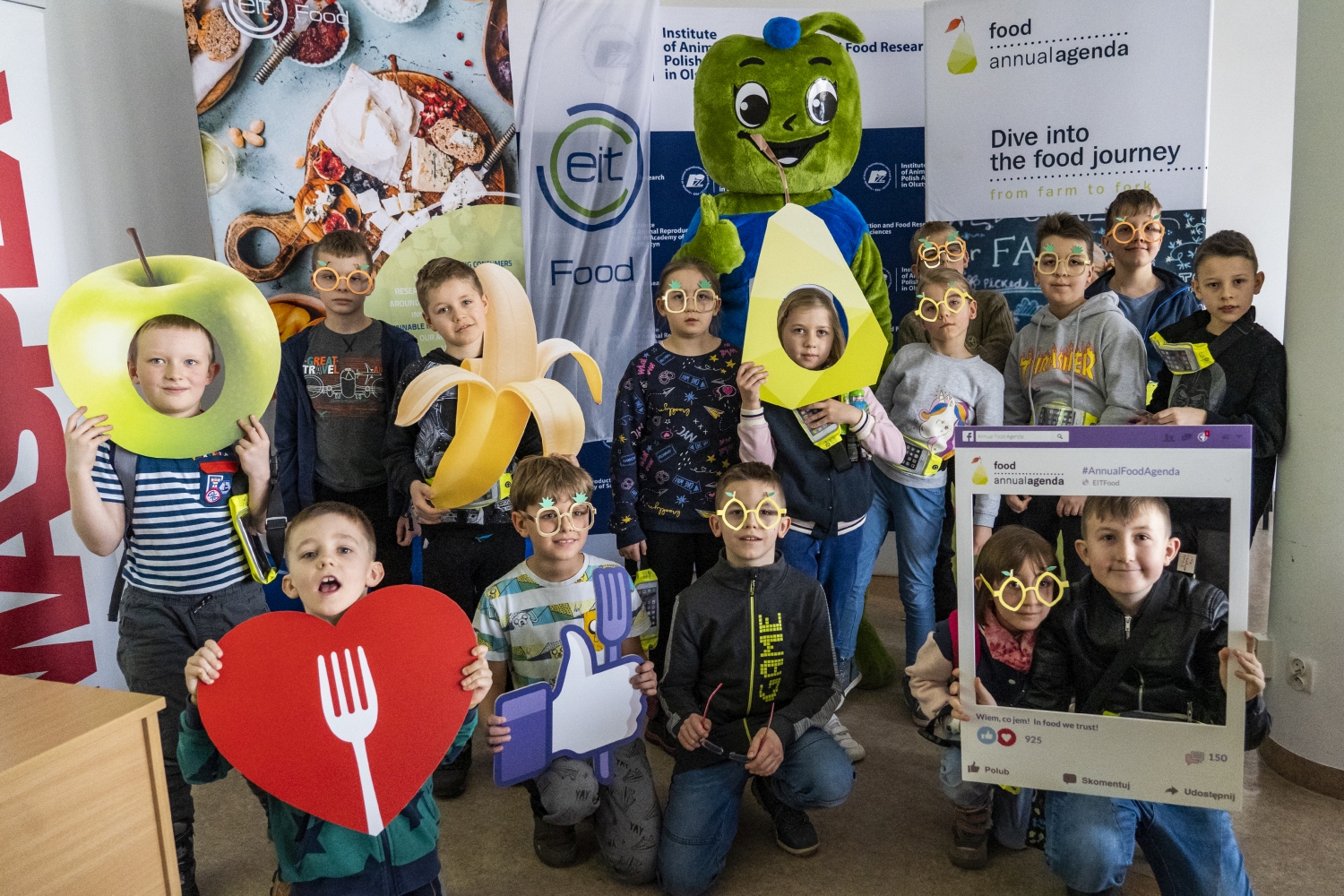
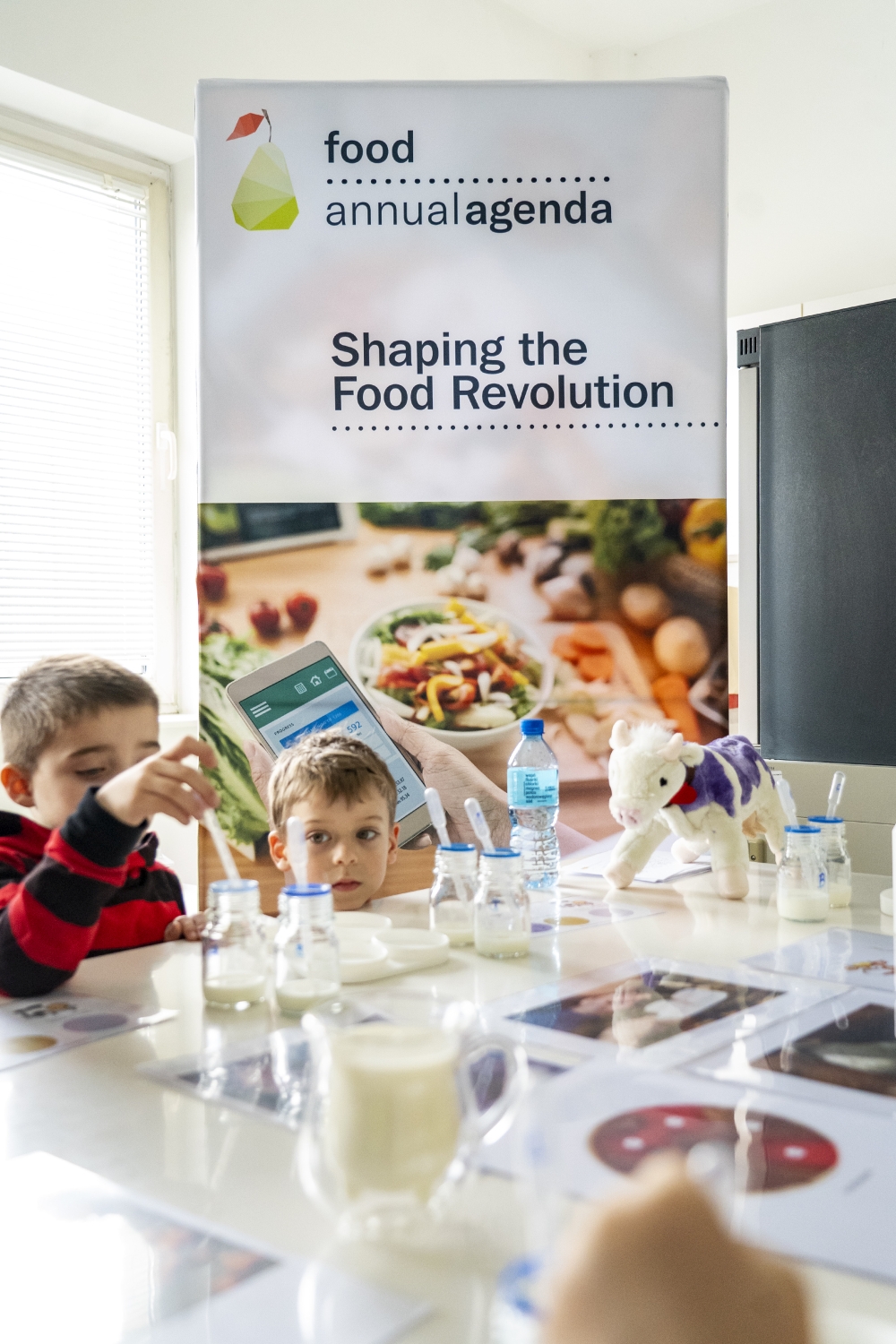
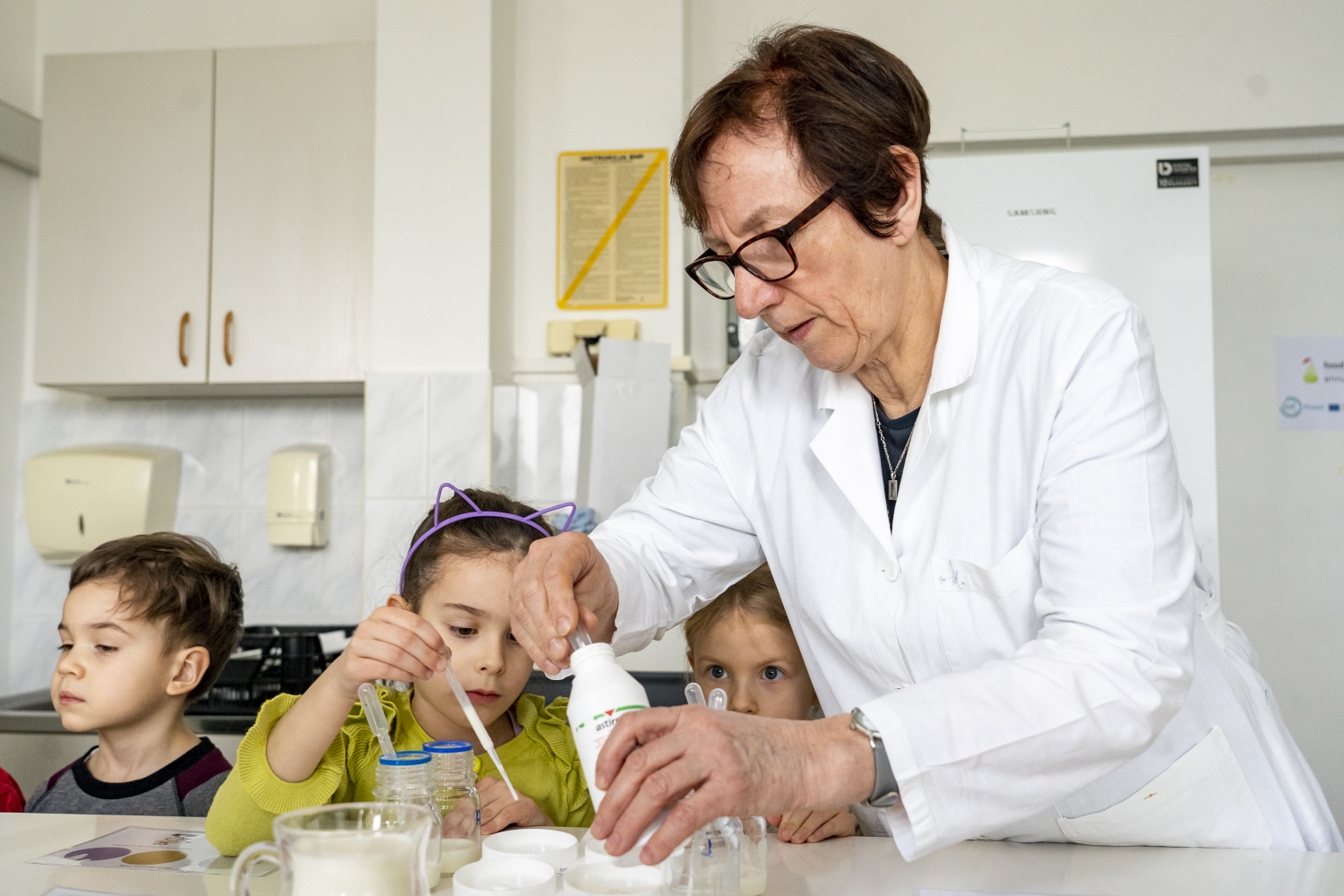
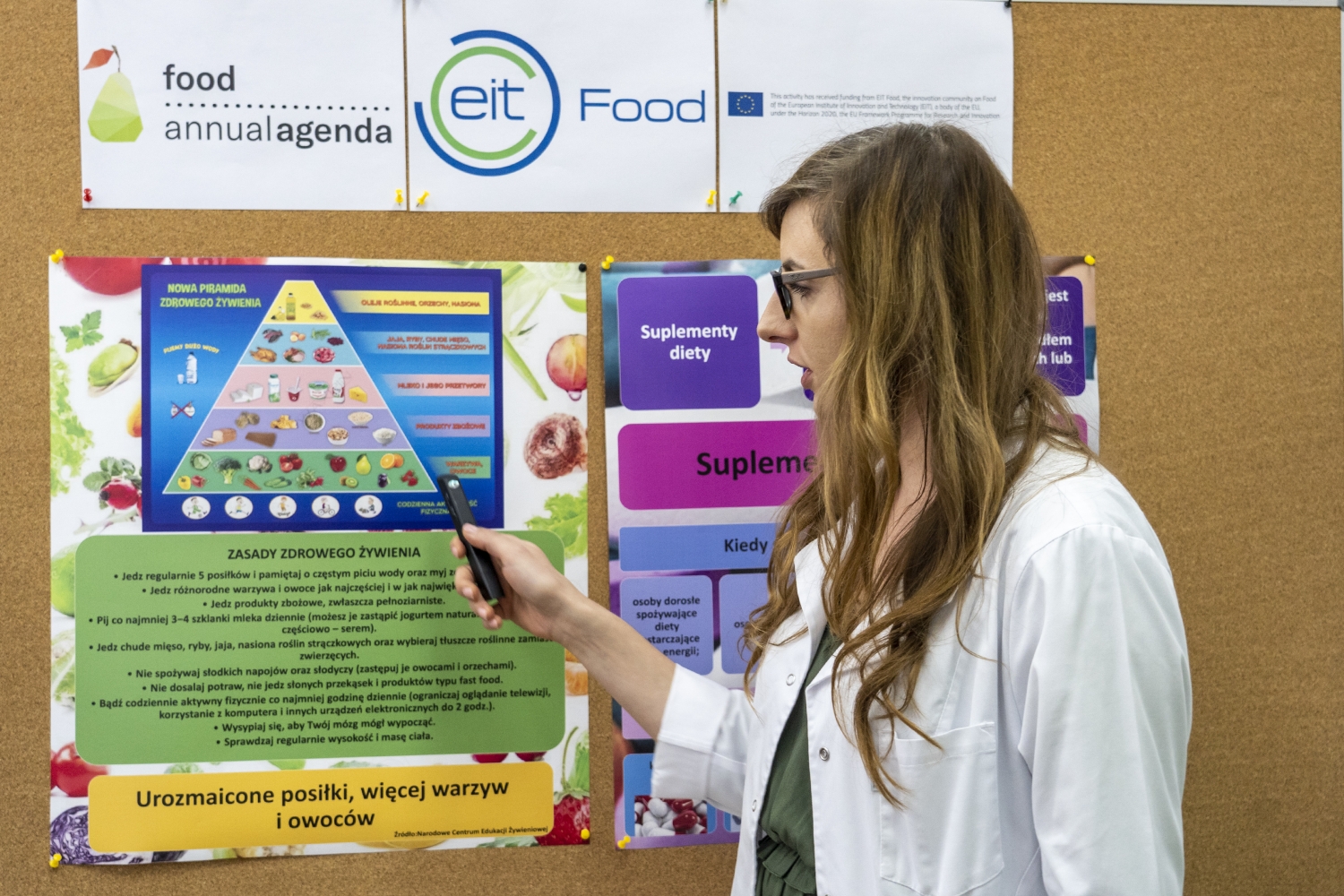
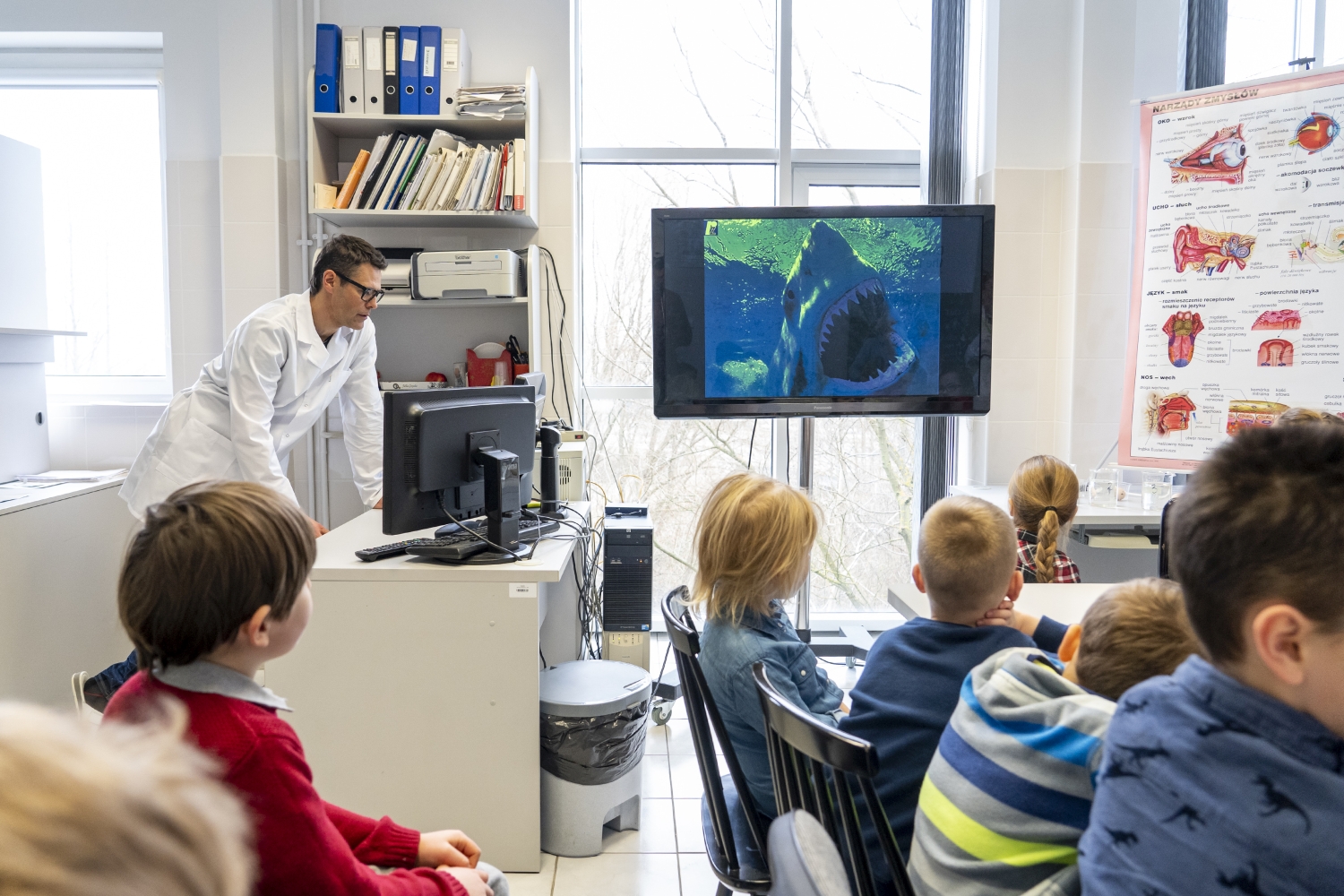
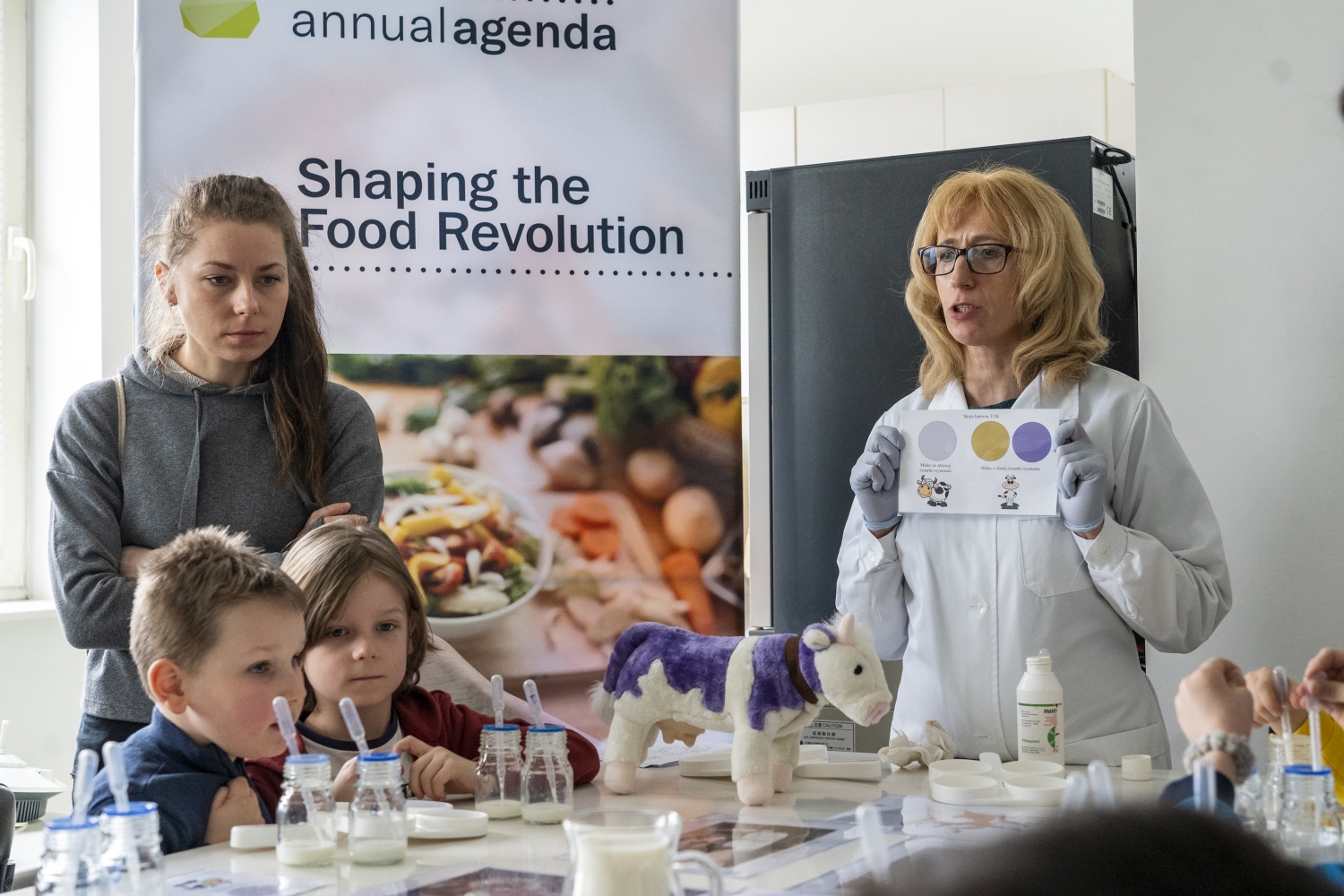
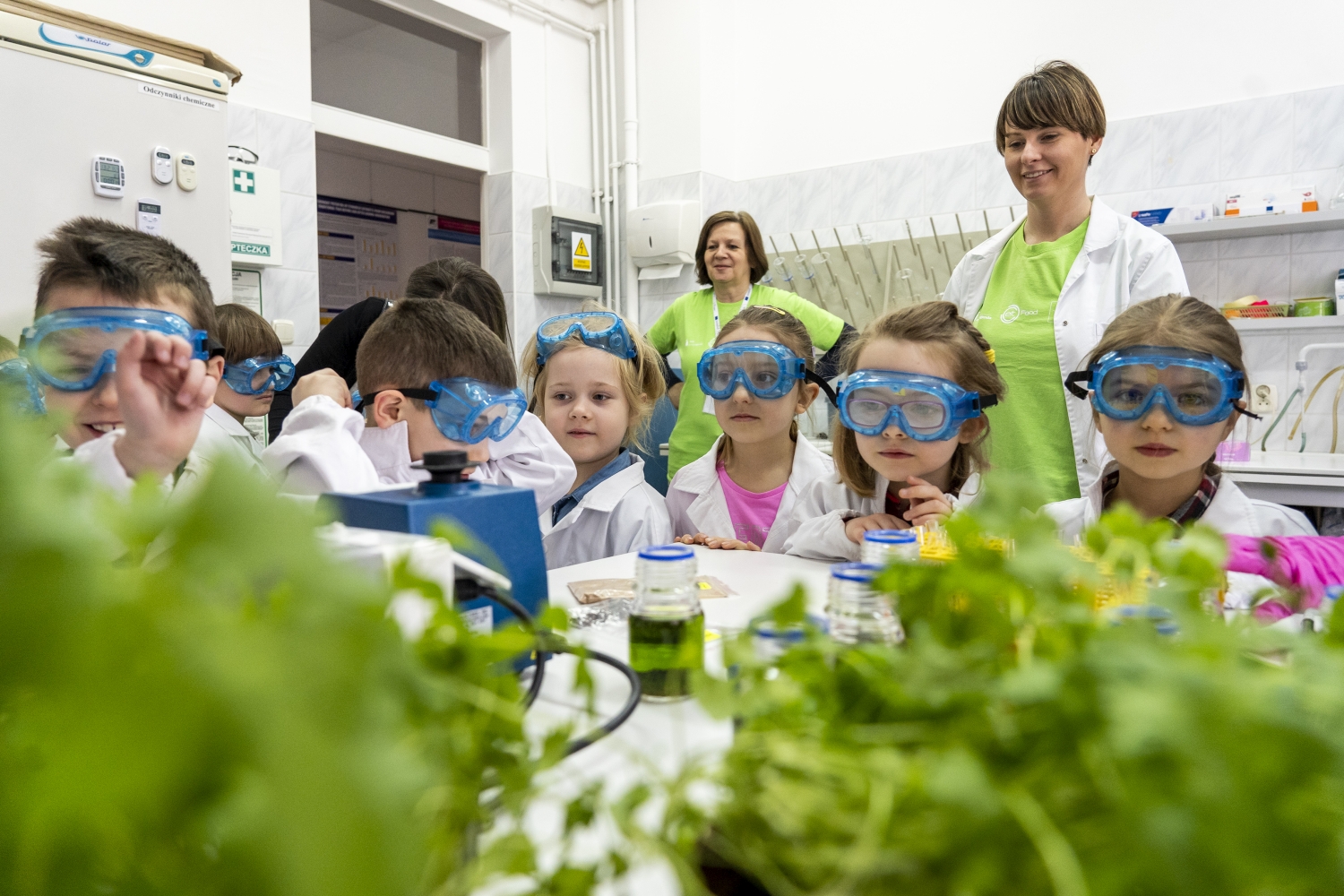
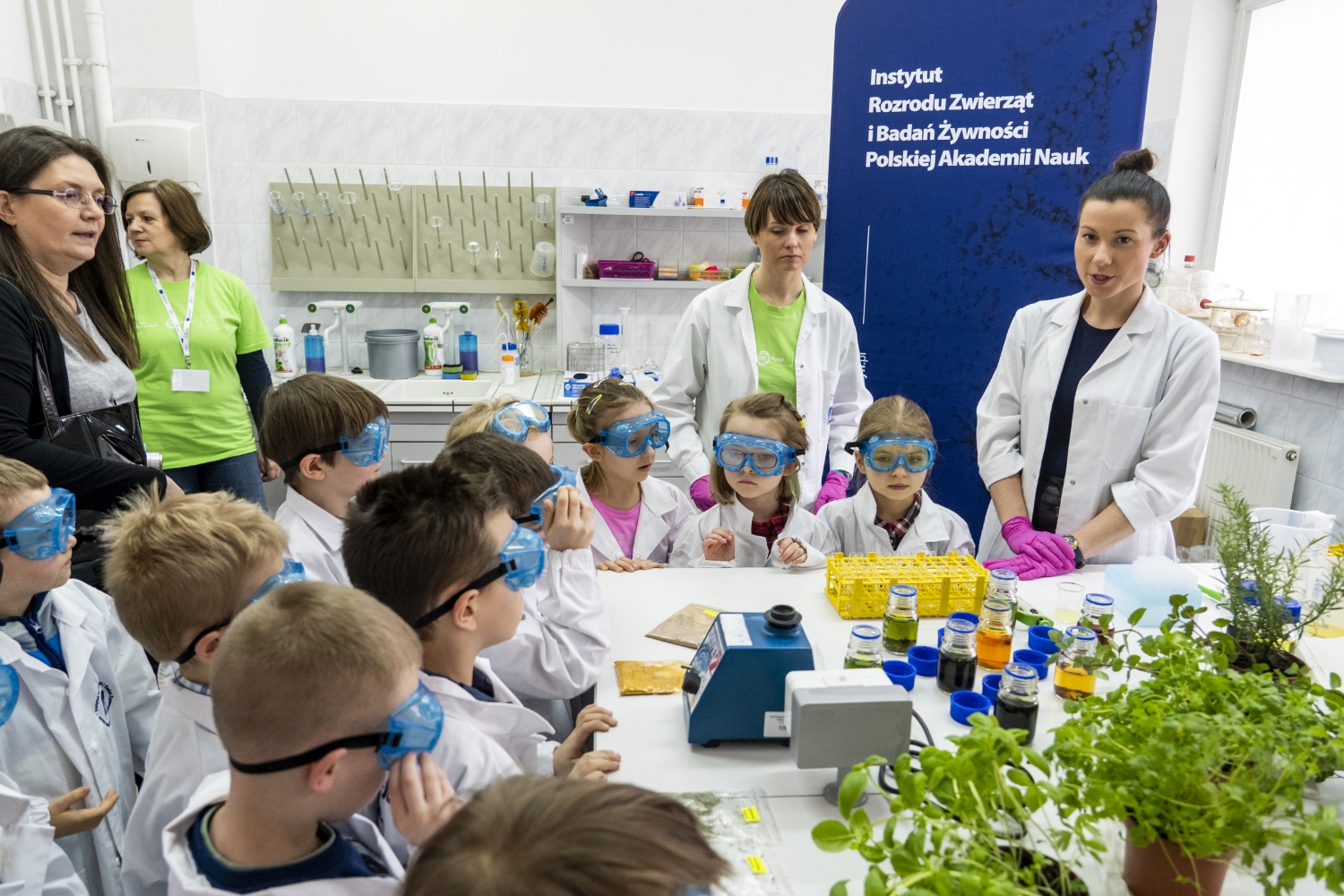
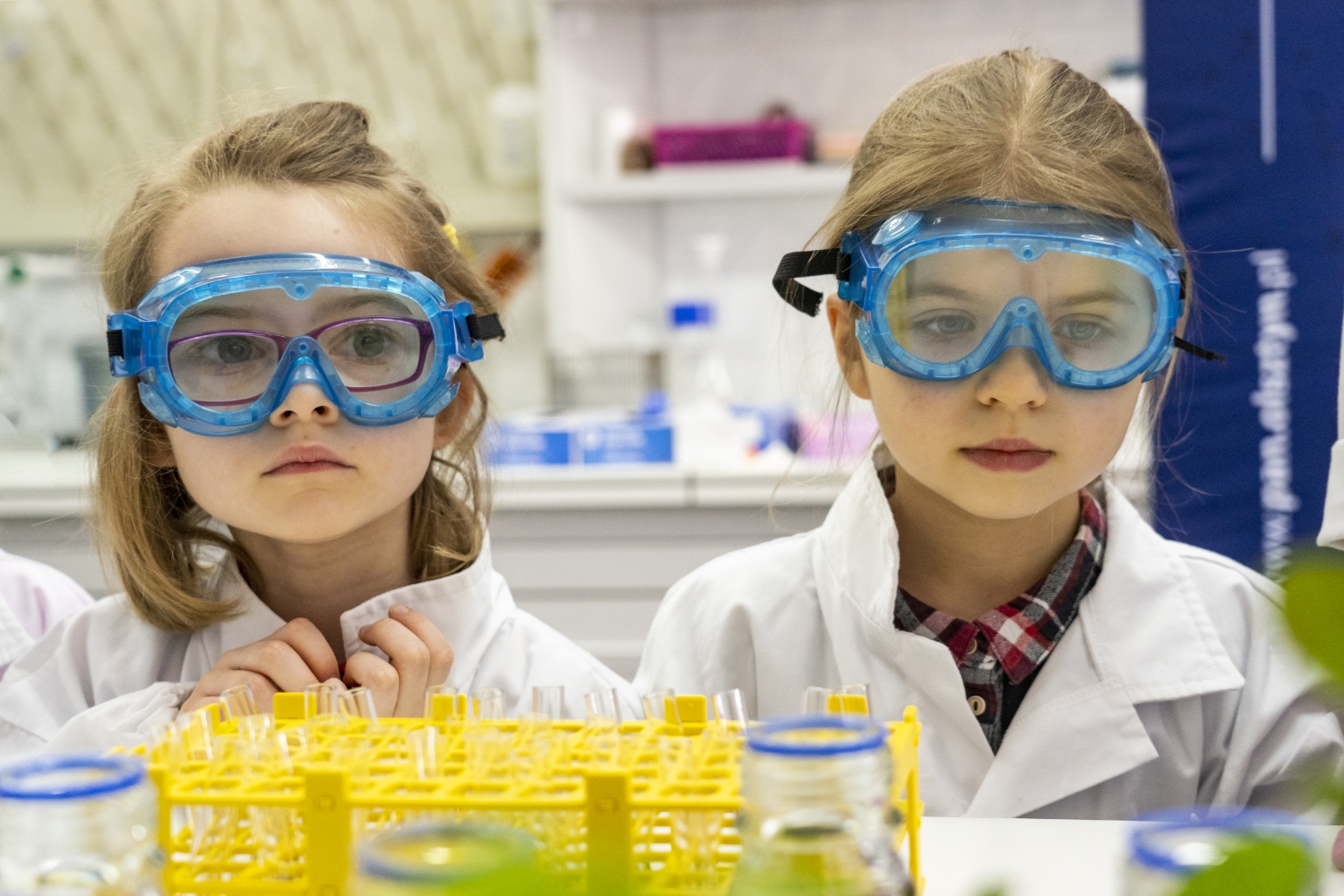
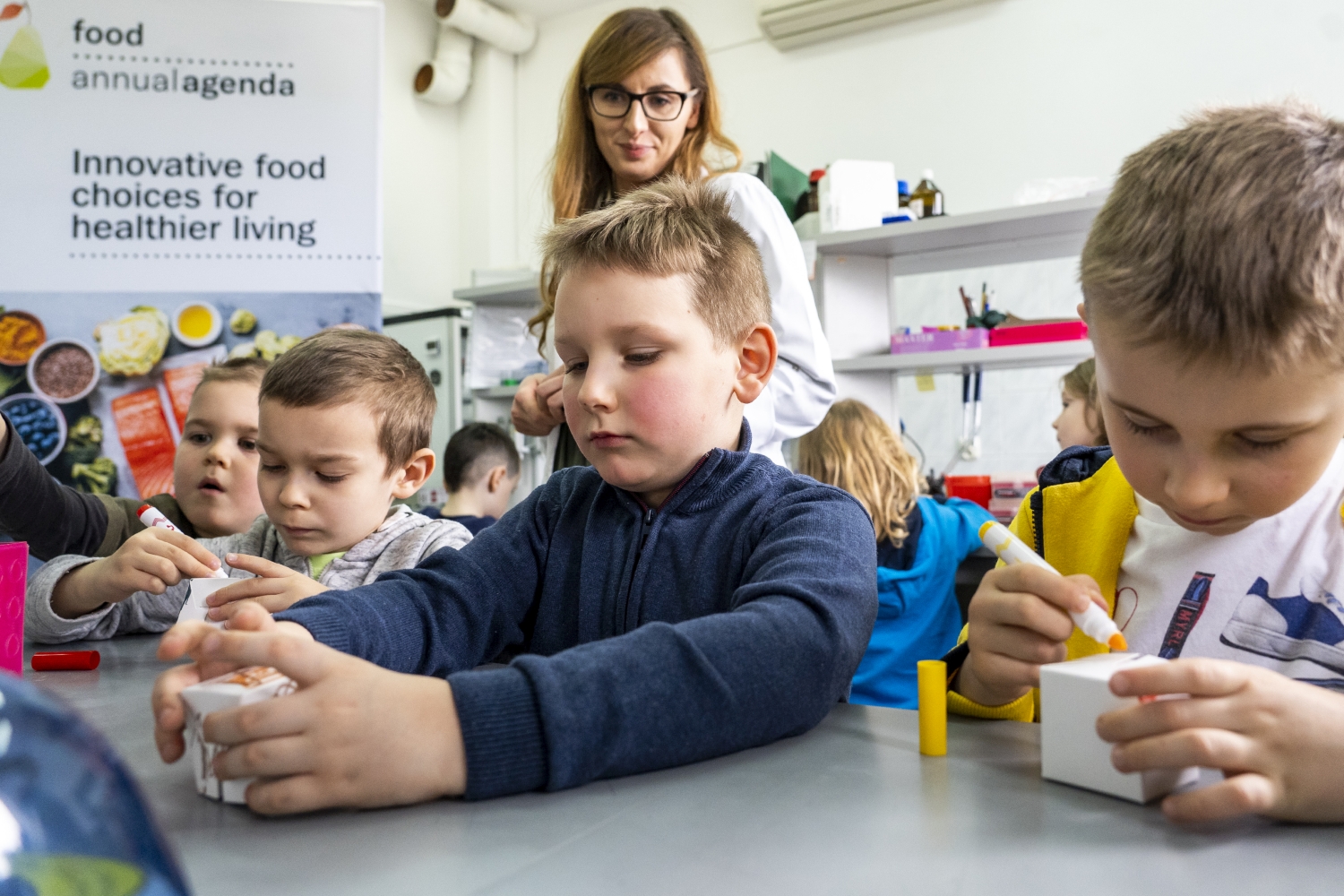
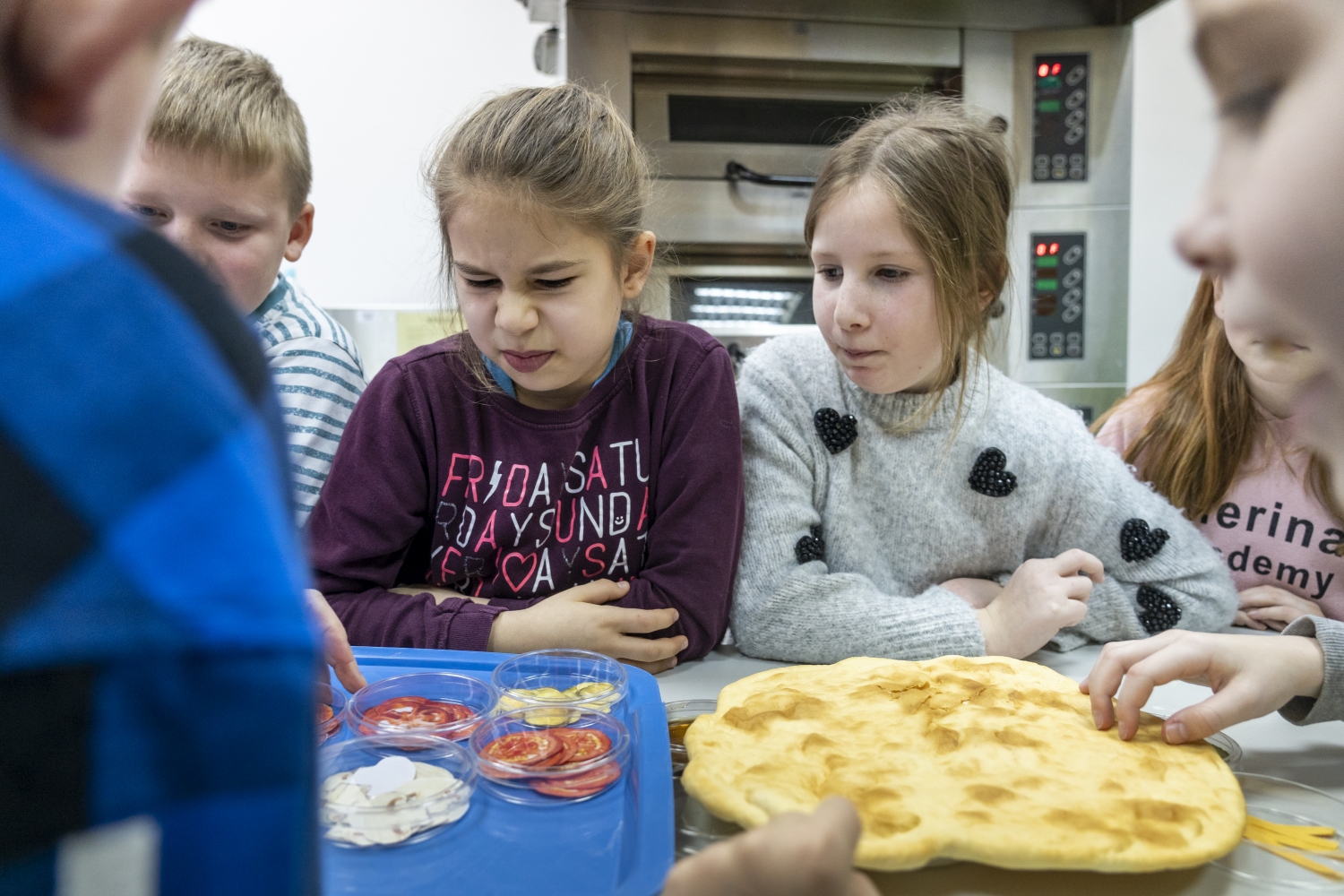
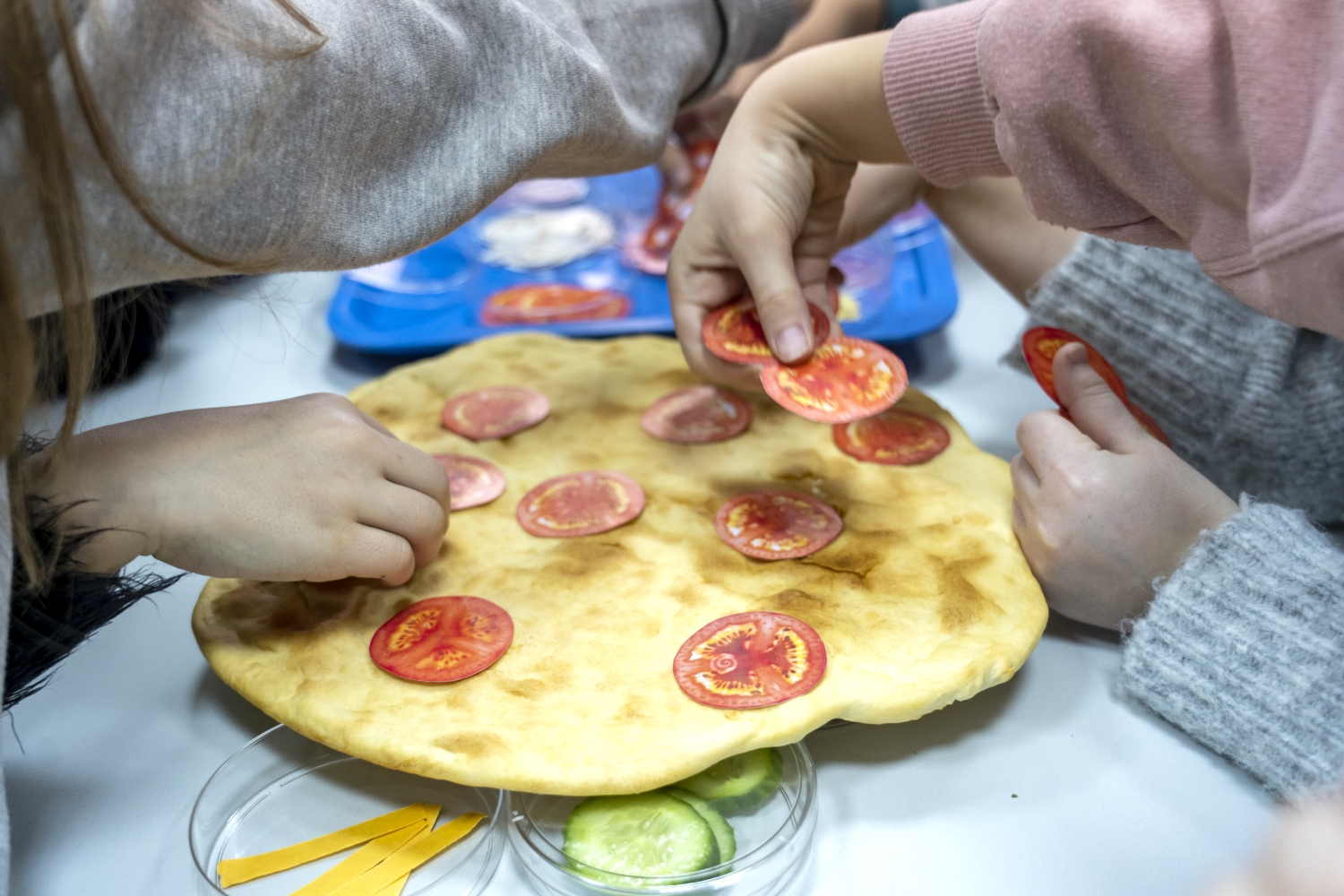
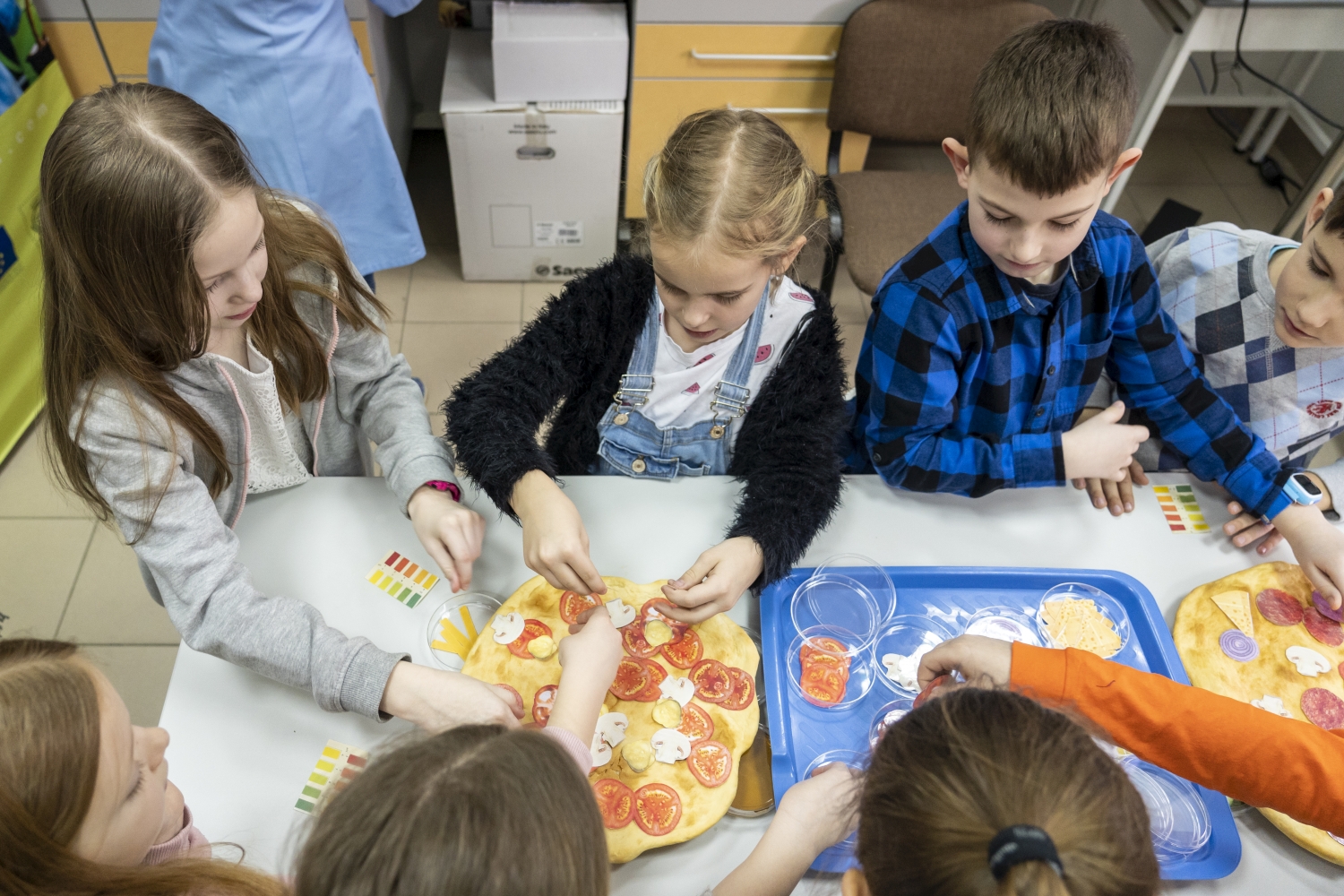
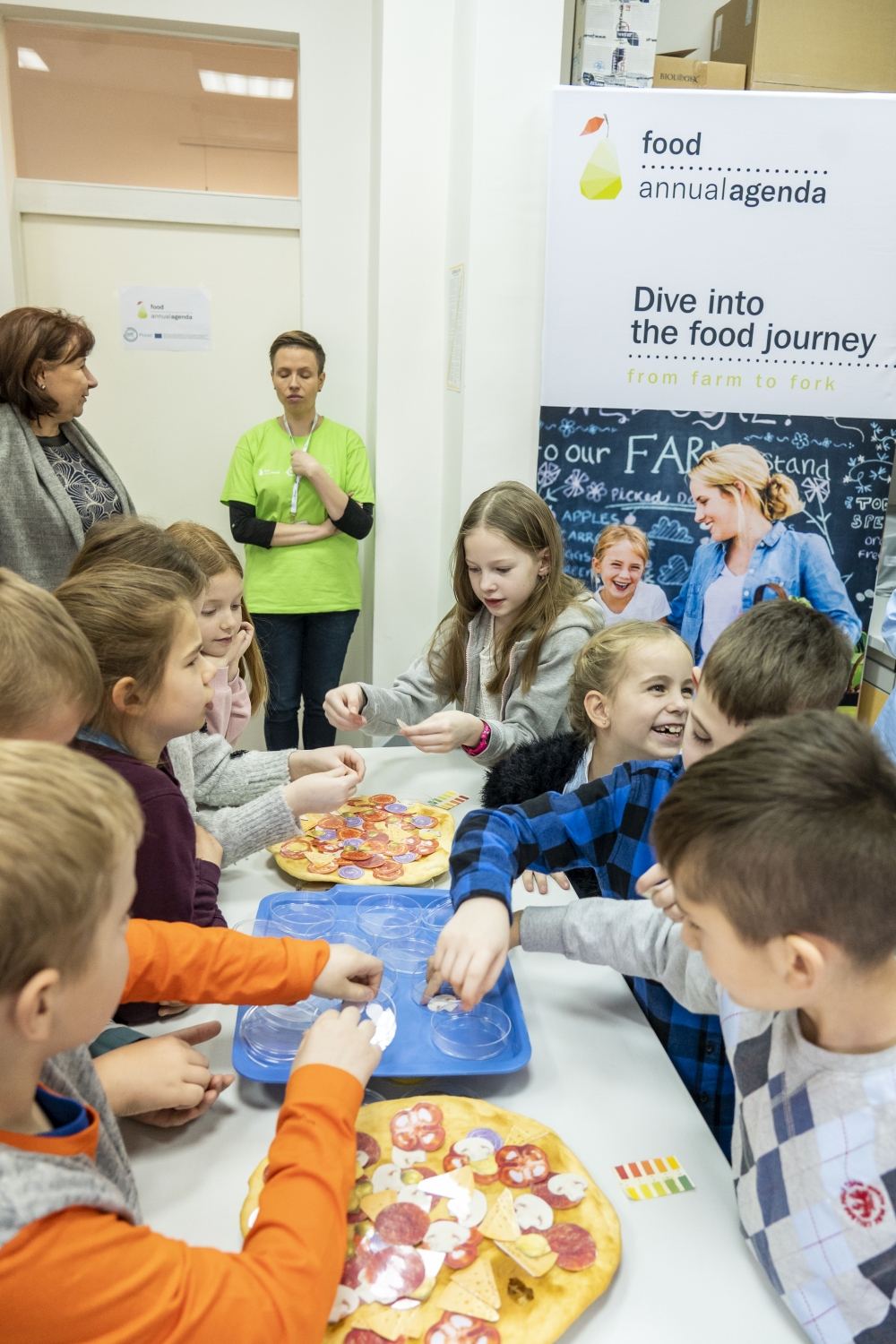
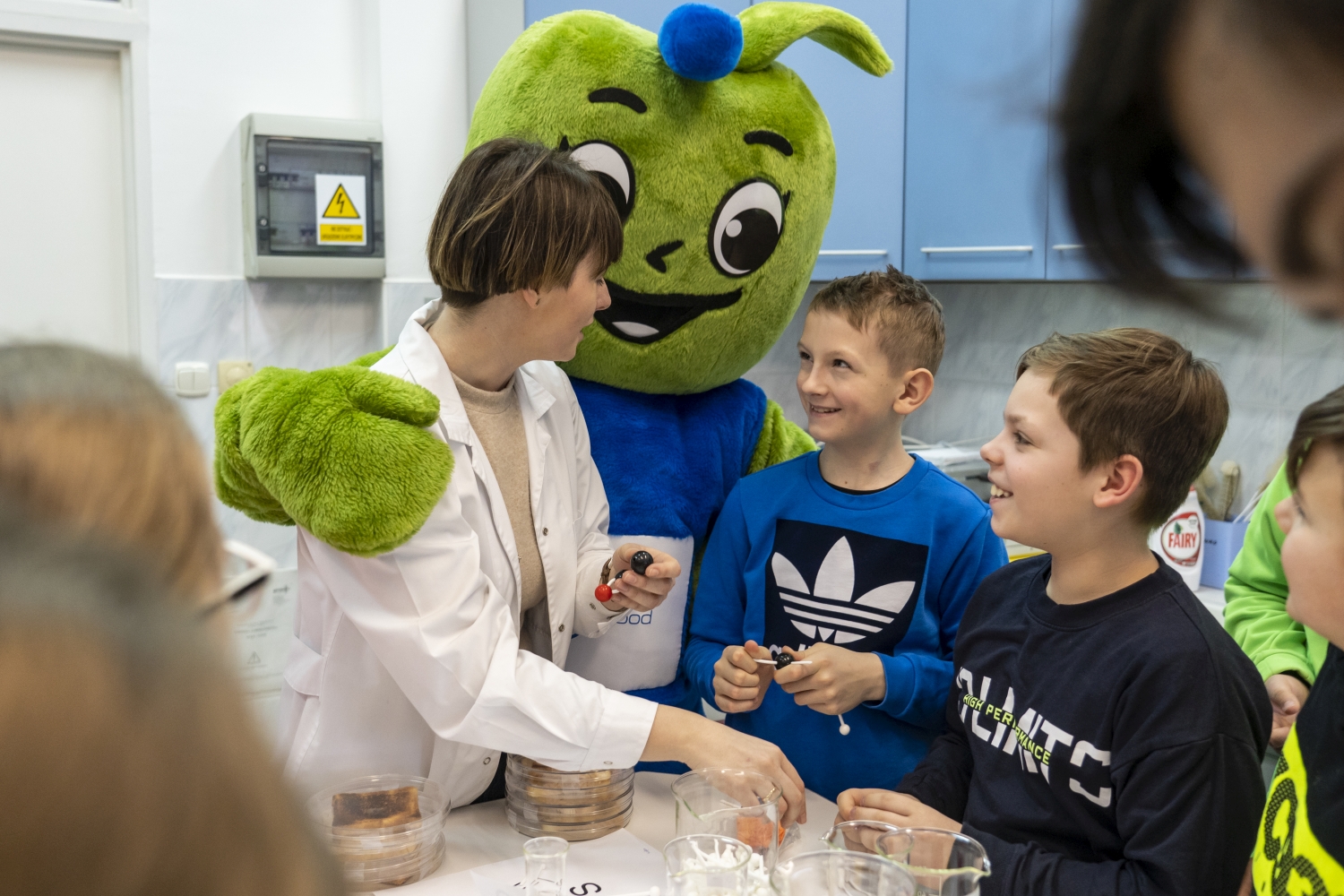
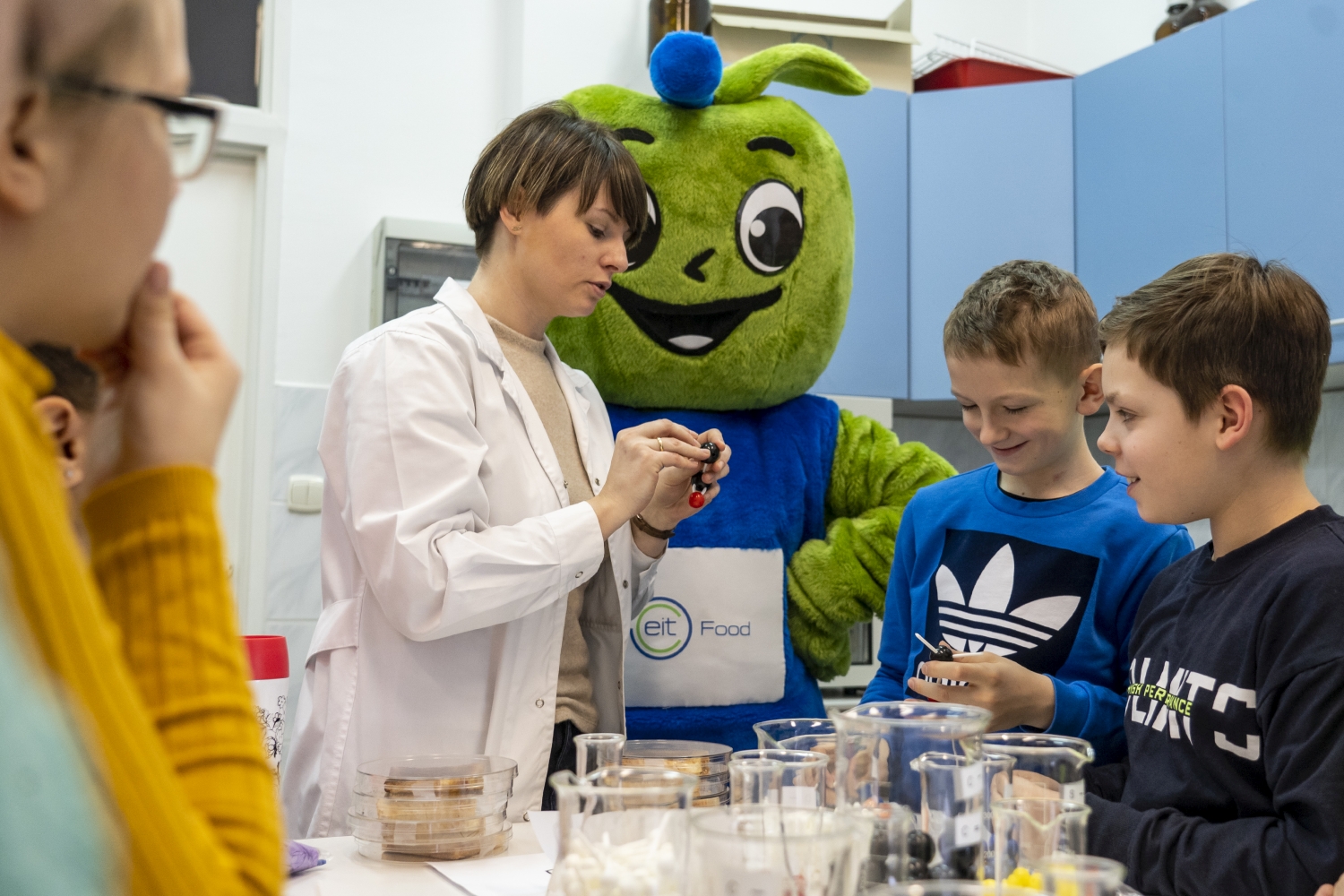
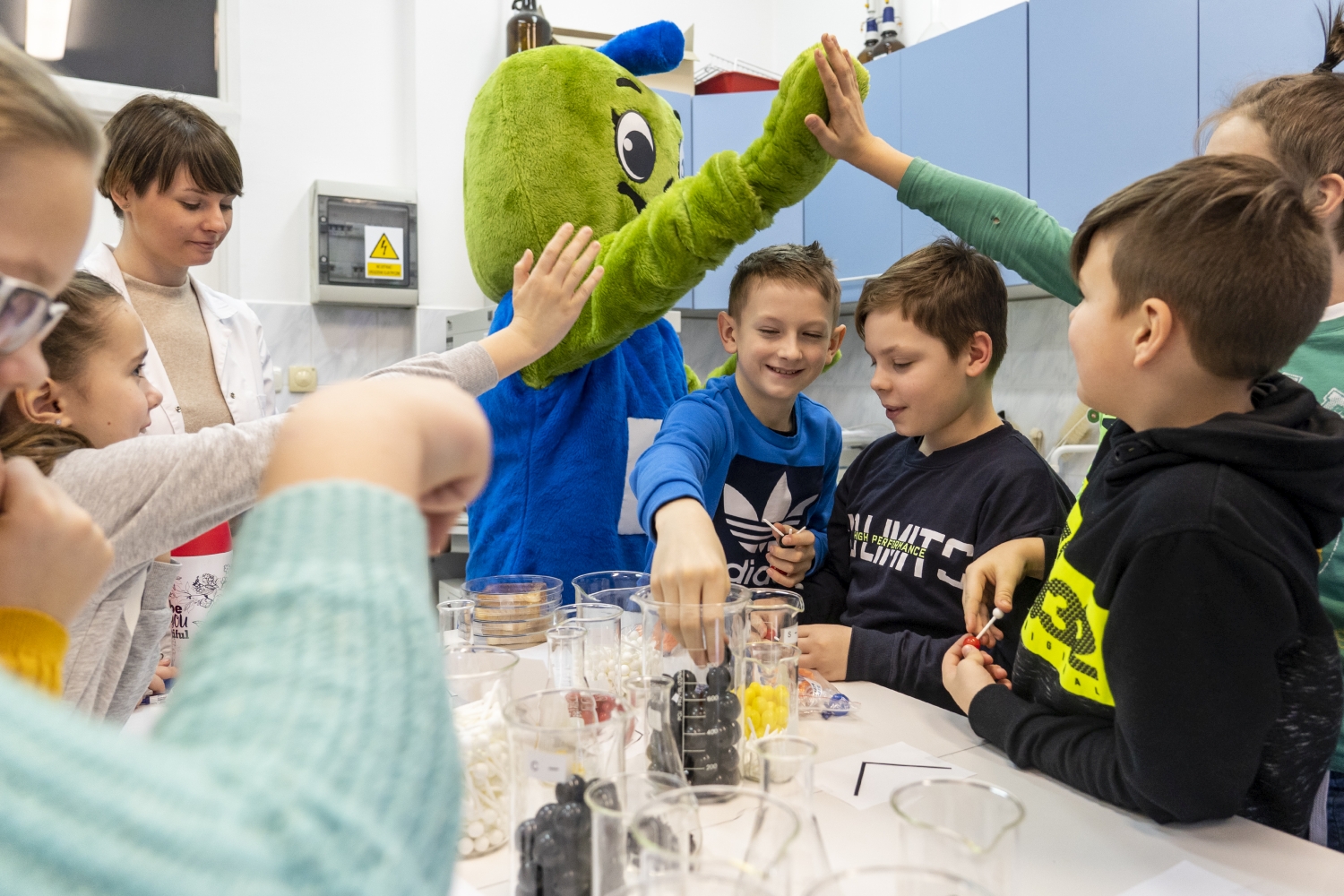
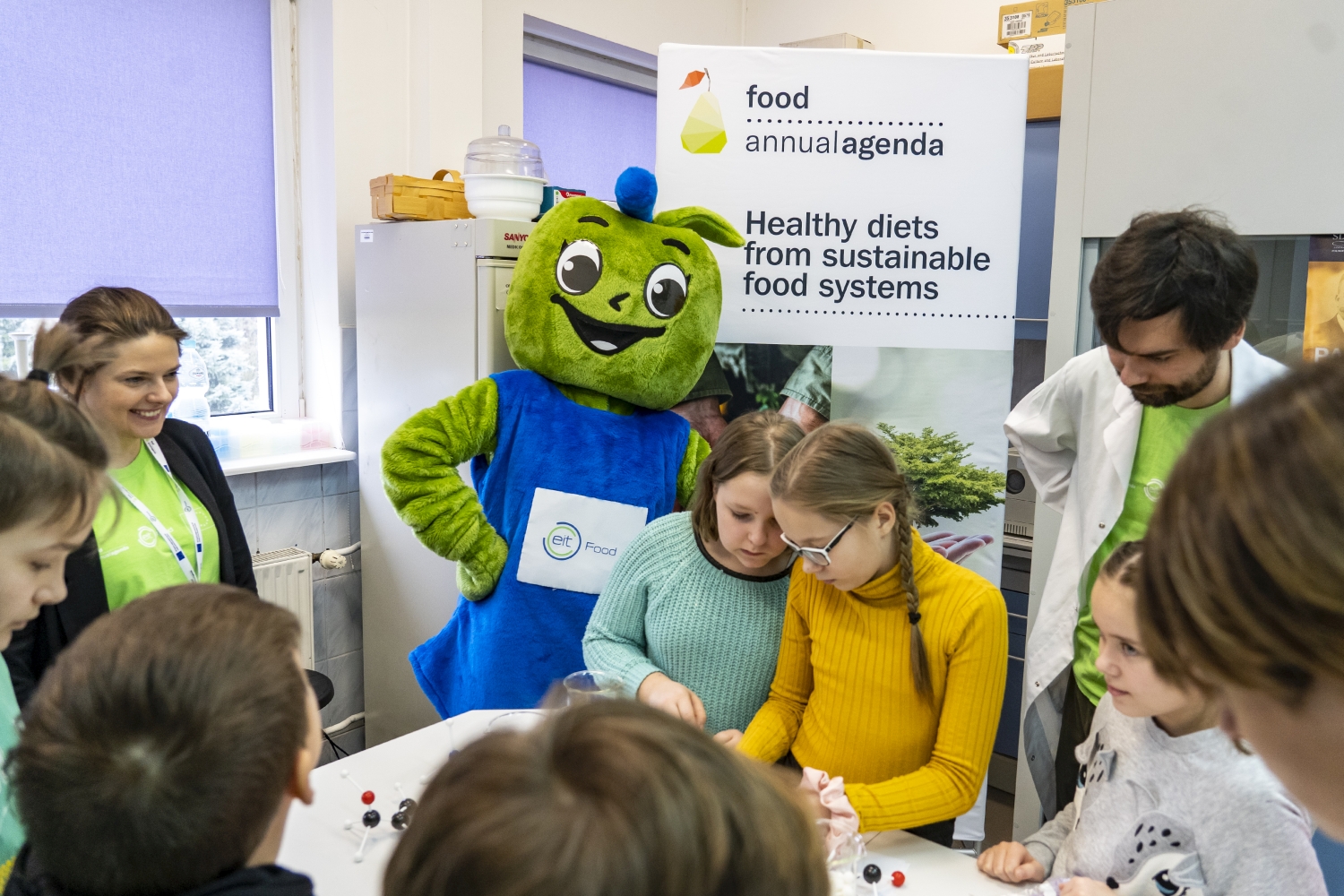
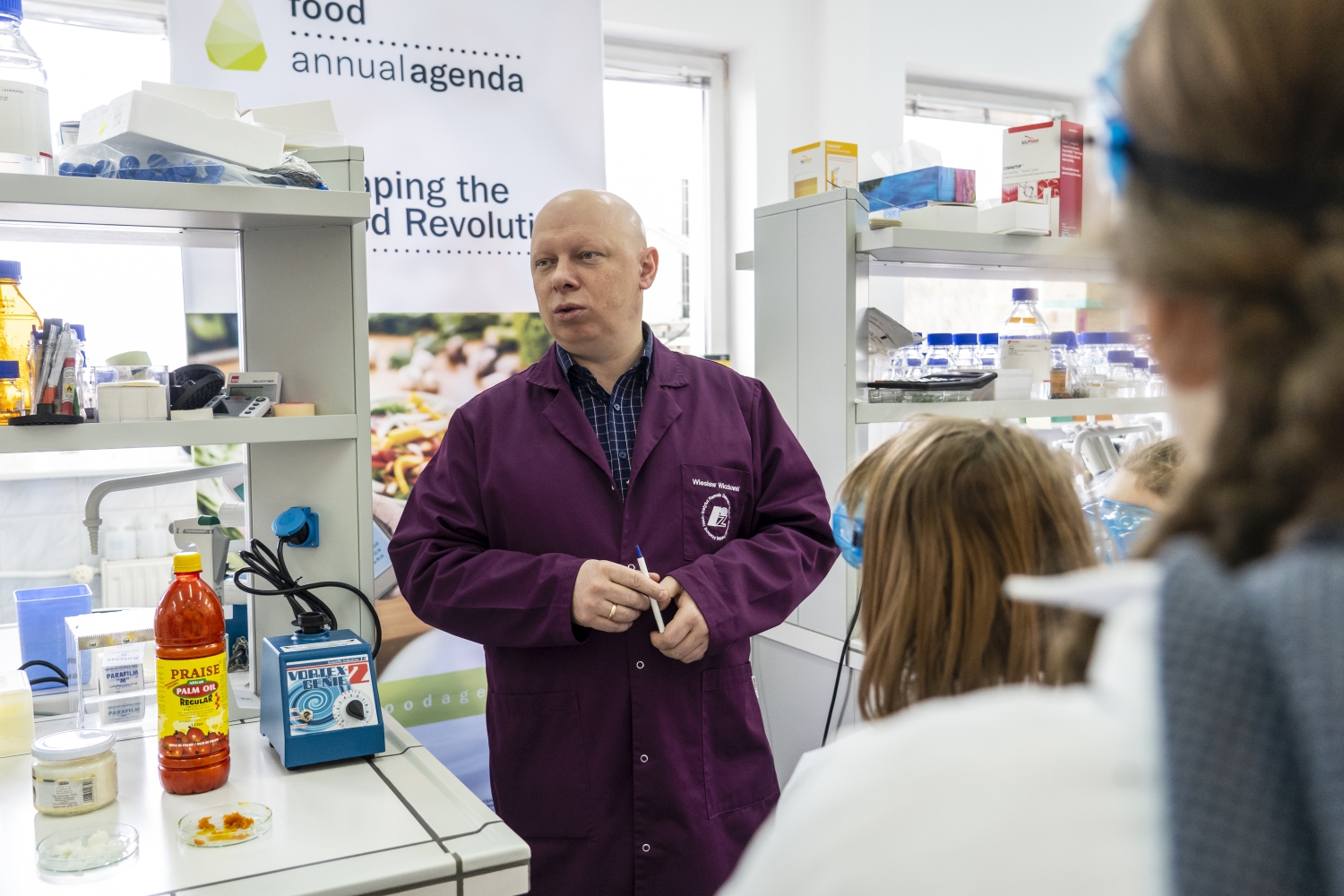
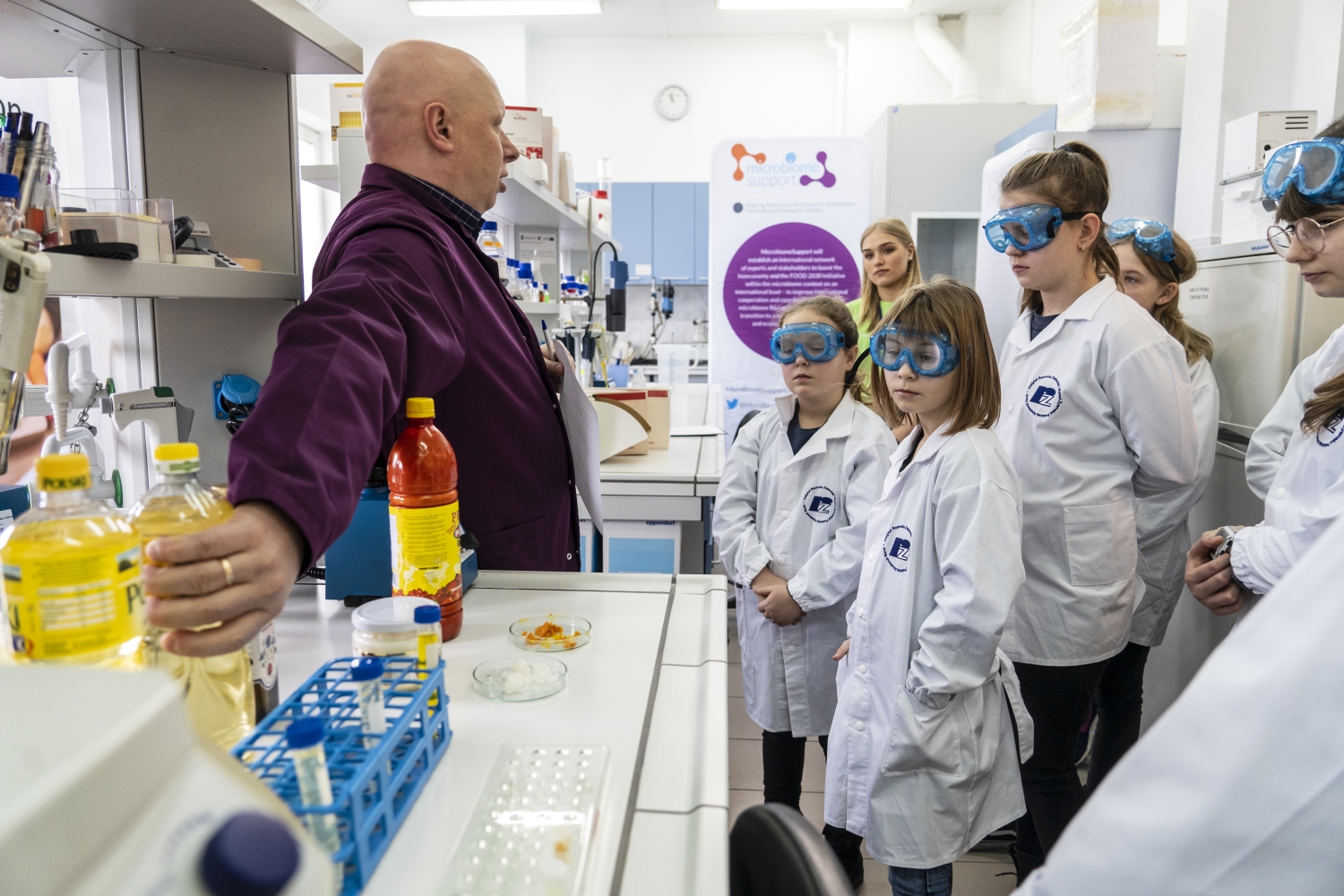
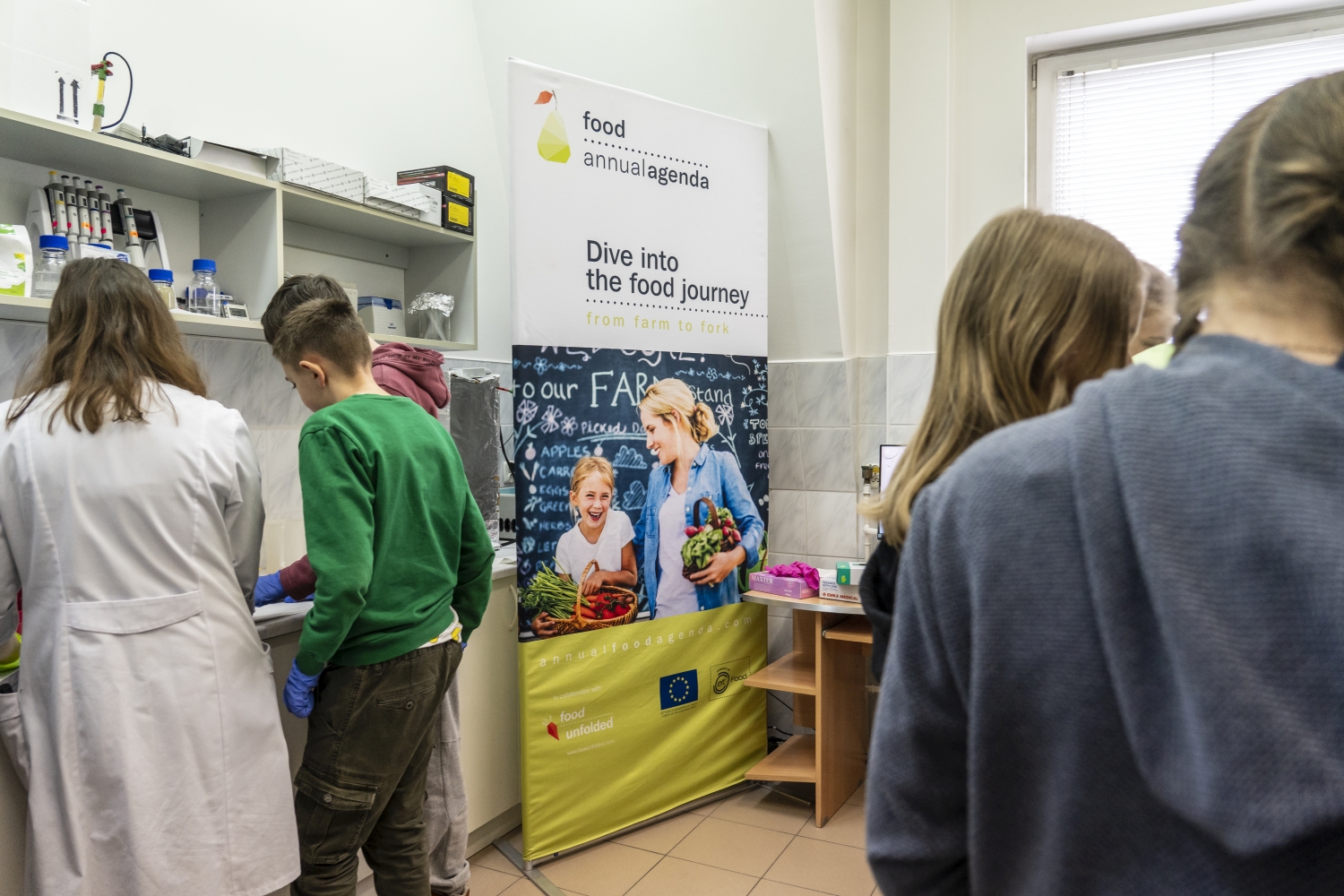
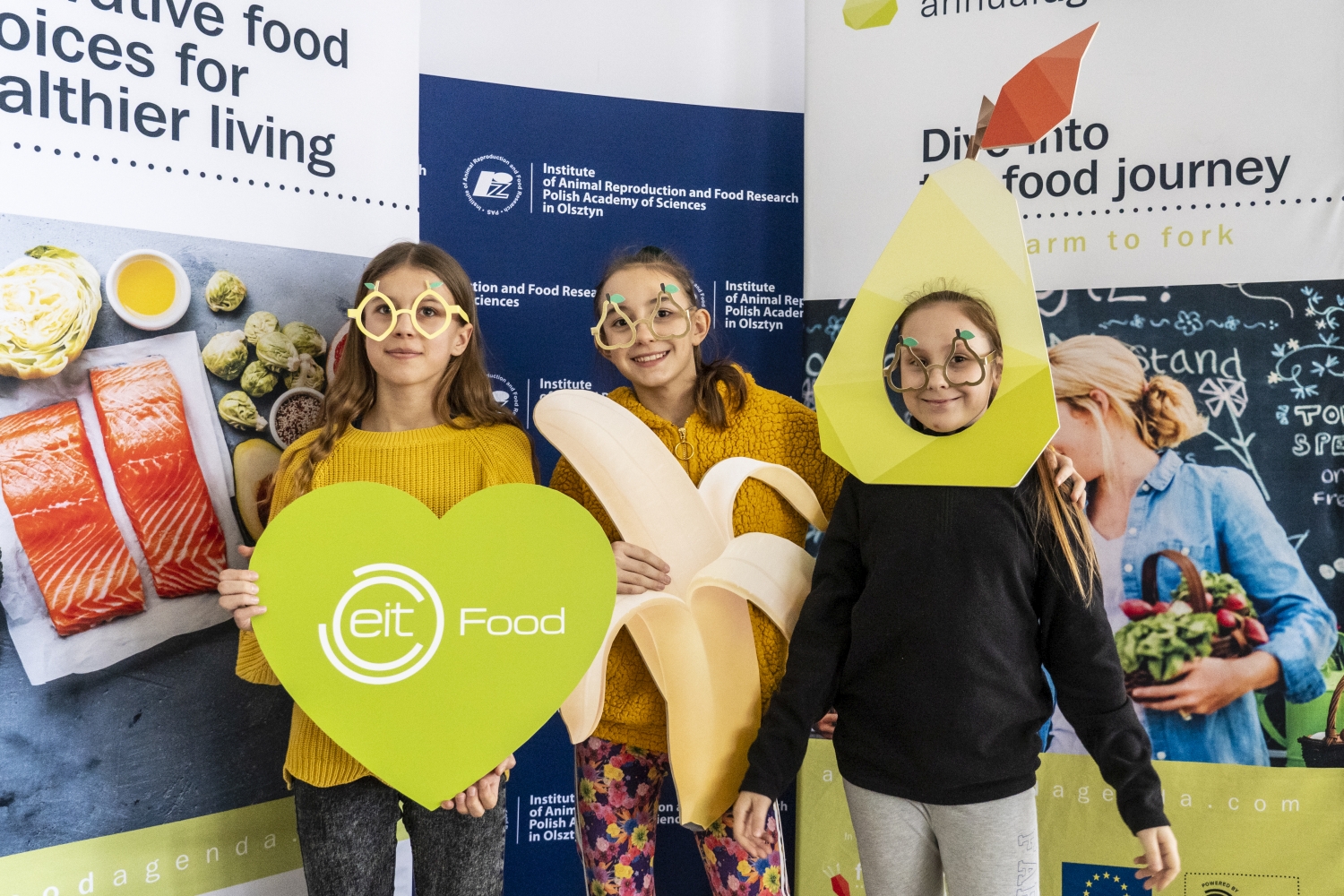
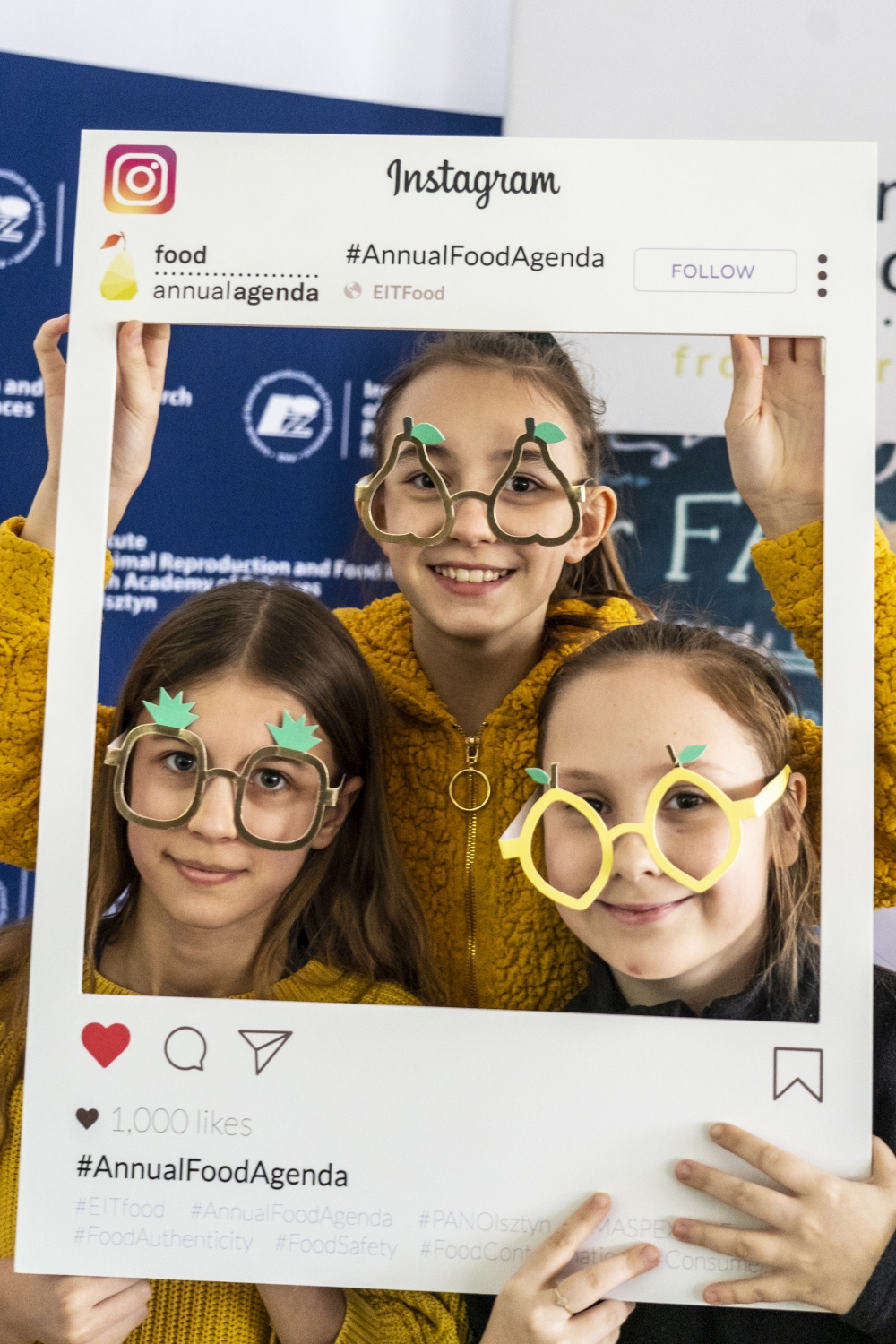
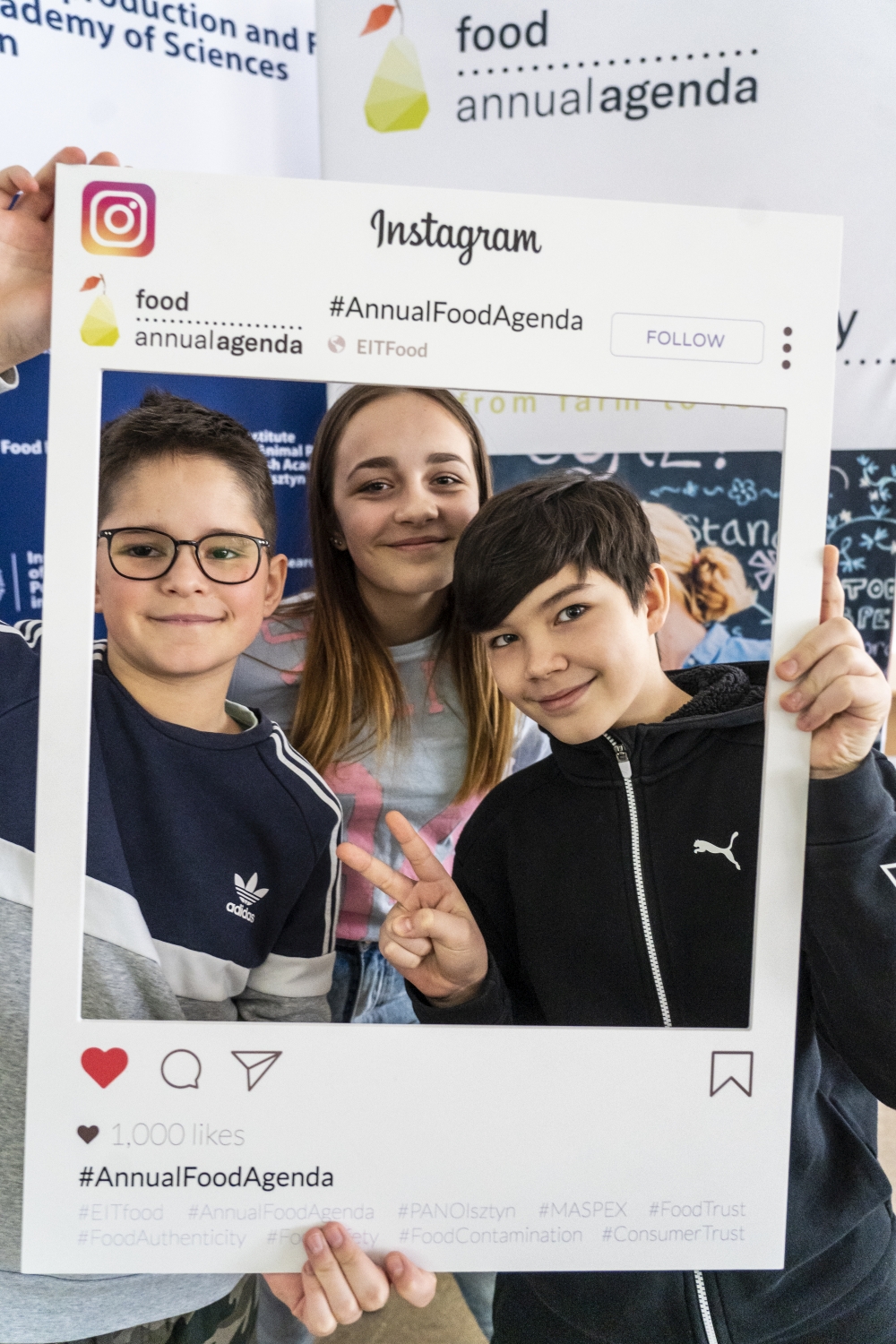
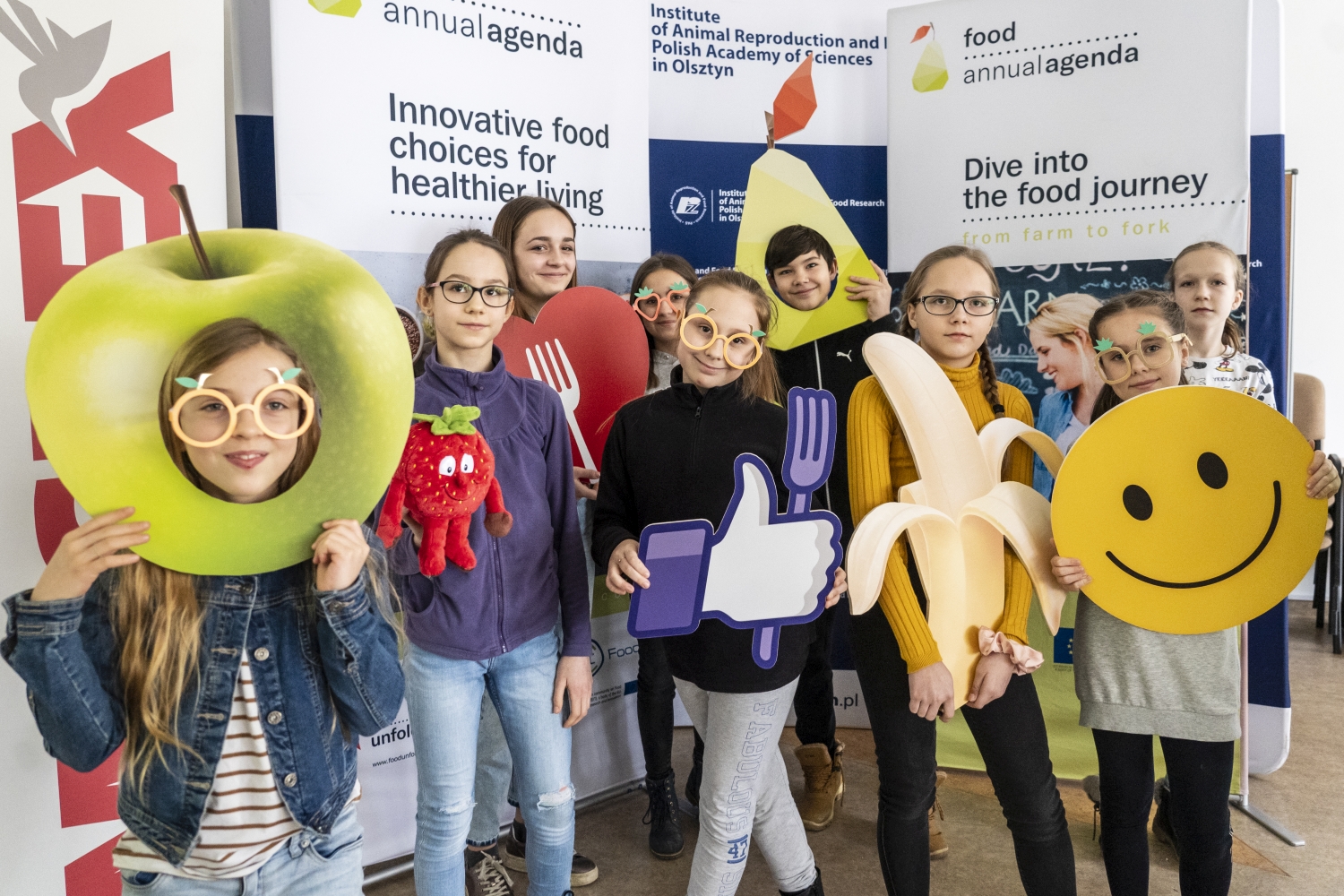
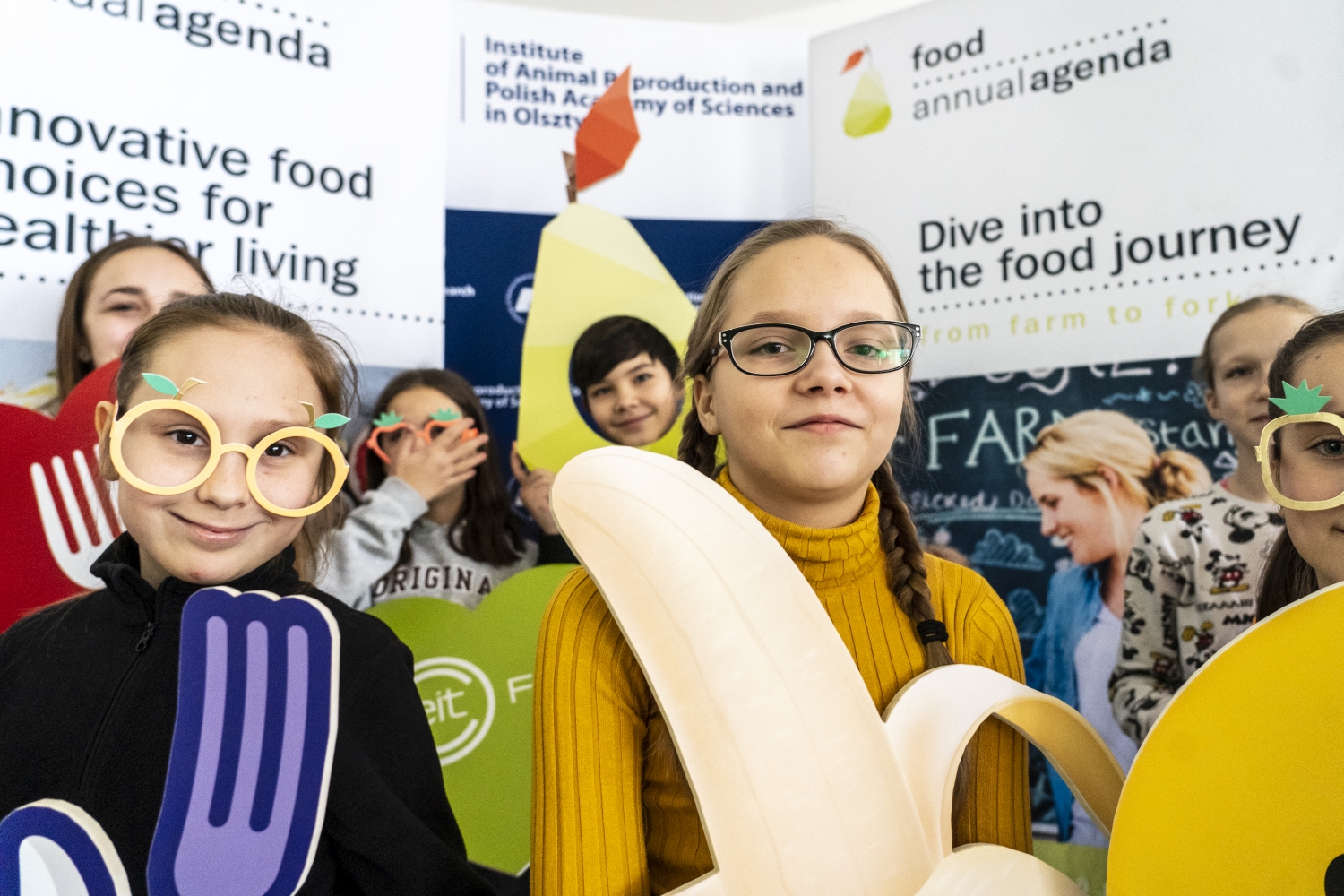
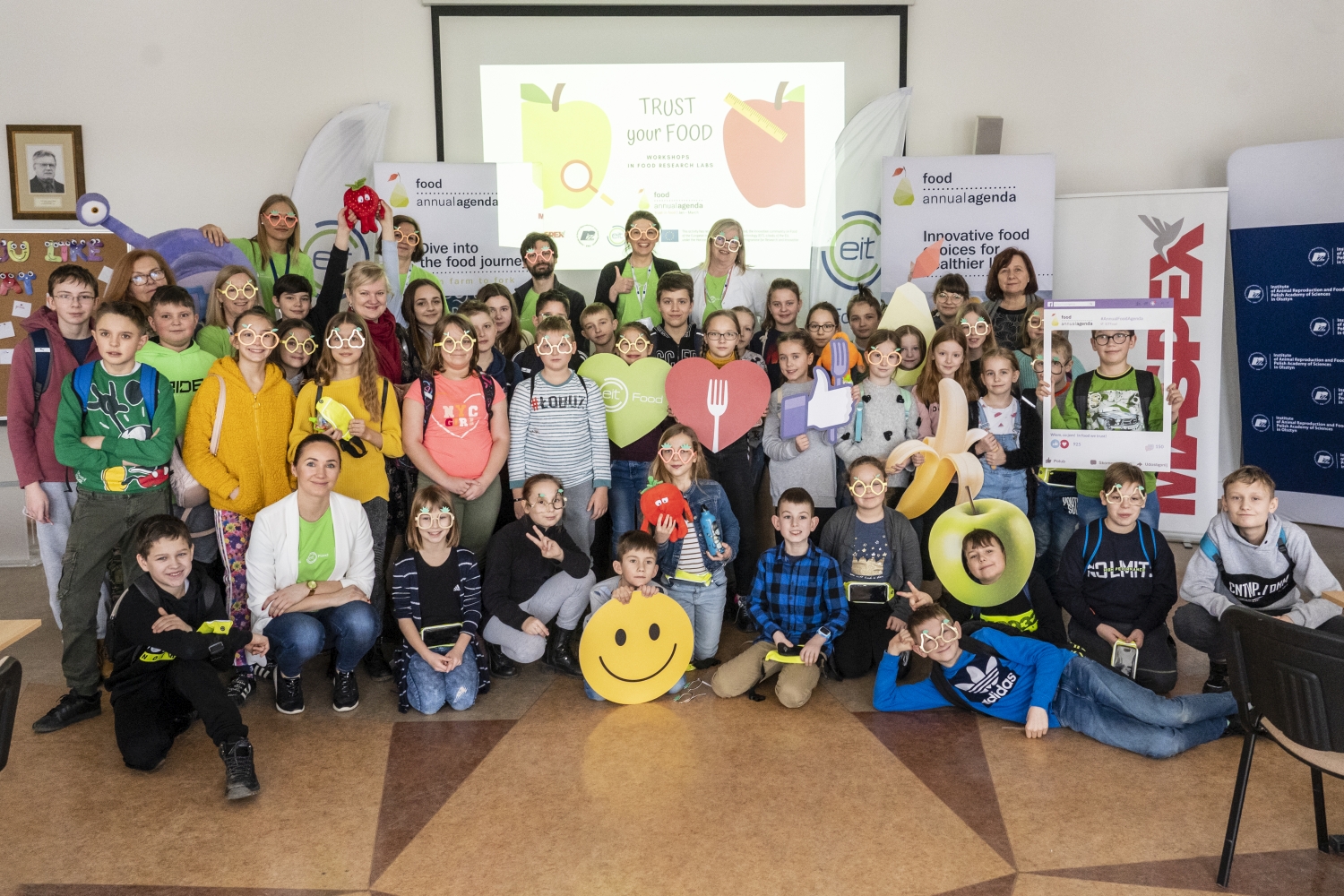
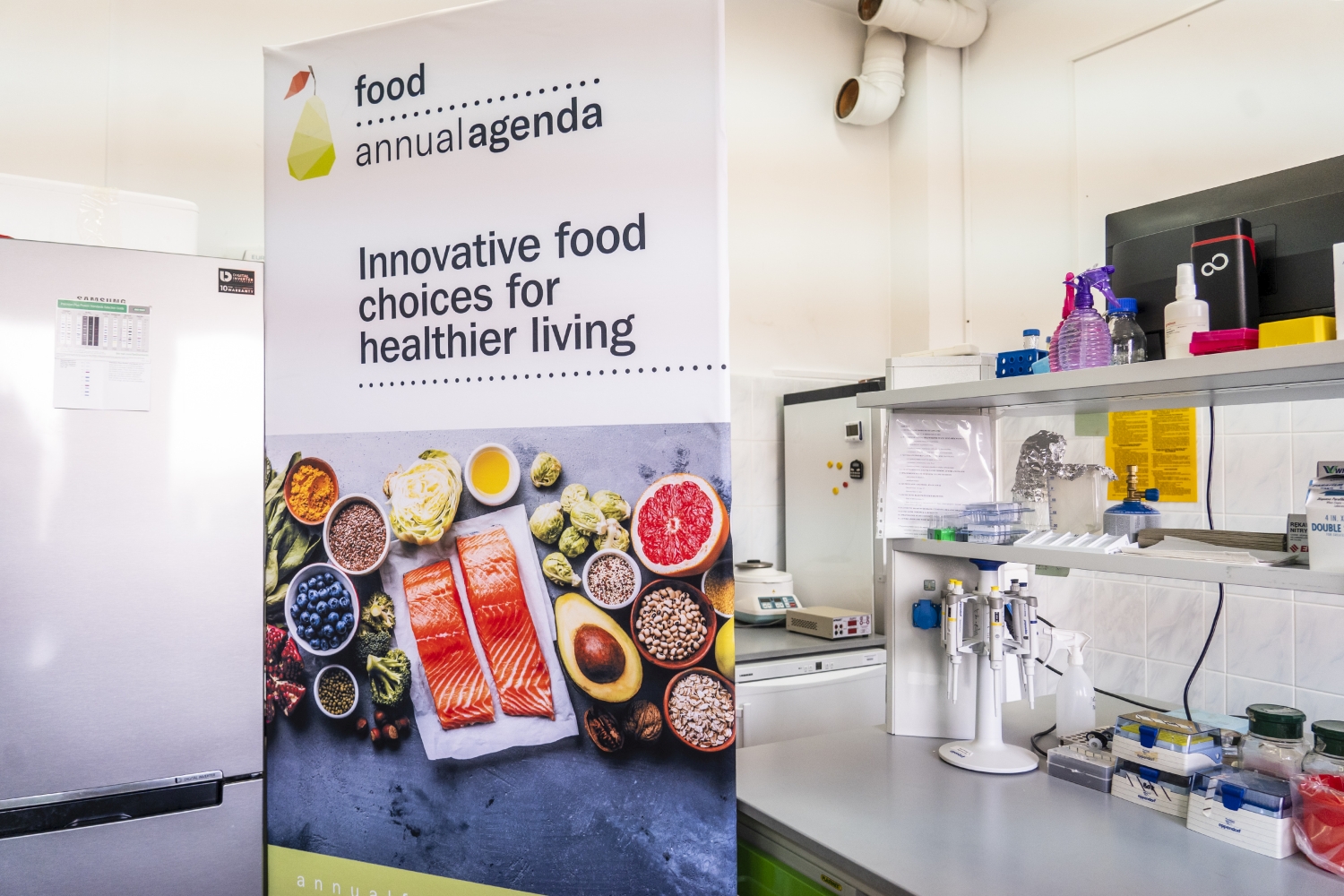
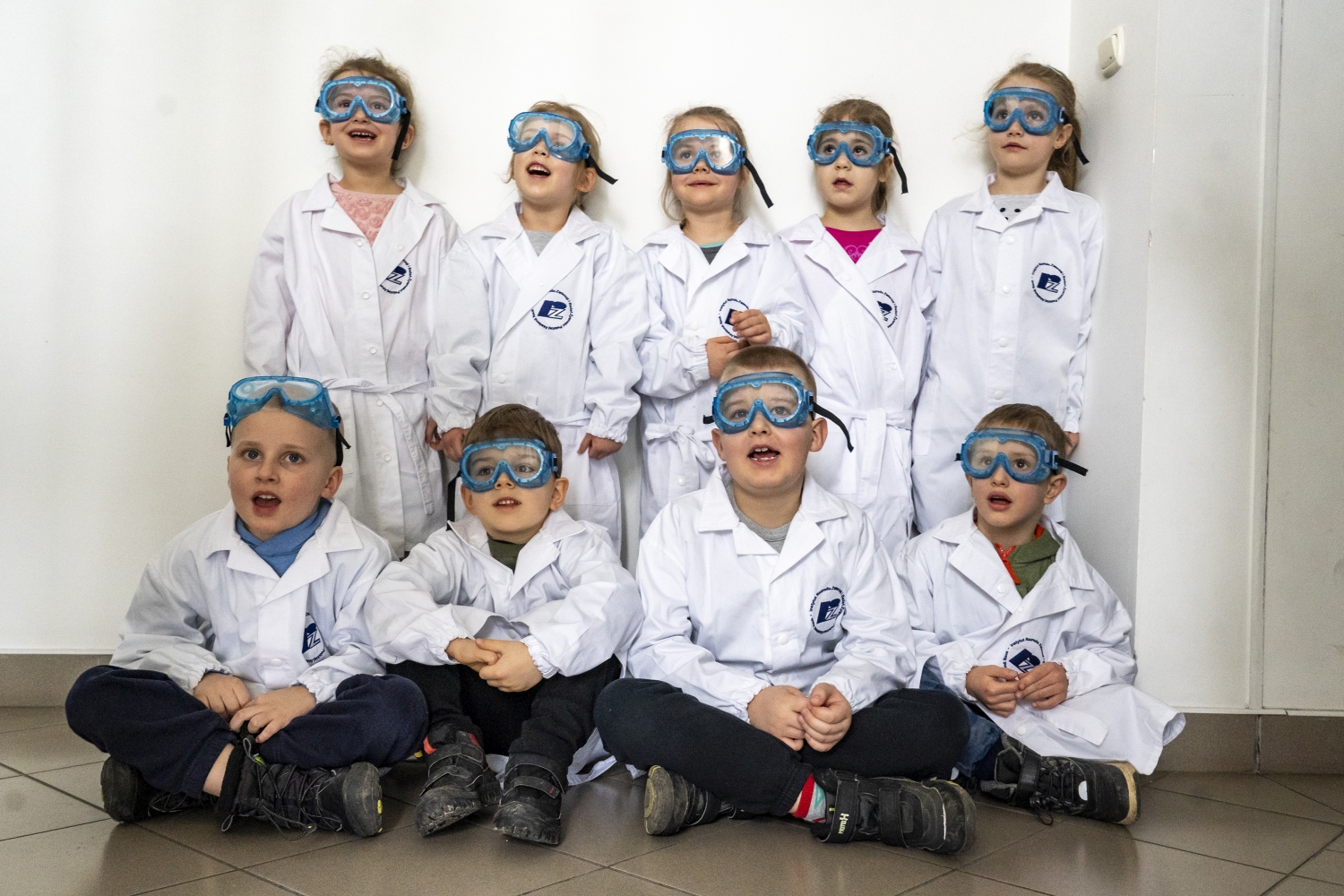
What is the science behind food? What are the researchers and industry experts doing to produce healthy and sustainable food that could be trusted by all? These are the questions we discussed during „Trust your Food” #AnnualFoodAgenda workshops engaging 279 pupils and teachers from Polish schools.

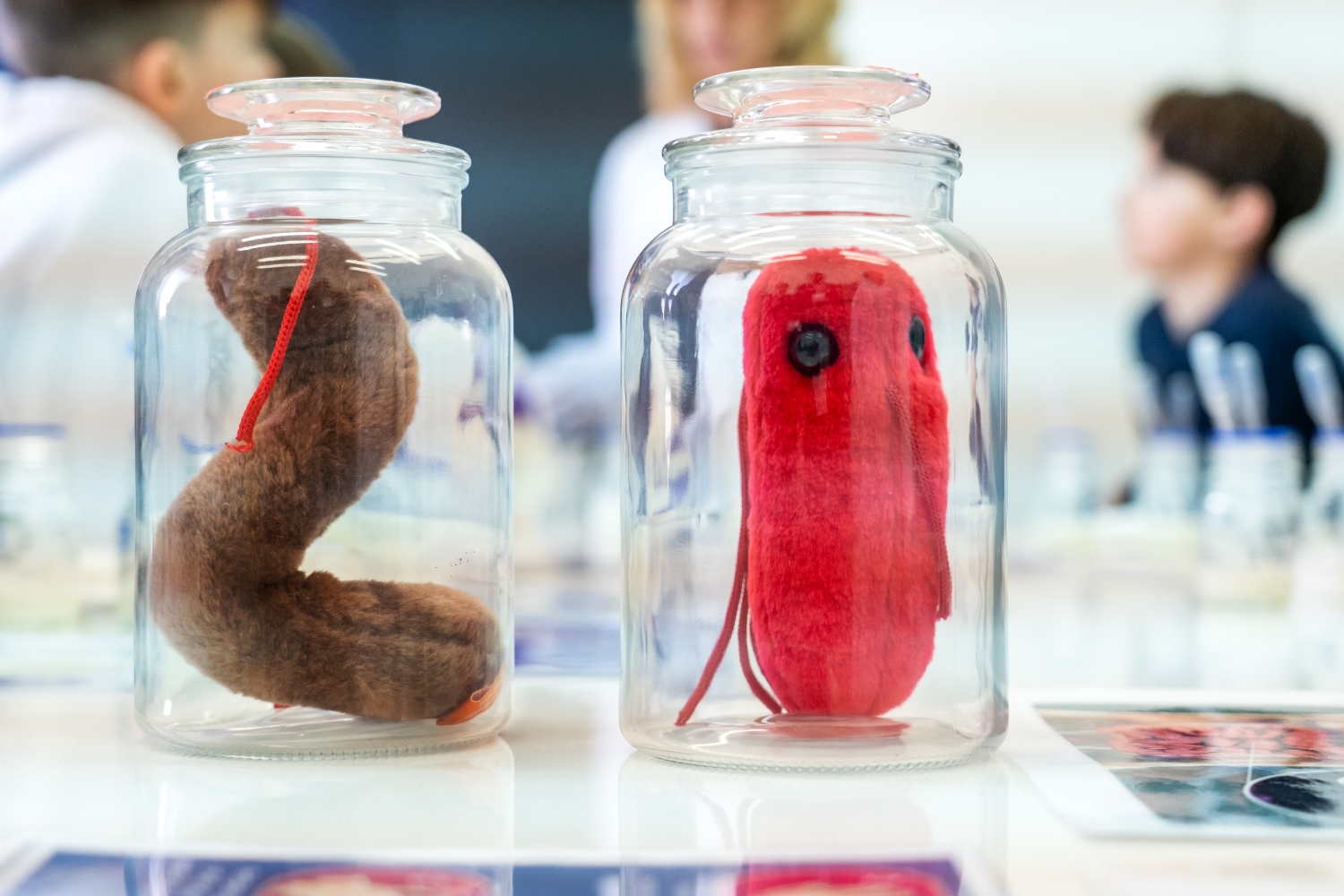
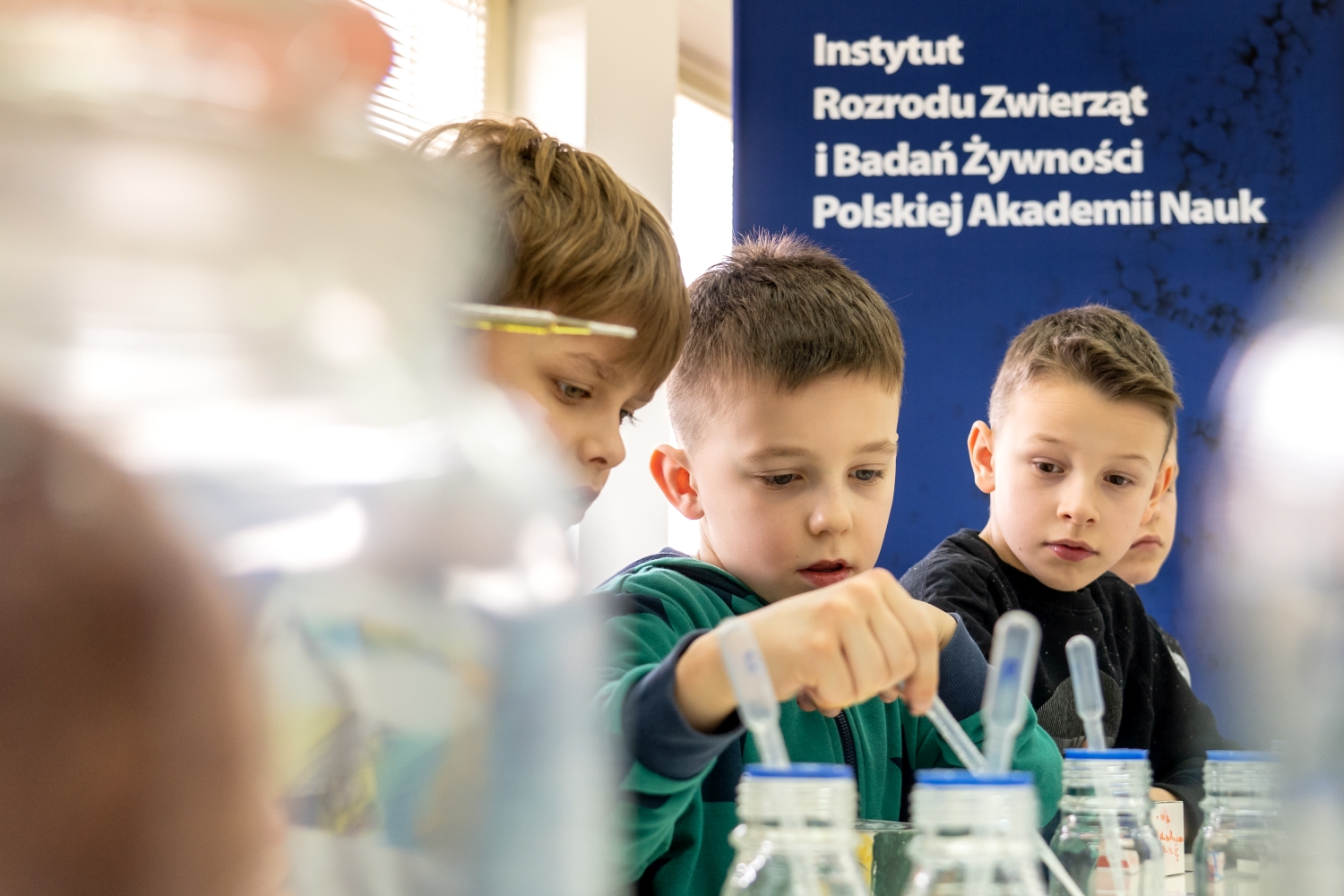
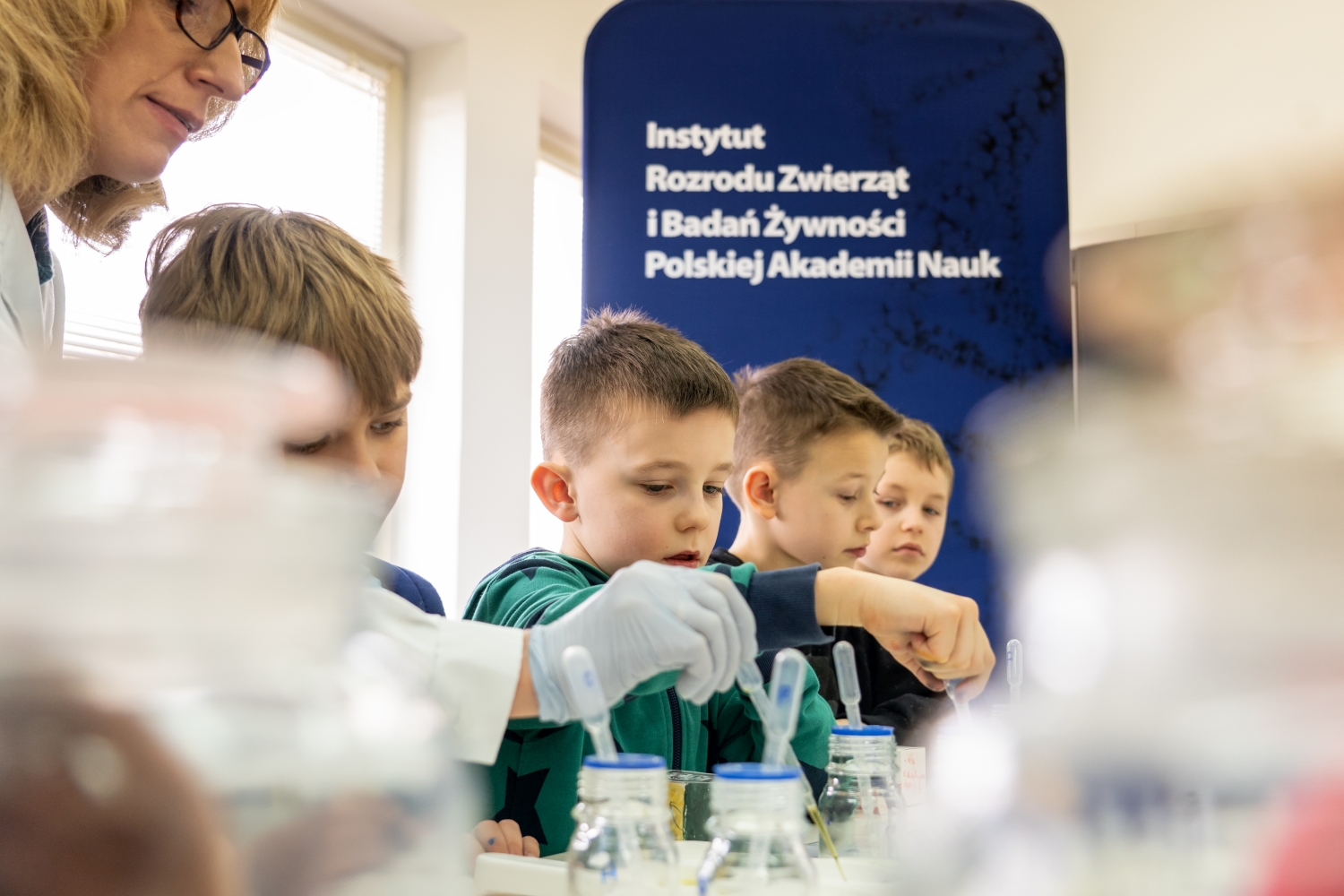
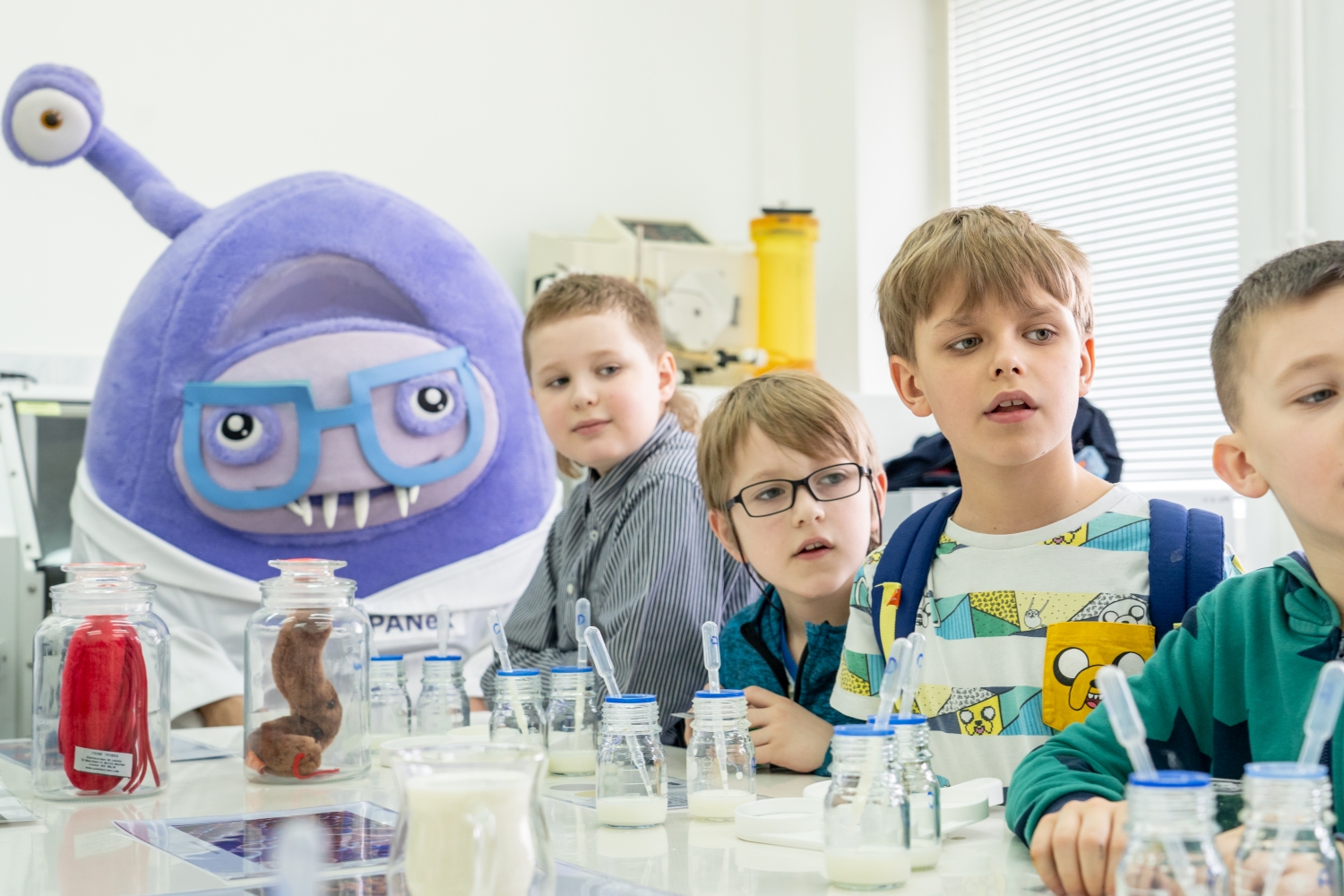
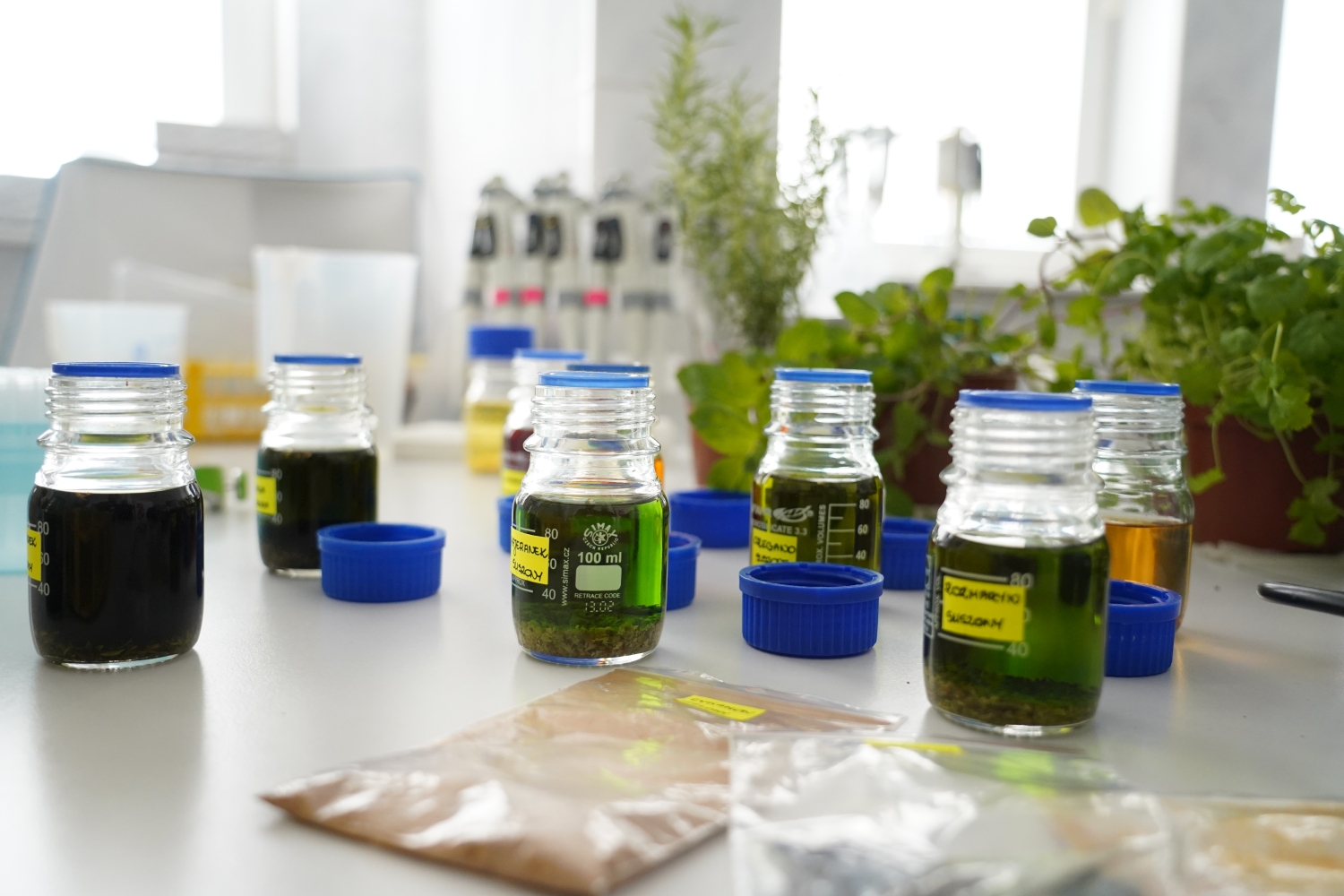
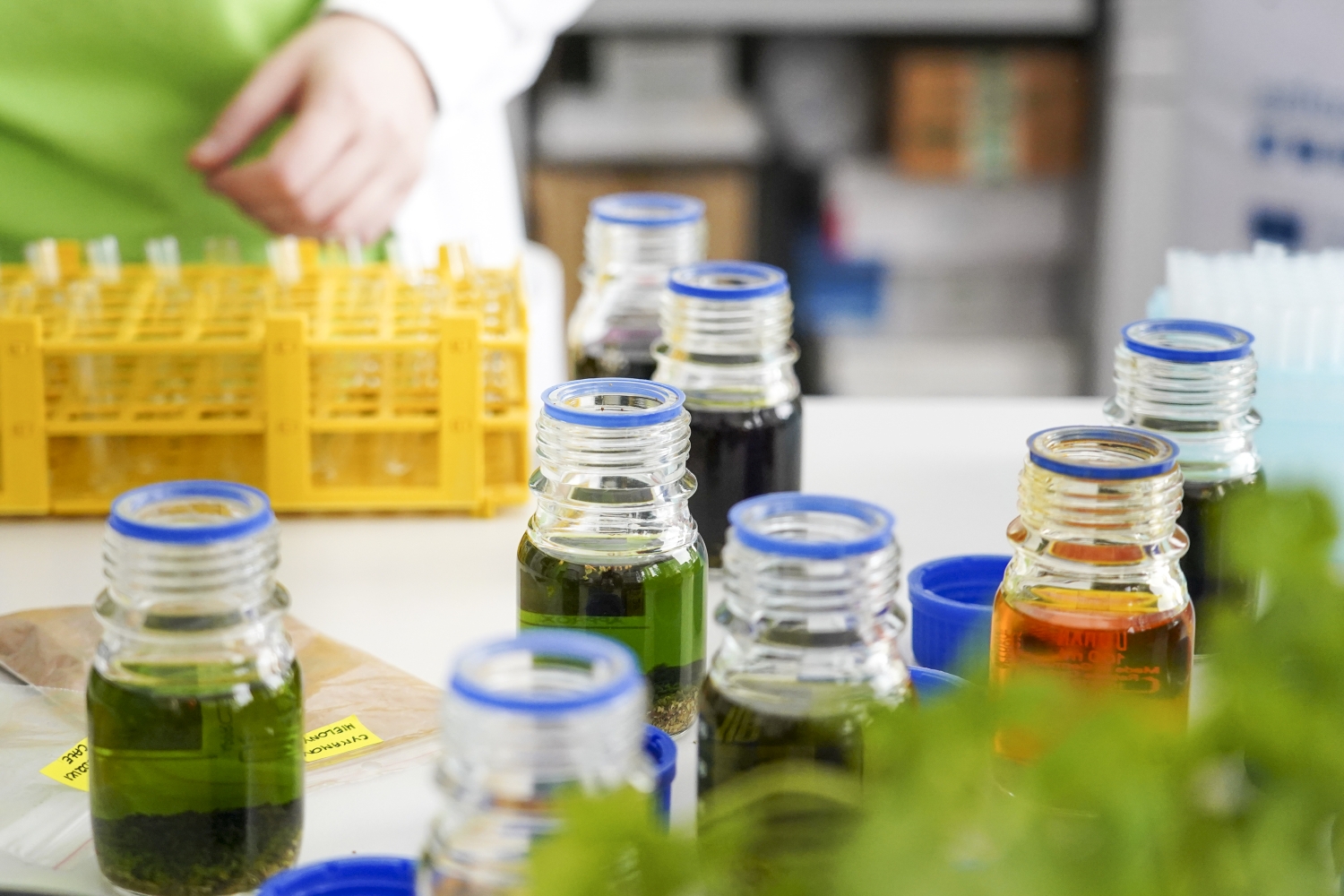
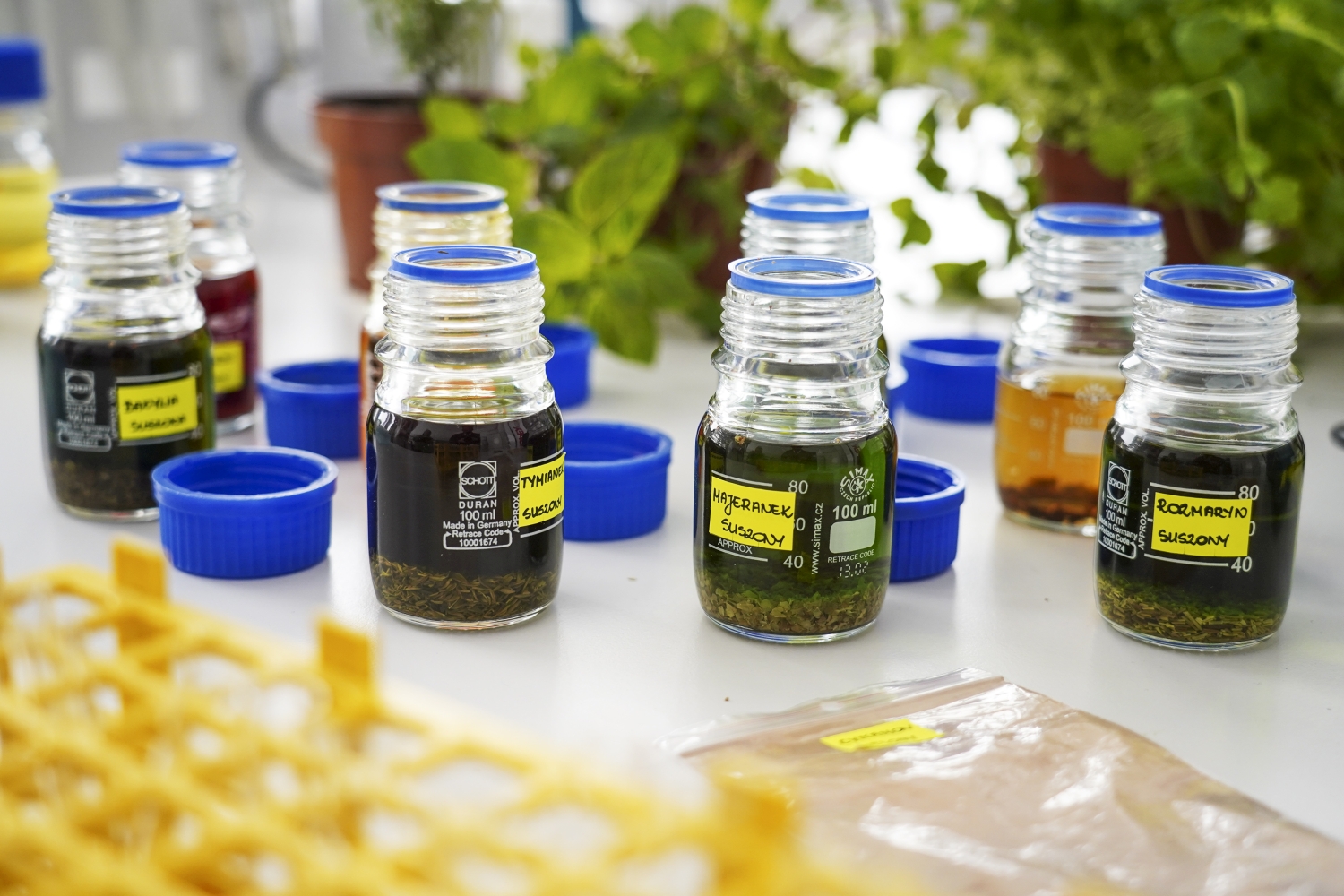
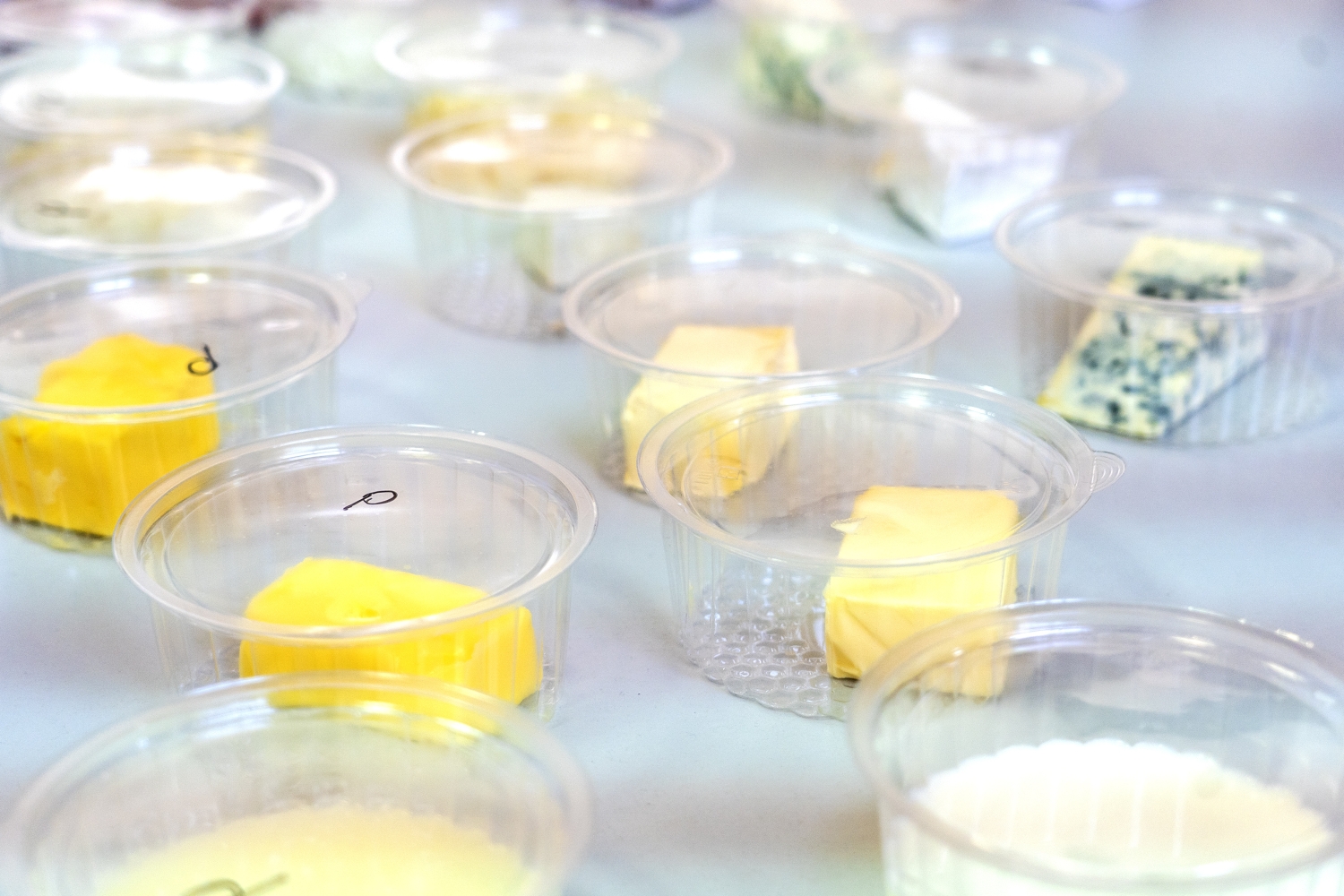
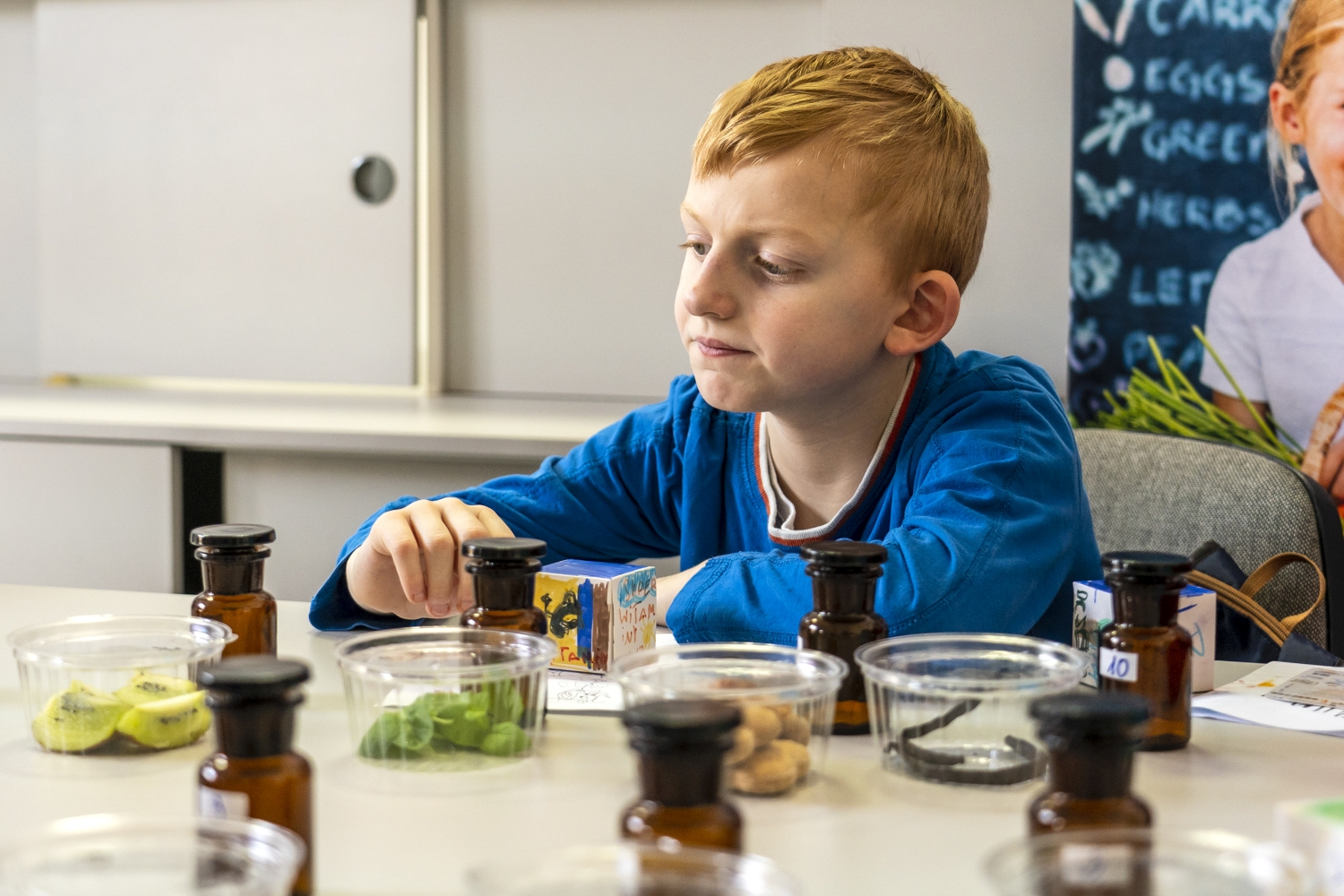
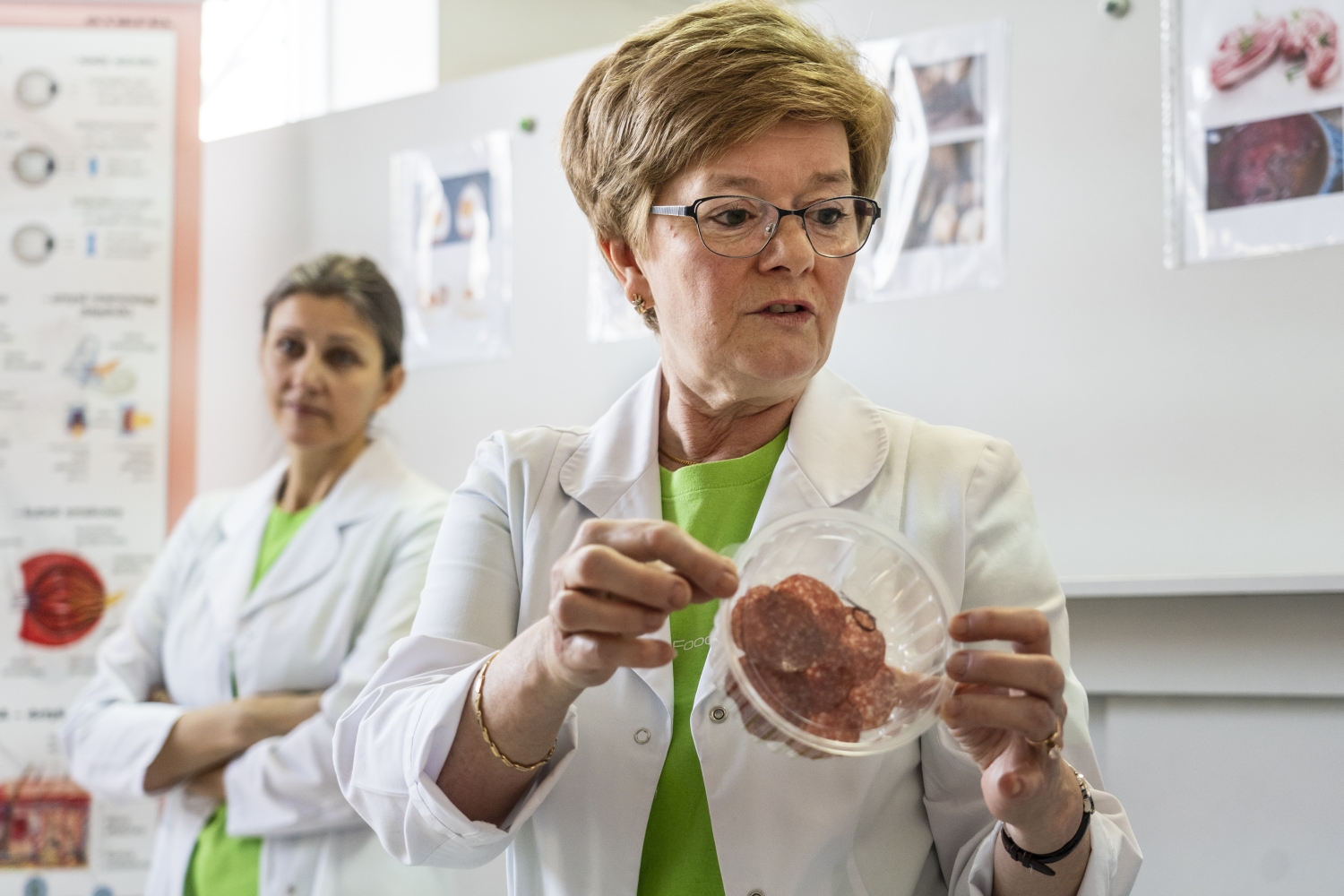
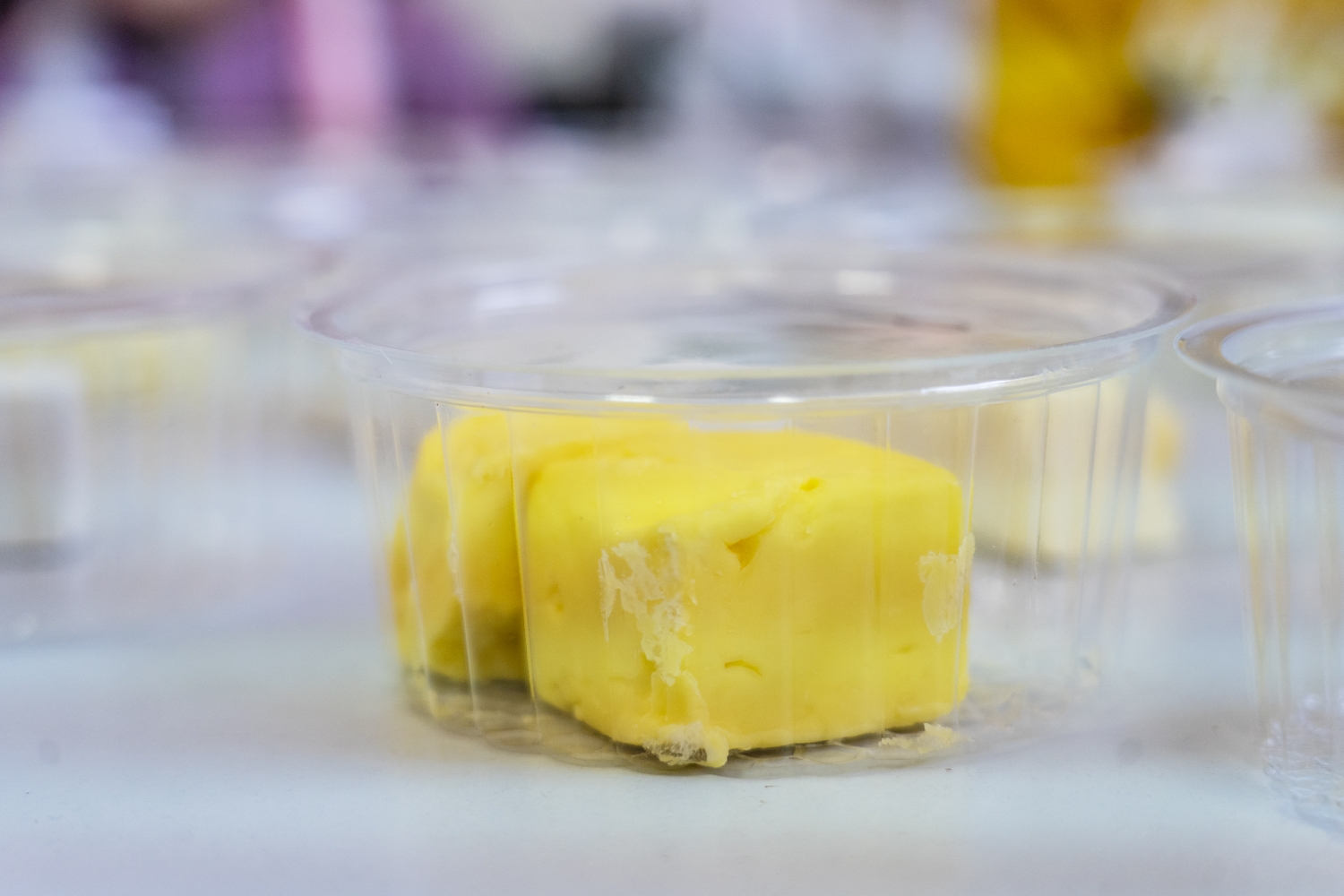
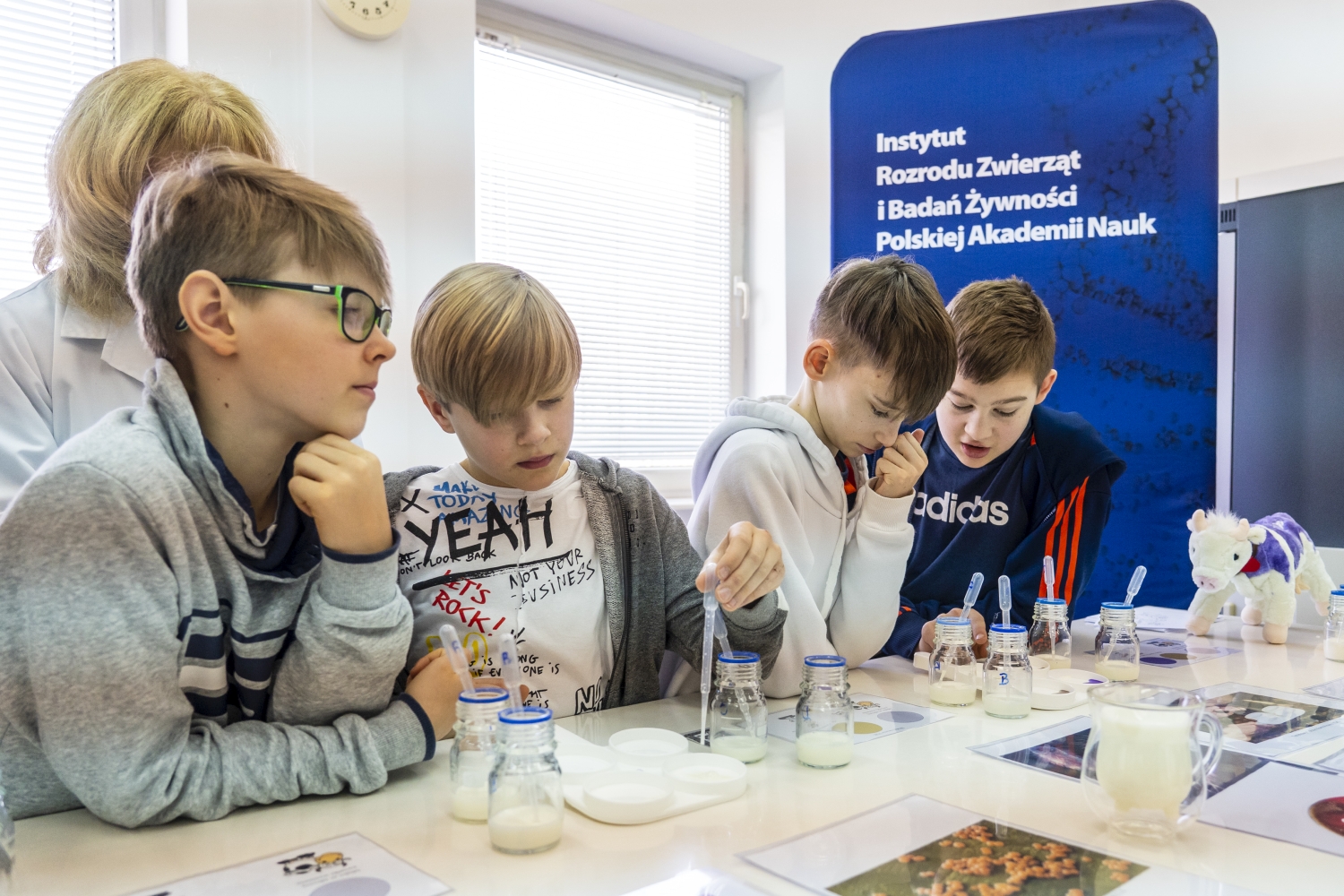
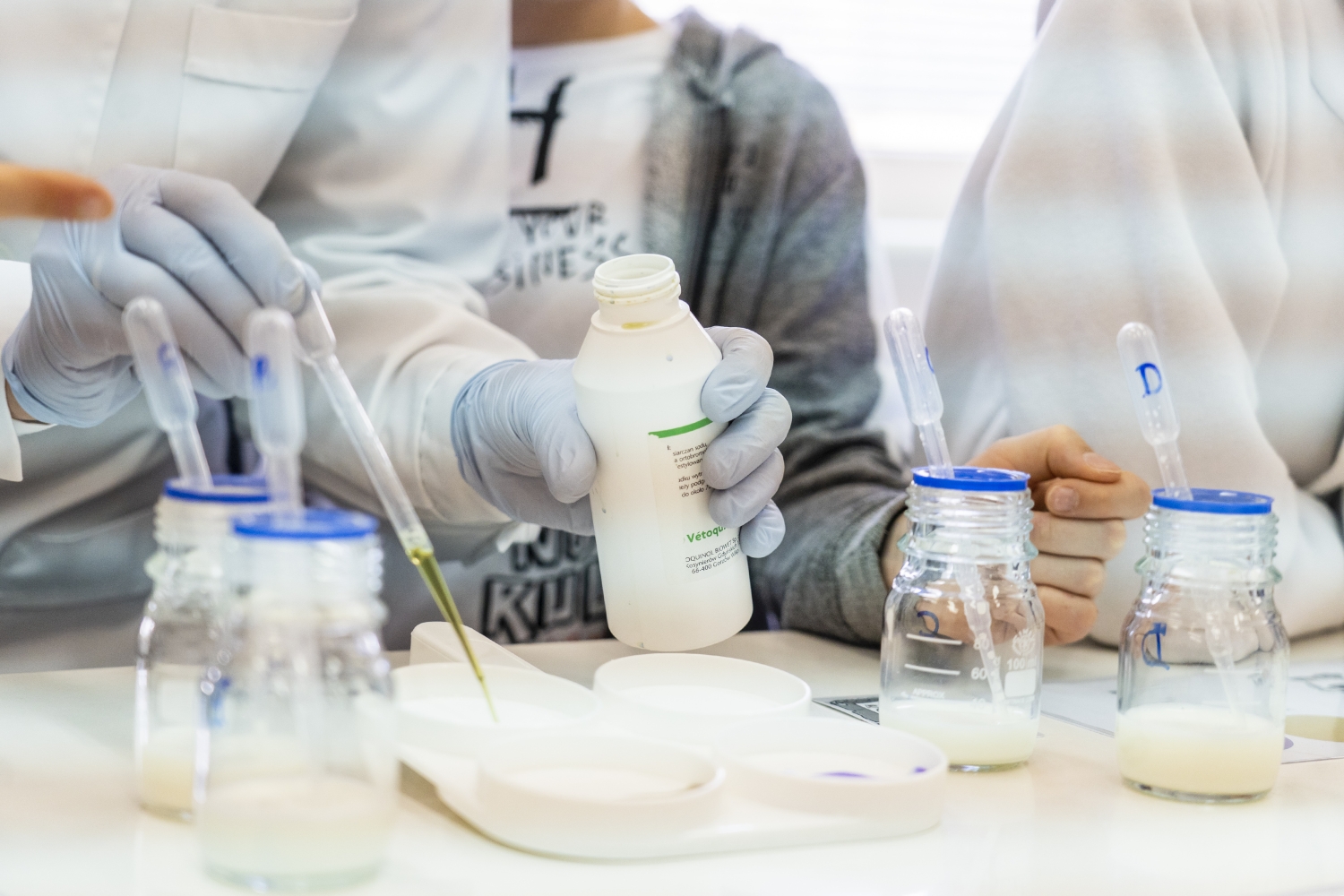
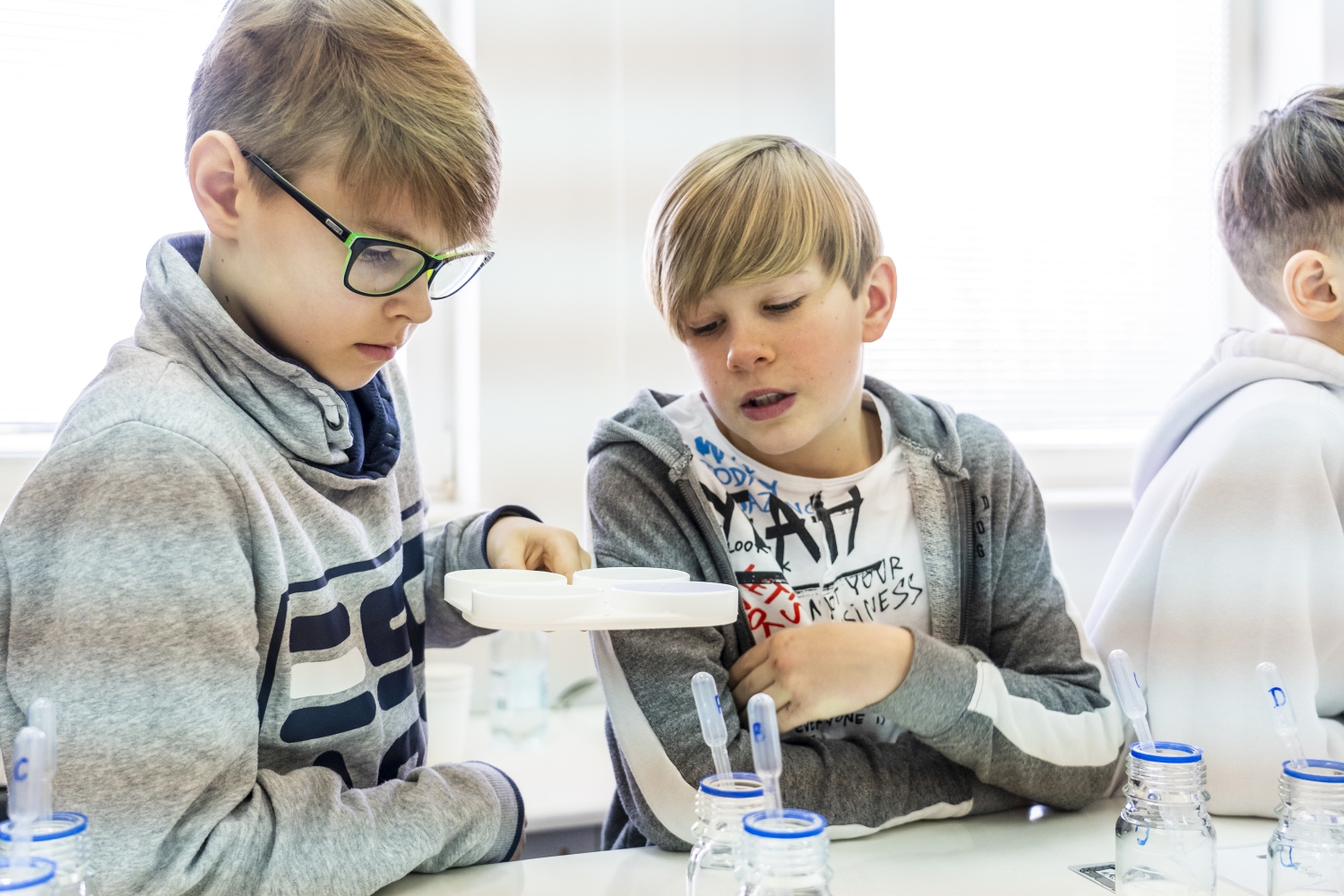
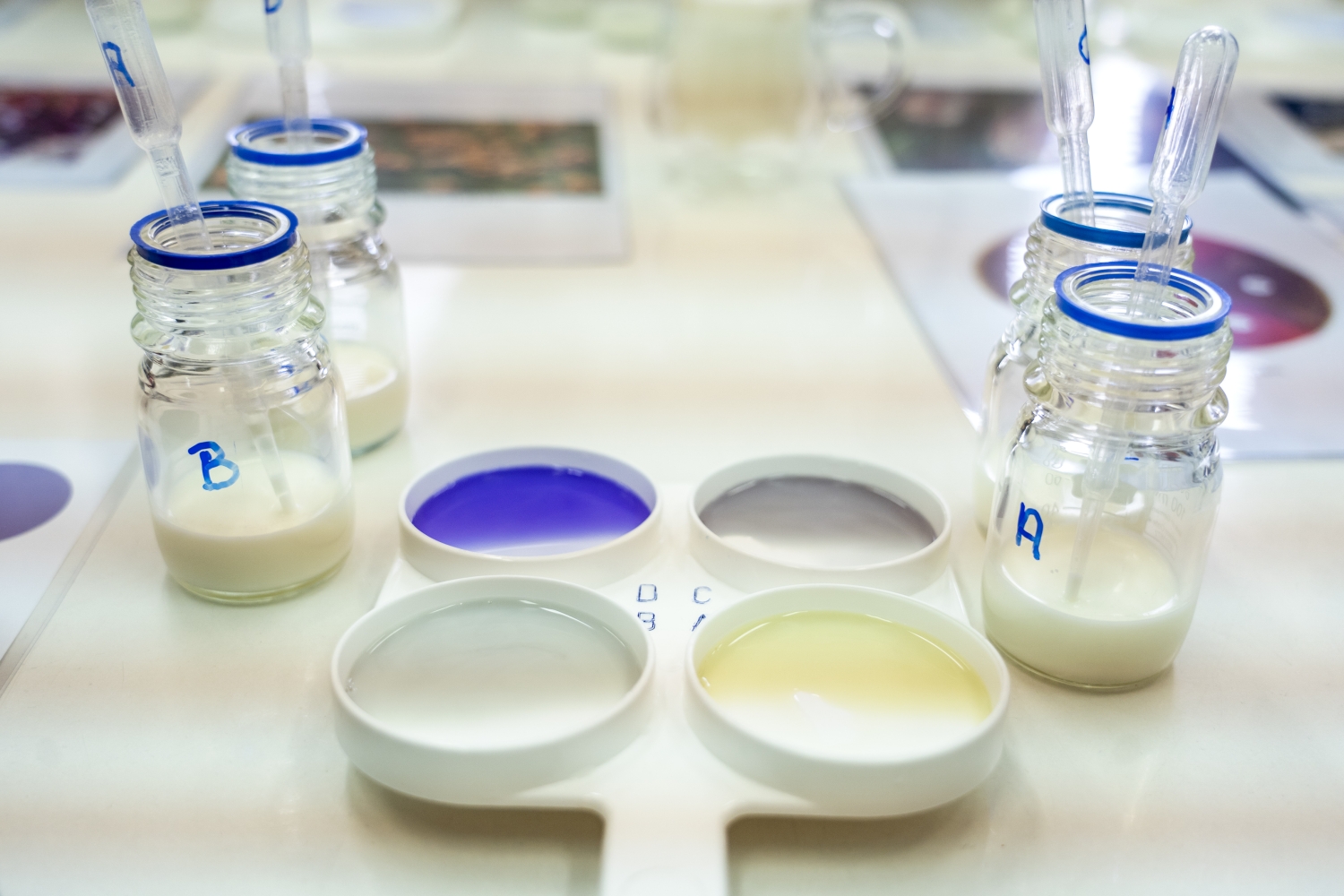
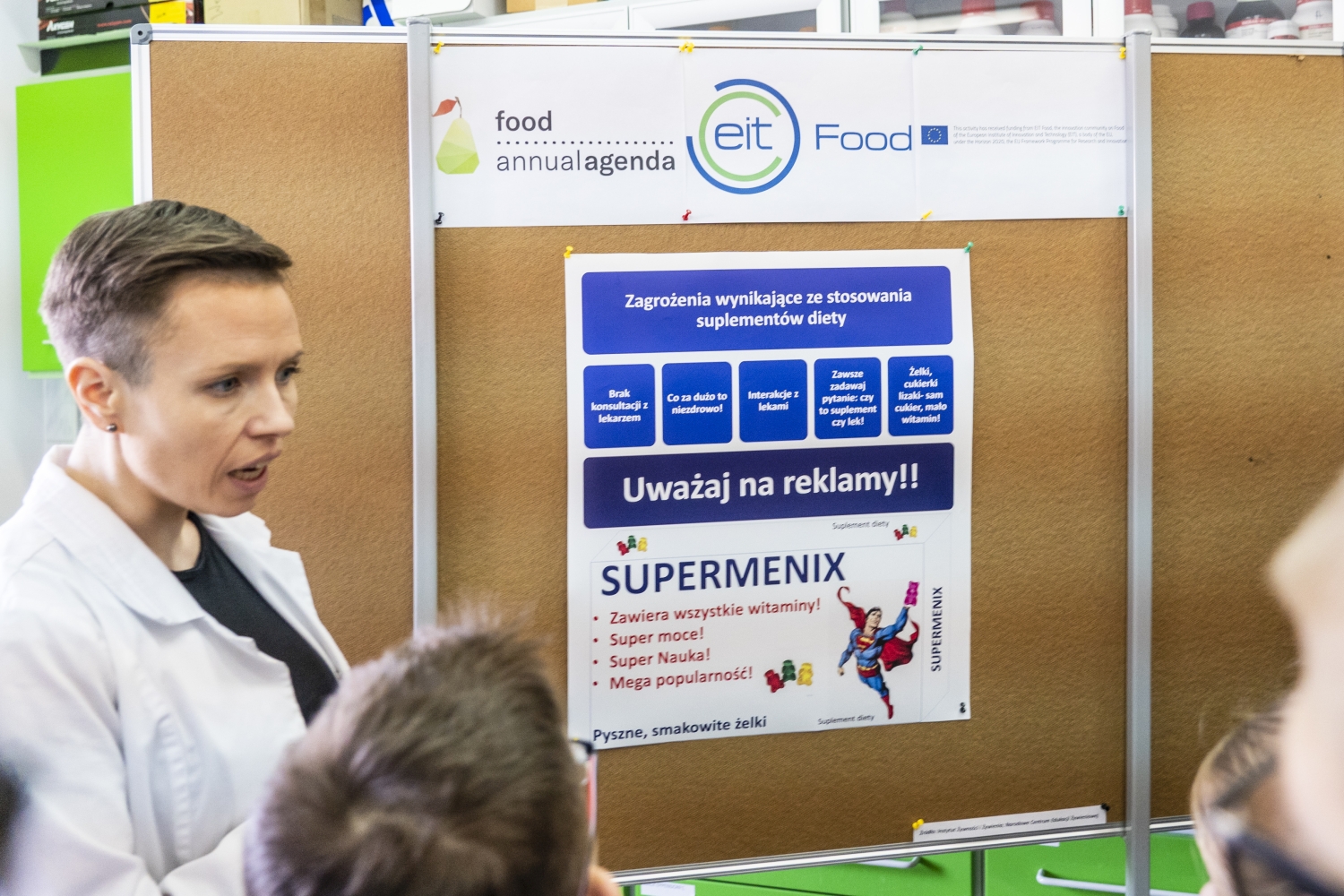
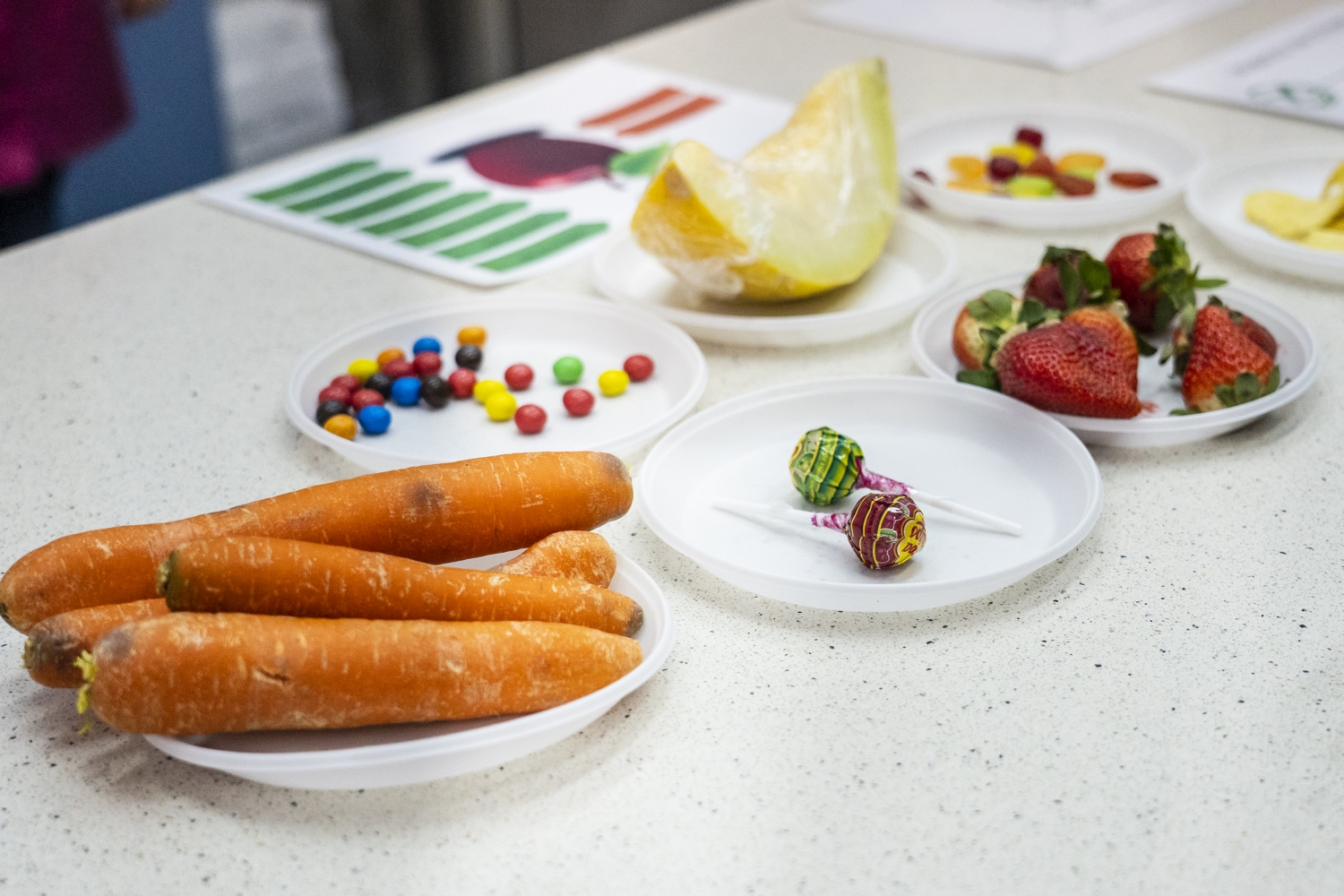
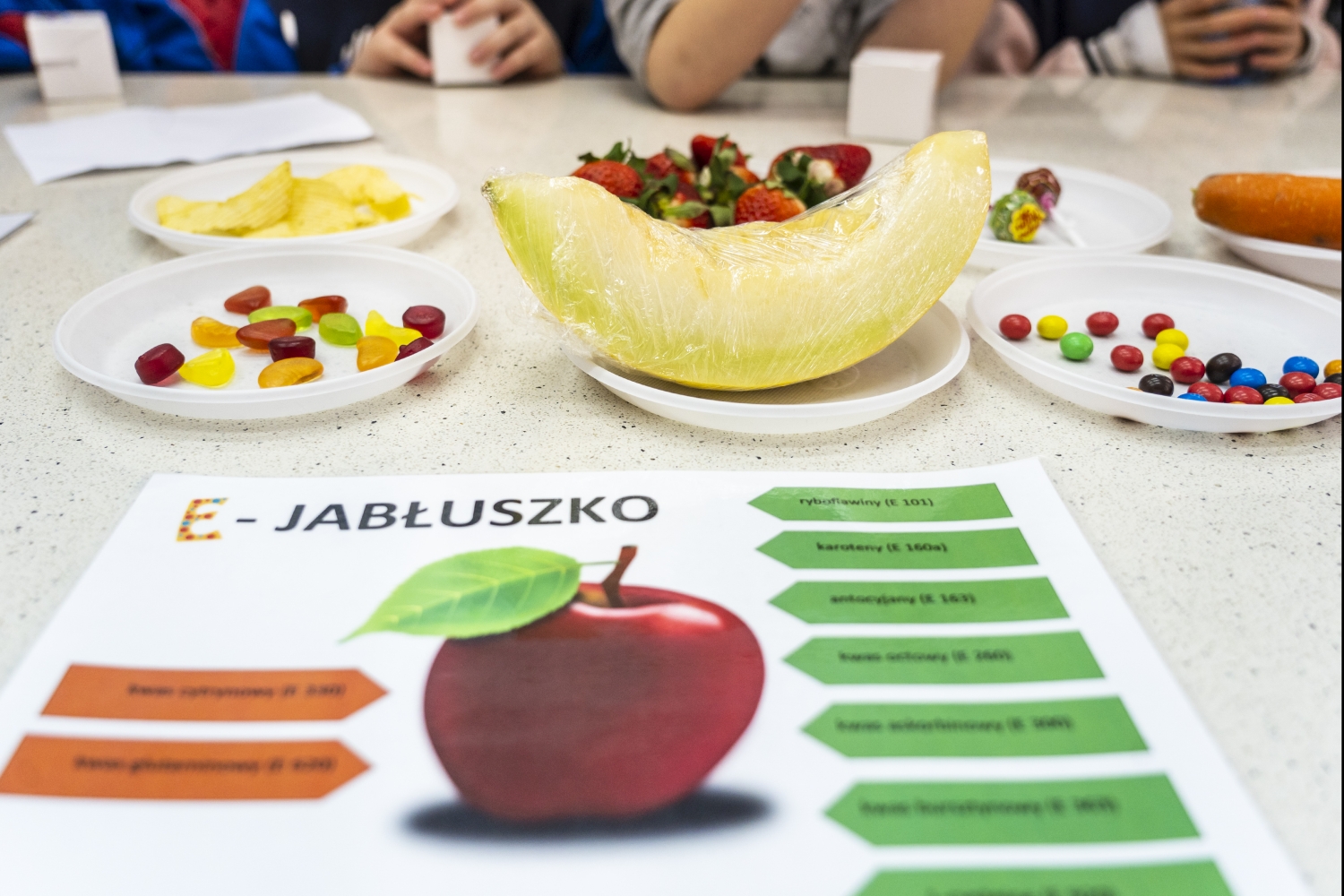
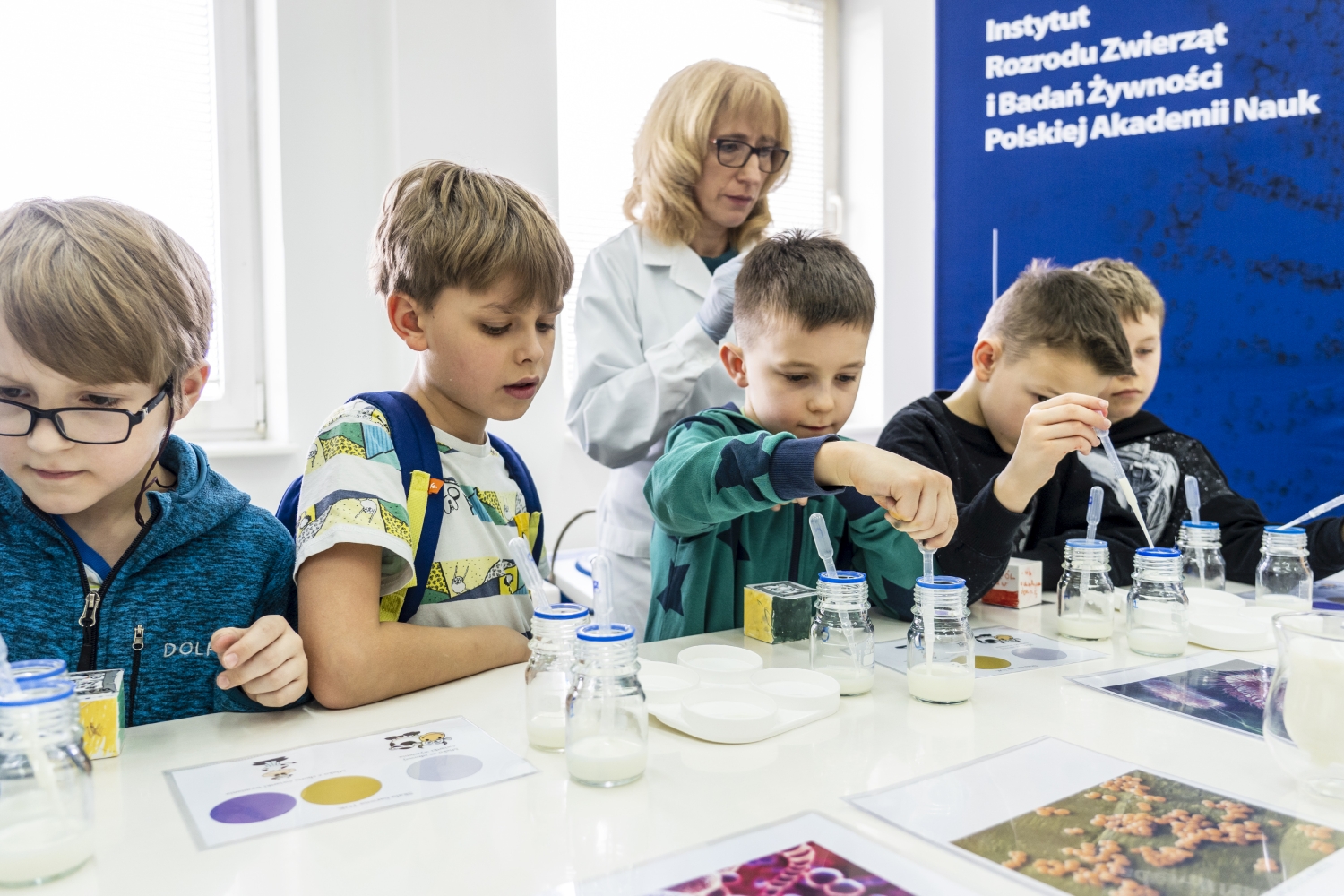
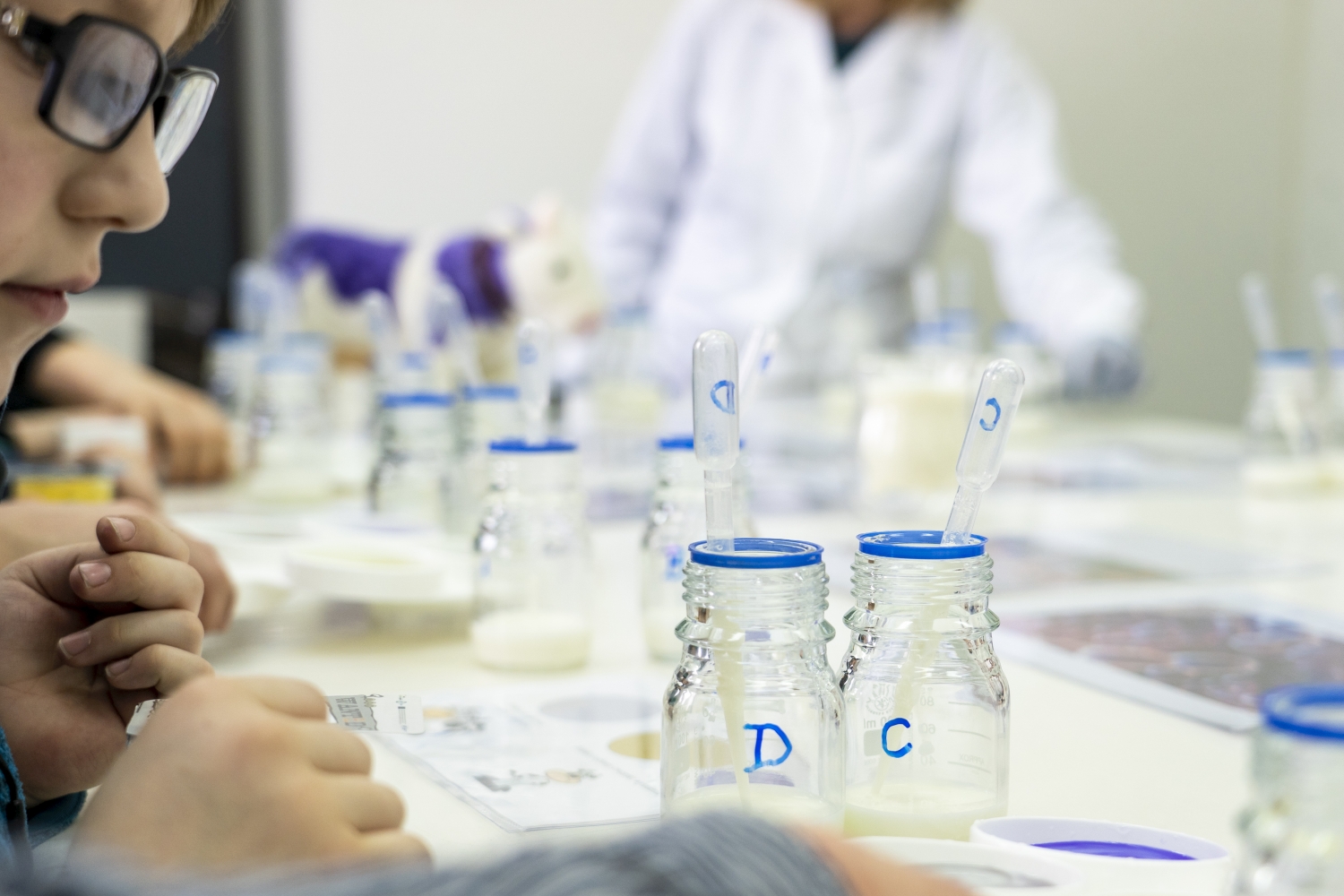
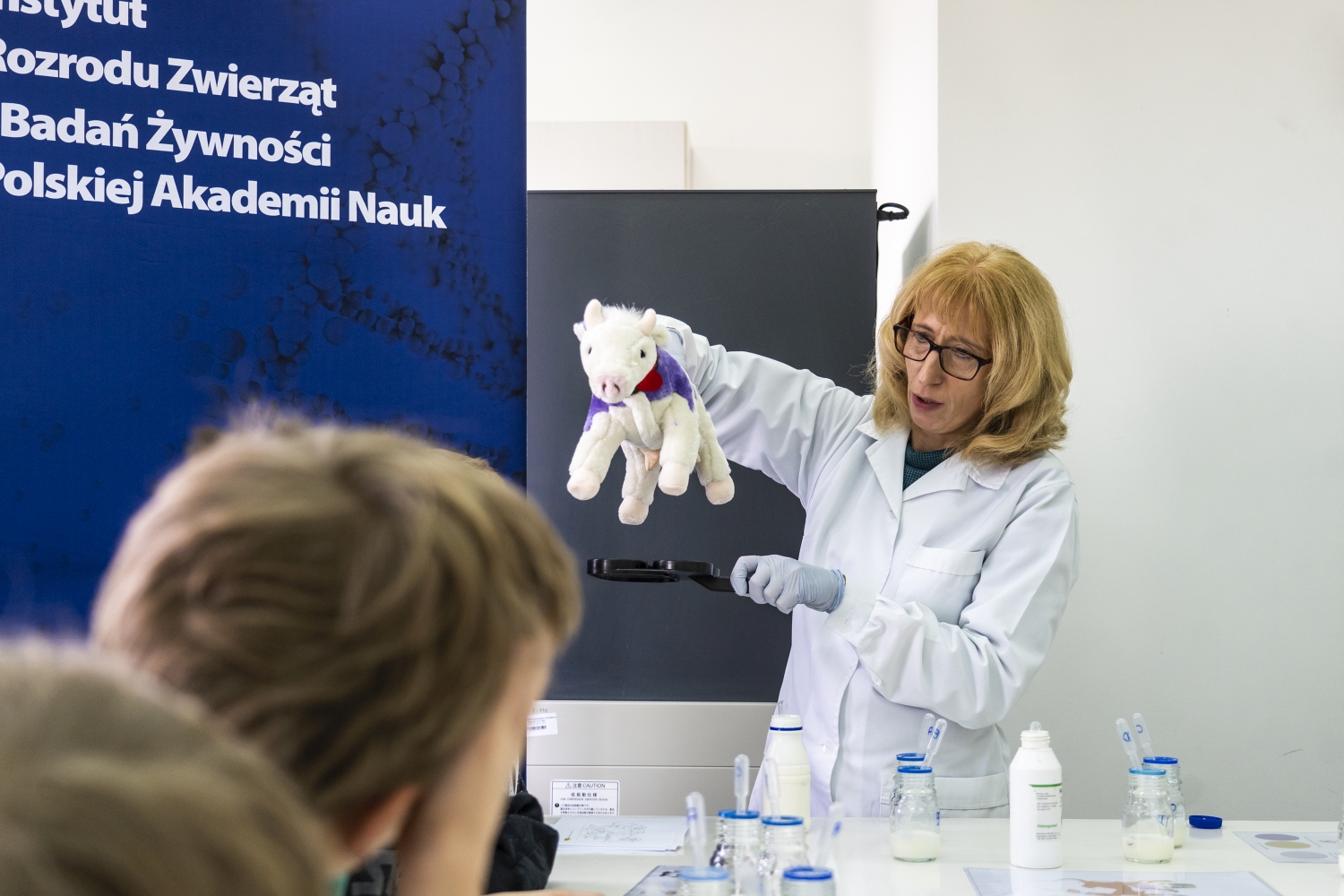
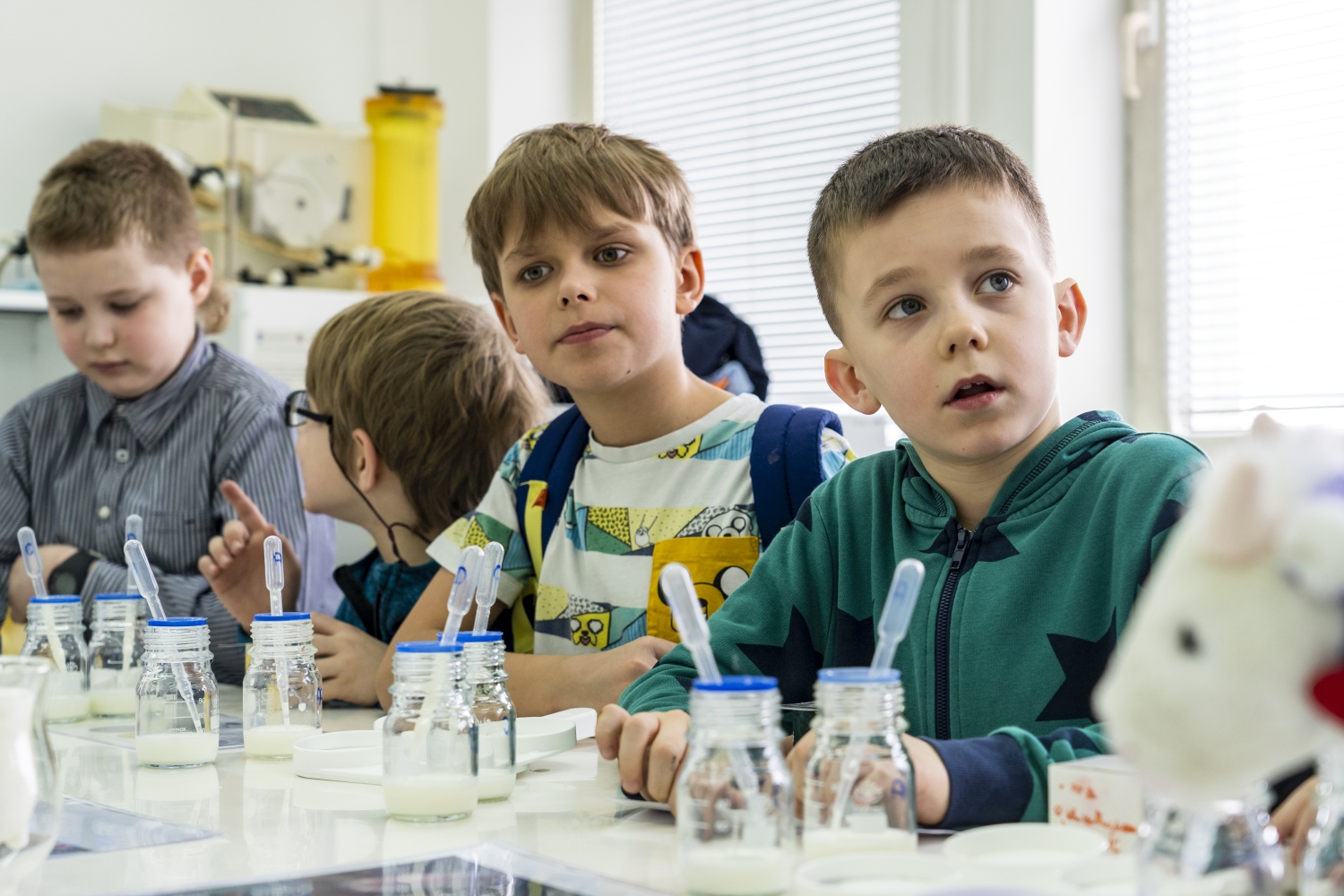
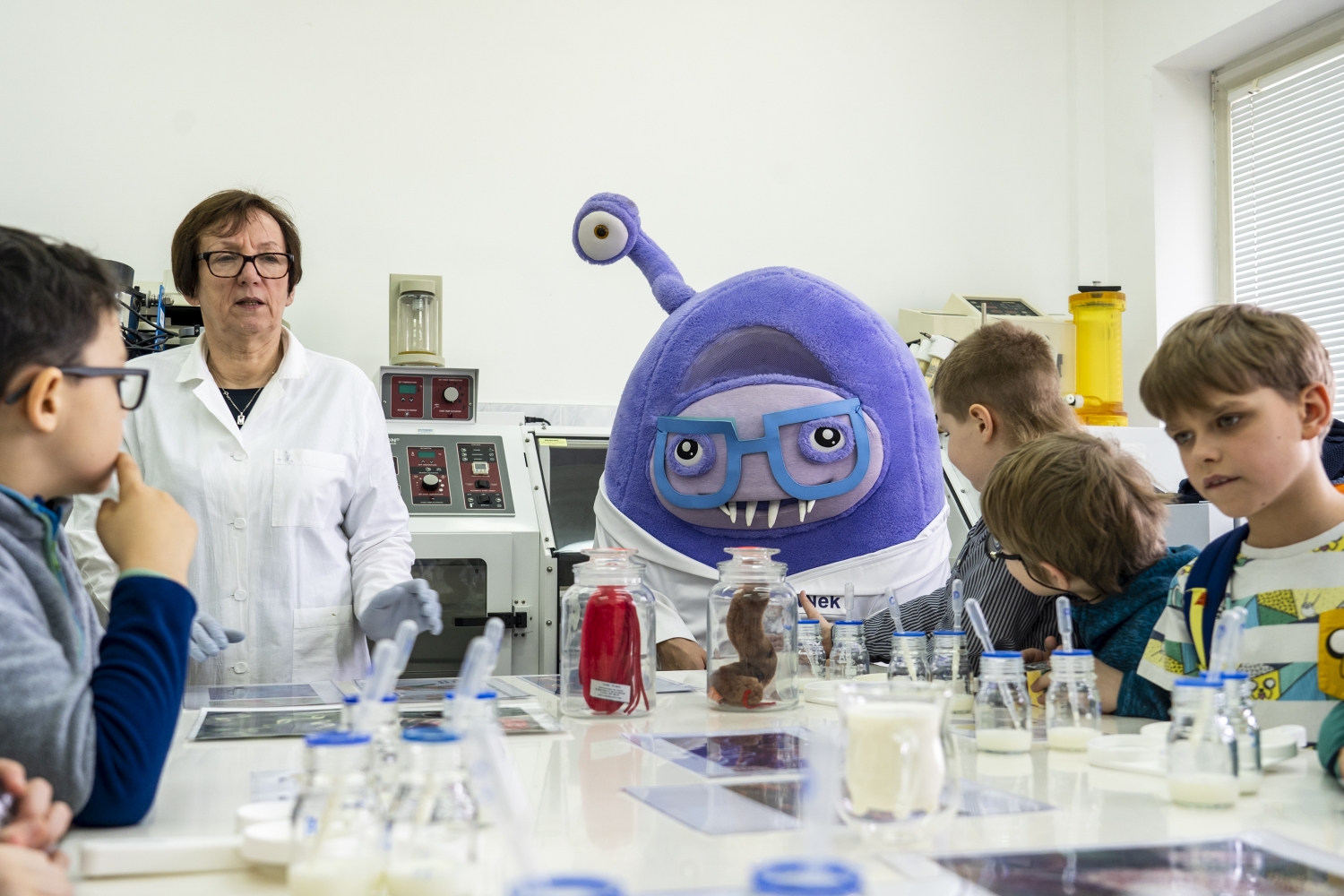
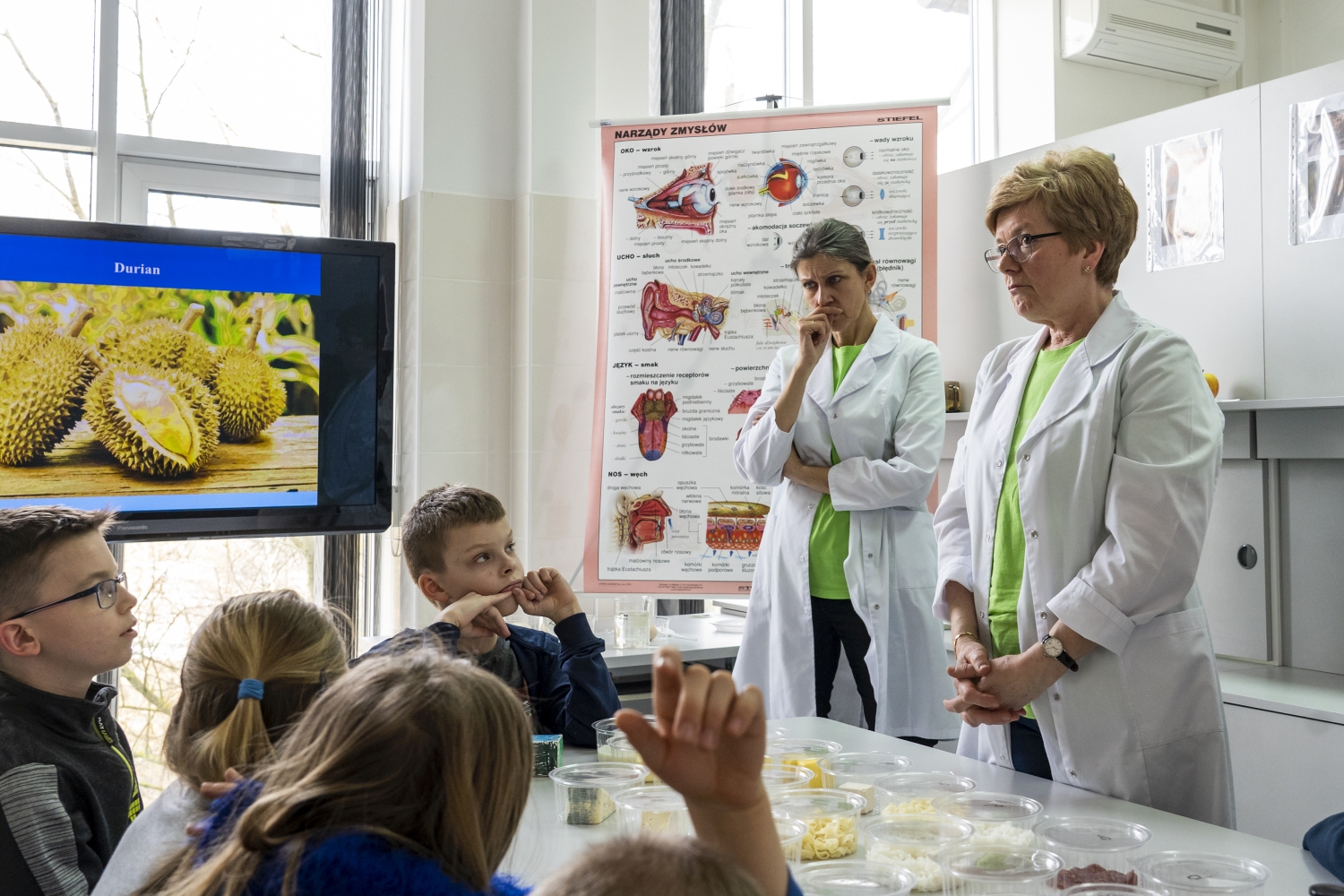
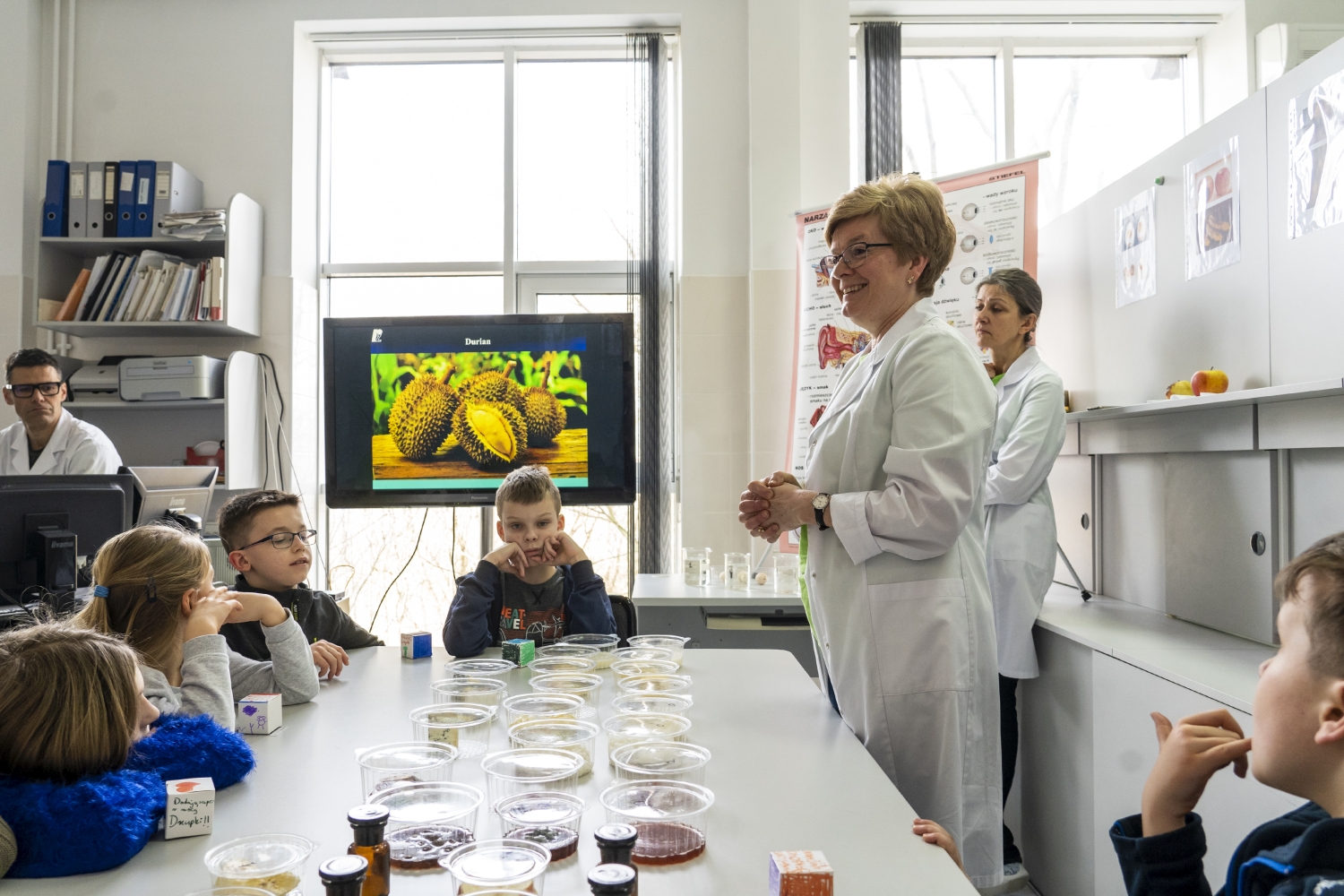
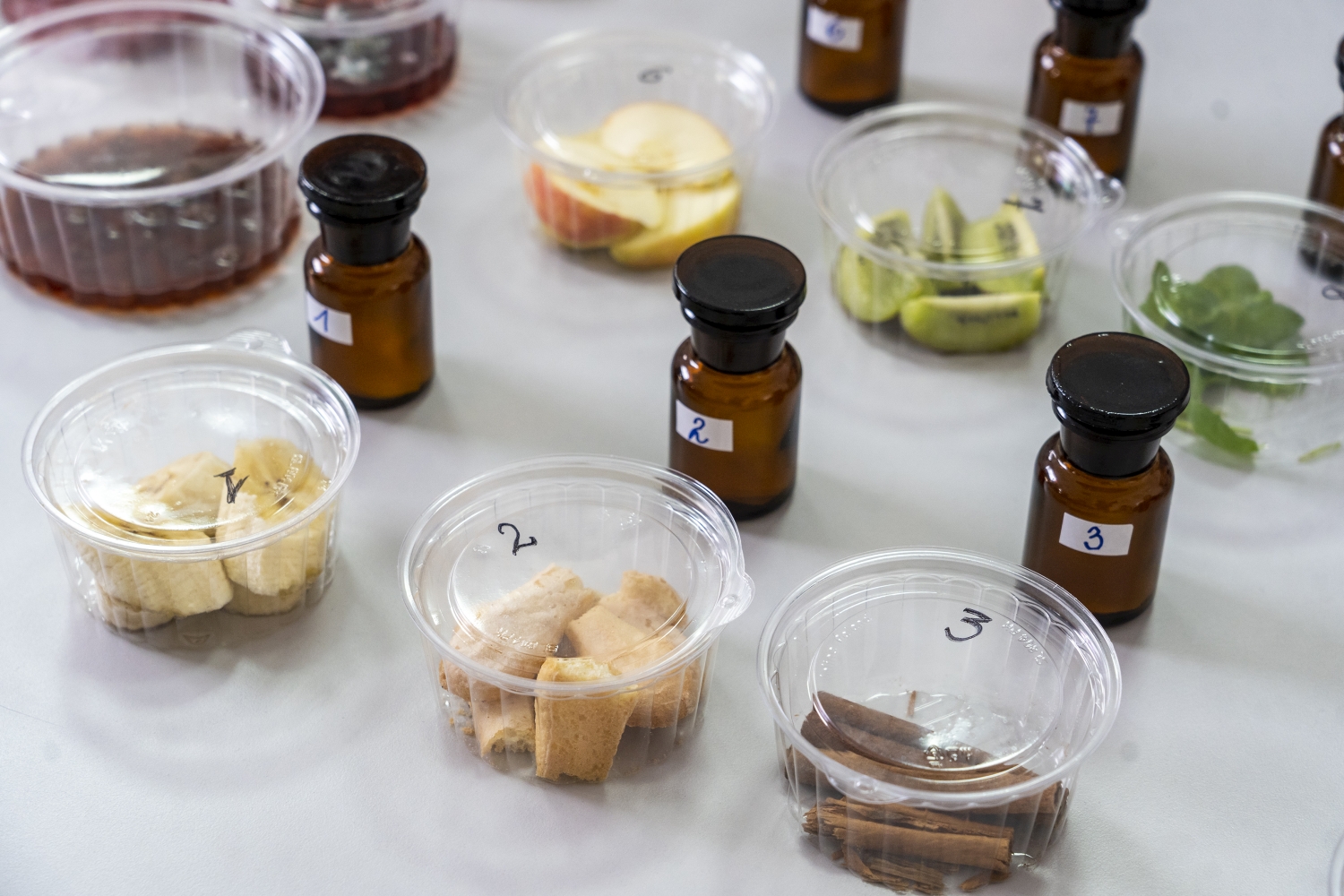
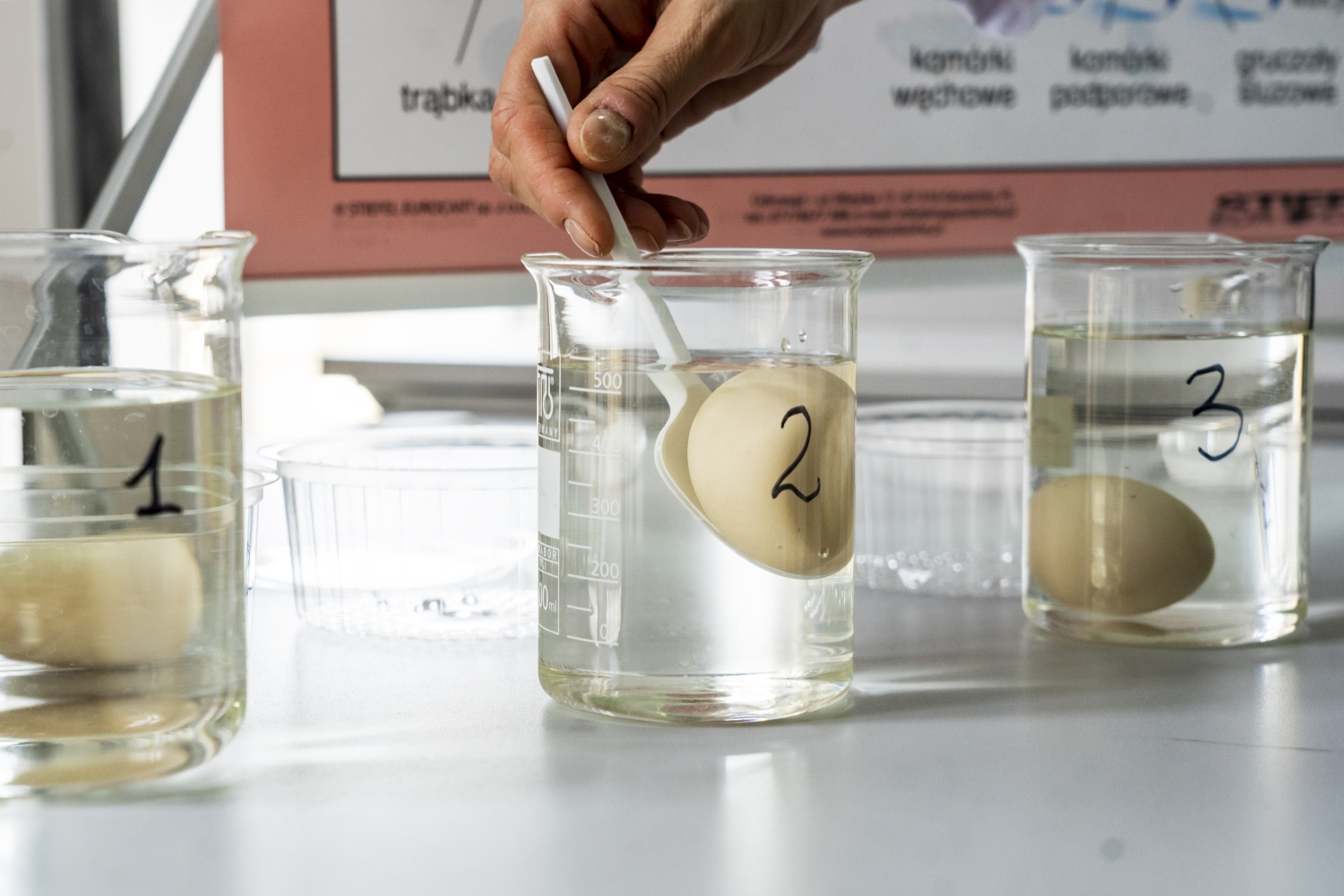
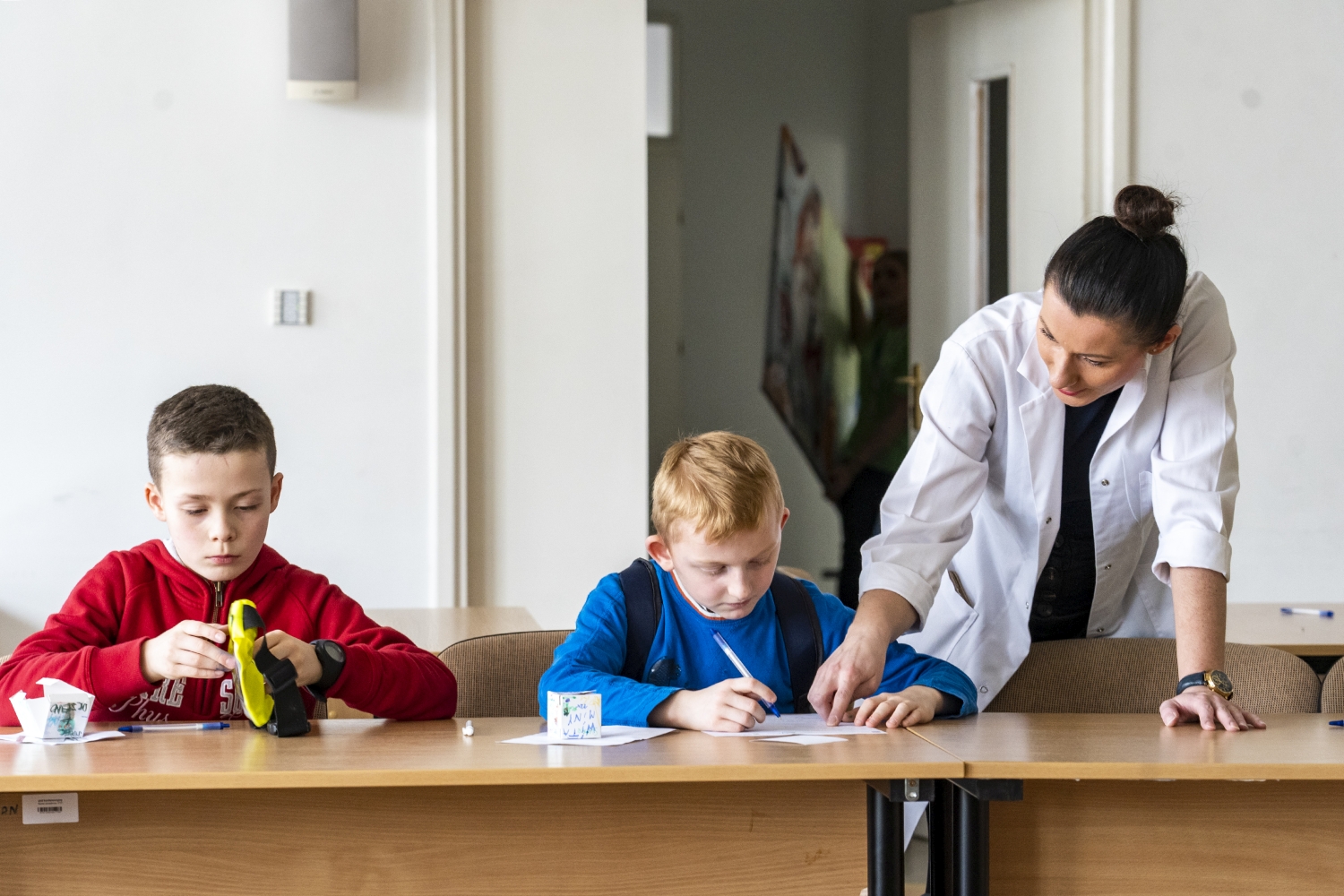
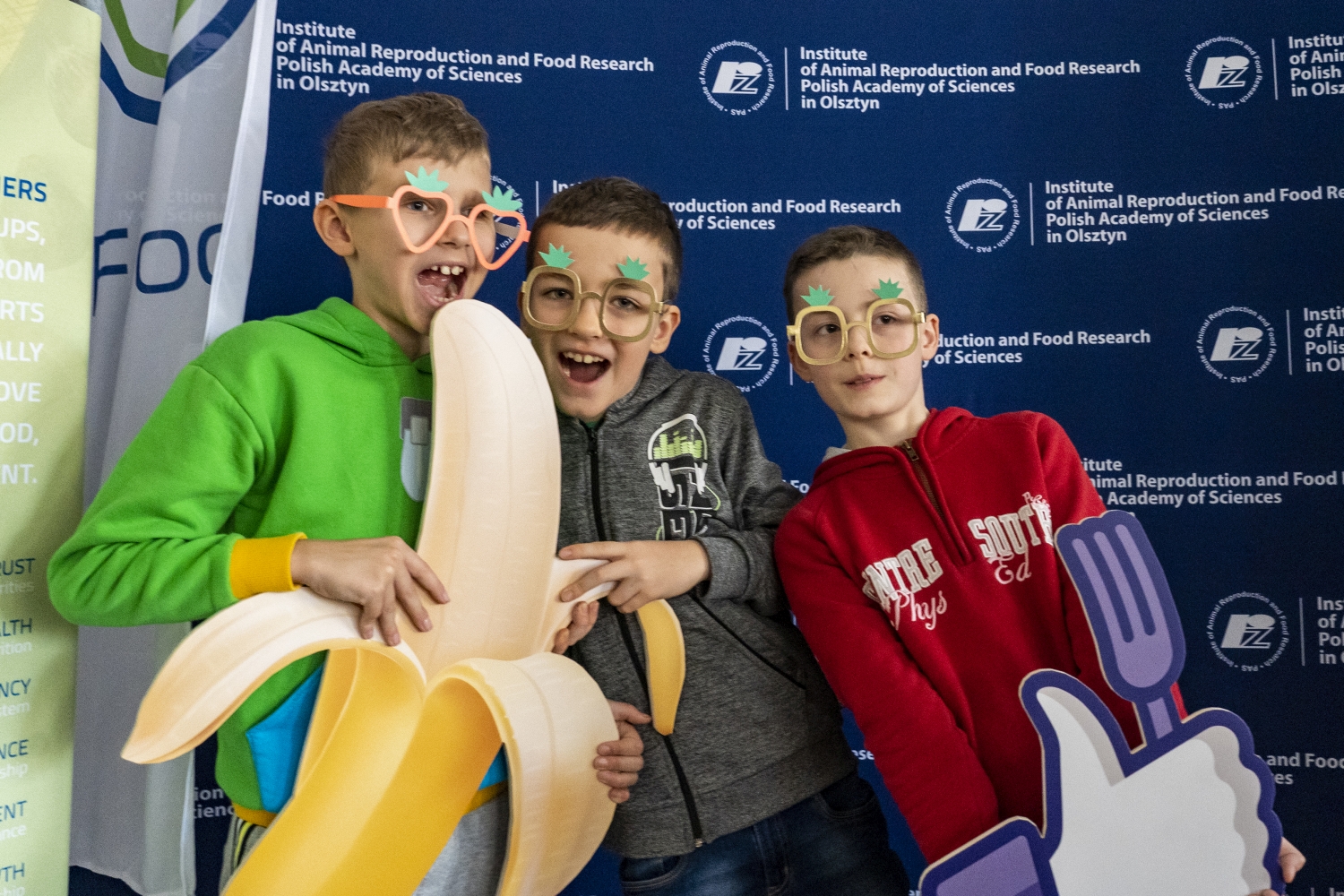
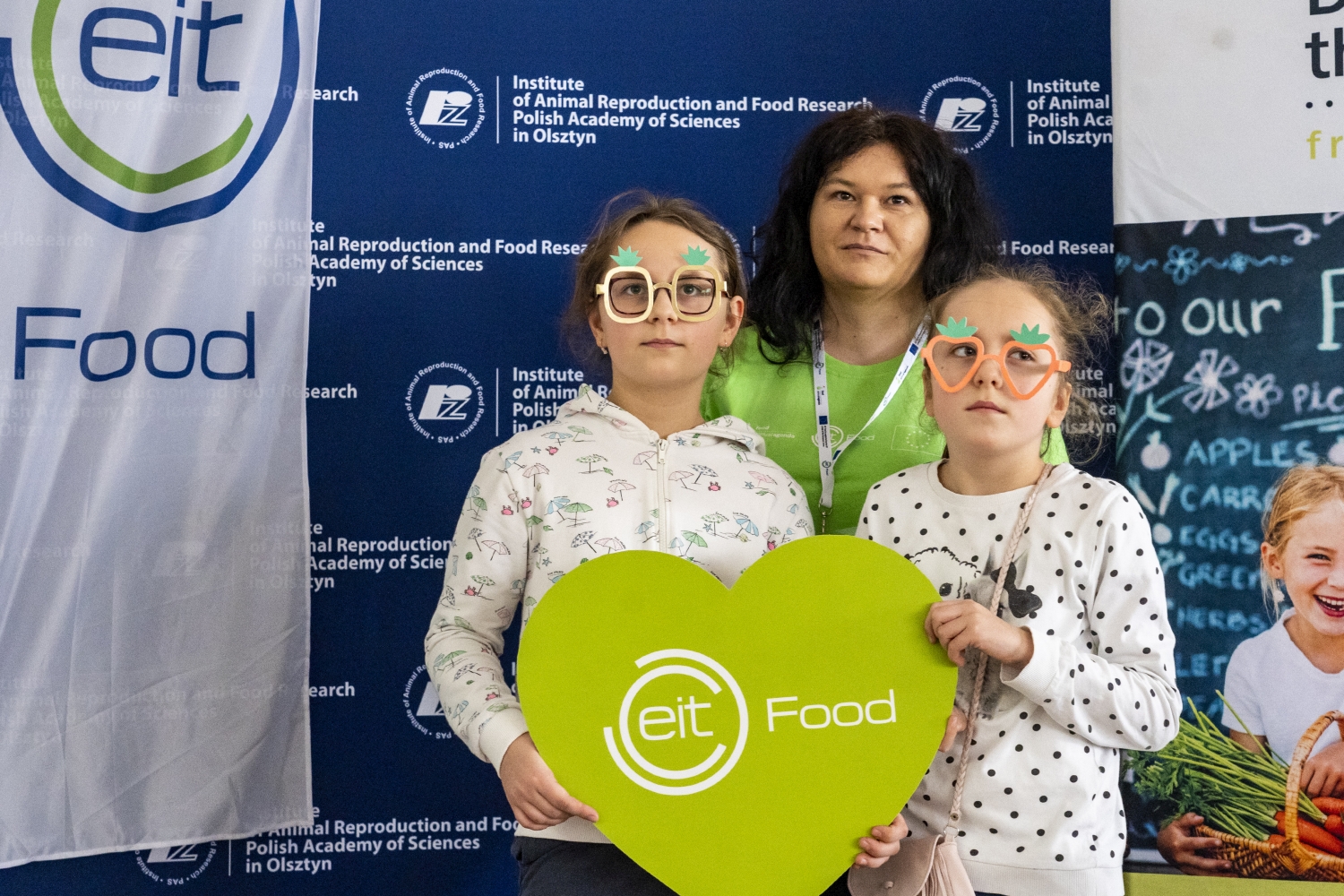
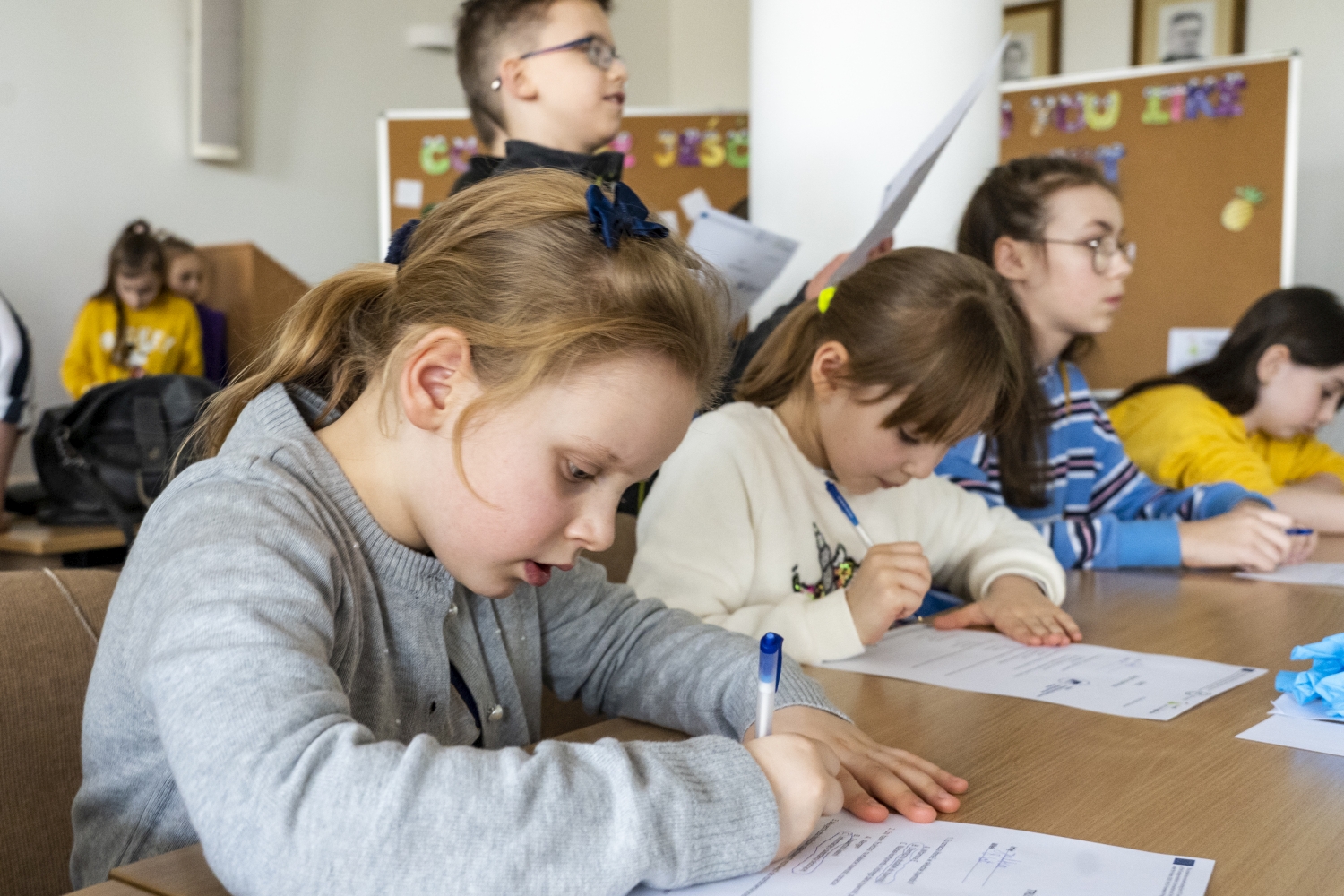
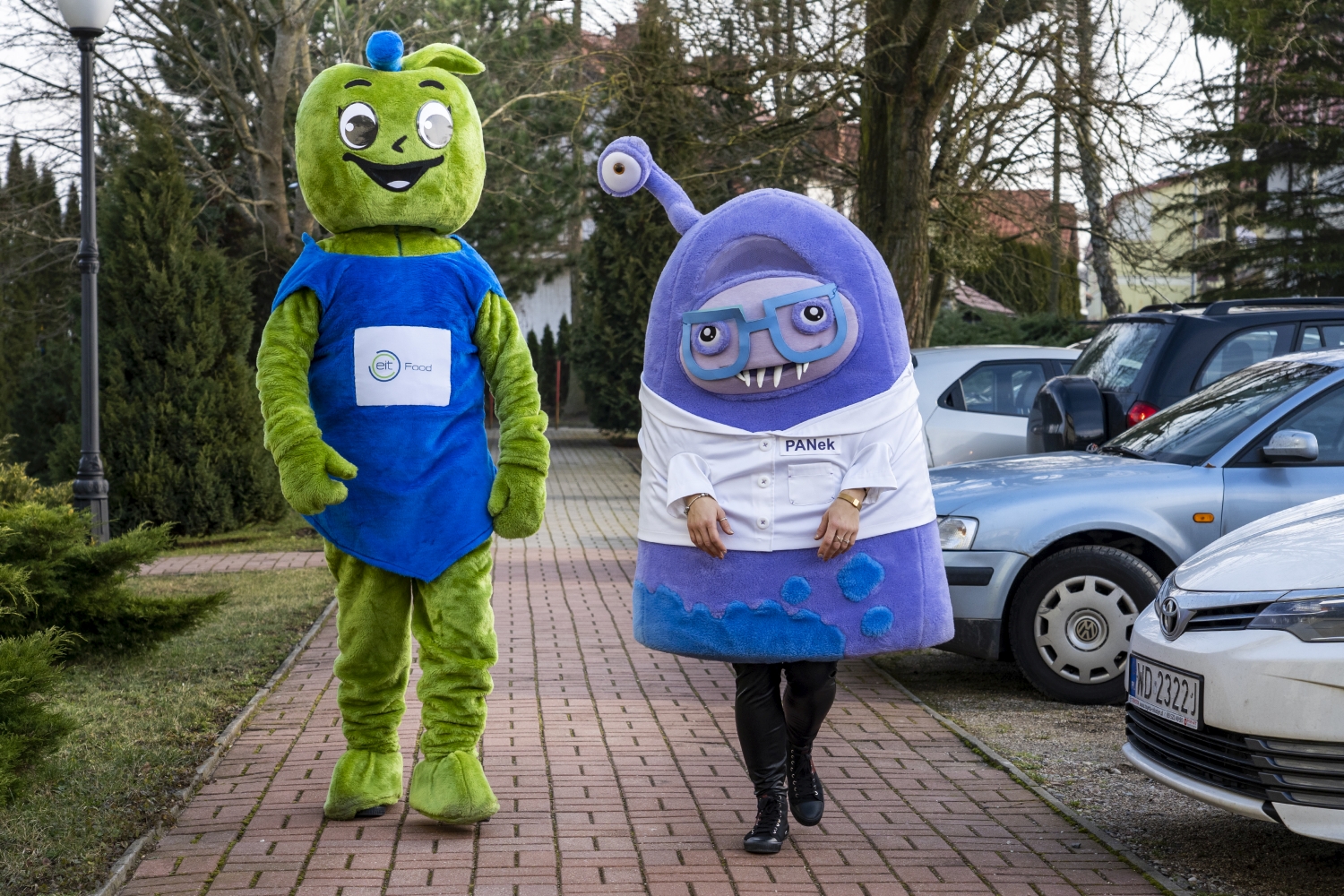
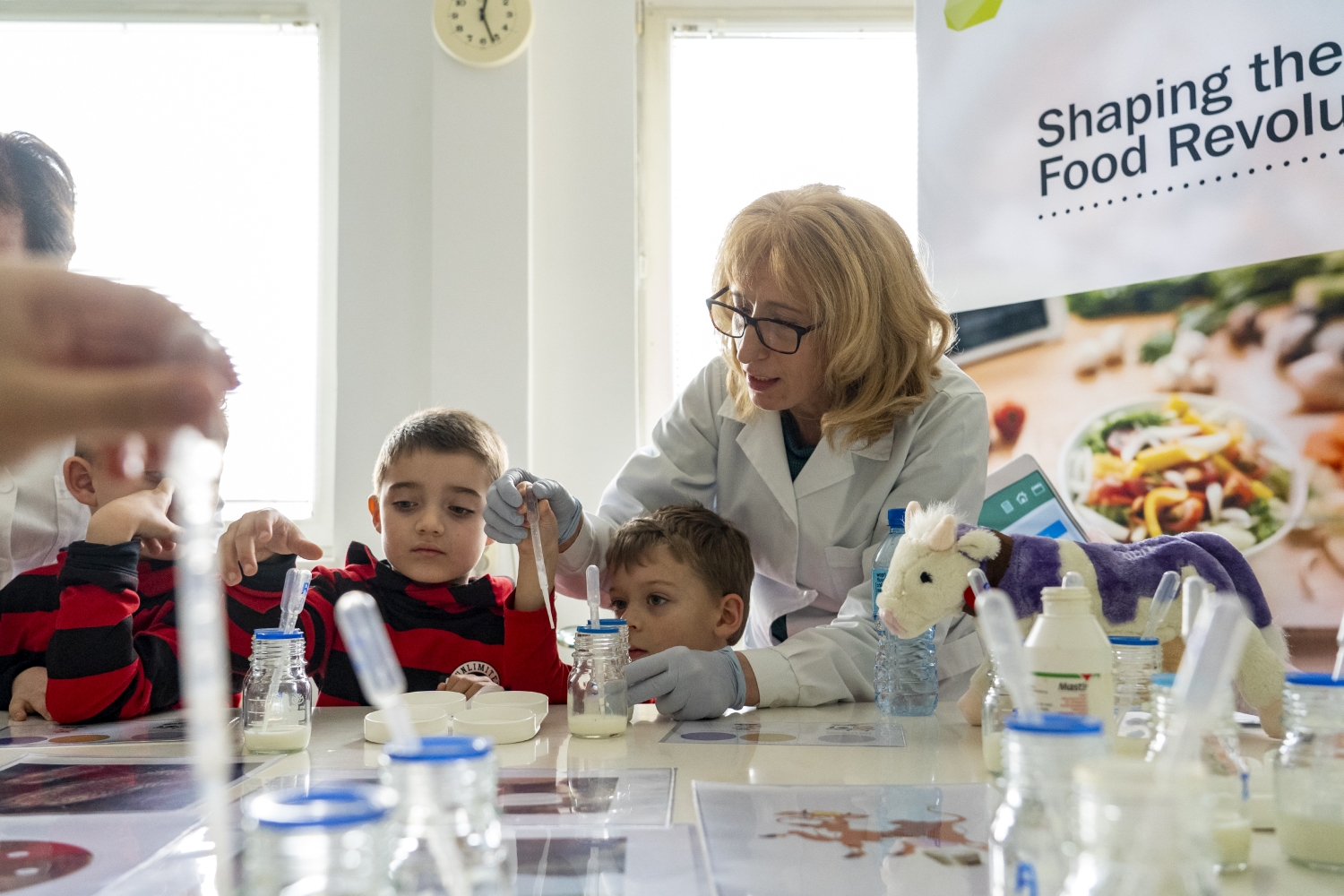
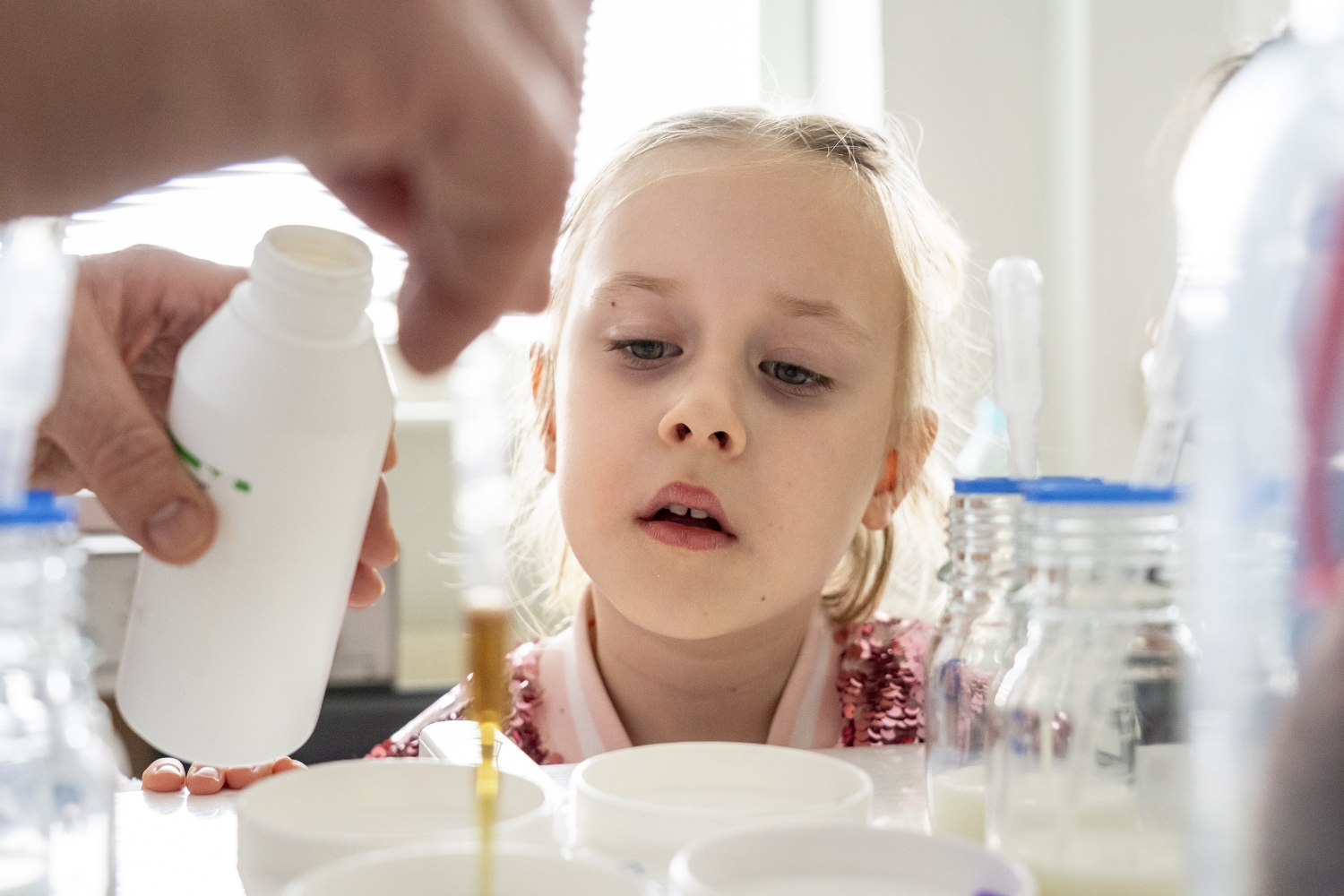
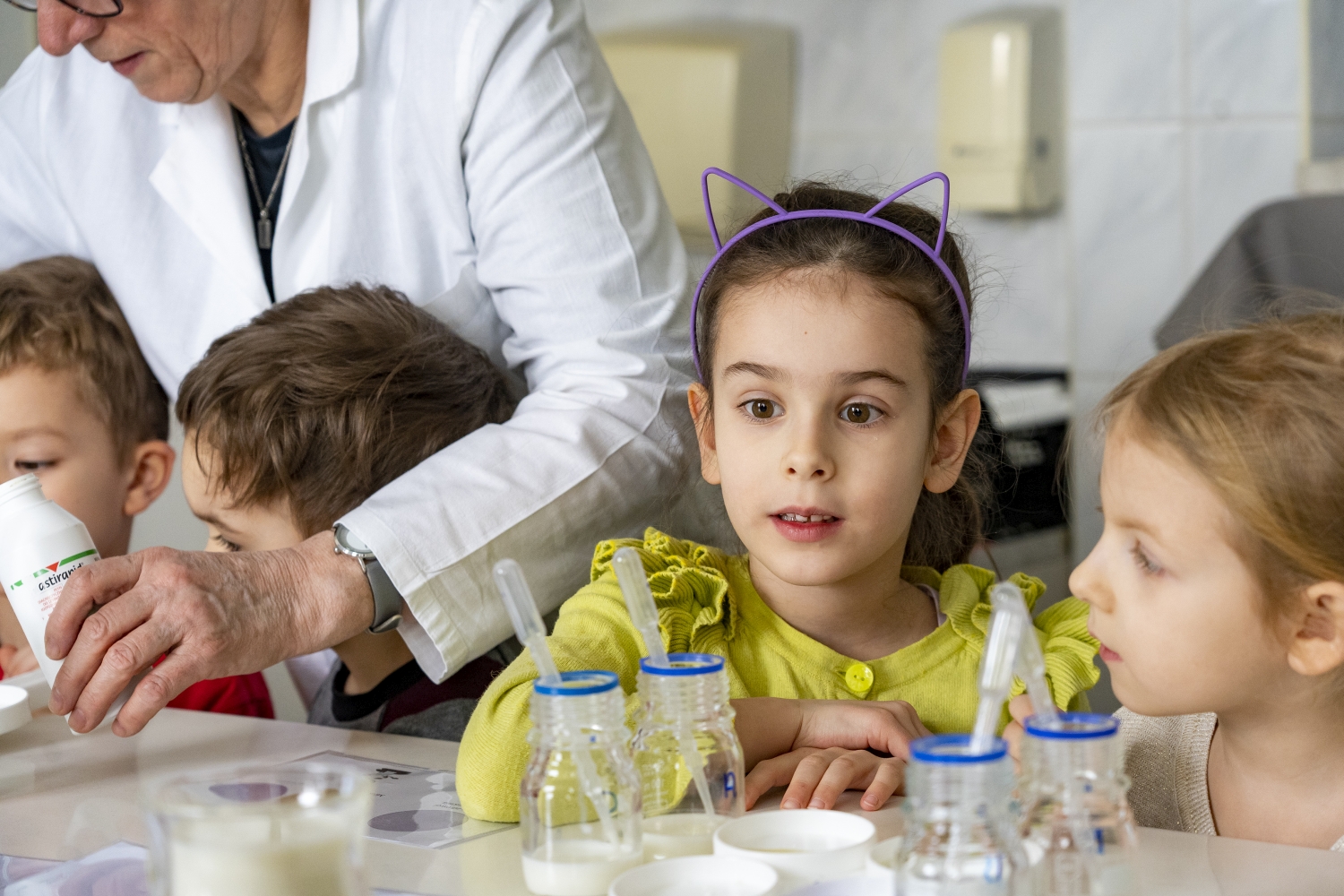
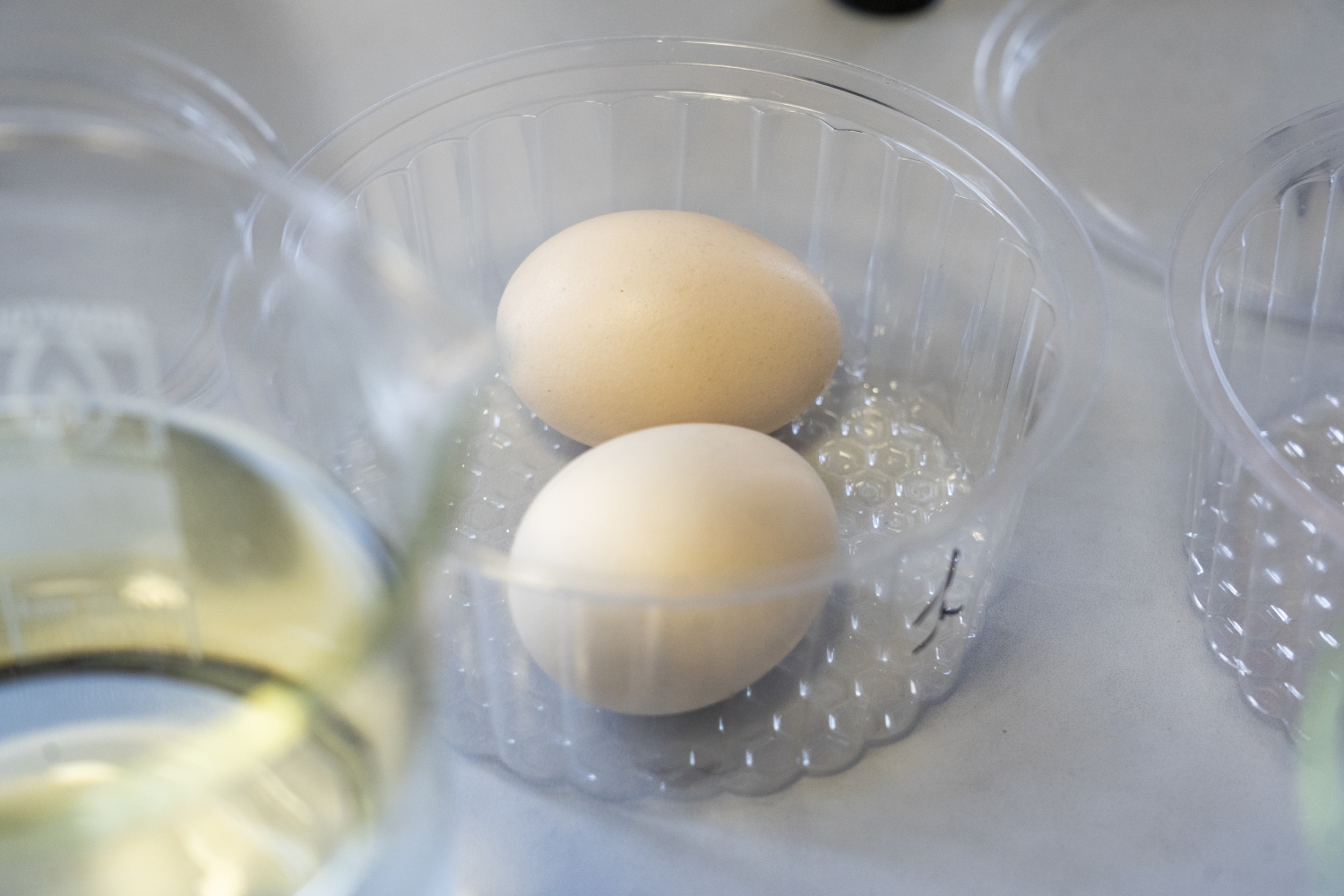
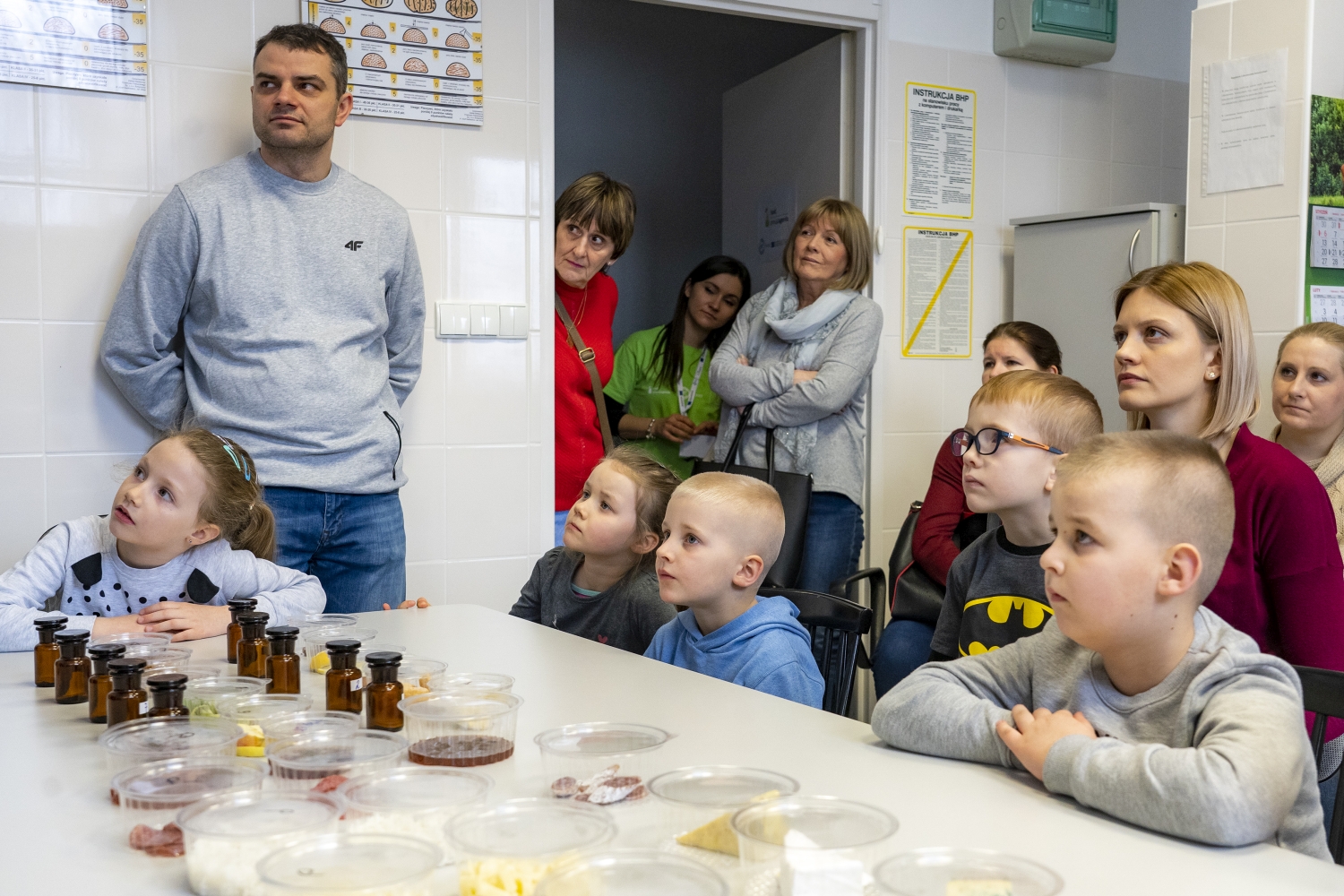
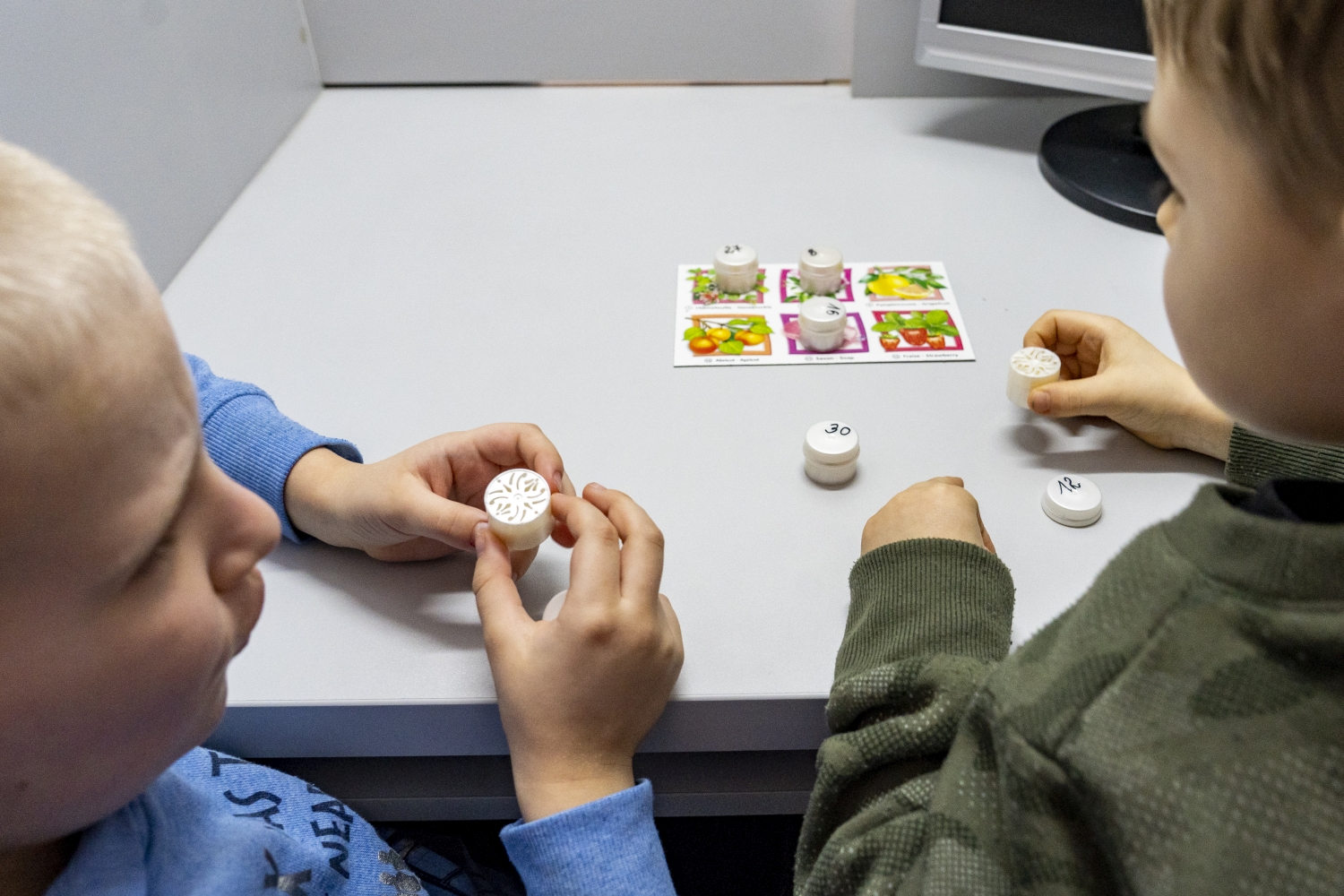
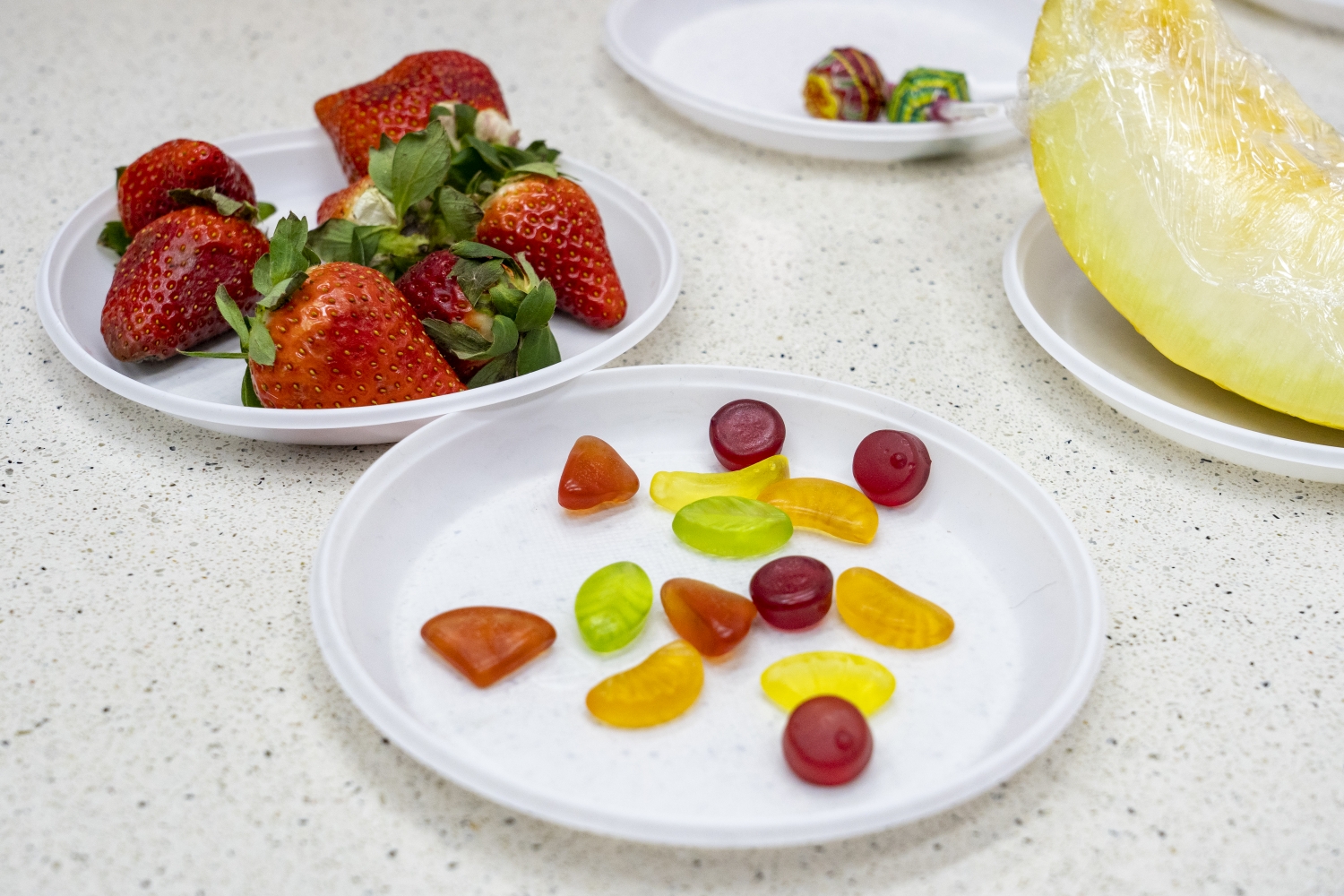
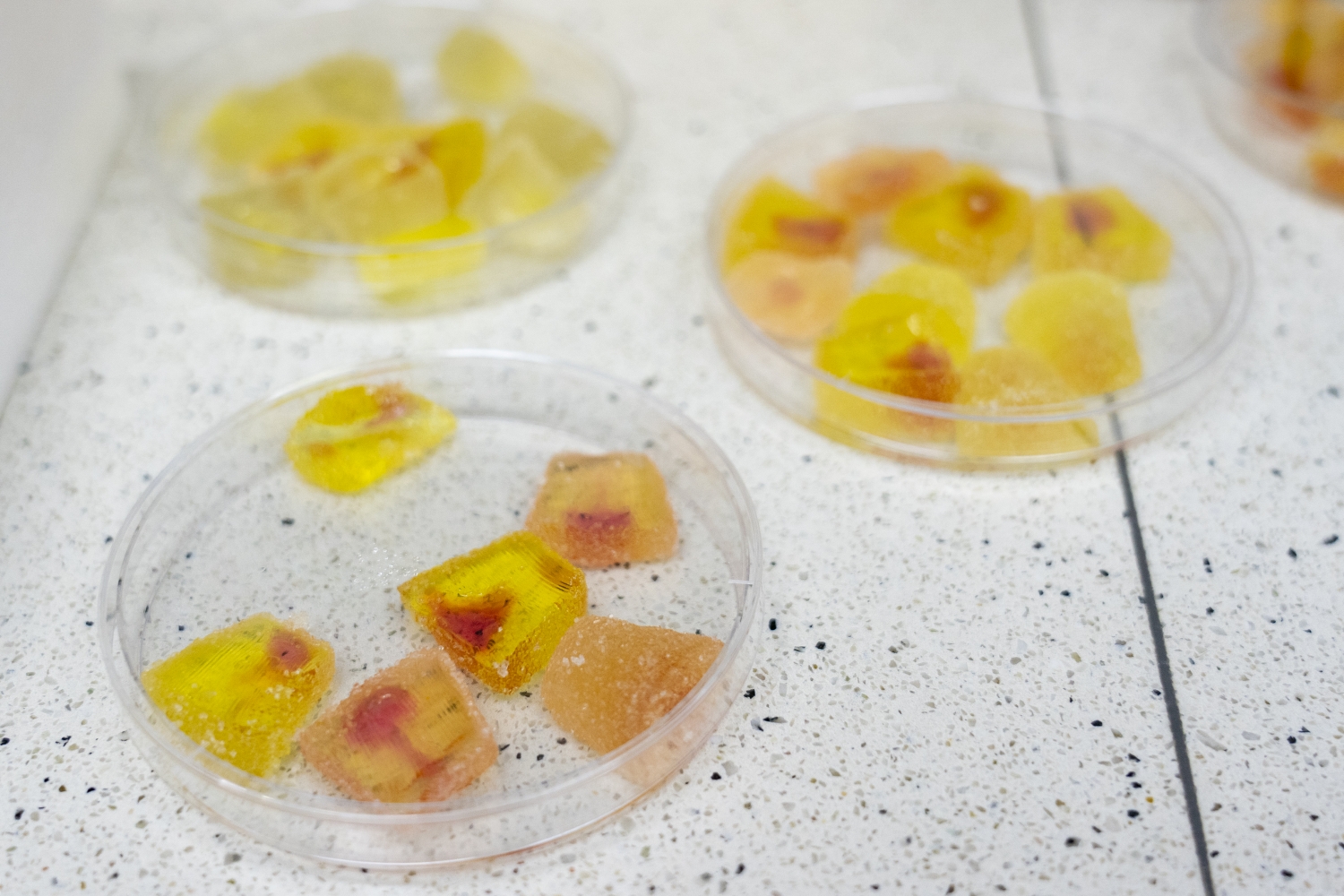
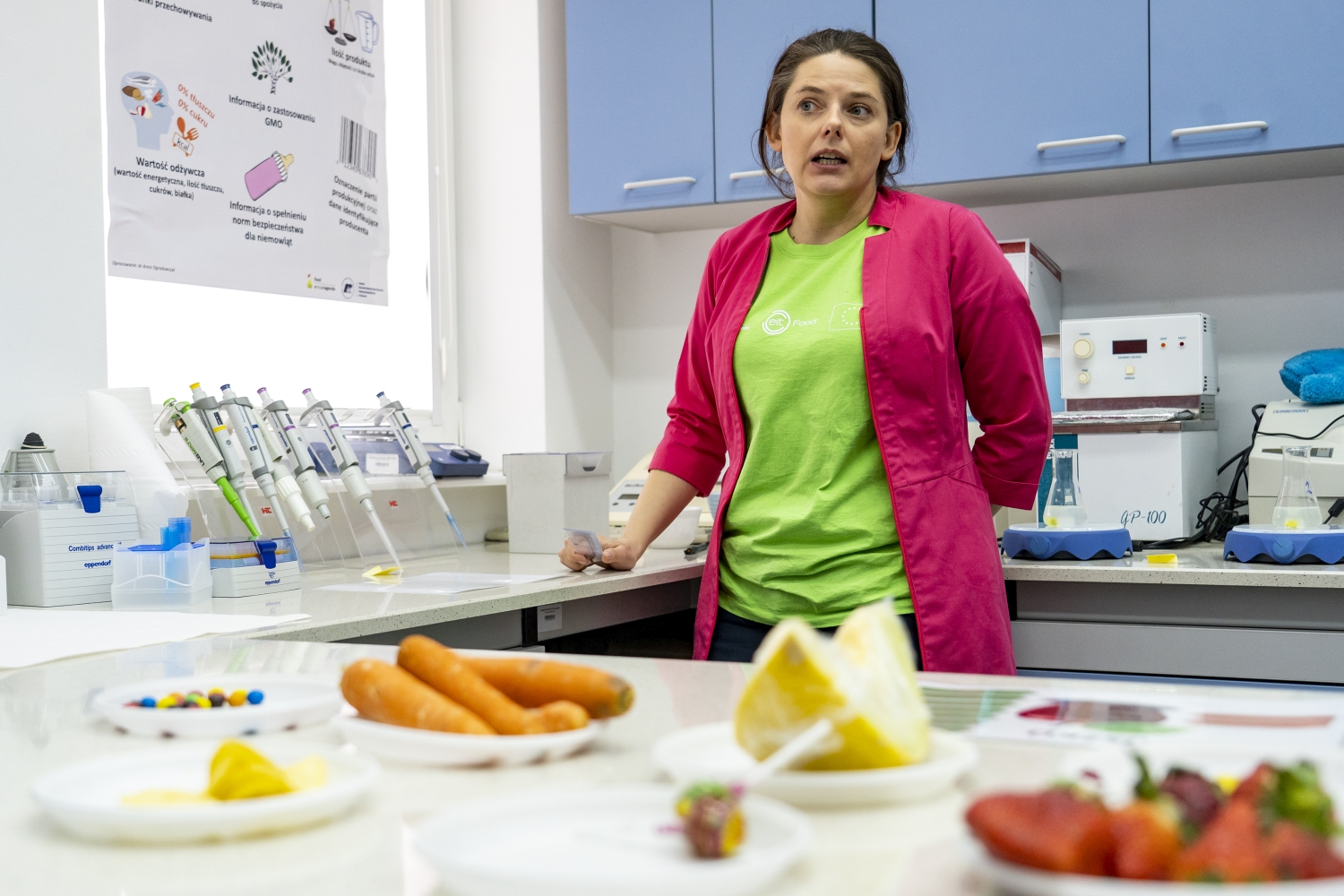
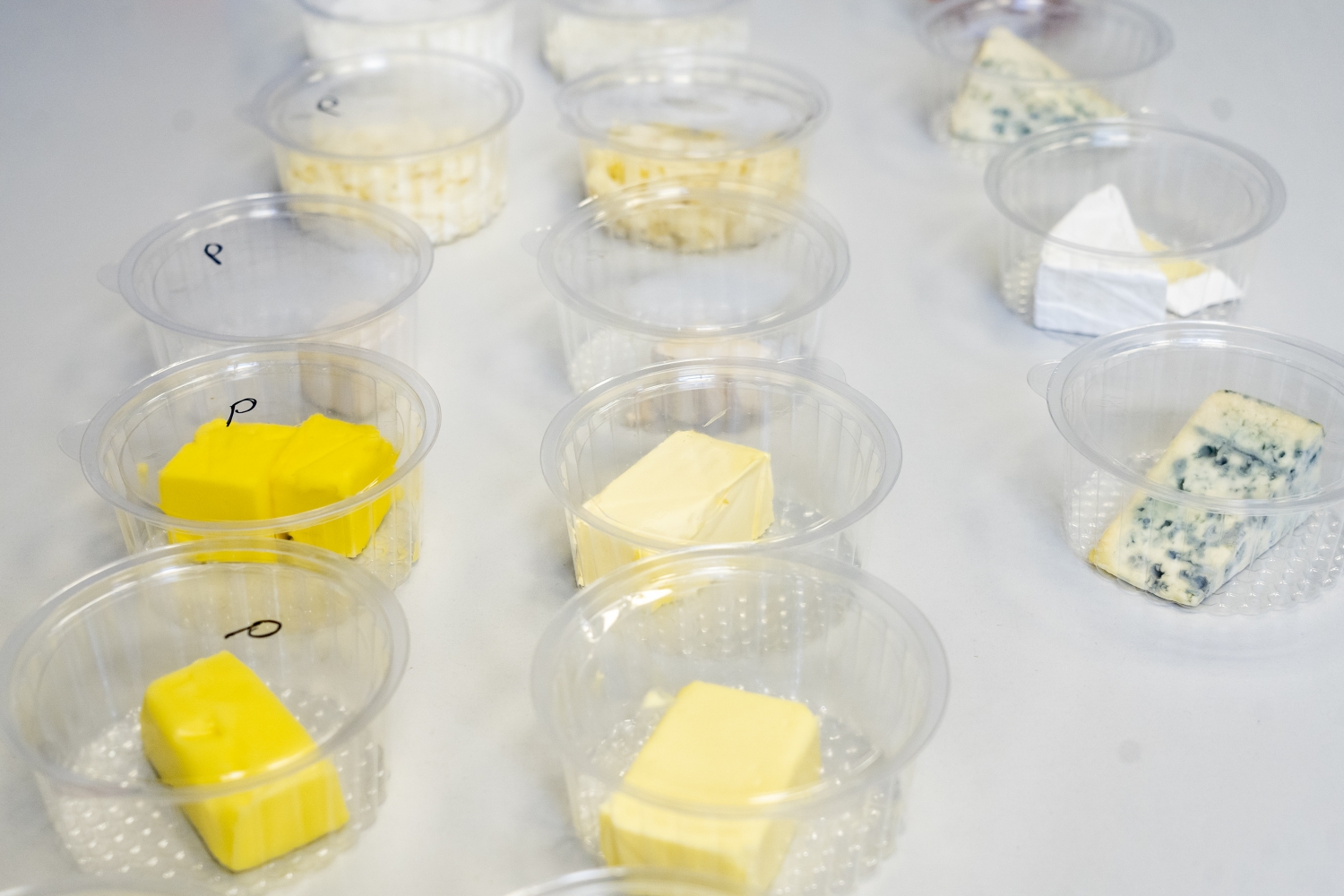
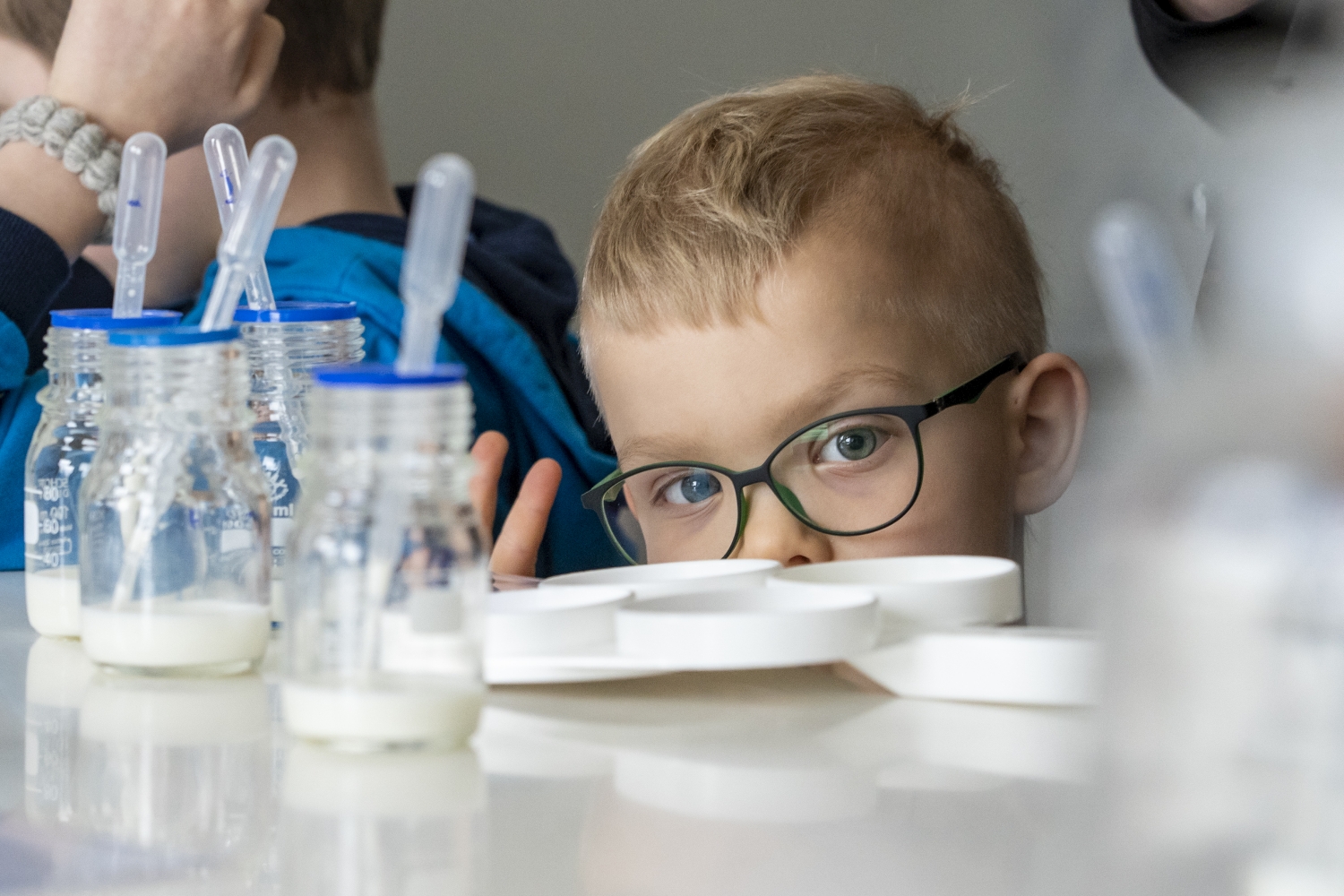
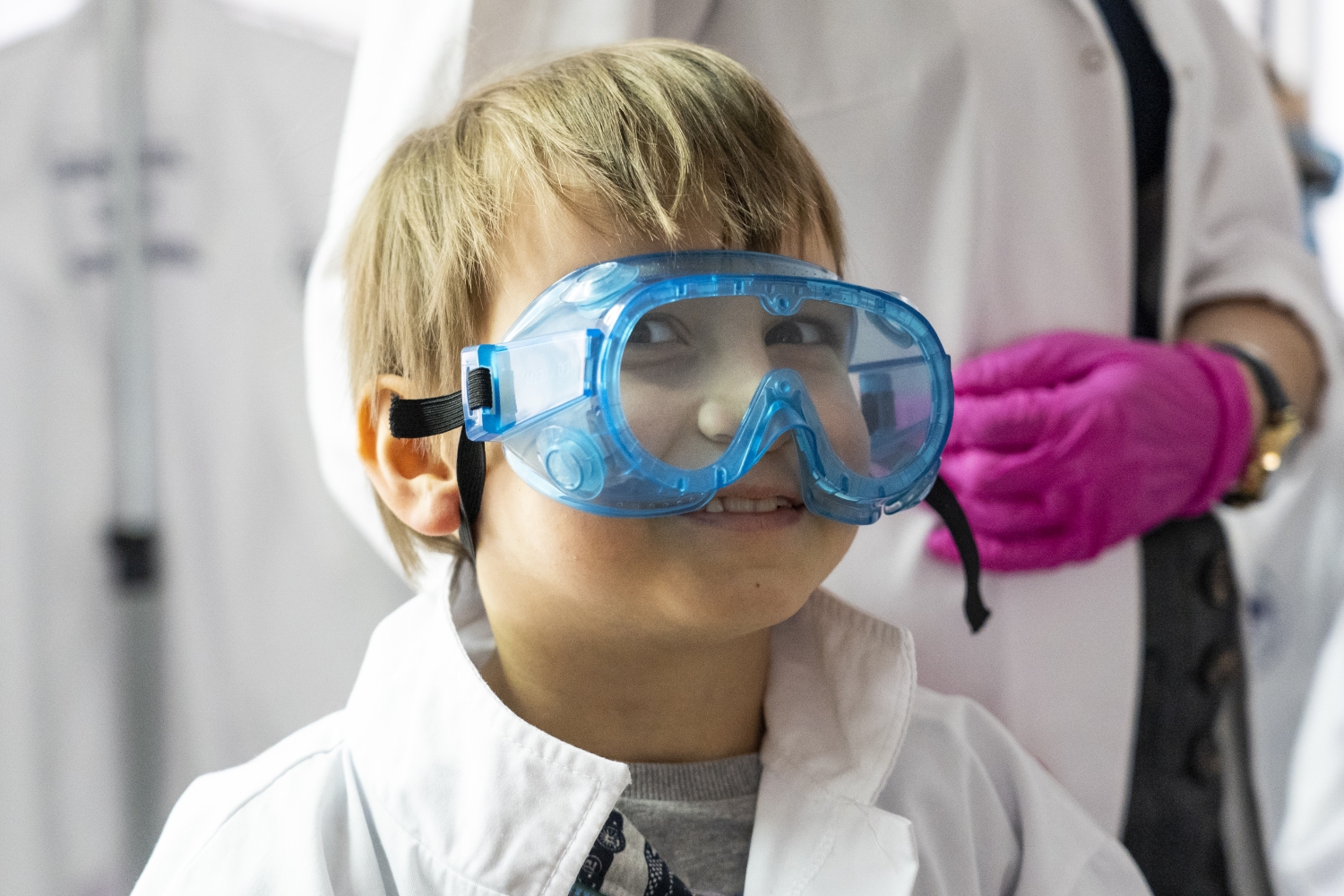
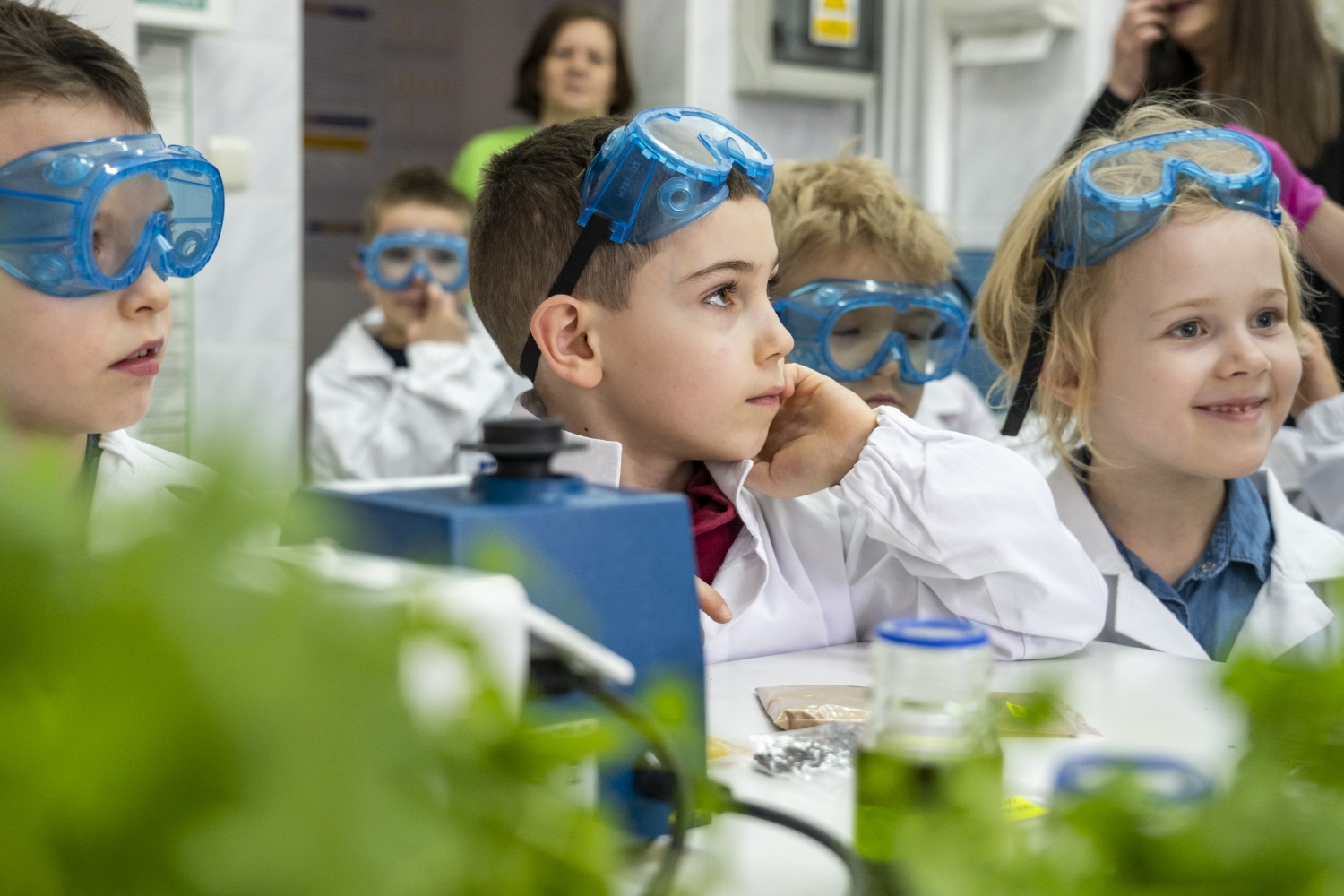
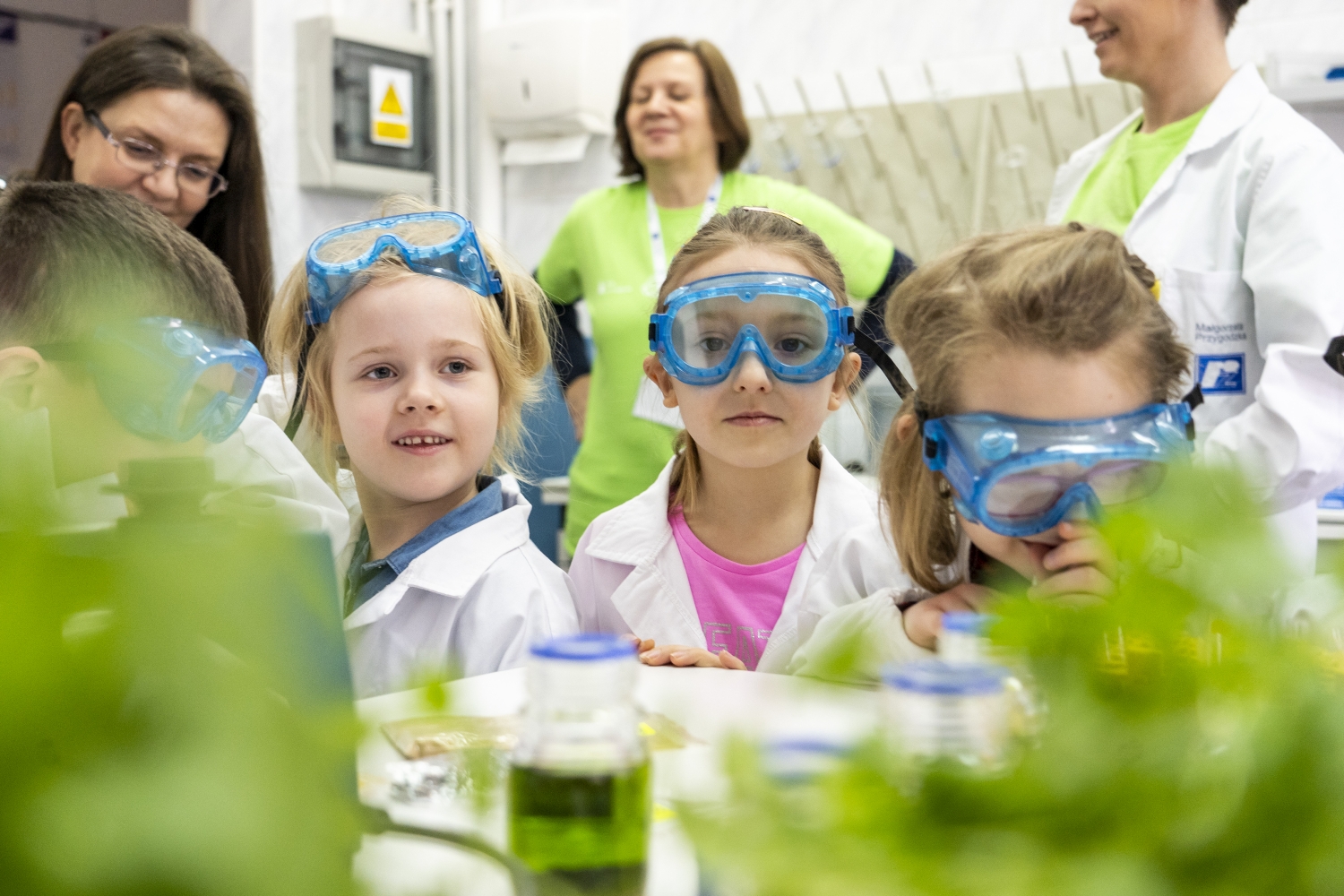
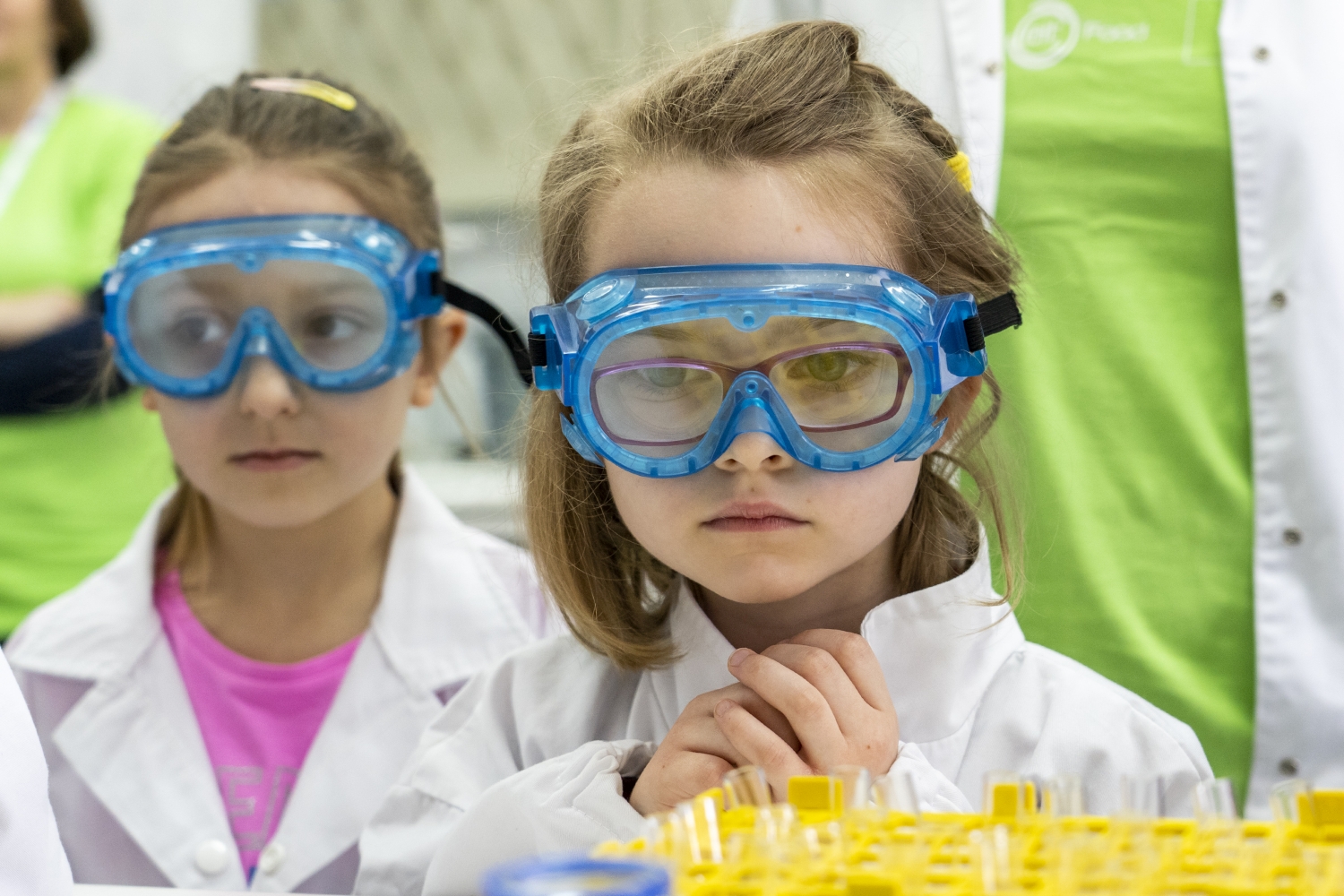
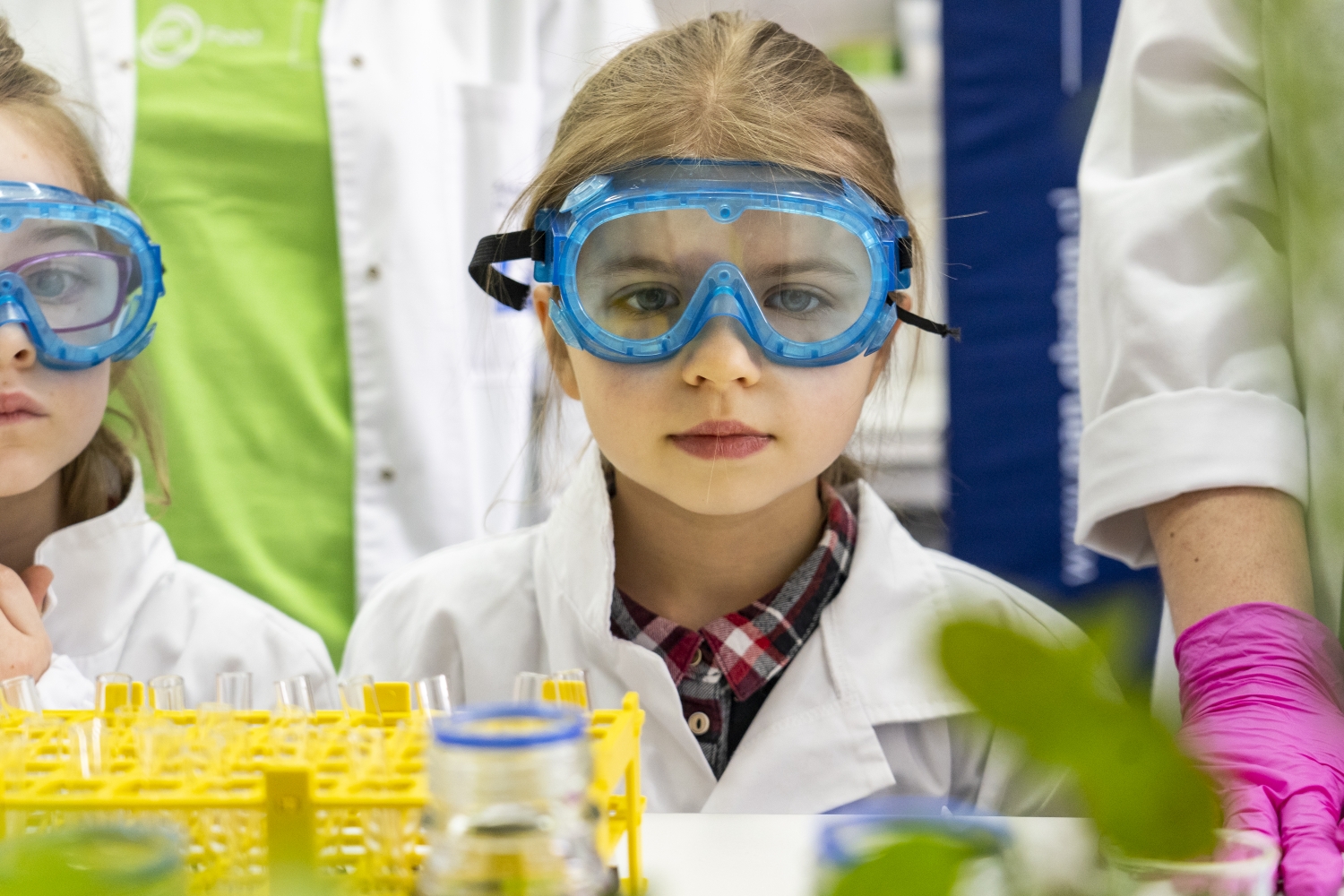
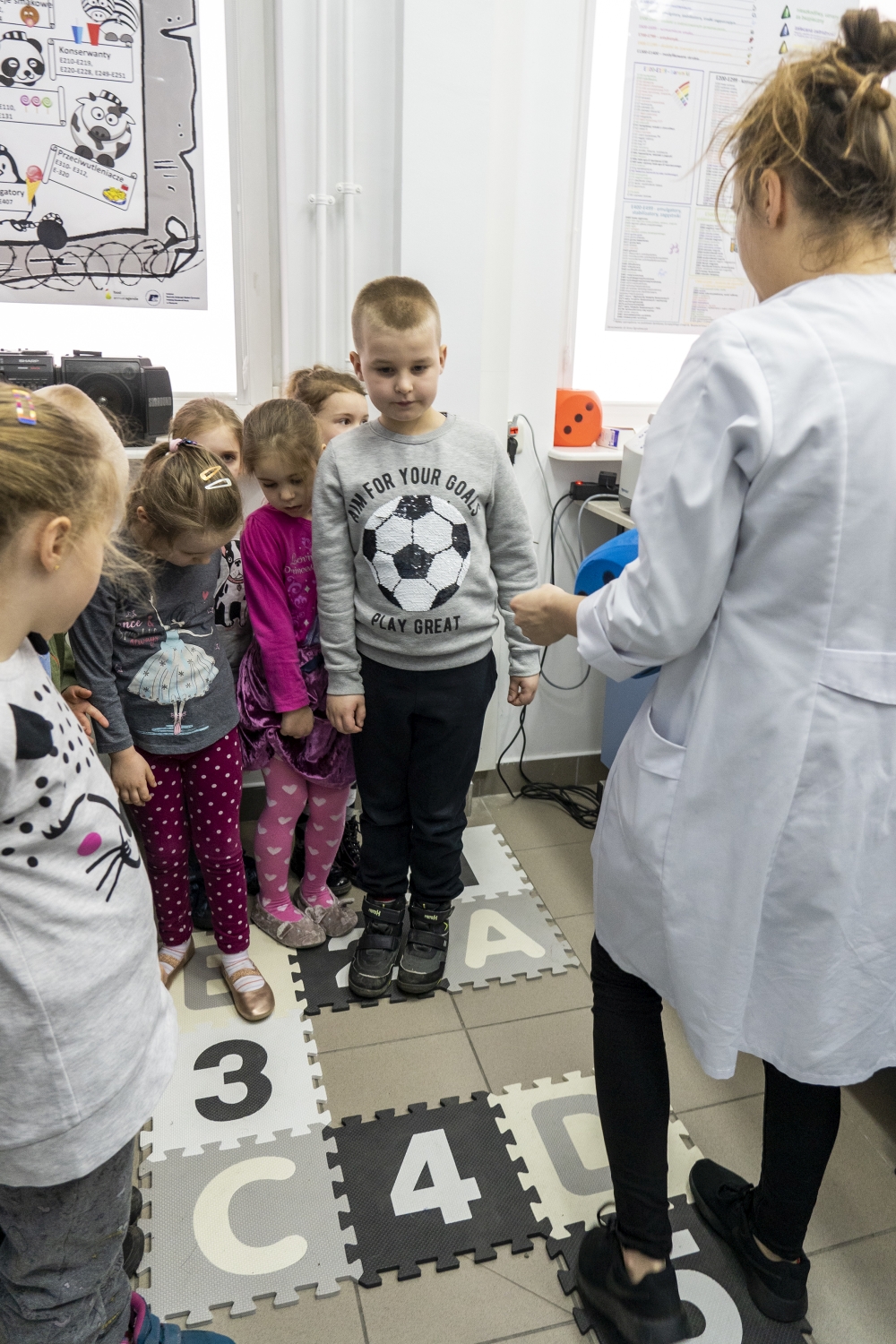
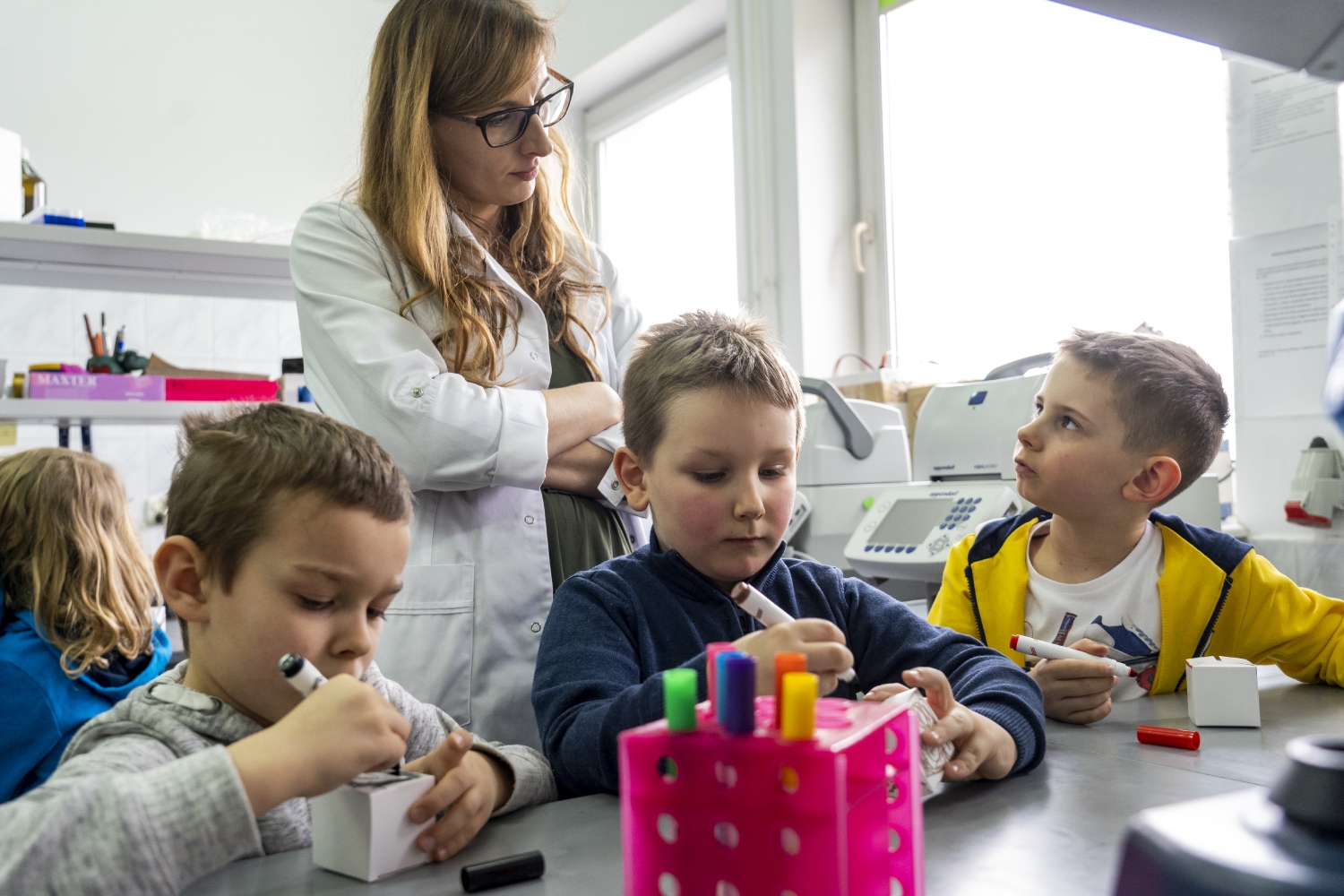
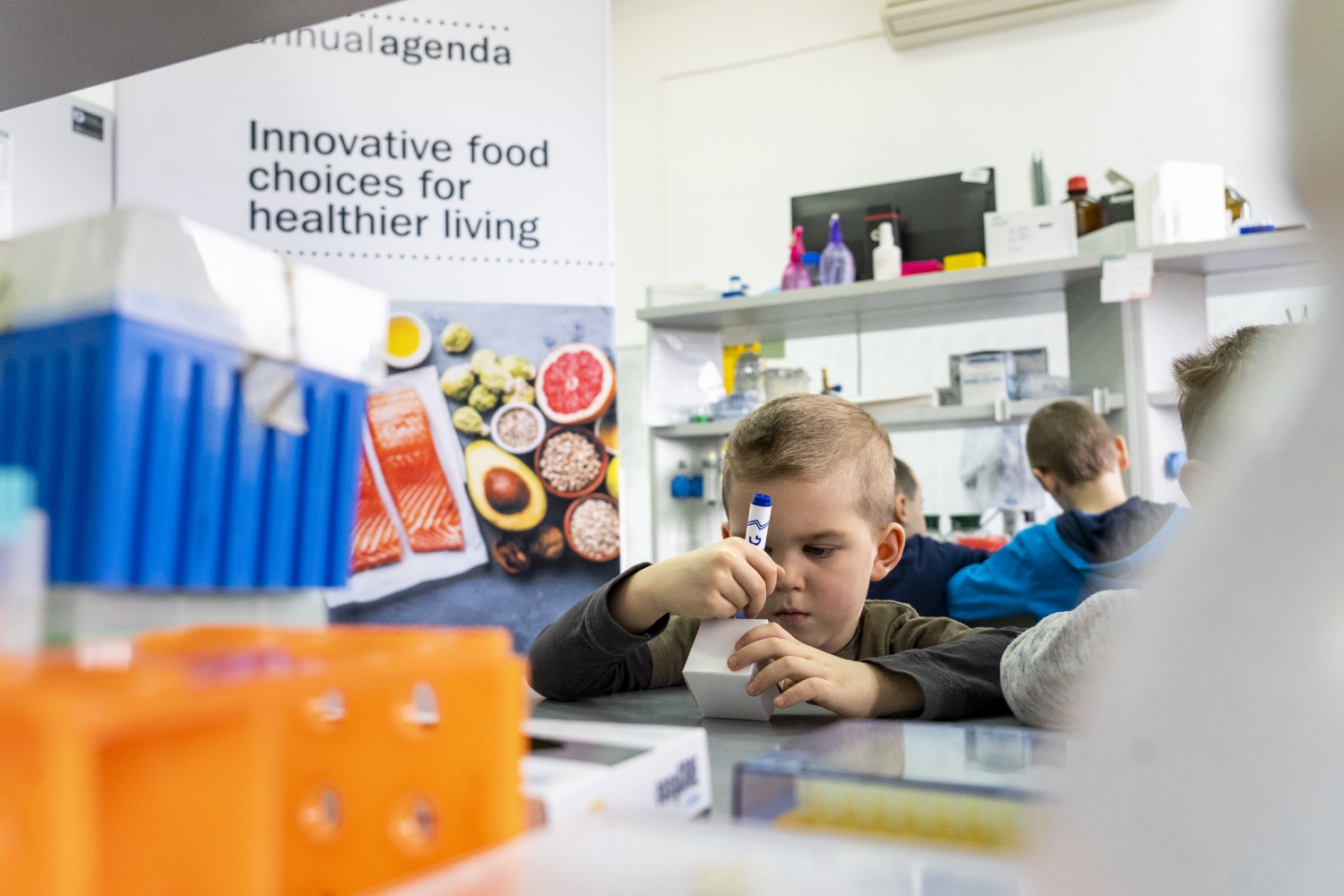
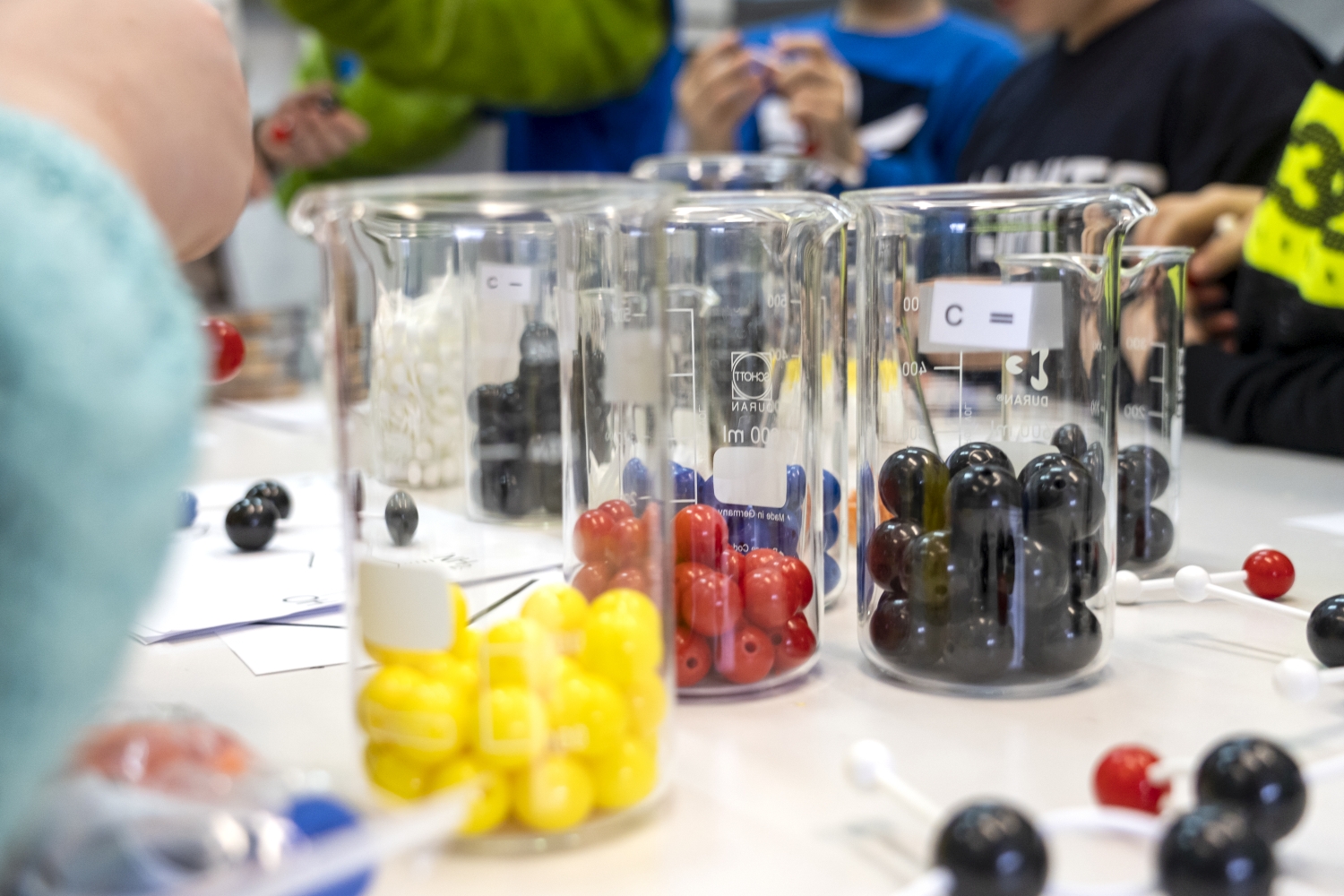
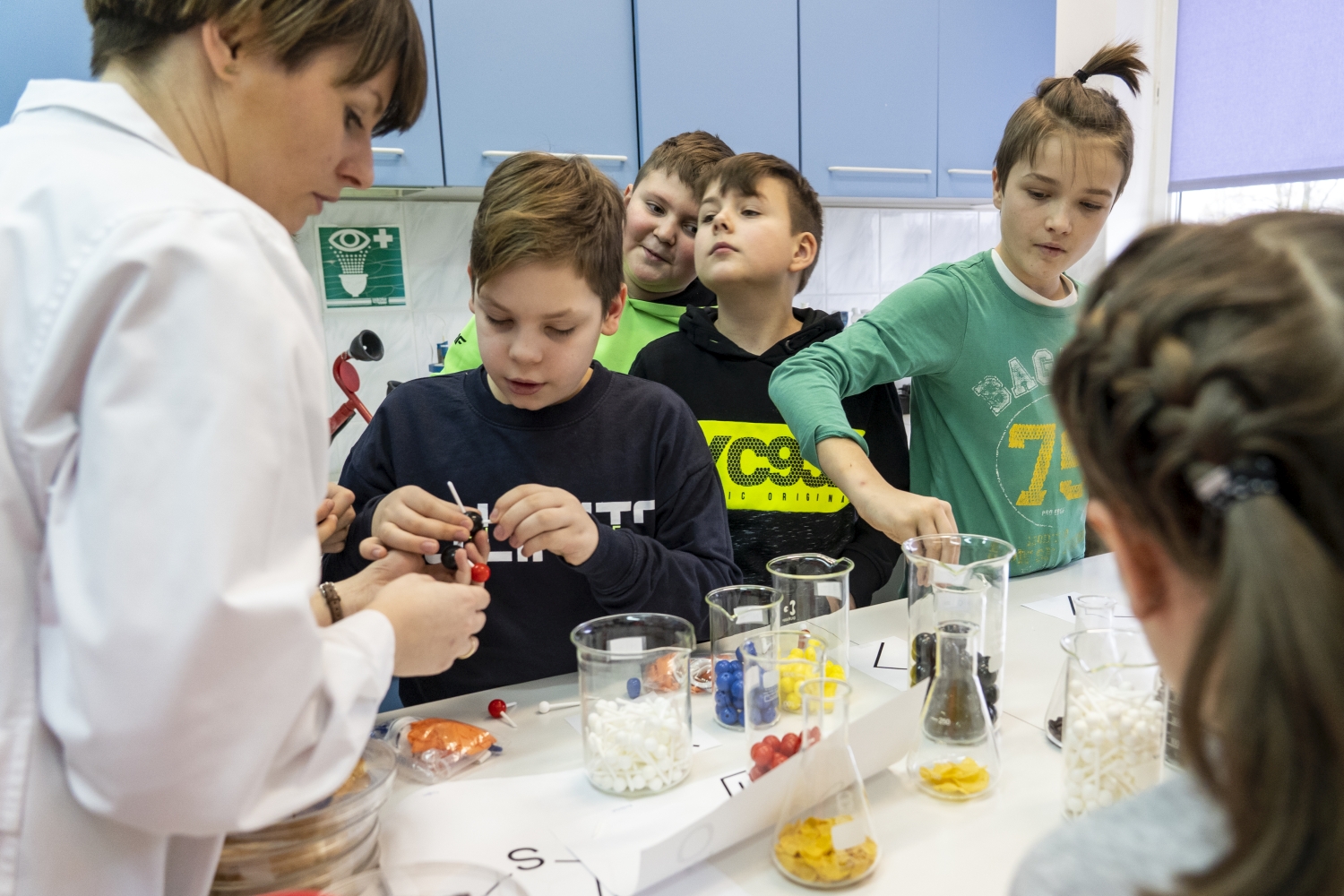
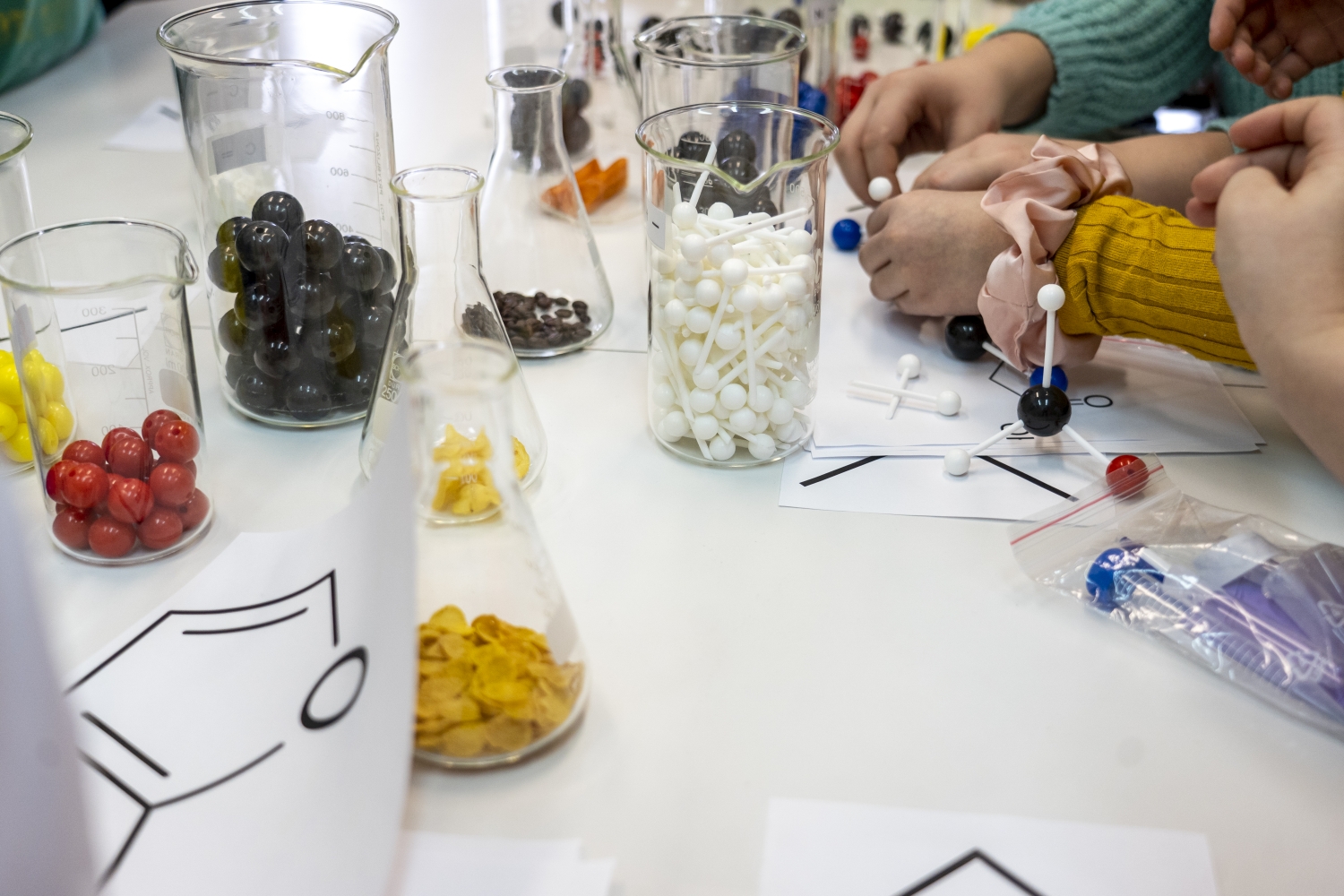
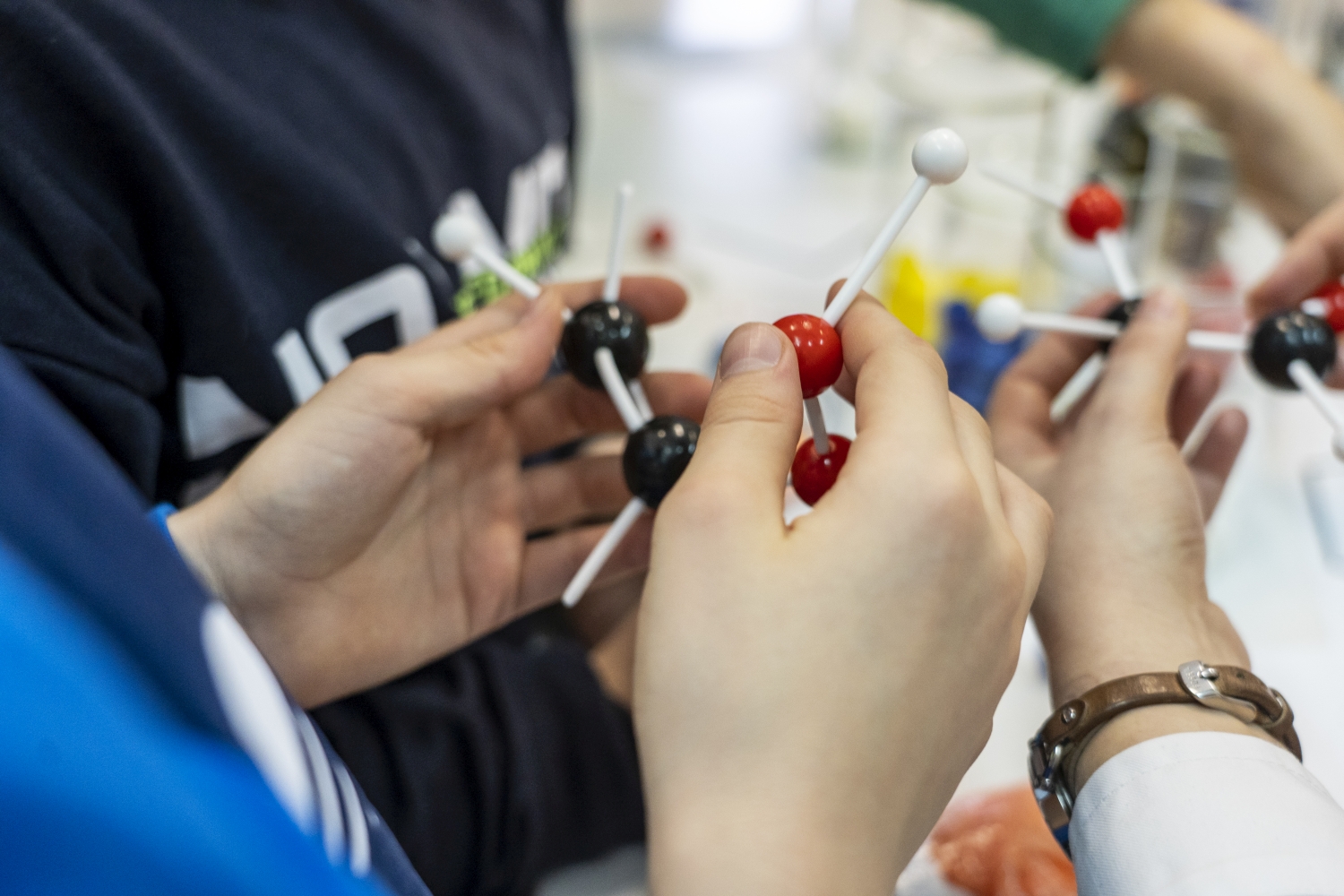
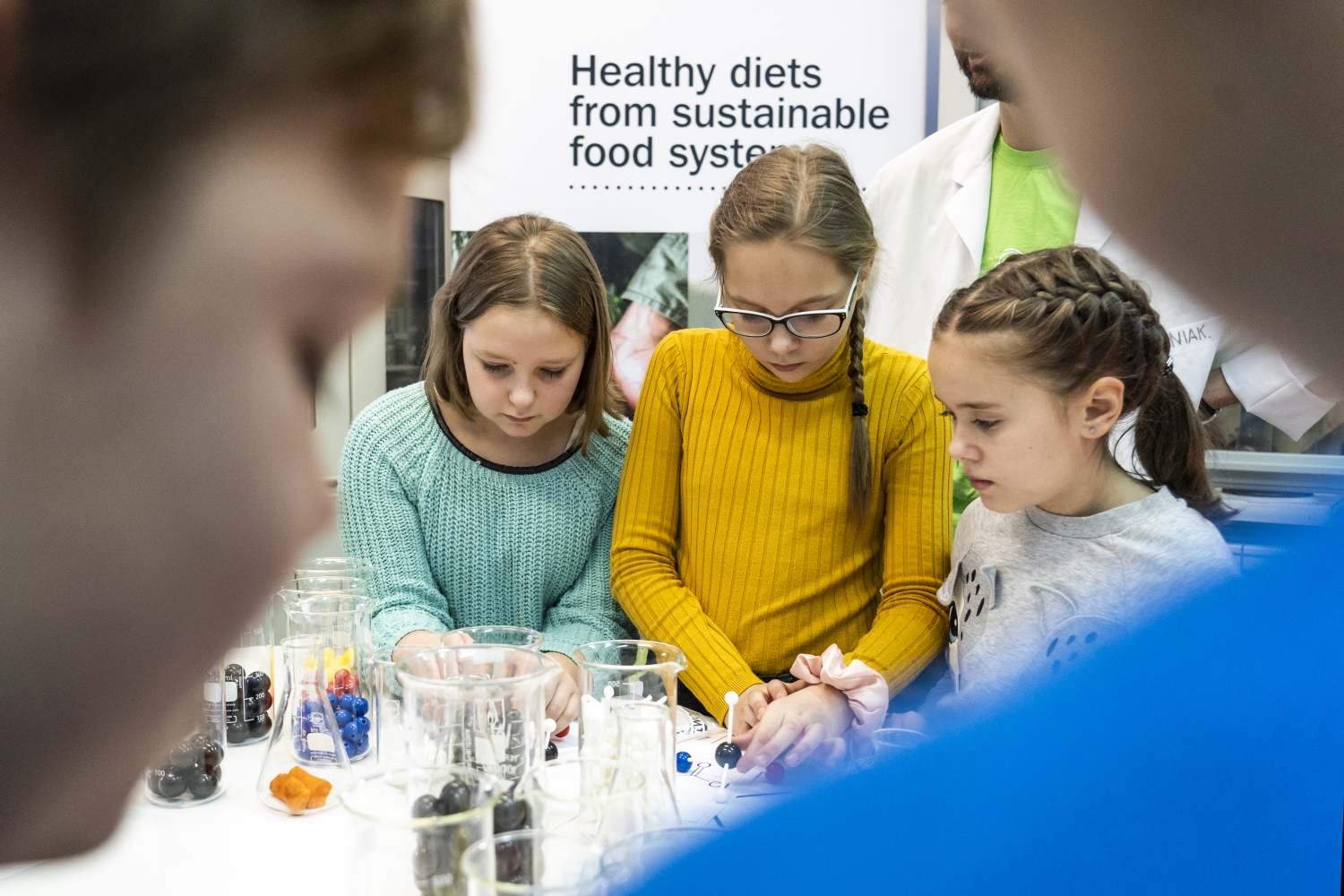
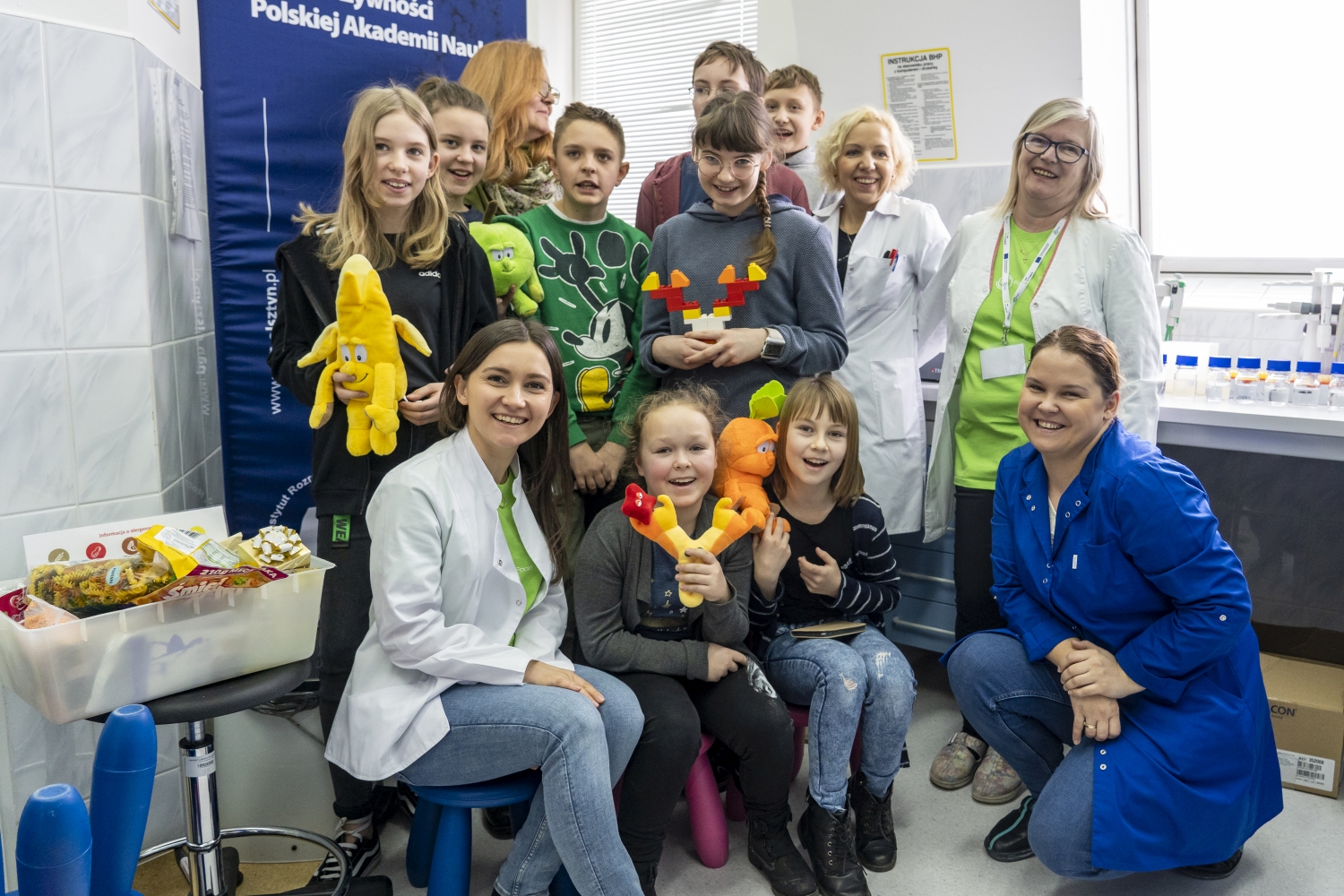
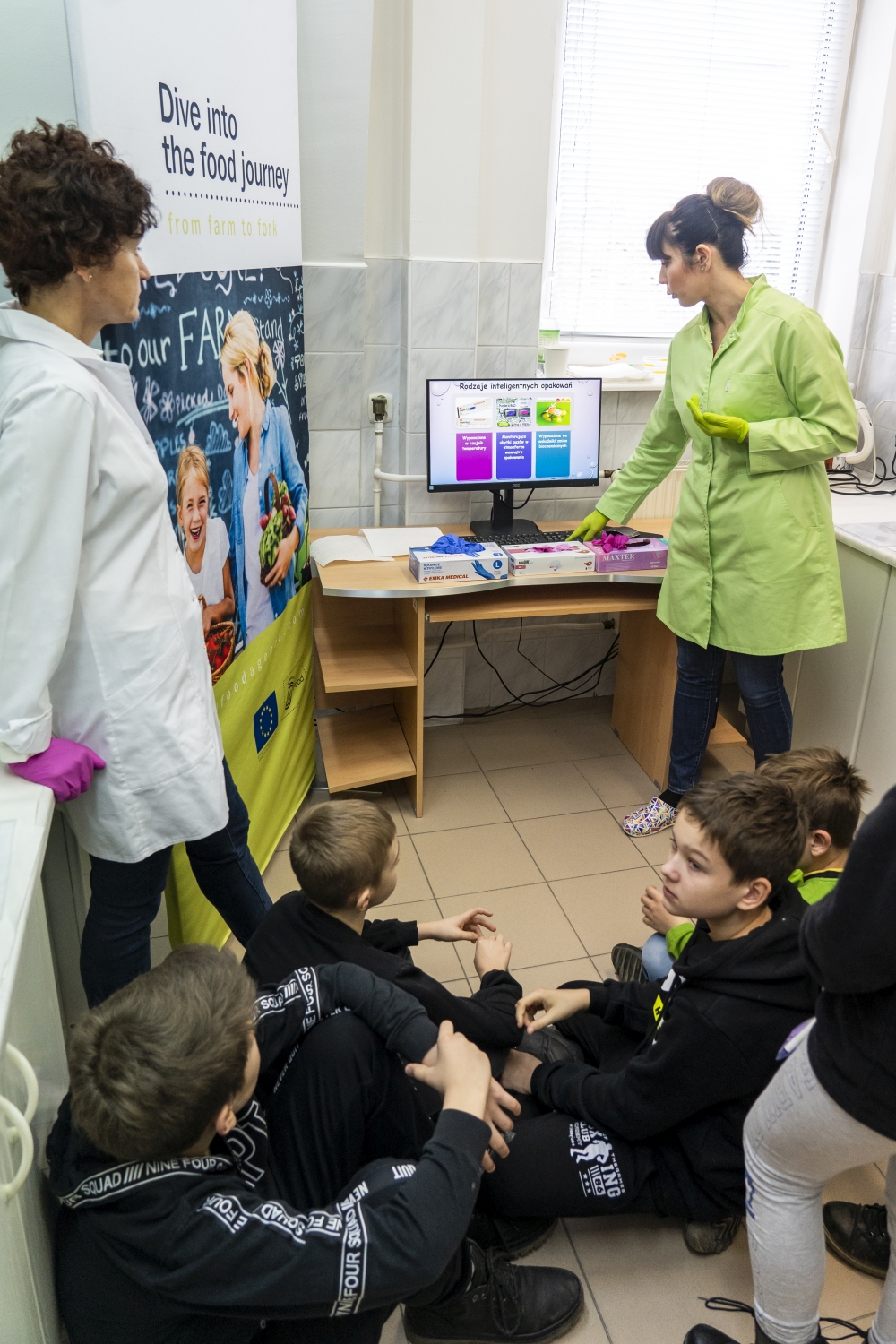
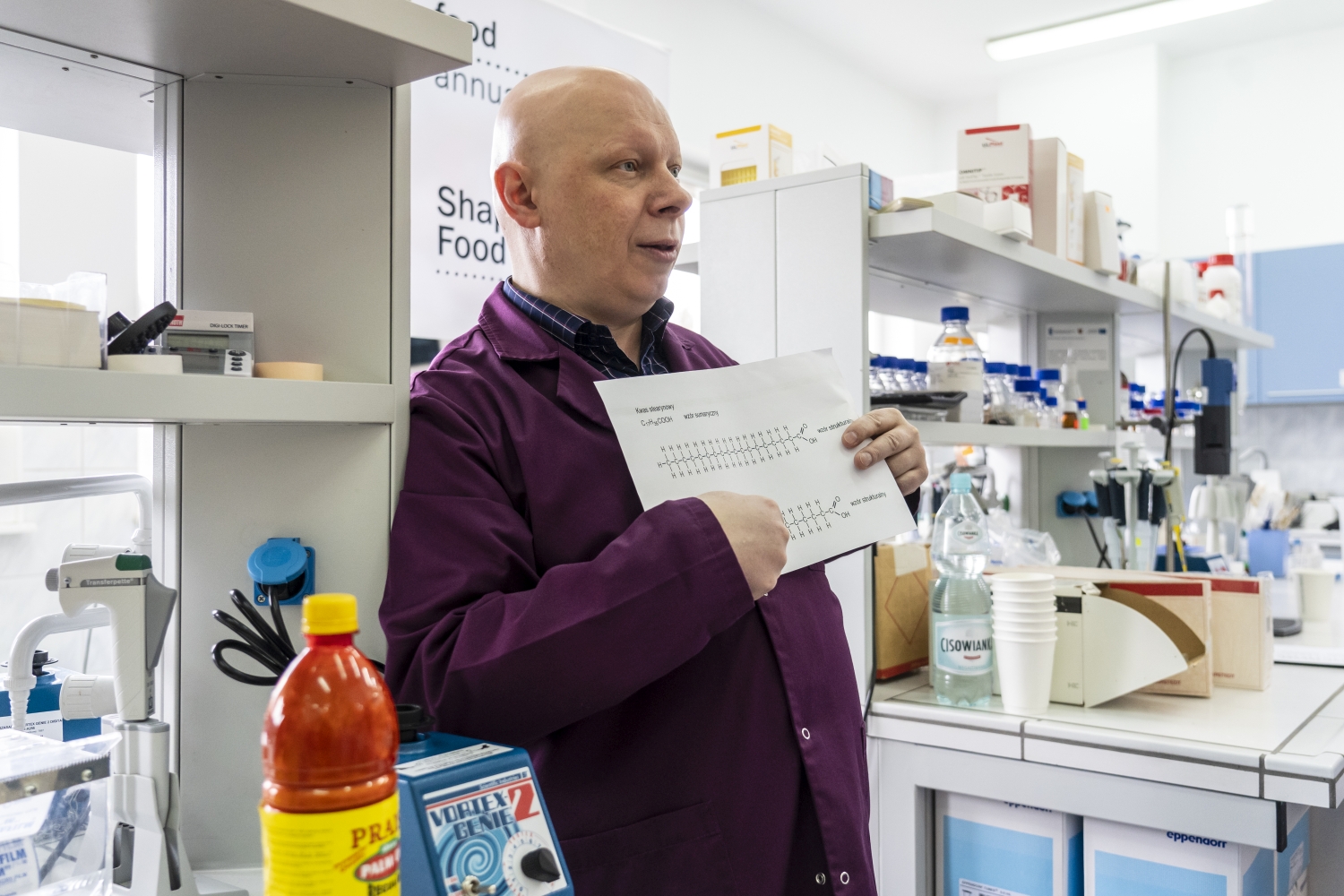
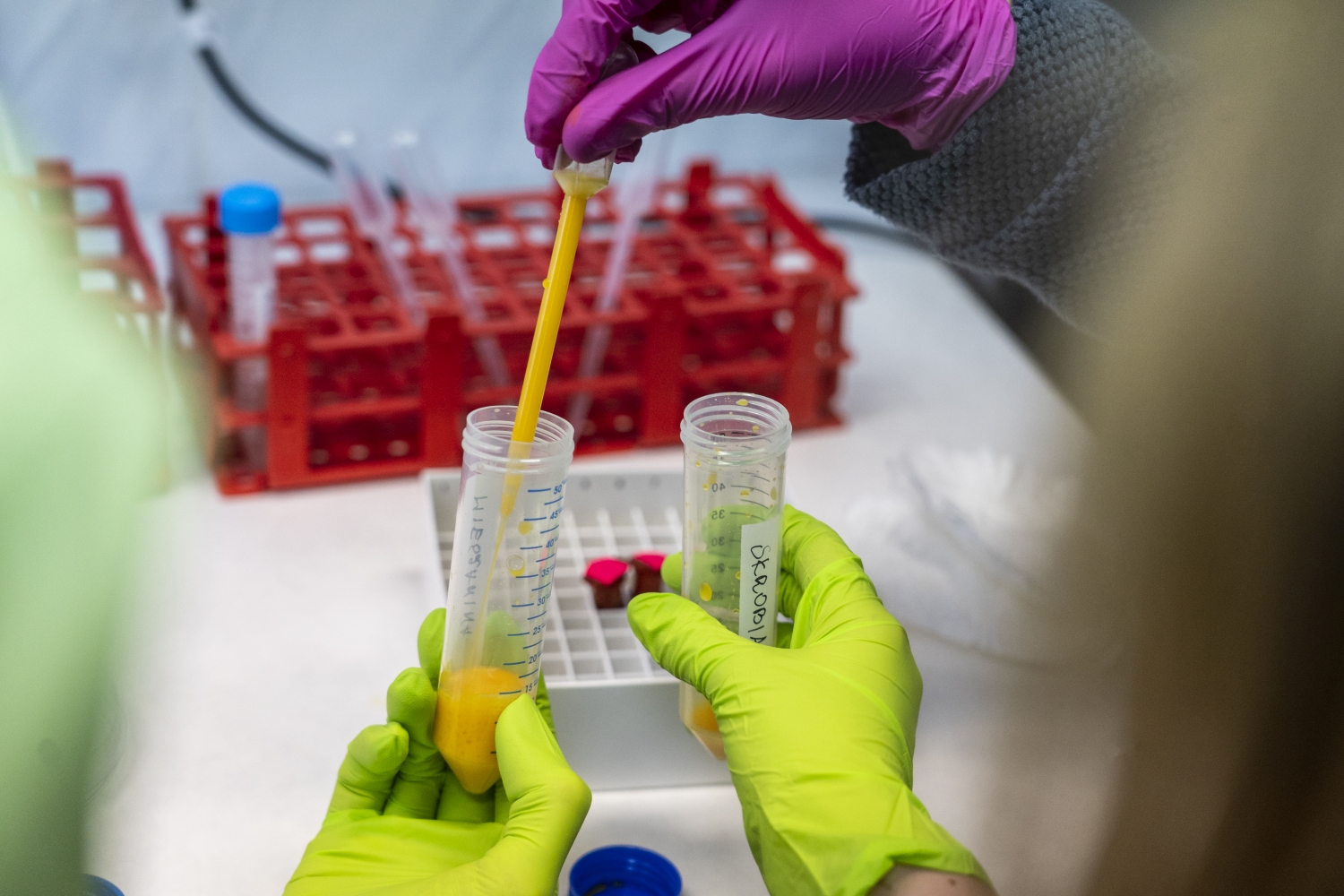
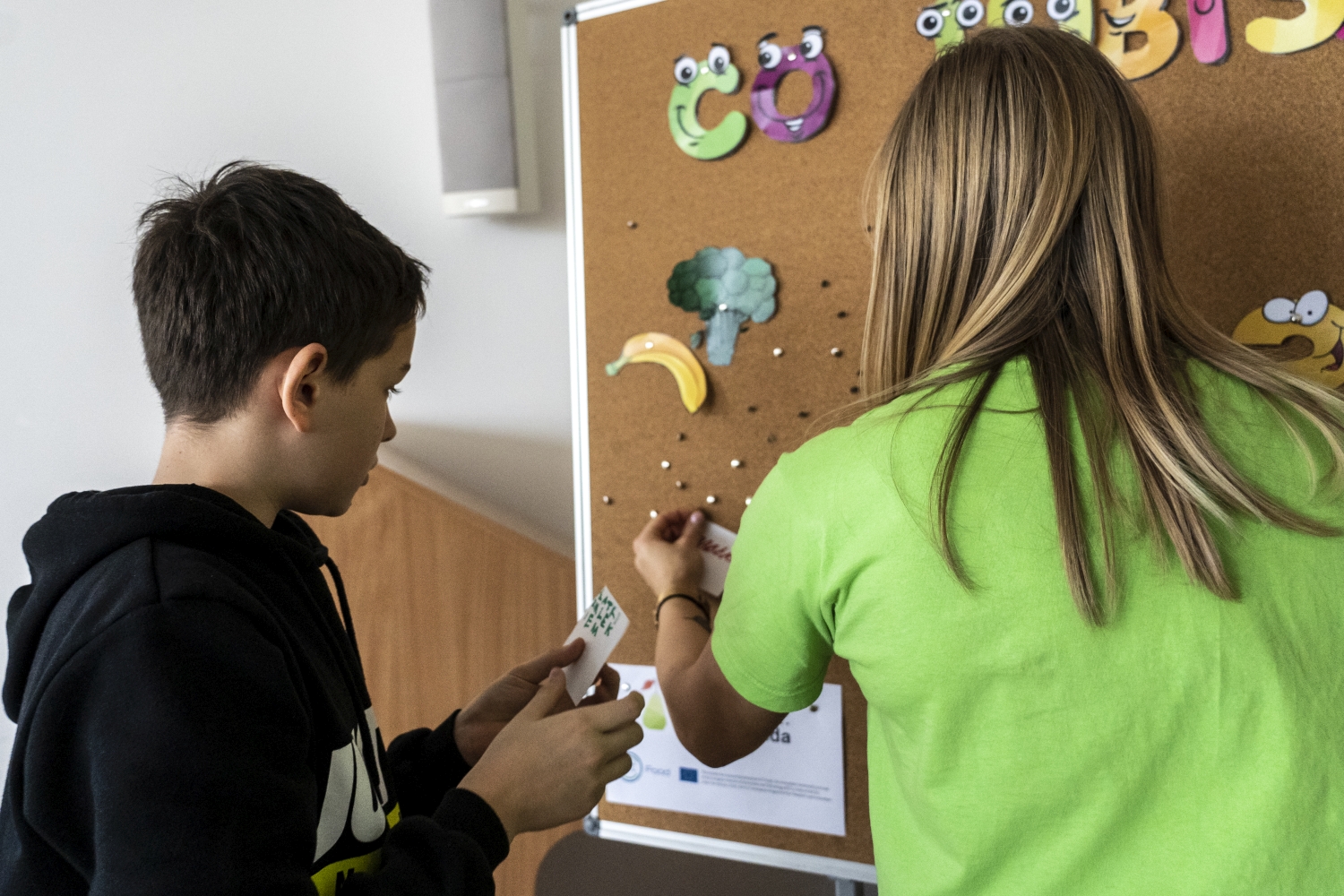
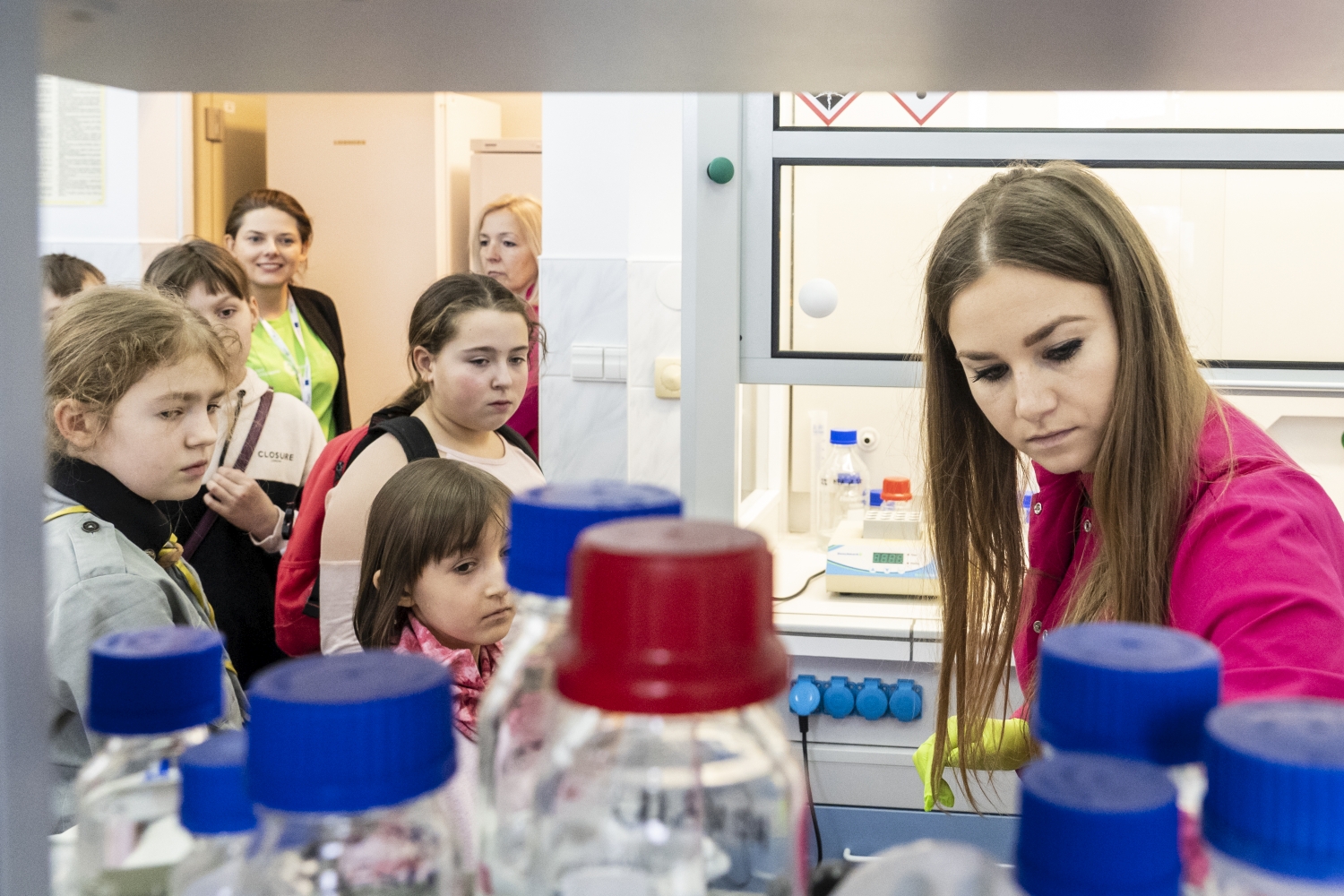
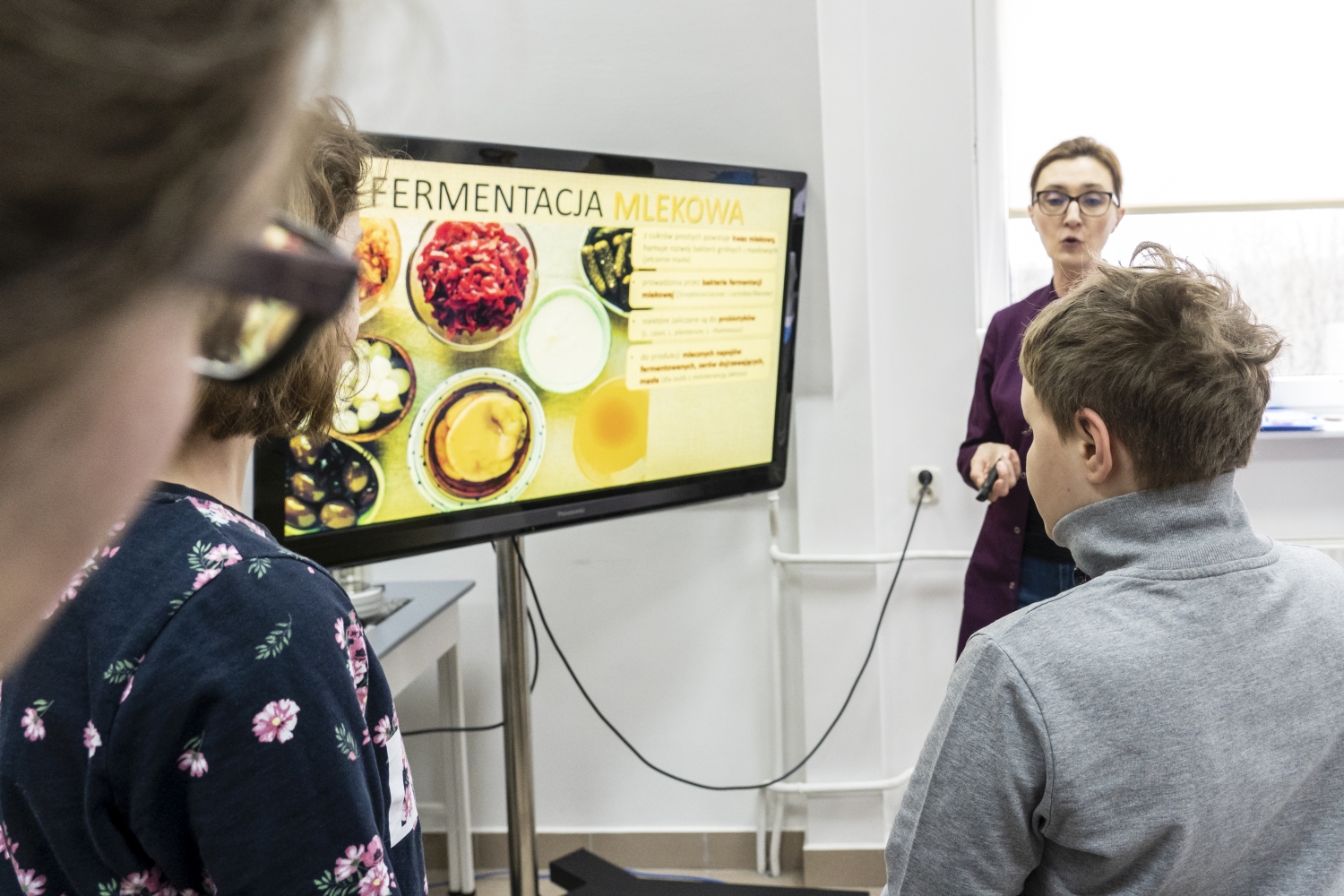
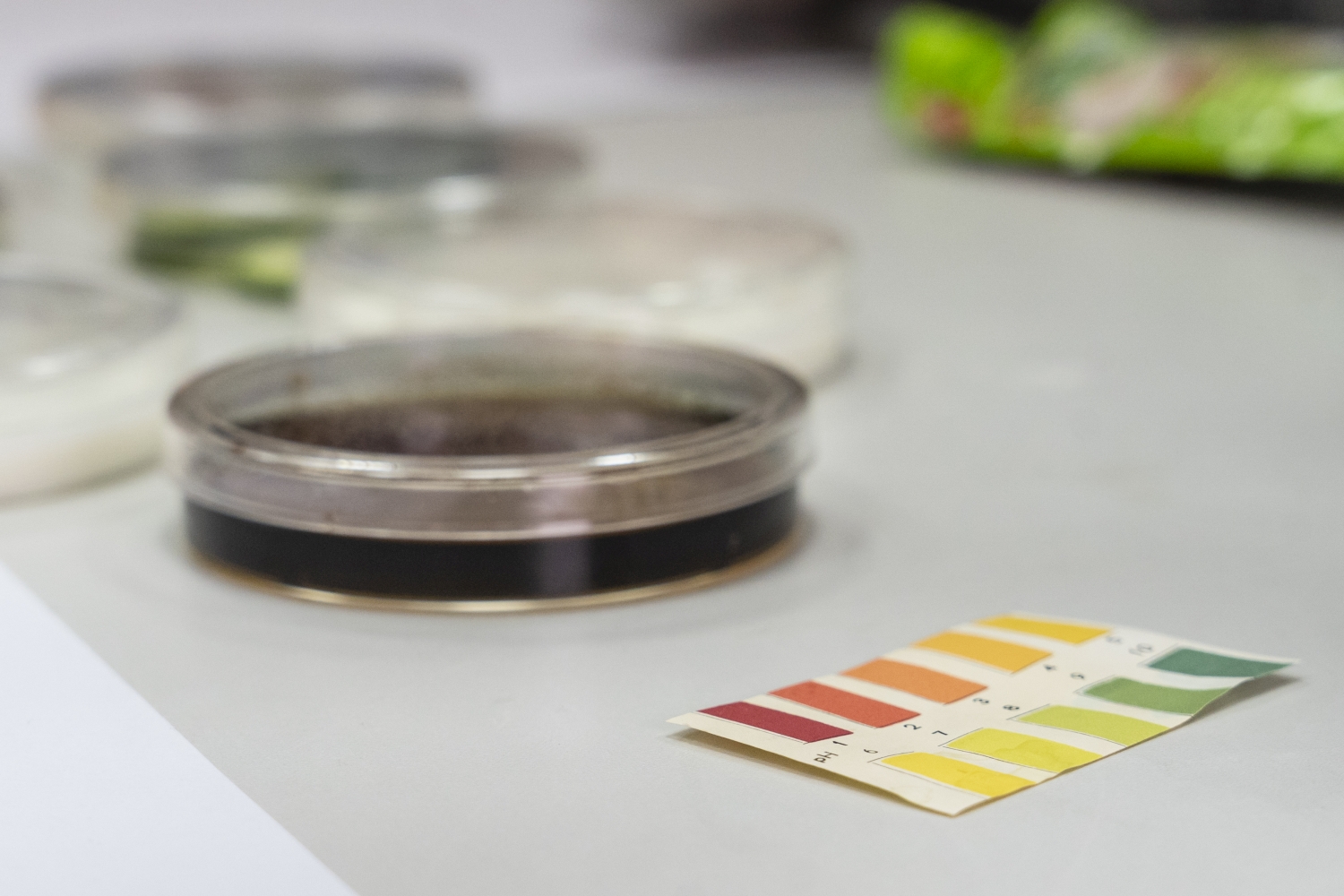
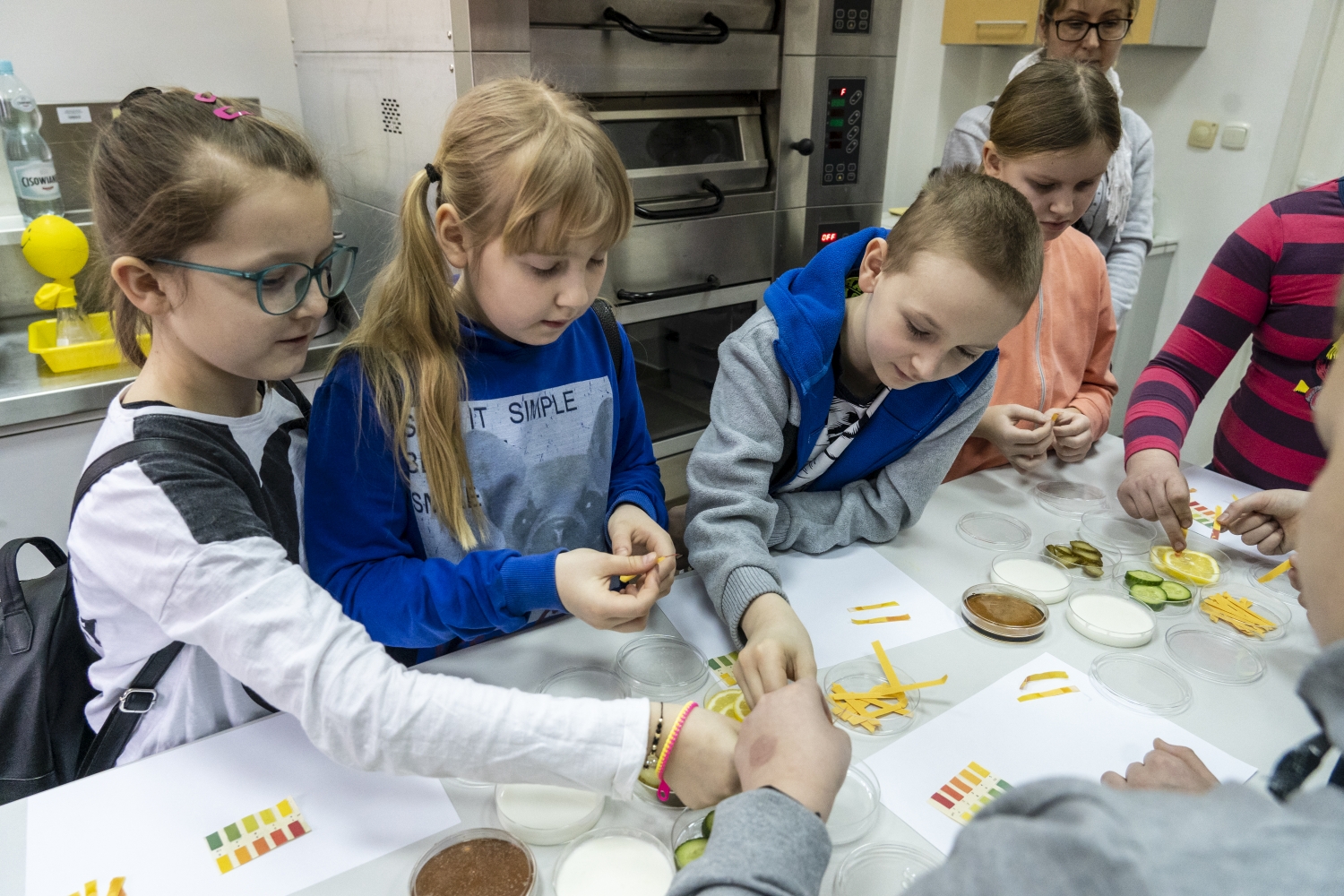
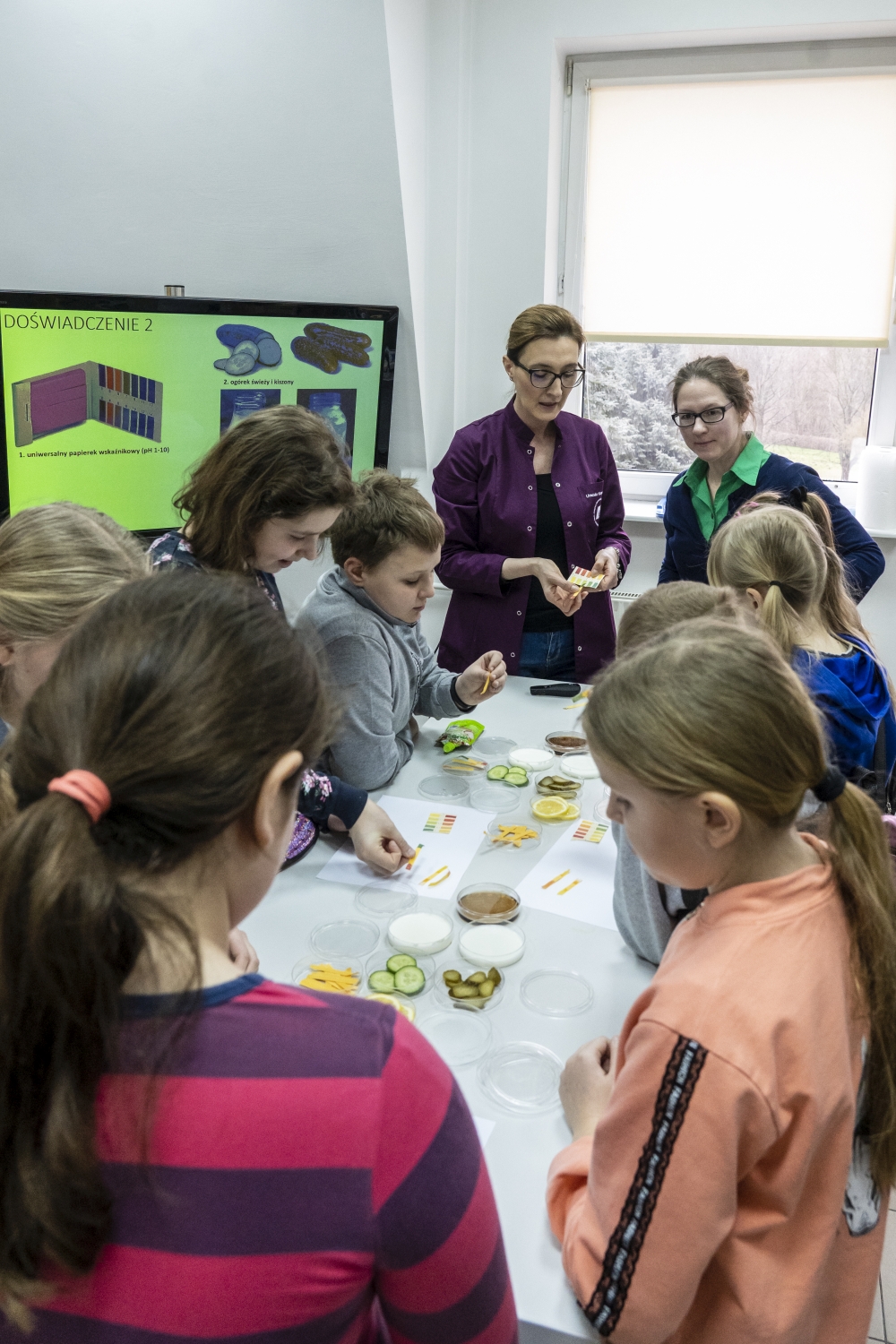
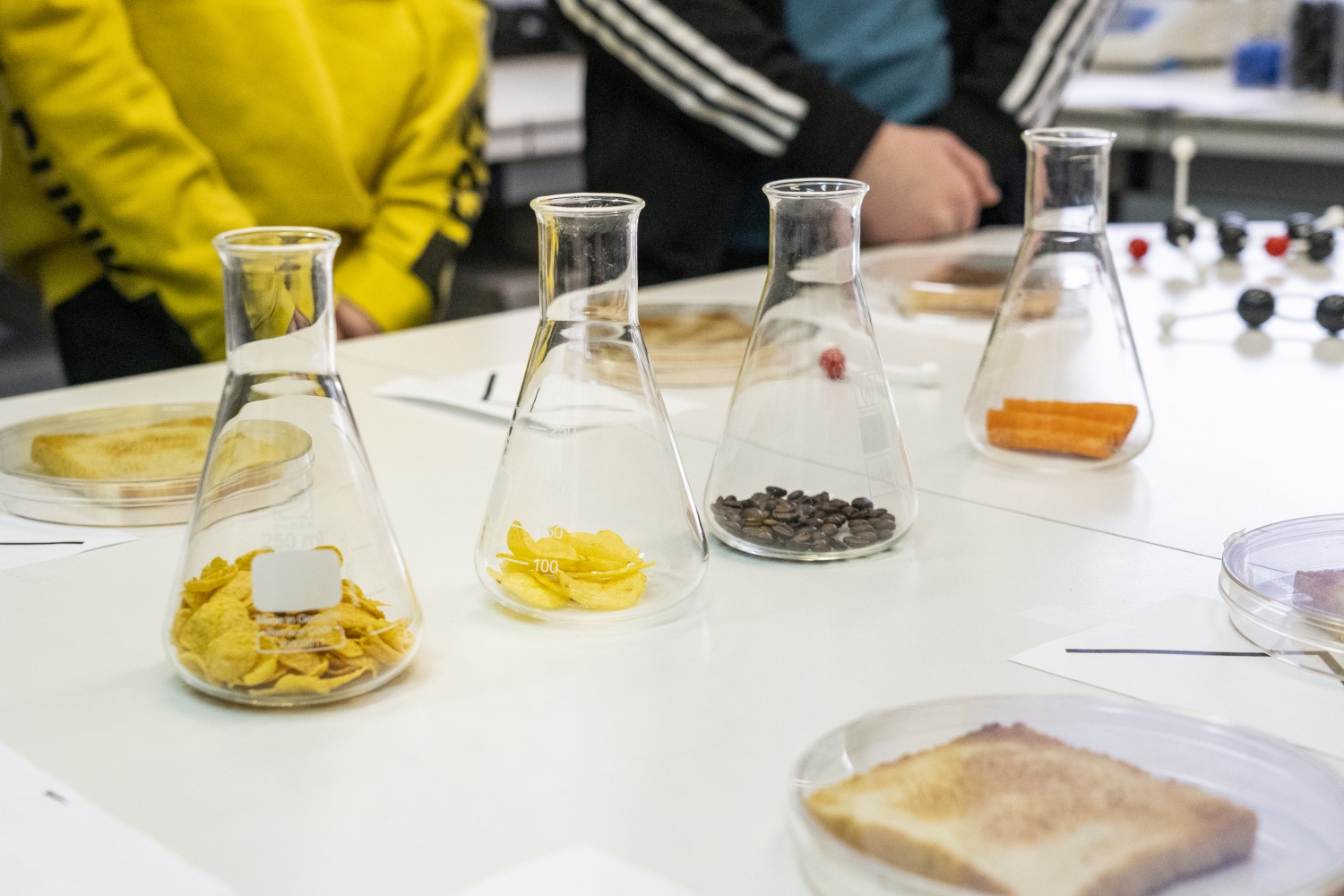
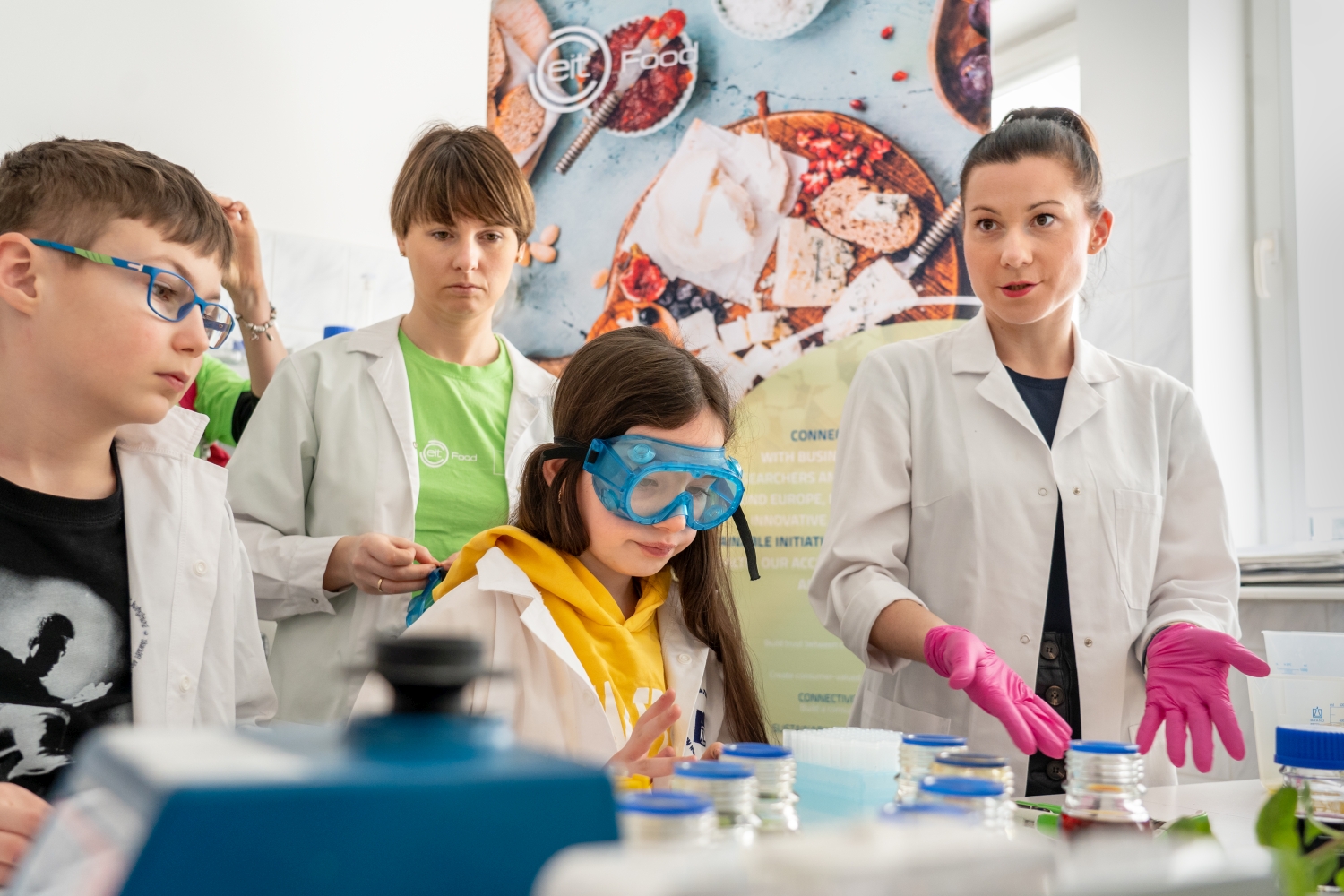
Over the last three weekends of February (15th, 22th, 29th) nearly 40 researchers, science communicatiors and experts from Institute of Animal Reproduction and Food Research PAS and MASPEX, invited young consumers (aged 7-13) to the food research laboratories located in the Food Sciences division of IARFR PAS in Olsztyn, Poland. Our guests had a chance to discover myths and facts surrounding diet supplements, design smart food packaging and get familiarised with food allergens. They found out how to interpret nutrition labels and the information available at public food venues. Under the eye of scientists and using high-tech research equipment, students tried their hands at experiments held in the laboratories of biological functions of food, microbiology, biosensors, metabolomics and other facilities located in the Institute’s Food Sciences division. Young consumers could perform tests on the quality of milk, examine the antioxidant properties of natural preservatives and check what fatty acids are found in commercially available oils. The workshop programme also included the topics of microorganisms used in food processing as well as Maillard reaction products formed during thermal treatment of food. Finally, in the computerised laboratory of sensory analysis, the students had a unique chance to professionally evaluate the sensitivity of their sense of smell. At the end of their “Trust your Food” journey around the labs, the students were asked to verify their knowledge in a quizz and to indicate their one favourite food. All their preferences were reviewed and gathered in a TOP 10 list, revealing ‘apple’ being the most liked food.

About EIT Food
 

eitfood-logo
#AnnualFoodAgenda is a project under the support of EIT Food. EIT Food is Europe’s leading food innovation initiative, working to make the food system more sustainable, healthy and trusted.

The initiative is made up of an innovation community of key industry players across Europe, consisting of over 90 partner organisations and over 50 startups from 16 EU member states. It is one of the Knowledge and Innovation Communities (KIC) established by the European Institute for Innovation & Technology (EIT), an independent EU body set up in 2008 to promote innovation and entrepreneurship across Europe.

You can follow EIT Food via www.eitfood.eu or via social media: Twitter, Facebook, LinkedIn, YouTube or Instagram.

Gallery:
annual-food-agenda-logo


Read more

Post-doc in Department of Team of Reproductive Pathology and Translational Medicine

Director of the Institute of Animal Reproduction and Food Research of Polish Academy of Science in Olsztyn announces an open call for the position:
  • post-doc in Department of Team of Reproductive Pathology and Translational Medicine

within the realization of the project financed by the National Science Centre, Reg. No: 2018/29/B/NZ9/00391, entitled: Biological study and mathematical modeling to describe and predict new processes controlling the development, function and atresia of ovarian follicles in cows” led by prof. Dariusz Jan Skarżyński. (więcej…)
Read more

Zamkowe spotkania z nauką

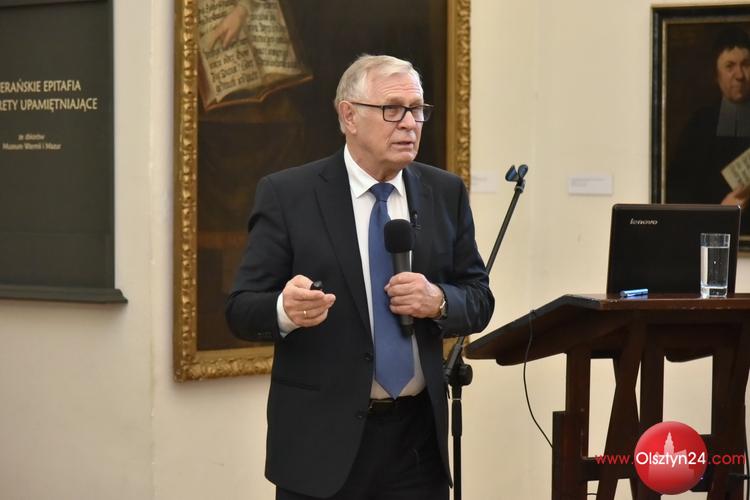
Prof. dr hab. Zenon Zduńczyk wygłosił wykład inaugurujący cykl „Zamkowe spotkania z nauką”, który jest wspólną inicjatywą Muzeum Warmii i Mazur oraz Olsztyńskiego Forum Nauki. (więcej…)

Read more

Wyniki konkursu na stypendium naukowe w ramach konkursu OPUS 13

Dyrektor Instytutu informuje, że konkurs na stypendium naukowe w projekcie OPUS 13 pt. pt. „Koniugaty przeciwciało-znacznik redoks jako platforma do jednoczesnego elektrochemicznego oznaczania lipoprotein niskiej gęstości (LDL) oraz utlenionych lipoprotein niskiej gęstości (oxLDL)” został rozstrzygnięty i wybrana została Pani mgr Daria Rudewicz.


Read more

Classroom as a Platform for Community Engagement with Food Production and Science

Shaping responsible consumer attitudes amongst young people, raising their awareness of healthy eating, food safety, innovation in the agri-food industry and zero waste – these are the goals of the international project „The Classroom as a Platform for Community Engagement with Food Production and Science”.

The Institute of Animal Reproduction and Food Research of the Polish Academy of Sciences in Olsztyn, together with Technion Israel technical Institute in Haifa and the European Food Information Council are starting a joint educational program within the European Community of Knowledge and Innovation in the field of food (EIT Food). 100 high school students from Poland and Israel will participate in this project. Poland will be represented by two classes from the XII High School in Olsztyn, named after Maria and Georg Dietrich.

School classes will be held with the participation of scientists from The Institute of the Polish Academy of Sciences in Olsztyn as well as experts, innovators and representatives of the food industry. In addition to interesting lectures, students will be able to try their best at conducting simple scientific research, designing consumer surveys, analysing and presenting results. The 11-month program will also include experience in food analysis laboratories, study visits to food production and processing plants, as well as ‘’zero waste’’ cooking workshops organized in cooperation with the Food Bank in Olsztyn. One of the key elements of the project will be training in collecting the research results, followed by a promotional campaign designed and conducted by the students themselves, in which they will share with peers the knowledge acquired during all project classes.

Students from Poland and Israel will be in constant contact, exchanging experiences and good practices during regular videoconferences, which will also enable them to actively communicate using English.

The project will last until December 31 this year. In Poland, 50 students, 2 teachers and several scientists, academic lecturers, experts and entrepreneurs will take part in the project. Inauguration of the project is scheduled for February 25 this year in the XII High School named after Maria and Georg Dietrich located at 4 Bałtycka street in Olsztyn.

About EIT Food


eitfood-logo
CLASSROOM is a project under the support of EIT Food. EIT Food is Europe’s leading food innovation initiative, working to make the food system more sustainable, healthy and trusted.


The initiative is made up of an innovation community of key industry players across Europe, consisting of over 90 partner organisations and over 50 startups from 16 EU member states. It is one of the Knowledge and Innovation Communities (KIC) established by the European Institute for Innovation & Technology (EIT), an independent EU body set up in 2008 to promote innovation and entrepreneurship across Europe.

You can follow EIT Food via www.eitfood.eu or via social media: Twitter, Facebook, LinkedIn, YouTube or Instagram.


Read more

Classroom as a Platform for Community Engagement with Food Production and Science

Kształtowanie odpowiedzialnych postaw konsumenckich wśród młodzieży, podniesienie ich świadomości w zakresie zdrowego odżywiania, bezpieczeństwa żywności, innowacji w przemyśle rolno-spożywczym oraz niemarnowania żywności – to cele projektu „Classroom as a Platform for Community Engagement with Food Production and Science”.

Instytut Rozrodu Zwierząt i Badań Żywności PAN w Olsztynie wraz z Izraelskim Instytutem Technicznym Technion w Hajfie oraz Europejską Radą Informacji o Żywności rozpoczynają wspólny program edukacyjny w ramach Europejskiej Wspólnoty Wiedzy i Innowacji w obszarze żywności EIT Food W projekcie weźmie udział 100 uczniów szkół średnich z Polski i Izraela. Polskę reprezentować będą dwie klasy z XII Liceum Ogólnokształcącego im. Marii i Georga Dietrichów w Olsztynie.

Zajęcia szkolne będą odbywały się z udziałem naukowców z Instytutu PAN w Olsztynie oraz ekspertów, innowatorów i przedstawicieli przemysłu spożywczego. Poza ciekawymi wykładami, uczniowie będą mogli spróbować swoich sił w prowadzeniu prostych badań naukowych, projektowaniu ankiet konsumenckich, analizie i prezentacji wyników. W 11-miesięcznym programie znajdą się też doświadczenia w laboratoriach analizy żywności, wizyty studyjne w zakładach produkcji i przetwórstwa żywności, a także warsztaty kulinarne „zero waste” zorganizowane we współpracy z Bankiem Żywności w Olsztynie. Jednym z kluczowych elementów projektu będzie szkolenie z komunikowania wyników badań, a następnie kampania promocyjna zaprojektowana i przeprowadzona przez samych uczniów, w której podzielą się z rówieśnikami wiedzą zdobytą podczas wszystkich zajęć projektowych.

Uczniowie z Polski i Izraela będą w stałym kontakcie, wymieniając doświadczenia i dobre praktyki podczas regularnych wideokonferencji, co umożliwi im również aktywny kontakt z językiem angielskim.

Realizacja projektu potrwa do 31 grudnia br. W Polsce weźmie w nim udział 50 uczniów, 2 nauczycieli oraz kilkunastu naukowców, wykładowców akademickich, ekspertów i przedsiębiorców. Inauguracja projektu jest zaplanowana na 25 lutego br. w XII Liceum Ogólnokształcącego im. Marii i Georga Dietrichów w Olsztynie przy ulicy Bałtyckiej 4.

Projekt “Classroom as a Platform for Community Engagement with Food Production and Science” jest finansowany przez EIT Food, Wspólnotę Innowacji ds. Żywności Instytutu Innowacji i Technologii (EIT), organu UE w ramach programu „Horyzont 2020″, programu ramowego UE w zakresie badań i innowacji.


Read more

Wspomnienie Pani Profesor Nina Barylko

Wspomnienie: tytuł doctor honoris causa sprzed 30 lat

Pani Prof. dr hab. Nina Baryłko-Pikielna była jednym z pionierów badań jakości sensorycznej żywności nie tylko w Polsce, ale i w Europie. Jej badania koncentrowały się na wpływie surowców, przetwarzania i przechowywania na jakość sensoryczną żywności. Interesował Ją wpływ fizjologii i zdrowia na wrażliwość sensoryczną. Wraz z klinicystami badała zmiany w percepcji sensorycznej u pacjentów z chorobami nerek i nadciśnieniem tętniczym. (więcej…)

Read more