Institute of Animal Reproduction and Food Research, Polish Academy of Sciences is looking for the person:
-
post-doctoral position in Bioelectroanalytics Department
EN
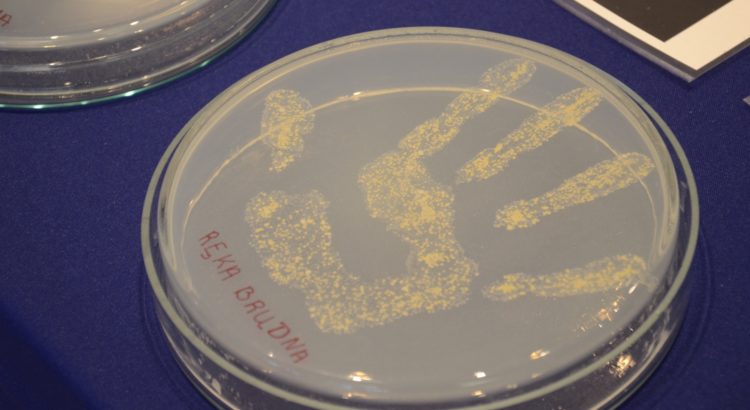
For many of us winter break is finally the chance to spend more time on cultivating our passions. Those fascinated with experimenting, creating and exploring scientific achievements we use in everyday life could take part in a series eduatining acivities prepared by the Institute, following the „hands-on” scheme. (więcej…)
During the visit in Hungary and Slovenia, Dr. Radosław Kowalski along with his research team – Dr. Beata Cejko, Sylwia Judycka and Michał Blitek – conducted a trial of air spawning of marble trout (Salmo marmoratus), thanks to Dušan Jesenšek a manager of a Slovenian fish hatchery in Tolmin (Ribiška družina Tolmin). (więcej…)
PhD student from the Institute of Animal Reproduction and Food Research PAS in Olsztyn investigates the influence of prebiotics-enriched gluten-free diet on alleviating harmful effects of celiac disease in children. The study will be aided by the funds obtained in the National Science Centre PRELUDIUM call. (więcej…)
Prof. Monika Kaczmarek, Head of Molecular Biology Core Facility
So far it has been demonstrated that the nutritional status of mother may affect a normal development of the embryo and fetus in the womb, and after birth, determines health of the offspring. This September, English researchers published in Pediatric Obesity Journal a prognosis for 184 countries regarding obesity and related health problems in school children. It is estimated that without an adequate policy challenging current trends, by 2025 268 million children aged 5-17 will be overweight, with 91 million of them to suffer from obesity.
Infertility has always affected humans, yet unfortunately we can now observe a considerable decrease in the pregnancy rates caused by inter alia environmental factors. World Health Organization (WHO) clearly demonstrates that 10% of women worldwide are trying to get pregnant with no success, and this situation has not improved in the last 20 years.
It appears that the period from conception until the age of 3 is marked by increased sensitivity to environmental factors, such as lifestyle, diet and parents’ health status. The process in which nutritional status determines metabolic balance in the organism is called nutritional programming. So far it has been demonstrated that the nutritional status of mother may affect a normal development of the embryo and fetus in the womb, and after birth, determines health of the offspring. Proper „designing” of offspring within the process of nutritional programming has long-term prohealth effects and may prevent the development of diet-induced diseases such as cardiovascular disorders, obesity, hypertension and diabetes type II.
It is interesting that excessive weight gain during pregnancy occurs more frequently than in the past century. Unfortunately for us, children of women who put on too much weight during pregnancy were observed to suffer from an increased risk of obesity at the age of 34. Therefore, women having a Body Mass Index (BMI) within the normal range (18,5-24,9) are recommended to gain 11-16 kg during pregnancy, while those with the BMI 25 – 29,9 and BMI ≥30 only 7-11 kg and 5-9 kg, respectively.
The effects of nutritional programming may be observed not only in the cells of an individual with improper eating habits, but – in the case of pregnant or lactating females – also in their children or grandchildren. Our research based on animals fed a strict diet during lactation revealed inaccuracies in the development of offspring’s reproductive functions despite introduction of a proper diet in the future. These mice achieved sexual maturity later and suffered from a series of disorders affecting their fertility. What is interesting, the effects of improper diet of lactating females were noticeable even in the second generation – in grandchildren.
Even though the conclusions drawn from the studies based on mice cannot be directly translated to humans, there are numerous report on the influence of distorted metabolic balance on the increased risk of development of diabetes, obesity and other diseases in adulthood. Therefore, we shall bear in mind that during pregnancy we are advised to eat for two, but not twice as much, and not follow any strict diet. We shall obey this rule also when lactating. Then, let’s lead a considerate lifestyle and pass it on to our children and next generations.