InformPack Warsztaty w laboratoriach (4)

Lab workshops

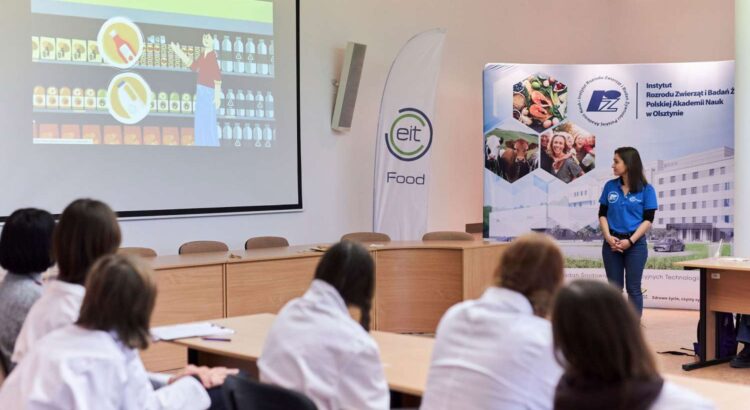
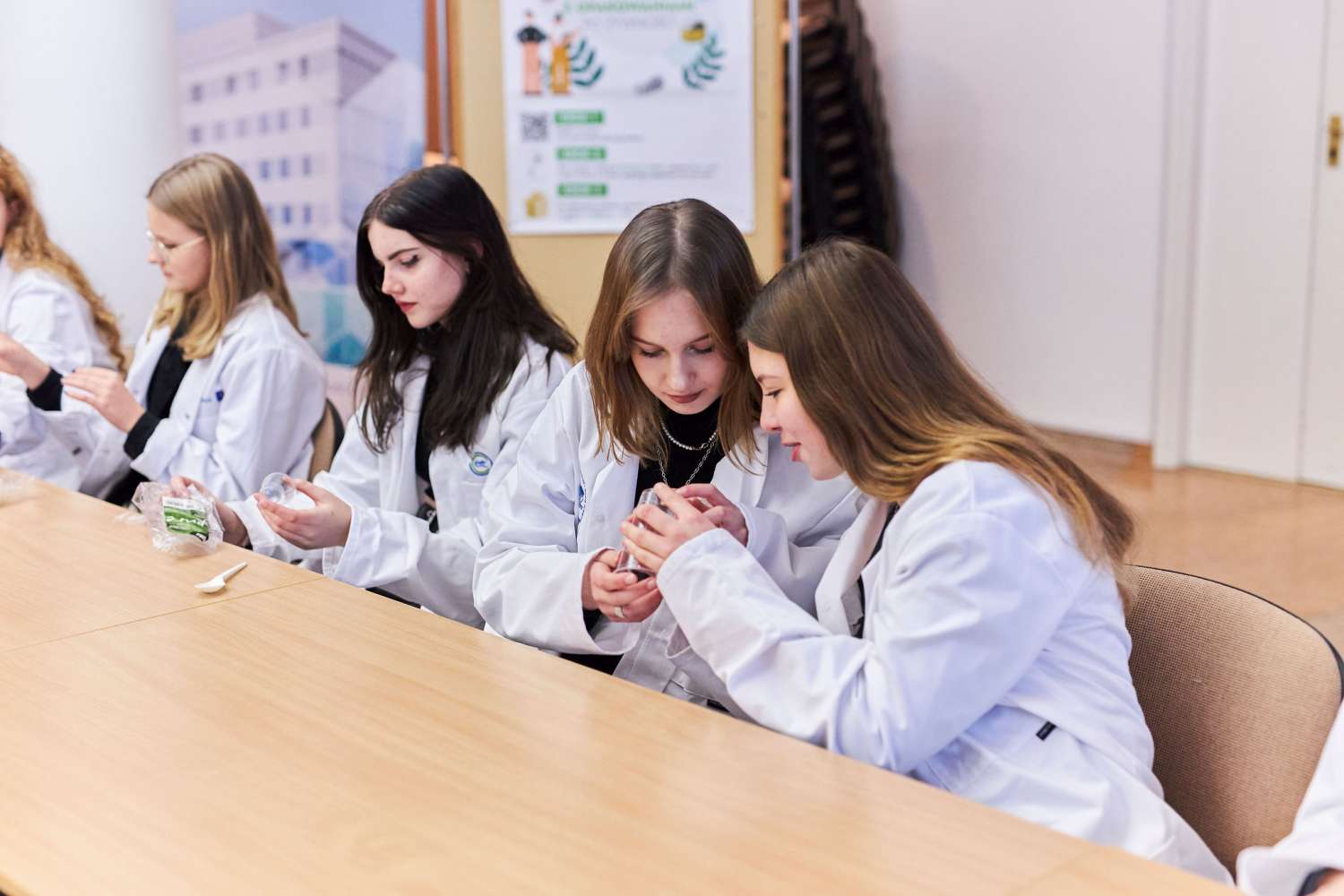
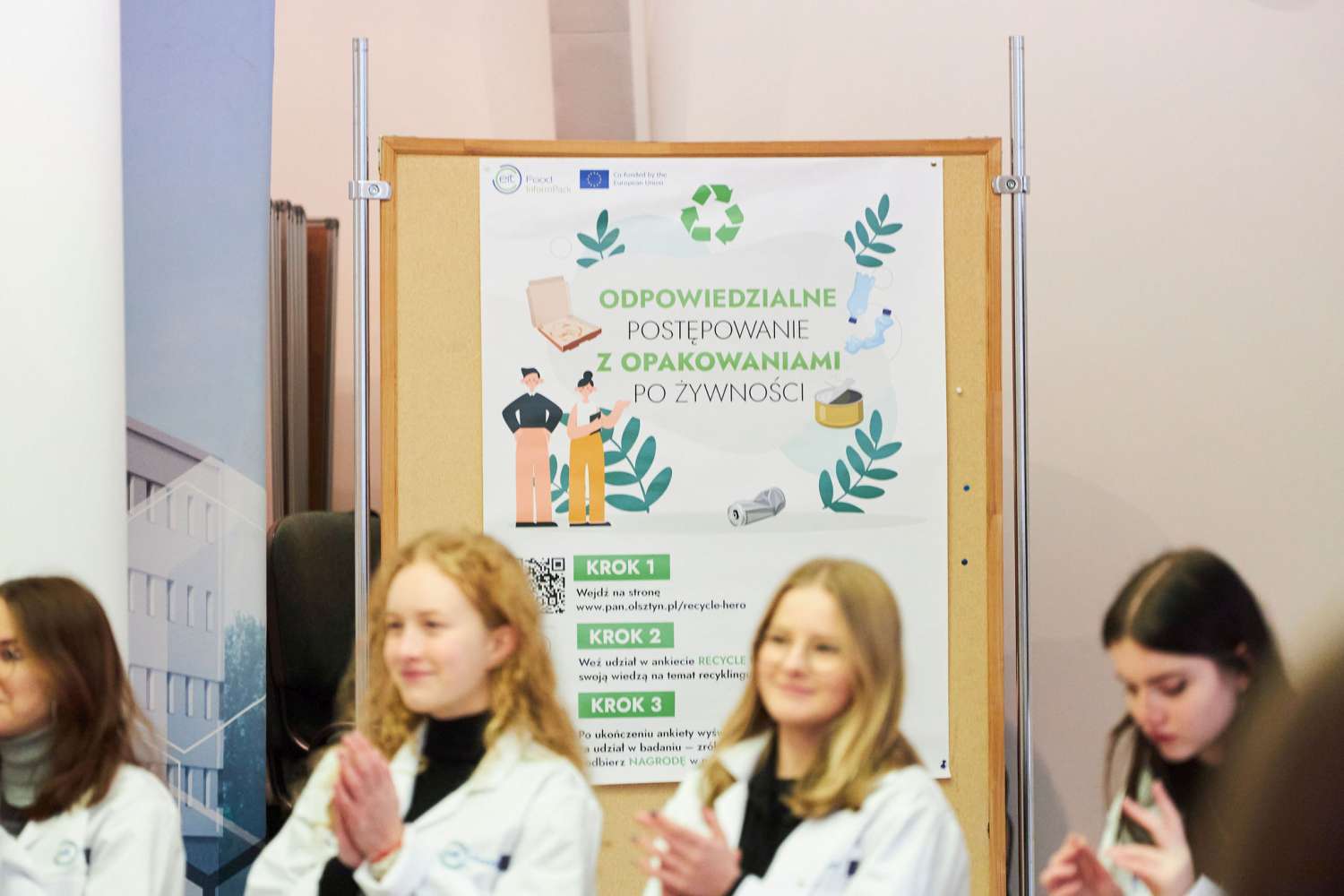
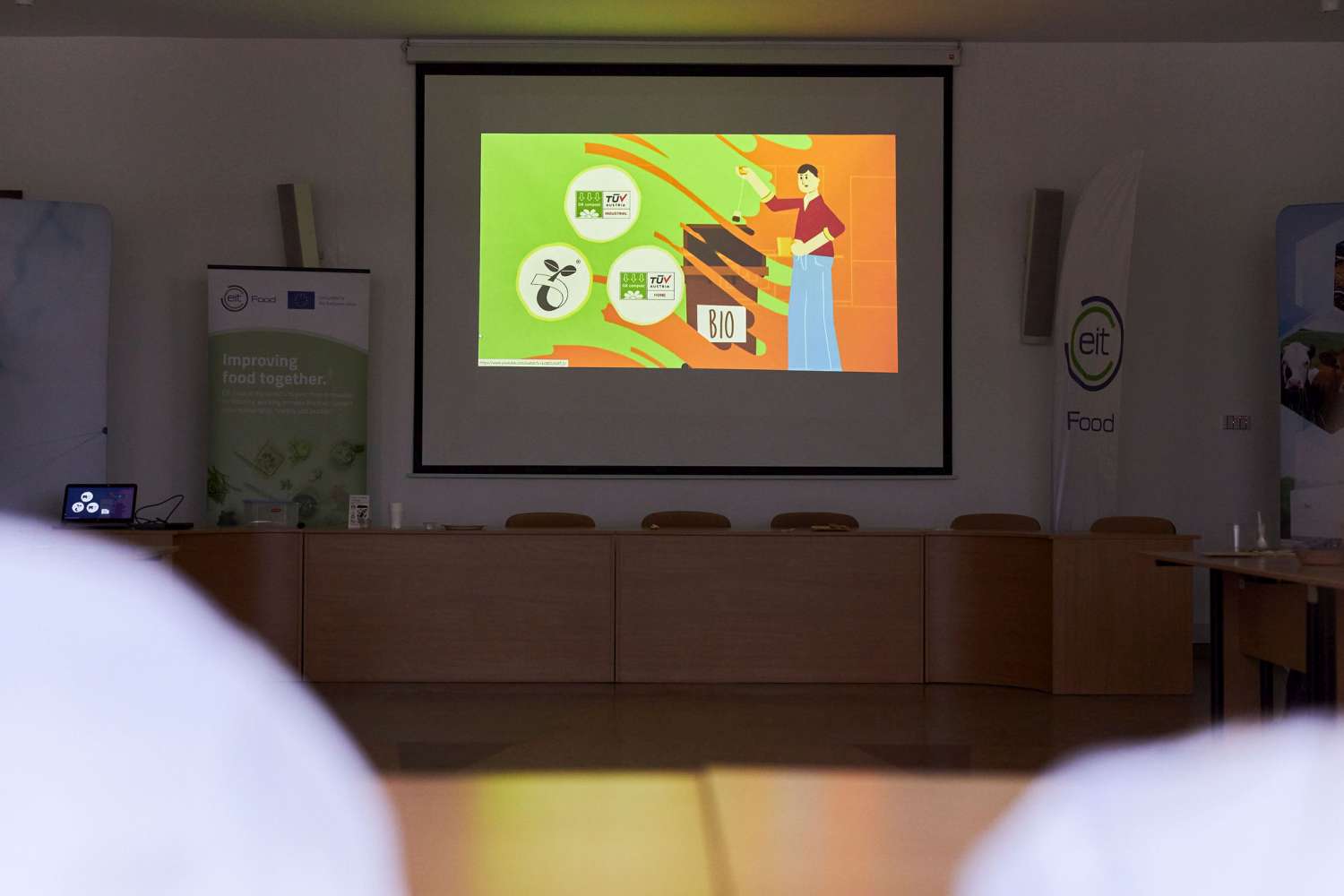
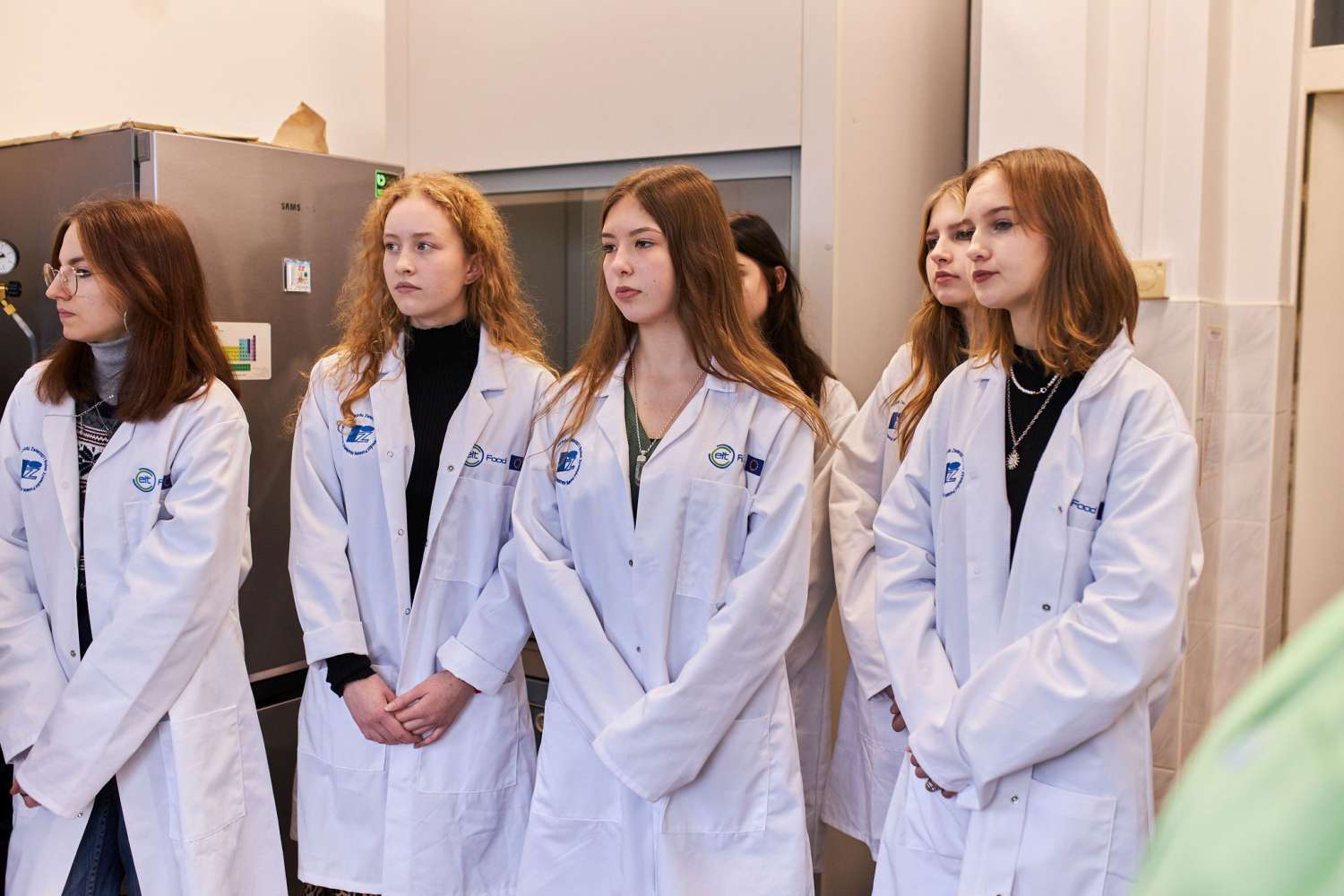
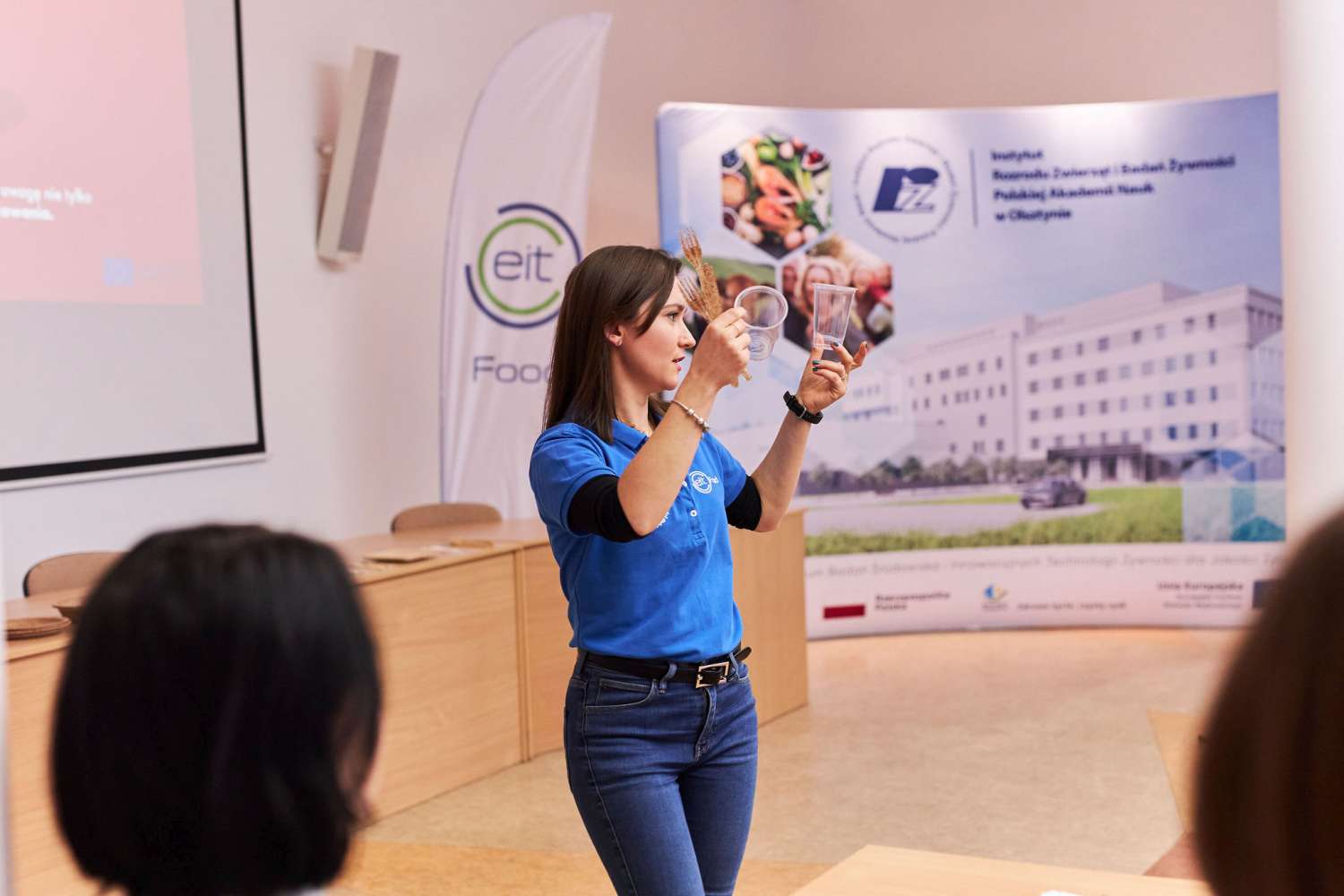
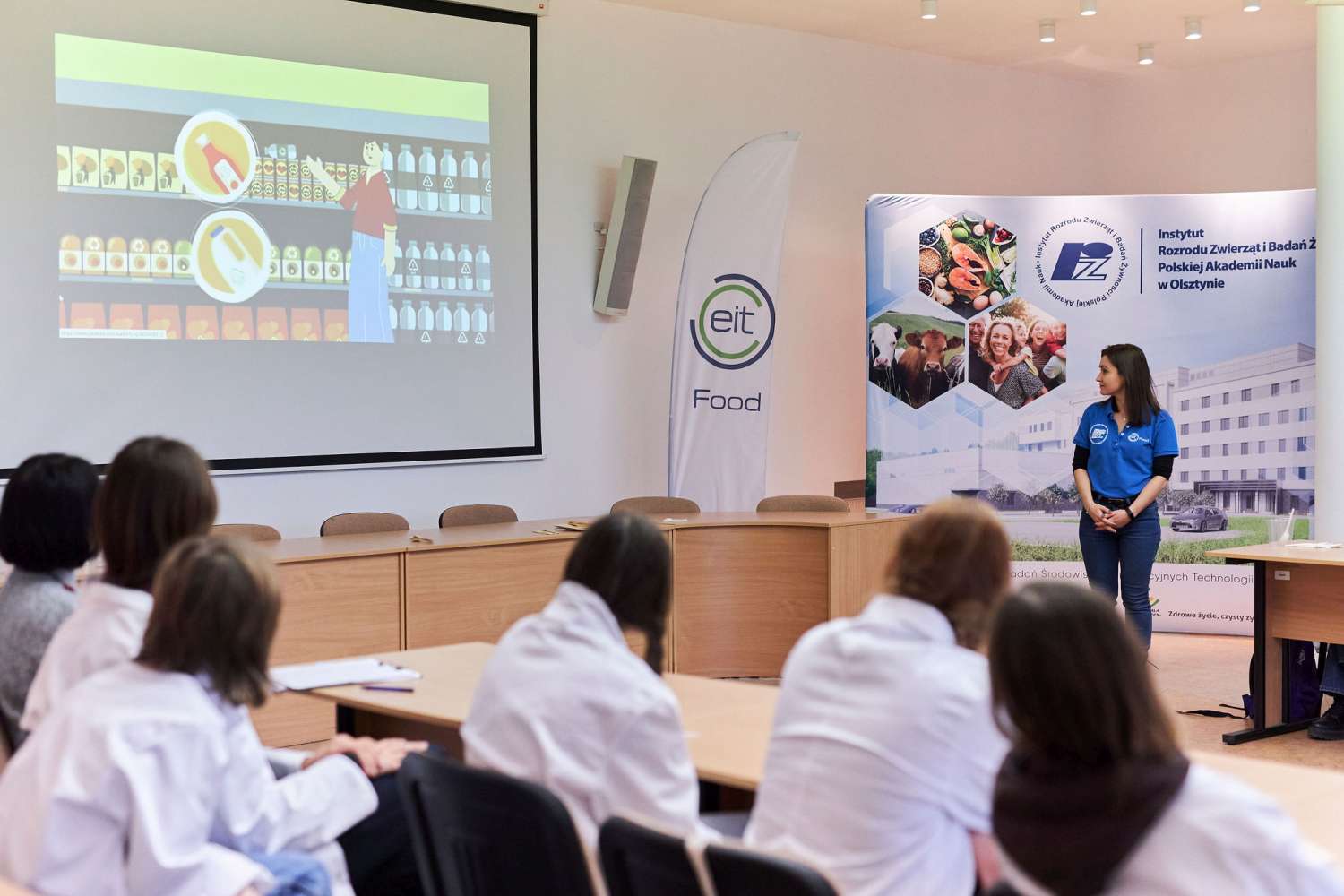
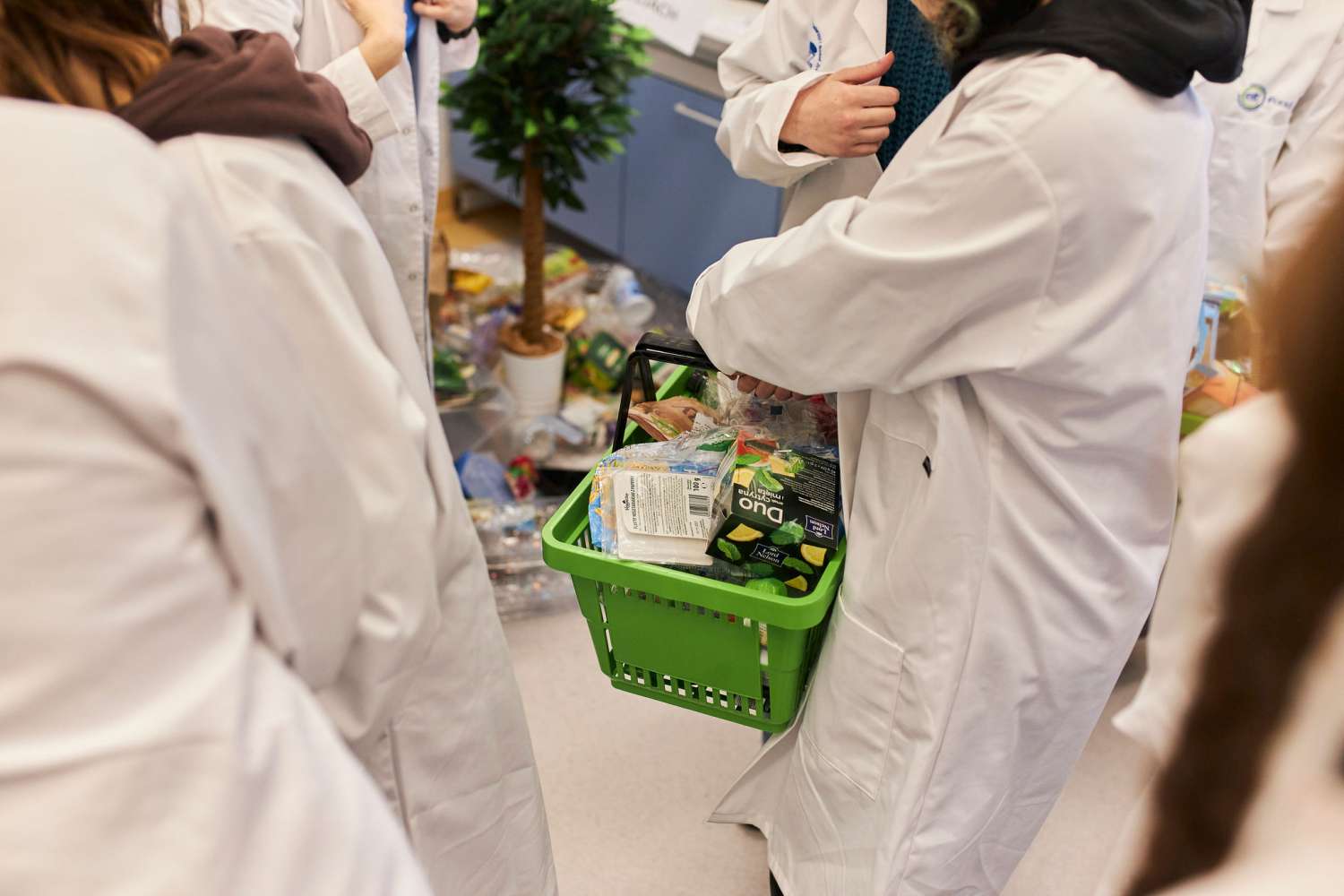
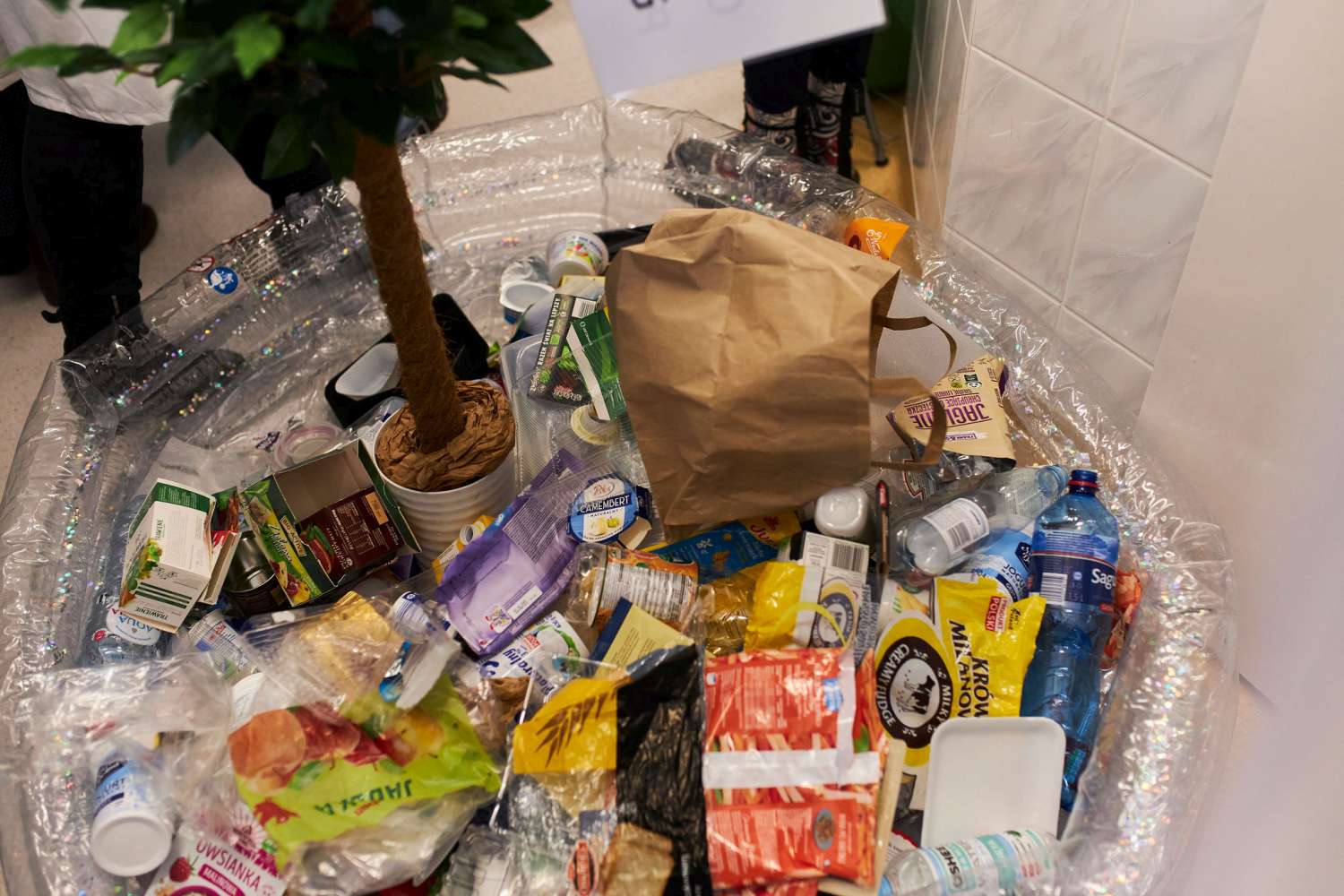
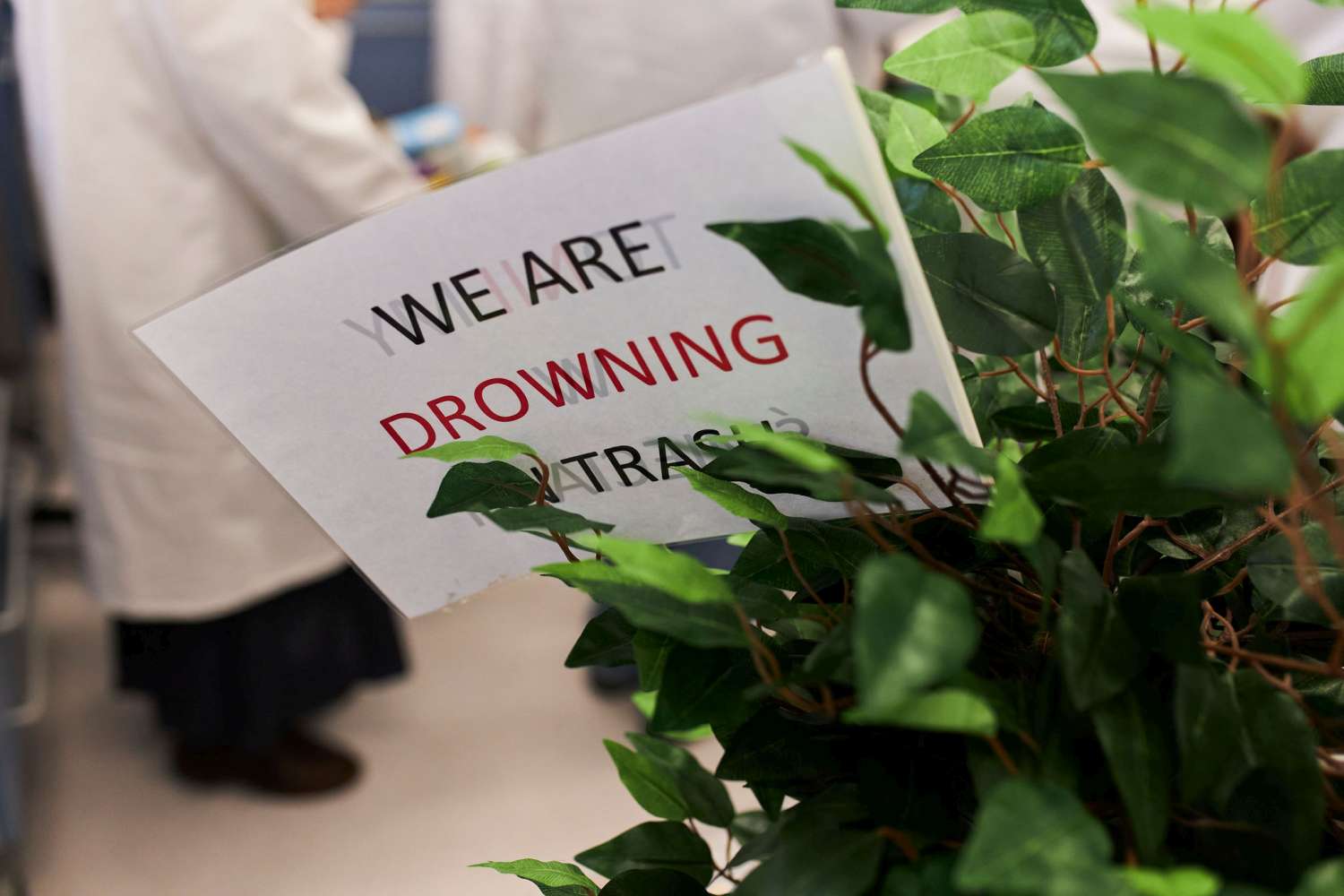
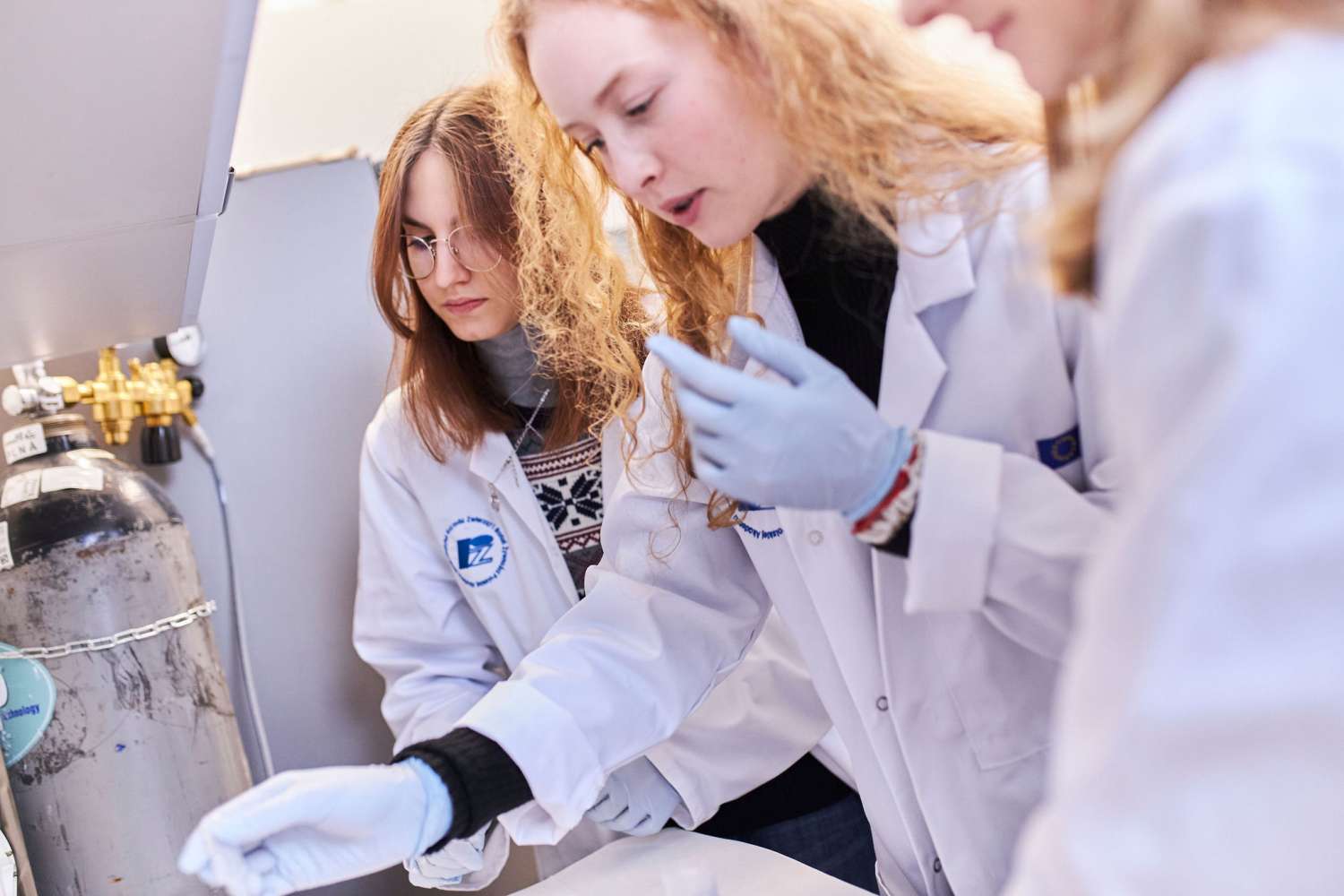
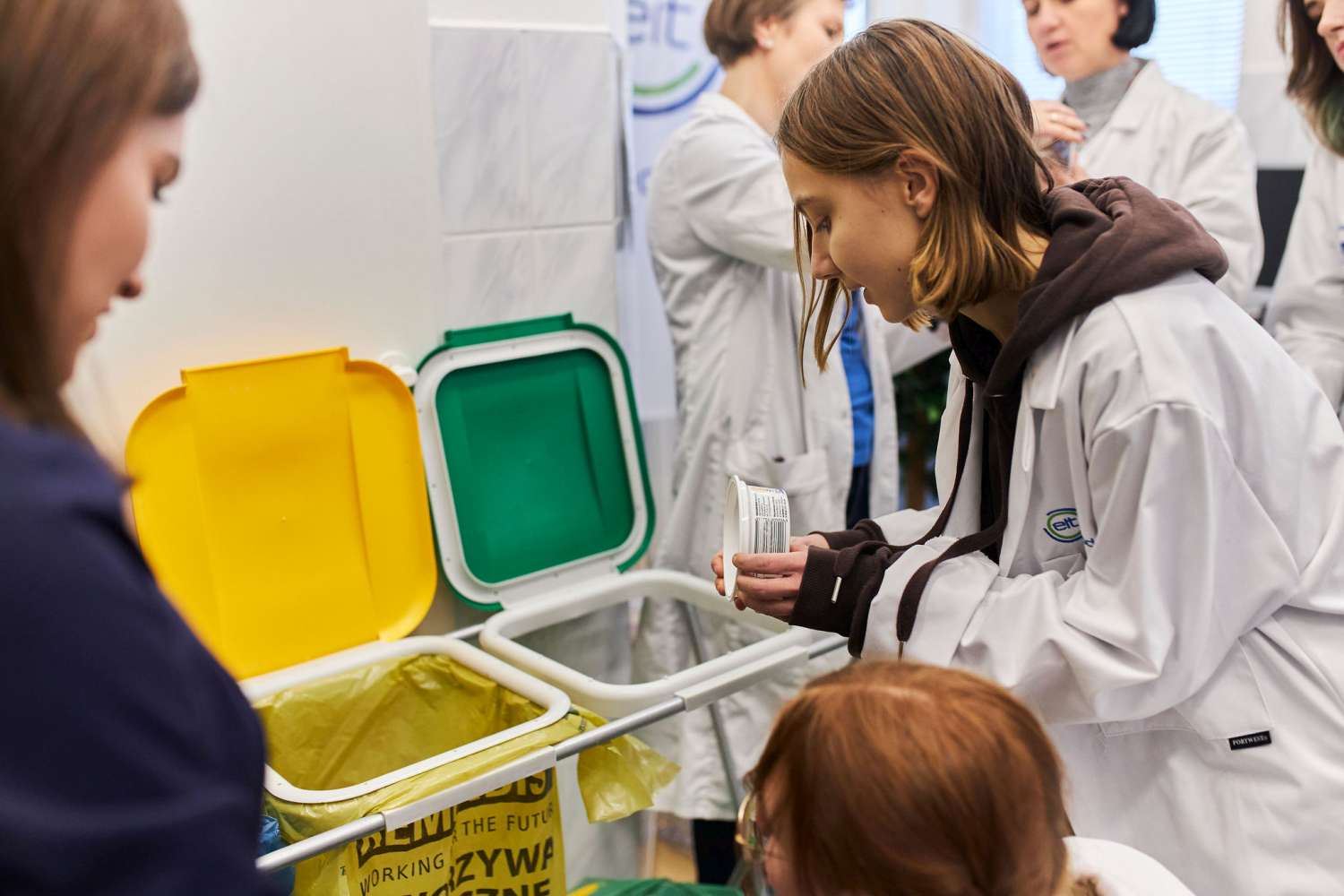
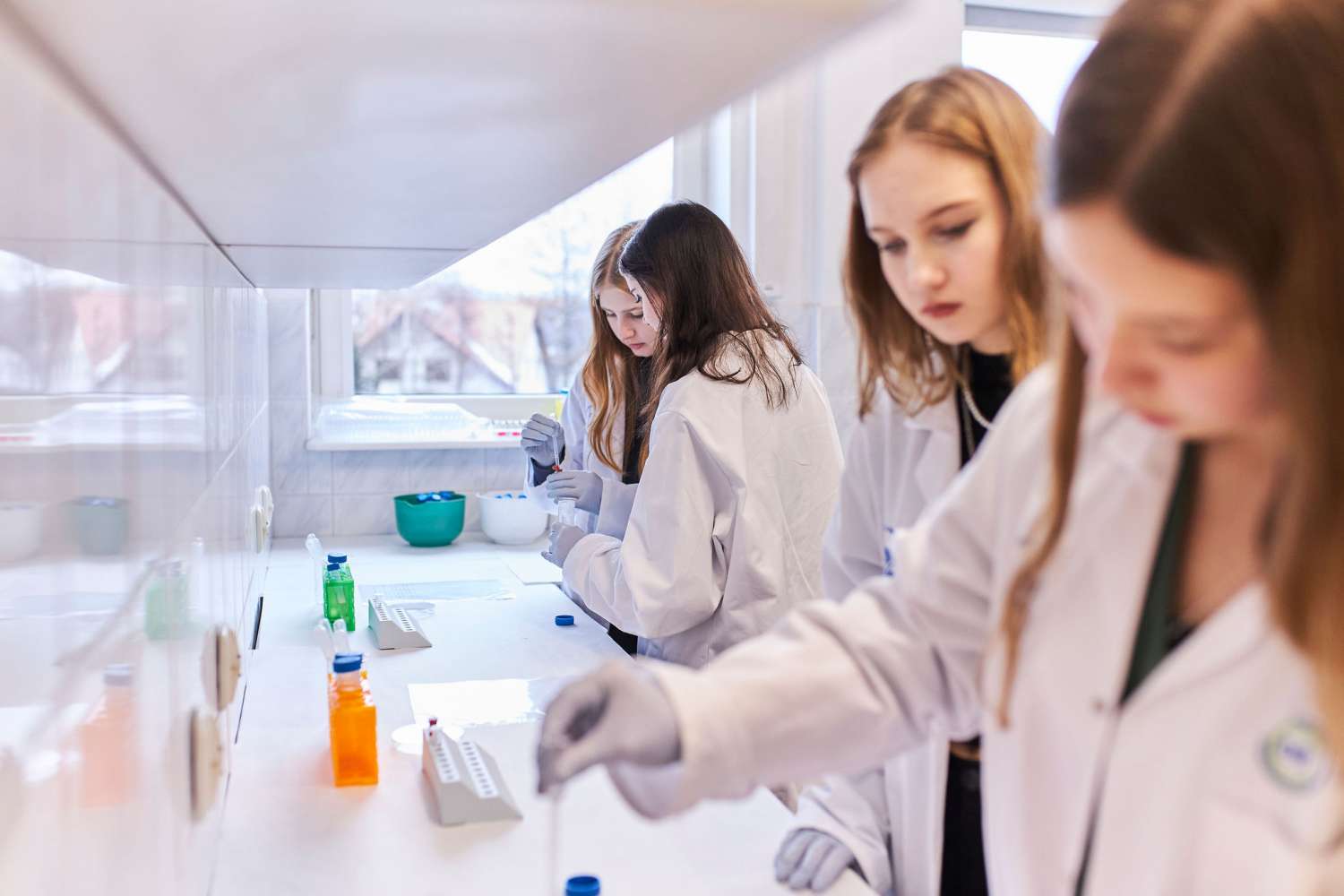
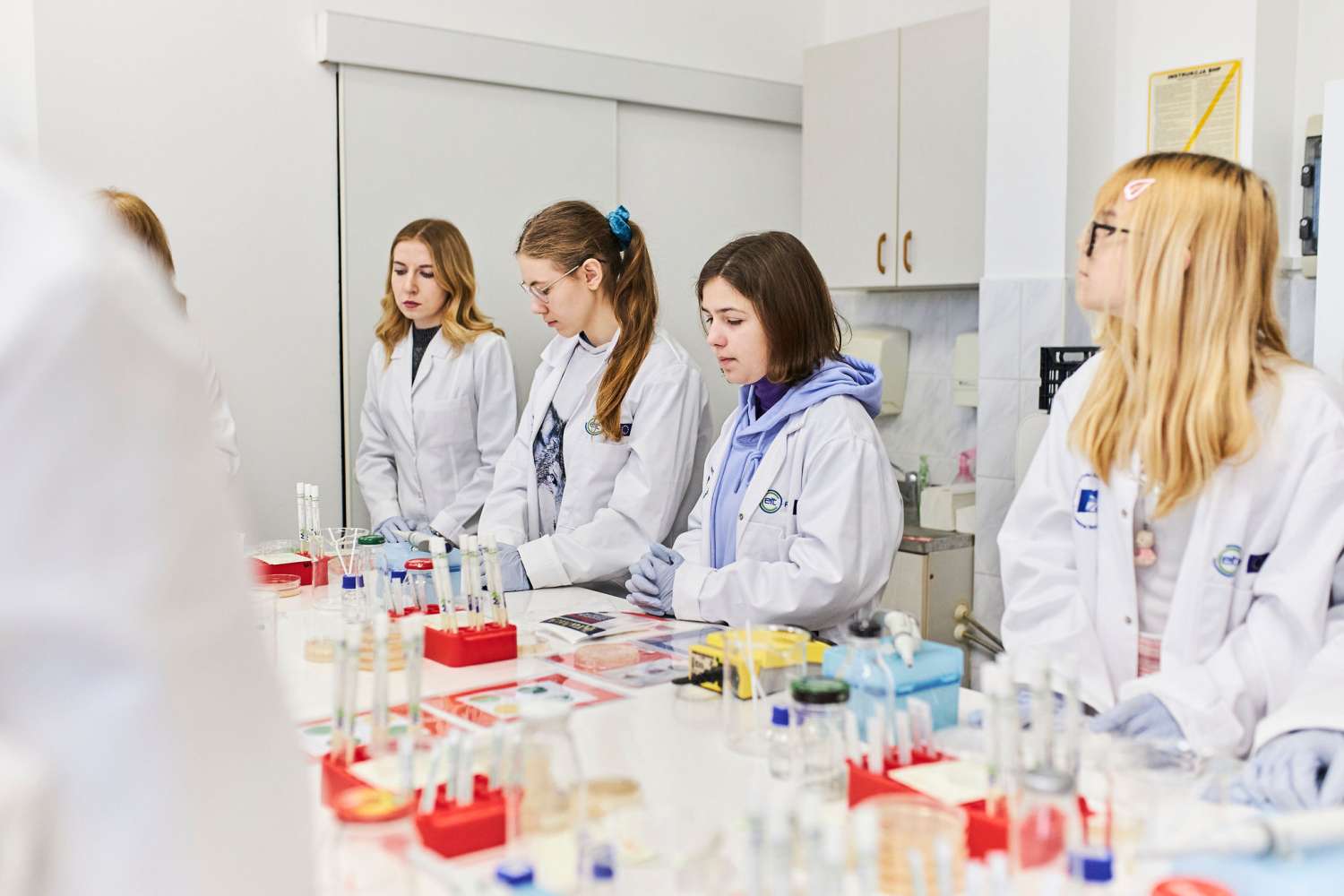
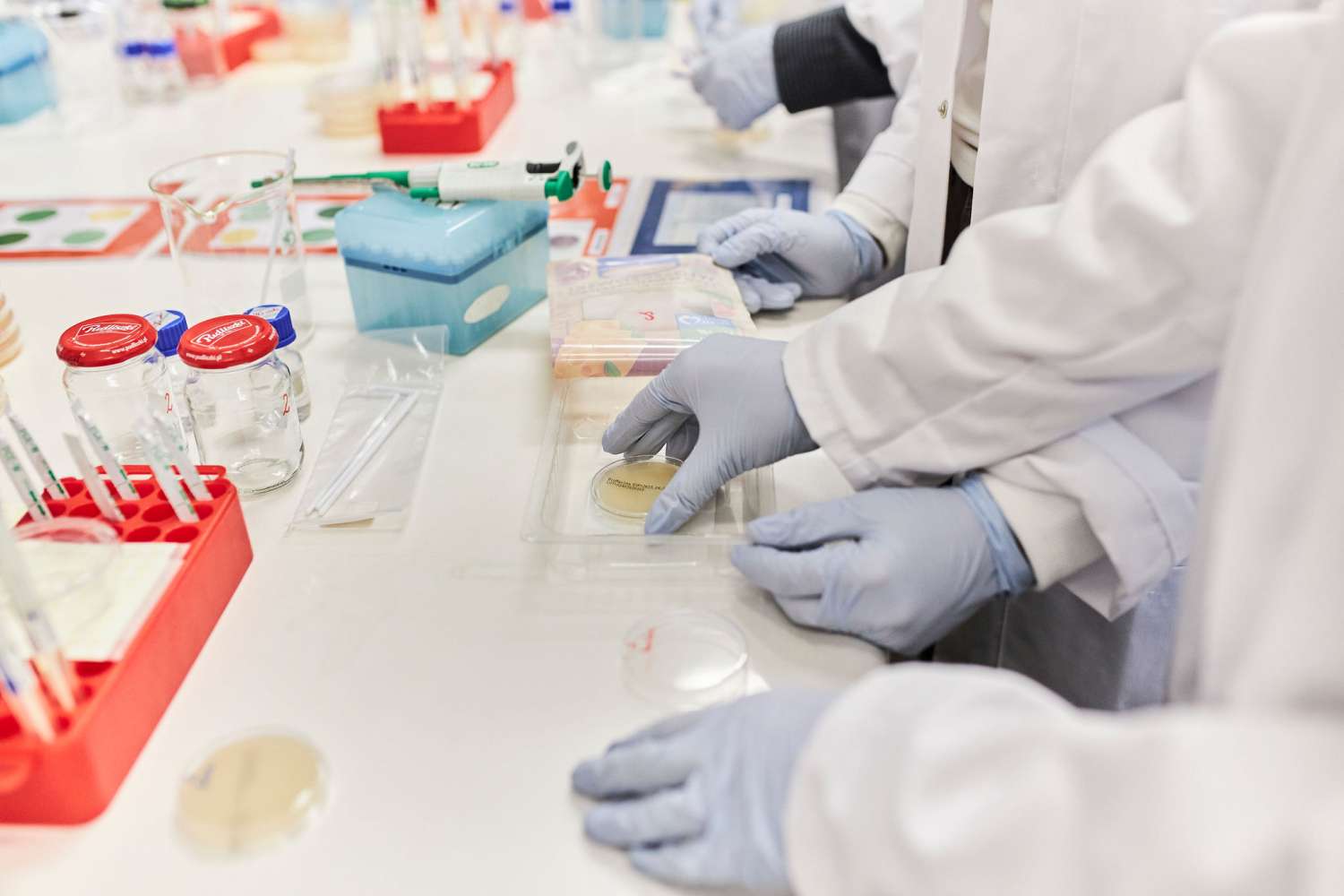
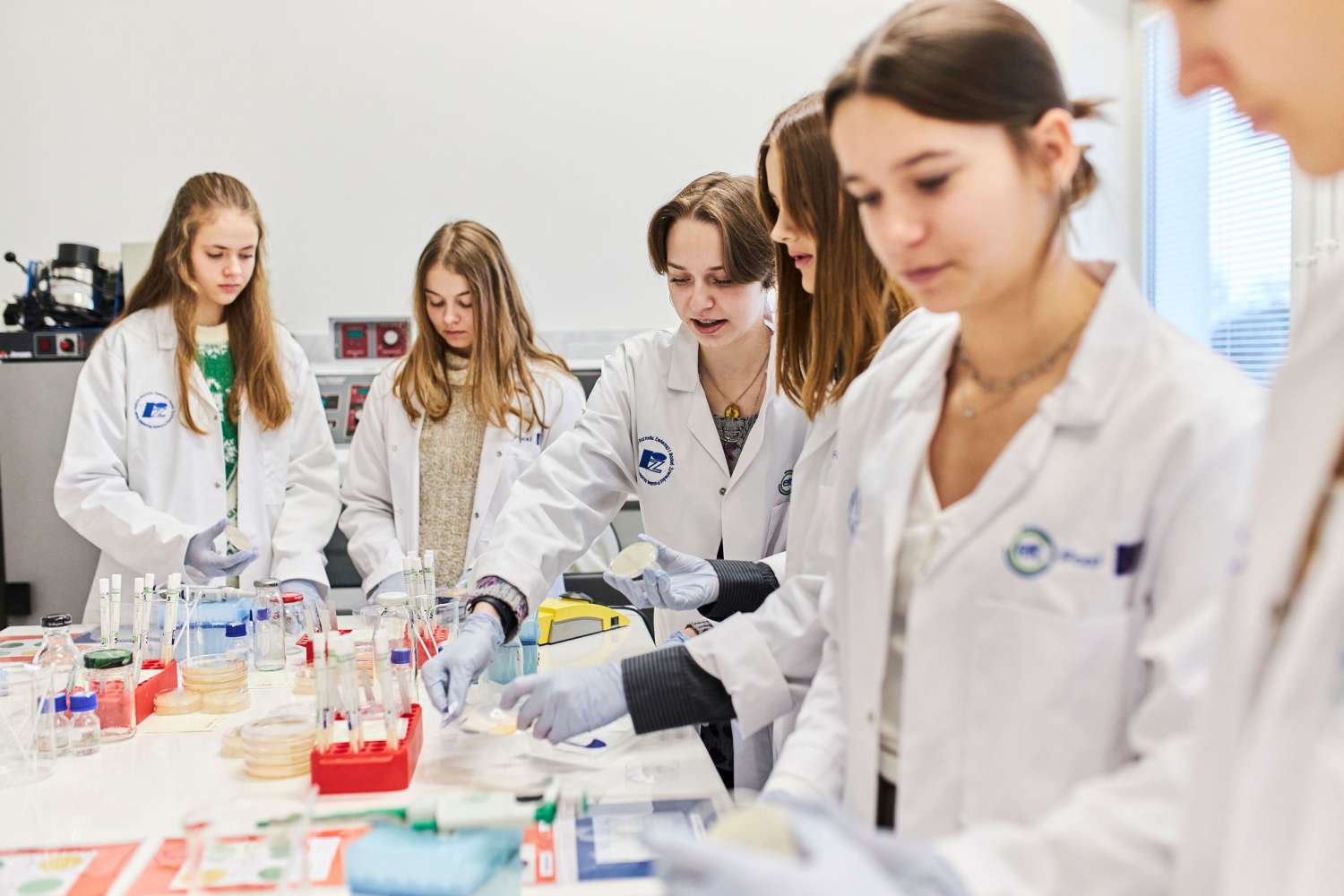
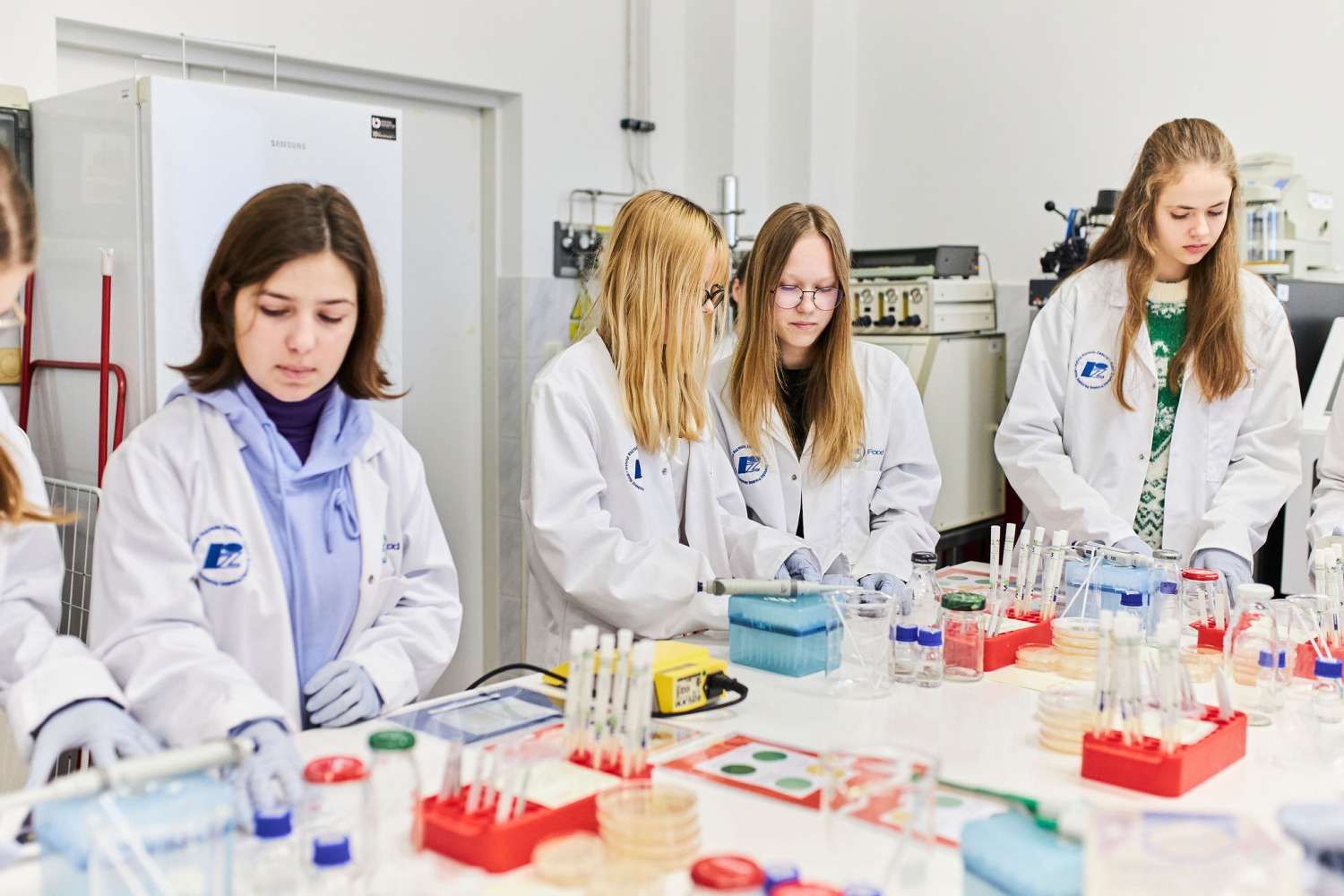
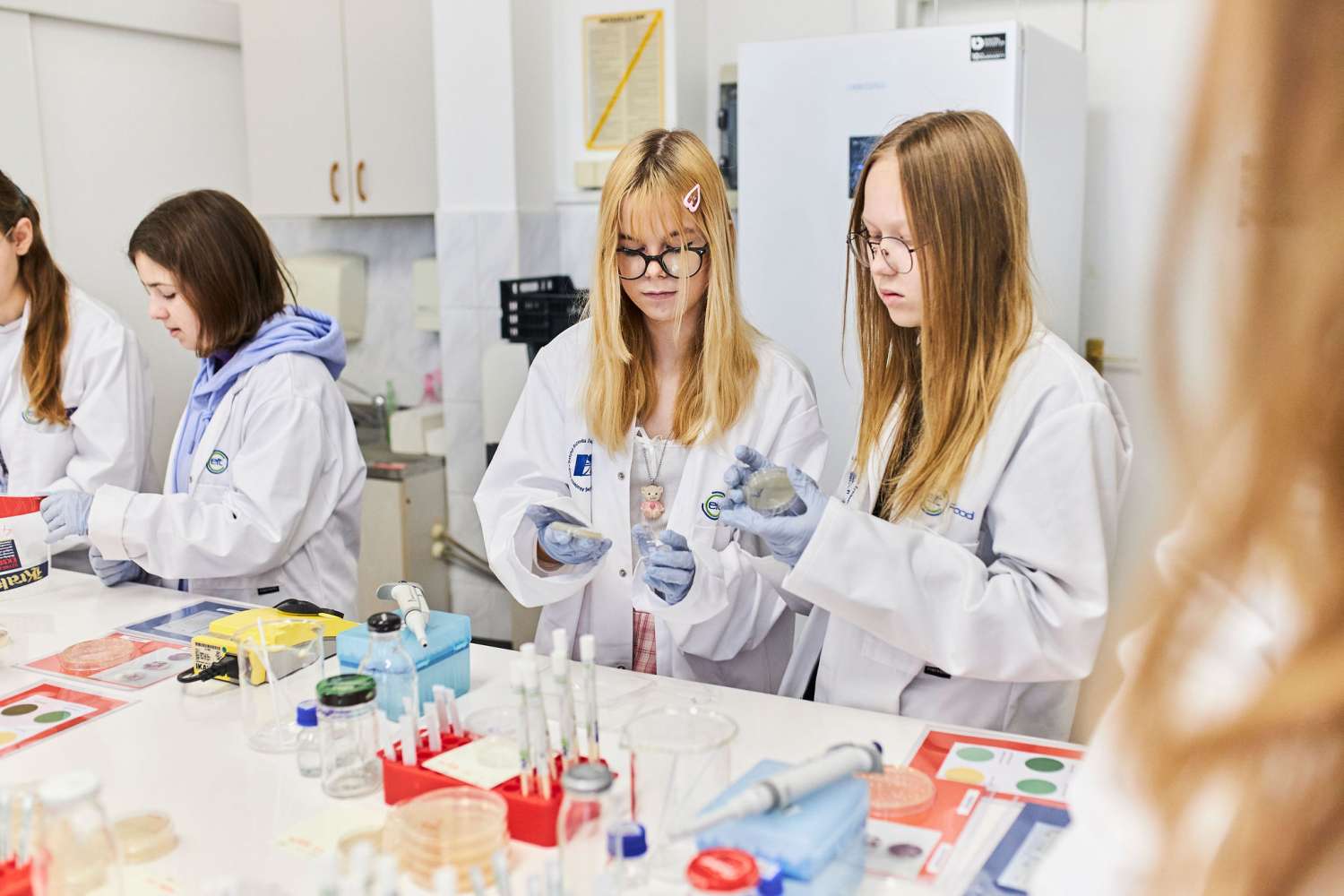
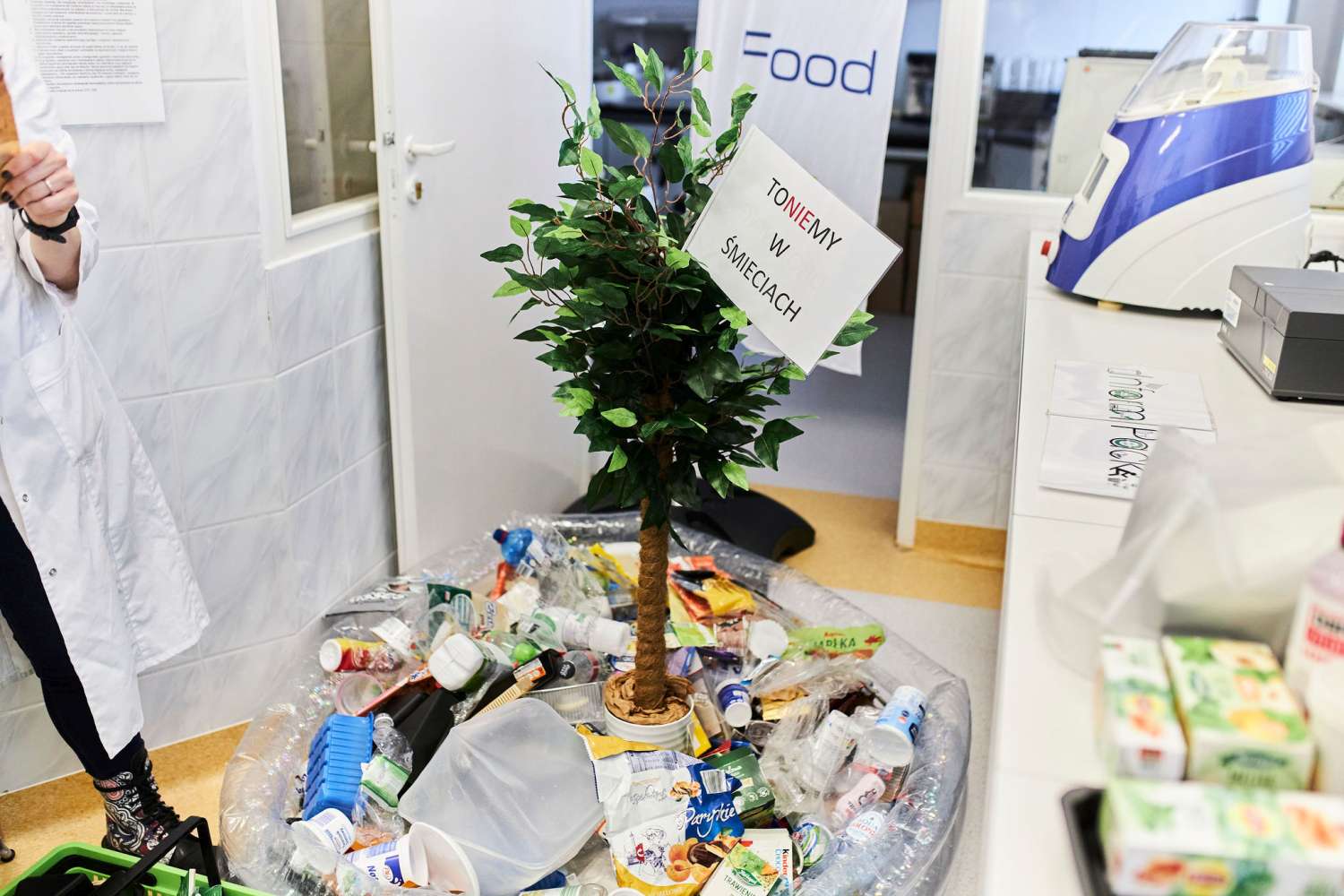
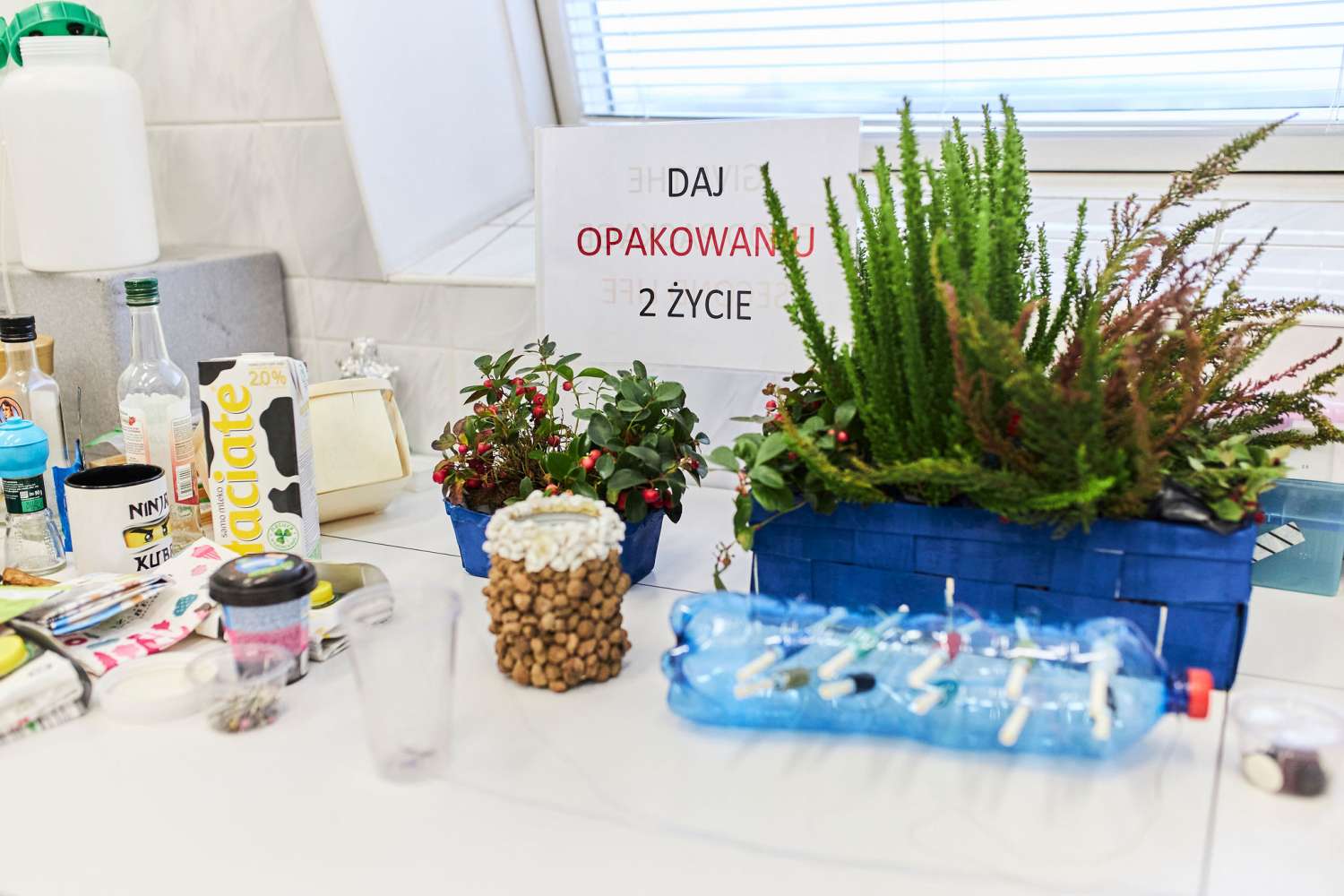
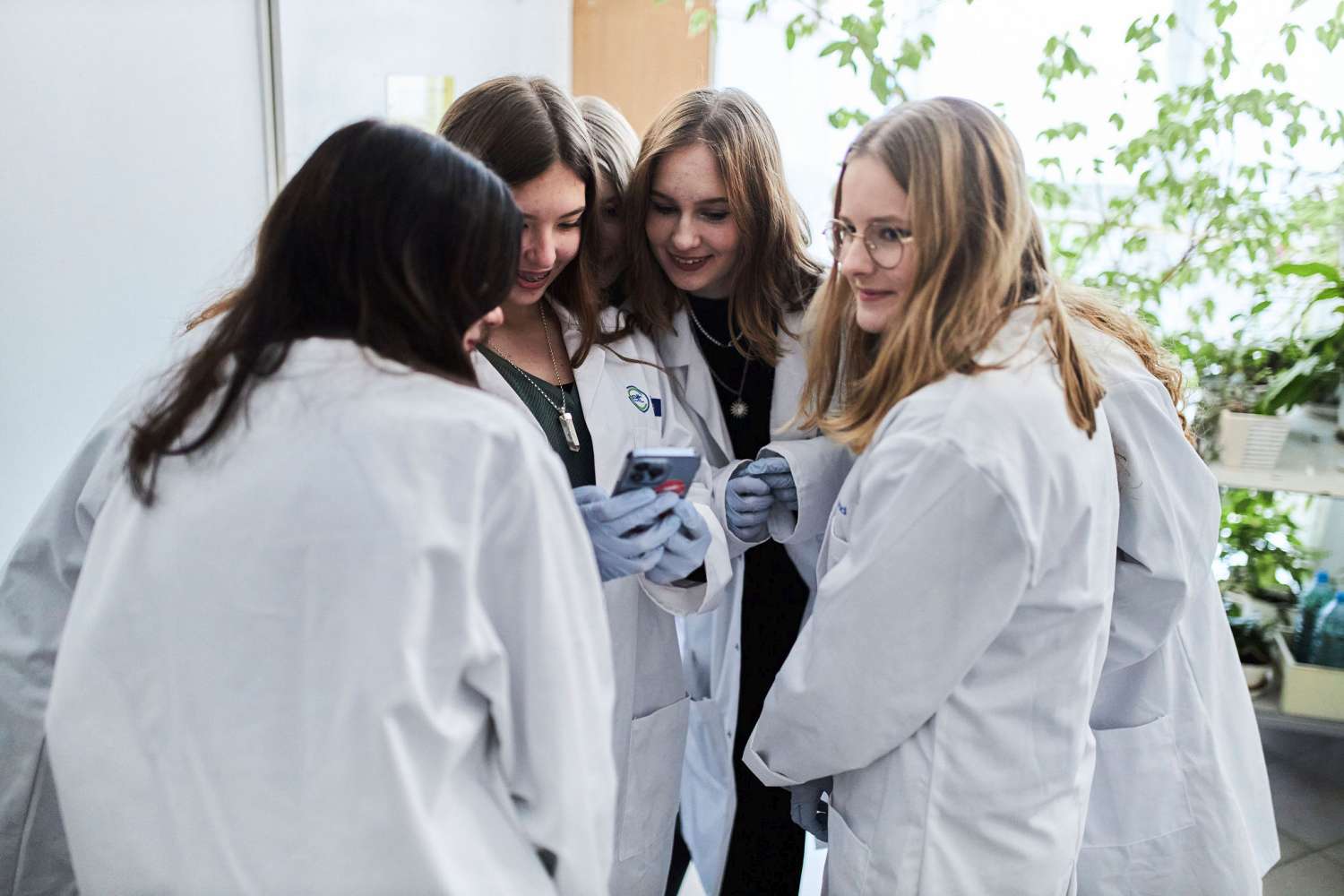
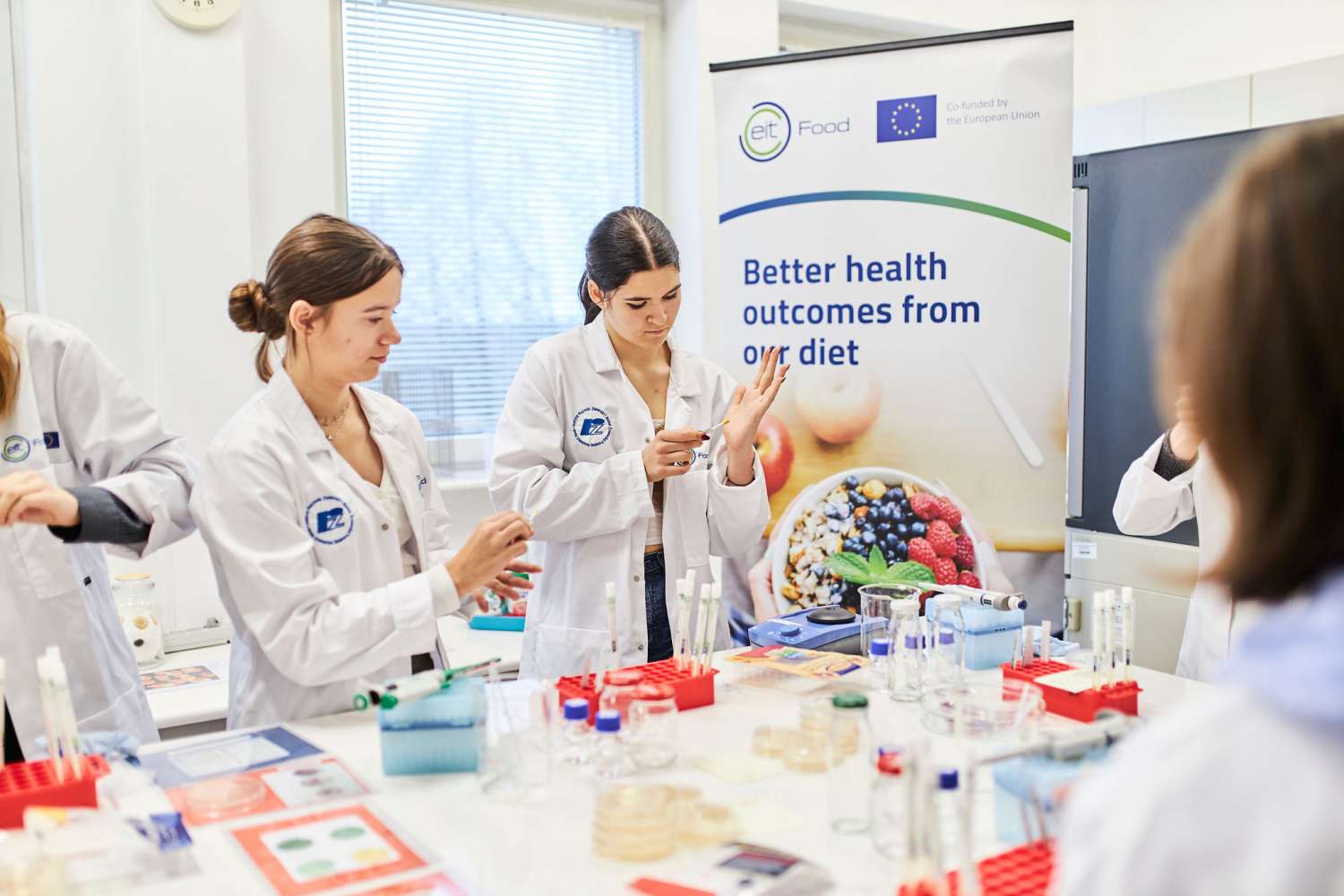
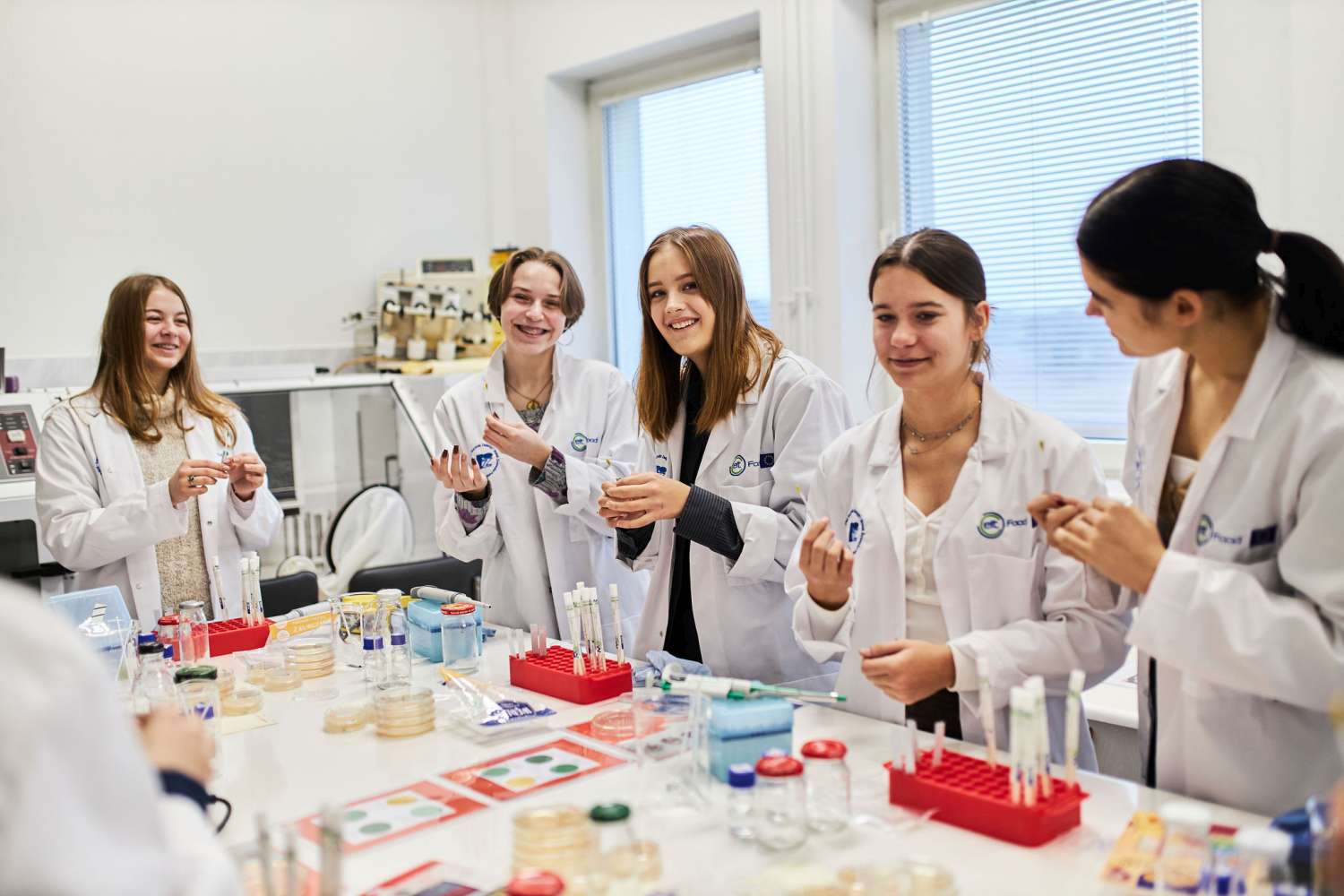
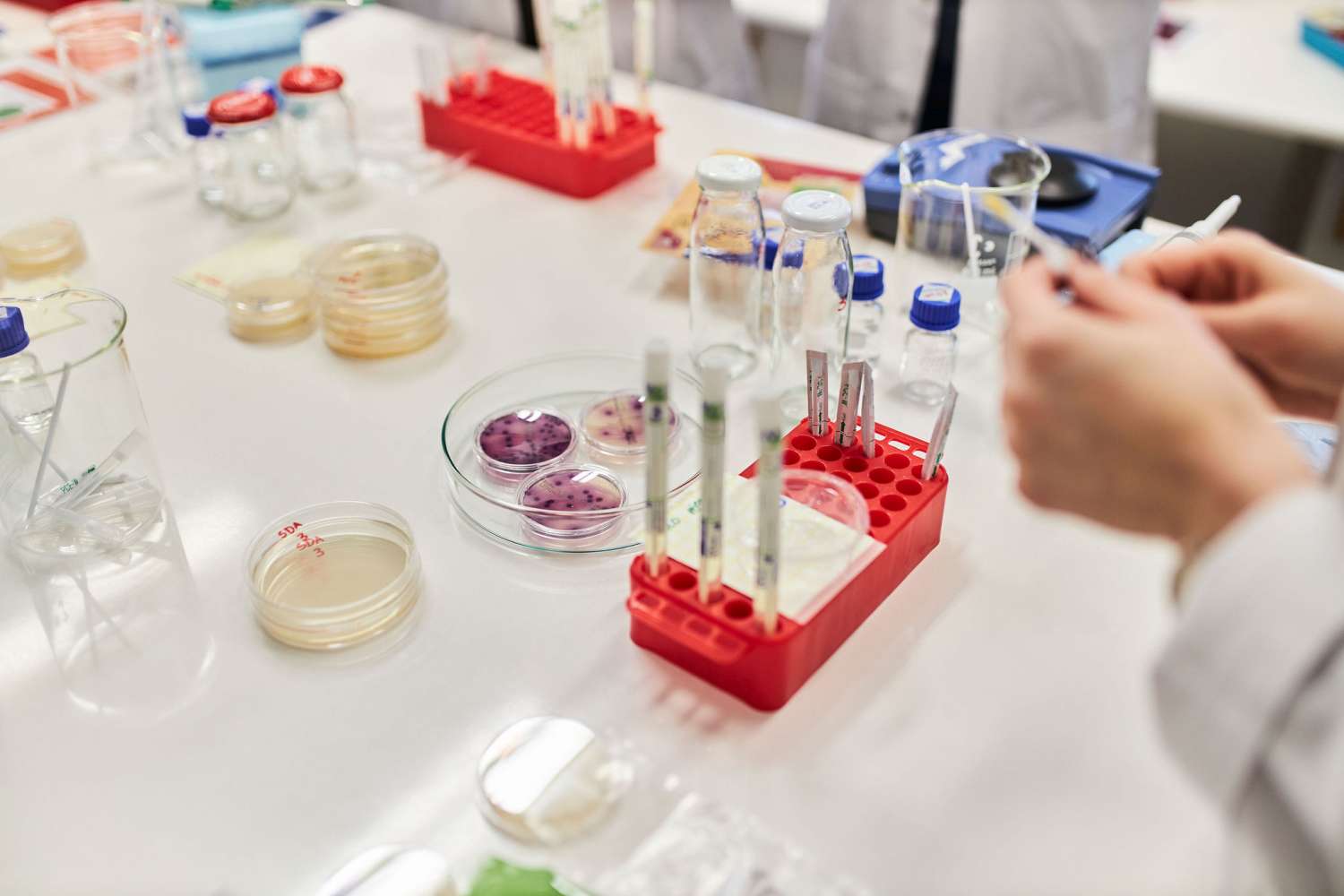
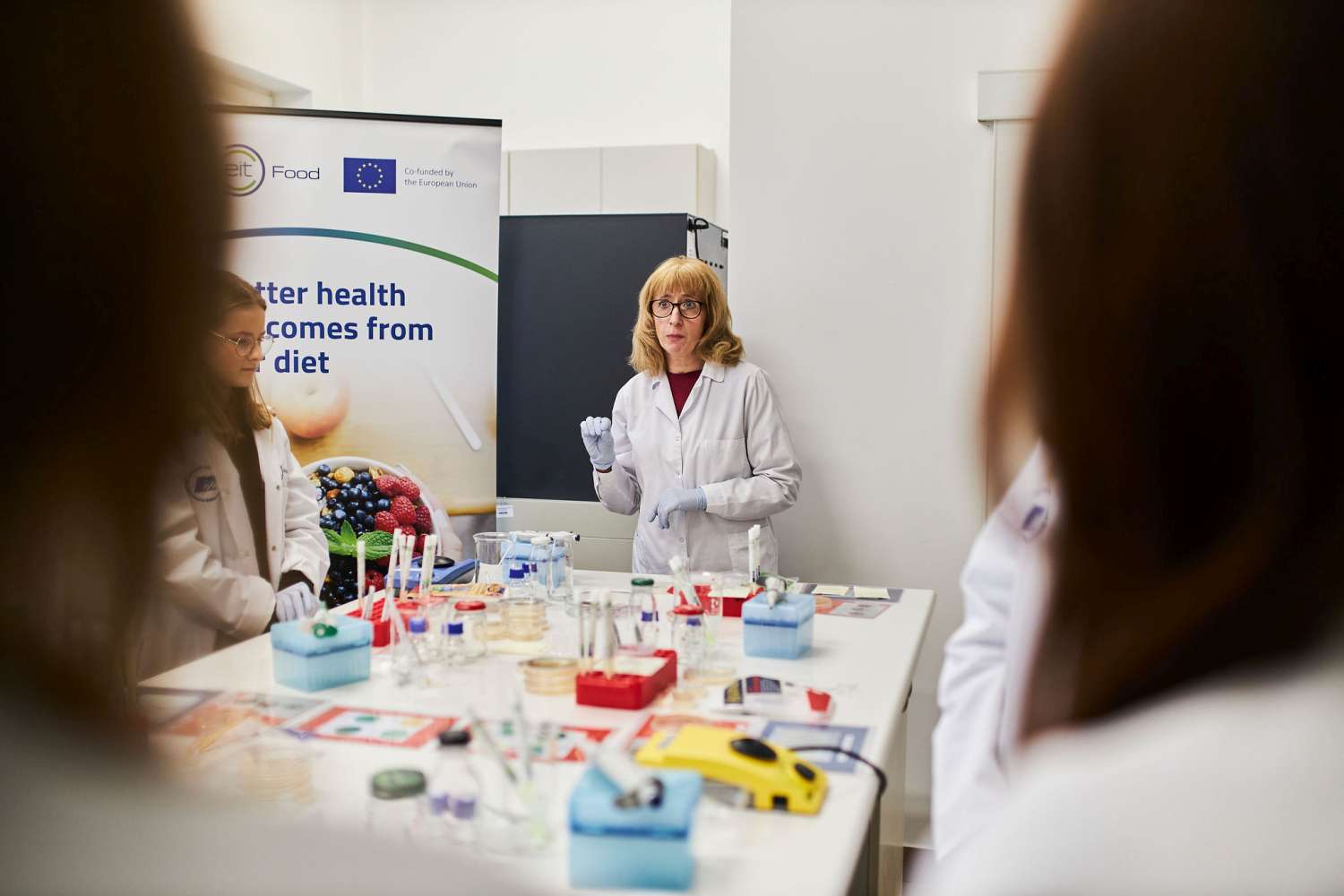
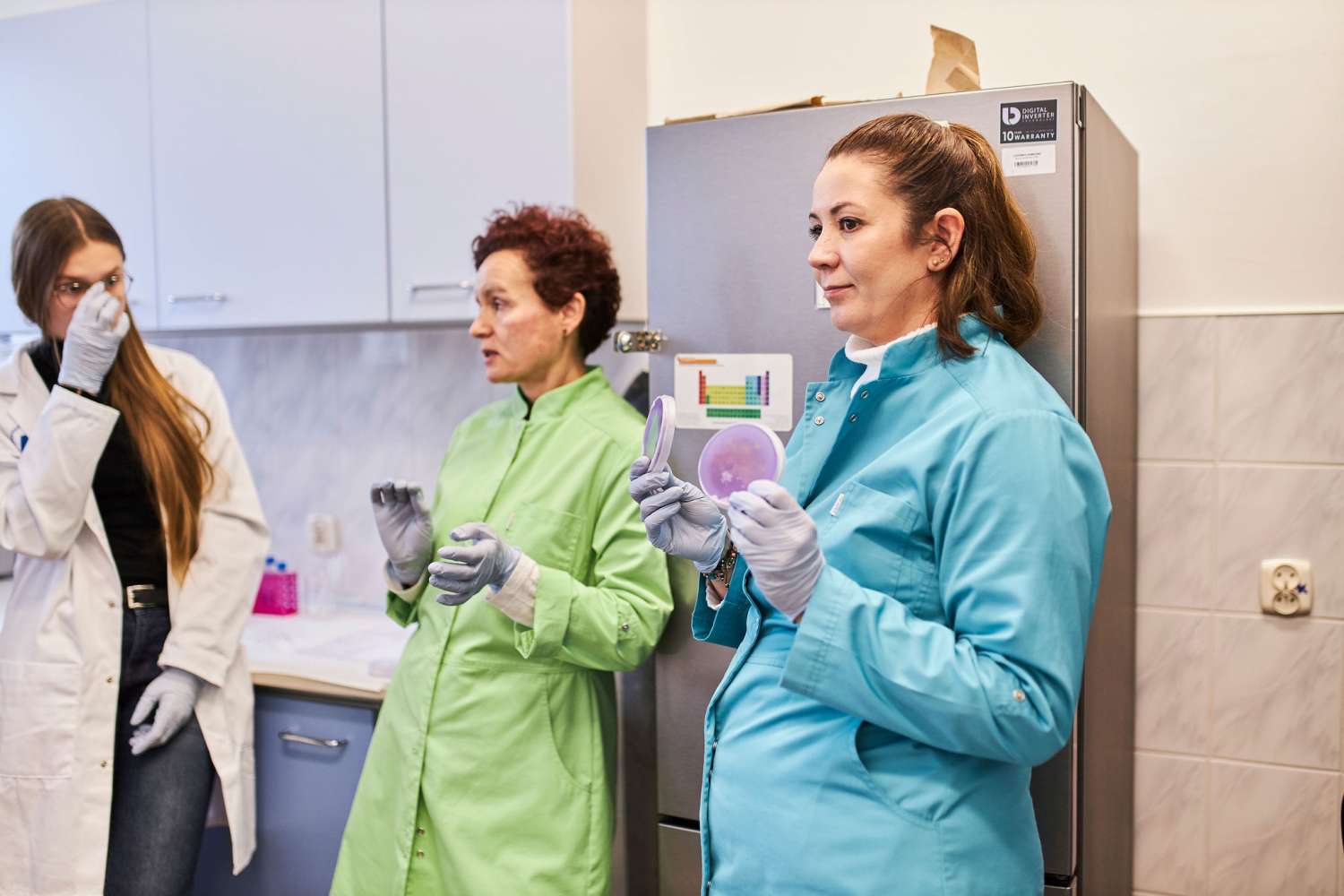
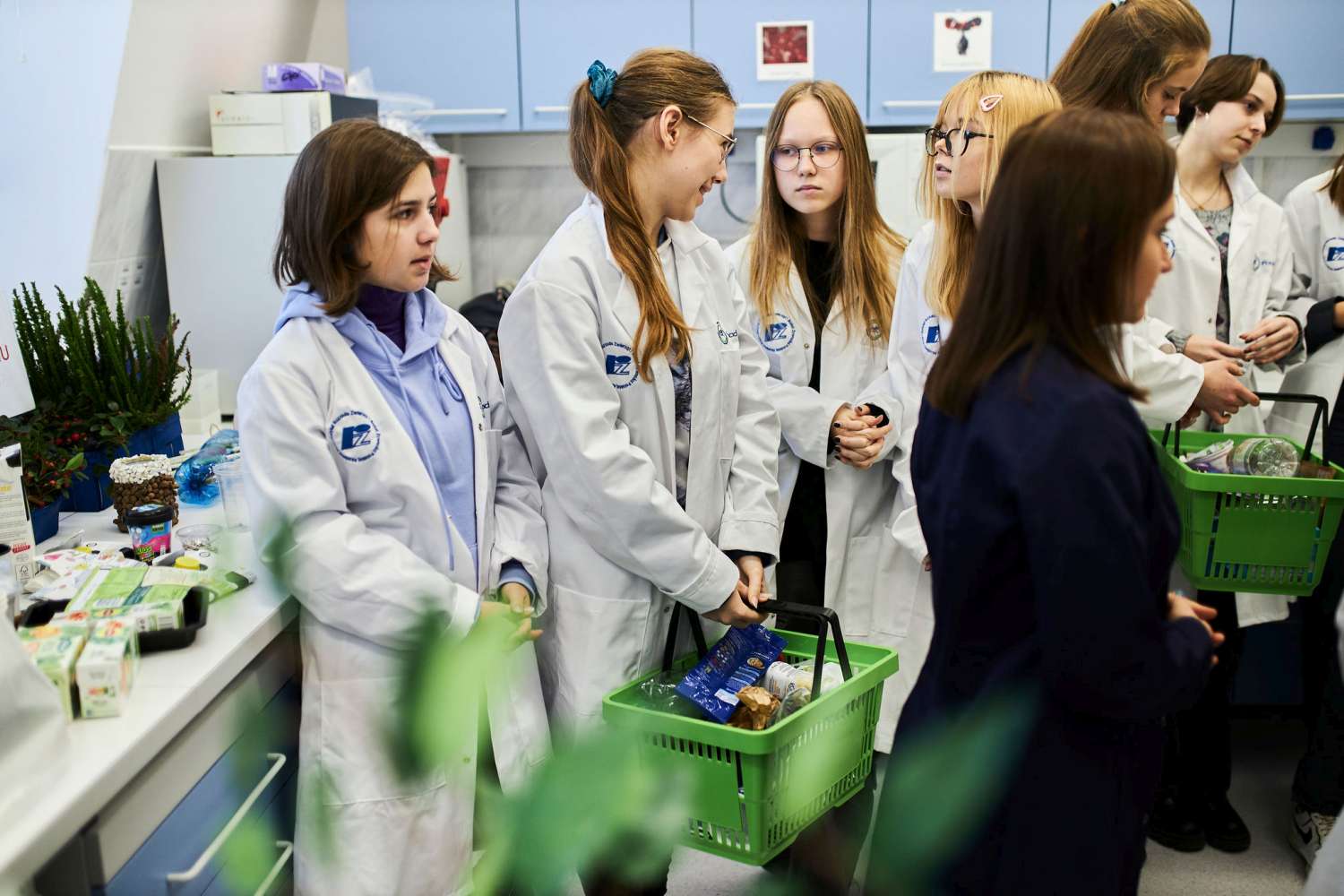
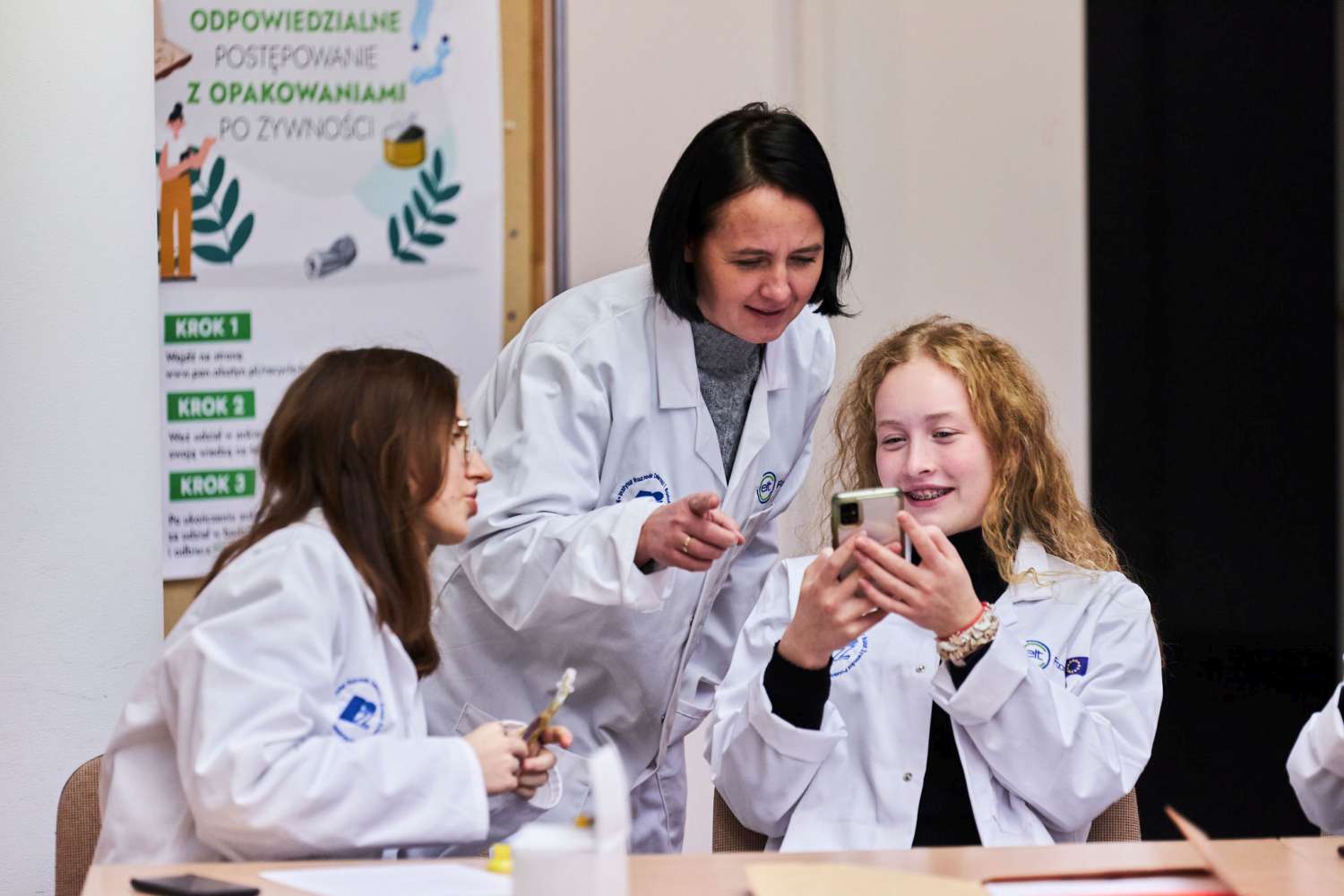
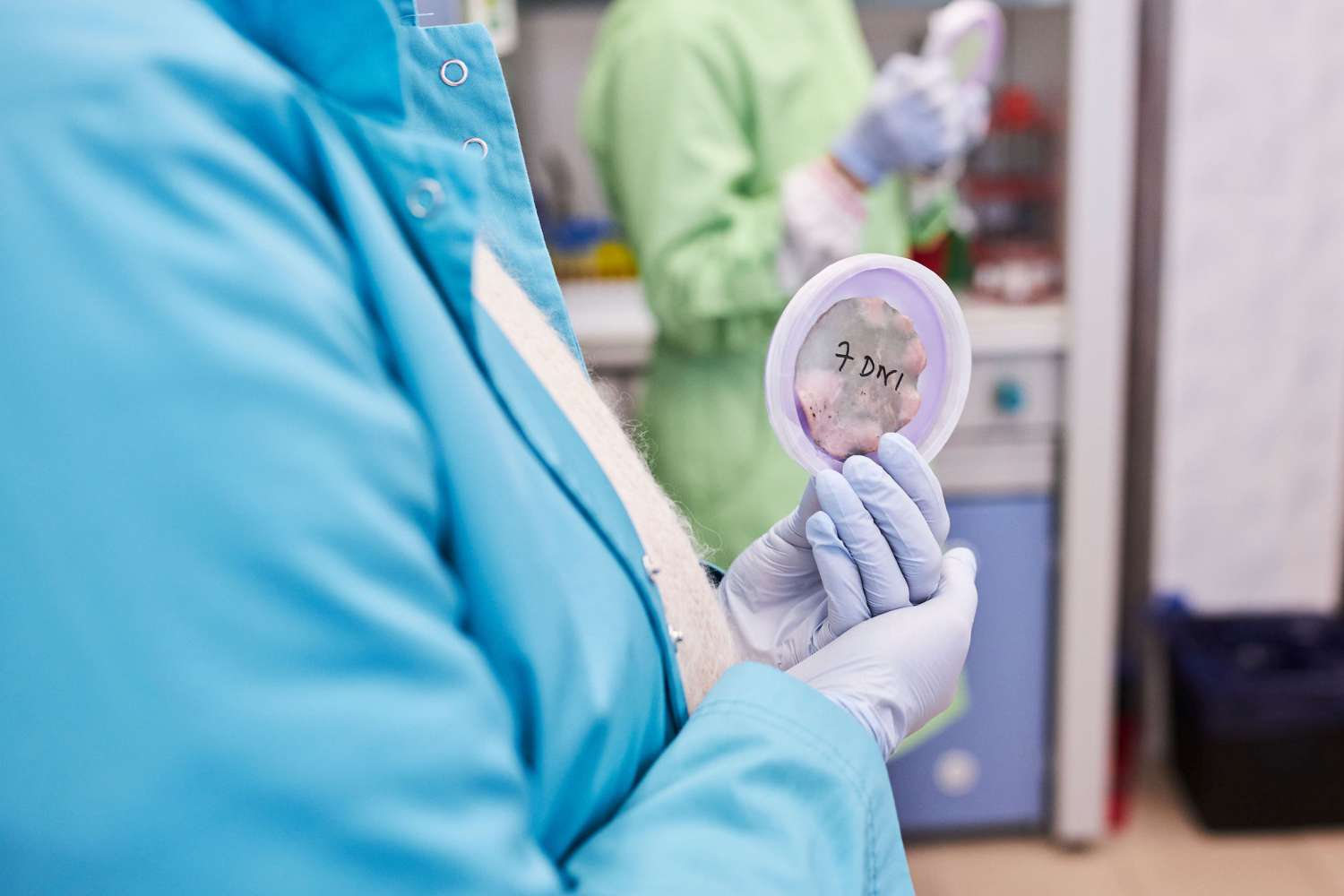
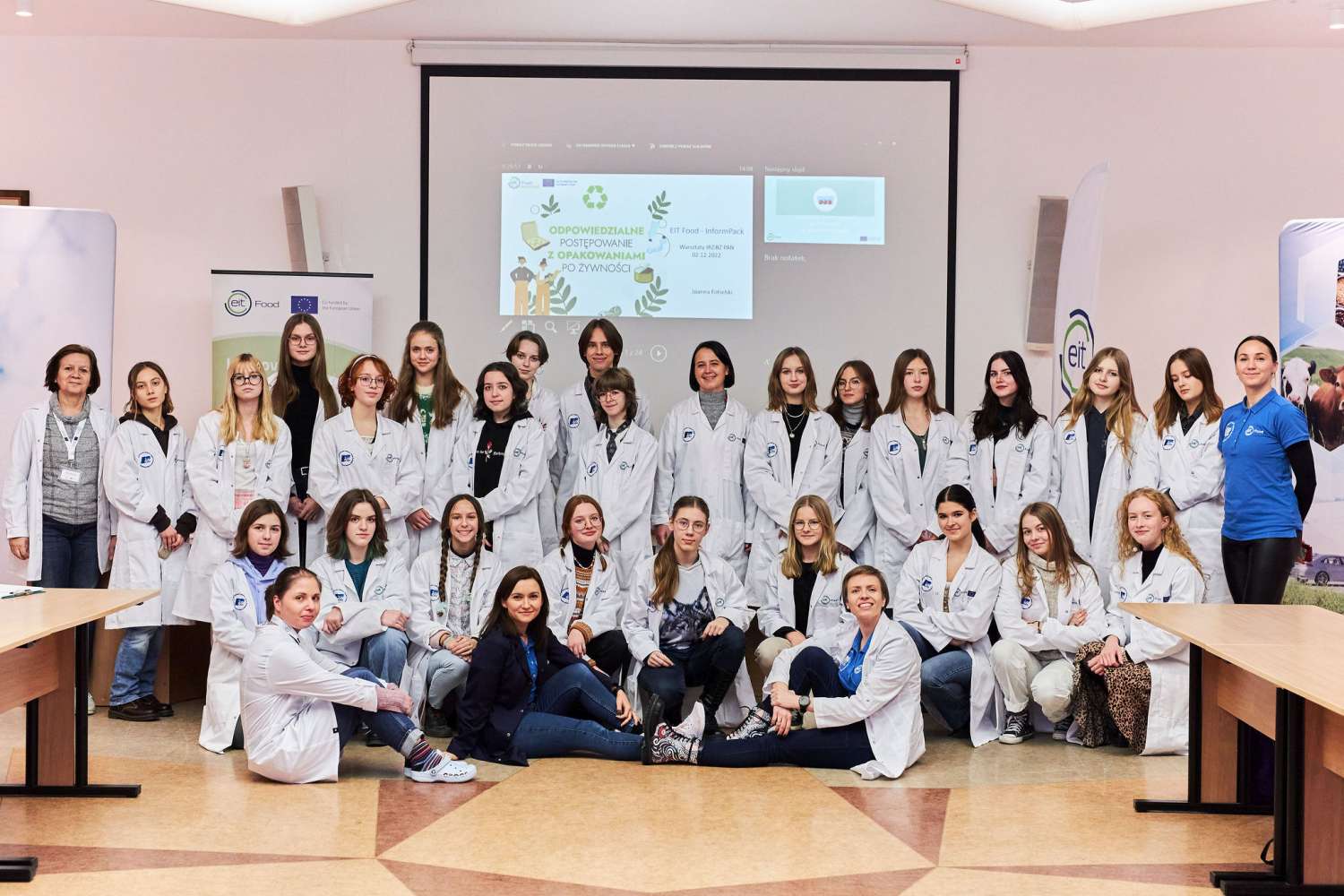
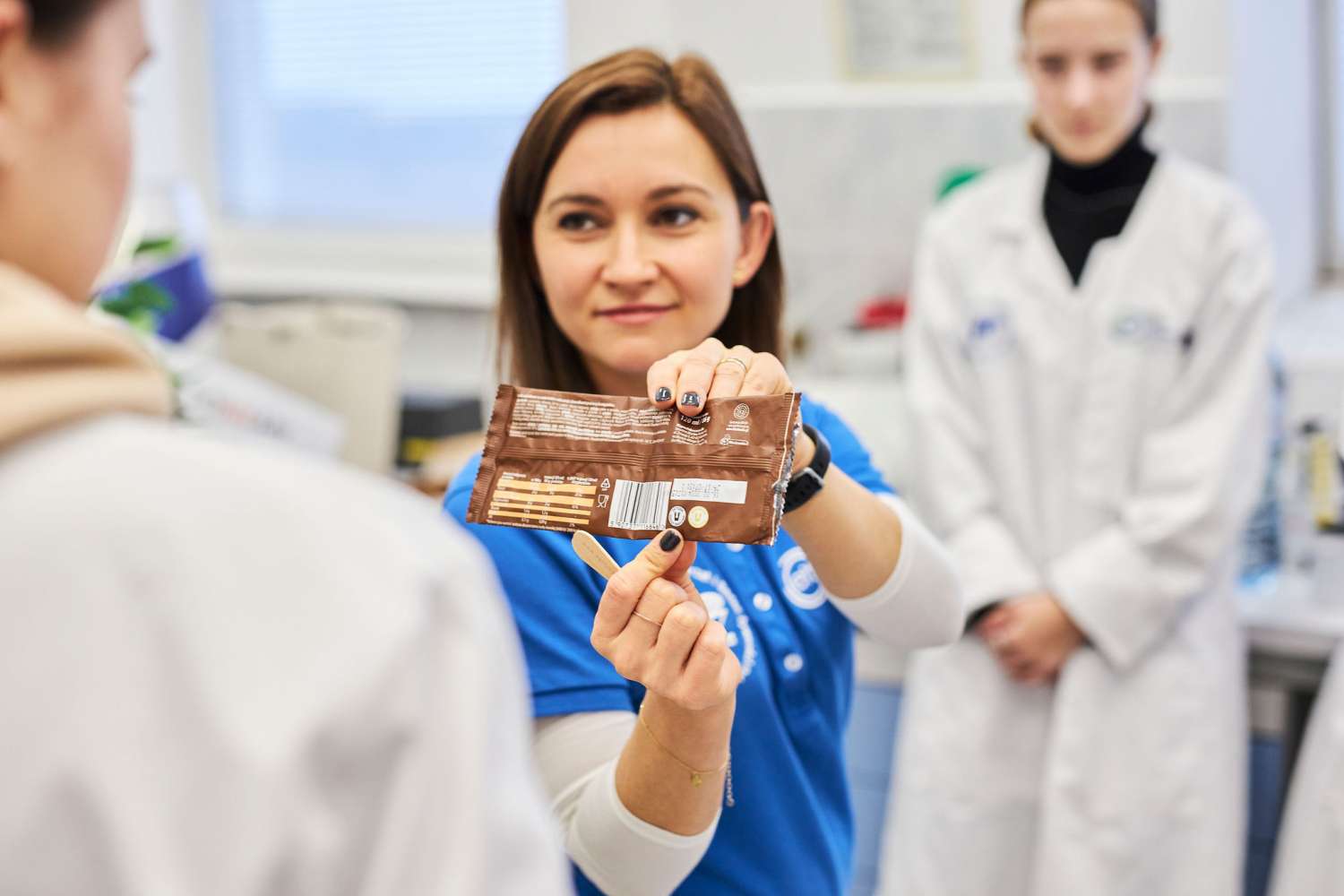
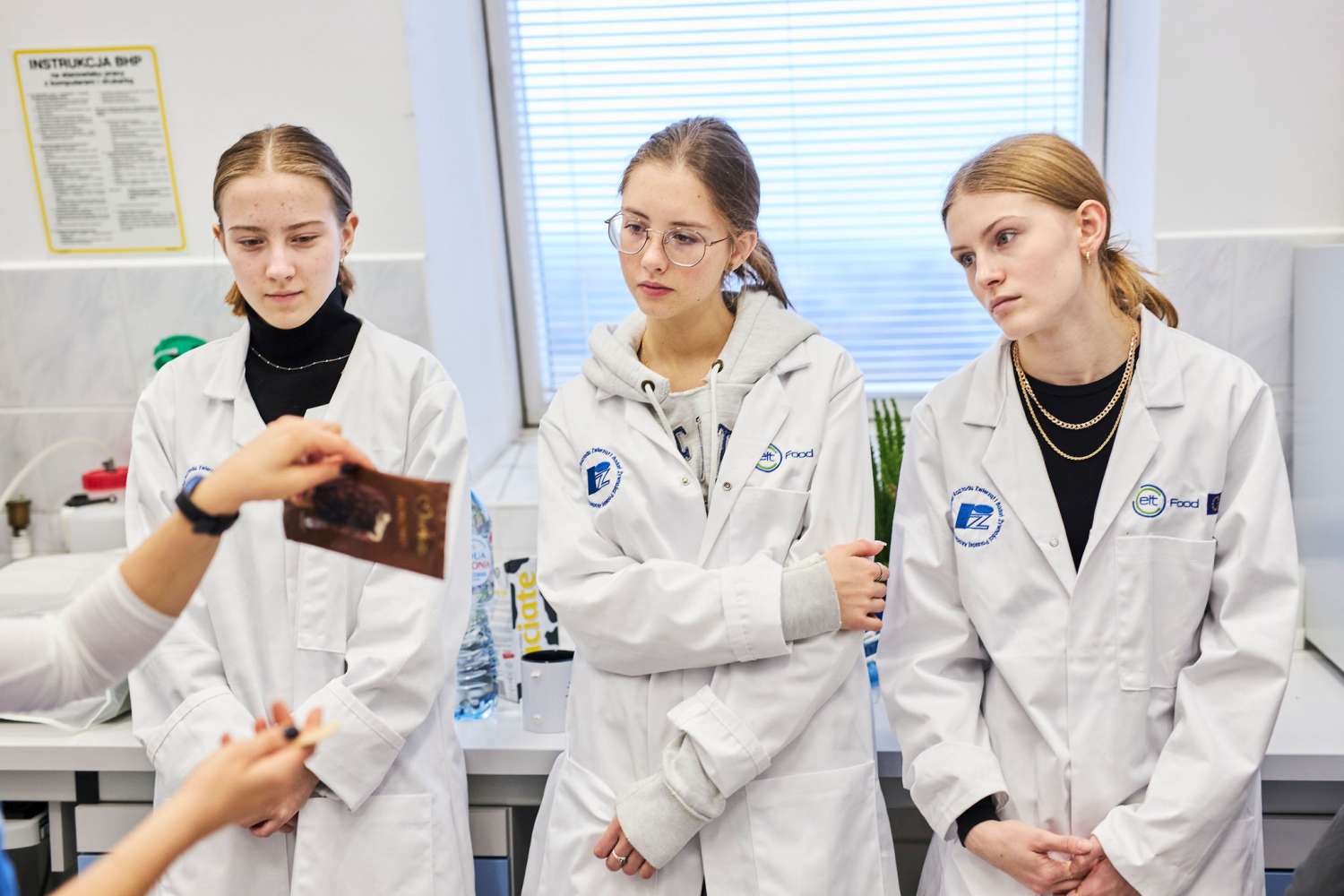
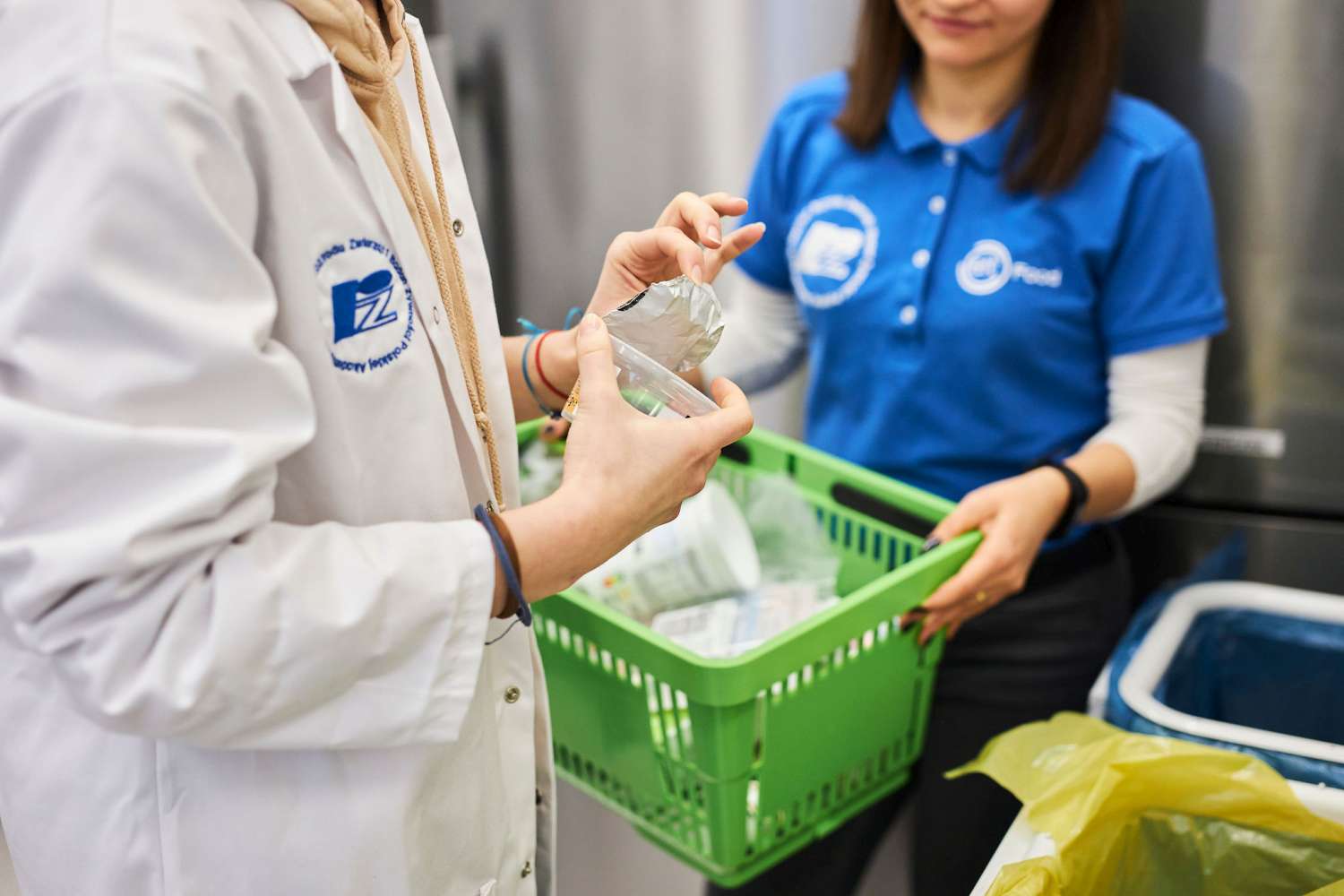
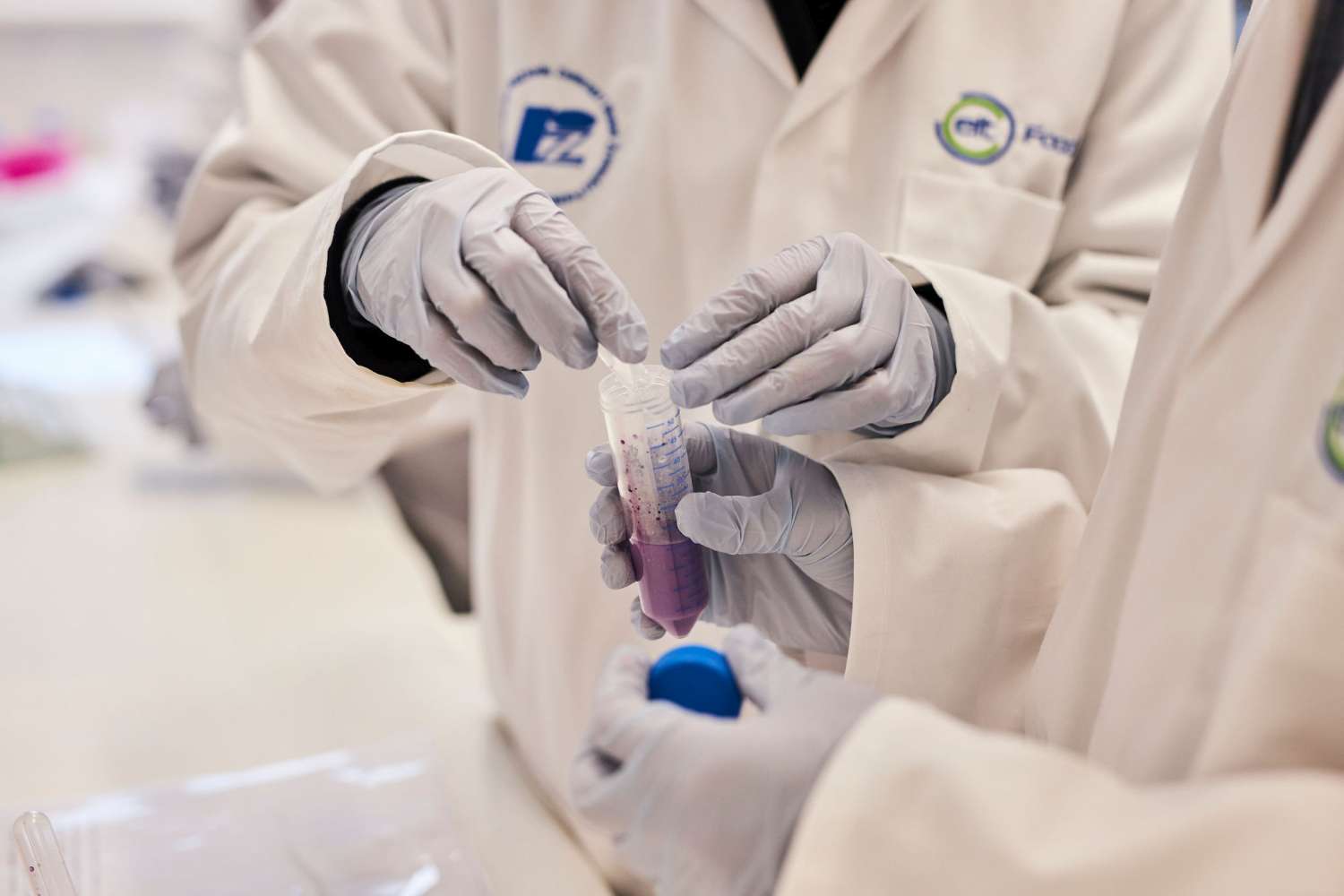
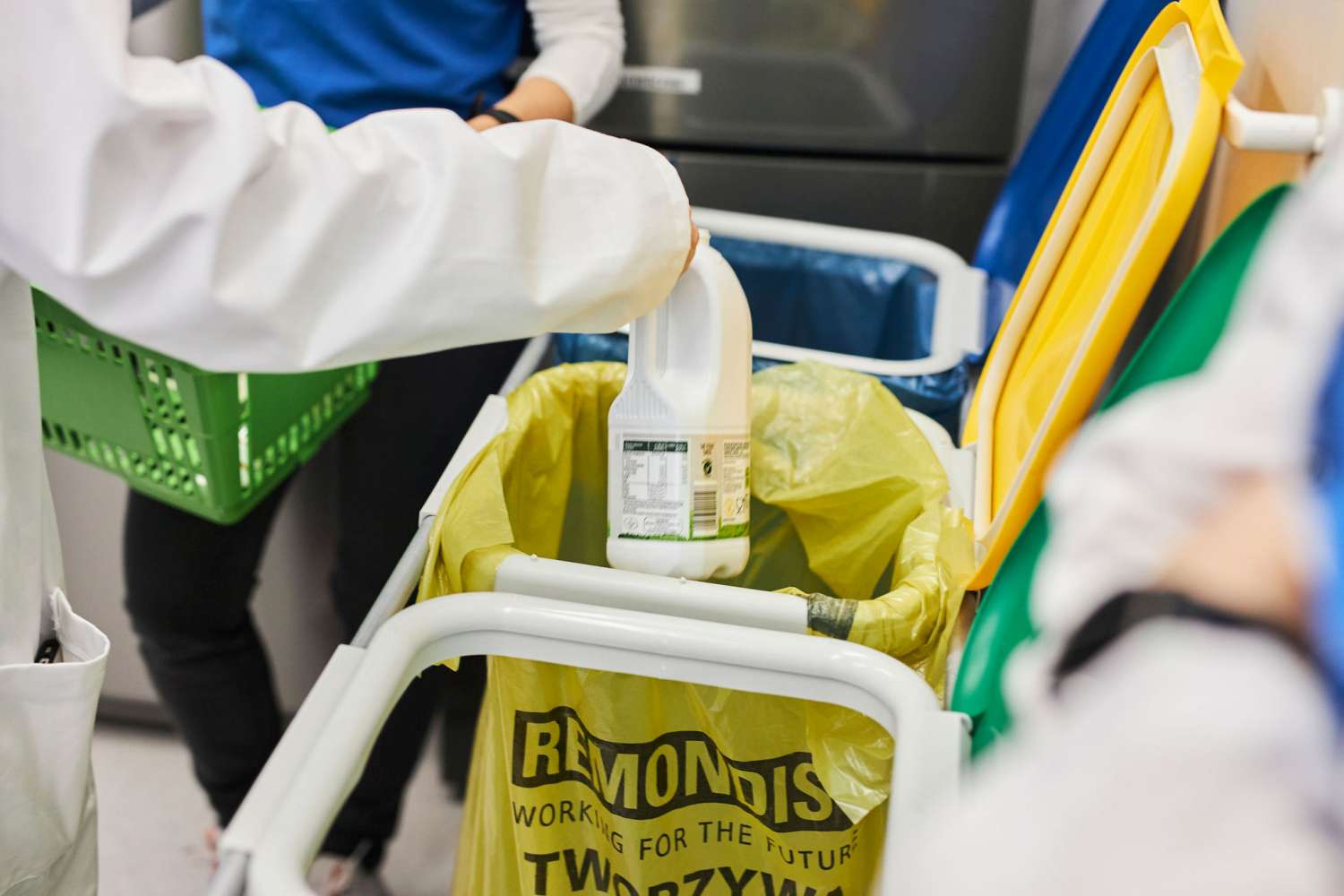
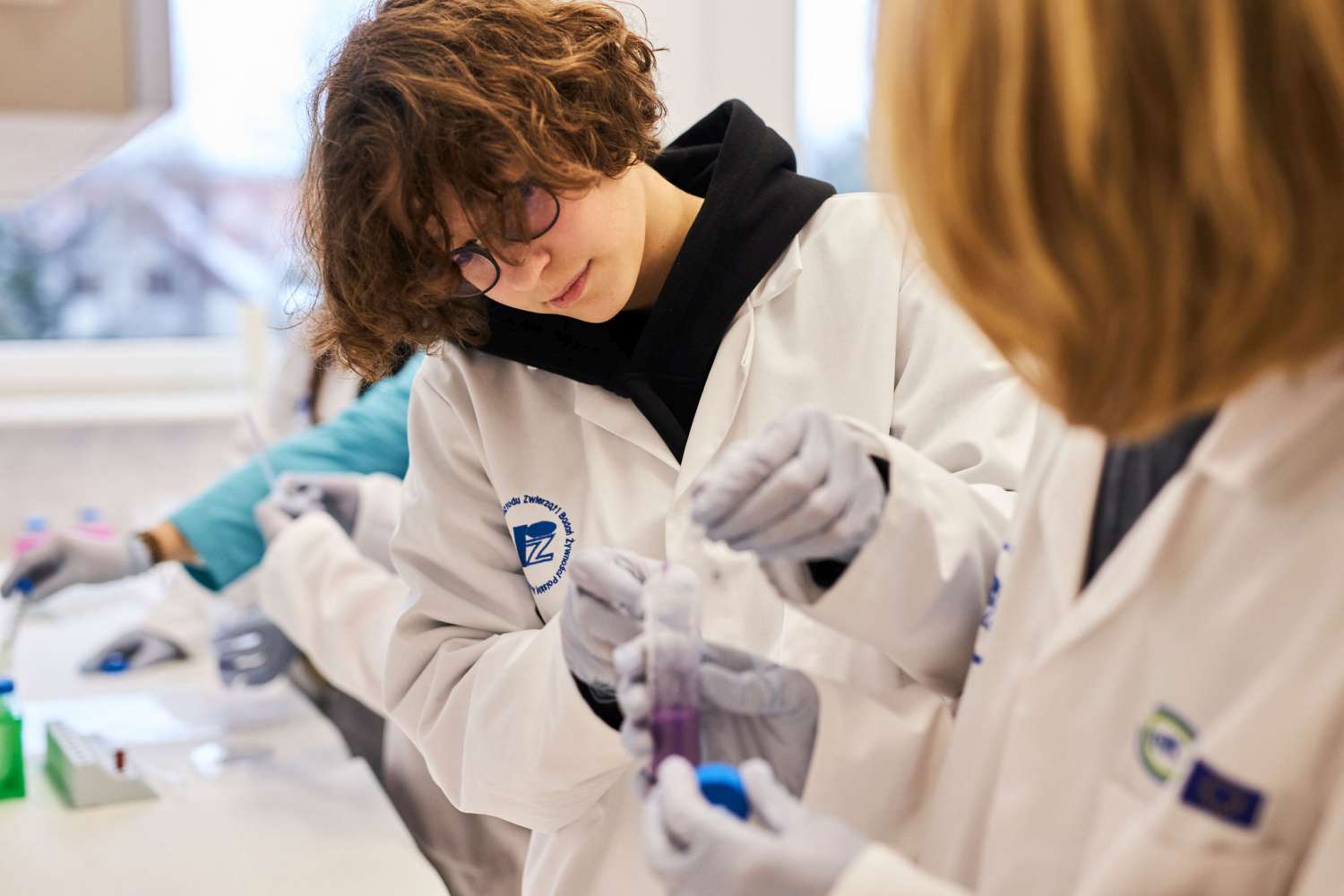
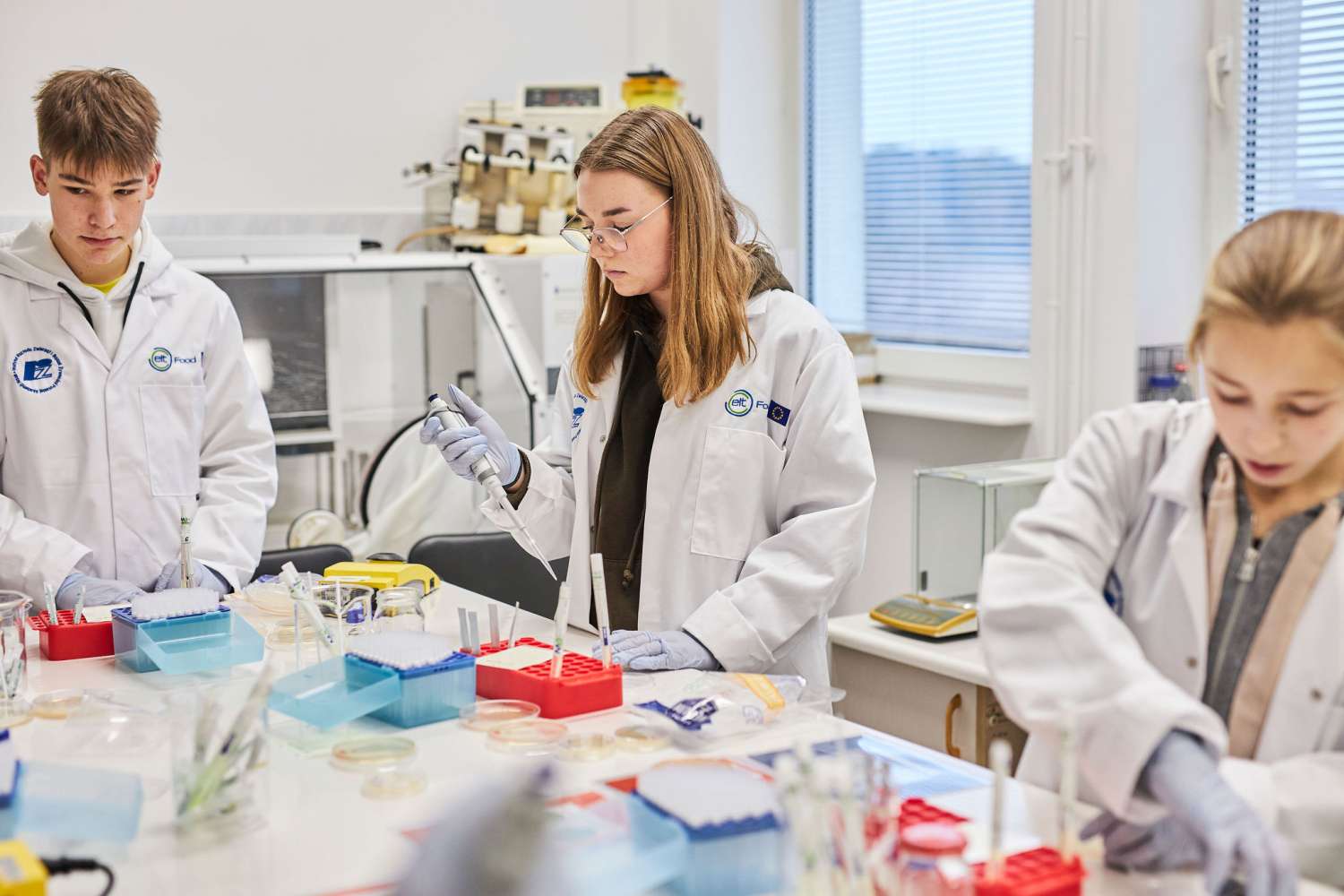
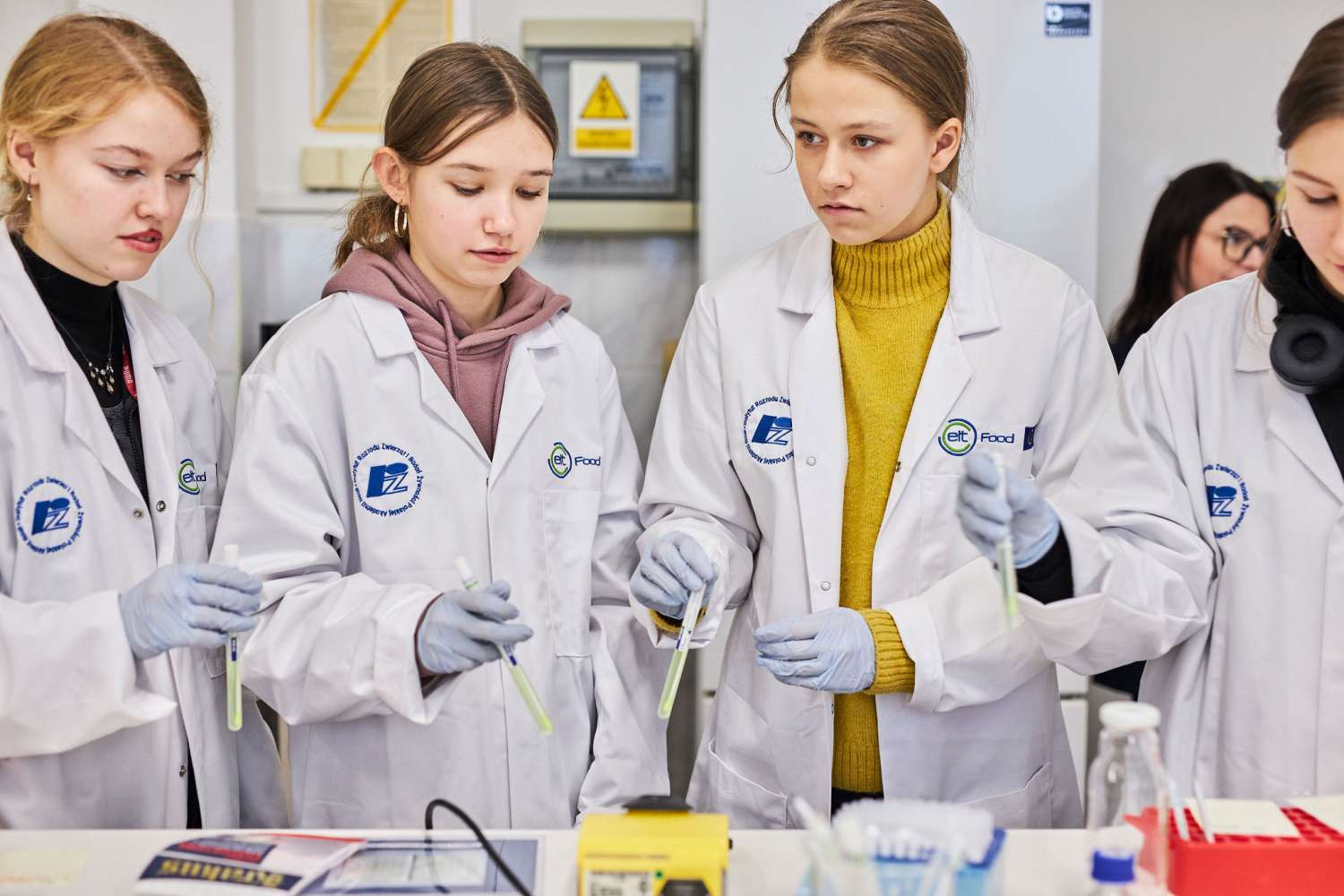
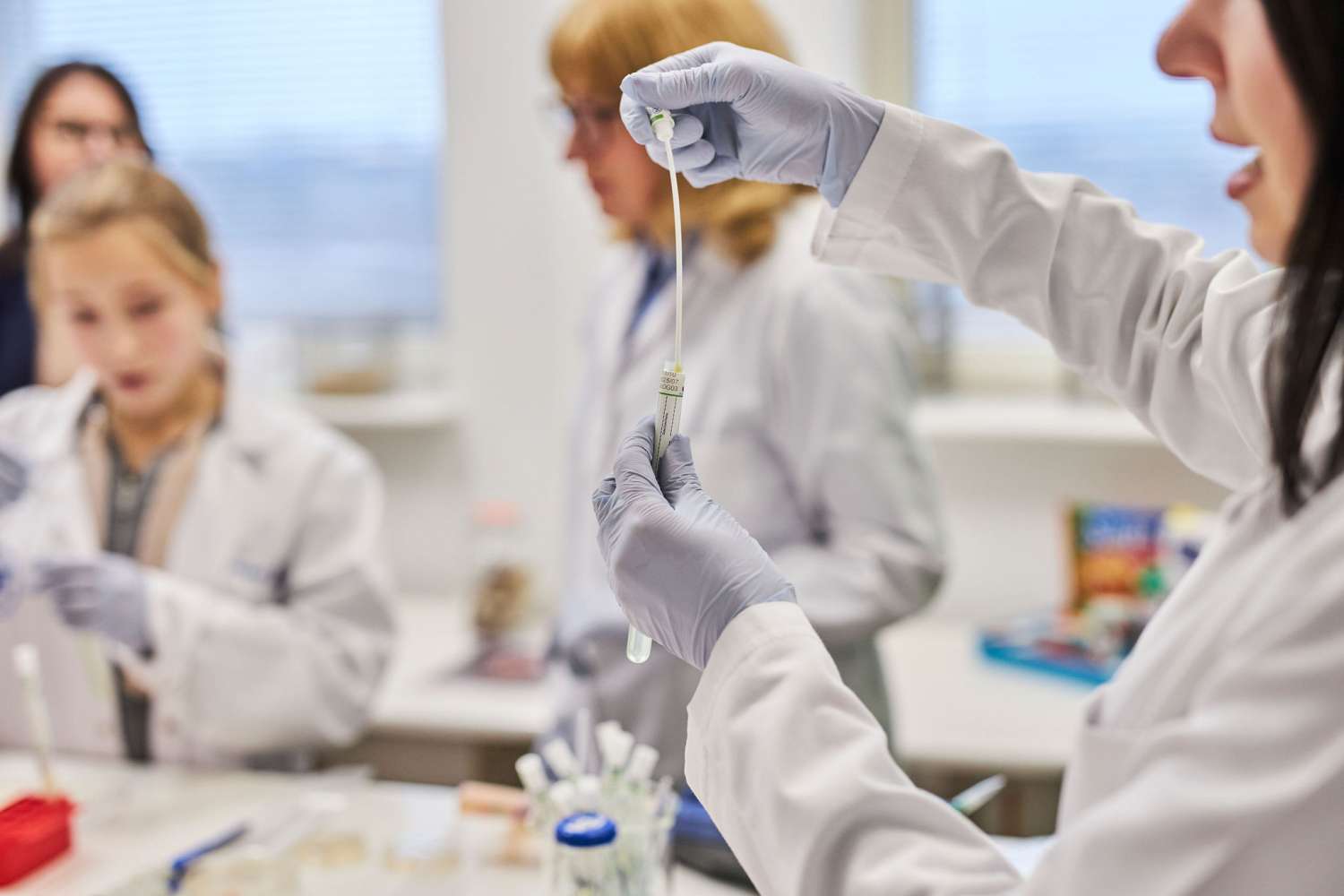
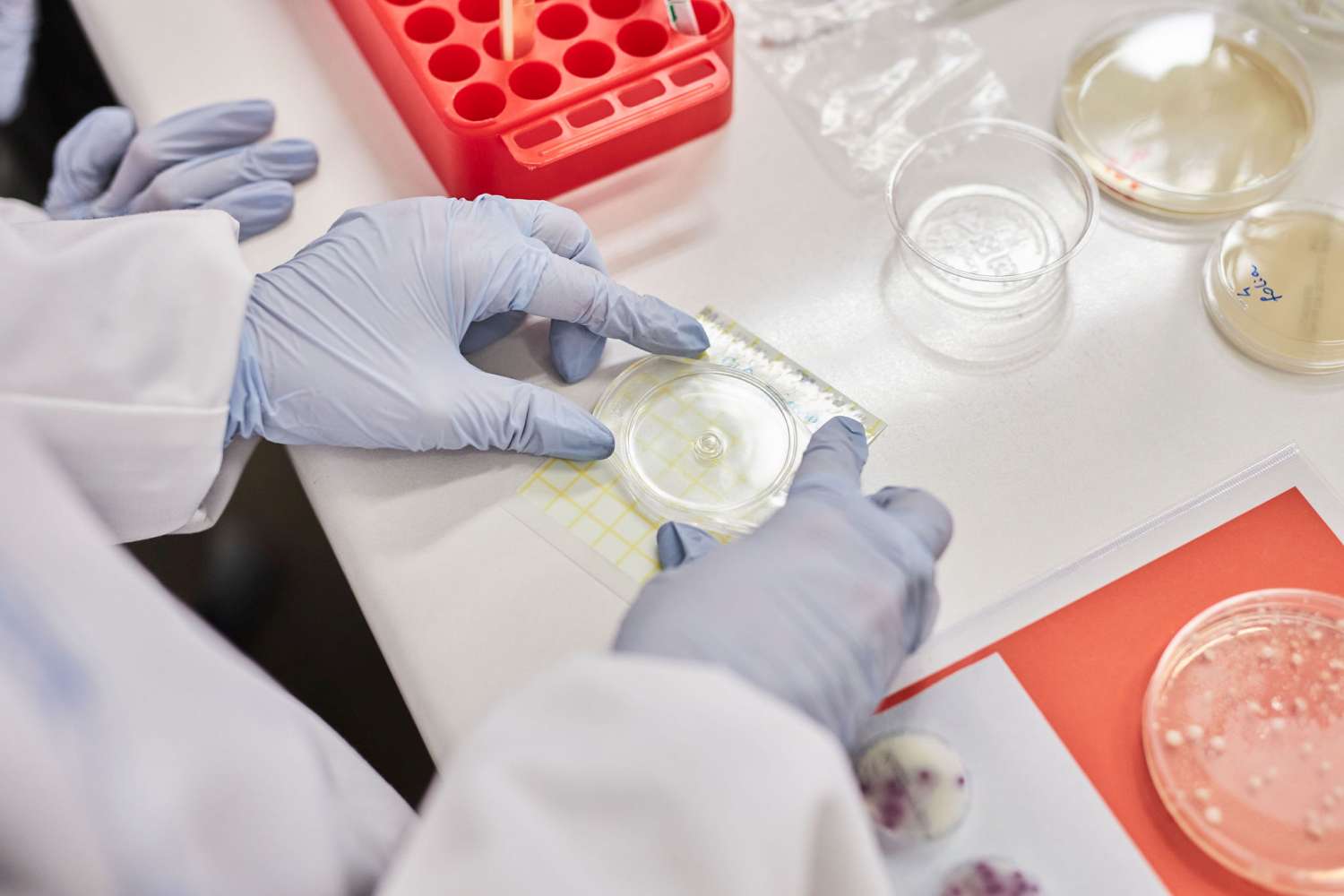
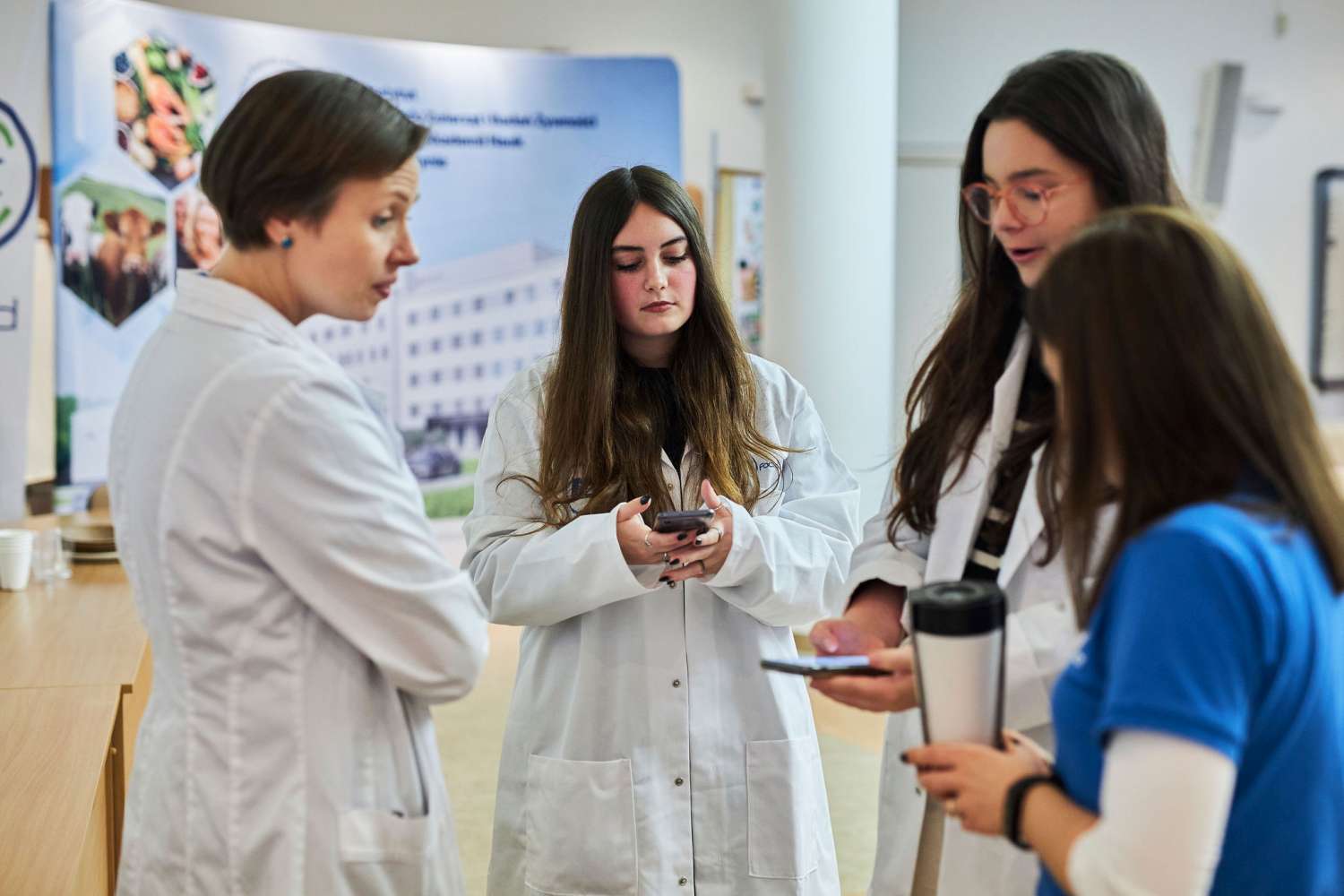
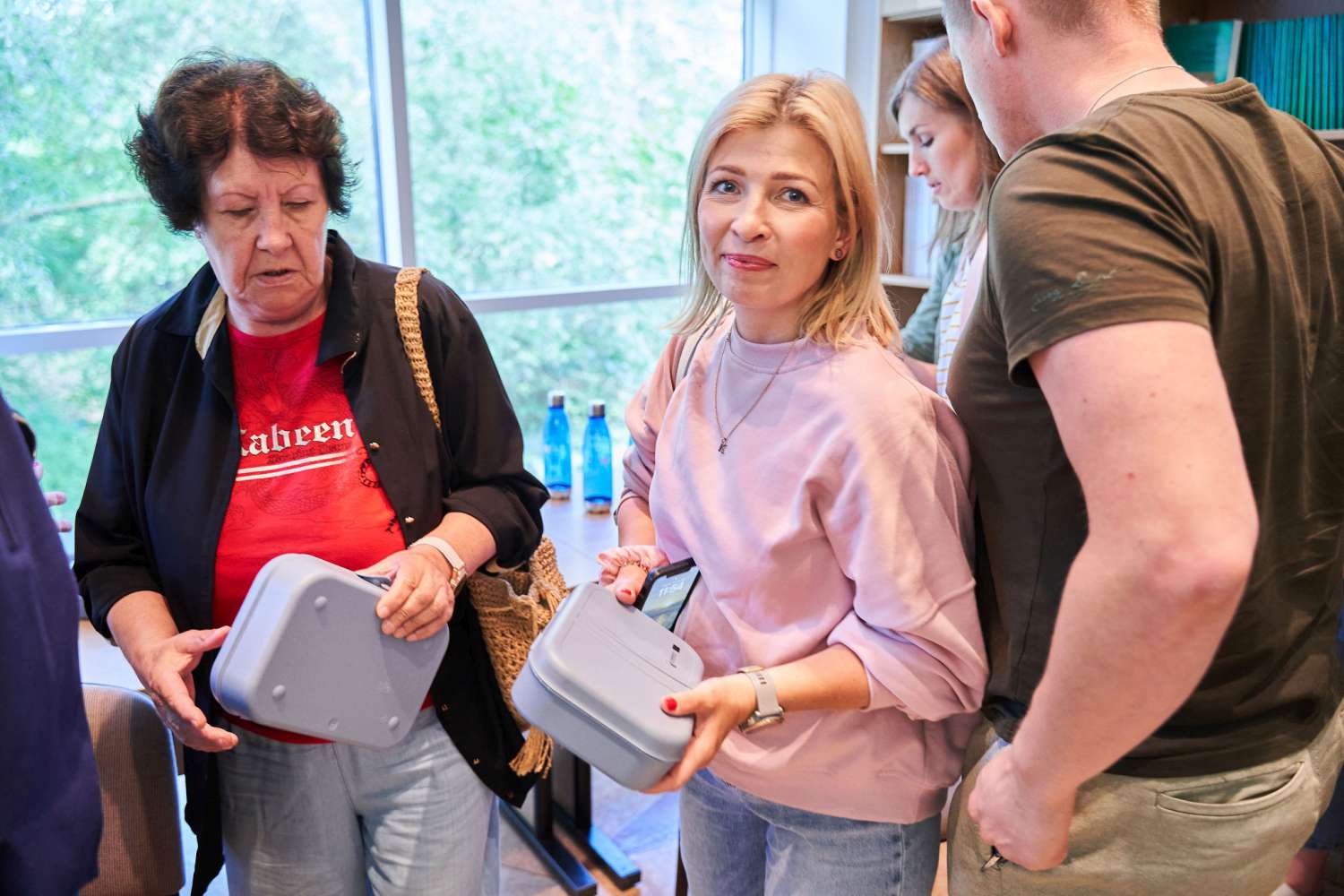
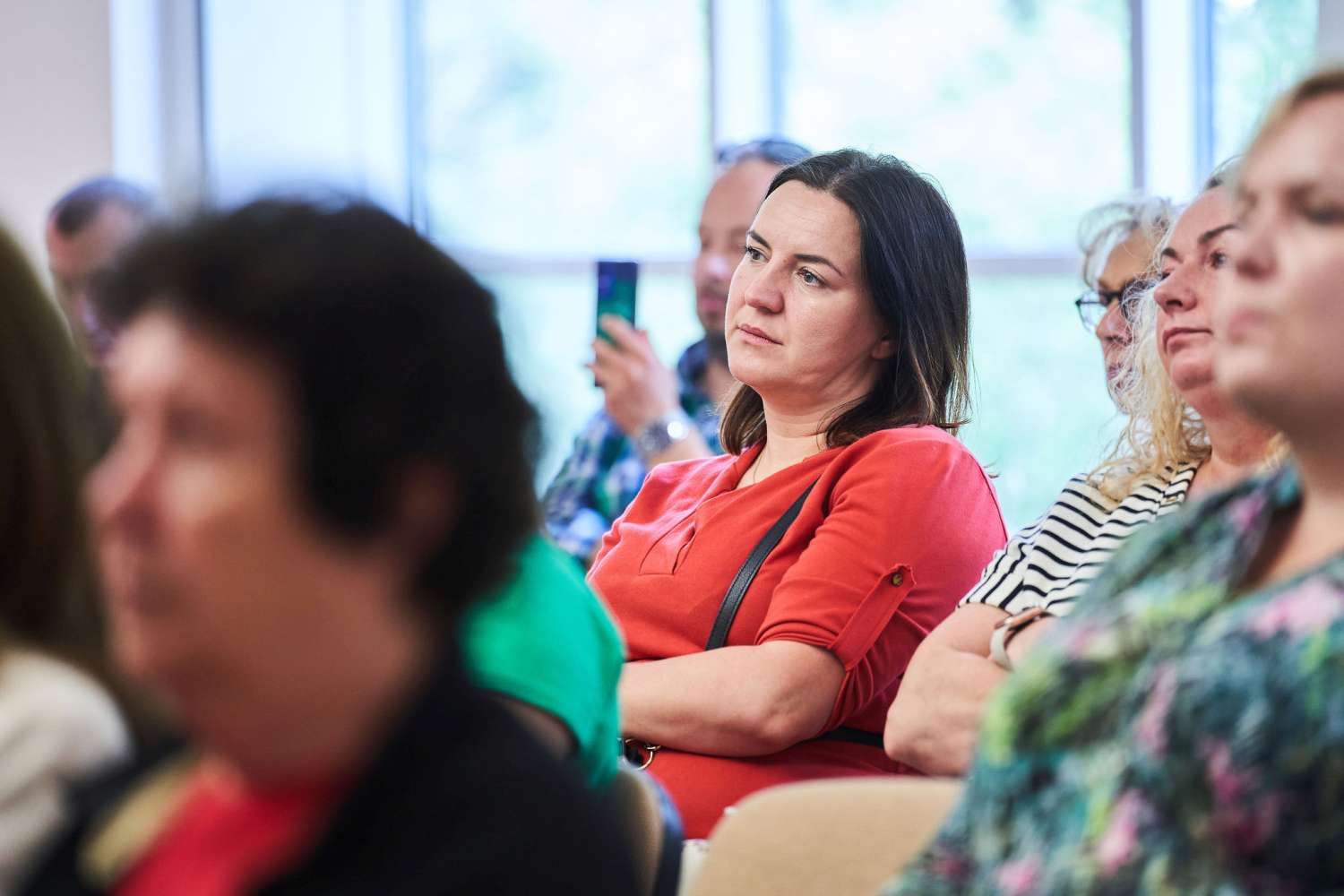
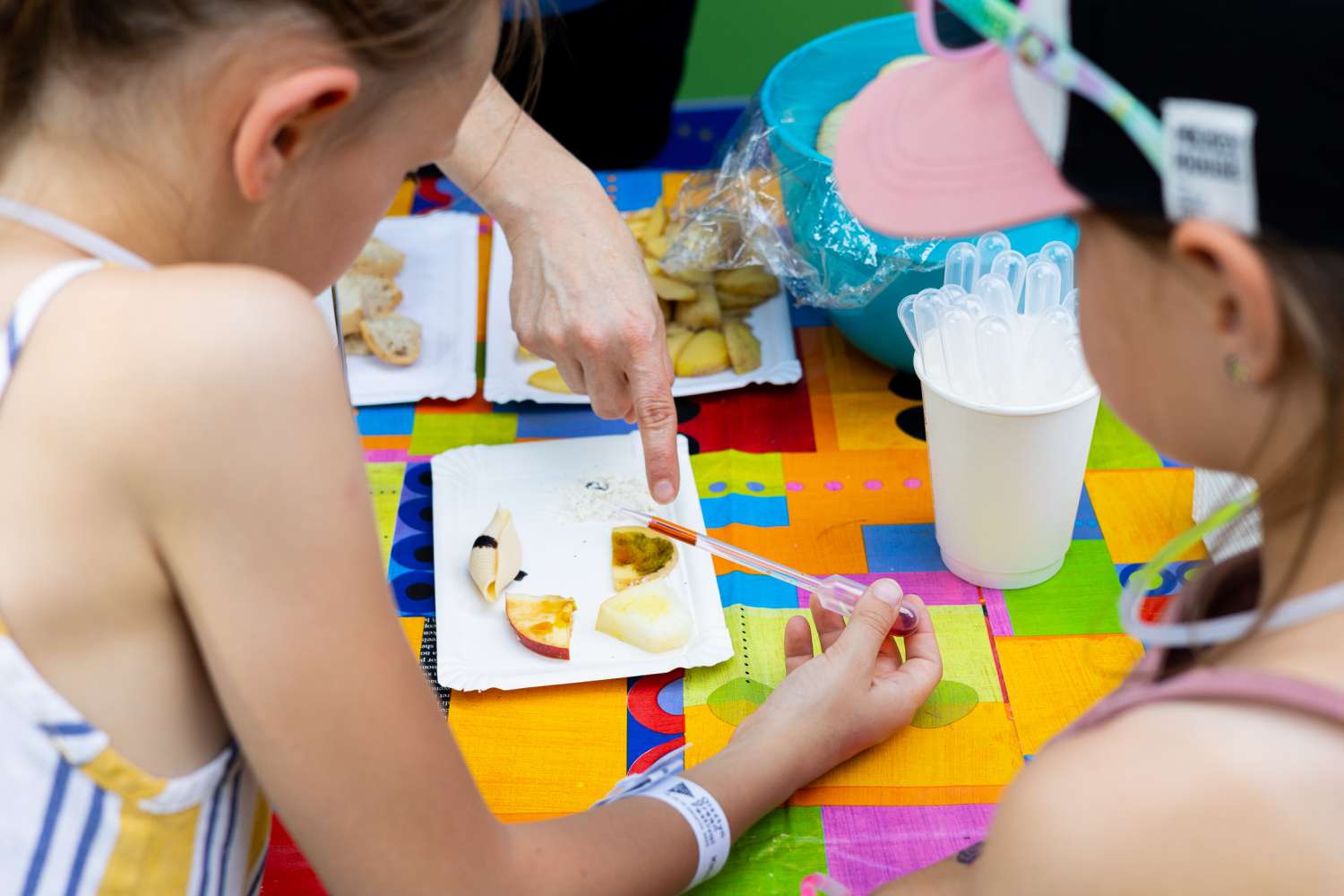
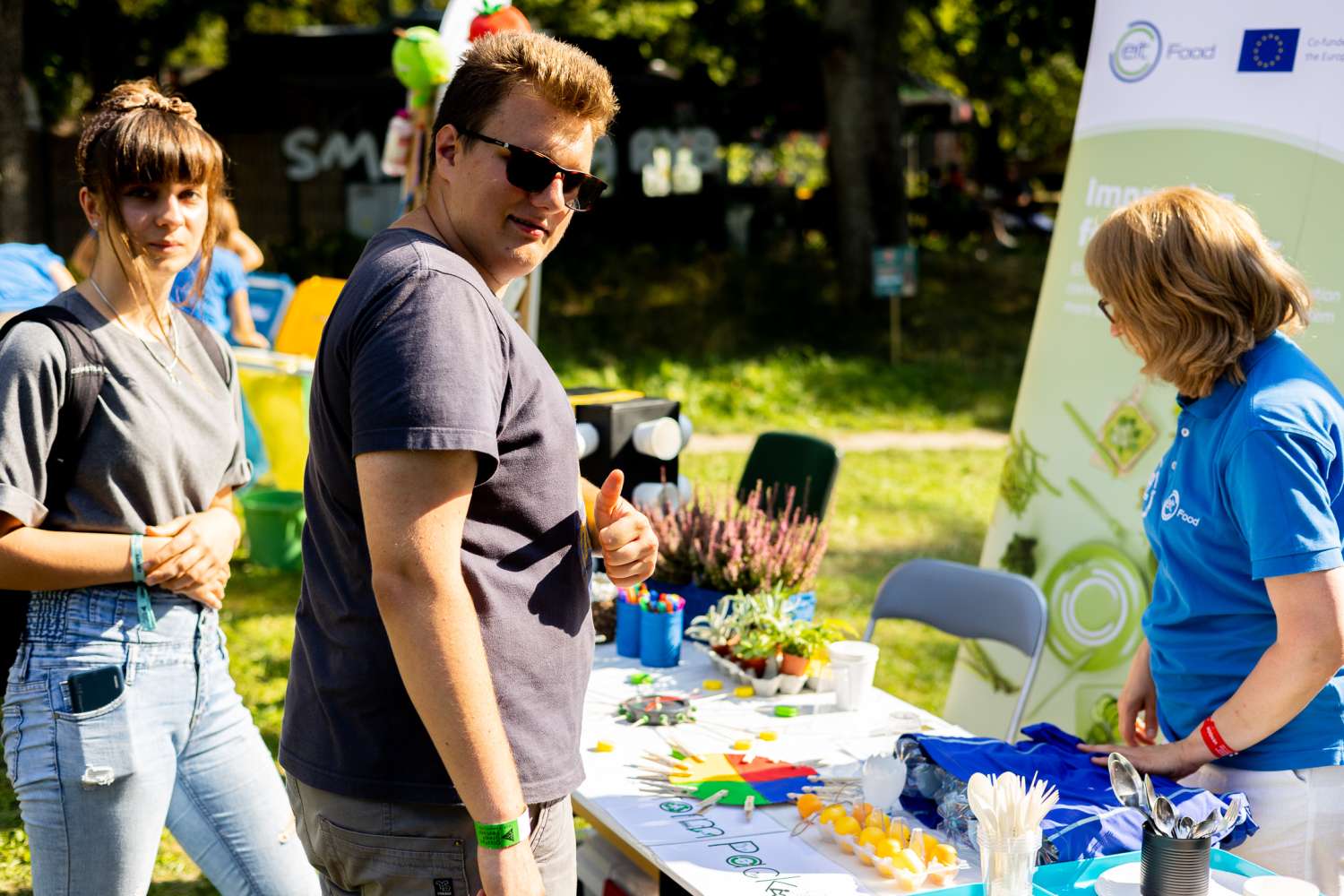
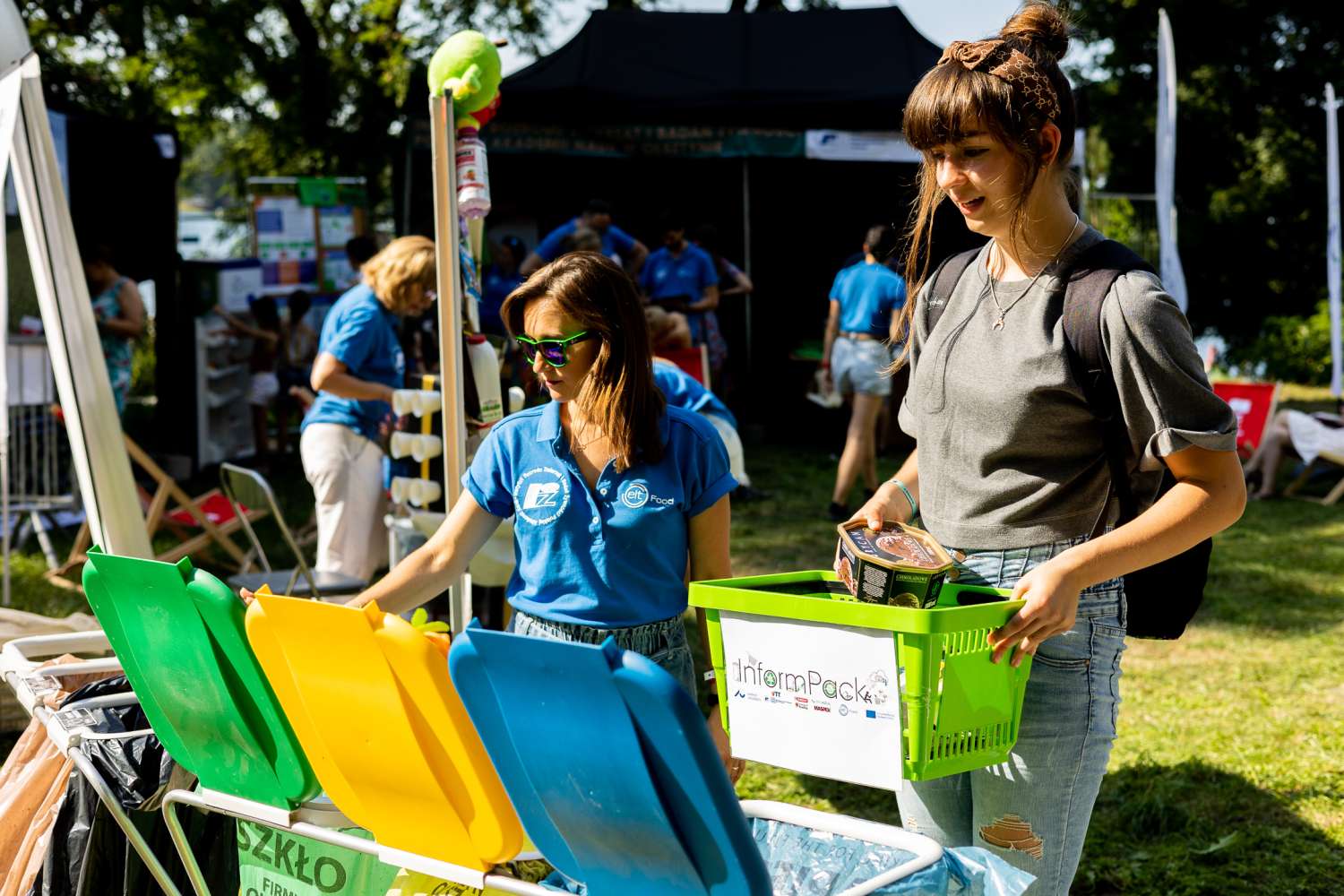
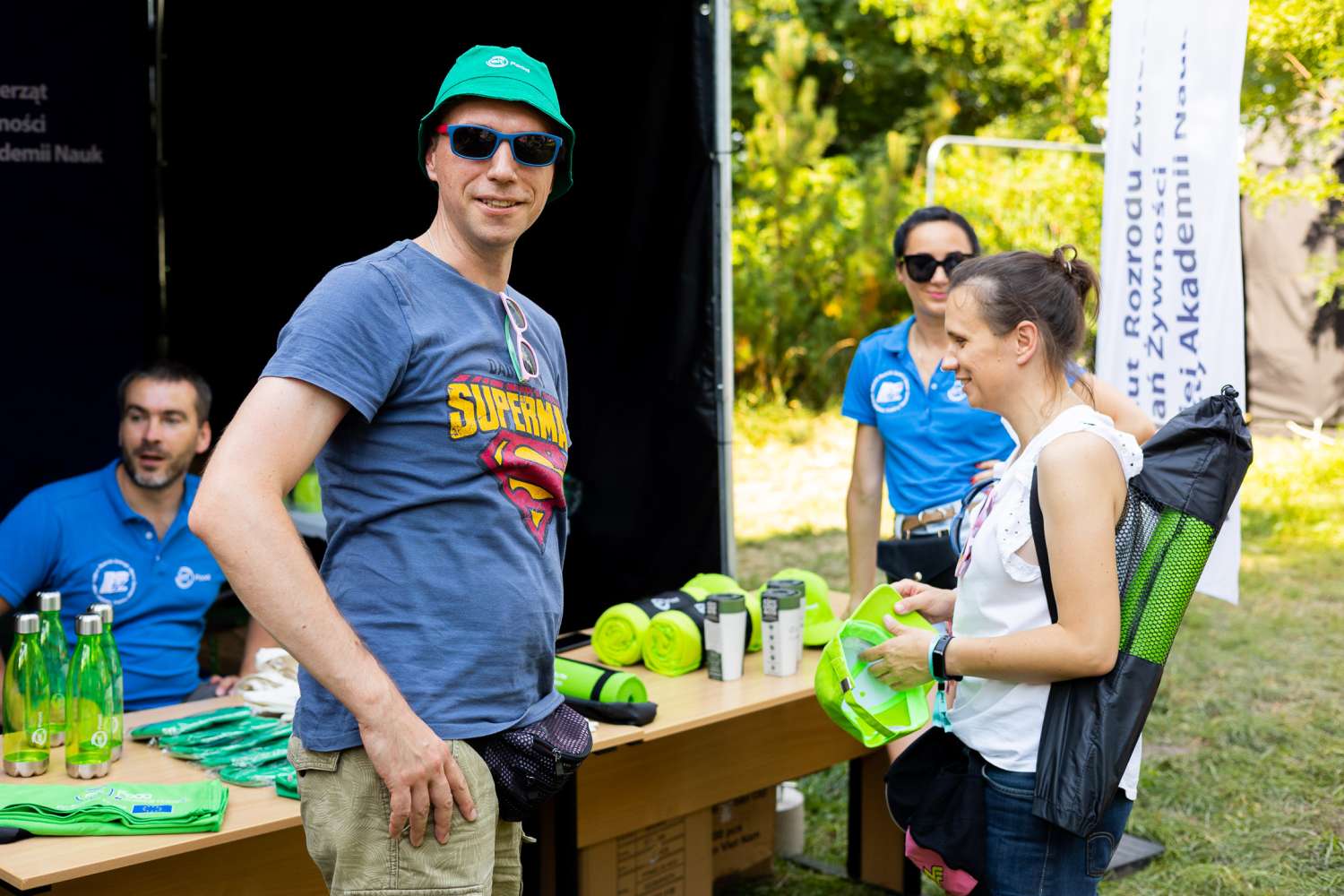
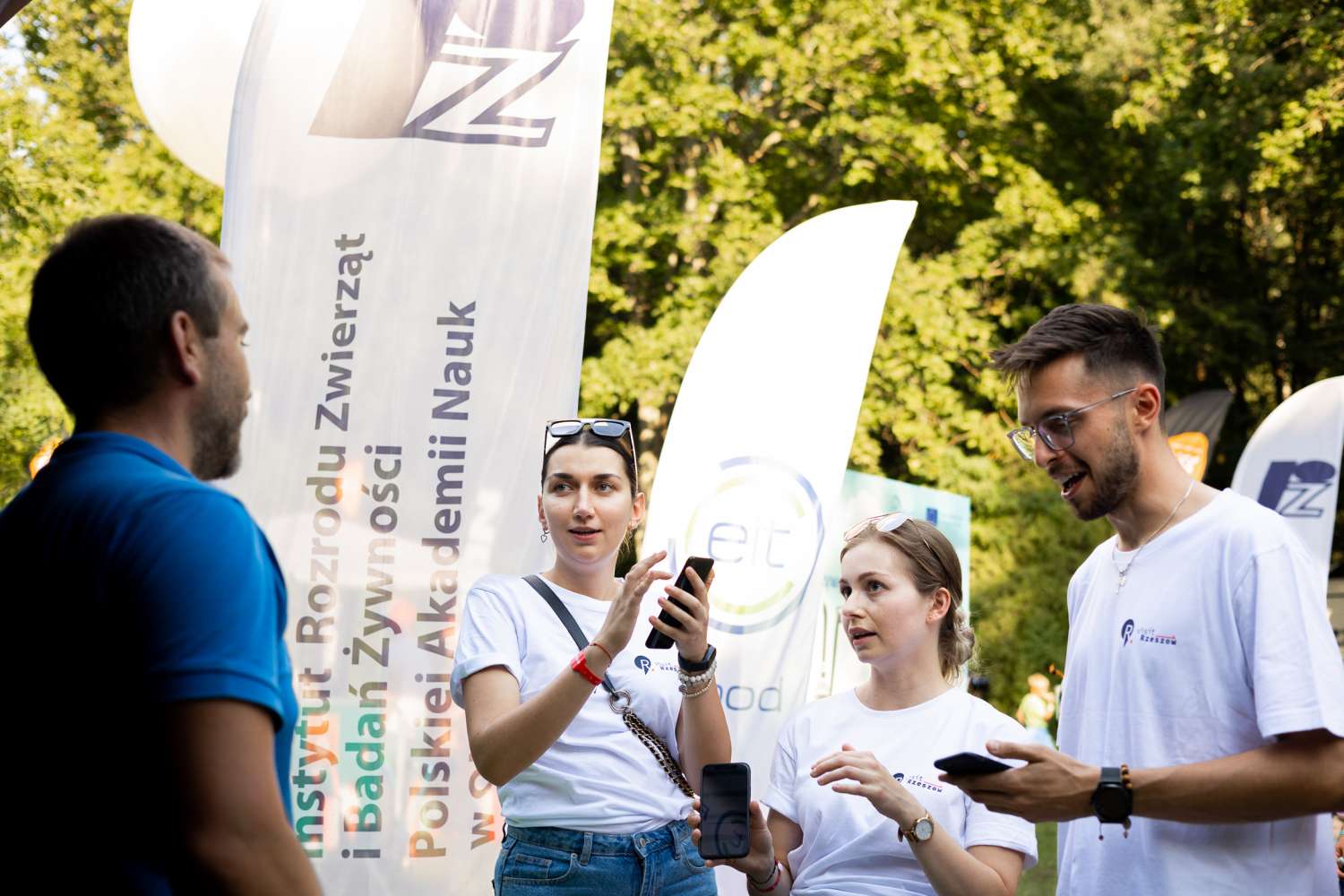
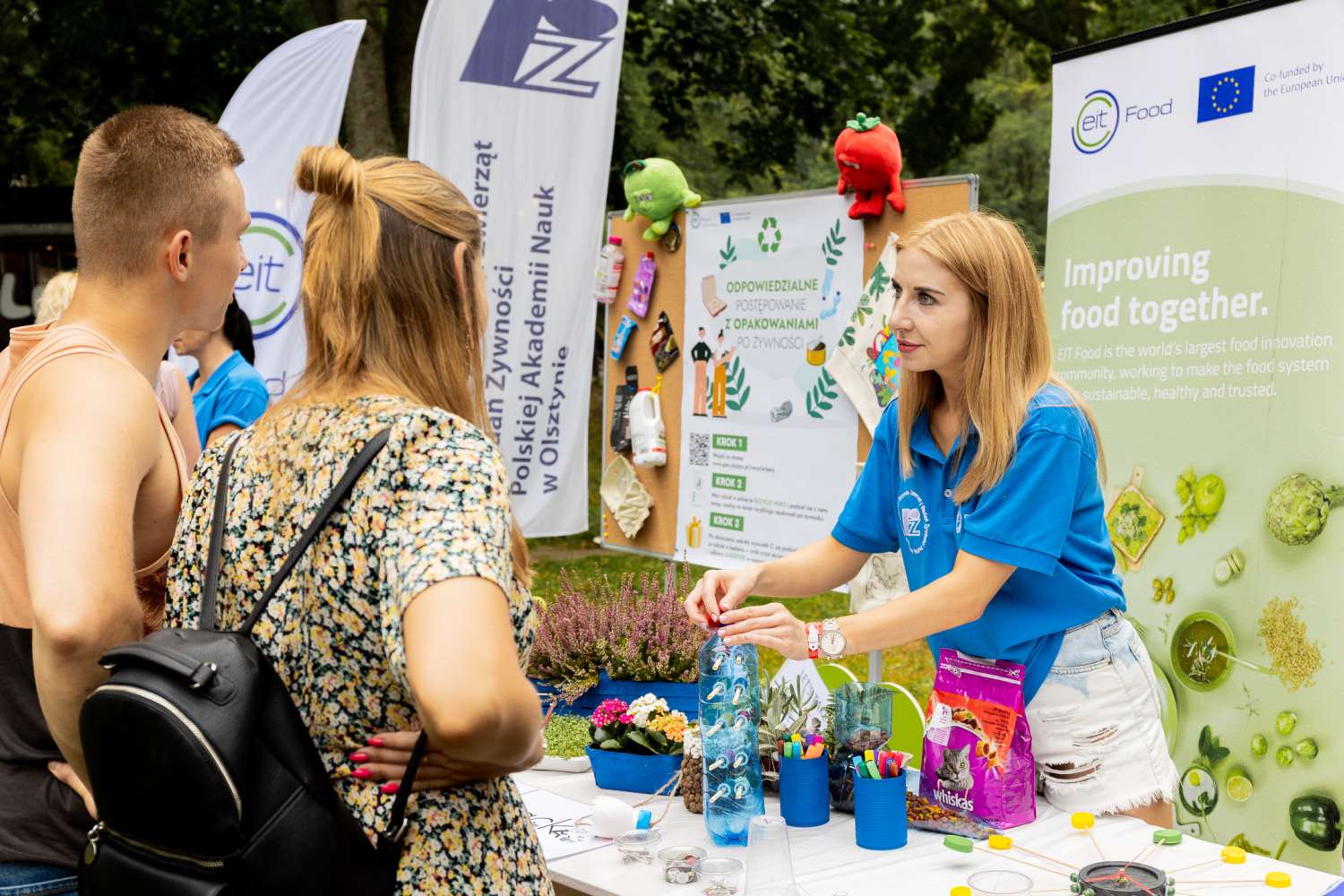
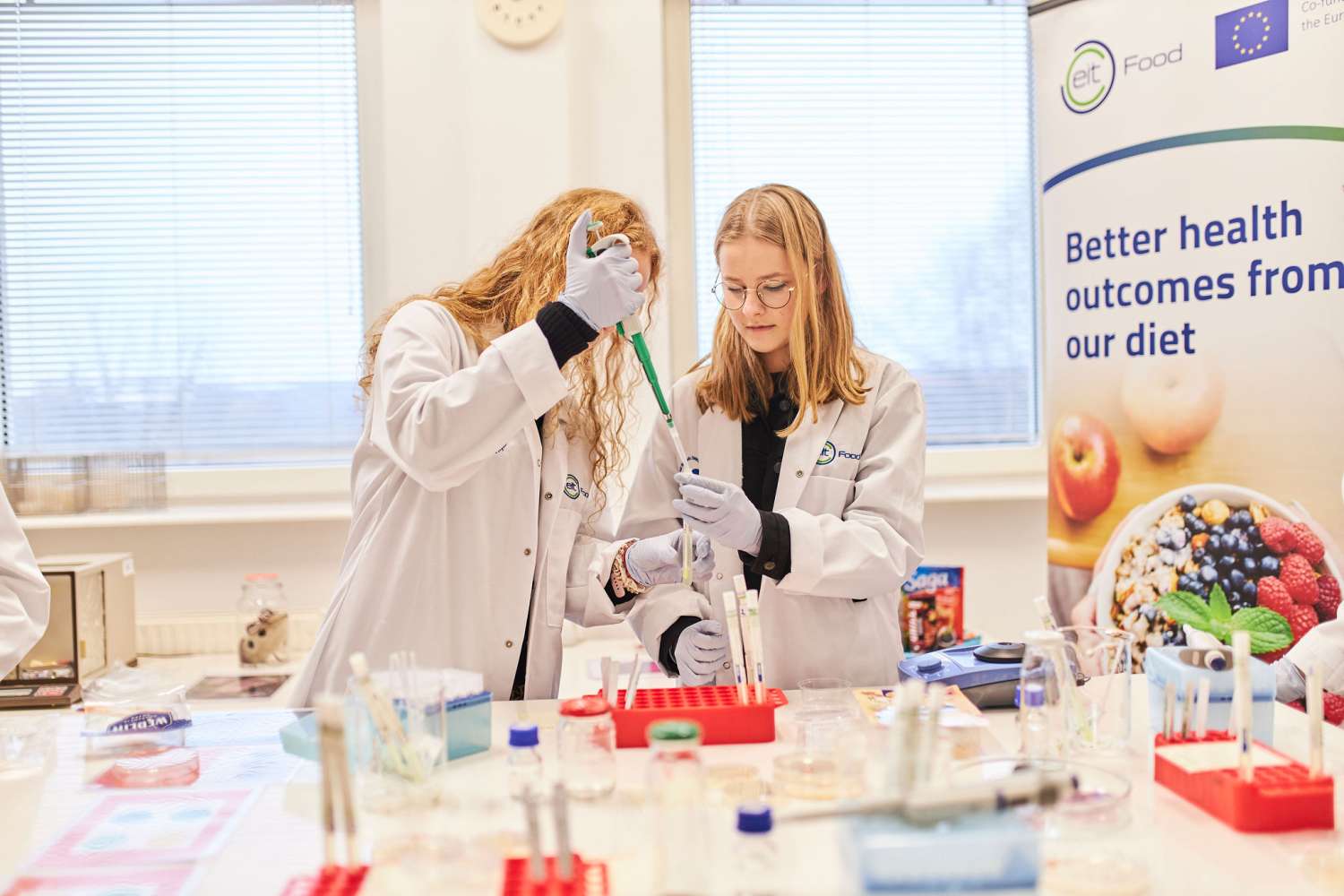
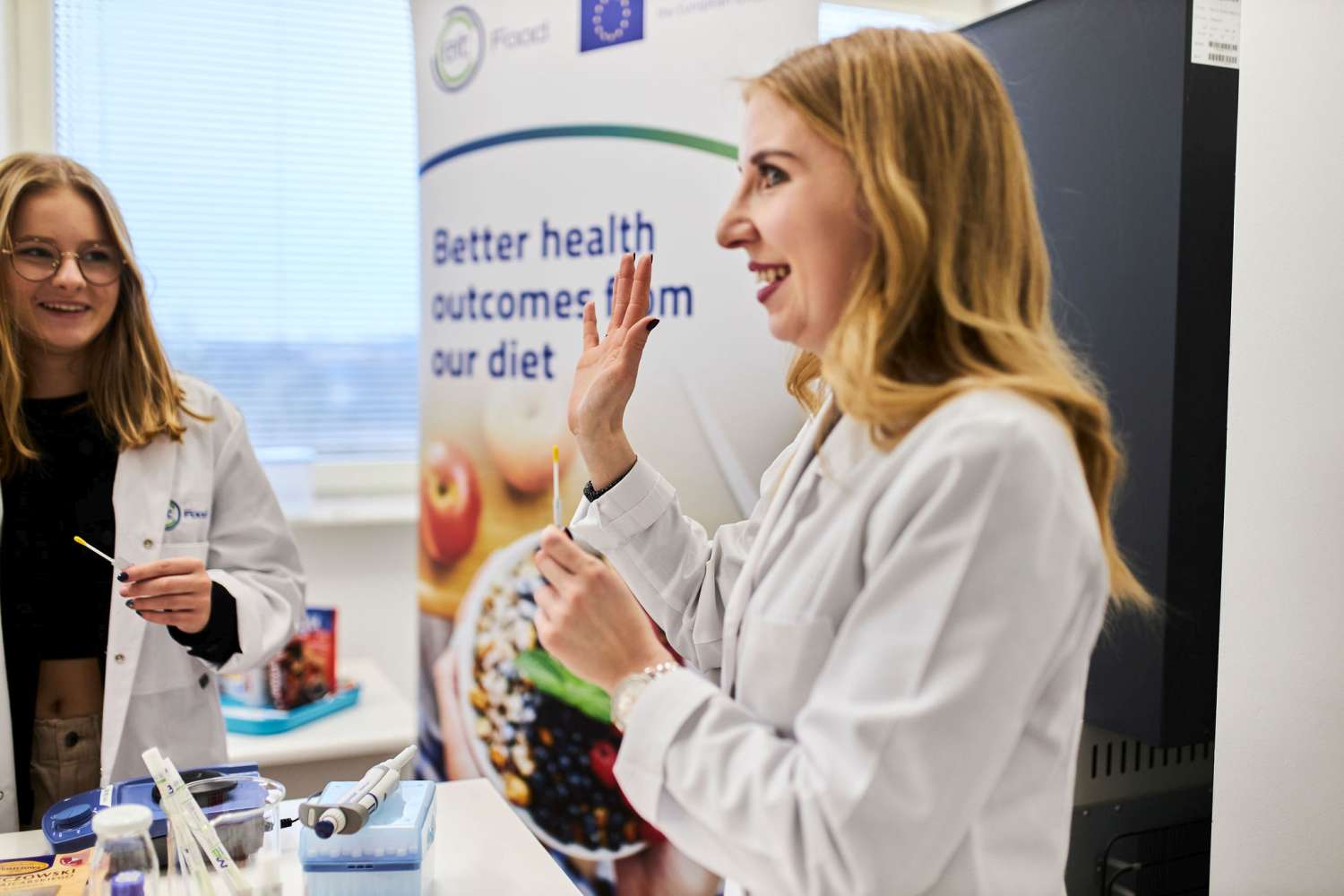
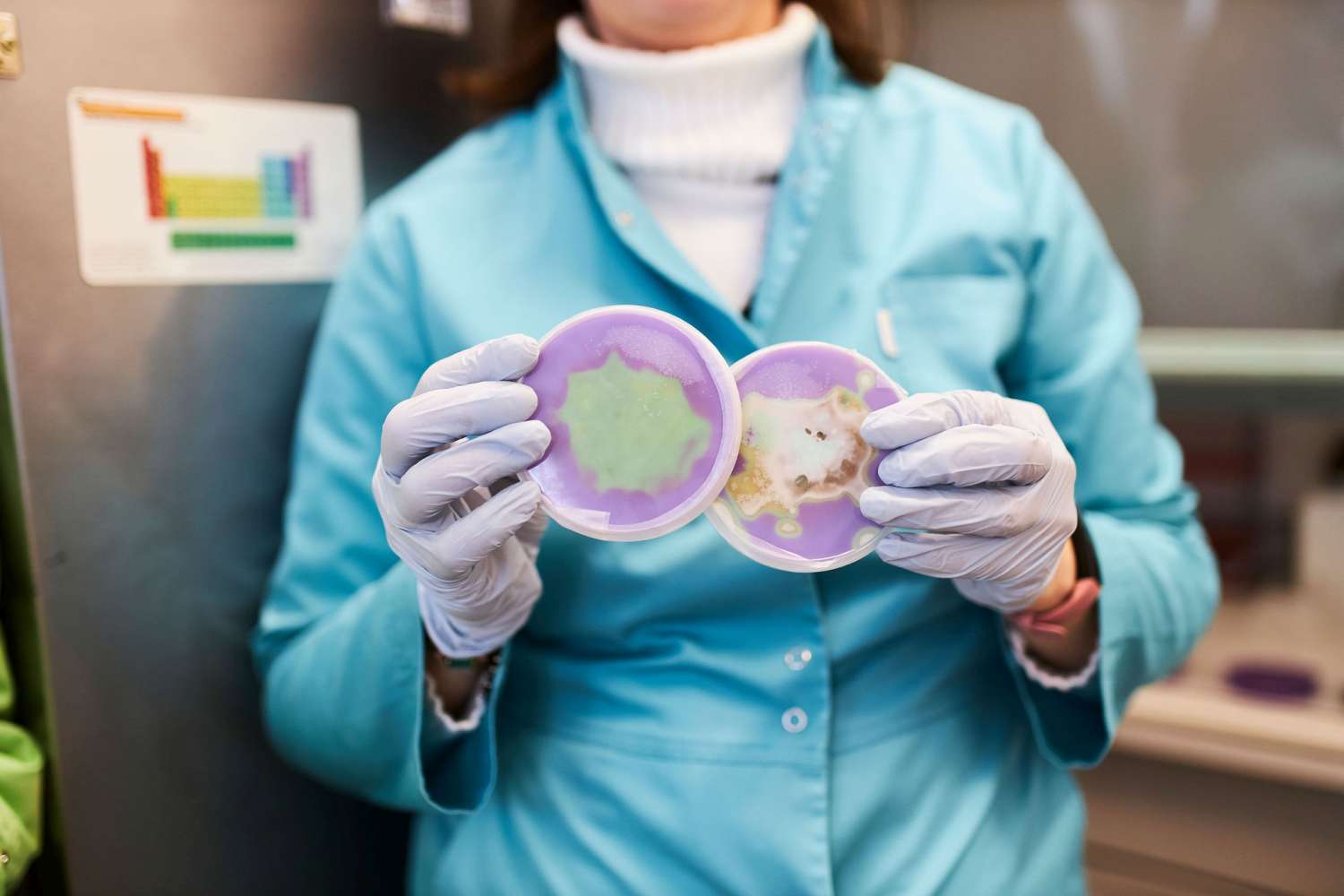
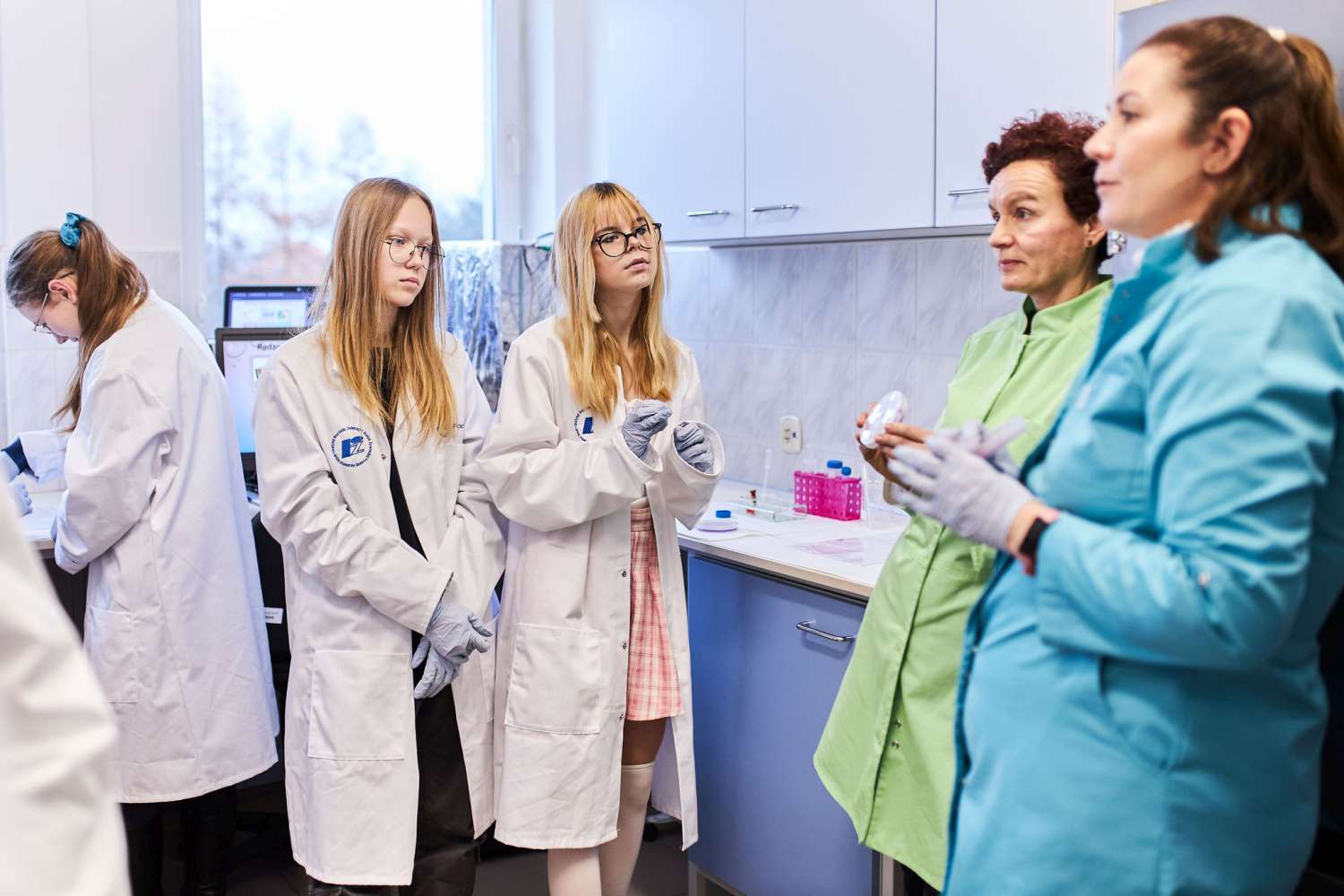
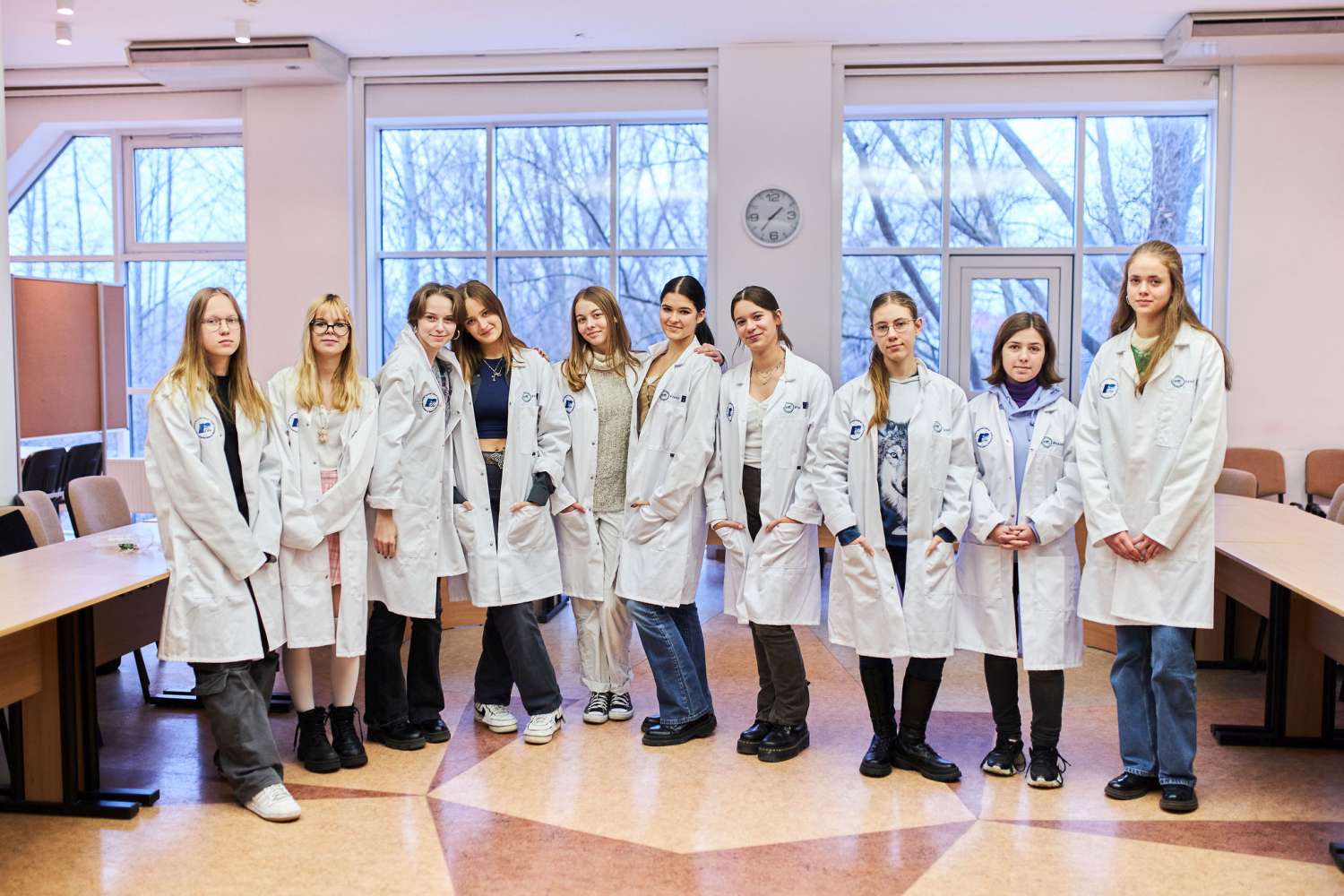
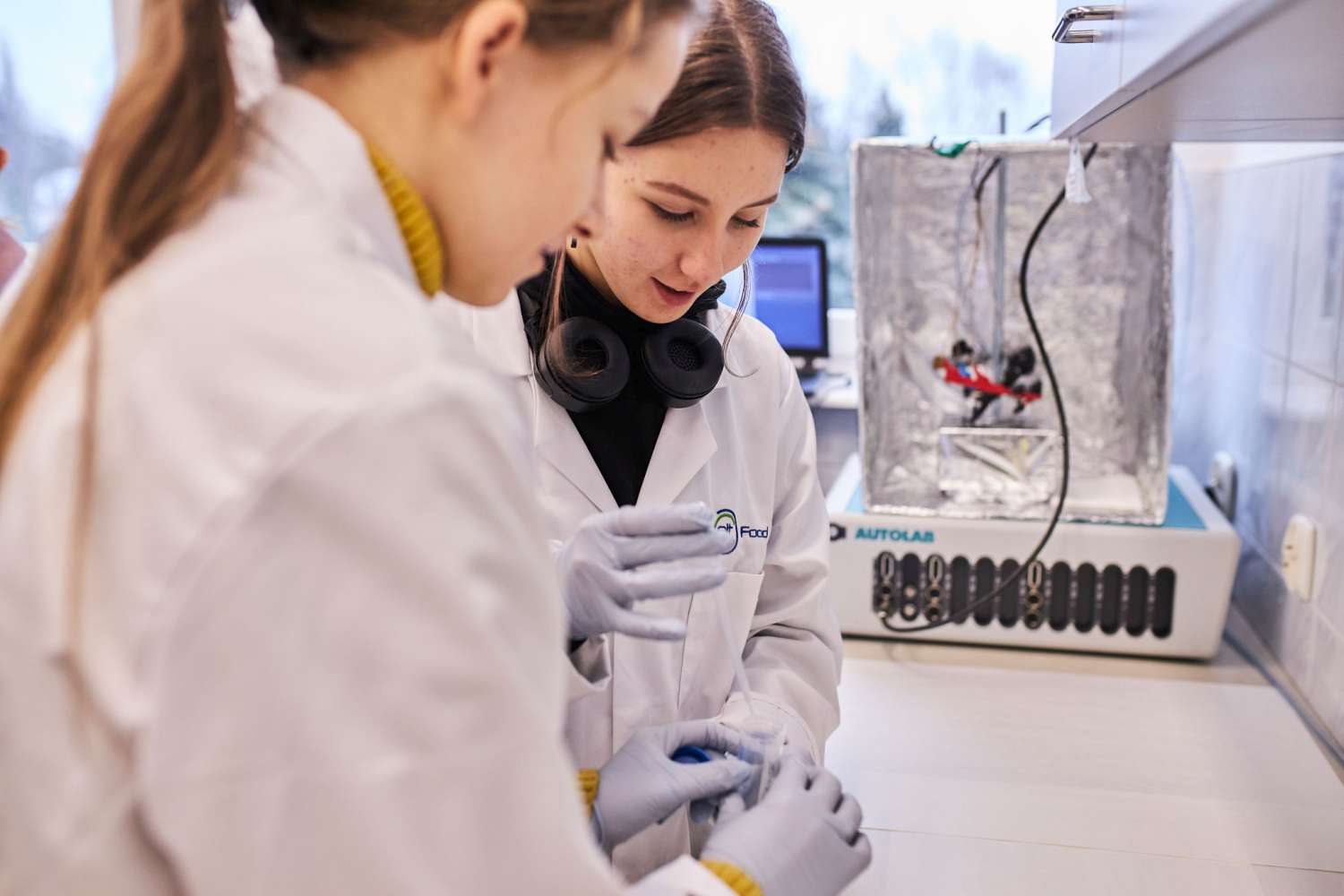
As part of the EIT Food „InformPack” workshop, about 50 students from secondary schools in Olsztyn visited laboratories located in the Division of Food Sciences of the Institute of Animal Reproduction and Food Research of the Polish Academy of Sciences. Young adepts of science listened to a lecture on responsible handling of food packaging, delivered by Dr. Joanna Fotschki, and then took part in experiments prepared by researchers working on a daily basis at the Department of Bioelectroanalytics and the Laboratory of Microbiology. There, they had the opportunity to look at the role of food packaging in ensuring the safety of food products. Students also took part in workshops and an interactive game, thanks to which they could check how they deal with proper segregation of food packaging.

Read more

Kiełki soczewicy

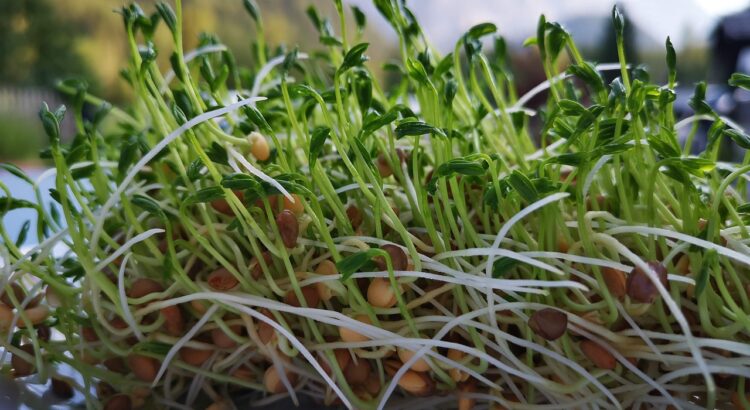
Lentil sprouts richer in natural antioxidants than seeds alone

Lentils are a valuable source of phenolic compounds, which act as natural antioxidants in the human body. A scientist from the Institute of Animal Reproduction and Food Research of the Polish Academy of Sciences in Olsztyn reminds us that their highest content is in sprouts.

– The content of phenolic compounds in sprouts obtained from lentil seeds is clearly higher than that found in the seeds. It is also worth remembering that thermal processes may reduce the phenolic content in lentils, so the seeds should not be cooked for too long – says Professor Ryszard Amarowicz, head of the Department of Chemical and Physical Properties of Food at the Institute of Animal Reproduction and Food Research of the Polish Academy of Sciences in Olsztyn.

Professor Ryszard Amarowicz (together with Professor Ronald Pegg of the University of Athens, Georgia, USA) published a review article in the journal Current Pharmaceutical Design, bringing together the latest scientific knowledge on lentils as a source of phenolic compounds.

VALUABLE LEGUME

Lentils are a valuable source of protein with a balanced amino acid composition that is superior to cereals.
– Lentil seeds in the human diet provide a high supply of some B vitamins and dietary fibre. They also contain oligosaccharides, which show prebiotic properties, i.e. have a beneficial effect on the microflora of the human digestive tract. Lentil seeds are also an important source of phenolic compounds for us, explains Professor Ryszard Amarowicz, who studies the content of nutrients and biologically active compounds in plant raw materials and food.

Phenolic compounds demonstrate antioxidant activity and the ability to inhibit microbial growth. – In the human body, they act as natural antioxidants – they are able to inactivate free radicals (associated with the aetiology of many lifestyle diseases), as well as inhibit the oxidation of cholesterol in low-density lipoproteins (LDL), and can therefore „defend” us against atherosclerosis. Phenols also inhibit the activity of digestive enzymes, amylase and lipase; we can therefore speak of their anti-diabetic activity and point to the possibility of using them in the prevention/treatment of obesity – the scientist points out.

THE LESS COOKING THE BETTER

The aforementioned review article presents lentils as a rich source of phenolic compounds, the chemical side of these compounds, their biological properties and the impact that processing can have on them.

The researchers recalled that the phenolic content is affected by the processing of raw lentils in the form of cooking, sprouting and fermentation.

– The thermal processes reduce the compactness of the phenolic compounds in the lentils (these compounds can either be oxidised or pass into water when the seeds are soaked or cooked). Hence the practical advice: let’s not cook the seeds for too long. Let’s also try to use the water after cooking them, as it certainly contains phenolic compounds – says Professor Ryszard Amarowicz.

The phenolic content of lentils is also influenced by their varietal characteristics, agronomic treatments e.g. amount of fertilisation, climatic conditions in the country where the plant originates. – In my research, for example, we found that green and red lentils differ in their phenolic compound profile and antioxidant potential. Green lentil extract, compared to red lentil extract, was richer in phenolic compounds and had higher antioxidant activity – the researcher points out.

CYTOTOXIC EFFECT

The publication also describes several positive biological effects of lentil extracts on cell culture and in animal studies.

– Using cell line studies, it was found that extracts rich in phenolic compounds obtained from lentil seeds have a cytotoxic effect on a number of cancer cells. These include colon, stomach, liver and kidney cancer cells – the researcher reports.

The protective effect of black lentil extract against DNA was also experimentally demonstrated, and the anti-inflammatory effect of phenolic compounds present in lentil seed extracts was confirmed. In turn, red lentil extract administered to rats counteracted oxidative stress in the animals’ bodies, which was confirmed by the results of analysis of several biochemical parameters.

– The inclusion of lentils in the diet has a beneficial effect on our diet and thus has a health-promoting effect on a number of issues, concludes Professor Ryszard Amarowicz.

Read more
Spotkanie edukacyjne - Dieta ketogeniczna a zdrowie

Educational meeting „Ketogenic diet and health” [video and photo]

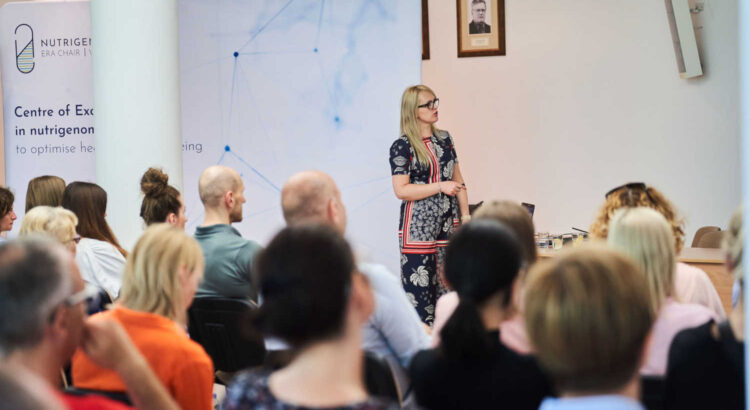
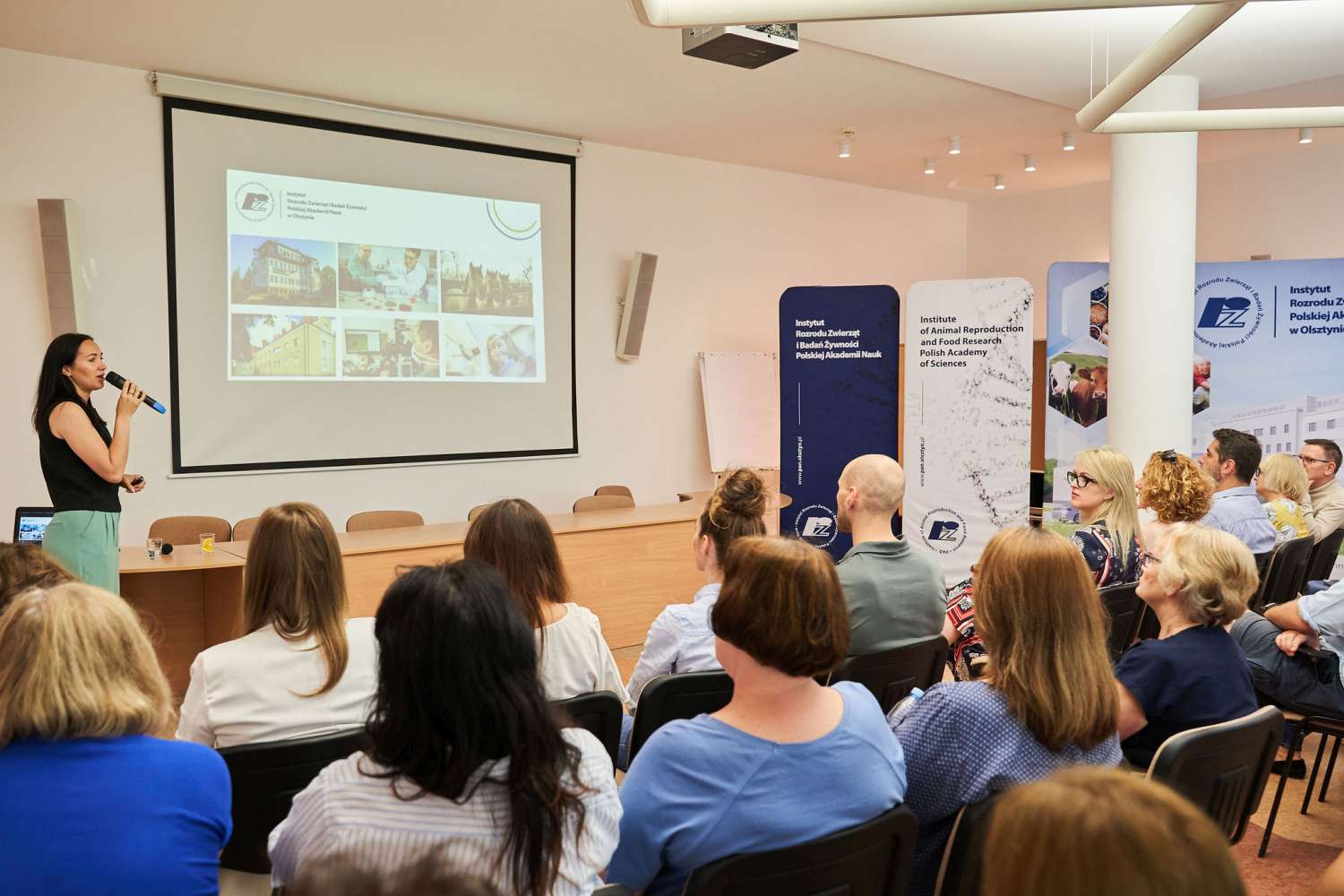
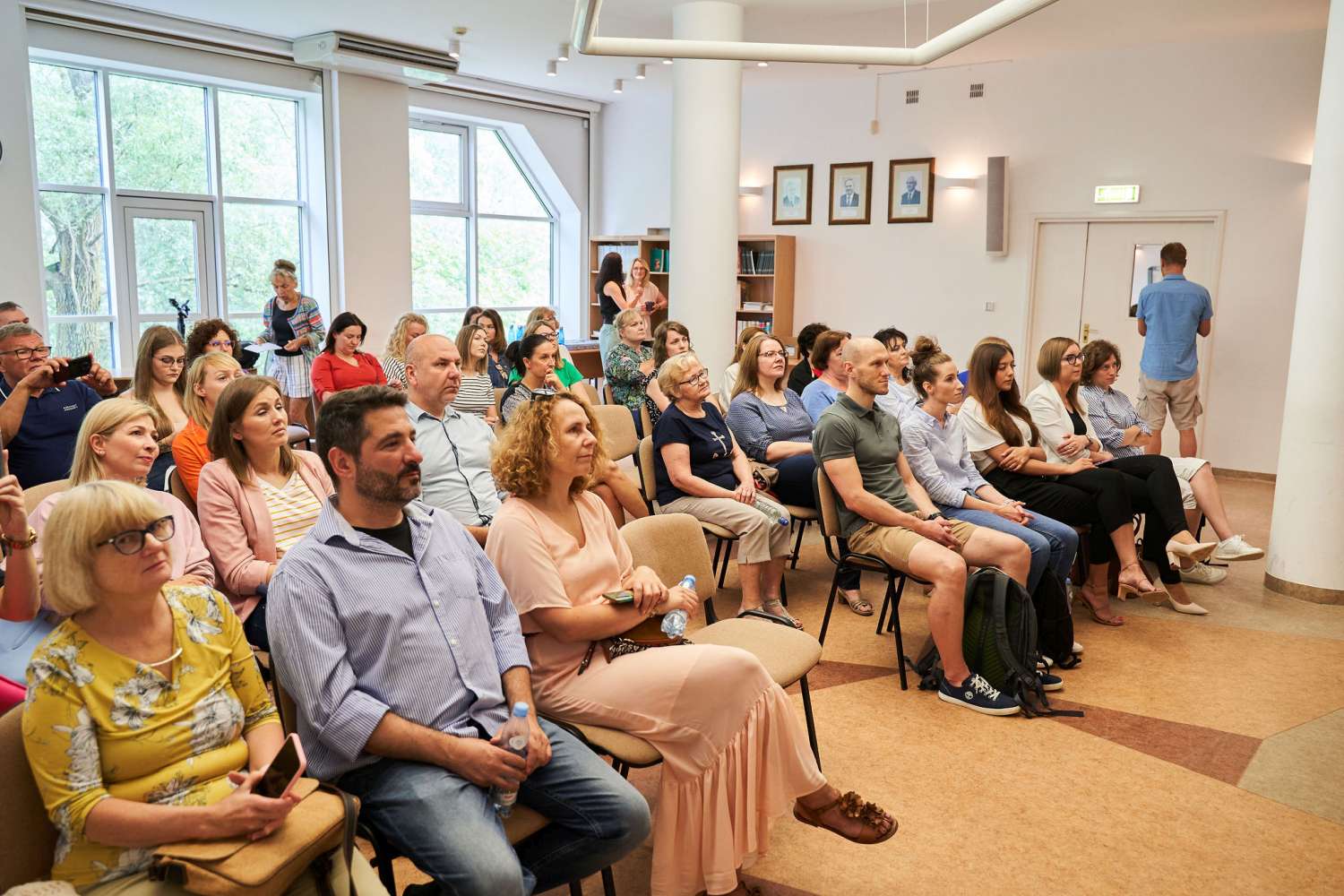
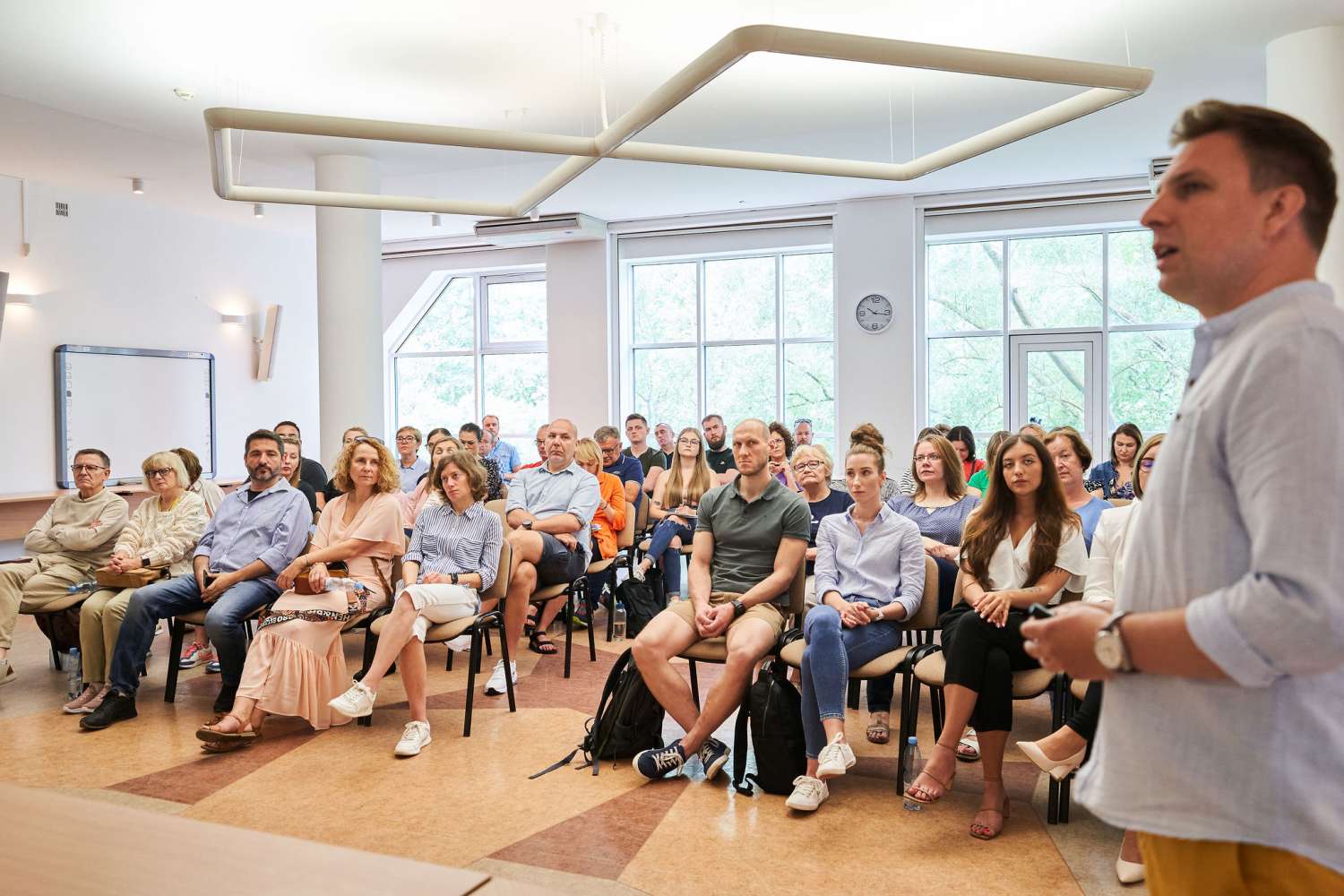
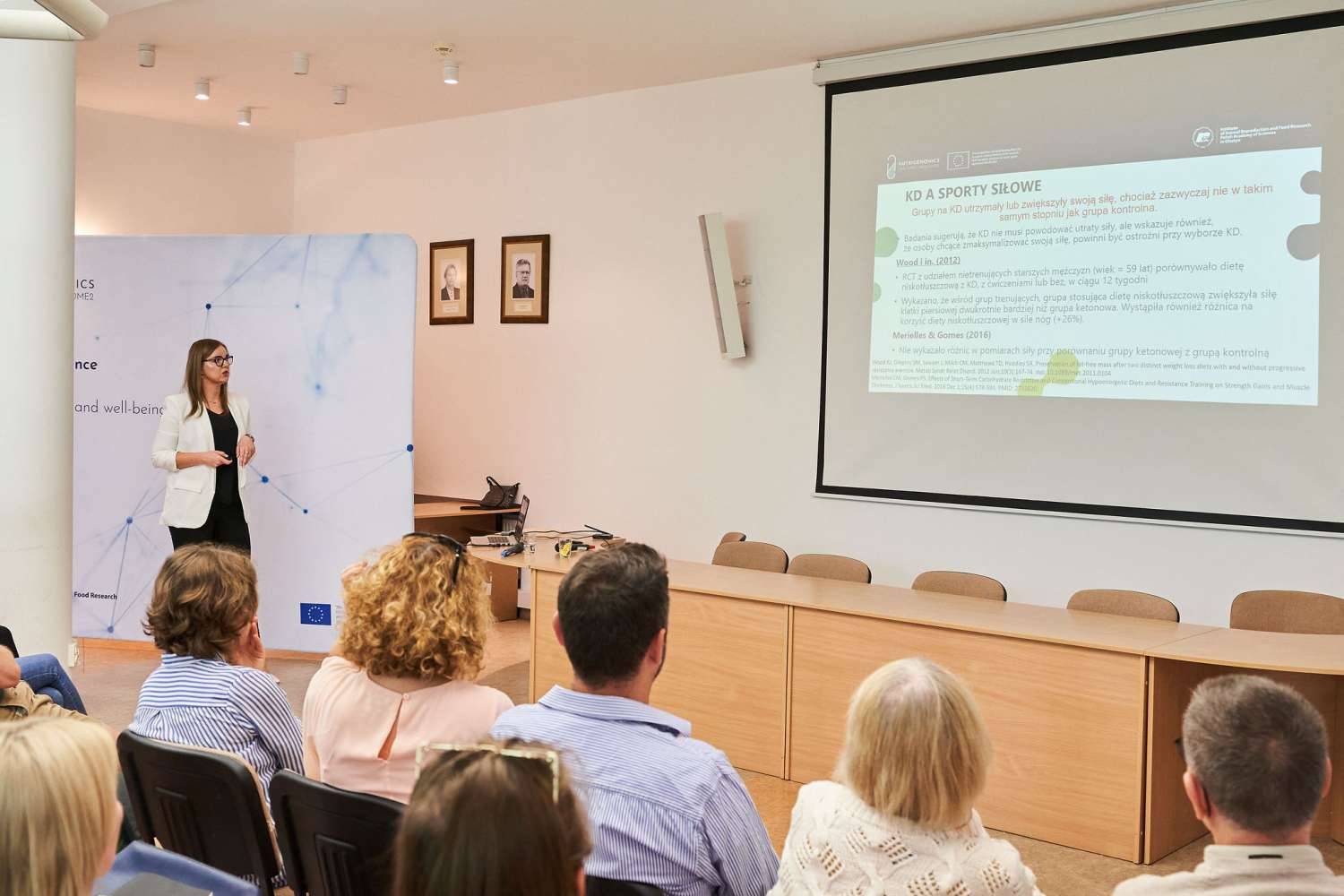
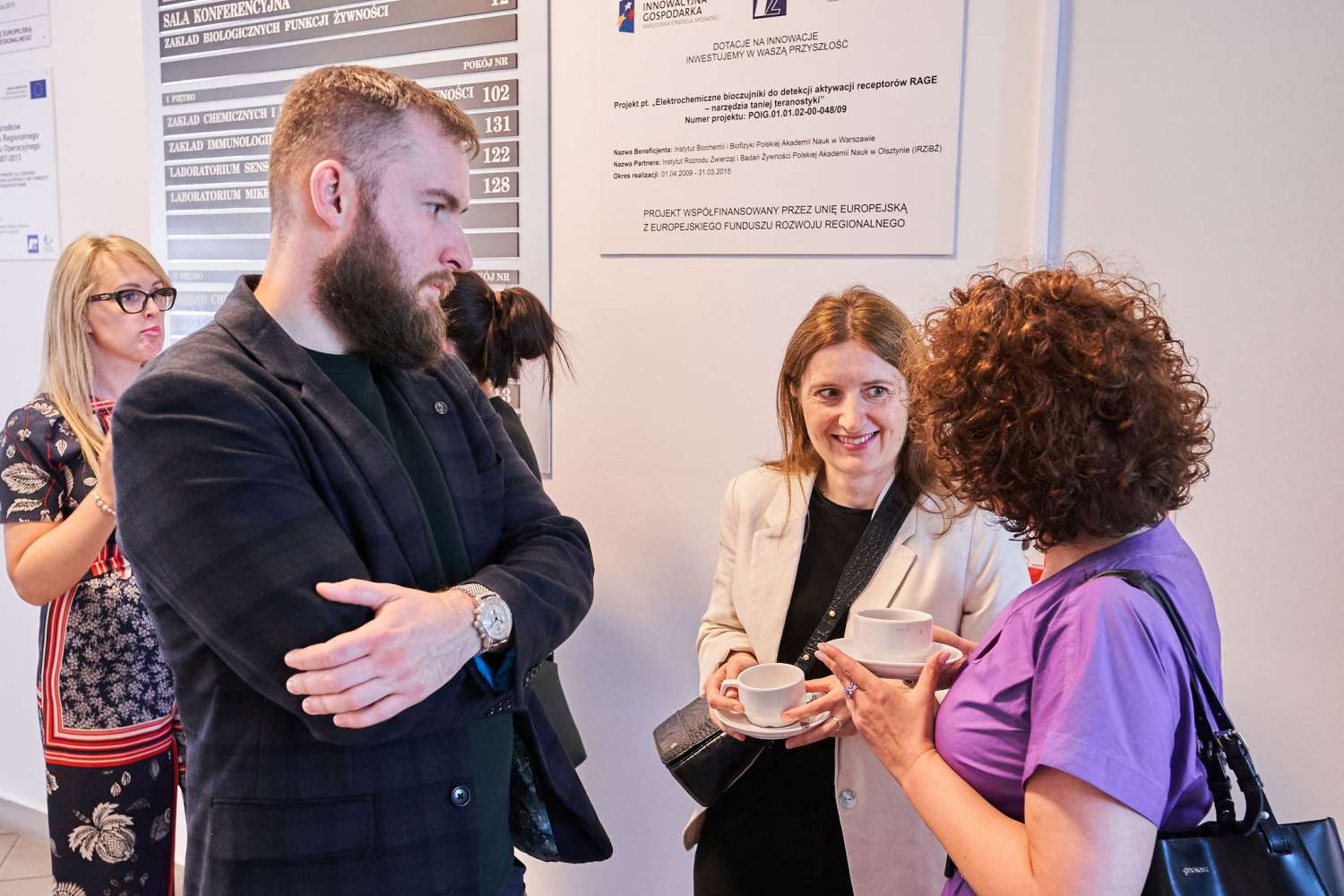
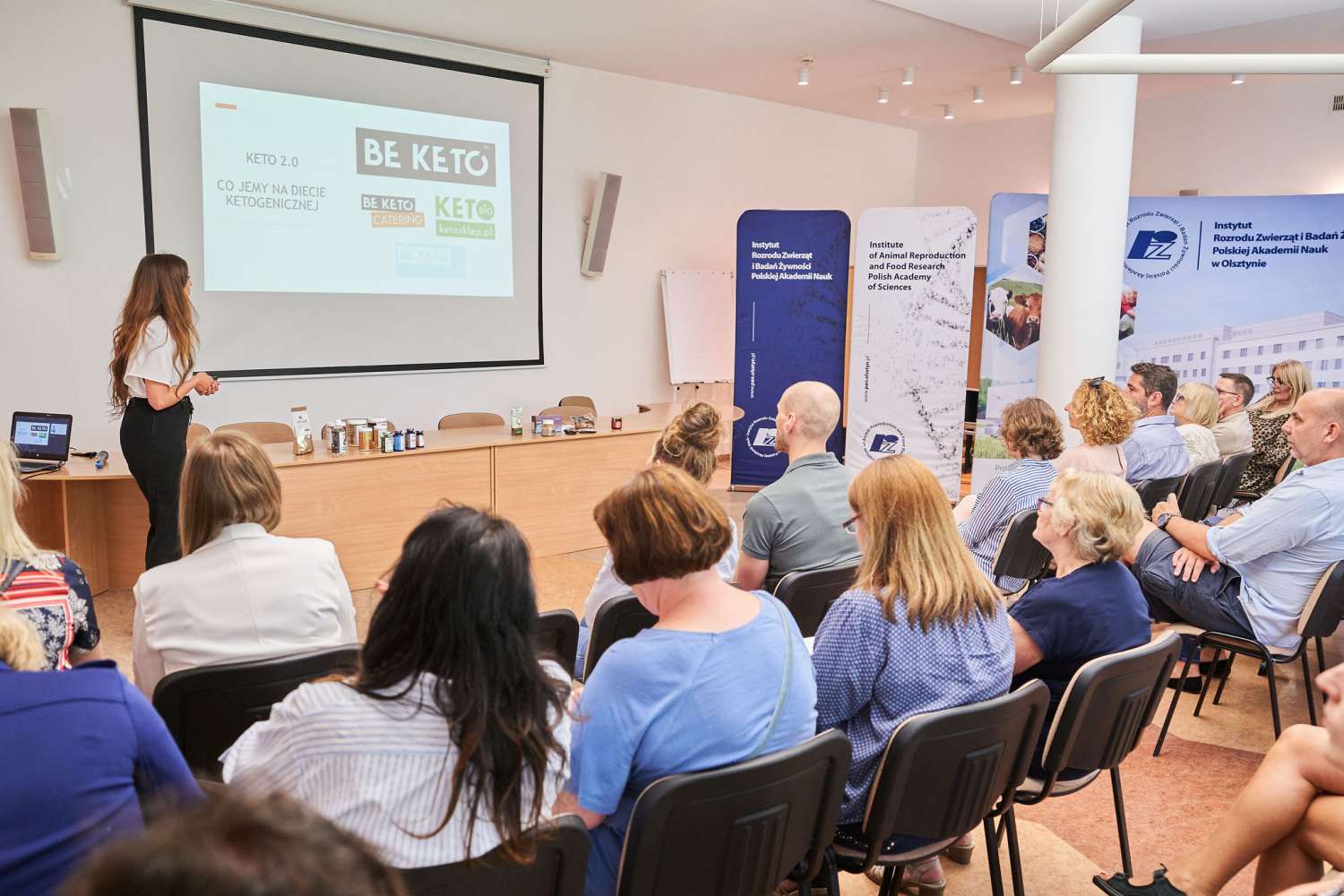
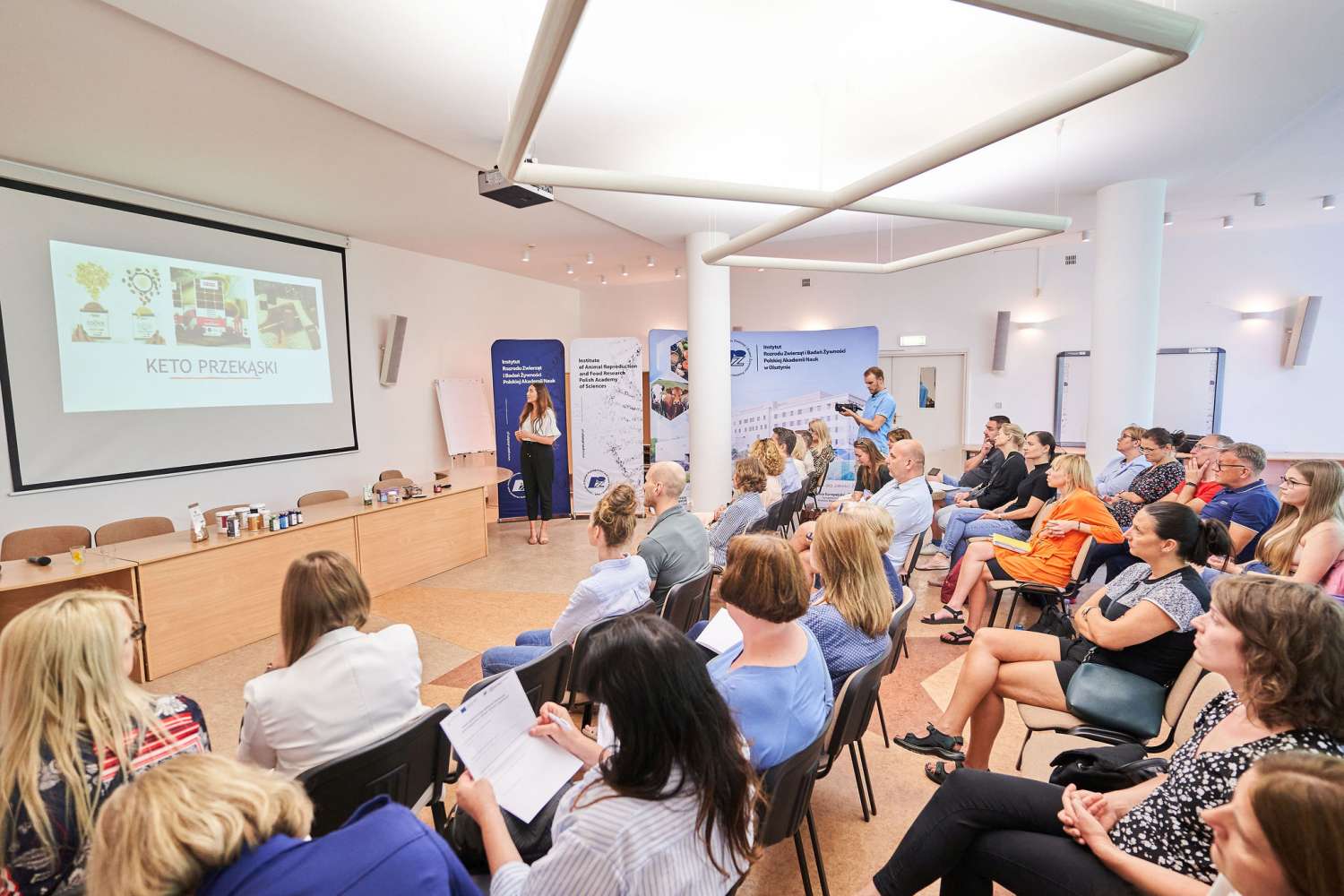
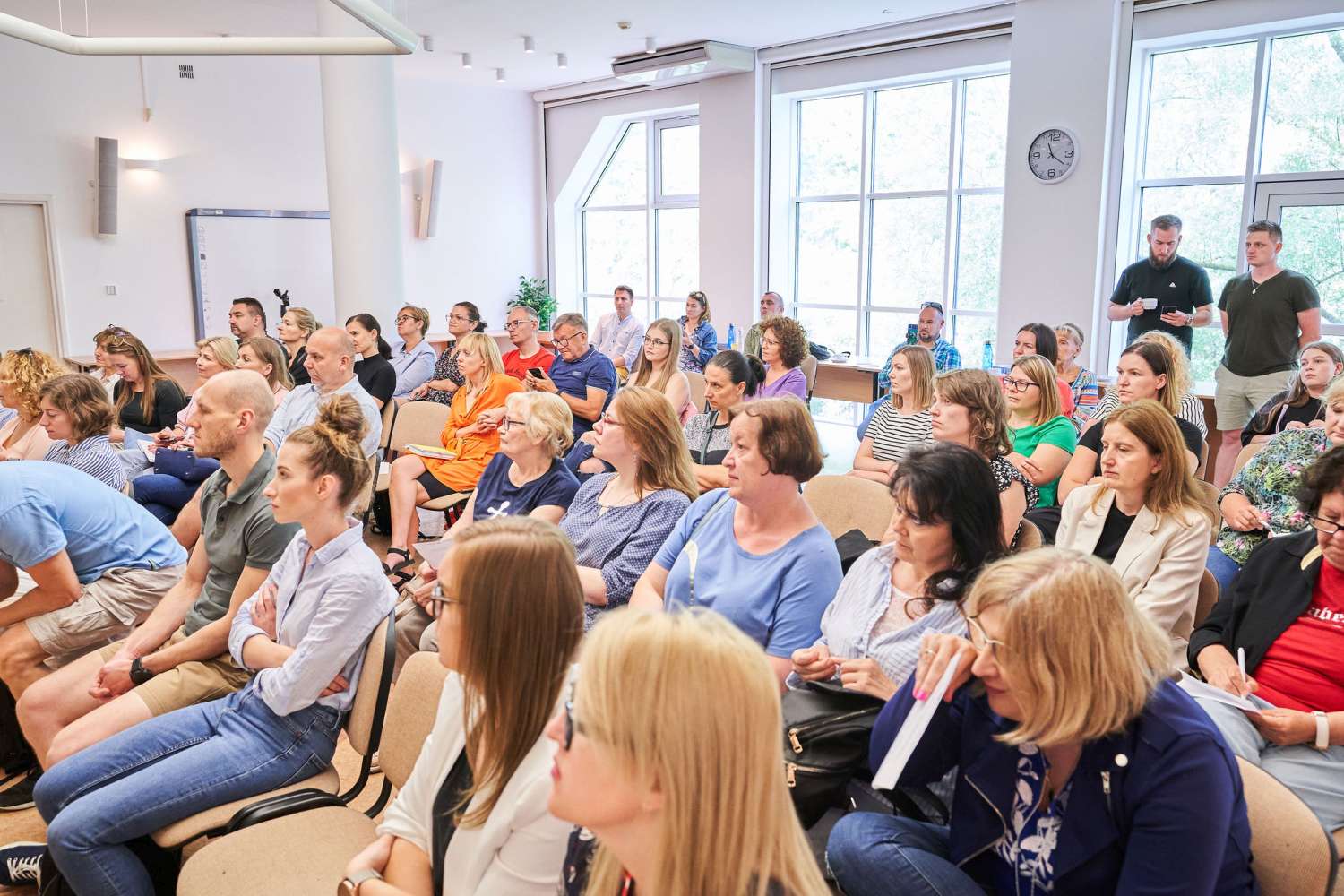
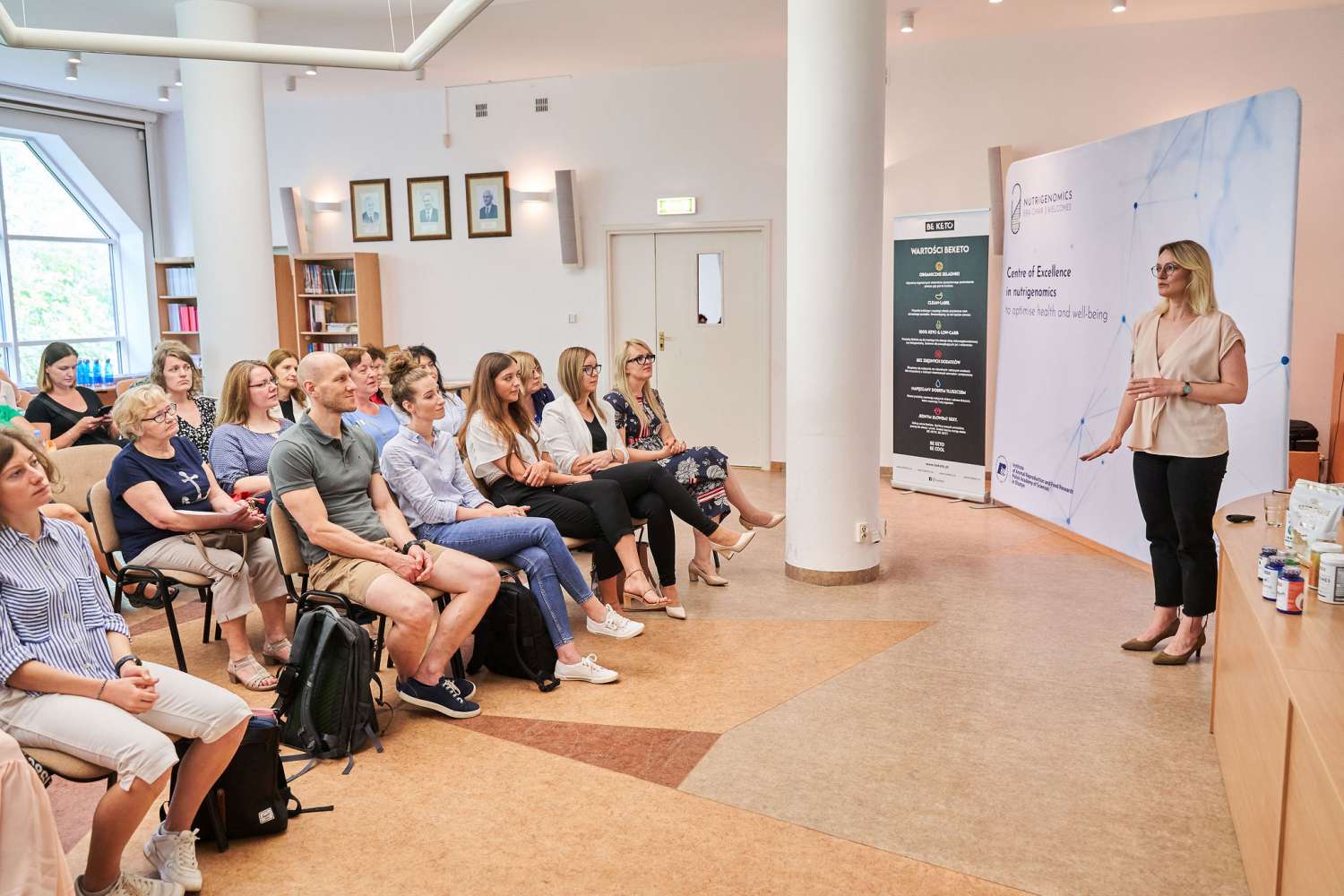
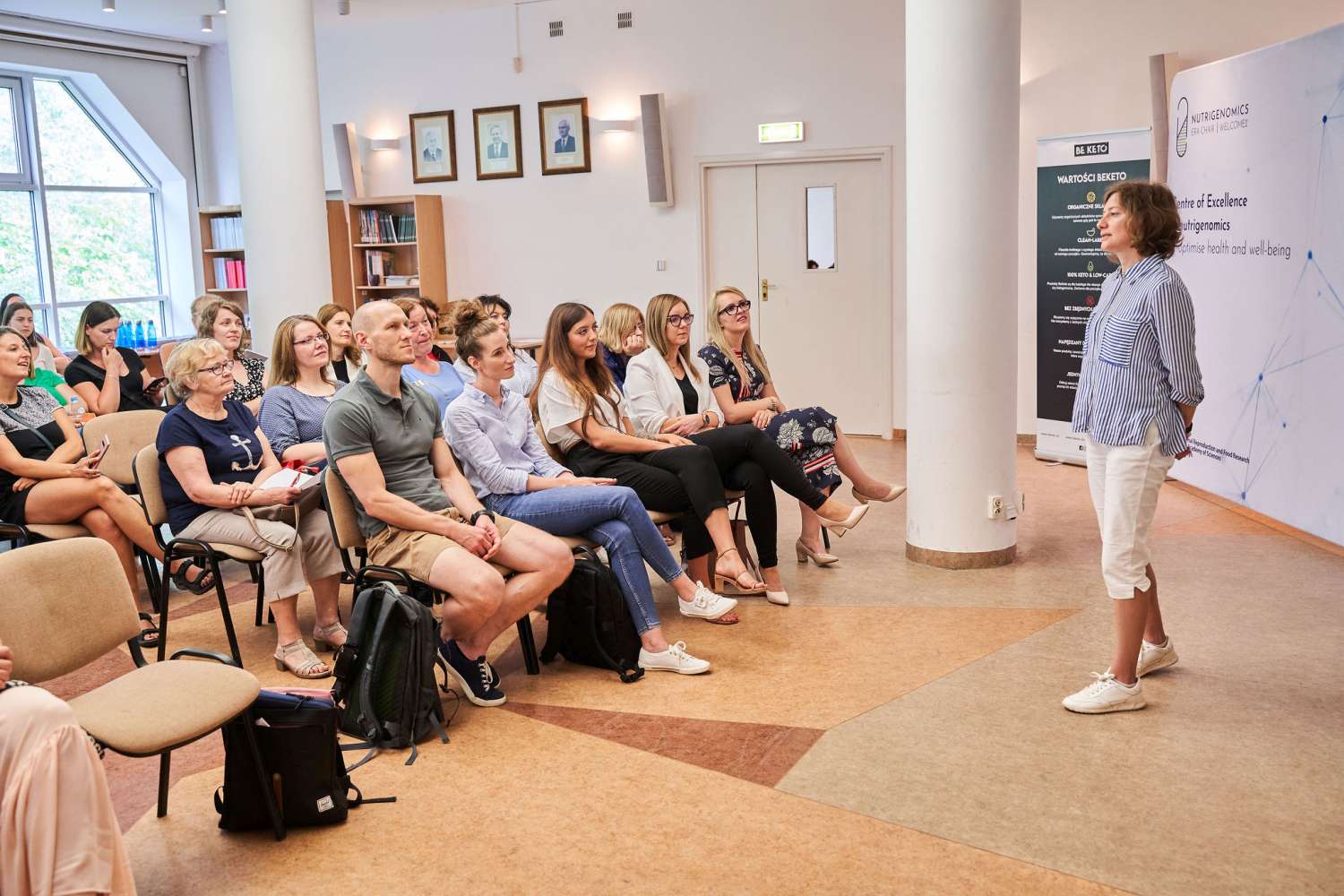
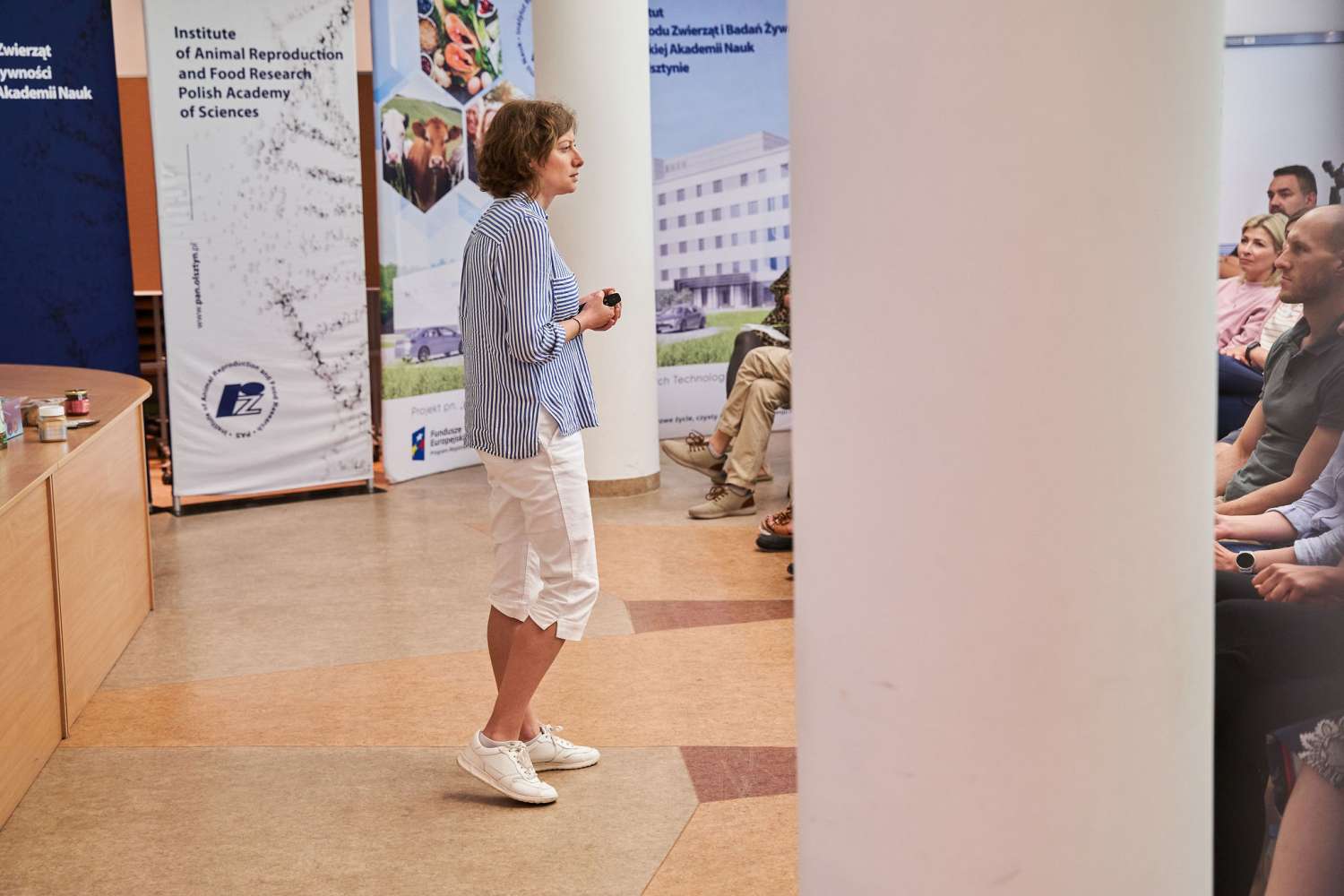
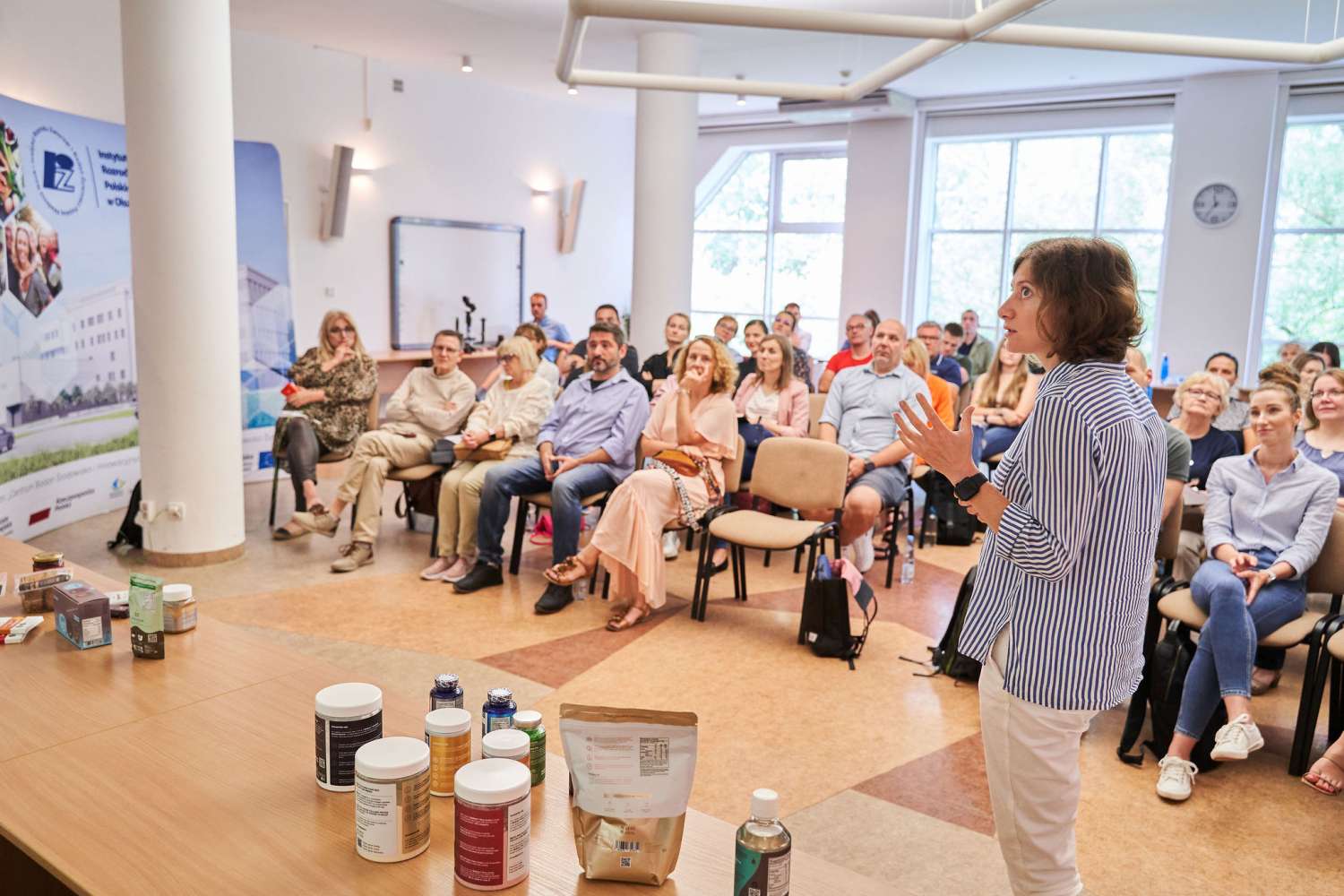
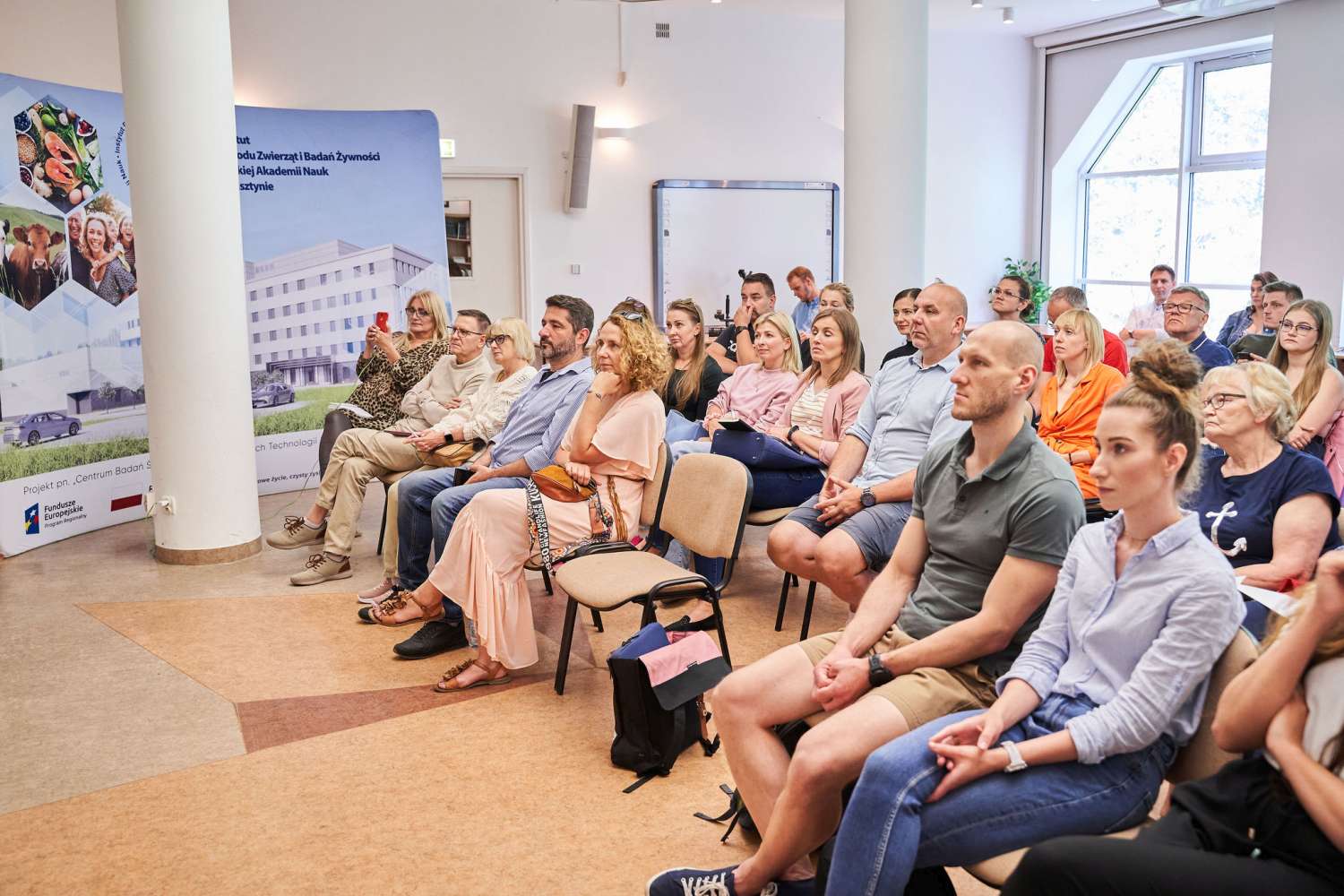
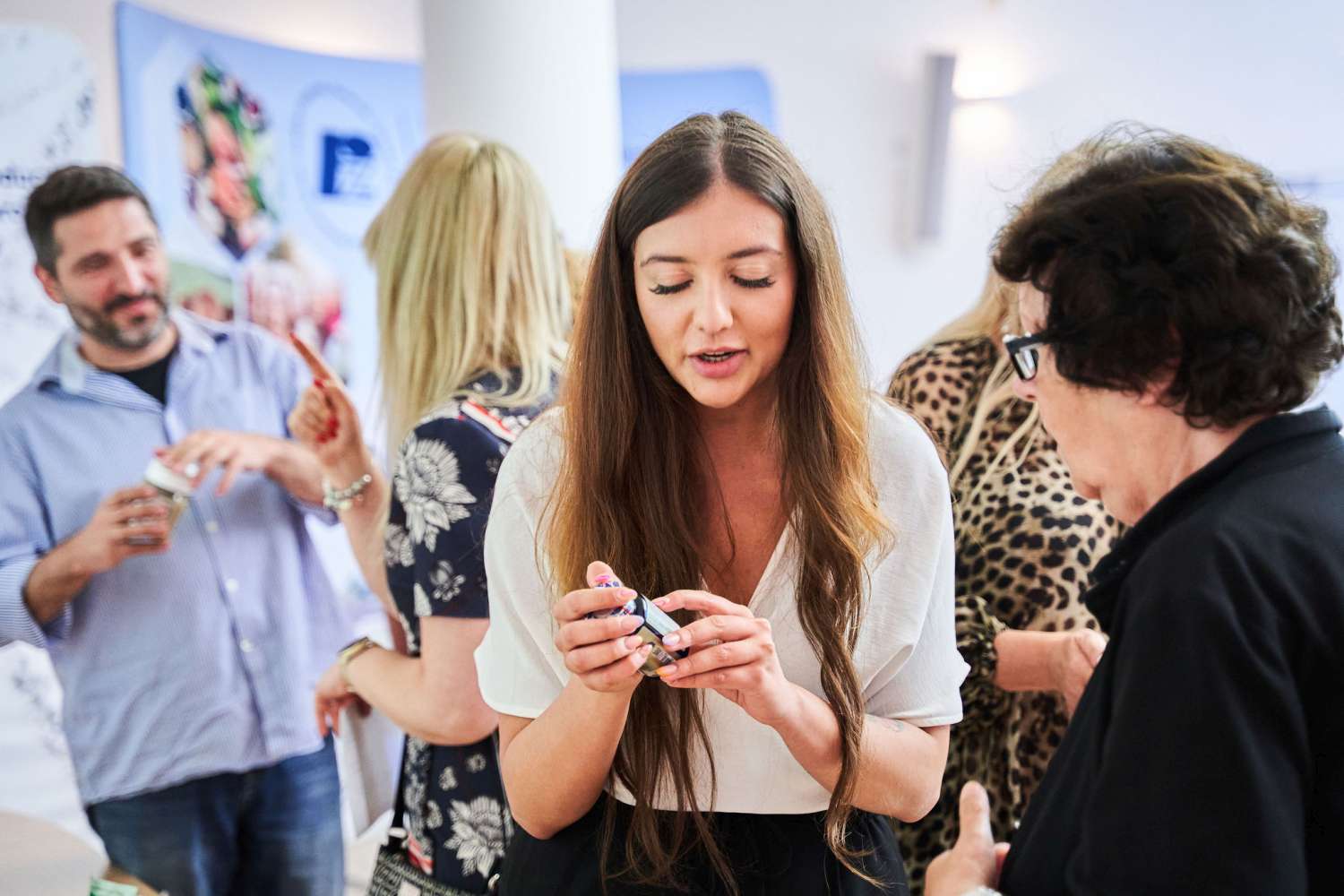
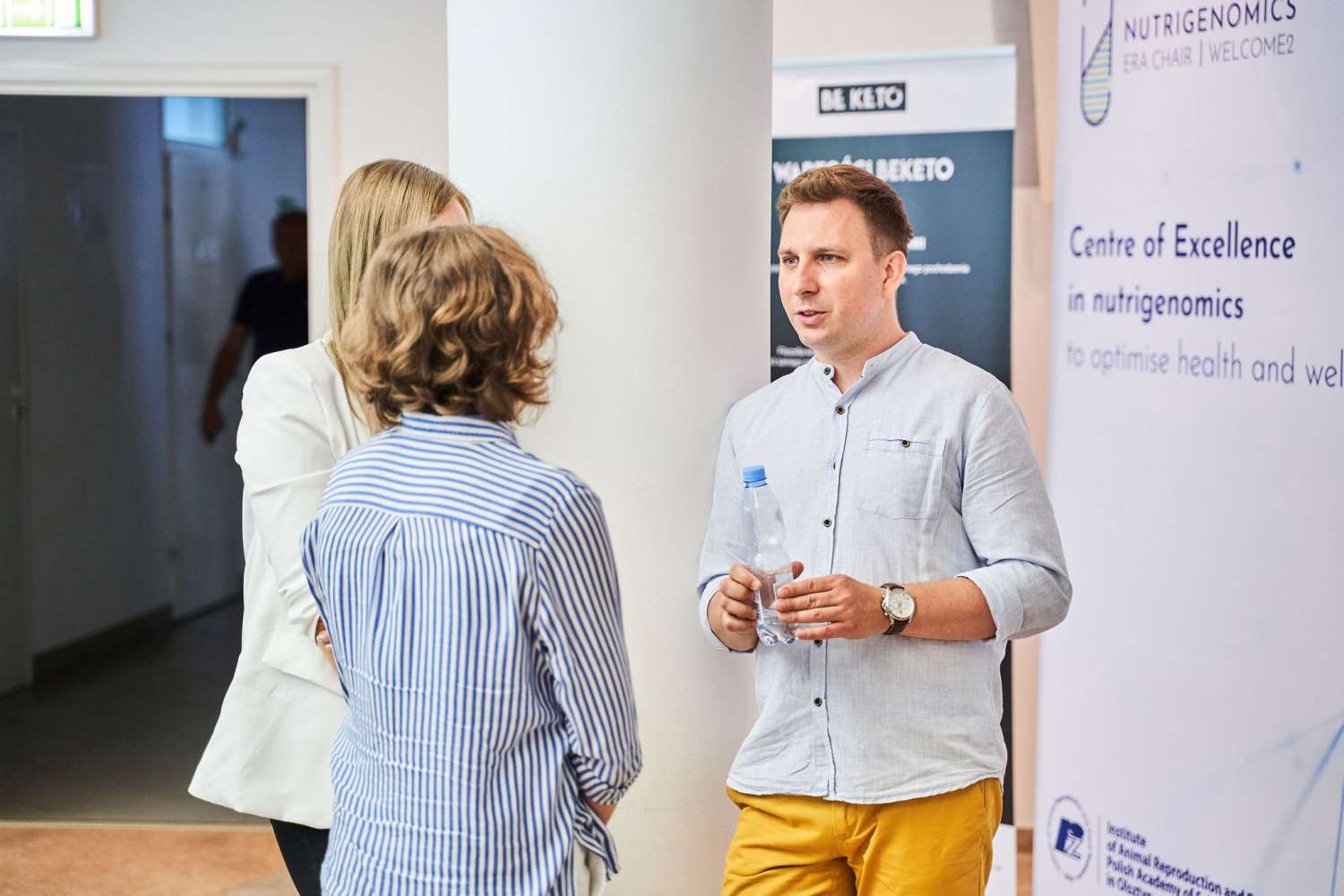
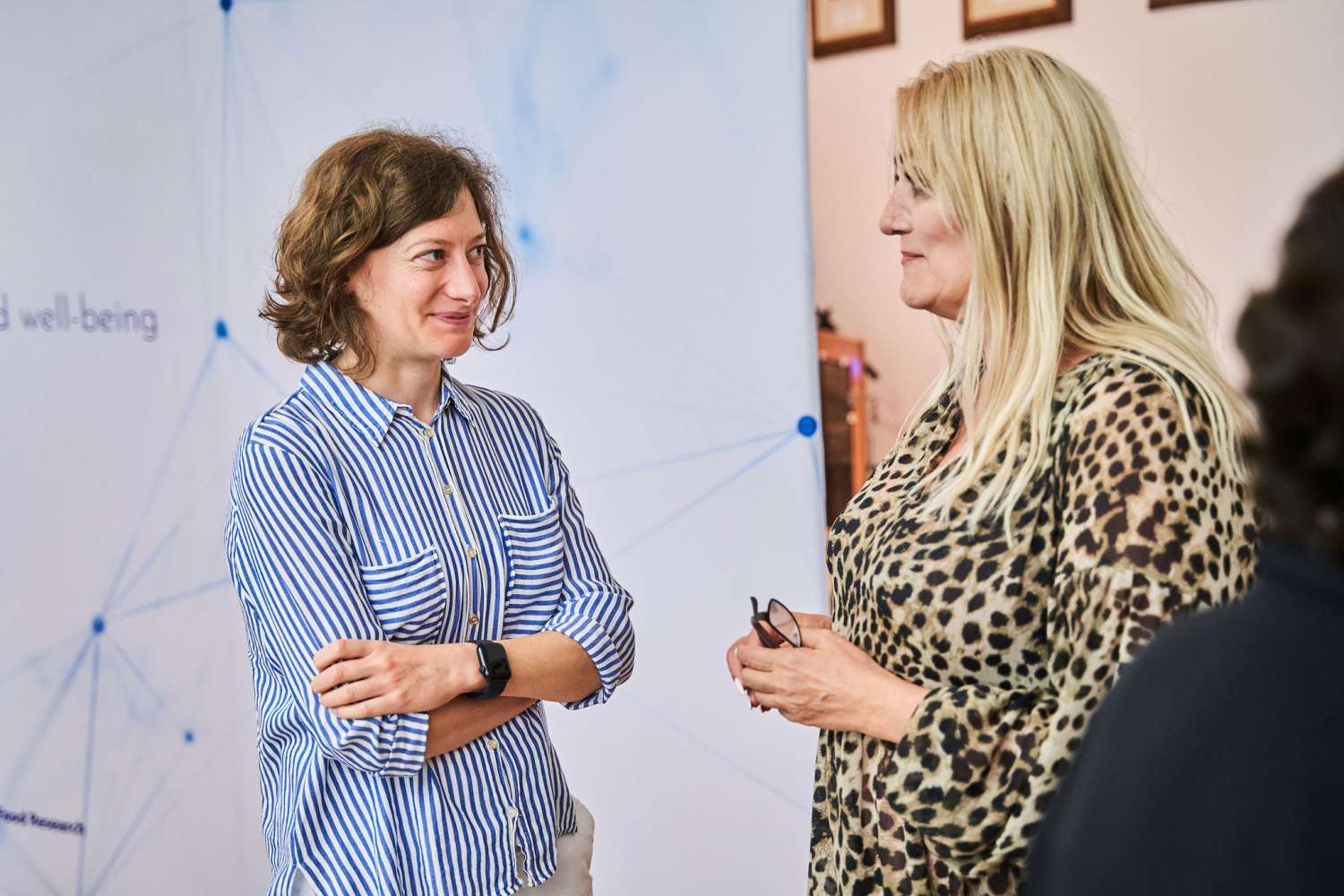
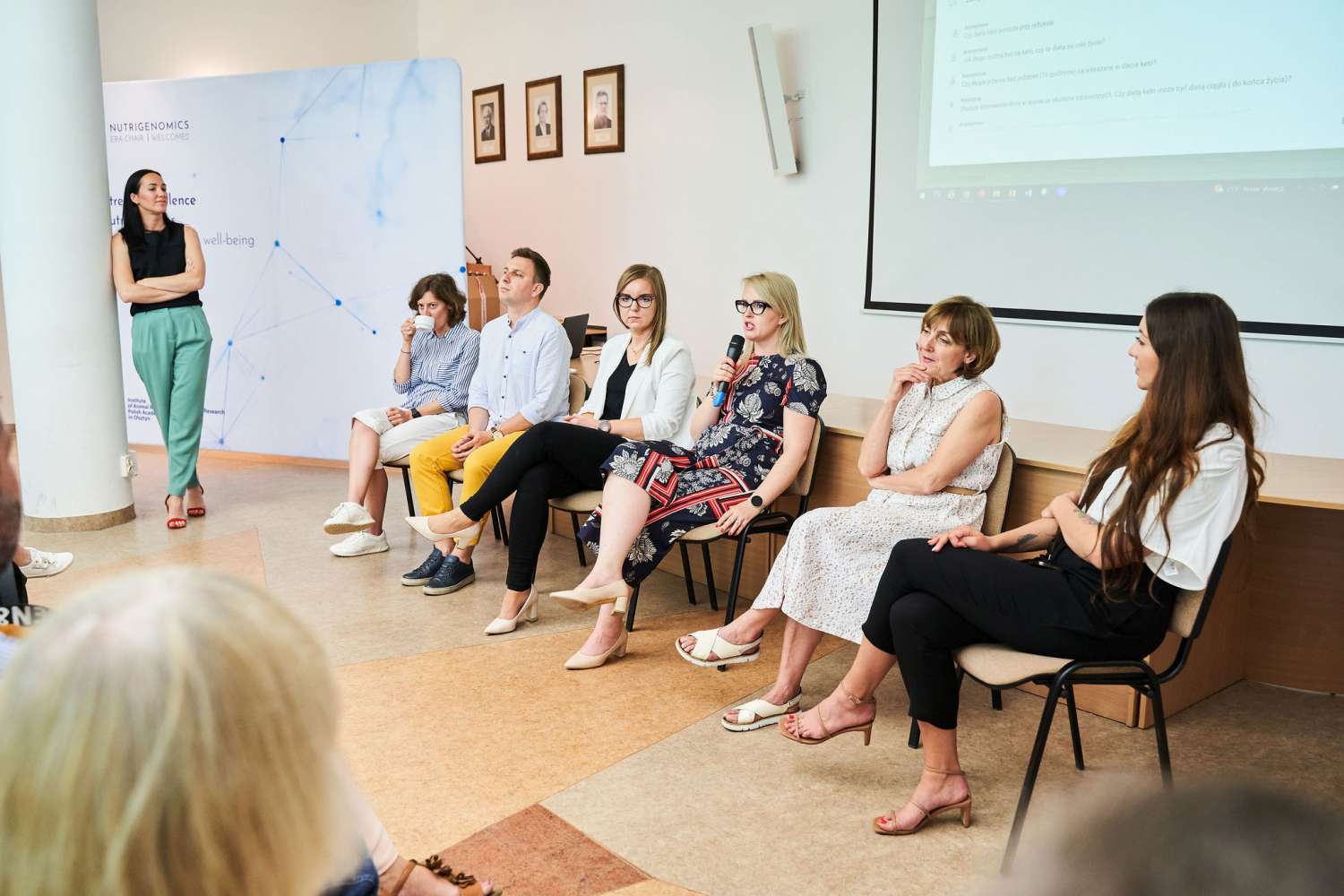
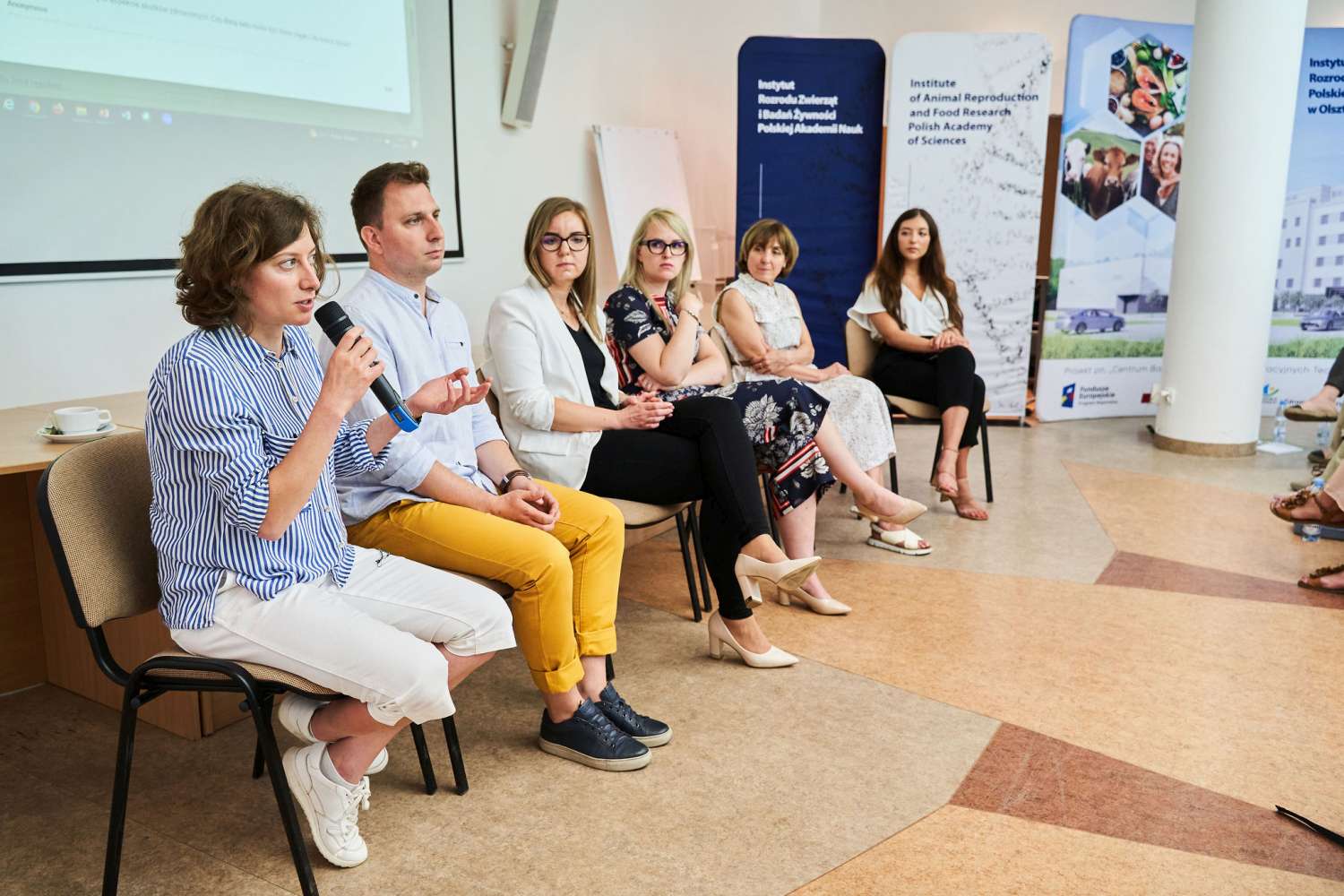
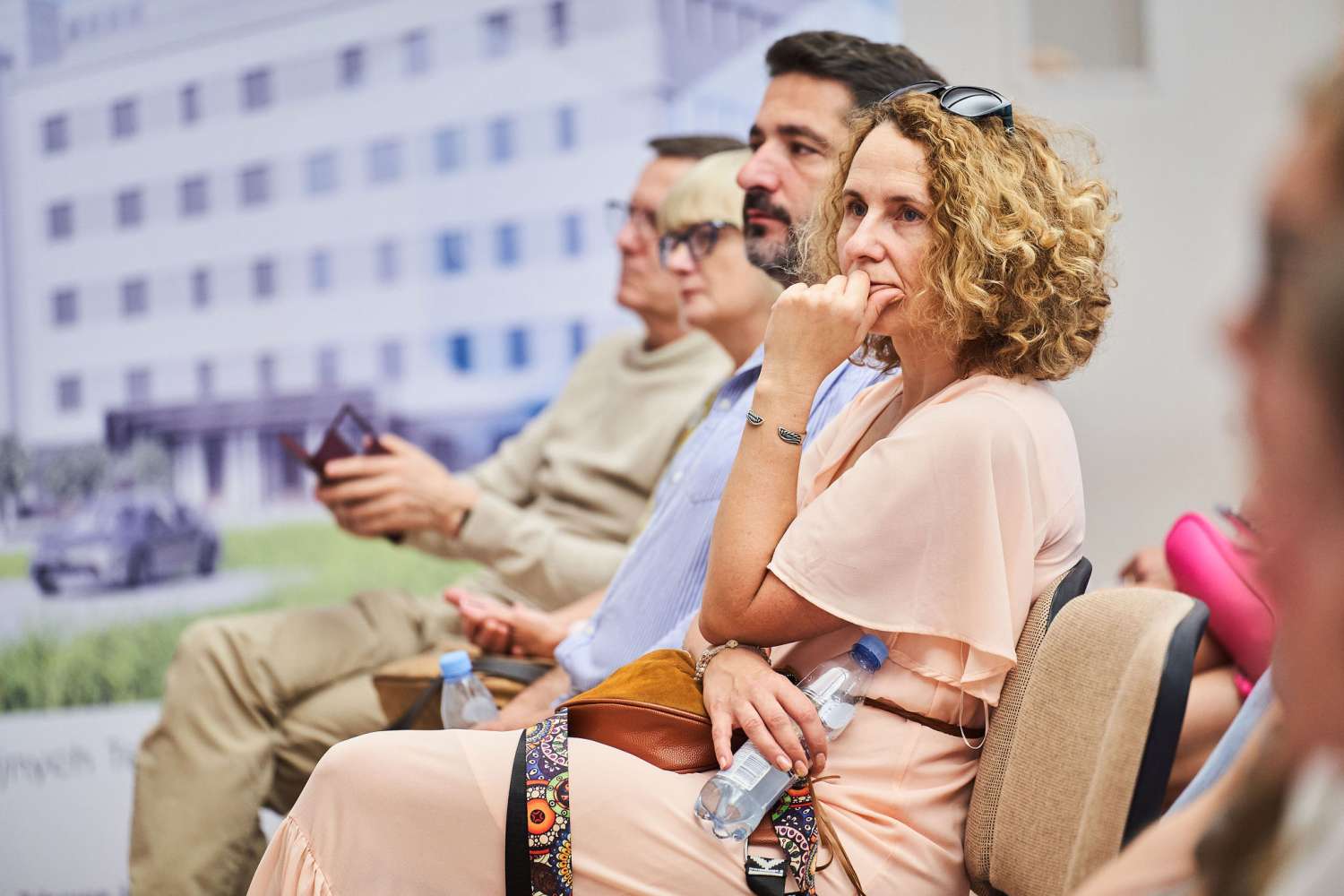
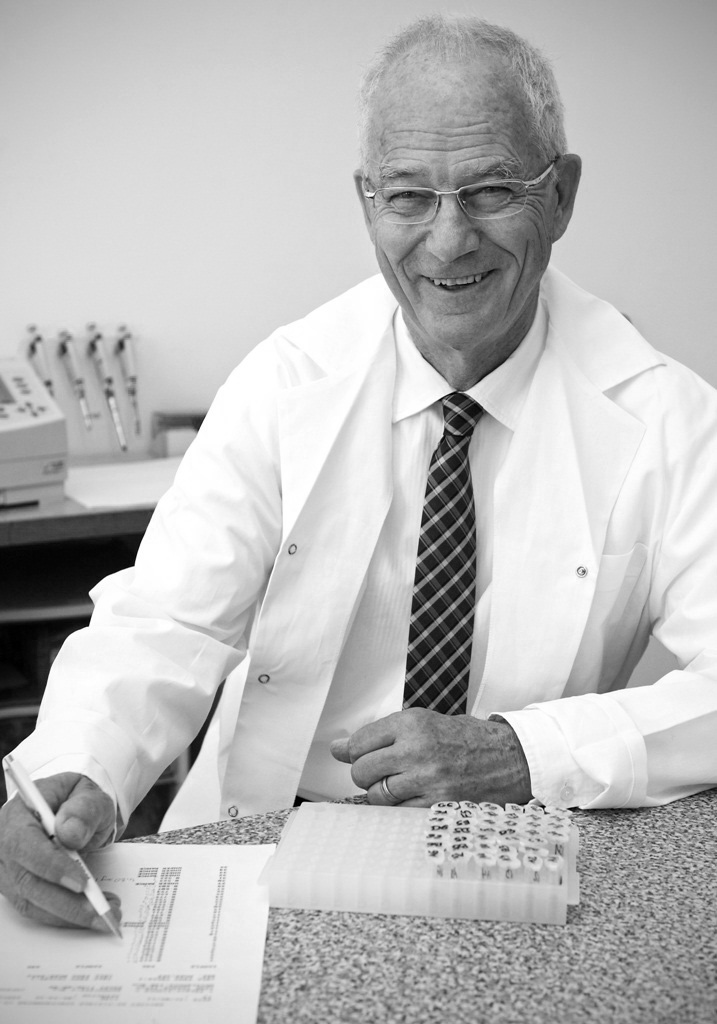
What is the ketogenic diet and is it worth following it? We were looking for an answer to this question during the first educational meeting carried out as part of the ERA Chairs WELCOME2 project. Scientists from our Institute invited to a joint discussion representatives of the academic community, education, local politics, innovation, health care, as well as private individuals interested in the ketogenic diet in the context of health benefits.

Dr. Natalia Drabińska from the Department of Food Chemistry and Biodynamics of the IRZiBŻ PAS explained all the key aspects of this currently very popular diet and presented the NCN project she runs: „KETO-MINOX: The impact of an isocaloric, reducing ketogenic diet on metabolism, inflammation, selected nutritional parameters and stress of overweight and obese women. View the presentation

Dr. Piotr Kaczyński from the Department of Hormonal Action Mechanisms of the IAR&FR PAS presented facts and the latest research on the effect of ketogenic diet on human reproductive processes, especially in relation to fertility problems. View the presentation

Dr. Aleksandra Kocot from the University of Gdańsk gave a lecture on the impact of the ketogenic diet on sports performance.

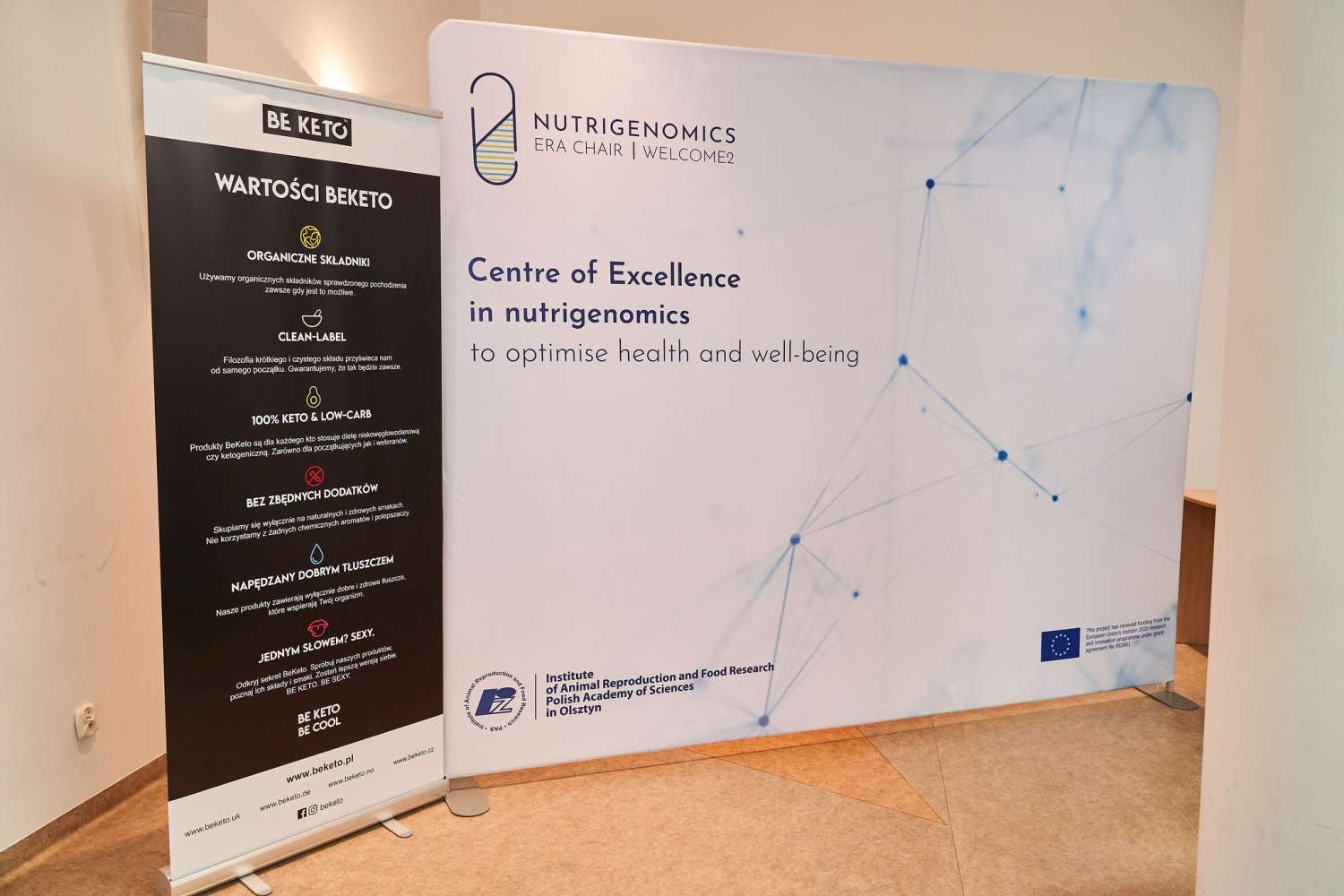
Oliwia Czerniewska from BeKeto company talked about the products developed to diversify the keto diet, and explained in detail how (if necessary and recommended) to supplement while using the ketogenic menu. View the presentation

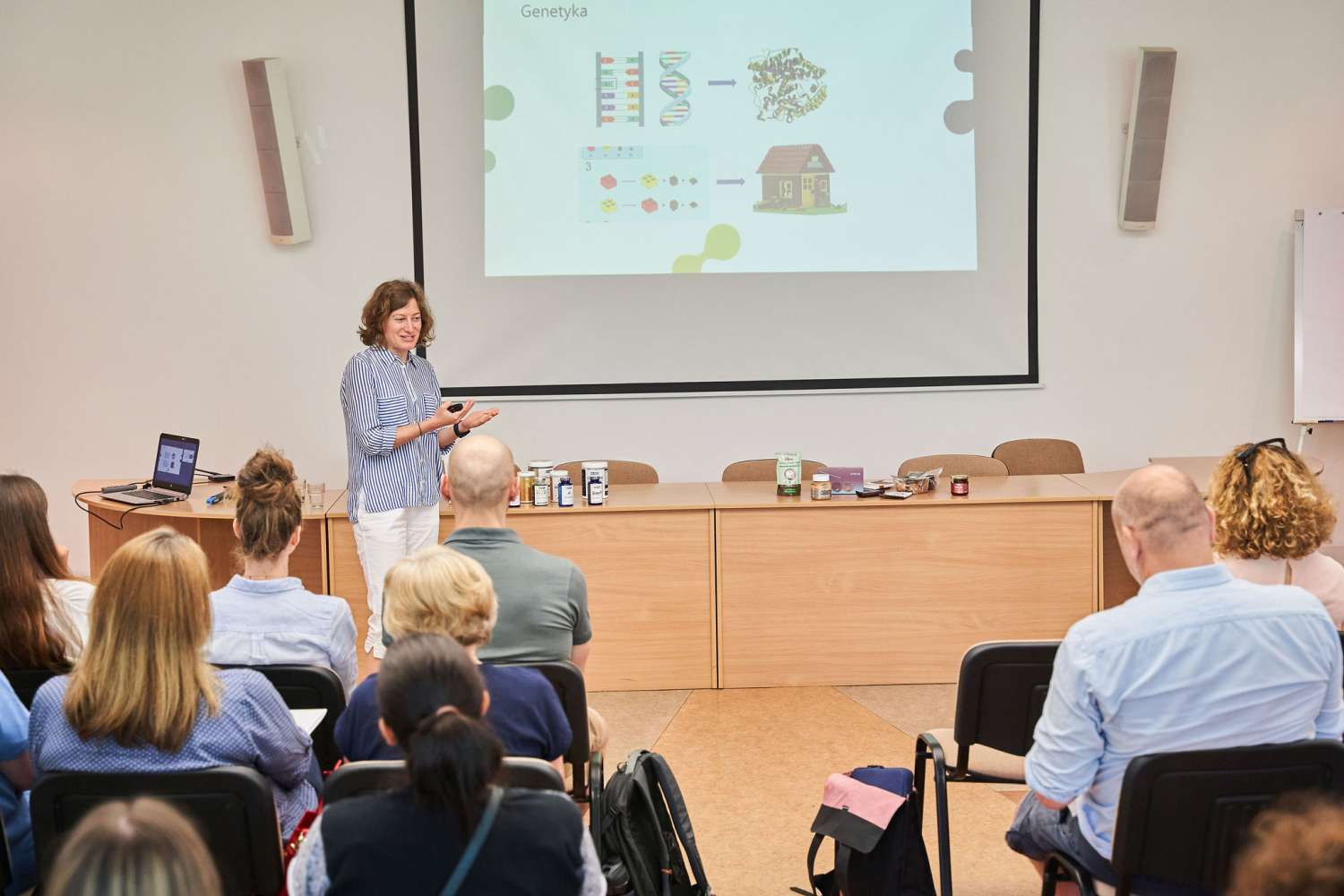
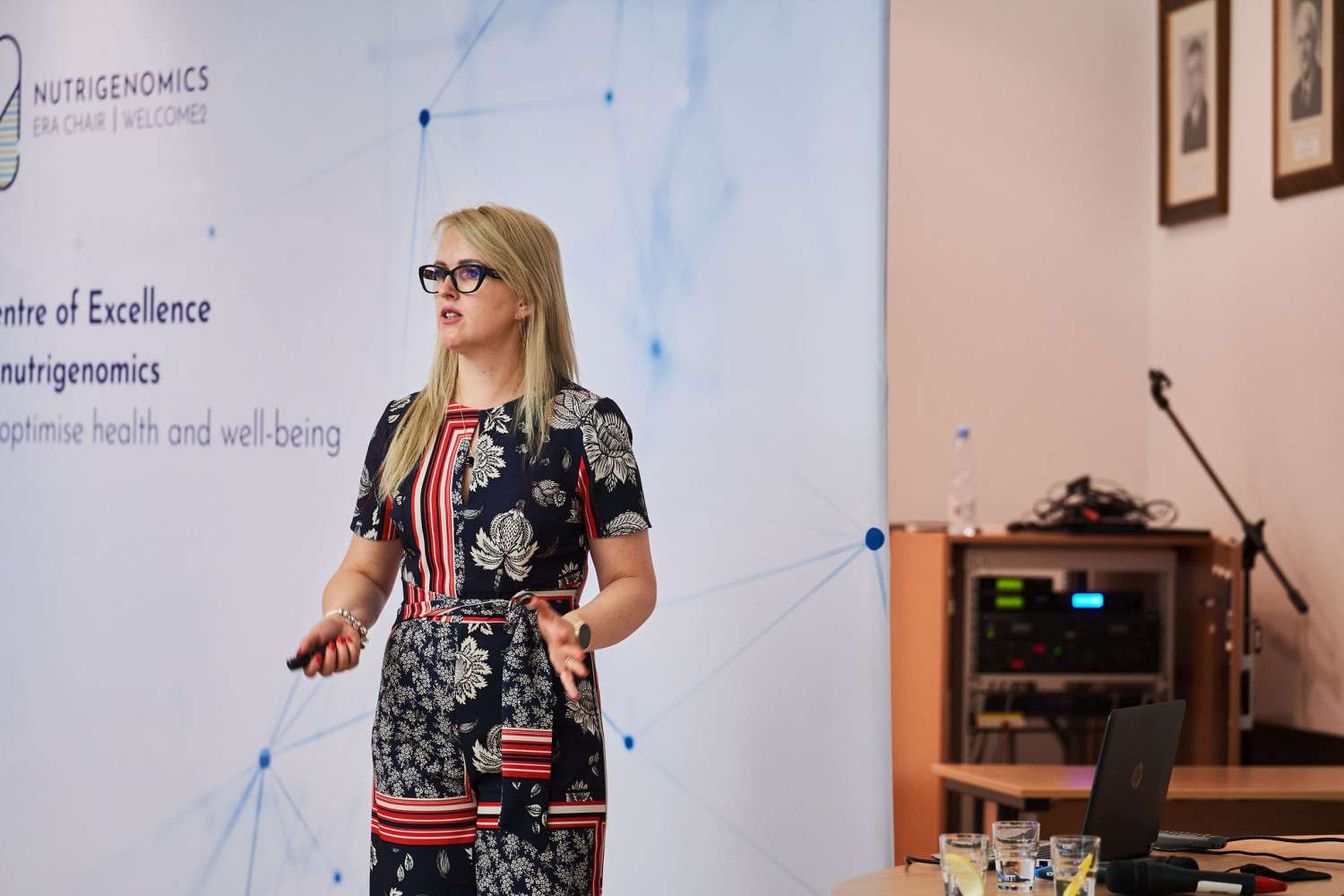
Dr. Marianna Raczyk from the WELCOME2 team introduced us to the concept of nutrigenomics and spoke about  how our diet may affect various processes in the body. View the presentation

The meeting ended with a discussion panel, during which the participants of the meeting could share their questions and doubts. The experts were joined by dr hab. n. med. Elżbieta Jarocka-Cyrta, prof. UWM.

Read more
Warsztaty WE Lead Food

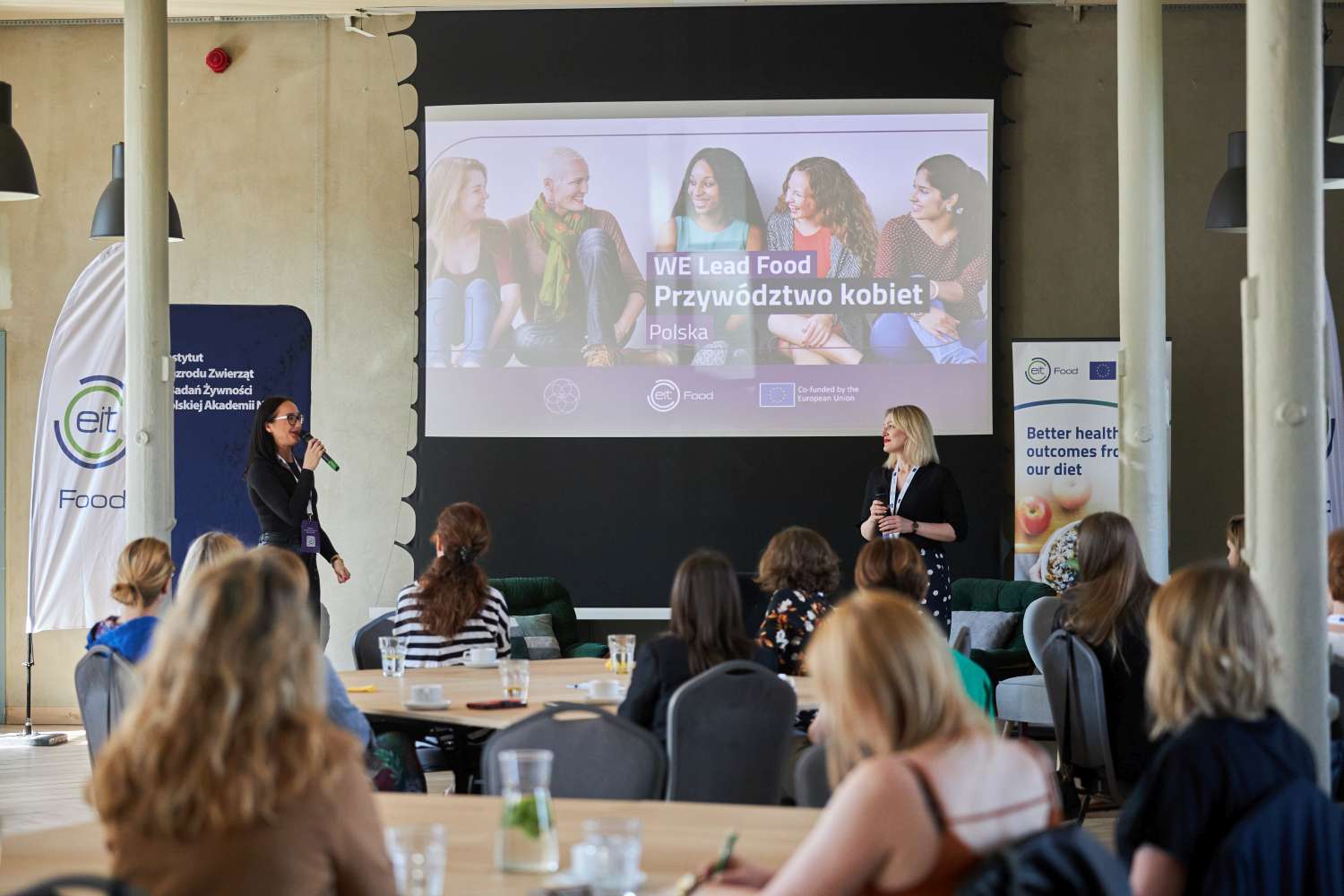
WE Lead Food Poland workshops

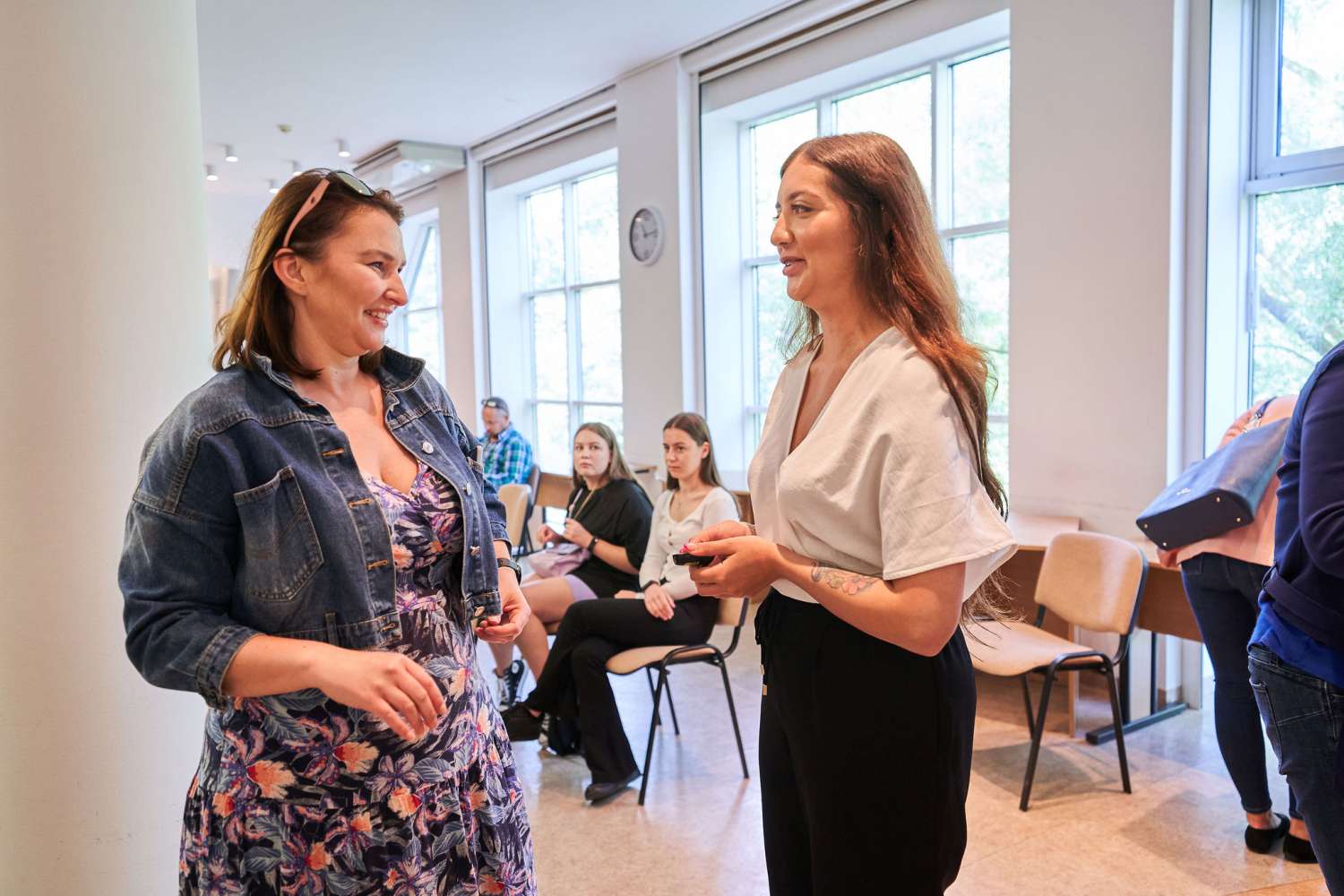
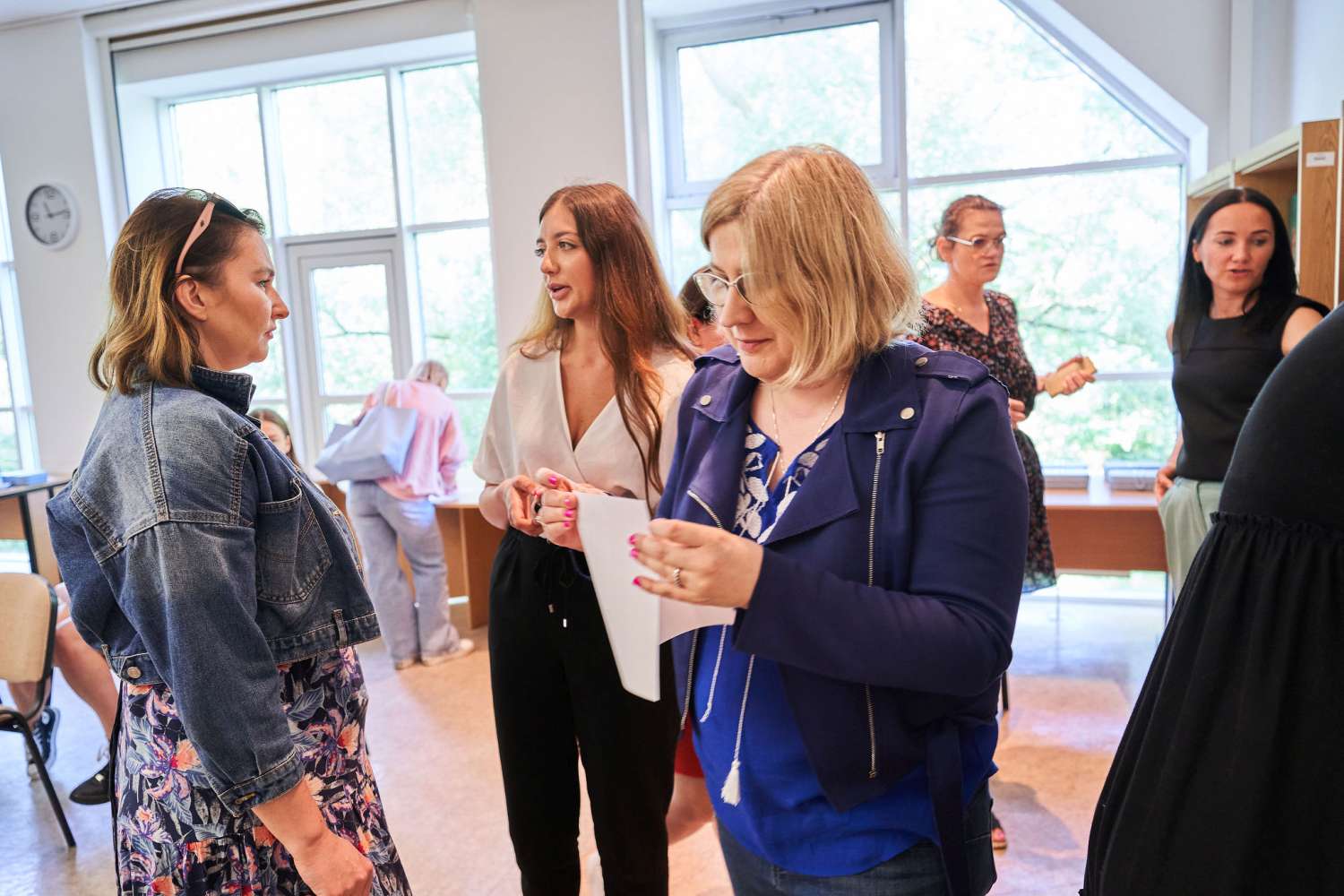
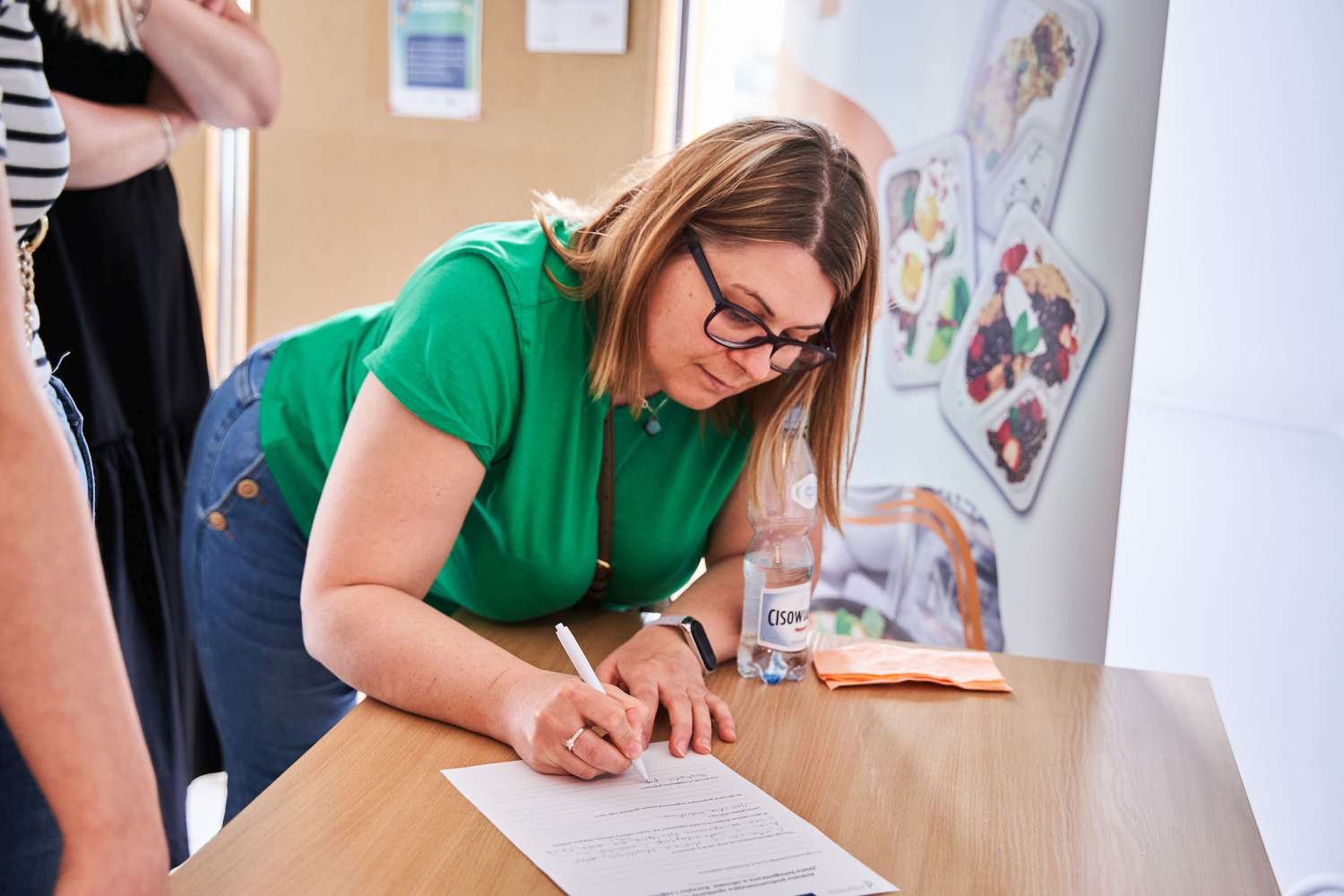
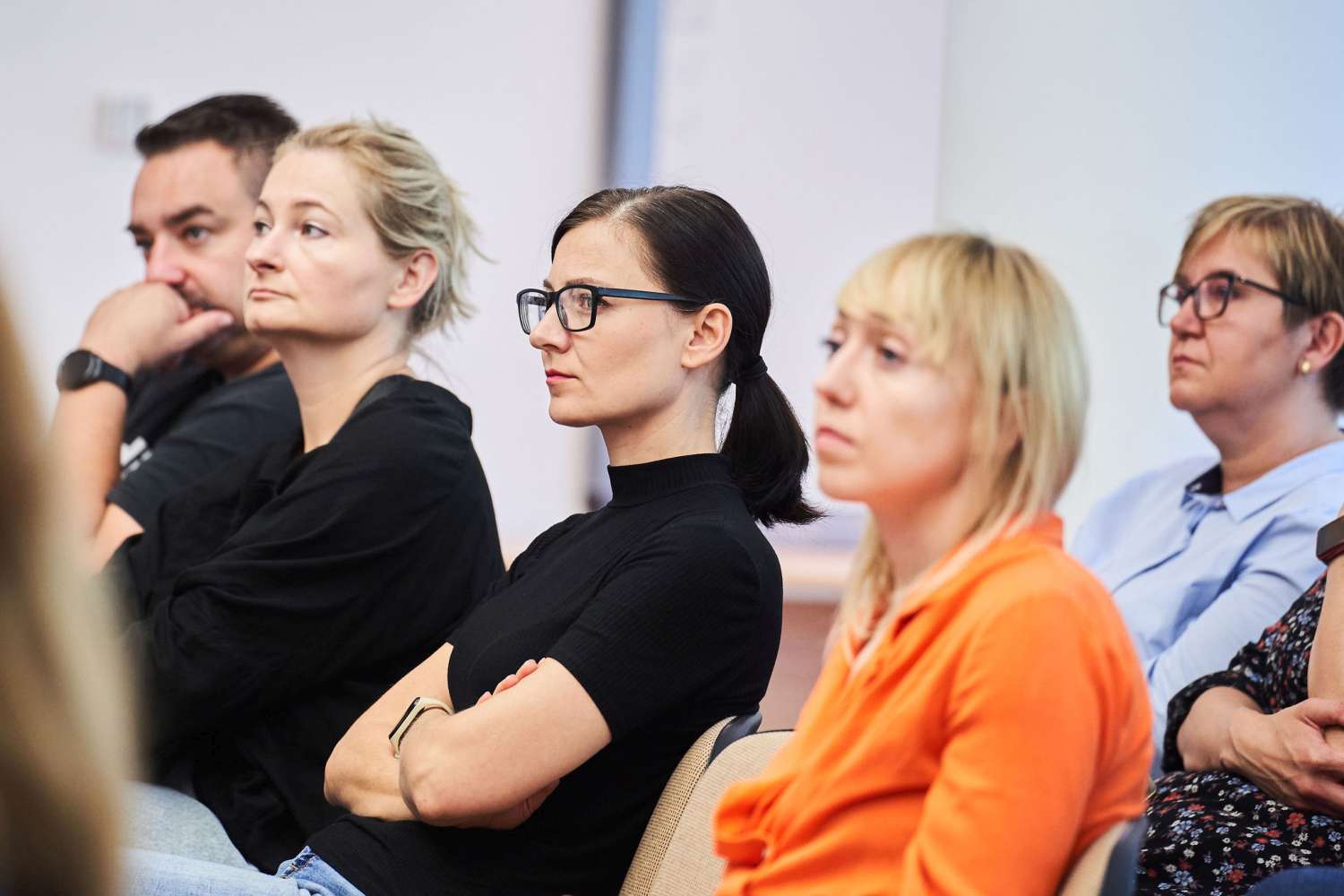
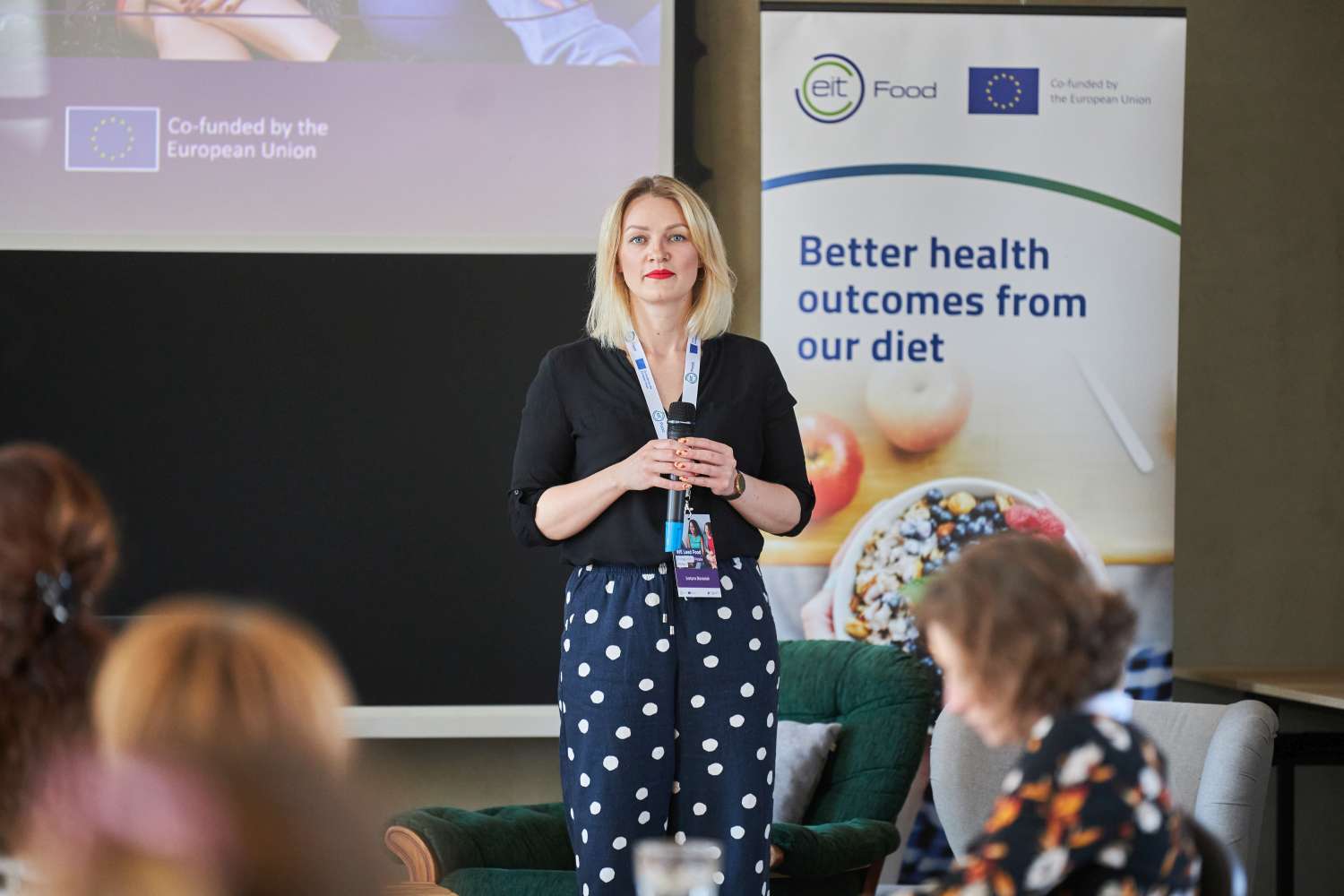
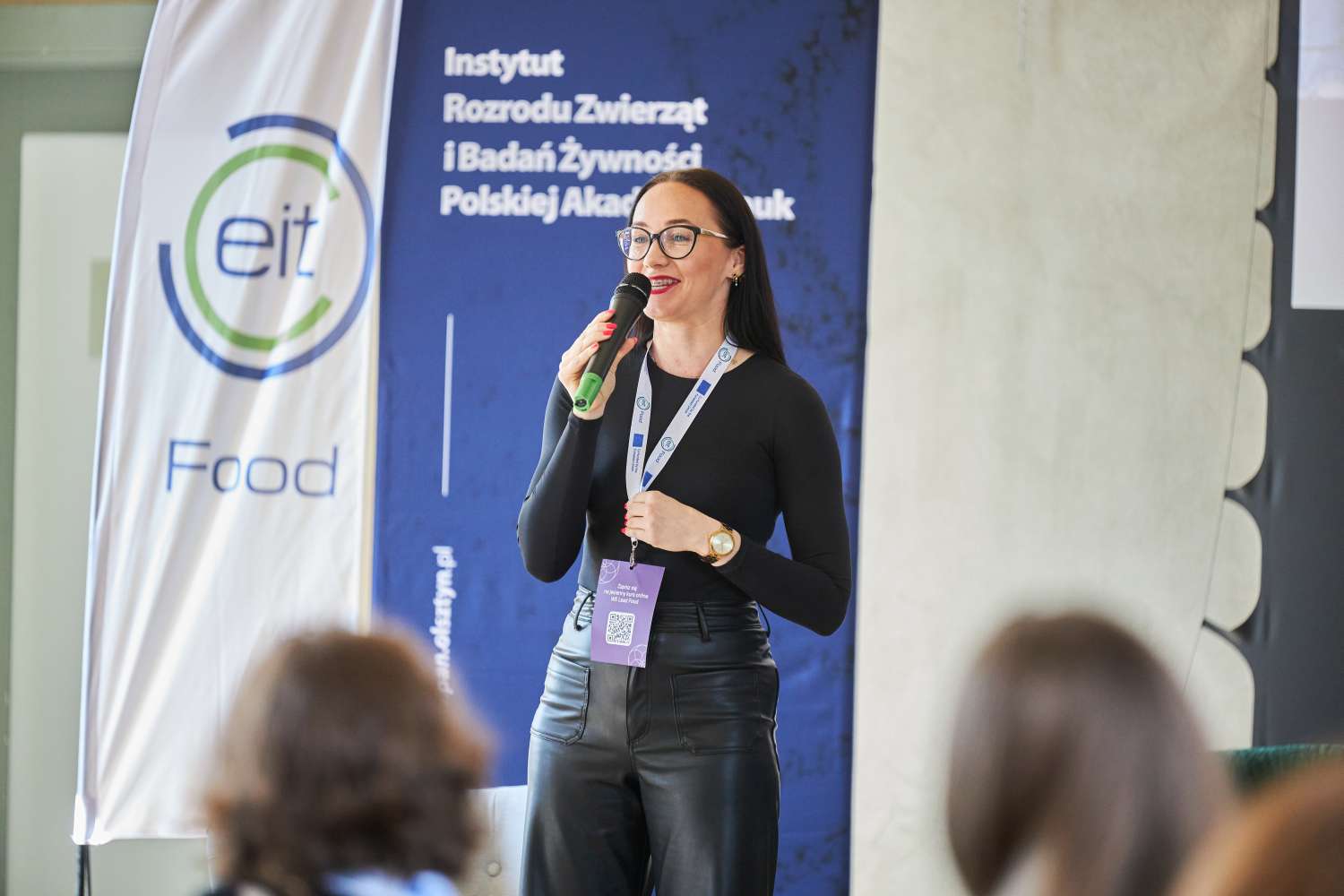
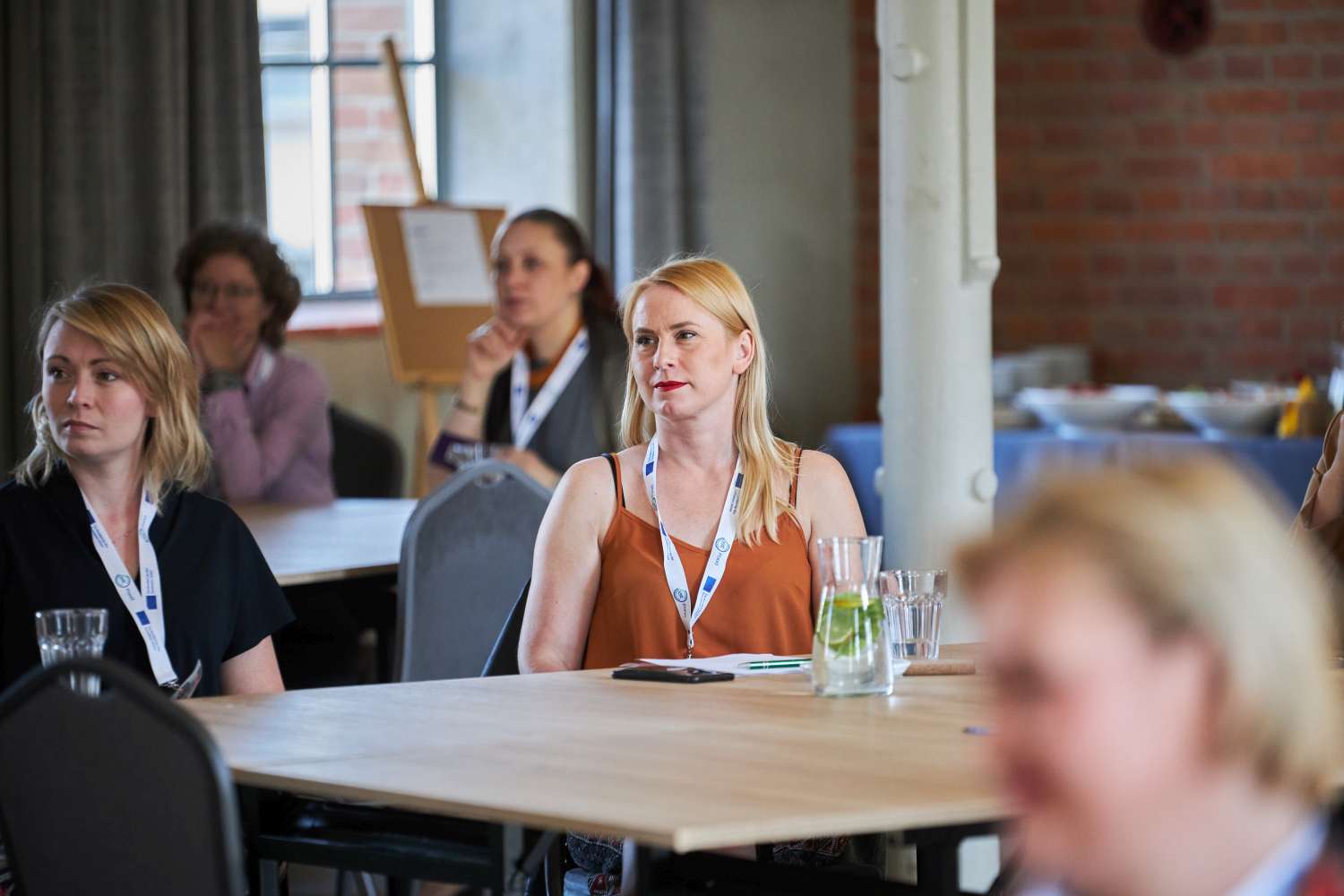
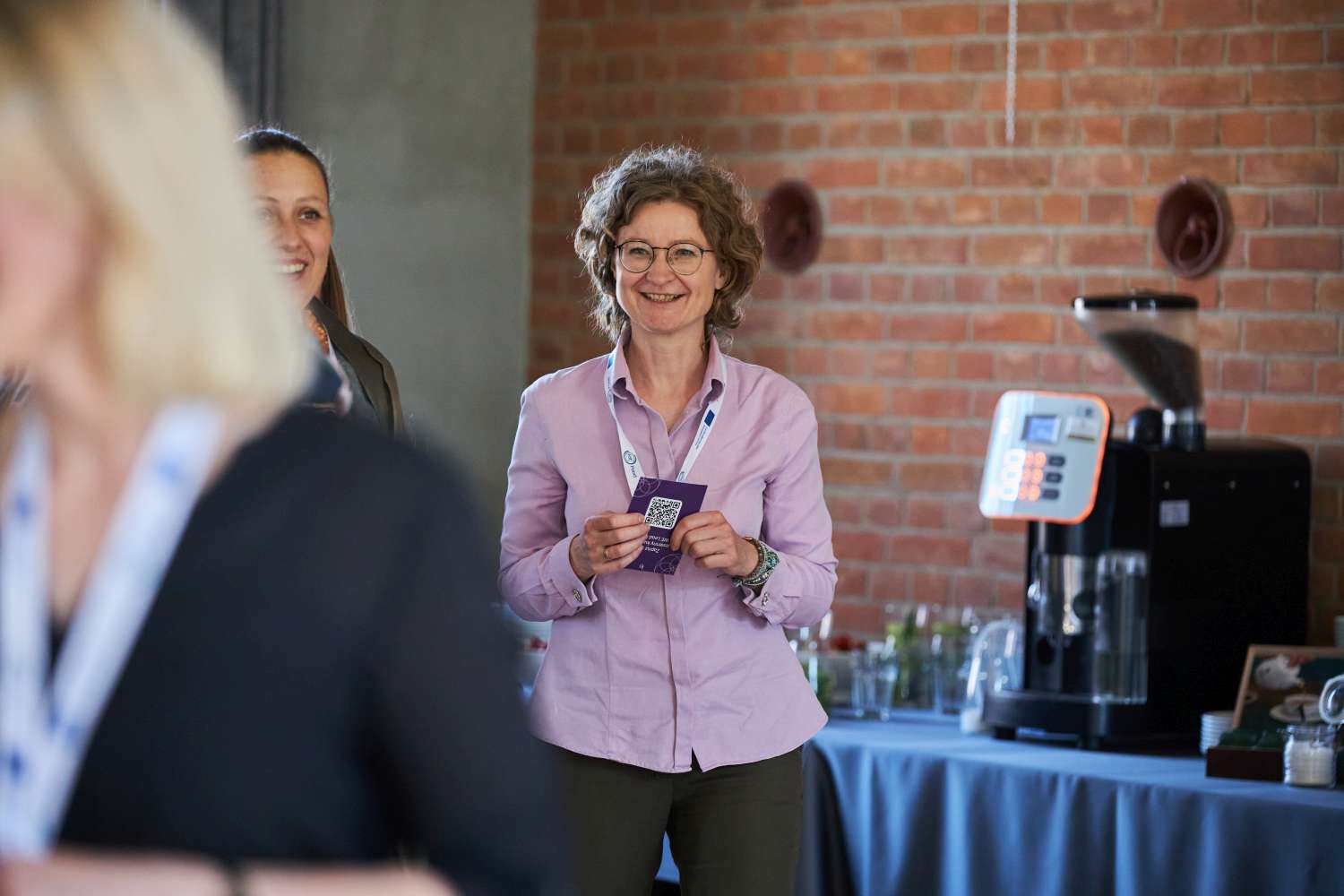
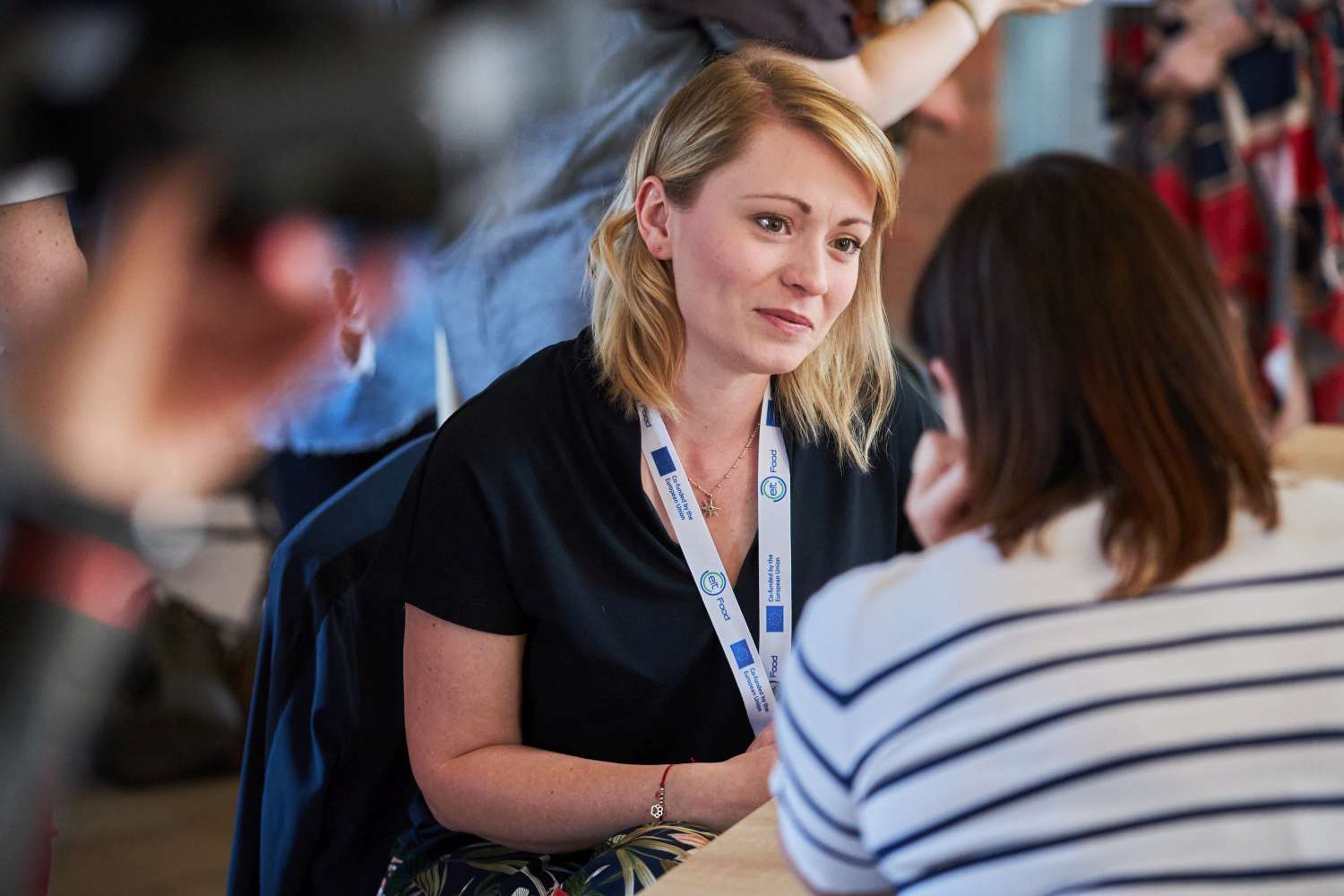
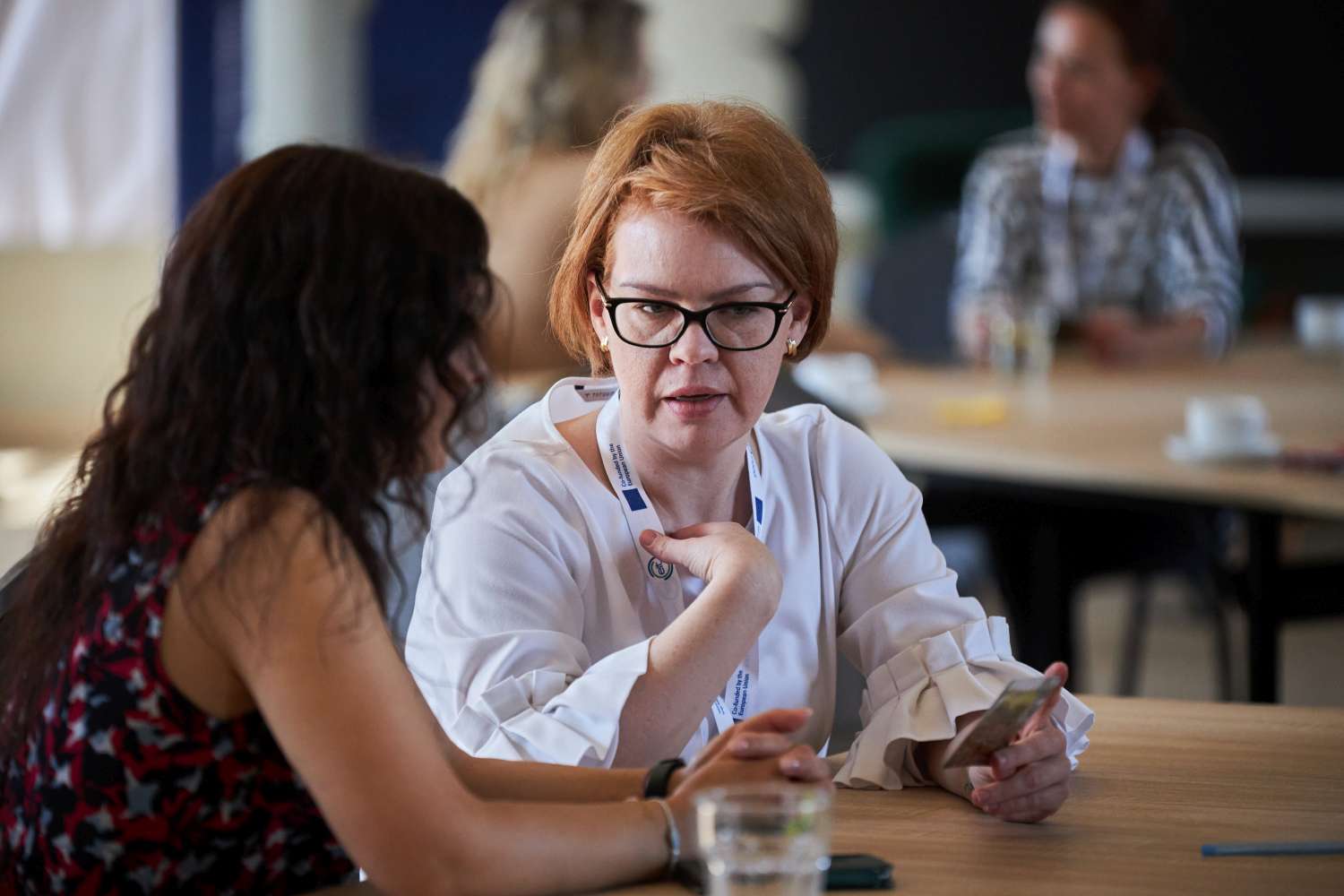
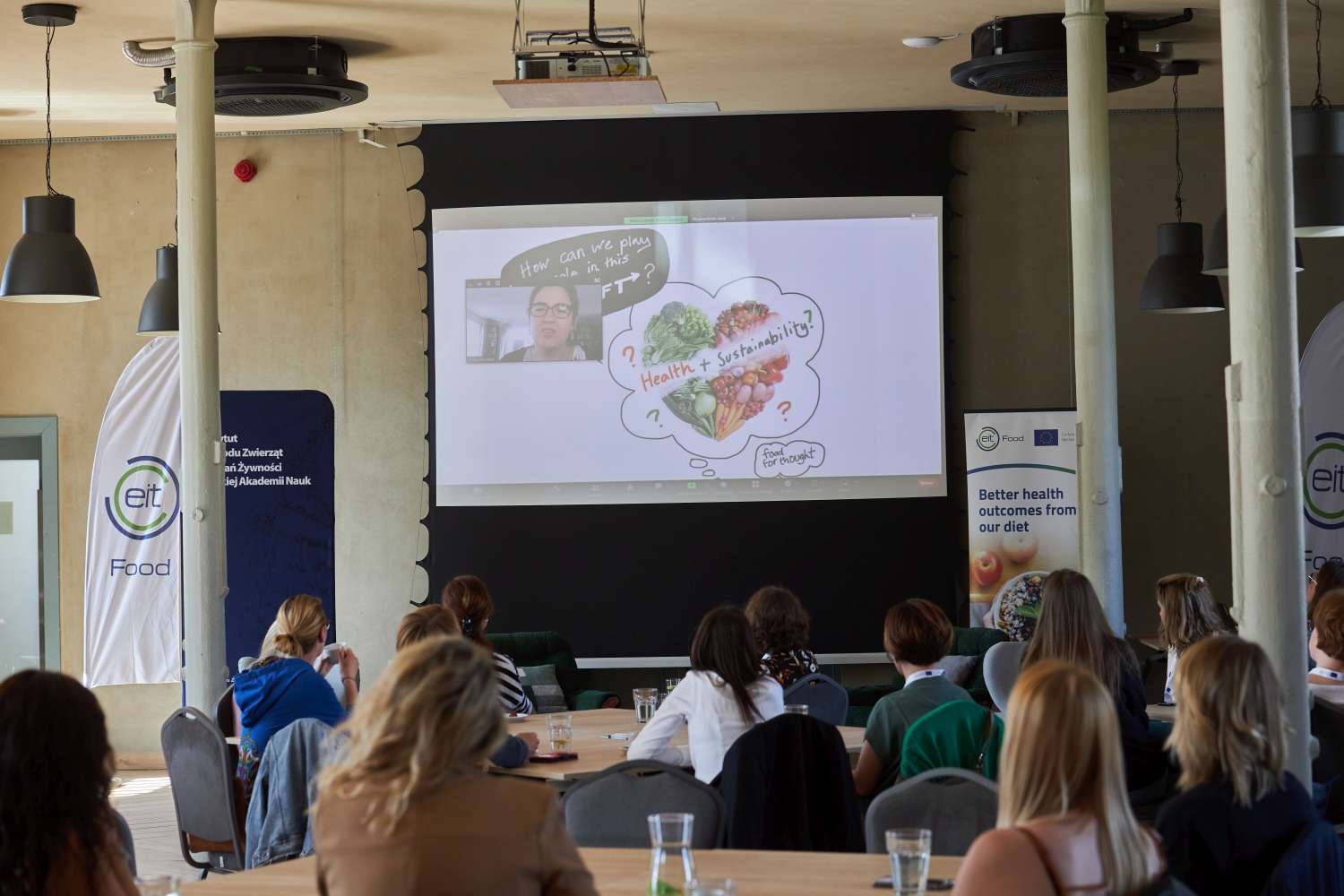
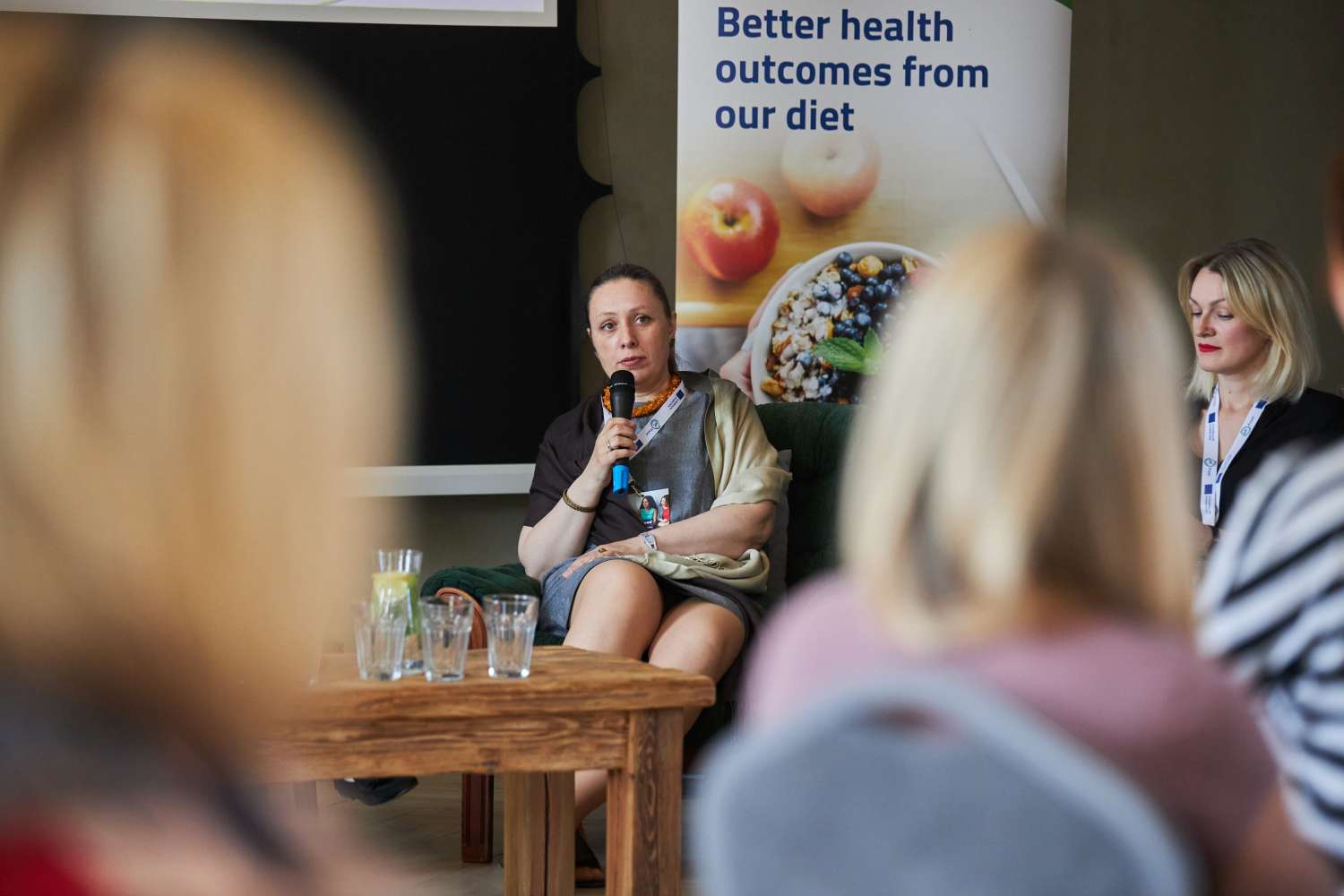
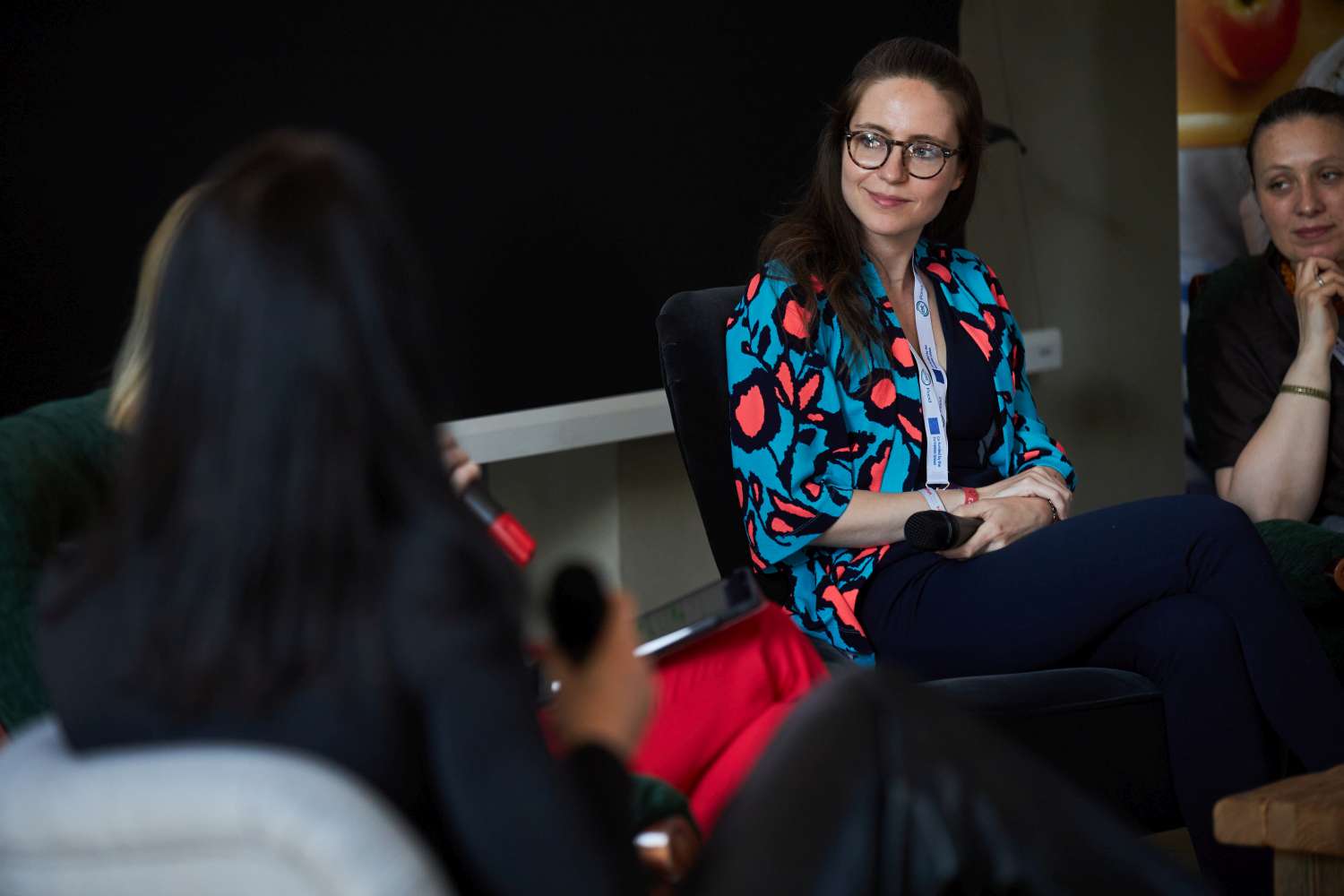
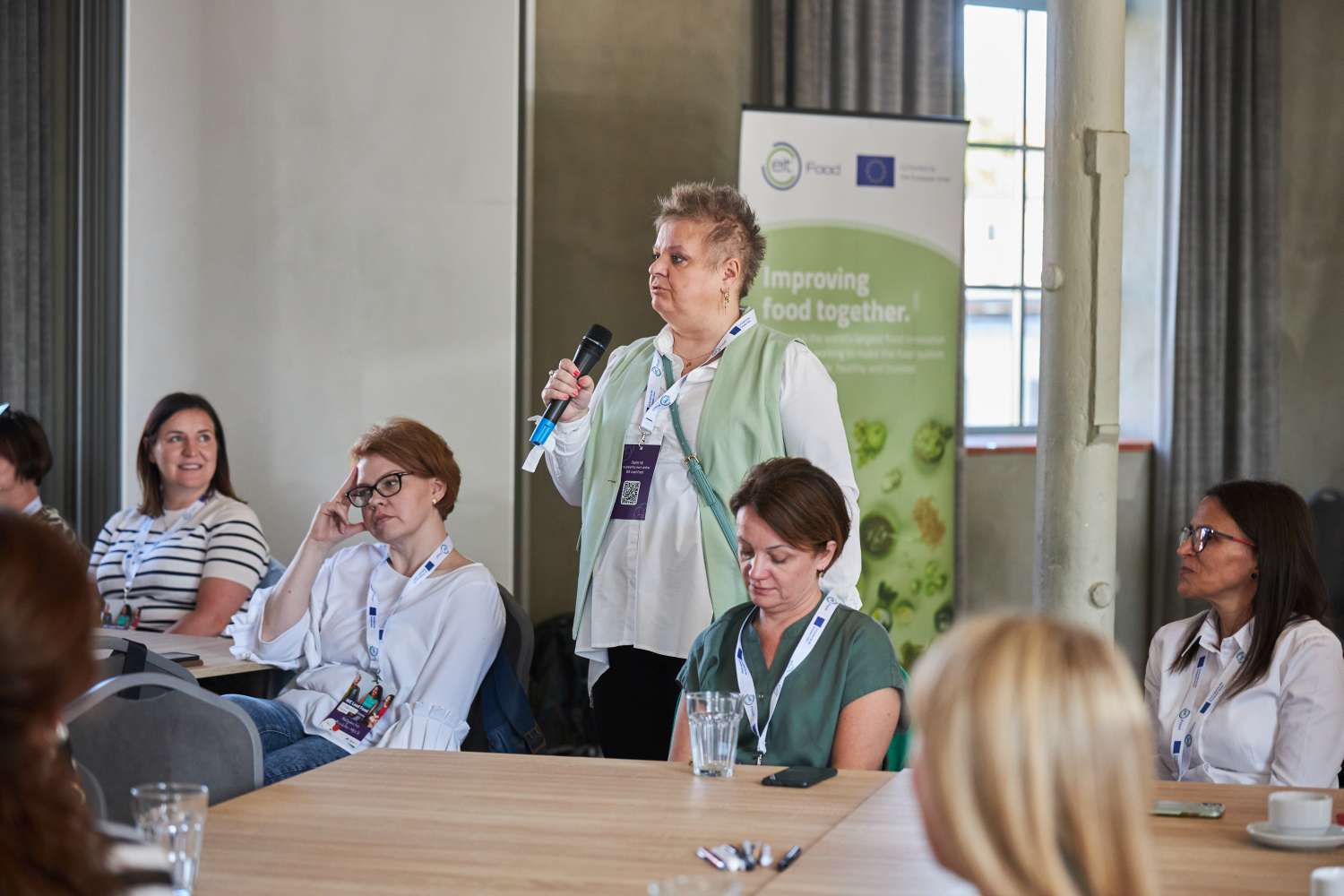
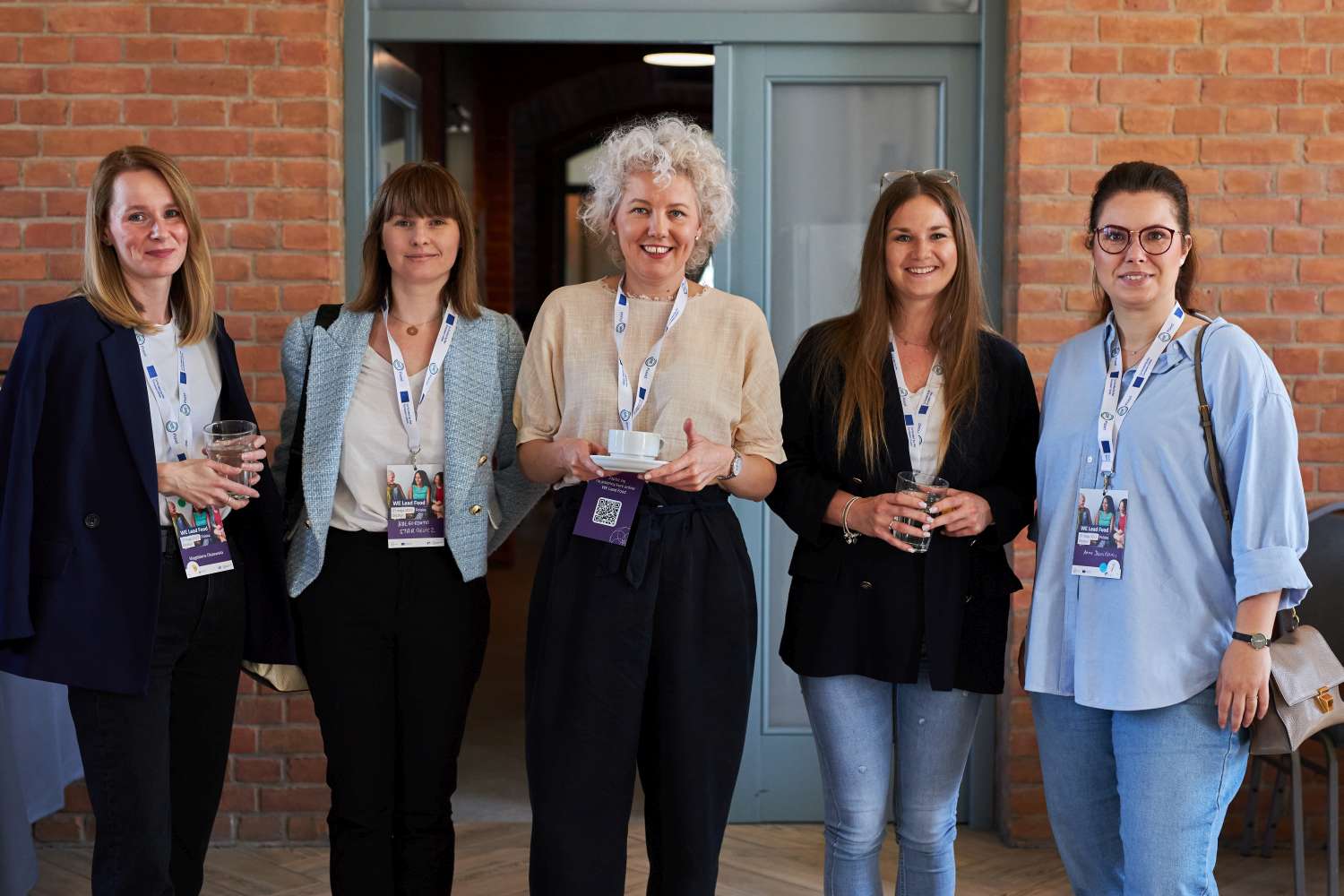
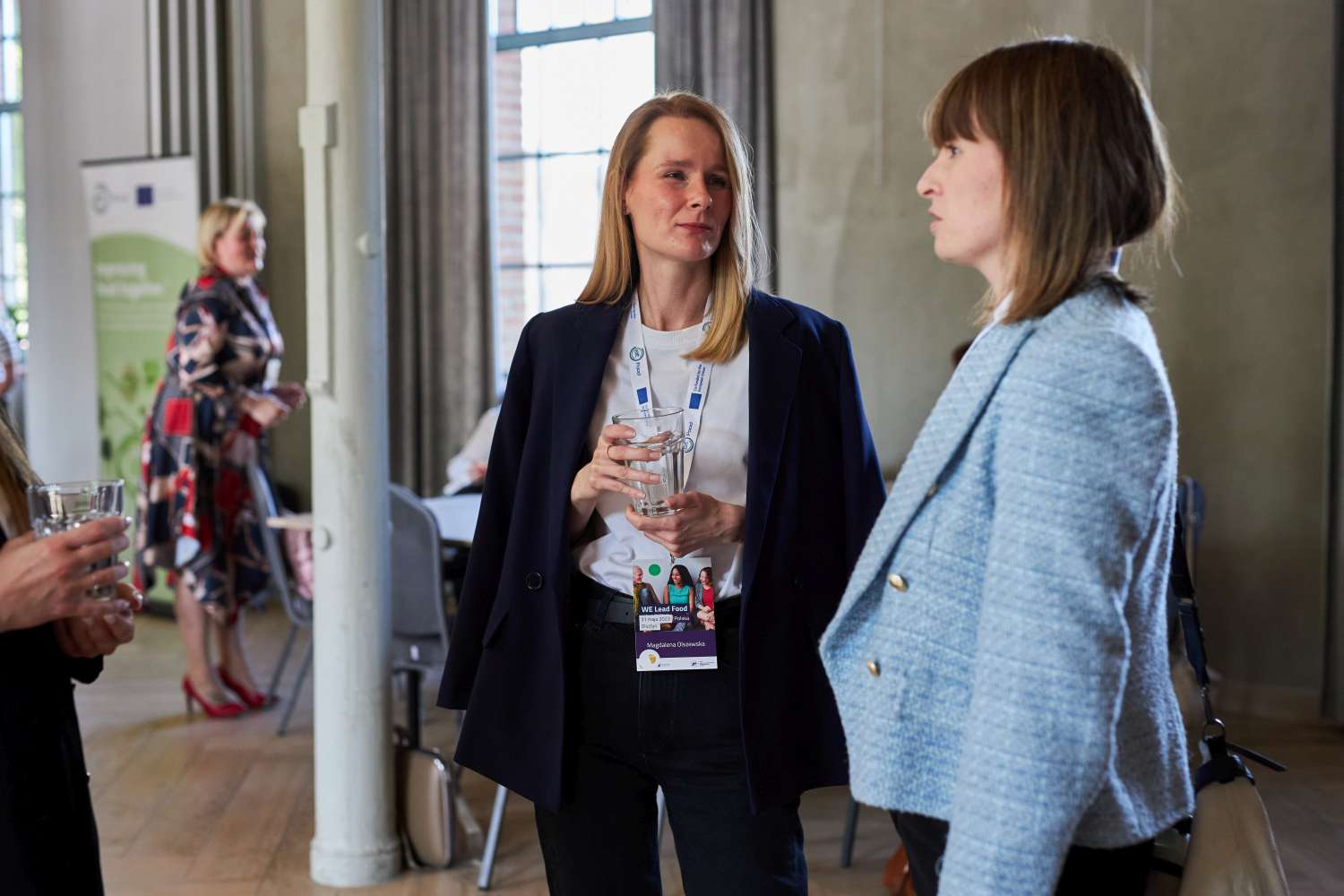
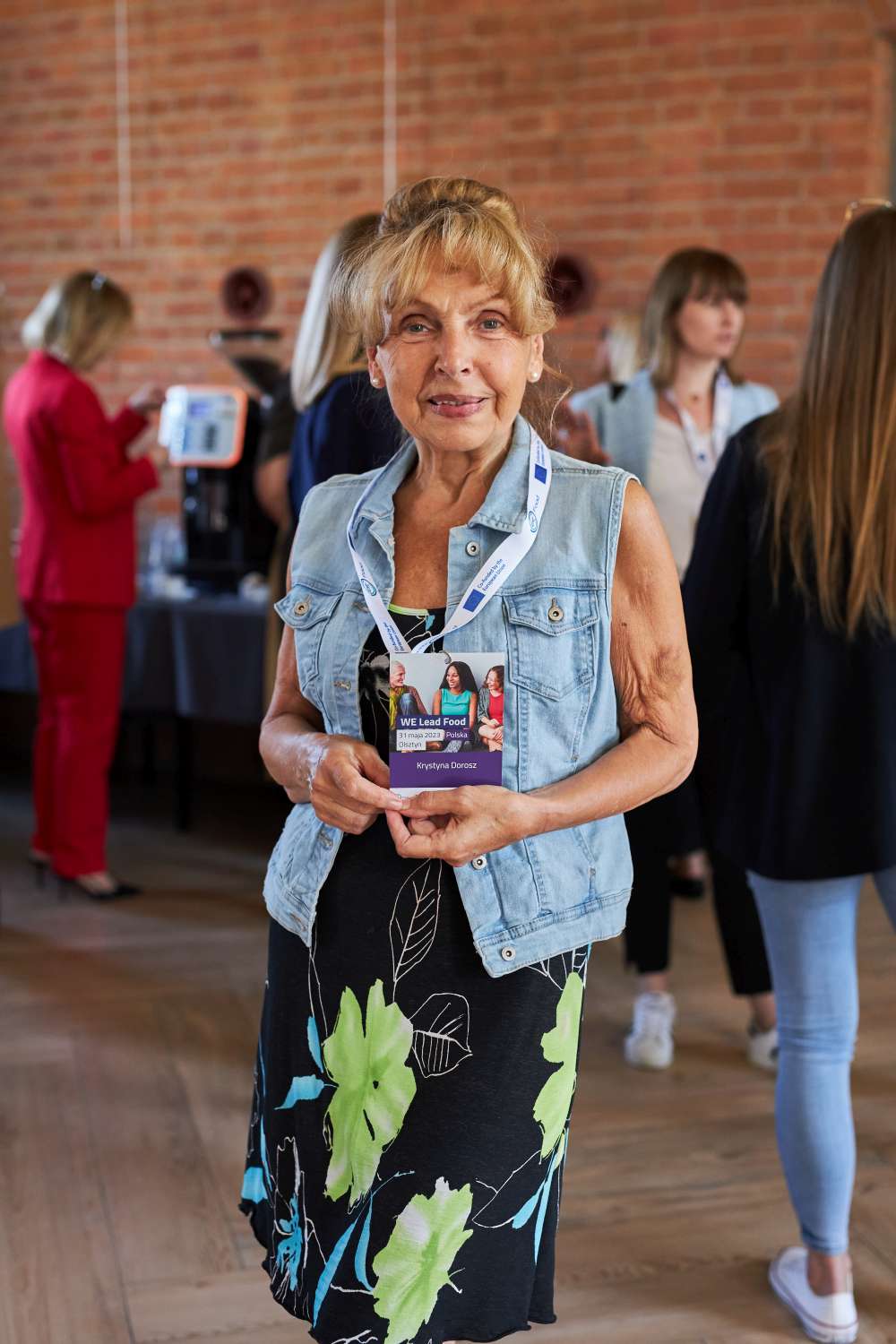
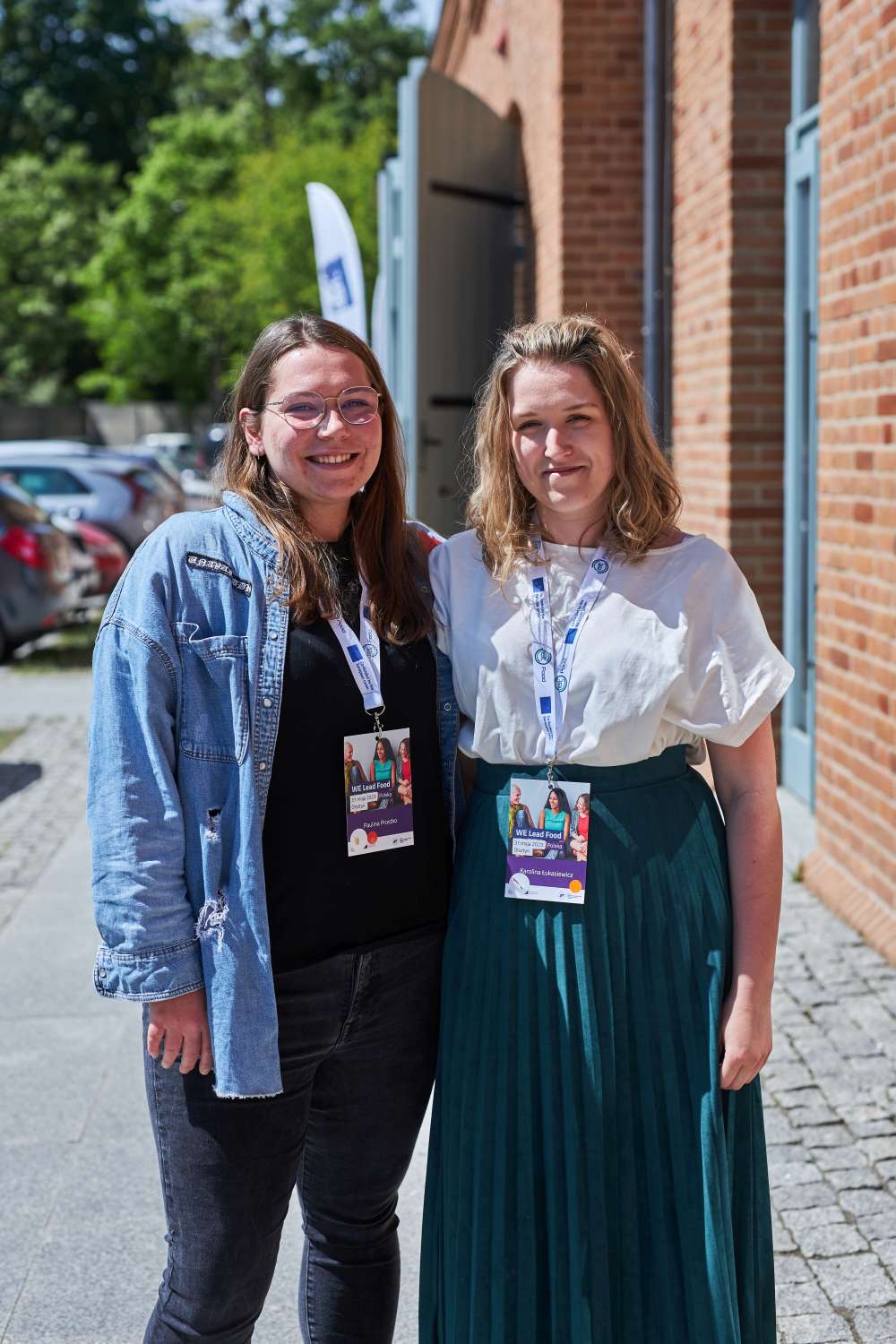
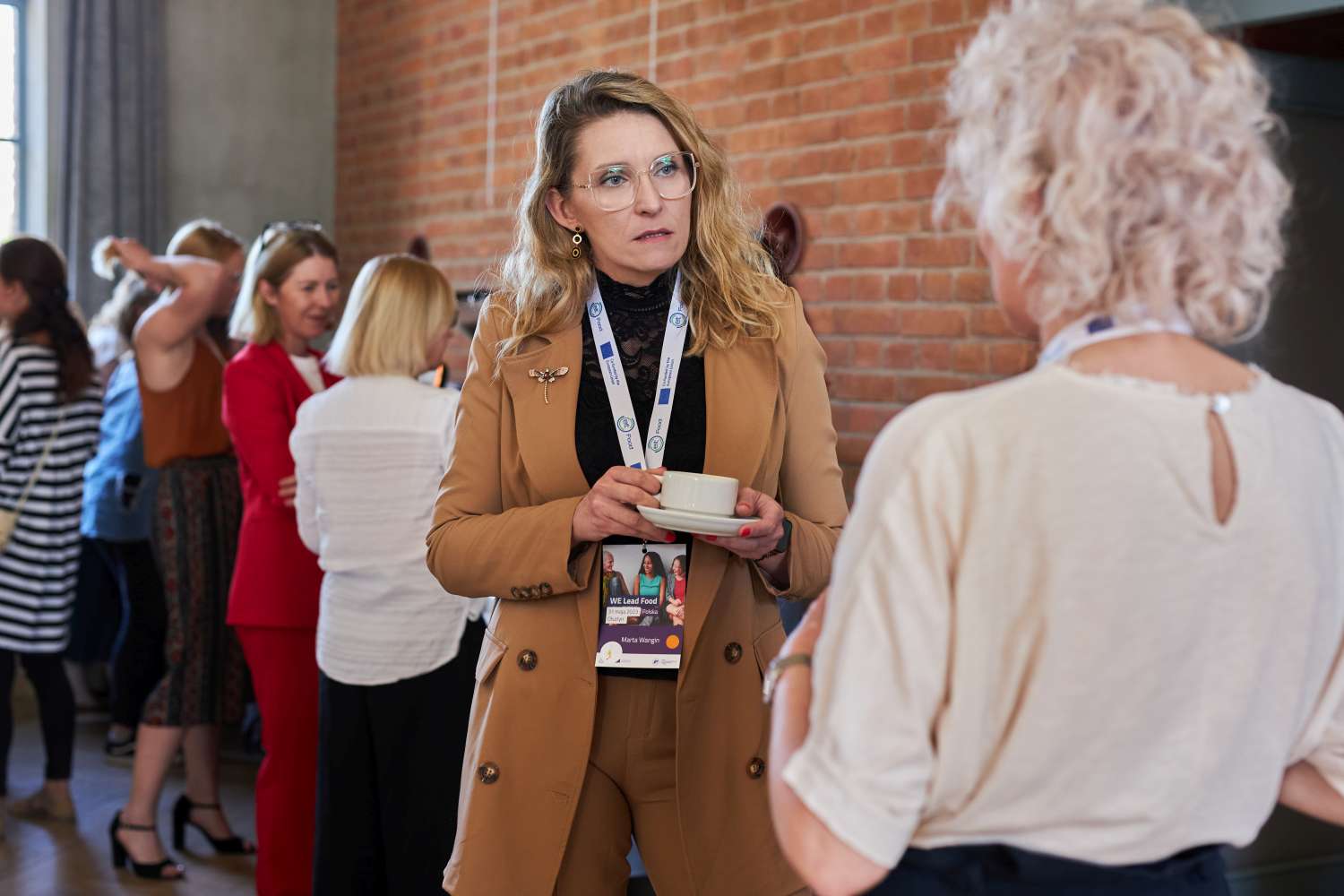
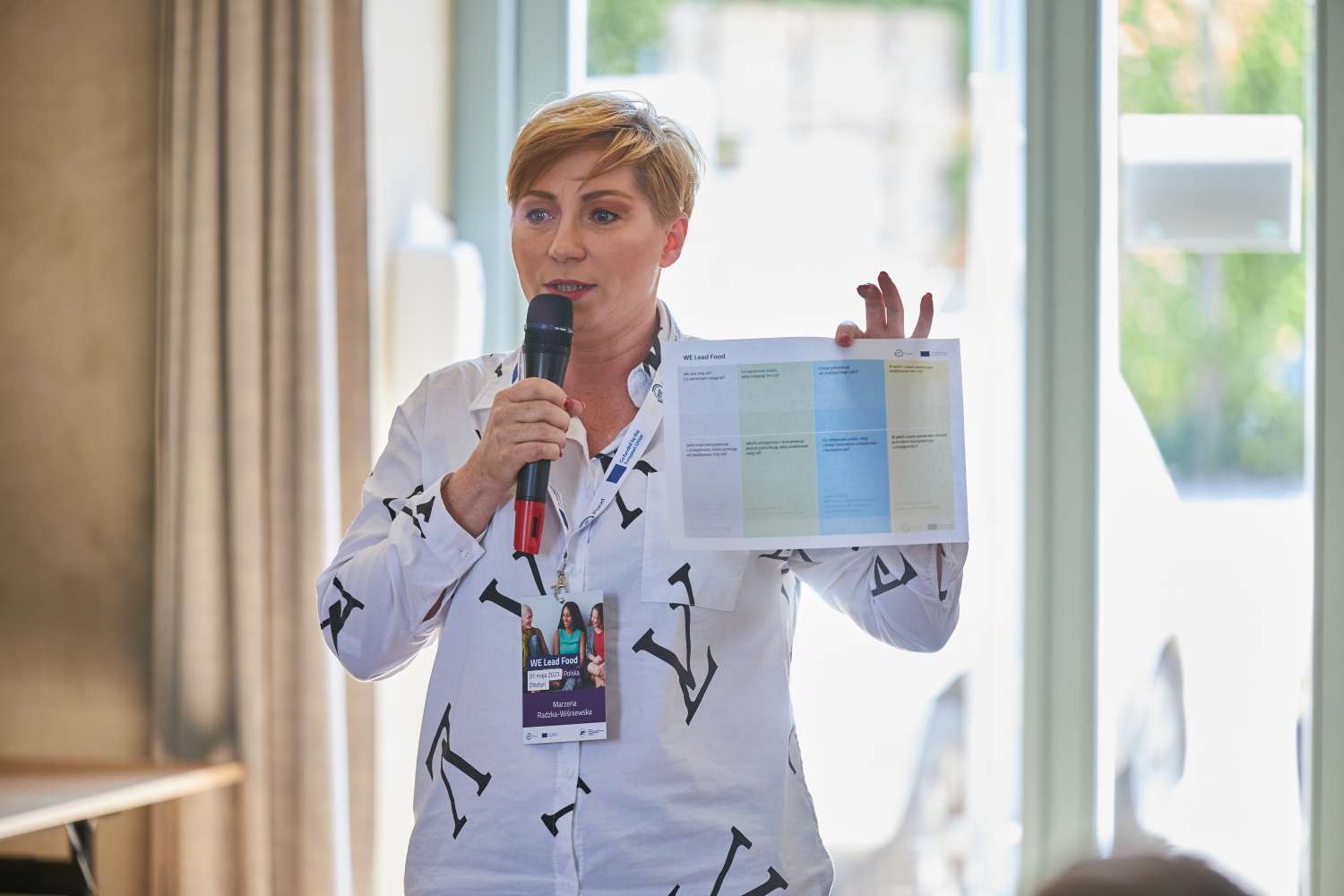
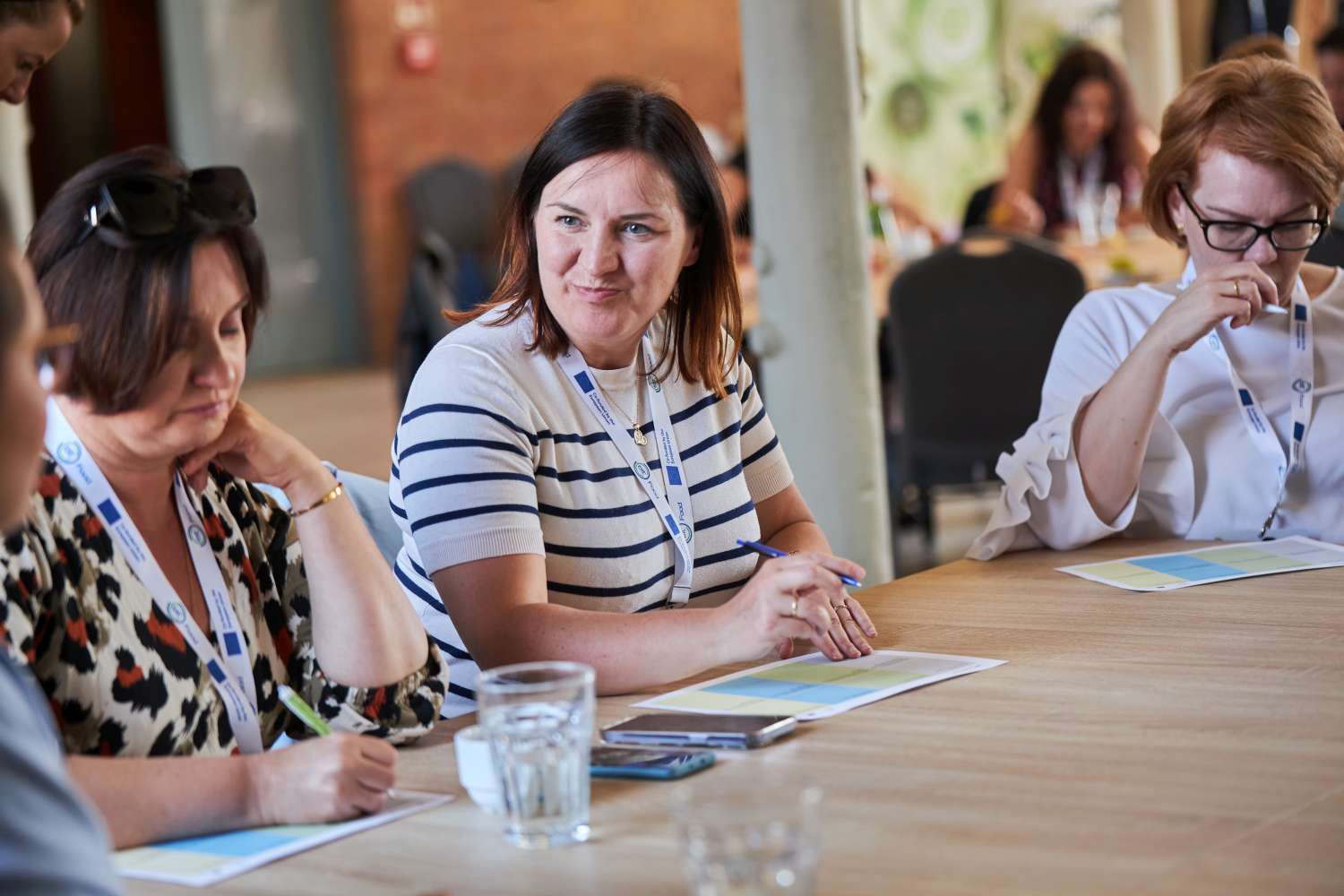
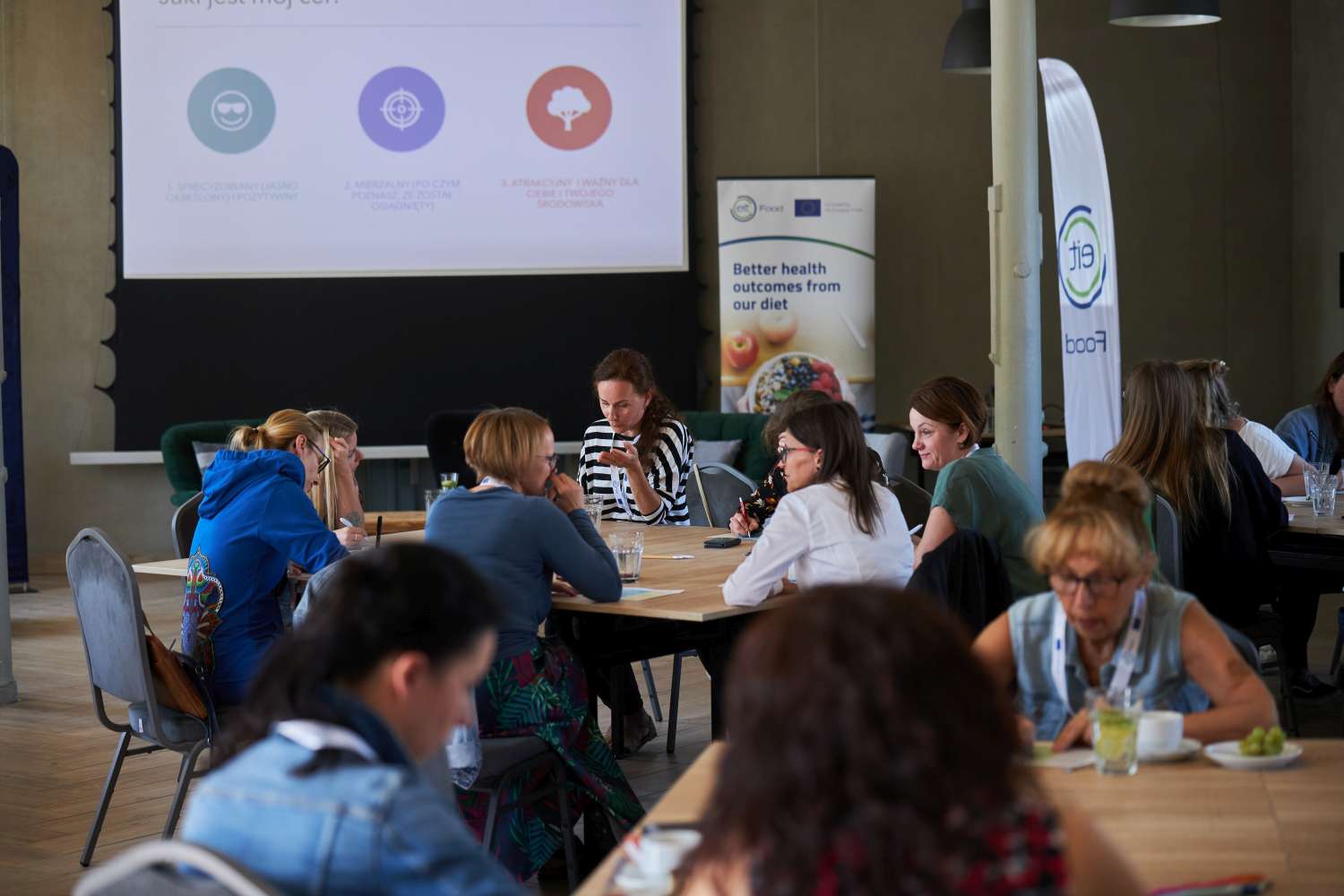
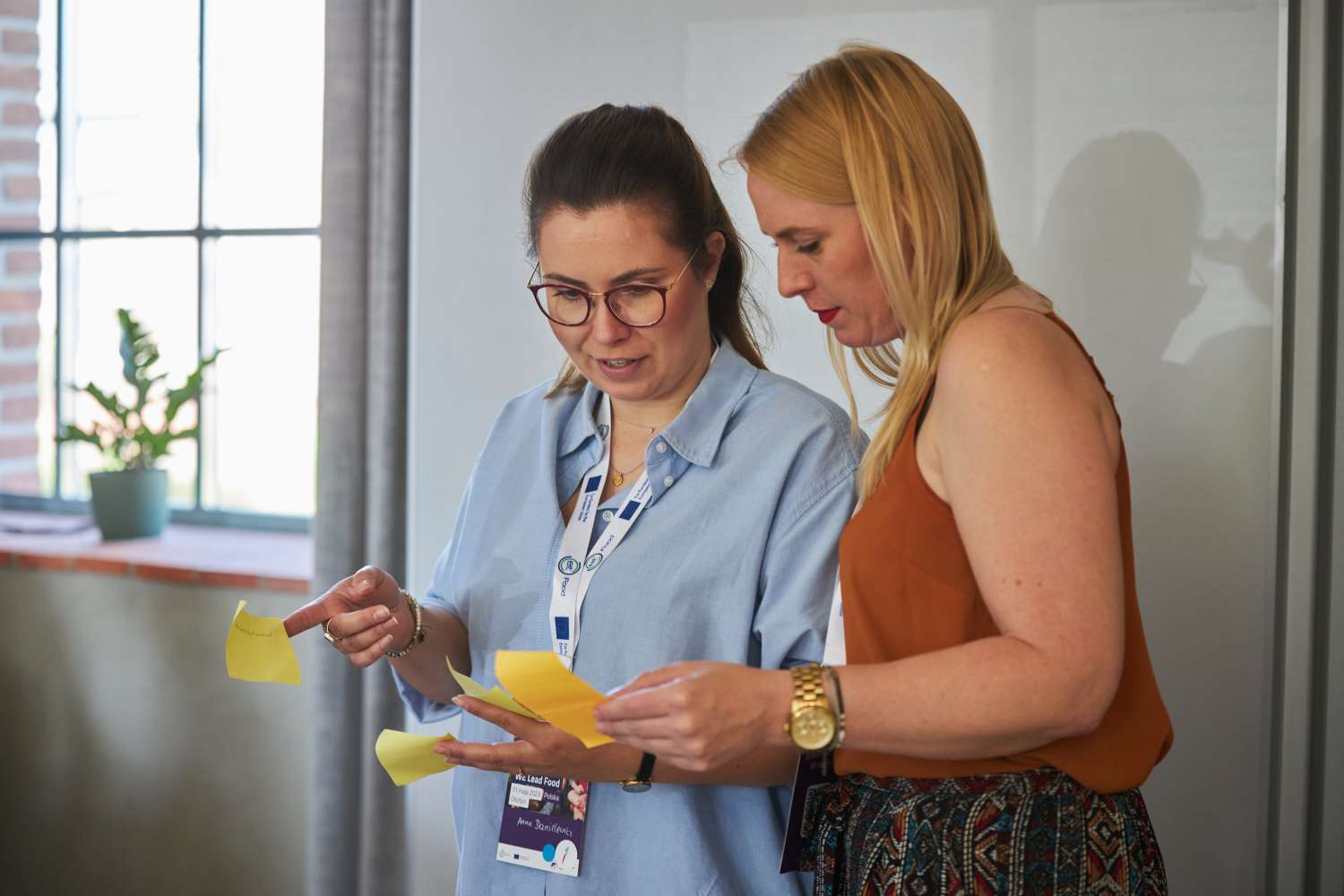
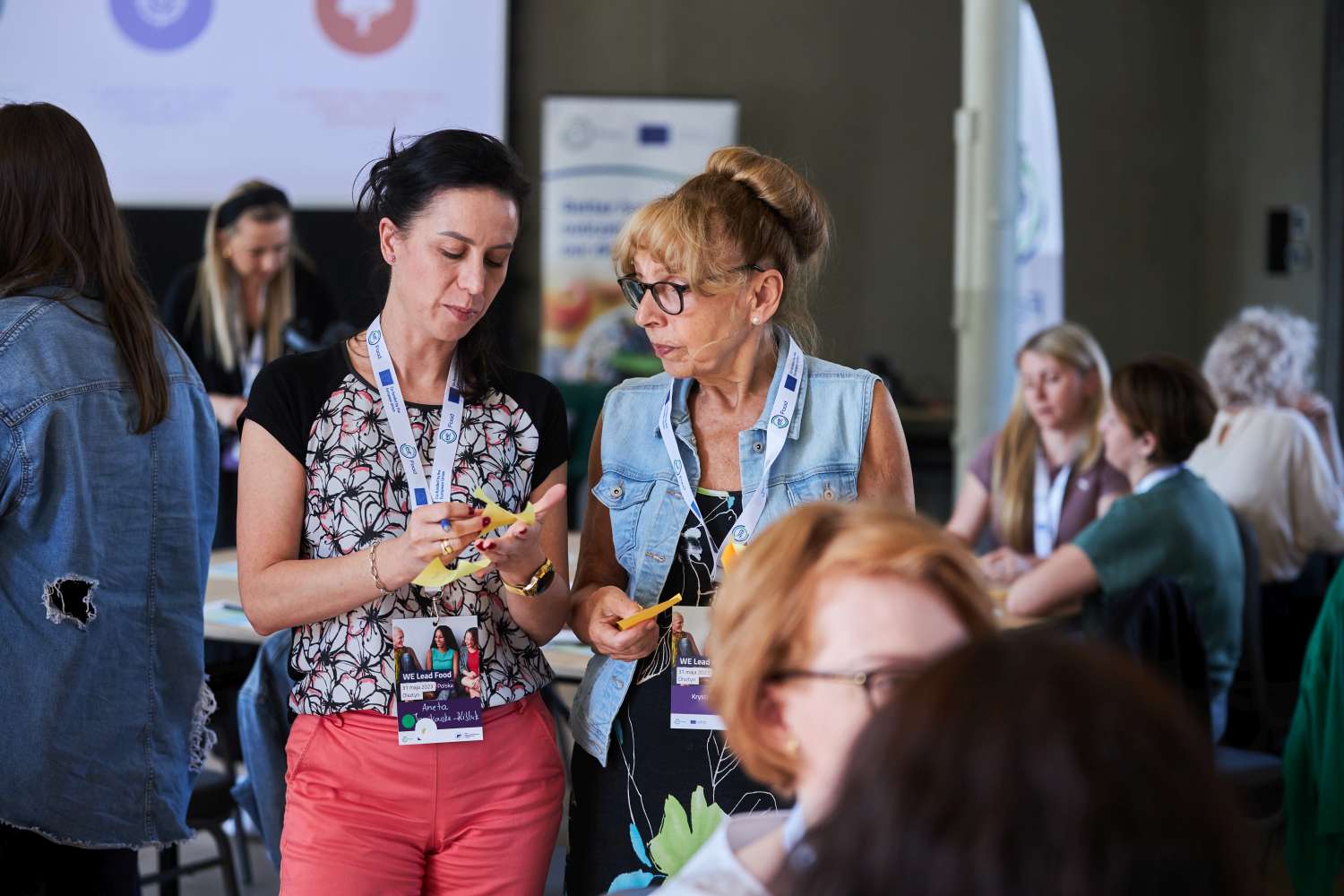
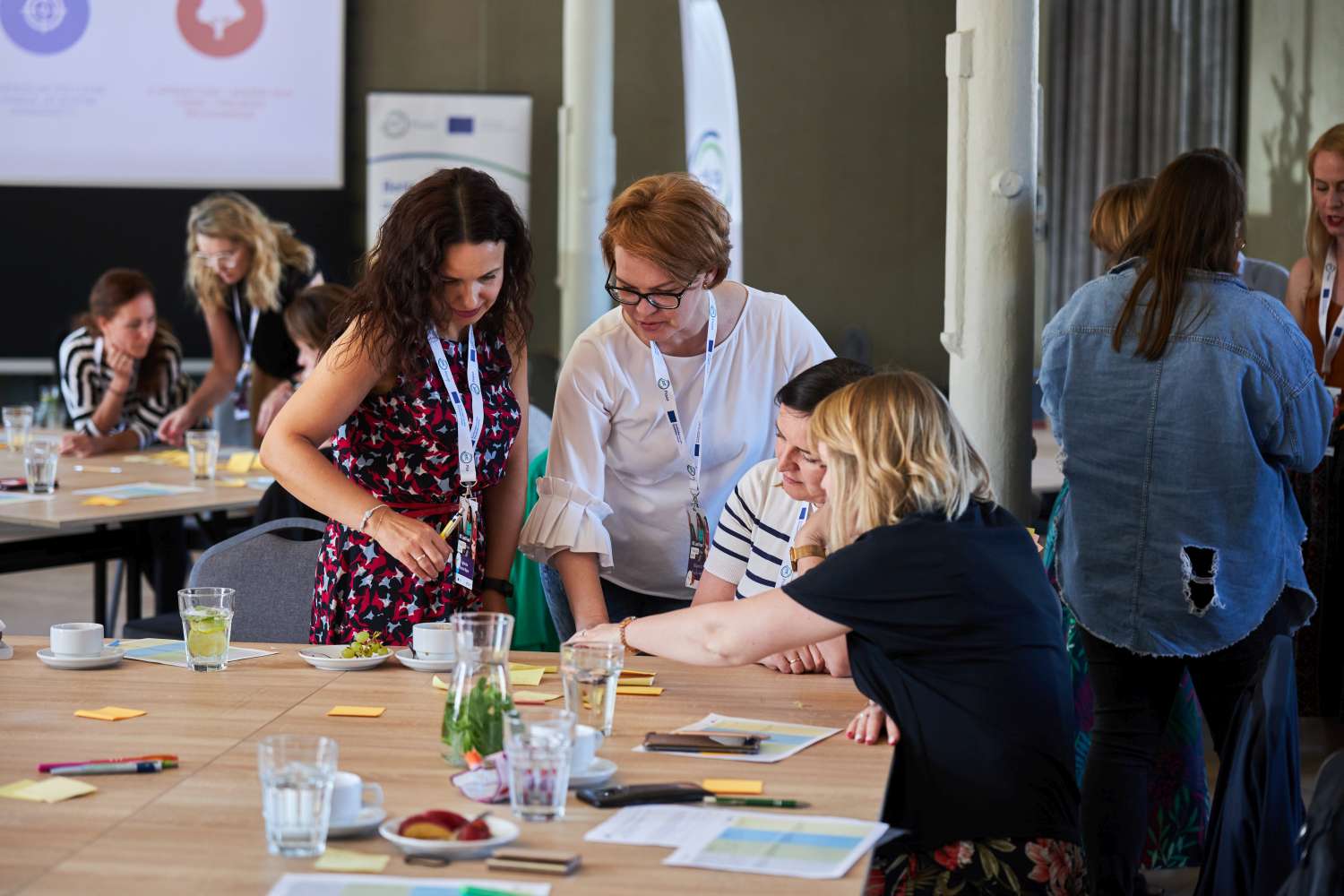
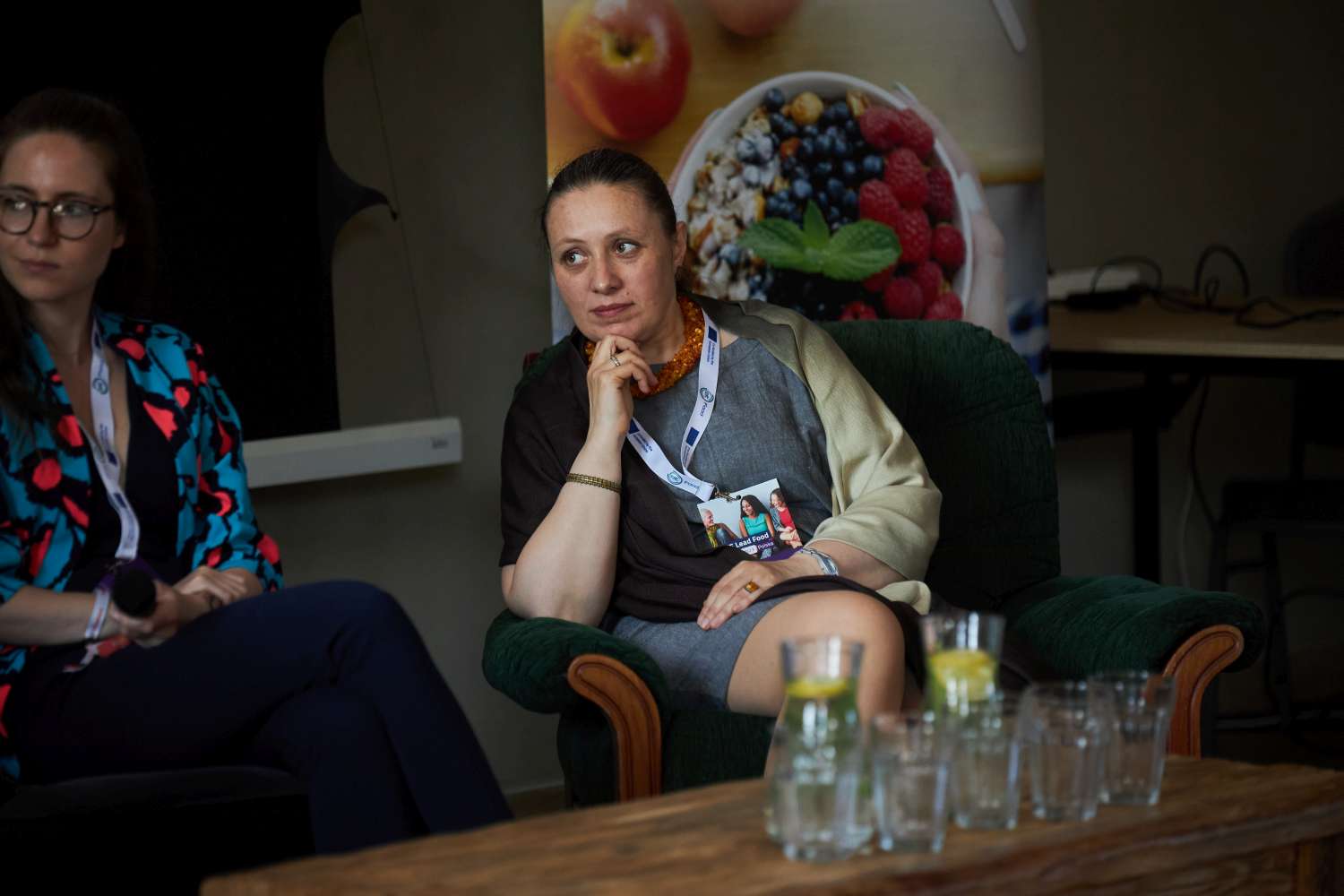
Building a network of contacts, developing leadership competences, planning and managing change, self-awareness and agency – these are just some of the topics raised by the participants of the EIT Food #WELead Polska workshop.

„We invited over 30 talented, creative and active women from our region to the #WELeadFood workshops. Women who carry out scientific research, manage their own business, create and implement regional policy, support the development of innovation, work in the education sector and non-governmental organizations or head departments in large corporations, especially in the agri-food industry. They are the leaders who manage, build R&D strategies, set goals for themselves and their teams, organize resources and take care of relations with partners”, say Iwona Kieda and Justyna Banasiak, organizers of the event from the Institute of Animal Reproduction and Food Research of the Polish Academy of Sciences.

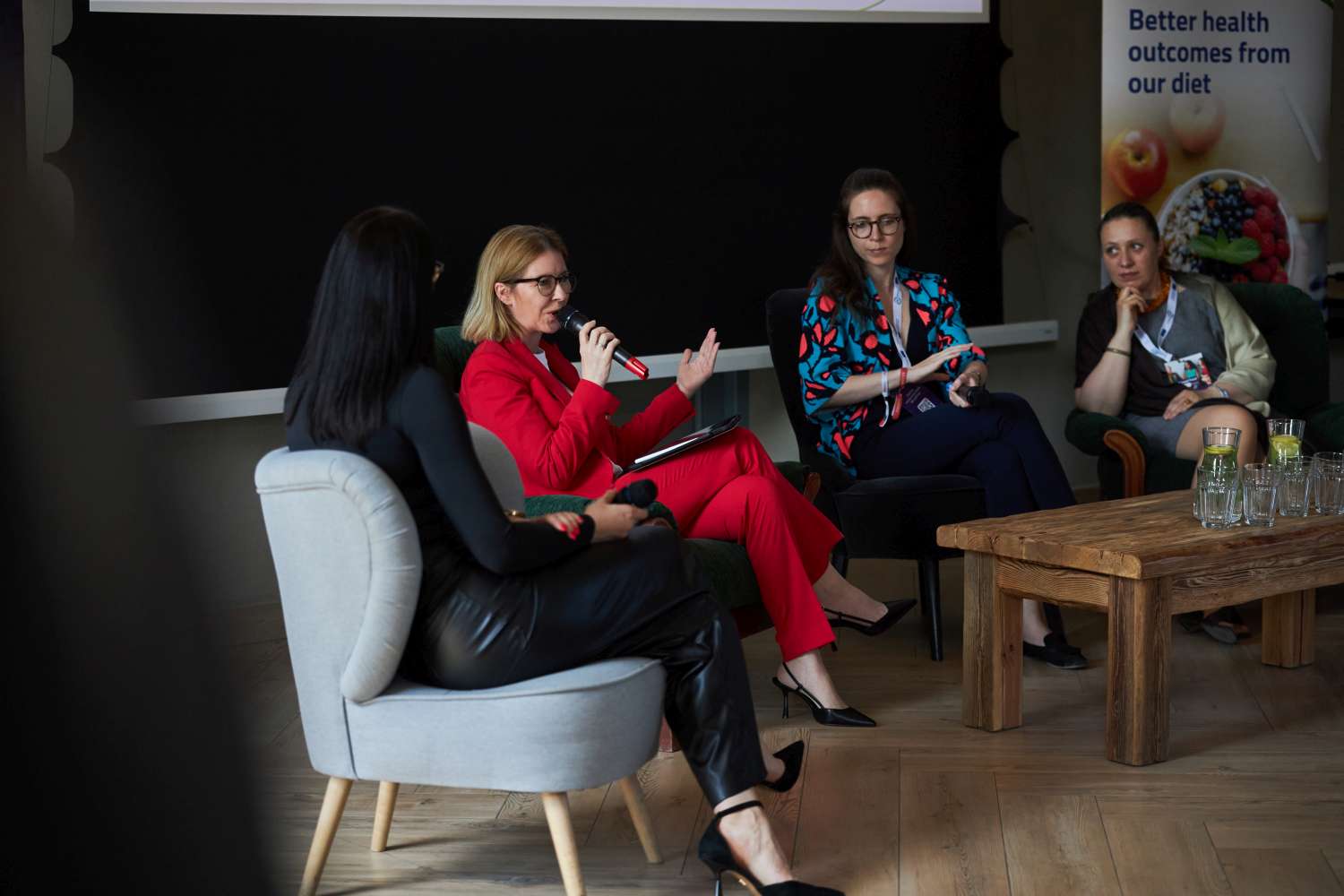
Is change a fundamental factor in achieving key leadership positions? Do contacts help break the glass ceiling? Should organizations invest in mentoring? How to run #impact #business? How to increase the participation of women in science? And finally, how to find a balance in an active professional life that will „ground” us at the moment when we need it most?

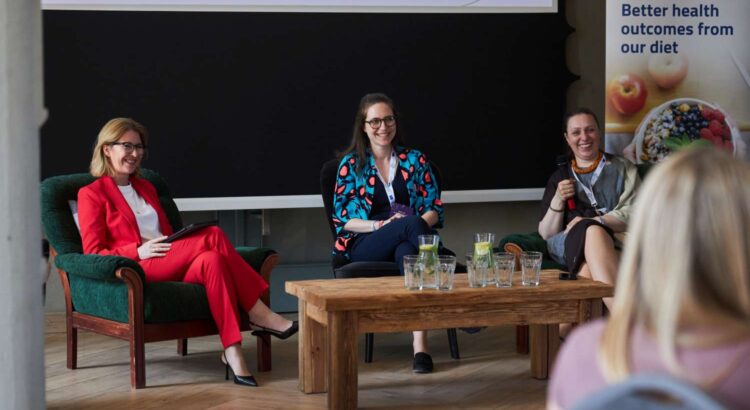
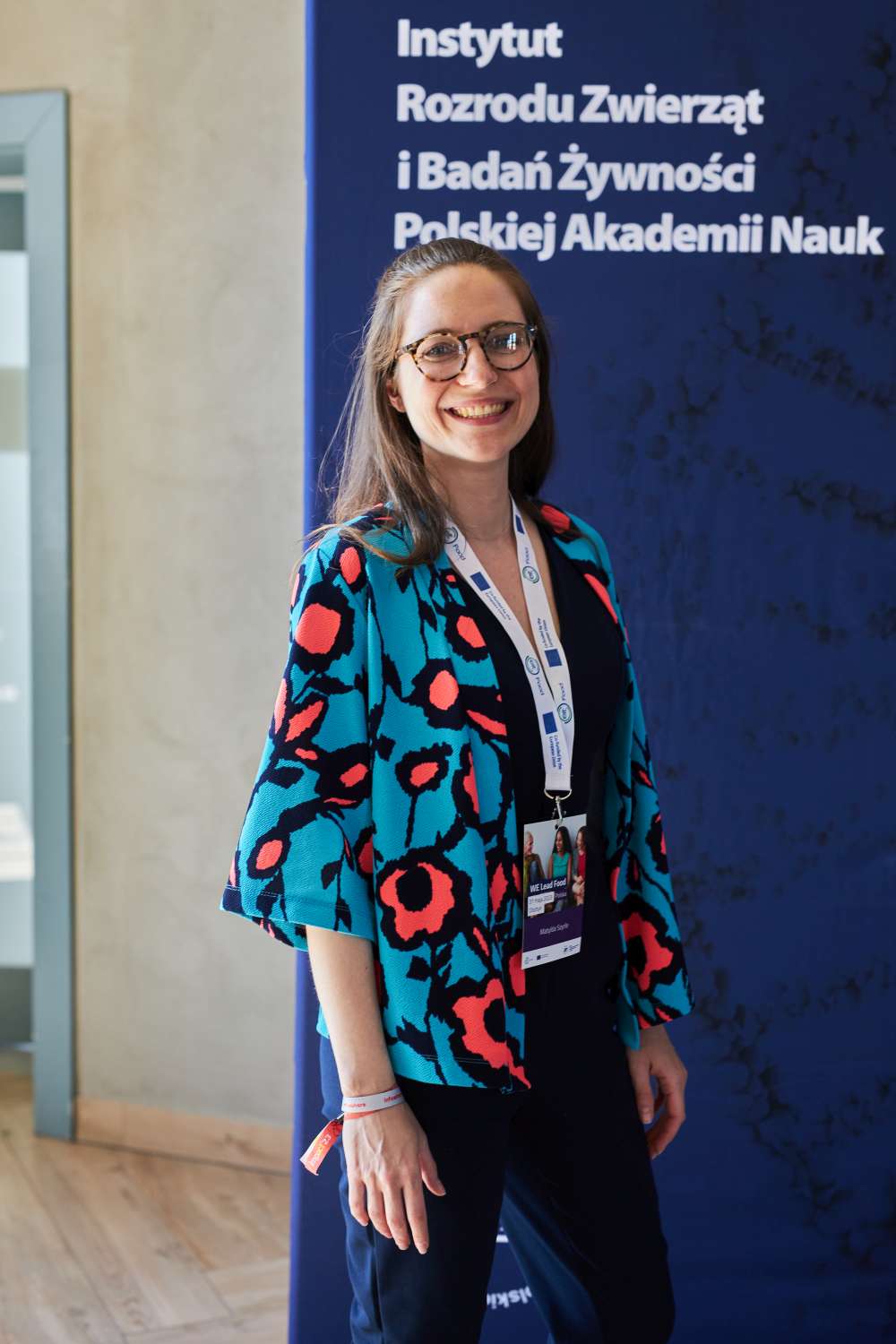
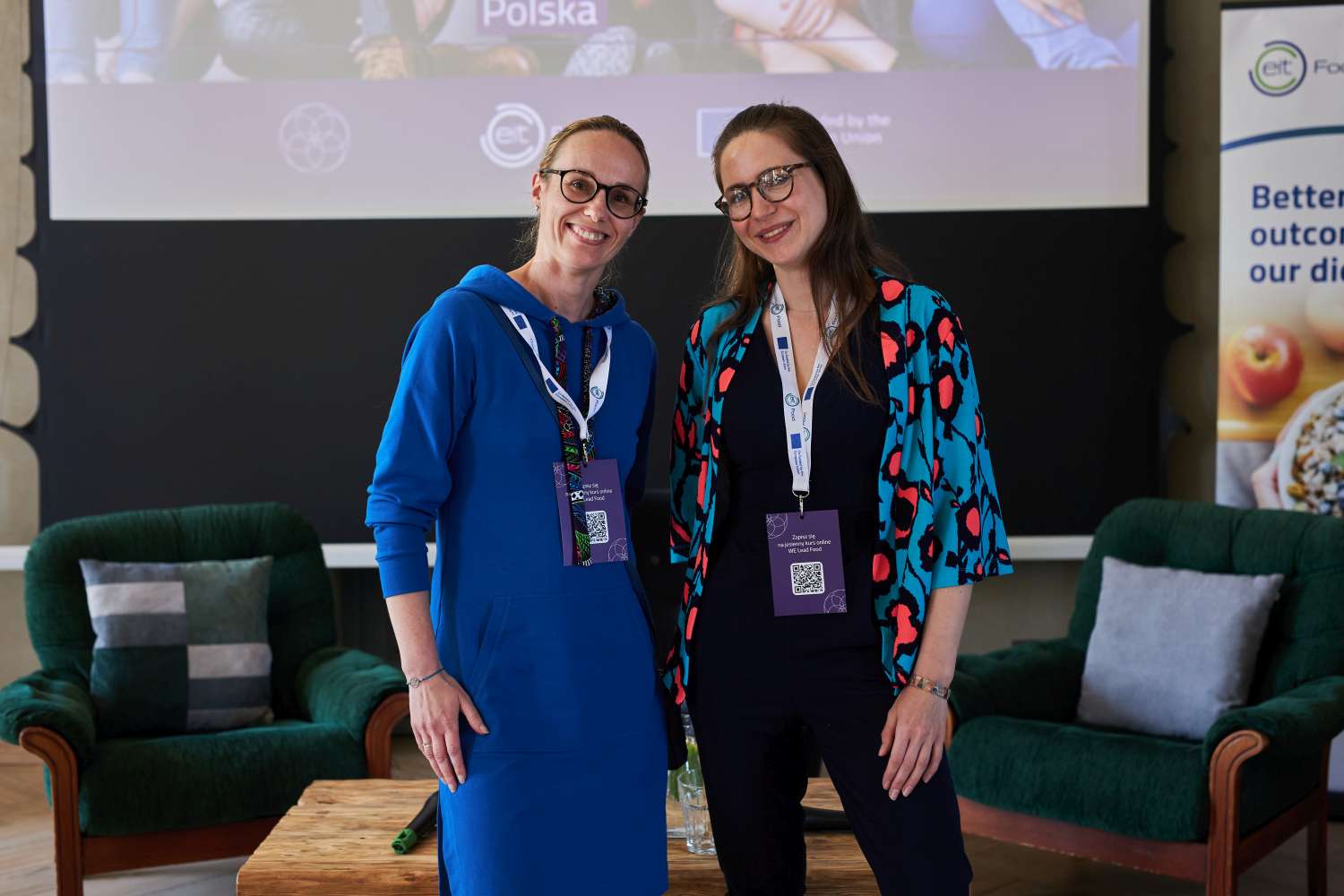
We answered these and other questions during a panel discussion with Anna Borys, Impact Director at McDonald’s Poland; Dr. Magdalena Weidner-Glunde, head of the Microbiology and Molecular Virology Laboratory at our Institute and Matilda Szyrle, CEO of Future Friendly Farm startup.

The training part of the workshop was about discovering our own resources, setting goals and planning their achievement with the trainers: Marzena Radzka-Wiśniewska and Lidia Willan.

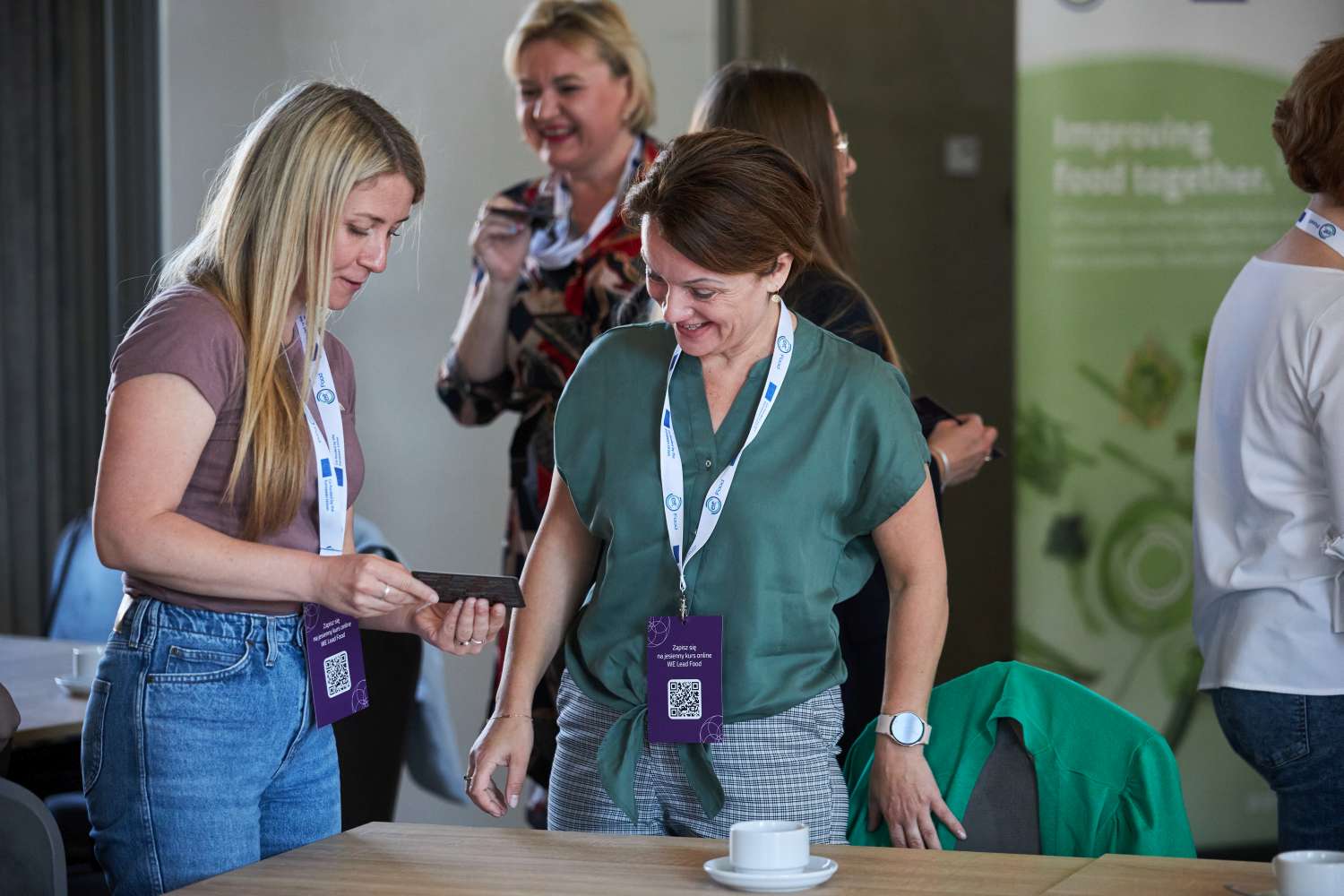
The finale of the meeting was a networking session in the form of culinary workshops with elements of molecular gastronomy, led by scientists from our Institute, Dr. Marta Kopcewicz and Dr. Sylwia Machcińska-Zielińska.

The workshop took place on May 31 in Kuźnia Społeczna.

Join the network of experts today and take part in the 8-week main program starting in the fall: https://apply.eitfood.eu/courses/course/150

Read more
InformPack Warsztaty w laboratoriach (4)

Warsztaty w laboratoriach

W ramach warsztatów EIT Food „InformPack” około 50 uczniów z olsztyńskich szkół ponadpodstawowych odwiedziło laboratoria zlokalizowane w Oddziale Nauk o Żywności Instytutu Rozrodu Zwierząt i Badań Żywności PAN. Młodzi adepci nauki wysłuchali wykładu na temat odpowiedzialnego postępowania z opakowaniami po żywności, który wygłosiła dr Joanna Fotschki, a następnie wzięli udział w eksperymentach przygotowanych przez badaczy pracujących na co dzień w Zespole Biosensorów i Laboratorium Mikrobiologii. Tam mieli okazję przyjrzeć się roli opakowań żywności w zapewnianiu bezpieczeństwa produktów spożywczych. Uczniowie wzięli też udział w warsztatach i interaktywnej grze, dzięki którym mogli sprawdzić jak radzą sobie z prawidłową segregacją opakowań po żywności.

Read more
EIT Food InformPack at ScienceCom in Gdynia

On November 18, you will meet our scientists at #ScienceCom, a cyclical event connecting the world of science with society, organized by the Experyment Science Center in Gdynia.

This year’s edition is devoted to the topics of sustainable development of cities and society as well as responsible consumption and production.

Researchers from our Institute, Dr. Joanna Fotschki, Dr. Marta Kopcewicz and Marzena Lenkiewicz, MSc., as part of the EIT Food InformPack project, will prepare workshops on a rational approach to purchasing, managing and disposing of food packaging. We will find out how we, consumers, can give them a second life and contribute to building a circular economy.

Details on the event page.

Read more
Instytut Rozrodu Zwierząt i Badań Żywności na Olsztyn Green Festival 2022

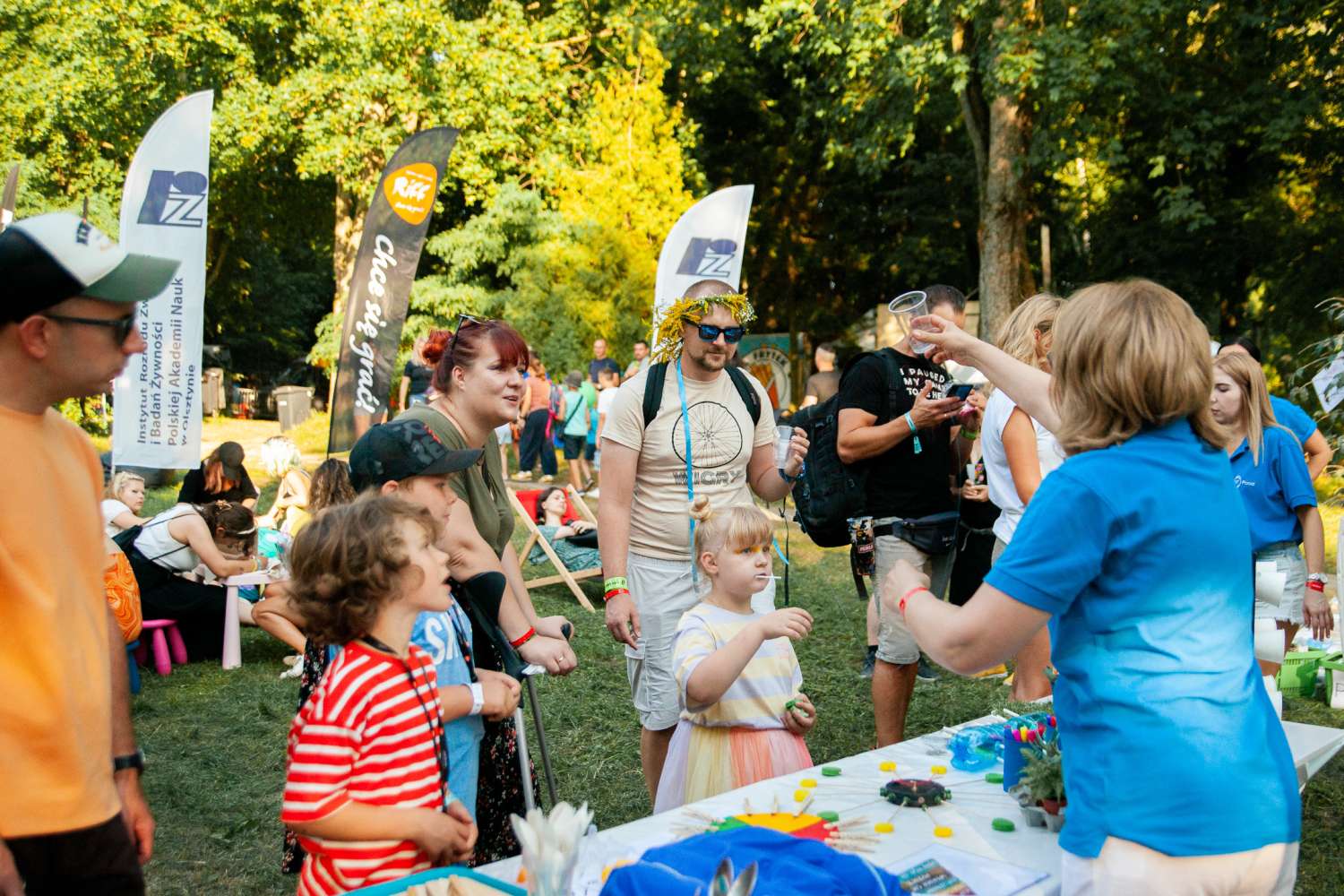
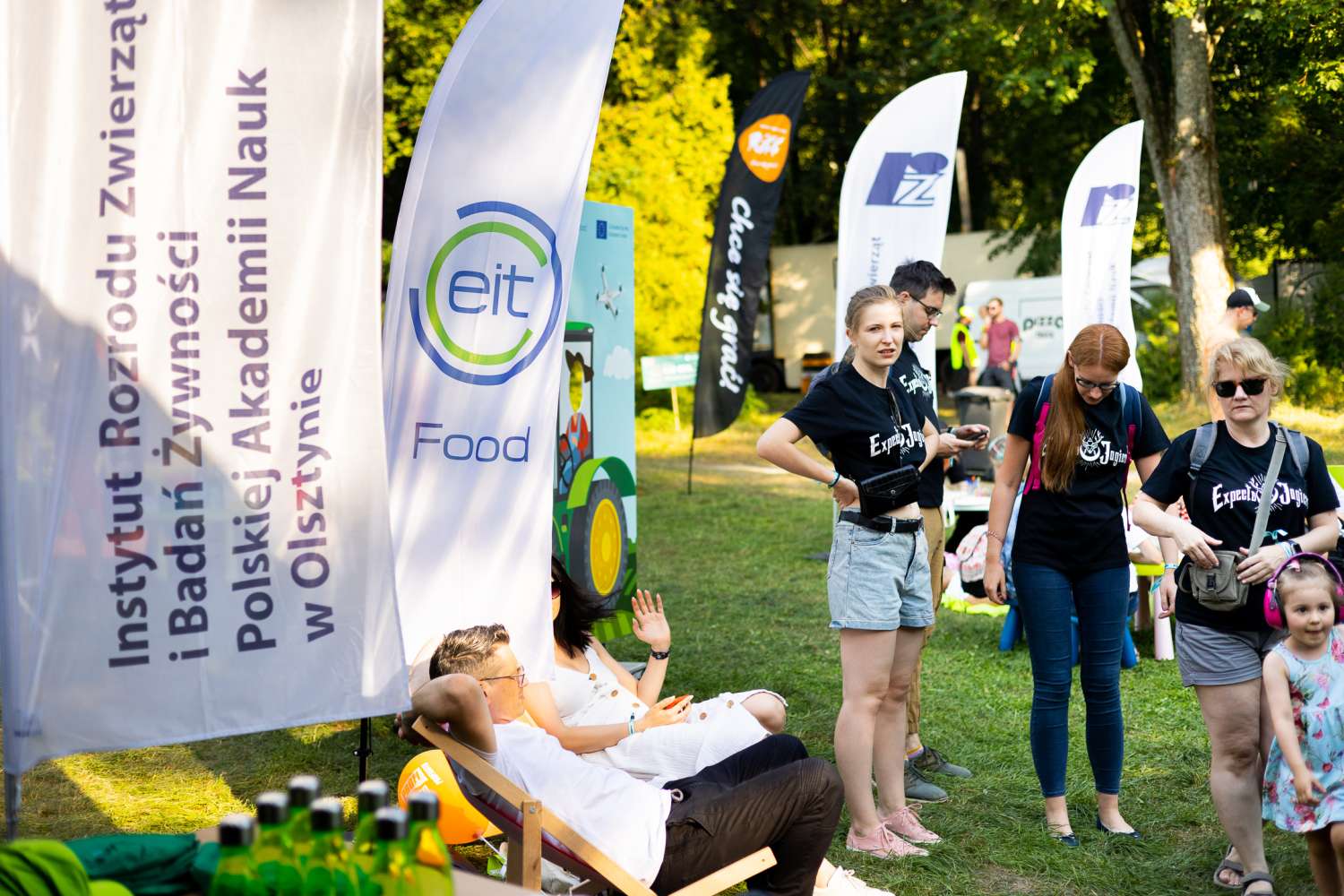
Institute of Animal Reproduction and Food Research at the Olsztyn Green Festival 2022 [photo]

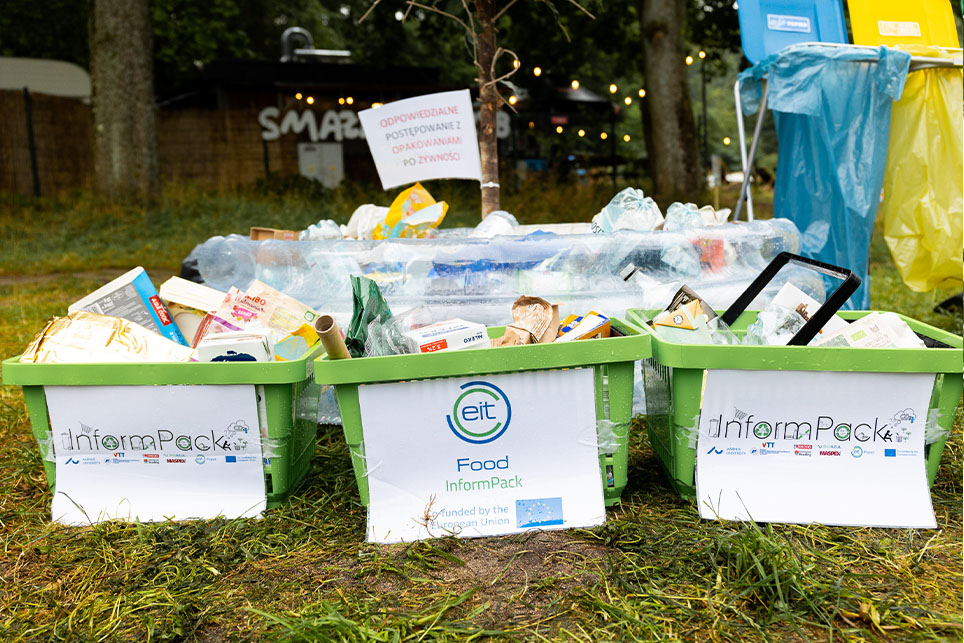
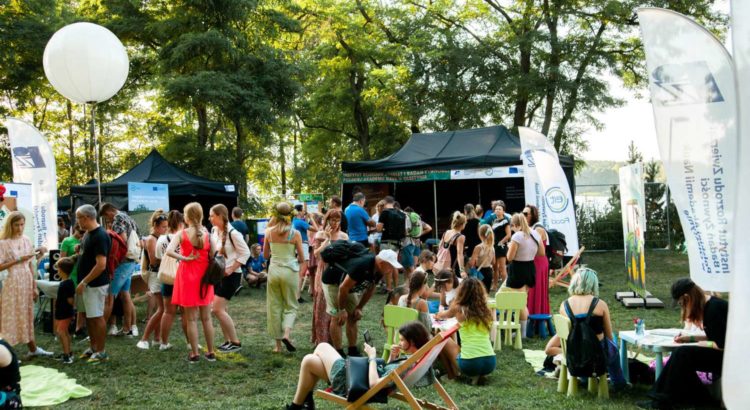
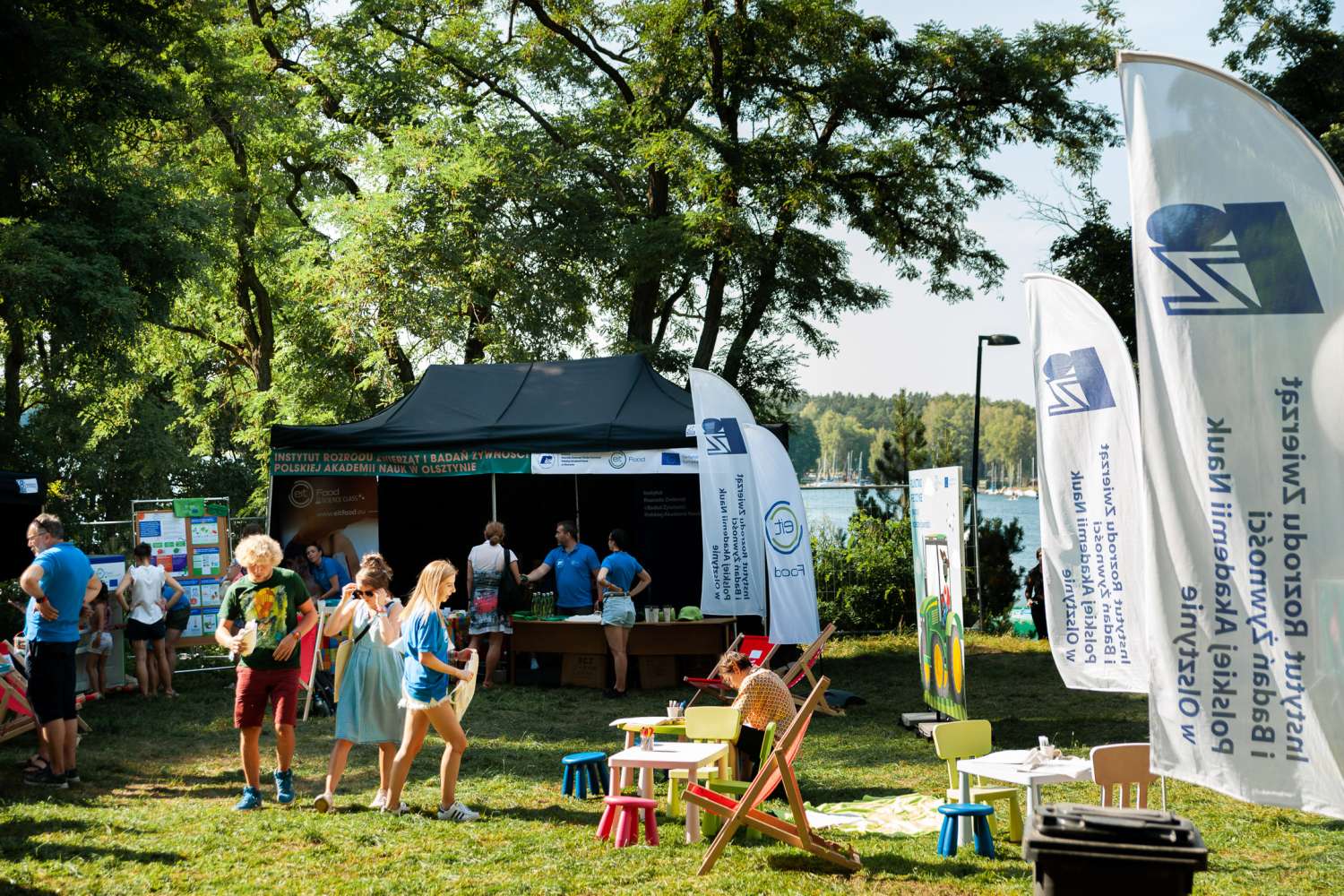
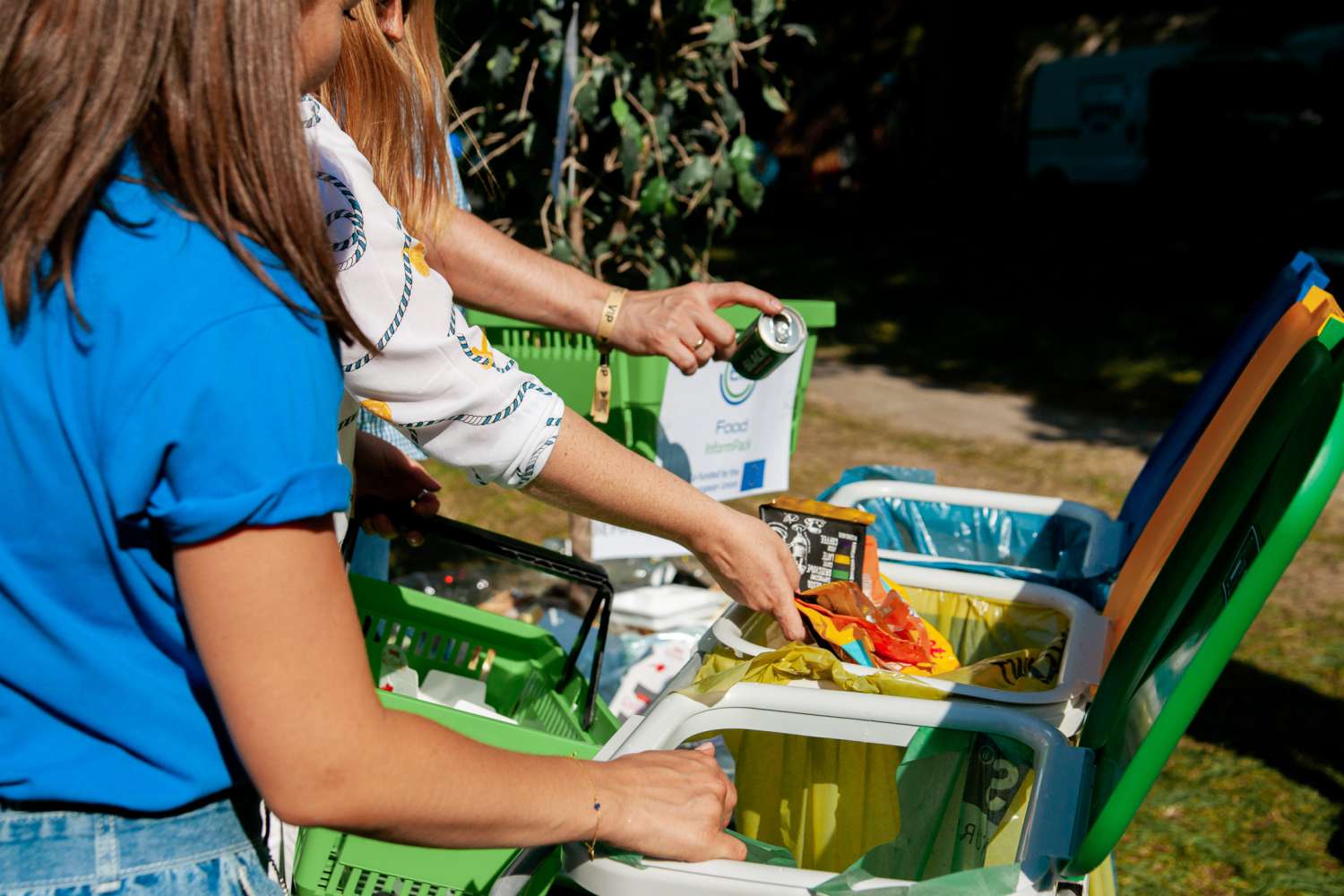
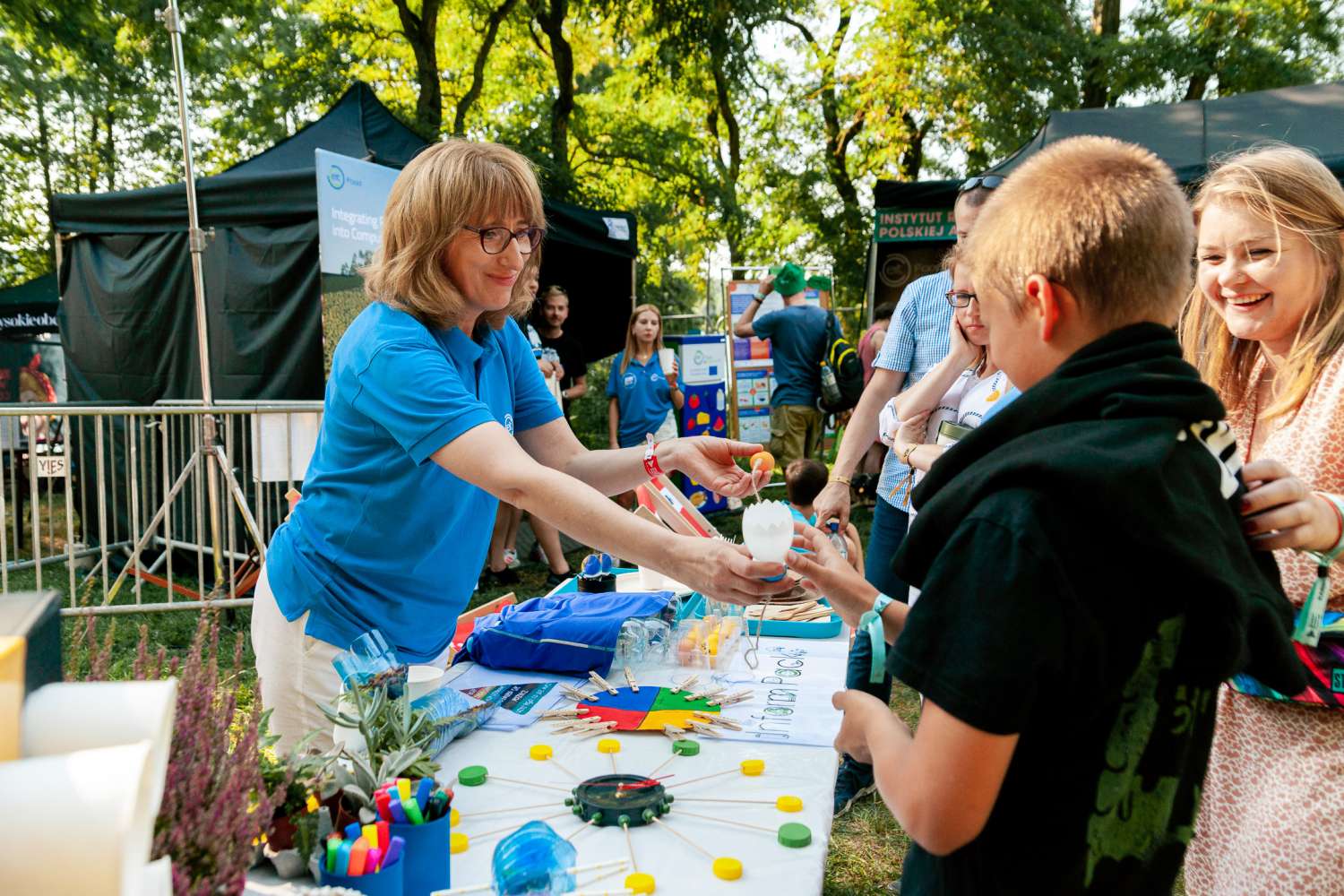
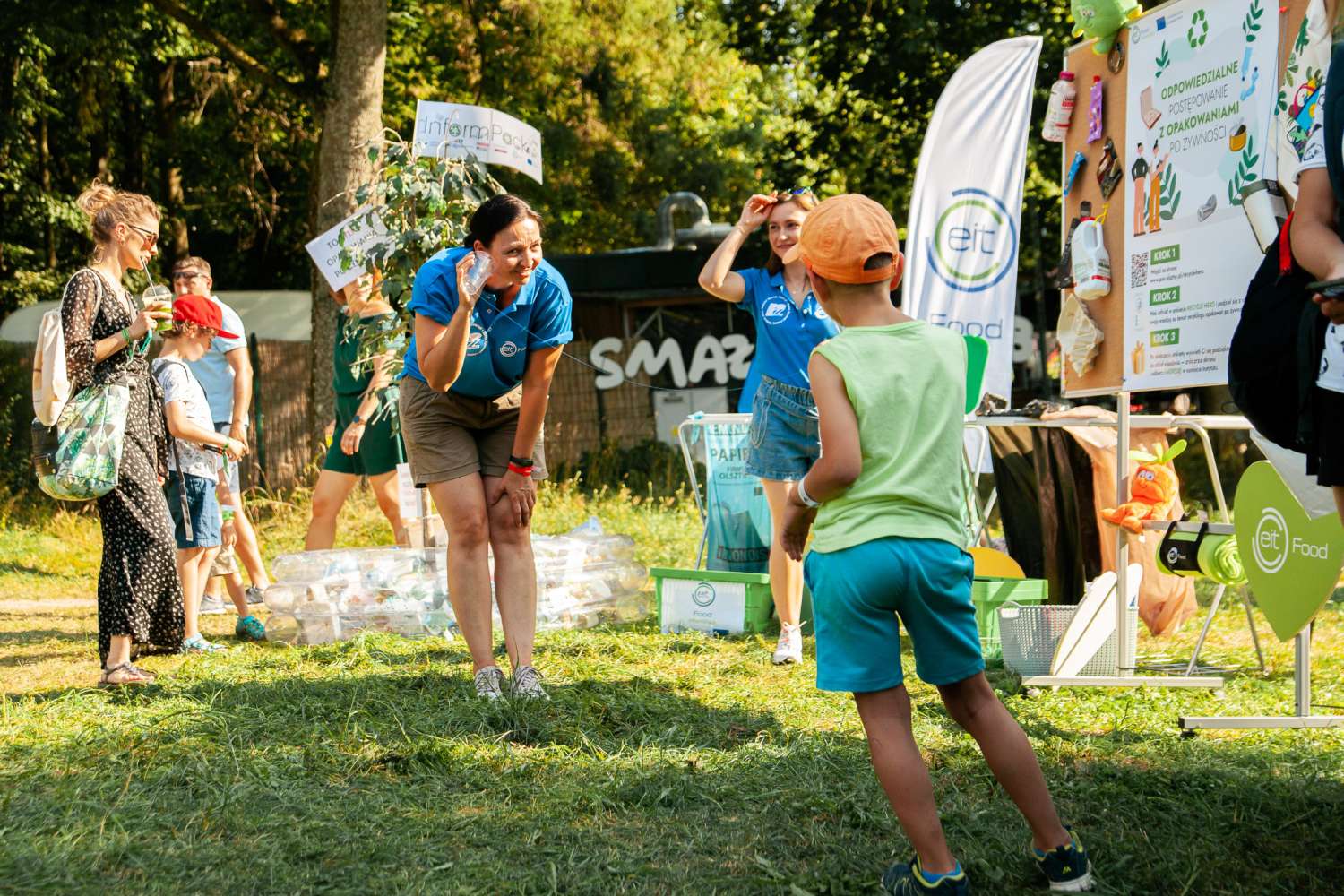
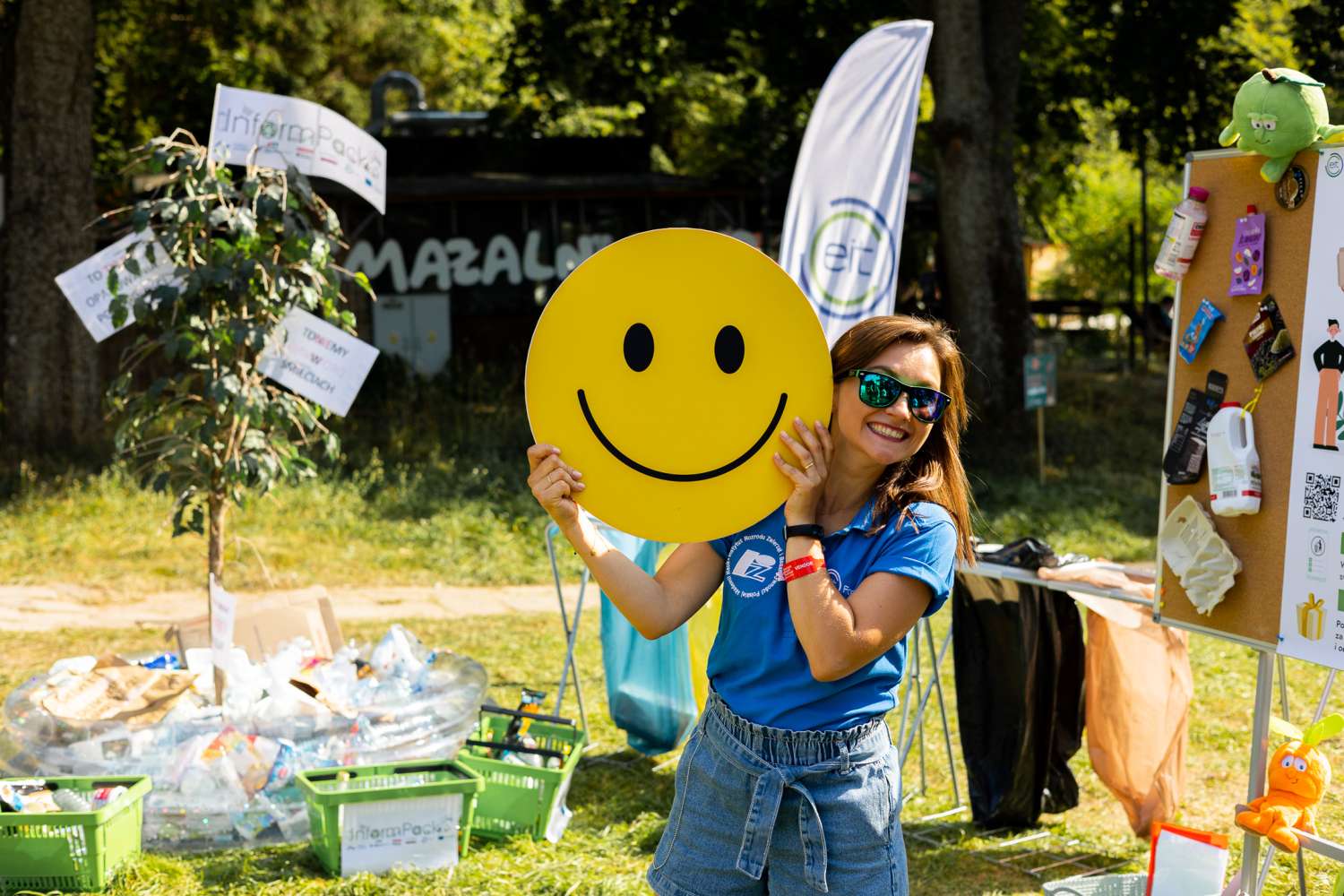
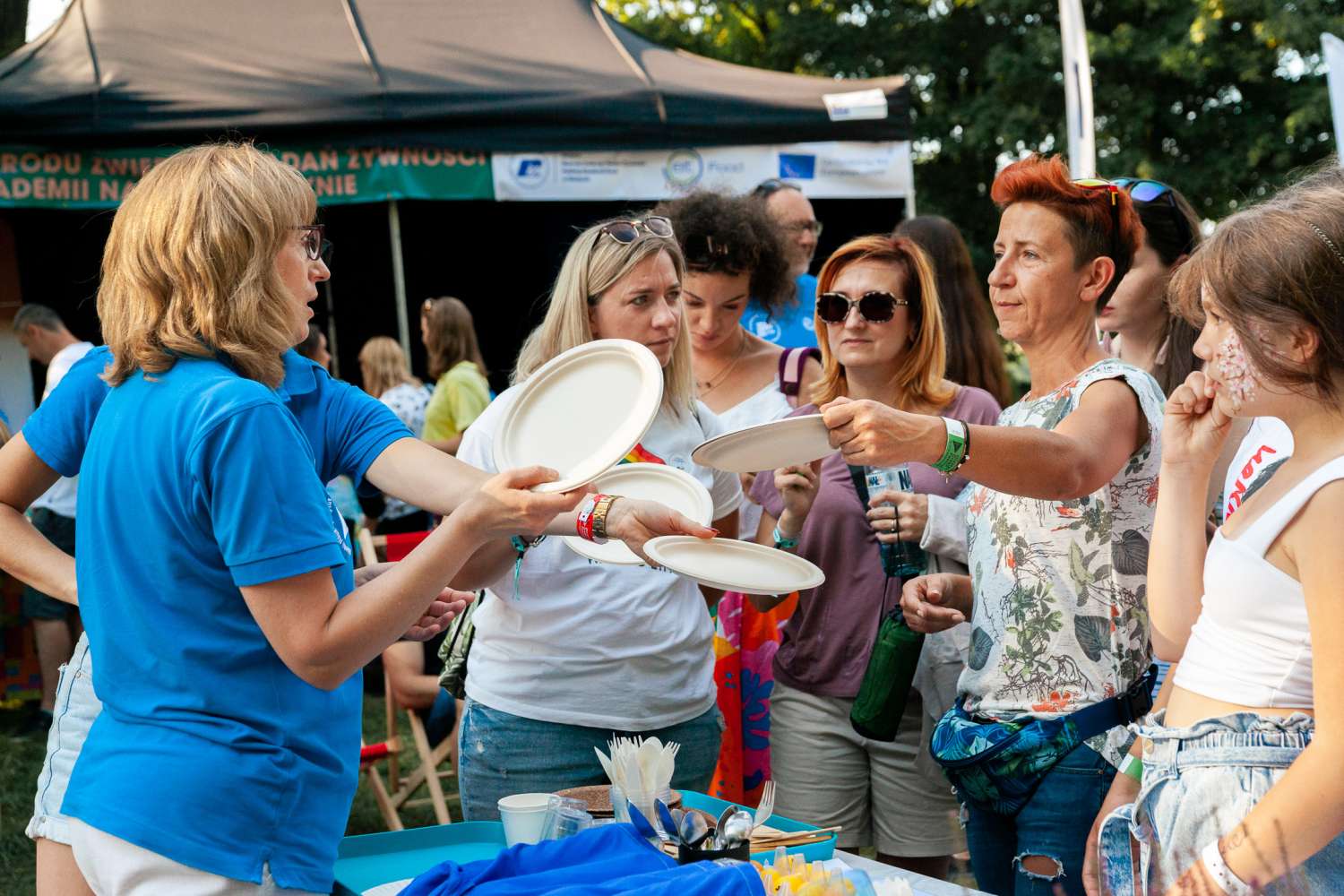
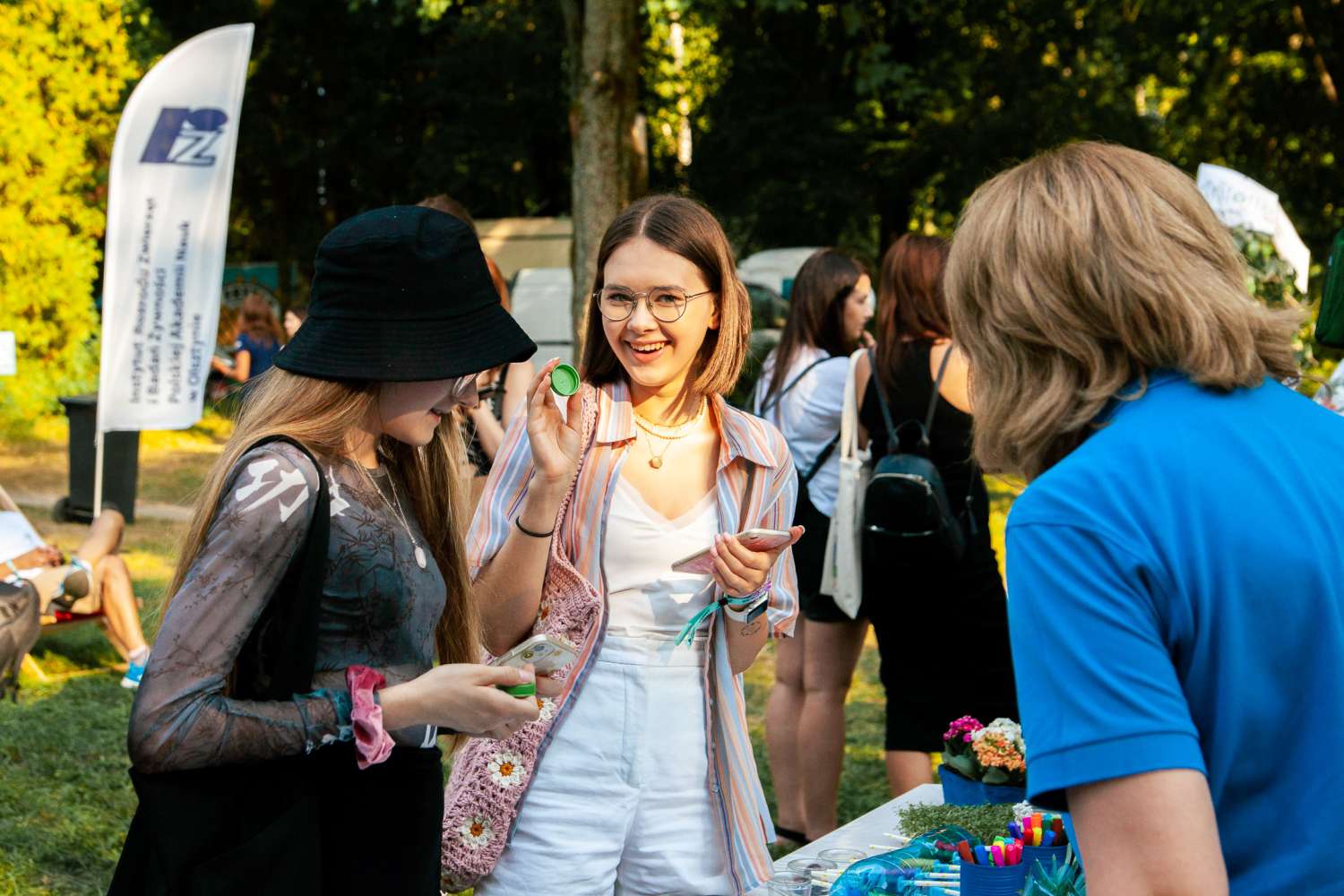
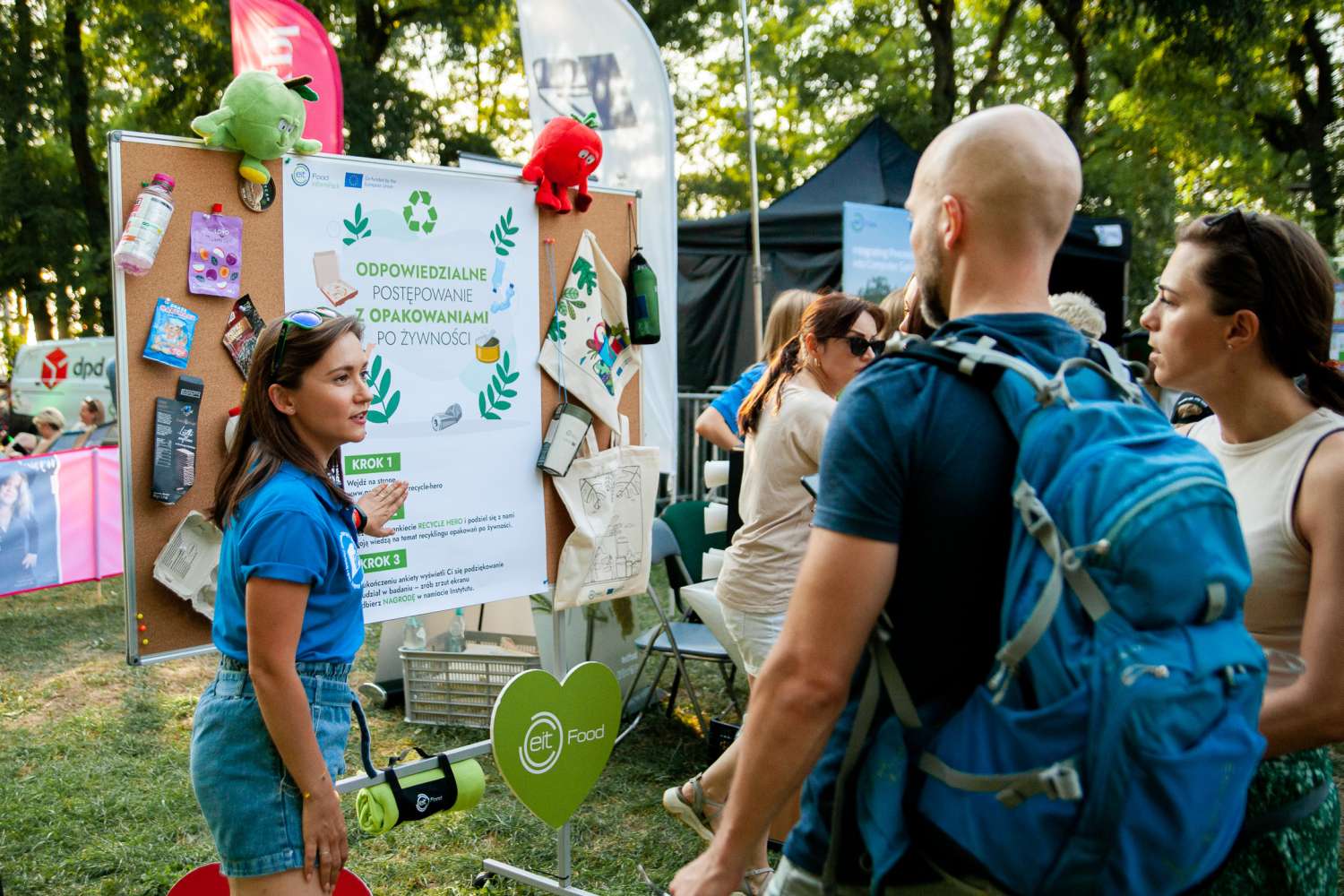
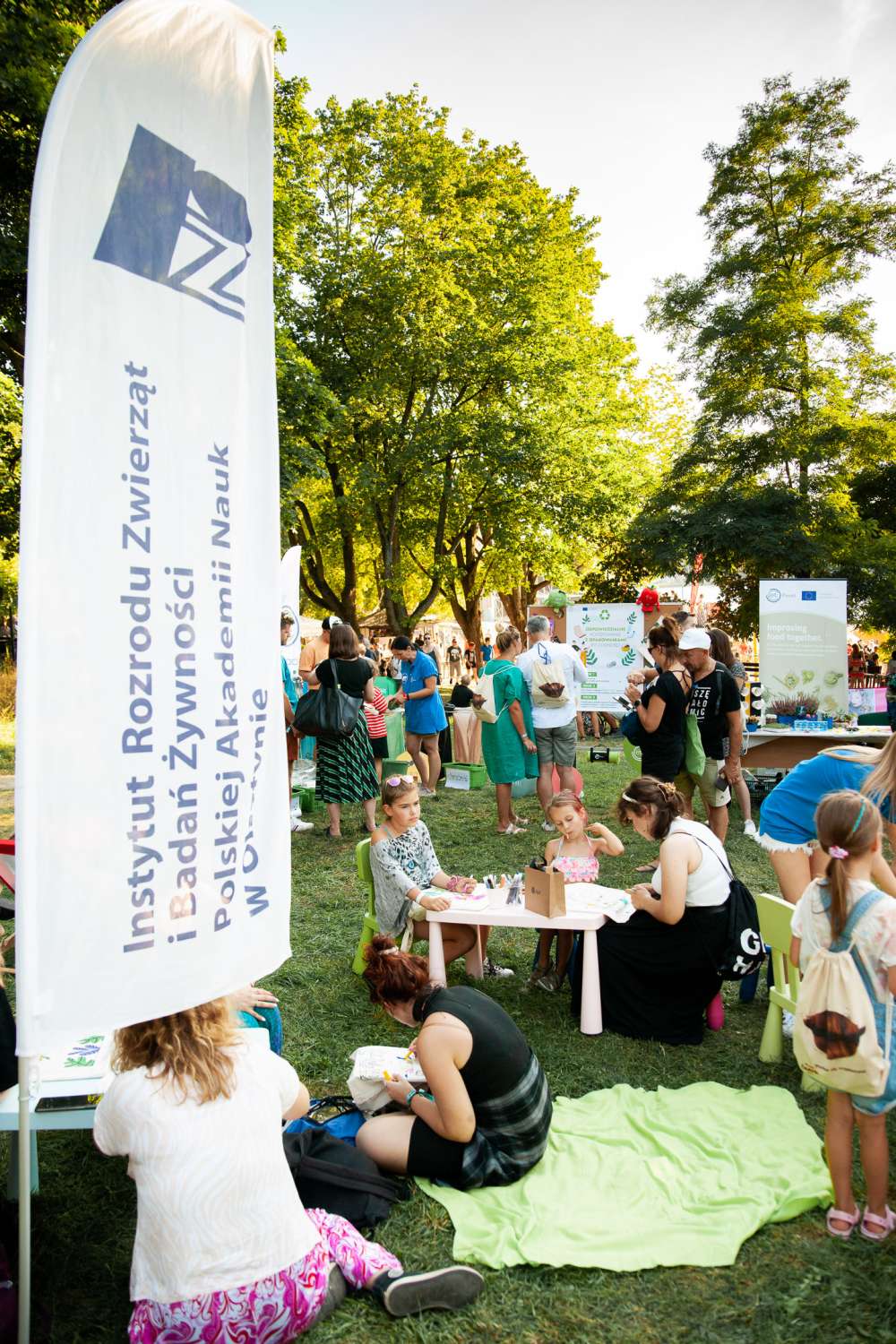
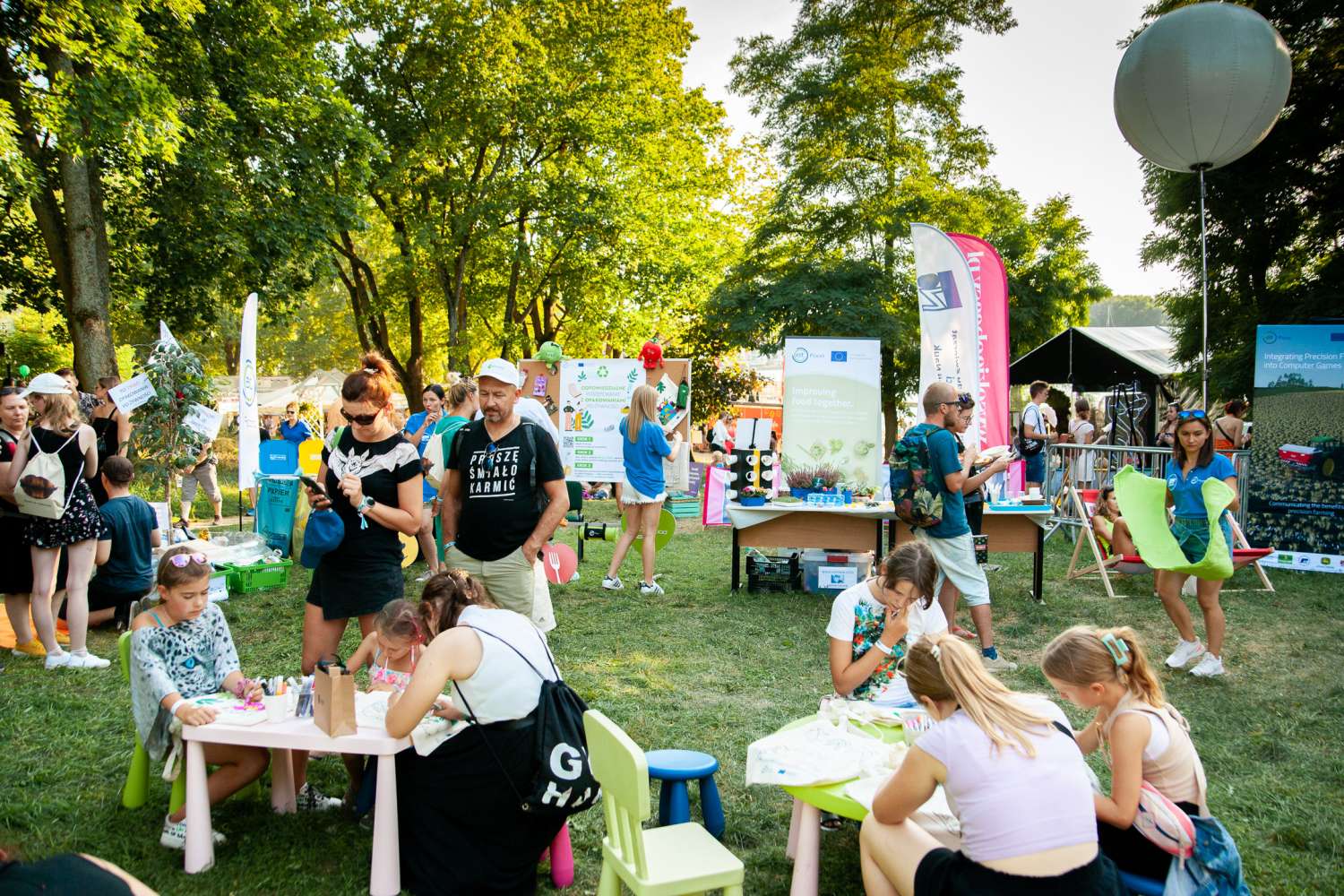
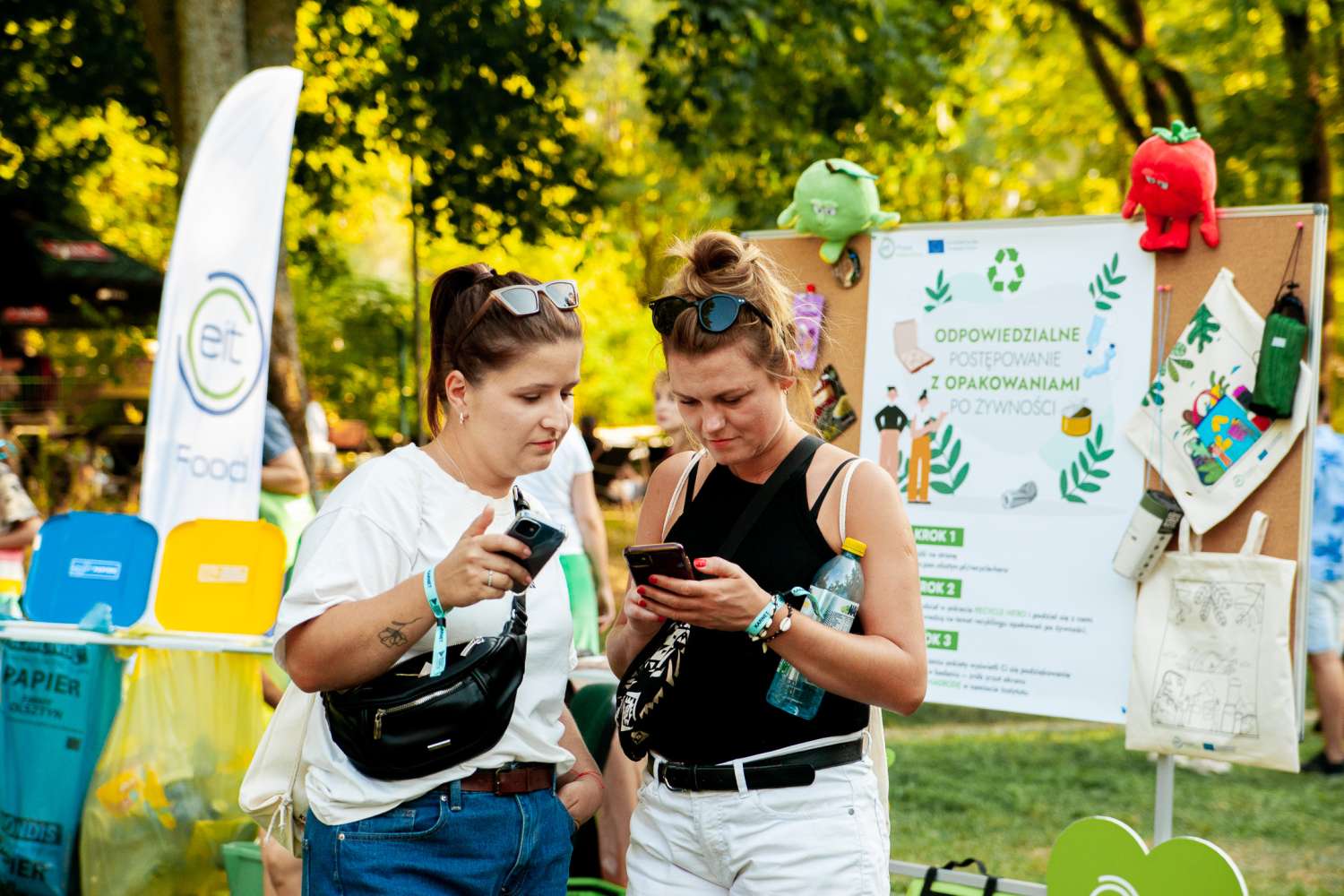
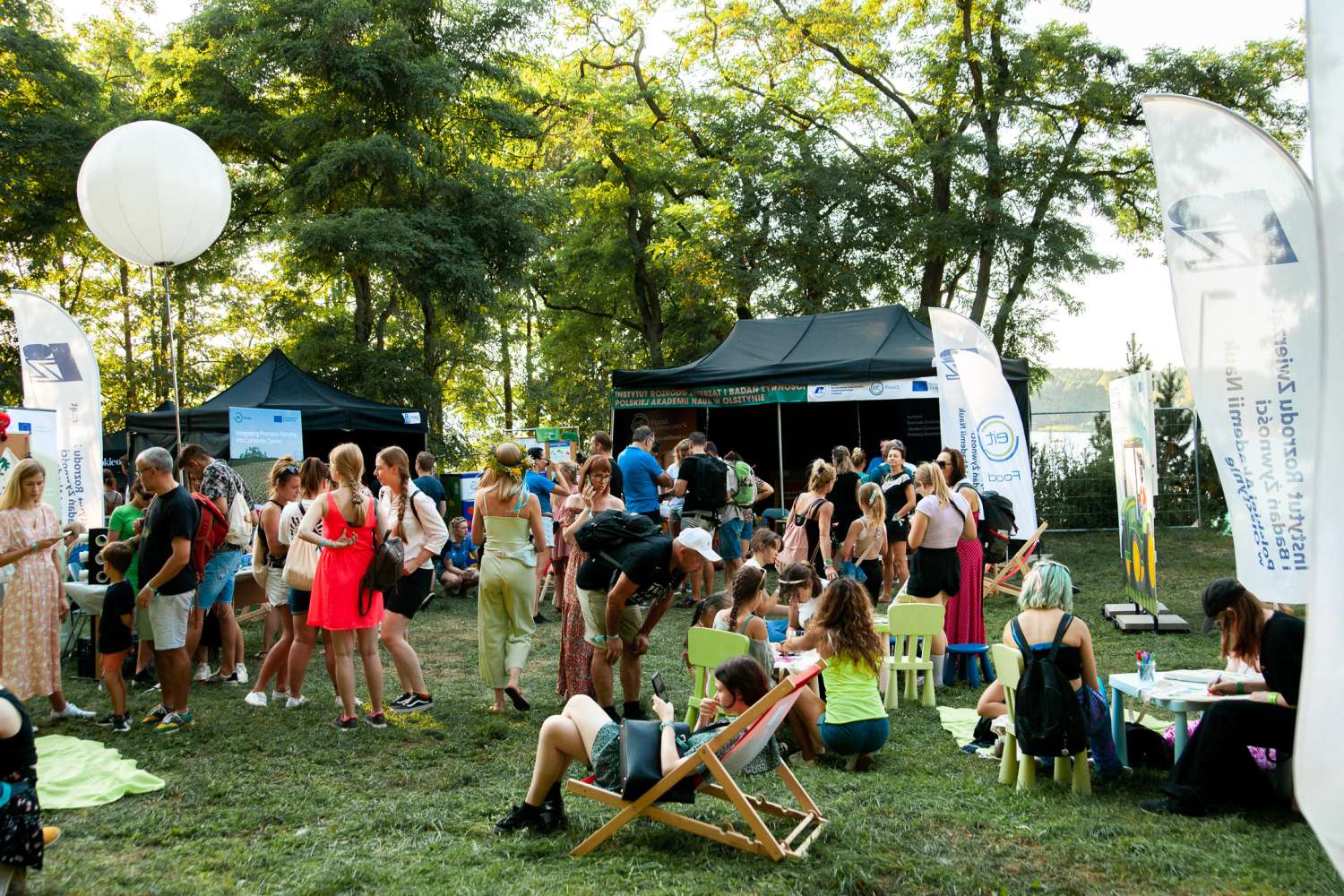
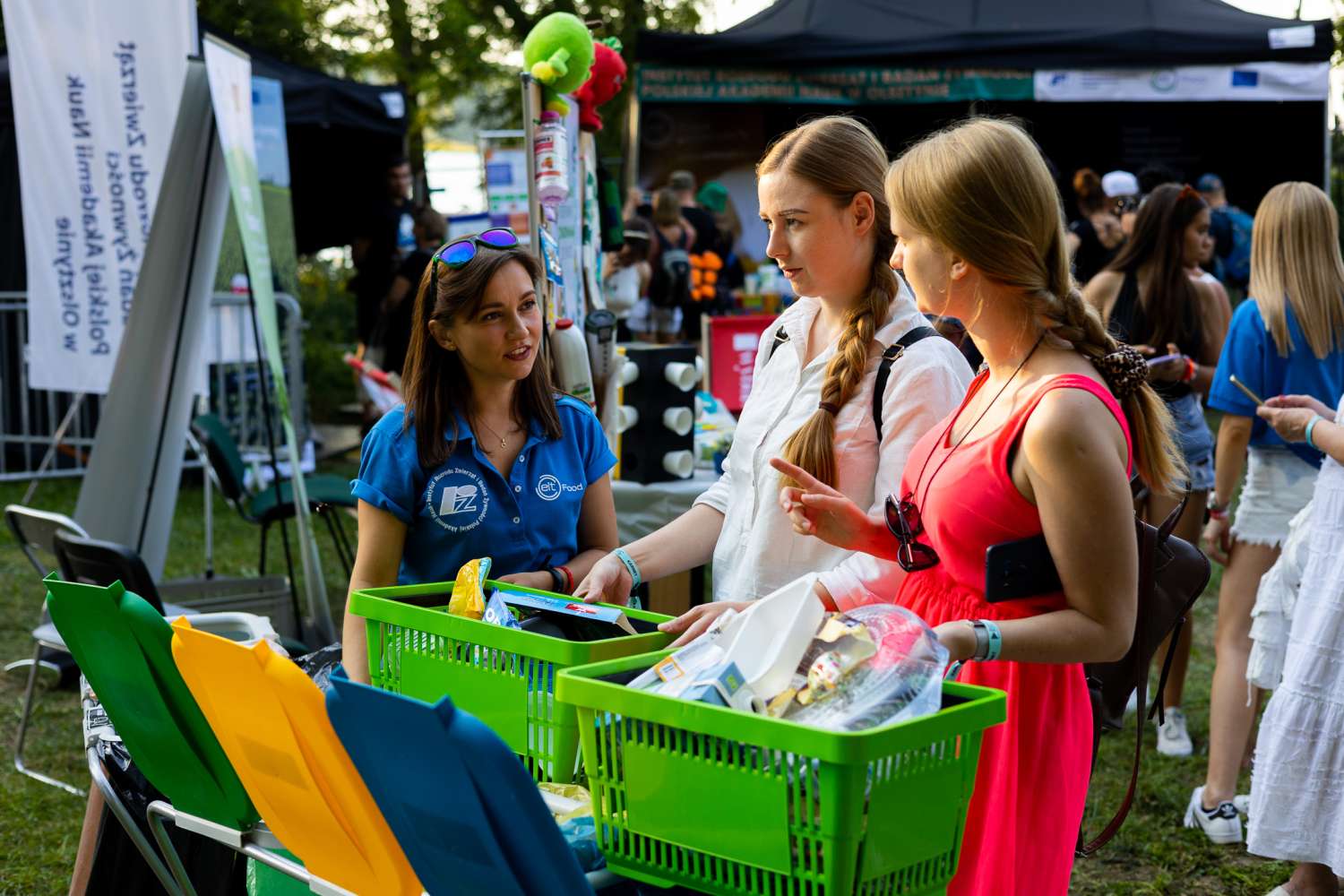
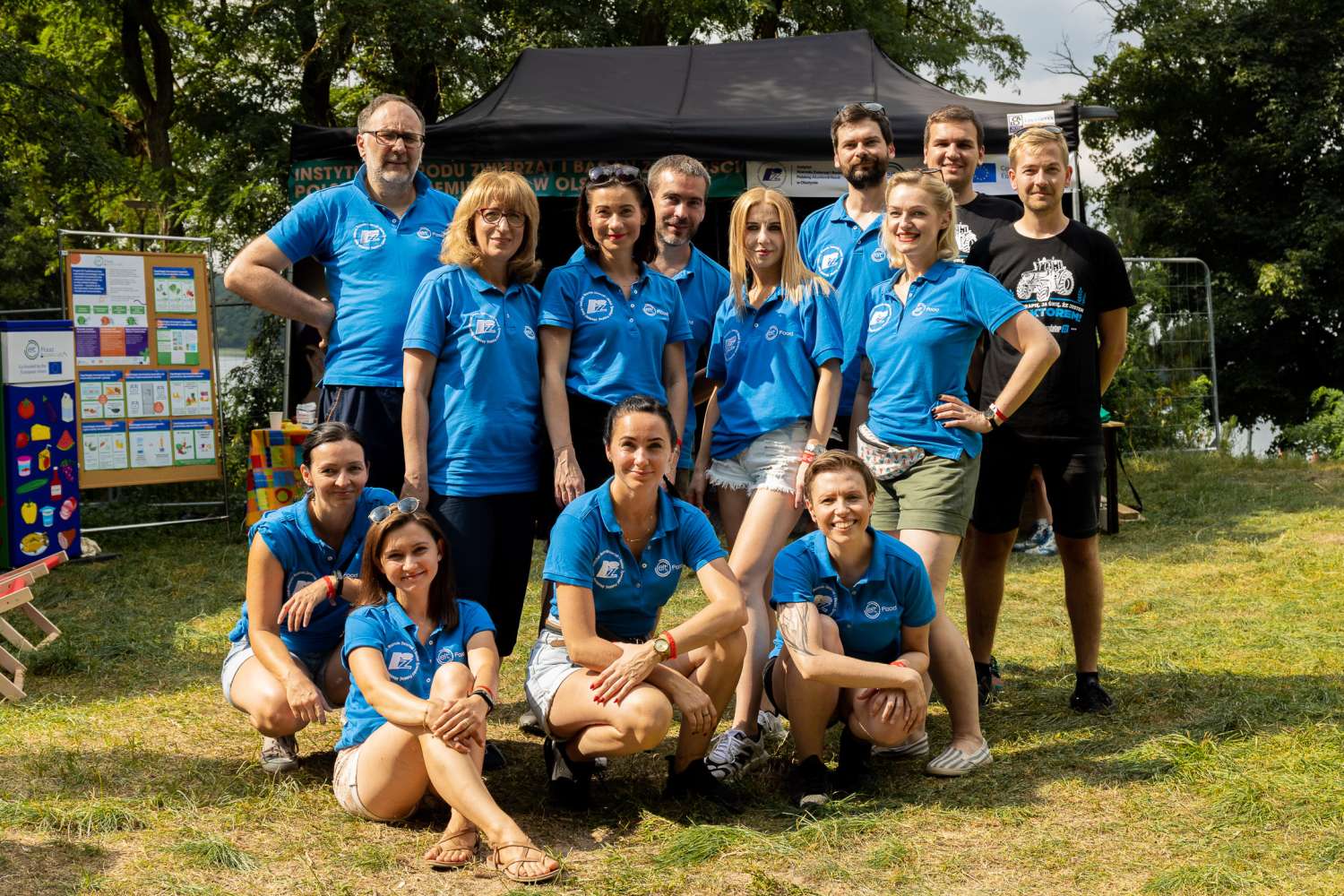
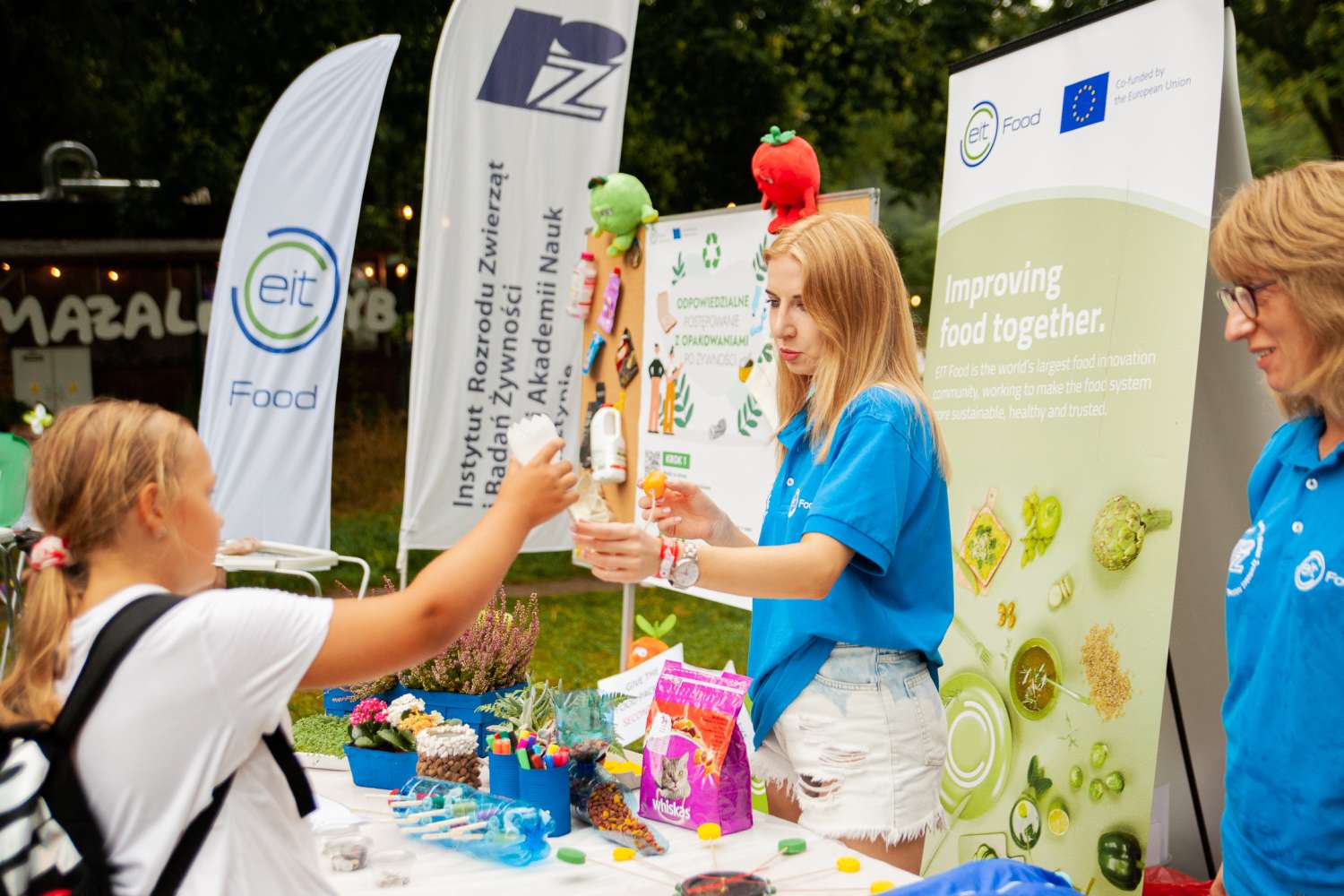
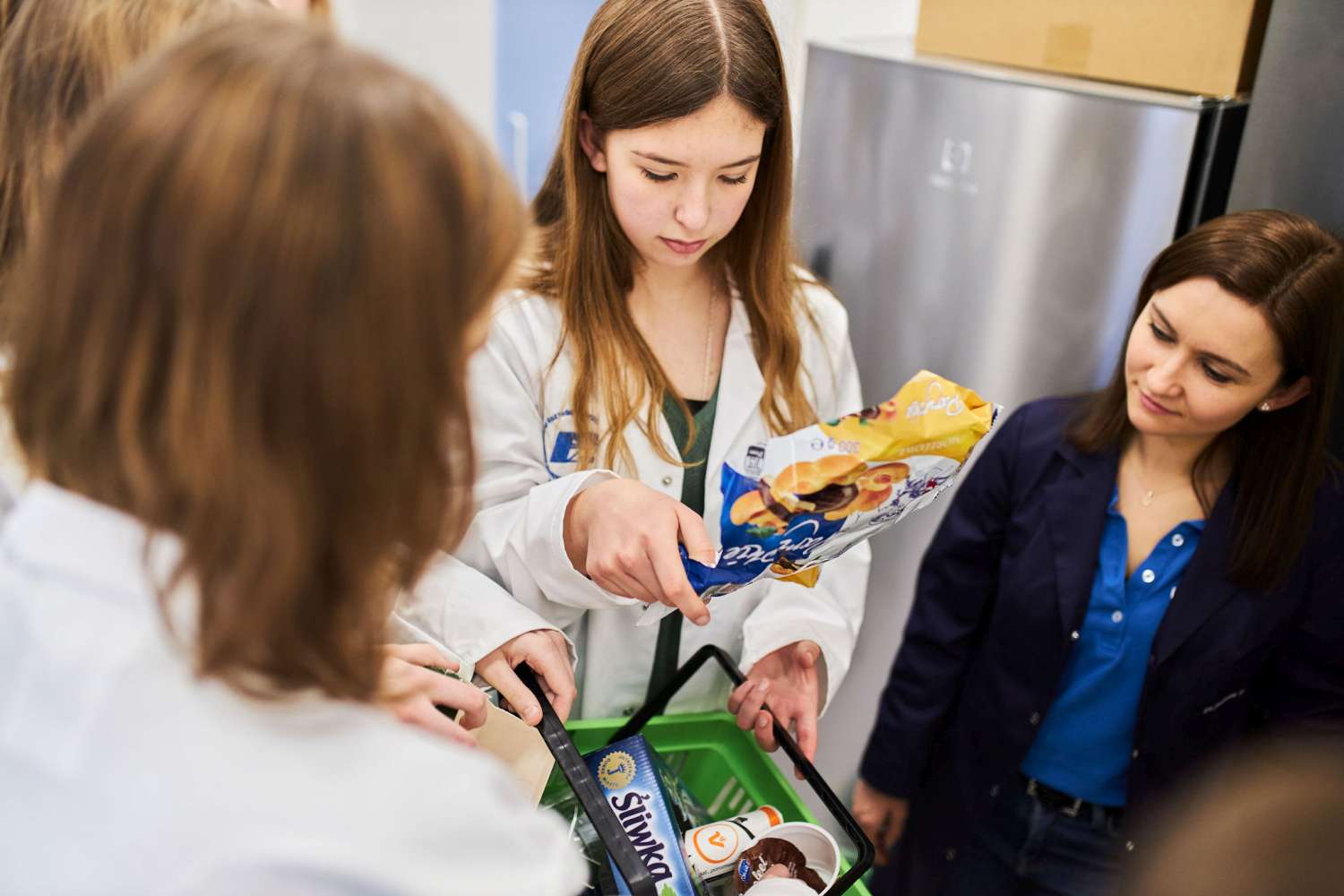
Thanks to EIT Food #InformPack, you tested your strength in the proper segregation of food packaging materials, deciphered the symbols placed by producers on packaging, and also learned about the original methods of waste processing.

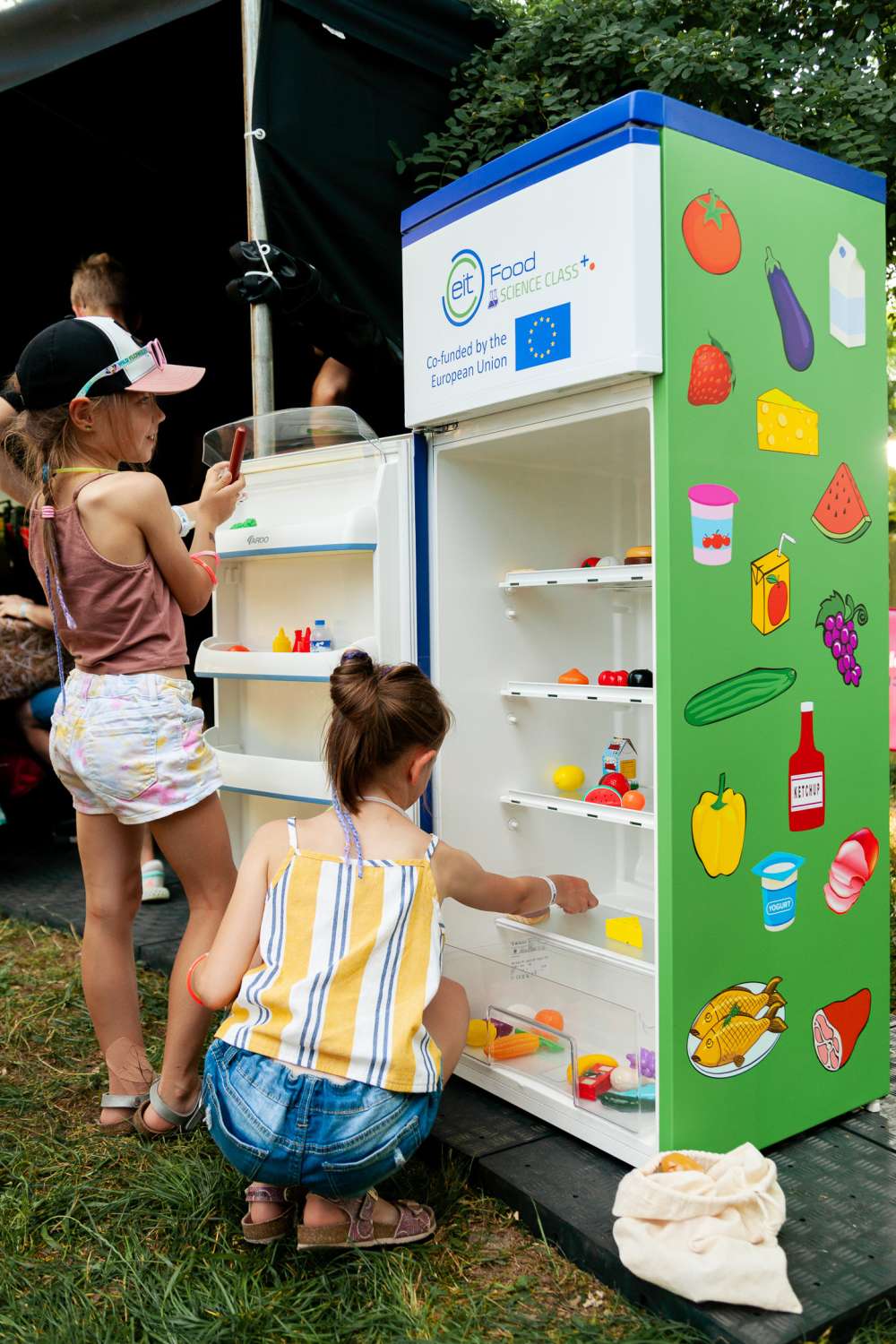
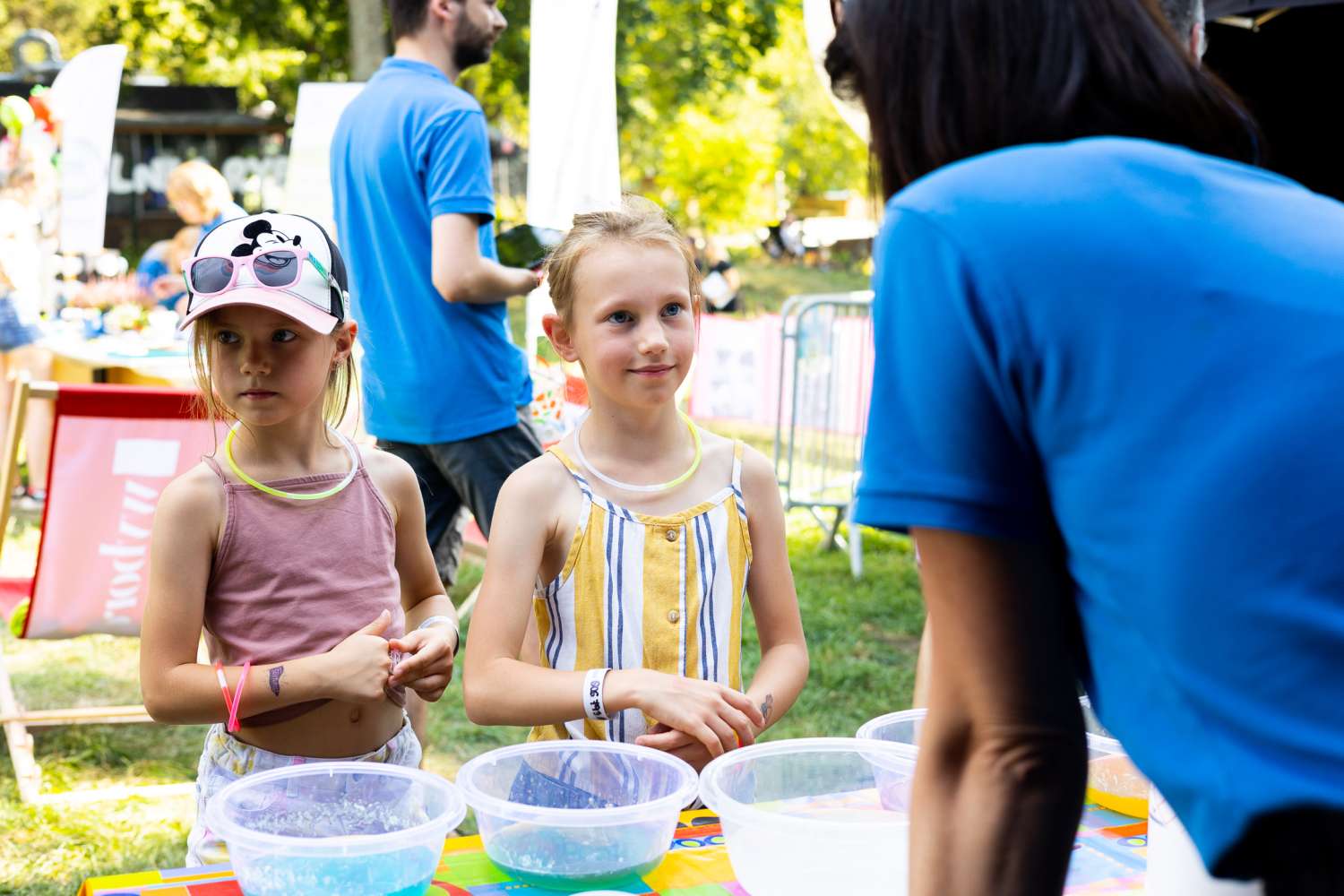
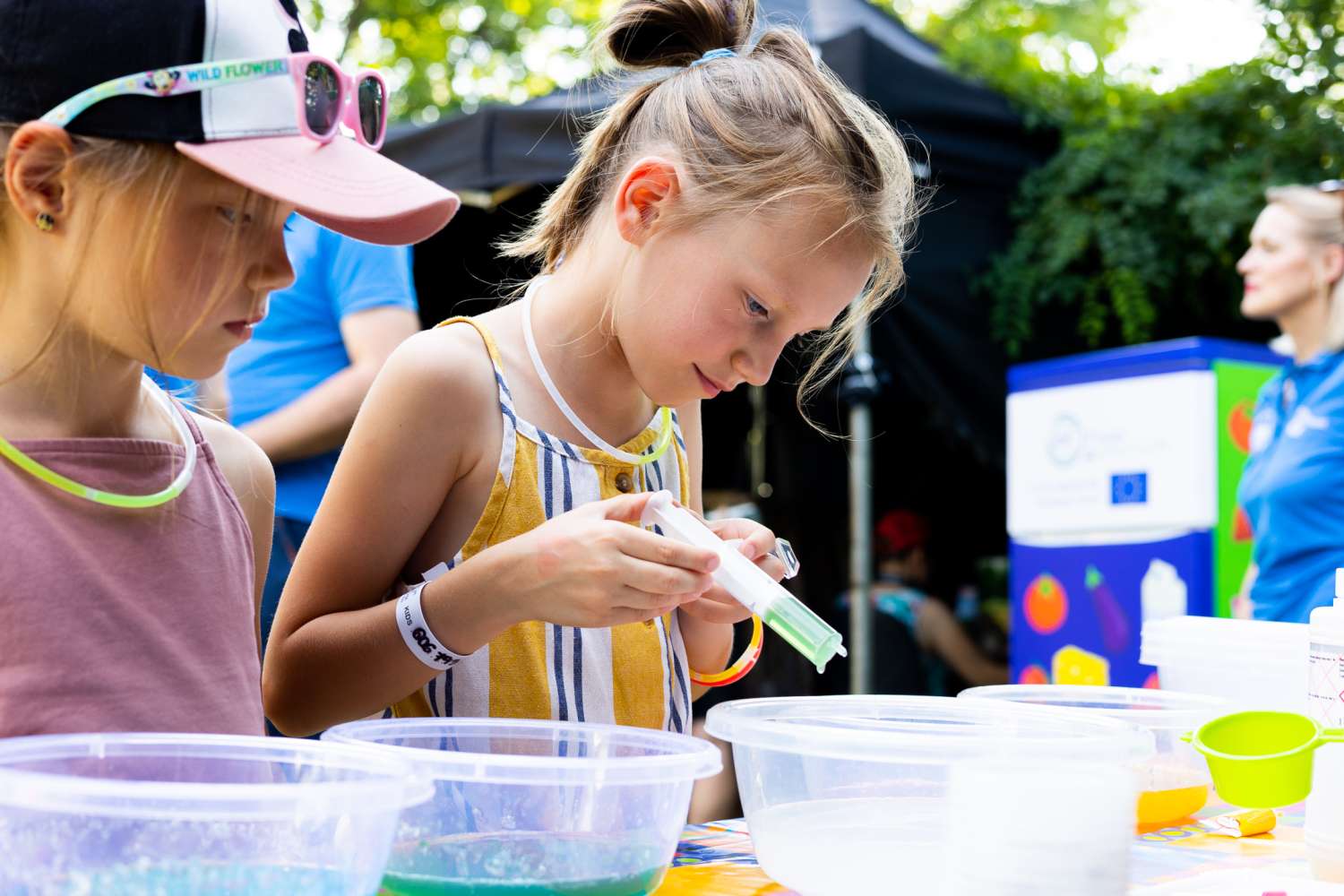
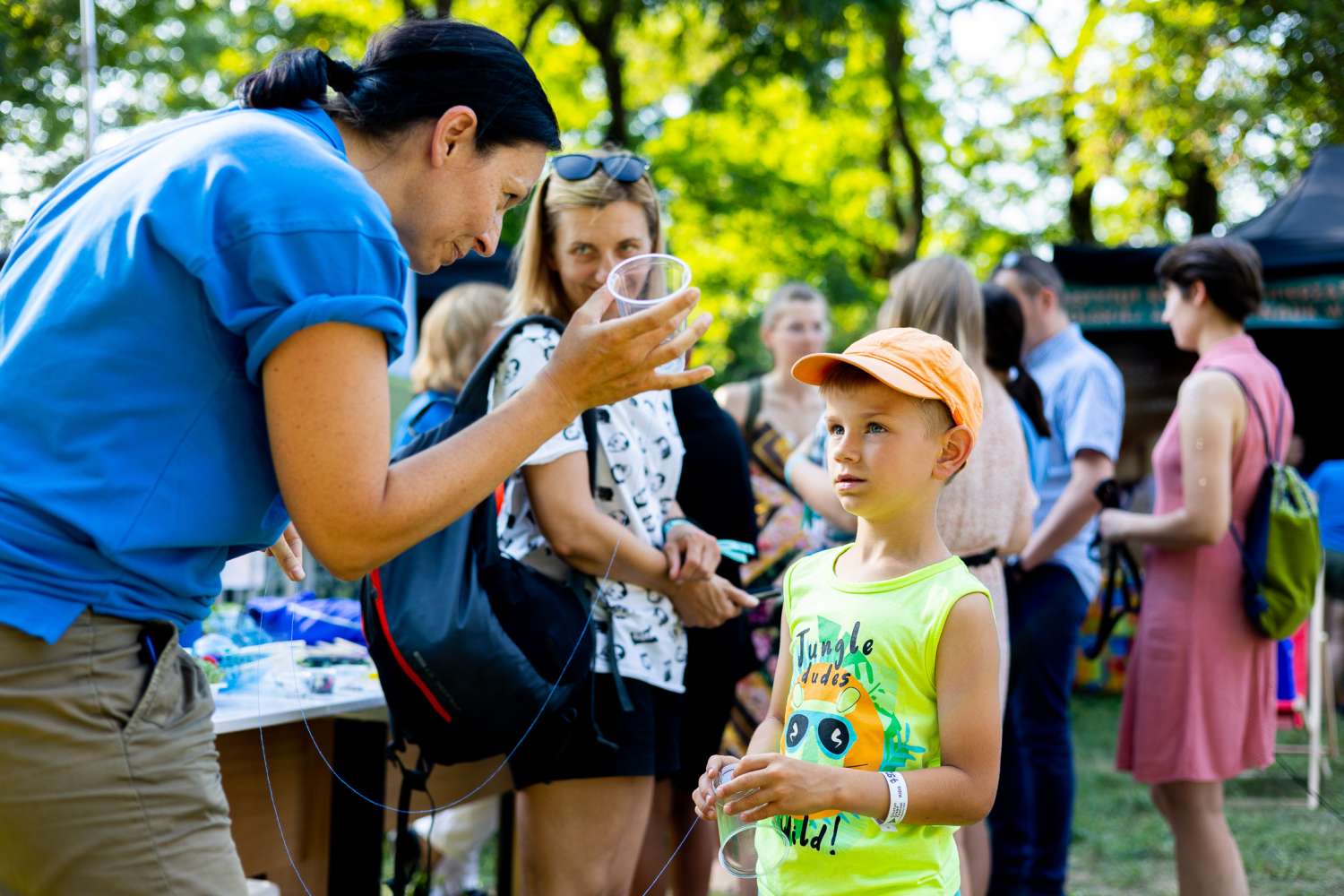
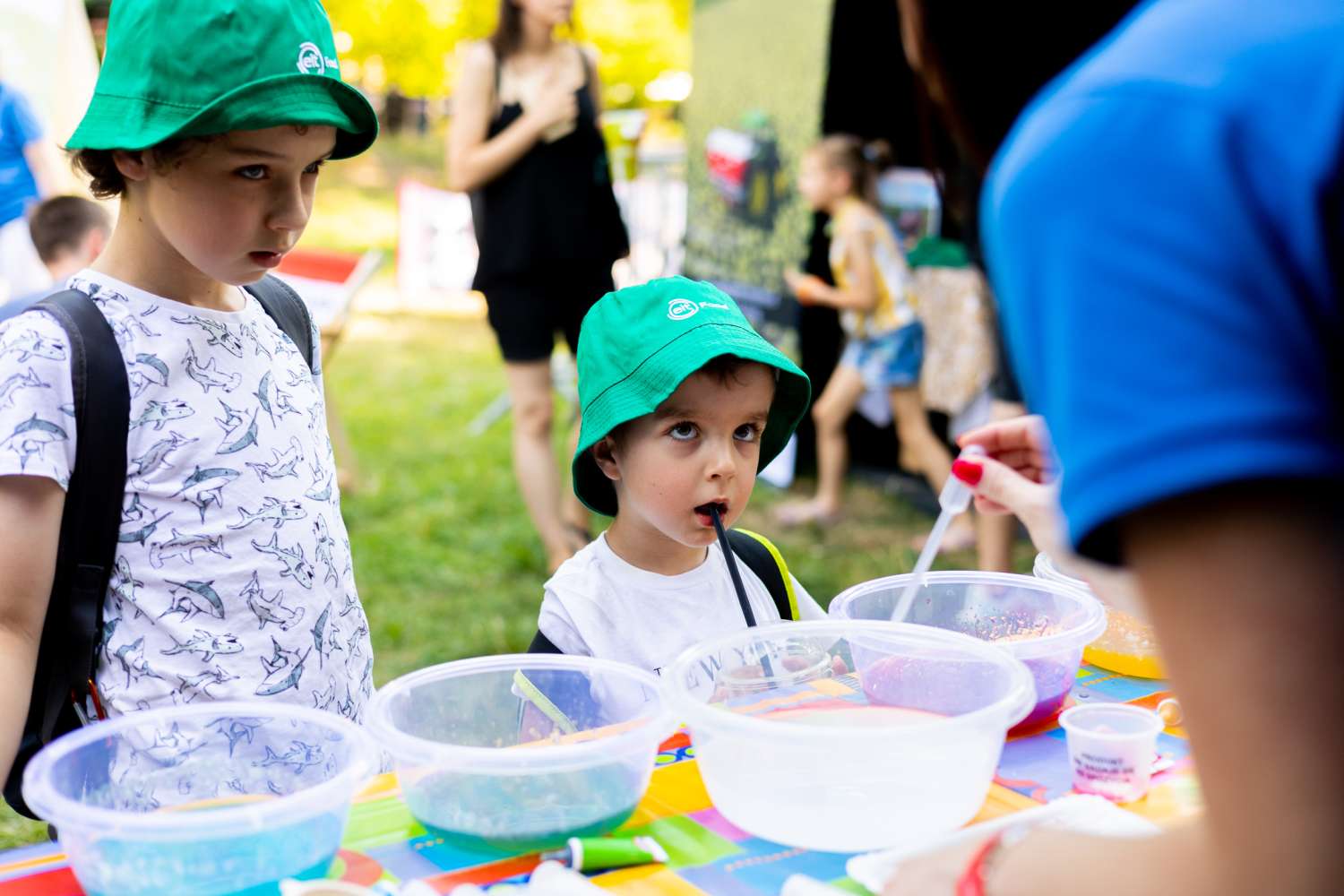
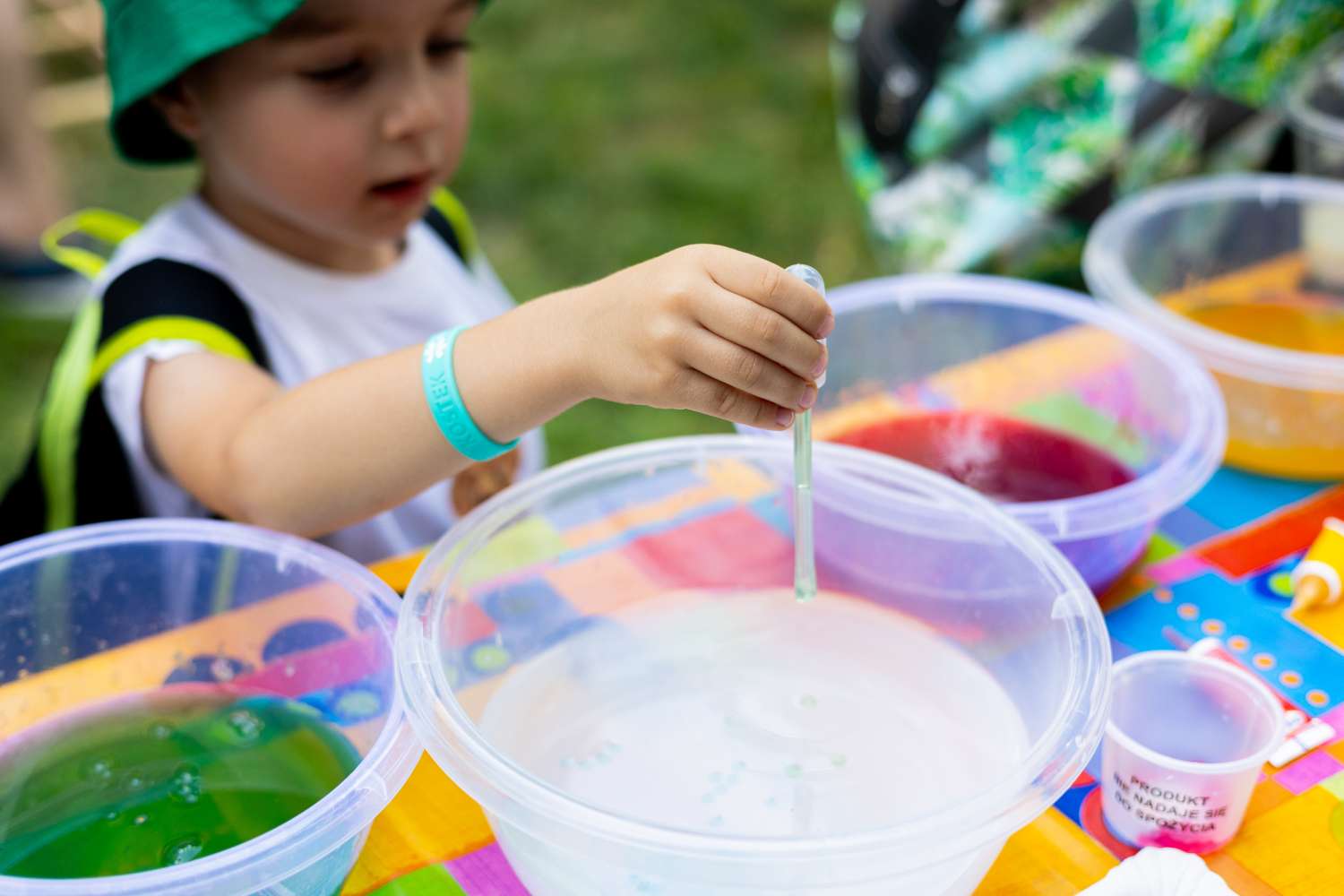
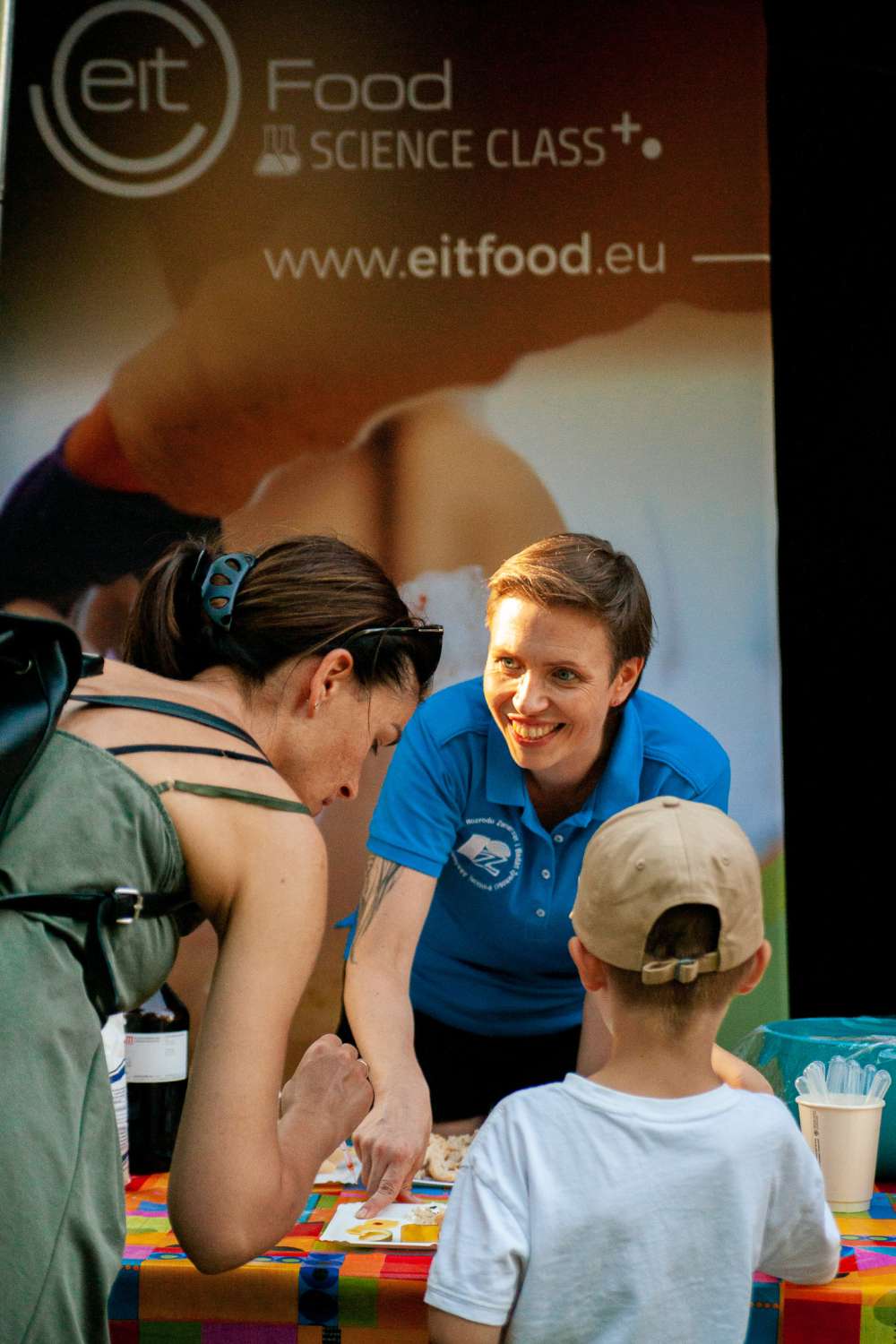
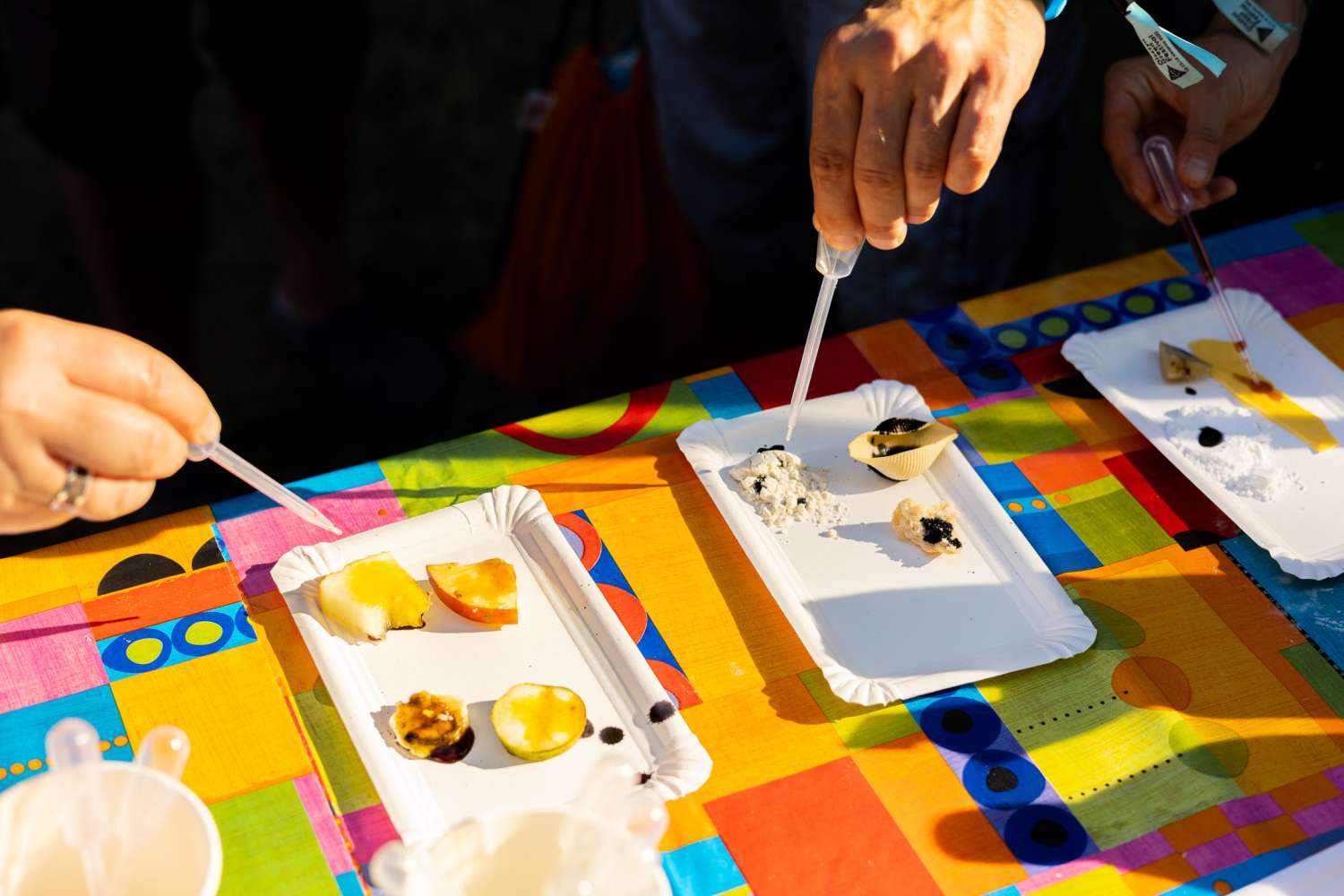
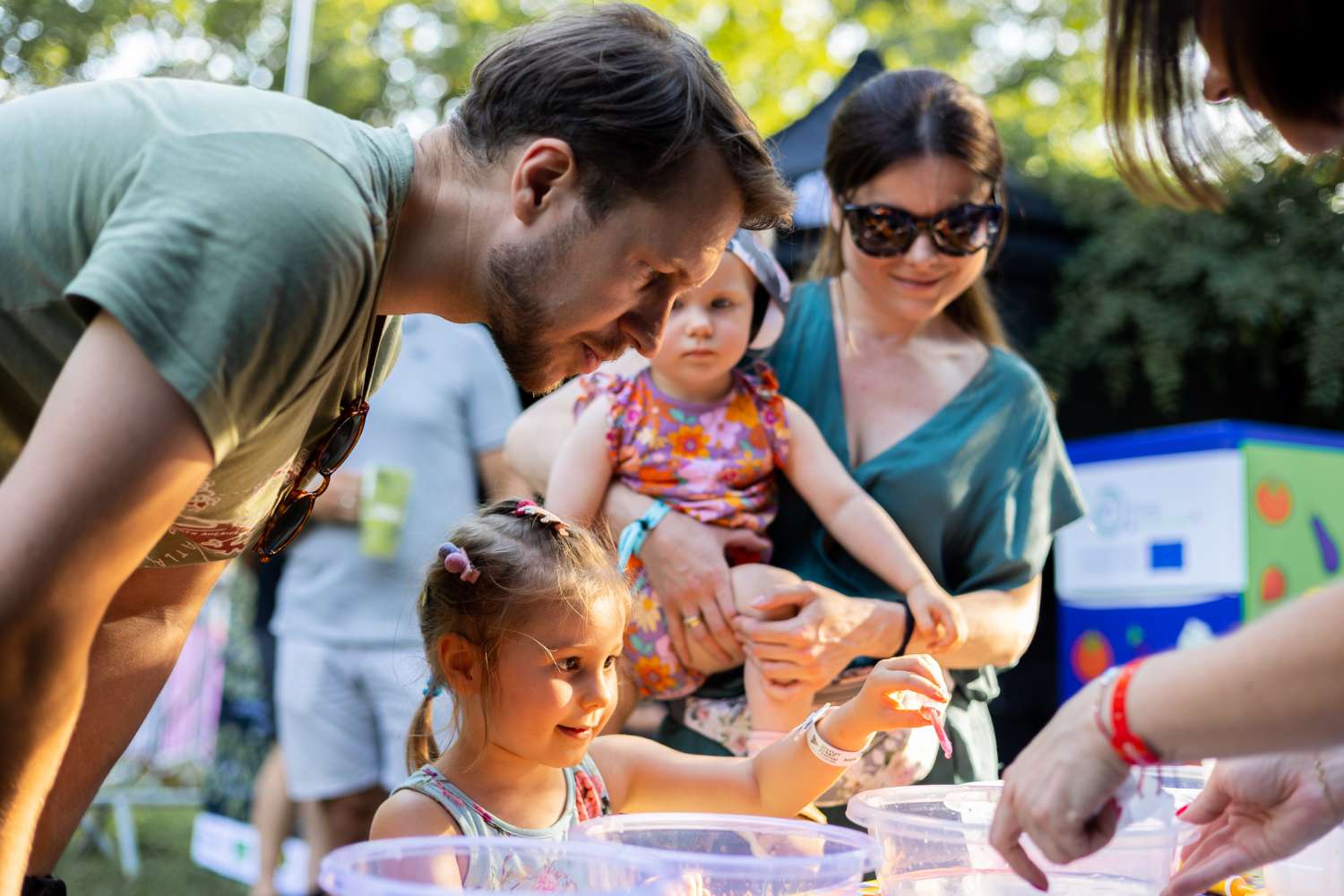
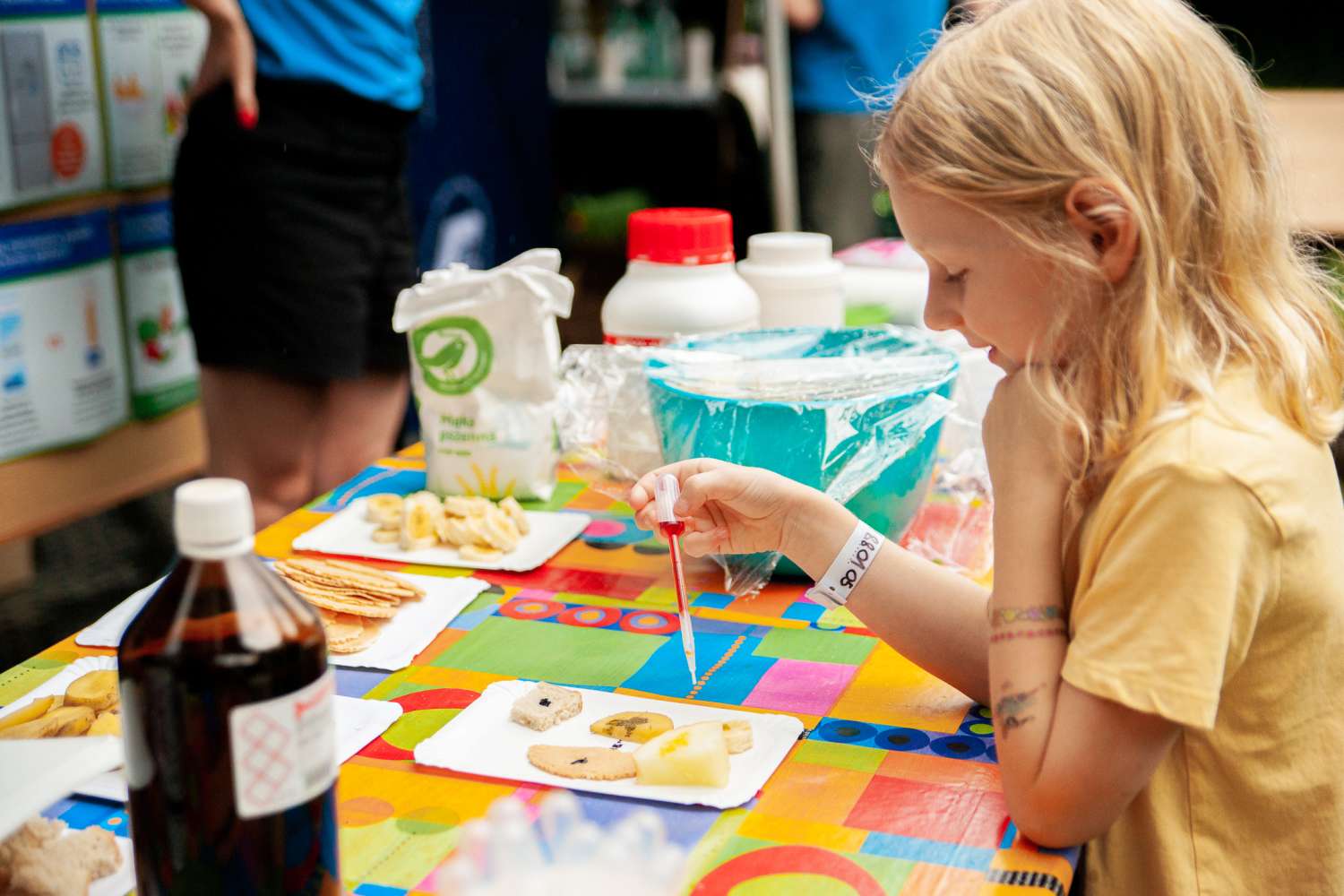
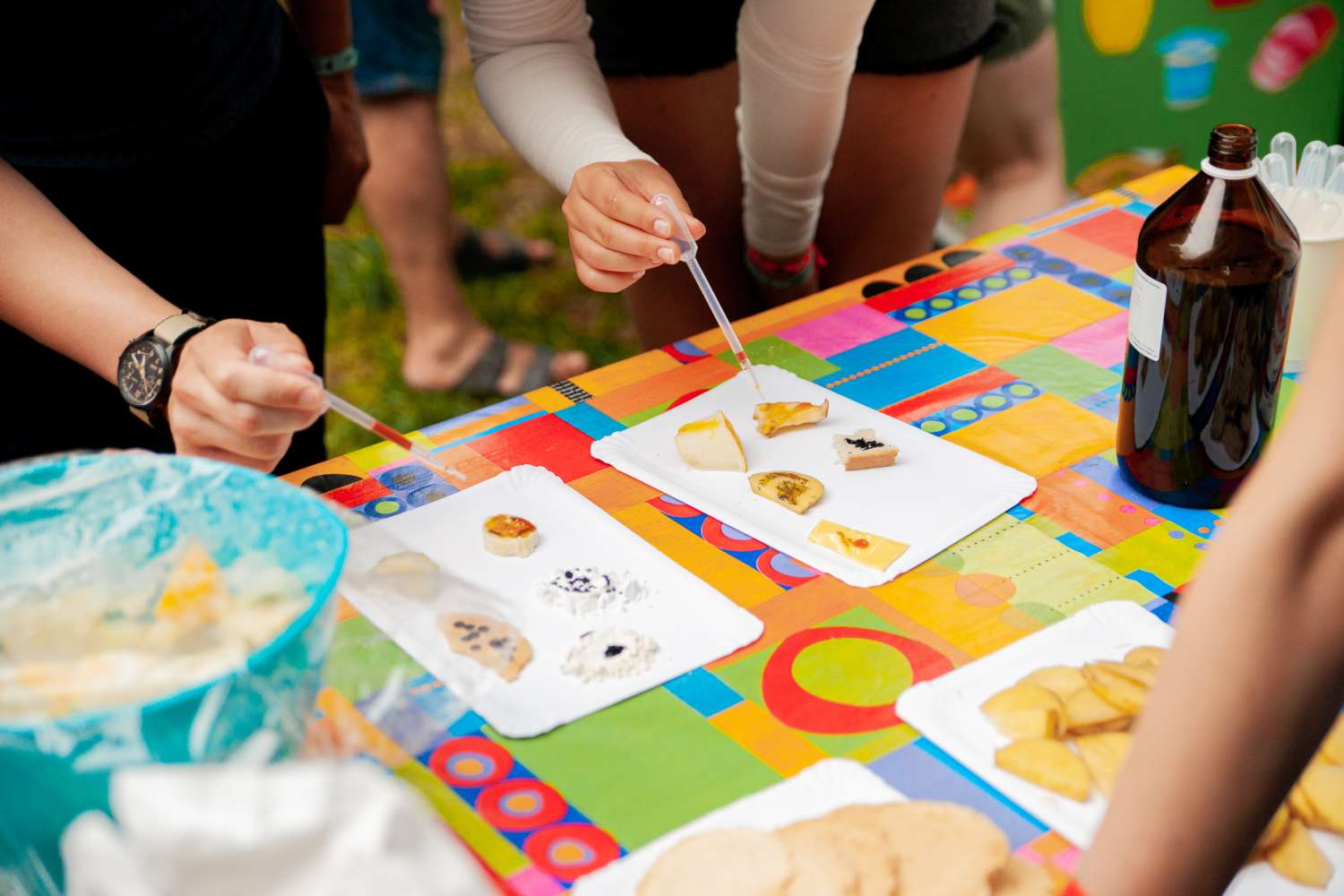
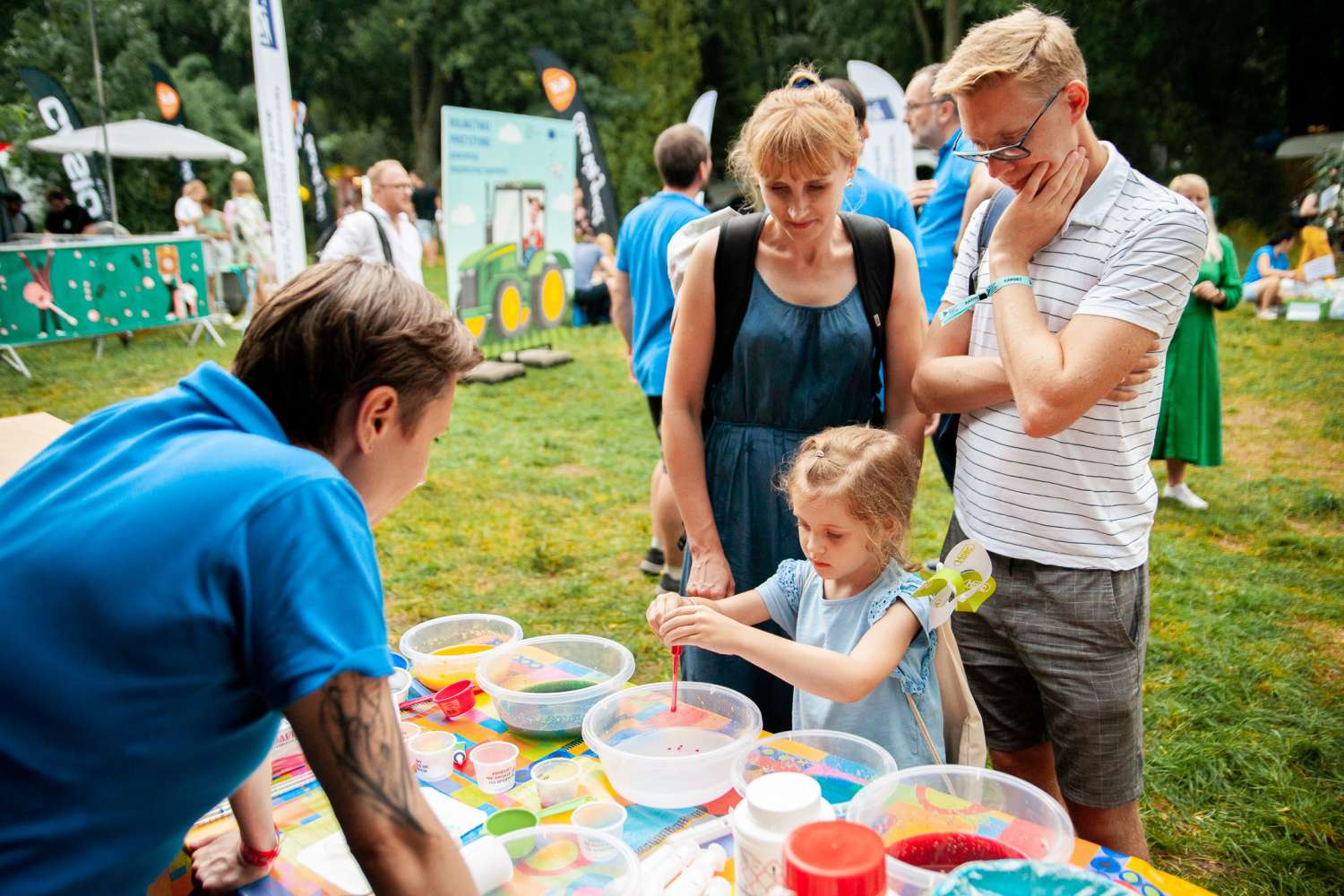
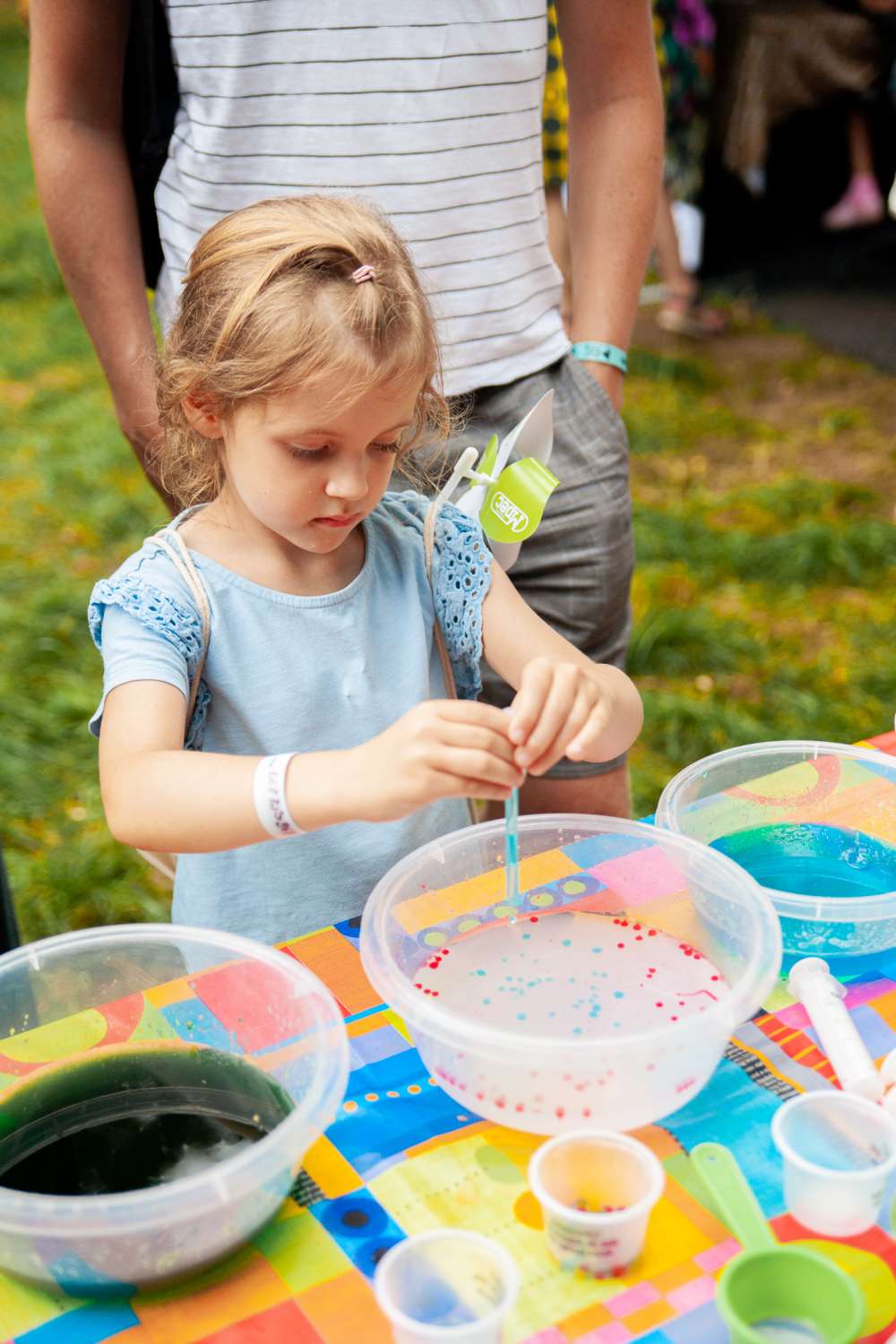
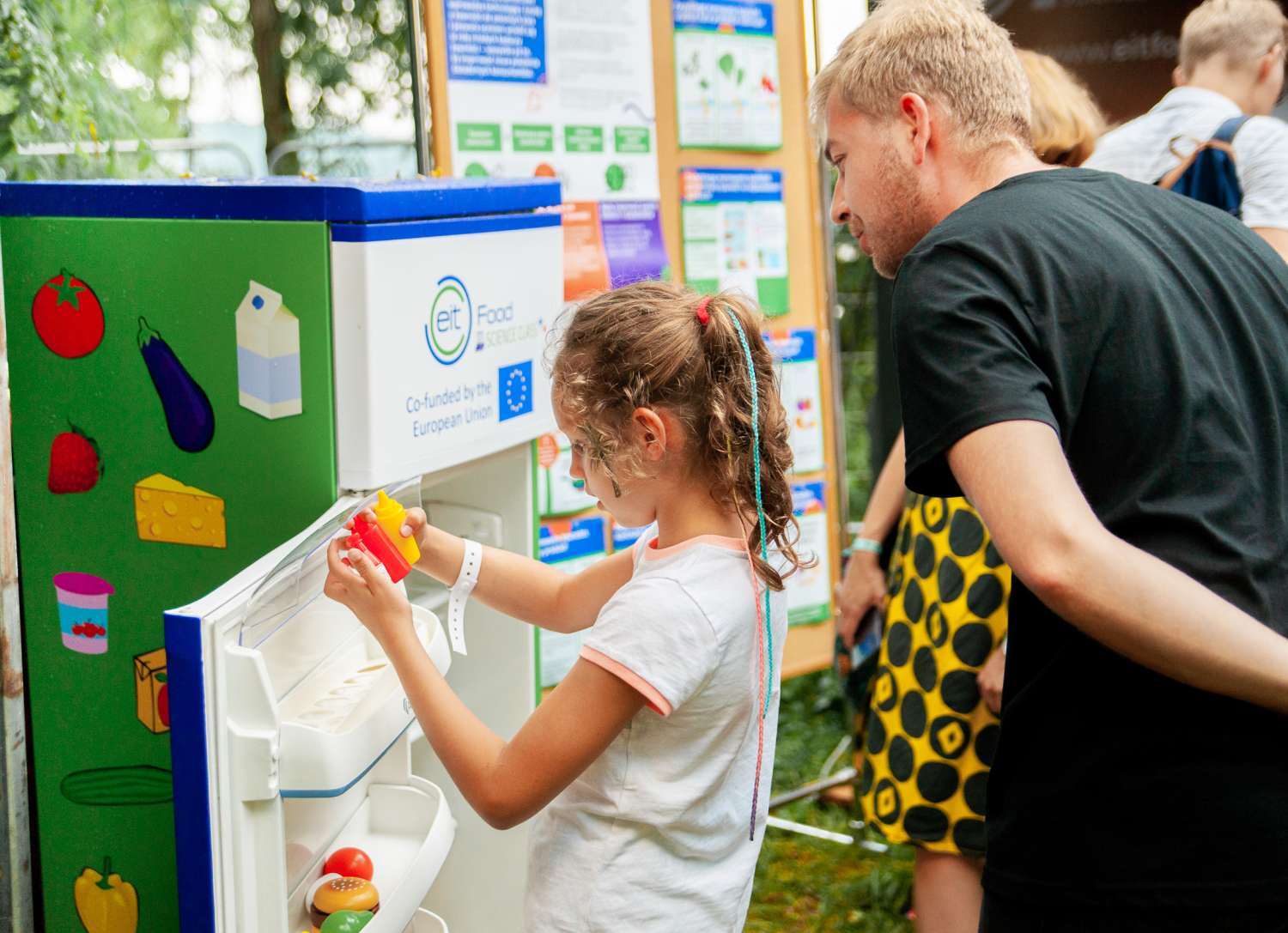
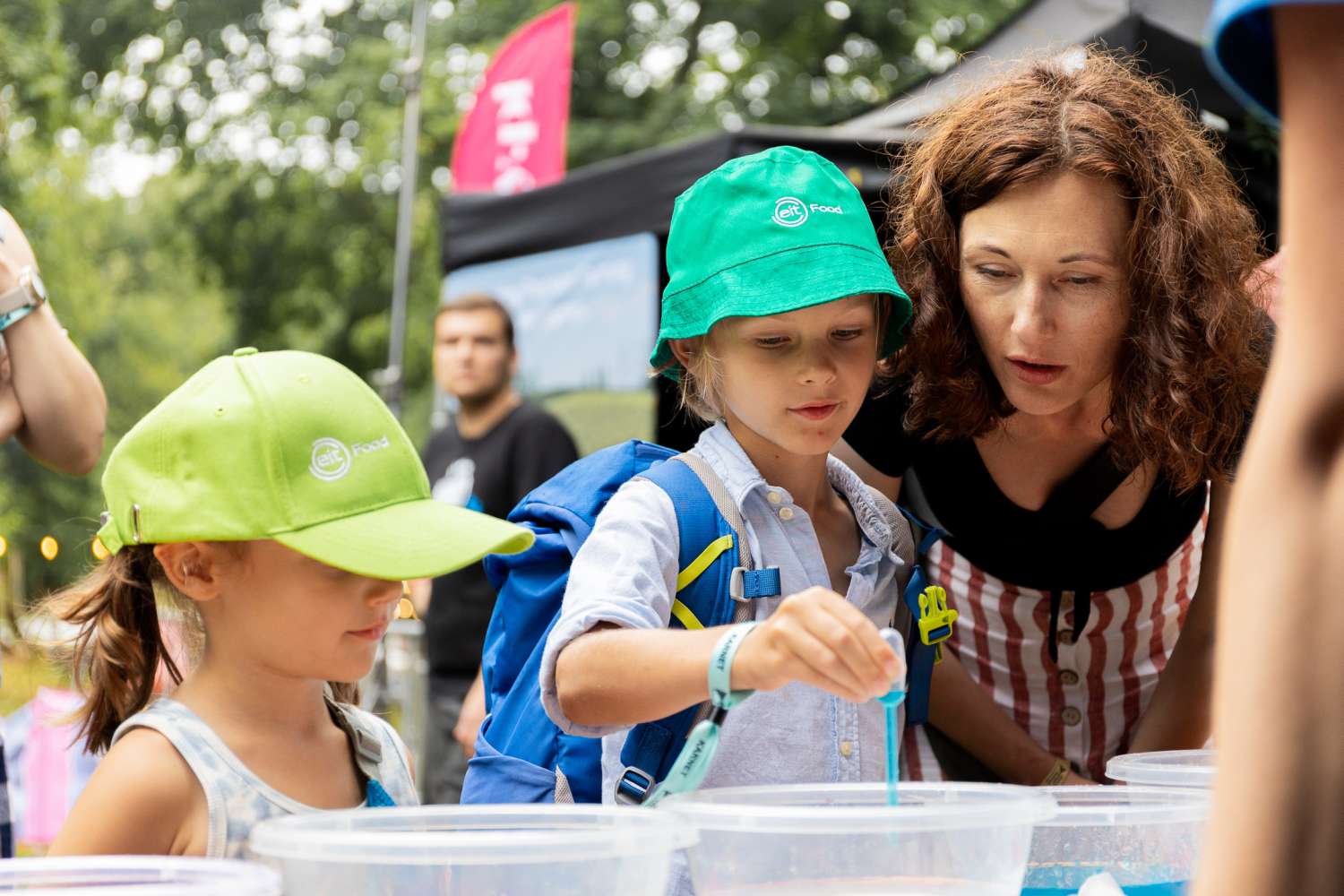
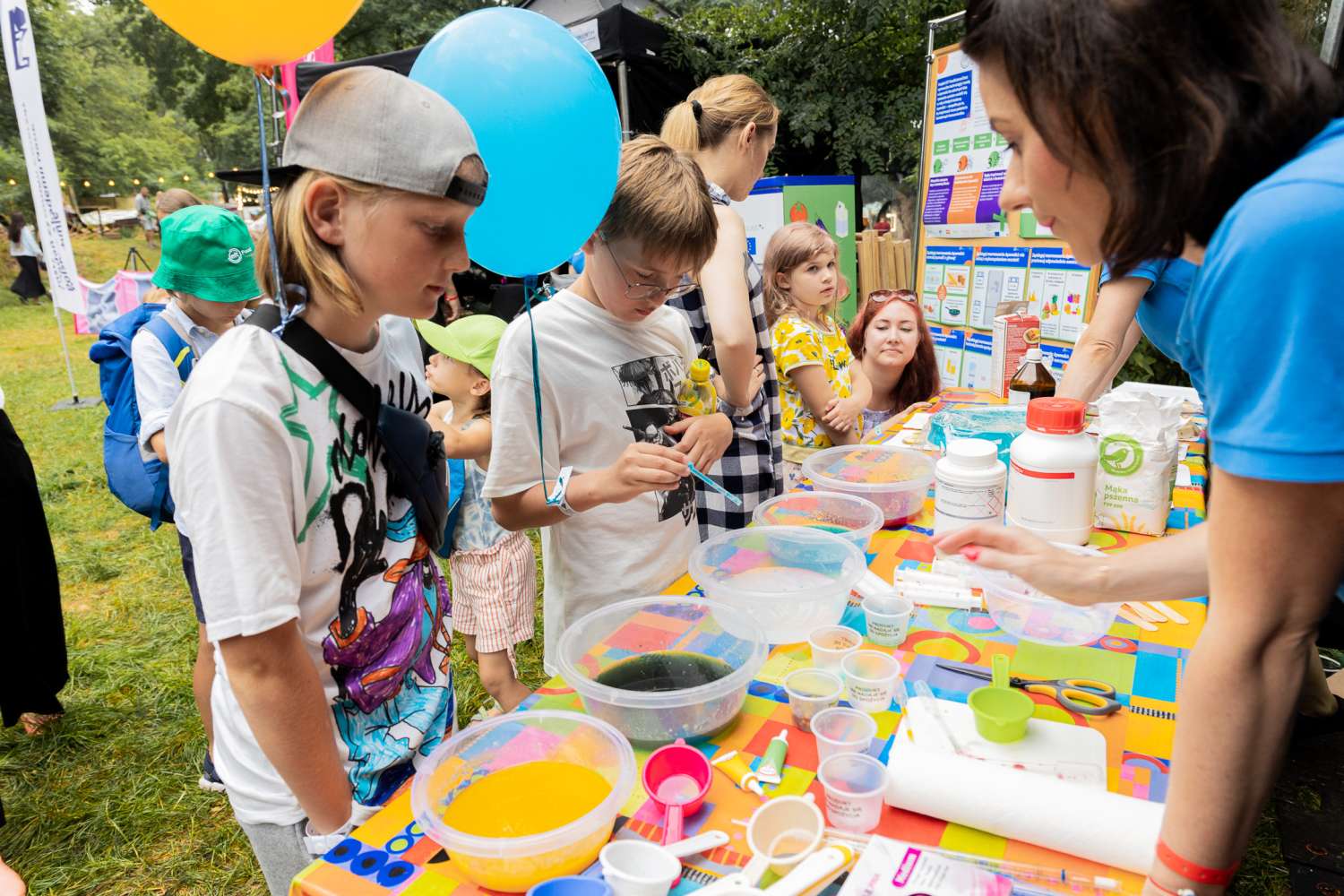
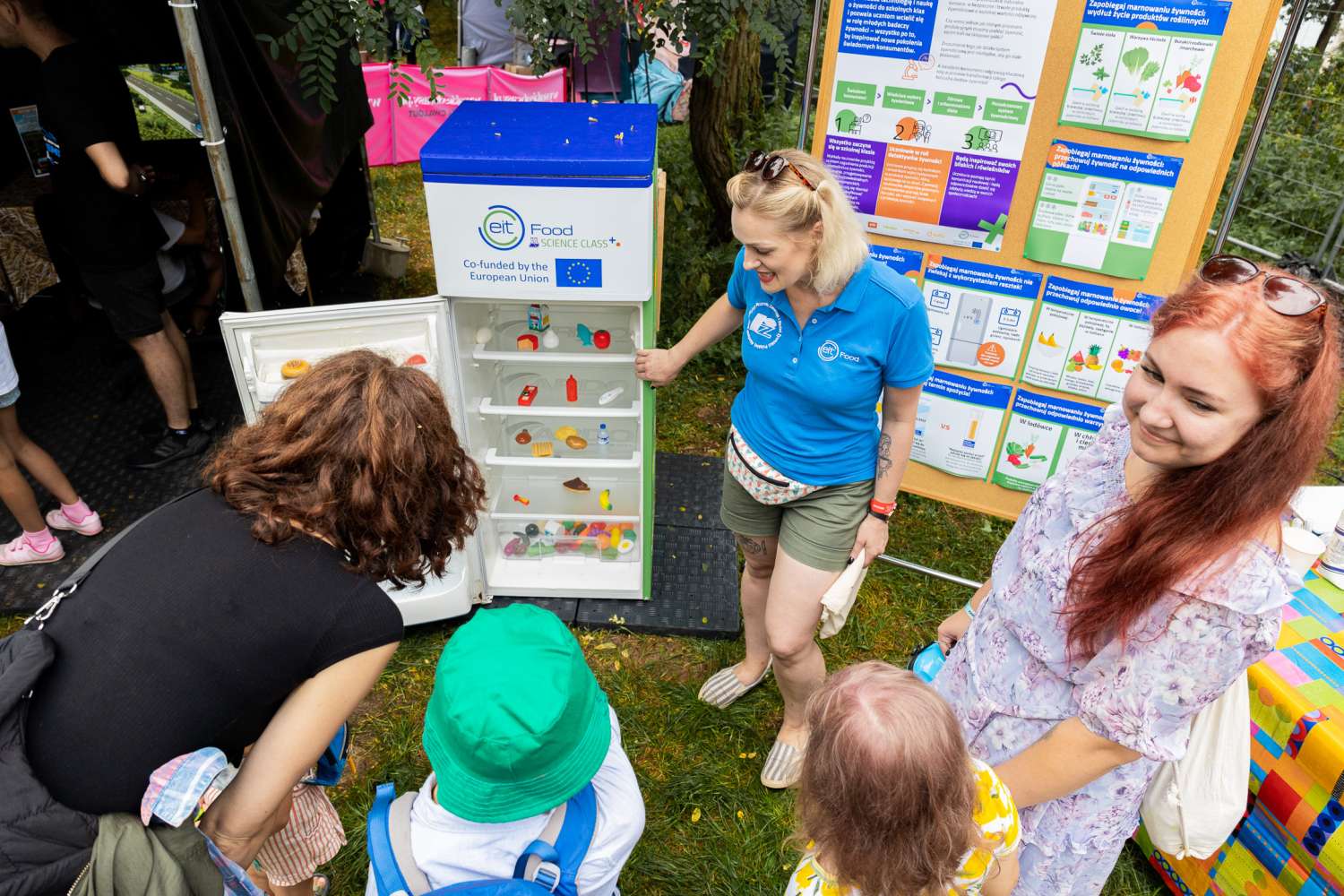
In the EIT Food #FoodScienceClass zone, you moved to a science class where you detected the presence of starch in food, created molecular pearls and learned how to properly store food products.

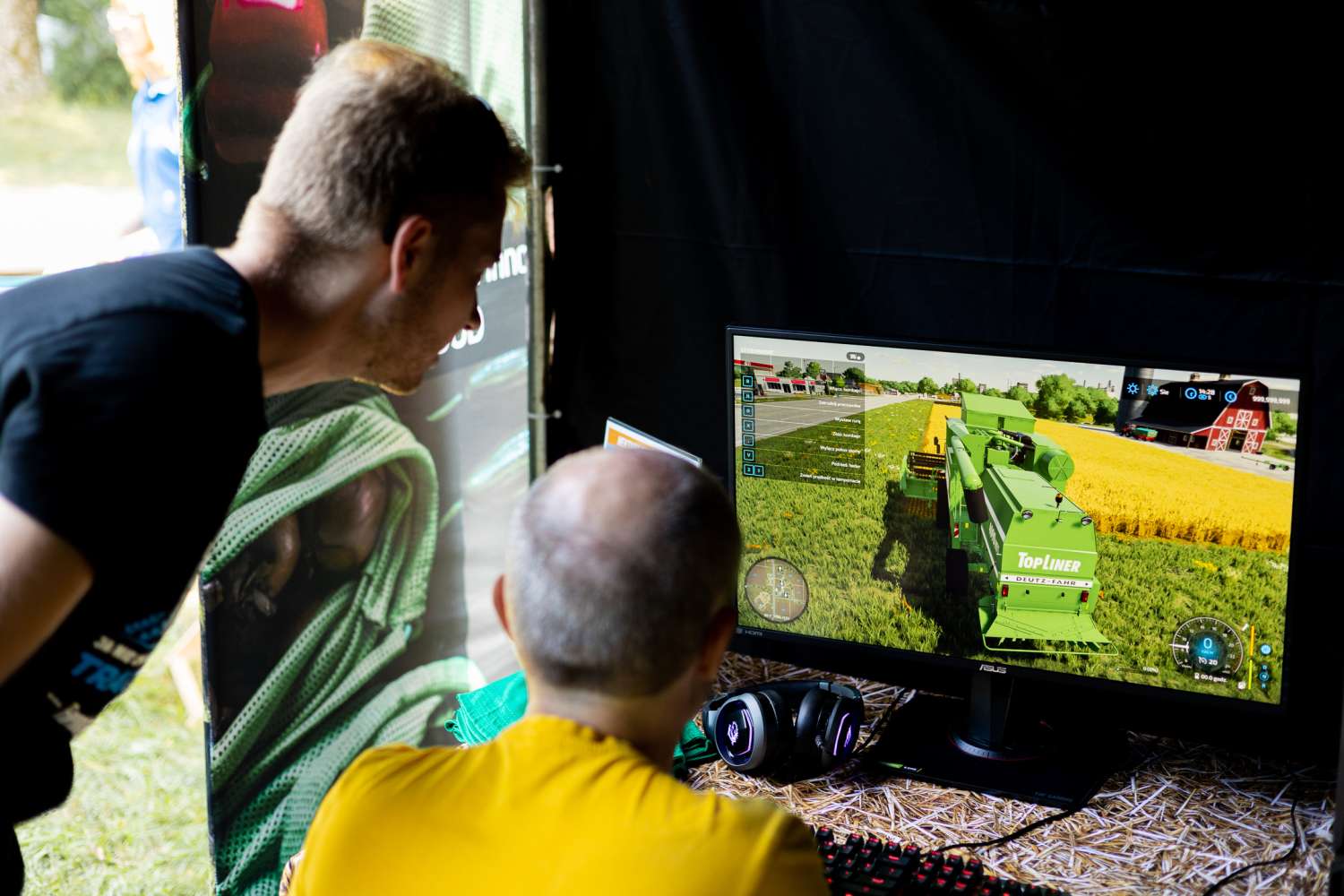
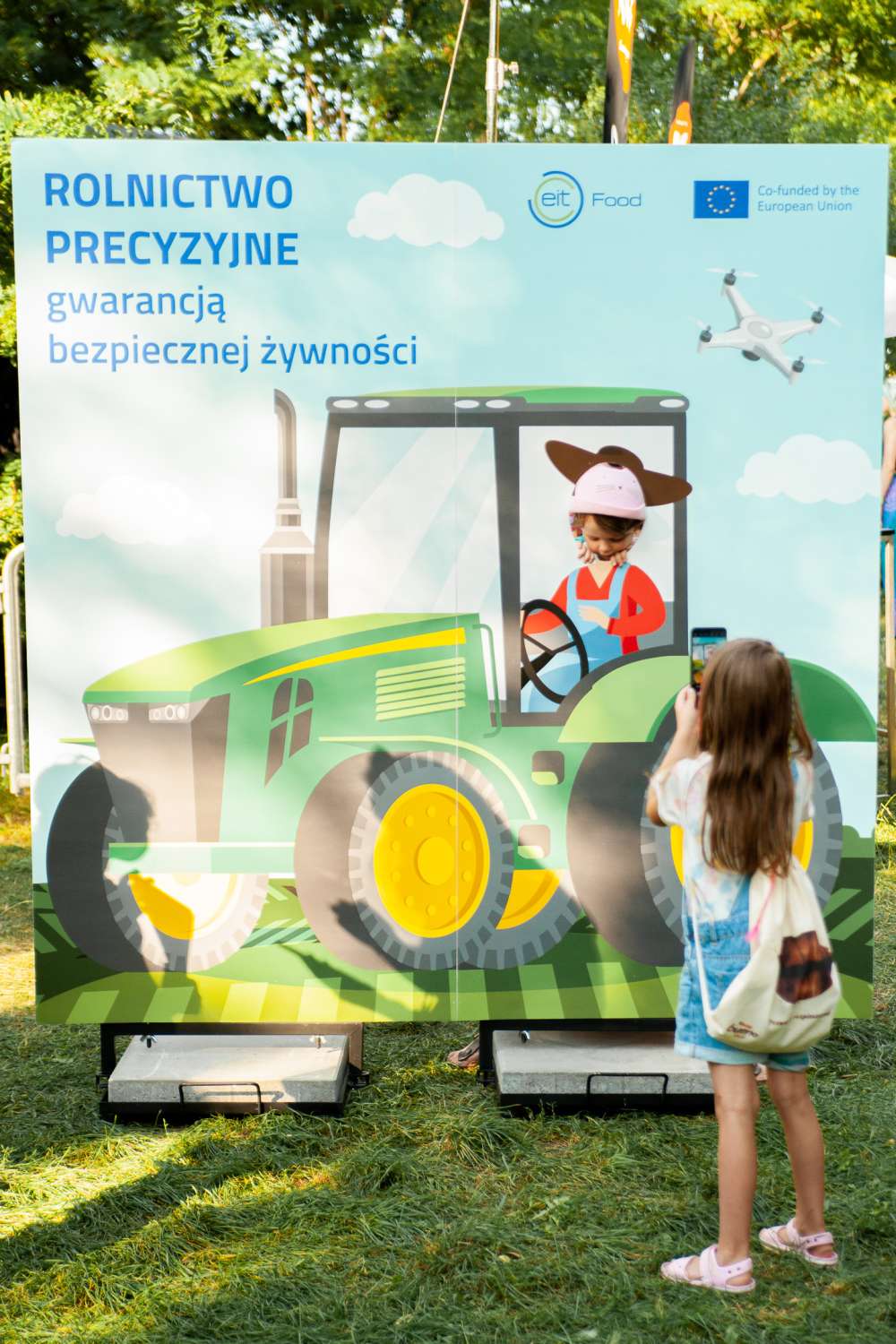
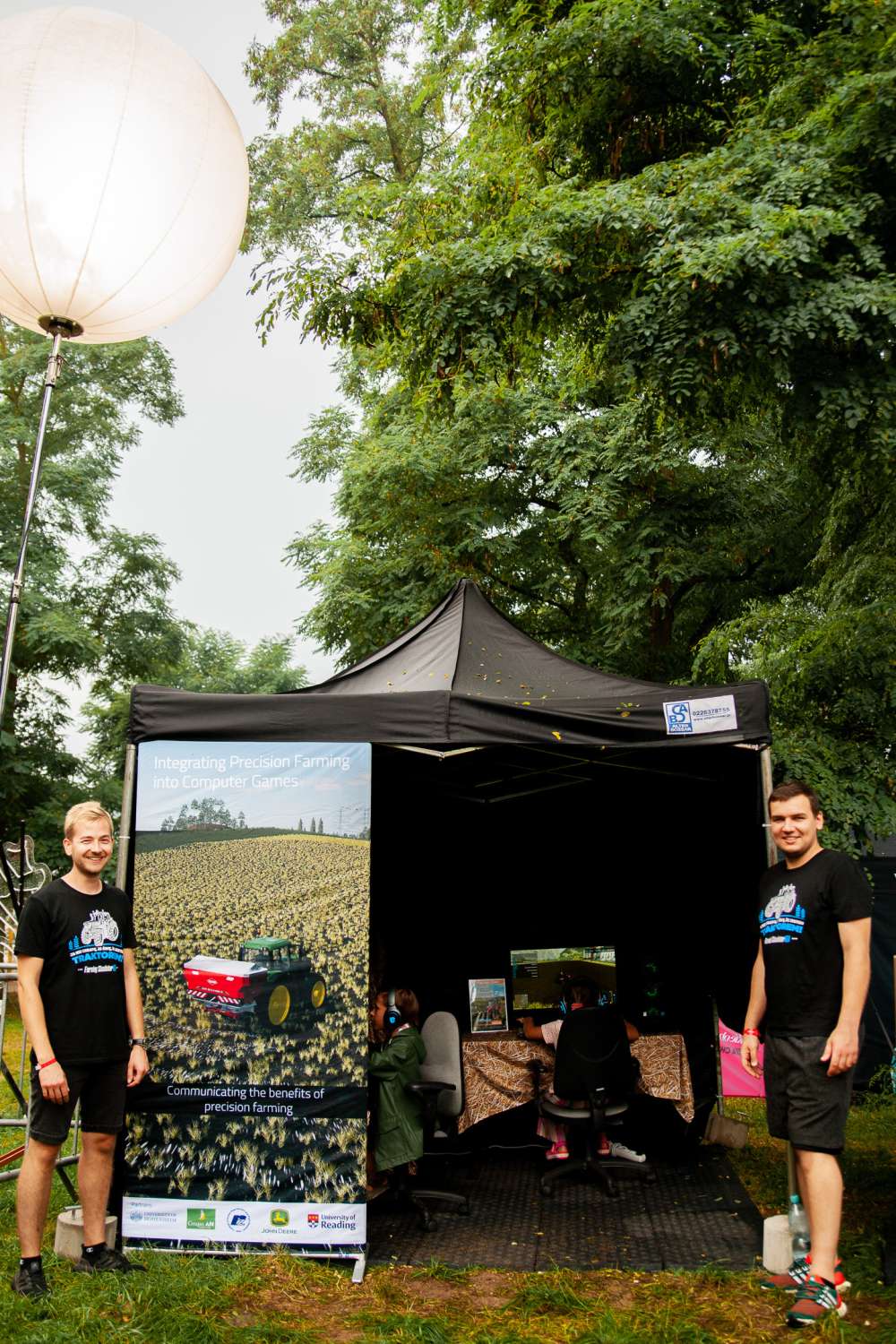
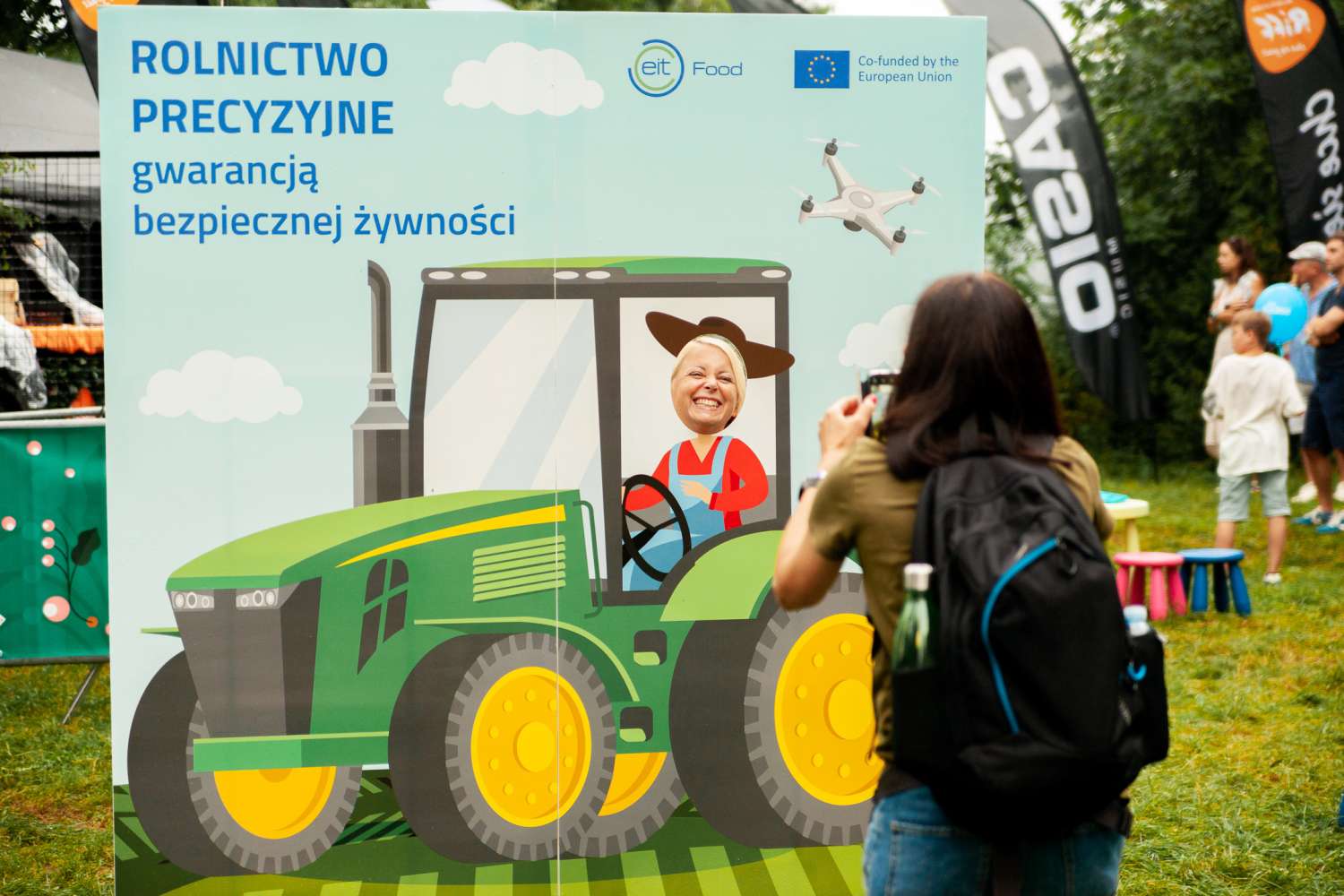
Thanks to EIT Food #FarmingSimulator, you played the role of a modern farmer who uses technologies to run the farm in the most sustainable way possible, and by taking part in the quiz you learned the secrets of precision farming.

Read more
Institute of Animal Reproduction and Food Research at the Olsztyn Green Festival 2022

On August 13 and 14, you will meet our scientists in the education zone at the Olsztyn Green Festival 2022. Workshops, shows, quizzes, competitions and interesting conversations with experts dealing with the issue of food safety and healthy eating are waiting for you.

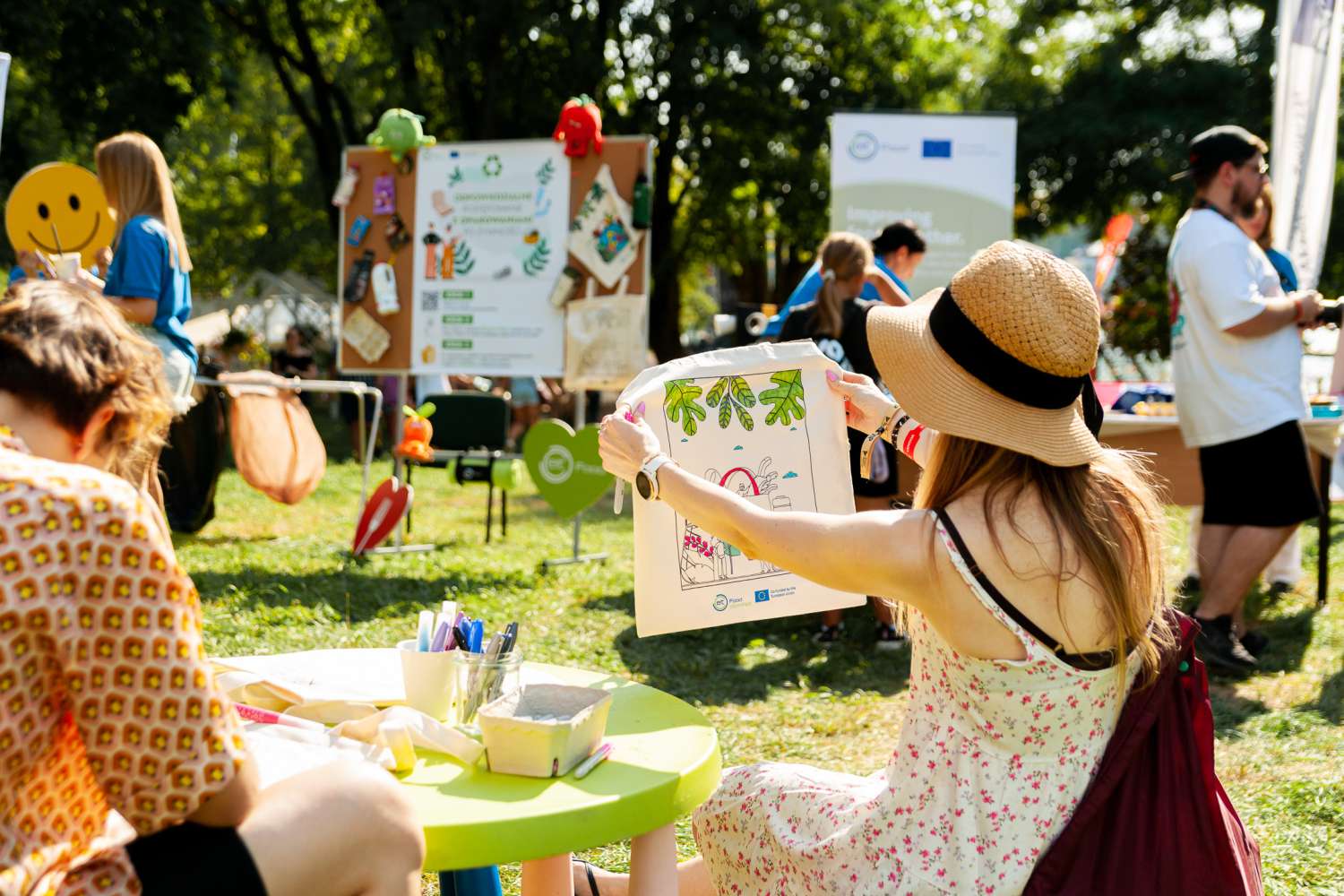
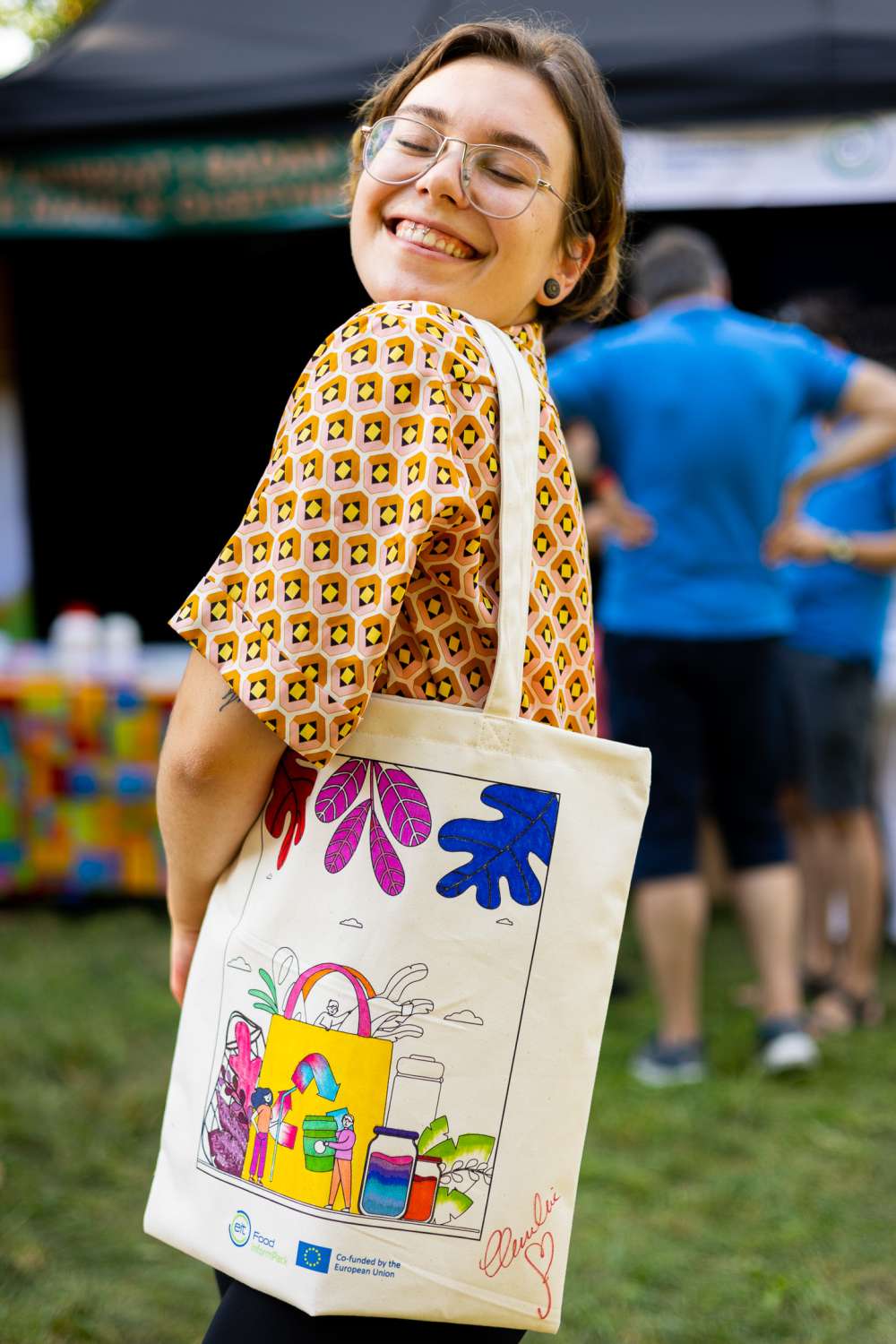
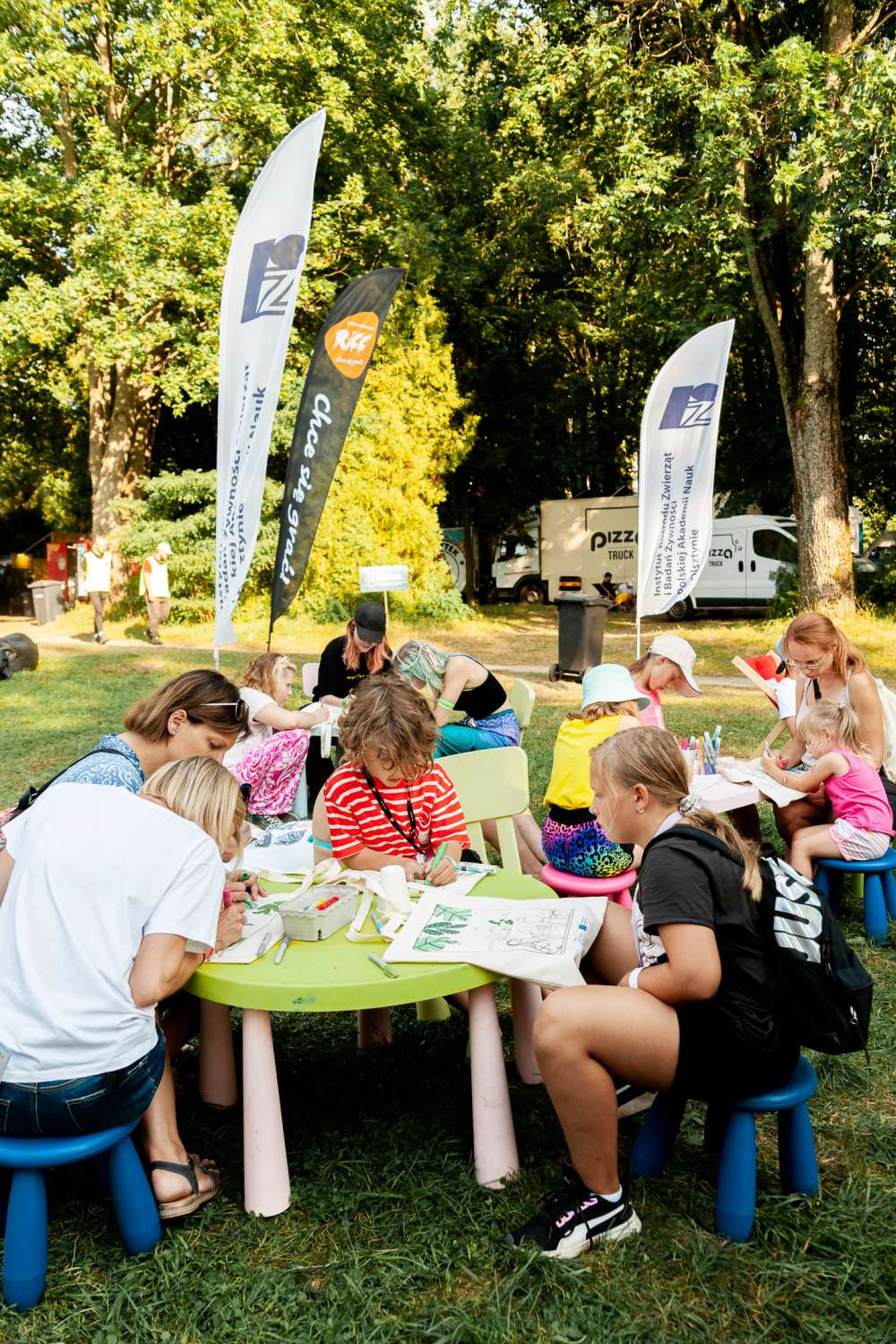
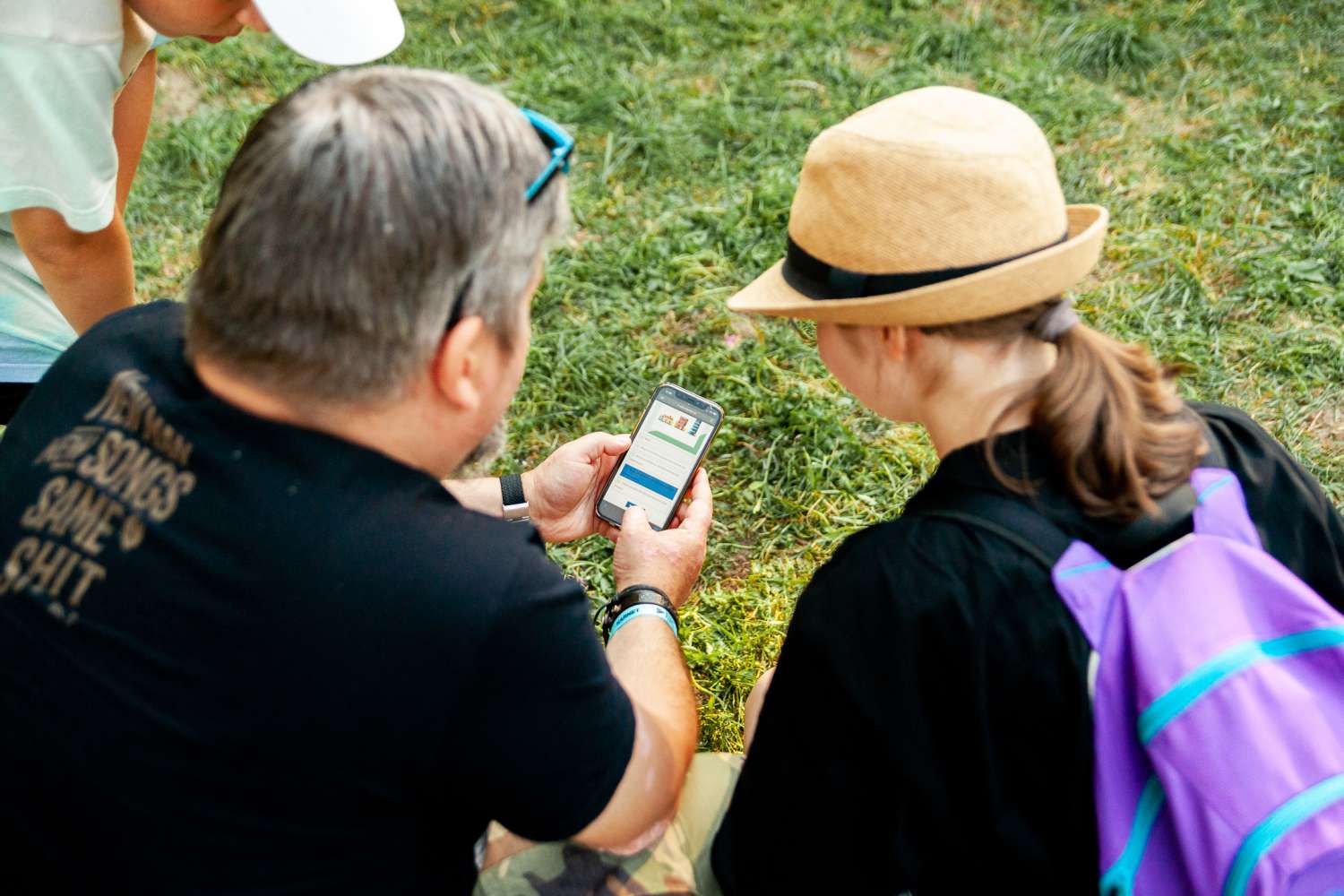
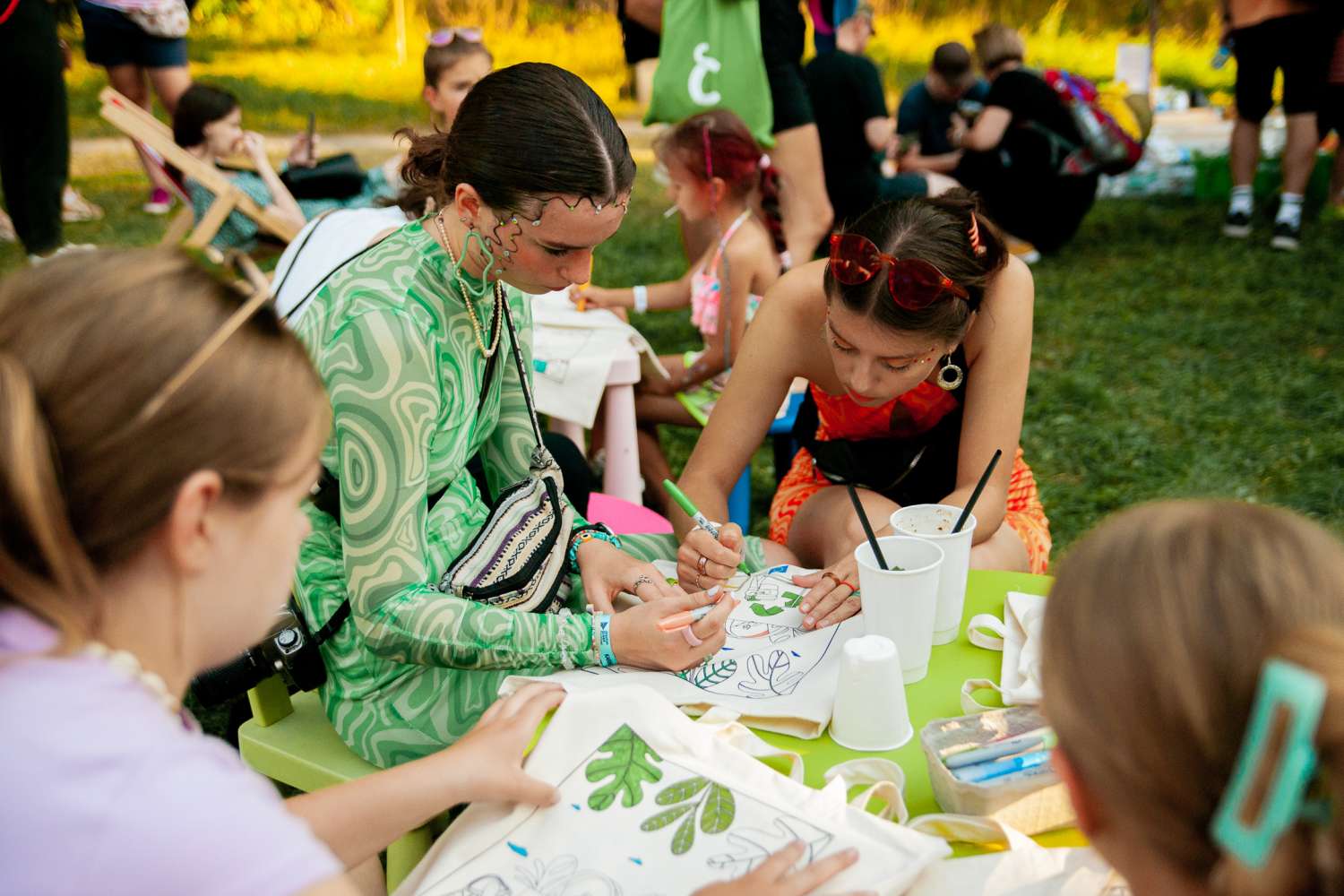
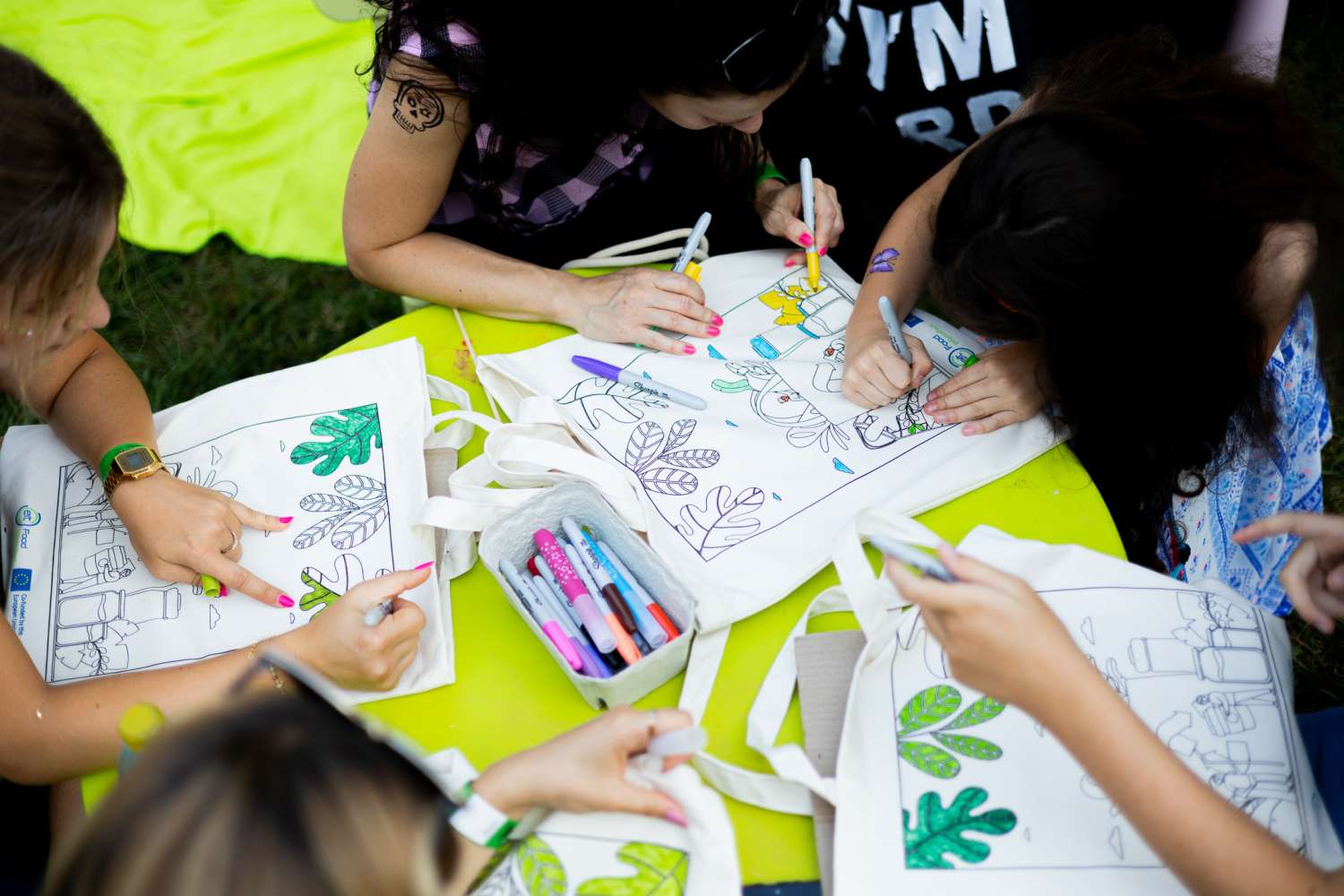
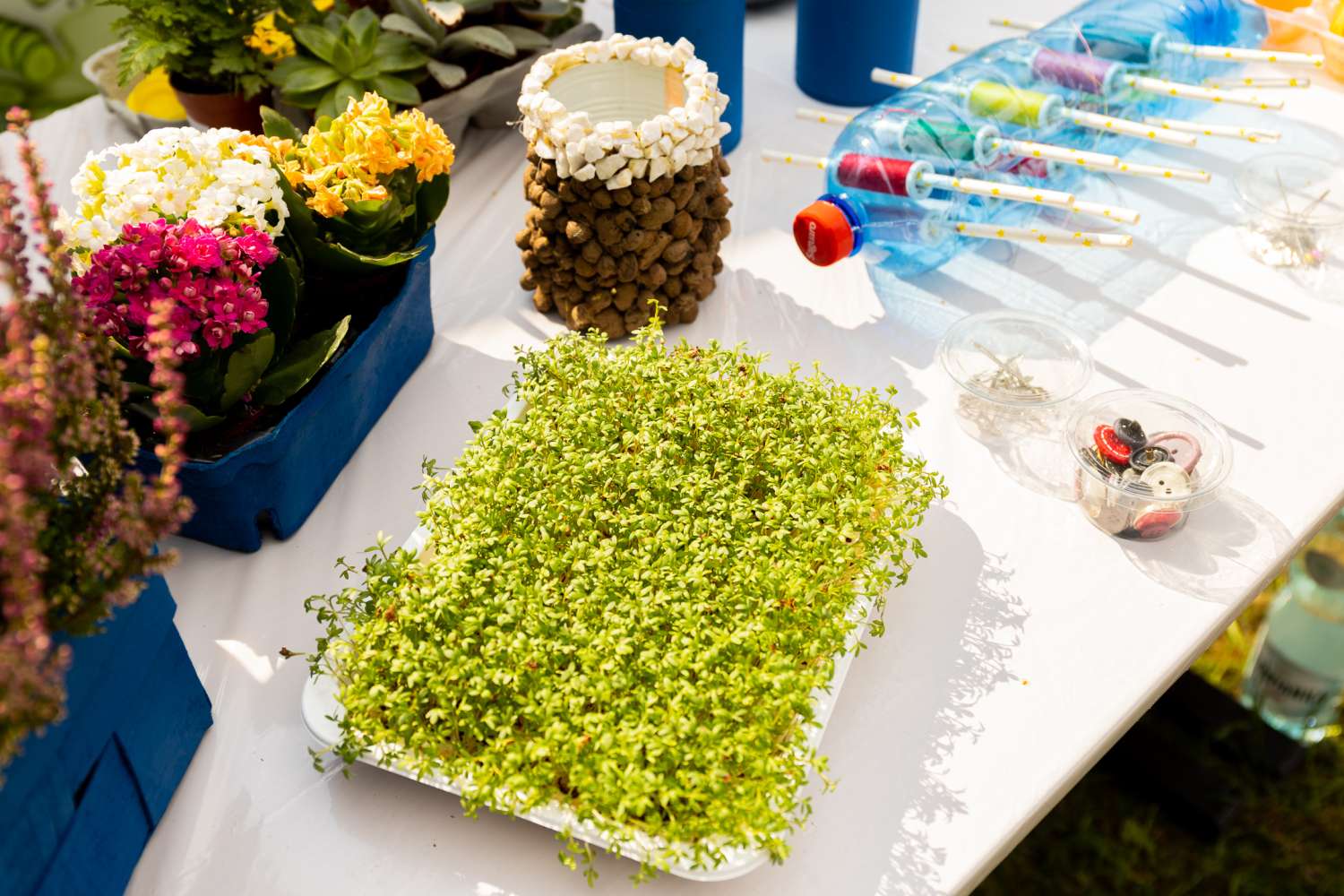
As part of the EIT Food #InformPack project, you will be able to take part in workshops and an interactive game that will help you check how you deal with the proper segregation of food packaging. You will decipher the symbols placed by producers on packaging, look at creative methods of waste processing and design your own shopping bags. You will be able to share with us your opinion on the ways in which you would like to receive information on a rational approach to purchasing, management and disposal of food packaging. Your opinion is very important, because it will help scientists and food producers to develop „tailor-made” educational campaigns supporting the development of pro-ecological awareness.

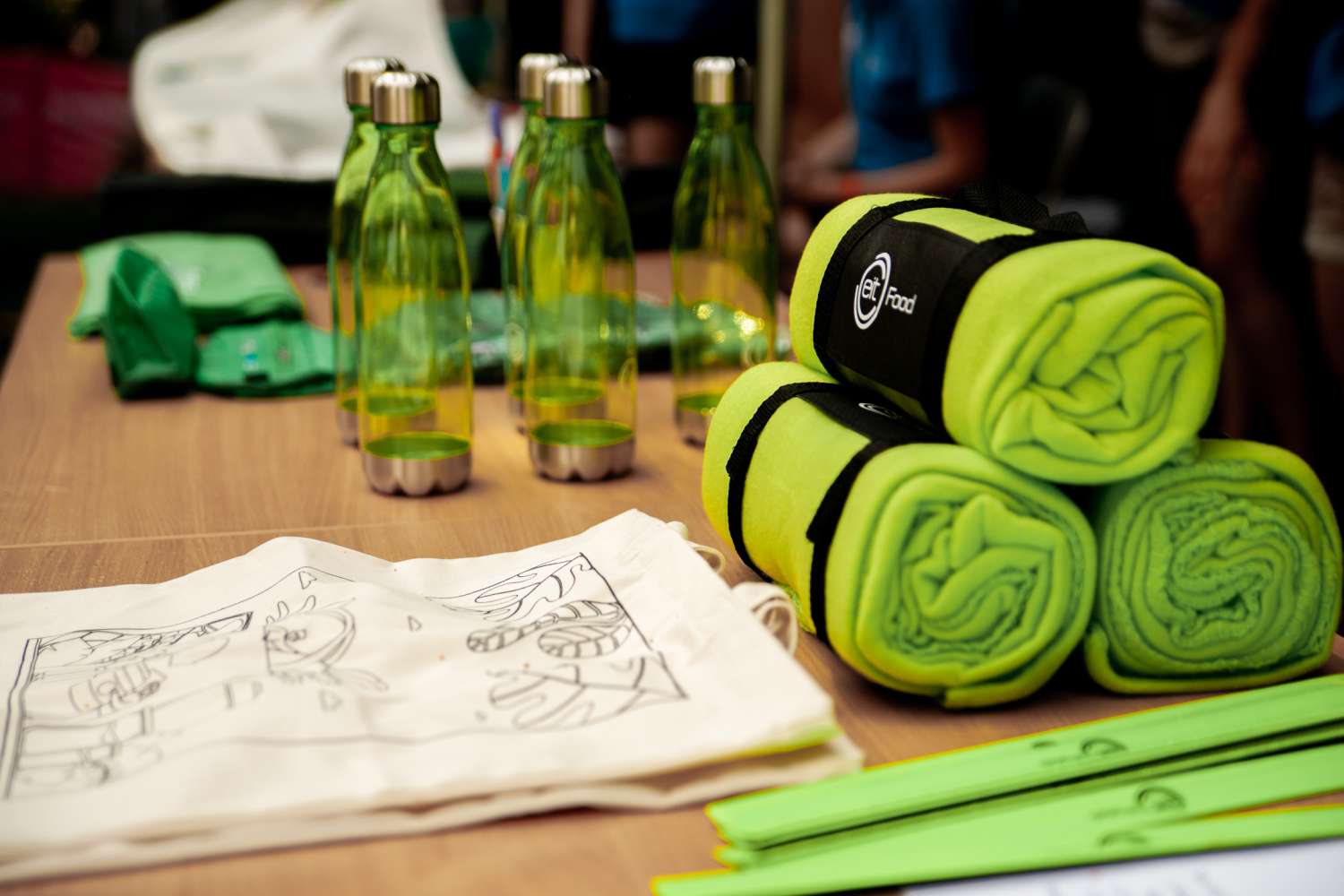
The EITFood #FoodScienceClass zone also includes activities developed with scientists that will be of interest to all consumers attending the festival. First, we will play with some chemistry. We will learn what starch is and examine its presence in food products, as well as make molecular pearls ourselves. Next, we will take a closer look at nutrition and food, and learn how to properly store food products in the refrigerator – so that they are safe and useful for consumption as long as possible. We have prepared attractive gifts for engagement in our shows and experiments. The #FoodScienceClass project aims to interest the youngest in a scientific career, to show them that food research can be an interesting, developing and satisfying career path. It is also an excellent platform for sharing the knowledge gained from the project on sustainable consumer practices with family and peers.

The EITFood #Farming Simulator project has prepared a lot of festival attractions for you, including the opportunity to play the role of a farmer and try your hands at precision farming, a chance to win gifts in a competition on sustainable food production methods, and take a commemorative photo in… a tractor. The main attraction of this zone will be Farming Simulator – a simulation game created by the Swiss company Giants Software. It is one of the most advanced and popular simulators in the world that allows players to learn all the secrets of farming, including precision farming. „Precision Farming”, a free add-on to the Farming Simulator game, popularizes precision farming solutions that enable farming based on the collection and processing of various data, obtained, among others, from thanks to satellite technology.

Read more
Newest CiteScore of PJFNS quarterly

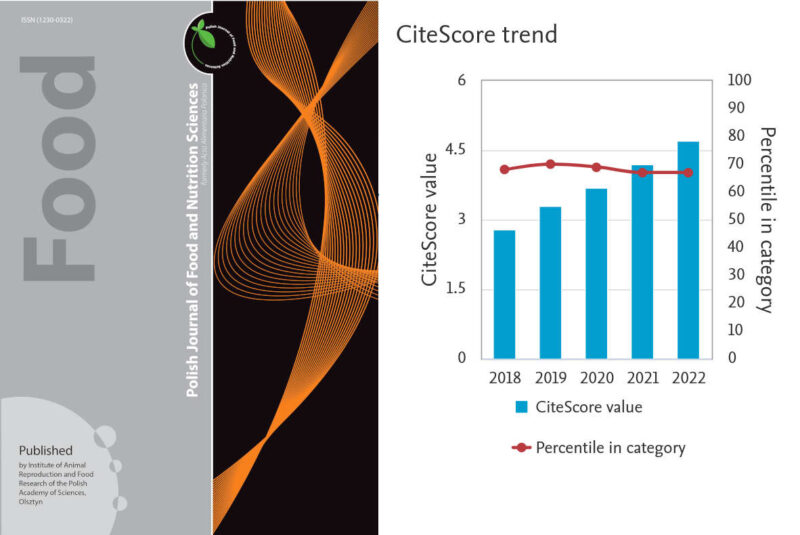
We are proud to announce the newest CiteScore of Polish Journal of Food and Nutrition Sciences provided by SCOPUS: CiteScore2022 = 4.7 and SNIP2022 = 0.849.

We greatly appreciate the support of all Editors, Advisory Board Members, Reviewers, Authors, and Readers in contributing to this great success!

The journal publishes original works in the field of food science and nutrition, promoting the achievements of Polish scientific centres in the world and supporting international cooperation by publishing works by non-Polish authors.

The scientific level of the journal is supervised by a group of outstanding national and international scientists with the editor-in-chief Dr. Magdalena Karamać and Joanna Molga, the Executive Editor.

Visit the quarterly’s website.

Read more

26. Piknik Naukowy Polskiego Radia i Centrum Nauki Kopernik

Institute at the 26th science picnic in Warsaw
At the end of May, the nutrigenomics team joined the 26th Science Picnic – Europe’s largest outdoor science-popularization event organized jointly by Polish Radio and the Copernicus Science Centre. It has been held every year since 1997.

Our team presented two original demonstrations:

Our team presented two original demonstrations?

Vitamin d and its importance in our diet

We taught our youngest attendees about the impact of food on gene expression and explained that genetic differences play a role in how we respond to food. We also prepared our participants for the coming months by showing them how different barriers, such as clothing or UV filter creams, affect vitamin D synthesis during sun exposure. The Science Picnic was commended by the European Commission in 2005 as one of 10 model European projects in the “Science and Society” field.

Read more