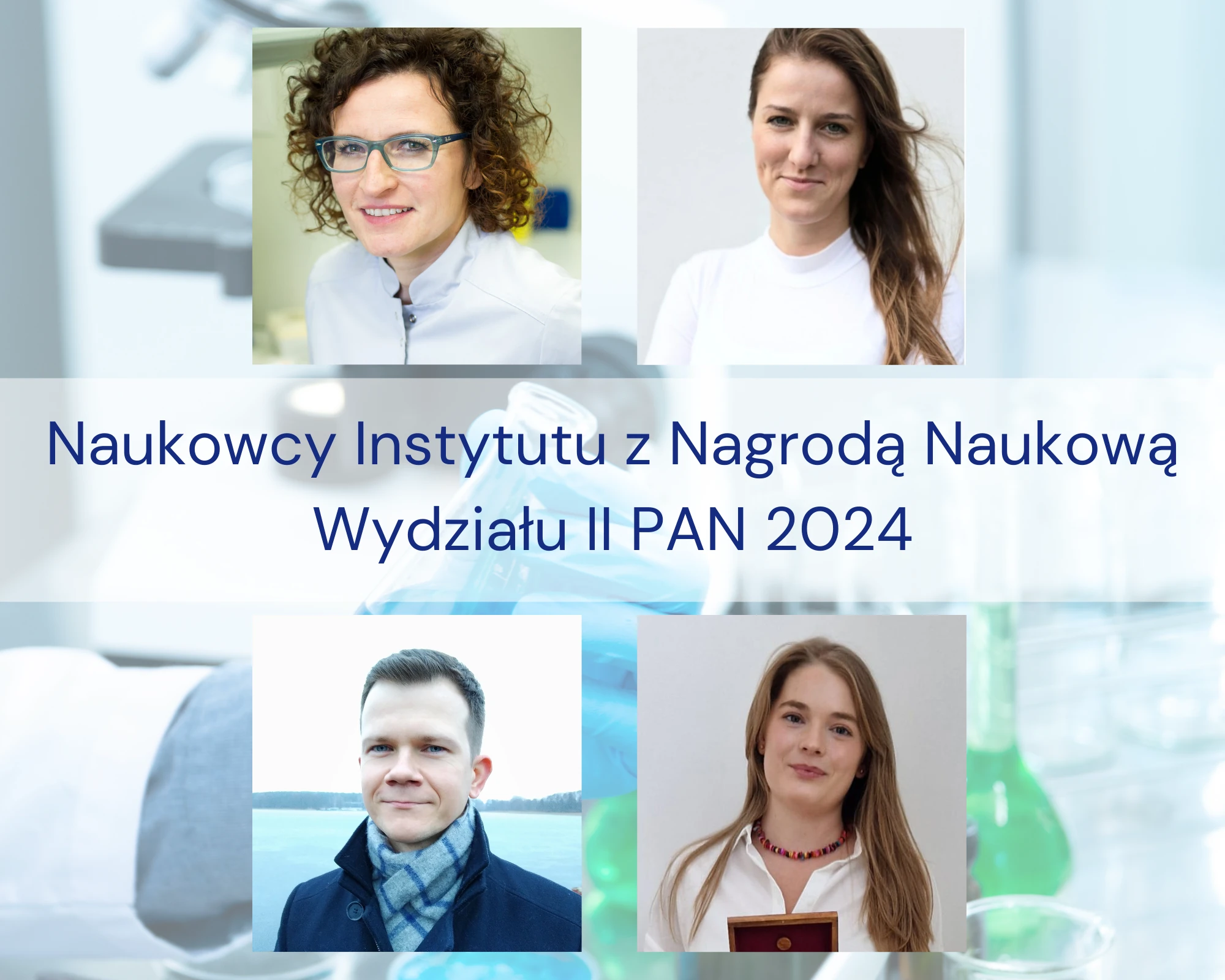
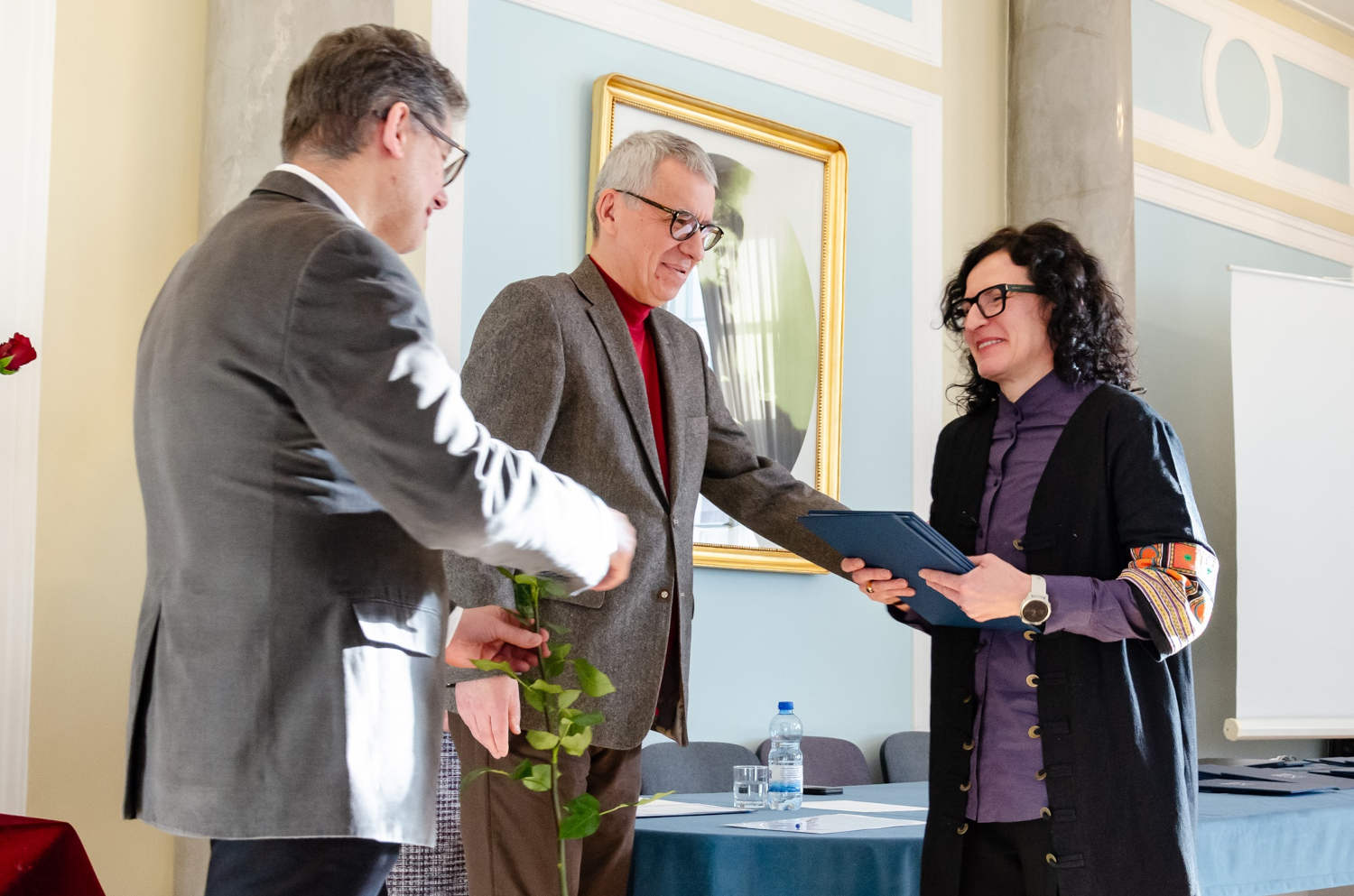
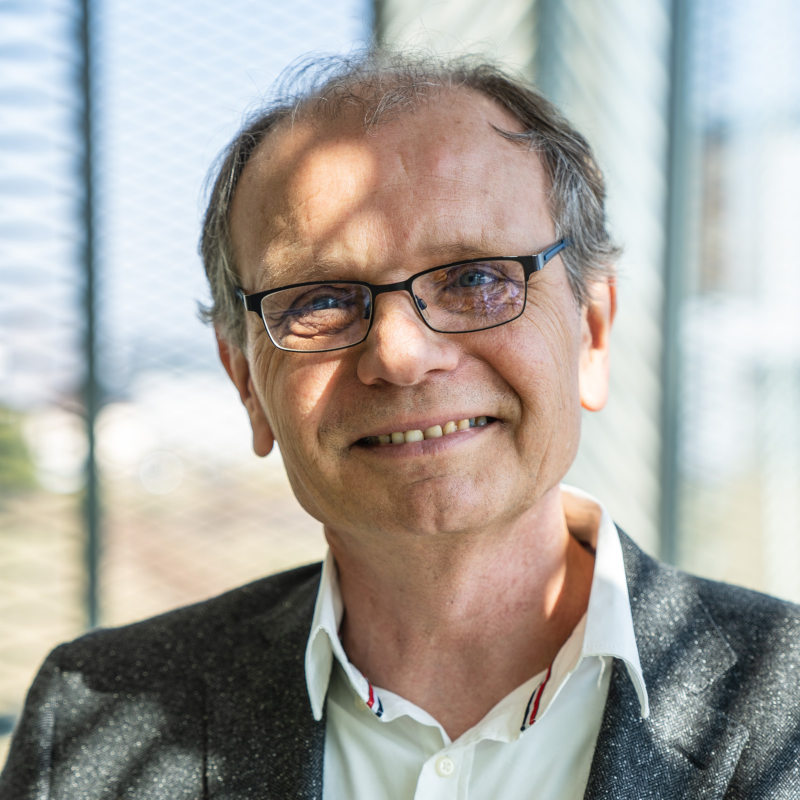
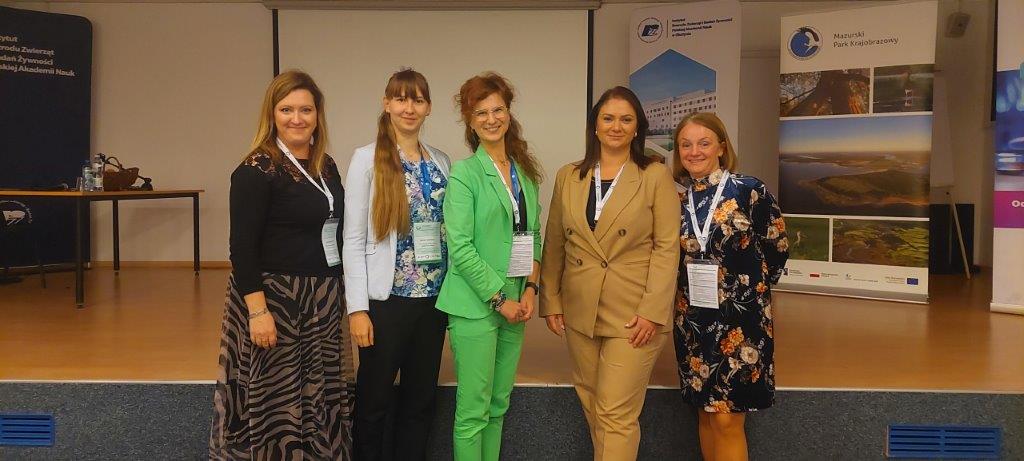
The Awards of the Divisions of the Polish Academy of Sciences are awarded annually to Polish researchers and foreign scientists employed and conducting research in Poland for outstanding and innovative scientific work. Applications are submitted by, among others, members of the Polish Academy of Sciences and members of the scientific and problem committees at the respective division. Among this year’s laureates is a team from the Institute consisting of Dr. Maria M. Guzewska, Dr. Joanna Szuszkiewicz, Dr. Kamil Myszczyński, and Prof. dr. hab. Monika M. Kaczmarek.
The Division II of Biological and Agricultural Sciences of the Polish Academy of Sciences awarded the Institute’s team for their work titled „Defining the role of microRNA and extracellular vesicles in the early stages of pregnancy”.
photo Aneta Karwowska, Communication Department
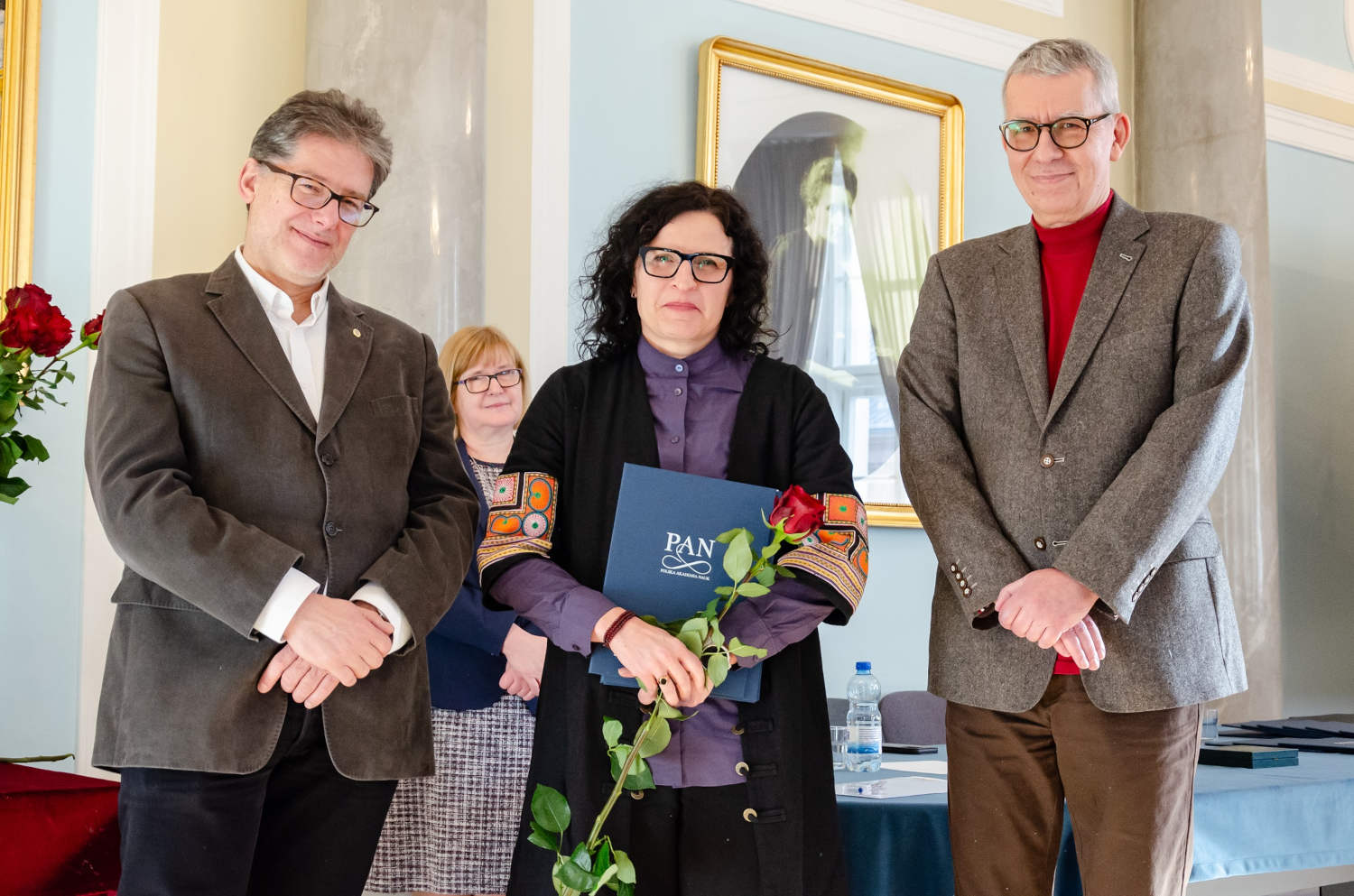
The research conducted by the team of Prof. Monika Kaczmarek has shown that cellular vesicles and the microRNA transported within them participate in the regulation of processes occurring during early pregnancy. – „Extracellular vesicles are nanostructures covered with a double cell membrane, secreted by all types of cells. Recently, they have gained recognition as a significant element of intercellular communication. Moreover, over the past decade, their role has become particularly important in the field of mammalian reproductive biology, attracting the attention of many research teams and scientists worldwide”, explains Prof. Monika Kaczmarek.
photo Aneta Karwowska, Communication Department
We wrote about the team’s research and the mechanisms affecting pregnancy success HERE.
„InLife” – is the new logo of the Institute of Animal Reproduction and Food Research of the Polish Academy of Sciences. It refers to the research conducted at the Institute, which focuses on life – food, animal and human reproduction, and health. It is also intended to facilitate communication both in Poland and abroad.
– This one word defines our entire activity. „In” – from the institute, innovation, interdisciplinarity and internationalization. In turn, „Life” refers to the wide spectrum of our activities, which focus precisely on life – after all, we deal with nutrition, reproduction, and broadly understood health – explains the director of the Institute, Prof. Mariusz K. Piskuła.
The reason for the creation of the „InLife” logo is the commencement of the Institute’s activity in its new headquarters – at 18 Trylińskiego St. in Olsztyn, in the neighbourhood of the Olsztyn Science and Technology Park.
– The new facility integrates all units of the Institute (the Food Sciences Division and the Reproductive Biology Division in Olsztyn and two departments in Białystok), and the “InLife” logo is to emphasize this interdisciplinary, new chapter in the Institute’s history – adds the director.
The new brand is also to facilitate communication with other research centers and the socio-economic environment – both in Poland and abroad.
– The full name of our Institute, which of course is still in force, is long, complicated and difficult to remember. Hence, we regularly encounter its – greater or lesser – distortion, which is not conducive to building the visibility of our activities. The “InLife” brand will allow us to avoid such situations – says Iwona Kieda, who heads the Communication and International Affairs Office at the Institute.
The entire visual identification refers to the new logo. The logo is based on the shape of a hexagon symbolizing a cell – the basic unit of life. It is a metaphor for natural perfection, precision, cooperation and modularity – the foundations on which research on reproduction, nutrition and health is based on.
THE „HOUSEWARMING PARTY”
The presentation of the new logo and new visual identification of the „InLife” Institute was combined with a „housewarming party”, i.e. the inauguration of operations in the new headquarters. The spaces of the new Institute are filling up with equipment and furniture. Most of the scientific and administrative staff have already moved to the new location, and the laboratories are being launched.
The ceremony, which took place on 17 December, was attended by invited guests – representatives of the governmental, academic and business stakeholders from the region and beyond. They included the President of the Polish Academy of Sciences, Prof. Marek Konarzewski; Voivode of Warmia and Mazury, Radosław Król; Vice-President of Olsztyn, Justyna Sarna-Pezowicz; Member of Parliament, Dorota Olko; Senator of the Republic of Poland, Gustaw Marek Brzezin; Rector of the University of Warmia and Mazury in Olsztyn, Dr. Jerzy A. Przyborowski, Prof. UWM; Rector of the European Academy of Applied Medical and Social Sciences, Dr. Agnieszka Górska, Prof. EAMiSNS; Director of the Institute of Rural Development and Agriculture of the Polish Academy of Sciences, Dr. Habil. Monika Stanny, Prof. IRWiR PAN.
President of the Polish Academy of Sciences, Prof. Marek Konarzewski, congratulated us on the new headquarters and the new logo. He admitted that the official name of the Institute is complicated, and the new logo will gradually improve the communication. – From today on, I will refer to the new brand, to this new, very accurate name – said the President of the Polish Academy of Sciences.
– This new opening is incredibly important both for you and for the entire Polish Academy of Sciences – we are developing as an institution and this Institute is the best example of this – added Prof. Marek Konarzewski.
Participants of the „house-warming” party also had the opportunity to tour the building, including the new laboratories.
ABOUT THE NEW HEADQUARTERS
The new headquarters of the Institute has six floors (five administrative and laboratory floors and one technical floor), and its volume is over 25 thousand m3. Inside there are specialist laboratories, so called „core facilities”, rooms for conducting biomedical research and necessary facilities typical of the Institute’s profile of activity. An animal laboratory was also created, meeting the strictest EU requirements for such units.
The facility was created as part of the project „Environmental Research Center and Innovative Food Technologies for the Quality of Life”, co-financed by the Regional Operational Program of the Warmian-Masurian Voivodeship for the years 2014-2020. The investment cost is over PLN 109 million, of which the subsidy amounts to over PLN 79 million, and PLN 30 million is the Institute’s own contribution.
You can read more about the construction HERE and HERE.
LOGO HISTORY
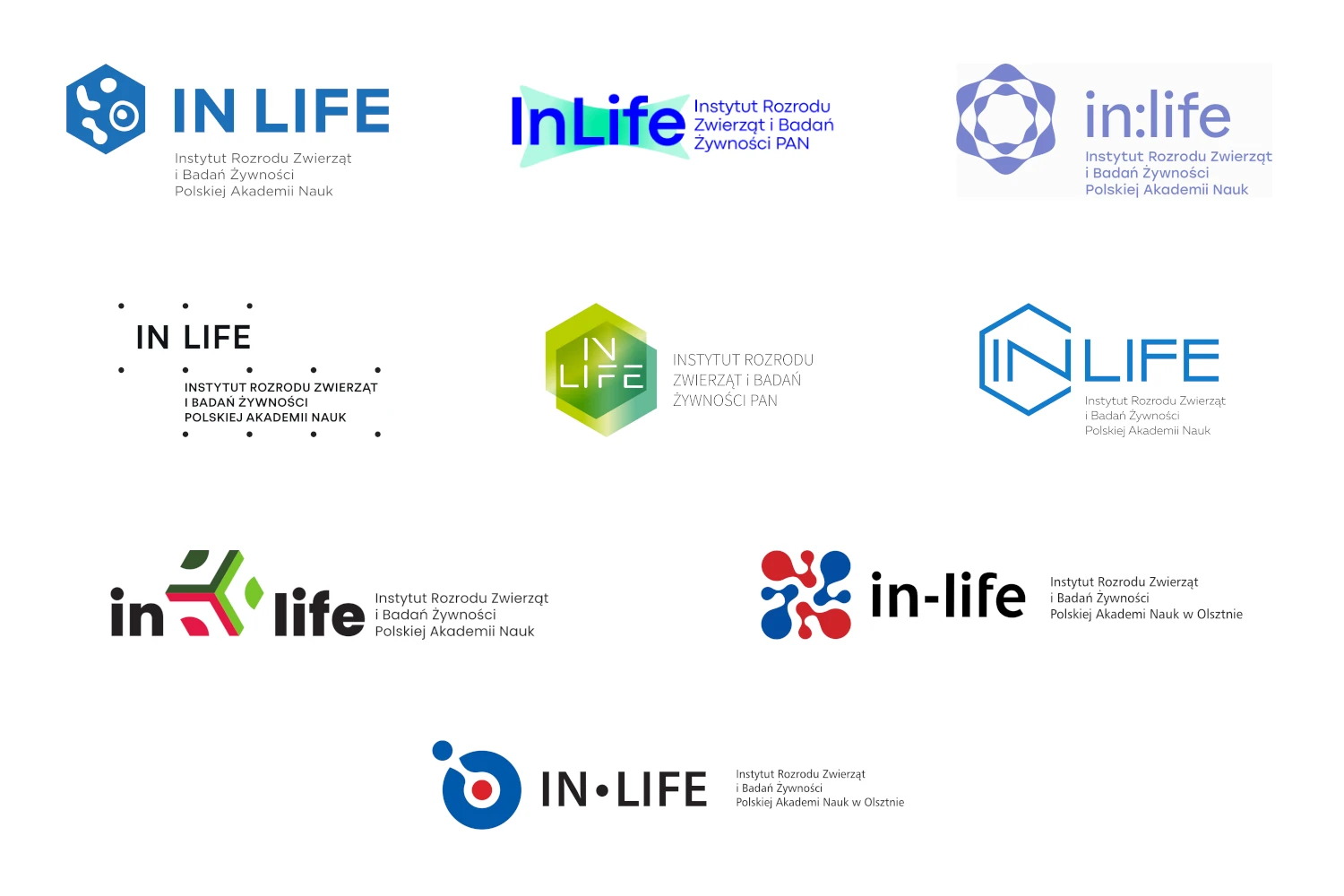
Work on the new logo and visual identification system lasted several months. For this purpose, the Institute announced a competition, in which 7 creative agencies from Olsztyn, Warsaw and Krakow took part 2Kropek Studio, Pigalopus, Kot Bury, Brandy Design, Renton, Gravite Design and Bury Design. A total of 10 logo proposals were submitted to the competition.
The jury evaluated the submitted works based on the criteria of aesthetics, innovativeness and respect towards the vision behind the „InLife” brand. Points were also awarded in relation to the cost of the proposed project. The weight of the criteria was 70/30. The jury members were employees of the Institute and Dr. Arkadiusz Karapuda, Professor of the Academy of Fine Arts in Warsaw, invited to the jury as an external expert.
The winner of the competition was „Gravite Design” from Olsztyn. In accordance with the regulations, a contract was signed with the winner of the competition to create Institute’s logo and the Visual Identity Book. The winning logo is hexagonal, elegant and simple in its form. In the basic full-color version, the hexagon is lime green and the name is navy blue.
The new visual concept will be gradually implemented in all communication channels.
The Director of the Institute of Animal Reproduction and Food Research of Polish Academy of Sciences announces an open competition for the full-time position of:
Assistant Professor in Bioelectroanalytics Team
Job description:
conducting research related to the use of bioreceptors, such as ssDNA, ssRNA, antibodies or aptamers, for the development of new analytical platforms and systems that are used to construct electrochemical (bio)sensors for food analysis and medical diagnostics,
preparing manuscripts for scientific publications,
applying for research projects.
Expectations:
motivation for scientific work,
communication skills and very good work organization,
ability to work independently and in a team.
Candidate’s qualifications and experience:
Ph.D. in the discipline of biological sciences,
knowledge of molecular biology methods and basics of bioinformatics analysis,
knowledge of statistical analysis and data visualization programs,
documented scientific achievements,
documented participation in scientific conferences.
Additional skills:
very good knowledge of English, both spoken and written,
ability to prepare reports and present the results of scientific works,
completed scientific internship.
Working conditions:
Place of work: Institute of Animal Reproduction and Food Research of the Polish Academy of Sciences, Bioelectroanalytics Team,
Address: ul. Trylińskiego 18, 10-683 Olszytn,
Basic salary: PLN 6,850
Additional information: work on weekdays, with the possibility of task-based work in the case of specific experiences.
Perspectives:
work in a team focused on innovative projects,
opportunity to acquire new competences and improve qualifications,
participation in activities aimed at popularizing science.
Required documents:
copy of a diploma of higher education and obtaining a doctoral degree,
CV,
cover letter,
references (if the candidate has any).
Entries for the competition should be sent to the following e-mail address: j.papurzynska@pan.olsztyn.pl or to the following address:
Institute of Animal Reproduction and Food Research of the Polish Academy of Sciences, Human Resources Department Trylińskiego 18 10-683 Olsztyn
The deadline for submitting documents is 11/01/2025 at 12:00.
After initial analysis of the submitted applications, we will contact selected candidates to conduct further stages of the recruitment process.
The Institute of Animal Reproduction and Food Research of the Polish Academy of Sciences in Olsztyn complies with the provisions of the European Charter for Researchers and the Code of Conduct for the Recruitment of Researchers (OTMR).
Any person who feels aggrieved due to the manner in which recruitment and competitive selection were conducted should first file a complaint in writing to the Head of the HR and Payroll Department within 2 weeks of the announcement of the completion of the recruitment process.
The complaint should specify the name of the position for which the competition was held, as well as a detailed description of the stage of the recruitment process in relation to which the comments are presented. The complainant should clearly present his position and justify it.
In your CV, please include a clause of consent to our processing of personal data in the recruitment process:
„I consent to the processing of my personal data contained in the application documents by the Institute of Animal Reproduction and Food Research of the Polish Academy of Sciences in Olsztyn with its registered office at 10-748 Olsztyn ul. Tuwima 10, in order to carry out the recruitment process and publish the full competition results on the Institute’s website.
Information clause:
The administrator of personal data processed as part of the recruitment process is the Institute of Animal Reproduction and Food Research of the Polish Academy of Sciences in Olsztyn with its registered office at 10-748 Olsztyn ul. Tuwima 10, tel. 89 523 46 86, e-mail: institute@pan.olsztyn.pl .
Contact with the personal data protection officer is possible at the above-mentioned address.
The provided personal data will be processed for the purpose of implementing the current recruitment process and stored until its completion based on the consent given (in accordance with Article 6(1)(a) of the GDPR).
The data subject has the right to withdraw consent at any time without affecting the lawfulness of processing based on consent before its withdrawal.
The data subject has the right to access his or her personal data, request its rectification or deletion. Submitting a request to delete data is tantamount to resigning from participation in the recruitment process. In addition, she has the right to request restriction of processing in the cases specified in Art. 18 GDPR.
The data subject has the right to lodge a complaint with the President of the Personal Data Protection Office regarding unlawful processing of his or her personal data. This body will be competent to consider the complaint, however, the right to lodge a complaint only concerns the lawfulness of the processing of personal data and does not concern the recruitment process.
The data provided will not be subject to profiling or made available to entities or third countries. The recipients of the data may be institutions authorized by law.
Providing the data contained in the recruitment documents is not obligatory, but it is a necessary condition for participating in the recruitment process.
The role of dendritic cells (a special type of immune cell) in regulating the inflammatory microenvironment, investigating inter-individual differences in vitamin D-triggered immune responses, the effect of ulipristal acetate (a drug used, among other things, in emergency contraception) on liver mechanisms, analysis of the foraging ability of perch larvae and finding new ways of assessing the quality of European perch spermatozoa – these are the five topics that the Institute’s researchers will investigate as part of OPUS 27 and PRELUDIUM 23 grants from the National Science Centre (NCN).
SET THE BAR HIGH
OPUS 27 is a competition aimed at researchers at all stages of their scientific career. This year, 2255 applications were submitted, of which 357 received funding for a total of PLN 603.6 million. The success rate was 15.8 per cent.
The project leader is Dr Agnieszka Sadowska from the Team of Team of Reproductive Pathology and Translational Medicine.
– The information gained from the project is extremely important because of its potential to prevent and treat endometrosis in mares, as well as to improve equine breeding rates by reducing financial losses due to embryo loss. In the future, the results of the project may also point to a new direction in the search for treatment of fibrotic diseases in humans – concludes Dr Agnieszka Sadowska, awardee of the OPUS 27 competition.
The project leader is Prof. Carsten Carlberg from the Nutrigenomics Team.
– Our immune system protects us against various types of microbes that may cause infectious diseases. However, in order to fulfill this function perfectly, the cells forming the immune system need to be trained as good as possible. This training takes place during hematopoiesis, which is a differentiation process happing inside our large bones. In this project, we aim to understand how hematopoiesis is influenced by vitamin D and its receptor VDR – concludes Prof. Carlberg.
Budget: PLN 3 351 340
ON THE RIGHT TRACK
A further three projects received funding through a competition aimed at researchers at a very early stage of their career. For PRELUDIUM 23, 2104 proposals were submitted, of which 362 received funding. The success rate in this case was 17.2%.
The project leader is Aleksandra Natalia Łupińska, M.Sc., from the Biology and Pathology of Human Reproduction Team.
– In clinical trials, patients treated with ulipristal acetate (UA) were observed to have reduced uterine myoma volume, less heavy bleeding and significant improvements in well-being. These studies showed no significant side effects, but some patients treated with UA were diagnosed with severe liver damage. The causes regarding drug-induced liver damage remain unclear – explains Aleksandra Łupińska, M.Sc.
The project leader is Rossella Debernardis from the Fish Development and Reproduction Team.
– During the first few days of their independent life, the larvae do not need to take food from the external environment; the necessary nutrients are provided by an internal storehouse – the yolk sac. As they grow, these stored nutrients become depleted, forcing the larvae to actively begin searching for food (called foraging – ed.). Unfortunately, a high percentage of the larvae, never begin to take up food, which eventually leads to them dying of starvation – explains Rosella Debernardis.
The project leader is Abhipsa Panda from the Fish Development and Reproduction Team.
– Currently, numerous morphological, biochemical and physiological parameters are taken into account when assessing semen quality, including motility, viability, sperm concentration and the integrity of their DNA. In our study, we have shown that none of these parameters correlate directly with fertilisation success in European perch (Perca fluviatilis), hence the need to identify new indicators of sperm fertilisation capacity in this species – concludes Abhipsa Panda.
The Director of the Institute of Animal Reproduction and Food Research of Polish Academy of Sciences announces an open competition for the full-time position of:
Assistant Professor in the Regenerative Biology Team
Job description:
conducting scientific research and applying for research projects,
designing, conducting and analyzing laboratory experiments,
preparation of scientific publications,
cooperation in a research team and individual work.
We expect:
focusing on realizing research interests,
motivation for scientific work,
communication skills and good work organization,
specialist knowledge of the physiology and function of the skin is a necessary condition.
Candidate qualification requirements:
a doctoral degree in agricultural, biological, veterinary or related sciences,
documented experience in working with laboratory animals ( Pollas ) – pig, mouse,
postdoc type research internship,
contractor in at least one research project financed from external funds,
documented scientific career:
participation in national and international conferences,
first author of at least 2 scientific publications from the Philadelphia list,
fluent knowledge of English, spoken and written,
references regarding experience in scientific and research work will be an additional asset.
Required experience in:
conducting cell cultures of primary cells and cell lines both in monolayer and coculture,
work with viral vectors (adenovirus, lentivirus),
molecular biology techniques (Western blot , RTq-PCR, Fluorescence in situ hybridization),
histological techniques (immunohistochemical and immunofluorescent staining),
operation of microscopes (fluorescent and confocal) and software for processing and analyzing microscopic images (CellSens , ImageJ),
knowledge of statistical programs,
an additional advantage will be the ability to use publicly available databases for processing proteomic or transcriptomic data.
Working conditions:
Place of work: Institute of Animal Reproduction and Food Research of the Polish Academy of Sciences, Regenerative Biology Team,
Address: ul. Trylińskiego 18, 10-683 Olszytn,
Salary: PLN 6,850 gross,
Additional information: work on weekdays, with the possibility of task-based work in the case of specific experiences.
Perspectives:
working in a close-knit team, in an atmosphere focused on support,
work aimed at achieving ambitious results,
scientific work without the need to conduct classes with students,
technical, administrative and organizational support,
the opportunity to engage in activities popularizing science,
motivation in the form of participation in scientific conferences, courses and scientific training.
Required documents:
copy of the doctoral diploma,
cover letter,
scientific curriculum vitae with a list of publications, conferences and other achievements;
letter of reference confirming skills,
Other documents which, in the Candidate’s opinion, are important for considering his/her Candidacy.
Entries for the competition should be sent to the following e-mail address: j.papurzynska@pan.olsztyn.pl or to the following address:
Institute of Animal Reproduction and Food Research of the Polish Academy of Sciences, Human Resources Department Tuwima 10, 10-748 Olsztyn
The deadline for submitting documents is 23/12/2024 at 12:00.
After initial analysis of the submitted applications, we will contact selected candidates to conduct further stages of the recruitment process.
The Institute of Animal Reproduction and Food Research of the Polish Academy of Sciences in Olsztyn complies with the provisions of the European Charter for Researchers and the Code of Conduct for the Recruitment of Researchers (OTMR).
Any person who feels aggrieved due to the manner in which recruitment and competitive selection were conducted should first file a complaint in writing to the Head of the HR and Payroll Department within 2 weeks of the announcement of the completion of the recruitment process.
The complaint should specify the name of the position for which the competition was held, as well as a detailed description of the stage of the recruitment process in relation to which the comments are presented. The complainant should clearly present his position and justify it.
In your CV, please include a clause of consent to our processing of personal data in the recruitment process:
„I consent to the processing of my personal data contained in the application documents by the Institute of Animal Reproduction and Food Research of the Polish Academy of Sciences in Olsztyn with its registered office at 10-748 Olsztyn ul. Tuwima 10, in order to carry out the recruitment process and publish the full competition results on the Institute’s website.
Information clause:
The administrator of personal data processed as part of the recruitment process is the Institute of Animal Reproduction and Food Research of the Polish Academy of Sciences in Olsztyn with its registered office at 10-748 Olsztyn ul. Tuwima 10, tel. 89 523 46 86, e-mail: institute@pan.olsztyn.pl .
Contact with the personal data protection officer is possible at the above-mentioned address.
The provided personal data will be processed for the purpose of implementing the current recruitment process and stored until its completion based on the consent given (in accordance with Article 6(1)(a) of the GDPR).
The data subject has the right to withdraw consent at any time without affecting the lawfulness of processing based on consent before its withdrawal.
The data subject has the right to access his or her personal data, request its rectification or deletion. Submitting a request to delete data is tantamount to resigning from participation in the recruitment process. In addition, she has the right to request restriction of processing in the cases specified in Art. 18 GDPR.
The data subject has the right to lodge a complaint with the President of the Personal Data Protection Office regarding unlawful processing of his or her personal data. This body will be competent to consider the complaint, however, the right to lodge a complaint only concerns the lawfulness of the processing of personal data and does not concern the recruitment process.
The data provided will not be subject to profiling or made available to entities or third countries. The recipients of the data may be institutions authorized by law.
Providing the data contained in the recruitment documents is not obligatory, but it is a necessary condition for participating in the recruitment process.
Specialist / Senior Specialist in the Research Team entitled” Personalized diagnostics of vascular endothelium in oncological therapy; towards modern vasculo-oncology” (acronym: ADEVASCO) financed by the Polish Science Fund
Place of work:
Institute of Animal Reproduction and Food Research of the Polish Academy of Sciences in Olsztyn, street Trylińskiego 18, Bioelectroanalytics Team.
Scope of tasks:
conducting research related to the development of an electrochemical aptasensor for detecting biomarkers of vascular endothelial dysfunction induced by anticancer treatment
Role in the Team:
The person employed in this position will assume the role of a Technical support/PhD Student as described in the project proposal. The role of the Employee will involve responsibility for specific stages of the research work, coordination of certain experiments, and supporting the methodology.
Requirements for candidate qualifications and experience :
master’s degree/doctoral degree in chemical or biological sciences or related fields,
knowledge of electroanalytical methods of analysis, especially voltammetric ones,
knowledge and experience in the construction of (bio)electrochemical sensors,
documented scientific achievements.
Additional requirements :
good knowledge of English, spoken and written,
ability to prepare reports and present the results of scientific work,
motivation for scientific work,
communication skills and very good work organization,
ability to work independently and in a team.
Type of contract, period, scope of commitment, financial conditions :
Employment contract, full time,
Employment for 60 months,
Salary PLN 7,000 – PLN 10,000 gross (depending on experience),
Position opening date: January 2025.
Working conditions :
work on working days, with the possibility of task-based work in the case of specific experiments, also at the Faculty of Chemistry of the Jagiellonian University in Krakow,
The candidate will be required to comply with the non-competition rules in accordance with the WIB program guidelines.
Deadline for submitting documents: December 6, 2024,
Estimated recruitment result date: 12.12.2024.
After initial analysis of the submitted applications, we will contact selected candidates to conduct further stages of the recruitment process.
The Institute of Animal Reproduction and Food Research of the Polish Academy of Sciences in Olsztyn complies with the provisions of the European Charter for Researchers and the Code of Conduct for the Recruitment of Researchers (OTMR).
Any person who feels aggrieved due to the manner in which recruitment and competitive selection were conducted should first file a complaint in writing to the Head of the HR and Payroll Department within 2 weeks of the announcement of the completion of the recruitment process. E-mail address: j.papurzynska@pan.olsztyn.pl;
The complaint should specify the name of the position for which the competition was held, as well as a detailed description of the stage of the recruitment process in relation to which the comments are presented. The complainant should clearly present his position and justify it.
In your CV, please include a clause of consent to our processing of personal data in the recruitment process:
„I consent to the processing of my personal data contained in the application documents by the Institute of Animal Reproduction and Food Research of the Polish Academy of Sciences in Olsztyn with its registered office at 10-748 Olsztyn ul. Tuwima 10, in order to carry out the recruitment process and publish the full competition results on the Institute’s website.
Information clause:
The administrator of personal data processed as part of the recruitment process is the Institute of Animal Reproduction and Food Research of the Polish Academy of Sciences in Olsztyn with its registered office at 10-748 Olsztyn ul. Tuwima 10, tel. 89 523 46 86, e-mail: institute@pan.olsztyn.pl .
Contact with the personal data protection officer is possible at the above-mentioned address.
The provided personal data will be processed for the purpose of implementing the current recruitment process and stored until its completion based on the consent given (in accordance with Article 6(1)(a) of the GDPR).
The data subject has the right to withdraw consent at any time without affecting the lawfulness of processing based on consent before its withdrawal.
The data subject has the right to access his or her personal data, request its rectification or deletion. Submitting a request to delete data is tantamount to resigning from participation in the recruitment process. In addition, she has the right to request restriction of processing in the cases specified in Art. 18 GDPR.
The data subject has the right to lodge a complaint with the President of the Personal Data Protection Office regarding unlawful processing of his or her personal data. This body will be competent to consider the complaint, however, the right to lodge a complaint only concerns the lawfulness of the processing of personal data and does not concern the recruitment process.
The data provided will not be subject to profiling or made available to entities or third countries. The recipients of the data may be institutions authorized by law.
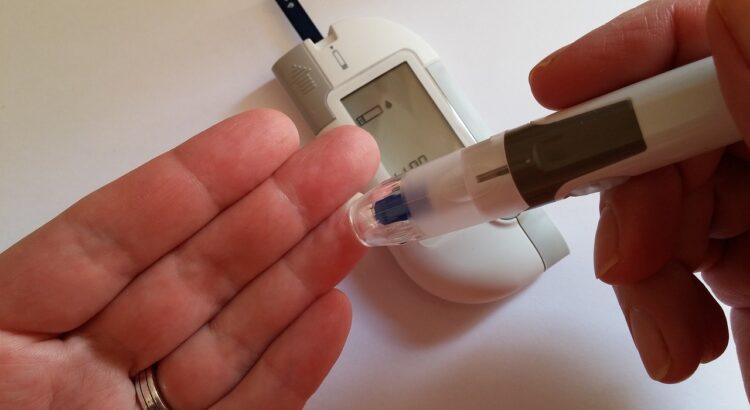
14 November is World Diabetes Day. Diabetes is an increasing health and social problem and is associated with insulin resistance, i.e. reduced sensitivity of tissues to the effects of insulin. Researchers at the Institute of Animal Reproduction and Food Research of the Polish Academy of Sciences in Olsztyn are investigating the pathogenesis of this condition. In their recent research, they looked at NFAT genes in subcutaneous adipose tissue that may regulate insulin sensitivity.
– Subcutaneous adipose tissue, as the main ‘storehouse’ of lipids, can protect other tissues from the harmful effects of excess lipids (i.e. from lipotoxicity) and thus protect against the development of insulin resistance. Necessary for this action is adipogenesis, i.e. the process of forming new fat cells (adipocytes). Proteins of the NFAT family are involved in this process and may therefore be important in the regulation of insulin sensitivity – explains Professor Marek Strączkowski, head of the Prophylaxis of Metabolic Diseases Team at the Institute of Animal Reproduction and Food Research of the Polish Academy of Sciences in Olsztyn (IAR&FR PAS).
The specific aim of this study was to evaluate the expression of NFAT (nuclear factor of activated T cells) family genes in subcutaneous adipose tissue in normal-weight and overweight or obese subjects, and to assess the effect of weight reduction under a low-calorie diet on NFAT gene expression in subcutaneous adipose tissue in overweight or obese subjects.
In other words, it is about investigating what the expression of these genes is in normal-weight people and those who are overweight or obese, and also whether and what role weight reduction plays in this.
The results of the study have just been published in the journal Nutrition, Metabolism & Cardiovascular Diseases. The authors of the publication are: Magdalena Danowska (PhD student, IAR&FR PAS), Dr Magdalena Stefanowicz (Medical University of Białystok) and Prof. Marek Strączkowski (IAR&FR PAS).
The main result is the demonstration that NFAT gene expression in subcutaneous adipose tissue is associated with insulin sensitivity and adipogenic gene expression.
– This suggests that NFAT genes may play a role in maintaining normal subcutaneous adipose tissue function. By maintaining the capacity for adipogenesis (i.e. the formation of new adipocytes), they protect against the development of lipotoxicity (i.e. against the detrimental effects of free fatty acids on other organs and tissues, e.g. liver, skeletal muscle, heart). This way, they may contribute to an improvement in insulin sensitivity, also under the influence of weight reduction – explains Professor Marek Strączkowski, who is involved in research into the pathogenesis of insulin resistance in people at risk of type 2 diabetes.
The researchers also showed that reduced NFAT gene expression in subcutaneous adipose tissue in overweight and obese individuals is partially reversible under weight reduction.
– The results suggest new mechanisms for improving insulin sensitivity and thus reducing the risk of type 2 diabetes, occurring under the influence of weight reduction. They also point to potential new handle points for drugs that could play a role in the prevention and treatment of diseases associated with insulin resistance, concludes Prof Marek Strączkowski.
—
Insulin resistance is a reduced sensitivity of tissues to insulin, a hormone that increases the transport of glucose into cells, which in turn lowers blood glucose levels.
Insulin resistance is not a disease, but it is a condition that can lead to the development of many diseases: first and foremost type 2 diabetes, but also cardiovascular diseases, certain cancers or neurodegenerative diseases.
According to recent estimates by the National Health Fund, around 3 million people in Poland suffer from diabetes, and it is expected that by 2030, one in ten Poles will be affected by the disease.
—
Read about our research around the topic of insulin resistance:
Anti-Müllerian hormone (AMH) is widely recognized as a key marker of ovarian reserve, used to assess a woman’s fertility, especially before undergoing in vitro fertilization (IVF). However, AMH is also gaining attention in oncology due to its potential role in diagnosing and treating various cancers.
A recent review article, published in Frontiers in Endocrinology by an international team of researchers, focusses into the biology of AMH and its multifaceted roles in both endocrinology and oncology. The senior author, Prof. Carsten Carlberg, who leads the Nutrigenomics Team at the Institute of Animal Reproduction and Food Research of the Polish Academy of Sciences in Olsztyn, contributed to this comprehensive analysis. However, major contributions came from the first author, Dr. Marek Gowkielewicz, a gynecologist from the School of Medicine of the University of Warmia and Mazury in Olsztyn.
The review organizes current knowledge about AMH, examining its roles across different life stages: from fetal development, childhood, and adolescence, to its involvement in the hypothalamus, pituitary gland, ovarian function, and menopause. The researchers also explore AMH’s relevance in reproductive technologies, such as ovarian tissue cryopreservation, and its implications for the cell cycle and cancer biology.
According to Prof. Carlberg, “AMH has complex effects on the development and function of various human tissues.”
Currently, AMH is most commonly used to measure ovarian reserve, which indicates a woman’s reproductive potential by assessing the ovaries’ ability to provide viable eggs. This is particularly relevant in fertility treatments like IVF, where AMH levels are checked to optimize the chances of success.
However, AMH’s ability to inhibit the cell cycle and induce apoptosis (programmed cell death) has sparked growing interest in its oncological applications.
„One promising area of research focuses on antibodies targeting the AMH receptor, AMHR2, which plays a key role in signaling and modulating the expression of hundreds of genes,” explains Prof. Carlberg. „In animal models, antibodies conjugated with radioactive isotopes that target AMHR2 have shown potential in destroying cancer cells.”
AMH may also have a protective effect on the ovarian reserve during chemotherapy, which is known to be toxic to ovarian tissue. „By stabilizing the pool of primary ovarian follicles, AMH could help enhance the resistance of ovarian tissue to cryopreservation, a procedure used to preserve fertility,” notes Prof. Carlberg.
In addition to its reproductive functions, AMH is present in motor neurons, where it acts as a protective growth factor, potentially influencing learning and memory processes. This has led to speculation that AMH might support treatments for neurodegenerative conditions such as Alzheimer’s disease.
AMH has also been linked to ovarian and endometrial cancers, though much remains to be discovered.
„Despite significant progress, further research is needed to fully understand the potential of AMH,” concludes Prof. Carlberg. „While today’s knowledge primarily benefits fertility specialists, AMH holds promise for future applications in oncology.”
—
Prof. Carsten Carlberg is the ERA Chair of the WELCOME2 project, „Creating the Centre of Excellence in Nutrigenomics to Optimize Health and Well-Being,” at the Institute of Animal Reproduction and Food Research PAS in Olsztyn.
Determining the relationship between native and non-native species of free-living fauna in a given habitat in the context of biodiversity protection is one of the challenges of modern science.This issue is being investigated by our scientists.
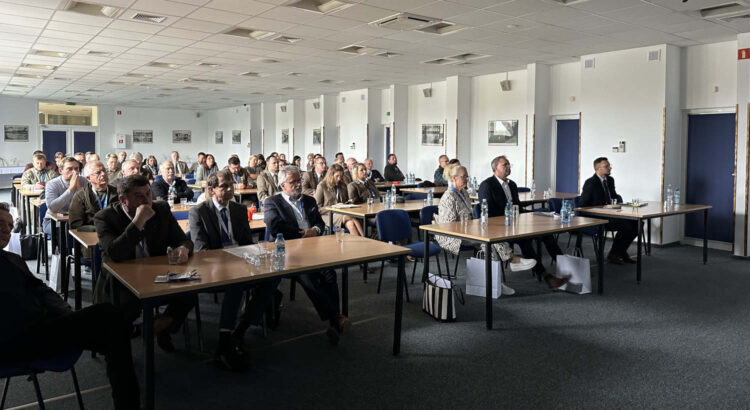
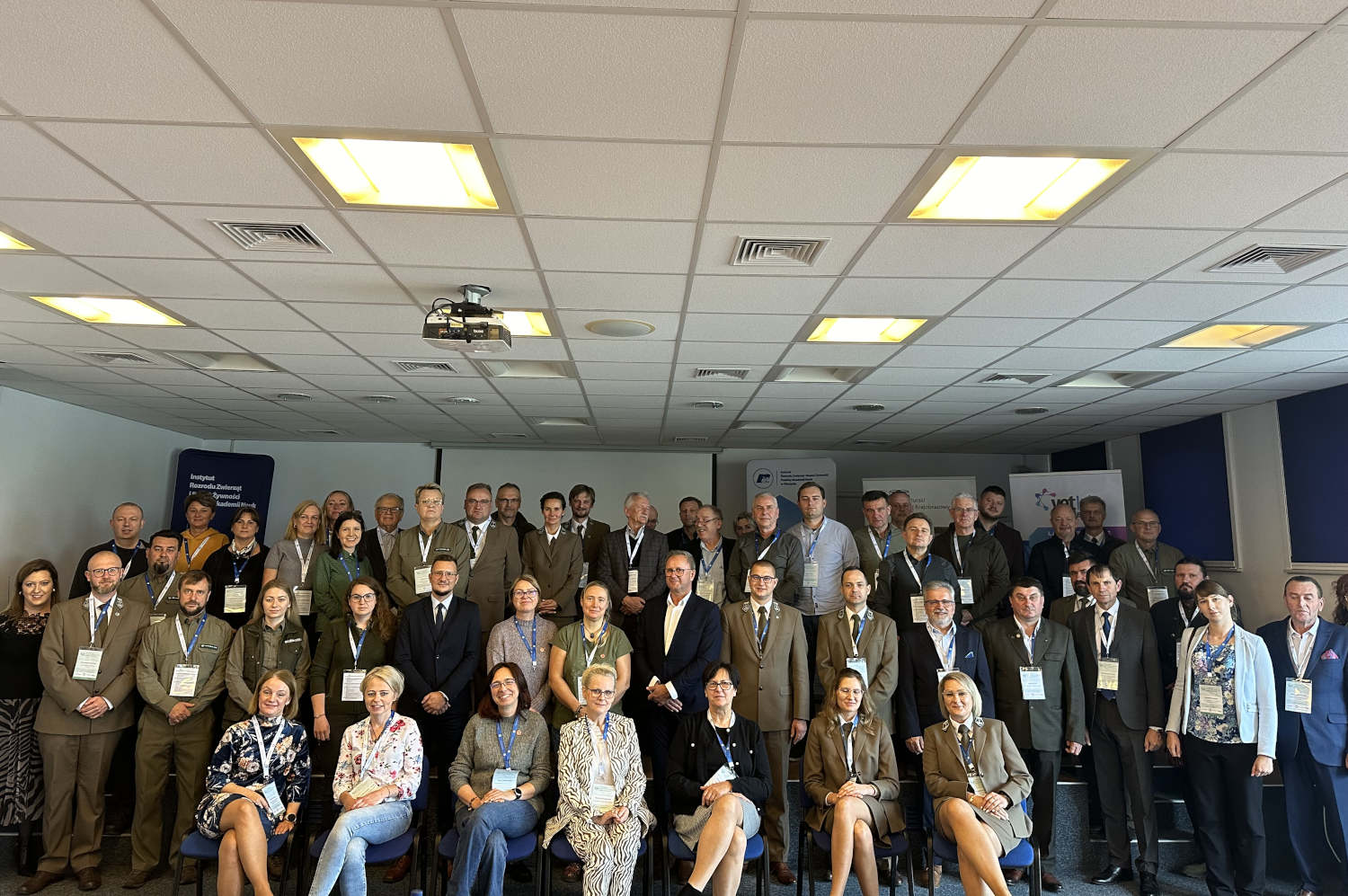
This issue was also a major topic of the 6th Symposium: Perspectives in Biodiversity Conservation, held on 22-23 October at the House of Creative Work of the Polish Academy of Sciences in Wierzba.
– Each edition of the symposium is our scientific response to current topics concerning the protection of biodiversity and the relationship between humans and free-living fauna, its protection and, on the other hand, its use as a research model. Therefore, this year was dominated by the issue of balance in biodiversity protection – says Professor Anna Korzekwa, leader of the Biodiversity Protection Team of the IARFR PAS, who initiated and organises the annual symposium.
As she points out, studying the impact of non-native species on native species requires long-term and complex observations. – An example is the relationship between the red deer, known as the king of the forest (native species) and the sika deer – eastern (non-native species). The sika deer was brought to Europe for hunting purposes at the end of the 19th century and has also spread to Poland, making it a habitat competitor to the red deer. Currently, more than 280 000 red deer are recorded in Poland, while sika deer number around 350. It may seem that the difference is significant, but we do not know how this non-native species will spread over the next decades and to what extent it threatens our native species – explains Professor Anna Korzekwa.
ABOUT THE SYMPOSIUM
The aim of the annual Symposium: Perspectives in Biodiversity Protection is to exchange scientific and practical experiences and to integrate the community of researchers and practitioners – specialists from various institutions nationally and internationally.
The organisers of the meeting were the Institute of Animal Reproduction and Food Research of the Polish Academy of Sciences, the Branch Office of the Polish Academy of Sciences in Olsztyn and Białystok, and the Mazury Landscape Park. The two-day symposium featured lectures that were divided into three sessions. The first was led by Krzysztof Wittbrodt, director of the Mazury Landscape Park, the second by Prof. Anna Korzekwa, leader of the Biodiversity Protection Team at IARFR PAS, and the third by Prof. Małgorzata Kotula-Balak from the University of Agriculture in Kraków.
This year, the event brought together 70 participants from Poland and Lithuania. Nineteen presentations were given during the symposium. The opening lecture concerned the natural heritage of Masuria as an element of Masurian identity. There was also a field session on the Popielno Peninsula, led by representatives of the Mazury Landscape Park.
On the basis of the lectures delivered, a monograph is planned to be published.
ABOUT THE BIODIVERSITY PROTECTION TEAM
The Biodiversity Protection Team of the Institute of Animal Reproduction and Food Research of the Polish Academy of Sciences has its headquarters in Popielno, together with the IARFR Research Station. It is a place situated among the picturesque grounds of the Popielno Peninsula, surrounded by four lakes: Śniardwy, Bełdany, Mikołajskie and Warnołty.
The team conducts interdisciplinary research focusing on the topic of biodiversity protection.
One example of a research interest is the use of stem cells from deer antlers to treat, among other things, disorders of cartilage formation or defects in various tissues. – Our research focuses on stem cells in terms of their use in the treatment of osteoporosis – points out Prof. Anna Korzekwa.
Other research concerns the potential of cervid meat as an alternative to commonly consumed meat species – popular on Polish tables: beef and pork. We have written more about it here.
Scientists are also carrying out research focusing on the European roe deer, which lives in three types of habitat: field, forest and mosaic (mountainous and urban). – It turns out that roe deer condition, body shape and reproductive potential differ between habitats – we are analysing this. We are also investigating the phenomenon of so-called gestational diapause, i.e. the arrest of the embryo at the blastocyst stage in the uterus, the genesis of which is under study – says Prof Anna Korzekwa.