Warsztaty WE Lead Food

WE Lead Food Poland workshops

Building a network of contacts, developing leadership competences, planning and managing change, self-awareness and agency – these are just some of the topics raised by the participants of the EIT Food #WELead Polska workshop.

„We invited over 30 talented, creative and active women from our region to the #WELeadFood workshops. Women who carry out scientific research, manage their own business, create and implement regional policy, support the development of innovation, work in the education sector and non-governmental organizations or head departments in large corporations, especially in the agri-food industry. They are the leaders who manage, build R&D strategies, set goals for themselves and their teams, organize resources and take care of relations with partners”, say Iwona Kieda and Justyna Banasiak, organizers of the event from the Institute of Animal Reproduction and Food Research of the Polish Academy of Sciences.

Is change a fundamental factor in achieving key leadership positions? Do contacts help break the glass ceiling? Should organizations invest in mentoring? How to run #impact #business? How to increase the participation of women in science? And finally, how to find a balance in an active professional life that will „ground” us at the moment when we need it most?

We answered these and other questions during a panel discussion with Anna Borys, Impact Director at McDonald’s Poland; Dr. Magdalena Weidner-Glunde, head of the Microbiology and Molecular Virology Laboratory at our Institute and Matilda Szyrle, CEO of Future Friendly Farm startup.

The training part of the workshop was about discovering our own resources, setting goals and planning their achievement with the trainers: Marzena Radzka-Wiśniewska and Lidia Willan.

The finale of the meeting was a networking session in the form of culinary workshops with elements of molecular gastronomy, led by scientists from our Institute, Dr. Marta Kopcewicz and Dr. Sylwia Machcińska-Zielińska.

The workshop took place on May 31 in Kuźnia Społeczna.

Join the network of experts today and take part in the 8-week main program starting in the fall: https://apply.eitfood.eu/courses/course/150

Read more

Newest CiteScore of PJFNS quarterly

We are proud to announce the newest CiteScore of Polish Journal of Food and Nutrition Sciences provided by SCOPUS: CiteScore2022 = 4.7 and SNIP2022 = 0.849.

We greatly appreciate the support of all Editors, Advisory Board Members, Reviewers, Authors, and Readers in contributing to this great success!

The journal publishes original works in the field of food science and nutrition, promoting the achievements of Polish scientific centres in the world and supporting international cooperation by publishing works by non-Polish authors.

The scientific level of the journal is supervised by a group of outstanding national and international scientists with the editor-in-chief Dr. Magdalena Karamać and Joanna Molga, the Executive Editor.

Visit the quarterly’s website.

Read more

Low-fat diet + chromium supplementation = healthier liver

The liver is an organ highly vulnerable to the effects of a high-fat diet. Research by scientists at the Institute of Animal Reproduction and Food Research of the Polish Academy of Sciences in Olsztyn has shown that the best way to improve its functioning is to switch to an easy-to-digest diet together with chromium supplementation.

– All of us who eat very unhealthily will sooner or later suffer the negative consequences of our irresponsible eating behaviour, for example in the form of liver problems. The best way to improve your health is to change to a low-fat diet. In combination with new eating habits, the therapy should be supplemented with chromium supplementation, which, among other things, helps reduce fat and inflammation of the liver, emphasises Professor Jerzy Juśkiewicz from the Department of Biological Functions of Food at our Institute.

His team’s findings were published in the International Journal of Molecular Sciences.

Chromium (trivalent) is a key micronutrient associated with carbohydrate, protein and fat metabolism in humans and animals. Because of its ability to regulate carbohydrate and lipid metabolism and reduce body weight, this dietary micronutrient is a popular booster for diabetes therapy and an ingredient in supplements used for weight loss. – This is a well-known relationship, but there are still disputes among scientists about the effectiveness of therapy with such supplementation alone. Indeed, some scientific studies have indicated that chromium should be treated with caution as an anti-obesity supplement, as some experiments have reported a deterioration in the functioning of some internal organs,’ points out Professor Jerzy Juśkiewicz.

Currently, the most popular form of chromium used in dietary supplements is organic chromium picolinate (Cr-Pic). Its intake can help, among other things, to reduce body weight without loss of muscle mass. – However, due to the relatively low bioavailability (i.e. absorption from the gastrointestinal tract) of Cr-Pic, the search is on for other forms of chromium that will be better utilised in the body. For these reasons, scientists have become interested in chromium complexes with amino acids and the inorganic form of chromium in the form of nanoparticles; the possibility of their application in humans, however, still requires in-depth research, which is currently being conducted on animal models, explains the researcher.

Over the past few years, Prof. Juśkiewicz’s team, together with scientists from the University of Life Sciences in Lublin (Prof. Katarzyna Ognik’s team), have been researching the biological activity of various nanoparticles that enter the digestive tract with the diet. Their most recent research project, funded by the National Science Centre, focused on chromium.

– We wanted to test whether the negative effects associated with long-term consumption of a high-fat diet, observed at the intestinal, vascular and hepatic levels, could be sequentially alleviated by dietary supplementation with different forms of chromium and/or a change in eating habits by switching to a 'normal’ – low-fat diet, says the researcher.

An excerpt from the results of the study, which was published in the International Journal of Molecular Sciences, focuses on liver function.

– The liver is the organ most exposed to the effects of eating a 'fatty’ diet and the presence of new dietary elements, namely chromium nanoparticles. Studies have clearly shown that the liver of rats fed a high-fat diet for long periods of time is simply unhealthy – fatty, 'stressed’ by free radicals and in a permanent state of inflammation. We have shown that abandoning a fatty diet in favour of a lower fat, higher fibre diet is the best solution to improve liver function. Our findings were supported by a range of assayed parameters, biochemical and molecular. Interestingly, the addition of chromium supported the therapy of changing to a 'healthier’ diet, and the chromium nanoparticles themselves were more 'helpful’ than chromium in picolinate form, says the researcher.

In the next stages of the project, the researchers will, among other things, focus on in-depth studies of chromium nanoparticles in other organs, in the context of their safety for future human consumption.

The research project entitled „Alleviation of adverse effects associated with high-fat diet through dietary patterns changes and/or supplementation of various forms of chromium” (2020/39/B/NZ9/00674) is funded by the National Science Centre (NCN). It is conducted by the Institute of Animal Reproduction and Food Research of the Polish Academy of Sciences in Olsztyn in collaboration with the University of Life Sciences in Lublin.

Read more

szparagi

Is the odd smell of urine after eating asparagus something we should be concerned about?

The asparagus season is underway. After eating them, most people’s urine has a characteristic, strongly cabbage-like smell. Scientist from the Institute of Animal Reproduction and Food Research of the Polish Academy of Sciences in Olsztyn reassures that this is only the effect of metabolism of the substance contained in asparagus.

The main factor is aspartic acid (so-called asparagic acid). – This is a harmless substance from the group of organic acids containing sulphur atoms. The effect of transformations of this acid in our digestive system is the formation of metabolites, which are easily expelled from our organism in urine, and it is their presence that is attributed to the characteristic smell of urine, explains Dr. Małgorzata Starowicz of the Department of Chemistry and Biodynamics of Food of the IARFR PAS in Olsztyn.

The smell of urine after eating asparagus can resemble the smell of boiled cabbage. – This is due to compounds that are formed in the metabolic pathway after asparagus consumption. So far, four compounds have been identified that could potentially be responsible for the peculiar urine odour: methanethiol, dimethyl sulphide, dimethyl sulfoxide and dimethylsulfone (all of which contain sulphur atoms in their structure). But there is nothing to be worried about – this is a natural process that occurs in every organism, adds the scientist.

Aspartic acid is only found in this concentration in asparagus – hence its name. The urine odour itself appears quite quickly, sometimes even 15-20 minutes after eating these vegetables.

Interestingly, not all people can smell the odour. This has to do with a single nucleotide polymorphism in the olfactory receptor genes – in other words: some people may have this gene and others not. In addition, there is a group of people who do not produce volatile metabolites of this acid, the consequence of which is the absence of the characteristic urine odour after eating asparagus. This phenomenon has not yet been explained.

The study of urine odour can be helpful in diagnosing metabolic diseases, and its unpleasant smell could indicate disease symptoms, hence the interest of scientists in the subject of compounds released from urine. The literature mentions that the content of methanethiol in urine (formed by metabolic changes after asparagus consumption) was determined by Marceli Nencki, a Polish scientist, physician and chemist who lived in the second half of the 19th century. – No abnormalities in the metabolism of the constituents contained in asparagus have been demonstrated, i.e. it is completely safe to eat asparagus, the scientist recalls. Both green and white asparagus are a good source of vitamins A, B1, B2, C and E and the minerals Mg, P, Ca and Fe. Other key valuable components of asparagus are essential oils, asparagine, arginine, tyrosine, flavonoids (kempferol, quercetin and rutin) and tannins. – The above-mentioned compounds have strong antioxidant, immunostimulating, anti-inflammatory or antimicrobial properties, highlights Małgorzata Starowicz.

Read more

produkty piekarnicze

Improving bakery products for IBS patients

Up to one in five people may suffer from irritable bowel syndrome. Symptoms can be mitigated through a diet that eliminates certain compounds found in food. A scientist from the Institute of Animal Reproduction and Food Research of the Polish Academy of Sciences in Olsztyn proposes methods for making bakery products in such a way that they retain their nutritional value while being tolerated by people suffering from this digestive disorder.

– The healthiest bakery products recommended by nutritionists are often the least beneficial for people with irritable bowel syndrome. An example is whole-grain rye bread, rich in dietary fiber, which, however, is not recommended for people with the disorder. Fortunately, nowadays, thanks to acquired knowledge and appropriate technological processes, it is possible to produce nutritionally valuable bread that will not exacerbate gastrointestinal symptoms in people with this disease,” emphasizes Dr. Marianna Raczyk of the Nutrigenomics Scientific Group at the Institute of Animal Reproduction and Food Research of the Polish Academy of Sciences in Olsztyn.

The conclusions are presented in a review article outlining the world’s most current reports on the subject, which appeared in “Critical Reviews in Food Science and Nutrition”. The authors are Dr. Marianna Raczyk and Dr. Marcus Schmidt of the Federal Research Institute of Nutrition and Food at the Department of Safety and Quality of Cereals in Germany.

WHAT ABOUT BREAD?

Irritable Bowel Syndrome (IBS) is one of the most common gastrointestinal disorders for which a proper diet is crucial. Among other things, a group of carbohydrates called FODMAP – fermentable oligo-, di-, monosaccharides and polyols – are responsible for exacerbating the symptoms of this chronic disease. This is a group of fermentable sugars and alcohols that the body is unable to break down and absorb in the small and large intestines. These are the ones that produce gases, causing, among other things, bloating, diarrhoea, abdominal pain and other discomforts in people with IBS.

One of the main sources of FODMAPs in the diet includes bakery products, particularly whole-grain bread. – Cereals high in fructans, such as wheat, barley and rye, should be significantly reduced in a low FODMAP diet, hence it is difficult to choose the right bread for IBS patients – says Marianna Raczyk.

People with IBS are thus faced with the question: whether to eat whole-grain bread and thereby worsen their well-being, or choose light bread, which, however, is less nutritious.

– In order to improve the quality of life for IBS patients, it is therefore necessary to provide alternative products low in FODMAPs while maintaining nutritional values, the scientist points out, adding that it is not possible to completely eliminate FODMAP compounds from food, but they can be limited to so-called minimum threshold values

TAILORED PRODUCTION – THE KEY TO SUCCESS

The authors of the publication focused on bakery products. Collecting the most up-to-date world reports on the subject, they propose the following methods to reduce the FODMAP content in products: the use of yeast fermentation and fermentation with lactic acid bacteria, appropriate selection of raw materials, suitably modified dough fermentation process or the use of additional enzymes or microorganisms that eliminate unfavourable compounds.

– These technologies are mostly known to bakery product manufacturers, but it is necessary to improve them and use them in a controlled manner to preserve the maximum amount of nutritional value, the researcher points out.

You can also control the FODMAP content yourself – in the production of home baked goods by choosing the right raw materials and the right dough kneading or fermentation process. For details, see the article

THE FUTURE OF LOW FODMAP FOODS

The range of low-FODMAP foods on the food market is expanding. – Manufacturers are working all the time to improve and expand them, as there is growing interest by consumers themselves but also by catering companies offering boxed diets just for people with IBS – the researcher says.

Today, these products are slightly more expensive than the conventional ones. – However, I would compare this to gluten-free products – just a few decades ago they were a novelty, and today they are very popular and often at a price comparable to conventional ones. I suppose it will be similar with low FODMAP products – the scientist concludes. – Irritable bowel syndrome affects about 10-20 percent of the population. The number of people diagnosed with the condition is growing every year. Patients with IBS need the support of dietitians to work off the right diet for them, so it is estimated that the demand for low FODMAP products will increase – Marianna Raczyk summarizes.

Read more

International scientific seminar with Proffesor Karl-Heinz Herzig

The 2nd international scientific seminar of the ERA Chair Welcoming ERA Chair to Centre of Excellence in Nutrigenomics to optimise health and well-being will take place on 30 May at 10:00 am at the Institute of Animal Reproduction and Food Research PAS. 

The seminar will host Professor Karl-Heinz Herzig, specialist in internal medicine, gastroenterology and physiology, lecturer at the Medical School of Oulu University in Finland. His research interests are cross-organ communication (gut-liver-brain-muscle-fat) in the metabolic syndrome utilizing different model systems, human intervention trials and cohort studies.

During the seminar in Olsztyn, he will give a lecture on Metabolic syndrome and Vitamin D – mechanisms, benefits and limitations. The metabolic syndrome is defined by increased fasting plasma glucose, abdominal obesity, high triglyceride levels, reduced high-density lipoprotein cholesterol, and high blood pressure. The incidence of the metabolic syndrome is increasing. Vitamin D is a steroid-structured hormone produced in the skin to UVB-radiation or obtained from certain food products. Besides its well know roles in calcium and phosphate homeostasis (e.g. Rickets disease) it has a variety of other metabolic effects e.g. on inflammation, hypertension. Decreased seasonal sun light, obesity, and old age are associated with decreased Vitamin D levels. Therefore, food products have been fortified with Vitamin D and additional supplementation recommended to aid in the prevention of certain diseases. In the lecture, mechanisms and effects of vitamin D supplementations will be highlighted and their limitations discussed.

Read more

Dr hab. Agnieszka Wacławik

Scientists discovered a new mechanism supporting the function of corpus luteum in pregnancy

The corpus luteum plays an extremely important role in early pregnancy by secreting progesterone – an essential hormone needed for proper pregnancy development. Scientists at the Institute of Animal Reproduction and Food Research of the Polish Academy of Sciences in Olsztyn have discovered that this gland also secretes a protein called prokineticin 1, which increases the viability and stimulates the functions of the corpus luteum, and thus – benefits the development of early pregnancy.

– We hope that in the future, on the basis of the results of these studies, it will be possible to develop therapies that will support the development of a normal pregnancy in humans,” stresses Dr. Agnieszka Wacławik from the Department of Hormonal Action Mechanisms of the Institute of Animal Reproduction and Food Research PAS.

Her team’s findings have just been published in „Scientific Reports„, a journal published by „Nature.”

The research team members are Dr. Agnieszka Wacławik, Professor of the Polish Academy of Sciences; Monika Baryła, PhD student (the results are an important part of her doctoral thesis); Dr. Ewelina Goryszewska-Szczurek and Dr. Piotr Kaczyński.

CORPUS LUTEUM ON SPECIAL ASSIGNMENT

The corpus luteum is a temporary endocrine gland in the ovary. It synthesizes and secretes progesterone, which is necessary for the proper establishment of pregnancy, that is, for the implantation of the embryo in the uterus and the development of the placenta. The activity of the corpus luteum depends on the fate of the egg cell released in the process of ovulation – if the egg cell is not fertilized or the development of the fertilized cell is inhibited, the corpus luteum atrophies. The development of blood vessels during the formation and function of the corpus luteum is one of the most intense compared to other organs.

Disruption of corpus luteum function, both during the reproductive cycle and during pregnancy, carries a high risk of fertility disorders. However, the mechanisms regulating the function of this gland are not yet fully understood. Attempts to explain them are being made by the team of Dr. Agnieszka Wacławik.

PROTEIN SUPPORTING THE DEVELOPMENT OF EARLY PREGNANCY

In earlier studies, scientists from Olsztyn focused on a certain protein called prokineticin 1, demonstrating its important role in processes related to the establishment of pregnancy, primarily the development of blood vessels in the endometrium, as well as the development of the embryo and placenta in the pig (for ethical reasons, studies cannot be conducted on tissues from the female ovary during physiological changes in the sexual cycle or pregnancy, and certain mechanisms are universal to mammals).

Now scientists have shown that prokineticin 1 is present in the porcine corpus luteum and regulates the processes involved in the development of the corpus luteum and its function (both during the reproductive cycle and during pregnancy).

– We showed that prokineticin 1 and its receptors are mainly found in luteal cells (i.e., those that produce progesterone) and in the blood vessels of the corpus luteum. It was an important discovery to prove that the highest content of prokineticin 1 protein is found in the corpus luteum during early pregnancy,” says the researcher.

Already knowing that prokineticin 1 acts in the corpus luteum, the researchers also decided to see what processes it participates in. – Using in vitro tissue and cell culture models, we showed that the agent under study stimulates the expression of genes involved in steroid hormone production and progesterone synthesis by the corpus luteum. An important discovery was the demonstration that prokineticin 1 increases the viability of corpus luteum tissue and inhibits cell apoptosis (the process of cell destruction) in which progesterone is produced. Further studies allowed us to conclude that prokineticin 1 stimulates the processes of blood vessel construction (known as angiogenesis) in the corpus luteum, the scientist explained.

This means that the synthesis of prokineticin 1 in the corpus luteum during pregnancy may play an important role in preventing the regression of the corpus luteum and sustaining its function in the establishment and development of early pregnancy.

– Despite the presence of interspecies differences, certain physiological mechanisms occurring during early pregnancy are universal for mammals, so the results presented here may contribute to further studies involving other species, including humans, Agnieszka Wacławik concludes.

Dr. Agnieszka Wacławik, Professor of the Polish Academy of Sciences, has recently received a grant from the National Science Center (NCN), within the OPUS call. For the project „Effect of embryonic signals on methylome of the porcine endometrium as a novel mechanism contributing to pregnancy establishment” she received nearly PLN 2 million.

Full results can be found here.

Read more

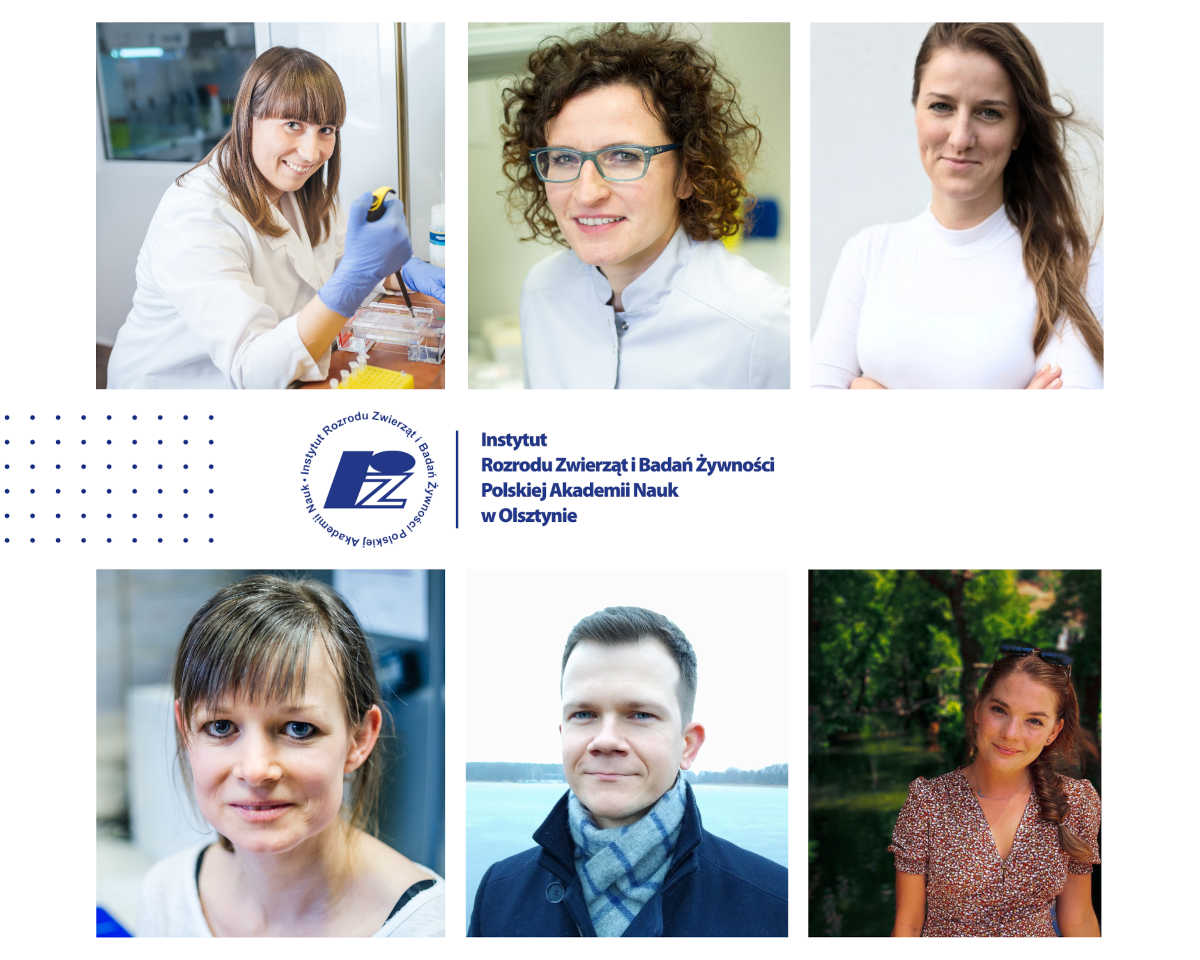
New NCN grants for scientists of our Institute

Researchers from our Institute have won funding for research projects under the Opus 24 competition announced by the National Science Center (NCN).

Opus 24 is a competition intended for researchers at all stages of their scientific careers. 1921 proposals were submitted to the OPUS 24 call with a total budget of nearly 2.7 billion PLN. Funding was awarded to 224 projects, worth nearly 364.4 million. The success rate was 11.66%.

  • Dr. Magdalena Maria Weidner-Glunde: “Painting or Spots? – Unravelling the Mechanism of Formation and the Functional Significance of the Novel, Glioblastoma-Specific Localization Pattern of HCMV (Human Cytomegalovirus) IE1 (immediate early 1) Protein”

Funds awarded: PLN 4 585 860

The project aims to study the binding of the IE1 protein of human cytomegalovirus to chromosomes in glioma cells. The researchers plan to investigate the functional significance of IE1’s localization by examining its involvement in attaching the viral genome to chromosomes, disrupting centromere structure and regulating the viral life cycle.

– Glioma is a malignant brain tumor with a very poor prognosis for patients. HCMV is believed to have oncomodulatory properties in glioma. We believe that the discovery of IE1’s locus-specific function will not only deepen our understanding of the role HCMV plays in glioma pathogenesis, but may in the future help in the development of new therapeutics targeting the virus’ persistence – says Dr. Weidner-Glunde.

  • Dr. Agnieszka Wacławik: „Effect of embryonic signals on methylome of the porcine endometrium as a novel mechanism contributing to pregnancy establishment”

Funds awarded: PLN 1 999 440

The team led by Dr. Agnieszka Wacławik discovered that the corpus luteum, in addition to secreting progesterone, also secretes a protein called prokineticin 1, which increases the viability and stimulates the functions of the corpus luteum, with beneficial effects on the development of early pregnancy. – We hope that in the future, on the basis of the results of these studies, it will be possible to develop therapies that will support the development of a normal pregnancy in humans – says Dr. Agnieszka Wacławik from the Department of Hormonal Action Mechanisms of our Institute.

Read more

Natalia Płatosz with a prestigious scholarship from the Foundation for Polish Science

Natalia Płatosz from the Department of Chemistry and Biodynamics of Food received the prestigious „START” scholarship for young scientists of the Foundation for Polish Science. The prestigious scholarships were awarded to 100 outstanding young scientists, from a group of 660 candidates.

The START program of the Foundation for Polish Science is the oldest scholarship program in Poland for the best young scientists representing all fields of science. Its goal is to support outstanding young scientists and encourage their further scientific development.

Research conducted by Natalia Platosz has shown that anthocyanins, natural pigments with antioxidant properties, from chokeberries and red cabbage and their metabolites penetrate the blood-cerebrospinal fluid barrier. This means that, thanks to their strong antioxidant properties, they can favorably influence processes in the particularly susceptible to oxidative damage environment of the central nervous system. This is of particular importance when we consider that diseases of the central nervous system are a significant problem of modern societies, and the indication of preventive behaviors, including nutritional ones, allowing to reduce their ascendancy or mitigate their course may be one of the possible and important solutions.

Young scientists with outstanding research achievements, who are under 30 years of age at the time of application, may apply for START FNP scholarships.

Full list of awardees

Read more

produkty bezglutenowe

What should we know about celiac disease?

International Celiac Disease Day is celebrated on May 16 in all countries belonging to the AOECS. Established in 2006, it draws attention to gluten-dependent diseases and the challenges faced by consumers following a gluten-free diet, but also by food producers, for whom the market has growing expectations. Dr. Urszula Krupa-Kozak from the Department of Chemistry and Biodynamics of Food, talks about celiac disease and the relevant research being conducted at our Institute.

Many people who consume grain products report distressing symptoms, worsening health and reduced quality of life. Gluten, which is a complex of wheat reserve proteins (gliadin and glutein) and the homologous proteins of rye (secalin) and barley (hordein), can cause the development of gluten-dependent diseases, which include celiac disease, Dühring syndrome, gluten ataxia, wheat allergy and non-celiac gluten hypersensitivity. Celiac disease (a.k.a. visceral disease, gluten-dependent enteropathy) is an autoimmune disease that occurs in genetically predisposed individuals, caused by persistent gluten intolerance. The disease is characterized by a varied clinical picture, the presence of specific serum antibodies and haplotype (group of genes inherited from one parent – ed.) HLADQ2 or HLA-DQ8, and enteropathy (pathological changes – ed.) in the small intestine. The disease leads to damage to the intestinal mucosa, followed by atrophy of the intestinal villi, whose function is to absorb nutrients.

Diagnosis

Gluten-dependent diseases can manifest themselves with different symptoms, which can additionally vary in severity. Classic celiac disease (full-blown) is characterized by symptoms of malnutrition, abdominal pain, weight loss; it is accompanied by diarrhea, bloating, and in children, personality changes and developmental disorders. This form of the disease is relatively rare, and is diagnosed relatively quickly due to its characteristic symptoms. Much more often, however, patients with celiac disease have extraintestinal symptoms (anemia, chronic fatigue, aphthas, neurological disorders, bone and joint pain, premature osteoporosis, fertility problem), which should draw the attention not only of gastroenterologists, but also of endocrinologists, gynecologists, hematologists, rheumatologists or neurologists. Non-celiac gluten hypersensitivity (NCGS) is characterized by symptoms similar to celiac disease and irritable bowel syndrome, with which it can be confused. The condition mainly affects adults and is characterized by symptoms beyond the gastrointestinal tract.

People who observe alarming symptoms in themselves after consuming gluten-containing products and suspect the development of gluten-related diseases should consult their GP. The doctor, based on the medical history, will order a consultation with a specialist – a gastroenterologist in a justified case. The specialist in the next step will order the determination of celiac disease-specific antibodies (tTG and EmA), the presence of which in the blood serum indicates the disease, but does not always mean changes in the small intestine, authorizing its diagnosis. Therefore, for a complete diagnosis of celiac disease, biopsy and histopathological evaluation of small intestine sections, which are the gold standard for diagnosis in adults, are necessary. In the case of NCGS, diagnosis relies on the exclusion of other gluten-dependent diseases (celiac disease and wheat allergy), as there are no specific markers to detect this type of hypersensitivity.

What’s next?

For gluten-dependent diseases, the basic and common form of therapy is to exclude gluten from the diet. The differences, however, are that in the case of celiac disease, a gluten-free diet must already be followed rigorously and for life, while in the case of allergies and NCGS, the diet can be followed temporarily.

A gluten-free diet involves eliminating foods made from grains, i.e. wheat (including spelt, flatbread, semolina), barley, rye and uncertified oats. Commercially, gluten-free products are marked with a crossed ear sign. However, unlabeled products can be a problem, especially those in which gluten is not expected such as cured meats, sauces, spice blends, dressings, yogurts or gum, and even some medicines that may have been contaminated with this protein in the manufacturing process.

In the initial stages of treatment, right after diagnosis, the support of a qualified nutritionist is very important and helpful in properly balancing a gluten-free diet. However, once you become familiar and „accustomed” to its principles, following the diet in your own home becomes a habit. Meals away from home, in restaurants, at school/preschool or while traveling can be a problem. That’s why it’s a good idea to ensure your safety by planning your meals well, choosing only reliable restaurants and catering companies. Although products with the crossed-thorn mark are now available for purchase, it is advisable to prepare a set of tried-and-true gluten-free products for trips, consisting, for example, of bread, cookies, nuts and fruit. It’s also a good idea to be mindful of your diet when traveling by air and to book a gluten-free meal in advance.

Trendy „gluten-free”

Without consulting a gastroenterologist and without a definitive diagnosis, you should not switch to a gluten-free diet on your own. This will make it more difficult and prolong the time for a proper diagnosis because when we eliminate gluten from the diet, the body will not be in contact with this factor and will stop producing characteristic antibodies, so that the results of serological tests will be inaccurate or falsely negative.

Flaxseed cake as an opportunity to improve gluten-free products

Recent research conducted by scientists at the Institute of Animal Reproduction and Food Research, in cooperation with the West Pomeranian University of Technology, has focused on improving the quality and enrichment of gluten-free baked goods with nutrients and bioactive ingredients derived from flaxseed cake, the pomace from linseed oil production. Compared to conventional bread, a common disadvantage of commercially available gluten-free baked goods is poor quality due to inferior taste, unsatisfactory texture and reduced nutritional value and short shelf life. The need to improve the quality of baked goods led researchers to study the nutritional and functional potential of flaxseed cake, which has been shown to be a good source of minerals and antioxidants. In addition, along with flaxseed cake, proteins and polysaccharides are introduced into bread recipes, which have a beneficial effect on the technological properties of bread, giving it the desired cohesiveness, porosity, colour and even aroma. The research conducted by the teams from Olsztyn and Szczecin is important from the point of view of consumers on a gluten-free diet, who have the right to expect that the quality of gluten-free products available commercially will be similar to conventional products. In reality, however, this is not easy to achieve and poses a great challenge for food technologists and producers.

Read more