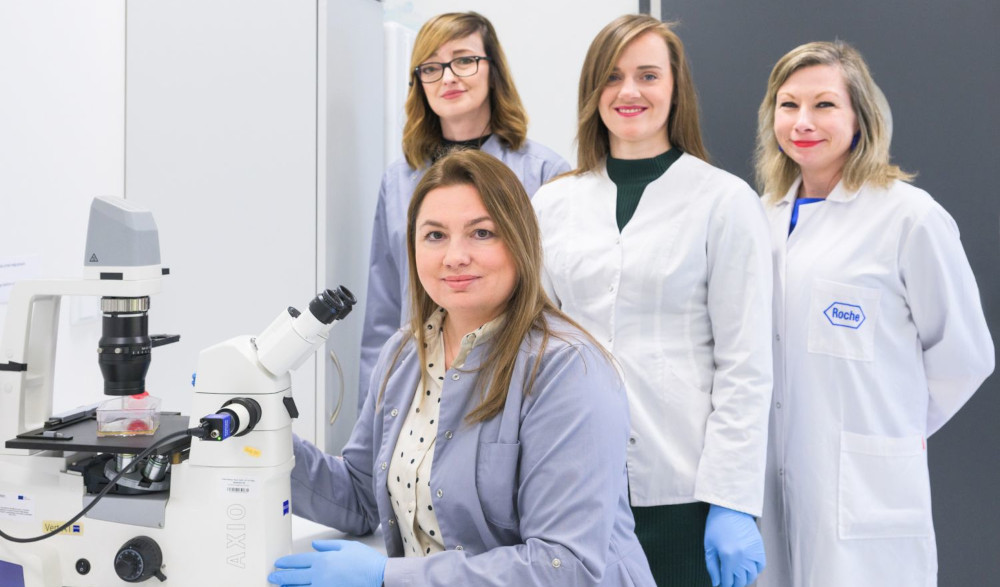
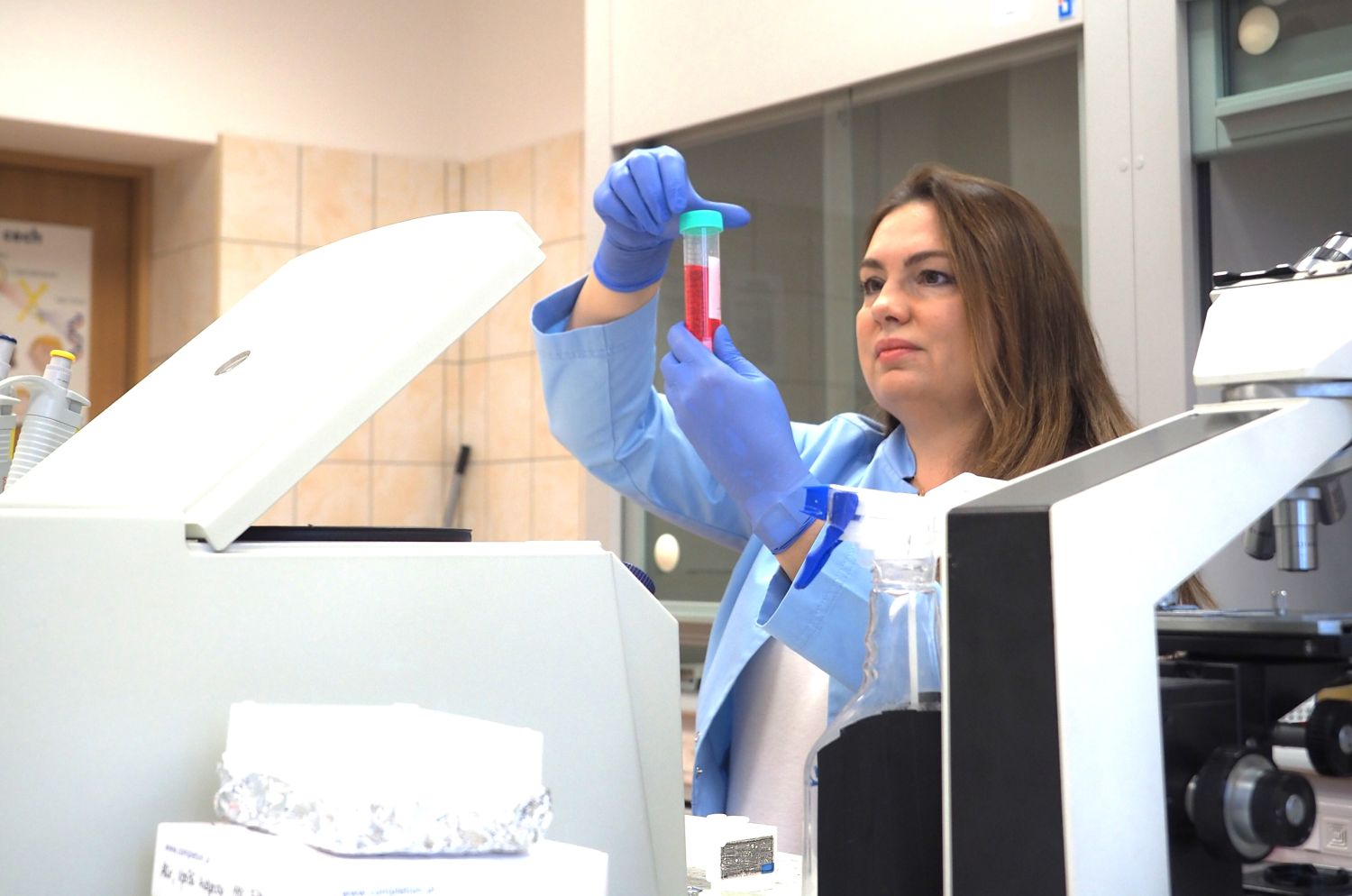
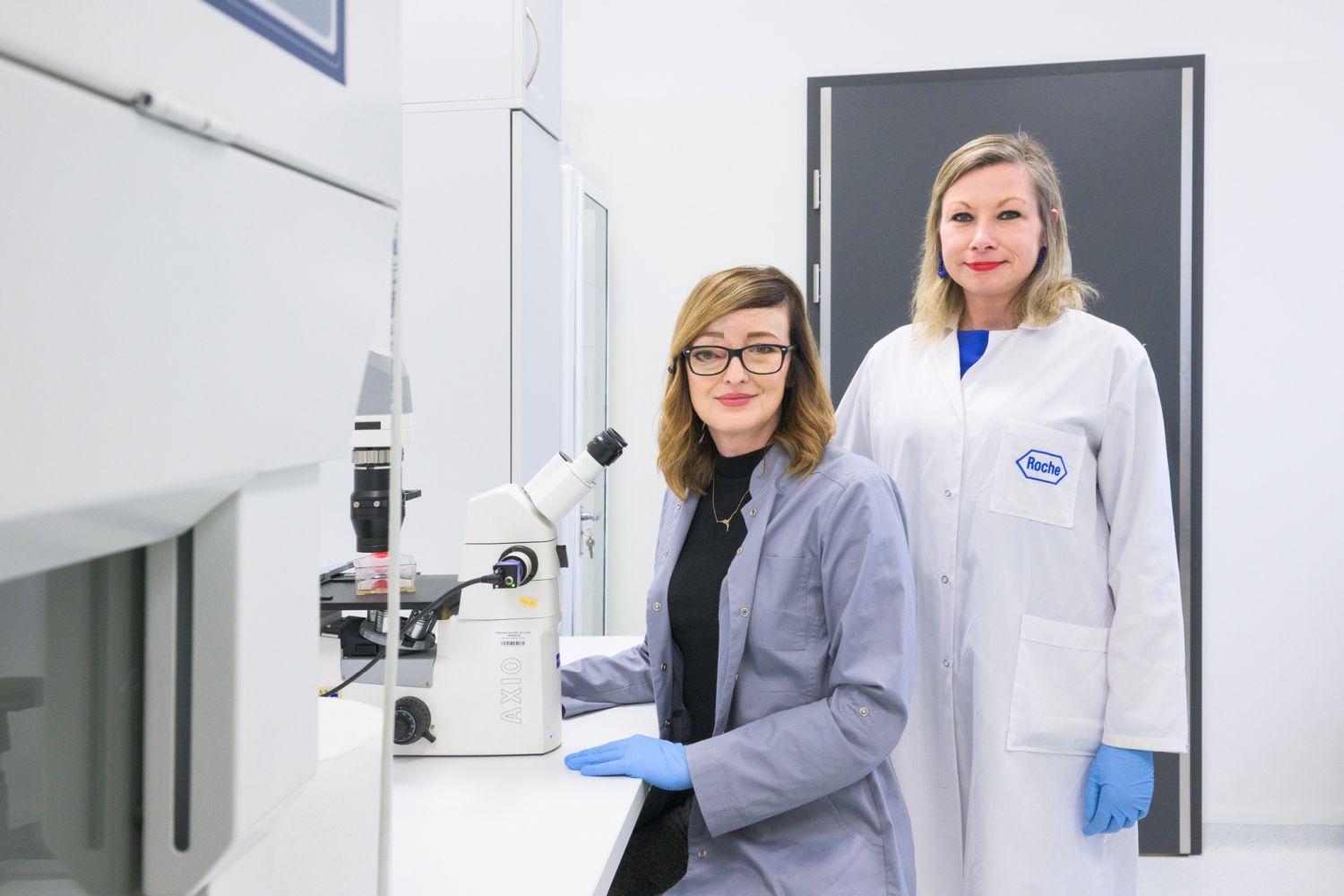
We investigate the molecular basis of reproductive processes in female mammals, focusing on the early stages of pregnancy and the factors influencing its proper progression and embryonic development. Our research explores the communication between the embryo and the maternal organism—what signals the embryo sends and how the uterus and ovaries respond to them.
Our studies concentrate on key mechanisms responsible for the proper course of early pregnancy and the estrous cycle. We aim to deepen our understanding of embryo–maternal interactions that regulate the maternal recognition of pregnancy, successful embryo implantation, and placental development.
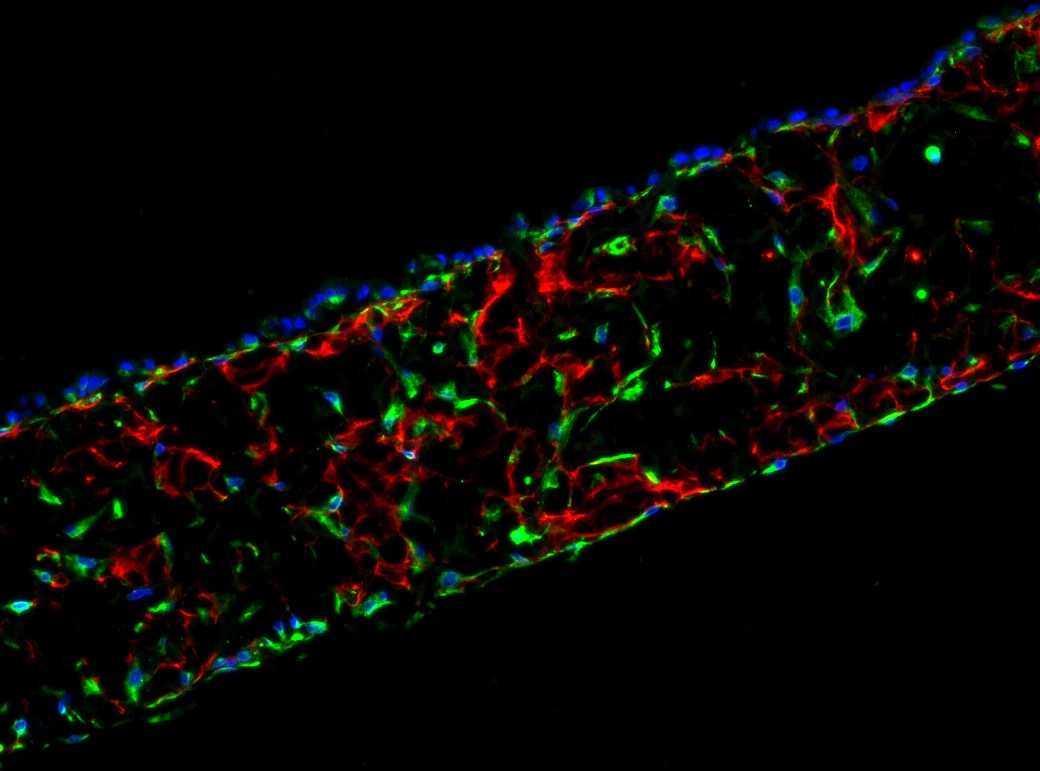
We are particularly interested in how embryo-derived signals, as well as hormones, cytokines, and environmental factors, regulate the function of the uterine endometrium, ovaries, and the embryo itself. These processes are analyzed at endocrine, cellular, and molecular levels, with special emphasis on epigenetic mechanisms. We employ advanced molecular and cellular biology techniques, including: methylome analysis, targeted DNA methylation sequencing (TM-Seq), single-cell RNA sequencing (scRNA-seq), gene silencing techniques, transcriptomic and proteomic analyses, hormone concentration assays (EIA and RIA), laser microdissection, and microscopic imaging.
Our primary animal model is the domestic pig—a species of significant importance for both scientific research and livestock production. We utilize in vivo and ex vivo models, classical in vitro tissue and cell cultures, as well as modern three-dimensional (3D) cell culture systems. Additionally, we conduct studies using human placental tissues and human trophoblast and endometrial cell lines. This enables interspecies comparisons and enhances the translational potential of our research.
Our work facilitates the identification of molecular markers of embryonic development and proper reproductive system function (endometrium and ovary). This knowledge can be applied in the diagnosis and treatment of fertility disorders.
We strive for our discoveries to contribute to the development of innovative solutions in reproductive biotechnology and assisted reproduction methods. The outcomes of our research may support strategies aimed at improving fertility rates and reducing early embryonic losses—relevant for both human medicine and animal breeding.
Current projects:
1. Effect of embryonic signals on methylome of the porcine endometrium as a novel mechanism contributing to pregnancy establishment (project financed by National Science Centre, OPUS call 47, 2023-2027, PI: Agnieszka Waclawik, Prof., Ph.D., D.Sci.)
2. Mimicking the endometrium in three-dimensional cell culture model to study hypoxia-induced endometrial changes and embryo-maternal interactions (project financed by National Science Centre, OPUS call 55, 2025-2029, PI: Agnieszka Waclawik, Prof., Ph.D., D.Sci.)