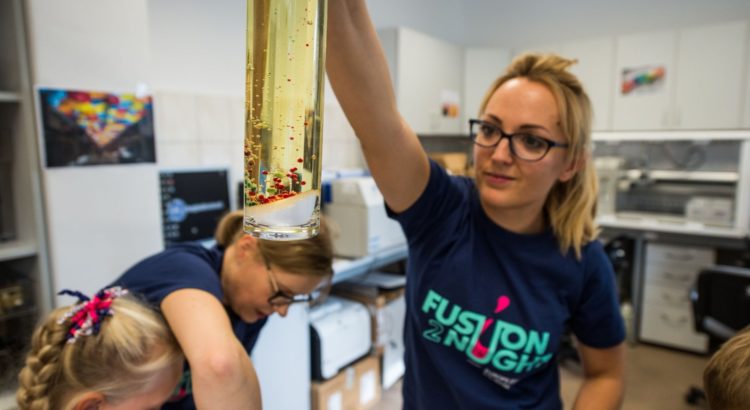
200 researchers, 12 hours of experimenting together and several thousands of guests who think science matters. The next, 4th edition, of European Researchers’ Night organised by the Institute of Animal Reproduction and Food Research PAS has just concluded. (więcej…)
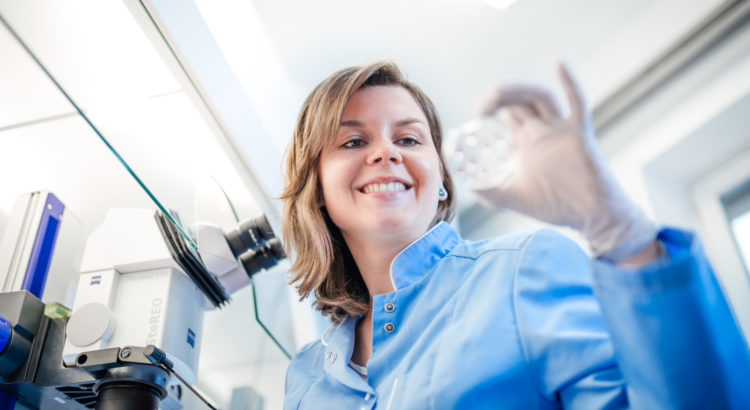
Prof. Agnieszka Waclawik has been nominated to International Committee of ICPR
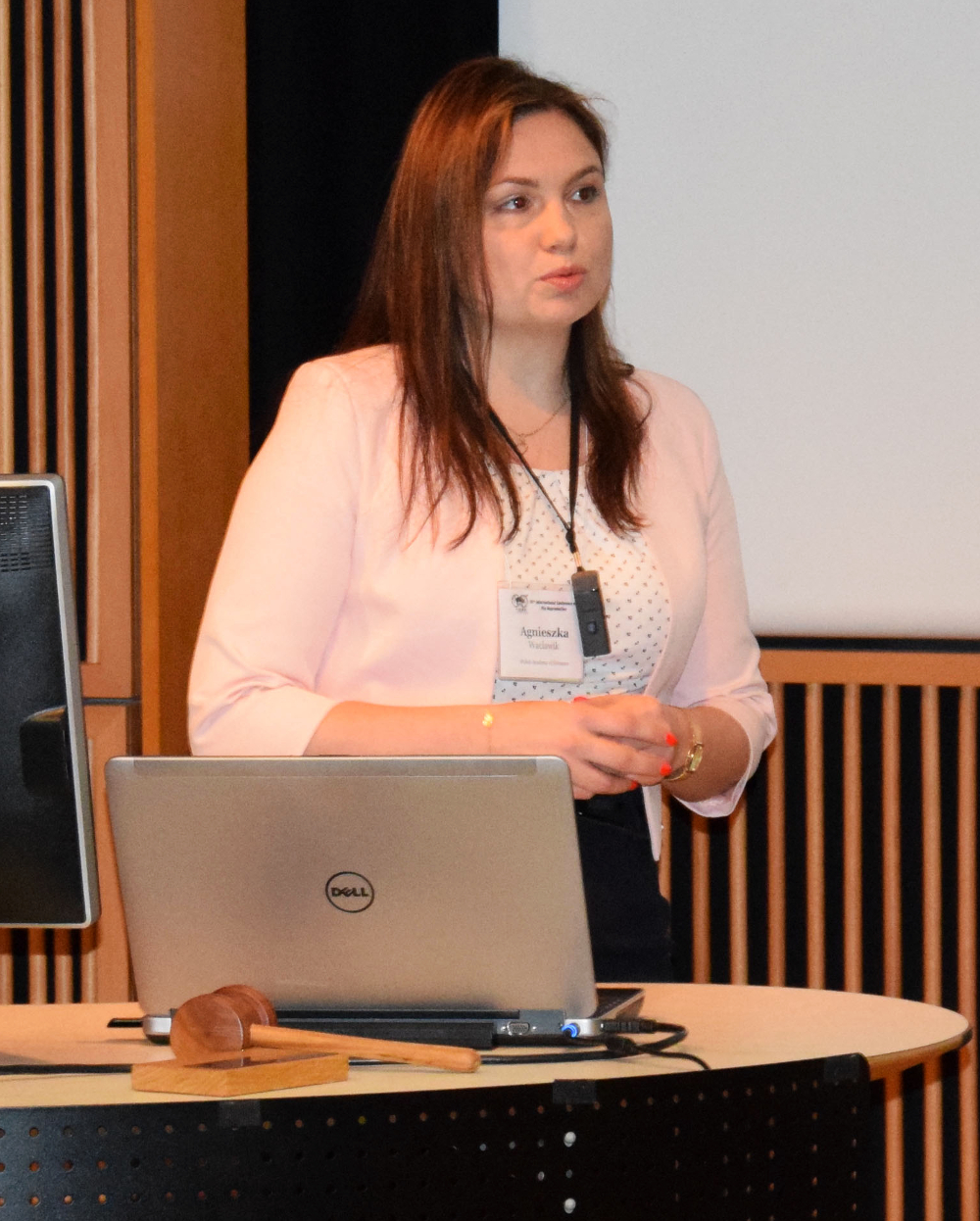
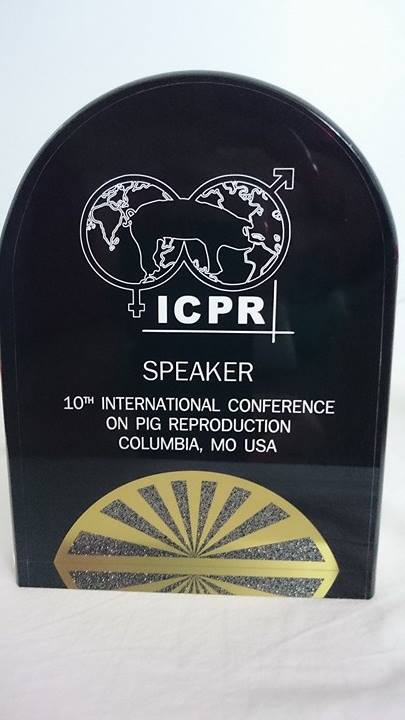
It is our pleasure to inform that one of our scientists Prof. Agnieszka Waclawik, has been nominated to International Committee, which organizes cyclic scientific meetings International Conference of Pig Reproduction (ICPR). This nomination was announced during 10th International Conference of Pig Reproduction held in University of Missouri in Columbia, USA, on June 11-14, 2017.
International Conference of Pig Reproduction embraces scientists focused on both basic and applied aspects of reproduction in pigs. This Conference is organized every 4 years in different countries in the world. Professor Adam J. Ziecik served as a member of International Committee of ICPR for years 2006-2013 and our Institute was co-organizer of 9th ICPR in 2013 in Olsztyn.
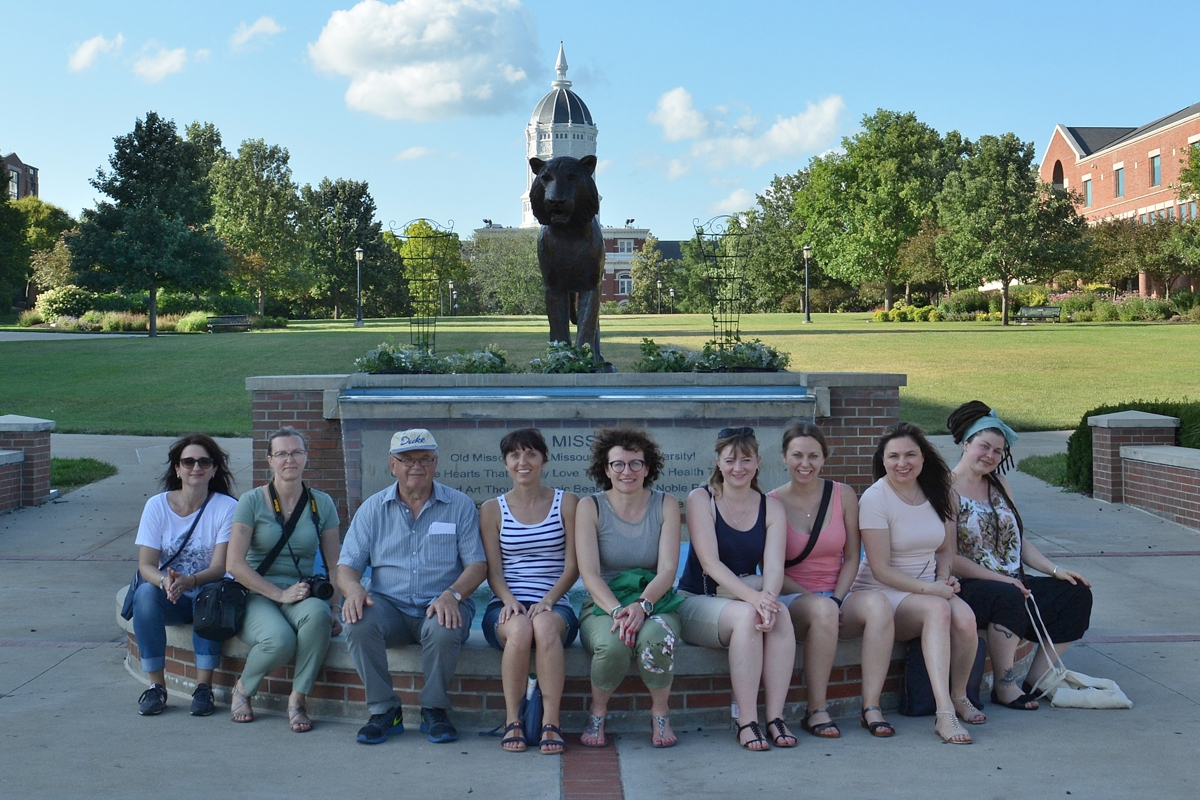
This year’s 10th ICPR was attended by 160 participants, including 10 scientists from our Institute. Prof. Agnieszka Waclawik and Prof. Monika M. Kaczmarek were invited by the organizers to have oral presentations during this conference.
Program and abstract book as well as some photos from ICPR 2017 are available at
http://muconf.missouri.edu/ICPR2017/ICPR-Proceedings.pdf and
https://www.flickr.com/photos/cafnr/sets/72157682966866830
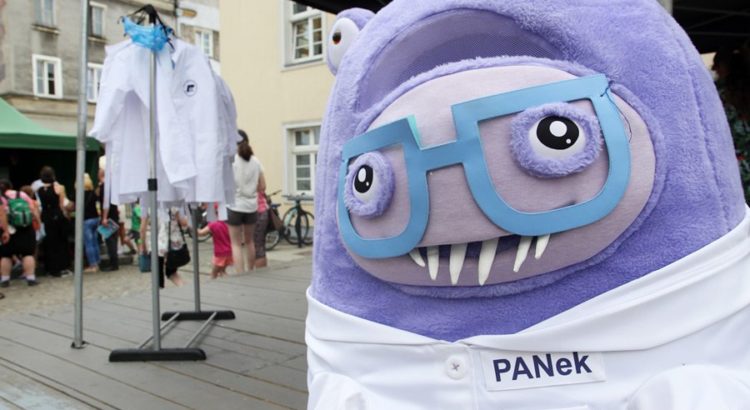
Picnic of Polish Academy of Sciences [photo and video]
3rd edition of ”SCIENCE is ART!” Family Picnic of the Polish Academy of Sciences has come to an end. Science shows, experiments, workshops prepared by scientists from 7 Institutes of the Polish Academy of Sciences, supported by researchers from Warsaw University and Poznań University of Life Sciences attracted a record-breaking number of attendees. (więcej…)
Science Picnic of Polish Radio and Copernicus Science Centre
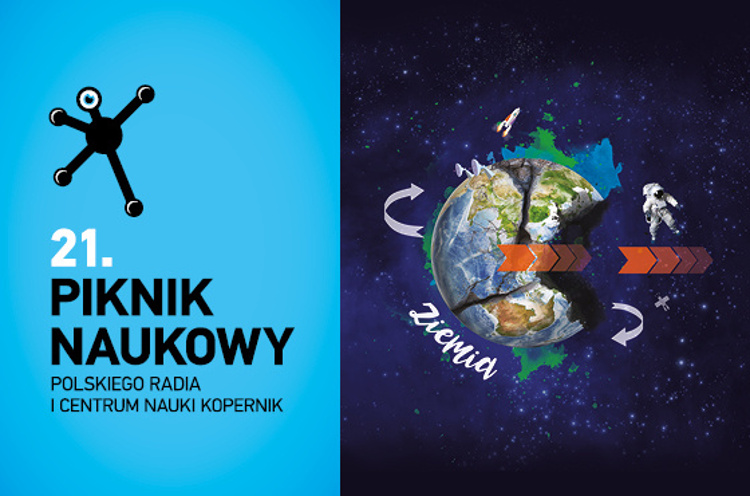
As every year, Institute’s researchers took part in the Science Picnic of the Polish Radio and Copernicus Science Centre in Warsaw. The main theme of the 21st edition of the Picnic was the EARTH.
Guests to the edutaining activities organized at the stand of the Institute of Animal Reproduction and Food Research PAS could i.a. discover the diversified world of microorganisms, understand their role in the nature, and try their hands at creating models of beneficial and pathogenic bacteria with the use of textiles. During the interactive science show “Who was here? Meet the residents of forests” we could admire the antler of red deer, check its age and, at the same time, gain knowledge on the behavior of this wild animal. Next, everyone could learn how to distinguish animals comparing traces they leave.
Workshops prepared by the Institute’s researchers were visited by a few thousand people, with the kids having made over 7 hundred bacteria models and over 500 microscope preparations.
We wish to express our gratitude to all scientists who engaged in the Picnic and shared their passion and knowledge with the guests.
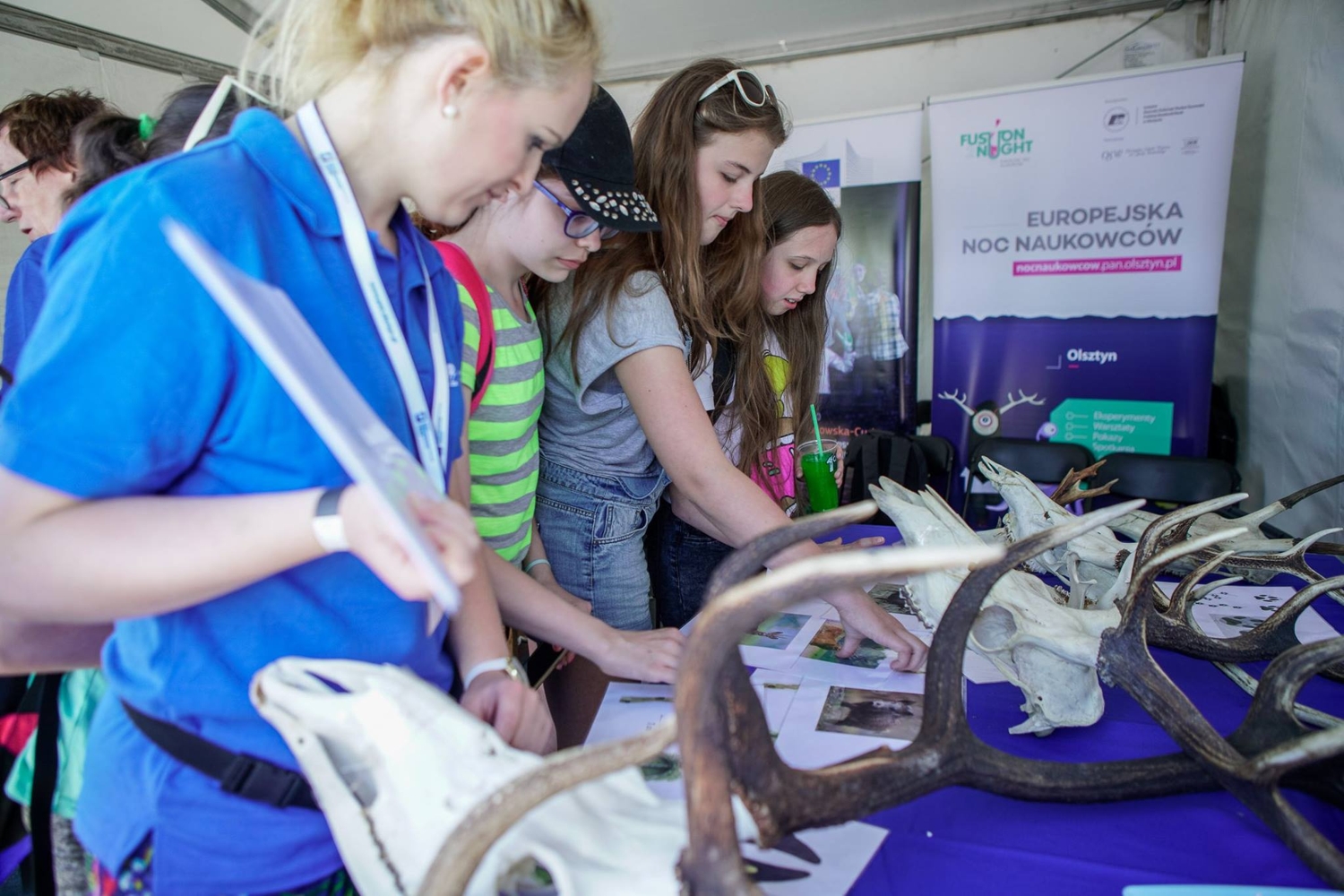
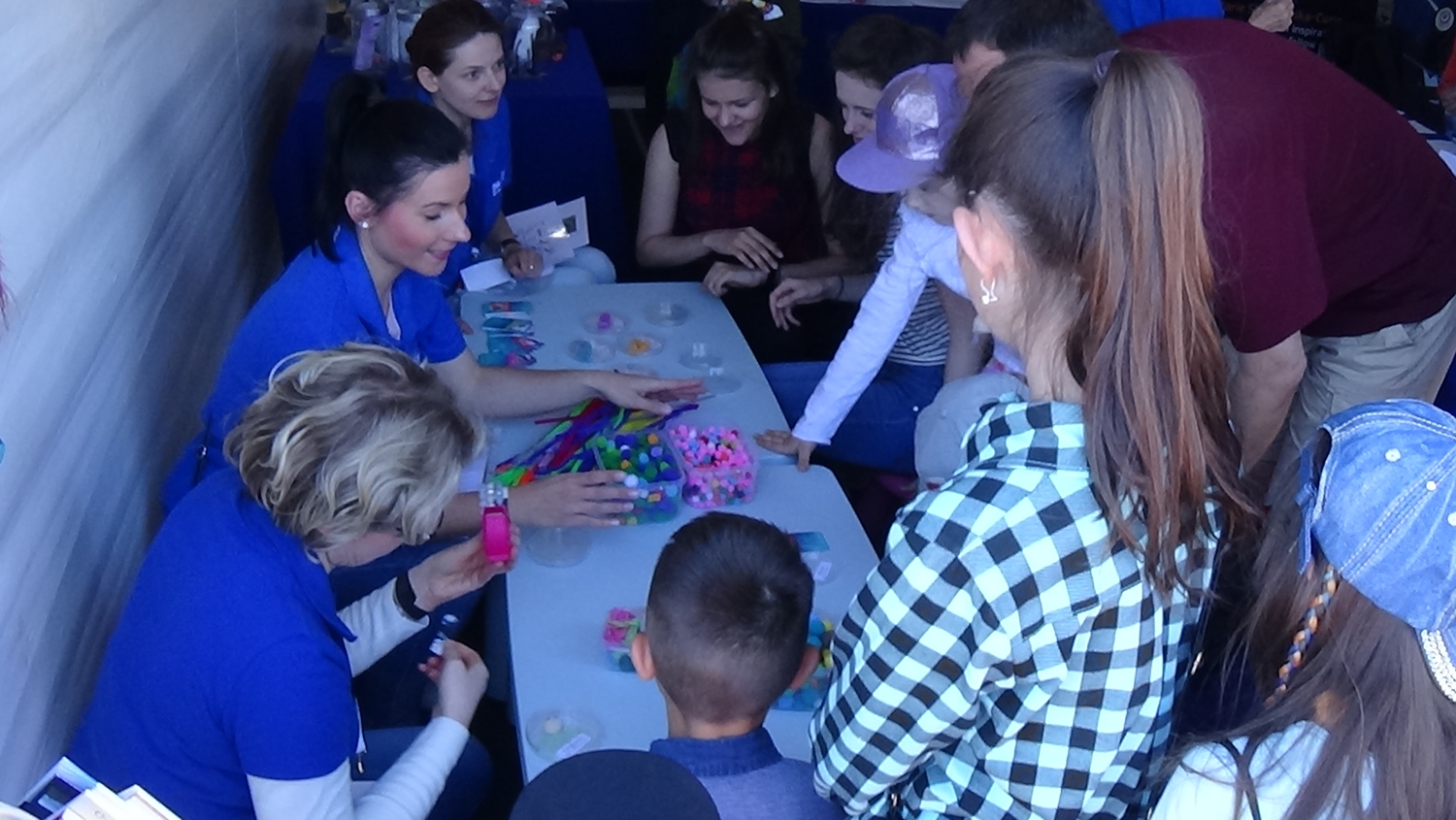
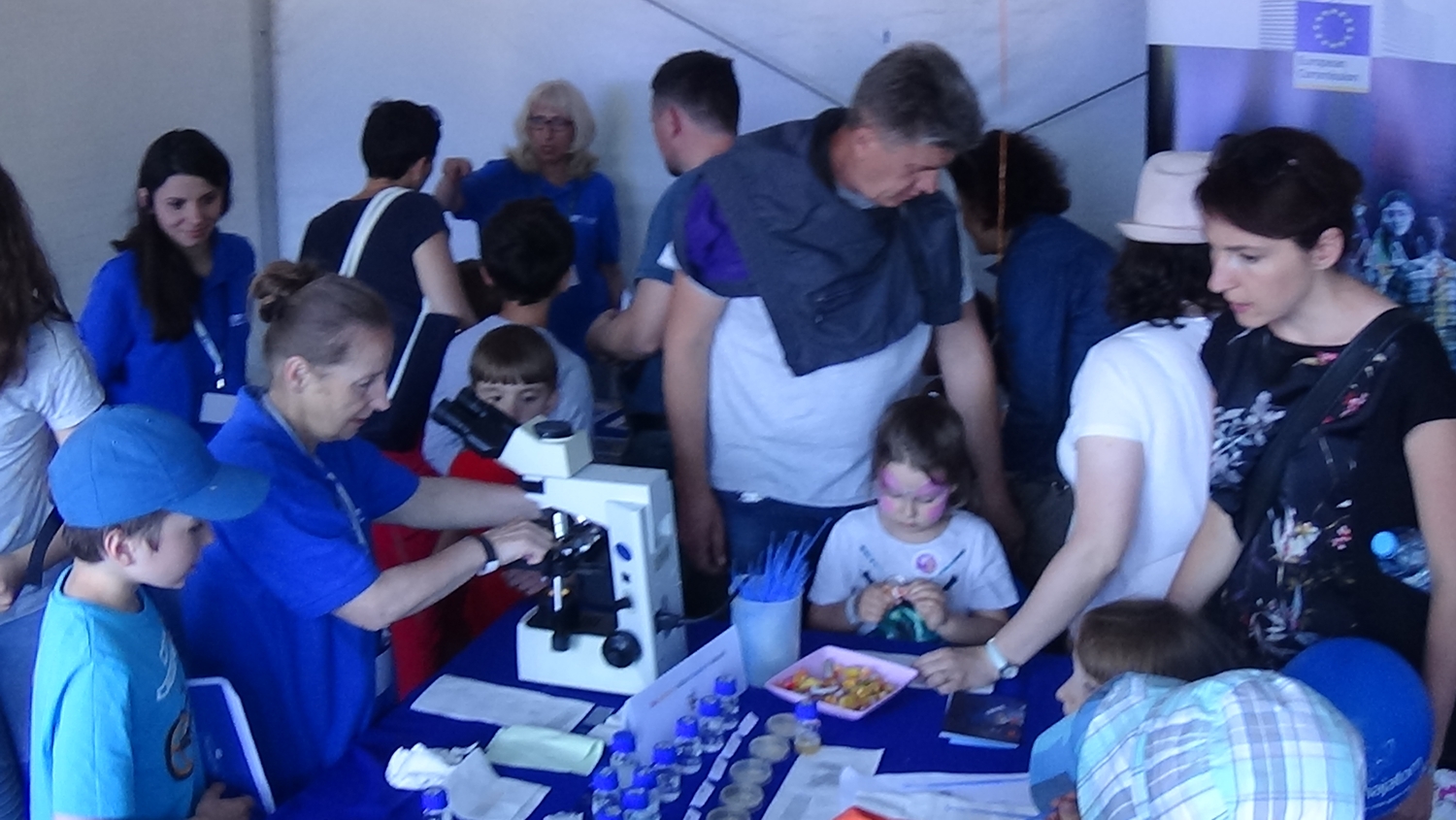
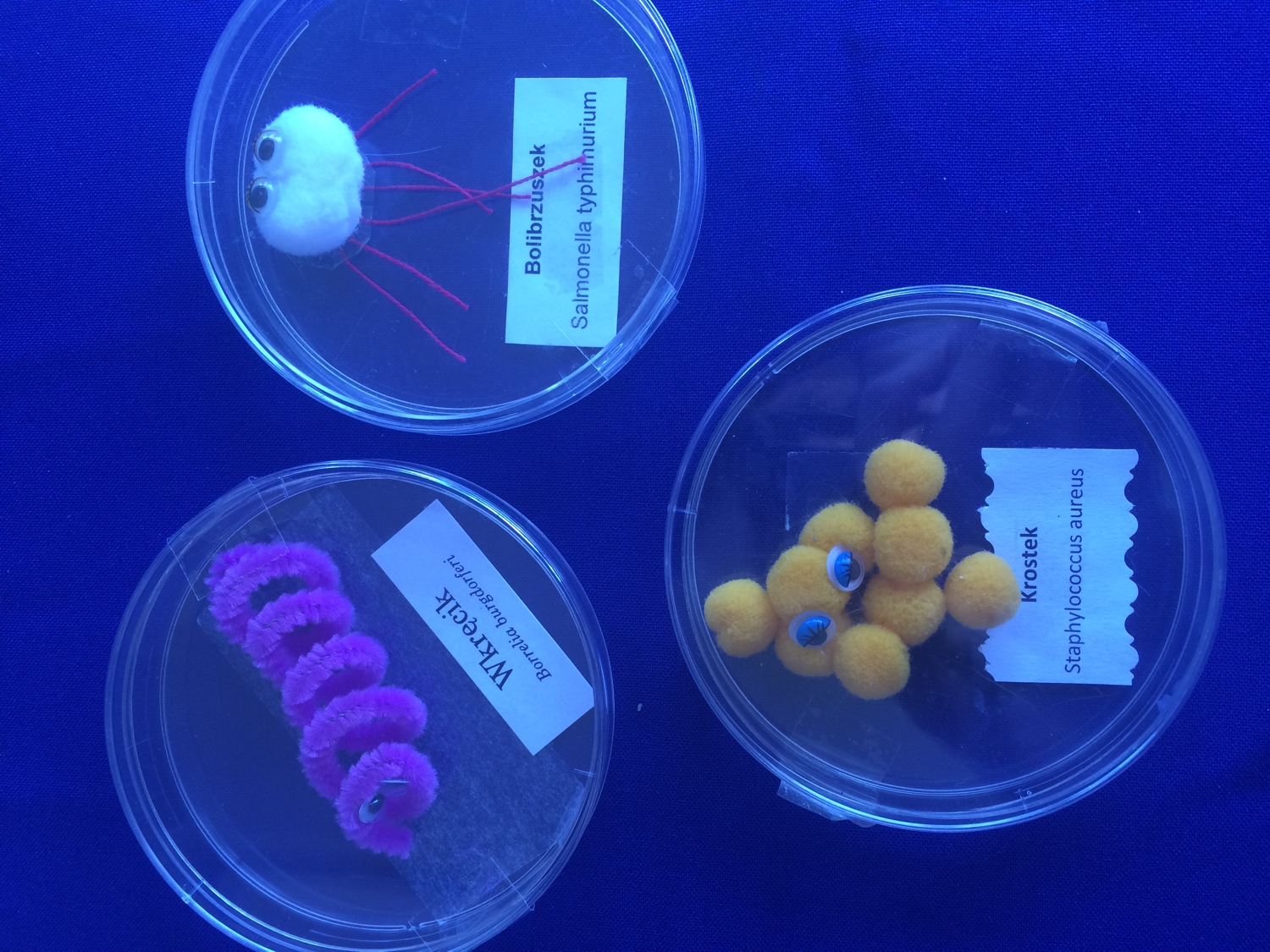
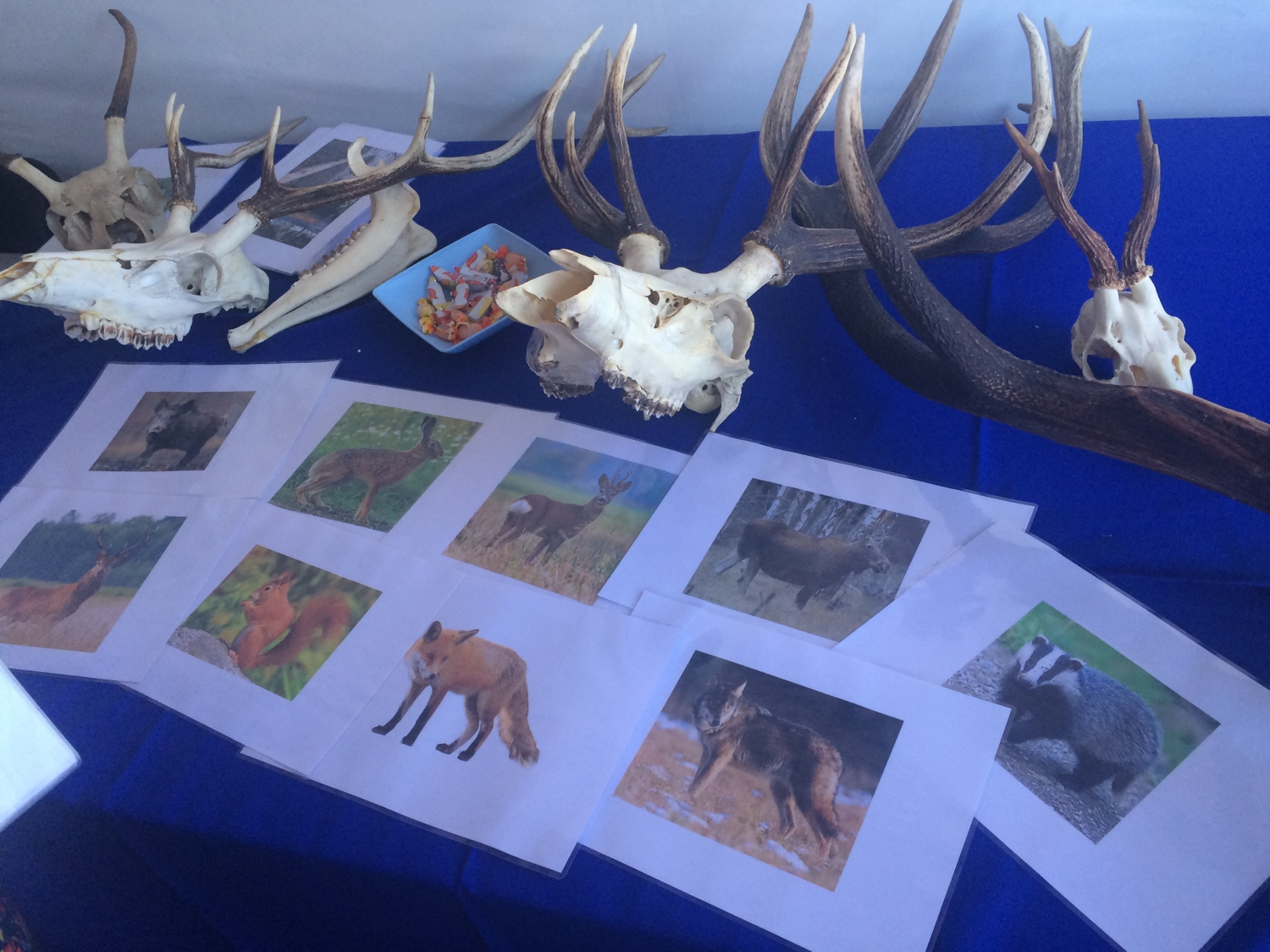
Photo journey around Japan
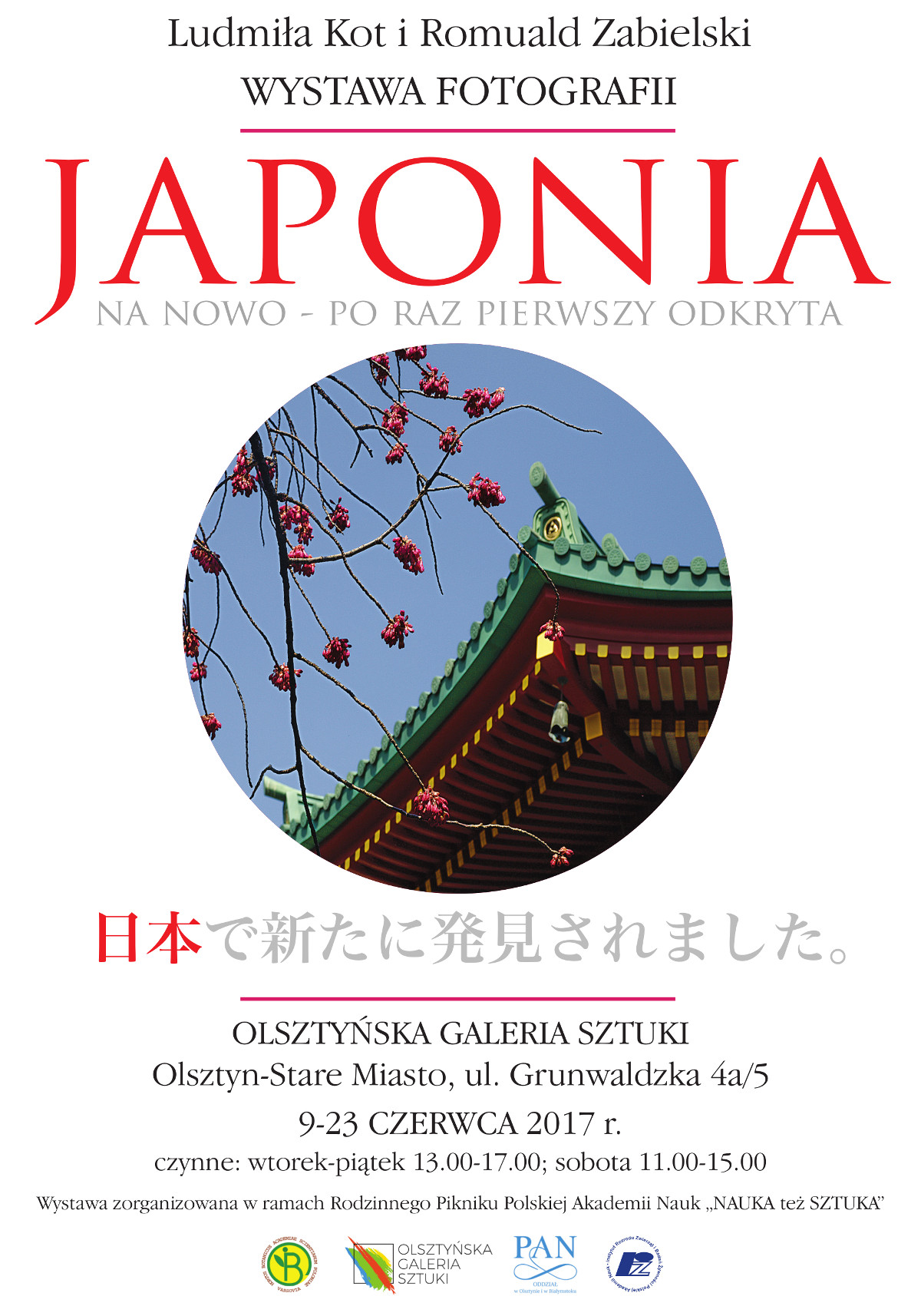
We cordially invite you to a photography exhibition by Ludmiła Kot and Prof. Romuald Zabielski entitled “Back to Japan – discovered for the first time”. The exhibition features pictures selected from the book released under the same title in 2016, as well as the latest photographs that have not yet been published. Authors, fascinated by the country of cherry blossoms, capture the diversity and countless contrasts, where modern constructions clash with harmonious temples and fortified castles, and narrow central districts collide with spacious and peaceful park around the walls of Tokyo Imperial Palace.
The exhibition has arrived to the Olsztyn Art Gallery after inauguration in the Polish Academy of Sciences Botanic Garden in Powsin after the Month of Japan under the honorary patronage of the Japan Embassy in Warsaw.
The vernissage of the exhibition will take place on July 9 at 18:00 at the Olsztyn Gallery of Art. (4a/5 Grunwaldzka Str.). The exhibition will be available for visitors until June 23.
„SCIENCE is ART!” Family Picnic of the Polish Academy of Sciences
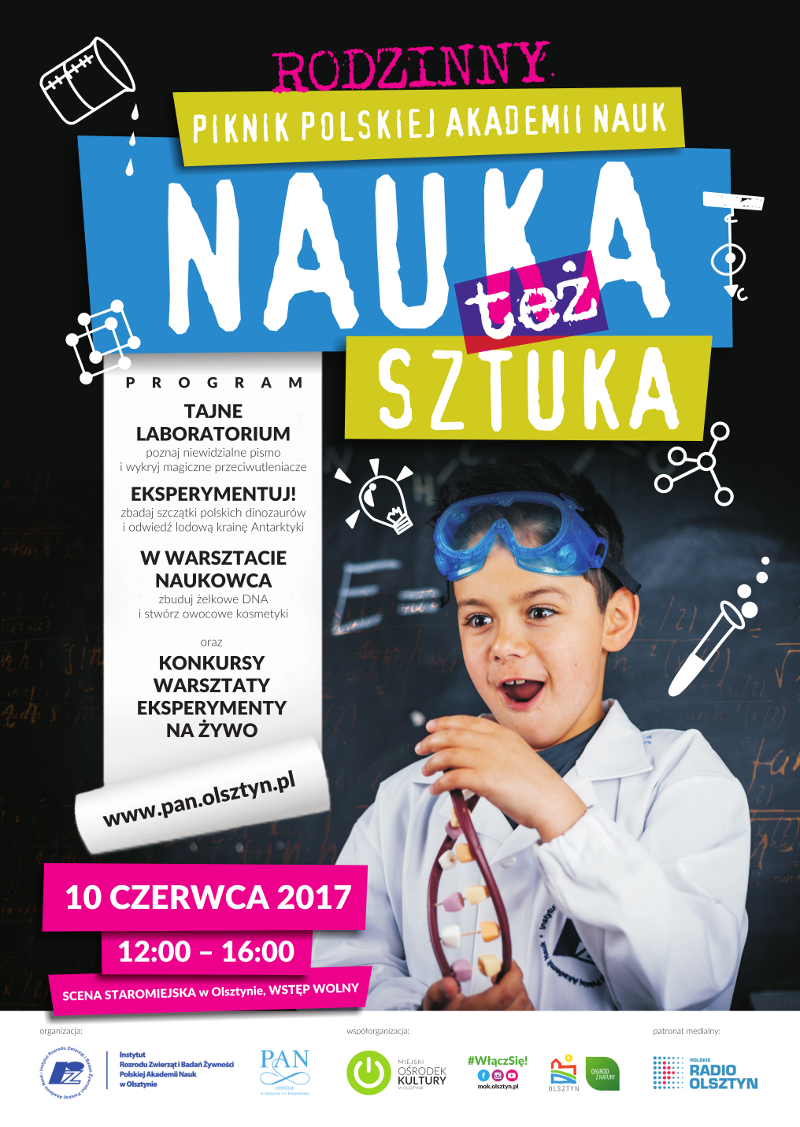
Writing secret messages with invisible ink, identifying magical antioxidants in drinks, studying fossils of Polish dinosaurs, experimenting in chemical laboratories, designing jelly DNA, composing cosmetics with lyophilized fruits, building gigantic bacteria, and learning the technique of seeing in the dark. These and many other edutaining activities will await guests of the “SCIENCE is ART!” Family Picnic of the Polish Academy of Sciences on June 10th in Olsztyn’s City Centre.
This is the 3rd edition of the Science Picnic organized by the Institute of Animal Reproduction and Food Research PAS in Olsztyn together with the Cultural Centre. Popular science shows, workshops, experiments and contests are a unique occasion to get an insight into the work of researchers, try our hands at scientific challenges and get inspired to explore the phenomena surrounding us every day. This year the Picnic will offer even more attractions than in the past editions. Organizers invited to Olsztyn partner scientists from other units of the Polish Academy of Science, e.g. Institute of Biochemistry and Biophysics, Institute of Organic Chemistry or Institute of Paleology, who will familiarize us with the Polish research in Antarctica, examine 230 million years old fossils, and teach us how to walk on water. Fascinating science demos will also be prepared by researchers from Warsaw University and Poznań University of Life Sciences, where we will experiment with the food products we use on daily basis and learn the troublesome art of finding a way in the forest.
We won’t forget about “bestsellers” to be ran by scientists from the Institute of Animal Reproduction and Food Research PAS. Organizers will prepare i.a. workshops on composing cosmetics with lyophilized fruits, contests examining the efficiency of our senses, experiments detecting pro-health antioxidants in drinks, workshops of building DNA with sweet jellies and competition in finding gluten in everyday food products.
Family Picnic of the Polish Academy of Sciences will start at 12:00 at the heart of Olsztyn’s Old Town and finish at 16:00. Free of charge.
Organizer: Institute of Animal Reproduction and Food Research PAS in Olsztyn
Co- organizer: Cultural Centre
Partner: Division of Polish Academy of Sciences in Olsztyn and Białystok headquartered in Olsztyn
Join us on Facebook