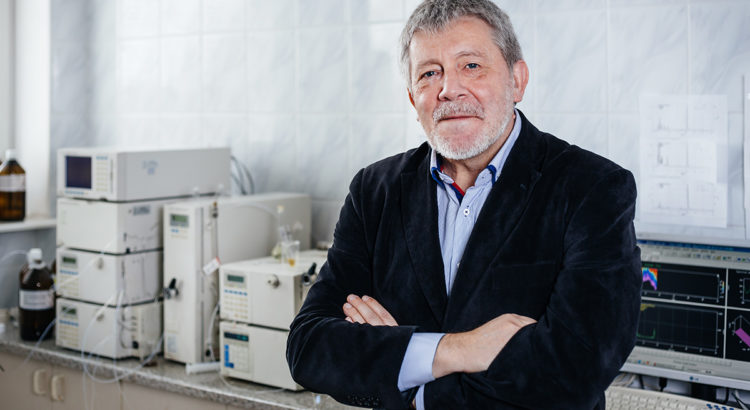
Prof. Ryszard Amarowicz has been invited as a Guest Editor to the special editions of 3 journals: Beverages; Foods (edited by MDPI – Multidisciplinary Digital Publishing Institute, Switzerland) and Bulgarian Chemical Communications. Titles of the editions comprise „Beverages Additive”, „Food Legumes: Physicochemical and Nutritional Properties”, and „Bio-antioxidants”. (więcej…)
Dr. Anna Michalska awarded „L’Oréal for Women in Science” scholarship
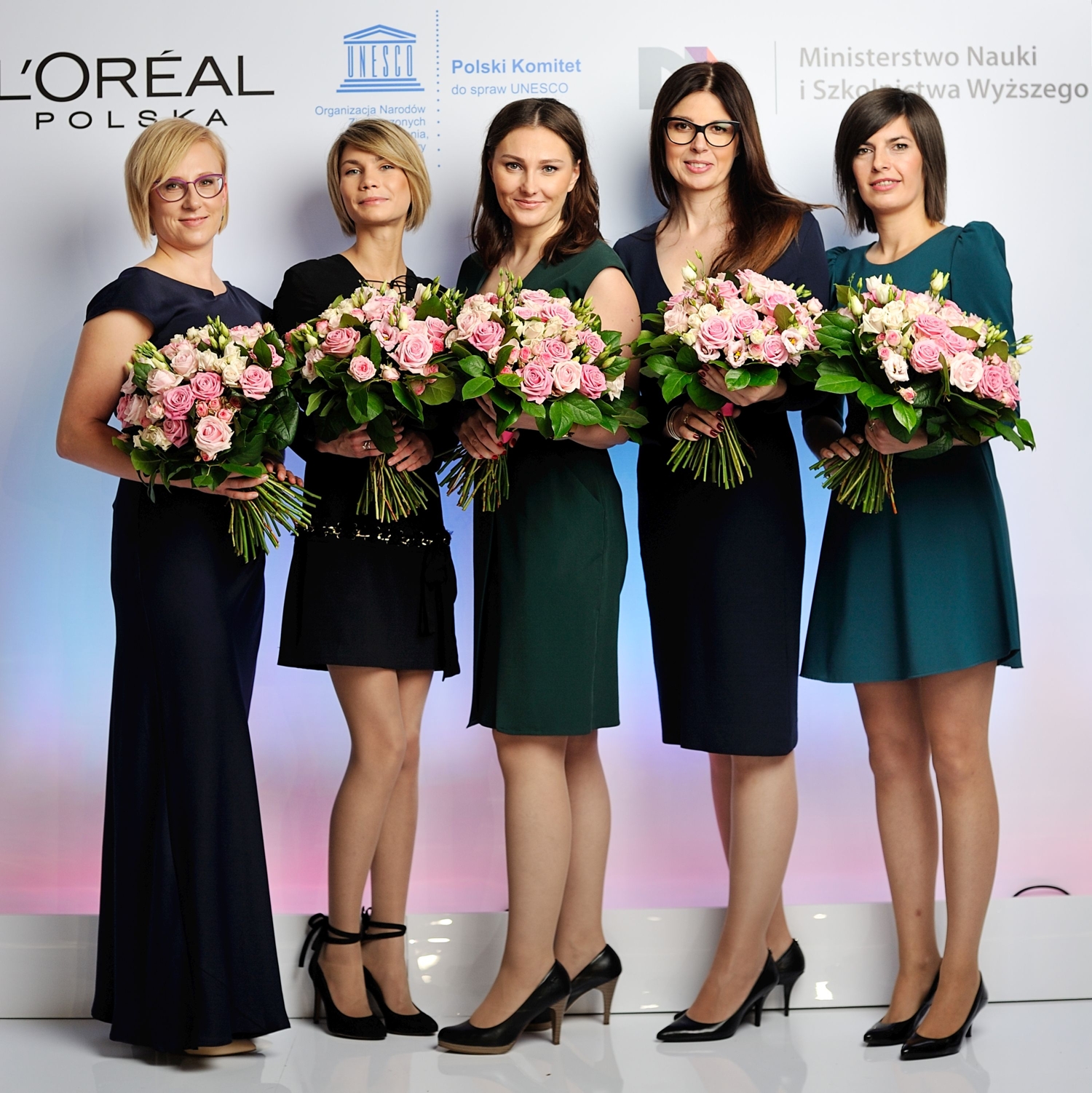
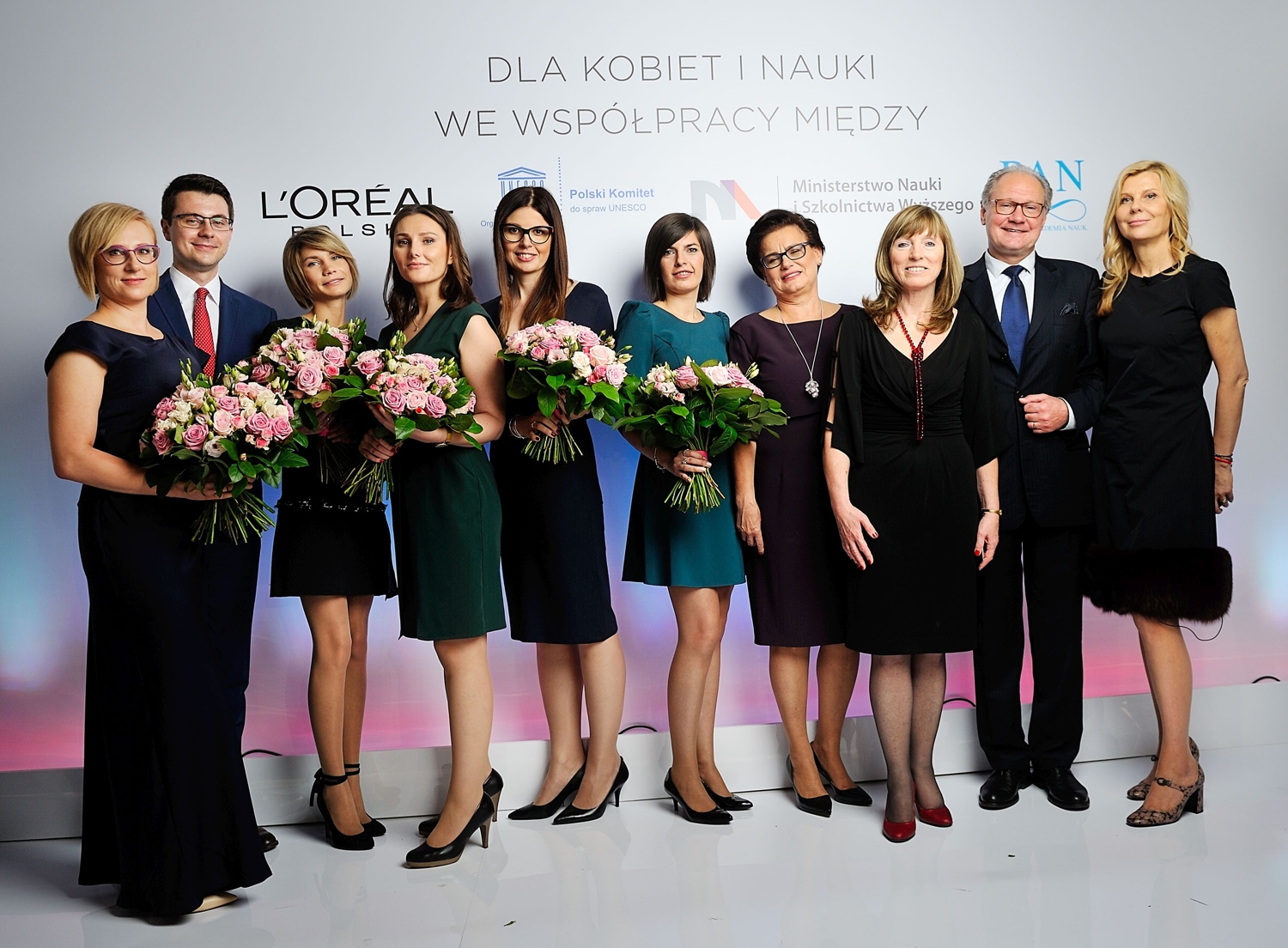
Dr. Anna Michalska from the Institute of Animal Reproduction and Food Research PAS in Olsztyn has received a prestigious scholarship „L’Oréal for Women in Science”. In Poland, this scholarship program is coordinated by L’Oréal Polska, Polish National Commission for UNESCO, Polish Academy of Sciences and Ministry of Science and Higher Education.
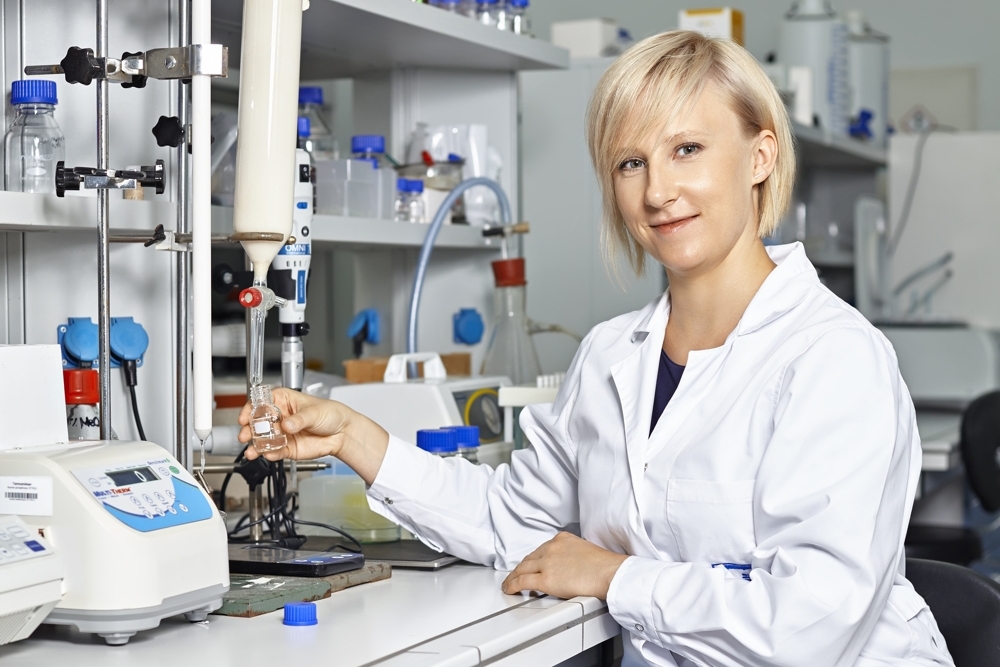
fot. Justyna Cieślikowska
„L’Oréal-UNESCO for Women in Science” initiative strives to support and recognize accomplished women researchers, to encourage more young women to enter the profession and to assist them once their careers are in progress. Female scientists distinguished in the competition represent various disciplines, yet are united by the excellent level of research they perform and the papers they publish. Their studies are also marked by a considerable developmental potential and a high technology readiness level.
In this year’s, 17th, edition of the contest jury recognized three habilitation scholarships. Dr. Anna Michalska from the Institute PAS in Olsztyn was awarded for her research on the technology of obtaining fruit powders with a desired content of prohealth bioactive compounds. Such powders, derived from natural fruit, may become an alternative for artificial additives or supplements commonly used in the food industry. This type of scholarship was also awarded to Dr. Agnieszka Gajewicz from the Faculty of Chemistry of the University of Gdańsk, and Dr. Marta Mańczuk from the Maria Skłodowska – Curie Memorial Cancer Centre in Warsaw.
Laureates of the scholarship are annually chosen by an independent body of 16 recognized researchers who represent different scientific areas and research institutions throughout Poland. So far 87 women researchers have been awarded this prestigious scholarship.
Best Poster Award
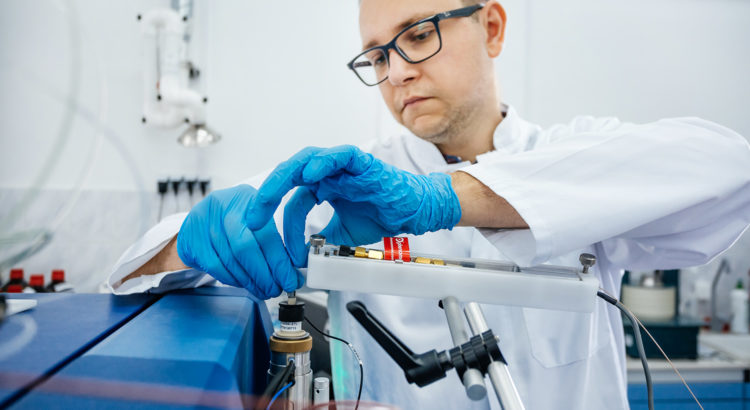
During EuroFoodChem XIX Conference held October 4-6, 2017 in Budapest, Tomasz Sawicki, a PhD student at the Institute’s Department of Chemistry and Biodynamics of Food, was recognized with The Best Poster Award for his presentation titled „Absorption of red beetroot betalains from rat stomach”. The award involves a free participation in the next edition of the EuroFoodChem Conference, which to take place in Portugal. (więcej…)
Prof. Agnieszka Waclawik has been nominated to International Committee of ICPR
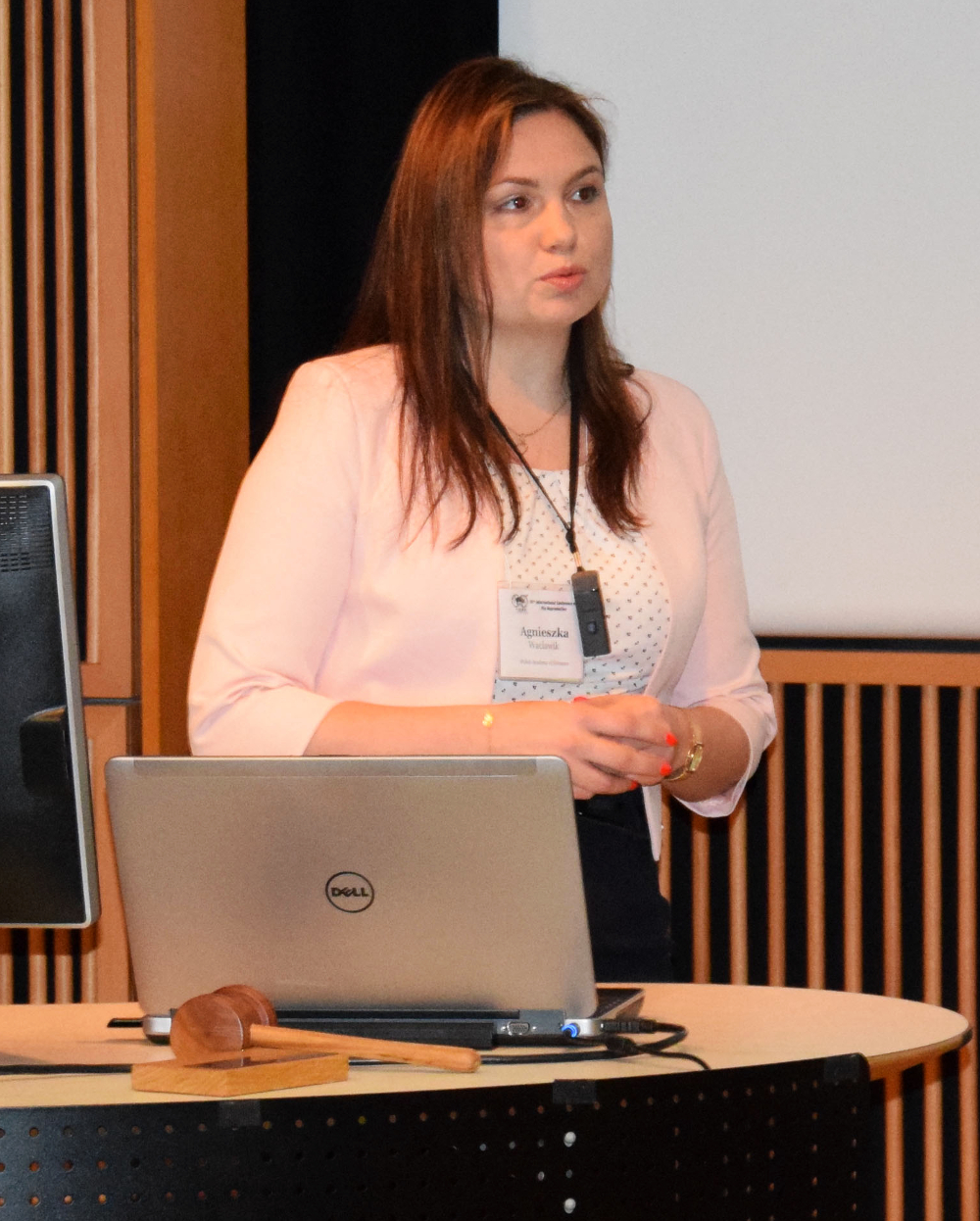
It is our pleasure to inform that one of our scientists Prof. Agnieszka Waclawik, has been nominated to International Committee, which organizes cyclic scientific meetings International Conference of Pig Reproduction (ICPR). This nomination was announced during 10th International Conference of Pig Reproduction held in University of Missouri in Columbia, USA, on June 11-14, 2017.
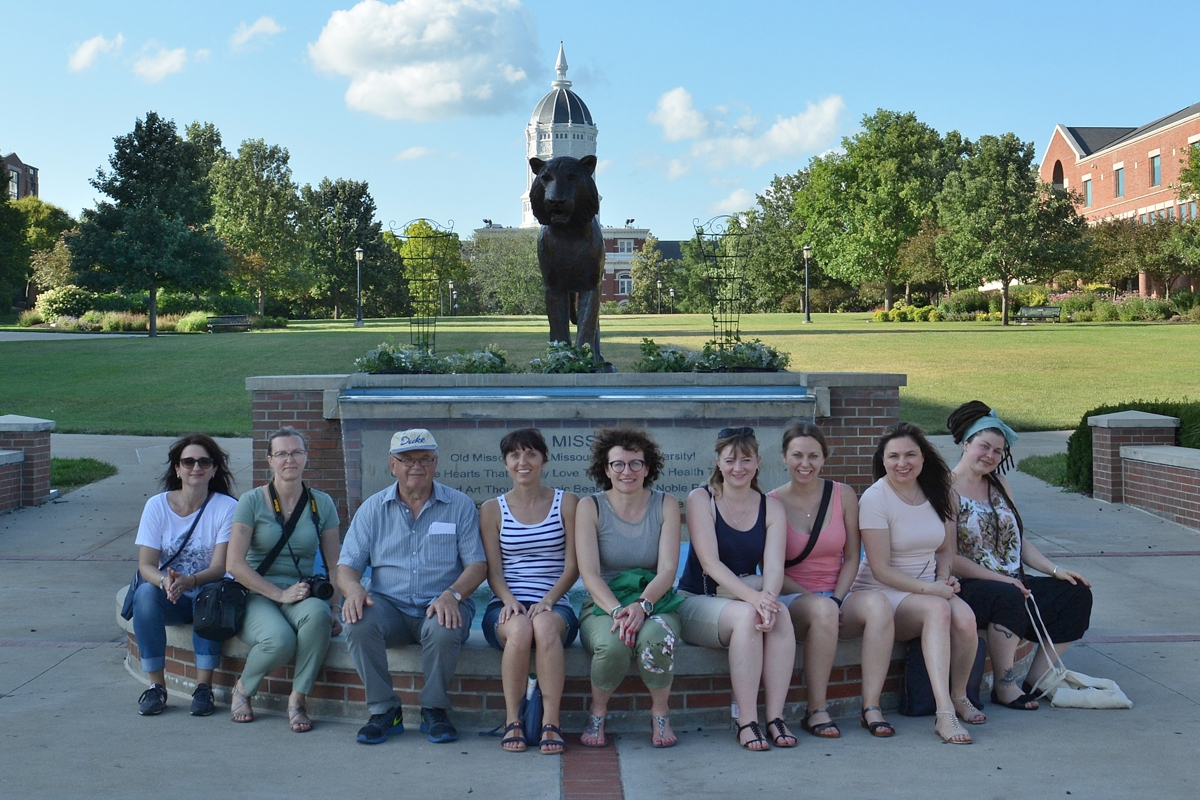
International Conference of Pig Reproduction embraces scientists focused on both basic and applied aspects of reproduction in pigs. This Conference is organized every 4 years in different countries in the world. Professor Adam J. Ziecik served as a member of International Committee of ICPR for years 2006-2013 and our Institute was co-organizer of 9th ICPR in 2013 in Olsztyn.
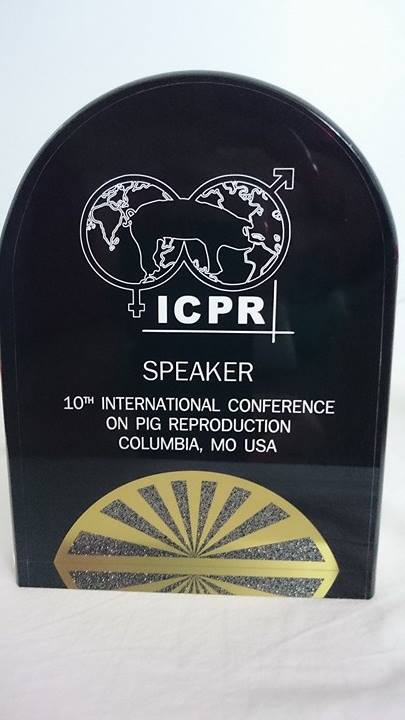
This year’s 10th ICPR was attended by 160 participants, including 10 scientists from our Institute. Prof. Agnieszka Waclawik and Prof. Monika M. Kaczmarek were invited by the organizers to have oral presentations during this conference.
Program and abstract book as well as some photos from ICPR 2017 are available at
http://muconf.missouri.edu/ICPR2017/ICPR-Proceedings.pdf and
https://www.flickr.com/photos/cafnr/sets/72157682966866830
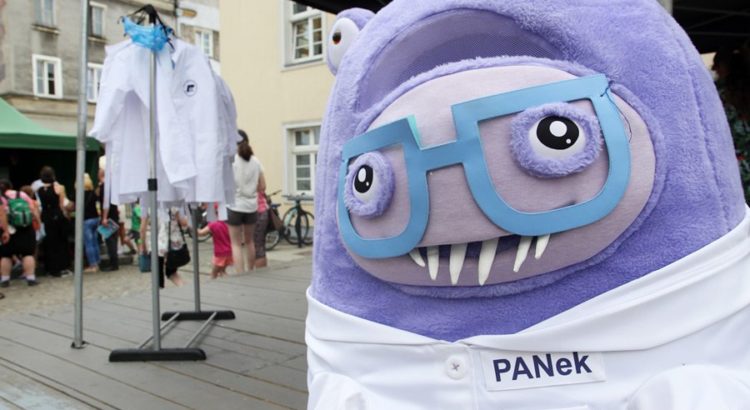
Picnic of Polish Academy of Sciences [photo and video]
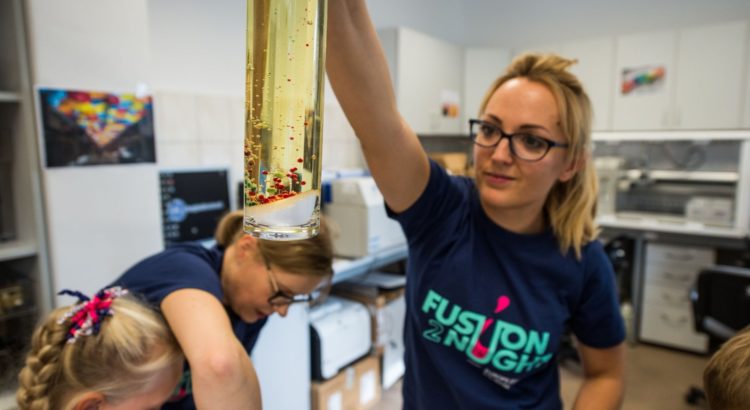
3rd edition of ”SCIENCE is ART!” Family Picnic of the Polish Academy of Sciences has come to an end. Science shows, experiments, workshops prepared by scientists from 7 Institutes of the Polish Academy of Sciences, supported by researchers from Warsaw University and Poznań University of Life Sciences attracted a record-breaking number of attendees. (więcej…)