
Dr. Urszula Krupa‑Kozak honored in the Women of Success Warmia and Mazury Awards
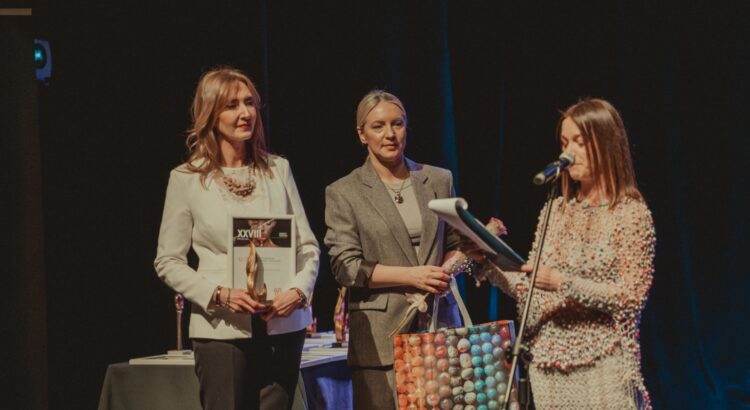
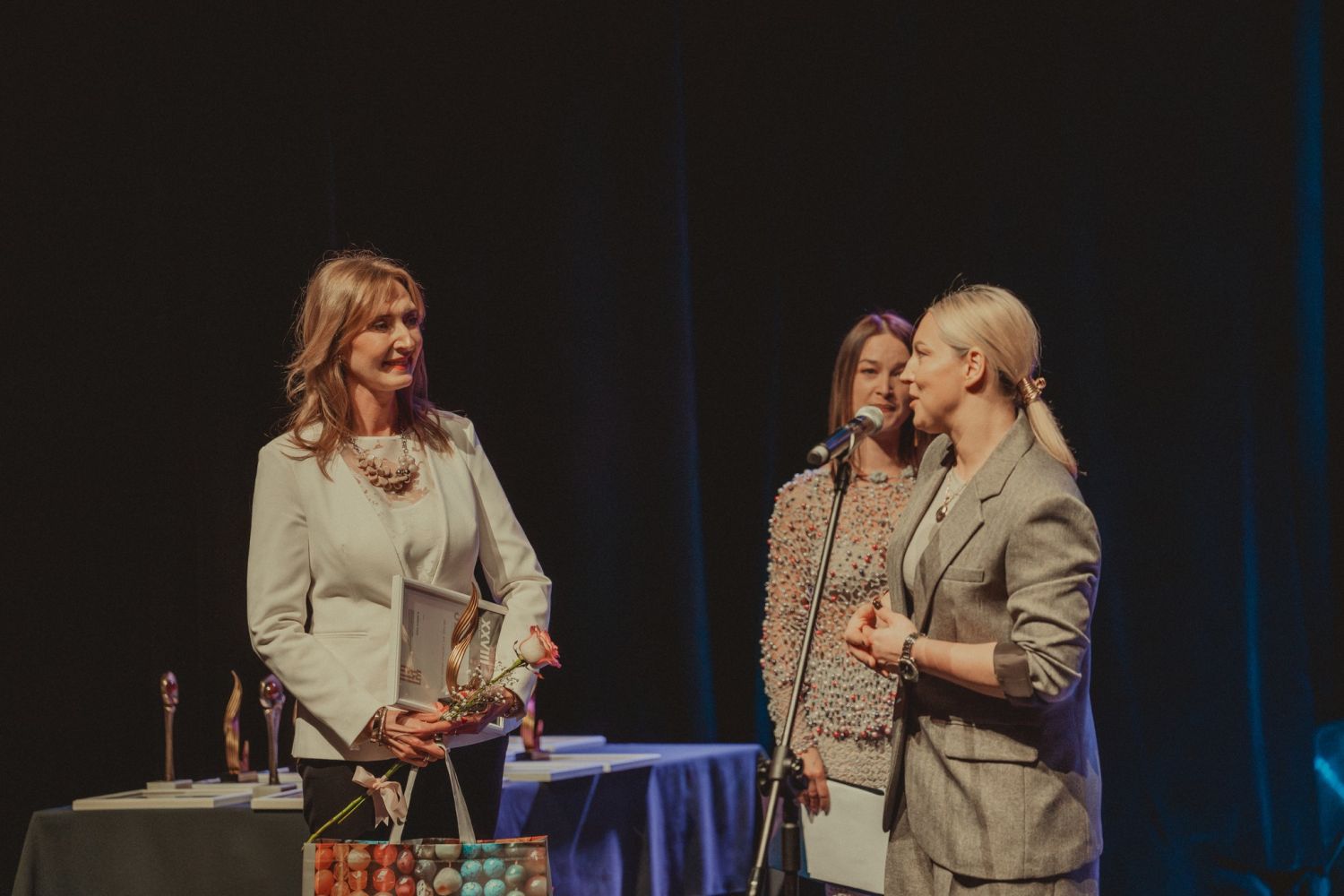
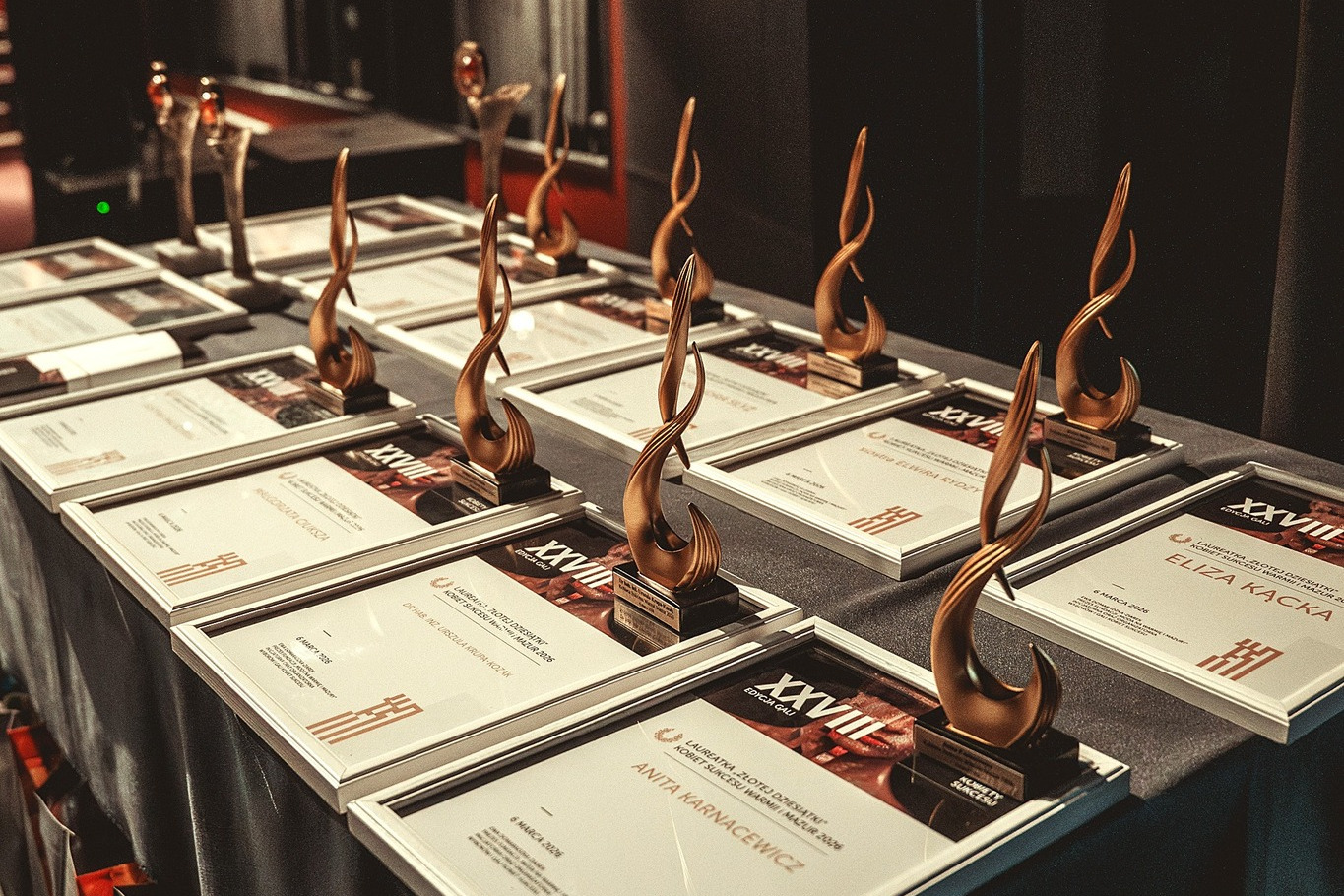
Our scientist – Dr. Urszula Krupa‑Kozak, Professor at the InLife Institute – was recognized in the prestigious Women of Success Warmia and Mazury 2026 awards. The ceremonial gala took place on March 6 at the Ełk Cultural Center, where, for the 28th time, women who contribute to the development of the Warmia and Mazury region through their passion and dedication were honored.
Dr. Krupa‑Kozak is a renowned researcher in food technology and nutrition, specializing in gluten-free food technology. For nearly two decades, she has been conducting pioneering research aimed at improving the technological, sensory, and nutritional quality of gluten-free products, using innovative plant-based ingredients and raw materials aligned with the principles of sustainable development. Her work combines cutting-edge technological research with clinical aspects of dietary therapy for gluten-related disorders, as well as education, health promotion, and mentoring the next generation of scientists.
She is the author of numerous publications highly regarded in both national and international scientific communities and a co-inventor of patents that set new directions in gluten-free food. Her research has a tangible impact on improving the quality of life for people with gluten intolerance and promoting healthy dietary standards.
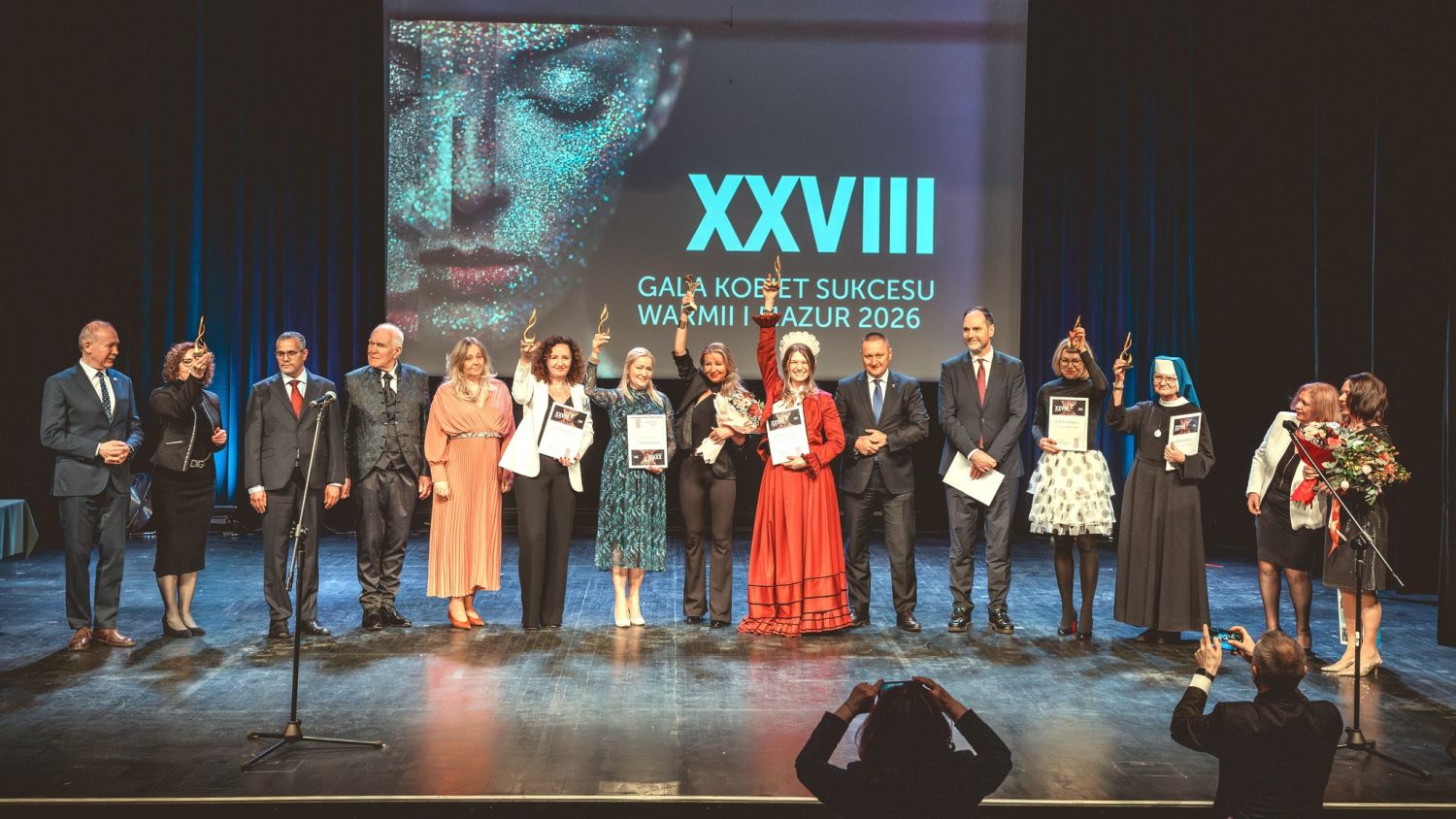
The Women of Success Warmia and Mazury awards have a history spanning over 20 years – the first gala was held in 1999 at the Olsztyn Castle. Every year, the event celebrates how women bring their work, passion, and courage to enrich the region. It is also worth noting that in 2017, the current director of InLife, Monika Kaczmarek, was among the awardees.
Dr hab. Urszula Krupa‑Kozak wyróżniona w Plebiscycie Kobiet Sukcesu Warmii i Mazur
Nasza naukowczyni – dr hab. inż. Urszula Krupa‑Kozak, prof. Instytutu InLife – została uhonorowana w prestiżowym plebiscycie Kobiety Sukcesu Warmii i Mazur 2026. Uroczysta gala odbyła się 6 marca w Ełckim Centrum Kultury, gdzie po raz 28. wyróżniono kobiety, które swoją pasją i zaangażowaniem wpływają na rozwój Warmii i Mazur.
Dr Krupa‑Kozak jest uznaną badaczką w dziedzinie technologii żywności i żywienia, specjalizującą się w technologii żywności bezglutenowej. Od niemal dwóch dekad prowadzi pionierskie badania nad poprawą jakości technologicznej, sensorycznej i odżywczej produktów bezglutenowych, wykorzystując innowacyjne składniki roślinne i surowce wpisujące się w ideę zrównoważonego rozwoju. Jej prace łączą nowoczesne badania technologiczne z klinicznymi aspektami dietoterapii chorób glutenozależnych, a także edukacją, profilaktyką zdrowotną i kształceniem młodych naukowców.
Jest autorką licznych publikacji naukowych cenionych w kraju i za granicą oraz współtwórczynią patentów, które wyznaczają nowe kierunki w żywności bezglutenowej. Jej badania mają realny wpływ na poprawę jakości życia osób z nietolerancją glutenu i promowanie zdrowych standardów żywieniowych.
Plebiscyt Kobiety Sukcesu Warmii i Mazur ma już ponad 20-letnią historię – pierwsza gala odbyła się w 1999 roku w olsztyńskim zamku. To wydarzenie, które co roku przypomina, jak wiele kobiet swoją pracą, pasją i odwagą wnosi w życie regionu. Warto też przypomnieć, że w 2017 roku w plebiscycie wyróżnienie odebrała obecna dyrektor InLife, Monika Kaczmarek.
Technolog /technolożka w Laboratorium Biologii Molekularnej – umowa na zastępstwo
InLife Instytut Rozrodu Zwierząt i Badań Żywności Polskiej Akademii Nauk poszukuje kandydata/kandydatki na stanowisko:
Technolog /technolożka w Laboratorium Biologii Molekularnej – umowa na zastępstwo
Zakres obowiązków:
- Dbanie o prawidłowe funkcjonowanie laboratorium, w tym kalibracja urządzeń,
- Obsługa sprzętów laboratoryjnych,
- Wsparcie techniczne i merytoryczne naukowców w wykonywaniu badań z zakresu biologii molekularnej,
- Prowadzenie ewidencji odczynników i materiałów zużywalnych,
- Prowadzenie bieżącej dokumentacji,
- Monitorowanie i rejestrowanie warunków środowiska,
- Gospodarka odpadami szkodliwymi powstałymi w laboratorium.
Wymagania:
- Wykształcenie wyższe (nauki biologiczne lub pokrewne),
- Praktyczna znajomość podstawowych technik biologii molekularnej (np. izolacja kwasów nukleinowych, real-time PCR),
- Dobra znajomość pakietu MS Office,
- Znajomość języka angielskiego na poziomie min. B2,
- Wysoko rozwinięte umiejętności interpersonalne,
- Bardzo dobra organizacja pracy,
- Samodzielność i skrupulatność w realizacji powierzonych zadań,
- Umiejętność pracy w zespole.
Mile widziane:
- Doświadczenie w pracy laboratoryjnej,
- Znajomość zasad dobrej praktyki laboratoryjnej.
Oferujemy:
- Umowa o pracę na zastępstwo (pełen etat),
- Wynagrodzenie zasadnicze: 5510,00 zł,
- Stabilne środowisko pracy w wiodącym ośrodku naukowym,
- Świadczenia z ZFŚS,
- Dostęp do platformy nauki języka angielskiego dla pracownika i członka rodziny,
- Dofinansowanie do sportu (Multisport).
Wymagane dokumenty:
- życiorys (CV),
- inne dokumenty, które mogą mieć znaczenie przy ocenie aplikacji.
Termin i miejsce składania dokumentów:
Dokumenty aplikacyjne należy składać na adres mailowy: rekrutacja@pan.olsztyn.pl (w tytule: Konkurs na stanowisko technologa w LBM)
lub na adres:
InLife Instytut Rozrodu Zwierząt Badań Żywności PAN,
Sekcja Rozwoju Zasobów Ludzkich
ul. Trylińskiego 18,
10-683 Olsztyn
z dopiskiem „Konkurs na stanowisko technologa w LBM”.
Termin składania dokumentów upływa w dniu 20.03.2026 r.
Po dokonaniu analizy nadesłanych zgłoszeń, skontaktujemy się z wybranymi kandydatami celem przeprowadzenia dalszych etapów procesu rekrutacji.
Instytut zastrzega sobie prawo wcześniejszego zamknięcia procesu rekrutacji w przypadku znalezienia odpowiedniego Kandydata.
W CV prosimy o umieszczenie klauzuli zgody na przetwarzanie przez nas danych osobowych w procesie rekrutacji:
„Wyrażam zgodę na przetwarzanie moich danych osobowych zawartych w dokumentach aplikacyjnych przez InLife Instytut Rozrodu Zwierząt i Badań Żywności PAN z siedzibą 10-683 Olsztyn ul. Trylińskiego 18, w celu realizacji procesu rekrutacji”.
Klauzula informacyjna:
- Administratorem danych osobowych przetwarzanych w ramach procesu rekrutacji jest InLife Instytut Rozrodu Zwierząt i Badań Żywności Polskiej Akademii Nauk z siedzibą 10-683 Olsztyn ul. Trylińskiego 18, tel. 89 500 32 00, e-mail: instytut@pan.olsztyn.pl.
- Kontakt z inspektorem ochrony danych osobowych jest możliwy pod adresem: iodo@pan.olsztyn.pl.
- Podane dane osobowe przetwarzane będą w celu realizacji obecnego procesu rekrutacji i przechowywane do czasu jego zakończenia na podstawie wyrażonej zgody (zgodnie z art. 6 ust. 1 lit. a RODO).
- Osobie, której dane dotyczą przysługuje prawo do cofnięcia zgody w dowolnym momencie bez wpływu na zgodność z prawem przetwarzania, którego dokonano na podstawie zgody przed jej cofnięciem.
- Osobie, której dane dotyczą przysługuje prawo dostępu do swoich danych osobowych, żądania ich sprostowania lub usunięcia. Wniesienie żądania usunięcia danych jest równoznaczne z rezygnacją z udziału w procesie niniejszej rekrutacji. Ponadto przysługuje jej prawo do żądania ograniczenia przetwarzania w przypadkach określonych w art. 18 RODO.
- Osobie, której dane dotyczą, przysługuje prawo do wniesienia skargi do prezesa Urzędu Ochrony Danych Osobowych na niezgodne z prawem przetwarzanie jej danych osobowych. Organ ten będzie właściwy do rozpatrzenia skargi z tym, że prawo wniesienia skargi dotyczy wyłącznie zgodności z prawem przetwarzania danych osobowych, nie dotyczy zaś przebiegu rekrutacji.
- Dane udostępnione nie będą podlegały profilowaniu ani udostępnieniu podmiotom czy państwom trzecim. Odbiorcami danych mogą być instytucje upoważnione z mocy prawa.
- Podanie danych zawartych w dokumentach rekrutacyjnych nie jest obowiązkowe, jednak jest warunkiem koniecznym do udziału w procesie rekrutacji.
Osoba ds. magazynu i zaopatrzenia (umowa na zastępstwo)
InLife Instytut Rozrodu Zwierząt i Badań Żywności Polskiej Akademii Nauk poszukuje kandydata/kandydatki na stanowisko:
Osoby ds. magazynu i zaopatrzenia w Dziale Zamówień Publicznych
Zakres obowiązków:
- Wprowadzanie danych do systemu,
- Składanie i kontrola realizacji zamówień,
- Przyjmowanie dostaw, rozładunek towaru oraz jego wydawanie,
- Zapewnienie prawidłowego składowania towaru w magazynie oraz odpowiedniego rozmieszczenia towarów, kontrola pod względem ilościowym i jakościowym,
- Utrzymanie porządku w miejscu pracy.
Wymagania:
- Wykształcenie: minimum średnie,
- Doświadczenie zawodowe: co najmniej 1 rok w pracy na stanowisku magazynier/zaopatrzeniowiec,
- Obsługa pakietu Office w podstawowym zakresie (tworzenie zamówień w Word, obsługa i aktualizacja zestawień danych w Excel),
- Umiejętność pracy w grupie i dobra organizacja pracy,
- Komunikatywność,
- Rzetelność, dokładność, sumienność,
- Zaangażowanie.
Warunki zatrudnienia:
- Umowa o pracę na zastępstwo (pełen etat),
- Wynagrodzenie zasadnicze: 5300,00 – 5600,00 zł,
- Planowane rozpoczęcie pracy: marzec/kwiecień 2026
Co oferujemy:
- Dostęp do platformy nauki języka angielskiego dla pracownika i członka rodziny,
- Świadczenia z ZFŚS,
- Dofinansowanie do sportu (karta Multisport).
Wymagane dokumenty:
- życiorys (CV),
- inne dokumenty, które mogą mieć znaczenie przy ocenie aplikacji.
Termin i miejsce składania dokumentów:
Dokumenty aplikacyjne należy składać w terminie do dnia 20.03.2026 roku na adres mailowy: rekrutacja@pan.olsztyn.pl (w tytule proszę wpisać: konkurs na stanowisko magazynier/ zaopatrzeniowiec).
Po dokonaniu analizy nadesłanych zgłoszeń, skontaktujemy się z wybranymi kandydatami celem przeprowadzenia dalszych etapów procesu rekrutacji.
Instytut zastrzega sobie prawo wcześniejszego zamknięcia procesu rekrutacji w przypadku znalezienia odpowiedniego Kandydata.
W CV prosimy o umieszczenie klauzuli zgody na przetwarzanie przez nas danych osobowych w procesie rekrutacji:
„Wyrażam zgodę na przetwarzanie moich danych osobowych zawartych w dokumentach aplikacyjnych przez InLife Instytut Rozrodu Zwierząt i Badań Żywności PAN z siedzibą 10-683 Olsztyn ul. Trylińskiego 18, w celu realizacji procesu rekrutacji”.
Klauzula informacyjna:
- Administratorem danych osobowych przetwarzanych w ramach procesu rekrutacji jest InLife Instytut Rozrodu Zwierząt i Badań Żywności Polskiej Akademii Nauk z siedzibą 10-683 Olsztyn ul. Trylińskiego 18, tel. 89 500 32 00, e-mail: instytut@pan.olsztyn.pl.
- Kontakt z inspektorem ochrony danych osobowych jest możliwy pod adresem: iodo@pan.olsztyn.pl.
- Podane dane osobowe przetwarzane będą w celu realizacji obecnego procesu rekrutacji i przechowywane do czasu jego zakończenia na podstawie wyrażonej zgody (zgodnie z art. 6 ust. 1 lit. a RODO).
- Osobie, której dane dotyczą przysługuje prawo do cofnięcia zgody w dowolnym momencie bez wpływu na zgodność z prawem przetwarzania, którego dokonano na podstawie zgody przed jej cofnięciem.
- Osobie, której dane dotyczą przysługuje prawo dostępu do swoich danych osobowych, żądania ich sprostowania lub usunięcia. Wniesienie żądania usunięcia danych jest równoznaczne z rezygnacją z udziału w procesie niniejszej rekrutacji. Ponadto przysługuje jej prawo do żądania ograniczenia przetwarzania w przypadkach określonych w art. 18 RODO.
- Osobie, której dane dotyczą, przysługuje prawo do wniesienia skargi do prezesa Urzędu Ochrony Danych Osobowych na niezgodne z prawem przetwarzanie jej danych osobowych. Organ ten będzie właściwy do rozpatrzenia skargi z tym, że prawo wniesienia skargi dotyczy wyłącznie zgodności z prawem przetwarzania danych osobowych, nie dotyczy zaś przebiegu rekrutacji.
- Dane udostępnione nie będą podlegały profilowaniu ani udostępnieniu podmiotom czy państwom trzecim. Odbiorcami danych mogą być instytucje upoważnione z mocy prawa.
- Podanie danych zawartych w dokumentach rekrutacyjnych nie jest obowiązkowe, jednak jest warunkiem koniecznym do udziału w procesie rekrutacji.
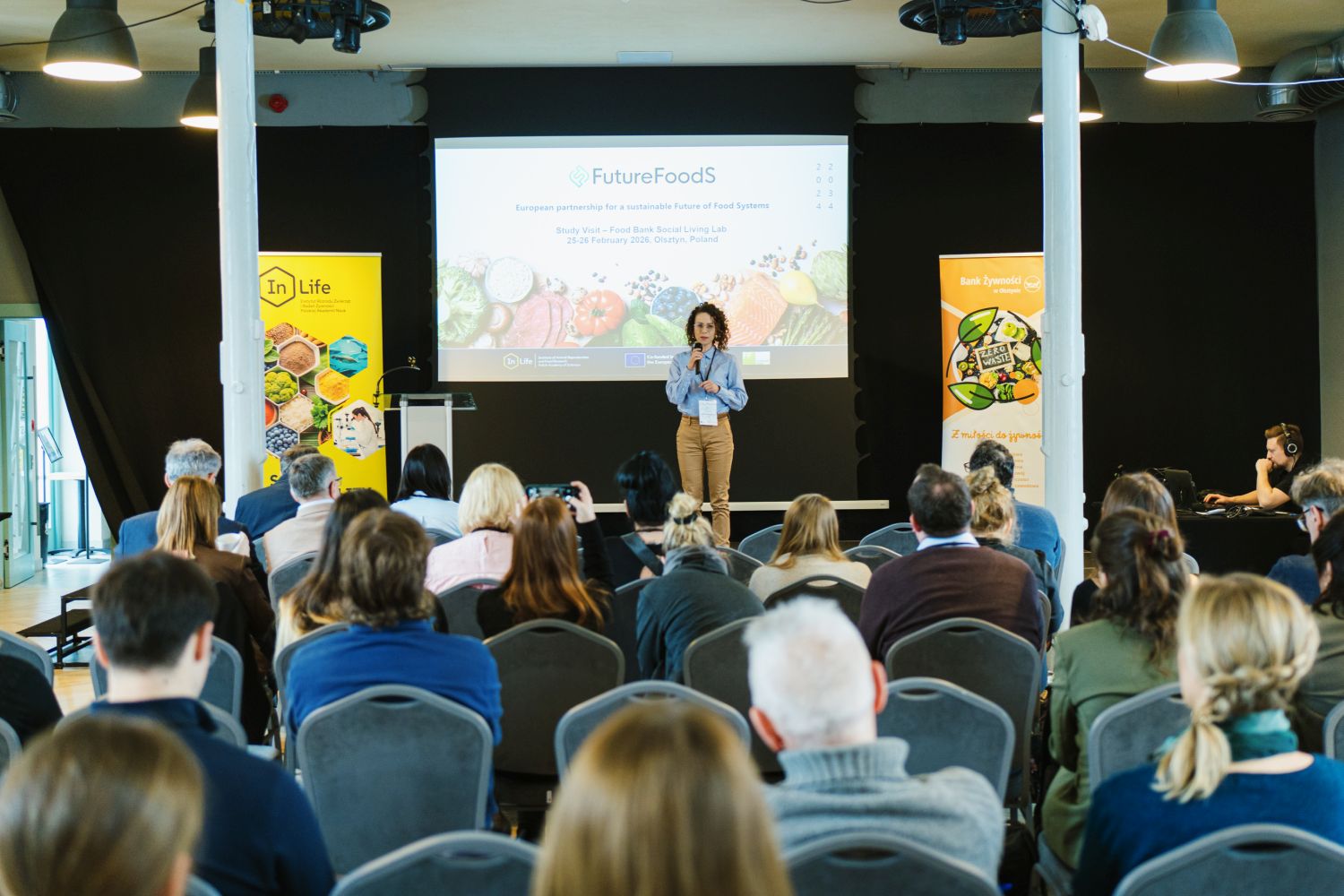
InLife Hosts International Study Visit within the FutureFoodS European Partnership
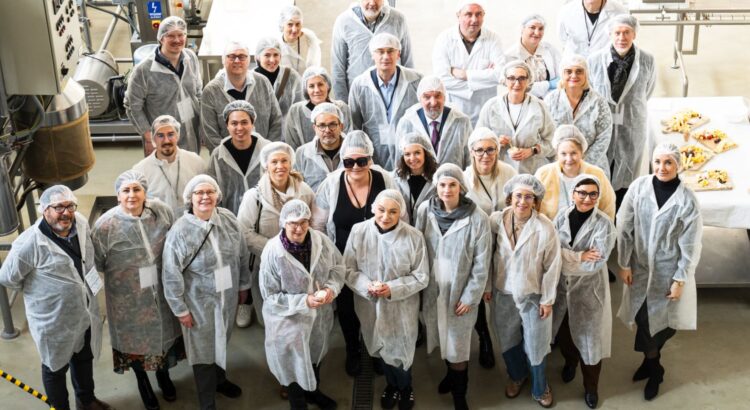
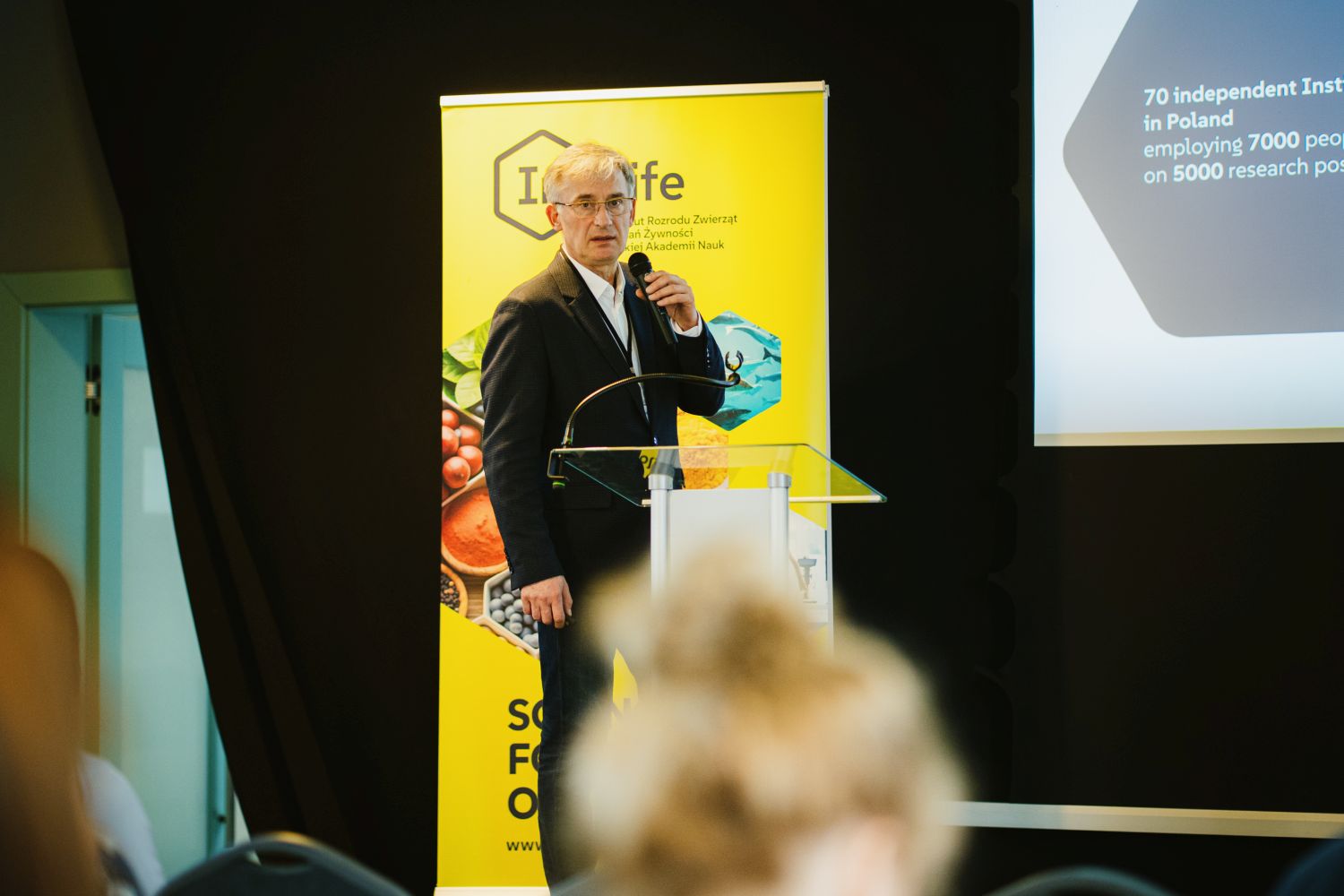
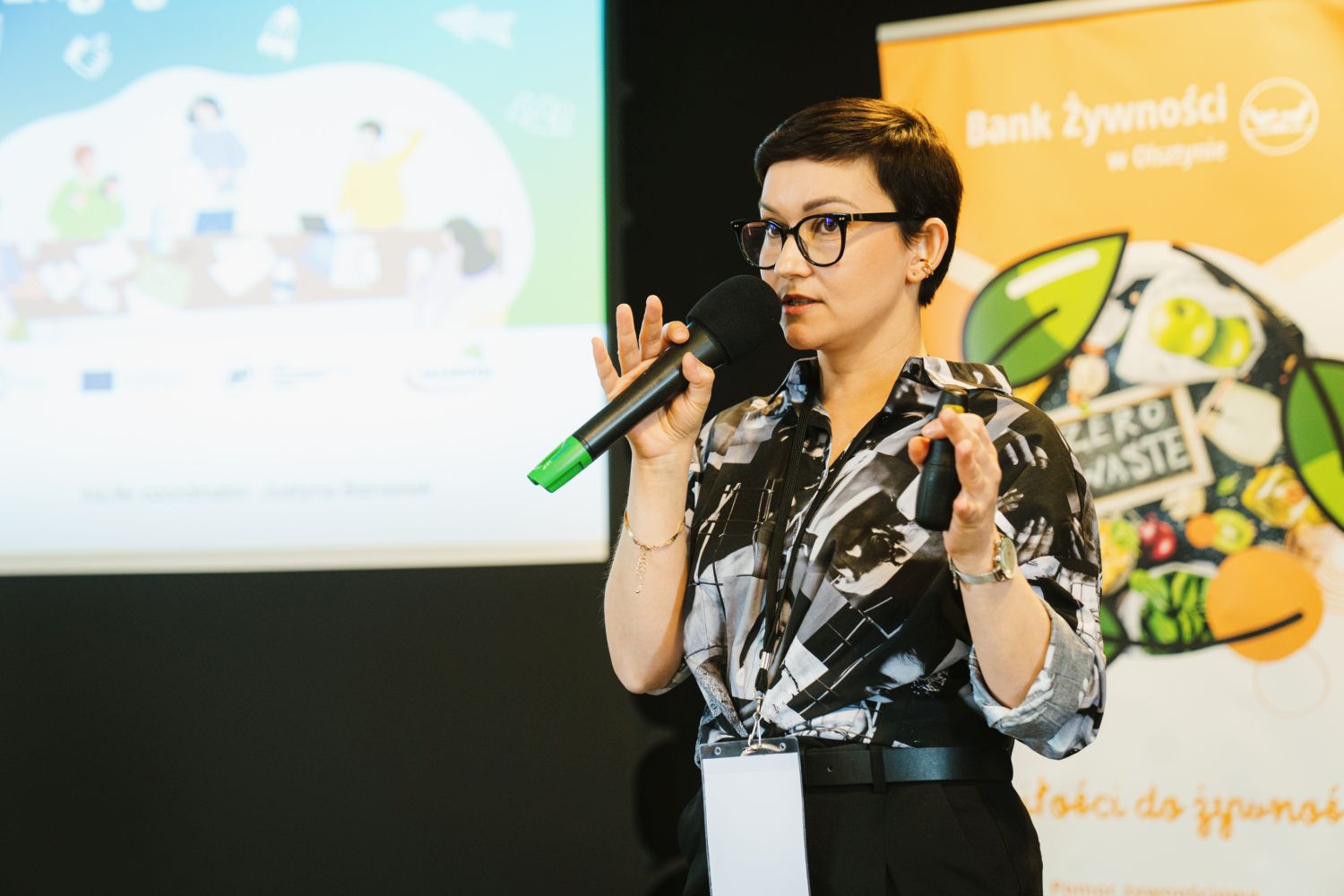
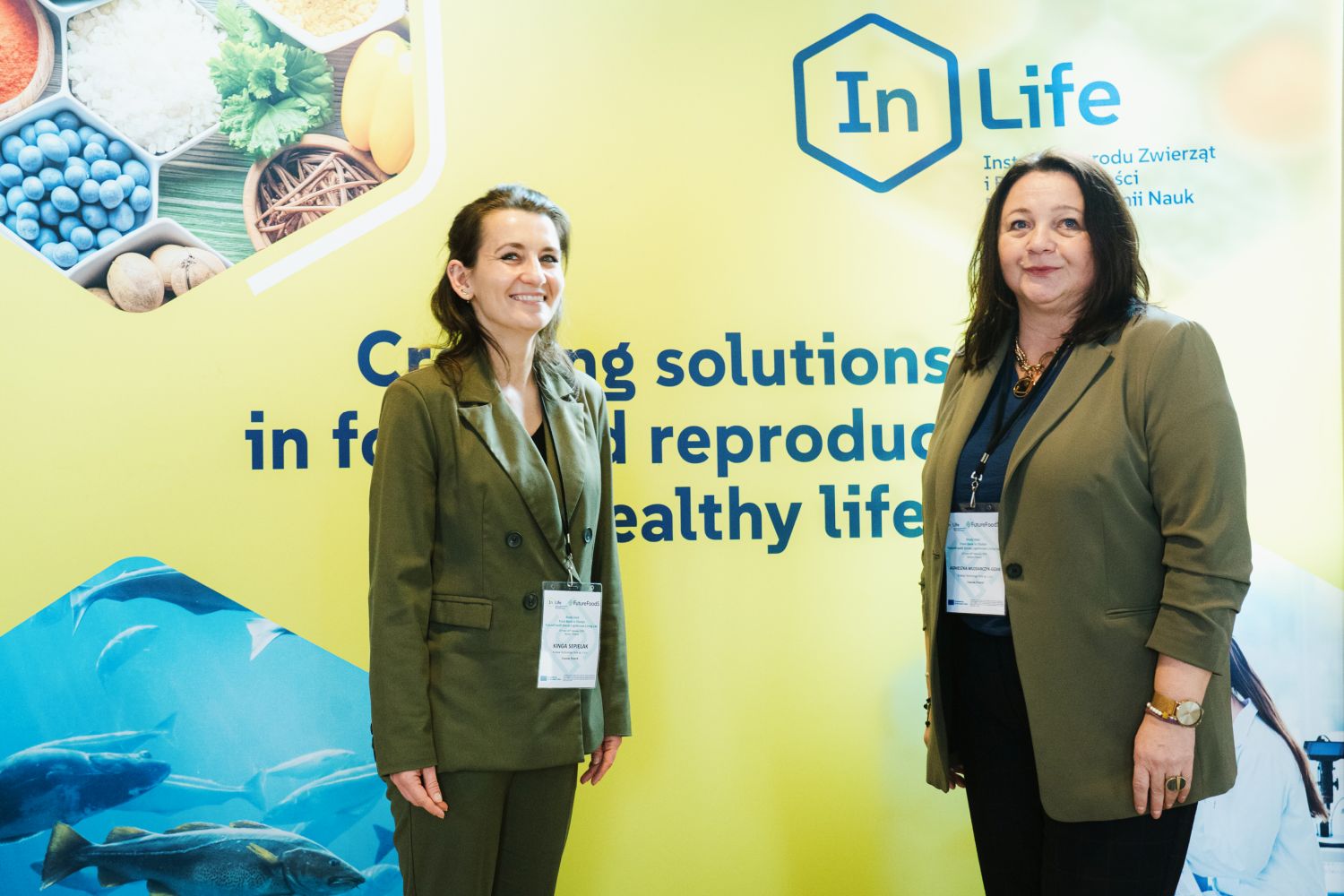
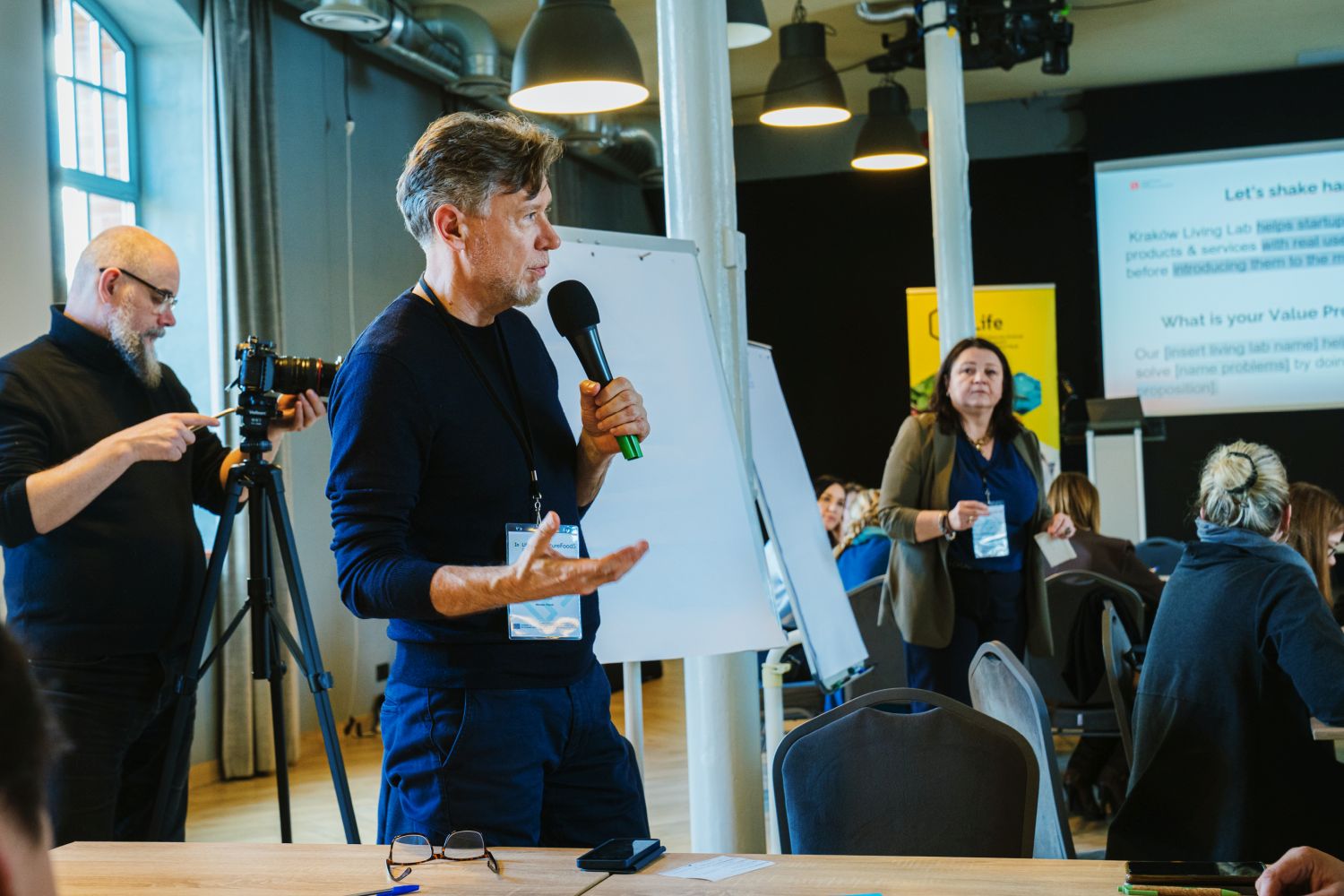
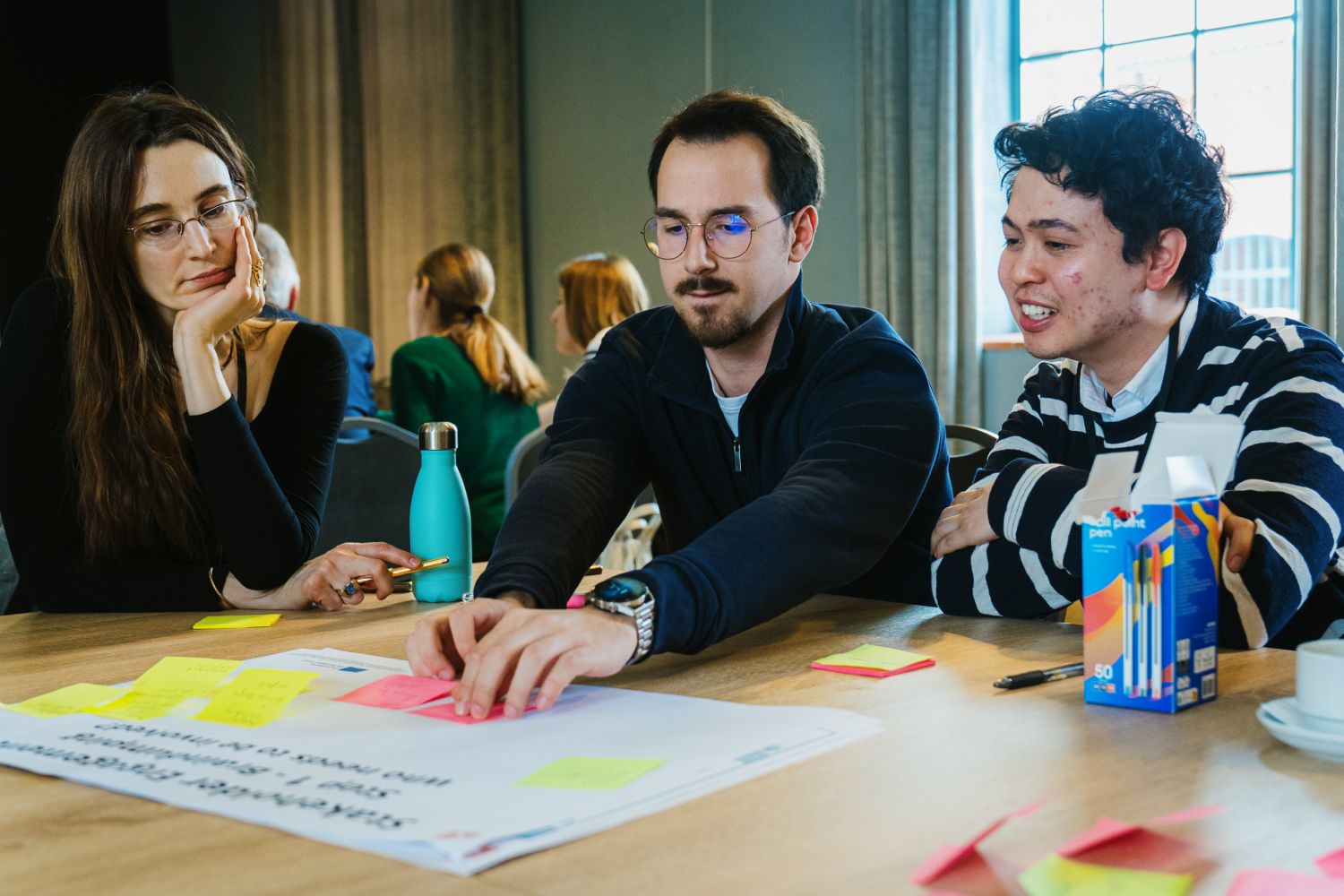
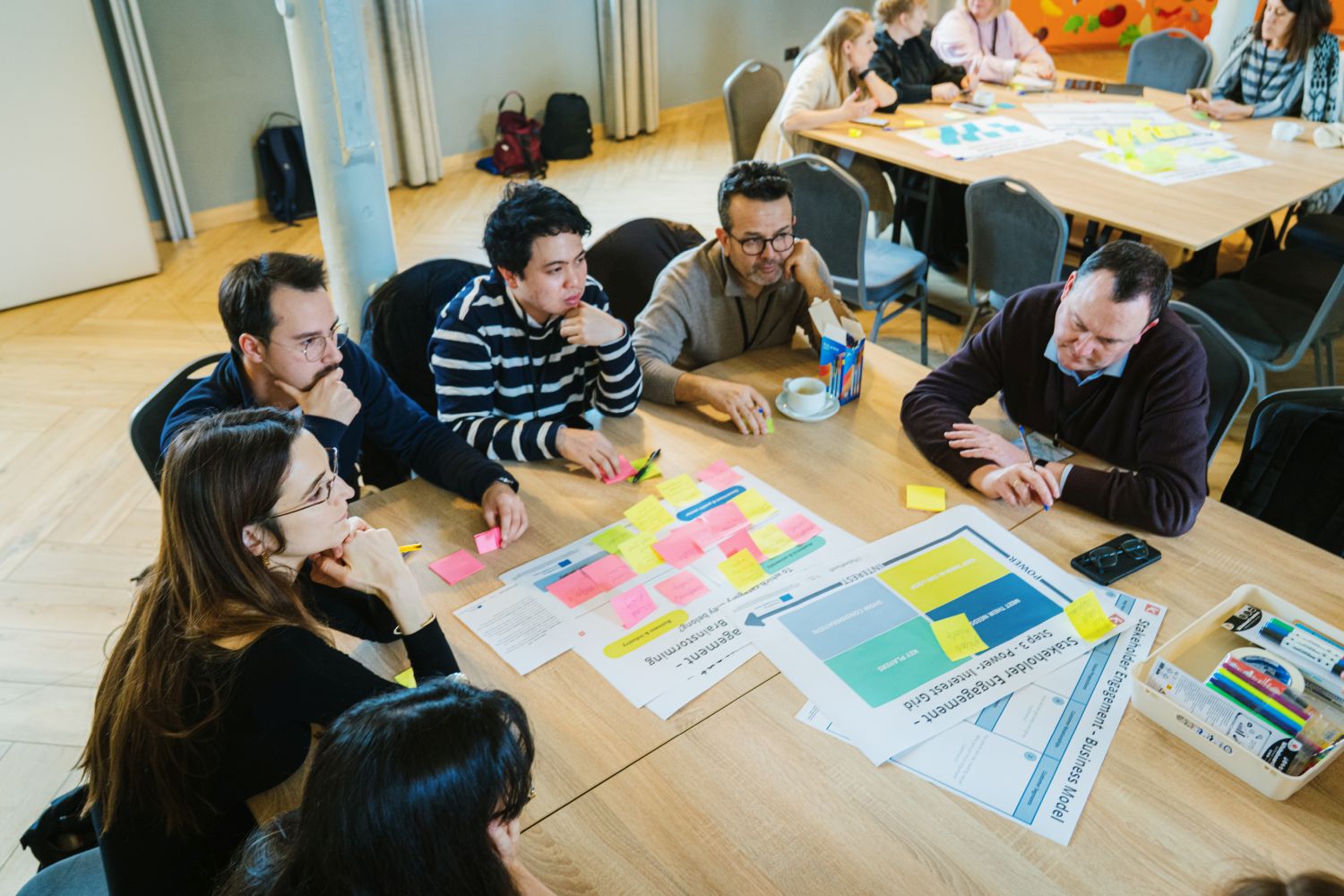
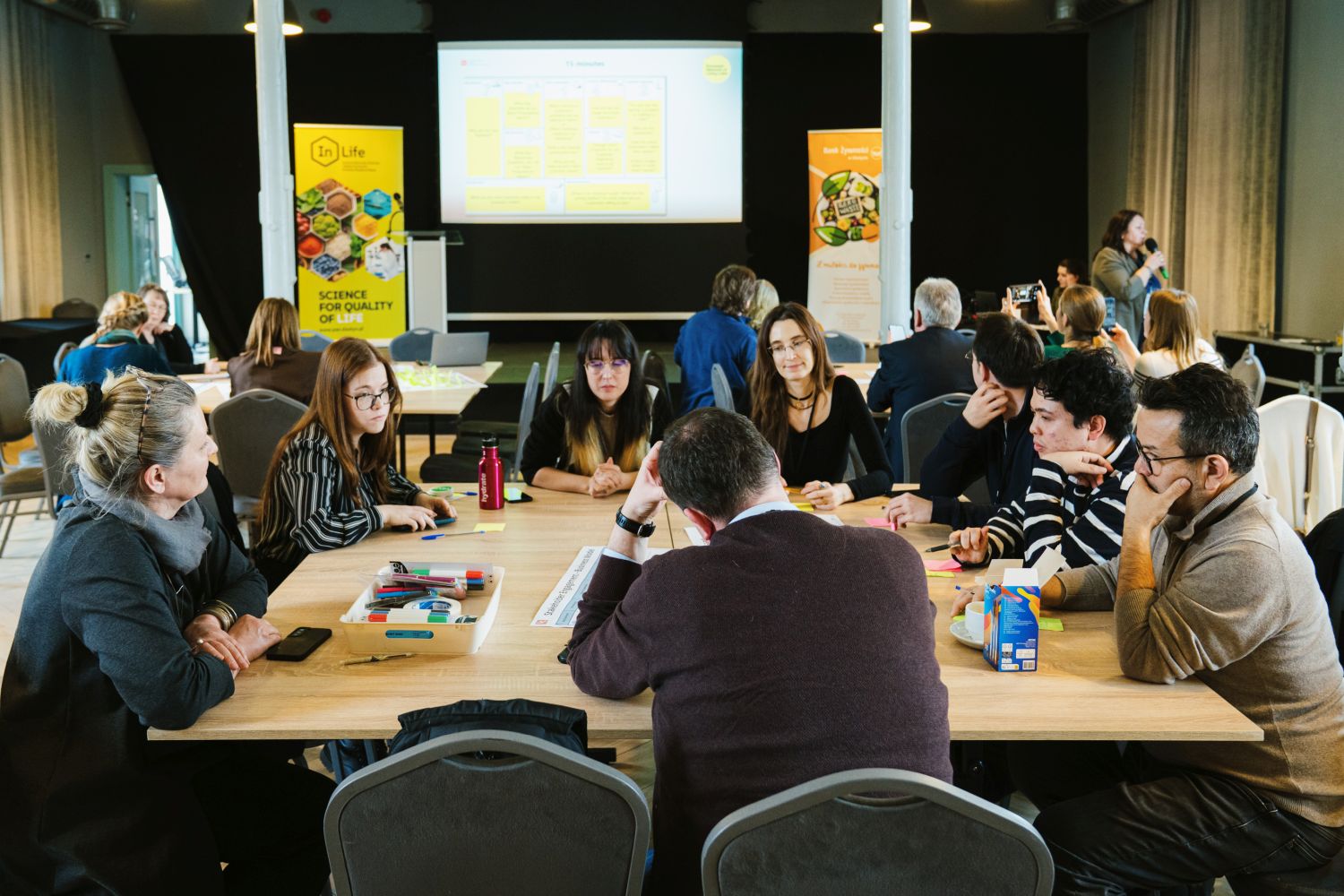
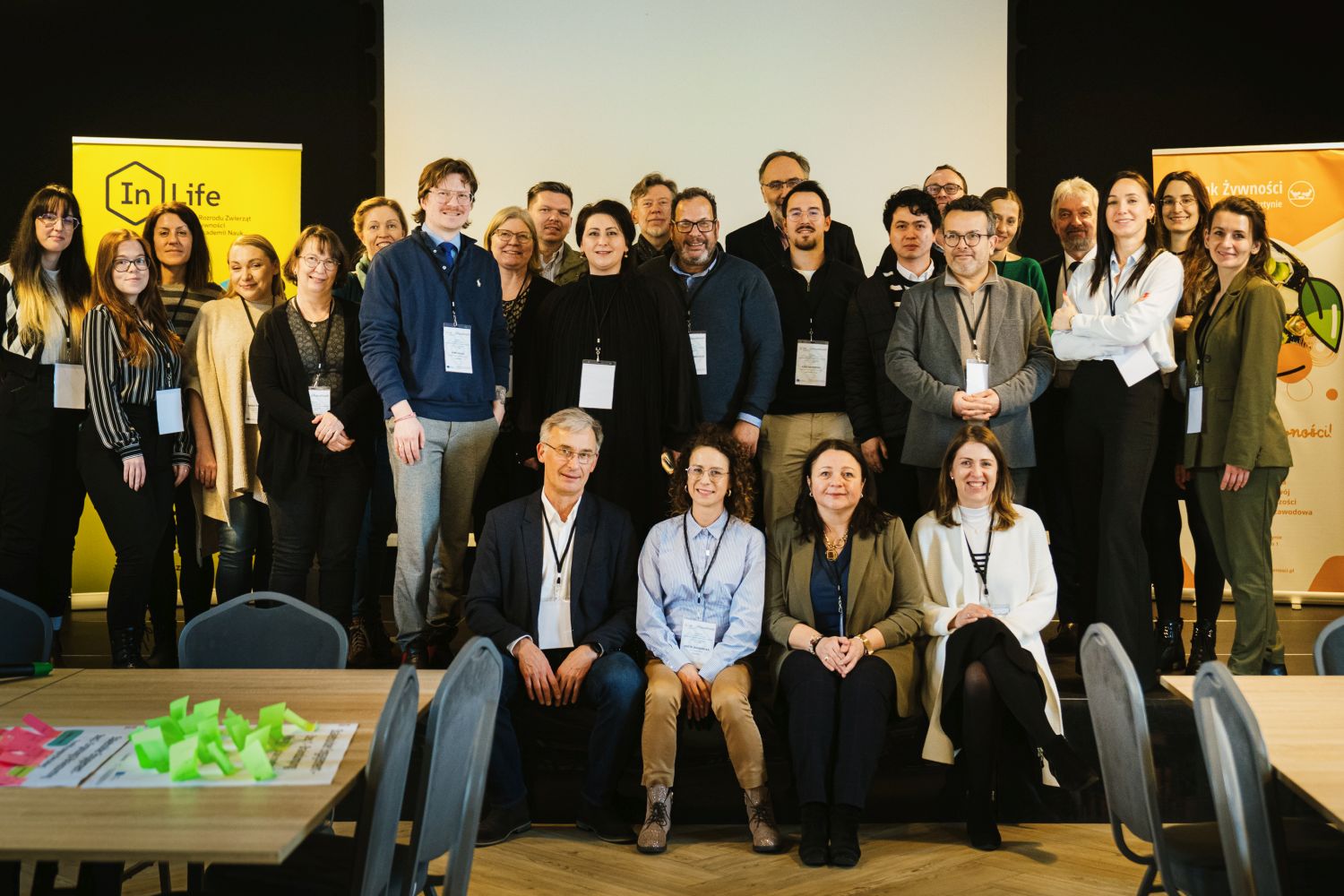
InLife – the Institute of Animal Reproduction and Food Research of the Polish Academy of Sciences organised an international study visit as part of the FutureFoodS European Partnership. In this initiative, the Institute acts as a partner responsible for co-creating and developing the European network of Living Labs in food systems — covering the entire chain: from production and processing, through consumption and public health, to food waste reduction and the implementation of circular economy principles.
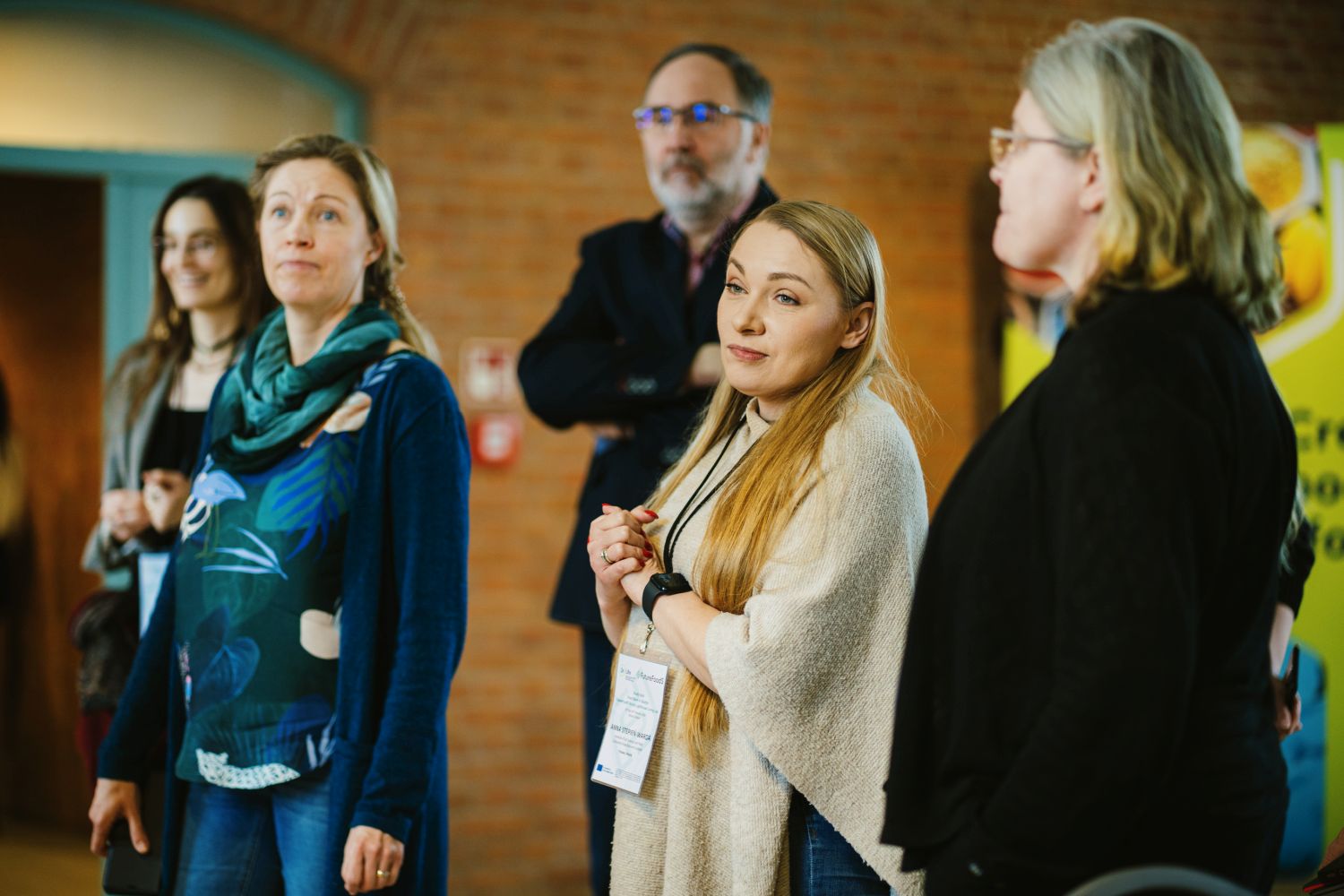
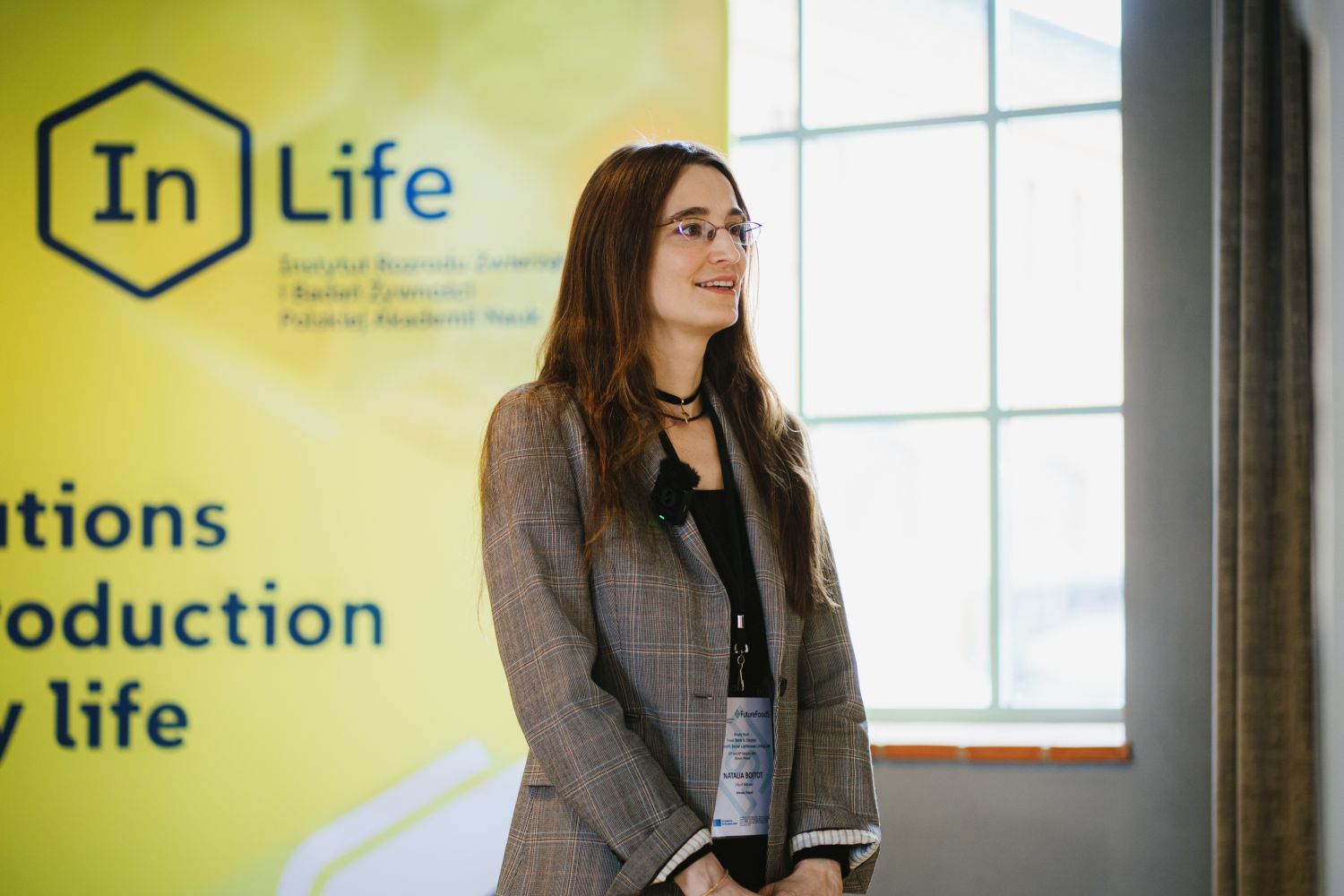
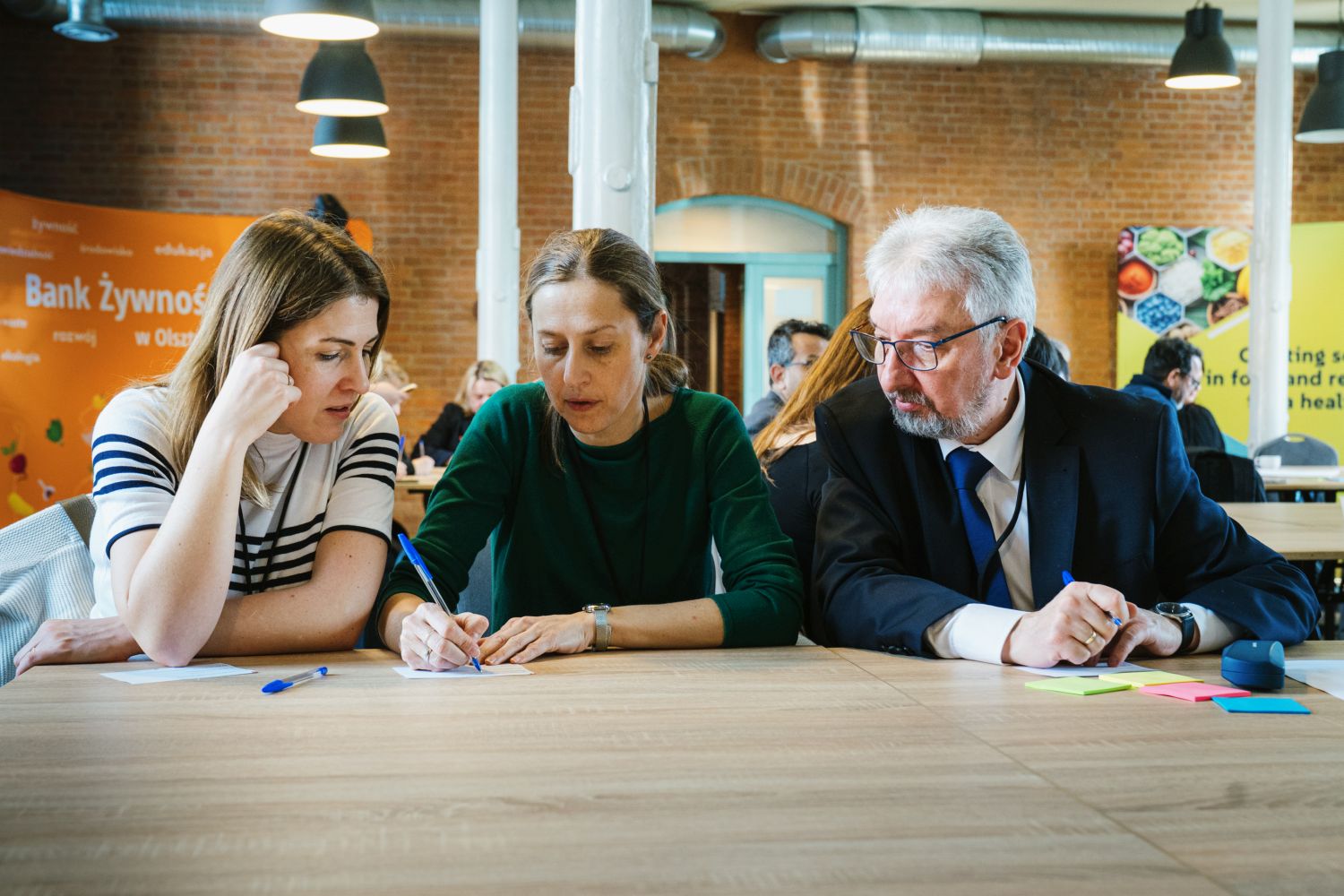
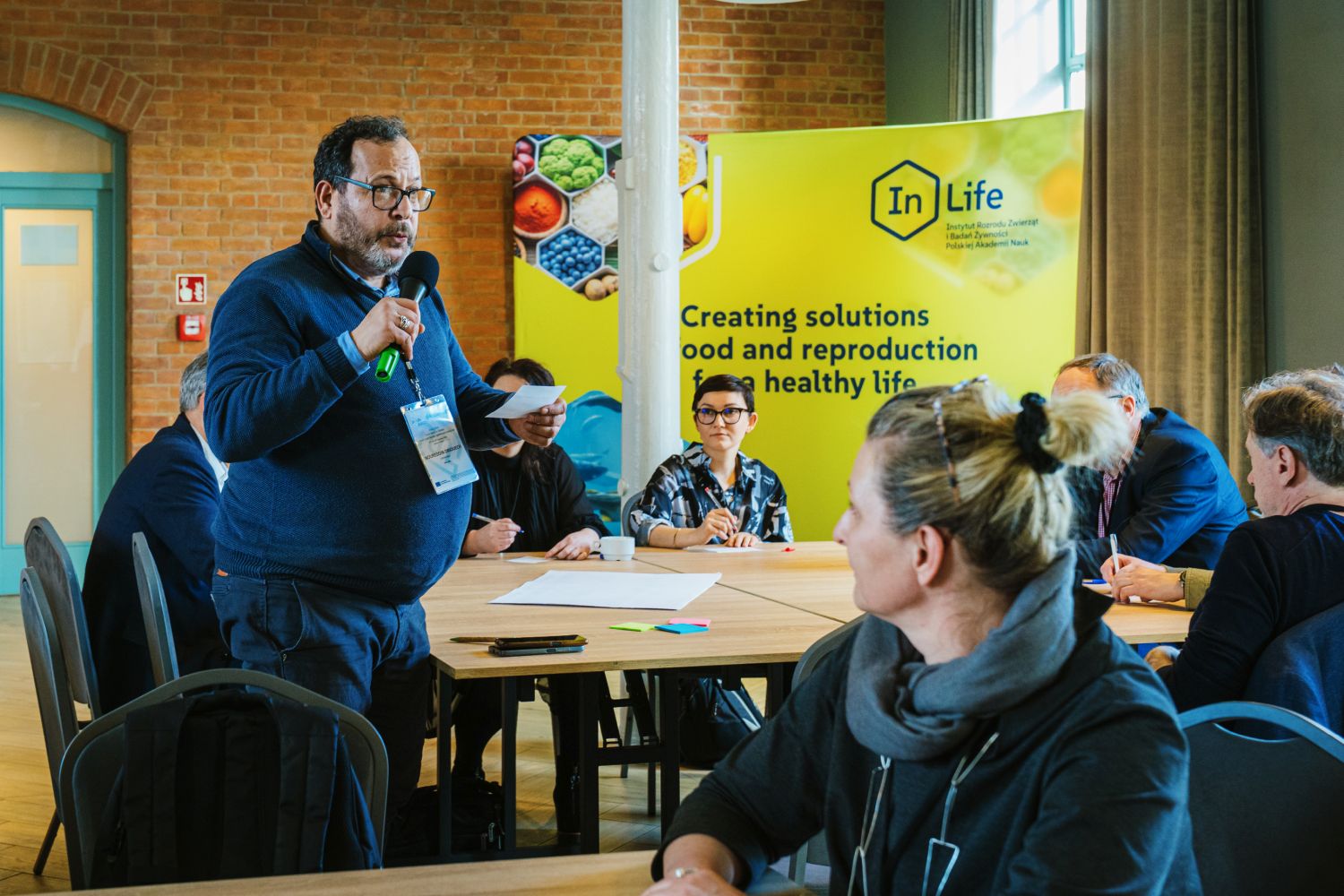
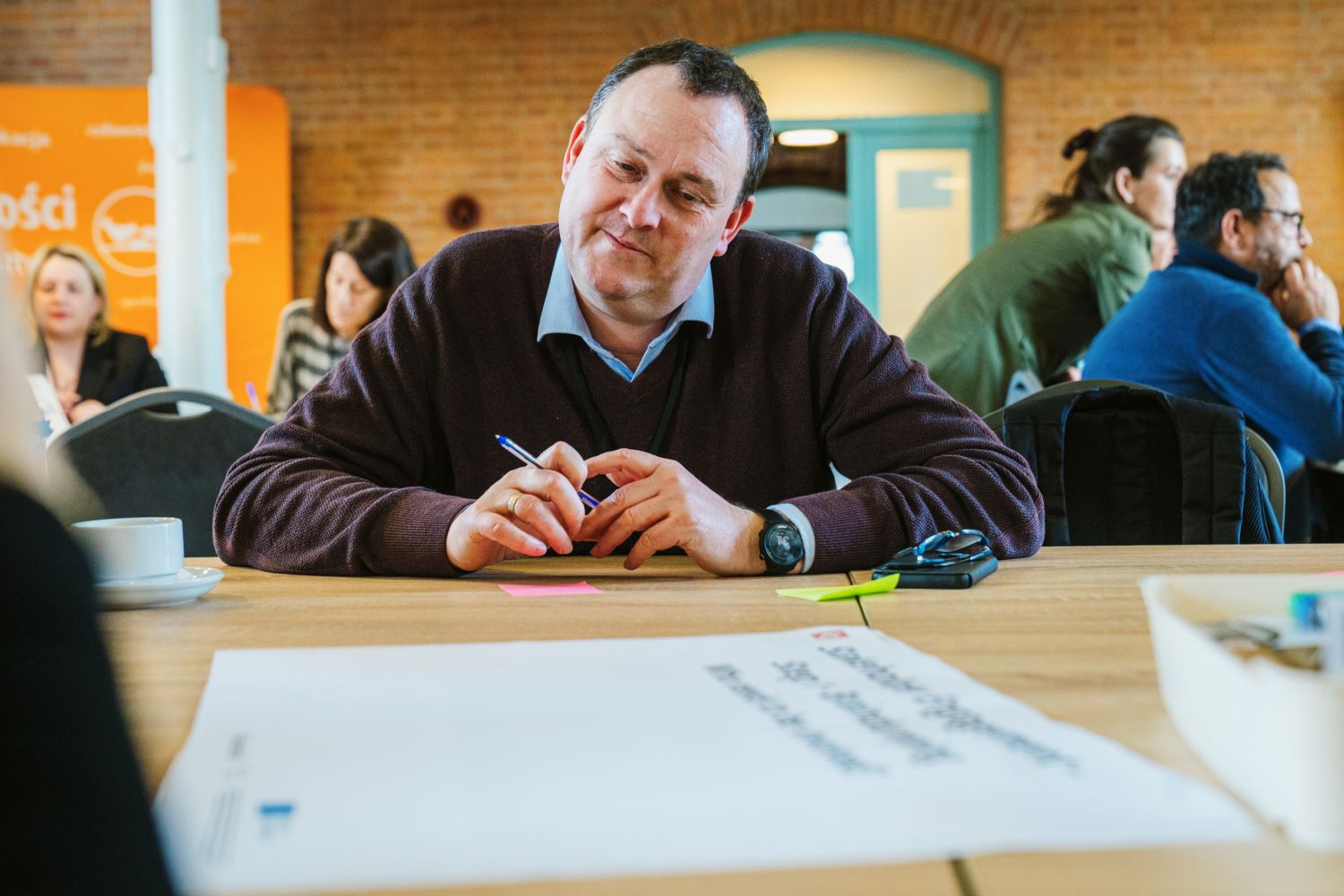
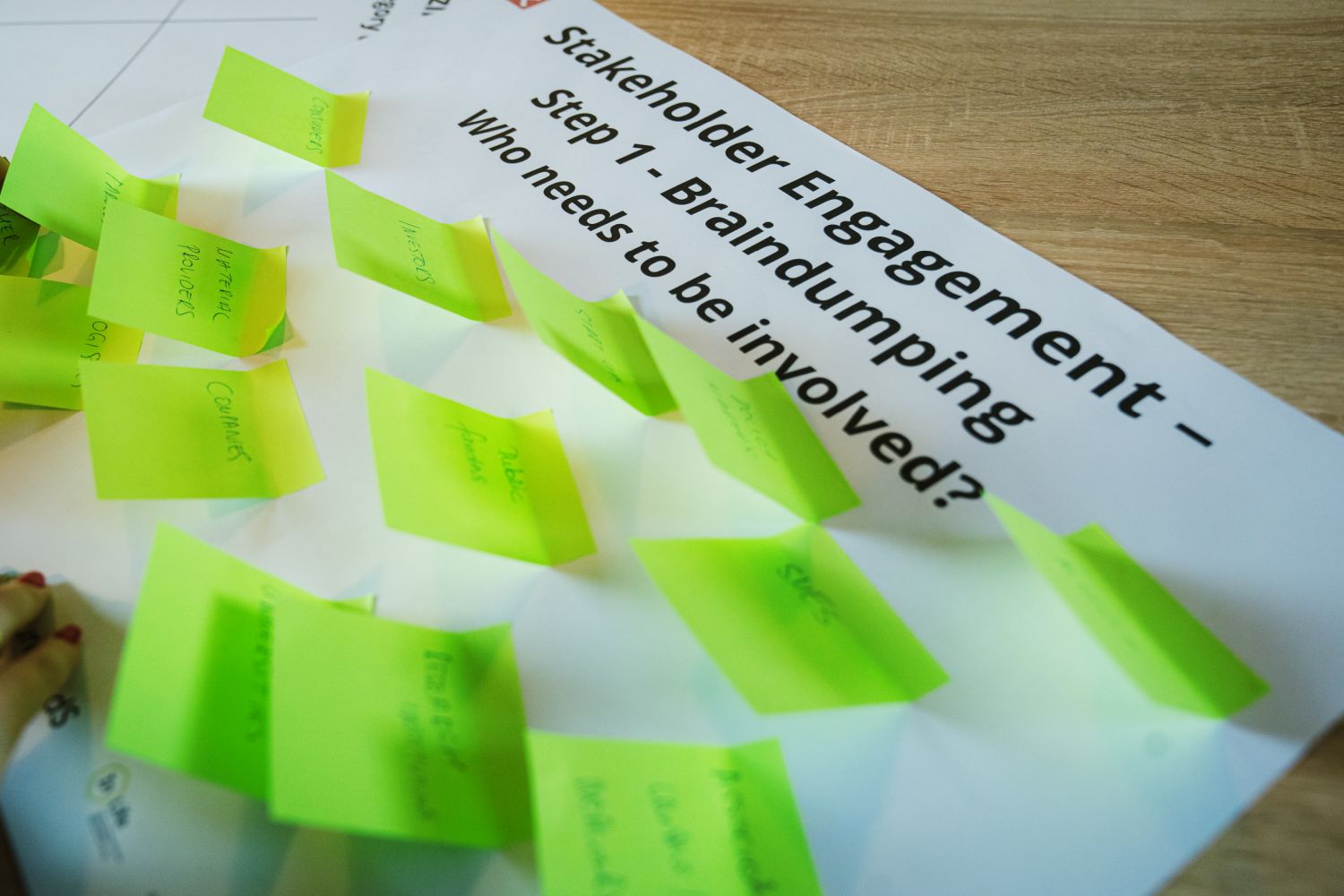
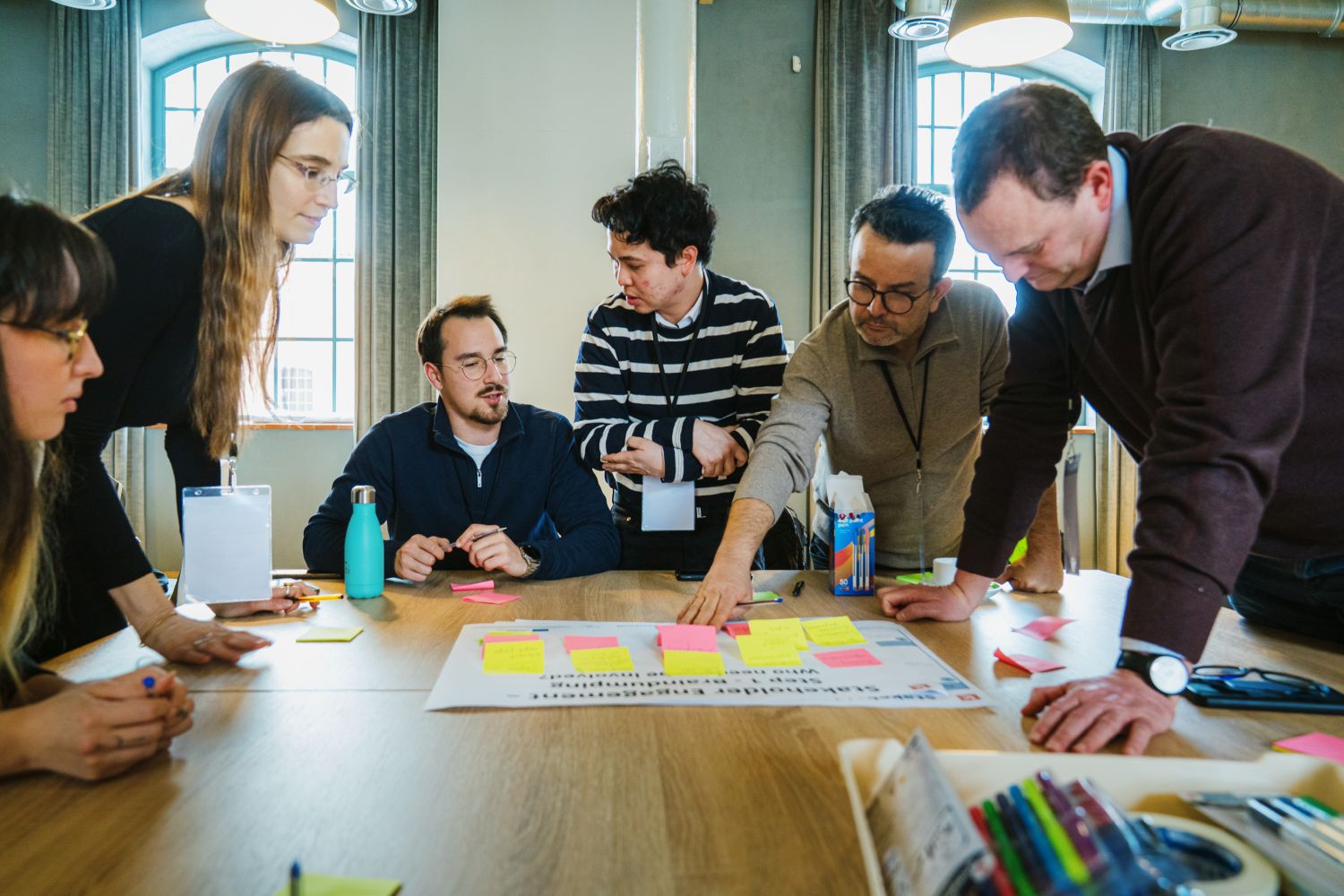
The event brought together partnership members and representatives of Living Labs and initiatives from Poland and other European countries. Its aim was to exchange experiences and present practical co-creation models, where academia, society, business, and public administration collaboratively design and test solutions for the transformation of food systems — following the quadruple helix (4H) model.
Visit to the Food Bank – A Model Social Living Lab
The first day of the visit took place at the Food Bank in Olsztyn, a partner of the Institute within the EIT Food network. Within FutureFoodS, the Food Bank has been designated a “lighthouse social living lab”, recognising it as one of Europe’s demonstrator laboratories for social innovation in food systems. This status is awarded to organisations that systematically combine operational activities with research and social components, test solutions in real-life settings, and engage collaboratively with food system stakeholders. Such centres act as demonstrators and reference points for other organisations developing the Living Lab model across Europe.
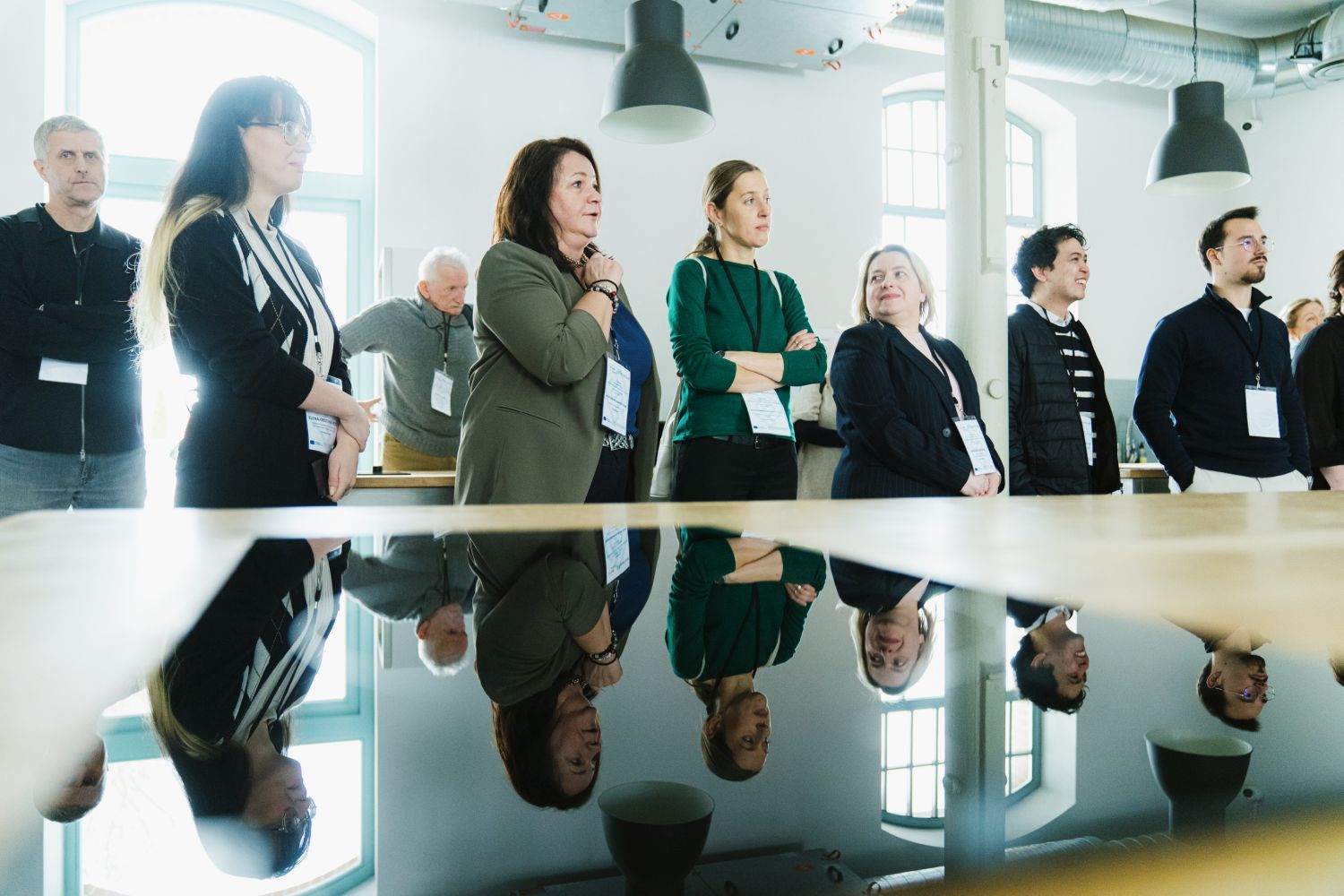
Participants learned about the Food Bank’s mission, operational model, societal impact, and solutions in food waste prevention, collaboration with local authorities and businesses, and building cross-sector partnerships.
Living Labs in Practice – Co-Creation through the Quadruple Helix
The expert sessions highlighted initiatives using the Living Lab methodology as a tool for designing and implementing changes in food systems.
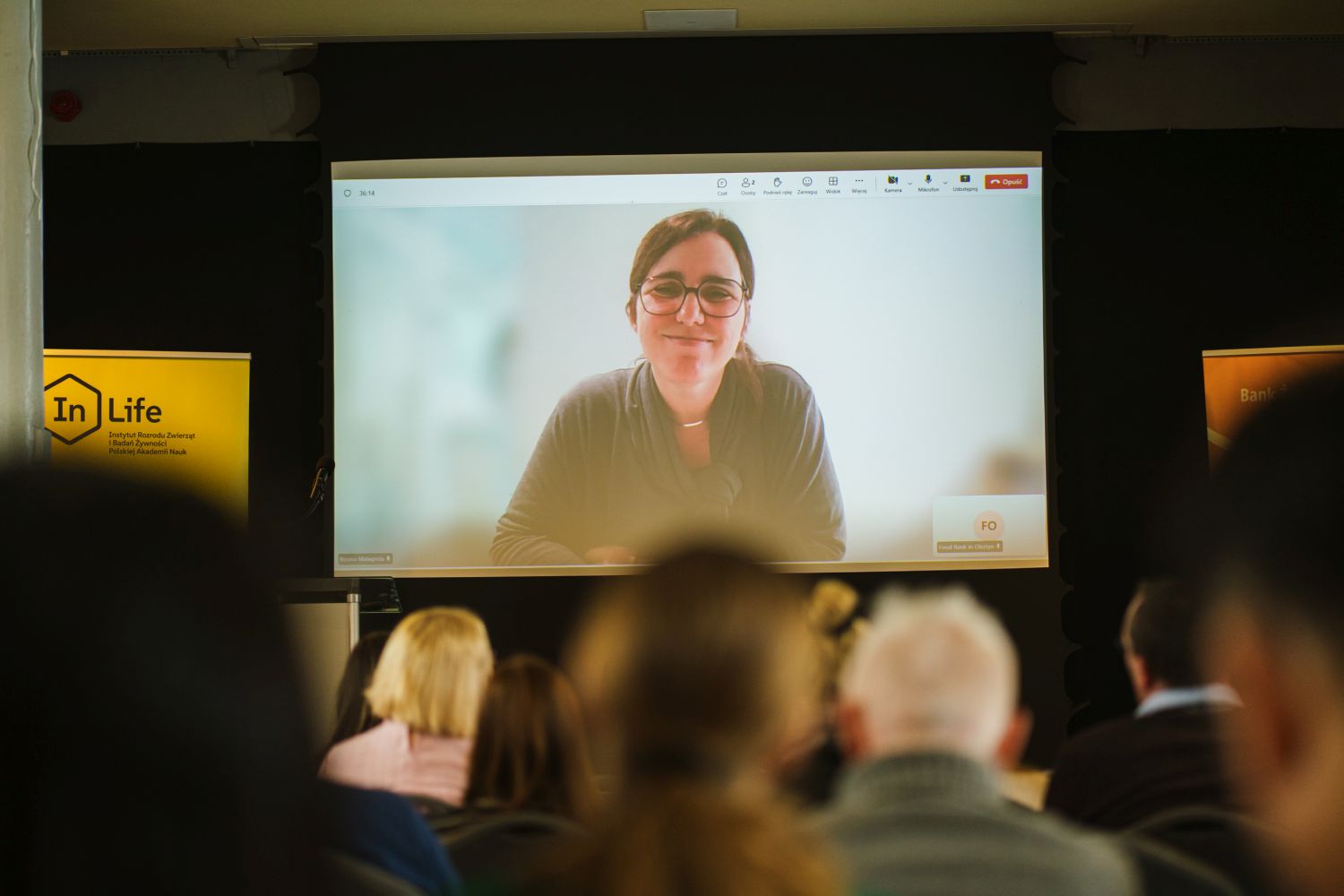
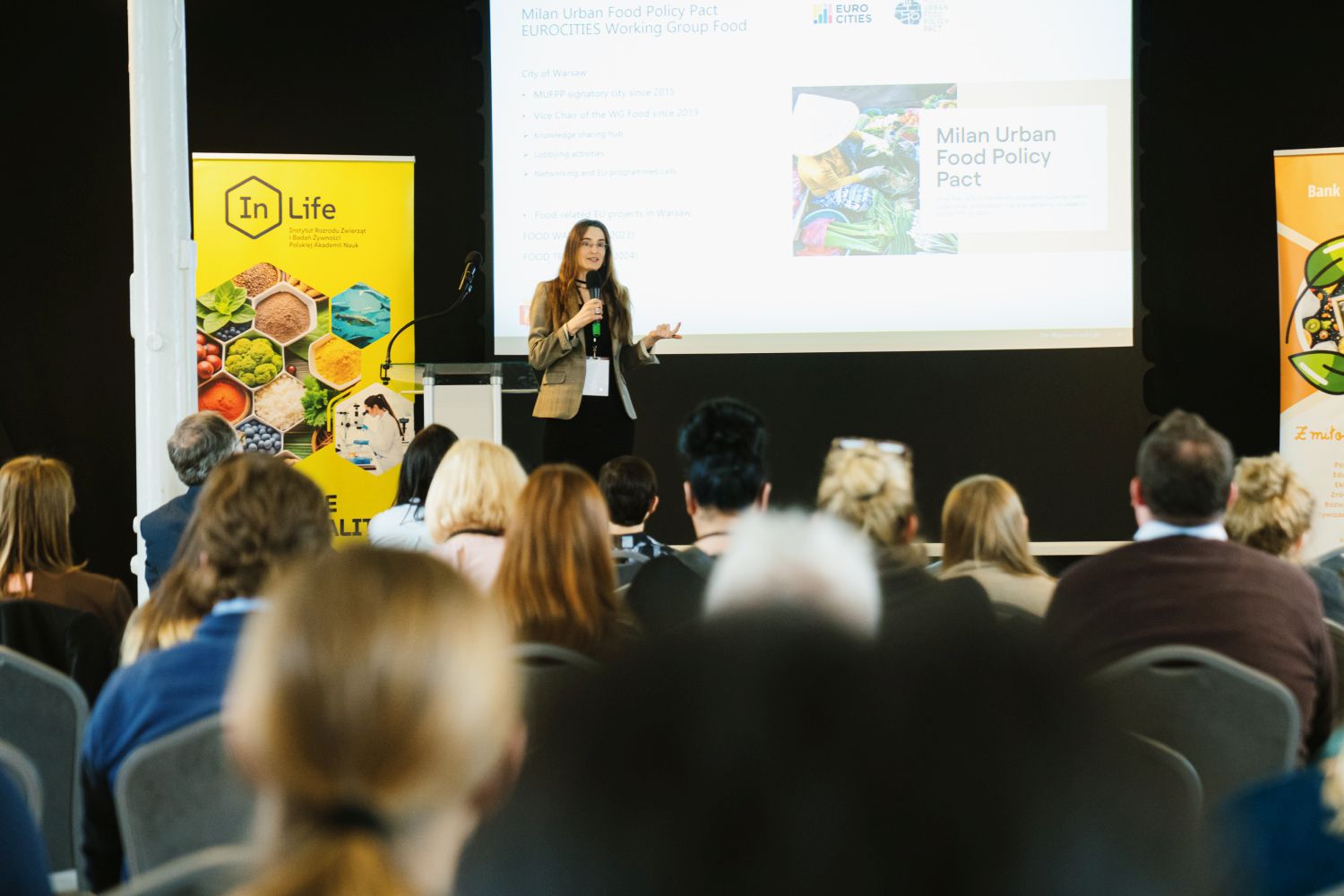
The Warsaw Food Lab (Poland) is an urban innovation lab supporting local gastronomy and charitable organisations, developing solutions to reduce food waste and optimise its distribution to those in need, including during crisis situations.
Lab for Health IrsiCaixa (Barcelona) employs a participatory approach to transform the food and health environment. The project engages local communities, public administration, and the private sector in co-creating interventions that encourage healthier food choices.
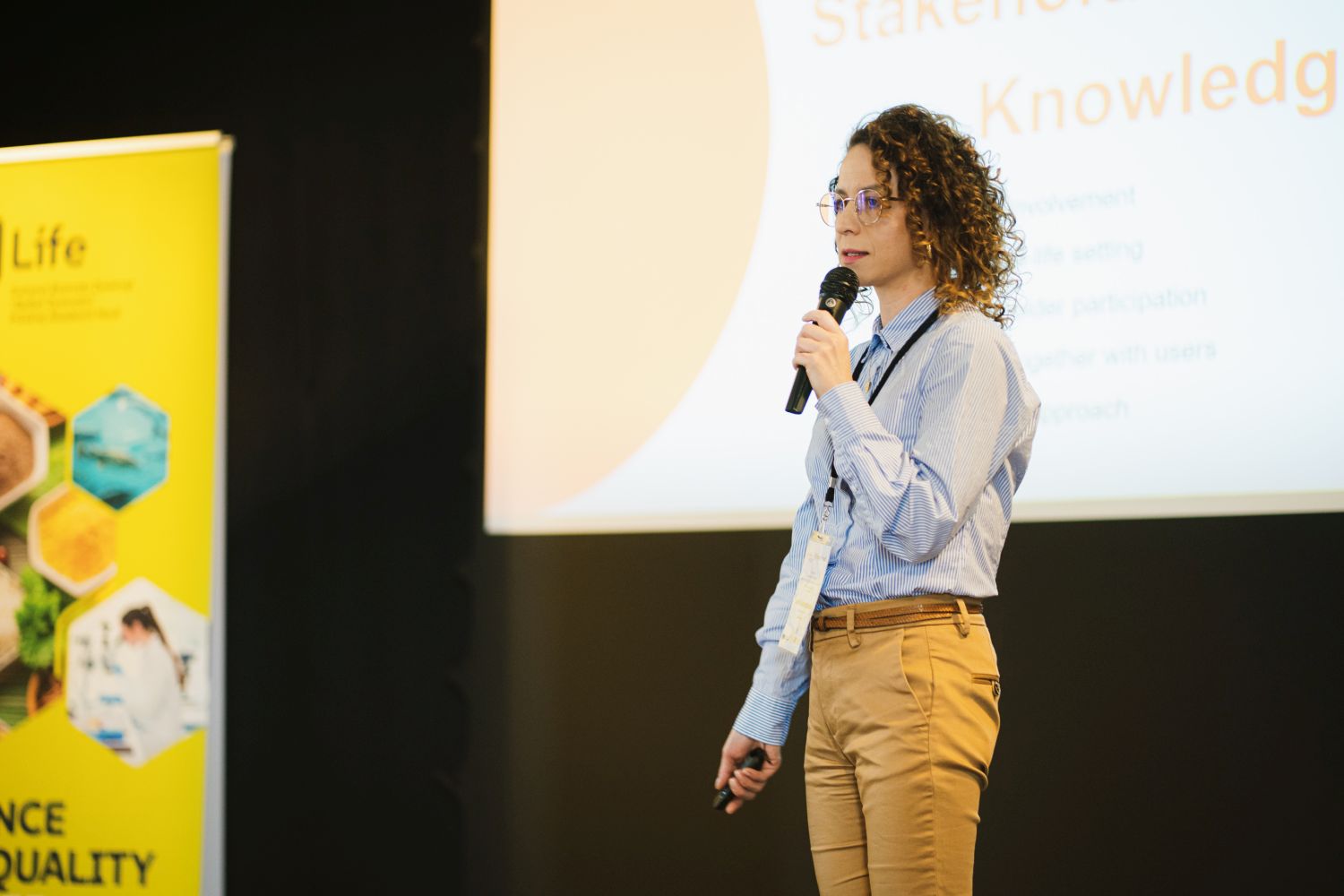
Consumer Engagement Labs (CEL), run by InLife within EIT Food initiatives, systematically involve citizens in designing food sector innovations. Developed by the University of Warsaw, CEL combines consumer research tools and co-creation workshops to integrate consumer perspectives at early stages of product and service development.
Presentations focused on co-creation methodology as a tool to test solutions in real-life conditions and scale them across diverse social and regional contexts.
From Living Lab Creation to Market Impact
The study visit programme also included a workshop titled “Living Labs for Business Development – From Creation to Market Success”, focusing on the use of Living Lab methodology in product and service development — from concept to market implementation — with attention to market validation and stakeholder collaboration.
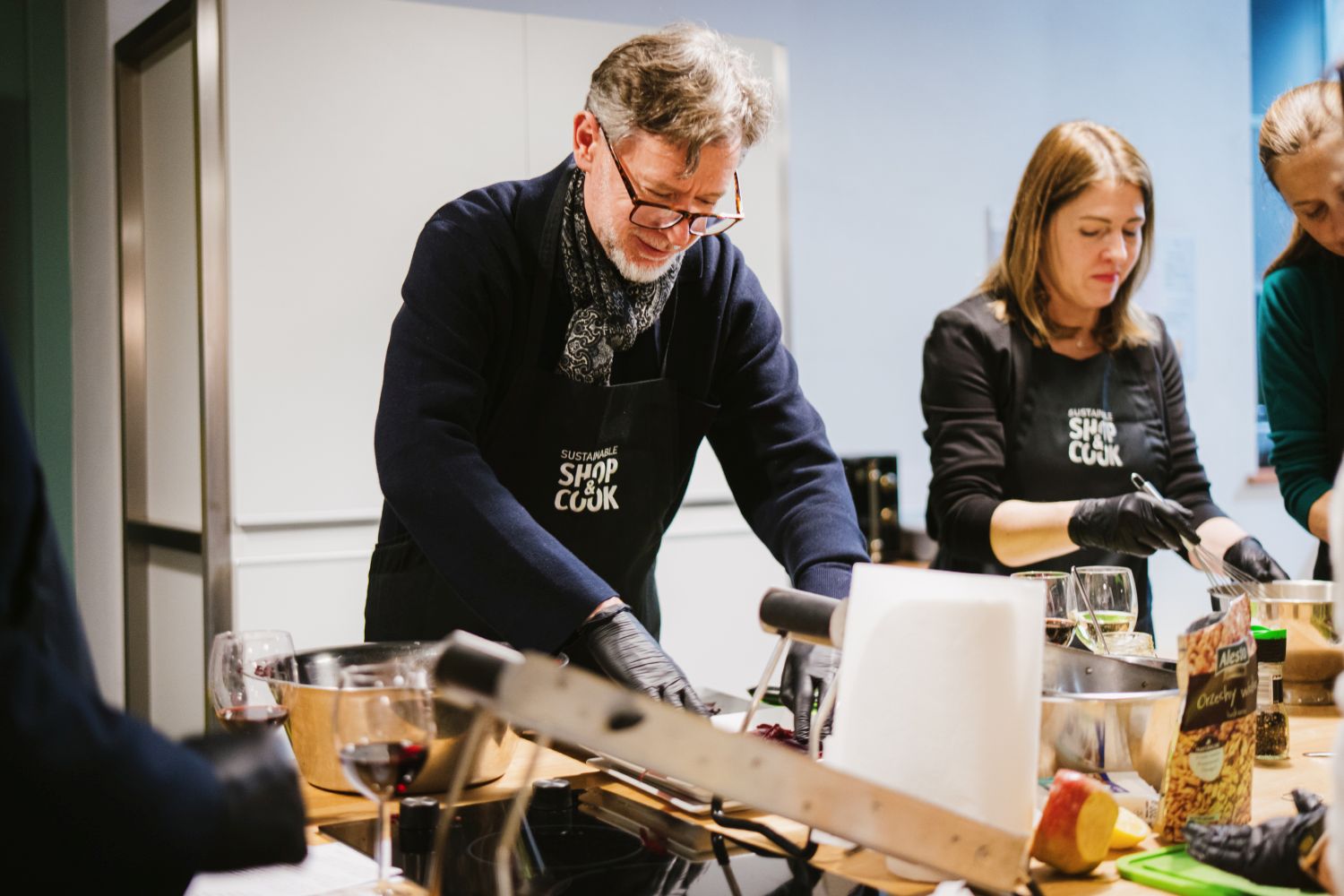
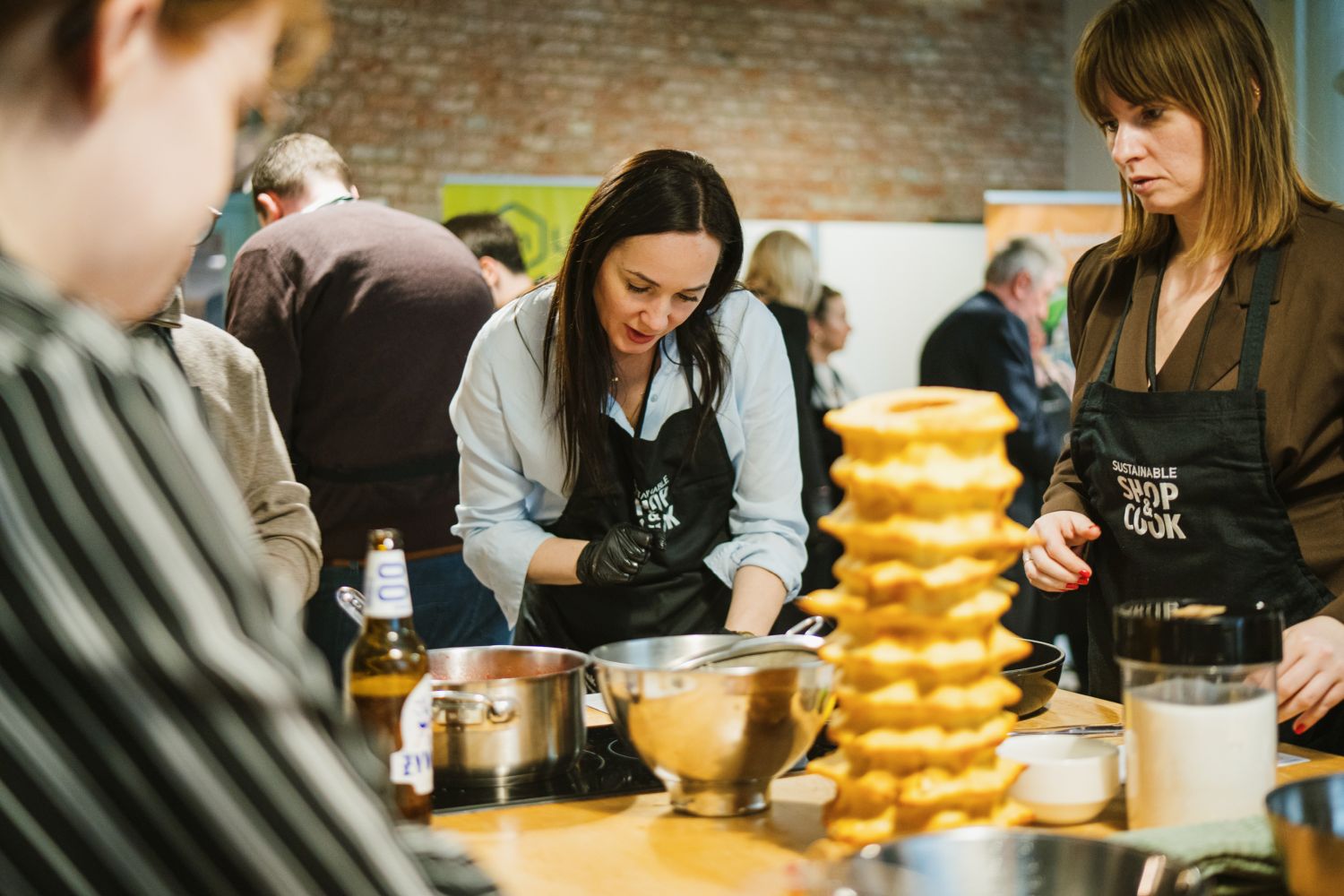
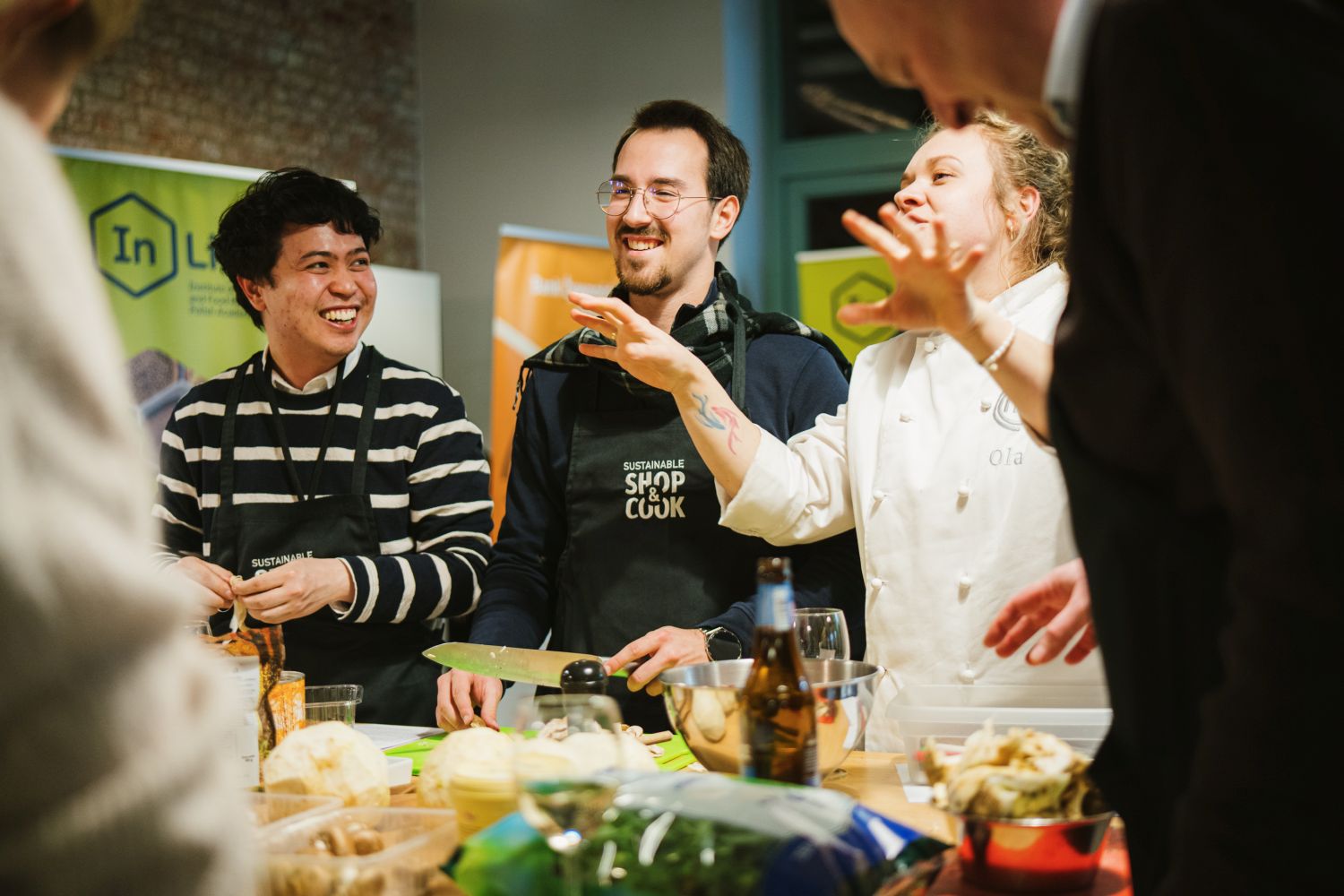
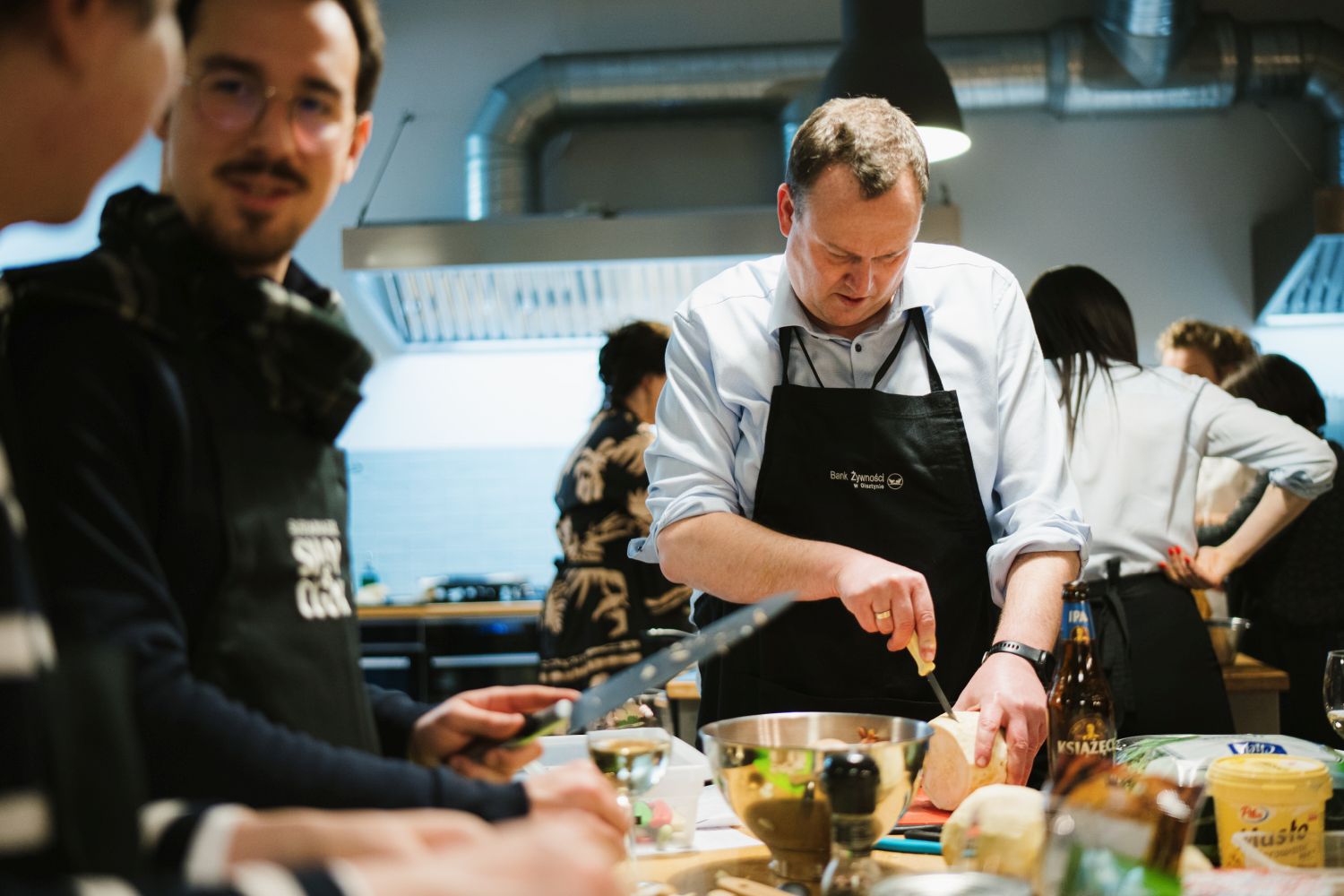
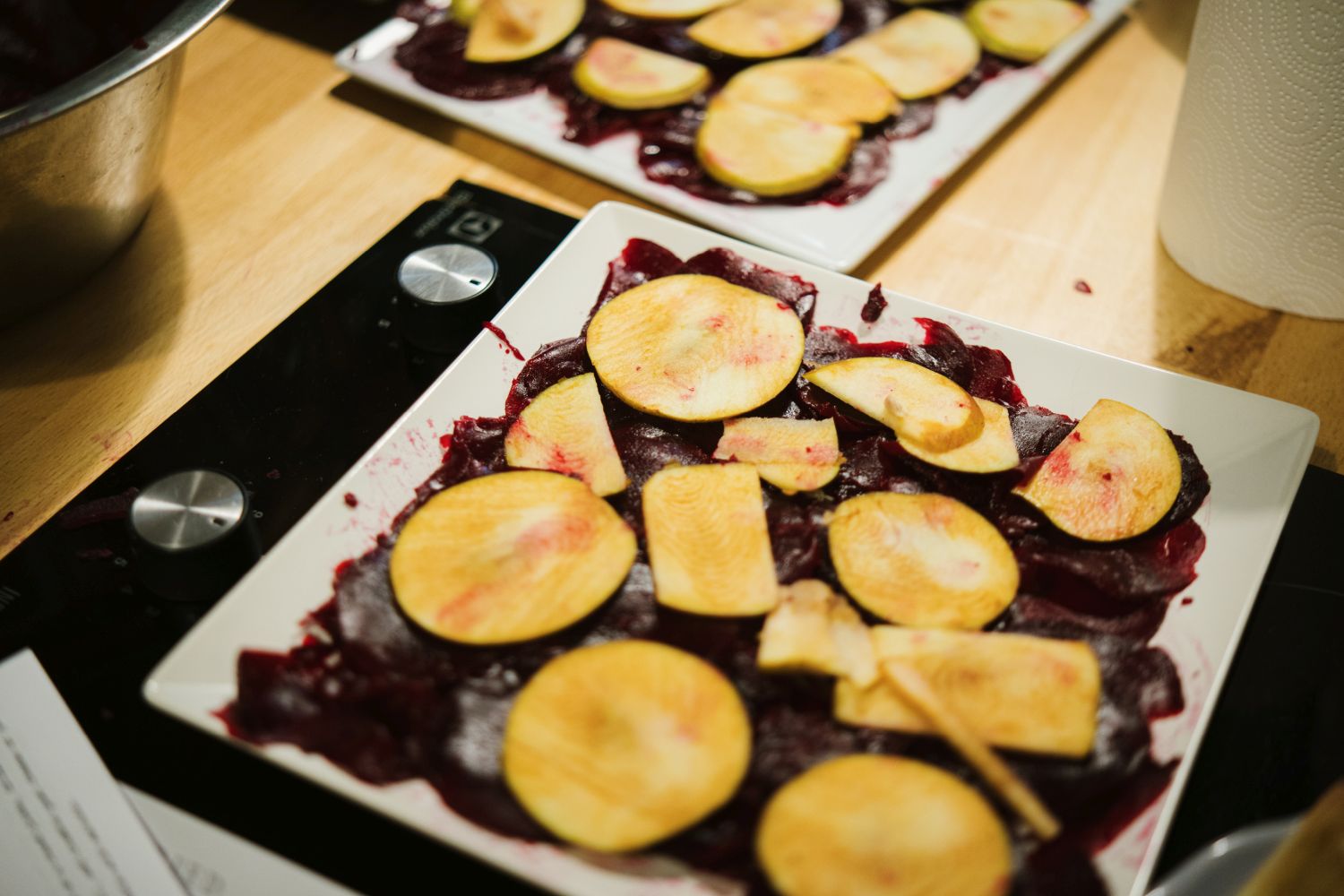
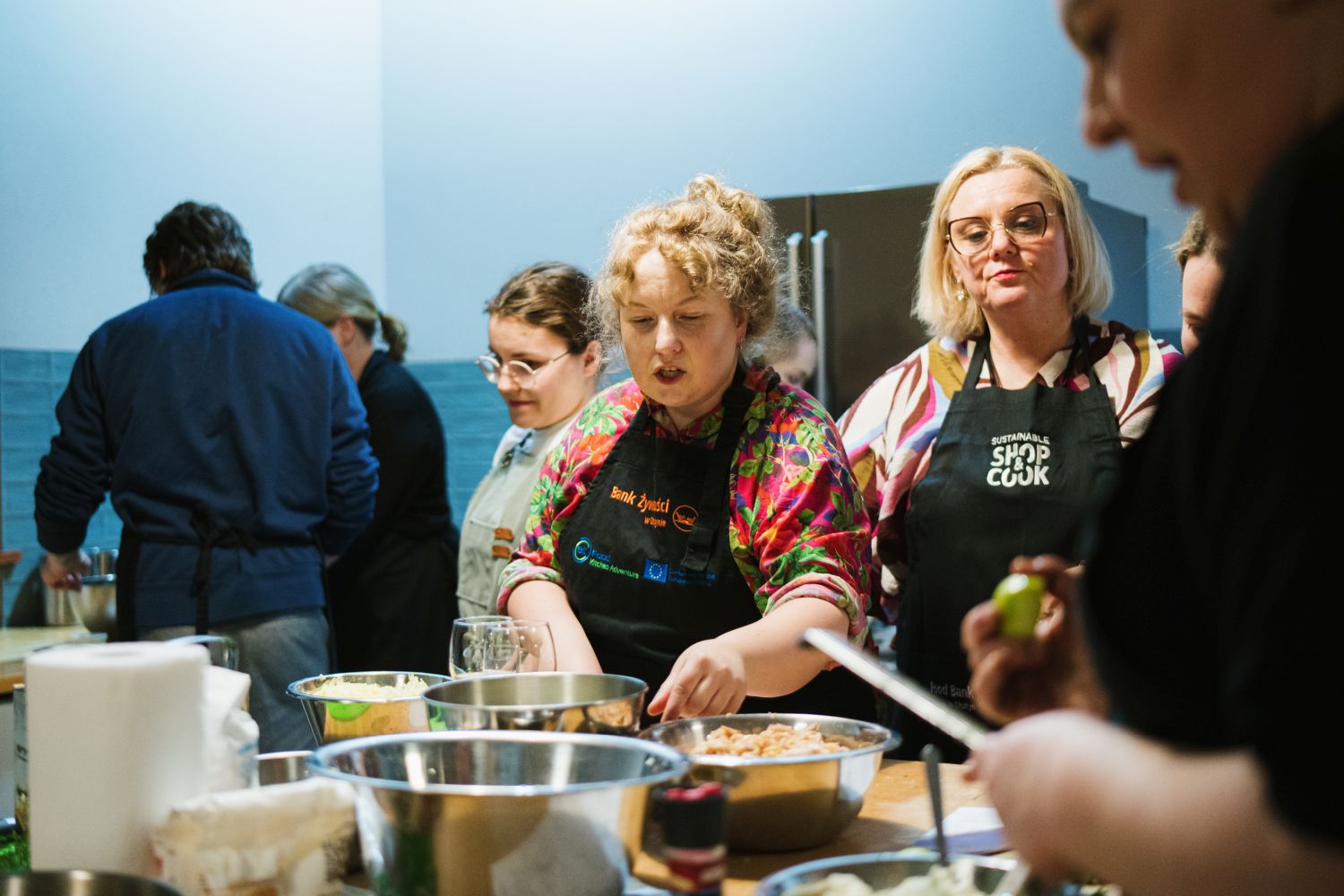
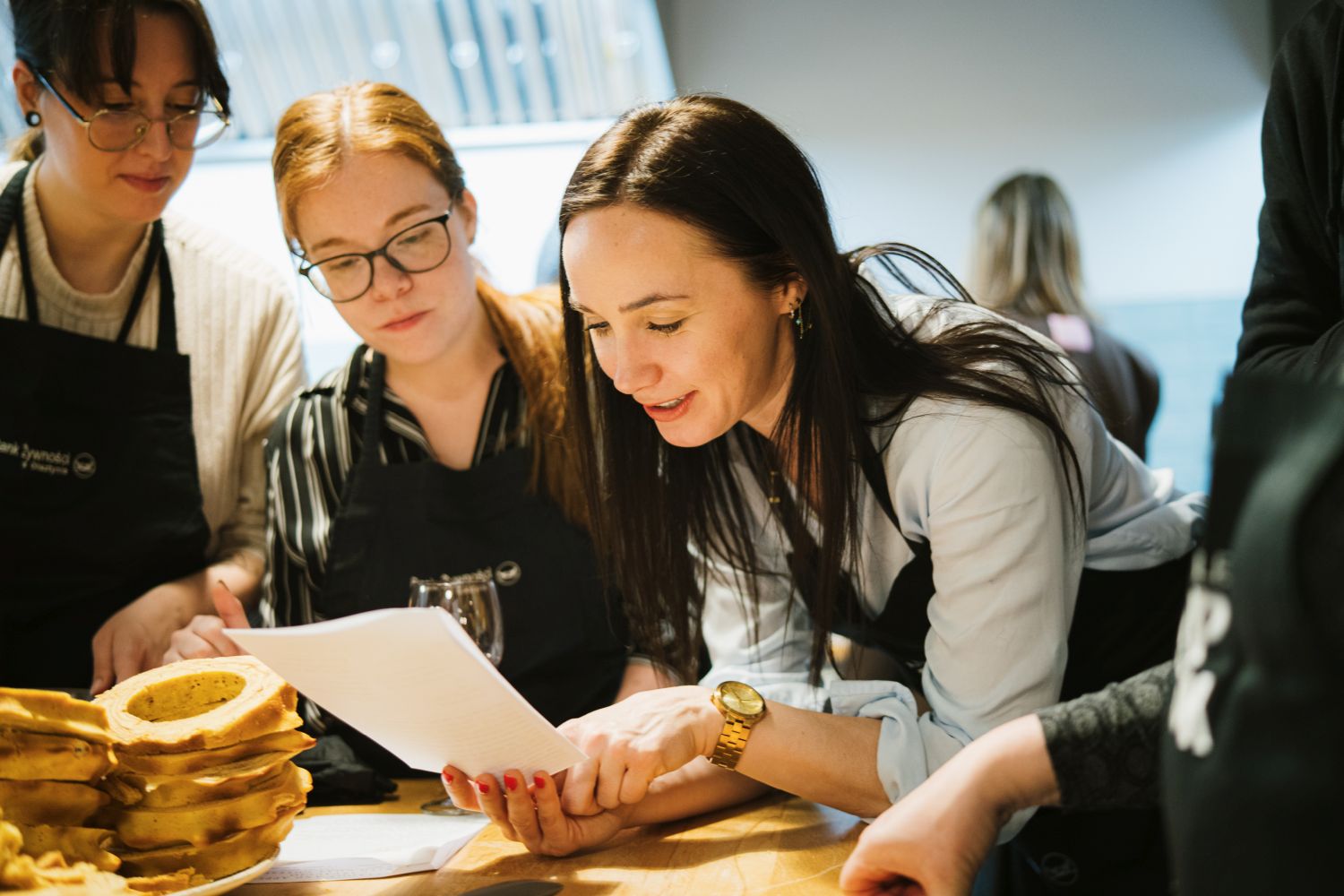
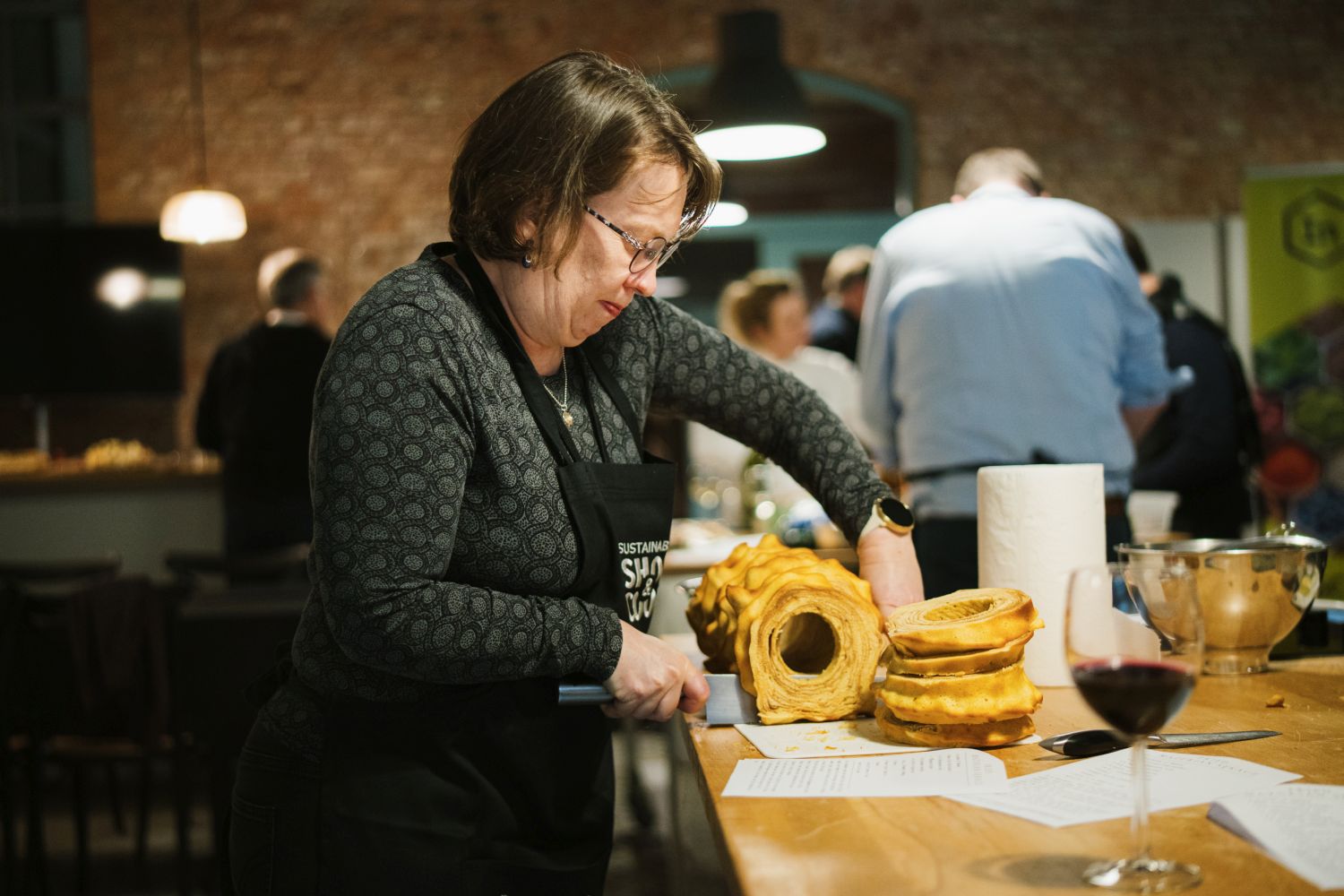
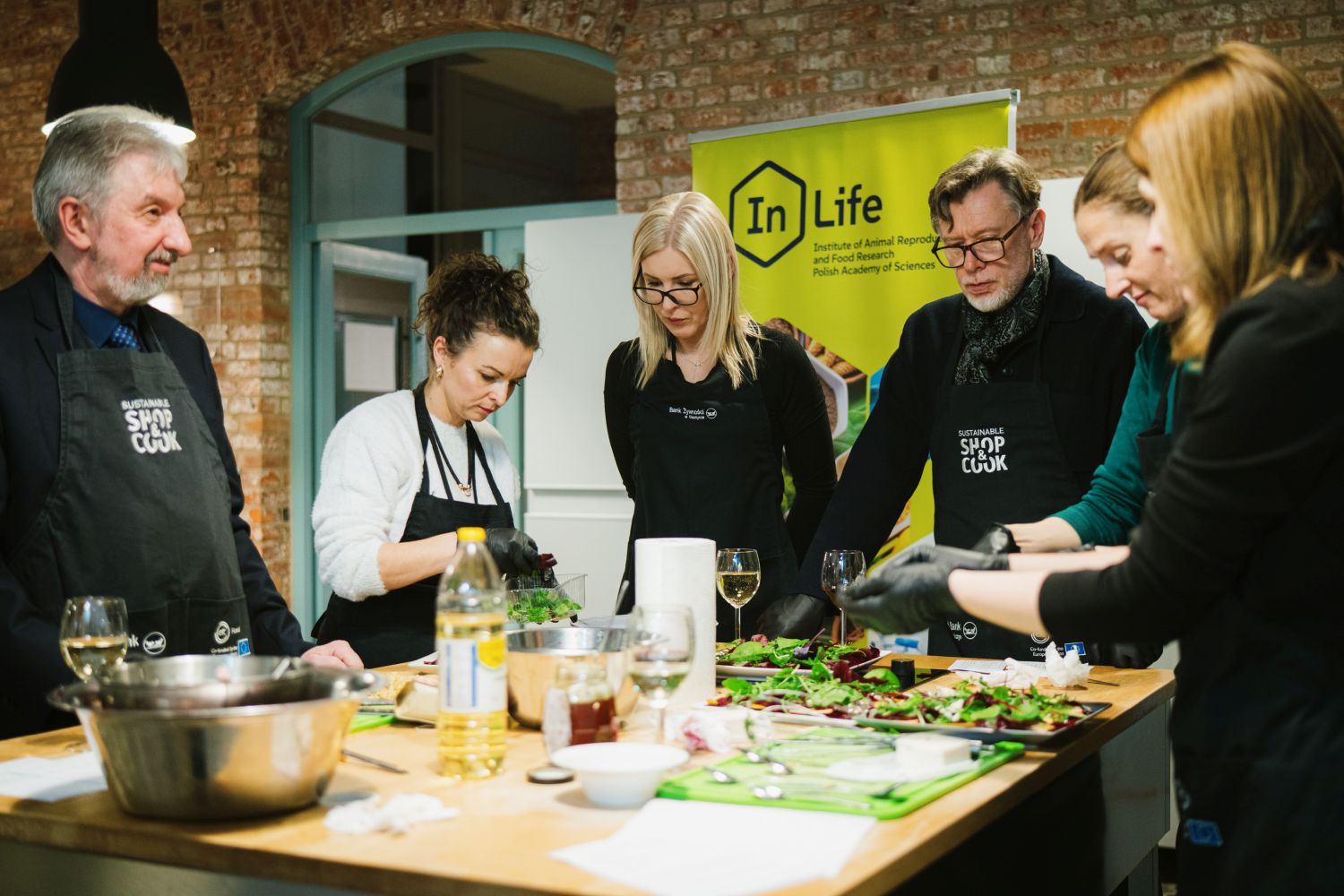
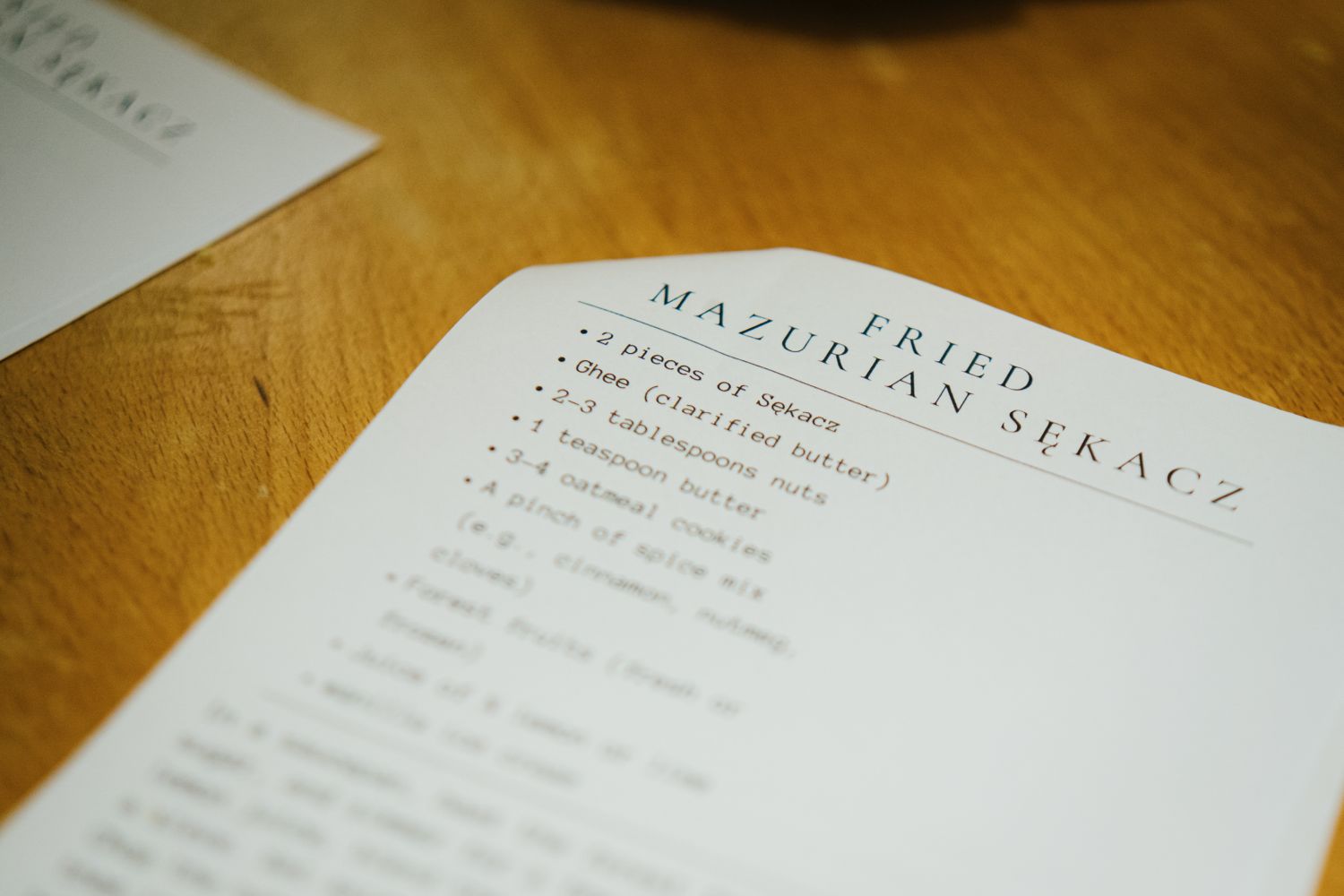
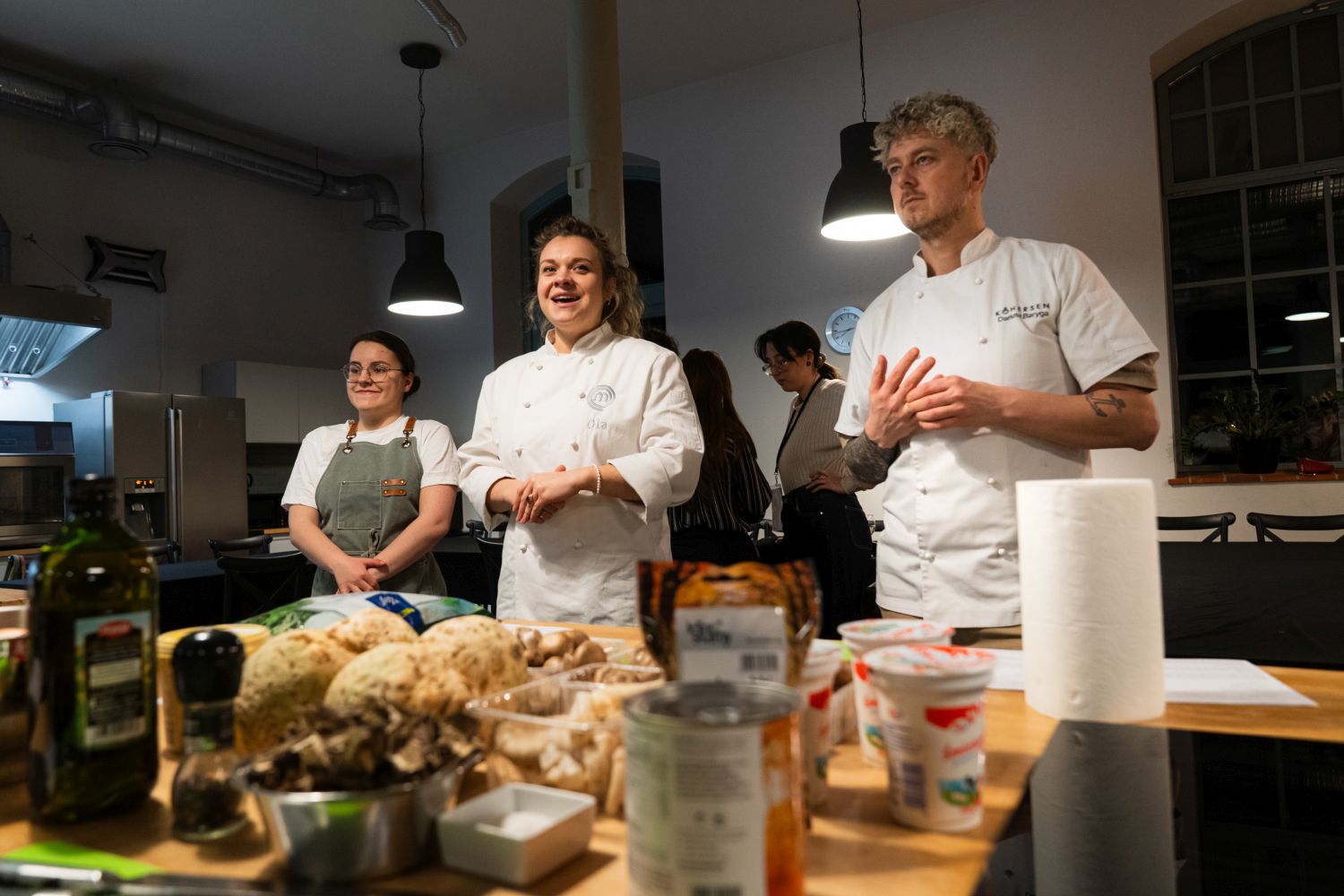
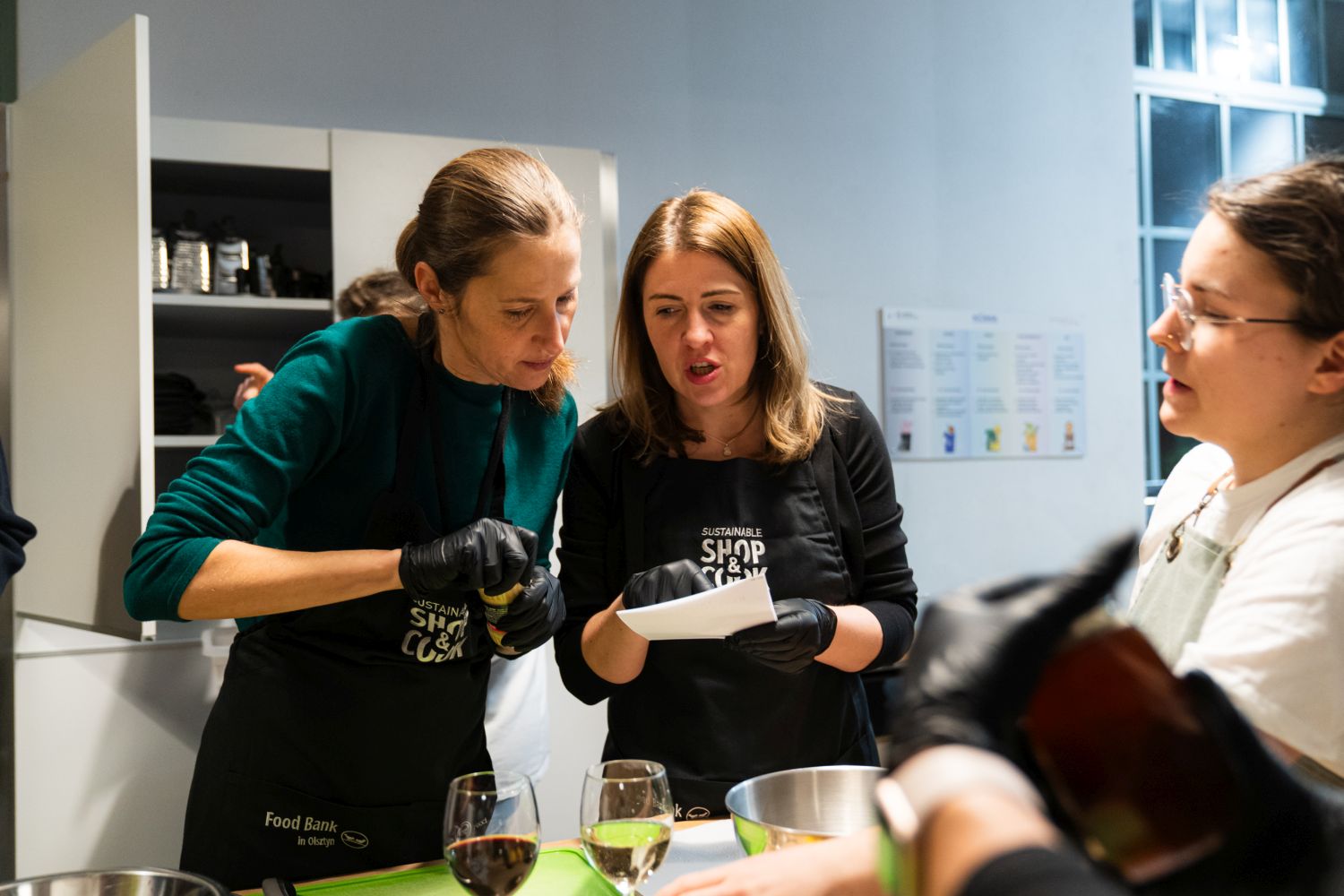
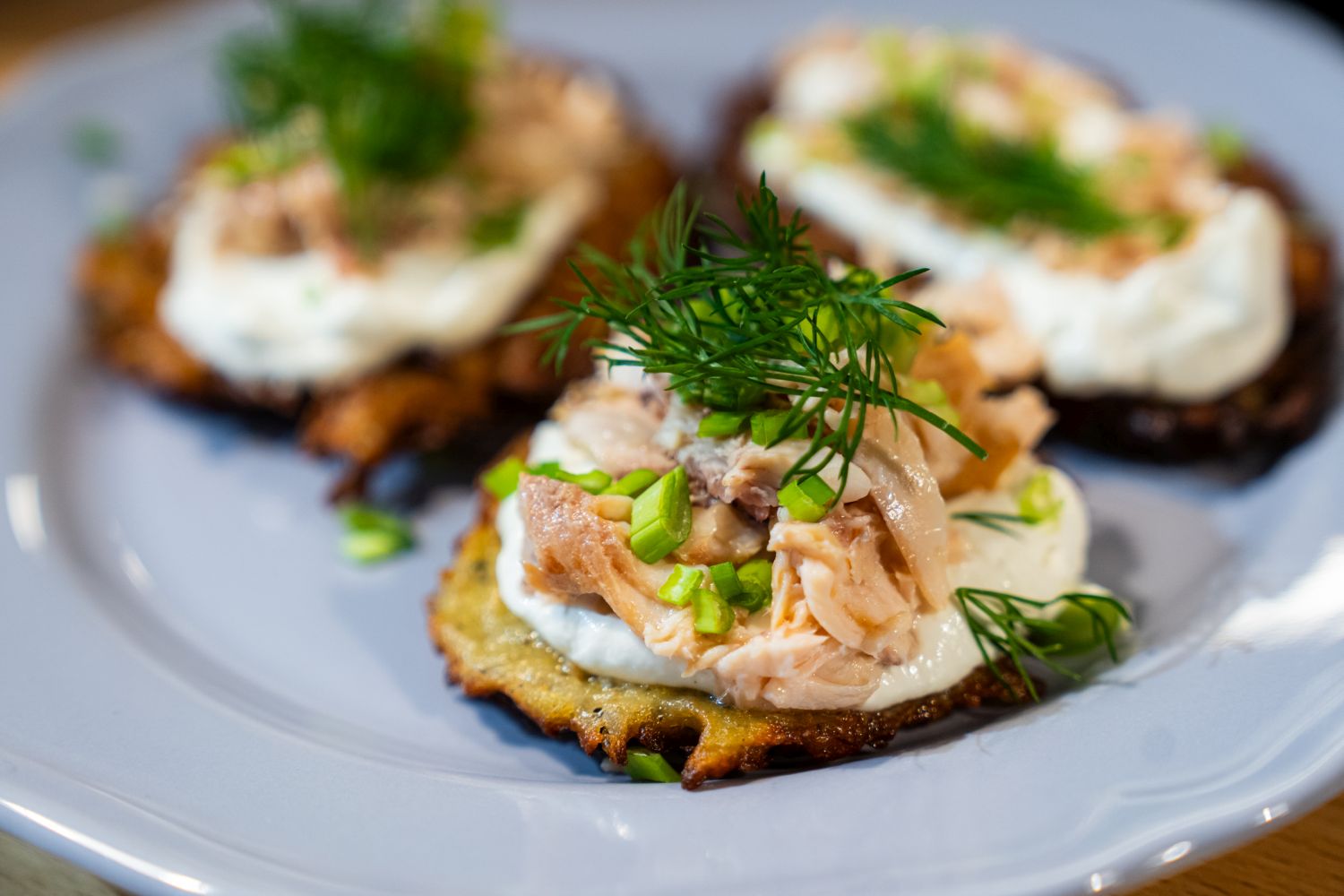
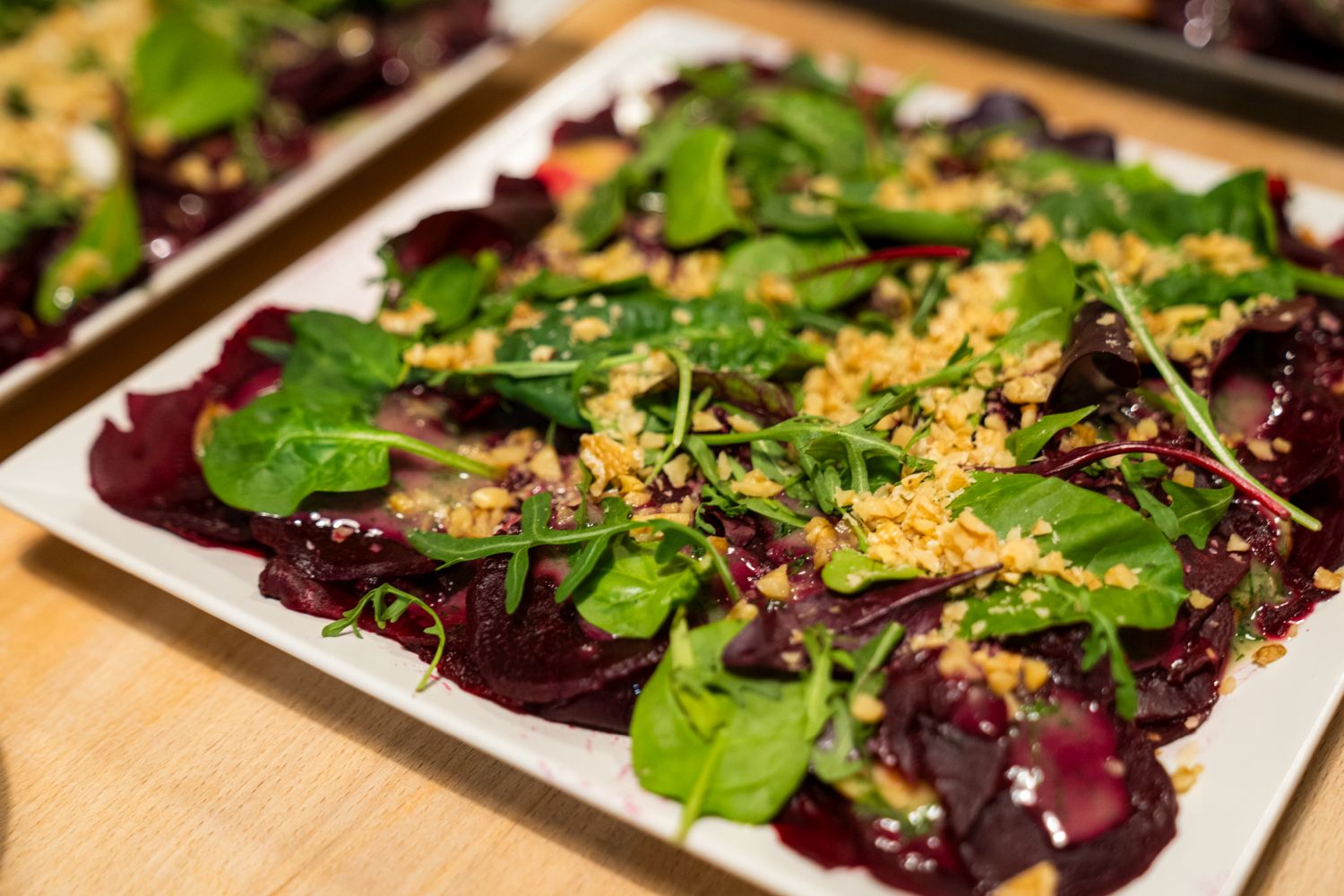
The day concluded with the culinary and networking session “One Table Experience – Cook, Learn, Share”. Participants prepared plant-based dishes using local products, fostering informal team collaboration and discussions on sustainable consumption models, short supply chains, and the role of local markets in food system transformation.
Science and Campus Living Labs
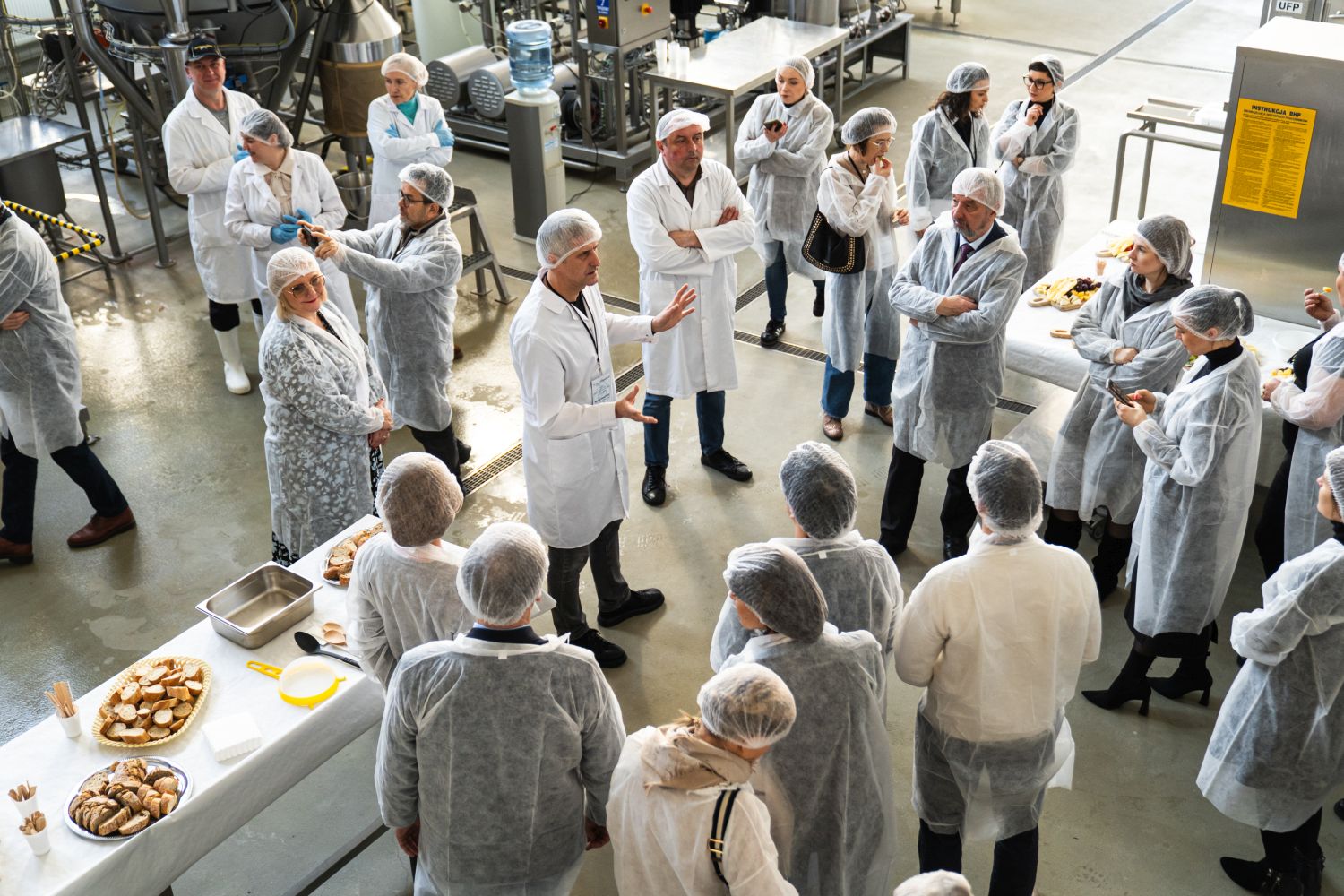
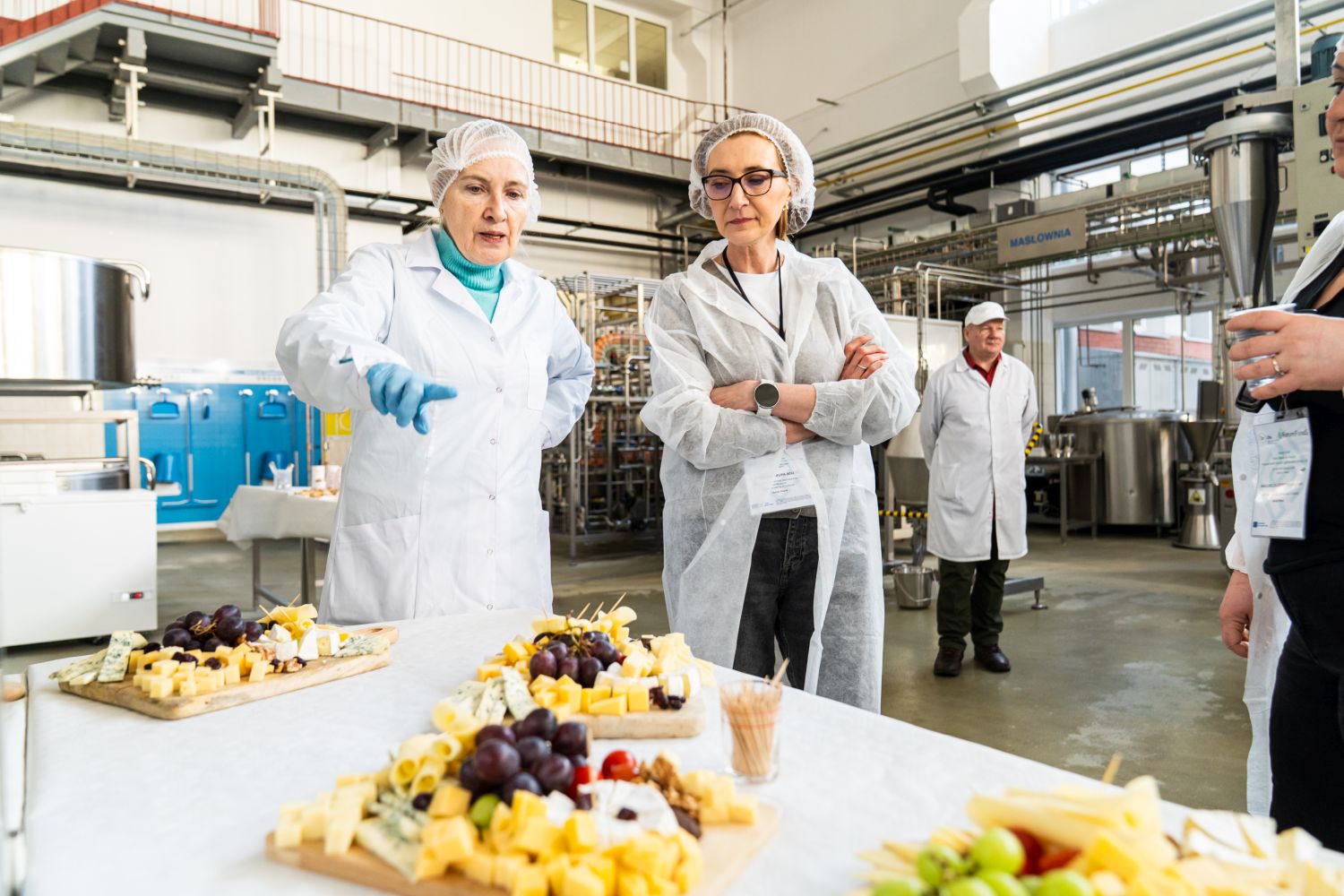
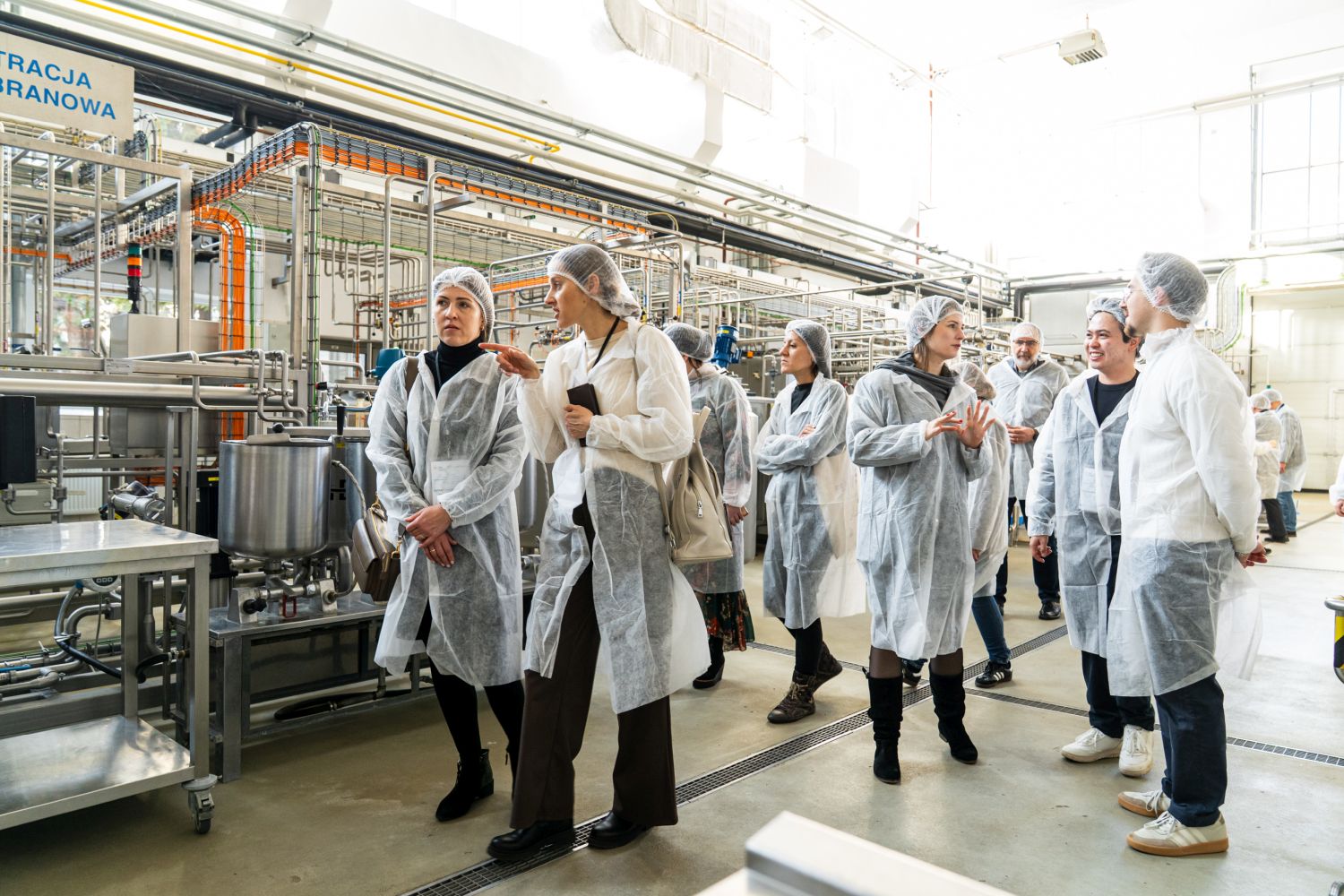
The second day of the visit was organised in collaboration with the University of Warmia and Mazury in Olsztyn, Faculty of Food Science, Department of Dairy Science. Participants attended a demonstration of the “From Milk to Market” model, showcasing the full dairy processing chain and product tasting. Experiences from Campus Living Labs at the Jagiellonian University were also presented, illustrating the role of universities as spaces for testing innovation in real educational and production environments.
For more information about the FutureFoodS European Partnership, click HERE.
InLife rozwija europejską sieć Living Labs. Międzynarodowa wizyta studyjna FutureFoodS
InLife Instytut Rozrodu Zwierząt i Badań Żywności PAN zorganizował międzynarodową wizytę studyjną w ramach Europejskiego Partnerstwa FutureFoodS. Instytut pełni w tym przedsięwzięciu rolę partnera odpowiedzialnego za współtworzenie i rozwój europejskiej sieci Living Labs w obszarze systemów żywnościowych — obejmujących cały łańcuch: od produkcji i przetwórstwa, przez konsumpcję i zdrowie publiczne, po ograniczanie marnowania żywności i wdrażanie zasad gospodarki o obiegu zamkniętym.
Wydarzenie zgromadziło członków partnerstwa oraz reprezentantów Living Labs i inicjatyw z Polski i innych krajów Europy. Celem była wymiana doświadczeń oraz prezentacja praktycznych modeli współtworzenia innowacji, w których nauka, społeczeństwo, biznes i administracja publiczna wspólnie projektują i testują rozwiązania dla transformacji systemów żywnościowych — w modelu tzw. poczwórnej helisy (4H).
Wizyta w Banku Żywności – wzorcowe laboratorium społeczne
Pierwszy dzień wizyty odbył się w Banku Żywności w Olsztynie, partnera Instytutu w sieci EIT Food . Bank uzyskał w partnerstwie FutureFoodS status tzw. „lighthouse social living lab”, co oznacza, że został uznany za jedno z europejskich laboratoriów demonstracyjnych w obszarze innowacji społecznych dla systemów żywnościowych. Status ten przyznawany jest organizacjom, które w sposób systemowy łączą działalność operacyjną z komponentem badawczym i społecznym, testują rozwiązania w warunkach rzeczywistych oraz prowadzą wspólne działania z interesariuszami systemu żywnościowego. Ośrodki takie pełnią rolę demonstratorów i punktów odniesienia dla innych podmiotów rozwijających model Living Lab w Europie.
Uczestnicy wizyty zapoznali się z misją Banku, jego modelem operacyjnym, skalą oddziaływania społecznego oraz rozwiązaniami wdrażanymi w zakresie przeciwdziałania marnowaniu żywności, współpracy z samorządami i lokalnymi przedsiębiorcami oraz budowania partnerstw międzysektorowych.
Living Labs w praktyce – współtworzenie w modelu poczwórnej helisy
W części eksperckiej zaprezentowano inicjatywy wykorzystujące metodologię Living Lab jako narzędzie projektowania i wdrażania zmian w systemach żywnościowych.
The Warsaw Food Lab (Polska) to miejskie laboratorium innowacji, które wspiera lokalną gastronomię i organizacje charytatywne, opracowując rozwiązania redukujące marnowanie żywności i optymalizujące jej dystrybucję do osób potrzebujących, także w sytuacjach kryzysowych.
Lab for Health IrsiCaixa (Barcelona), realizowany przy IrsiCaixa, rozwija partycypacyjne podejście do transformacji środowiska żywieniowego i zdrowotnego. Projekt angażuje społeczności lokalne, administrację publiczną i sektor prywatny w proces współtworzenia interwencji sprzyjających zdrowszym wyborom żywieniowym.
Consumer Engagement Labs, realizowane w InLife w ramach inicjatyw EIT Food, to inicjatywa systematycznego angażowania obywateli w projektowanie innowacji w sektorze żywnościowym. Model CEL, opracowany przez Uniwersytet Warszawski, wykorzystuje narzędzia badań konsumenckich, warsztaty współtworzenia prototypów, umożliwiając włączanie perspektywy konsumentów na wczesnych etapach rozwoju produktów i usług.
Prezentacje koncentrowały się na metodologii współtworzenia jako narzędziu umożliwiającym testowanie rozwiązań w warunkach rzeczywistych oraz ich skalowanie w różnych kontekstach społecznych i regionalnych.
Program wizyty studyjnej FutureFoodS obejmował również warsztat „Living Labs for Business Development – From Creation to Market Success”, poświęcony wykorzystaniu metodologii Living Lab w rozwoju produktów i usług — od fazy koncepcji po wdrożenie rynkowe, z uwzględnieniem aspektów walidacji rynkowej i współpracy z interesariuszami.
Dzień zakończyły warsztaty kulinarne i networking „One Table Experience – Cook, Learn, Share”. Spotkanie miało formułę wspólnego gotowania i pracy zespołowej w mniej formalnym, integracyjnym formacie. Uczestnicy przygotowywali dania roślinne oparte na produktach od lokalnych producentów, co stało się punktem wyjścia do rozmów o zrównoważonych modelach konsumpcji, krótkich łańcuchach dostaw oraz roli lokalnych rynków w transformacji systemów żywnościowych.
Nauka i Campus Living Labs
Drugi dzień wizyty odbył się we współpracy z Uniwersytetem Warmińsko-Mazurskim w Olsztynie, Katedrą Mleczarstwa Wydziału Nauki o Żywności. Uczestnicy wzięli udział w prezentacji modelu „From Milk to Market”, obejmującej pokaz procesu technologicznego na linii przetwórstwa mleczarskiego oraz degustację produktów. Zaprezentowano również doświadczenia Campus Living Lab realizowanego przez Uniwersytet Jagielloński, pokazując rolę uczelni jako przestrzeni testowania innowacji w rzeczywistym środowisku edukacyjnym i produkcyjnym.
Więcej informacji o Europejskim Partnerstwie FutureFoods TUTAJ.
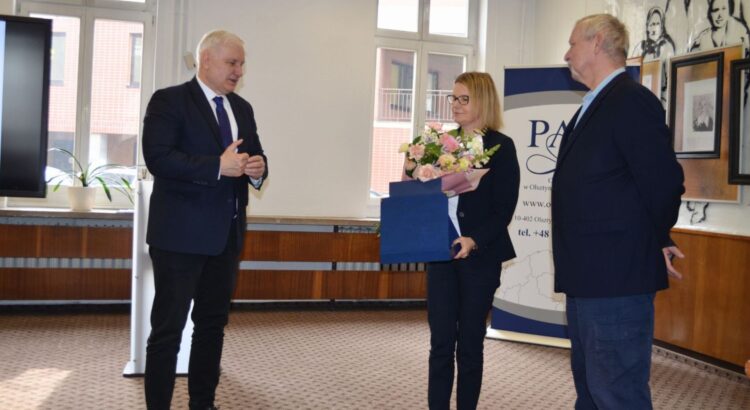
Polish Academy of Sciences Scientific Award for Professor Mariola Dietrich for Research on the Proteome of the Fish Reproductive System
Precise analysis of the proteome and phosphoproteome provides insight into the molecular mechanisms that determine fertilization efficiency, semen quality, and the resilience of the reproductive system to infections. Understanding these processes is crucial both for reproductive biology and for practical applications, including the optimization of cryopreservation methods and the monitoring of reproductive health in aquaculture and species conservation.
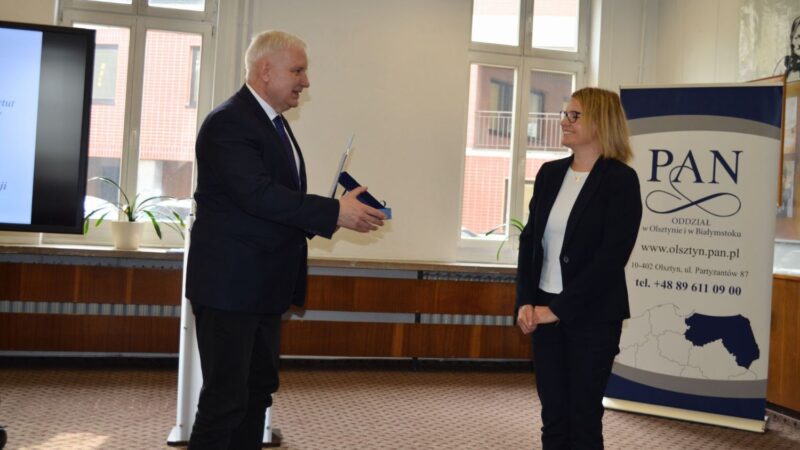
In recognition of her contributions to research in this field, Professor Mariola Dietrich has been awarded the Scientific Award of the Polish Academy of Sciences, Olsztyn and Białystok Branch, in the category of biological, agricultural, and medical sciences.
The distinction was granted for the scientific achievement entitled “Characterization of the Proteome and Phosphoproteome of the Fish Reproductive System in the Context of Bacterial Infections and Cryopreservation”, comprising a series of publications focused on the role of fish gamete proteins and their microenvironment. The research examined the impact of cryopreservation and bacterial infections on protein composition and post-translational modifications in the semen of two key species—sturgeon and carp.
Key Research Findings
The analyses conducted enabled:
- the identification of novel markers of semen quality, cryoinjury, and reproductive system infections,
- the elucidation of molecular mechanisms responsible for reduced reproductive capacity.
The results significantly expand current knowledge on the molecular regulation of fertilization. They also provide a foundation for improving cryopreservation procedures and developing tools for assessing the reproductive condition of aquatic organisms—an advancement of importance for modern aquaculture as well as for species conservation efforts.
We warmly congratulate Professor Dietrich on this distinction and thank her for research that strengthens the foundations of contemporary reproductive biology and advances the fields of food science and aquatic environmental studies.
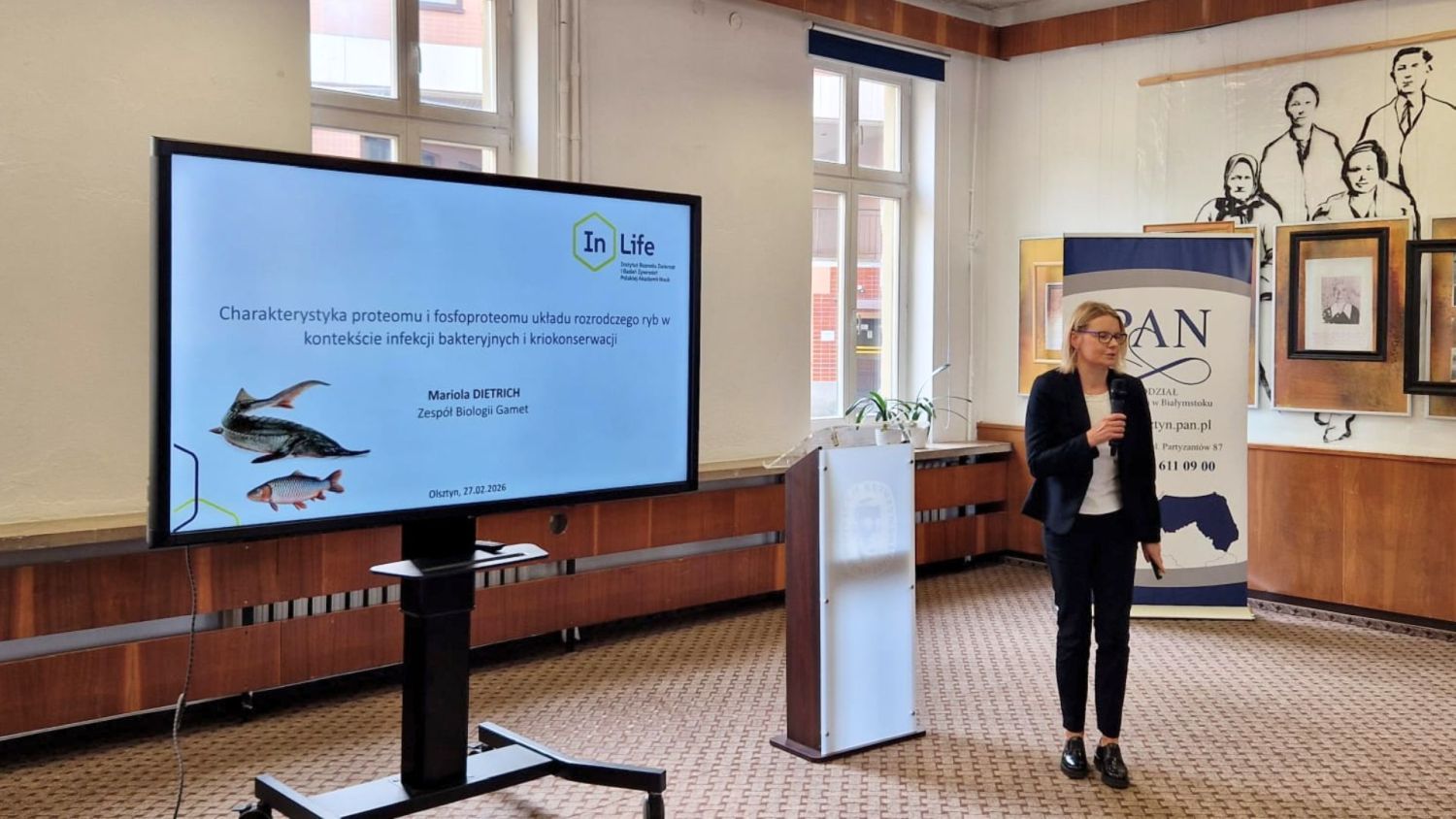
Photo: Polish Academy of Sciences, Olsztyn and Białystok Branch, based in Olsztyn
Nagroda Naukowa PAN dla prof. Marioli Dietrich za badania nad proteomem układu rozrodczego ryb
Precyzyjna analiza proteomu i fosfoproteomu pozwala zajrzeć w molekularne mechanizmy, które decydują o skuteczności zapłodnienia, jakości nasienia oraz odporności układu rozrodczego na infekcje. Zrozumienie tych procesów ma kluczowe znaczenie zarówno dla biologii rozrodu, jak i dla praktyki, w tym dla doskonalenia metod kriokonserwacji oraz monitorowania zdrowia reprodukcyjnego w akwakulturze i ochronie gatunków.
Za wkład w rozwój badań w tym obszarze prof. dr hab. Mariola Dietrich została uhonorowana Nagrodą Naukową Oddziału PAN w Olsztynie i w Białymstoku w kategorii nauk biologicznych, rolniczych i medycznych.
Wyróżnienie przyznano za osiągnięcie naukowe pt.: „Charakterystyka proteomu i fosfoproteomu układu rozrodczego ryb w kontekście infekcji bakteryjnych i kriokonserwacji”, obejmujące cykl publikacji poświęconych roli białek gamet ryb oraz ich środowiska. Badania koncentrowały się na analizie wpływu kriokonserwacji i infekcji bakteryjnych na skład białkowy oraz modyfikacje potranslacyjne białek nasienia dwóch istotnych gatunków – jesiotra i karpia.
Najważniejsze rezultaty badań
Przeprowadzone analizy pozwoliły na:
- identyfikację nowych markerów jakości nasienia, kriouszkodzeń oraz infekcji układu rozrodczego,
- wskazanie molekularnych mechanizmów odpowiedzialnych za obniżenie zdolności rozrodczej.
Uzyskane wyniki istotnie poszerzają wiedzę na temat regulacji procesu zapłodnienia na poziomie molekularnym. Stanowią również podstawę do udoskonalania procedur kriokonserwacji oraz opracowywania narzędzi do oceny kondycji reprodukcyjnej organizmów wodnych – co ma znaczenie zarówno dla nowoczesnej akwakultury, jak i działań związanych z ochroną gatunków.
Serdecznie gratulujemy Pani Profesor tego wyróżnienia i dziękujemy za badania, które wzmacniają fundamenty współczesnej biologii rozrodu oraz rozwój nauk o żywności i środowisku wodnym.
Fot. Oddział PAN w Olsztynie i w Białymstoku z siedzibą w Olsztynie
Technologist/ Specialist in Molecular Biology of Reproduction Team
The InLife Institute of Animal Reproduction and Food Research Polish Academy of Sciences, is seeking a Specialist or Technologist to join the Molecular Biology of Reproduction Team. The successful candidate will act, supporting both research activities and day-to-day lab operations.
Key Responsibilities:
- actively participate in ongoing research projects,
- coordinate and perform experiments in vitro,
- conduct laboratory analyses, including DNA, RNA, and protein isolation and quantification, microscopy and immunohistochemistry analyses, hormone assays,
- collecting samples from animals
- oversee laboratory logistics: inventory management, ordering supplies, keeping current documentation, liaising with administration.
Role in the Research Team:
The successful candidate will provide key technical and organizational support for the team, including implementation of designated experimental stages and coordination of selected research tasks. The position requires close cooperation with other researchers and maintaining smooth laboratory operations.
Required Qualifications and Experience:
- university degree (BSc, MSc or PhD) in life sciences (e.g., biology, biotechnology, or related field),
- hands-on experience in at least one of the following: molecular biology, animal and human reproduction, isolation and culture of primary cells in vitro, in vivo experiments,
- excellent English proficiency (reading scientific literature, communication, documentation),
- ability to document and report research results clearly,
- responsibility, independence, diligence and precision in completing assigned duties out assigned tasks,
- team spirit and excellent interpersonal skills.
Highly appreciated:
- previous experience in laboratory work,
- hands on experience of trancriptomics and bioinformatics methods.
What We Offer:
- stable employment at a leading research institute of the Polish Academy of Sciences,
- opportunities for professional development, including participation in trainings on molecular biology methods,
- possibility for professional development in the field of reproductive biology, endocrinology, and epigenetics,
- a supportive, collaborative, and friendly working environment,
- access to modern laboratory infrastructure,
- optional involvement in scientific publications or project writing (depending on experience),
- Benefits from the Company Social Benefits Fund (e.g. Multisport).
Terms of Employment:
- full-time employment,
- salary: depending on experience and qualifications,
- expected start date: March/April 2026.
Required Application Documents:
- cover letter,
- curriculum vitae (CV),
- copy of academic diploma (MSc or PhD),
- references or opinion of MSc or PhD promoter,
- any other documents relevant to the application.
Deadline and place for submitting documents:
Documents application you should to be submitted by 19.03.2026 (12:00 CET) at the latest address e-mail: rekrutacja@pan.olsztyn.pl (in the title: specialist/technologist at MBR team). Additional information: a.waclawik@pan.olsztyn.pl.
After making analysis of submitted applications, we will contact you with the chosen ones candidates the purpose to carry out further stages process recruitment.
Please include the following in your CV: clause consent on processing By us data personal data in the process recruitment:
„I express consent on processing my data personal contained in the documents application By InLife Institute Reproduction Animals and Research Food Polish Academy of Sciences with headquarters at 10-683 Olsztyn, ul. Trylińskiego 18, for the purpose of implementation process recruitment”.
Administrator data personal processed within the framework of process recruitment is the InLife Institute Reproduction Animals and Research Food PAS, with headquarters at 10-683 Olsztyn, ul. Trylińskiego 18, tel. 89 523 46 86, e-mail: institute@pan.olsztyn.pl.
Contact with inspector protection data personal data is available at: iodo@pan.olsztyn.pl.
Given data personal processed they will be in order implementation present process recruitment and stored until his endings on the basis of expressed consent (pursuant to Article 6 paragraph 1 letter a of the GDPR).
The person whose data they concern is entitled to the right to withdraw consent at any time moment without influence on legality processing, which was done on the basis of consent Before her revocation.
The person you data they concern is entitled to law access to your data personal data, request their rectification or removal. Submission tasks removal data is equivalent to resigning from participating in the process this recruitment. In addition is entitled to her the right to demand limitations processing in cases specified in Article 18 of the GDPR.
The person whose data they concern, they are entitled to the right to bring complaints to the president Office Protection Data Personal on illegal processing her data personal data. This body will be appropriate for consideration complaints about that law Bringing Complaints refers to only legal compliance processing data personal, no refers to and course recruitment.
Data shared NO they will be were subject to profiling or sharing entities Whether to the countries third. Recipients data they can to be institutions authorized by virtue of laws.
Pass data contained in the documents recruitment it is not obligatory, but it is a condition necessary to participate in the process recruitment.