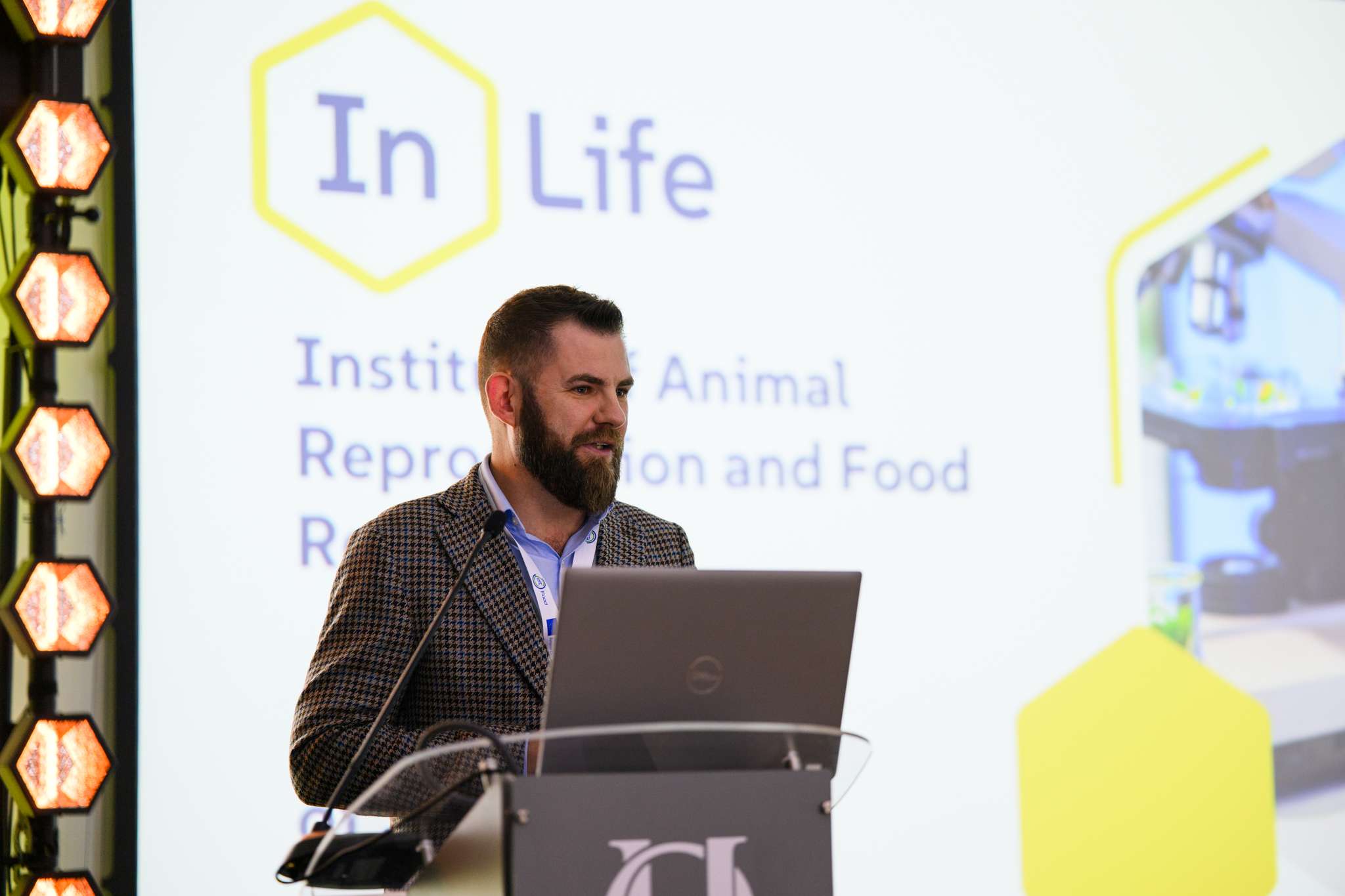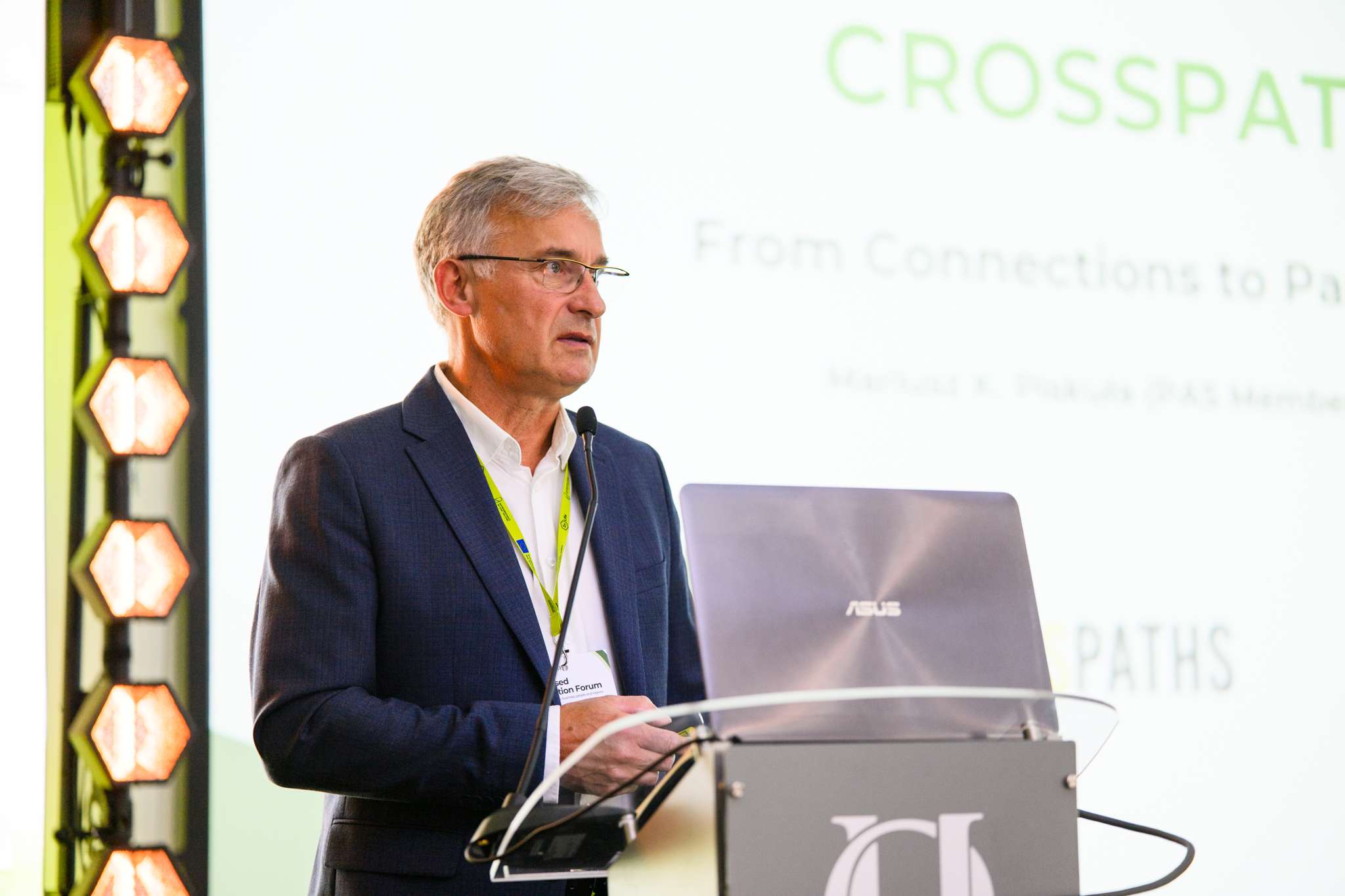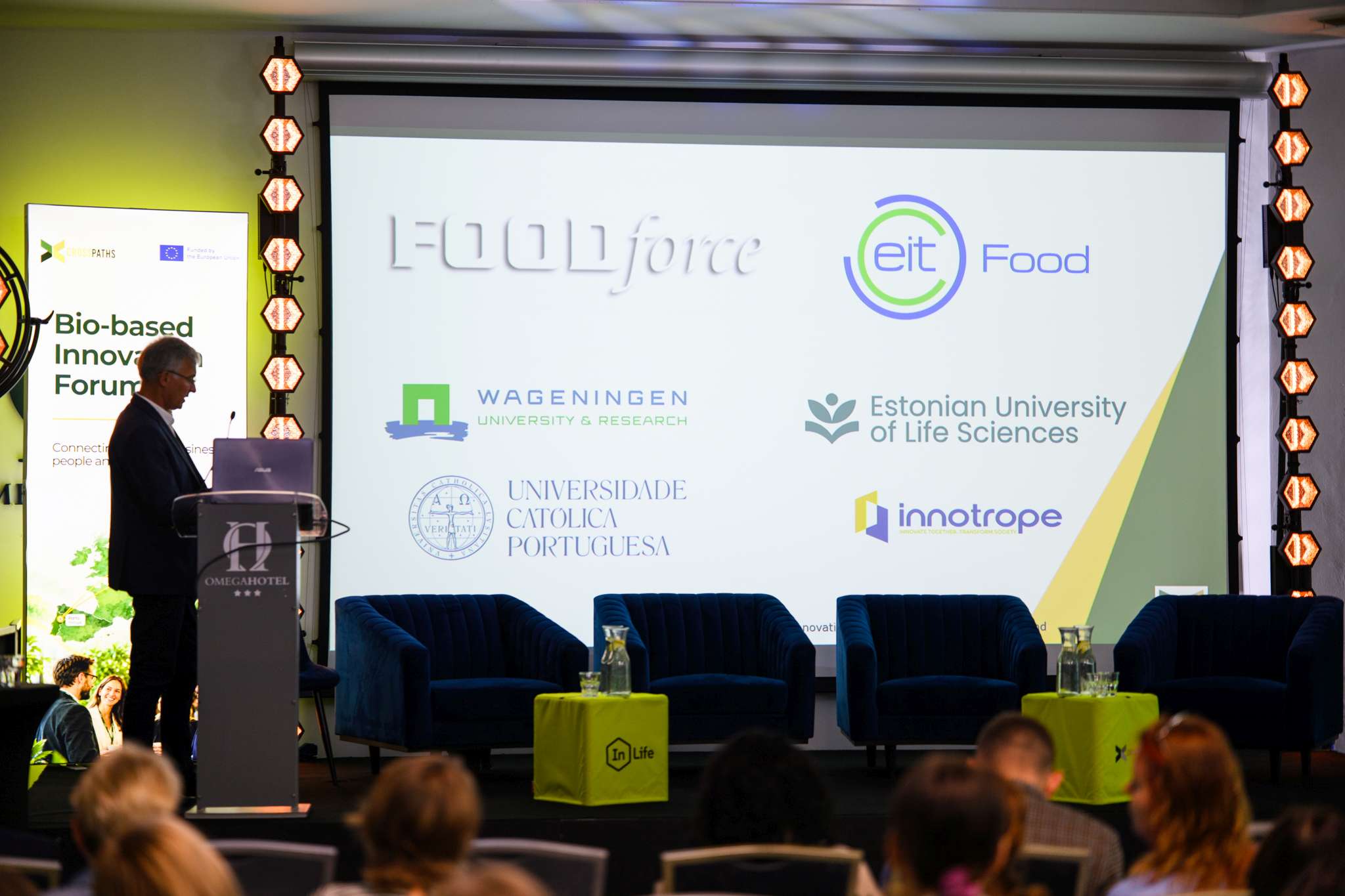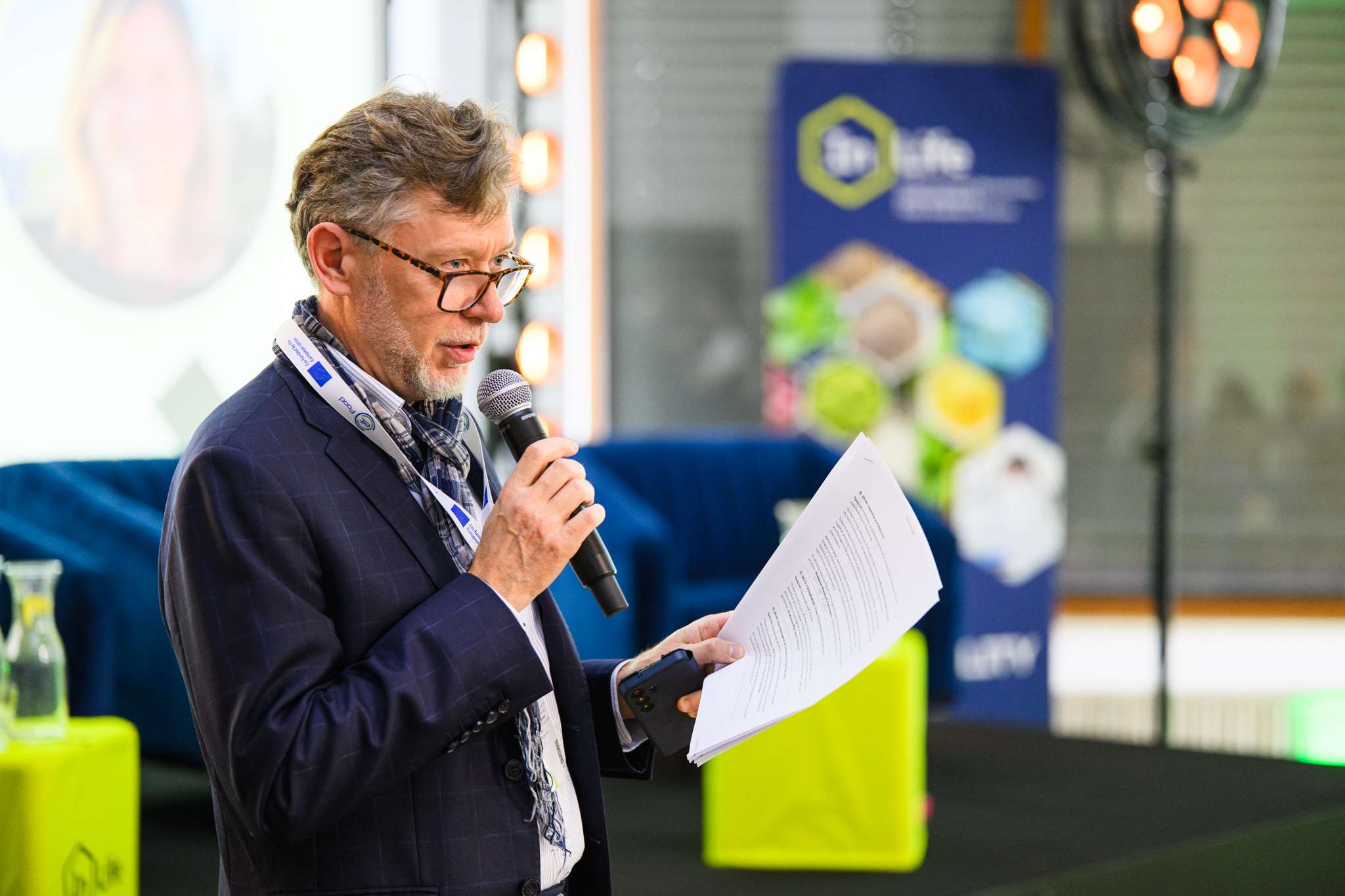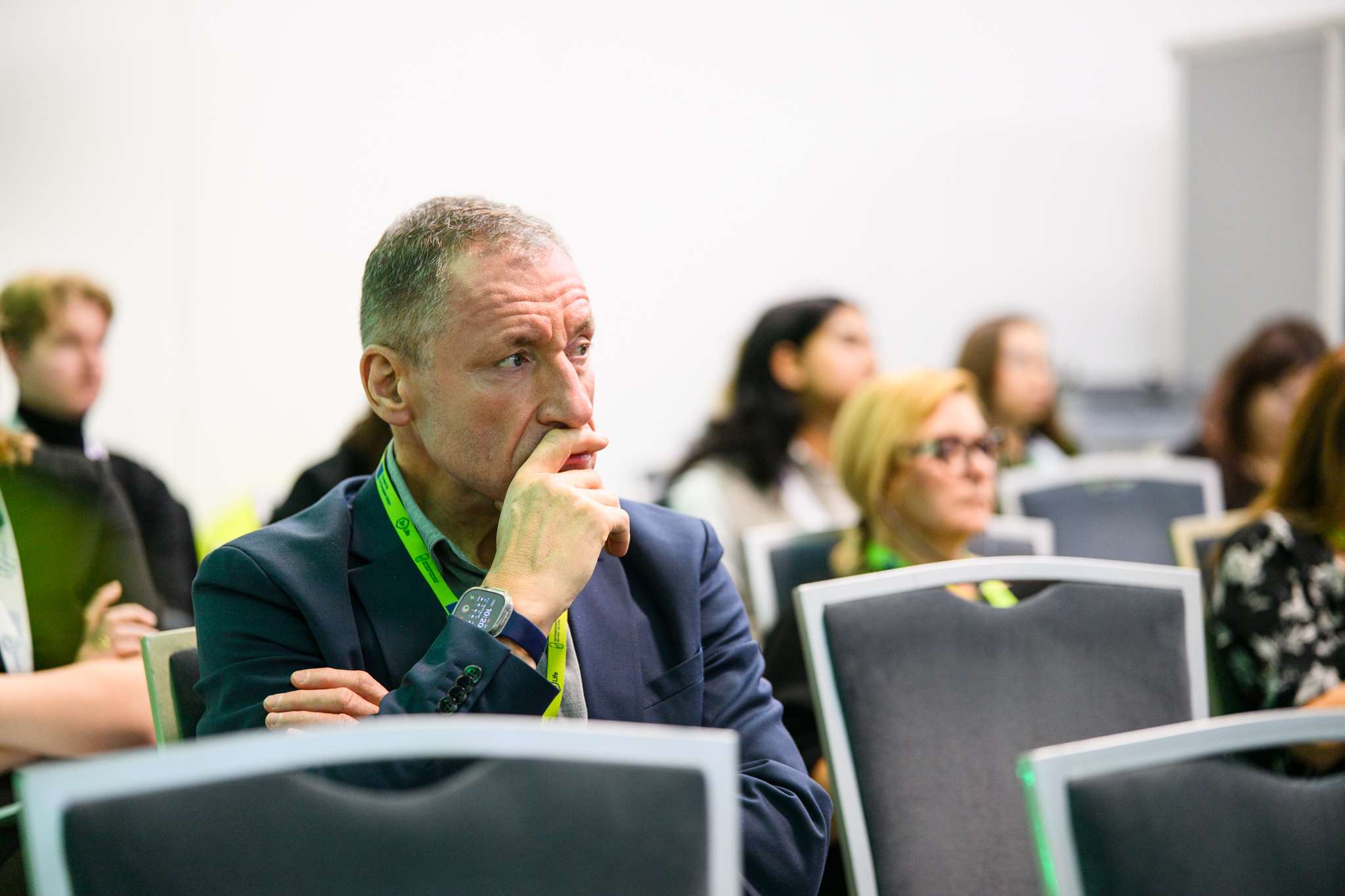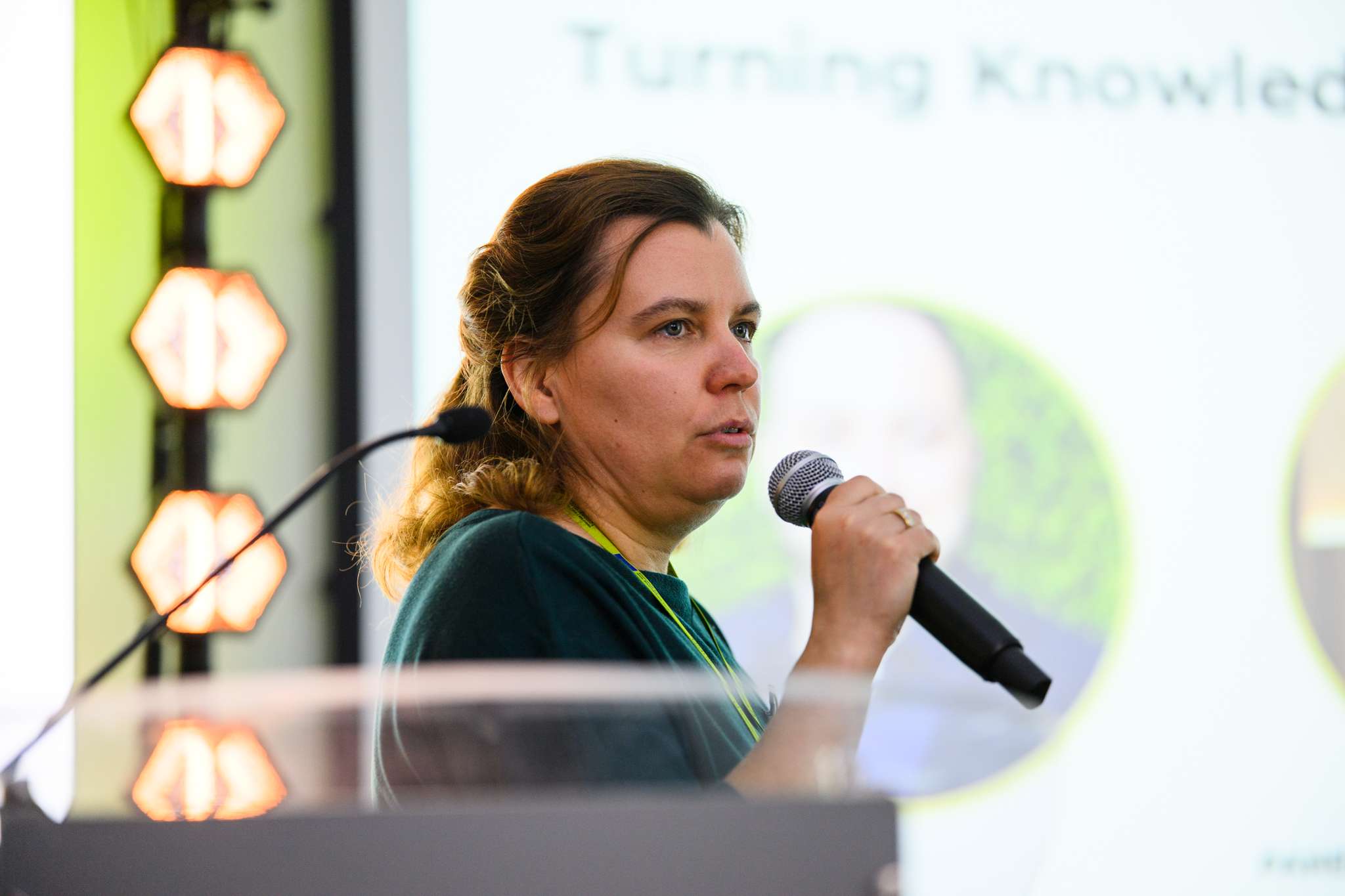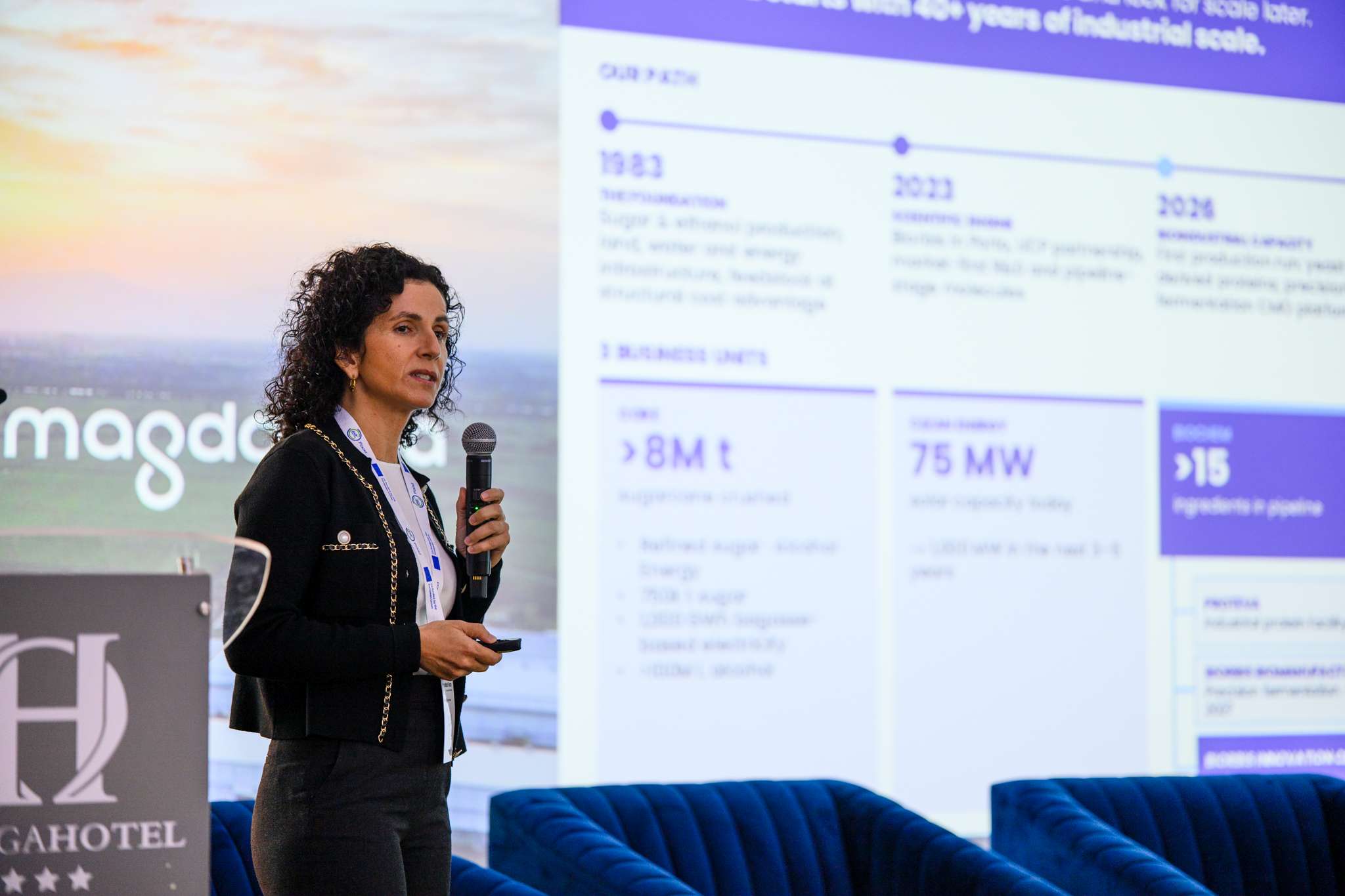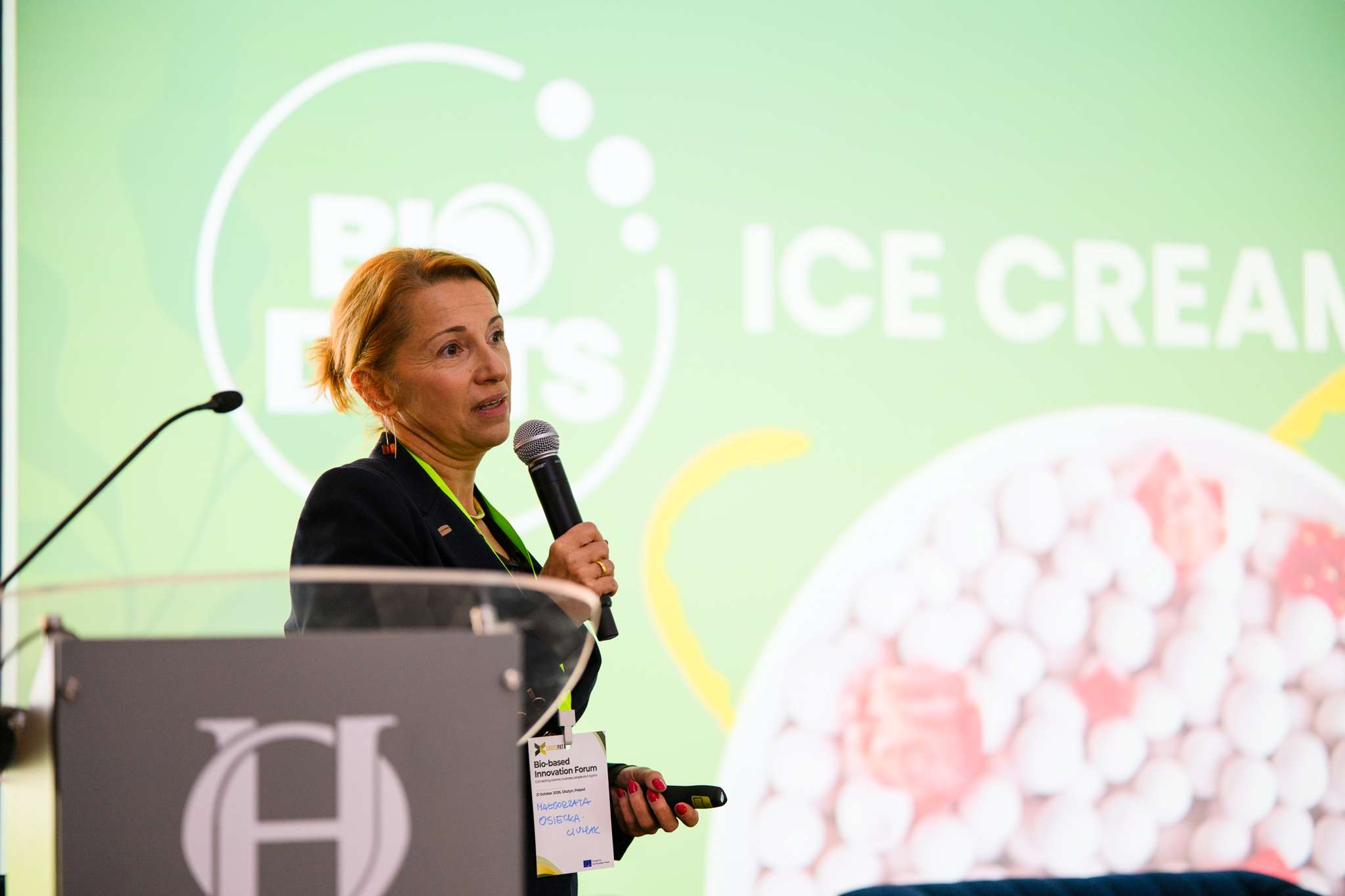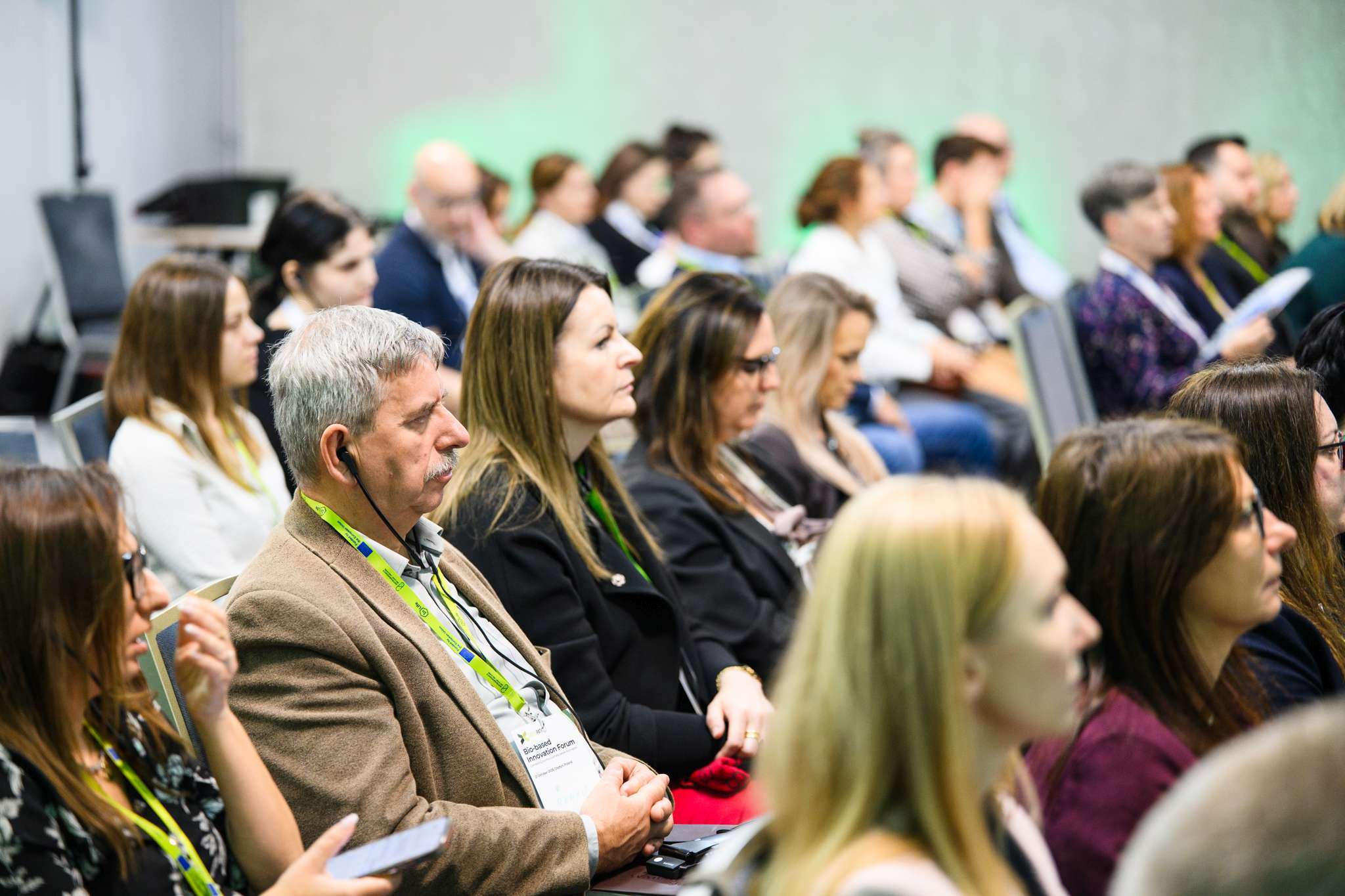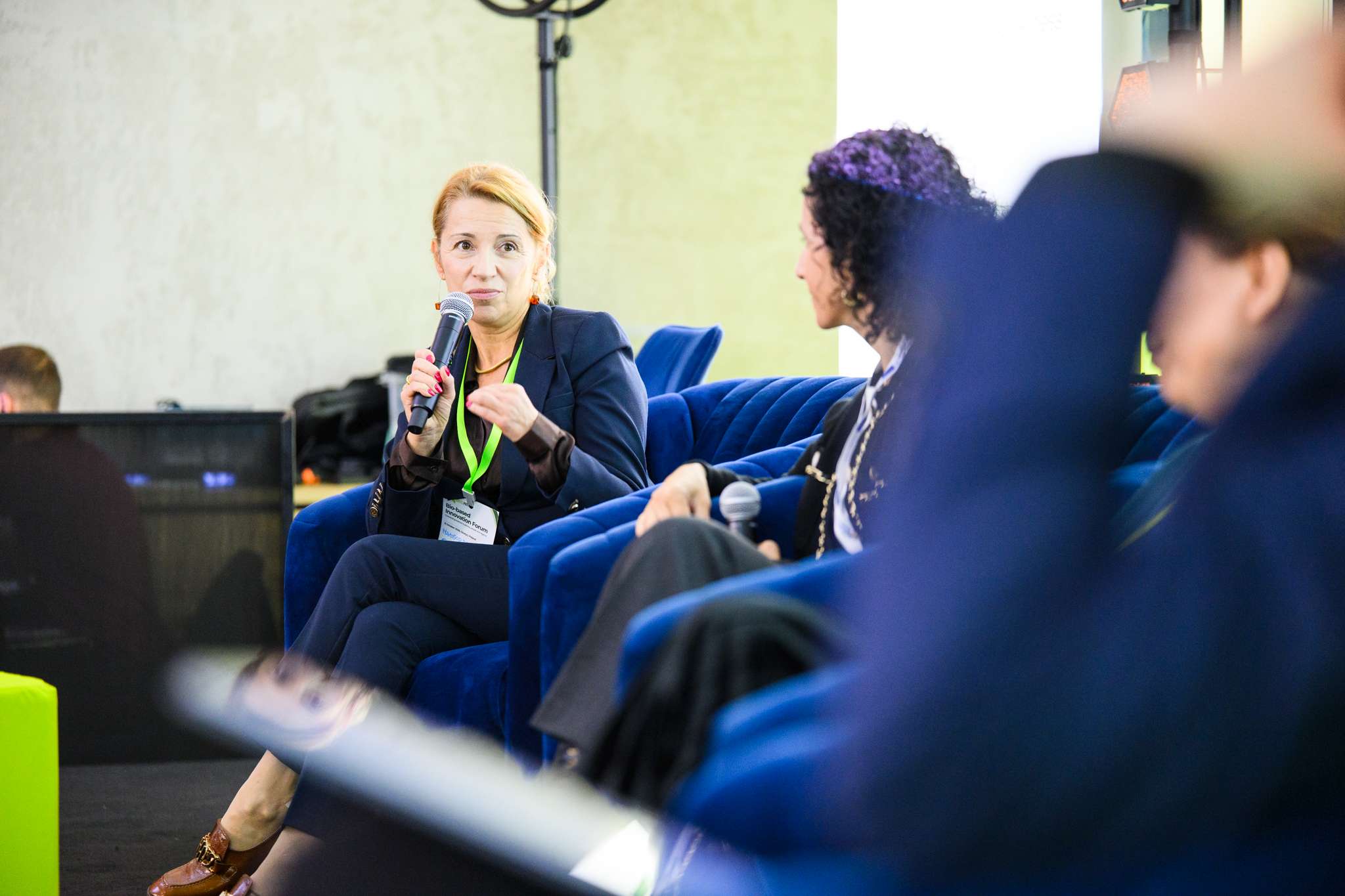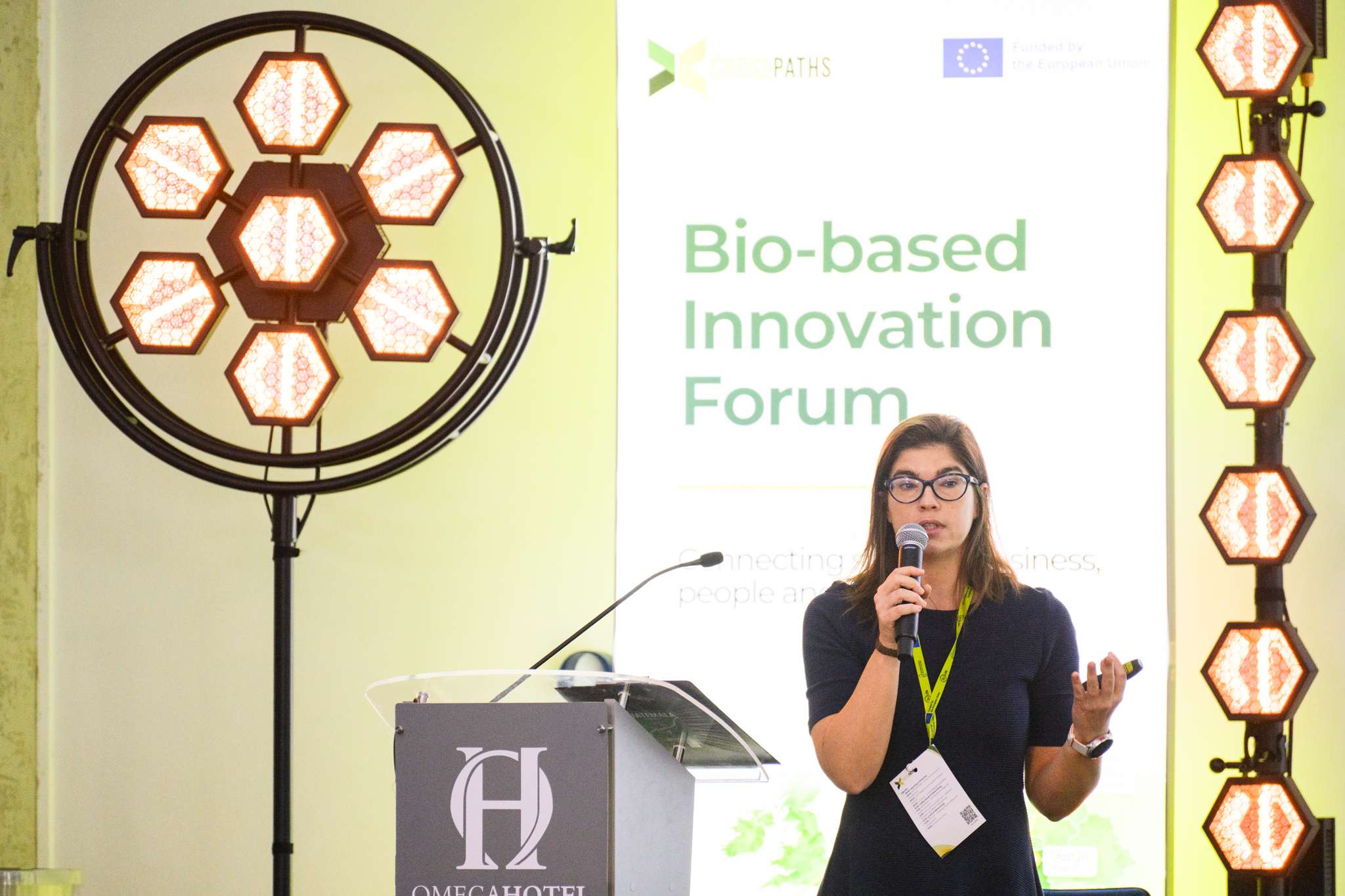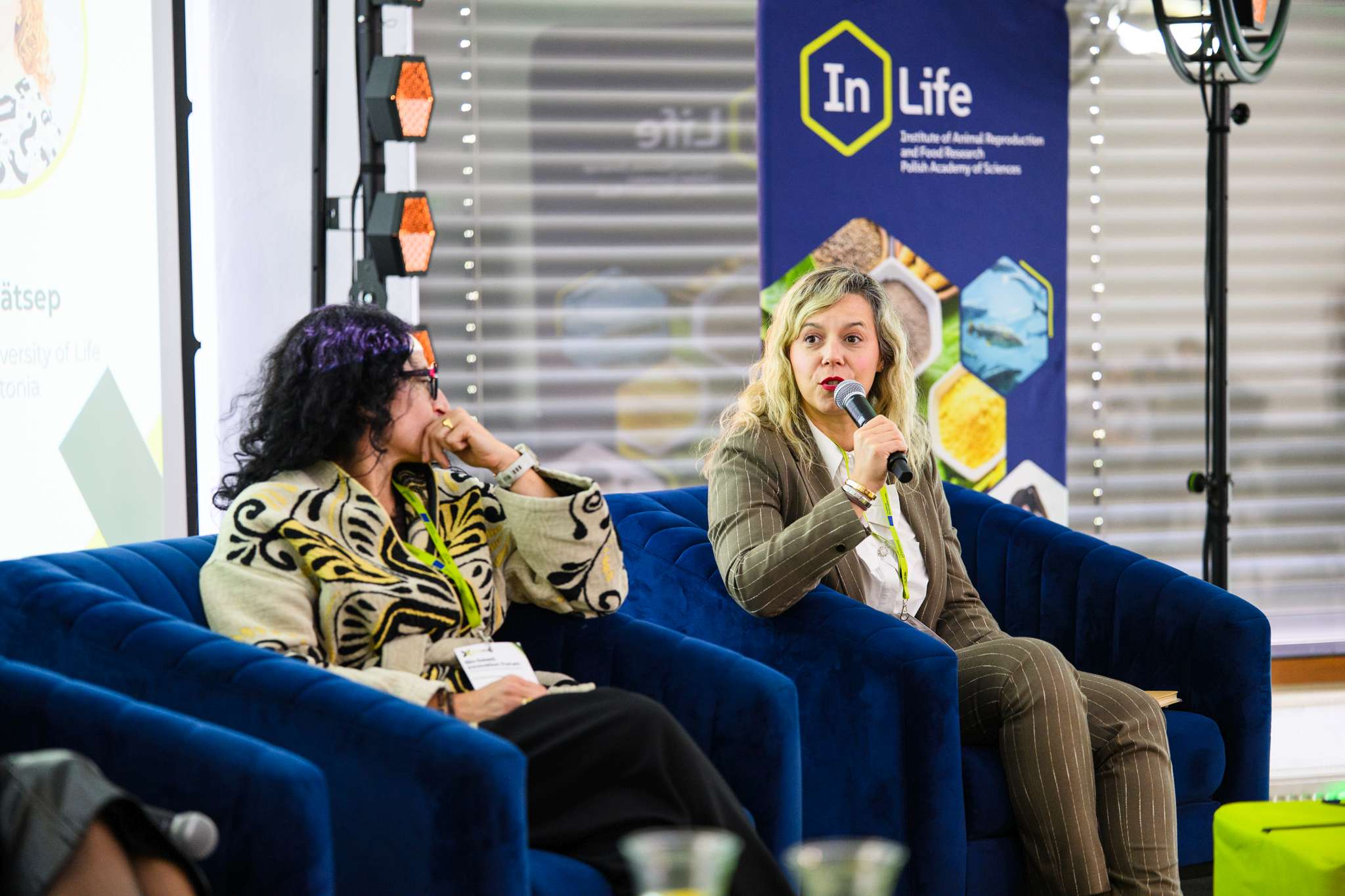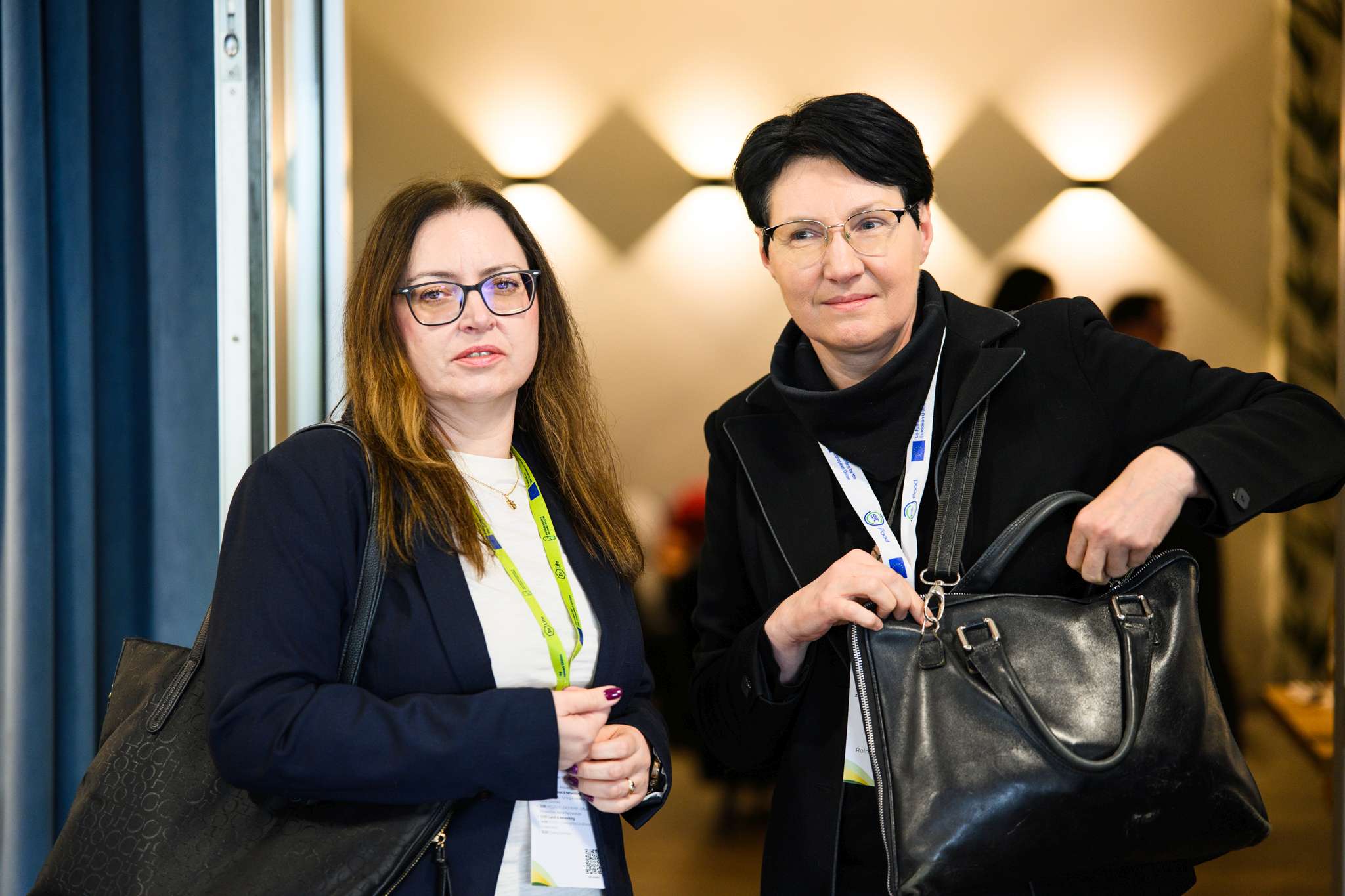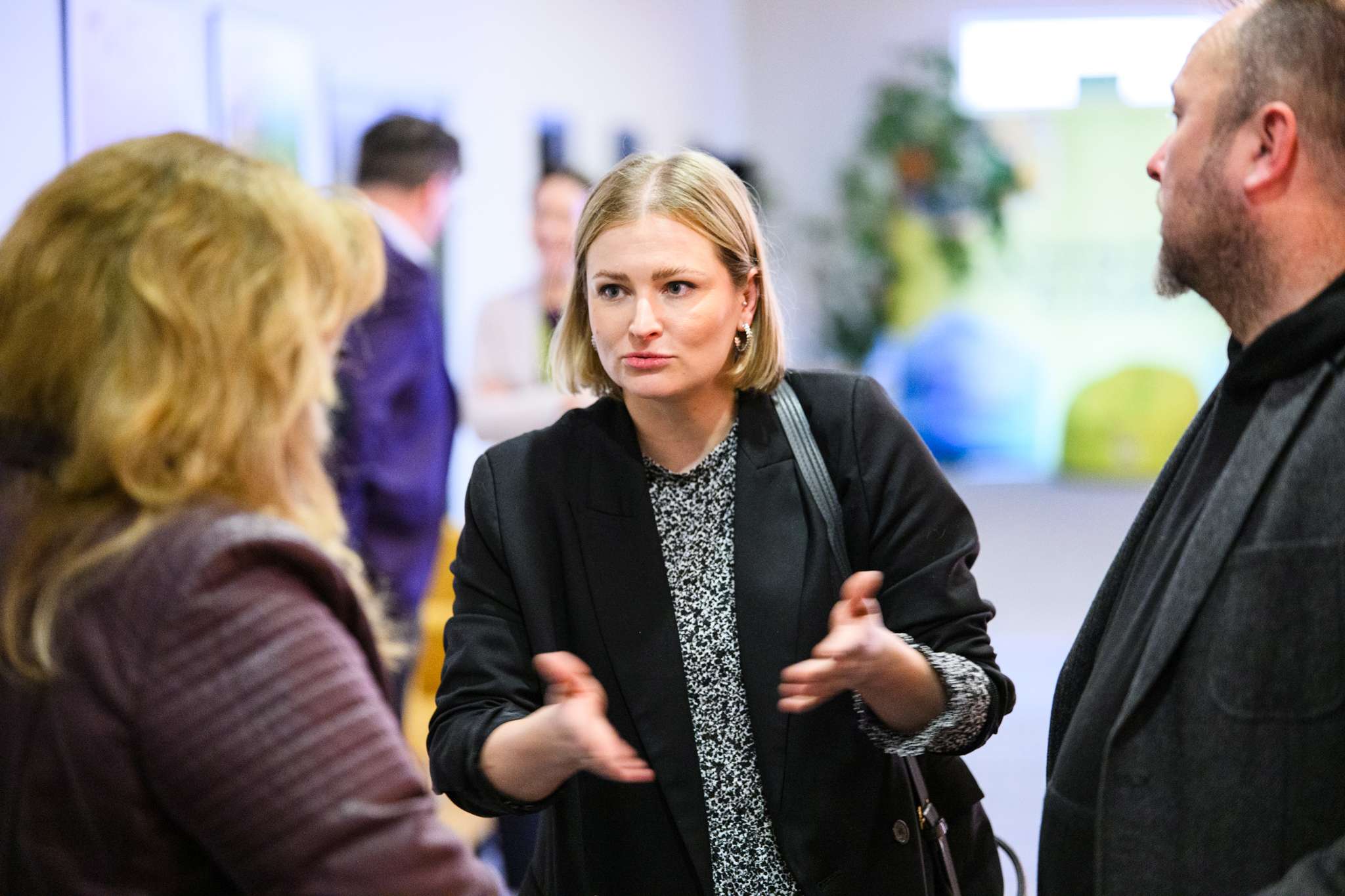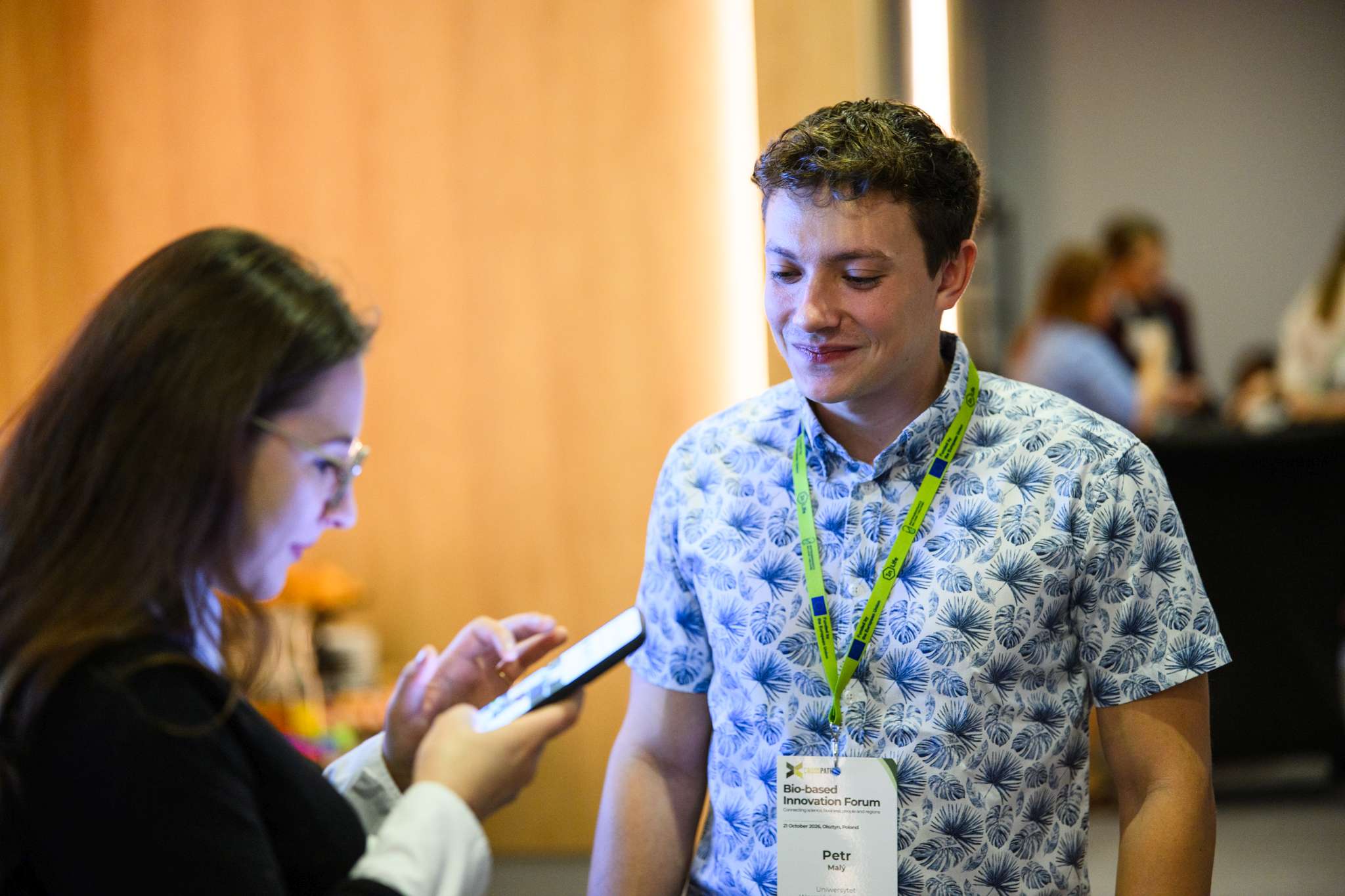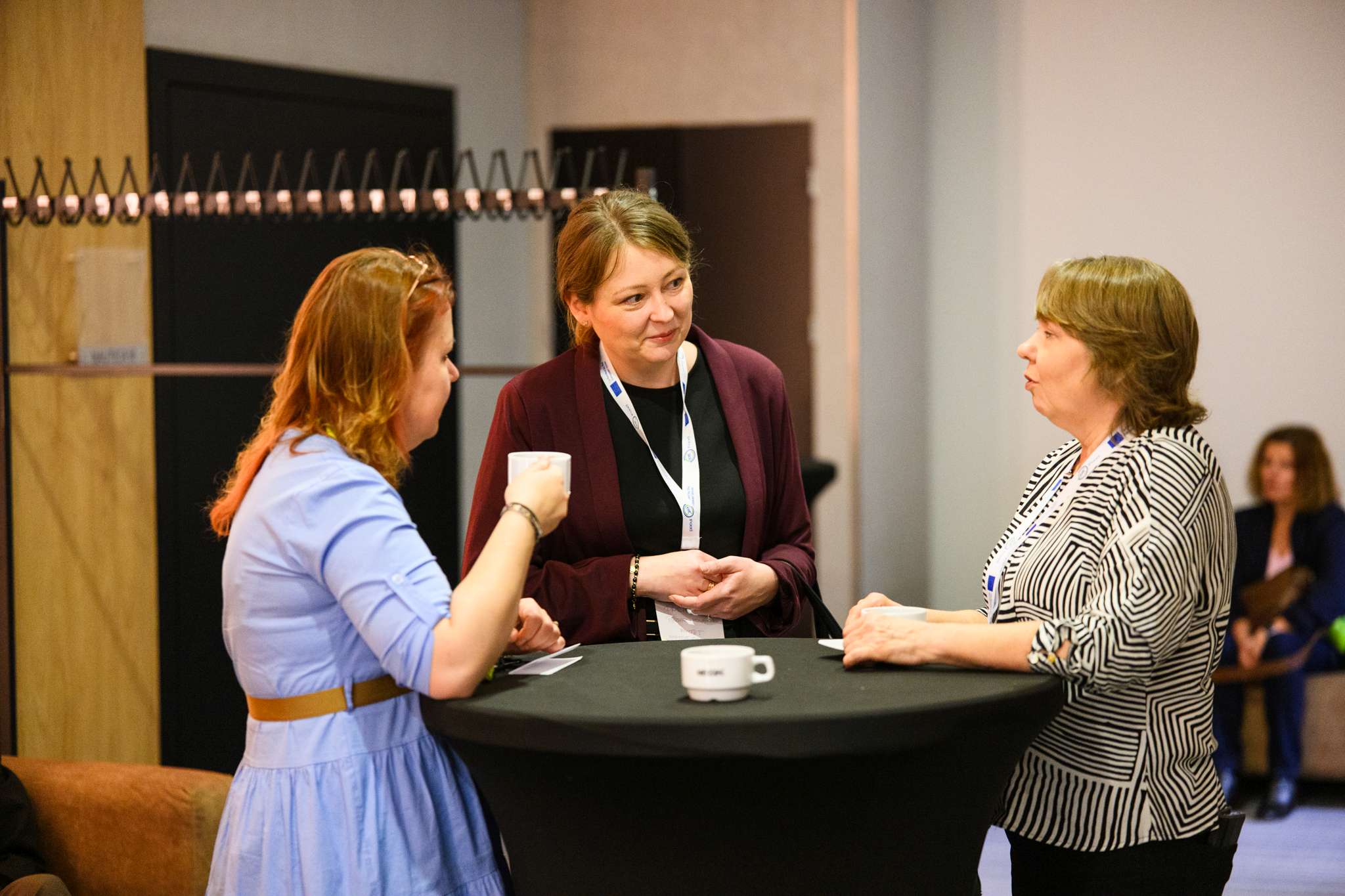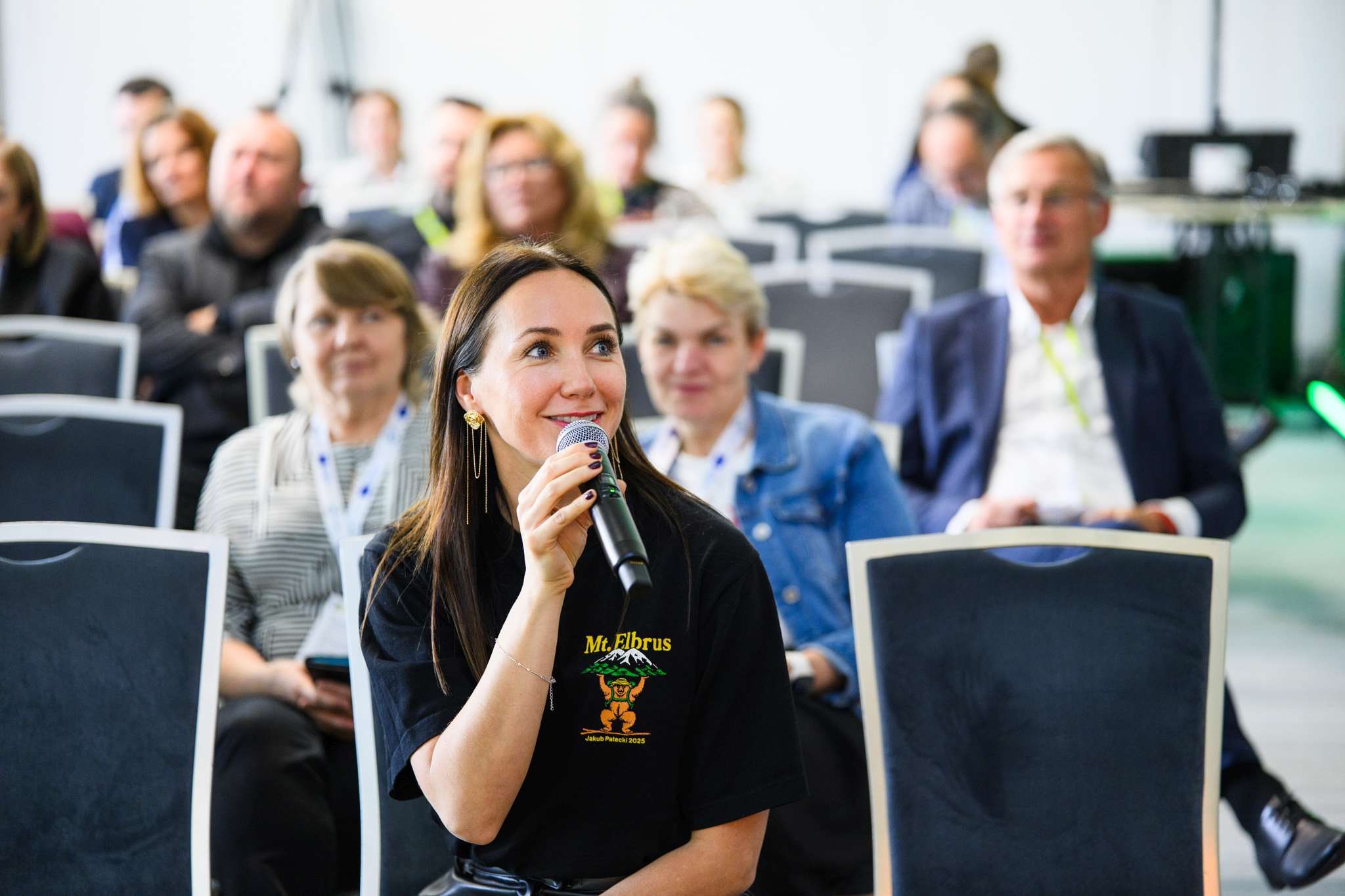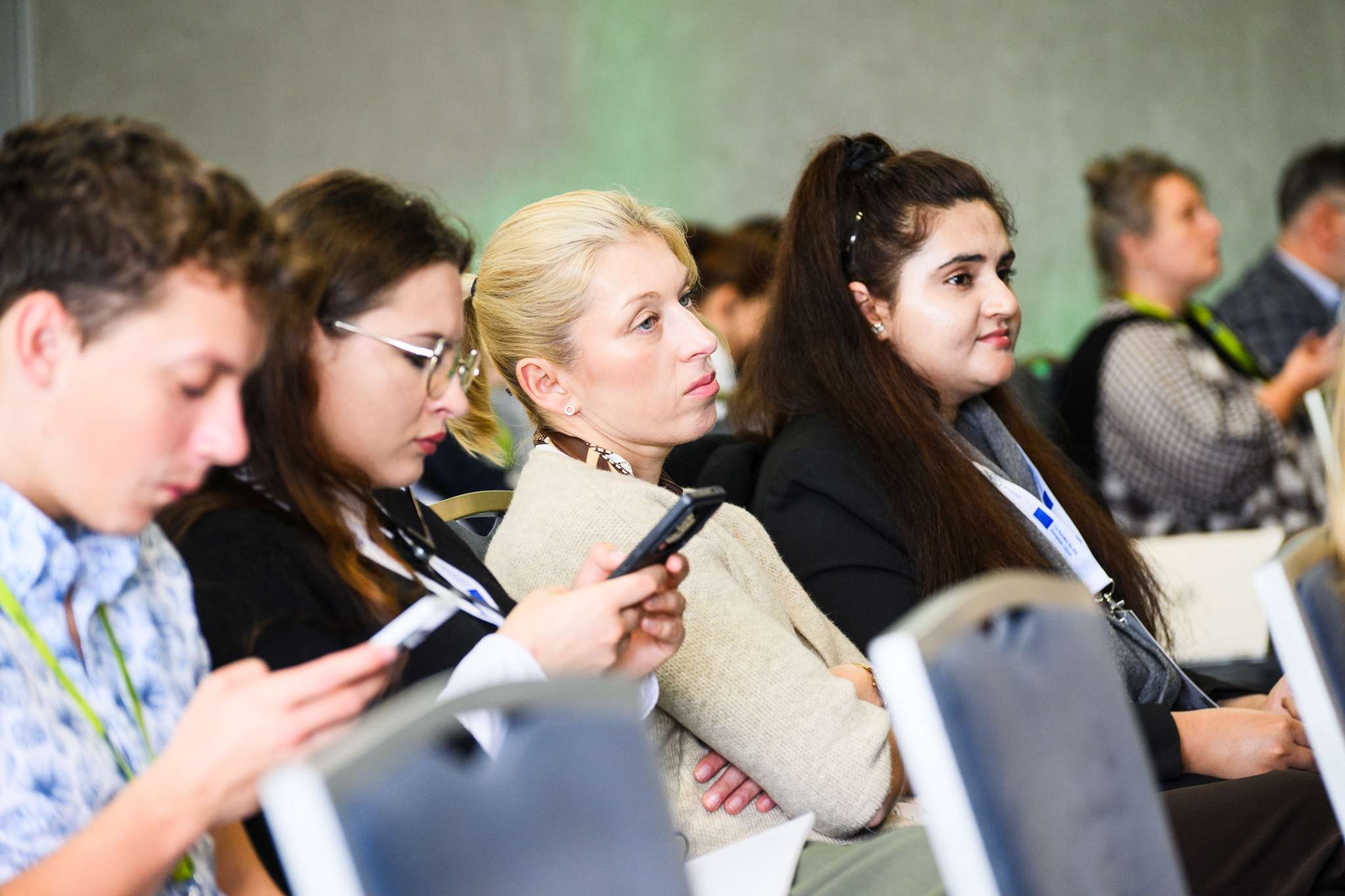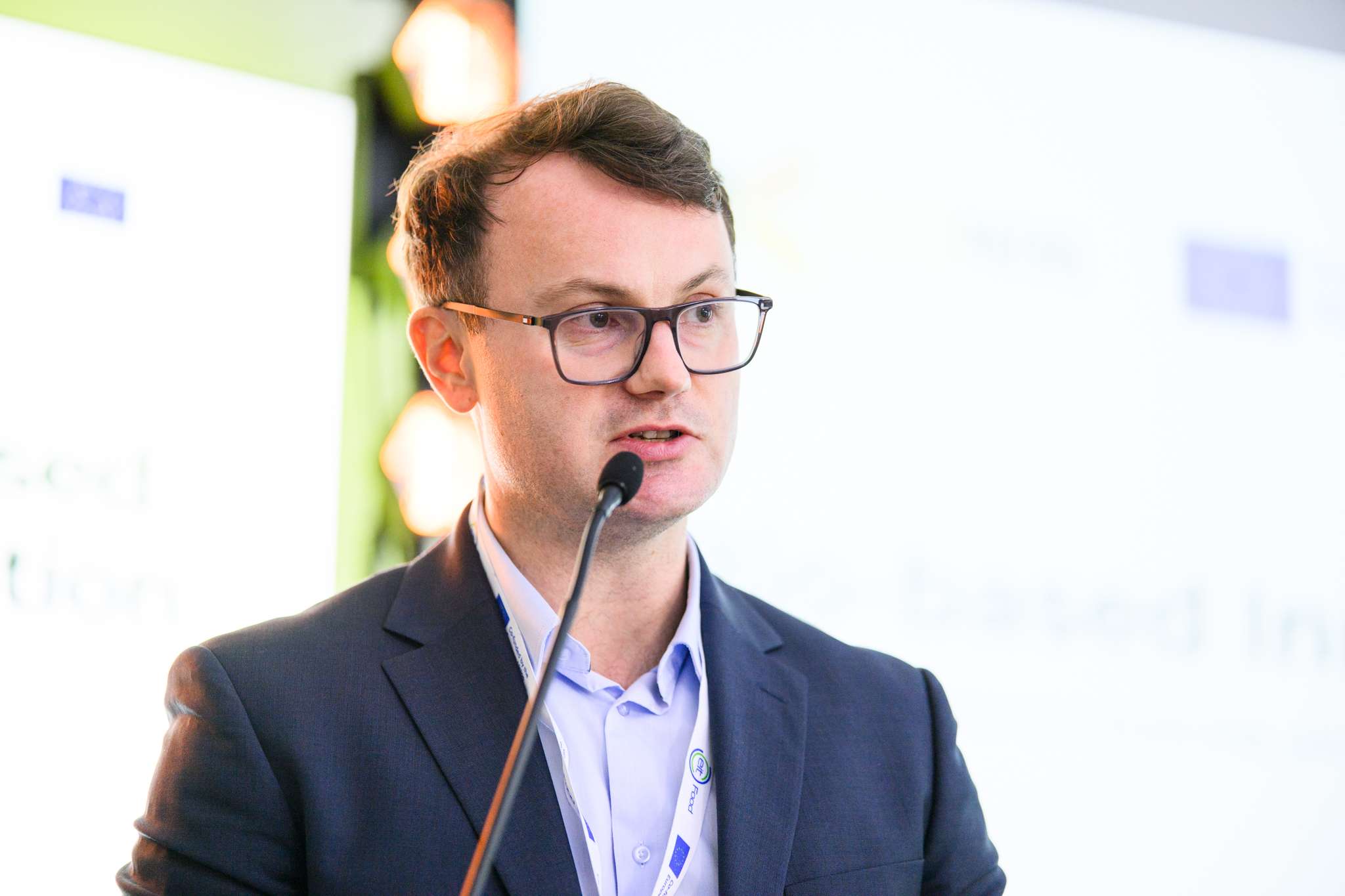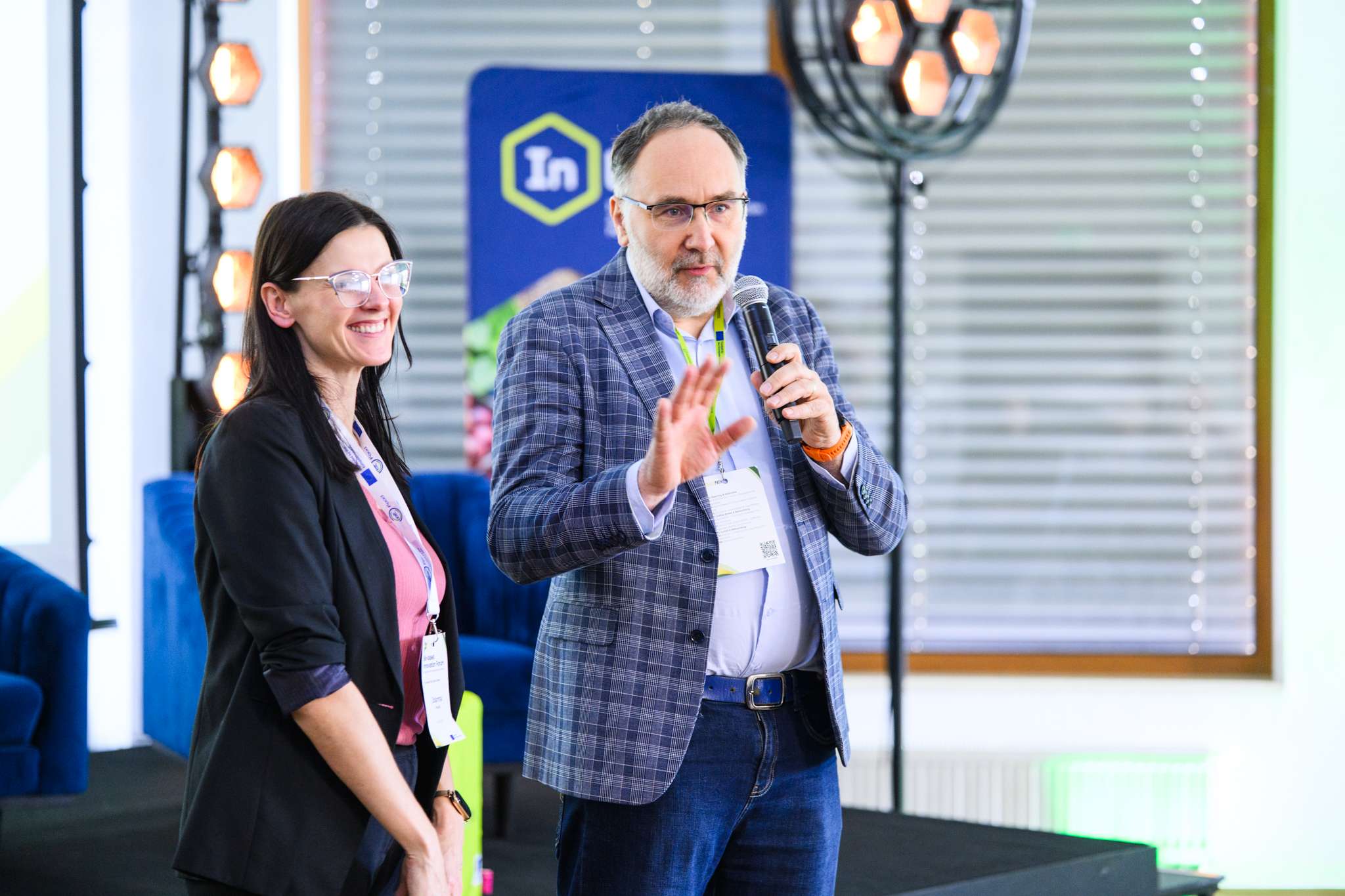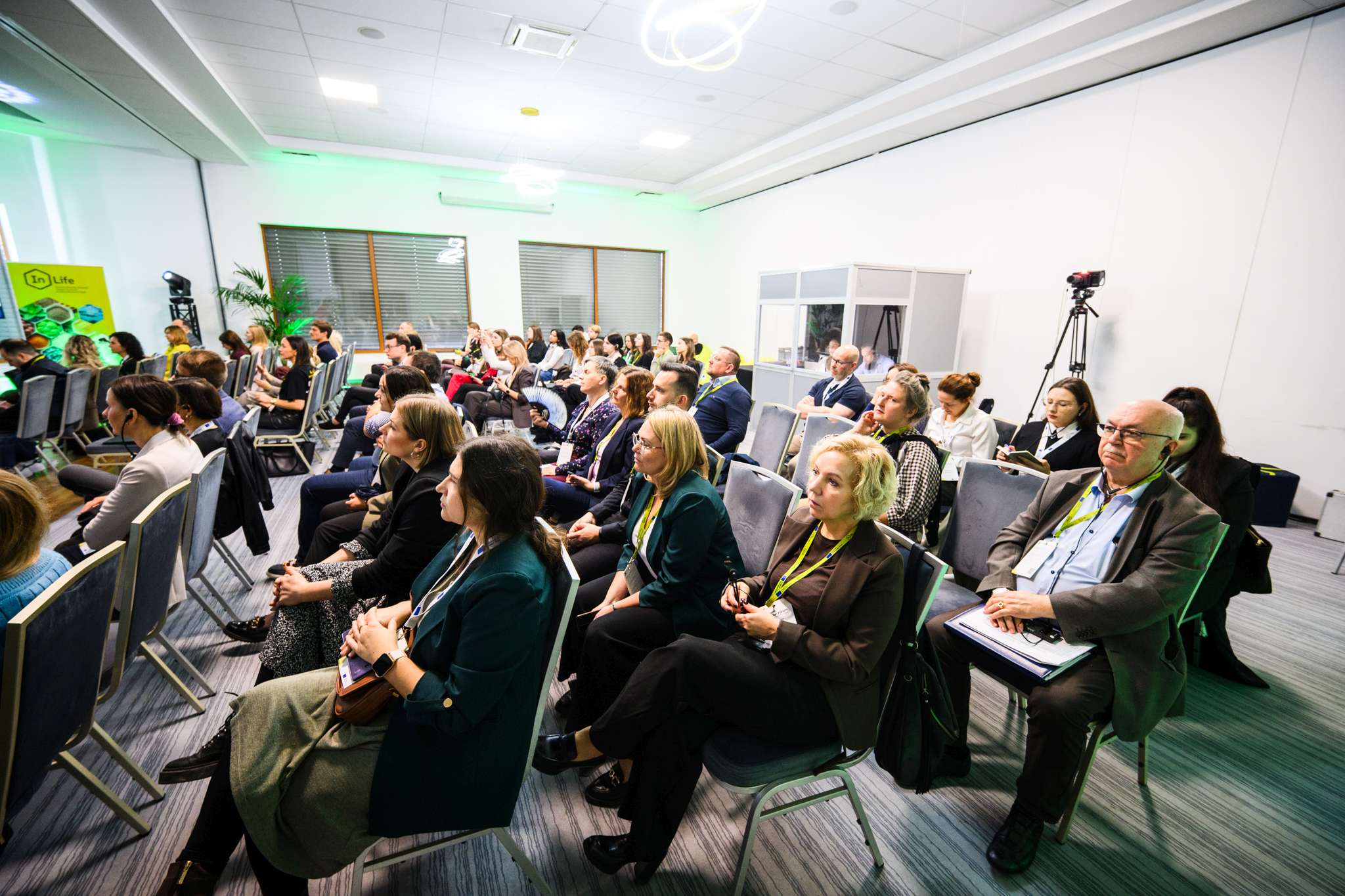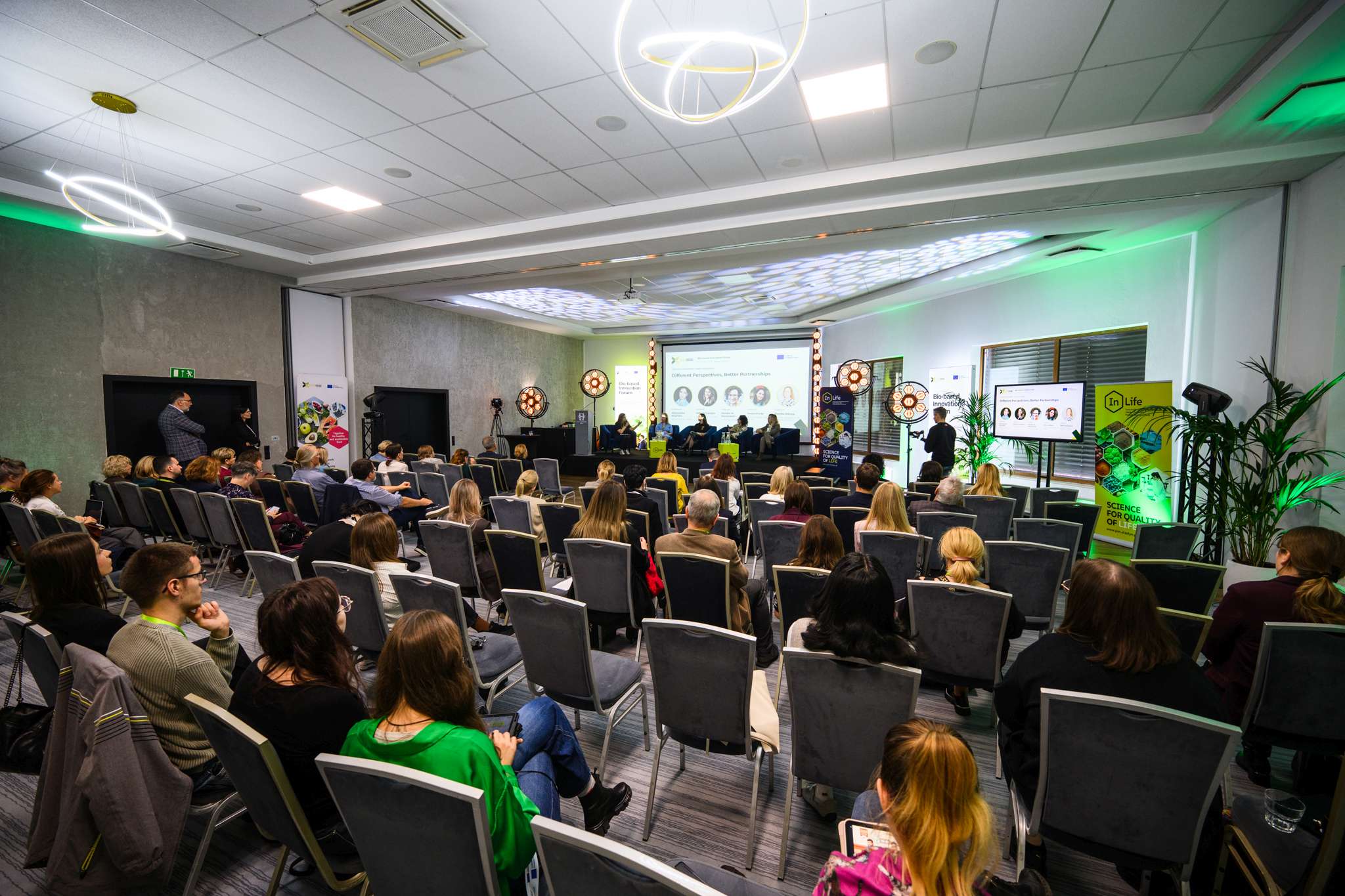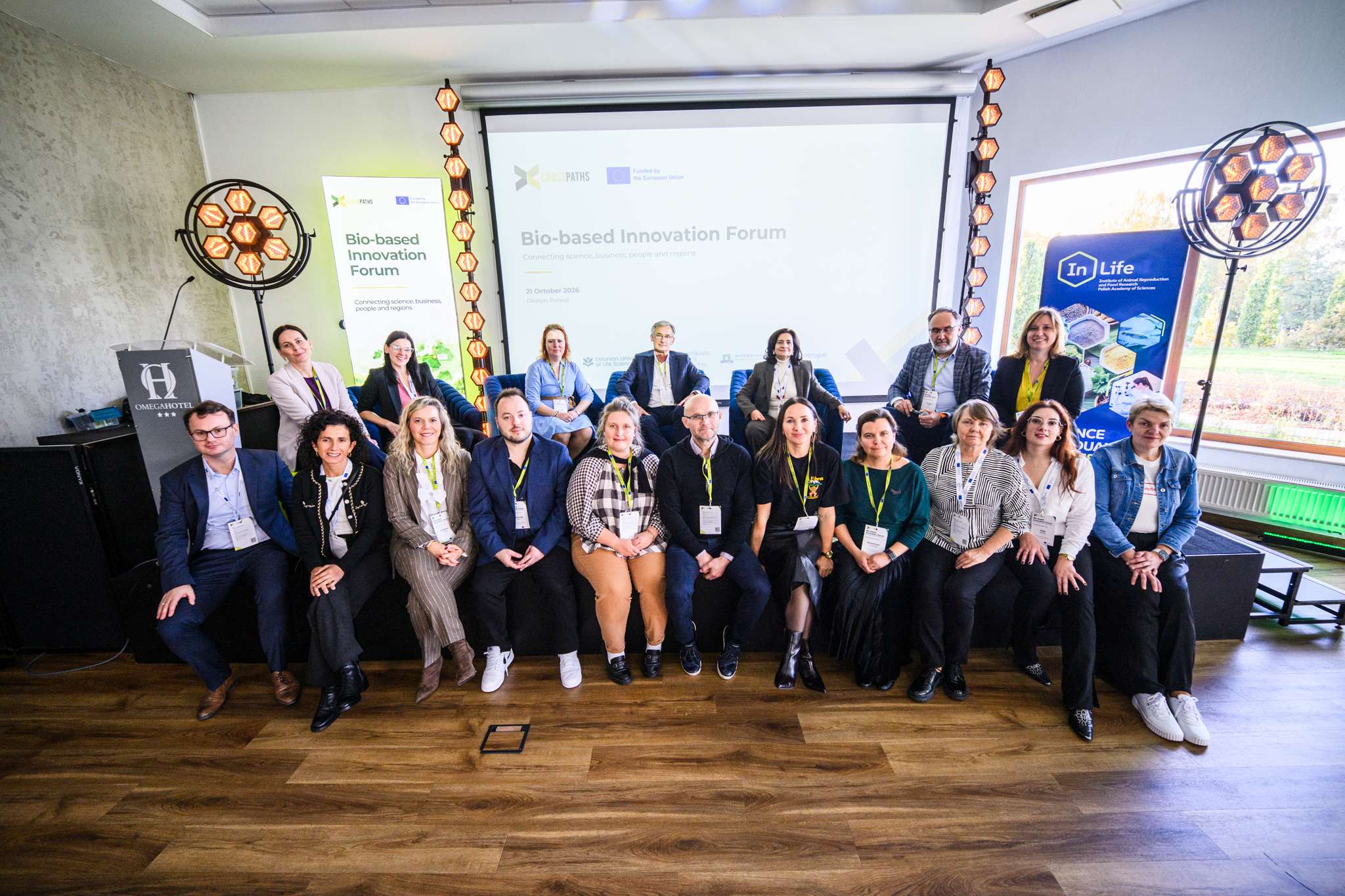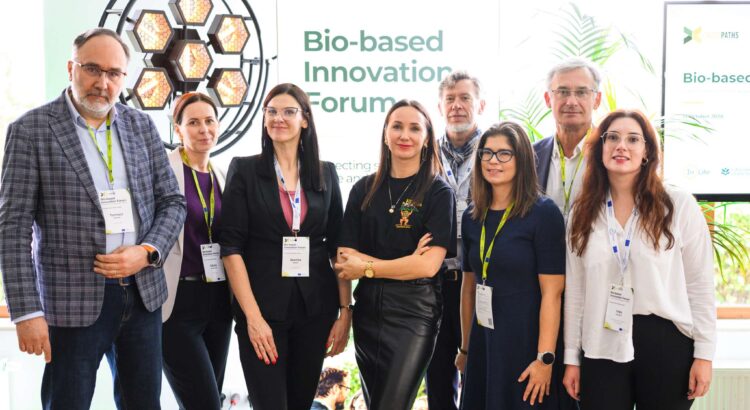
Turning agri-food by-products into valuable ingredients and new products was one of the main themes of the Bio-based Innovation Forum, held on 21 October 2026 at the Omega Hotel in Olsztyn, Poland. The event brought together 93 participants and was the final meeting of the international CROSSPATHS project, coordinated by the InLife Institute of Animal Reproduction and Food Research, Polish Academy of Sciences.
The Forum welcomed representatives of research, business, public institutions and innovation support organisations. Its programme brought together four perspectives: research capabilities, business experience, inclusive leadership, and the conditions for collaboration created by regions and European networks. The common theme was the bioeconomy: using biological resources, knowledge and technology to develop products and services while making better use of raw materials.
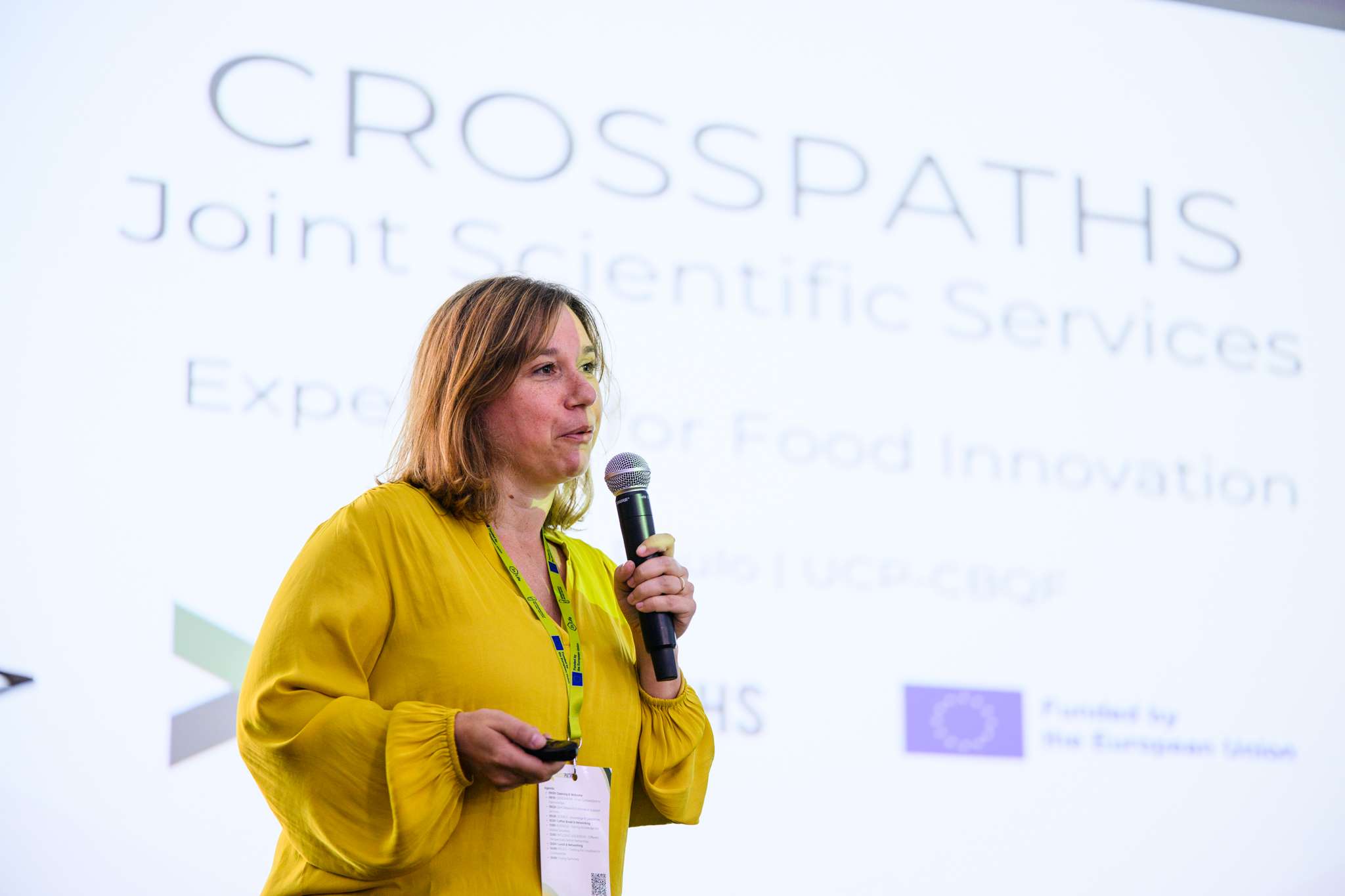
A key topic was the joint research and innovation support services developed by CROSSPATHS partners from Poland, Estonia and Portugal. Ana Paulo from Universidade Católica Portuguesa presented the offer. By combining the expertise and infrastructure of three institutions, the partners can support successive stages of development: from identifying the potential of a raw material, through extracting and characterising bioactive compounds, to assessing their properties and developing new food products.
“We form a consortium which gives the power of three institutions to provide a research service for other institutes in Europe,” says CROSSPATHS project coordinator.
Each institution contributes different expertise. The Estonian University of Life Sciences specialises in areas including raw material processing and by-product valorisation. Universidade Católica Portuguesa develops methods for extracting and studying bioactive compounds, including technologies that reduce the environmental impact of extraction processes. InLife complements these capabilities with research into the effects of food components on health. The joint offer aims to make this complementary expertise and infrastructure more accessible to companies and research teams.
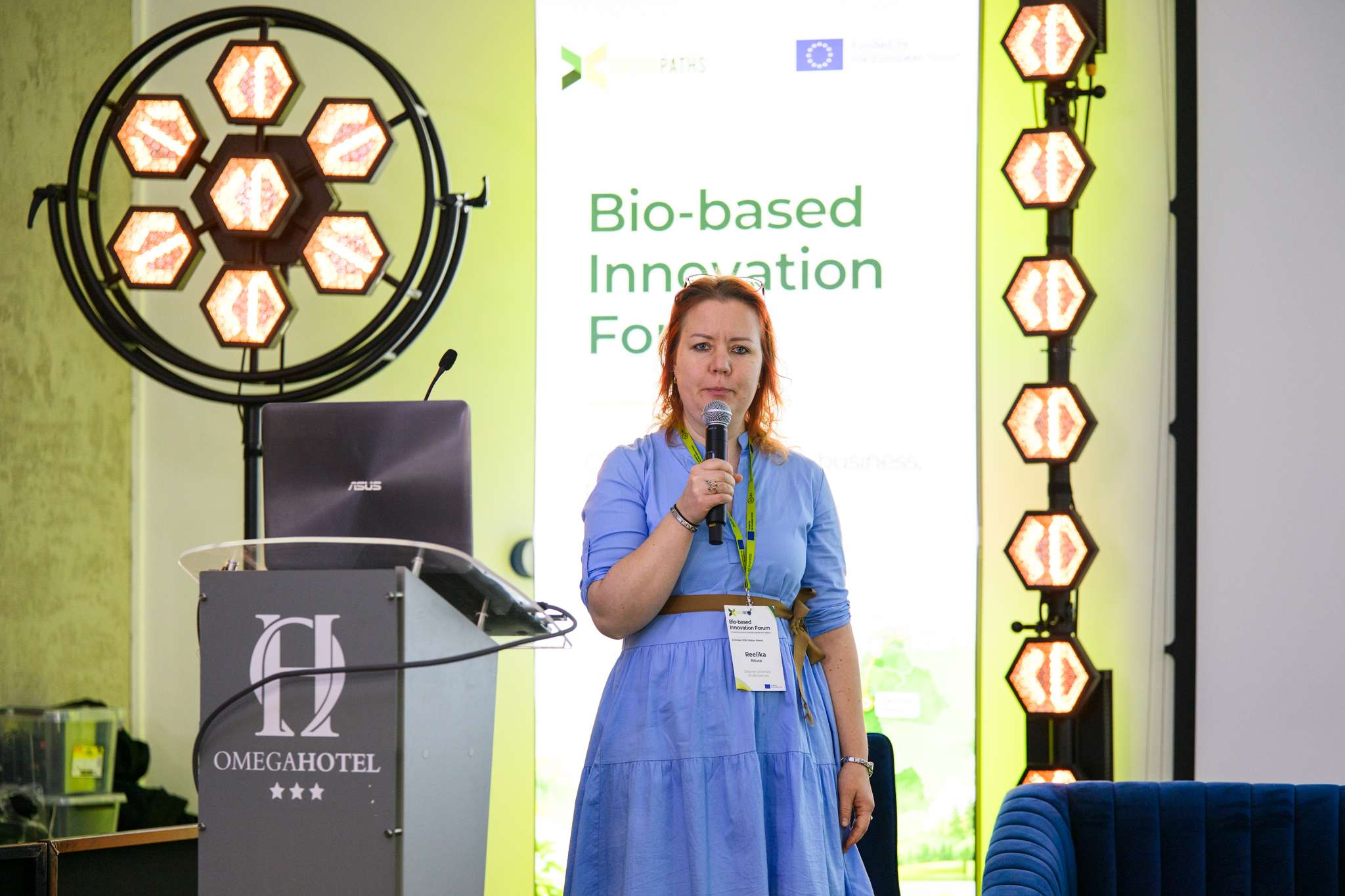
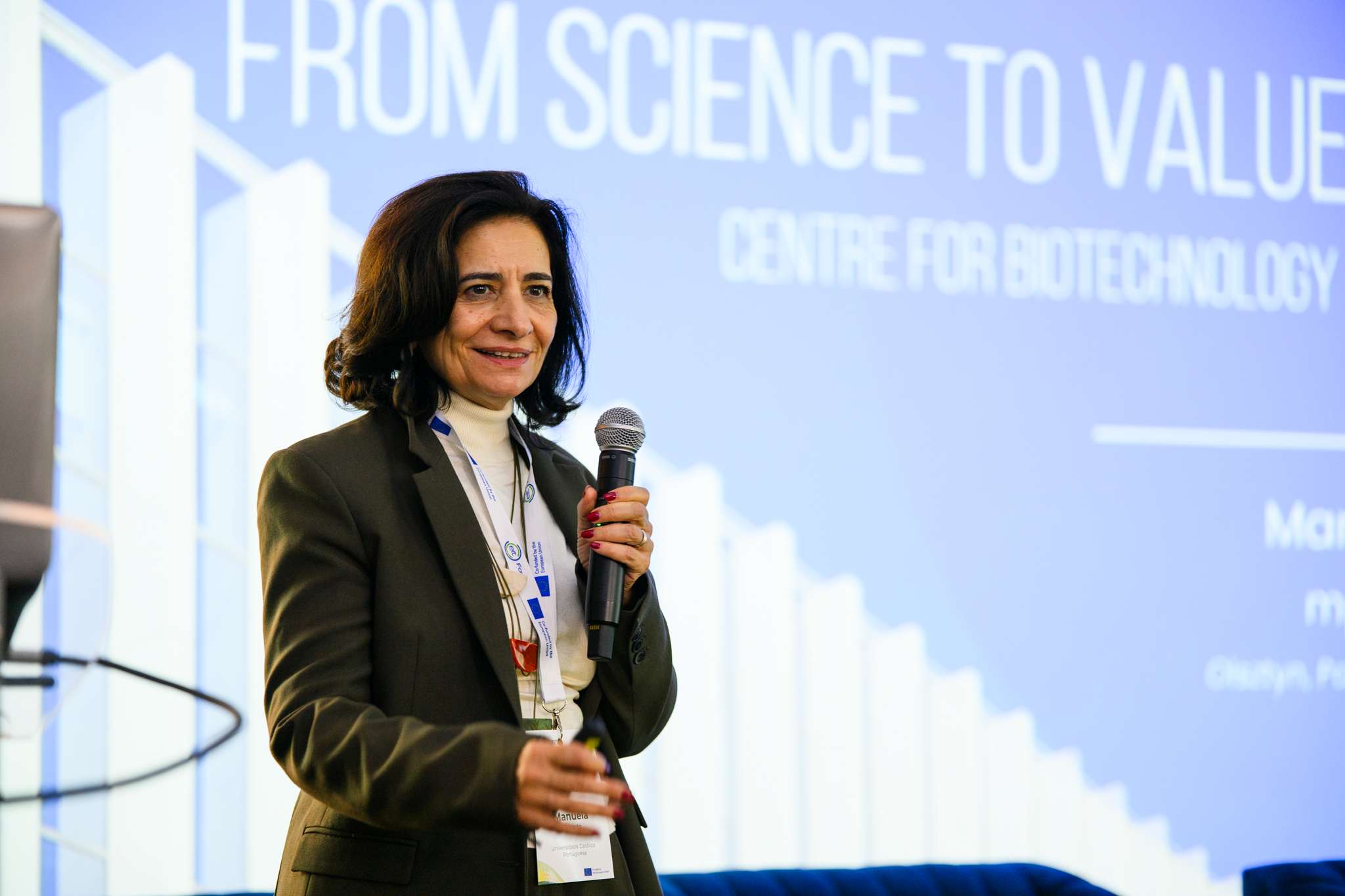
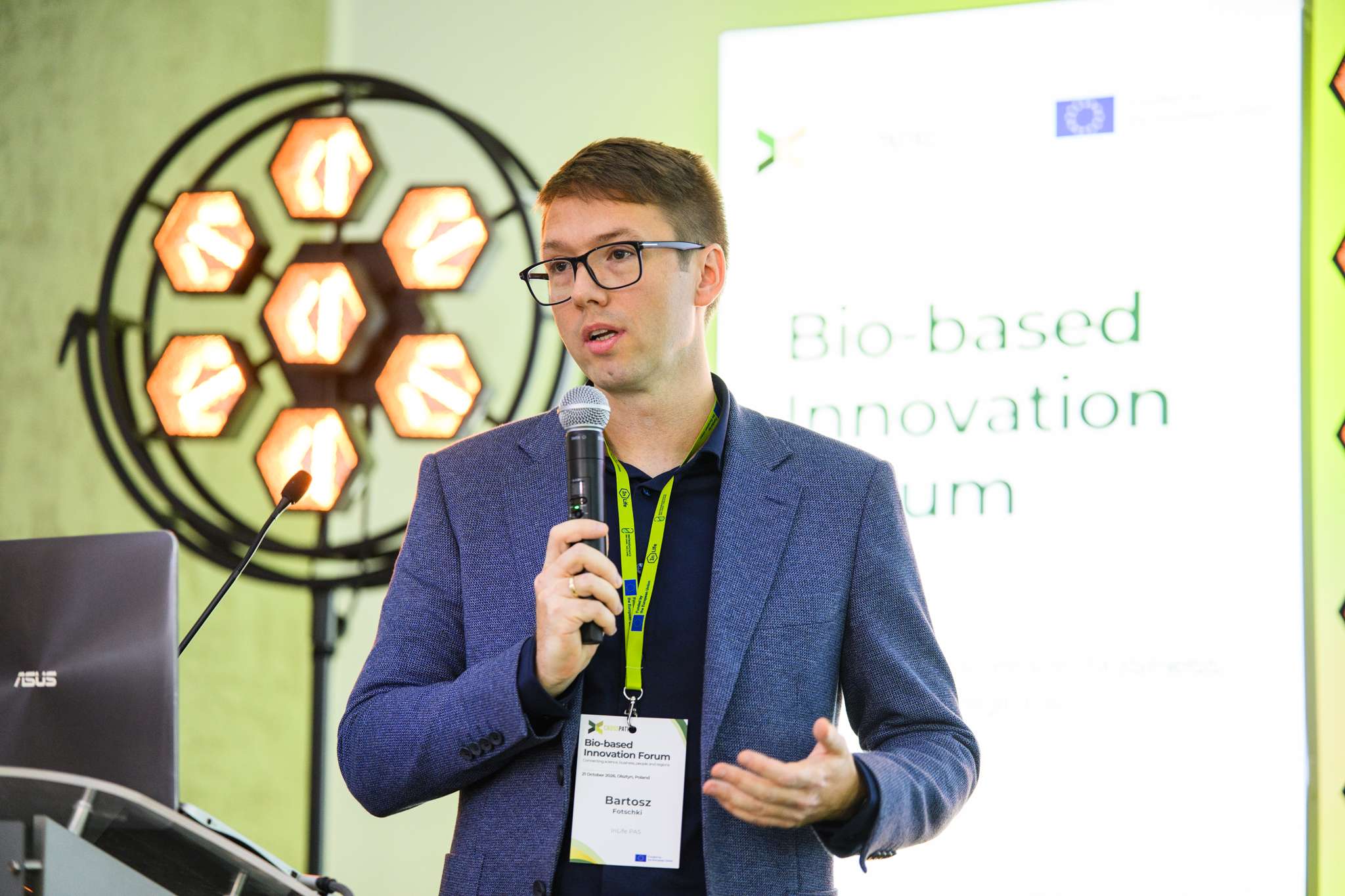
The science session demonstrated the wide range of possible uses for materials left over from food production. Reelika Rätsep presented ways to use apple pomace, peels and seeds as sources of extracts, fibre, powders and oils. Manuela Pintado discussed examples including the recovery of bromelain from pineapple processing by-products and protein and fibre from cereal processing by-products. Bartosz Fotschki presented research into the health-promoting potential of raspberries. These examples illustrated different stages of working with biological resources, from characterisation and processing to studying the resulting ingredients.
“Through this CROSSPATHS project, we could organize our services, we could engage the companies and we could promote new activities with them that, in fact, are now very effective in their value creation in the market,” says Manuela Pintado from Universidade Católica Portuguesa.
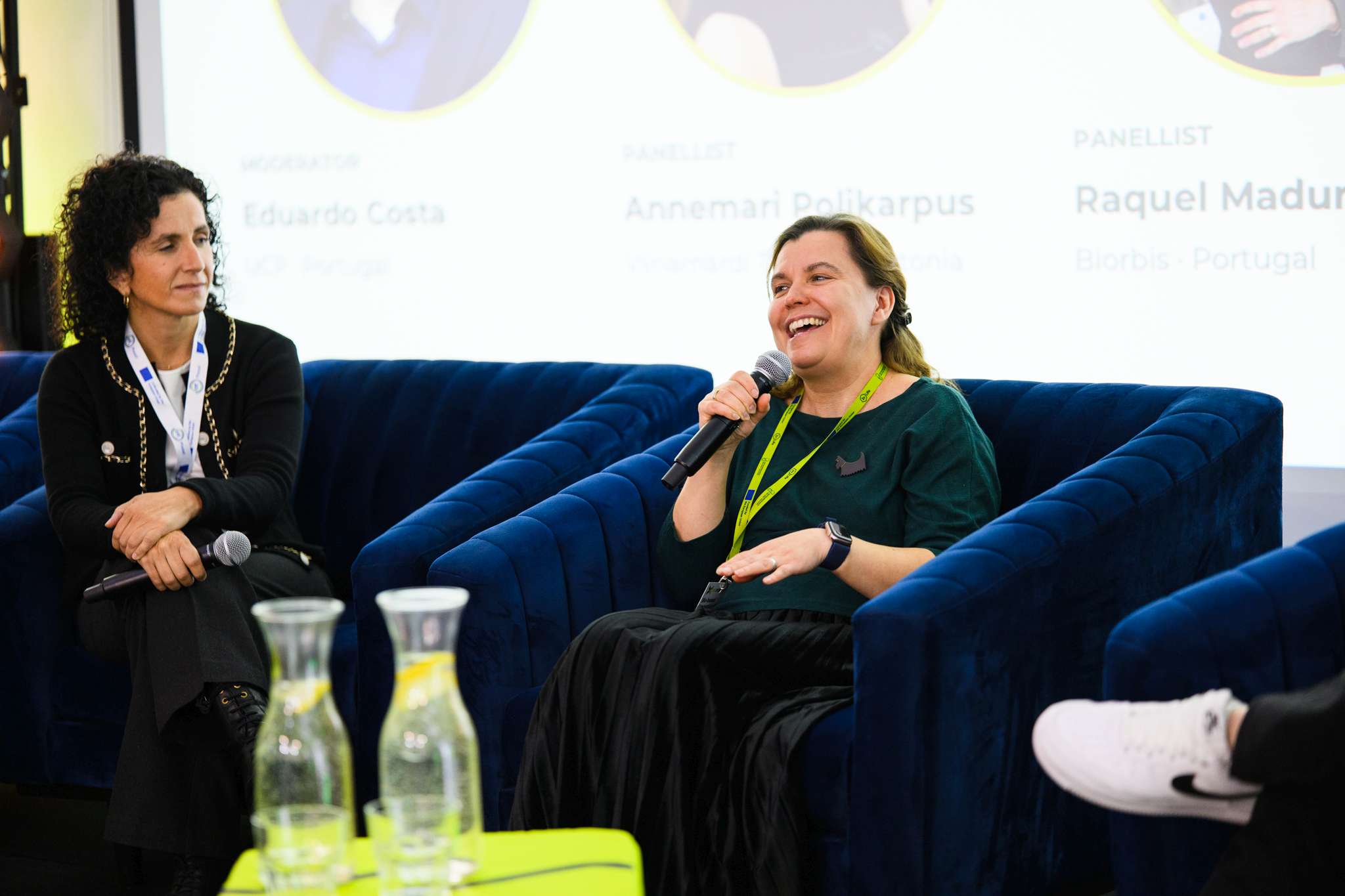
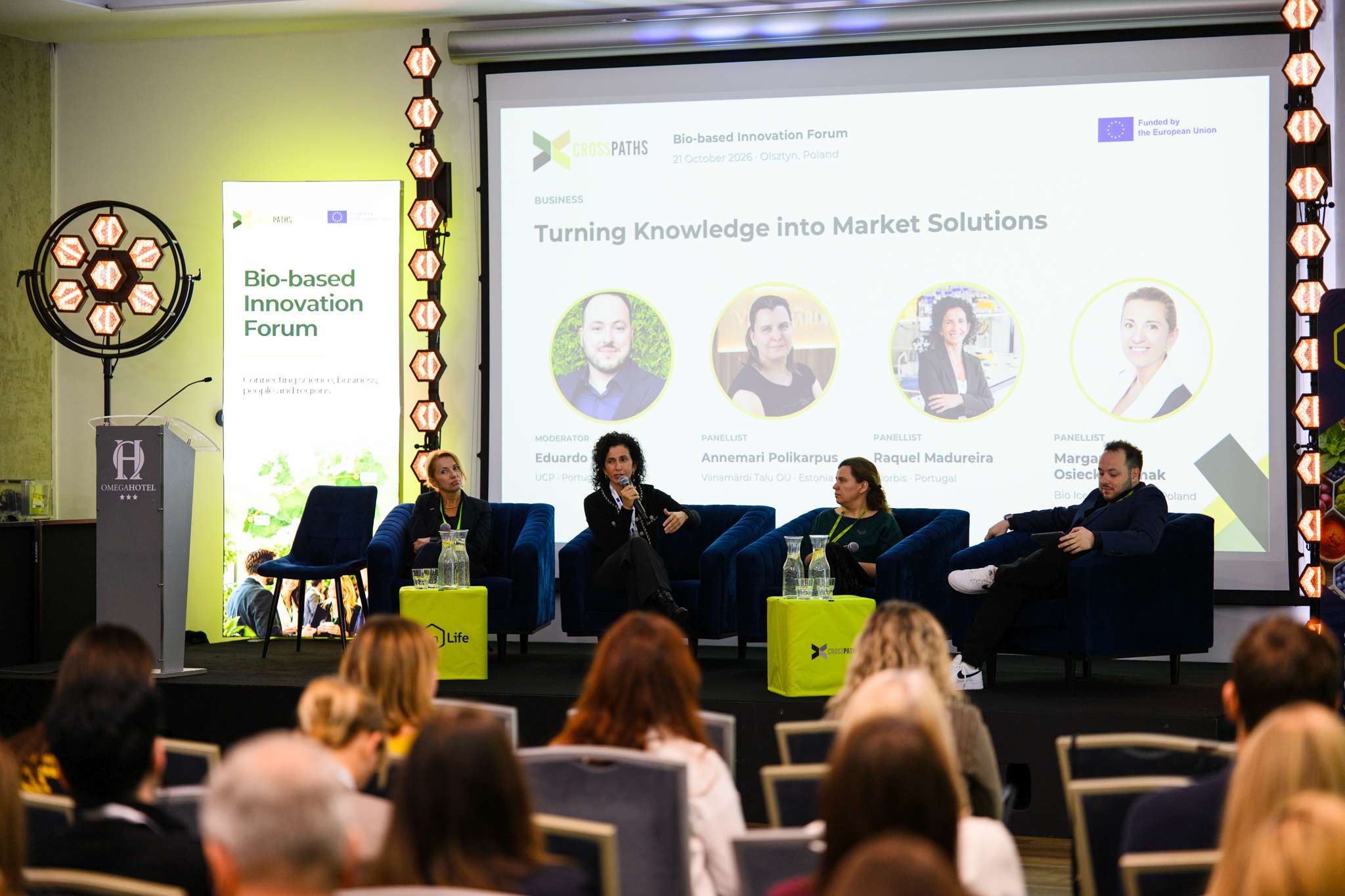
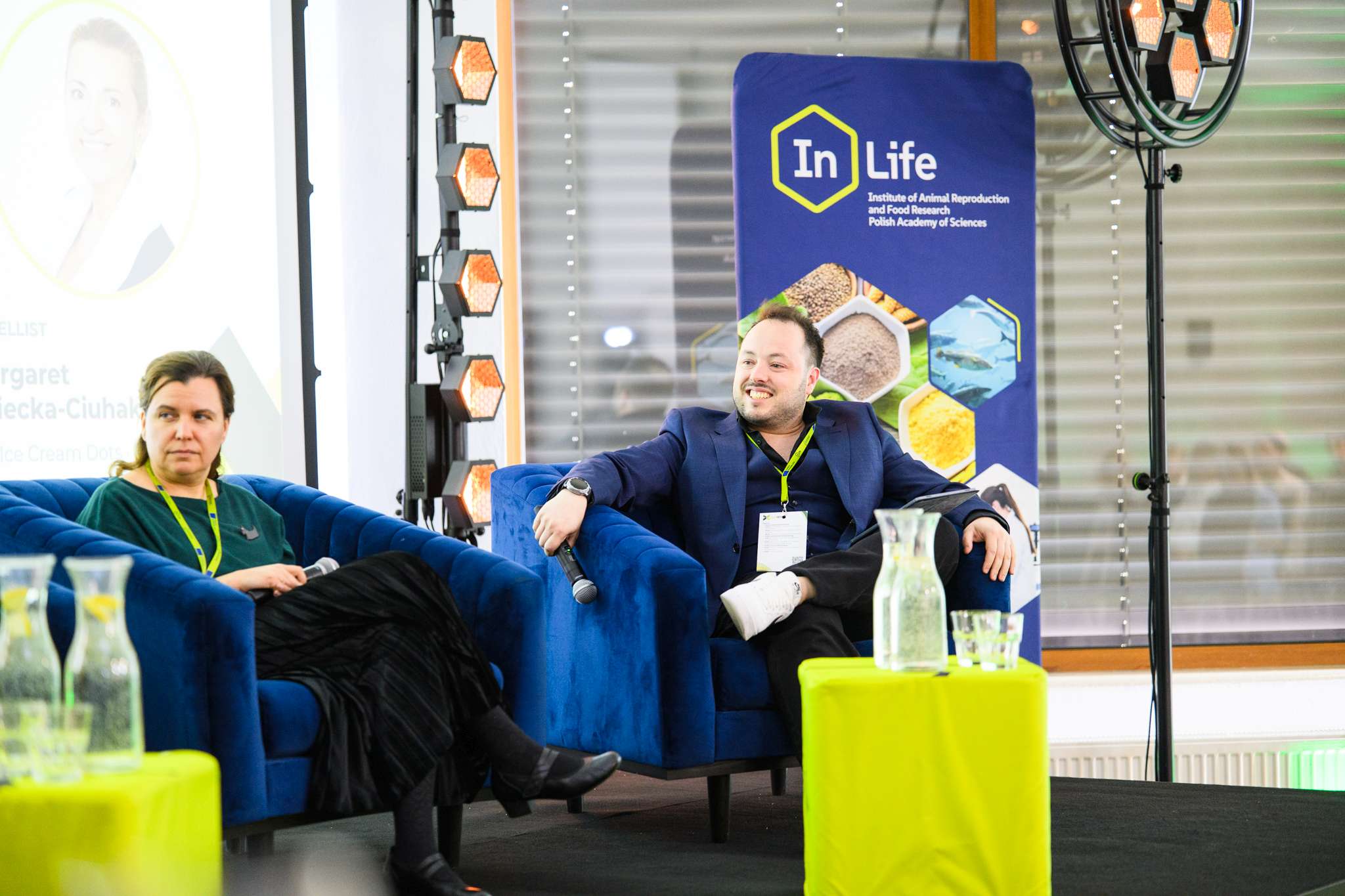
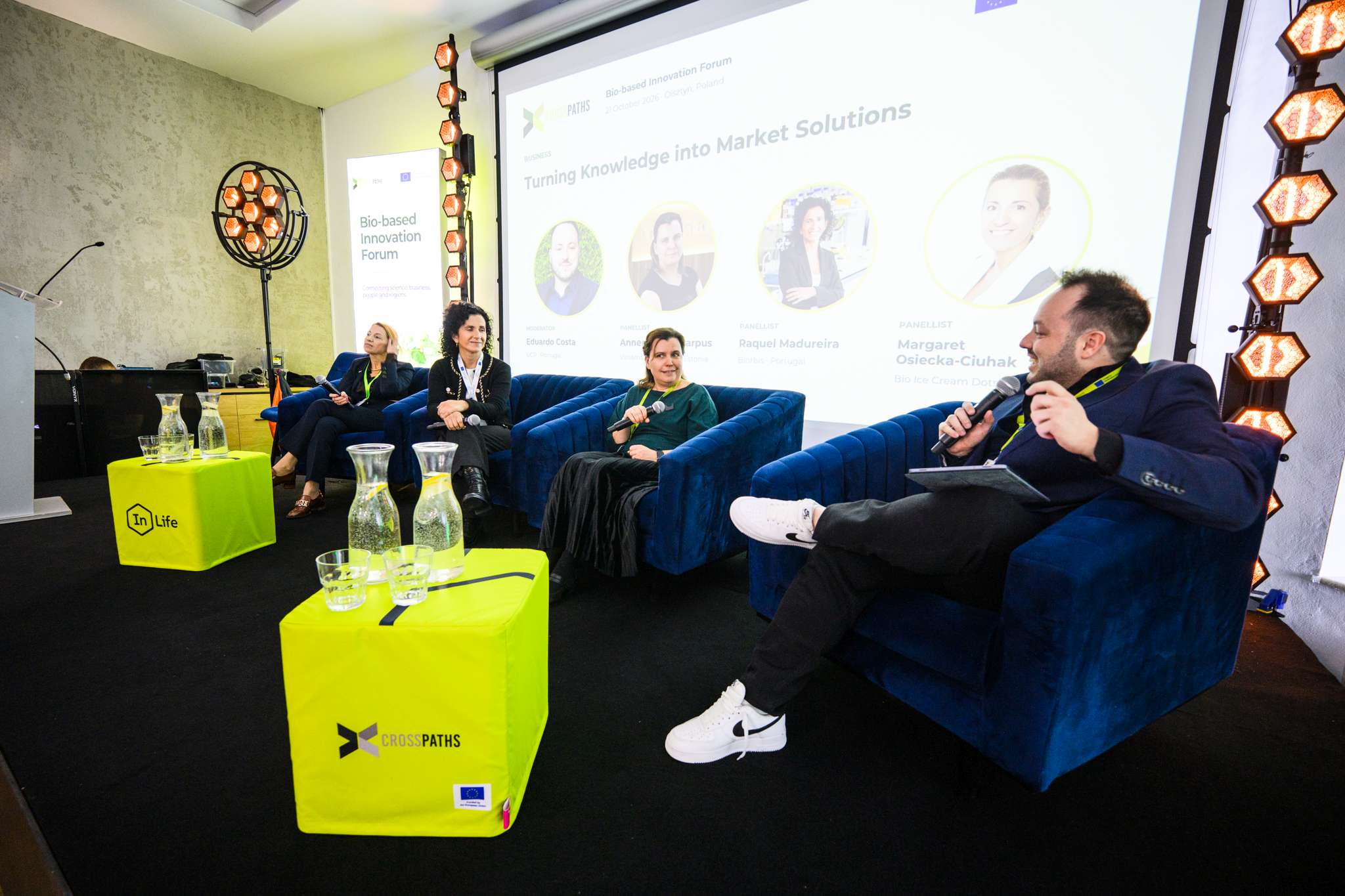
Viinamärdi Talu from Estonia, Biorbis from Portugal and Bio Ice Cream Dots from Poland brought the business perspective. The session, moderated by Eduardo Costa, addressed product development, the commercialisation of research results, scaling up production and market entry. Business examples included using yeast biomass to obtain protein concentrates, yeast extract and beta-glucans, as well as applying cryogenic technology to produce frozen dairy, vegan and sorbet snacks. The discussion covered opportunities for collaboration with researchers and the challenges involved in bringing new solutions to market.
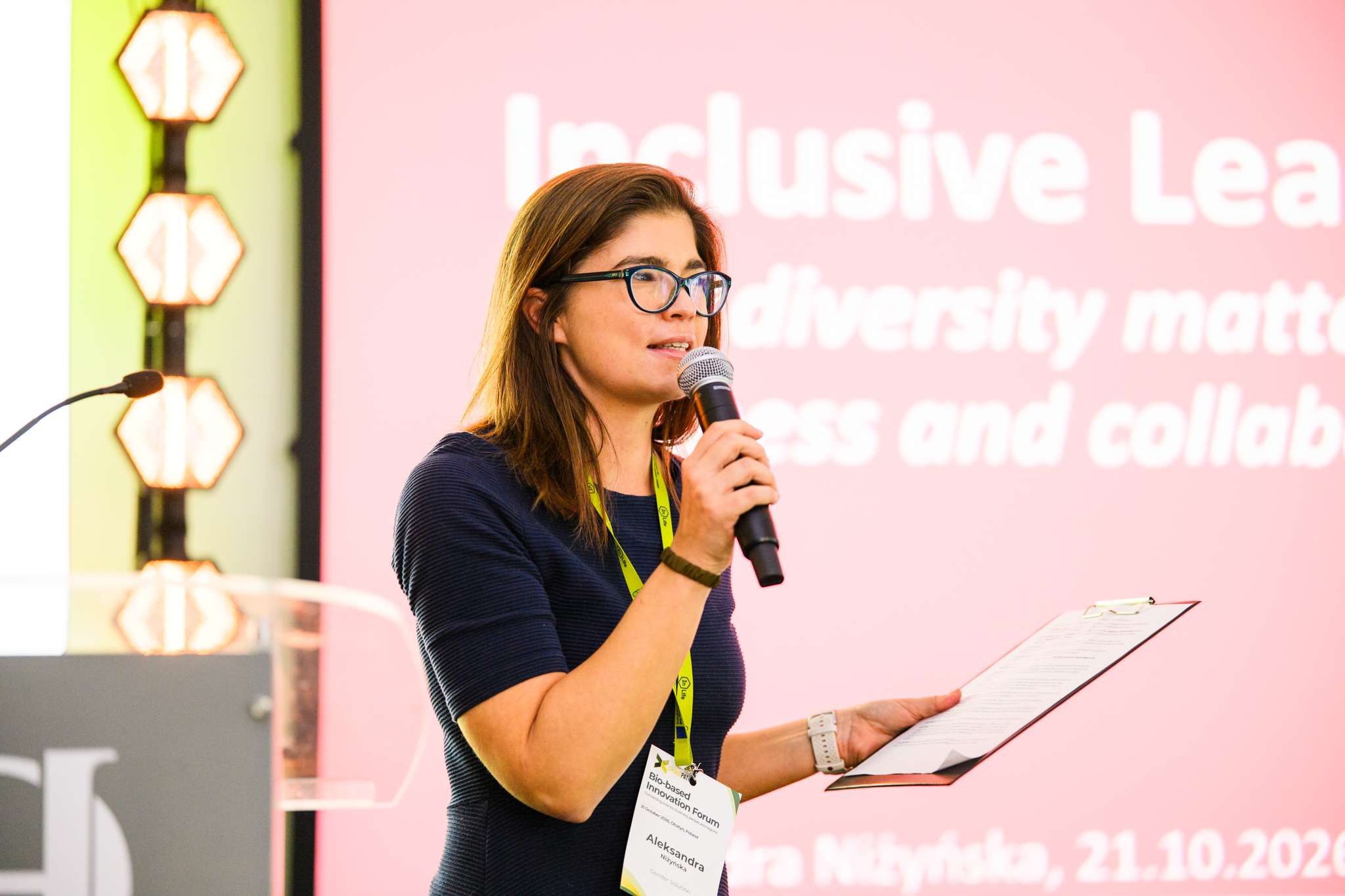
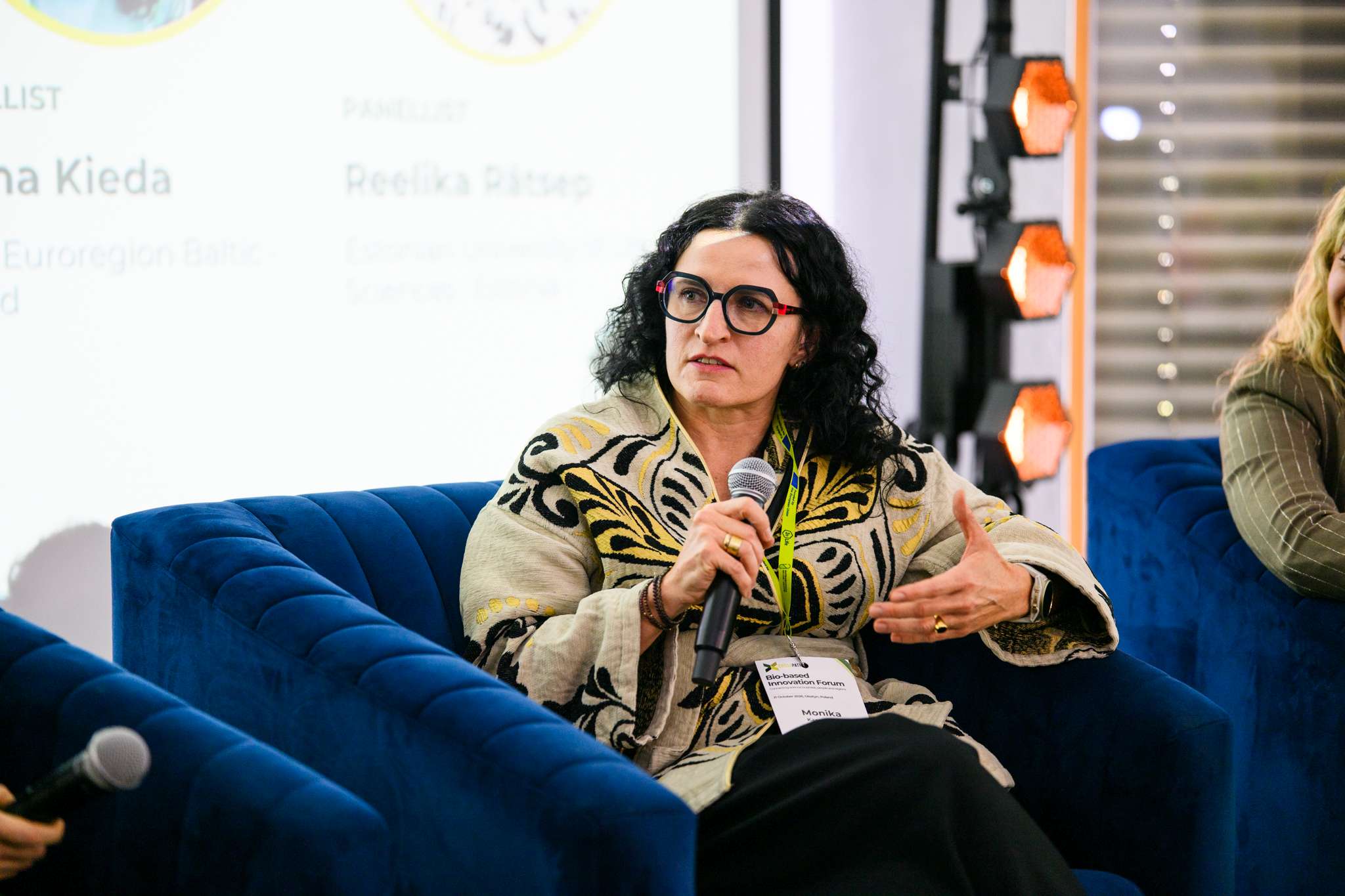
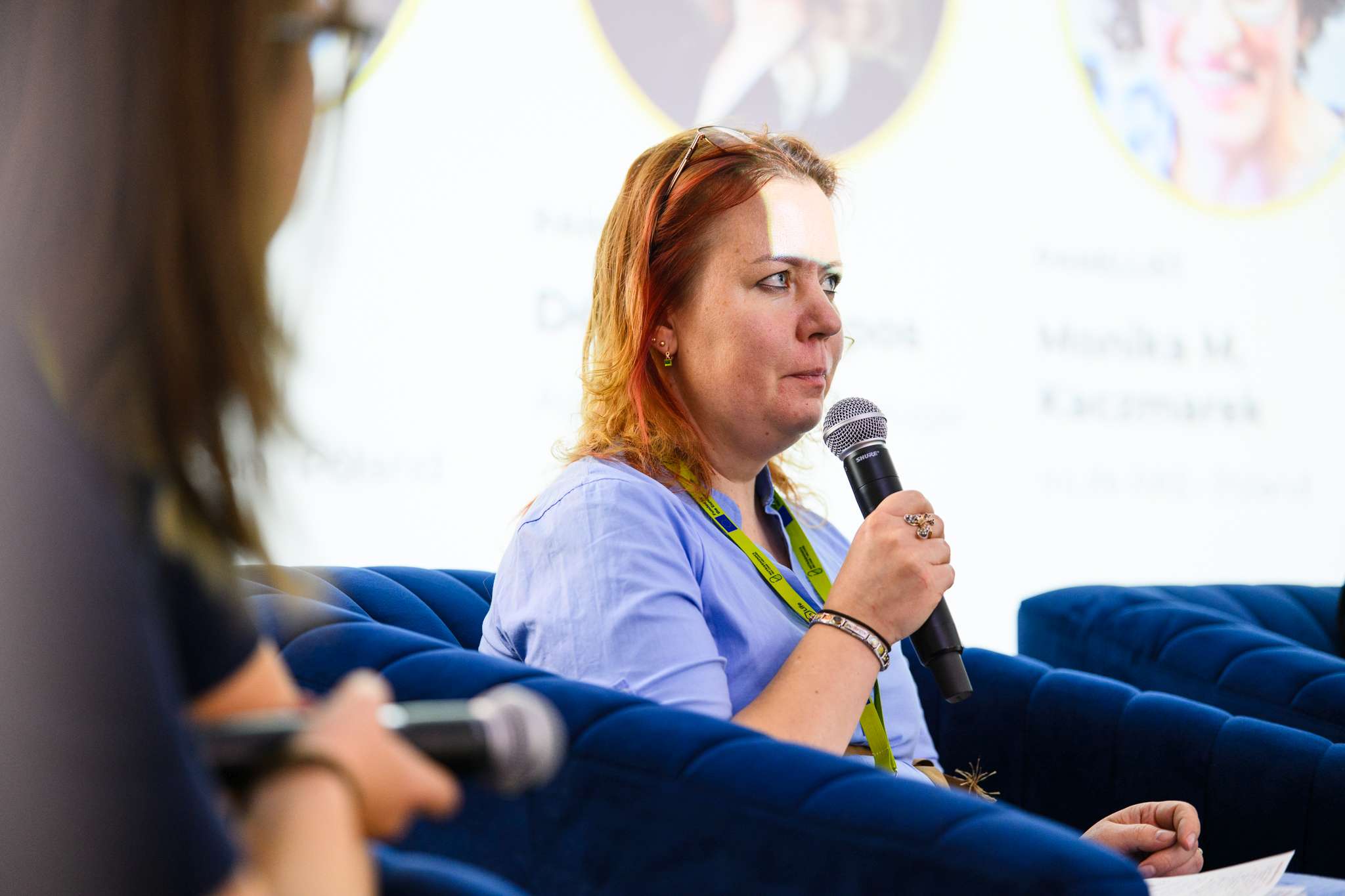
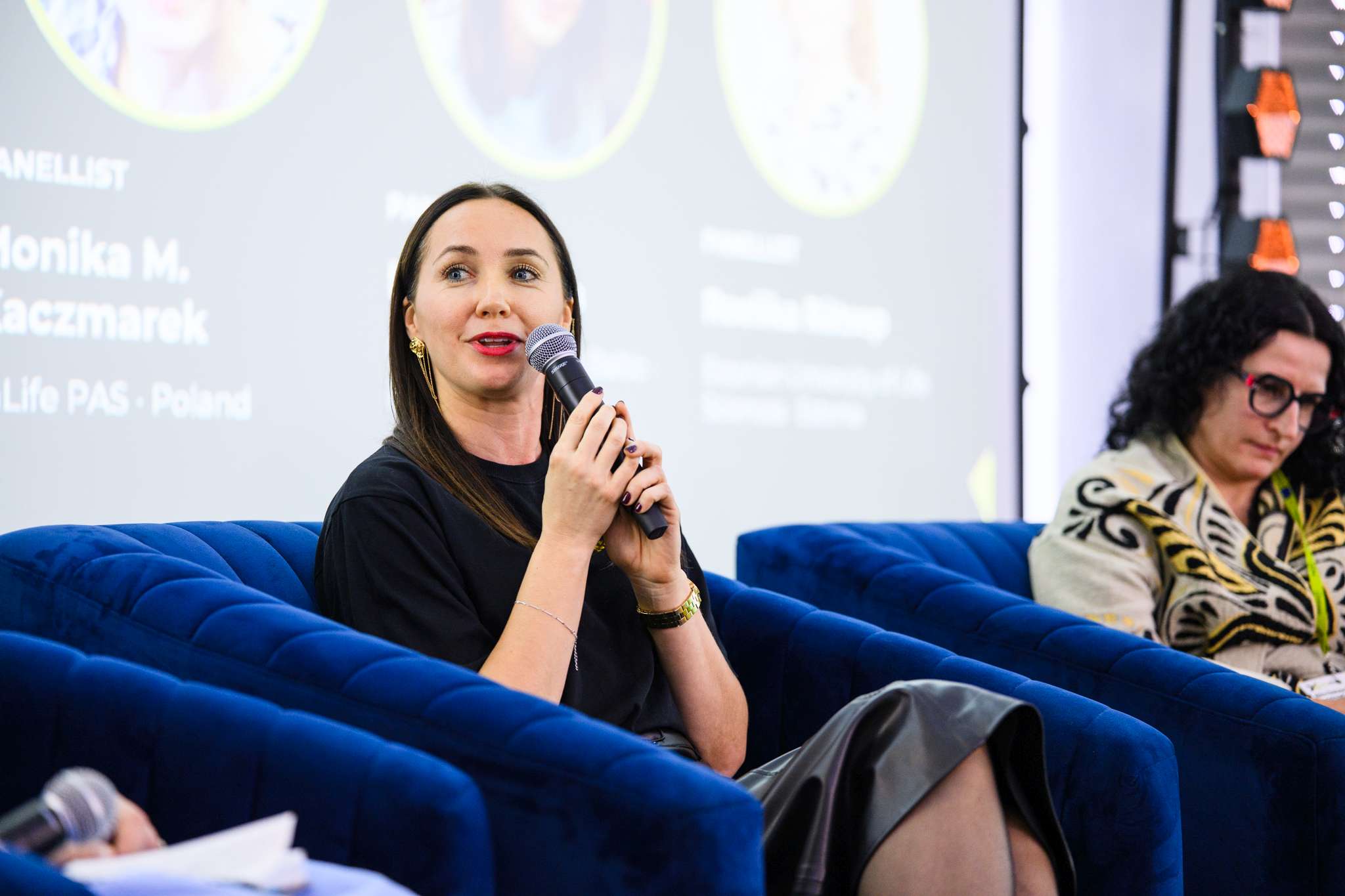
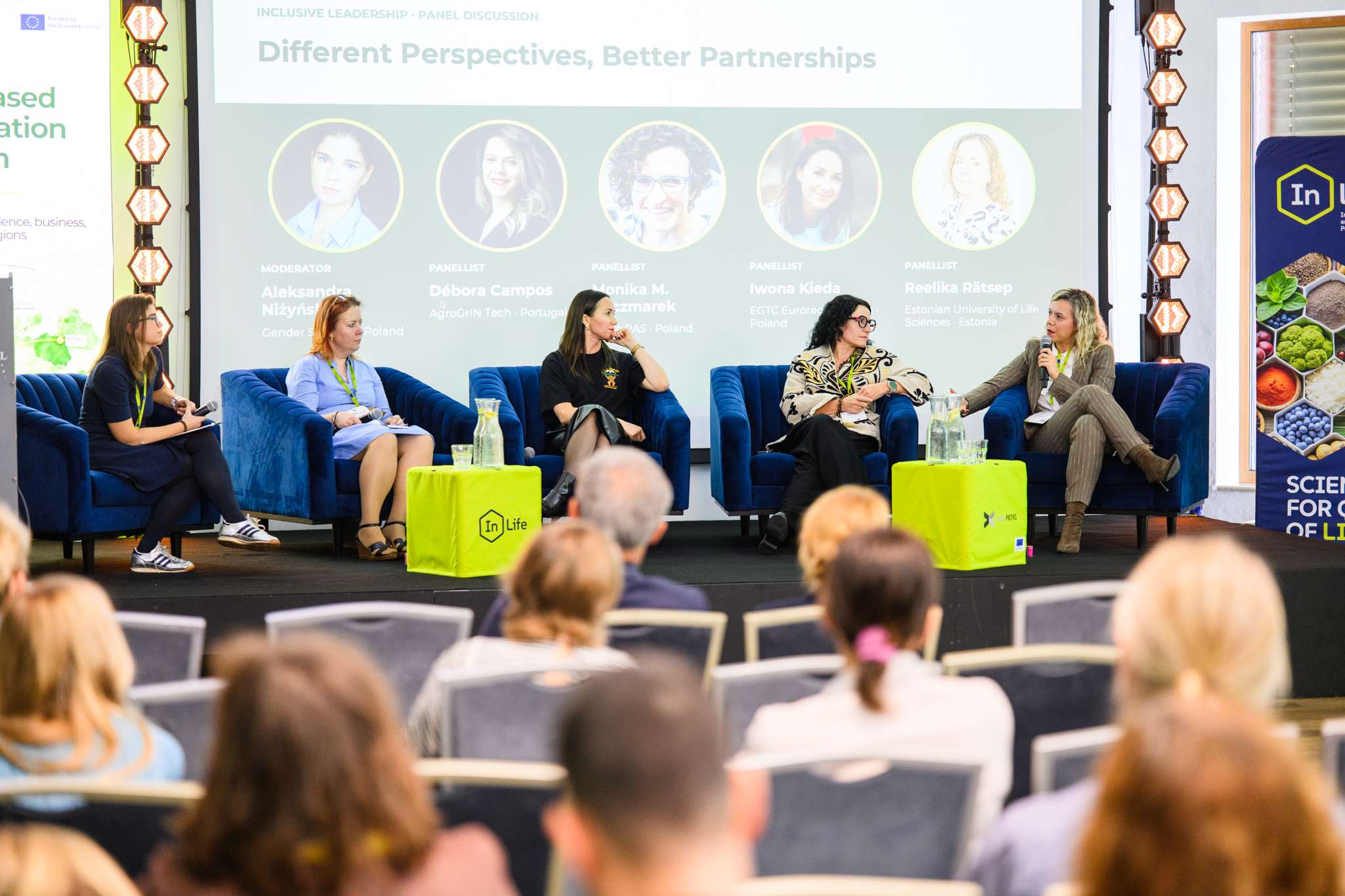
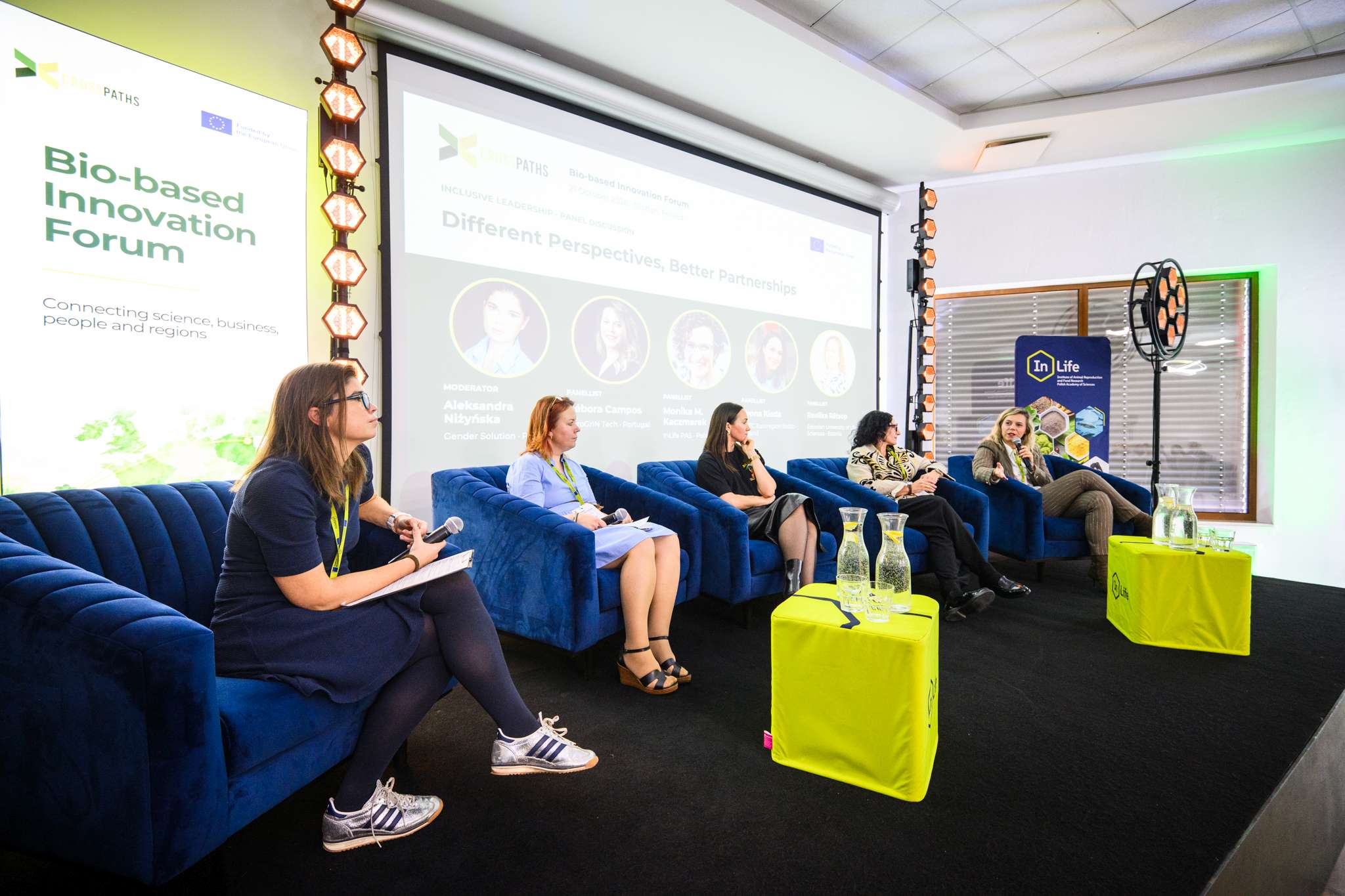
A separate session focused on the people who create innovations and make decisions about their development. Aleksandra Niżyńska from Gender Solution led the session on inclusive leadership. The panel featured Monika M. Kaczmarek, Director of InLife; Débora Campos from AgroGrIN Tech; Iwona Kieda from EGTC Euroregion Baltic; and Reelika Rätsep from the Estonian University of Life Sciences. They discussed women’s experiences in science and business, barriers to professional development, and ways to ensure that people with different backgrounds have a meaningful voice in decision-making.
“Innovations are all about people. We are designing innovations to make our lives easier. And this is why it is important that we ensure that diverse perspectives are taken into account when they are designed,” says Aleksandra Niżyńska.
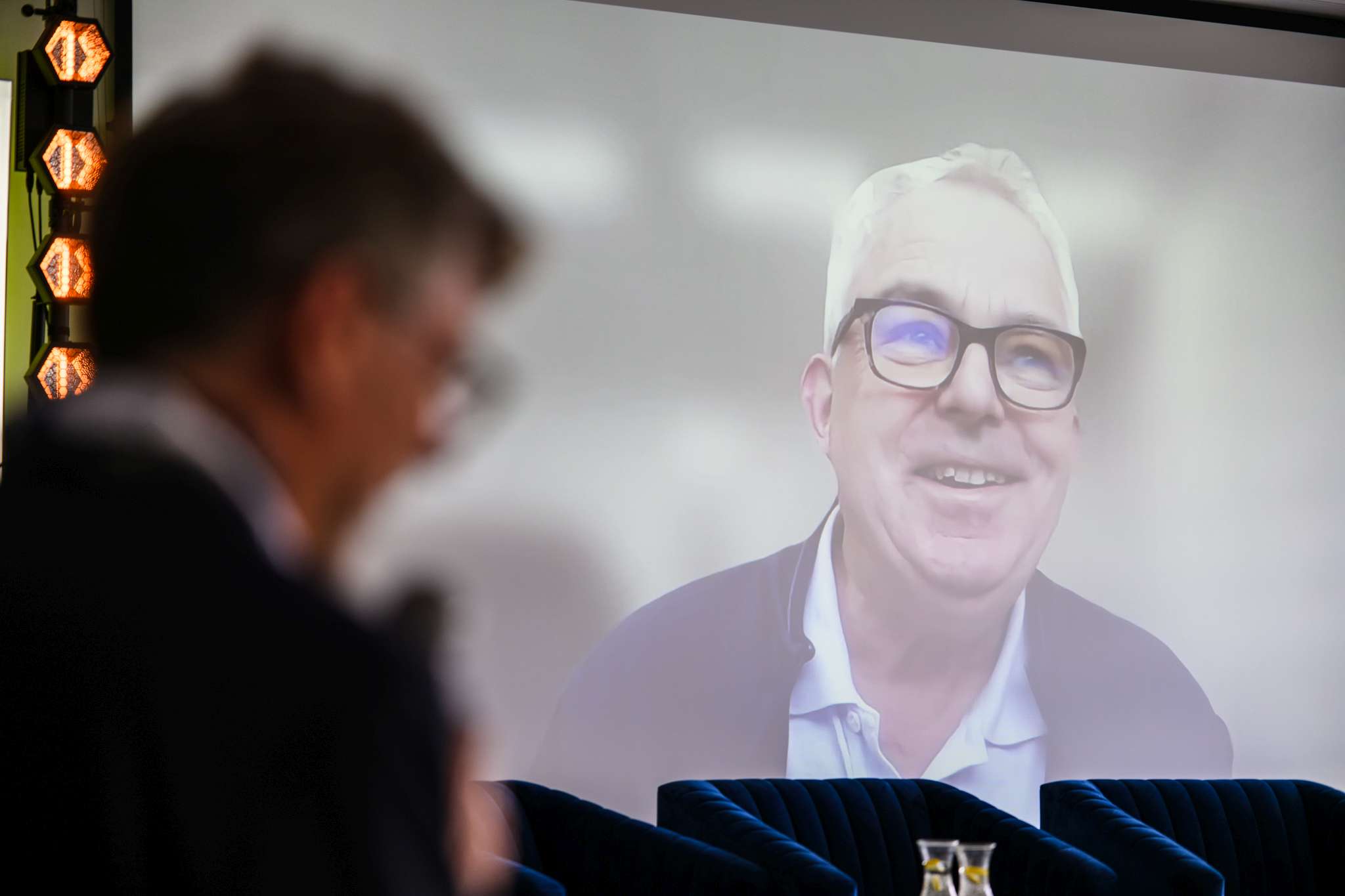
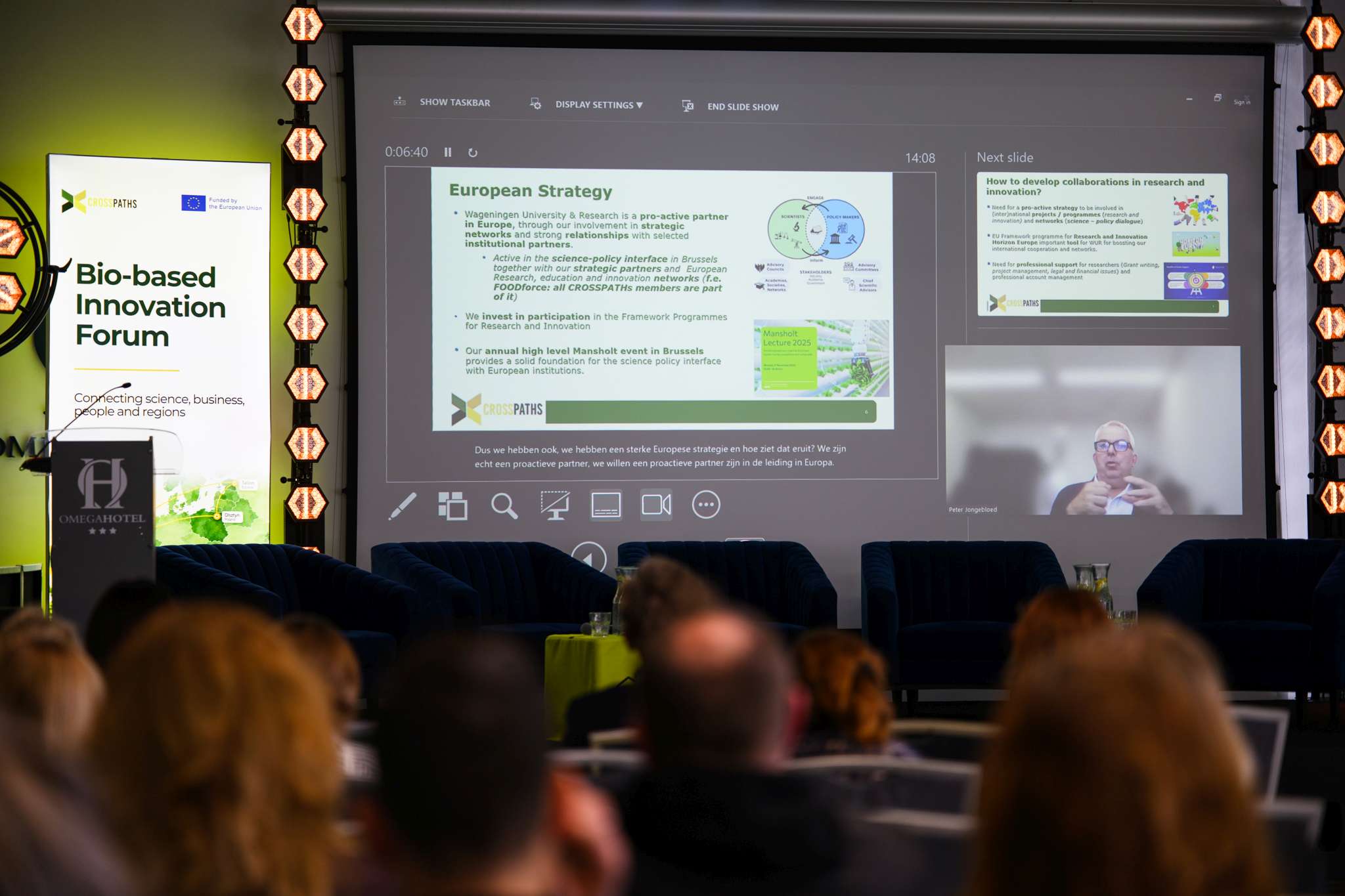
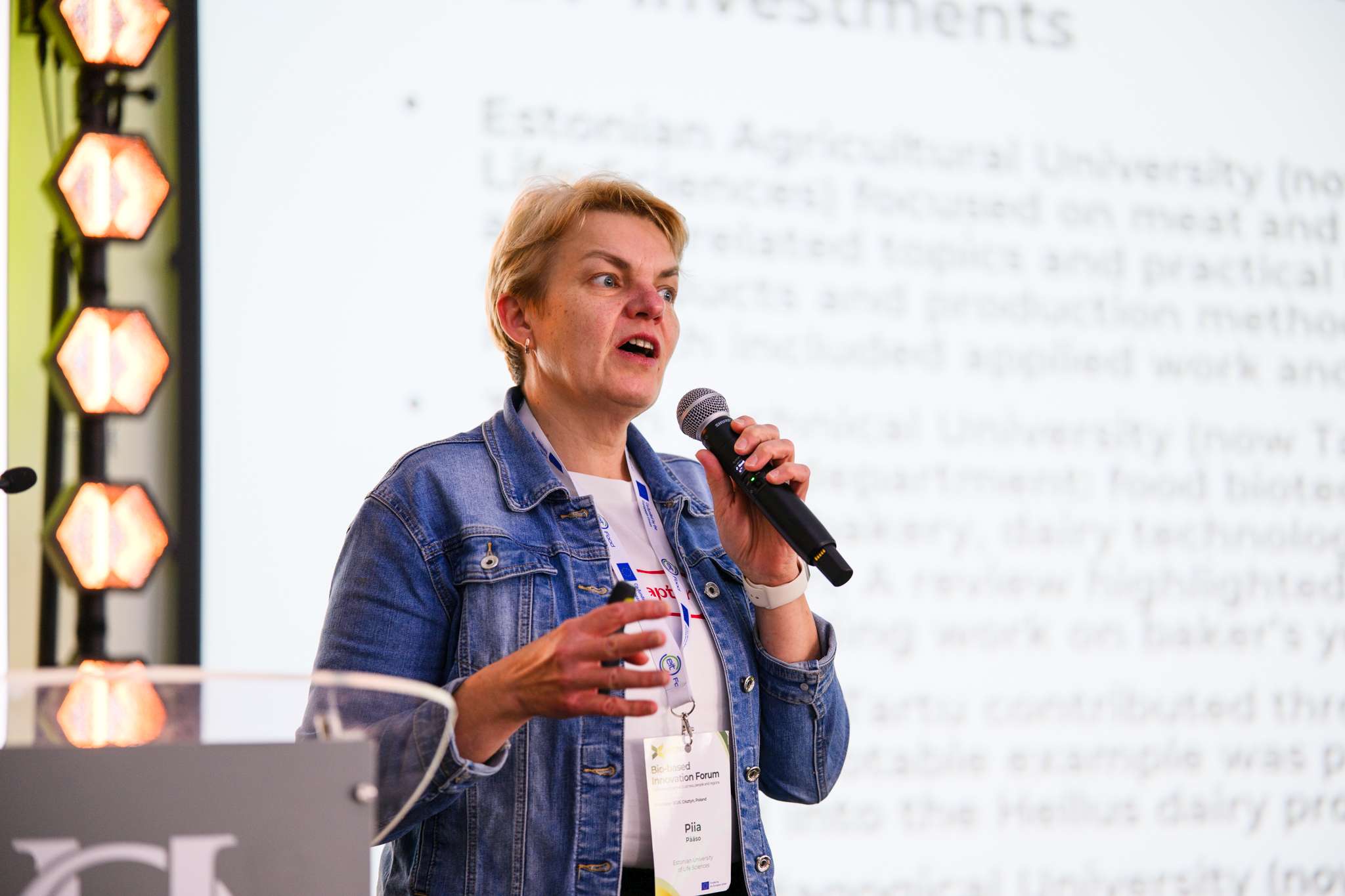
The programme concluded with a session on the conditions that help partnerships develop. Peter Jongebloed from Wageningen University & Research discussed European collaboration, Piia Pääso from the Estonian University of Life Sciences addressed regional technology transfer and competence centres, and Marcin Szczepkowski from the Marshal’s Office of the Warmian-Masurian Voivodeship presented regional authorities’ support for businesses and innovation. This offered a broader view of science–business collaboration, highlighting the institutions that help connect partners and create the conditions for joint activities.
The Bio-based Innovation Forum was organised by the CROSSPATHS consortium: the InLife Institute of Animal Reproduction and Food Research, Polish Academy of Sciences; the Estonian University of Life Sciences; Universidade Católica Portuguesa; Wageningen Research; and Innotrope. Funded by the European Union’s Horizon Europe programme, CROSSPATHS aims to develop international collaboration in food technology, health and the bioeconomy, and to make better use of research infrastructure financed through regional funding.