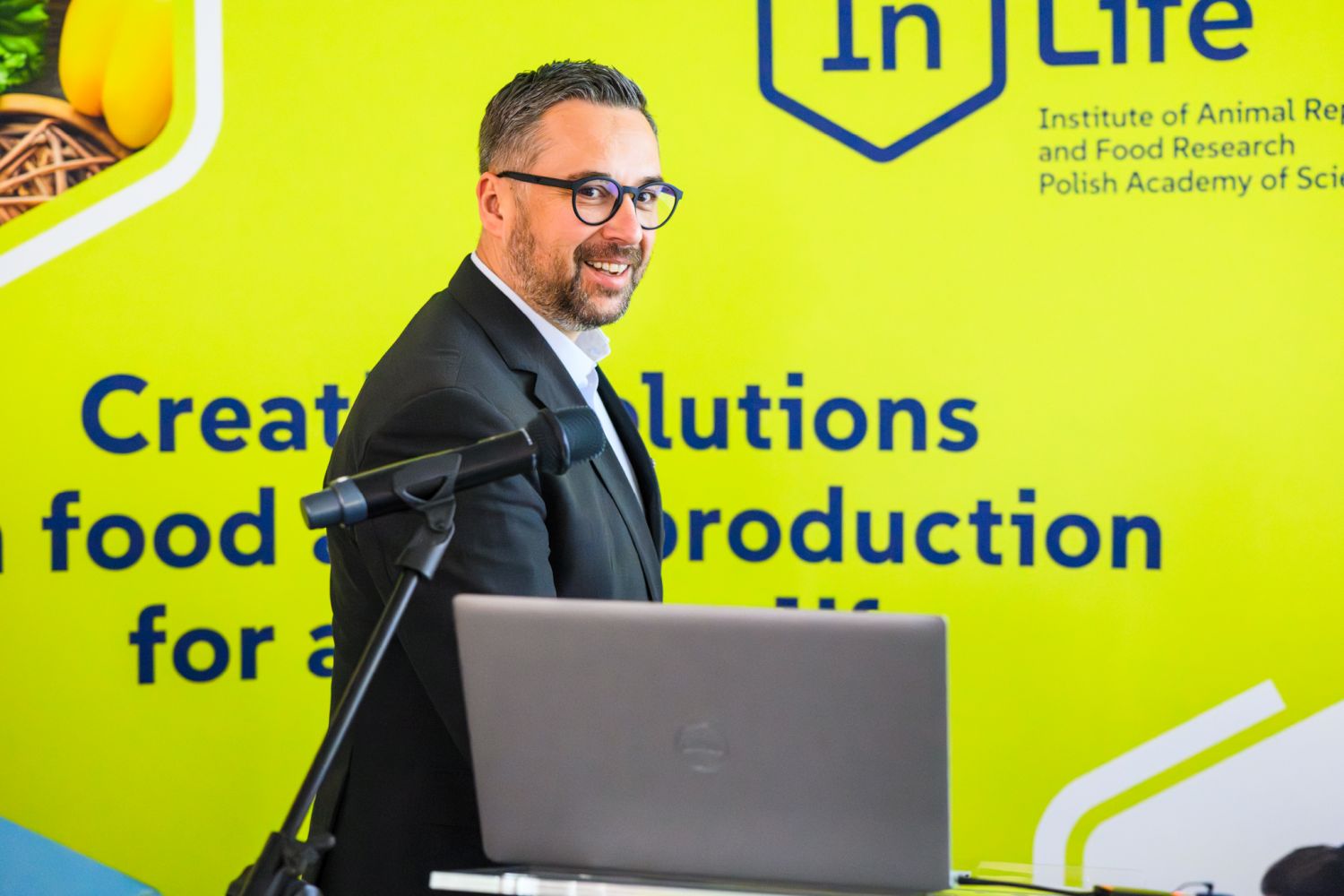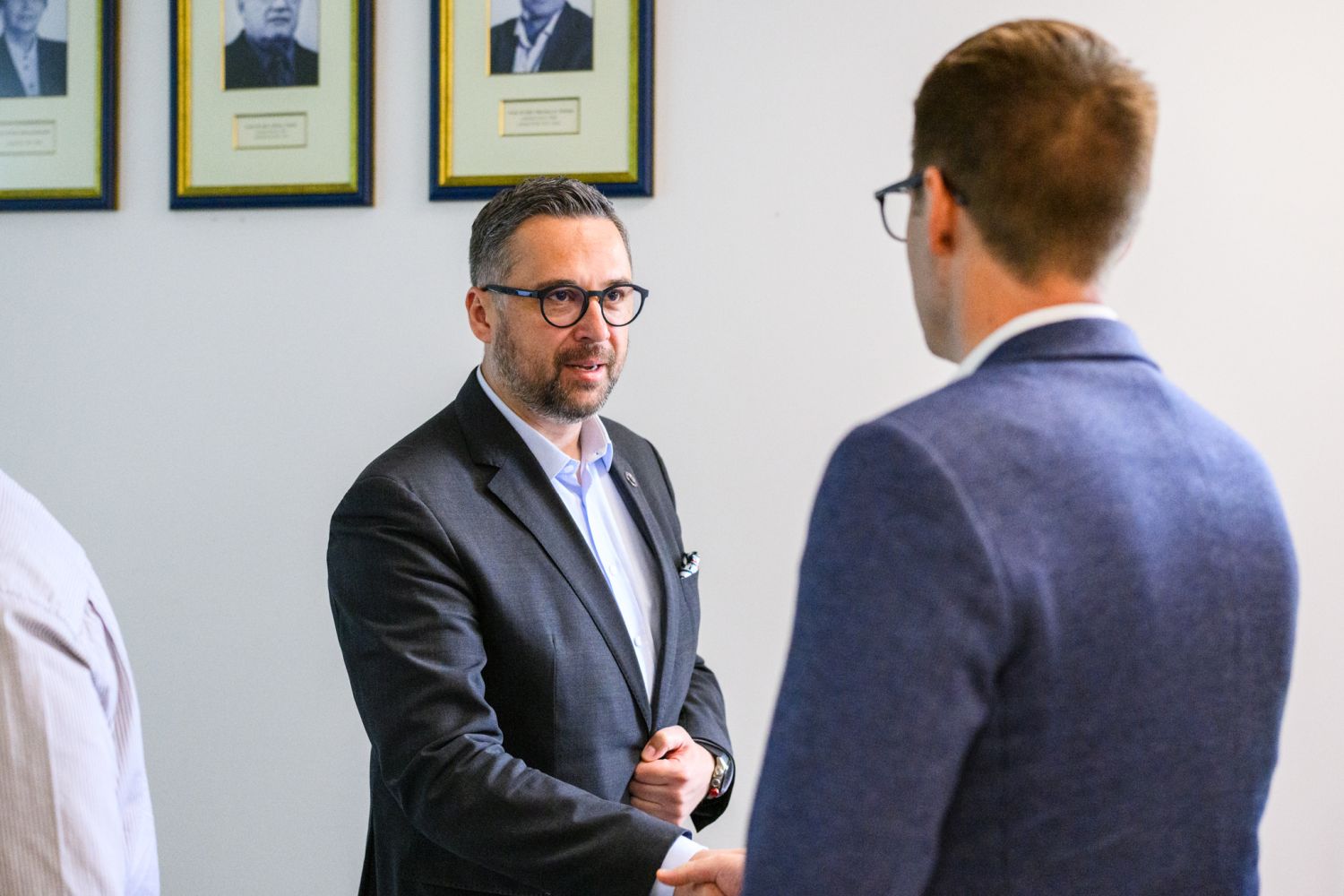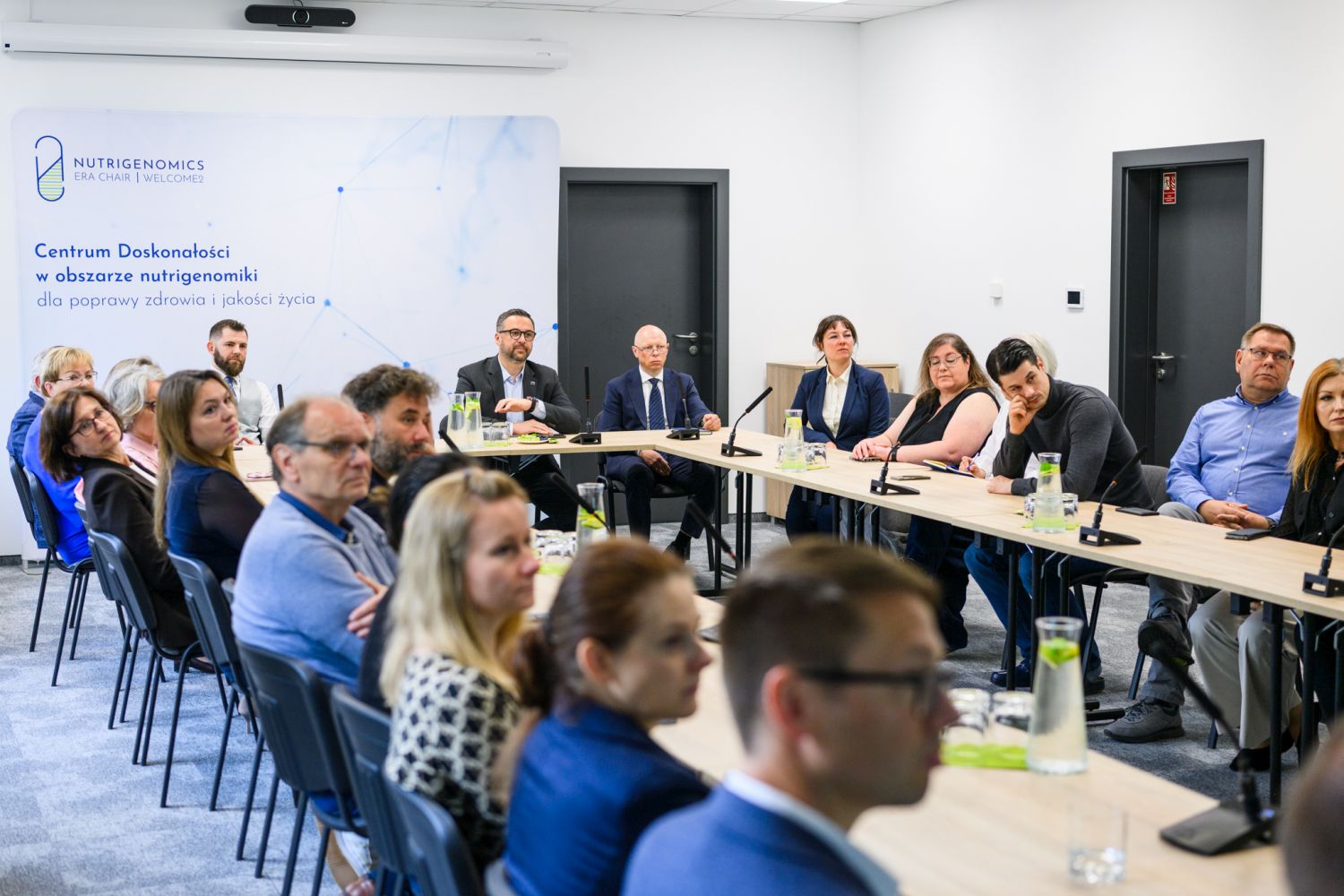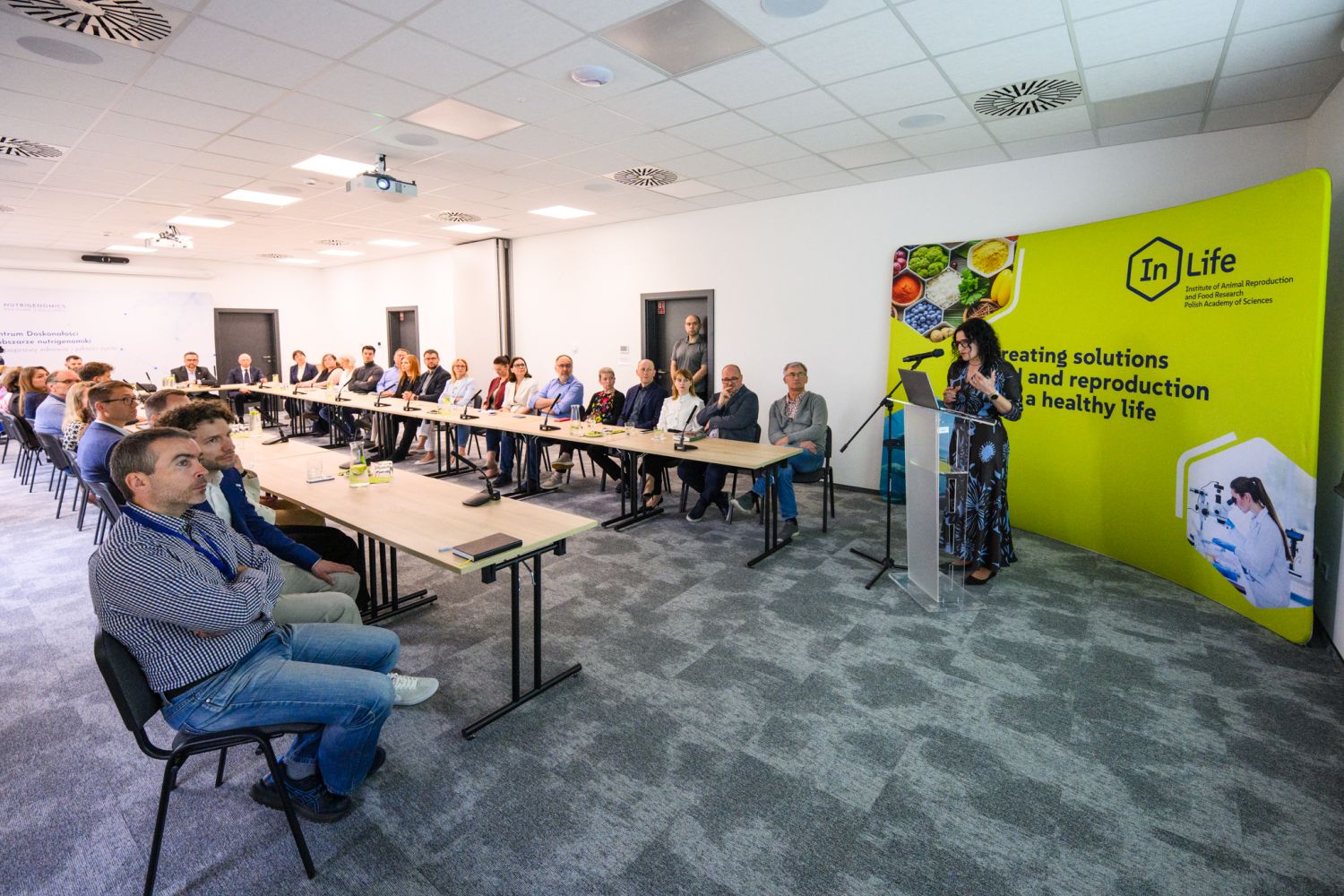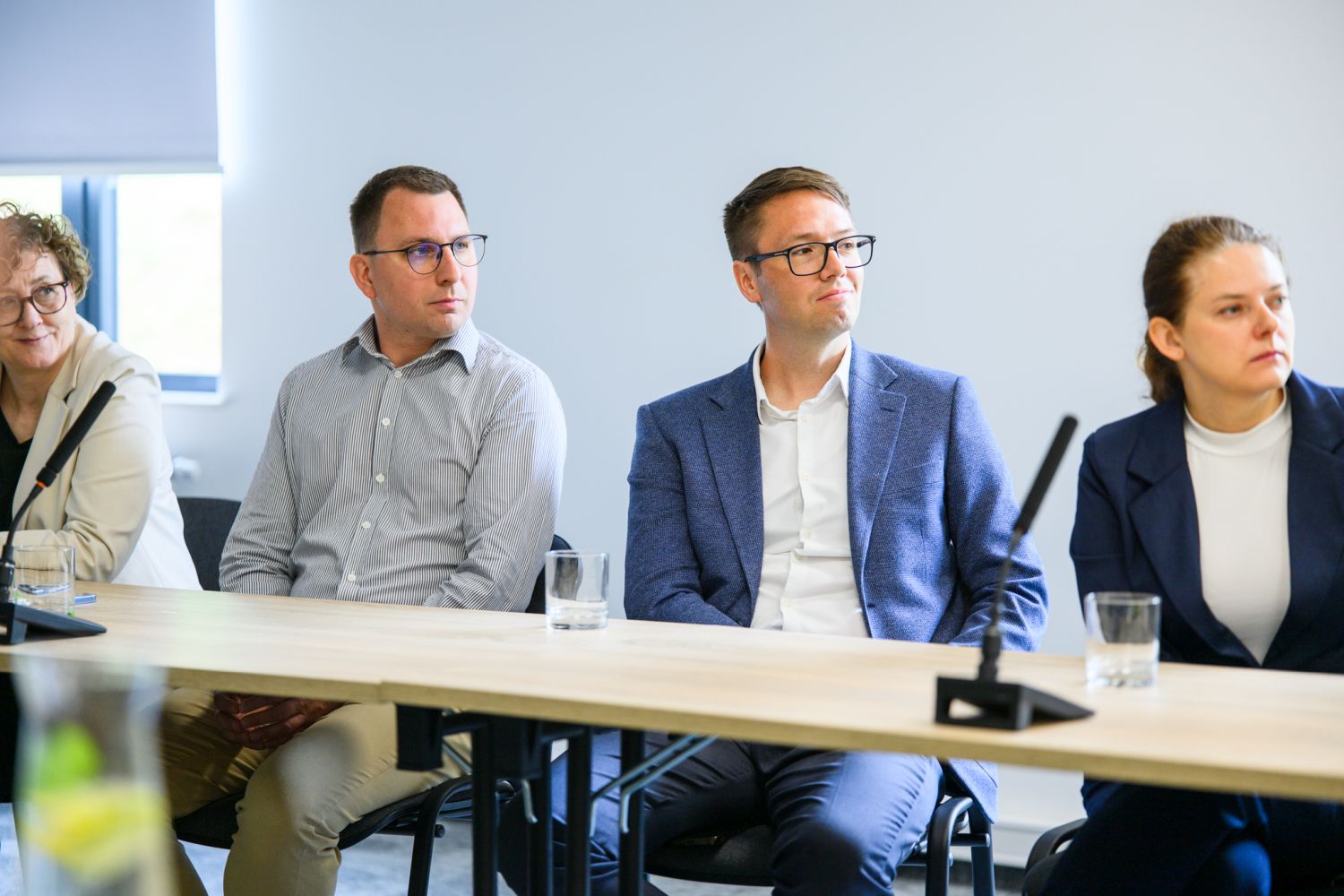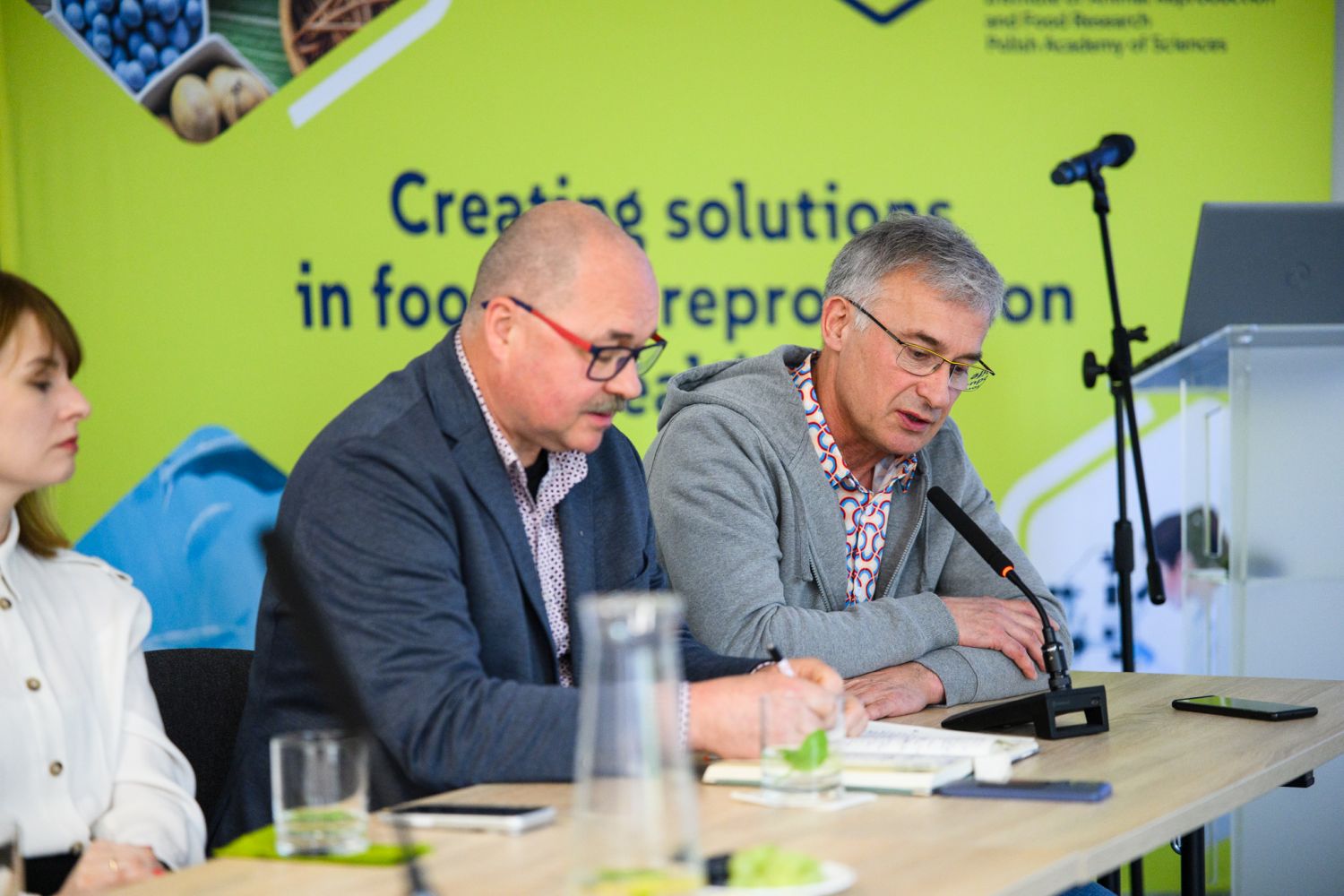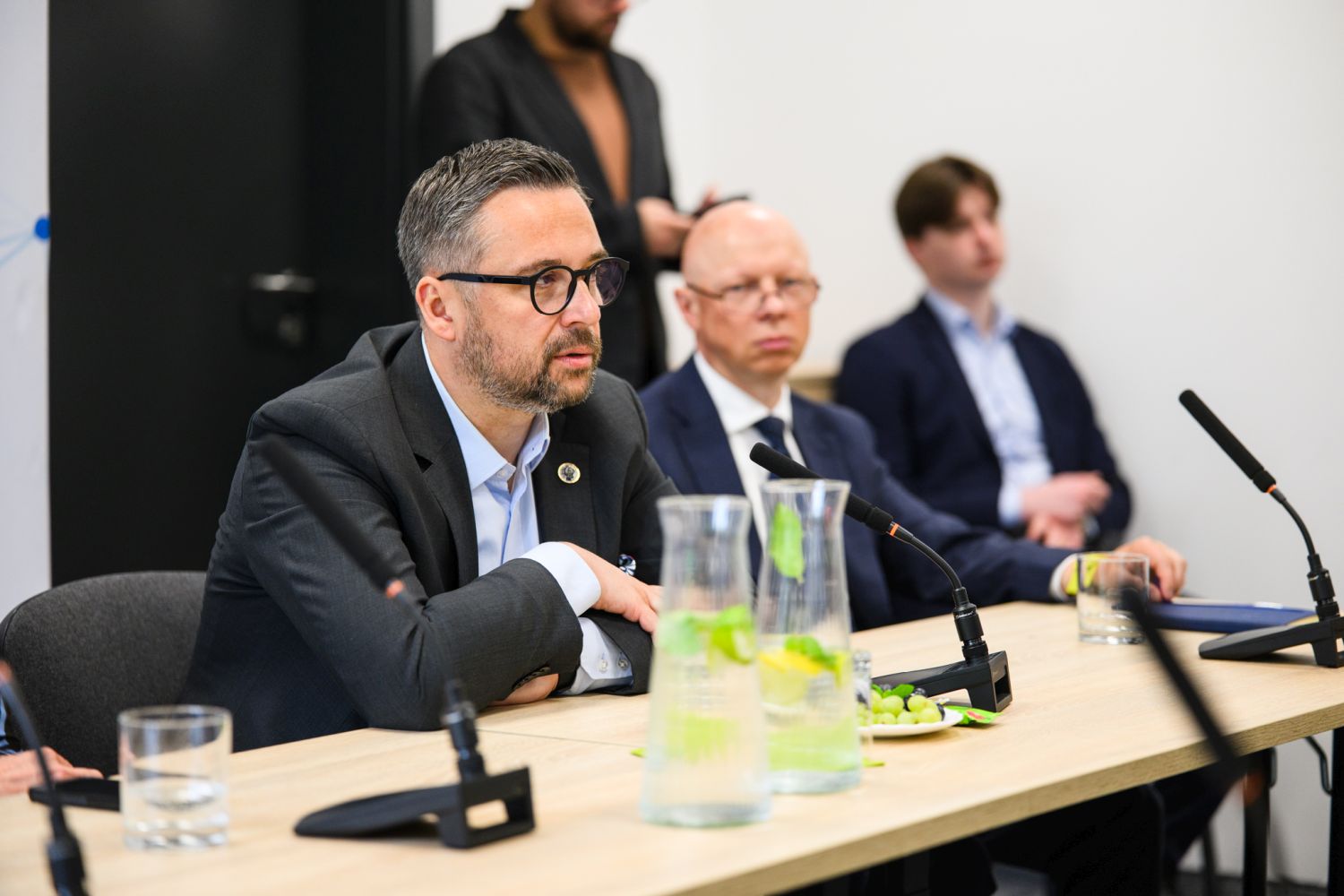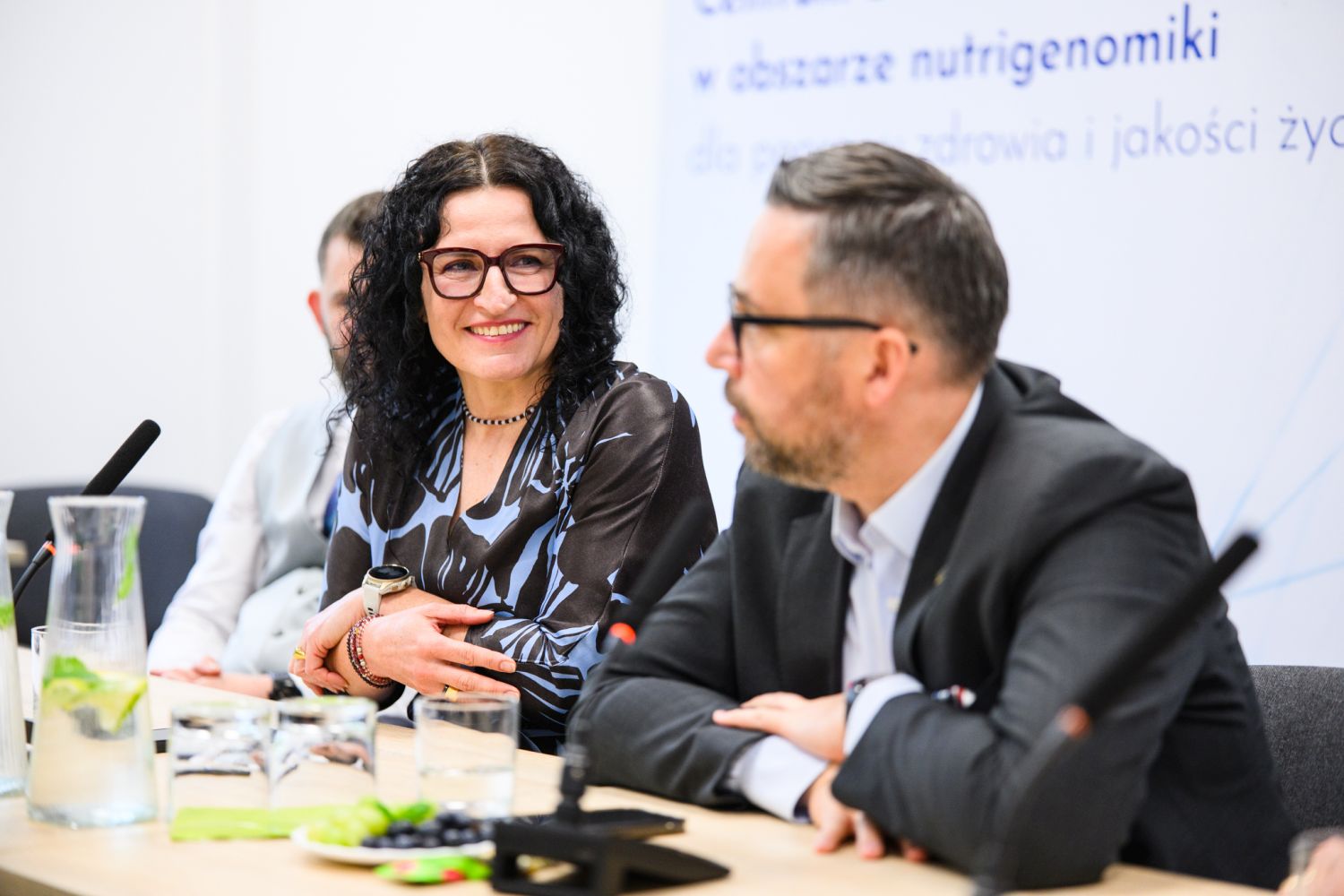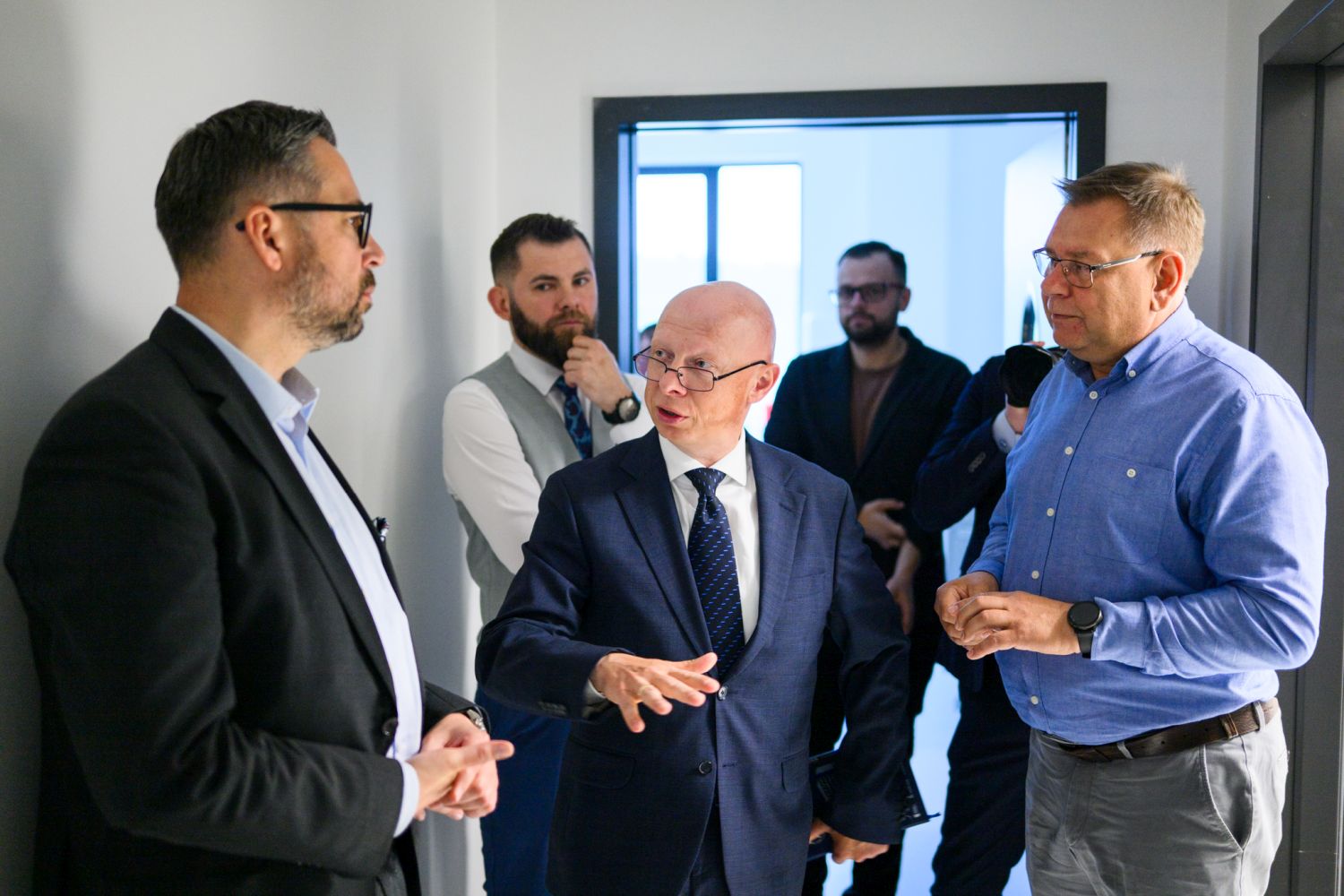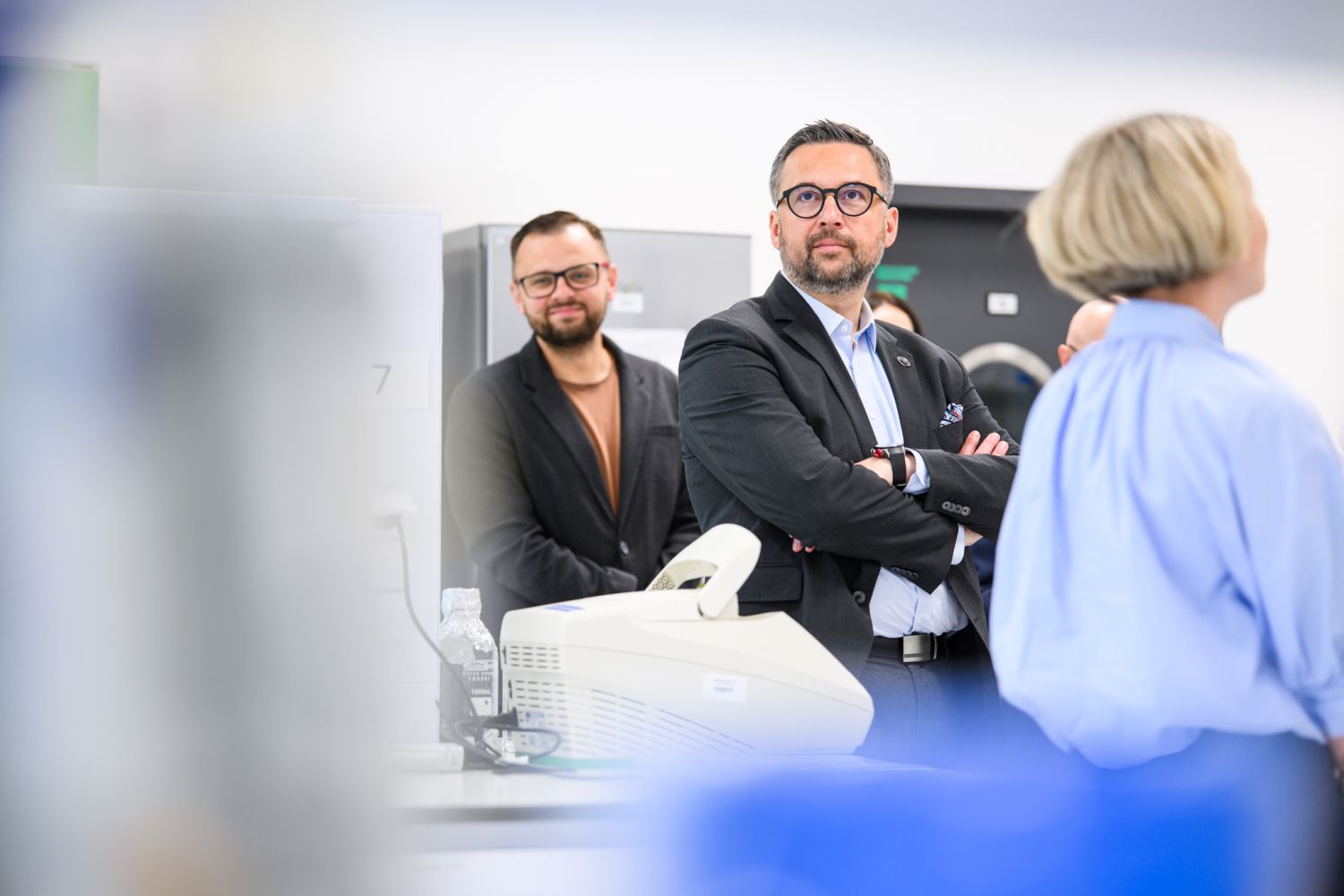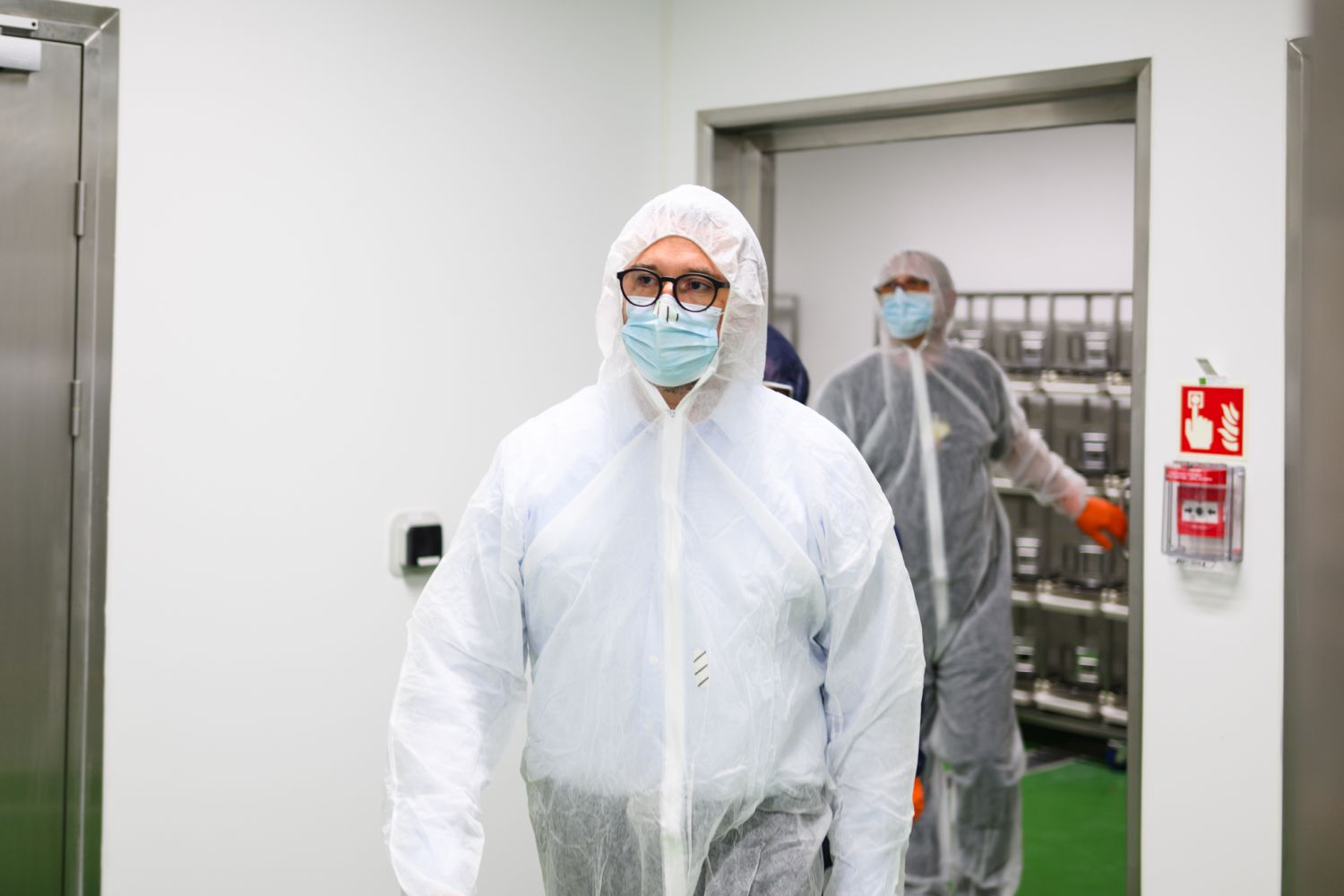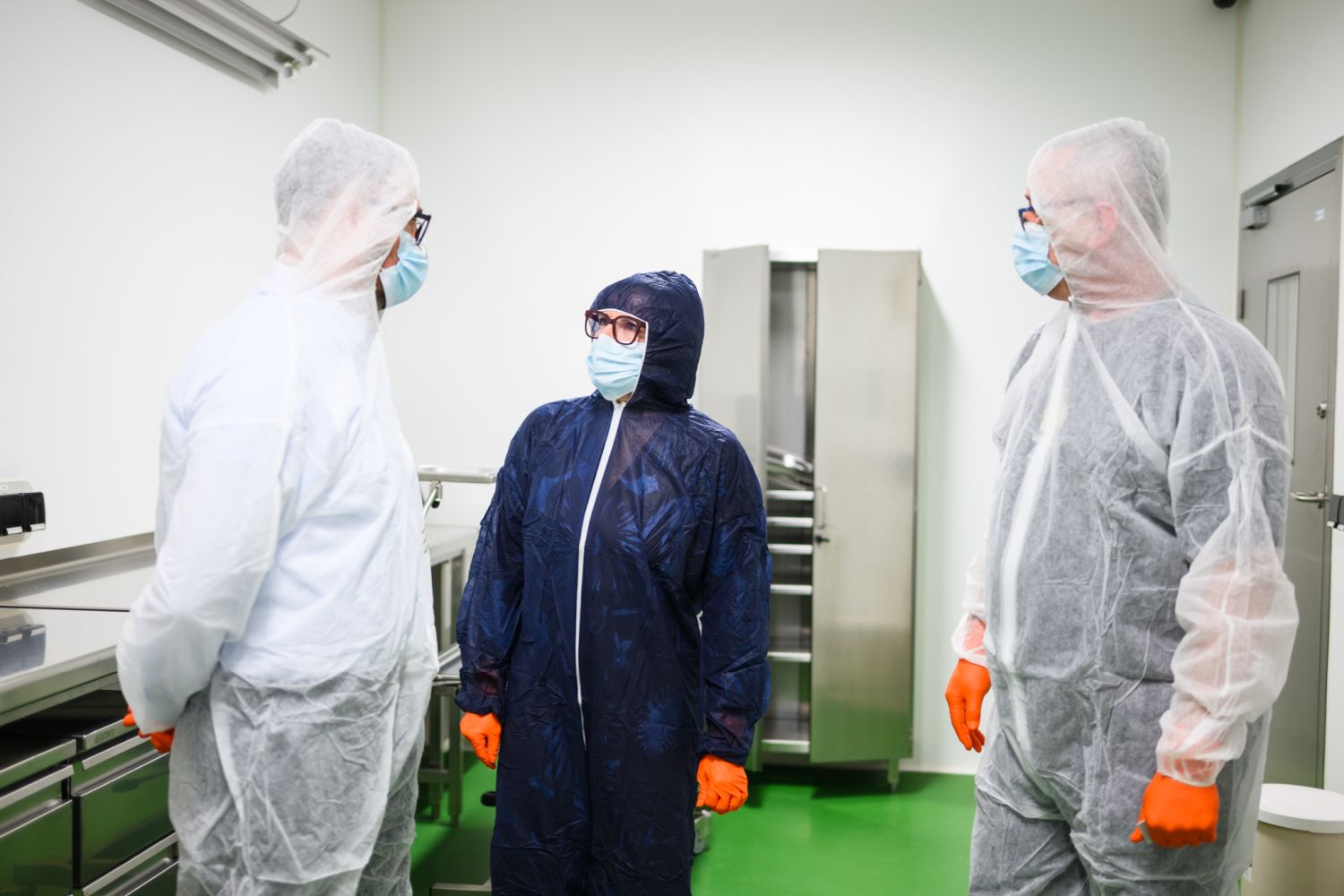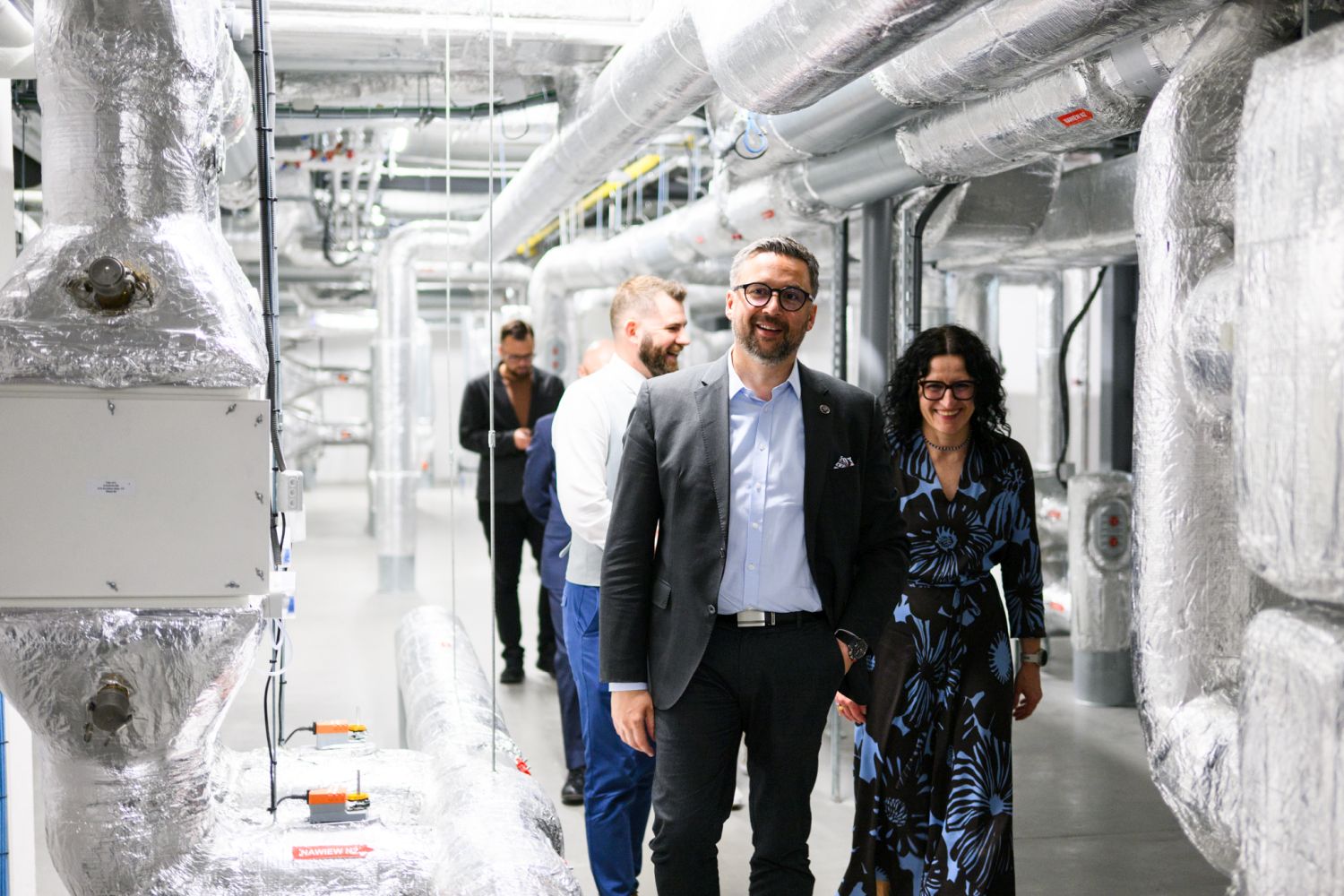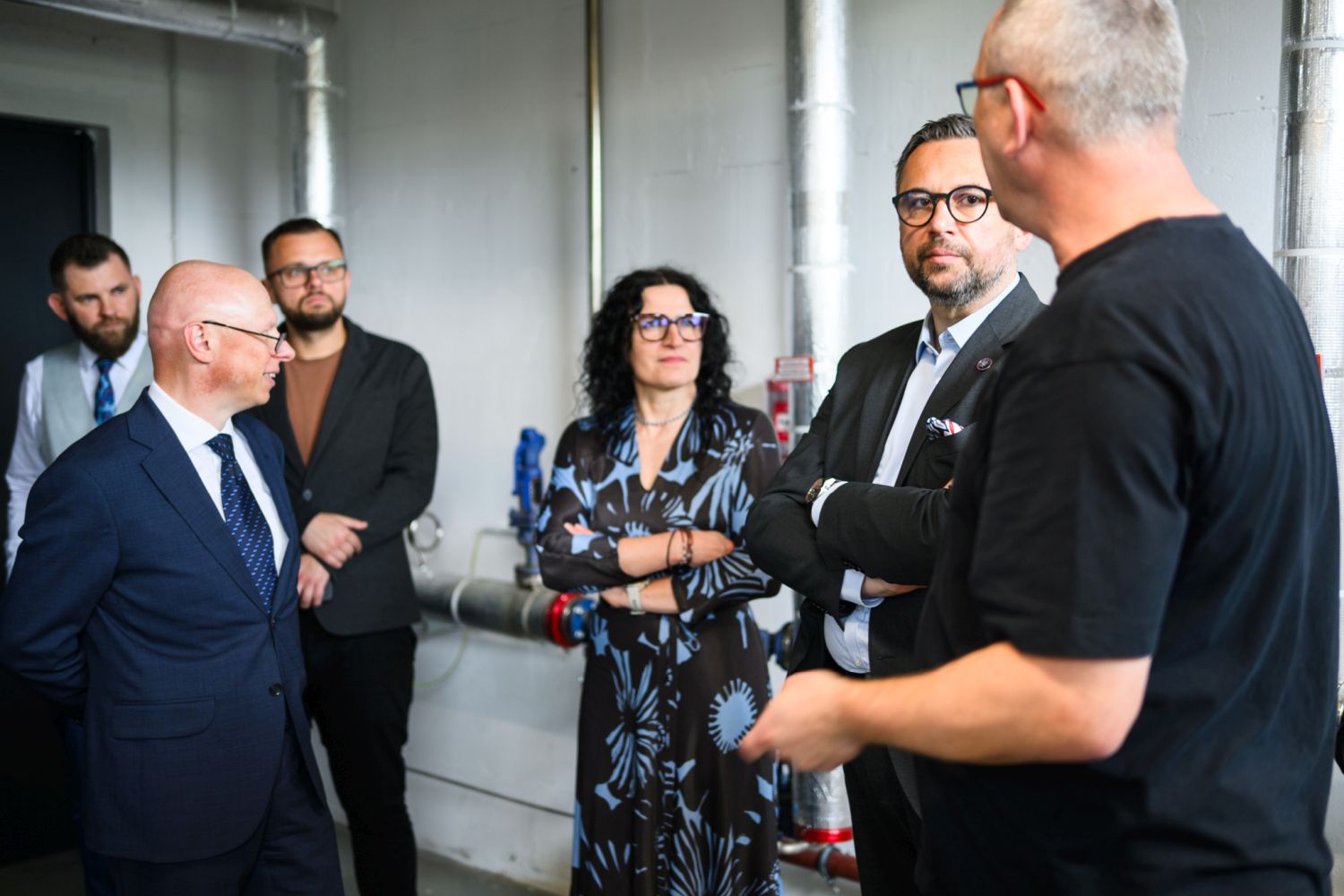
Minister of Science and Higher Education Dr. Marcin Kulasek visited the InLife Institute of Animal Reproduction and Food Research, Polish Academy of Sciences. During the visit, he met with the Institute’s management, spoke with researchers, and toured its modern research infrastructure. One of the key topics discussed was science funding.
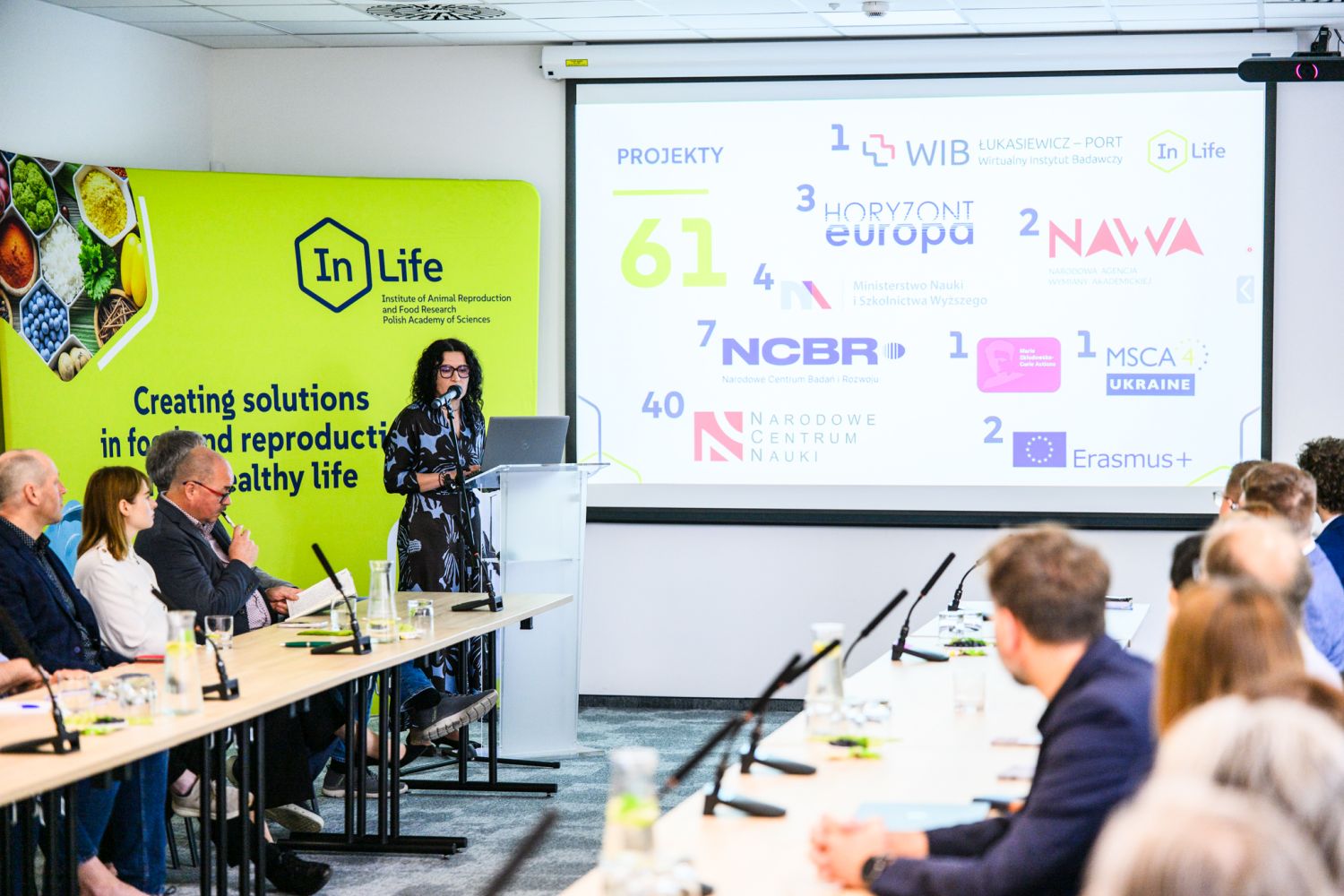
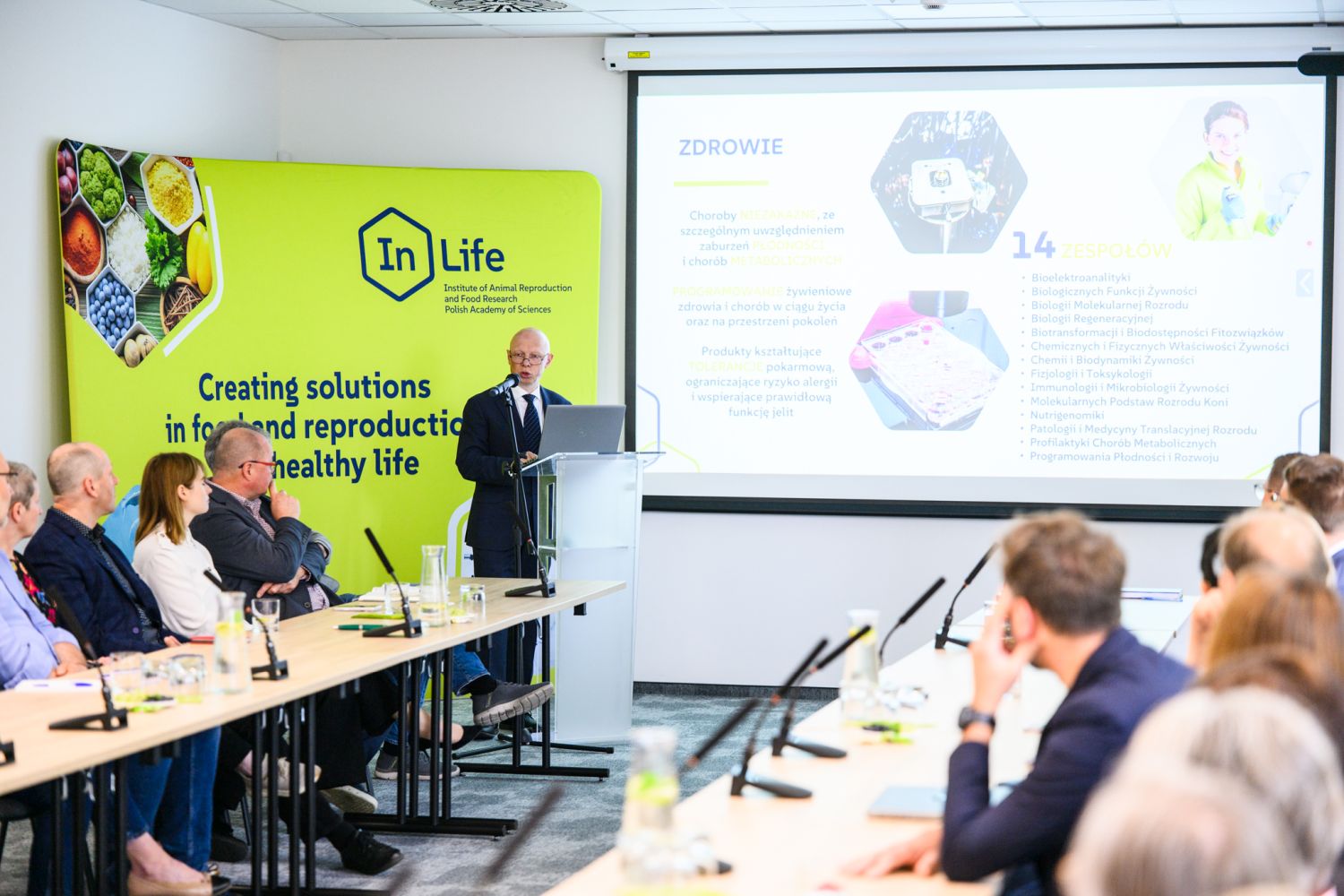
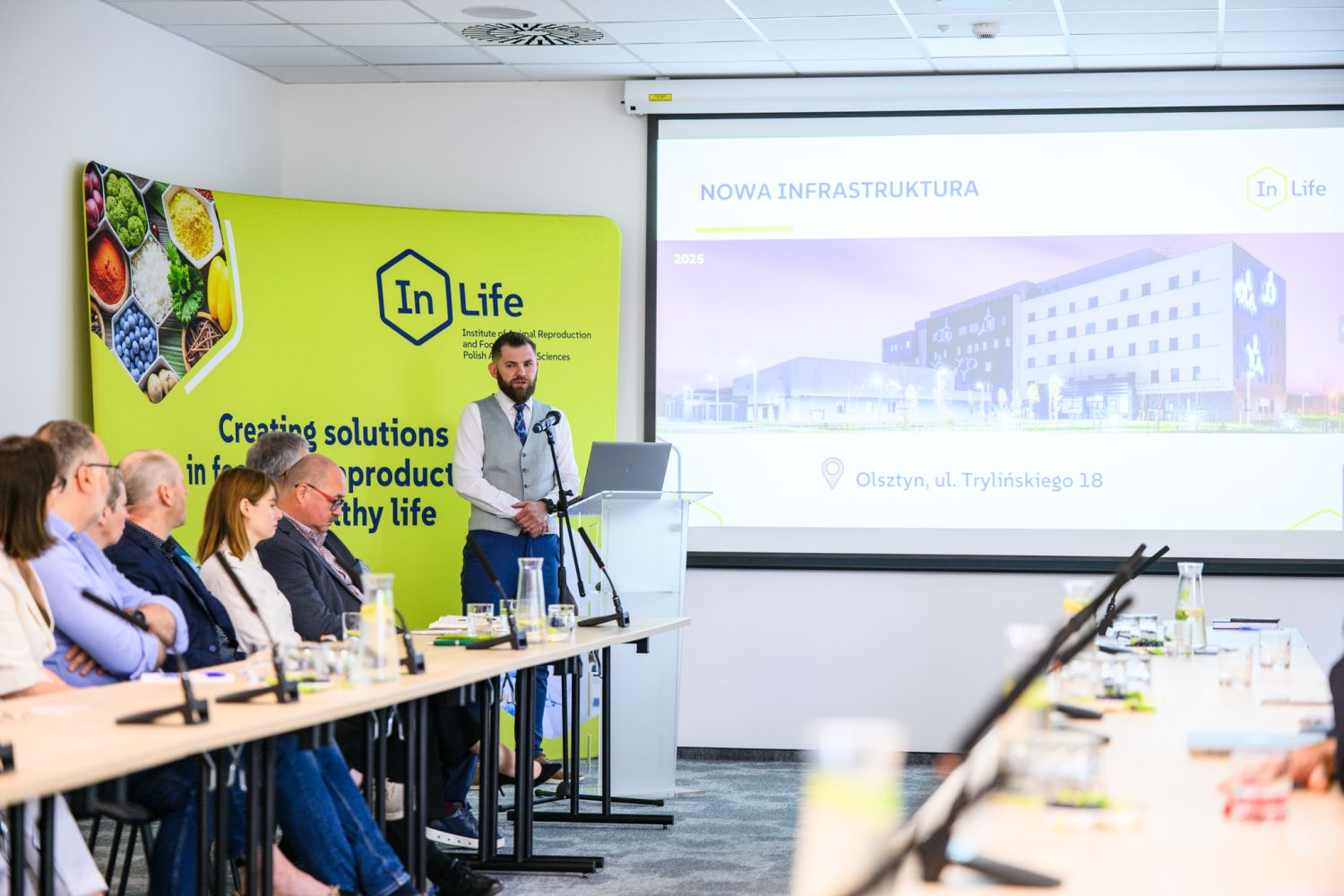
The meeting was opened by the Director of the InLife Institute, Prof. Monika M. Kaczmarek, who presented the Institute’s main areas of activity, ongoing research projects, and future development directions. The Deputy Directors, Prof. Wiesław Wiczkowski, Deputy Director for Scientific Affairs, and Michał Żurek, Deputy Director for General Affairs, presented the scope of the Institute’s research activities and its infrastructure.
– This was a particularly important meeting for us, especially as it took place at a crucial moment for the scientific community – during the ongoing debate on increasing expenditure on science to 3% of GDP. We heard the Minister’s announcements regarding increased funding for science from various sources, including state-owned companies. The Minister also emphasized the importance of dialogue between the Ministry and the scientific community, as well as the need to consult planned changes – said Prof. Monika M. Kaczmarek.
Minister Kulasek, who comes from Olsztyn, referred to his ties both to the city and to the InLife Institute.
– I am from Olsztyn, and the InLife Institute is particularly close to me. The institutes of the Polish Academy of Sciences should also be close to the Ministry – and they are, the Minister emphasized.
As he noted, the science budget has already been increased by half a billion zlotys, and the Ministry is taking steps to improve the functioning of scientific institutions and strengthen research funding. He also referred to the planned amendment to the Act on the Polish Academy of Sciences, which is expected to be submitted to the President of Poland for signature later this year, as well as to the issue of the additional annual bonus payment, commonly known as the “thirteenth salary,” for employees of the institutes of the Polish Academy of Sciences.
The Minister acknowledged that the current level of science funding in Poland remains insufficient, while also emphasizing the need to use available resources efficiently. He pointed out that Polish research institutions are still not making full use of the opportunities offered by European programmes.
In his speech, he extensively discussed the Horizon Europe programme and the continuation of its funding beyond 2028.
– Thanks to the consultations that have been carried out, it has been possible to preserve funding at a level similar to the current framework. This amounts to €175 billion, and it is worth applying for these funds effectively – he noted.
He added that the Ministry is working on systemic solutions aimed at increasing investment in research. Among other initiatives, discussions are underway with state-owned companies regarding their greater involvement in science funding. Another important area of cooperation remains research conducted under the Dual Use framework, meaning projects with both civilian and defence applications. In this area, the Ministry is working jointly with the Ministry of National Defence.
Responding to a question about the possibility of launching a programme for the institutes of the Polish Academy of Sciences similar to the “Excellence Initiative – Research University” (IDUB), the Minister described such a solution as a valuable tool for supporting the development of science. He also informed participants that the Ministry is working on implementing a similar mechanism within the institutes of the Polish Academy of Sciences.
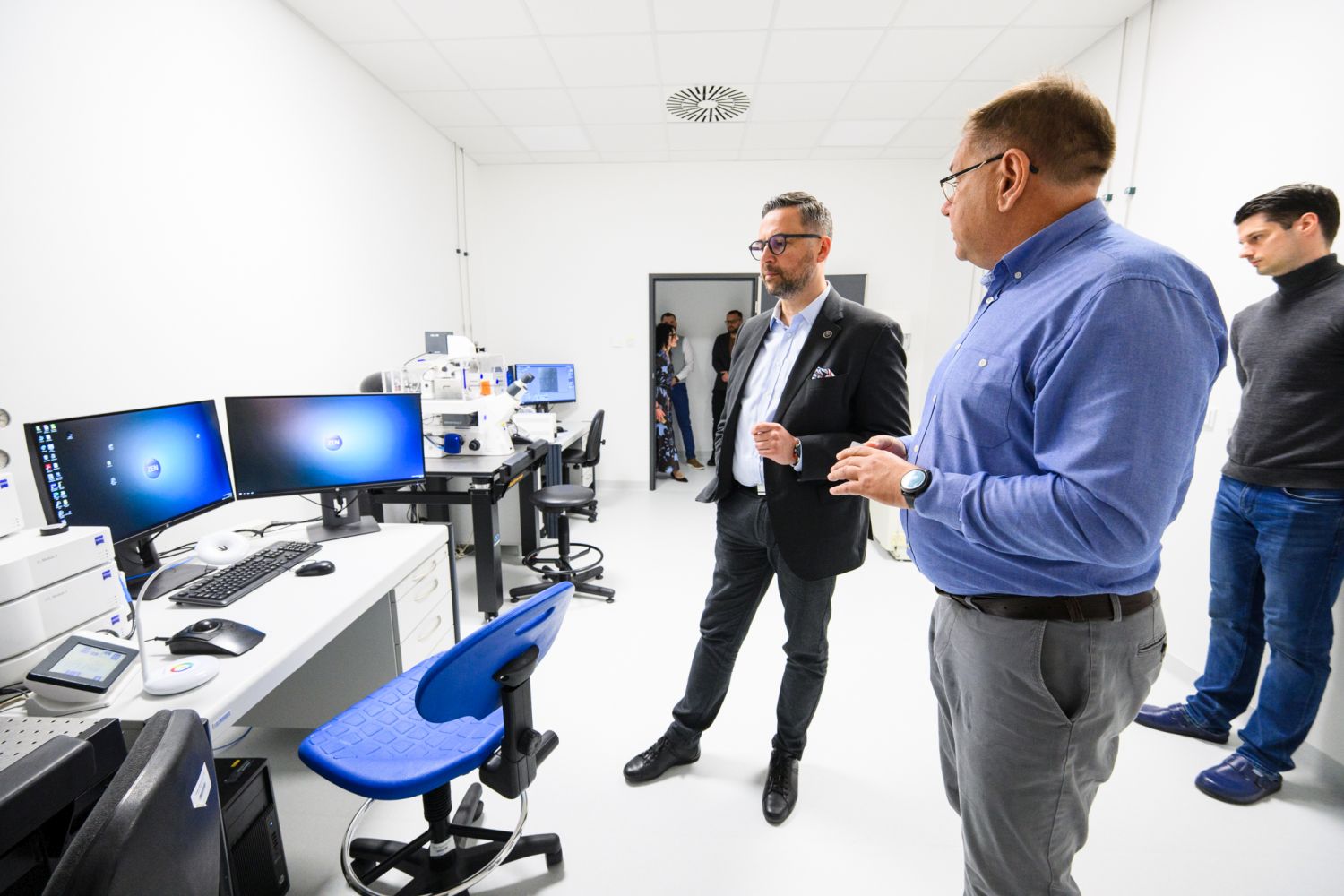
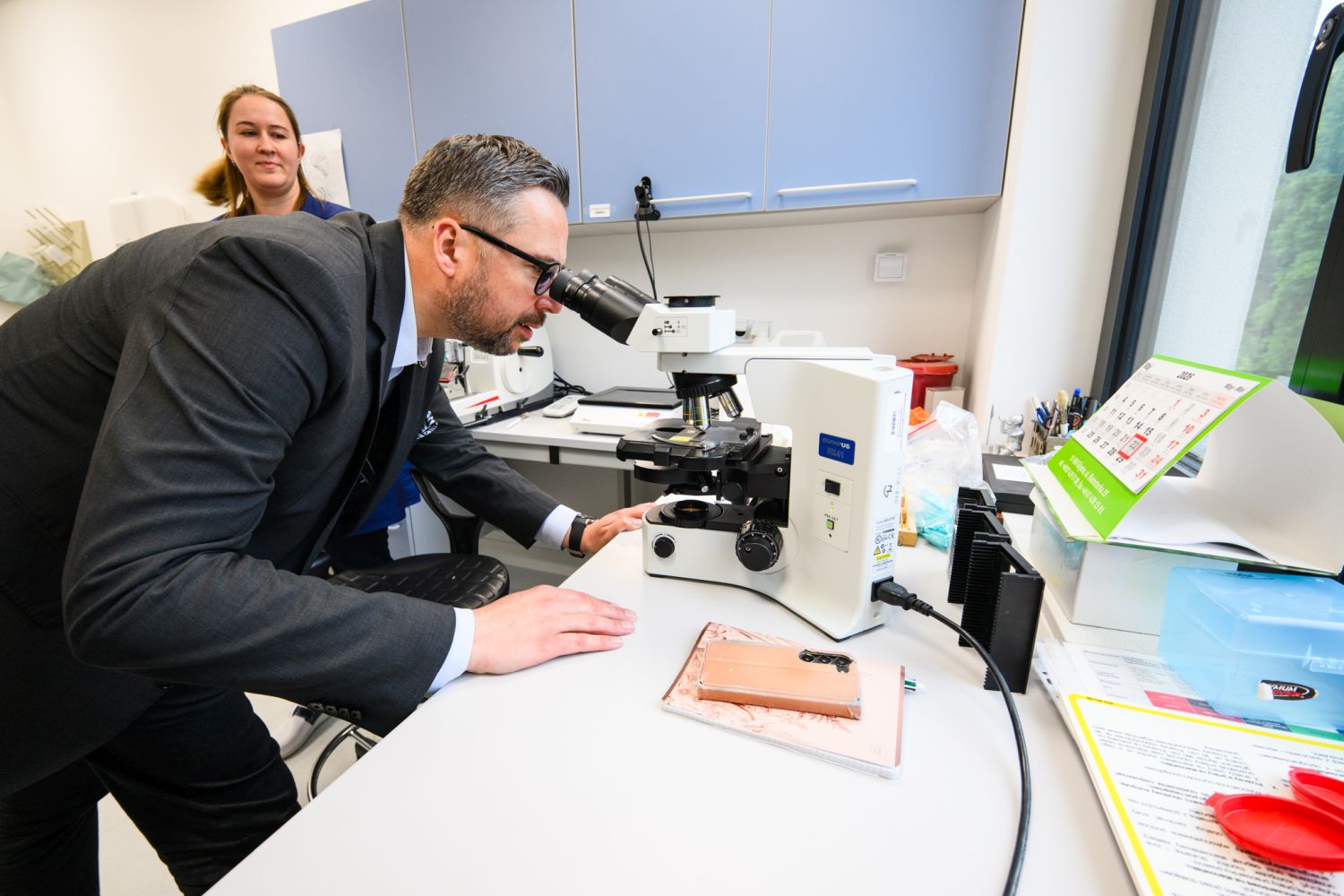
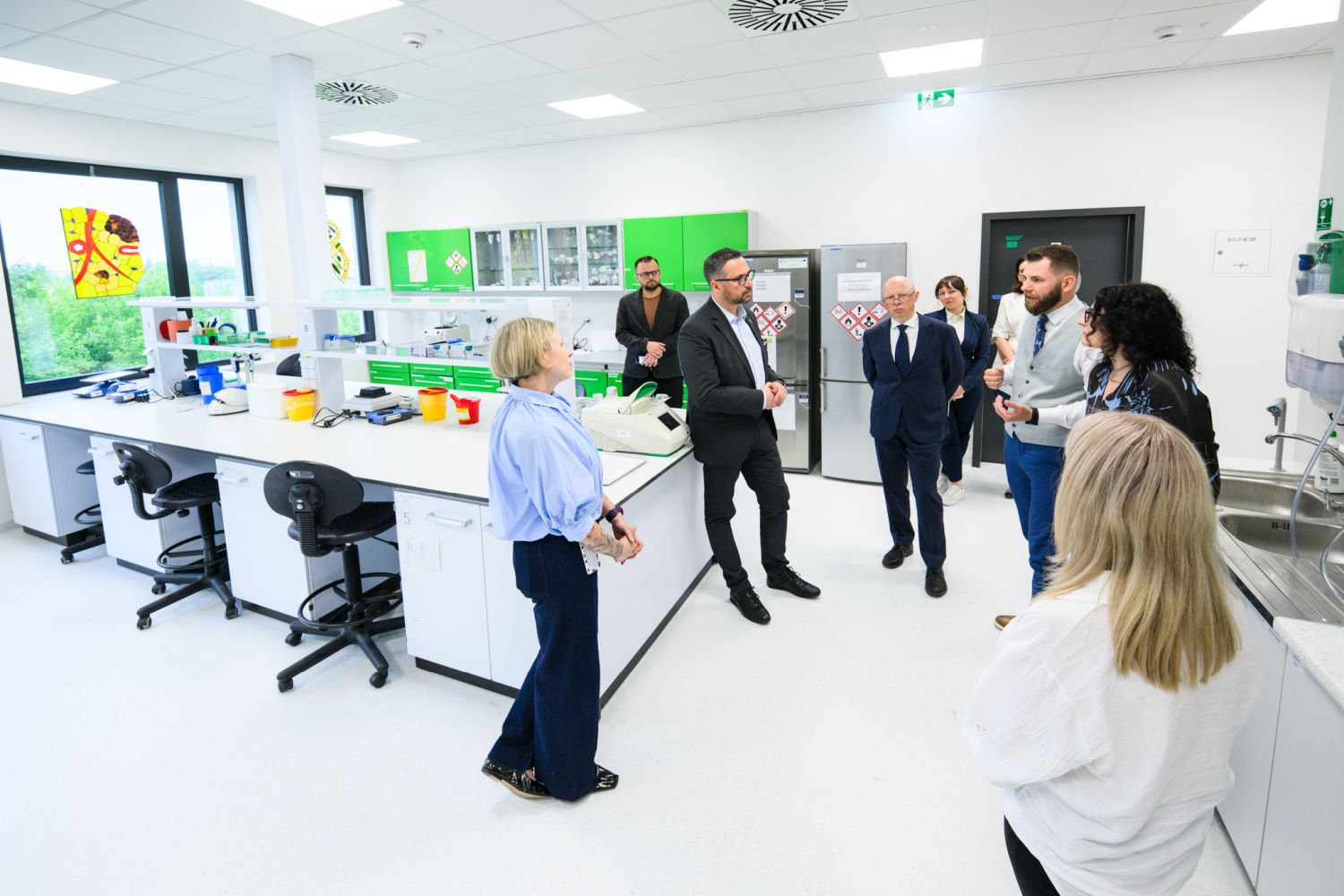
Following the meeting with staff, the Minister visited the laboratories and toured InLife’s modern research infrastructure. Researchers presented the opportunities created by the latest investments in scientific equipment, as well as the Institute’s potential to conduct research at the highest international level.