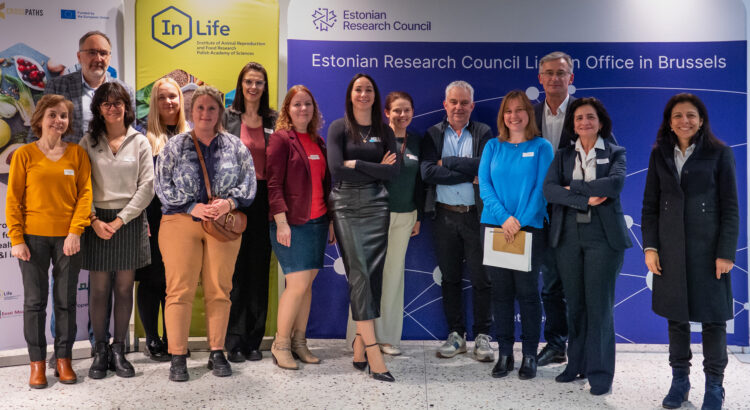
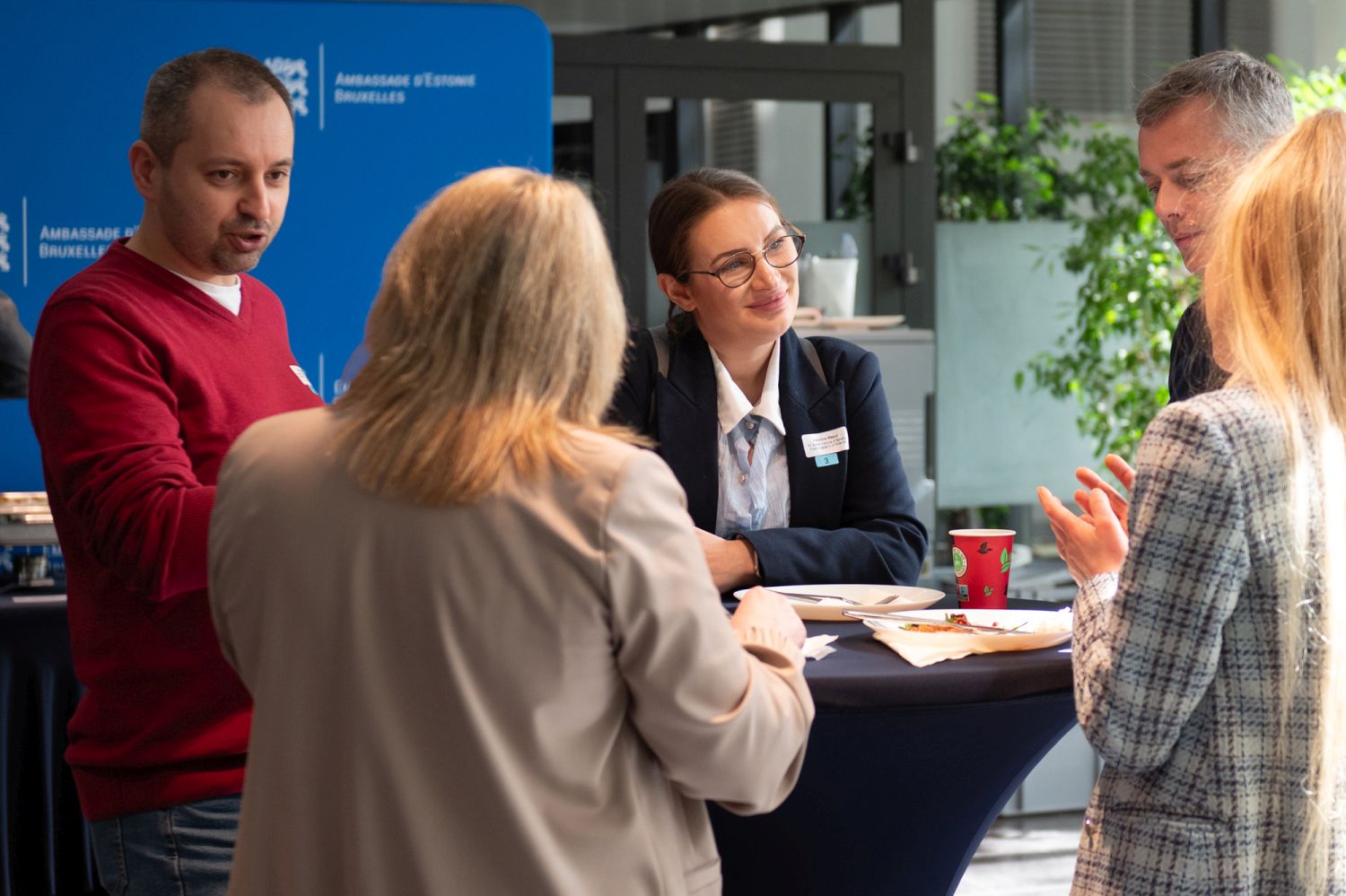
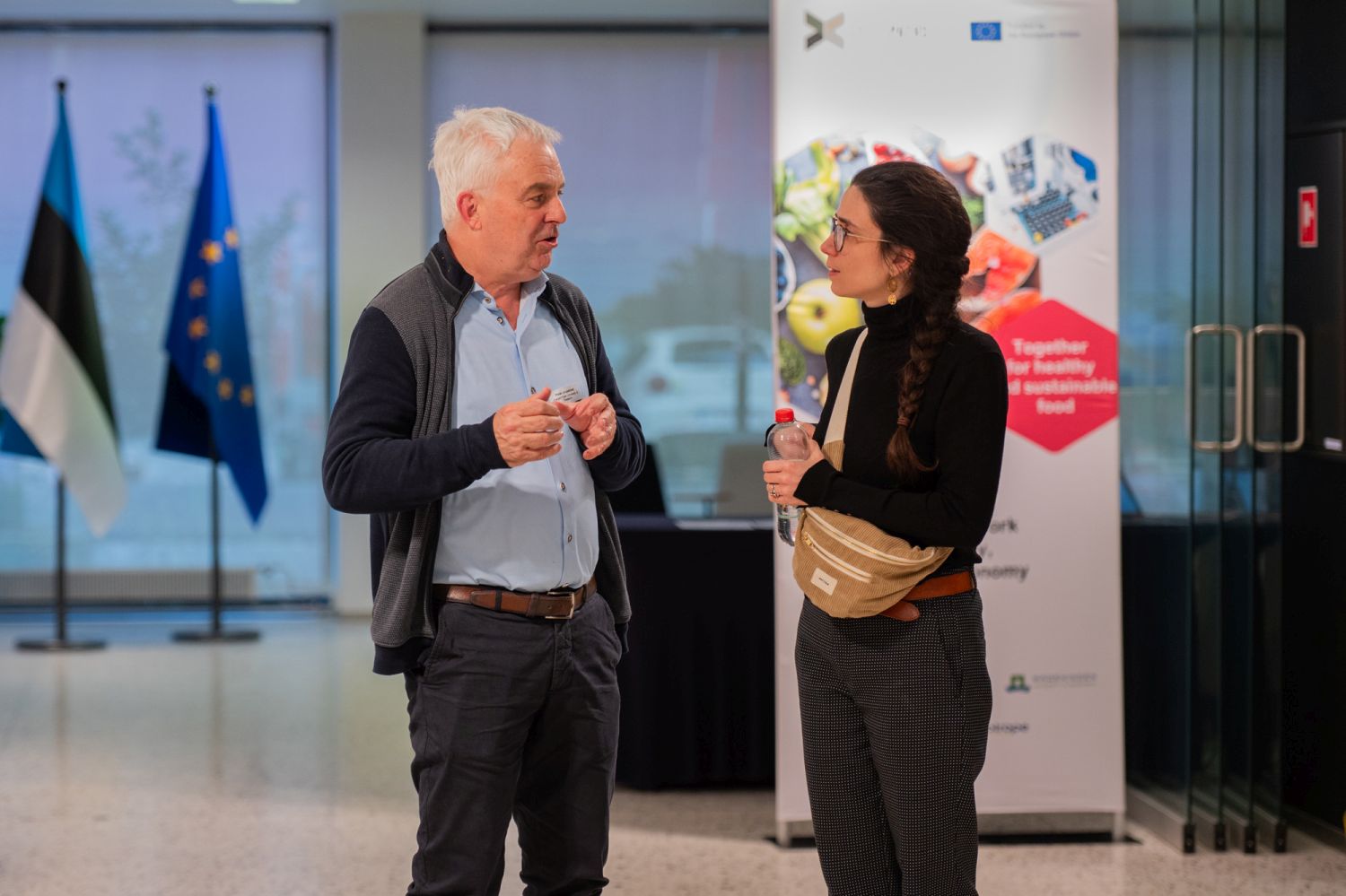
On 25 March 2026, the international CROSSPATHS Matchmaking Event took place in Brussels, focusing on building project partnerships under the Horizon Europe programme.
The event addressed key themes of Cluster 6:
- Circular economy and bioeconomy sectors
- Fair, healthy and environmentally friendly food systems – from primary production to consumption
- Biodiversity and ecosystem services
The event was organised by the CROSSPATHS project consortium, with our Institute playing a leading role as both initiator and coordinator. Co-organisers also included the Brussels-based liaison offices: the Polish Science Contact Agency “PolSCA” of the Polish Academy of Sciences and ETAG – the Estonian Research Council.
International dimension and shared responsibility
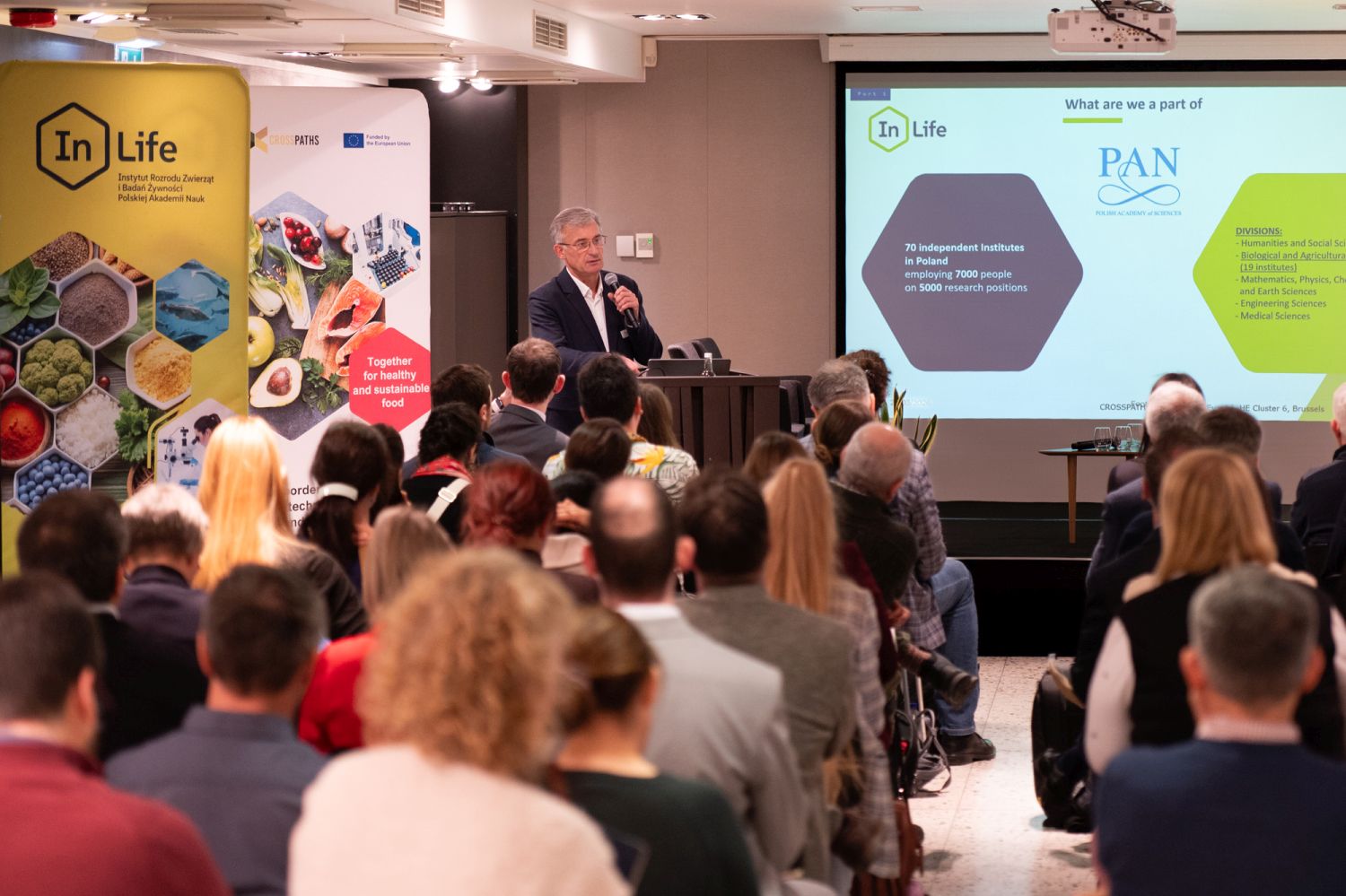
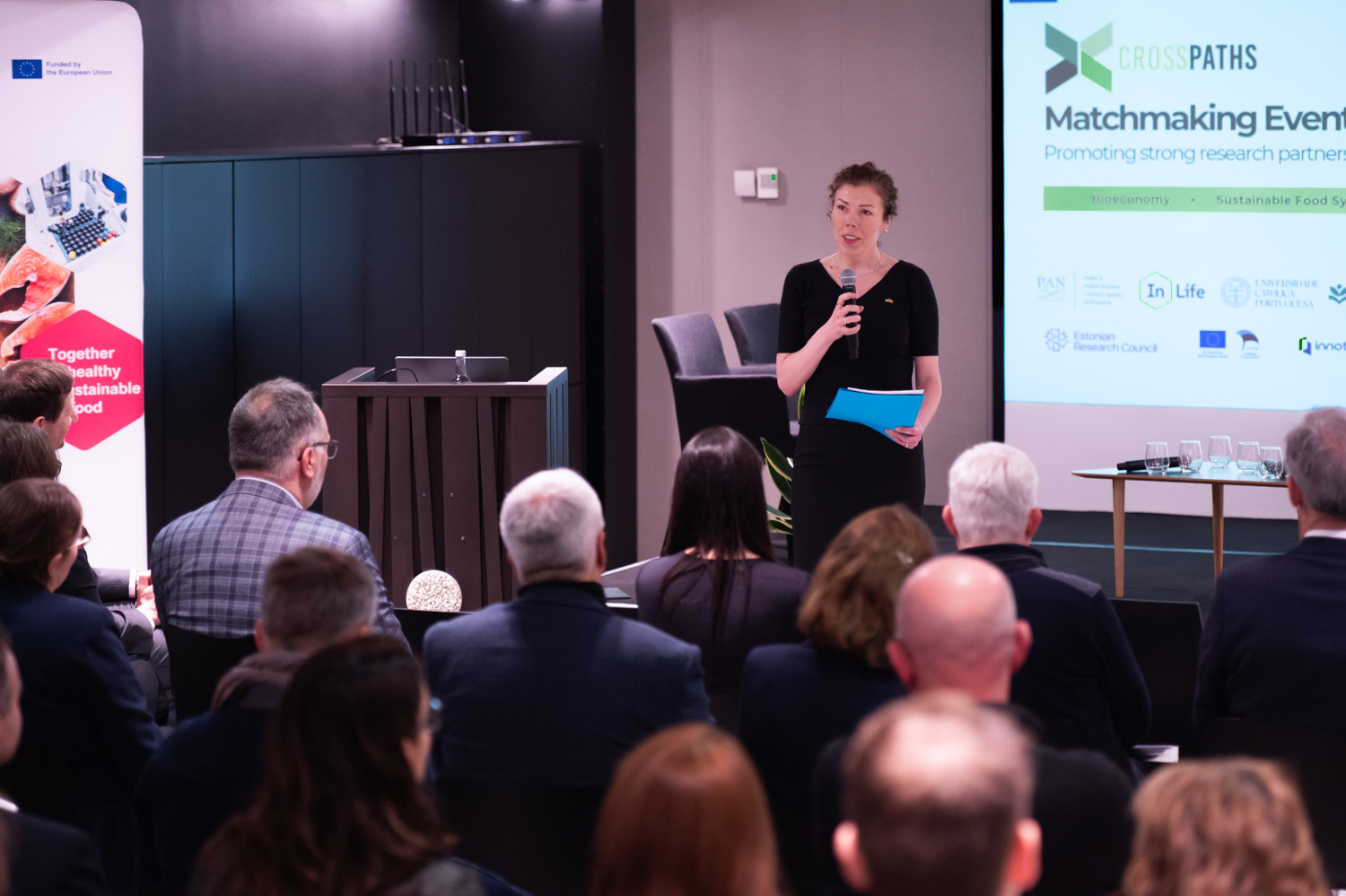
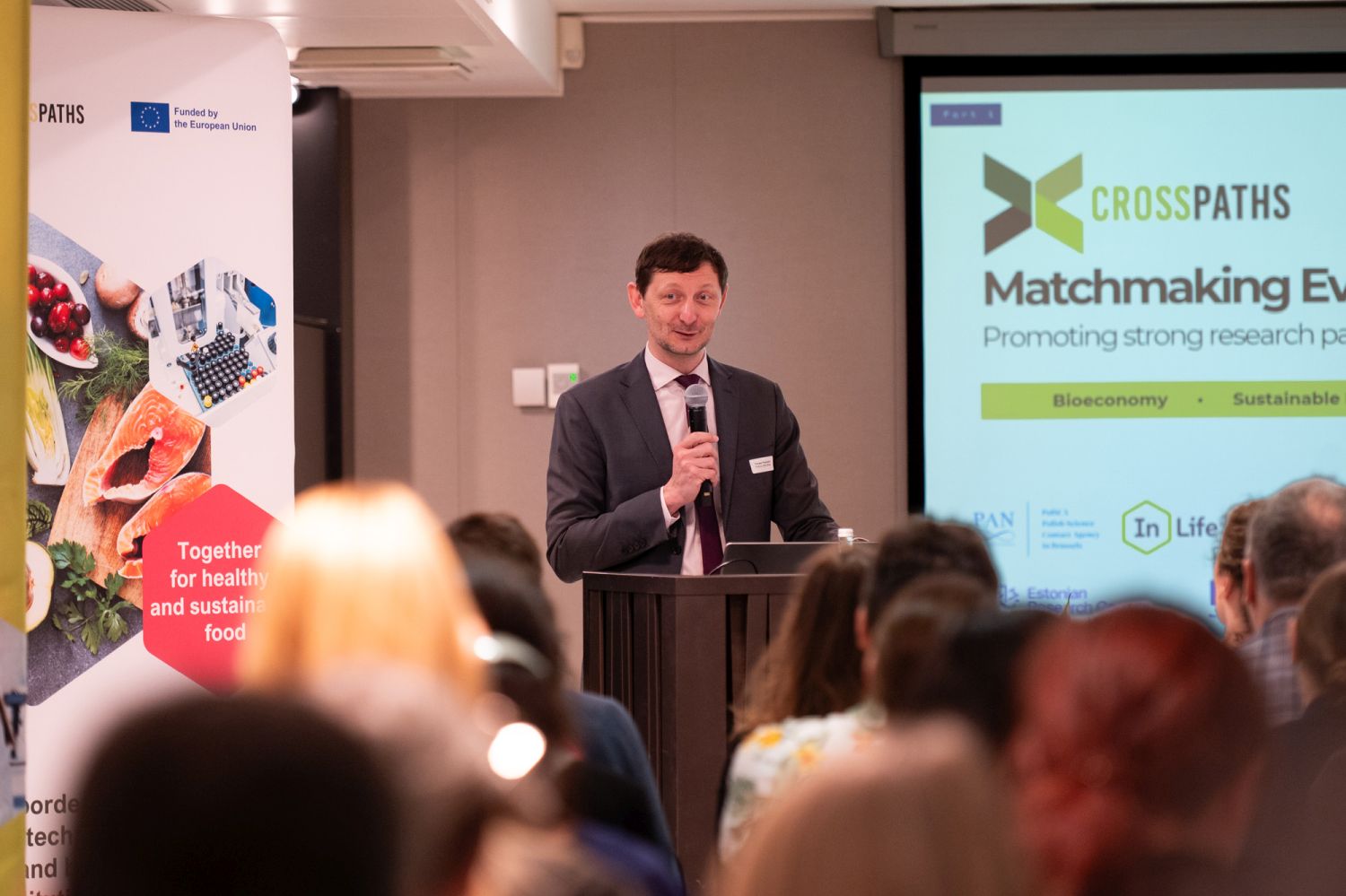
The event brought together over 60 participants from across Europe, including Germany, the Czech Republic, Slovakia, Italy, the Netherlands, France, Serbia, Portugal, Estonia and Poland. Attendees represented academia, research institutions, support organisations, and policymakers from the European Commission.
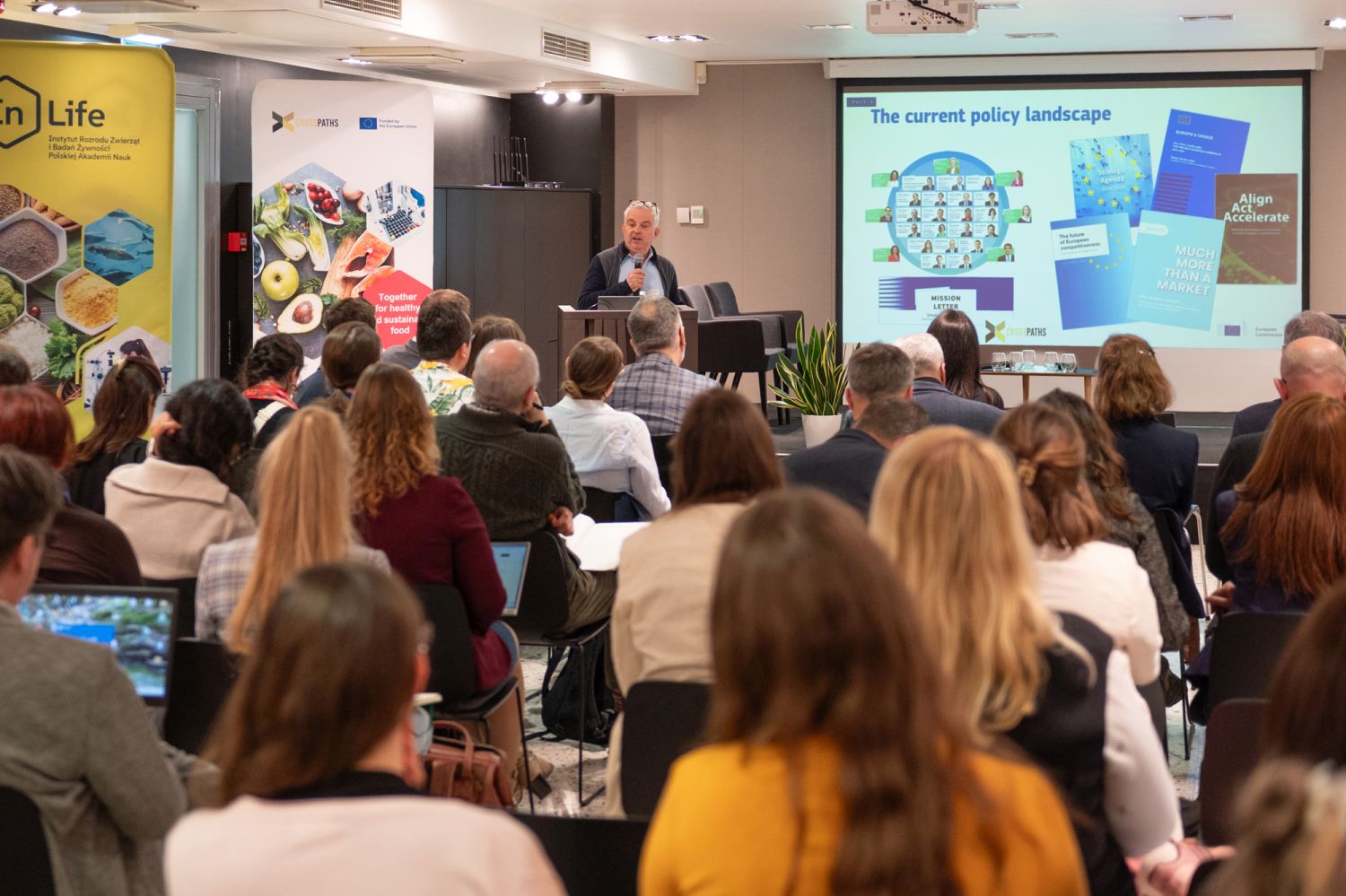
From the outset, speakers emphasised that today’s key challenges facing Europe – including sustainability, food systems, resilience, and biodiversity protection – require collaboration across borders, sectors, and disciplines. In this context, matchmaking is not merely an accompanying element of European projects, but their foundation.
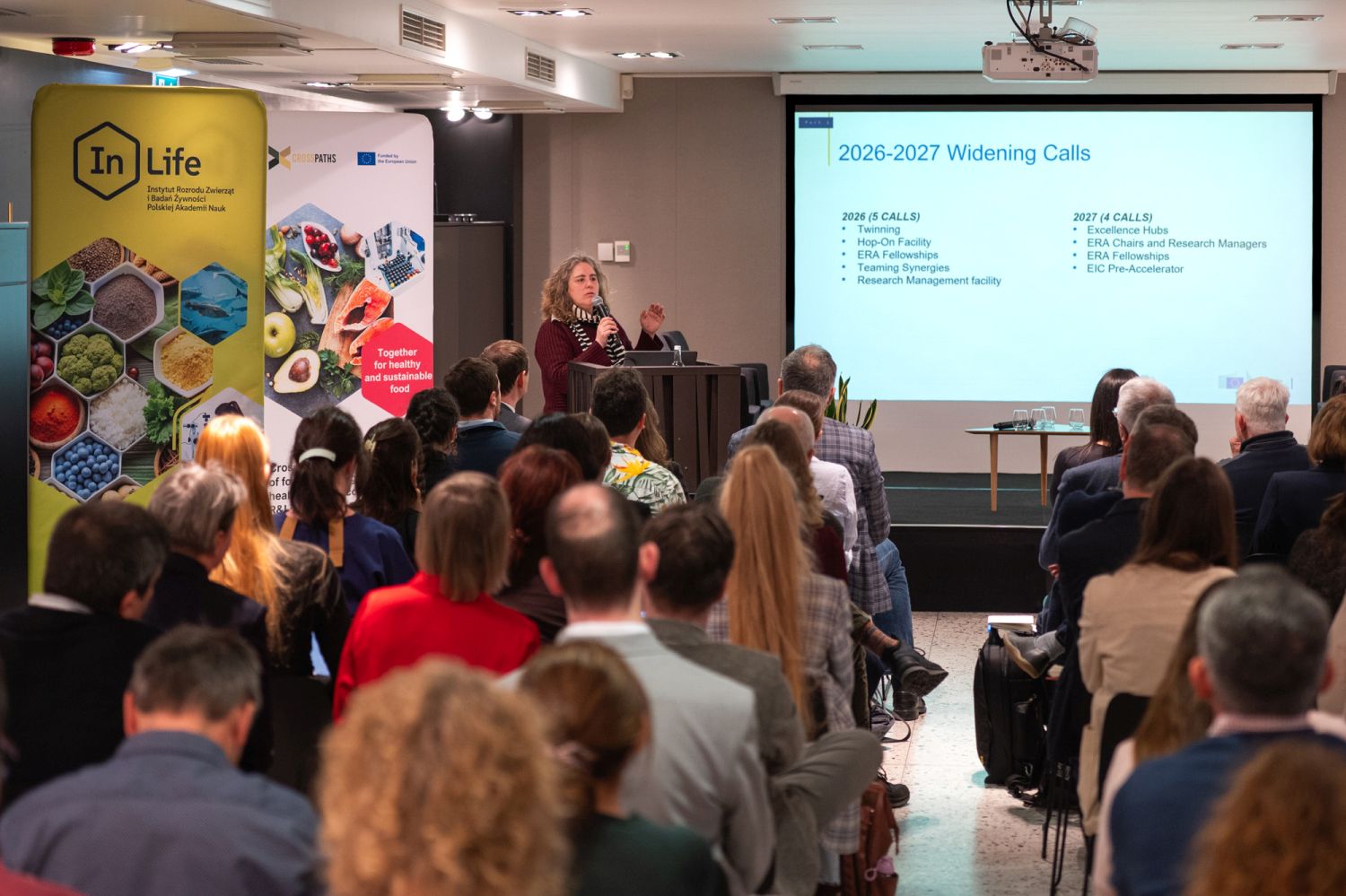
Prof. Mariusz Piskuła, Coordinator of the CROSSPATHS project, highlighted the importance of building direct relationships and networks. He encouraged participants to go beyond national collaboration patterns and actively use both bilateral meetings and informal discussions to initiate partnerships. He also pointed out that EU funding instruments, including WIDENING under Horizon Europe, support the development of long-term international cooperation – something the Institute is actively building together with partners from Portugal, Estonia, and the Netherlands.
European priorities and the role of policy
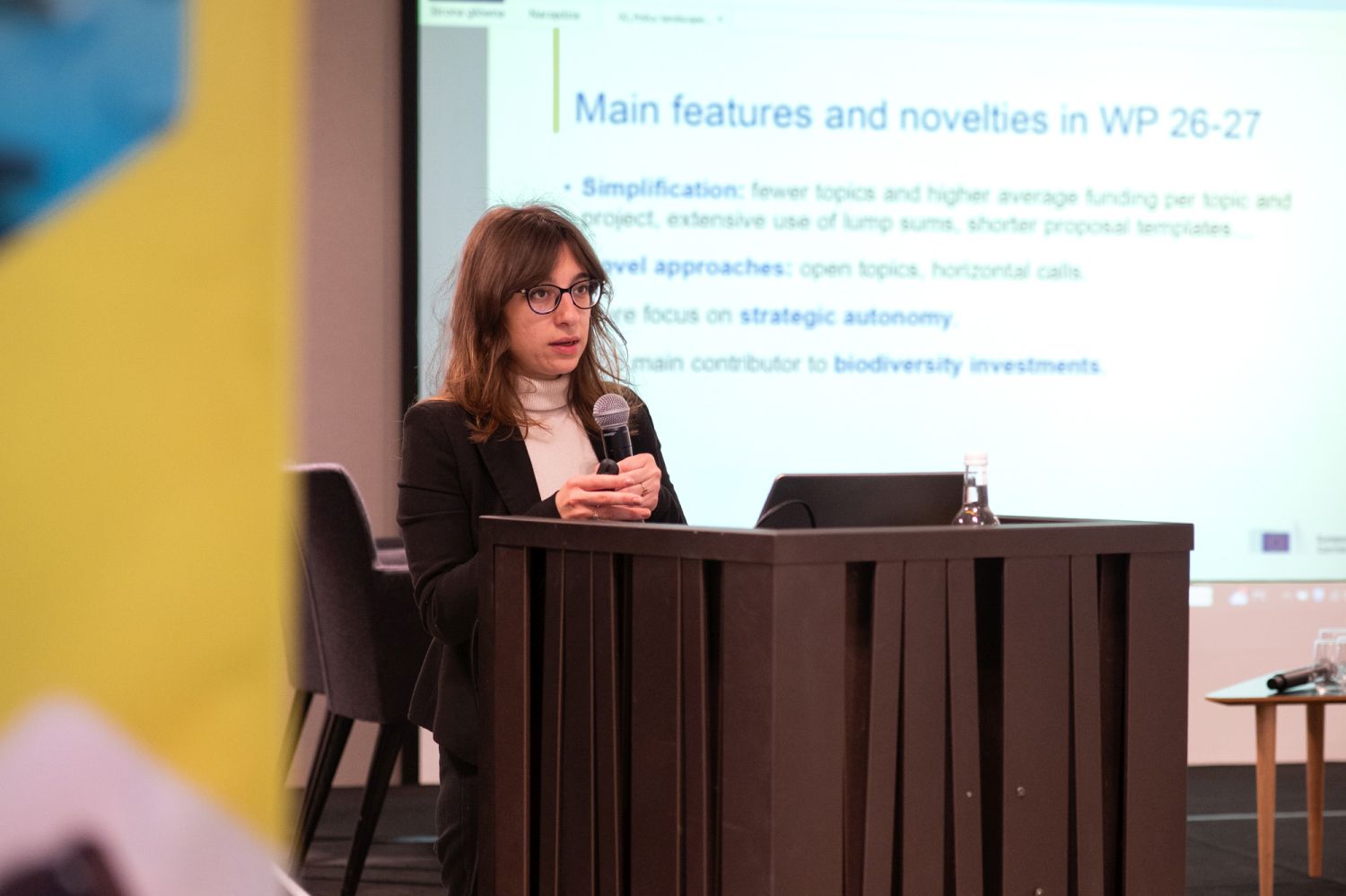
The event also addressed priorities shaping Horizon Europe, including the growing importance of food security, the transition towards a sustainable bioeconomy, biodiversity protection, and the One Health approach. Participants noted the evolving nature of research funding, with a stronger emphasis on implementation, innovation, and alignment between science, public policy, and societal needs.
Practical aspects of project development
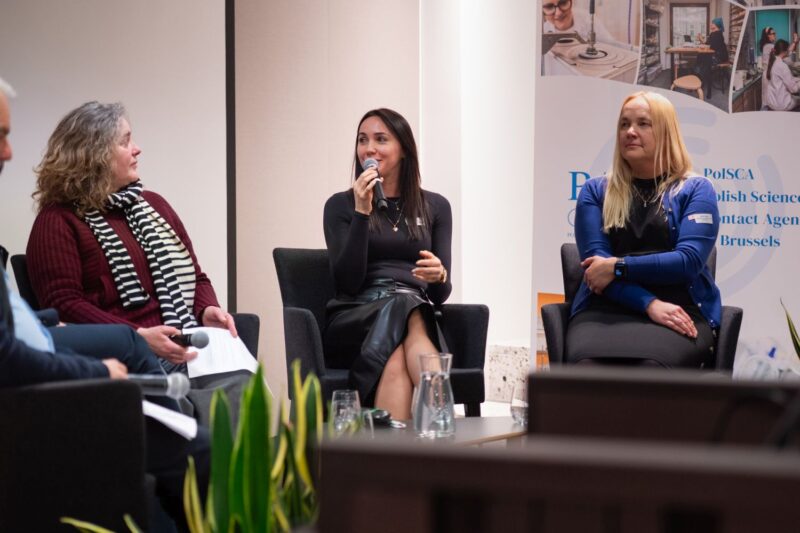
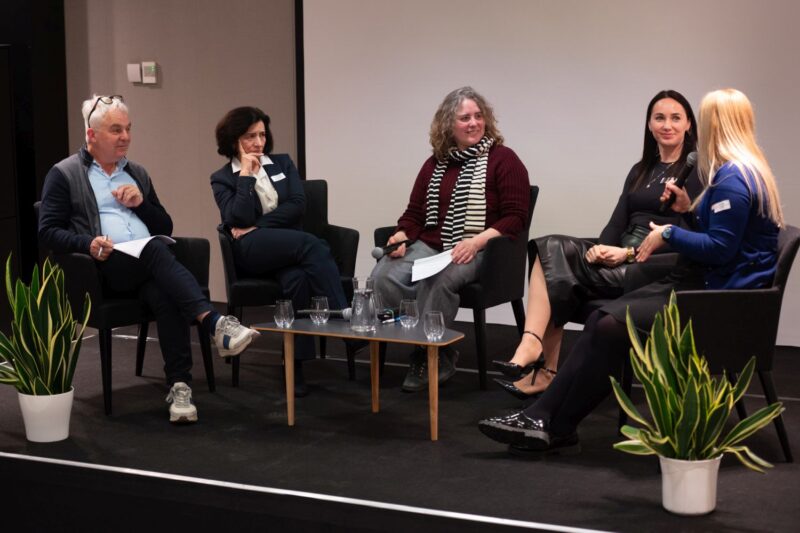
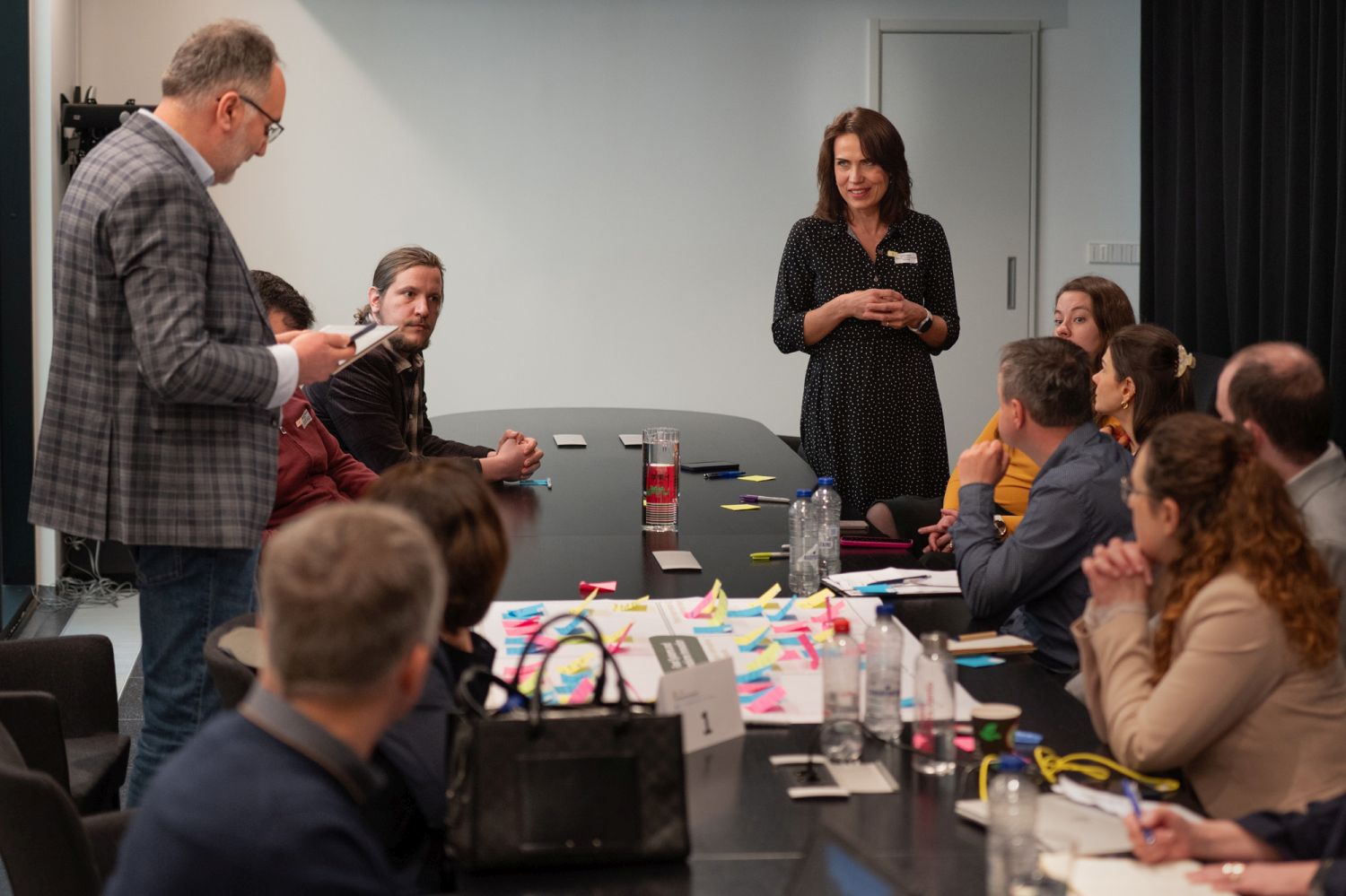
A dedicated session focused on the practical aspects of project collaboration. During a panel discussion, experienced project managers shared their insights. Our Institute was represented by Iwona Kieda, responsible for international cooperation at InLife.
Panelists discussed key issues such as consortium building, proposal structure, aligning projects with call expectations, and common mistakes. Particular emphasis was placed on the importance of early partner engagement, clear role distribution, and precise definition of project impact pathways. For many participants, this session provided a clearer understanding of the application process, which is often perceived as complex and difficult to navigate.
Pitching and matchmaking – from ideas to collaboration
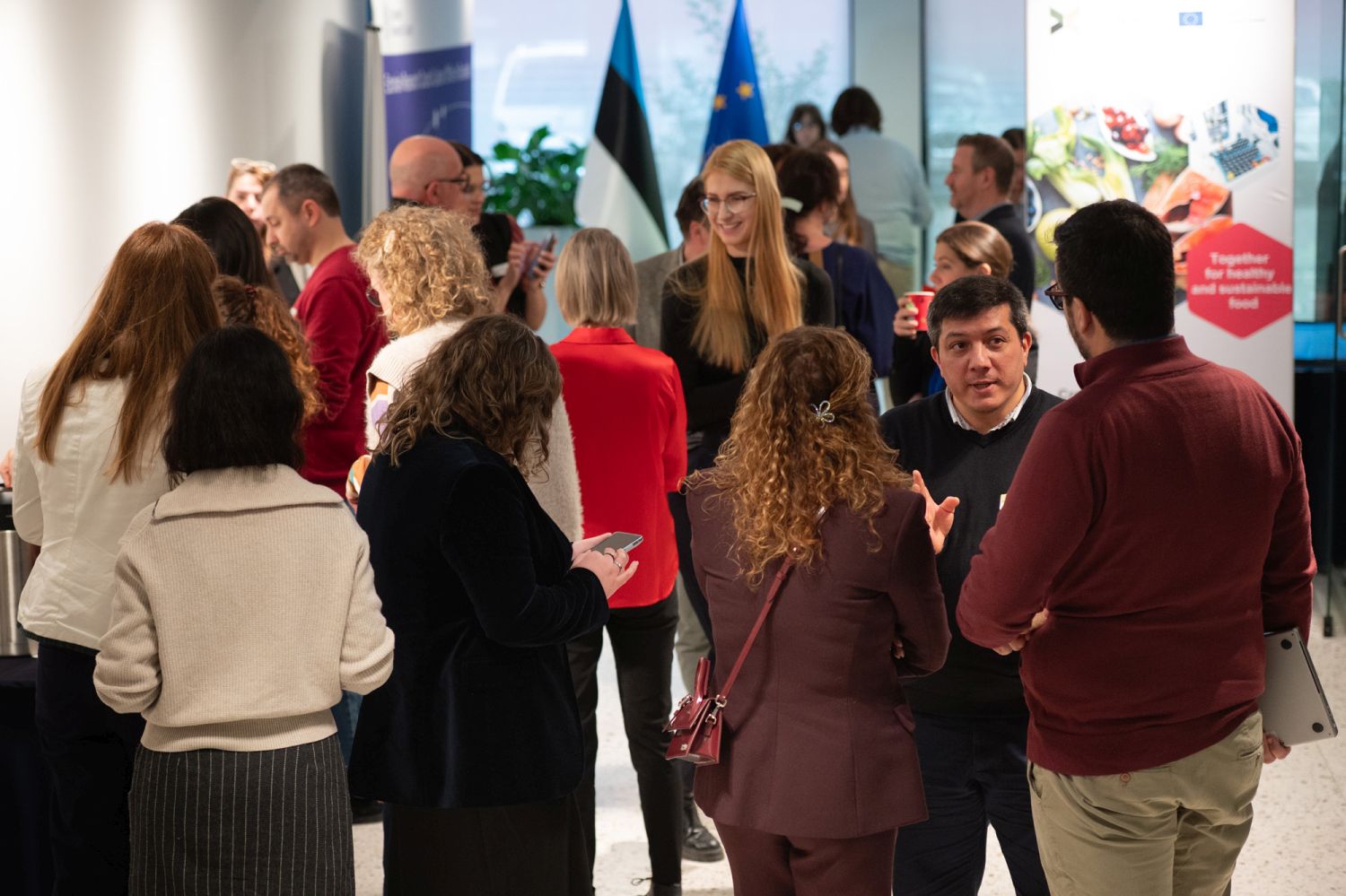
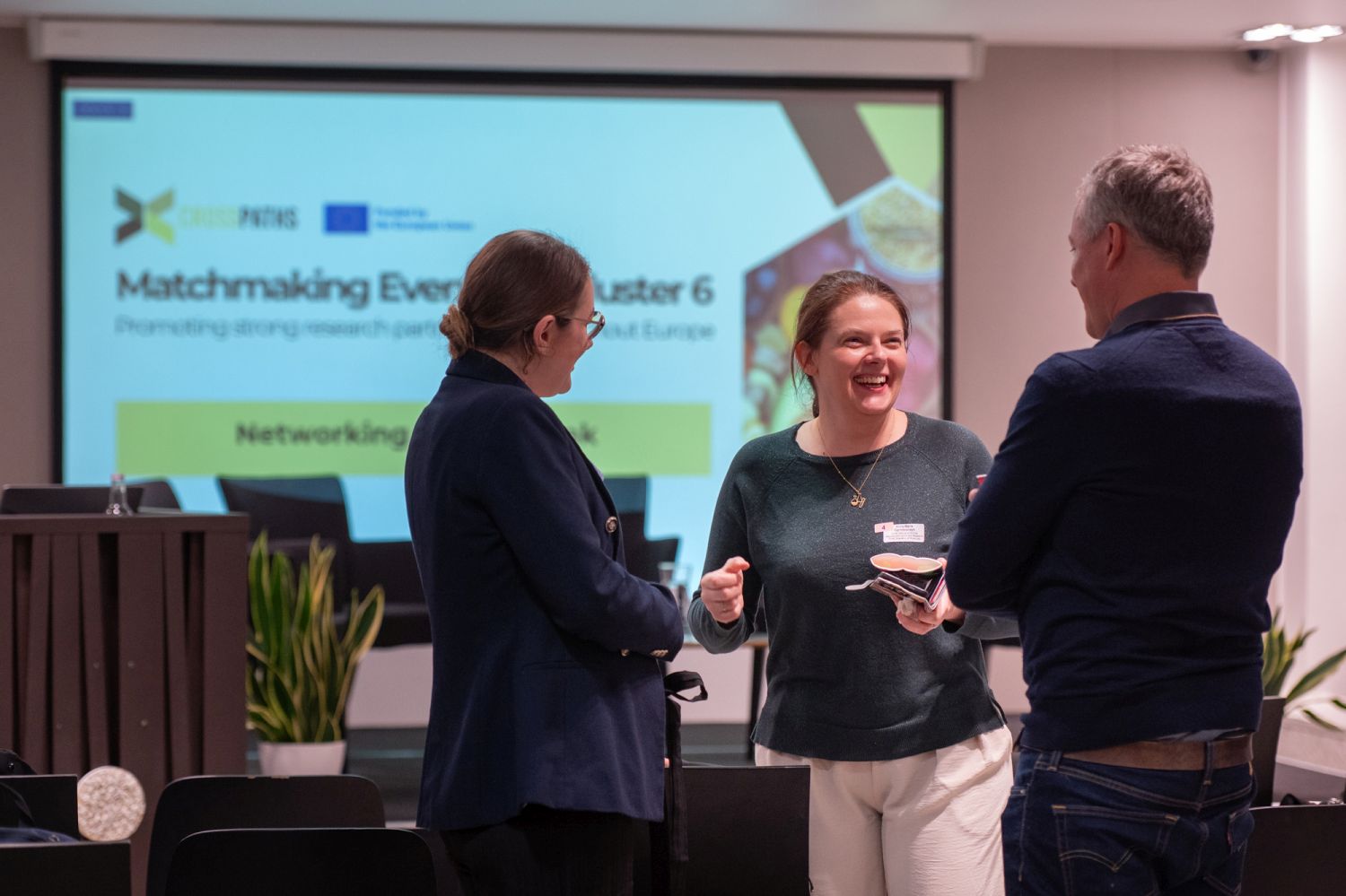
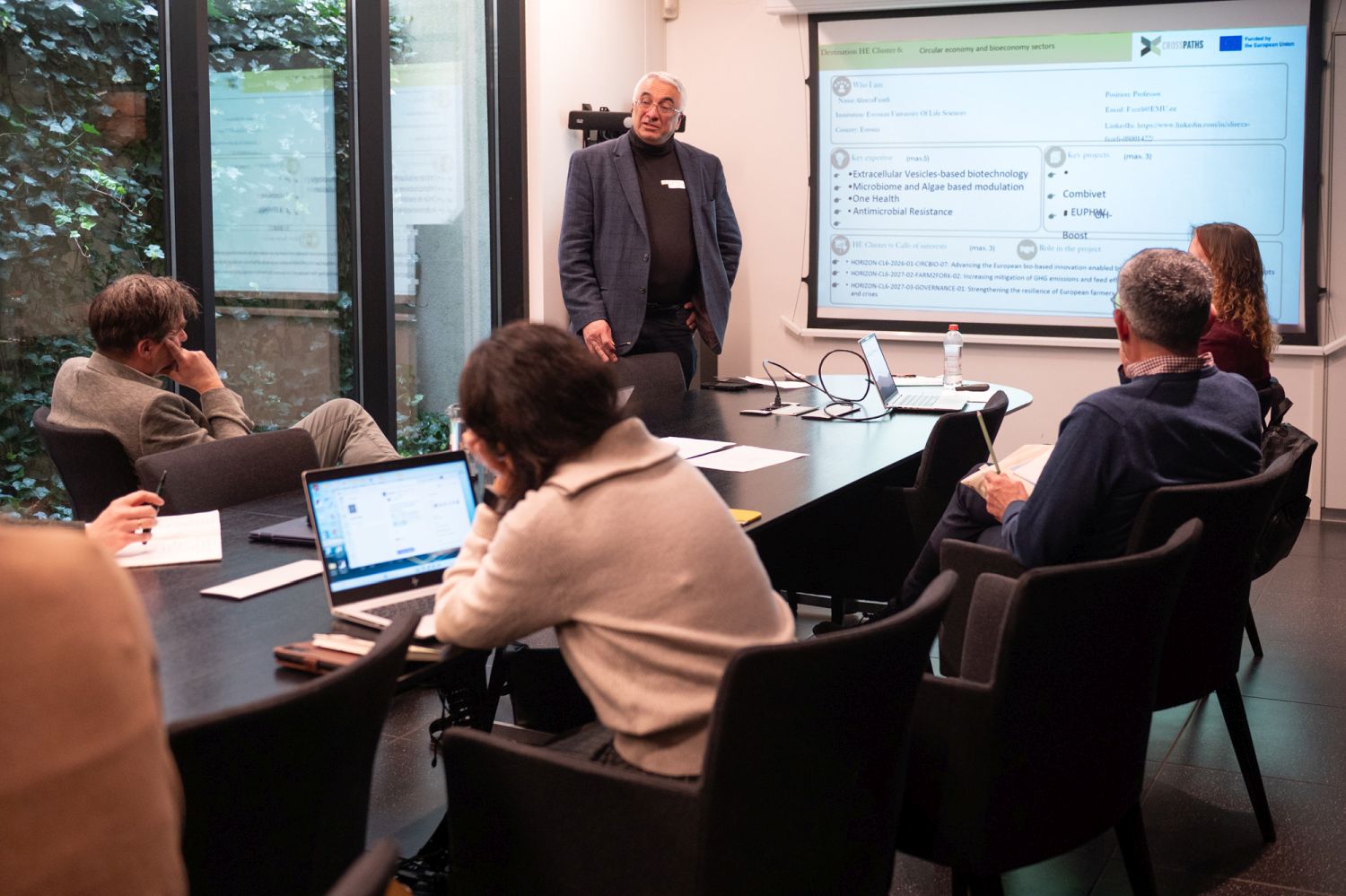
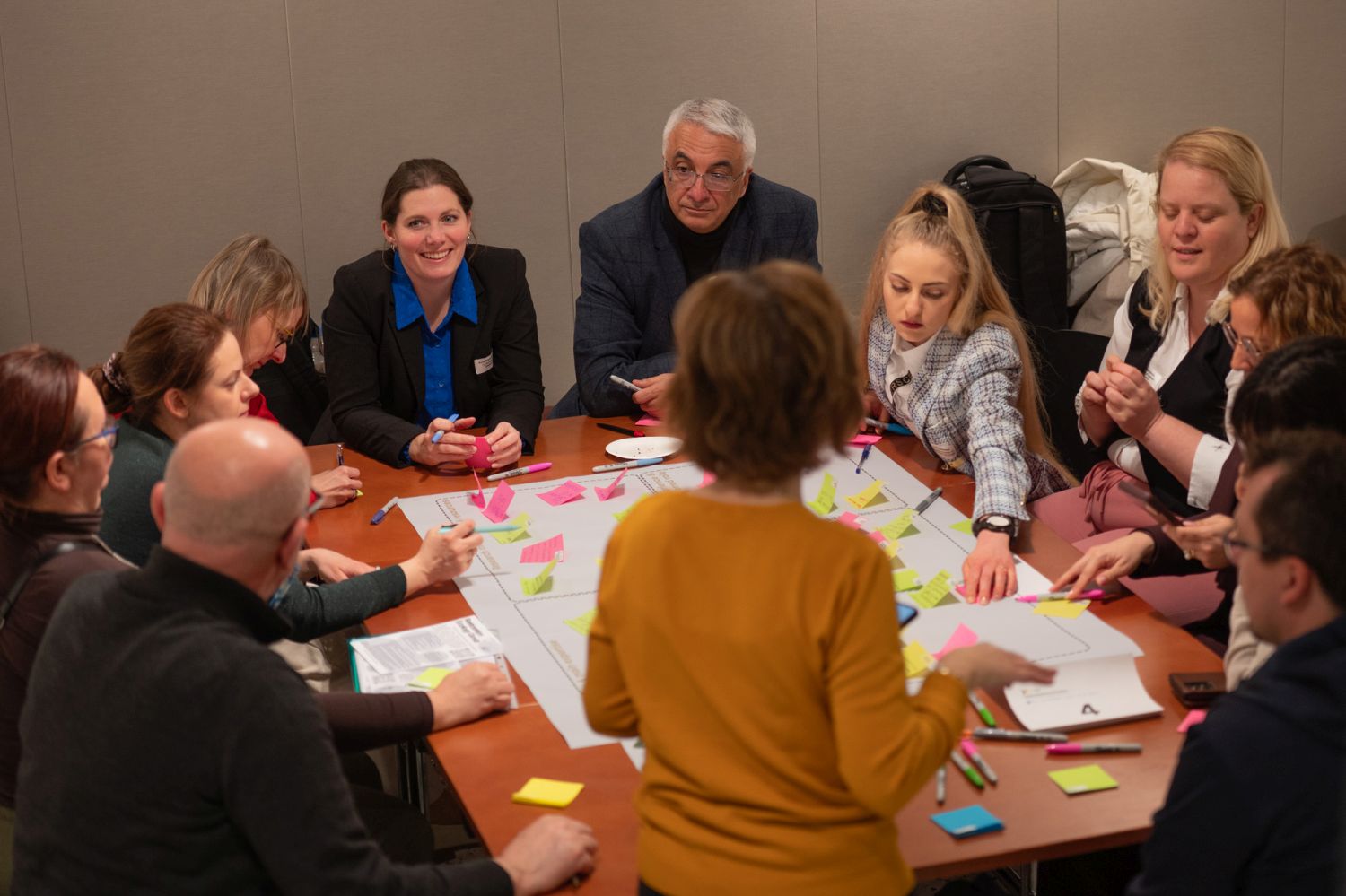
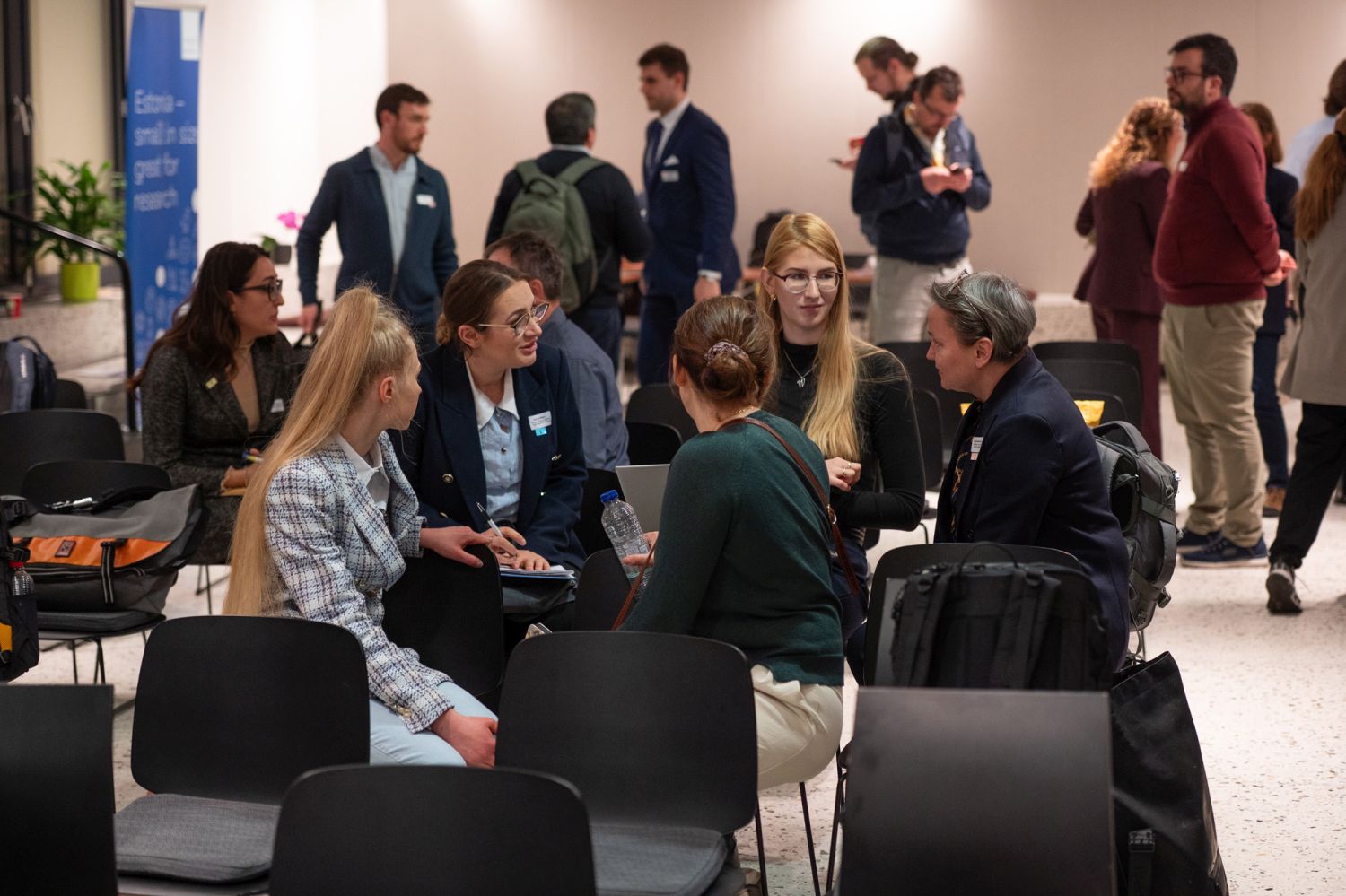
The core of the event consisted of pitching sessions and matchmaking meetings, enabling participants to exchange ideas and establish collaborations directly. InLife researchers were actively involved, including Dagmara Złotkowska and Anna Maria Ogrodowczyk.
Dagmara Złotkowska presented her research on immune responses to food components and the role of bioactive compounds in shaping immunity, with a focus on interactions between diet, the microbiome, and the immune system.
Anna Maria Ogrodowczyk showcased expertise in microbiome research, fermentation, and food safety, particularly within the One Health framework, including work on microbial safety assessment and the development of solutions based on fermented products and postbiotics.
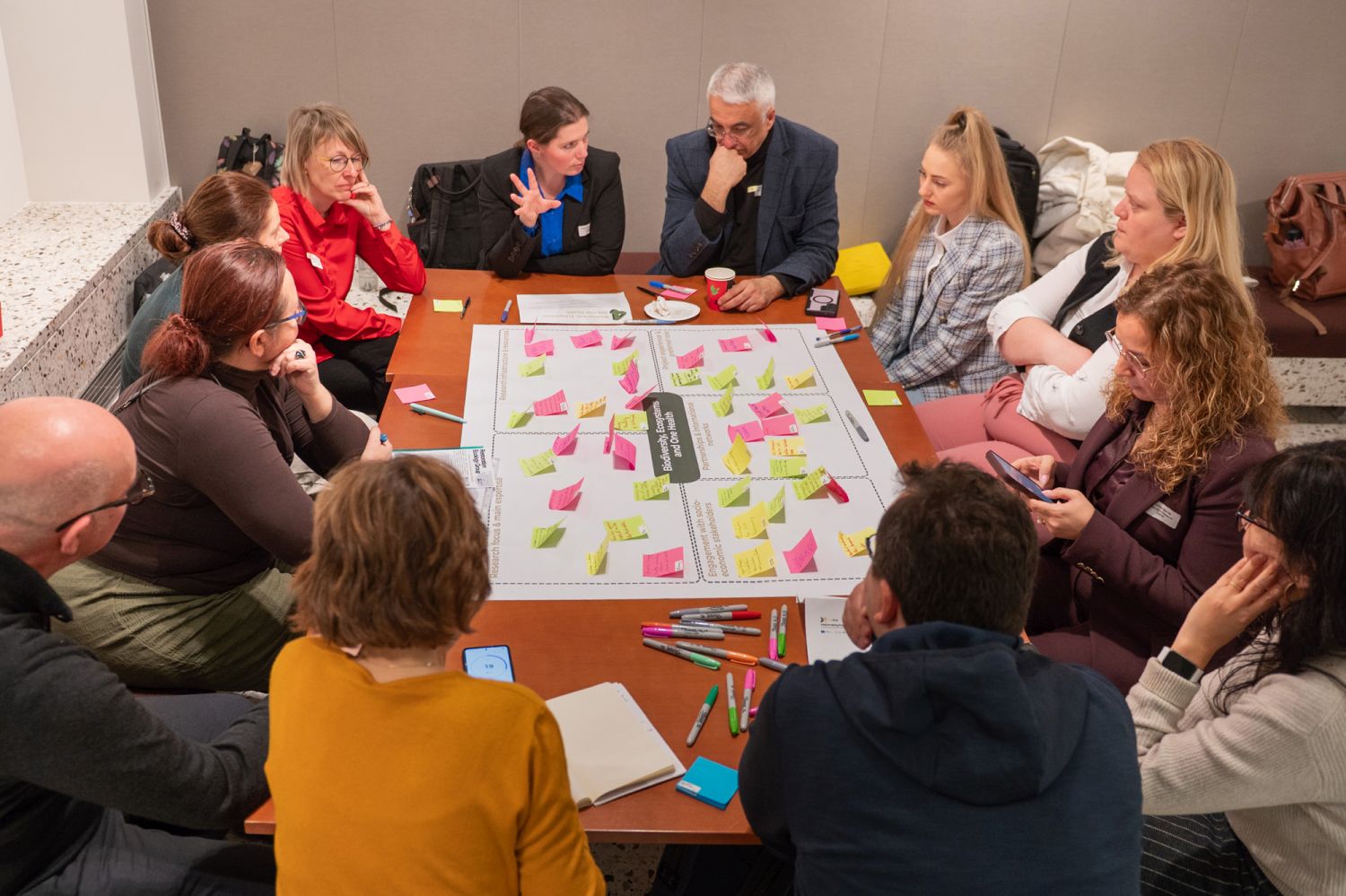
Both researchers presented project ideas aligned with Cluster 6 priorities and actively engaged in discussions on future collaborations. Participants also took part in a roundtable matchmaking session, which allowed them to better understand each other’s competences, resources, and experience. This format supported more in-depth exchange and helped identify potential areas of cooperation. The session concluded with pre-arranged one-to-one meetings, where discussions became more focused and concrete. For many participants, this marked the transition from general networking to detailed planning of future partnerships and joint projects.
More about the CROSSPATHS project
CROSSPATHS is an international project implemented under Horizon Europe (WIDERA), involving three organisations from widening countries – Poland, Portugal, and Estonia – supported by experienced partners from France and the Netherlands. Its objective is to enhance the use of investments funded by the European Regional Development Fund (ERDF) and to facilitate research institutions’ participation in European programmes, particularly Horizon Europe.
The project includes practical activities aimed at strengthening international cooperation and preparing institutions for participation in European projects, such as:
- summer schools and workshops providing knowledge on proposal writing and international partnership building
- study visits and staff exchanges between partner institutions, enabling insight into organisational structures, infrastructure, and research areas
- networking meetings and thematic events supporting relationship-building and joint project development – including the CROSSPATHS Matchmaking Event
- analytical activities and recommendations aimed at improving the use of existing research infrastructure and strengthening institutional capacity
These activities contribute to increasing the participation of widening countries in European research and innovation projects and to building long-term international partnerships in the fields of food, health, and the bioeconomy.