Precise analysis of the proteome and phosphoproteome provides insight into the molecular mechanisms that determine fertilization efficiency, semen quality, and the resilience of the reproductive system to infections. Understanding these processes is crucial both for reproductive biology and for practical applications, including the optimization of cryopreservation methods and the monitoring of reproductive health in aquaculture and species conservation.
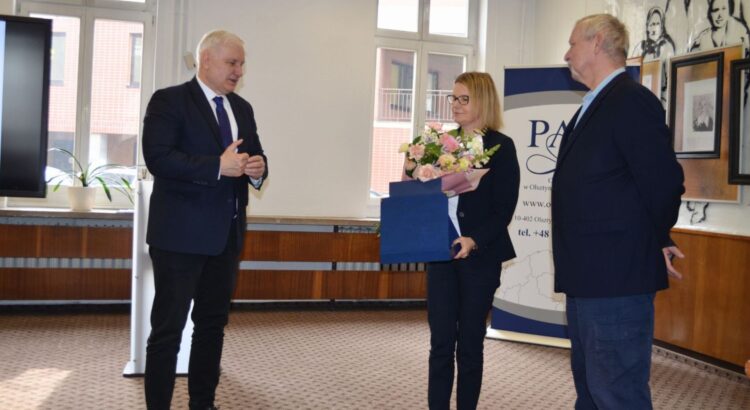
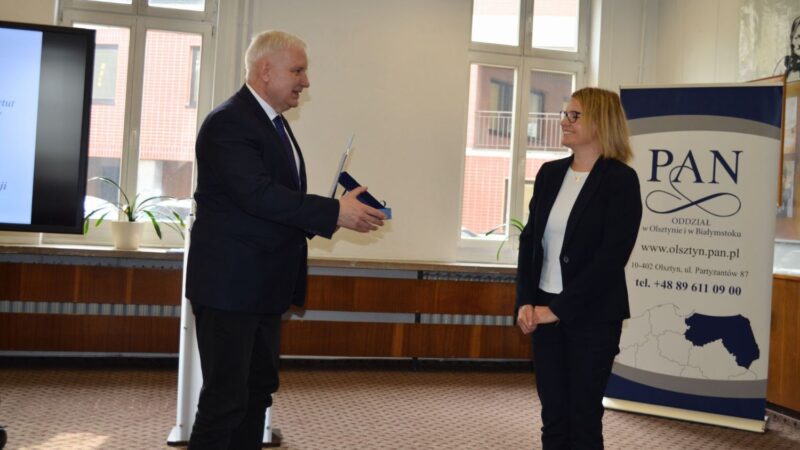
In recognition of her contributions to research in this field, Professor Mariola Dietrich has been awarded the Scientific Award of the Polish Academy of Sciences, Olsztyn and Białystok Branch, in the category of biological, agricultural, and medical sciences.
The distinction was granted for the scientific achievement entitled “Characterization of the Proteome and Phosphoproteome of the Fish Reproductive System in the Context of Bacterial Infections and Cryopreservation”, comprising a series of publications focused on the role of fish gamete proteins and their microenvironment. The research examined the impact of cryopreservation and bacterial infections on protein composition and post-translational modifications in the semen of two key species—sturgeon and carp.
Key Research Findings
The analyses conducted enabled:
- the identification of novel markers of semen quality, cryoinjury, and reproductive system infections,
- the elucidation of molecular mechanisms responsible for reduced reproductive capacity.
The results significantly expand current knowledge on the molecular regulation of fertilization. They also provide a foundation for improving cryopreservation procedures and developing tools for assessing the reproductive condition of aquatic organisms—an advancement of importance for modern aquaculture as well as for species conservation efforts.
We warmly congratulate Professor Dietrich on this distinction and thank her for research that strengthens the foundations of contemporary reproductive biology and advances the fields of food science and aquatic environmental studies.
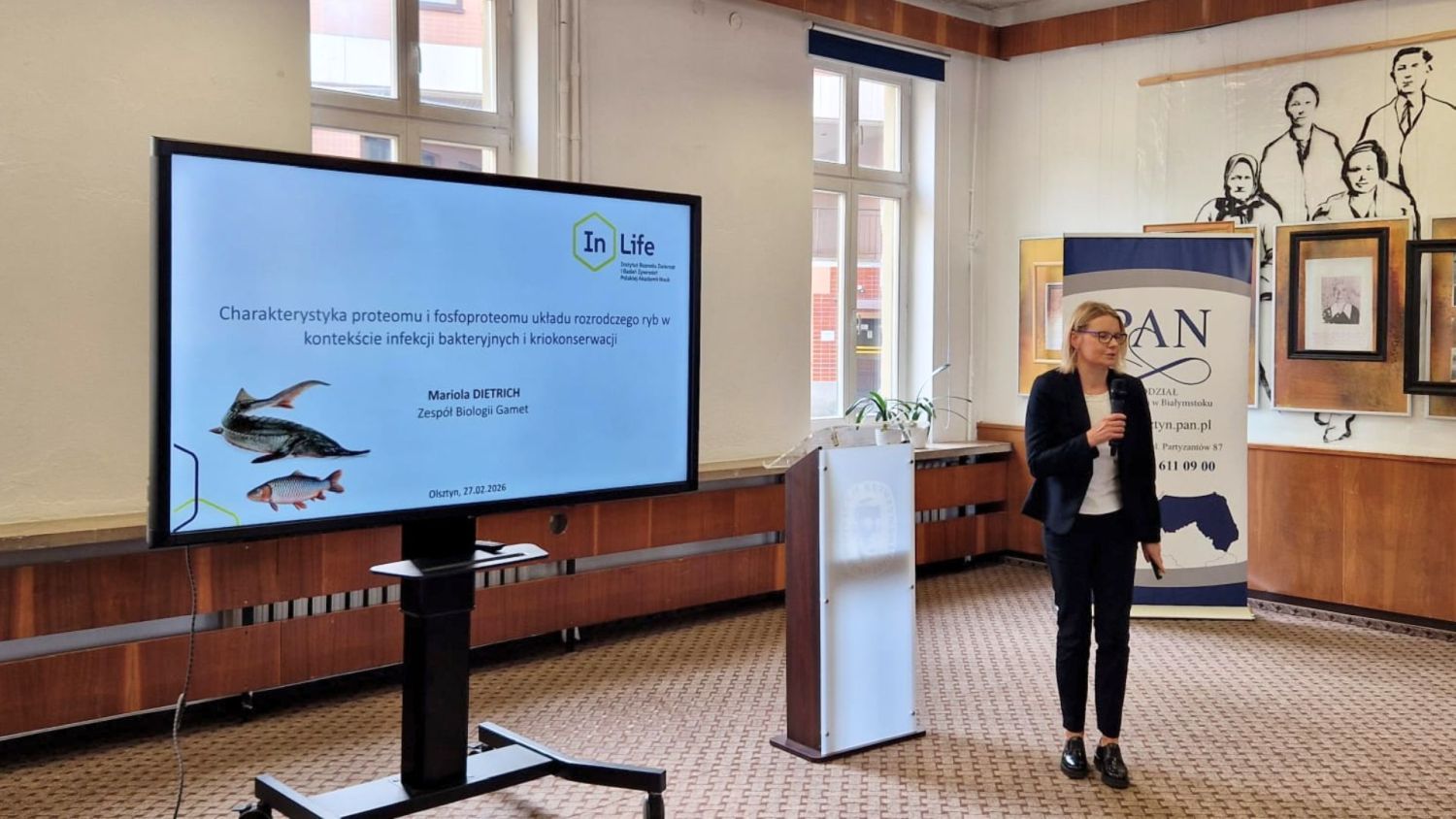
Photo: Polish Academy of Sciences, Olsztyn and Białystok Branch, based in Olsztyn