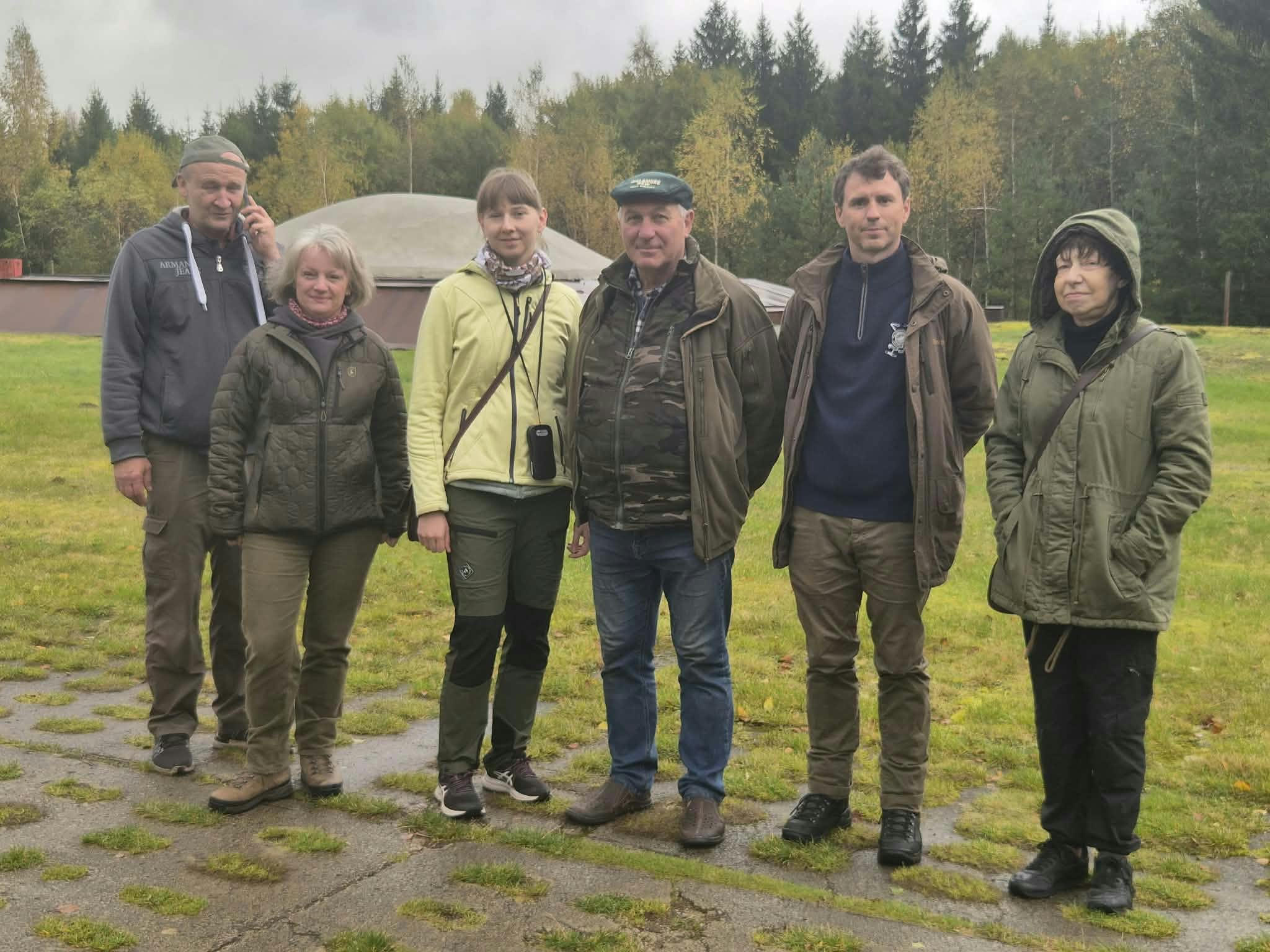
Forest living conditions, diseases, and human activity can all impact the health and reproduction of wild animals. A collaboration between scientists from InLife and the Lithuanian LAMMC research center aims to better understand these relationships. An October visit to Lithuania led to concrete research agreements and initiated work on a joint international project.
From October 11–14, 2026, Assoc. Prof. Anna Korzekwa and Dr. Joanna Sadowska from the InLife Biodiversity Protection Team visited the Institute of Forestry at the Lithuanian Research Centre for Agriculture and Forestry (LAMMC). The meetings provided an opportunity to learn about the research conducted by the Lithuanian partners and to identify areas where both teams can combine their expertise.
The primary focus is on roe deer, red deer, and moose. Researchers want to investigate how habitat quality, hunting pressure, diseases, and forest management practices relate to the condition of these animals. Planned analyses will include assessing physiological stress, reproduction, and meat quality. The knowledge gained could support decision-making for the sustainable management of wild animal populations.
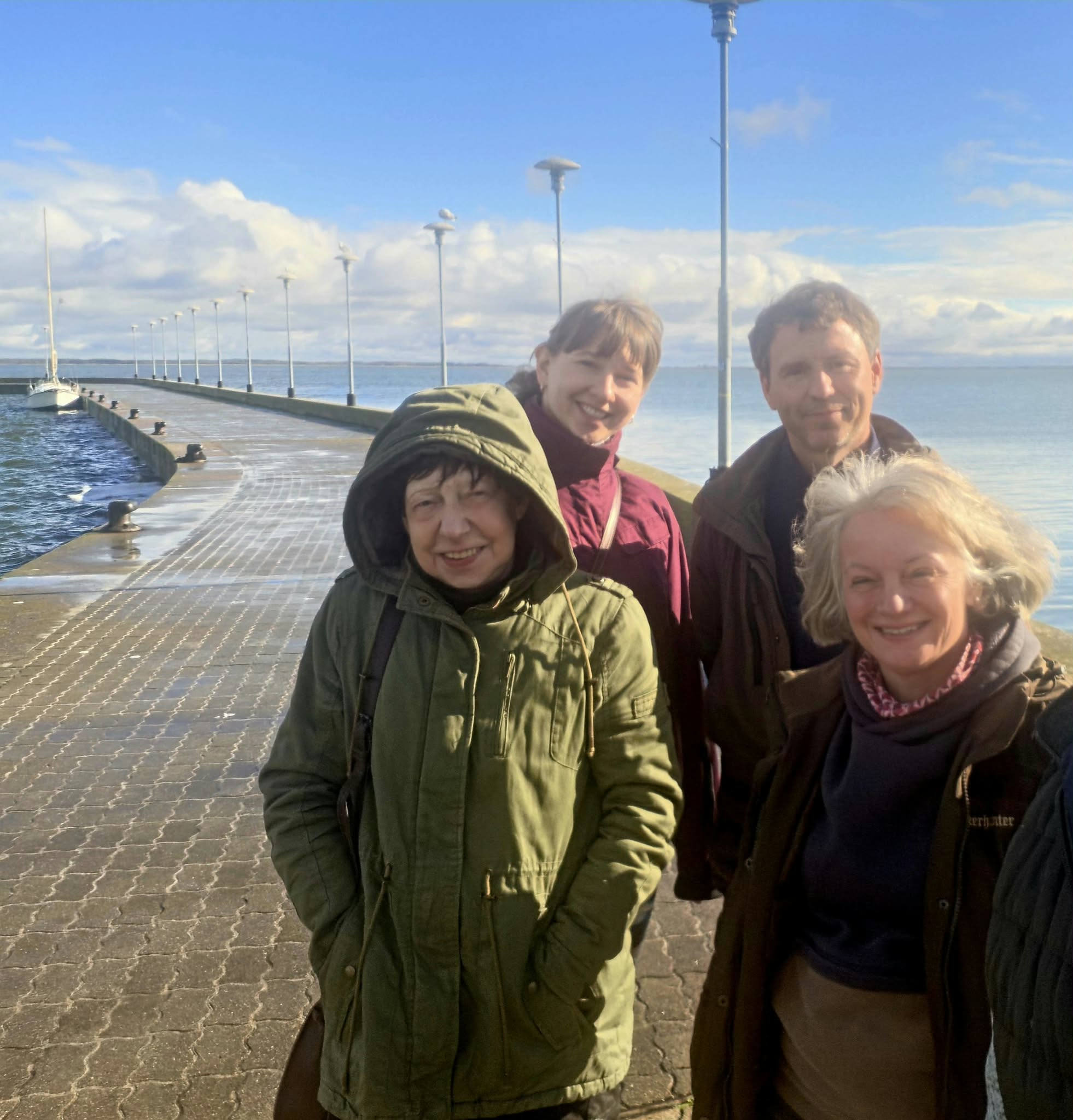
Part of the discussions took place in the Žemaitija National Park, where a joint seminar was organized. Presentations of research from both institutions, alongside an introduction to local forest ecosystems, served as the starting point for discussing future collaborative efforts.
The Lithuanian partners provided biological material for preliminary research. Both teams also agreed on shared methodologies and laboratory protocols to ensure comparable results.
Work has begun on an international research project. In 2027, the institutions plan to continue scientific exchanges, biological sample collection, and joint field and laboratory studies.