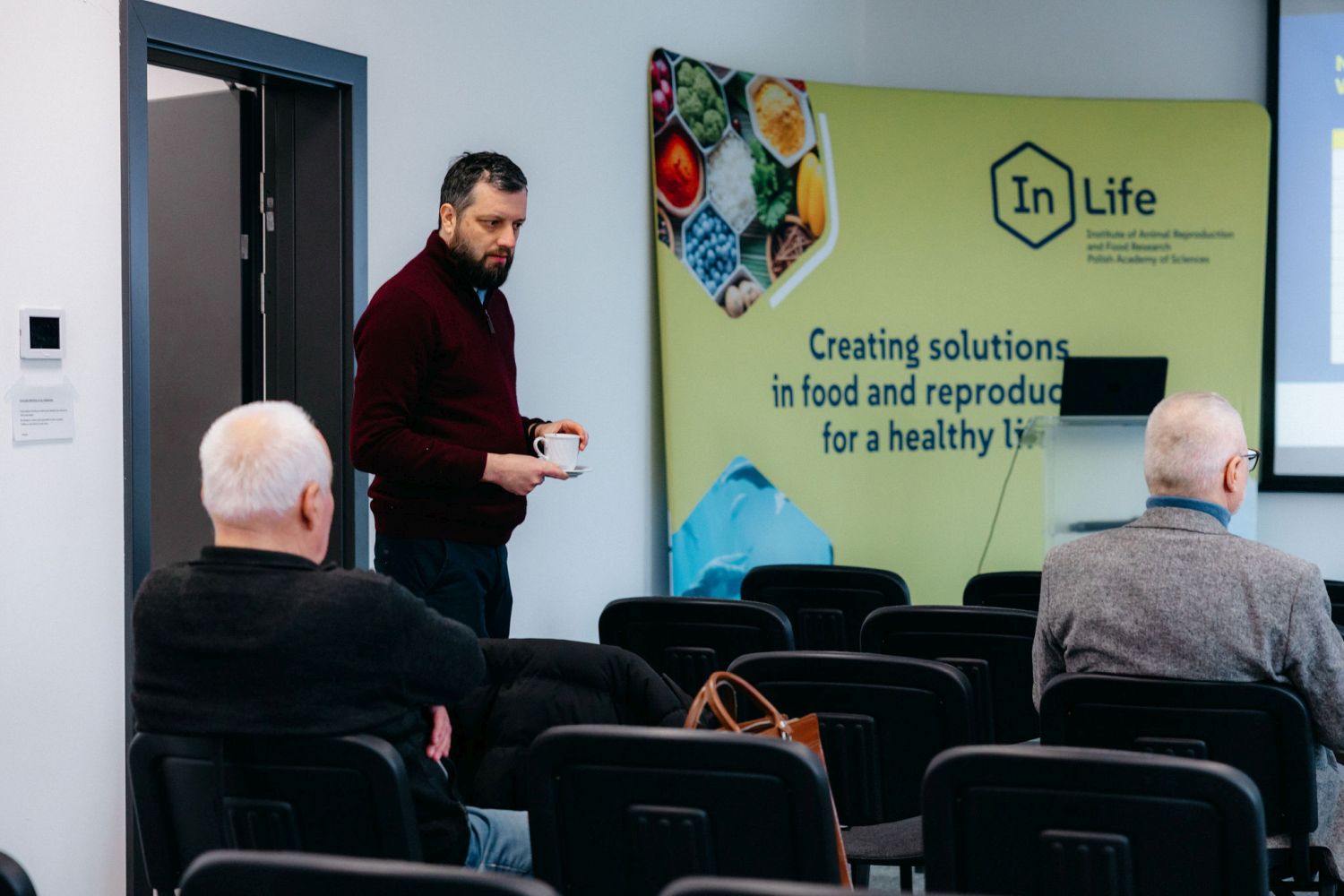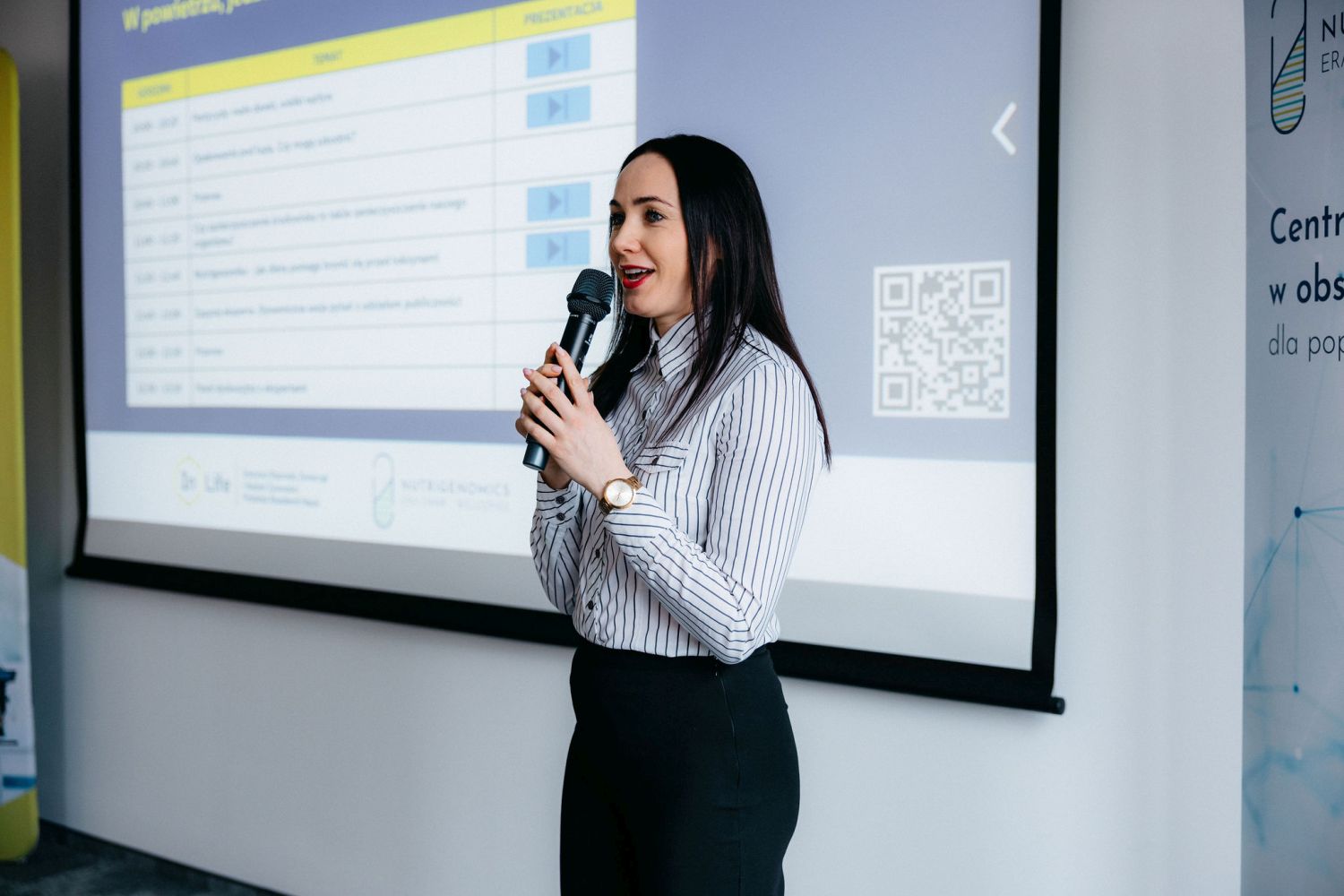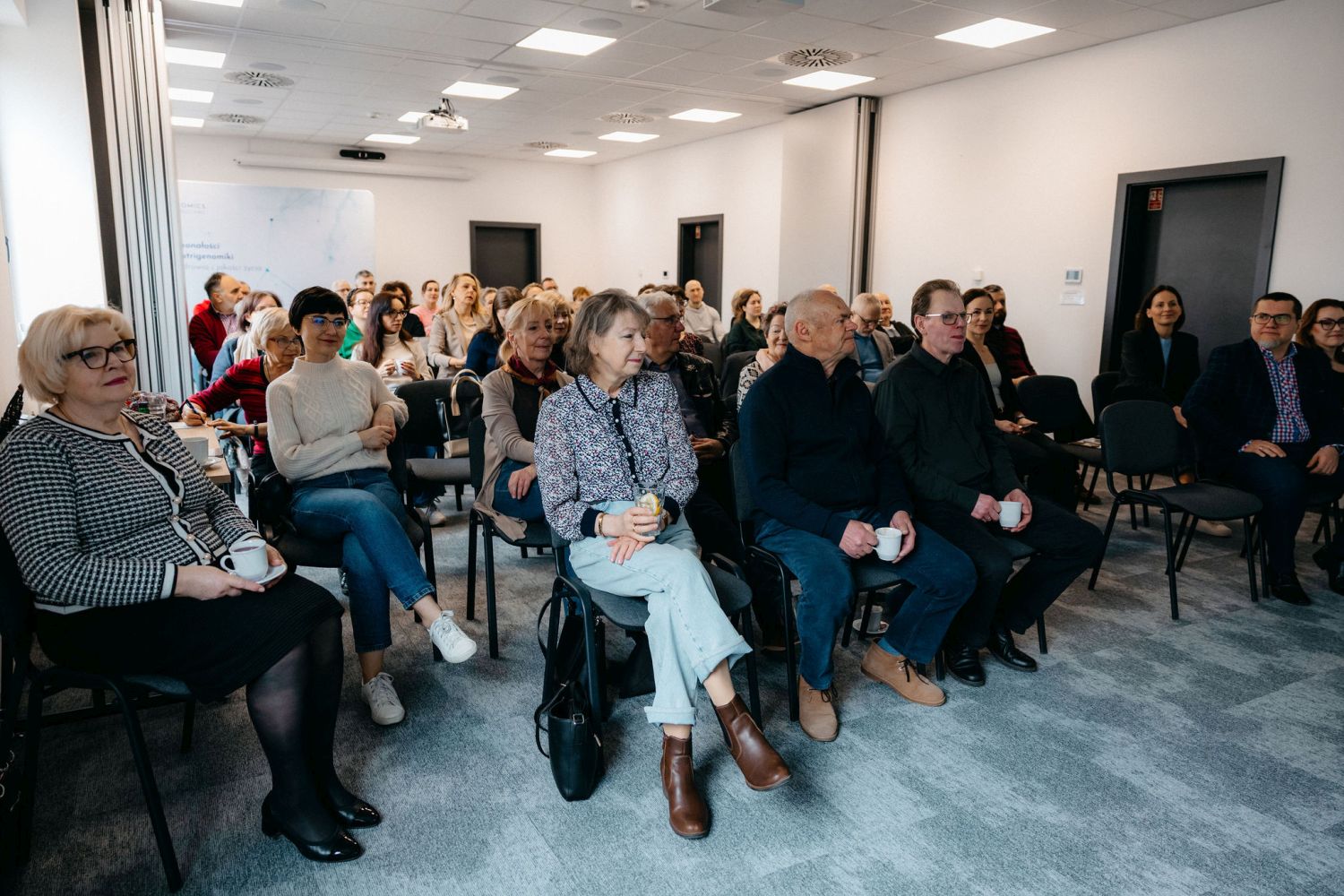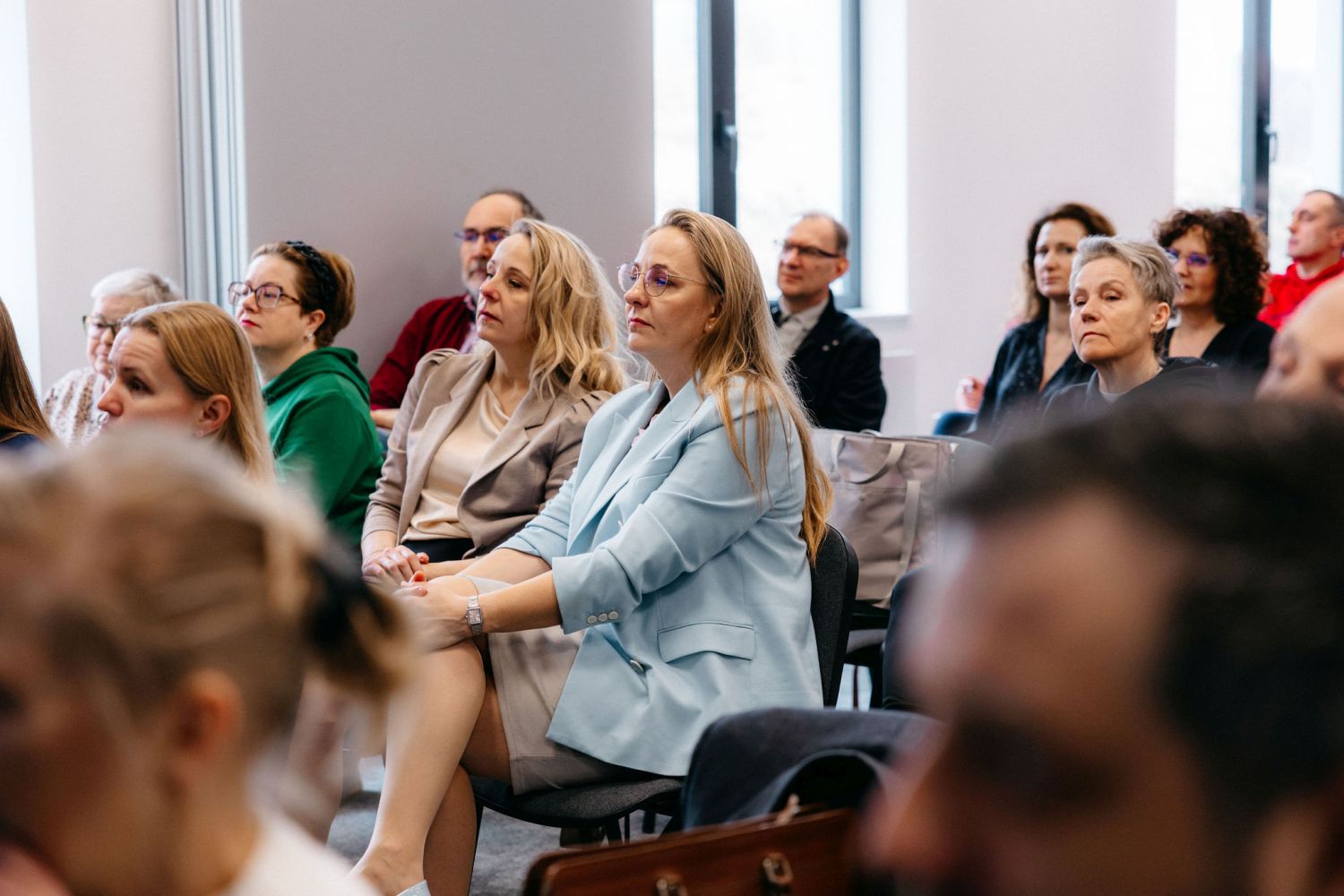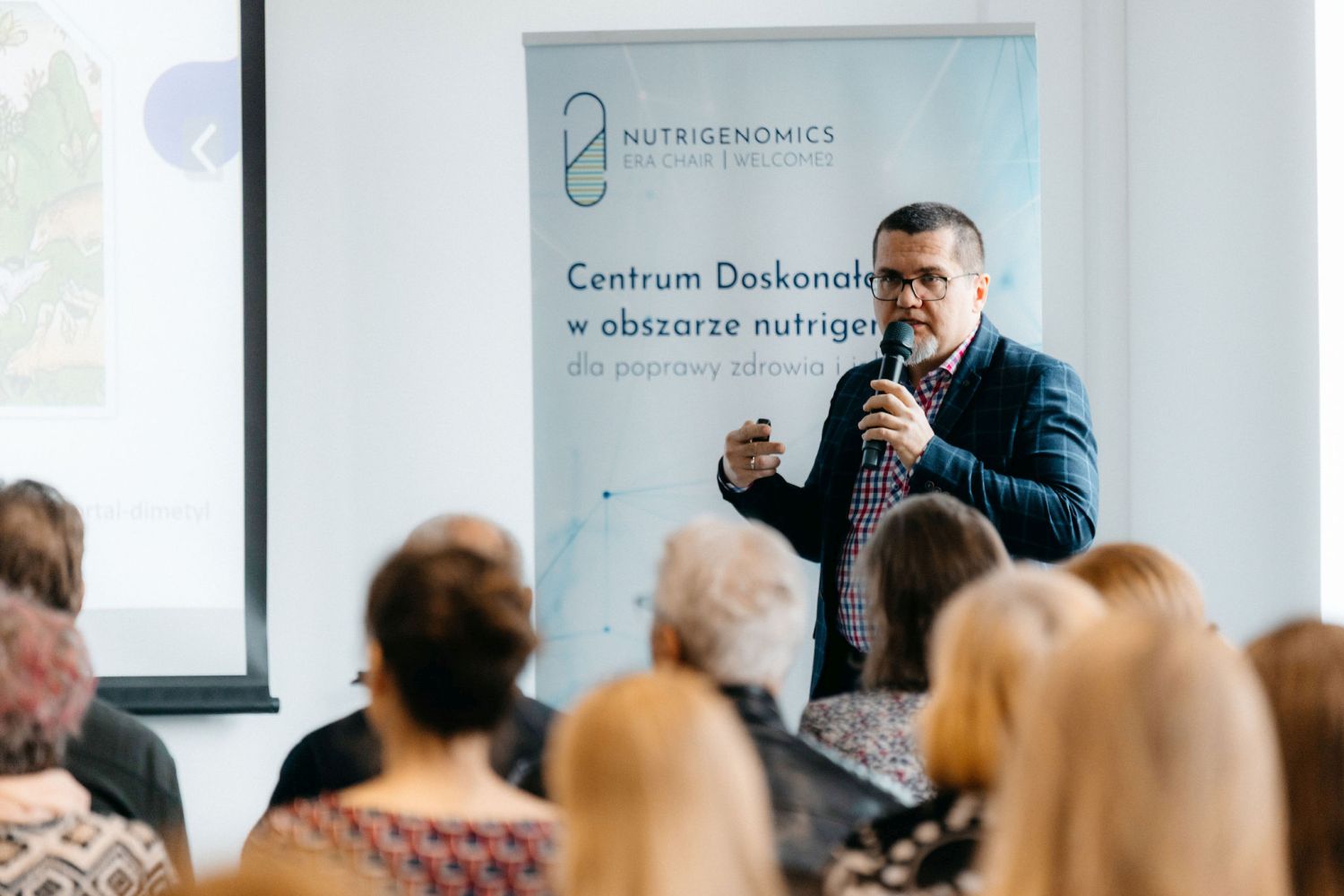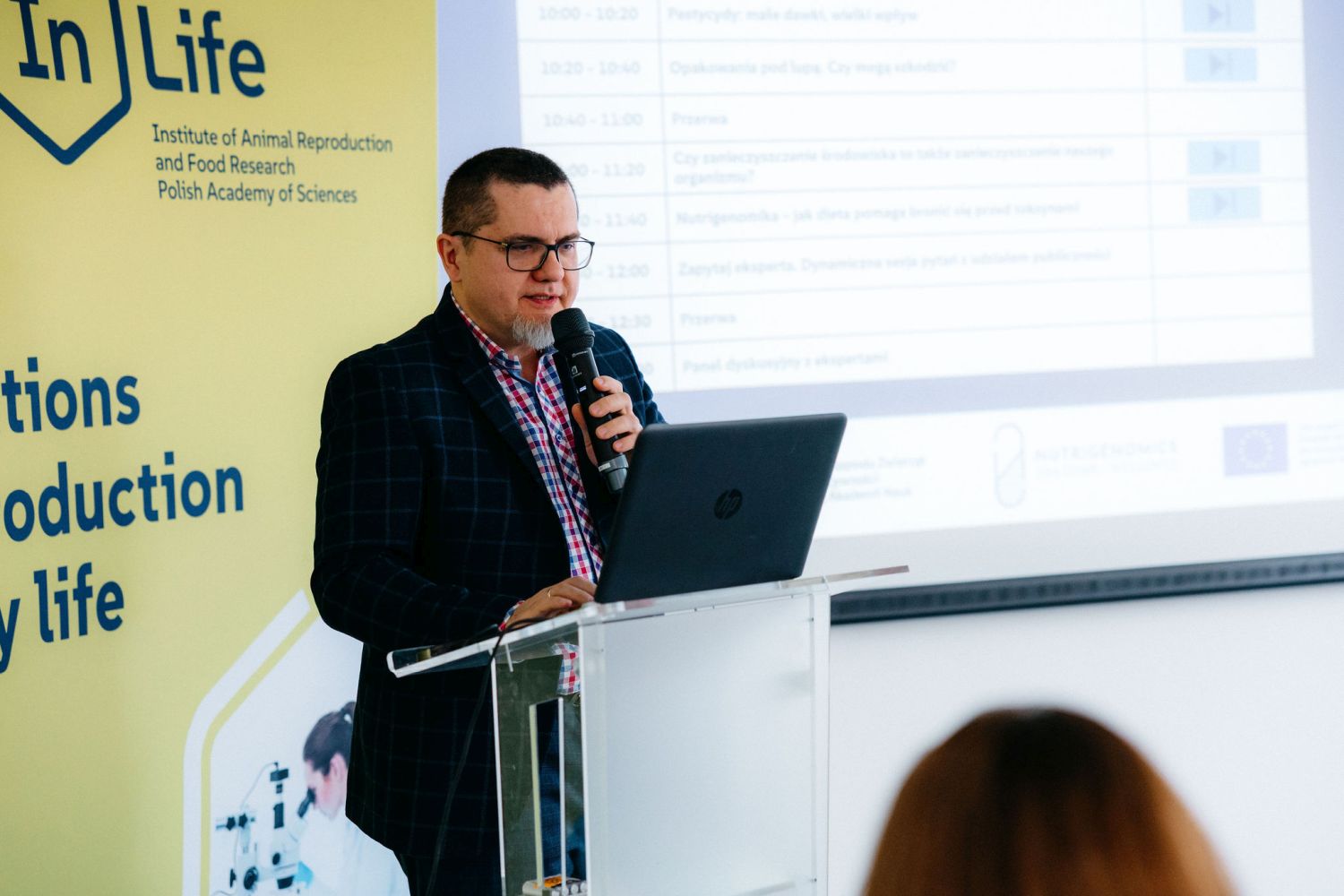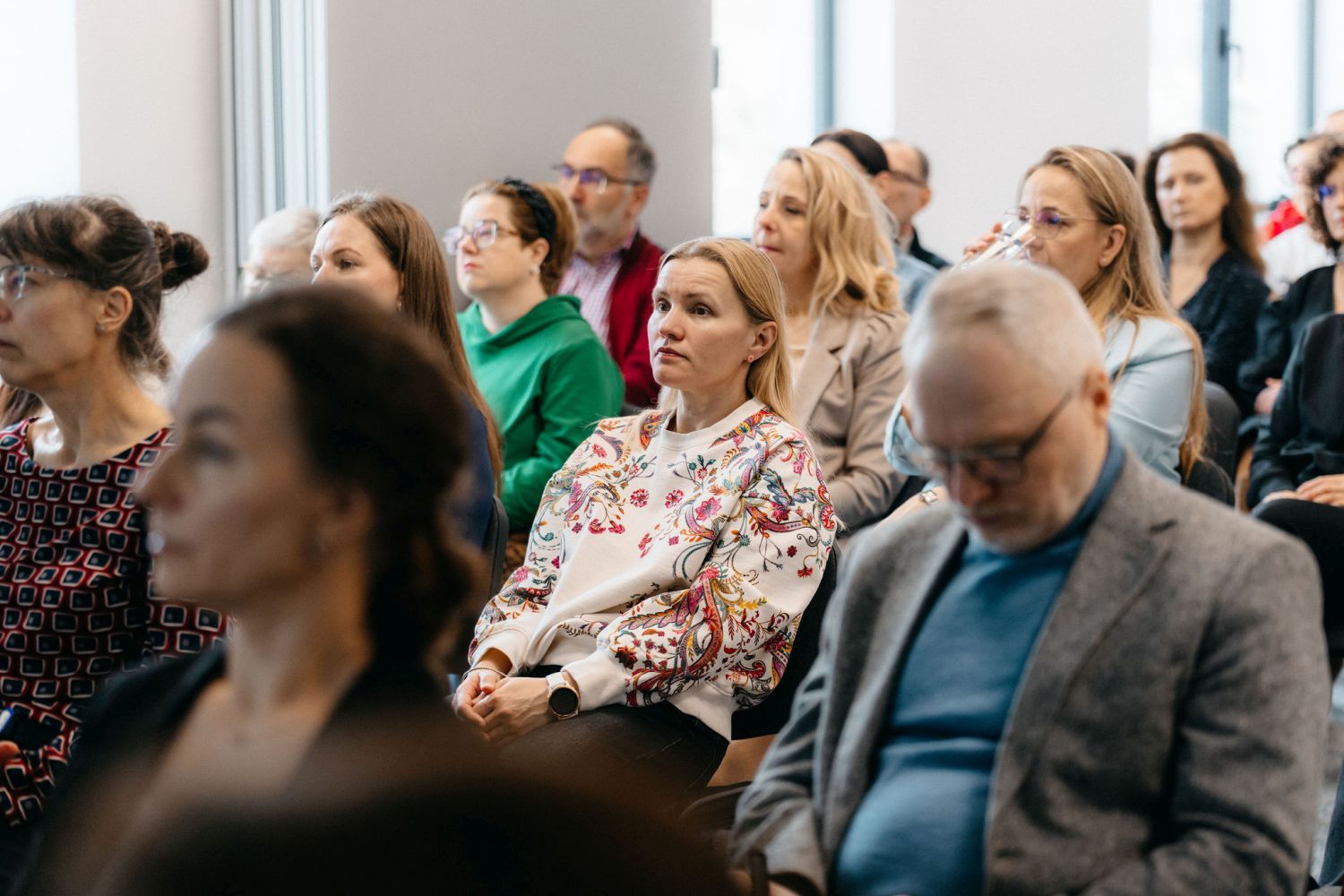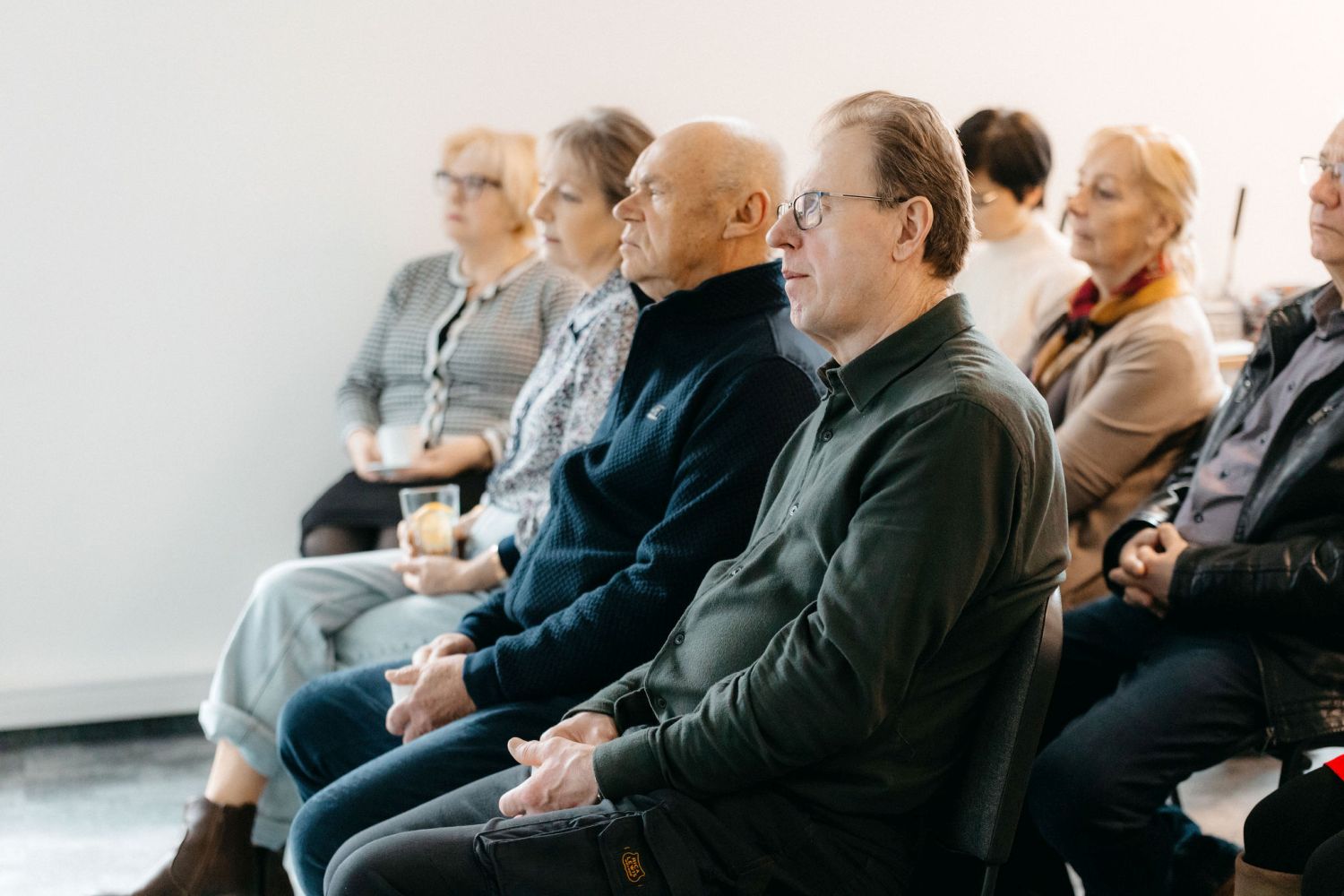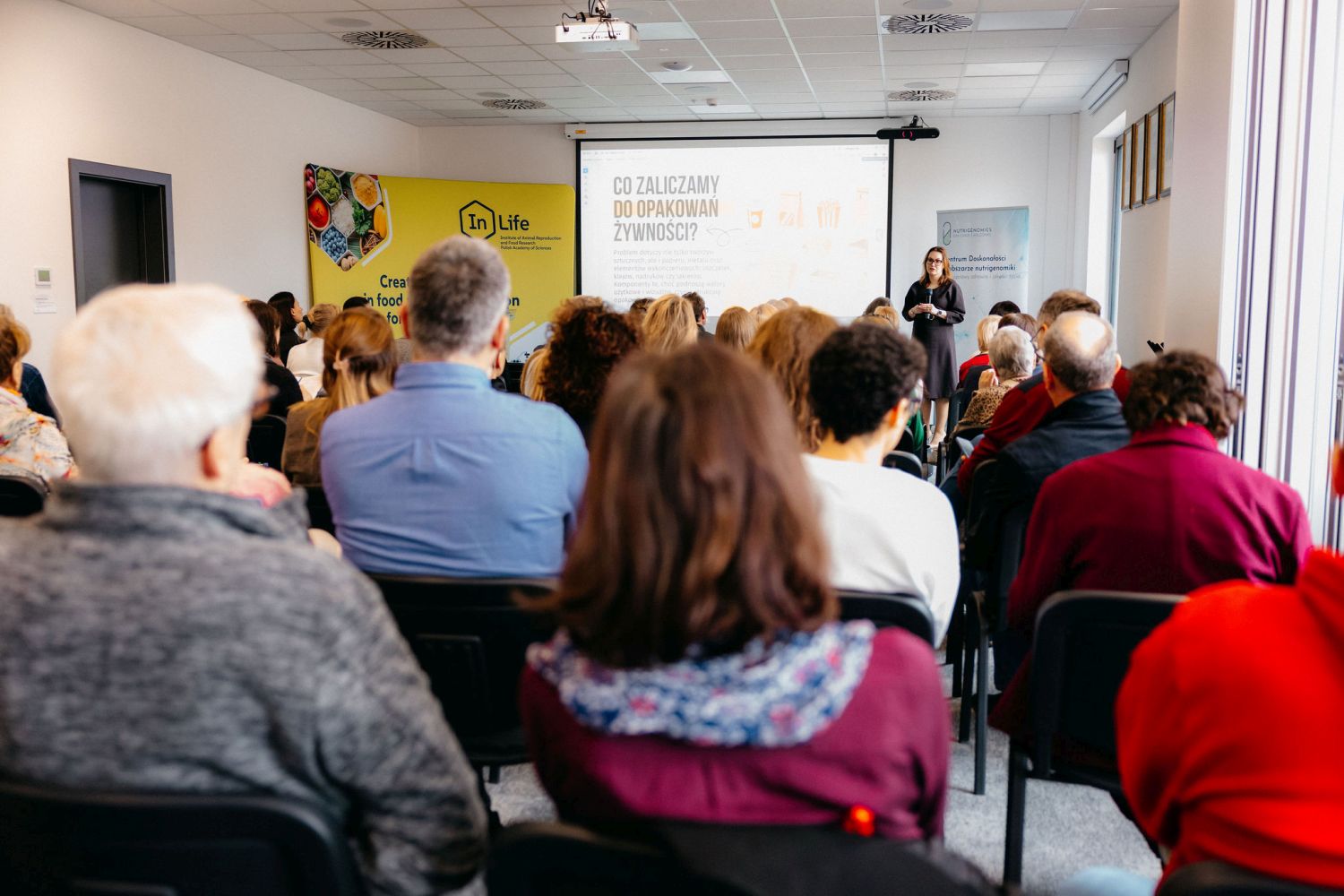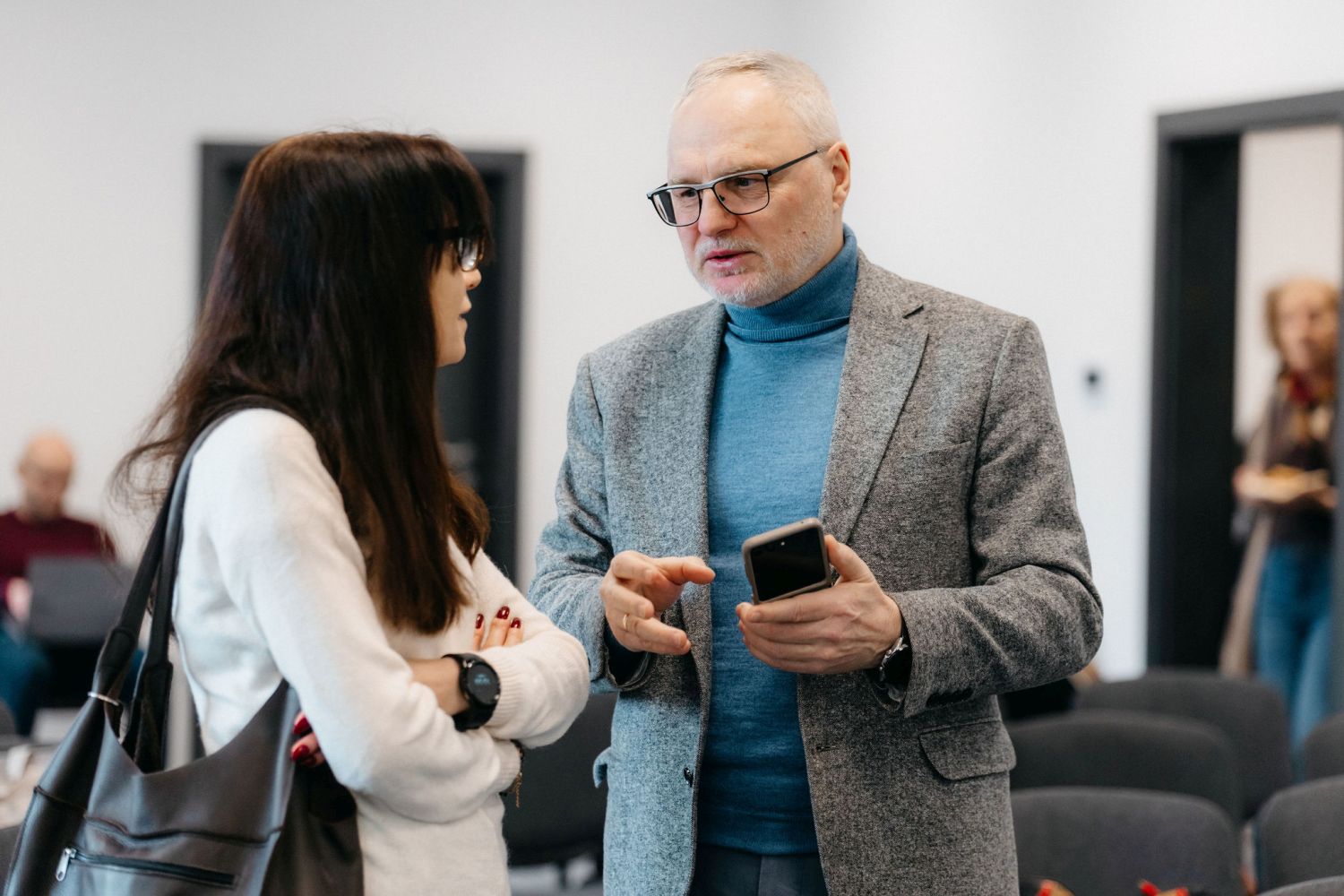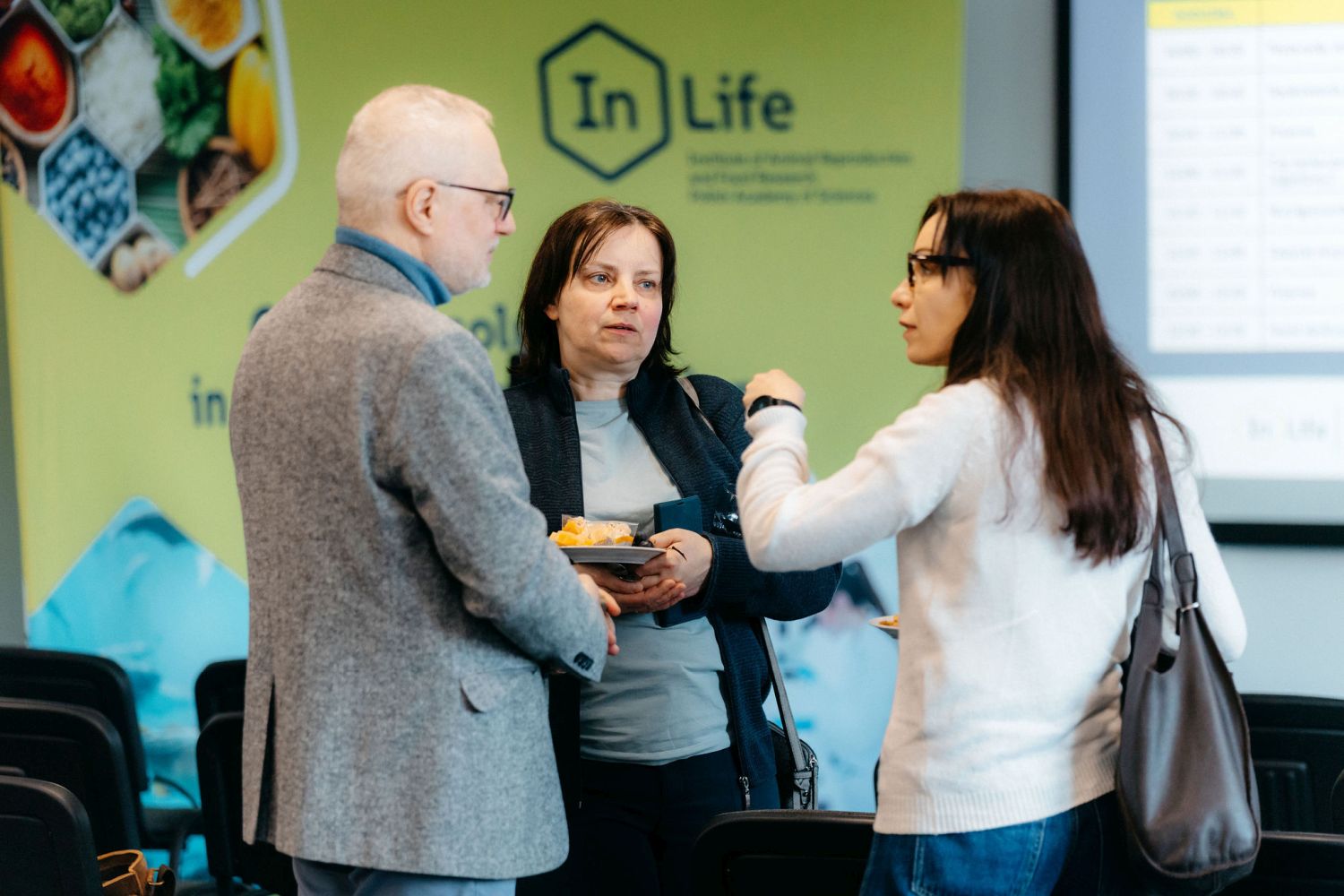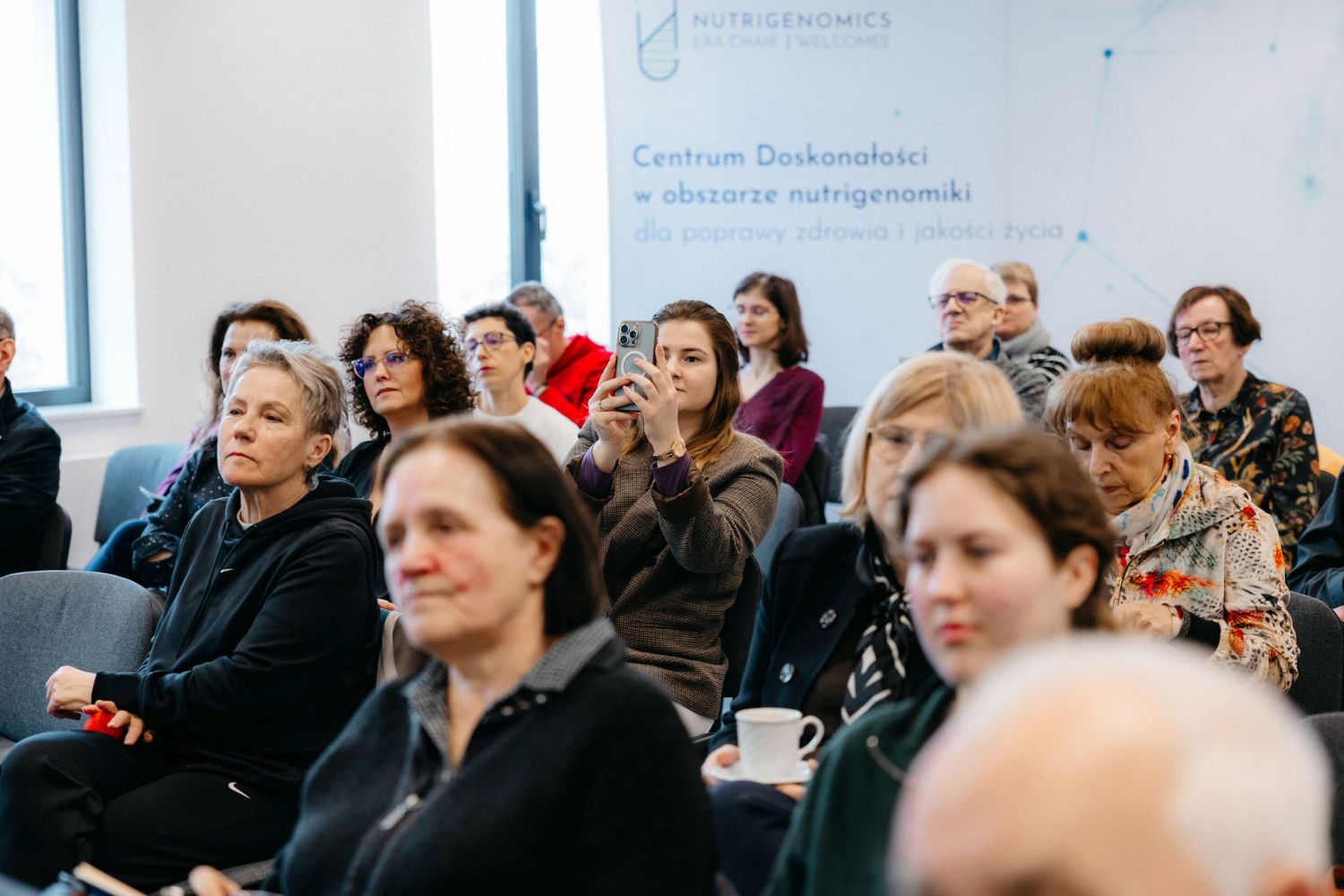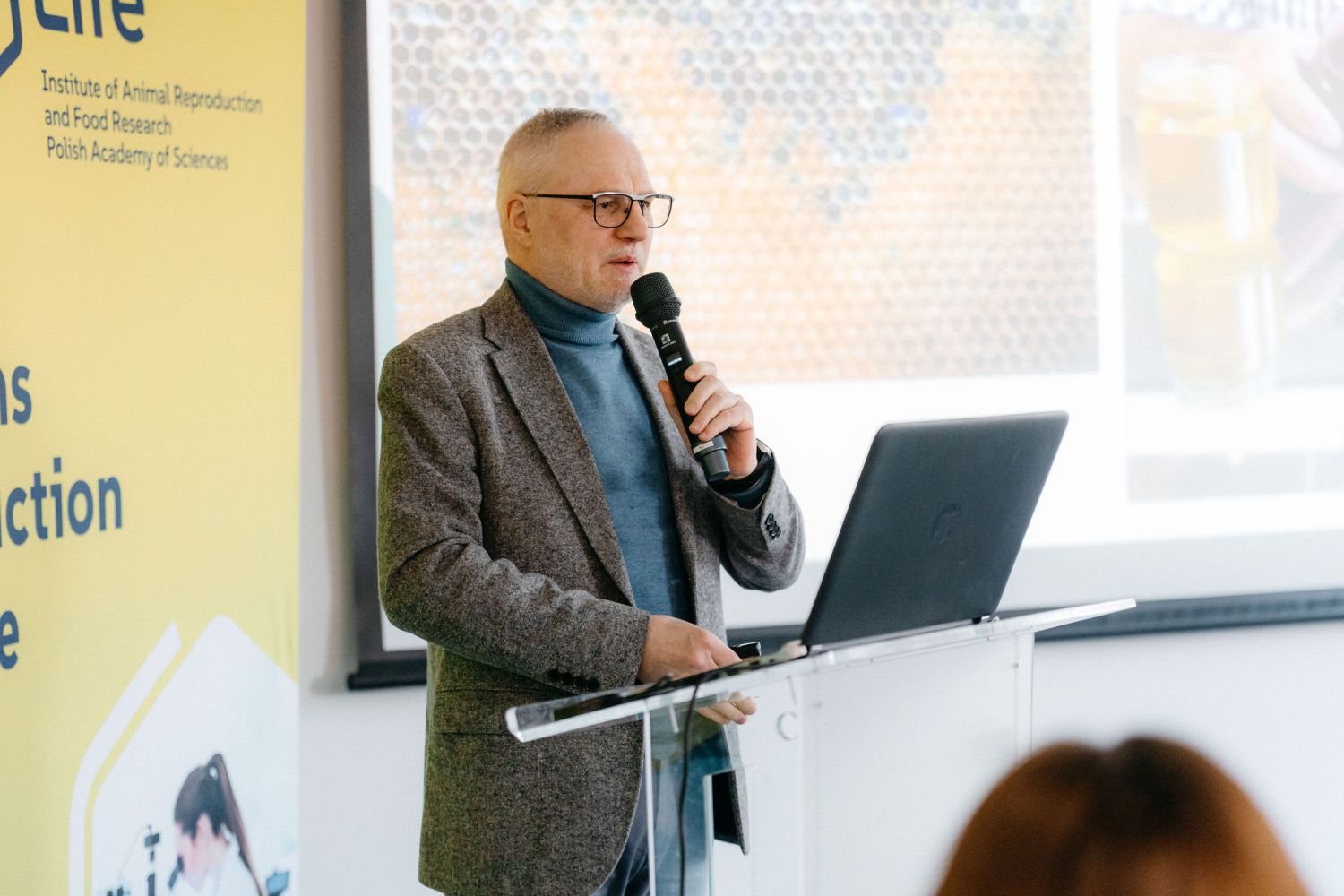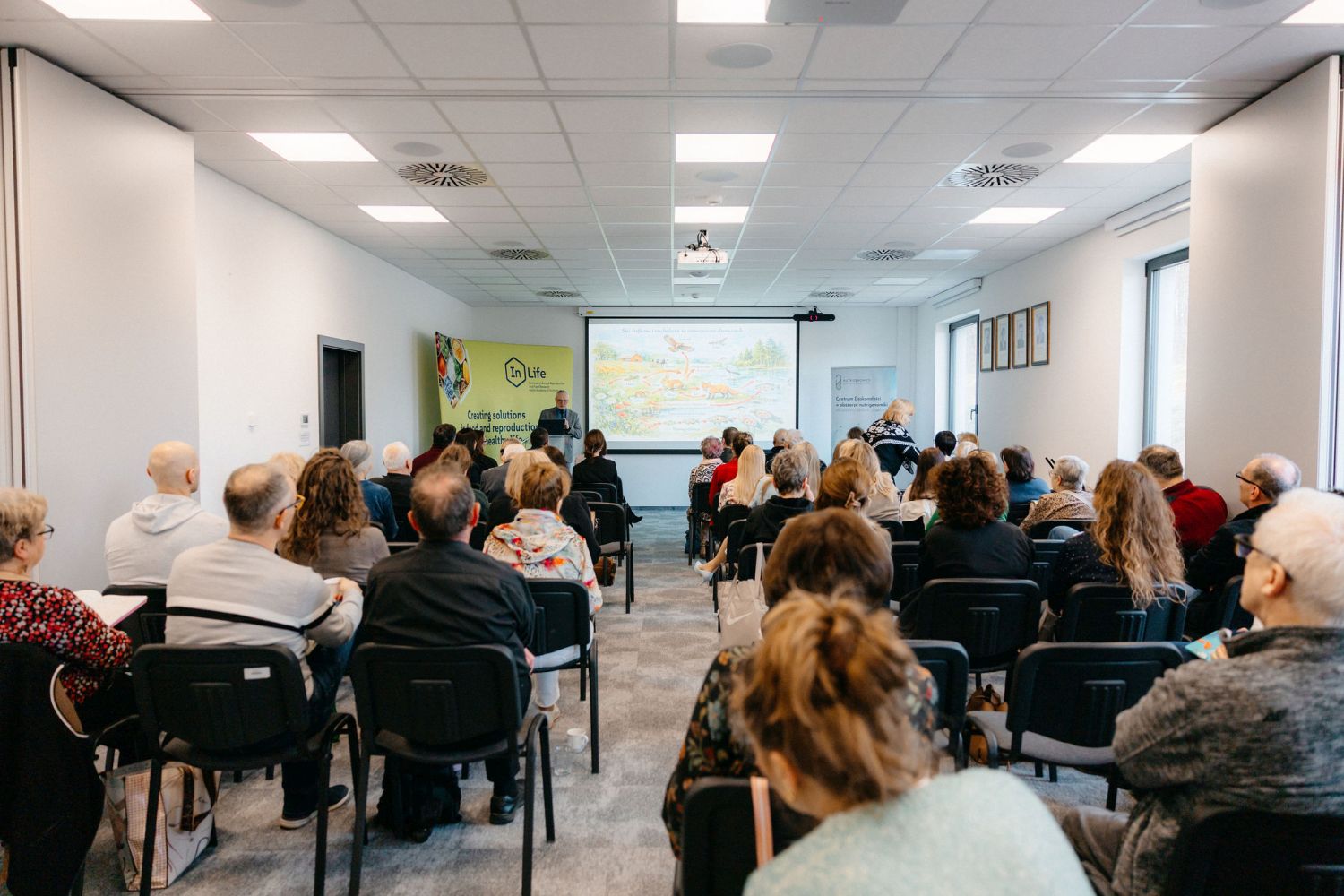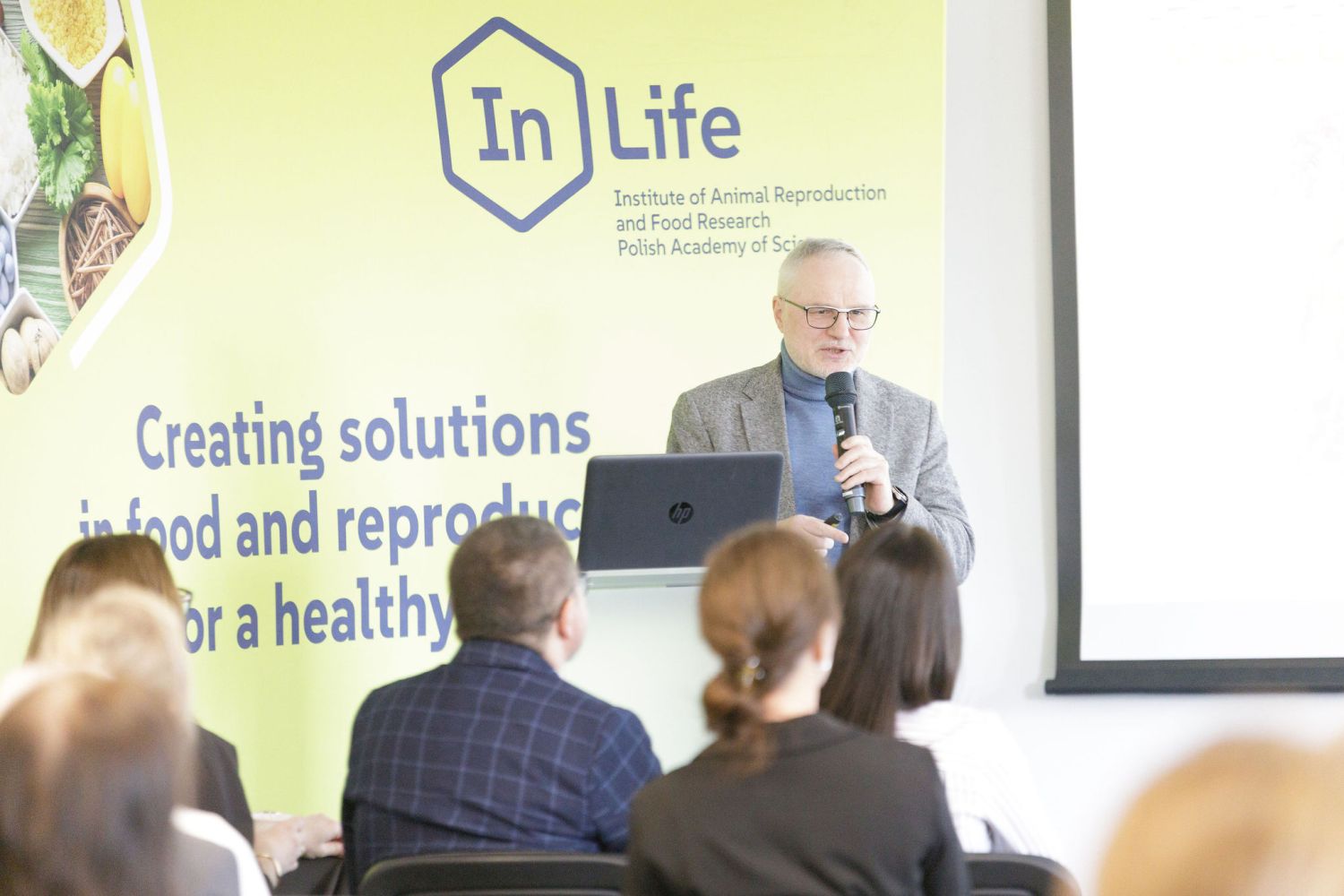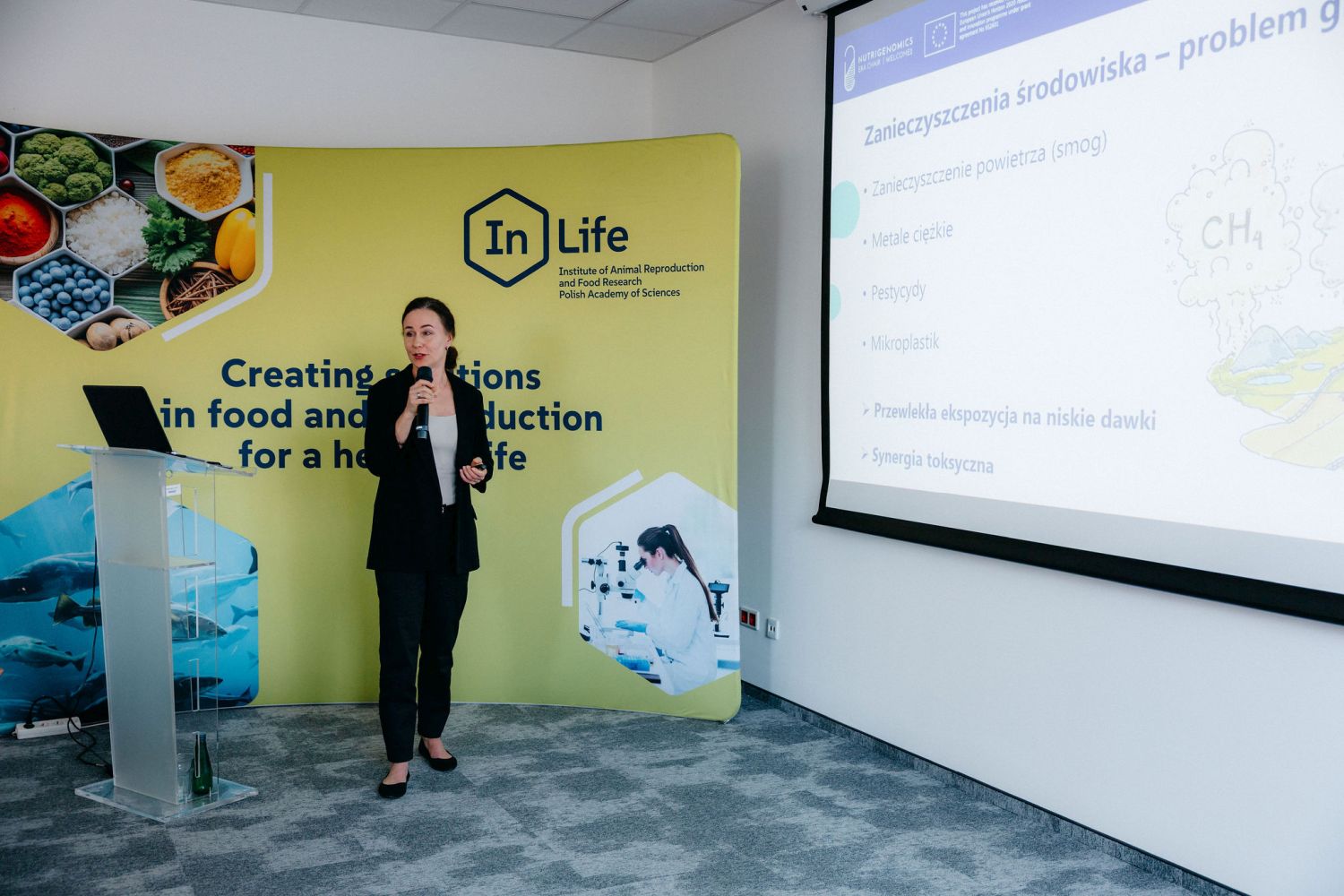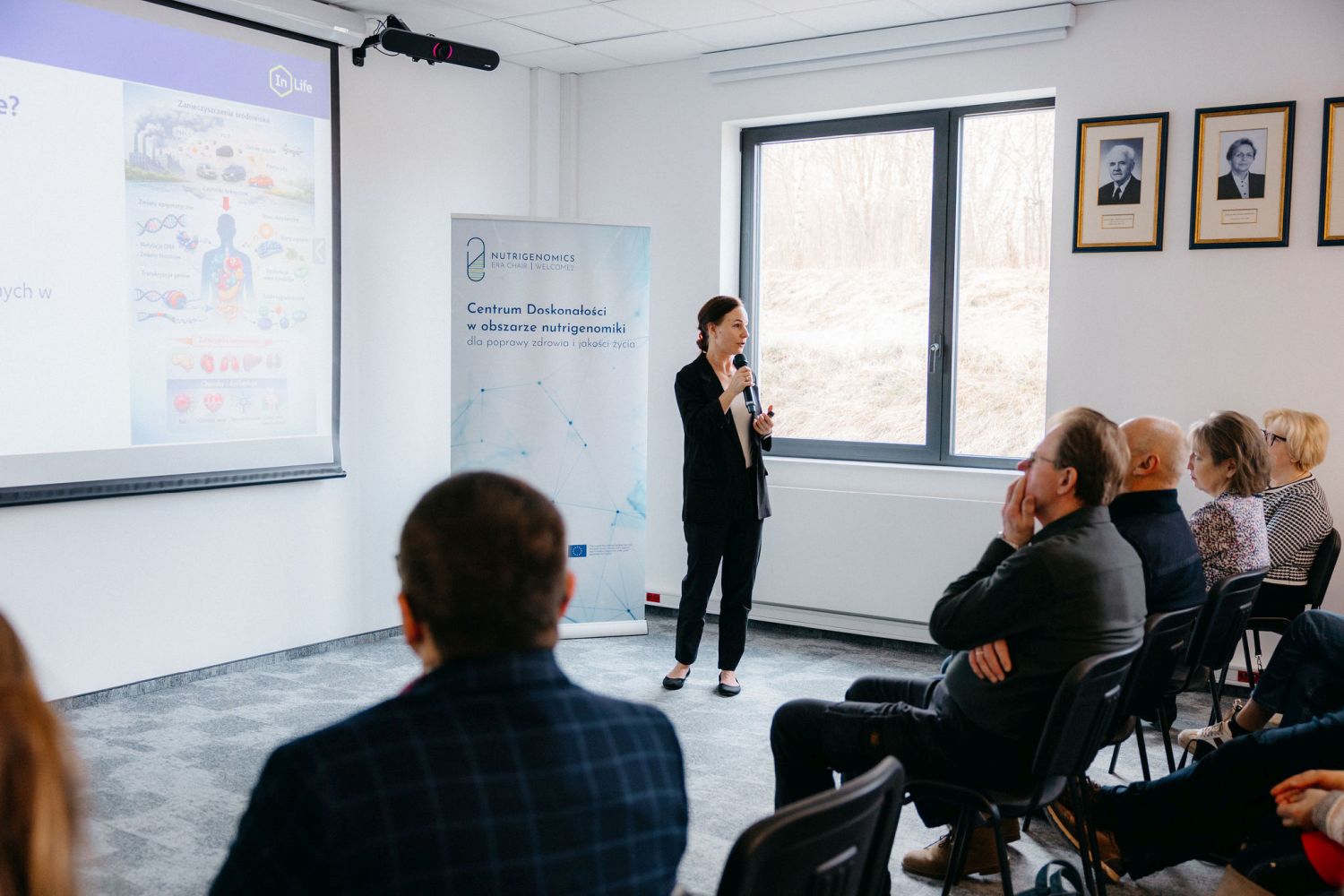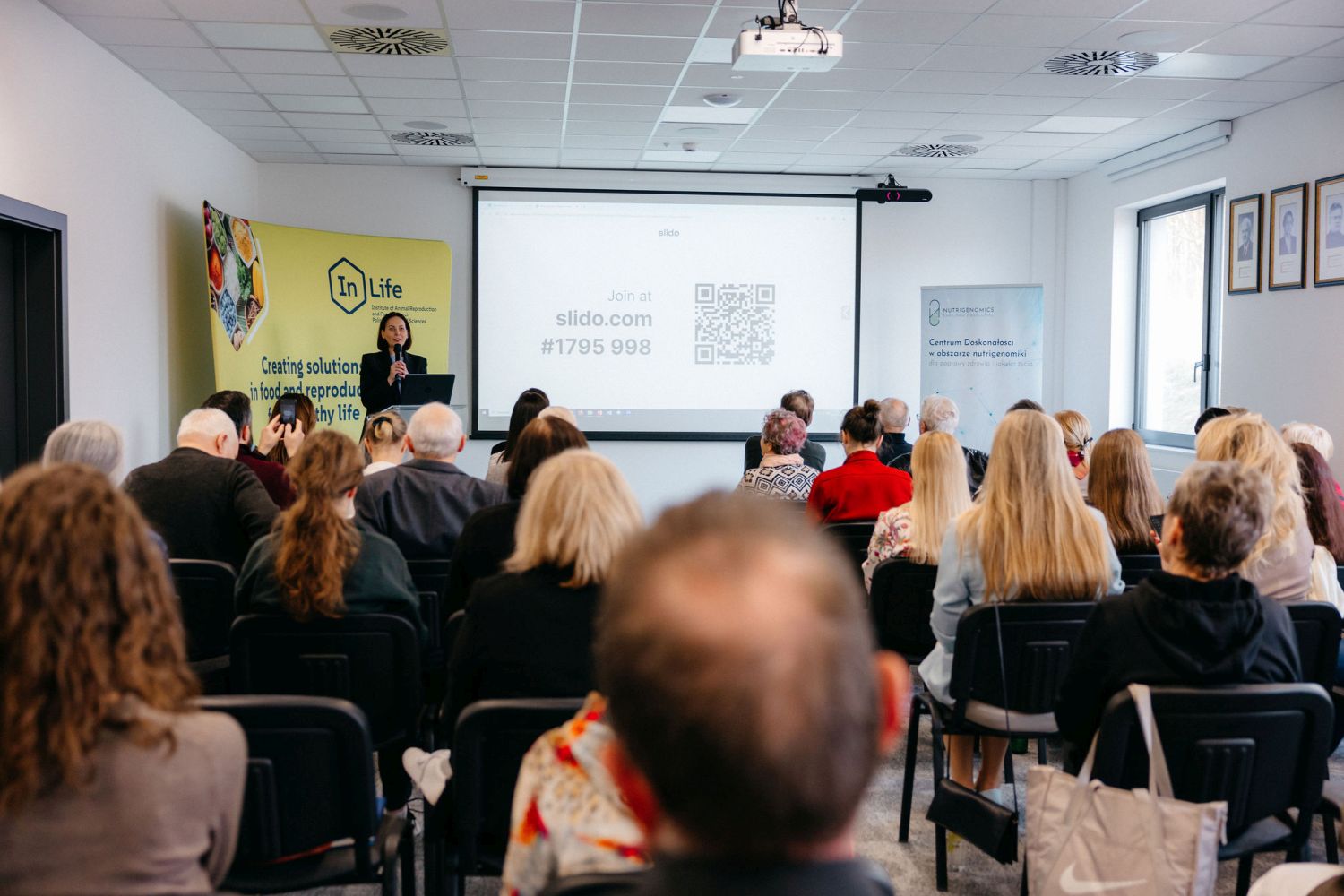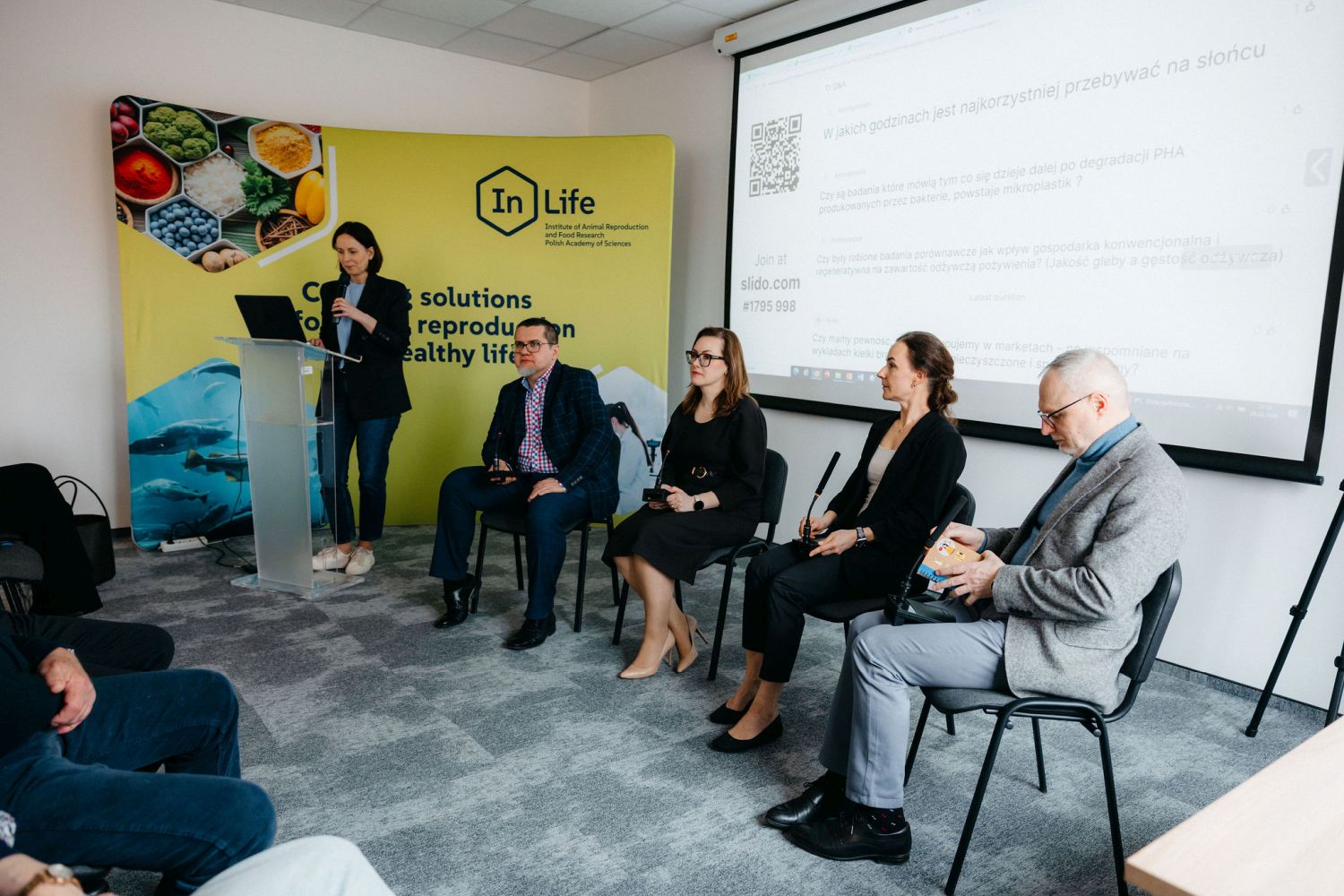
They are invisible to the naked eye, yet they may affect our health. They are present in the air we breathe, the food we eat, and even in our homes. Pesticides, bisphenols and heavy metals can enter the human body through various pathways and influence health, even when found only in trace amounts. These invisible threats – and ways to reduce everyday exposure to them – were the focus of an educational meeting held at the InLife Institute.
The programme included topics related to the presence of chemical residues in food. Substances used in agriculture to control weeds and pests, as well as compounds applied to extend the shelf life of food products, may enter the body through our daily diet.
Dr hab. Michał Wróbel pointed out that pesticide residues detected in food generally do not pose a risk to consumers, emphasizing that toxicity depends on the dose. He also discussed the dangerous pesticide DDT and shared practical ways to reduce pesticide exposure at home.
Packaging was another important topic addressed during the meeting. Dr inż. Katarzyna Bułkowska, Prof. UWM explained how chemicals can migrate from packaging into food and which labels and markings consumers should pay attention to. She also discussed bisphenols and PFAS compounds, presenting simple rules that can help reduce everyday contact with these substances.
The meeting also covered environmental pollution and its impact on human health. Dr hab. Stanisław Czachorowski, Prof. UWM explained how pollutants spread through the environment. He referred to historical examples of heavy metal poisoning, including lead exposure, and discussed modern threats. His lecture also touched on the issue of light pollution.
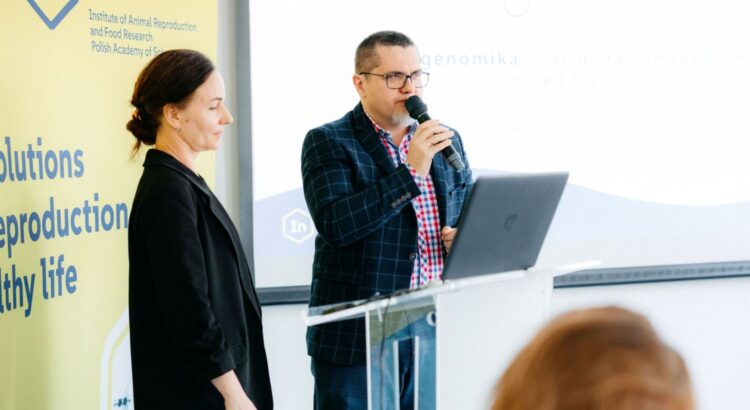
The final lecture focused on nutrigenomics and explored how diet can help protect the body from toxins. Dr Emilia Gospodarska from the InLife Institute spoke about anti-smog and anti-inflammatory diets and recommended foods worth including in everyday meals. She also highlighted the role of vitamin D, omega-3 fatty acids, and nutrition that supports DNA repair and methylation processes.
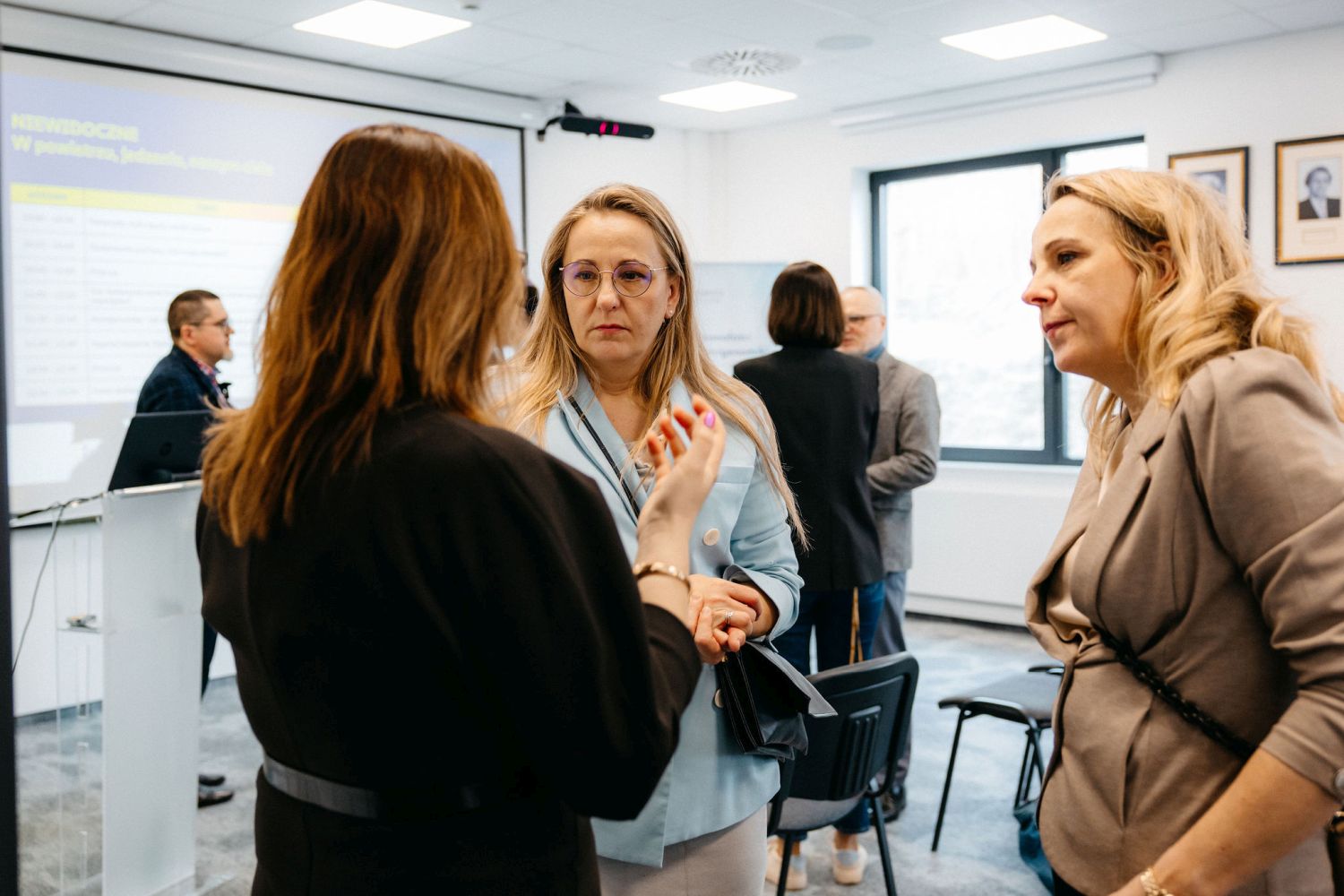
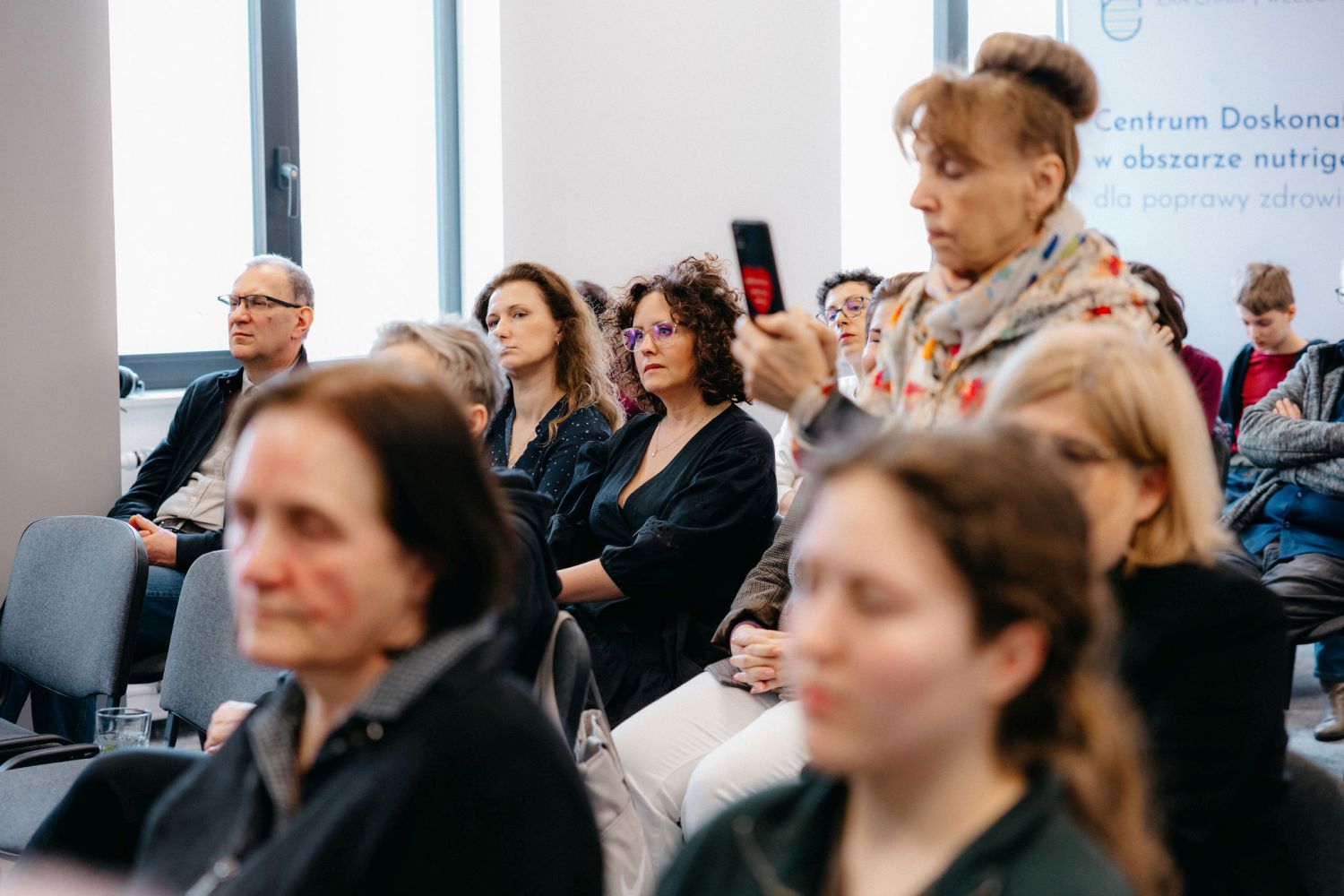
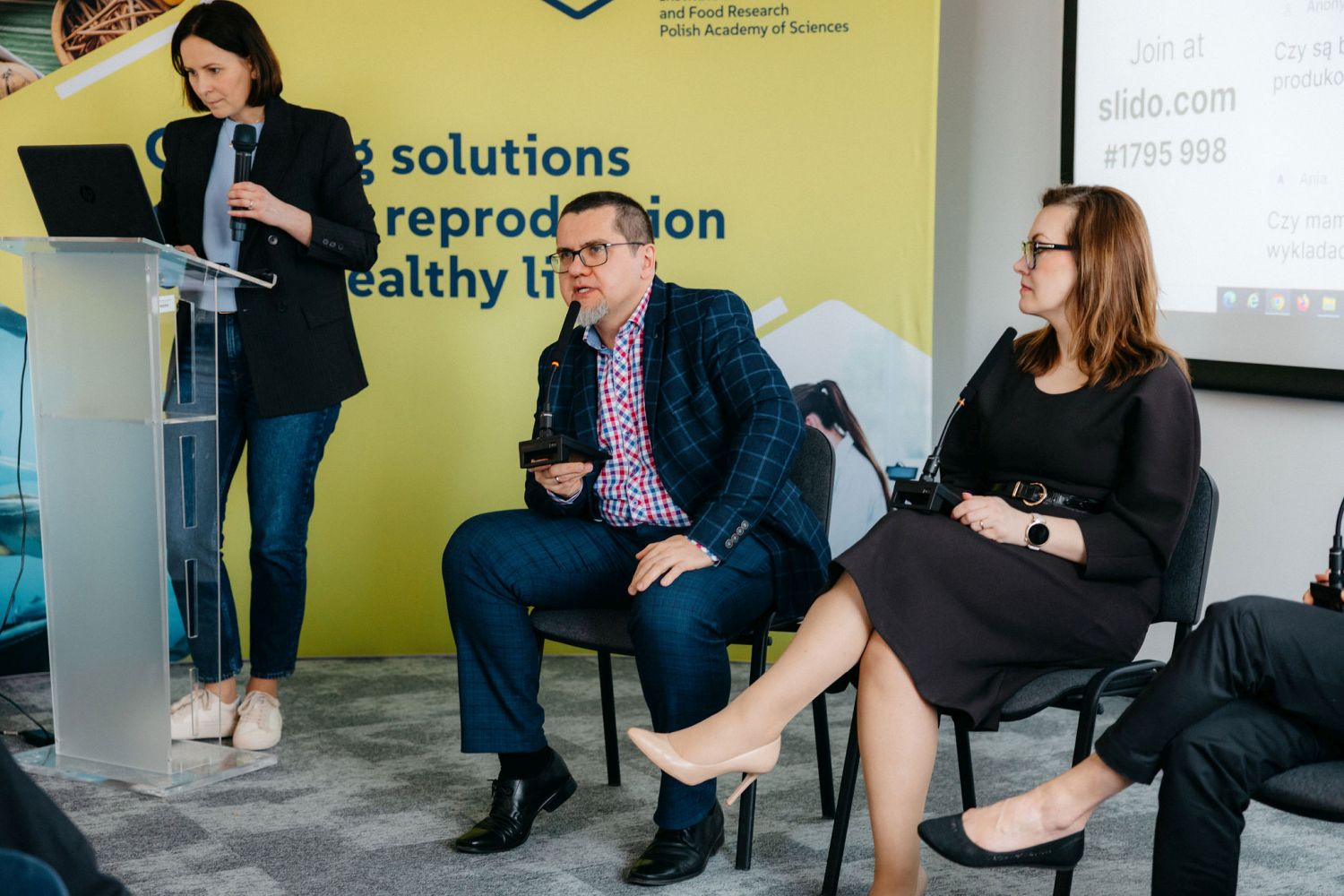
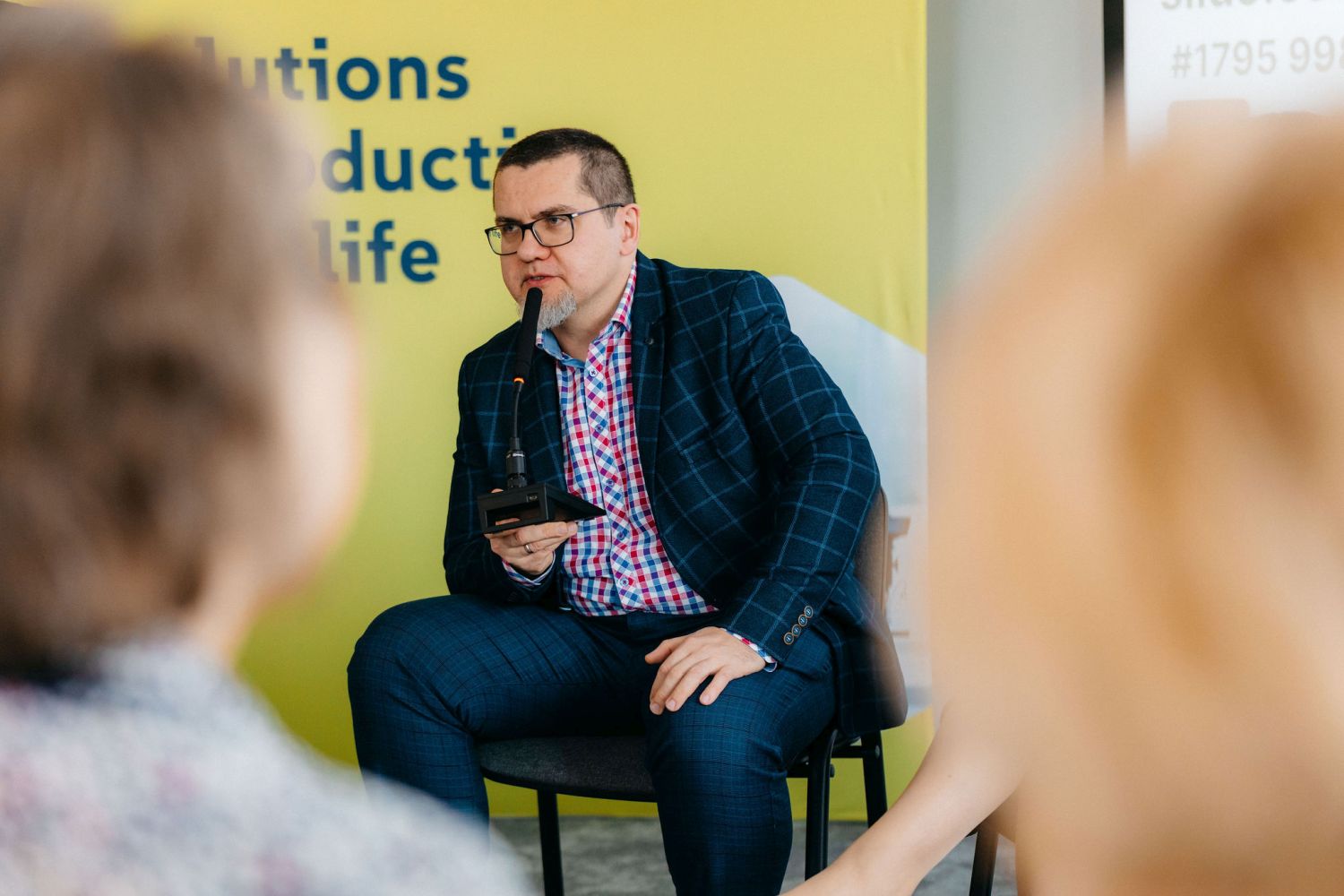
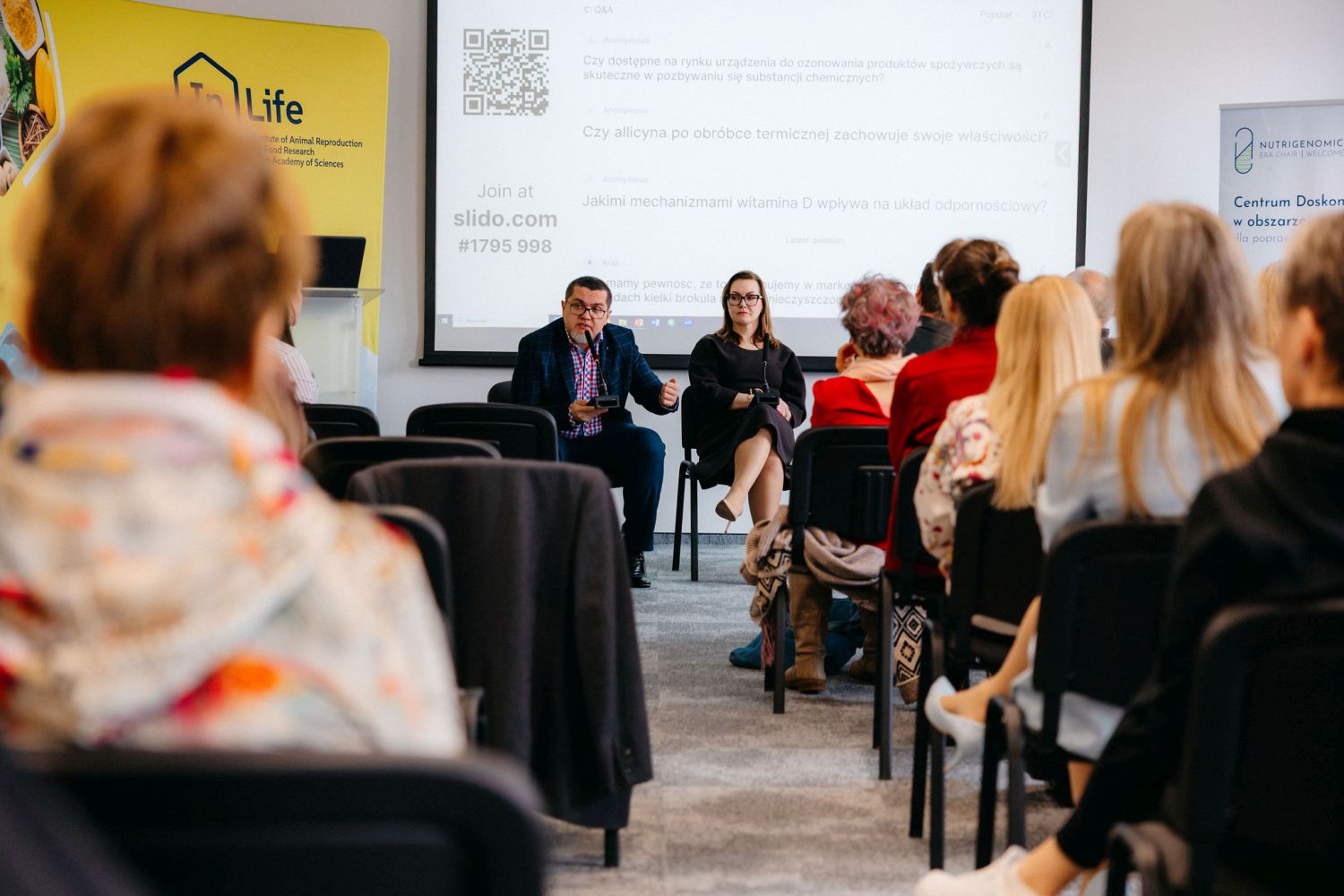
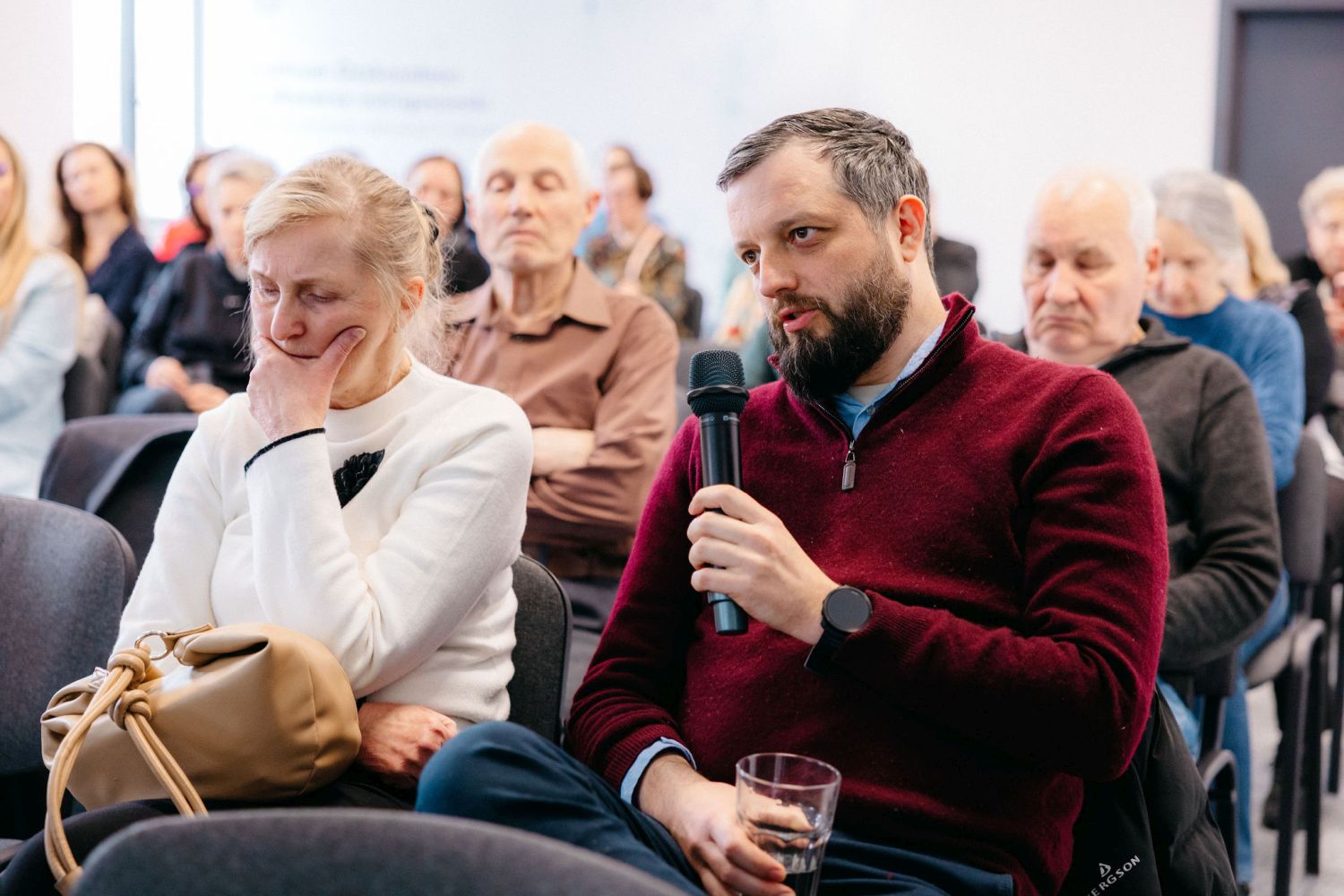
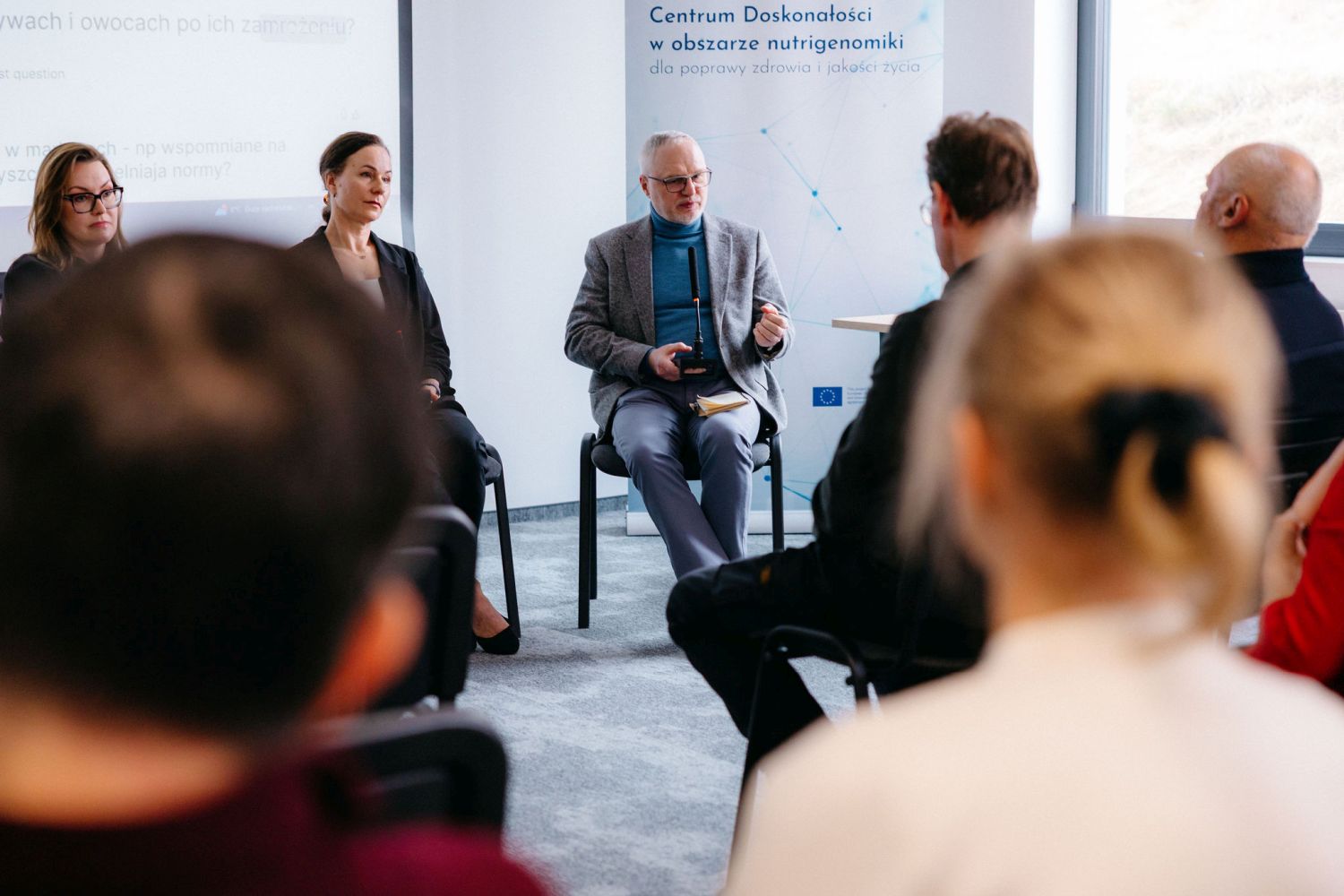
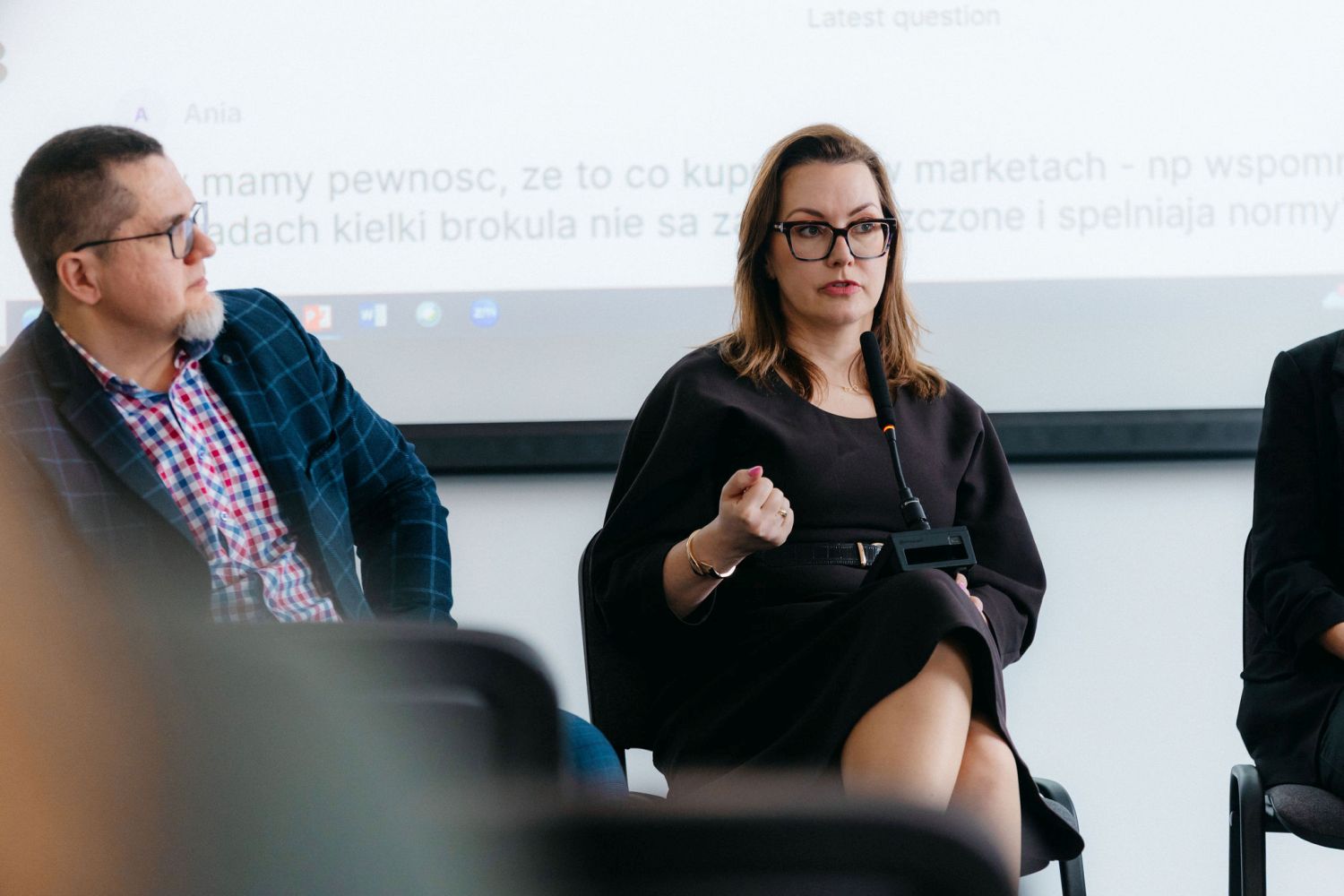
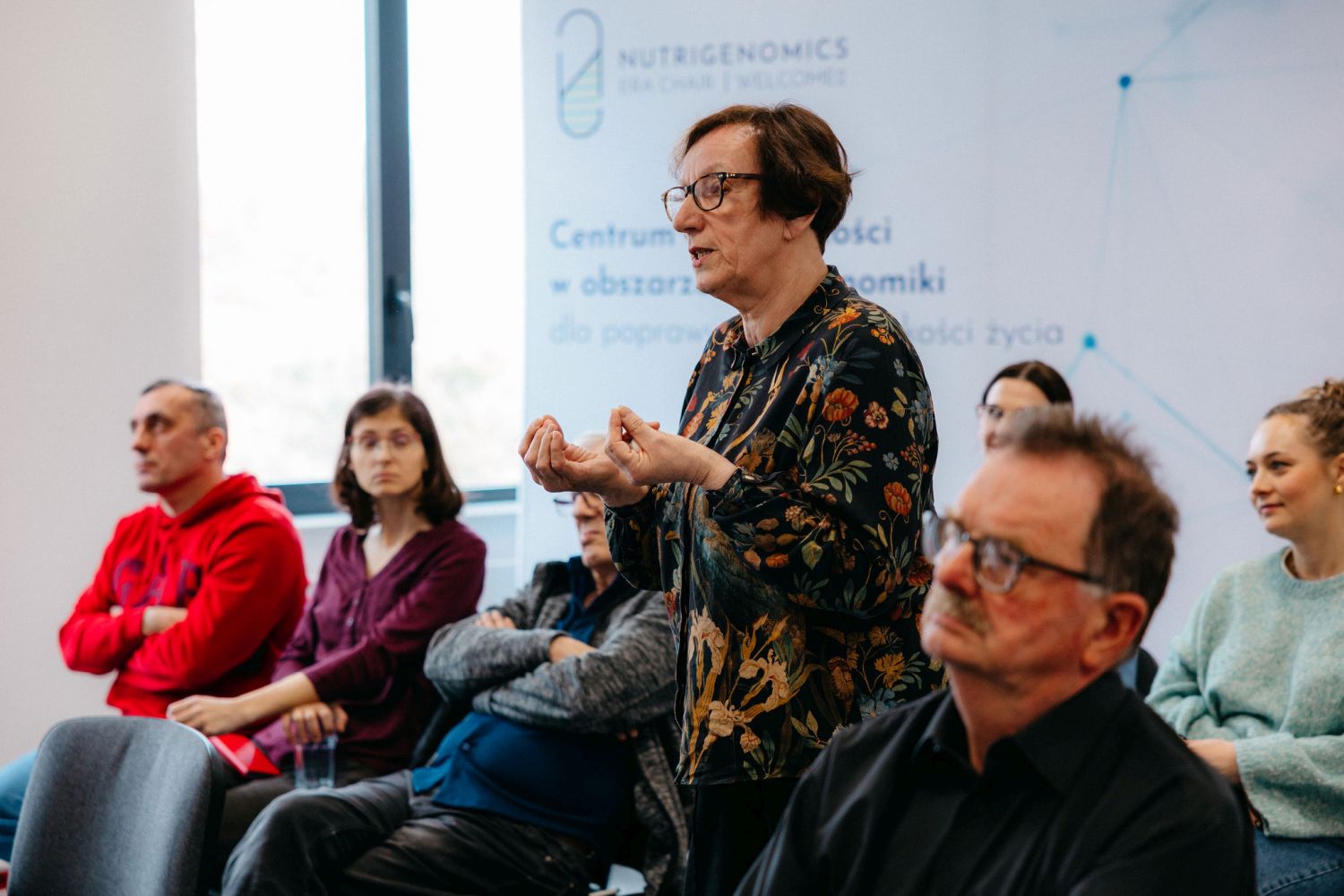
An important part of the event was the discussion session, during which participants asked questions and explored how conscious choices and small lifestyle changes can reduce exposure to potentially harmful substances.
The meeting took place on Saturday, 28 March, and gathered over 60 participants. The speakers were researchers from the InLife Institute – the Institute of Animal Reproduction and Food Research of the Polish Academy of Sciences, as well as from the University of Warmia and Mazury in Olsztyn.
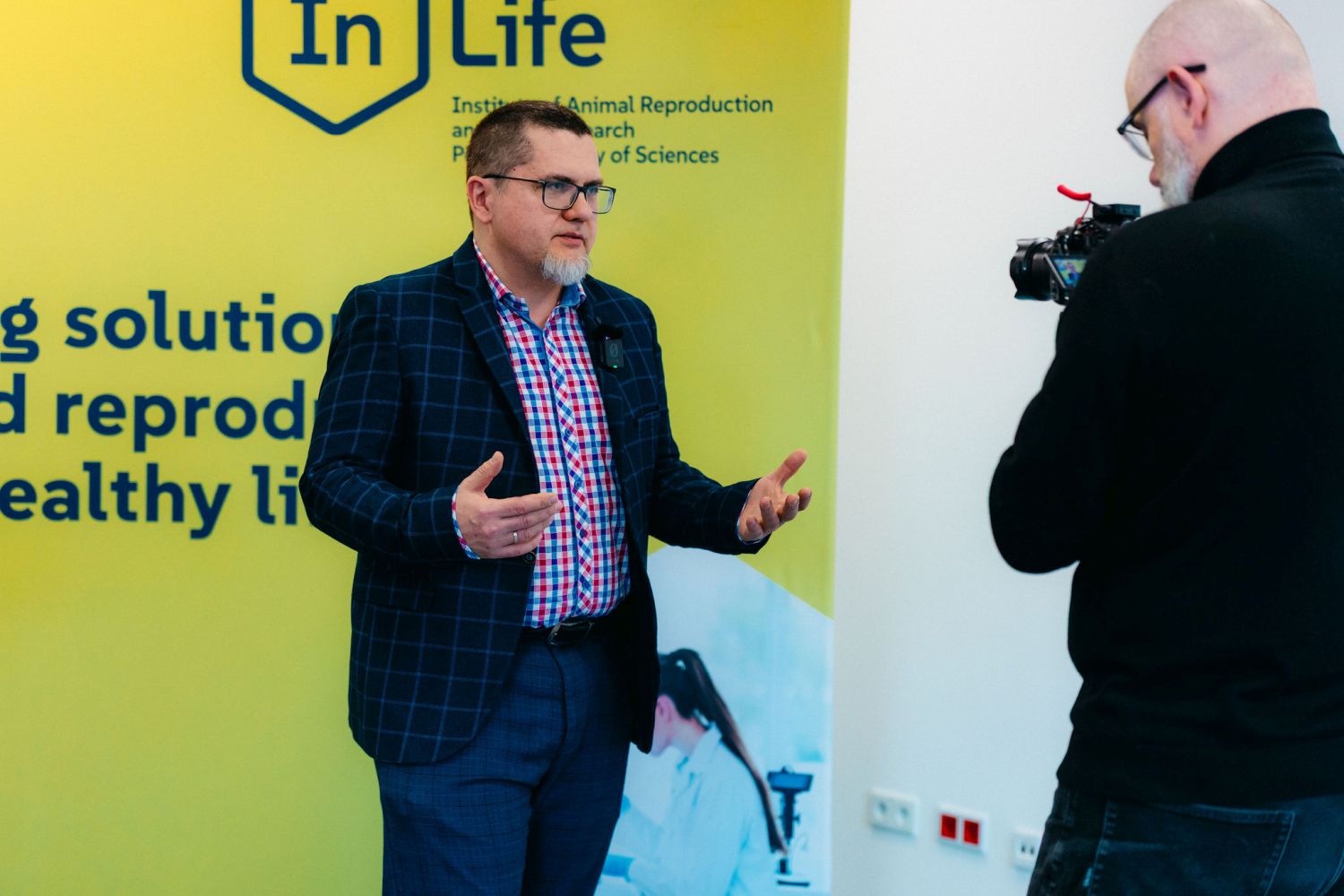
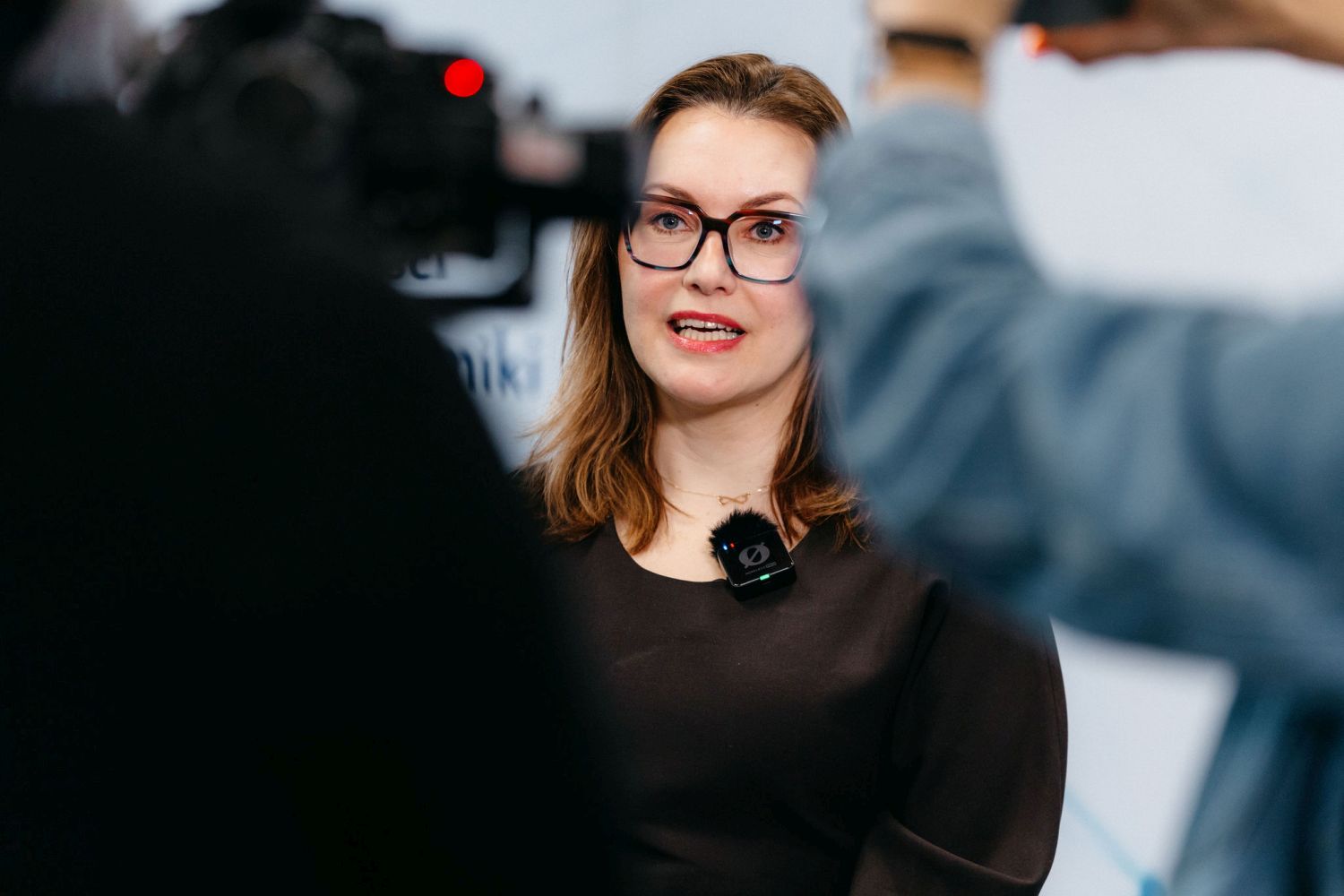
Watch the video report from the meeting:
Photo gallery: